Behold John Coltrane’s Handwritten Outline for His Masterpiece A Love Supreme

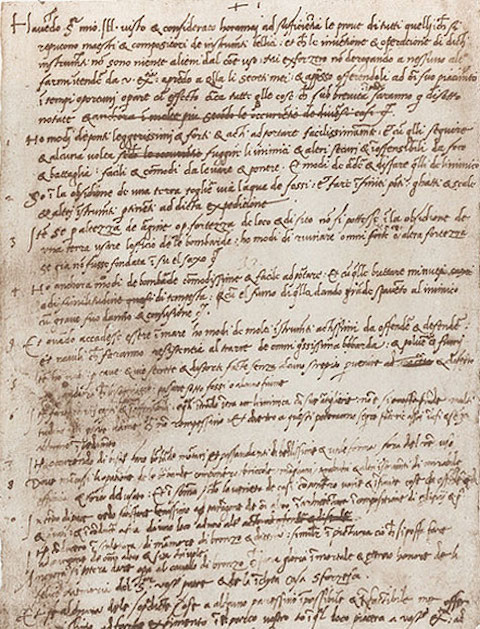
Above, we present an impor­tant doc­u­ment from the Smith­so­ni­an’s Nation­al Muse­um of Amer­i­can His­to­ry: John Coltrane’s hand­writ­ten out­line of his ground­break­ing jazz com­po­si­tion, A Love Supreme.

Record­ed in Decem­ber of 1964 and released in 1965, A Love Supreme is Coltrane’s per­son­al dec­la­ra­tion of his faith in God and his aware­ness of being on a spir­i­tu­al path. “No road is an easy one,” writes Coltrane in a prayer at the bot­tom of his own lin­er notes for the album, “but they all go back to God.”

If you click here and exam­ine a larg­er copy of the man­u­script, you will notice that Coltrane has writ­ten the same sen­ti­ment at the bot­tom of the page. “All paths lead to God.” The piece is made up of a pro­gres­sion of four suites. The names for each sec­tion are not on the man­u­script, but Coltrane even­tu­al­ly called them “Acknowl­edge­ment,” “Res­o­lu­tion,” “Pur­suance” and “Psalm.”

In the man­u­script, Coltrane writes that the “A Love Supreme” motif should be “played in all keys togeth­er.” In the record­ing of “Acknowl­edge­ment,” Coltrane indeed repeats the basic theme near the end in all keys, as if he were con­scious­ly exhaust­ing every path. As jazz his­to­ri­an Lewis Porter, author of John Coltrane: His Life and Music, tells NPR in the piece below:

Coltrane more or less fin­ished his impro­vi­sa­tion, and he just starts play­ing the “Love Supreme” motif, but he changes the key anoth­er time, anoth­er time, anoth­er time. This is some­thing very unusu­al. It’s not the way he usu­al­ly impro­vis­es. It’s not real­ly impro­vised. It’s some­thing that he’s doing. And if you actu­al­ly fol­low it through, he ends up play­ing this lit­tle “Love Supreme” theme in all 12 pos­si­ble keys. To me, he’s giv­ing you a mes­sage here.

In sec­tion IV of the man­u­script, for the part lat­er named “Psalm,” Coltrane writes that the piece is a “musi­cal recita­tion of prayer by horn,” and is an “attempt to reach tran­scen­dent lev­el with orches­tra ris­ing har­monies to a lev­el of bliss­ful sta­bil­i­ty at the end.” Indeed, in the same NPR piece which you can lis­ten to below, Rev. Fran­zo Wayne King of the Saint John Coltrane African Ortho­dox Church in San Fran­cis­co describes how his con­gre­ga­tion one day dis­cov­ered that Coltrane’s play­ing cor­re­sponds direct­ly to his prayer at the bot­tom of the lin­er notes.

In addi­tion to Porter and King, NPR’s Eric West­er­velt inter­views pianist McCoy Tyn­er, who was the last sur­viv­ing mem­ber of Coltrane’s quar­tet. The 13-minute piece, “The Sto­ry of ‘A Love Supreme,’ ” is a fas­ci­nat­ing overview of one of the great mon­u­ments of jazz.

Note: An ear­li­er ver­sion of this post appeared on our site in 2013.

Relat­ed Con­tent:

Saint John Coltrane: The San Fran­cis­co Church Built On A Love Supreme

Watch a Jaw-Drop­ping Visu­al­iza­tion of John Coltrane’s “Giant Steps” Solo

John Coltrane Draws a Pic­ture Illus­trat­ing the Math­e­mat­ics of Music


by | Permalink | Make a Comment ( 3 ) |

Watch a Transfixing Demonstration of Kumihimo, the Ancient Japanese Artform of Making Braids & Cords

It’s easy to see why kumi­hi­mo, the ancient Japan­ese art of silk braid­ing, is described as a med­i­ta­tive act.

The weaver achieves an intri­cate design by get­ting into a rhyth­mic groove, over­lap­ping hand-dyed silken threads on a cir­cu­lar or rec­tan­gle wood­en loom, from which up to 50 weight­ed-wood­en bob­bins dan­gle.

If the mind wan­ders too far from the task, the weaver risks screw­ing up the pat­tern or the uni­for­mi­ty of the threads’ ten­sion. The word kumi­hi­mo trans­lates to “gath­er­ing threads” — one mustn’t let them get snarled by a lack of atten­tion.

While sim­ple braids of tree bark or plant fiber have been found in Japan­ese bur­ial sites dat­ing back six thou­sand years, the Gold­en Age of kumi­hi­mo occurred dur­ing the Heian peri­od (794‑1185), when exquis­ite­ly detailed cords began to be incor­po­rat­ed into the nobility’s gar­ments, dec­o­ra­tive fur­nish­ings, musi­cal instru­ments, reli­gious imple­ments, and, most famous­ly, samu­rai arms and armor.

Ani­me fans may recall how kumi­hi­mo shows up and serves as a major metaphor in Mako­to Shinkai’s hit ani­mat­ed fea­ture, Your Name - the braid­ed cords rep­re­sent­ing the threads of time and the strength of the lovers’ bond.

Kumi­hi­mo is still in use today in jew­el­ry and dec­o­ra­tive sou­venirs, and fas­ten­ing obi to for­mal kimono, though 95% of obi­jime are now machine-made.

There are plen­ty of online tuto­ri­als for novices inter­est­ed in mak­ing sim­ple kumi­hi­mo friend­ship bracelets on a light­weight foam disk, but to appre­ci­ate the beau­ty inher­ent in every step of tra­di­tion­al kumi­hi­mo  cre­ation, watch Japan House’s above video, released in cel­e­bra­tion of their recent exhib­it, KUMIHIMO: The Art of Japan­ese Silk Braid­ing by DOMYO.

ASMR fans, pre­pare to be riv­et­ed by the sounds of the silken threads being swished through a dye bath, the gen­tle clack tama bob­bins, and the tap­ping of the bam­boo hera as it snugs the threads of the grow­ing braid sus­pend­ed from the rec­tan­gu­lar stand, or takadai.

The cir­cu­lar loom, or maru­dai, seen lat­er in the video pro­duces a round­ed cord via a cen­tral hole, an engi­neer­ing feat that takes us back to our child­hood pas­sion for fin­ger knit­ting.

Japan House reports that the indus­tri­al sec­tor has tak­en inspi­ra­tion from kumi­hi­mo for braid­ing car­bon fiber and fiber-rein­forced plas­tic:

The con­ti­nu­ity of the kumi­hi­mo braid struc­ture as well as the vari­abil­i­ty of the fiber ori­en­ta­tion angle and the rigid­i­ty of the braids help pro­duce extreme­ly strong cords that can be used in prod­ucts as diverse as air­craft, golf clubs, and arti­fi­cial limbs.

Mean­while sev­er­al schools in Japan are keep­ing kumi­hi­mo alive as a tra­di­tion­al art, as is the Amer­i­can Kumi­hi­mo Soci­ety, in the West.

via Colos­sal

Relat­ed Con­tent 

The Japan­ese Tra­di­tions of Sashiko & Boro: The Cen­turies-Old Craft That Mends Clothes in a Sus­tain­able, Artis­tic Way

Watch Japan­ese Wood­work­ing Mas­ters Cre­ate Ele­gant & Elab­o­rate Geo­met­ric Pat­terns with Wood

The Art of Tra­di­tion­al Japan­ese Wood Join­ery: A Kyoto Wood­work­er Shows How Japan­ese Car­pen­ters Cre­at­ed Wood Struc­tures With­out Nails or Glue

20 Mes­mer­iz­ing Videos of Japan­ese Arti­sans Cre­at­ing Tra­di­tion­al Hand­i­crafts

– Ayun Hal­l­i­day is the Chief Pri­ma­tol­o­gist of the East Vil­lage Inky zine and author, most recent­ly, of Cre­ative, Not Famous: The Small Pota­to Man­i­festo and Cre­ative, Not Famous Activ­i­ty Book. Fol­low her @AyunHalliday.

How Michelangelo’s David Still Draws Admiration and Controversy Today

Life imi­tates art, and by art, I mean, of course, The Simp­sons. More than thir­ty years ago, the show took on the issue of cen­sor­ship with a sto­ry in which Marge Simp­son launch­es an impas­sioned cam­paign against car­toon vio­lence, only to find her­self on the oth­er side of the fence when asked to sup­port a protest against the exhi­bi­tion of Michelan­gelo’s David. This episode returned to cul­tur­al rel­e­vance just last month, when a par­en­t’s com­plaint about an image of that most renowned nude sculp­tures — indeed, that most renowned sculp­ture of any kind — being shown in a sixth-grade art-his­to­ry class led to the fir­ing of a Flori­da school prin­ci­pal.

It seems that the prob­lem was­n’t just David: that same les­son includ­ed Bot­ti­cel­li’s paint­ing The Birth of Venus, anoth­er glo­ri­fi­ca­tion of the unclothed human body — and so much more besides, accord­ing to the Great Art Explained video about it pre­vi­ous­ly fea­tured here on Open Cul­ture.

That same chan­nel’s cre­ator, gal­lerist James Payne, has also put out a video on David, which you can watch at the top of the post. Though com­mis­sioned as a depic­tion of the Goliath-slay­ing Bib­li­cal hero, Payne tells us, “in Michelan­gelo’s hands it becomes some­thing else entire­ly,” a simul­ta­ne­ous study and expres­sion of the poten­tial of mankind.

David’s ori­gin pre­fig­ured noth­ing of its lega­cy. Orig­i­nal­ly com­mis­sioned to dec­o­rate the Flo­rence Cathe­dral (which already fea­tured Brunelleschi’s inge­nious dome), the sculp­ture had to be carved out of a much-less-than-pris­tine block of mar­ble already owned by the insti­tu­tion, already miss­ing chunks removed by sculp­tors who’d pre­vi­ous­ly attempt­ed the job. But to Michelan­ge­lo, as to all true artists, such lim­i­ta­tions were the stuff of inspi­ra­tion: the pro­por­tions of David’s body, and even his icon­ic pose, were ulti­mate­ly dic­tat­ed less by Michelan­gelo’s imag­i­na­tion than by the nature of the stone itself.

httvs://youtu.be/basNf0KaOrc

Michelan­ge­lo was also pay­ing trib­ute to clas­si­cal Greek and Roman sculp­ture, hence the stat­ue’s nudi­ty. But as Payne says, it is a myth that “Renais­sance Euro­peans were com­fort­able with nude bod­ies in art, par­tic­u­lar­ly when dis­played in pub­lic.” Flo­rence’s city fathers “had a gar­land of 28 gild­ed cop­per leaves made, to pro­tect David’s mod­esty, and in lat­er years he wore a fig leaf.” 2023 may not be the first of David’s 500 years of exis­tence to sub­ject him to alter­ation in order to pro­tect the sup­posed sen­si­tiv­i­ties of his view­ers, but nev­er before, sure­ly, has such an inci­dent brought him on Sat­ur­day Night Live.

Relat­ed con­tent:

Michelangelo’s David: The Fas­ci­nat­ing Sto­ry Behind the Renais­sance Mar­ble Cre­ation

New Video Shows What May Be Michelangelo’s Lost & Now Found Bronze Sculp­tures

Michelan­ge­lo Entered a Com­pe­ti­tion to Put a Miss­ing Arm Back on Lao­coön and His Sons — and Lost

The Scan­dalous Paint­ing That Helped Cre­ate Mod­ern Art: An Intro­duc­tion to Édouard Manet’s Olympia

What Made Botticelli’s The Birth of Venus a Rev­o­lu­tion­ary Paint­ing

Based in Seoul, Col­in Marshall writes and broad­casts on cities, lan­guage, and cul­ture. His projects include the Sub­stack newslet­ter Books on Cities, the book The State­less City: a Walk through 21st-Cen­tu­ry Los Ange­les and the video series The City in Cin­e­ma. Fol­low him on Twit­ter at @colinmarshall or on Face­book.

Ai Weiwei Recreates Monet’s Water Lilies Triptych Using 650,000 Lego Bricks

Near­ly a cen­tu­ry after Claude Mon­et paint­ed them, the Nymphéas, or Water Lilies, still impress as a vision of a seem­ing­ly minor sub­ject real­ized at a grand scale. The paint­ings installed in a ded­i­cat­ed room at the Musée de l’O­r­angerie in Paris make an espe­cial­ly strong impact on their view­ers — an impact sure­ly not lost on Ai Wei­wei, who has late­ly re-cre­at­ed anoth­er set of Water Lilies (a trip­tych whose orig­i­nal resides at the Muse­um of Mod­ern Art) entire­ly out of Lego bricks. Titled Water Lilies #1, this 50-foot-long plas­tic homage will go on dis­play at Lon­don’s Design Muse­um as part of Ai Wei­wei: Mak­ing Sense, which opens on April 7th and runs until July 30th.

“Ai used 650,000 Lego bricks in 22 col­ors in his ver­sion of the famous Impres­sion­ist trip­tych,” writes ART­news’ Karen K. Ho. Apart from sim­ply repli­cat­ing, brick by pix­el-like brick, the brush­strokes with which Mon­et repli­cat­ed the lily pond at his Giverny home, Wei­wei also includ­ed “a dark area on the right-hand side. The Design Muse­um said it rep­re­sents the under­ground dugout in Xin­jiang province where Ai and his father, Ai Qing, lived in forced exile in the 1960s.” On one lev­el, this is an unex­pect­ed addi­tion; on anoth­er, it’s just the touch one might expect from the most famous dis­si­dent Chi­nese artist alive.

Image by Ela Bialkowska/OKNO Stu­dio

Expe­ri­enced in the medi­um of Lego, Ai has also used every­one’s favorite build­ing blocks “to pro­duce por­traits of polit­i­cal pris­on­ers. In 2017, the Hir­sh­horn Muse­um and Sculp­ture Gallery exhib­it­ed 176 of these Lego art­works.” Mak­ing Sense will also include a new Lego piece called Unti­tled (Lego Inci­dent), which, as the Guardian’s Car­o­line Davies writes, “com­pris­es thou­sands of Lego blocks donat­ed by mem­bers of the pub­lic after Lego briefly refused to sell their prod­ucts to him in 2014.” It seems that Lego had reser­va­tions about being asso­ci­at­ed with such a polit­i­cal­ly charged project. The state­ment made by Water Lilies #1 may be less direct, but — enriched by its large scale, its cross-cul­tur­al inspi­ra­tion, and its mate­ri­als that have long been a near-uni­ver­sal fix­ture of child­hood — it won’t be any less pow­er­ful.

Relat­ed con­tent:

Monet’s Water Lilies: How World War I Inspired Mon­et to Paint His Final Mas­ter­pieces & Cre­ate “the World’s First Art Instal­la­tion”

How to Paint Water Lilies Like Mon­et in 14 Min­utes

Ai Wei­wei Cre­ates Hand-Silkscreened Scarves Draw­ing on a Chi­nese Paper Cut­ting Tra­di­tion

Who’s Afraid of Ai Wei­wei: A Short Doc­u­men­tary

Hokusai’s Icon­ic Print, “The Great Wave off Kana­gawa,” Recre­at­ed with 50,000 LEGO Bricks

The Vin­cent van Gogh “Star­ry Night” LEGO Set Is Now Avail­able: It’s Cre­at­ed in Col­lab­o­ra­tion with MoMA

Based in Seoul, Col­in Marshall writes and broad­casts on cities, lan­guage, and cul­ture. His projects include the Sub­stack newslet­ter Books on Cities, the book The State­less City: a Walk through 21st-Cen­tu­ry Los Ange­les and the video series The City in Cin­e­ma. Fol­low him on Twit­ter at @colinmarshall or on Face­book.

Behold the Fantastical, Uncannily Lifelike Puppets of Barnaby Dixon

Barn­a­by Dixon’s incred­i­ble two-piece cre­ations rede­fine the notion of hand pup­pets, by mov­ing and respond­ing in high­ly nuanced, real­is­tic ways.

The pinkie and index fin­ger of one hand slip into the crea­ture’s arms, leav­ing the thumb free to oper­ate the tiny con­trols that tilt head and mouth move­ments.

The pinkie and index fin­ger of one hand slip into the creature’s legs, an attribute few hand pup­pets can claim.

A waist­line mag­net joins the pup­pet’s top half to its bot­tom.

His goal is for view­ers to “for­get the mech­a­nisms and for­get the process that’s gone into mak­ing it so they can just enjoy the motions.”

Each char­ac­ter has a unique set of motions and a cus­tom-designed plas­tic, sil­i­cone and met­al assem­bly, informed by many hours of anatom­i­cal obser­va­tion and study. Their struc­tures speak to Dixon’s ear­ly years as a stop motion ani­ma­tor, as do his fab­ri­ca­tion meth­ods.

His frus­tra­tion with the glacial pace of achiev­ing the end prod­uct in that realm spurred him to exper­i­ment with pup­pets who could be filmed mov­ing in real time.

His first pup­pet, Dab Chick, below, holds a spe­cial place in his heart, and is also one of his mouthi­est.

Dab Chick­’s tiny head cocks on spec­ta­cle hinges and a hand-wound spring wrapped in sil­i­cone. The mech­a­nism that opens and clos­es his beak is a minia­ture spin on bicy­cle hand brakes.

While many of Dixon’s recent pup­pets thrive in a Day-Glo, synth-heavy envi­ron­ment, Dab Chick is a crowd-pleas­ing cur­mud­geon, spout­ing opin­ions and repar­tee. He even plays drunk… a hard assign­ment for any per­former to pull off, but Dixon nails it.

Phil the fish is oper­at­ed with two rods. He per­forms best in water, appro­pri­ate­ly enough, high­light­ing his tal­ent for blow­ing bub­bles, as well as Dixon’s for using physics to his advan­tage.

Many pup­peteers match their breath­ing to that of their puppet’s in an effort to get into the zone. Dixon takes it to the next lev­el by stream­ing real time video of his mouth to a tiny screen embed­ded below the nose of the pup­pet he is oper­at­ing.

In addi­tion to cre­at­ing and direct­ing orig­i­nal work, he pup­peteered the True His­to­ry of Thra, The Dark Crys­tal: Age of Resis­tance’s play with­in a play and designed the origa­mi-inspired, ani­mal-shaped demon pup­pets for the Bridge The­atre pro­duc­tion of Book of Dust – La Belle Sauvage.

The Guardian laud­ed the lat­ter as “gor­geous,” a “mar­vel (that) seem like Jun­gian pro­jec­tions rather than airy, fan­tas­ti­cal crea­tures.”

Watch more of Barn­a­by Dixon’s pup­pet videos here.

Relat­ed Con­tent:

The Hand Pup­pets That Bauhaus Artist Paul Klee Made for His Young Son

Meet Lit­tle Amal, the 12-Foot Pup­pet of a 10-Year-Old Syr­i­an Girl, Who Has Been Tour­ing the World

Hiroshige, Mas­ter of Japan­ese Wood­block Prints, Cre­ates a Guide to Mak­ing Shad­ow Pup­pets for Chil­dren (1842)

– Ayun Hal­l­i­day is the Chief Pri­ma­tol­o­gist of the East Vil­lage Inky zine and author, most recent­ly, of Cre­ative, Not Famous: The Small Pota­to Man­i­festo and Cre­ative, Not Famous Activ­i­ty Book. Fol­low her @AyunHalliday.

Artificial Intelligence, Art & the Future of Creativity: Watch the Final Chapter of the “Everything is a Remix” Series

From 2010 to 2012, film­mak­er Kir­by Fer­gu­son released “Every­thing is a Remix,” a four-part series (watch here) that explored art and cre­ativ­i­ty, and par­tic­u­lar­ly how artists inevitably bor­row from one anoth­er, draw­ing on past ideas and con­ven­tions, and then turn these mate­ri­als into some­thing beau­ti­ful and new. In the ini­tial series, Fer­gu­son focused on musi­cians, film­mak­ers, writ­ers and even video game mak­ers. Now, a lit­tle more than a decade lat­er, Fer­gu­son has resur­faced and released a fifth and final chap­ter in his series, with this episode focus­ing on a dif­fer­ent kind of artist: arti­fi­cial intel­li­gence. Respond­ing to the rise of AI-gen­er­at­ed art, Fer­gu­son delves into the ethics of art gen­er­at­ed by machines, par­tic­u­lar­ly when they’re trained with human-cre­at­ed art. Is AI-gen­er­at­ed art a form of pira­cy? Or is it anoth­er kind of cre­ative remix? And what does AI mean for the future of art and cre­ativ­i­ty? These are just some of the weighty ques­tions Fer­gu­son tack­les in his final install­ment. Watch it above.

If you would like to sign up for Open Culture’s free email newslet­ter, please find it here. It’s a great way to see our new posts, all bun­dled in one email, each day.

If you would like to sup­port the mis­sion of Open Cul­ture, con­sid­er mak­ing a dona­tion to our site. It’s hard to rely 100% on ads, and your con­tri­bu­tions will help us con­tin­ue pro­vid­ing the best free cul­tur­al and edu­ca­tion­al mate­ri­als to learn­ers every­where. You can con­tribute through Pay­Pal, Patre­on, and Ven­mo (@openculture). Thanks!

Relat­ed Con­tent 

Every­thing is a Remix: A Video Series Explor­ing the Sources of Cre­ativ­i­ty

DALL‑E, the New AI Art Gen­er­a­tor, Is Now Open for Every­one to Use

An AI-Gen­er­at­ed Paint­ing Won First Prize at a State Fair & Sparked a Debate About the Essence of Art

Arti­fi­cial Intel­li­gence Brings to Life Fig­ures from 7 Famous Paint­ings: The Mona Lisa, Birth of Venus & More

Dis­cov­er DALL‑E, the Arti­fi­cial Intel­li­gence Artist That Lets You Cre­ate Sur­re­al Art­work

Why Georges Seurat’s Pointillist Painting A Sunday Afternoon on the Island of La Grande Jatte Is a Masterpiece

Every­one knows that Georges Seu­rat’s Un dimanche après-midi à l’Île de la Grande Jat­te, or A Sun­day After­noon on the Island of La Grande Jat­te, resides at the Art Insti­tute of Chica­go. Or at least every­one who’s seen Fer­ris Bueller’s Day Off knows it. The Art Insti­tute appears as just one of the implau­si­bly var­ied attrac­tions of Chica­go enjoyed by that film’s tit­u­lar hooky-play­ing high-school senior and his friends — even the anx­i­ety-rid­den Cameron, drops from a moment out of his trou­bled life while trans­fixed by Seu­rat’s most famous paint­ing. The clos­er he looks, the less dis­cernible its gen­teel Parisian fig­ures become, dis­solv­ing into fields of col­ored dots.

“George Seu­rat spent most of his adult life think­ing about col­or,” says gal­lerist-Youtu­ber James Payne, “study­ing the­o­ries and work­ing out sys­tem­at­i­cal­ly how one col­or, placed in a series of dots next to those of anoth­er, cre­ates a whole dif­fer­ent col­or when it hits the reti­na of the human eye.”

By the time of La Grande Jat­te — which he metic­u­lous­ly planned, labo­ri­ous­ly exe­cut­ed, and com­plet­ed between 1884 and 1886 — “he made sure we saw col­or exact­ly how he want­ed us to.” Payne tells the sto­ry of Seu­rat, his sci­en­tif­ic, aes­thet­ic, and philo­soph­i­cal inter­ests, and the fruits of his intel­lec­tu­al and artis­tic labors, in the new video from his chan­nel Great Art Explained at the top of the post.

Seu­rat first paint­ed La Grande Jat­te using not dots but dash­es, “ver­ti­cal for trees and hor­i­zon­tal for the water.” After fur­ther devel­op­ing his col­or the­o­ry, he returned to the can­vas and “added hun­dreds of thou­sands of small dots of com­pli­men­ta­ry col­ors on top of what he’d already done, which appear as sol­id and lumi­nous forms when seen from a dis­tance.” The final stage involved the addi­tion of a col­ored bor­der around the entire scene, and not long there­after elab­o­rate inter­pre­ta­tions of the out­ward­ly placid paint­ing began to mul­ti­ply. But “the lack of nar­ra­tive means we real­ly should look to the artist’s obses­sion with form, tech­nique, and the­o­ry, which is prac­ti­cal­ly all he wrote about, and not the mean­ing or sub­ject man­ner.” We may enjoy talk­ing about art’s con­tent, but it is art’s form, after all, that tru­ly cap­ti­vates us.

Relat­ed con­tent:

2,000+ Impres­sion­ist, Post-impres­sion­ist & Ear­ly Mod­ern Paint­ings Now Free Online, Thanks to the Barnes Foun­da­tion

Vin­cent Van Gogh’s The Star­ry Night: Why It’s a Great Paint­ing in 15 Min­utes

Monet’s Water Lilies: How World War

The Scream Explained: What’s Real­ly Hap­pen­ing in Edvard Munch’s World-Famous Paint­ing

The Maligned Impres­sion­ist Painter Pierre-Auguste Renoir Illus­trates Emile Zola’s Grit­ty Nov­el L’Assommoir (1878)

An Intro­duc­tion to 100 Impor­tant Paint­ings with Videos Cre­at­ed by Smarthis­to­ry

Based in Seoul, Col­in Marshall writes and broad­casts on cities, lan­guage, and cul­ture. His projects include the Sub­stack newslet­ter Books on Cities, the book The State­less City: a Walk through 21st-Cen­tu­ry Los Ange­les and the video series The City in Cin­e­ma. Fol­low him on Twit­ter at @colinmarshall or on Face­book.

An Architect Breaks Down the Design of New York City Subway Stations, from the Oldest to Newest

With 26 lines and 472 sta­tions, the New York City sub­way sys­tem is prac­ti­cal­ly a liv­ing organ­ism, and way too big a top­ic to tack­le in a short video.

Archi­tect Michael Wyet­zn­er may not have time to touch on rats, crime track fires, flood­ing, night and week­end ser­vice dis­rup­tions, or the adults-in-a-Peanuts-spe­cial sound qual­i­ty of the announce­ments in the above episode of Archi­tec­tur­al Digest’s Blue­prints web series, but he gives an excel­lent overview of its evolv­ing design, from the sta­tions them­selves to side­walk entrances to the plat­form sig­nage.

First stop, the old City Hall sta­tion, whose chan­de­liers, sky­lights, and Guas­tavi­no tile arch­ing in an alter­nat­ing col­ors her­ring­bone pat­tern made it the star attrac­tion of the just-opened sys­tem in 1904.

(It’s been closed since 1945, but savvy tran­sit buffs know that they can catch a glimpse by ignor­ing the conductor’s announce­ment to exit the down­town 6 train at its last stop, then look­ing out the win­dow as it makes a U‑turn, pass­ing through the aban­doned sta­tion to begin its trip back uptown. The New York Tran­sit Muse­um also hosts pop­u­lar thrice year­ly tours.)

Express tracks have been a fea­ture of New York’s sub­way sys­tem since the begin­ning, when Inter­bor­ough Rapid Tran­sit Com­pa­ny enhanced its exist­ing ele­vat­ed line with an under­ground route capa­ble of car­ry­ing pas­sen­gers from City Hall to Harlem for a nick­el fare.

Wyet­zn­er effi­cient­ly sketch­es the open exca­va­tion design of the ear­ly IRT sta­tions — “cut and cov­er” trench­es less than 20’ deep, with room for four tracks, plat­forms, and no frills sup­port columns that are near­ly as ubiq­ui­tous white sub­way tiles.

For the most part, New York­ers take the sub­way for grant­ed, and are always pre­pared to beef about the fare to ser­vice ration, but this was not the case on New Year’s Day, 2017, when rid­ers went out of their way to take the Q train.

Fol­low­ing years of delays, aggra­vat­ing con­struc­tion noise and traf­fic con­ges­tion, every­one want­ed to be among the first to inspect Phase 1 of the Sec­ond Avenue Sub­way project, which extend­ed the line by three impres­sive­ly mod­ern, airy col­umn-free sta­tions.

(The mas­sive drills used to cre­ate tun­nels and sta­tions at a far greater depth than the IRT line, were left where they wound up, in prepa­ra­tion for Phase 2, which is slat­ed to push the line up to 125th St by 2029. (Don’t hold your breath…)

The design­ers of the sub­way placed a pre­mi­um on aes­thet­ics, as evi­denced by the domed Art Nou­veau IRT entrance kiosks and beau­ti­ful per­ma­nent plat­form signs.

From the orig­i­nal mosaics to Beaux Arts bas relief plaques like the ones pay­ing trib­ute to the for­tune John Jacob Astor amassed in the fur trade, there’s lots of his­to­ry hid­ing in plain sight.

The mid-80s ini­tia­tive to bring pub­lic art under­ground has filled sta­tions and pas­sage­ways with work by some mar­quee names, like Vik Muniz, Chuck Close, William Weg­man, Nick Cave, Tom Otter­ness, Roy Licht­en­stein and Yoko Ono.

Wyet­zn­er also name checks graph­ic design­er Mas­si­mo Vignel­li who was brought aboard in 1966 to stan­dard­ize the infor­ma­tion­al sig­nage.

The white-on-black sans serif font direct­ing us to our desired con­nec­tions and exits now seems like part of the subway’s DNA.

Per­haps 21st-cen­tu­ry inno­va­tions like count­down clocks and dig­i­tal screens list­ing real-time ser­vice changes and alter­na­tive routes will too, one of these days.

If Wyet­zn­er is open to film­ing the fol­low-up view­ers are clam­or­ing for in the com­ments, per­haps he’ll weigh in on the new A‑train cars that debuted last week, which boast secu­ri­ty cam­eras, flip-up seat­ing to accom­mo­date rid­ers with dis­abil­i­ties, and wider door open­ings to pro­mote quick­er board­ing.

(Yes, they’re still the quick­est way to get to Harlem…)

Relat­ed Con­tent 

A Sub­way Ride Through New York City: Watch Vin­tage Footage from 1905

How the Icon­ic Col­ors of the New York City Sub­way Sys­tem Were Invent­ed: See the 1930 Col­or Chart Cre­at­ed by Archi­tect Squire J. Vick­ers

Design­er Mas­si­mo Vignel­li Revis­its and Defends His Icon­ic 1972 New York City Sub­way Map

The Sound of Sub­ways Around the World: A Glob­al Col­lec­tion of Sub­way Door Clos­ing Announce­ments, Beeps & Chimes

– Ayun Hal­l­i­day is the Chief Pri­ma­tol­o­gist of the East Vil­lage Inky zine and author, most recent­ly, of Cre­ative, Not Famous: The Small Pota­to Man­i­festo and Cre­ative, Not Famous Activ­i­ty Book. Fol­low her @AyunHalliday.

« Go BackMore in this category... »
Quantcast