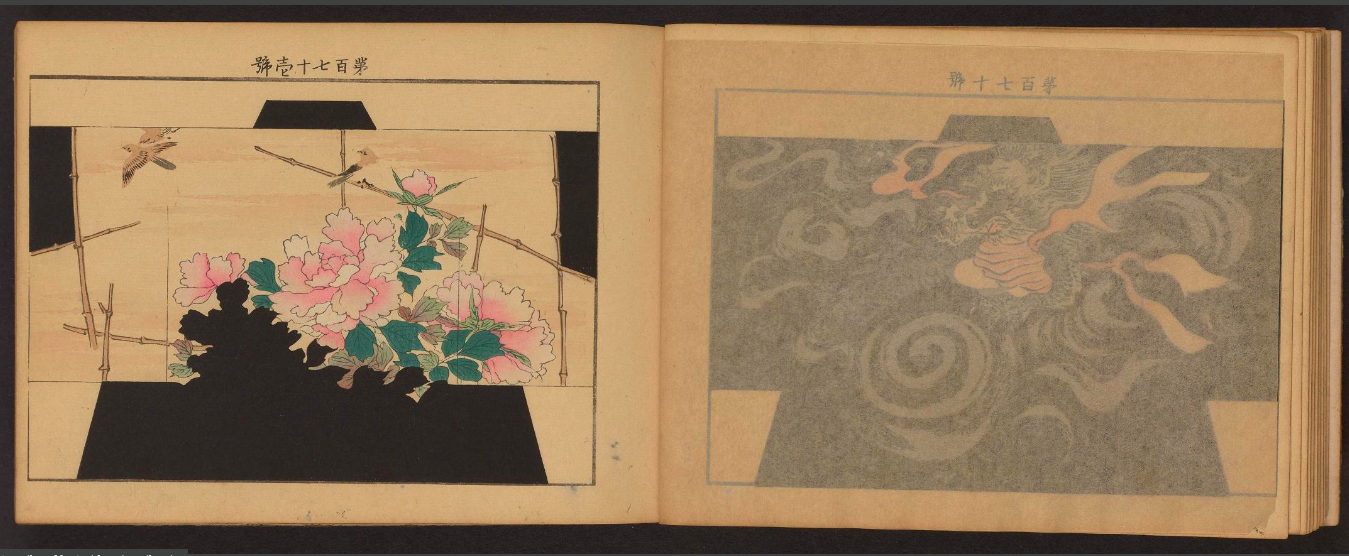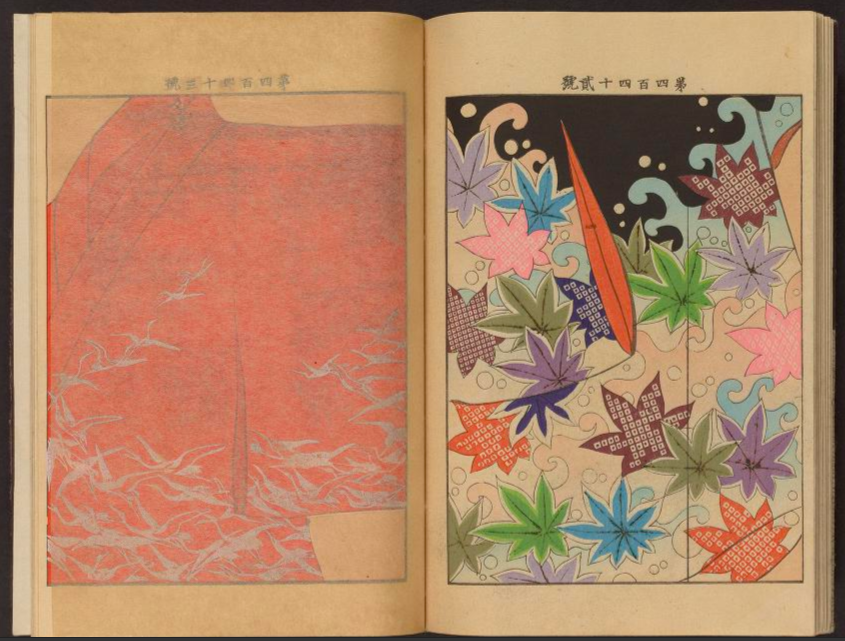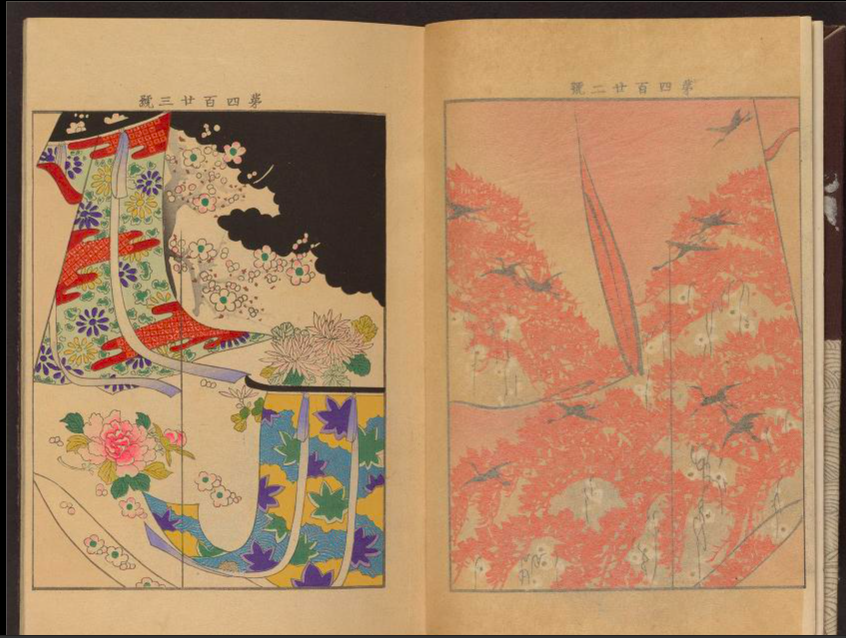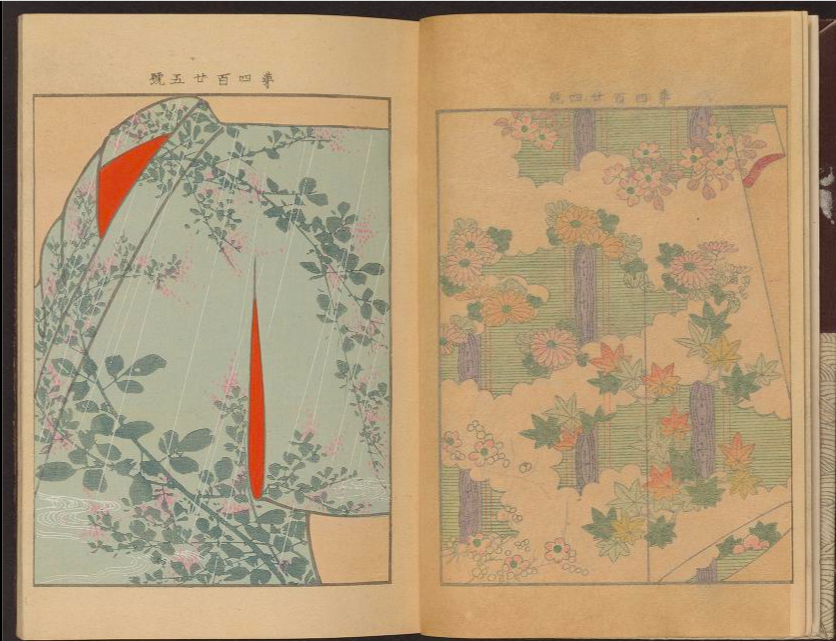
An Asbestos-Bound, Fireproof Edition of Ray Bradbury’s Fahrenheit 451 (1953)

Even by the extreme stan­dards of dystopi­an fic­tion, the premise of Ray Bradbury’s Fahren­heit 451 can seem a lit­tle absurd. Fire­men whose job is to set fires? A soci­ety that bans all books? Writ­ten less than a decade after the fall of the Third Reich, which announced its evil inten­tions with book burn­ings, the nov­el explic­it­ly evokes the kind of total­i­tar­i­an­ism that seeks to destroy culture—and whole peoples—with fire. But not even the Nazis banned all books. Not a few aca­d­e­mics and writ­ers sur­vived or thrived in Nazi Ger­many by hew­ing to the ide­o­log­i­cal ortho­doxy (or at least not chal­leng­ing it), which, for all its ter­ri­fy­ing irra­tional­ism, kept up some sem­blance of an intel­lec­tu­al veneer.

The nov­el also recalls the Sovi­et vari­ety of state repres­sion. But the Par­ty appa­ra­tus also allowed a pub­lish­ing indus­try to oper­ate, under its strict con­straints. Nonethe­less, Sovi­et cen­sor­ship is leg­endary, as is the sur­vival of banned lit­er­a­ture through self-pub­lish­ing and mem­o­riza­tion, vivid­ly rep­re­sent­ed by the famous line in Mikhail Bulgokov’s The Mas­ter and Mar­gari­ta, “Man­u­scripts don’t burn.”

Bul­gakov, writes Nathaniel Rich at Guer­ni­ca, is say­ing that “great lit­er­a­ture… is fire­proof. It sur­vives its crit­ics, its cen­sors, and even the pas­sage of time.” Bul­gakov wrote from painful expe­ri­ence. When his diary was dis­cov­ered by the NKVD in 1929, then returned to him, he “prompt­ly burned it.” Some­time after­ward, dur­ing the long com­po­si­tion of his posthu­mous­ly pub­lished nov­el, he burned the man­u­script, then lat­er recon­struct­ed it from mem­o­ry.

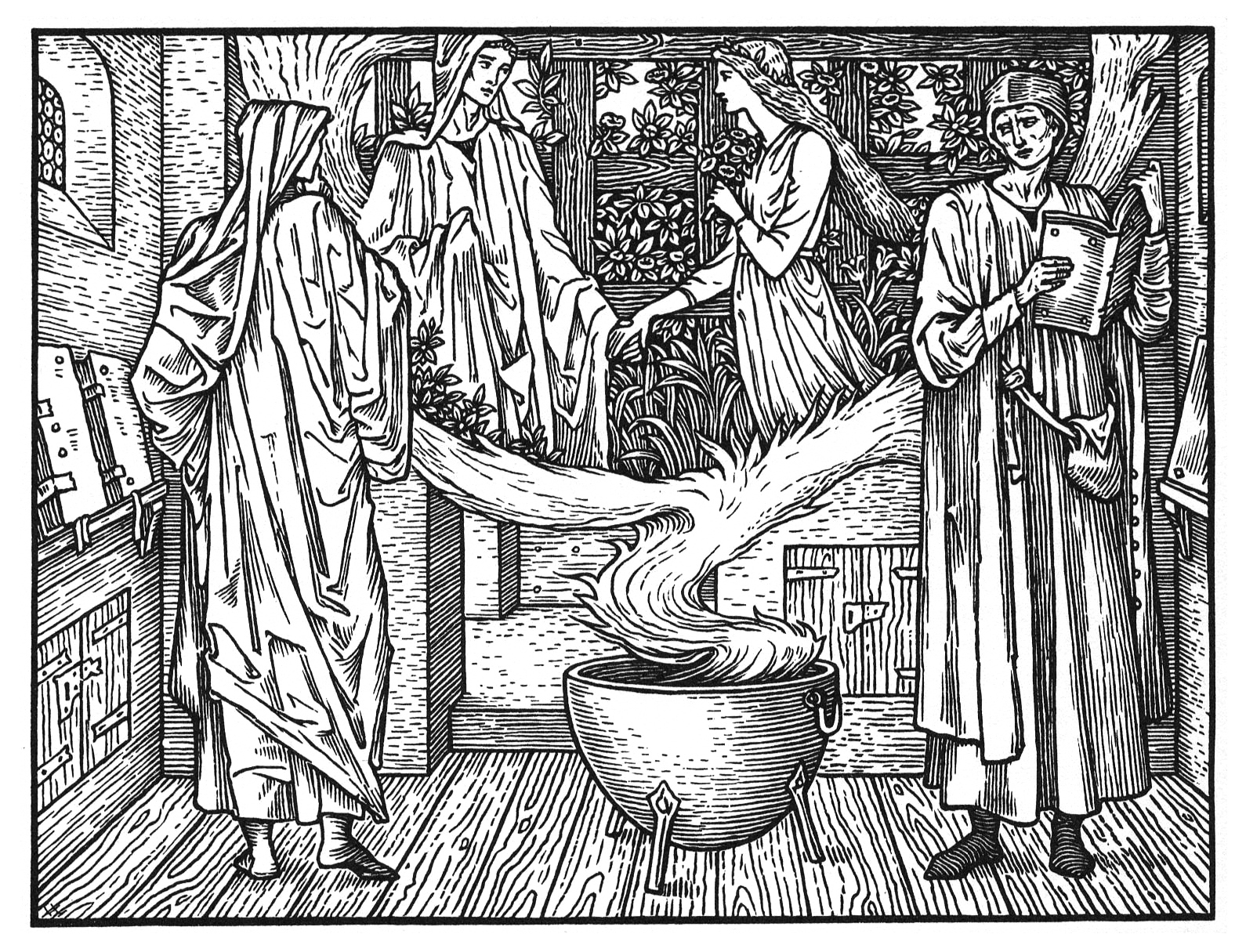
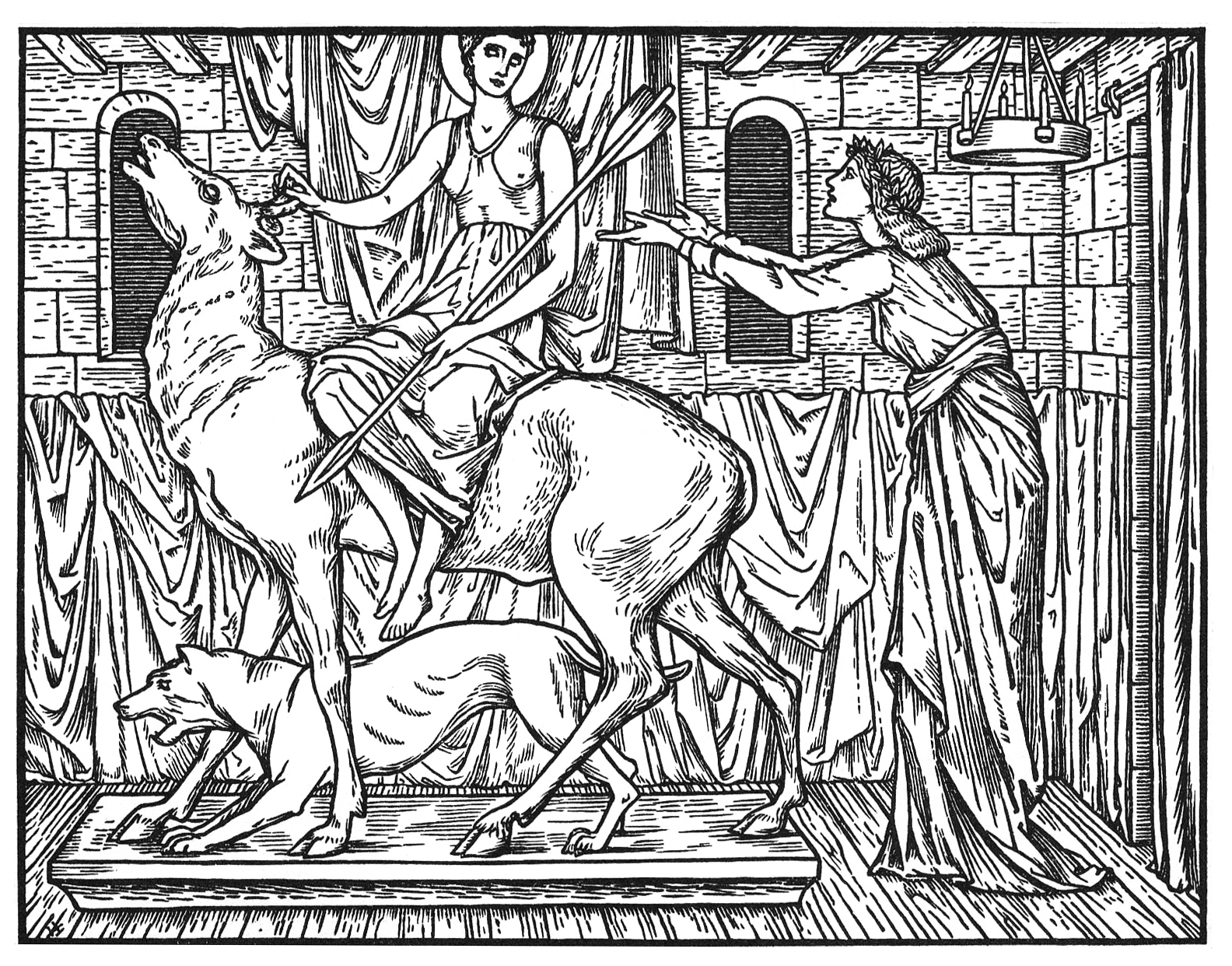
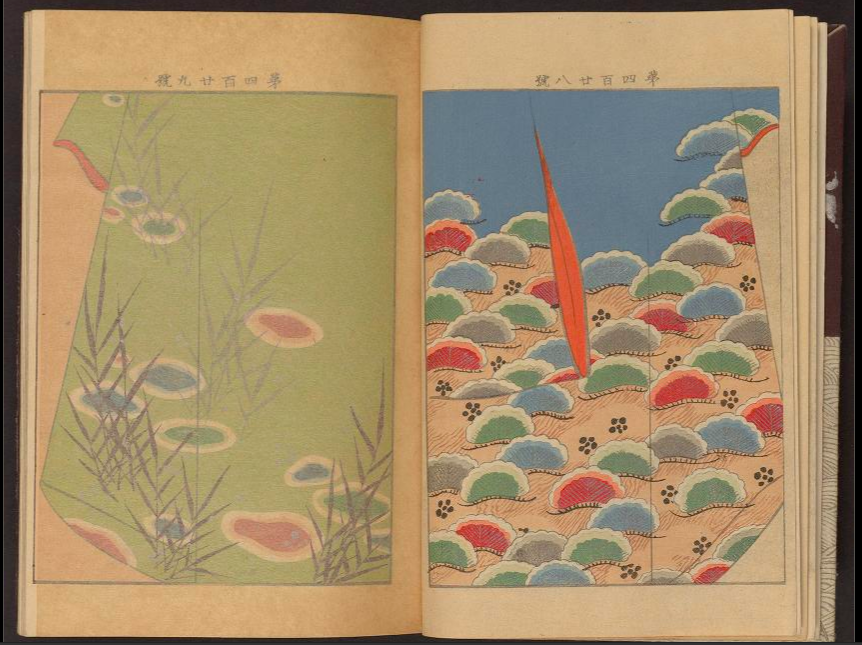
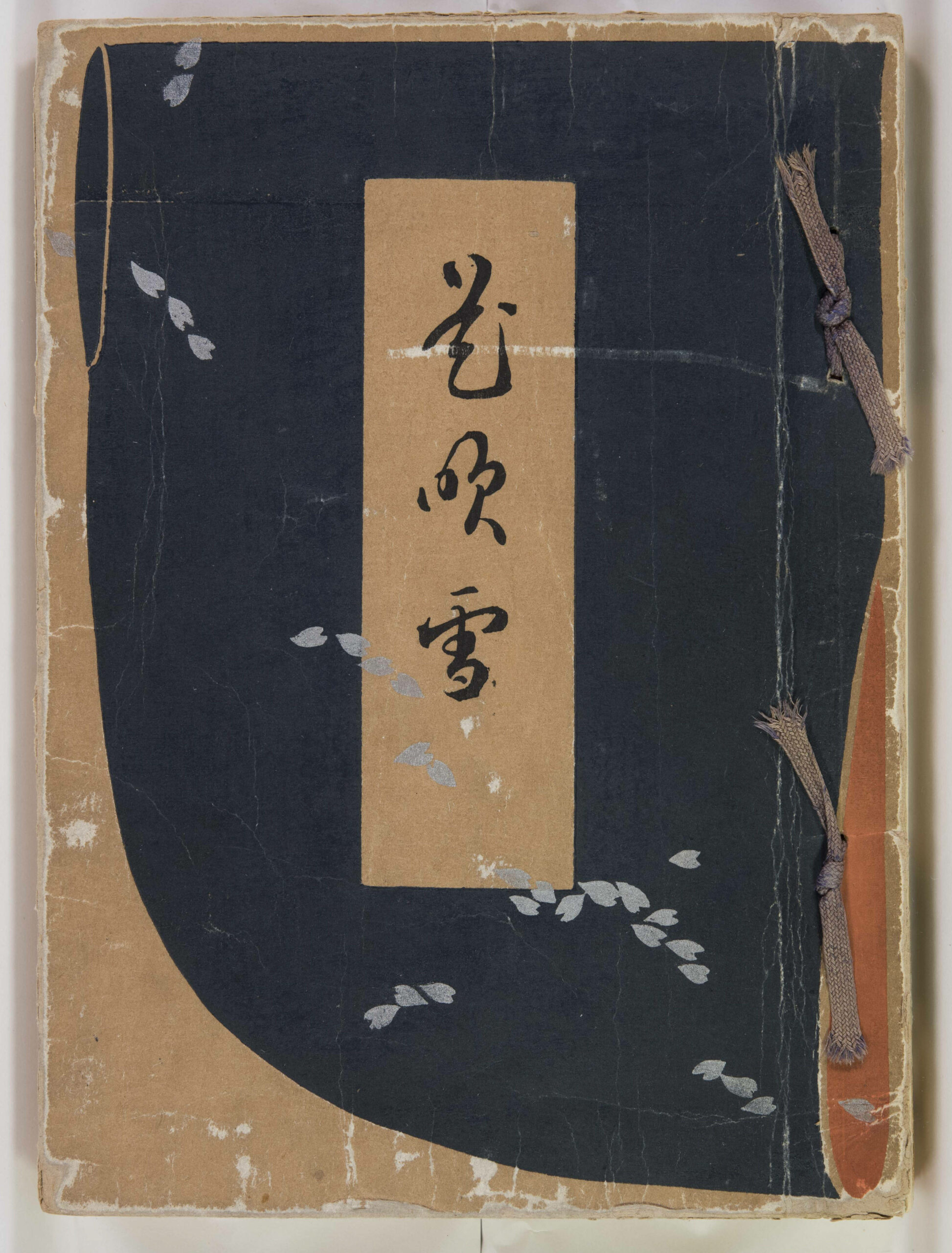
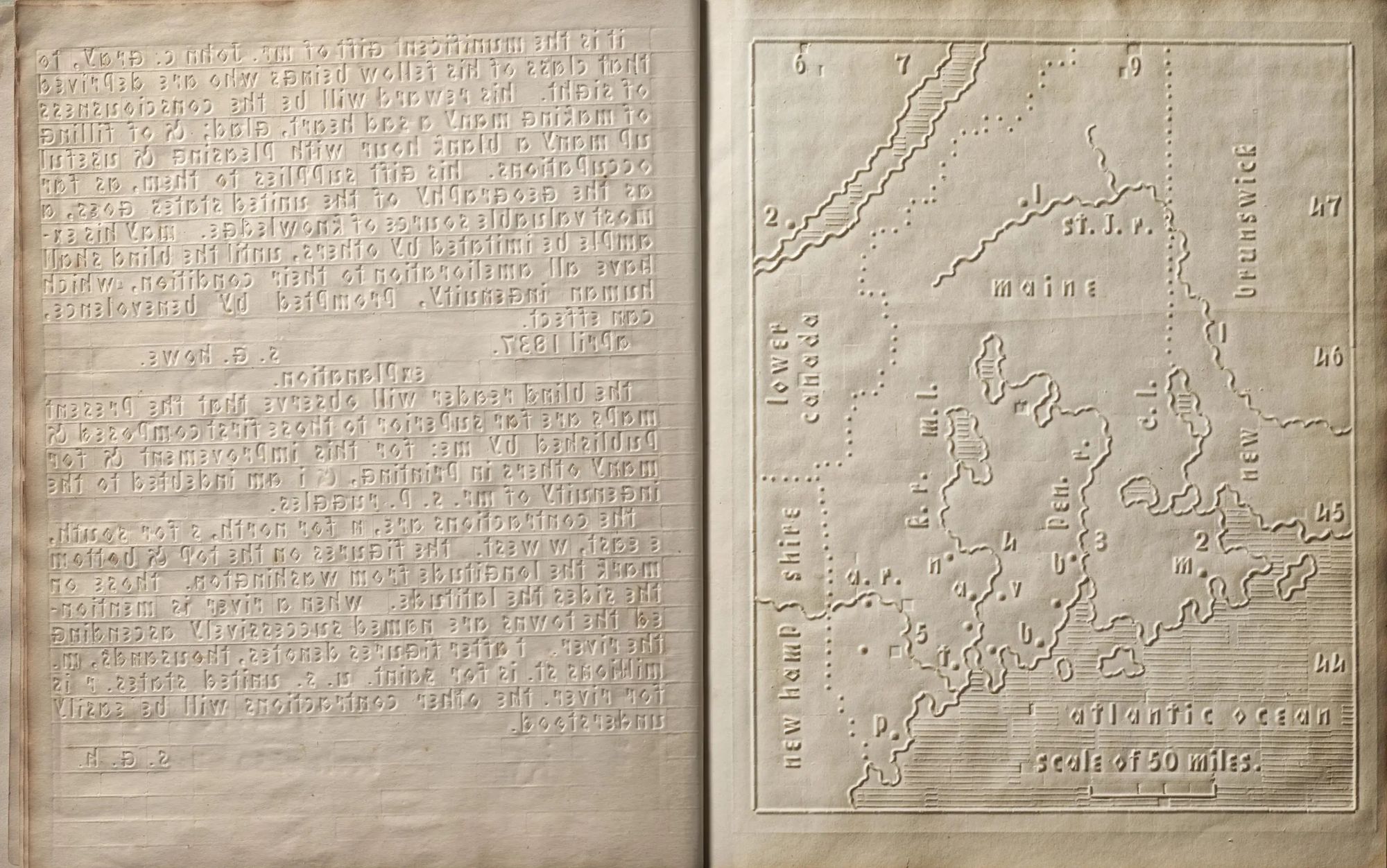
These exam­ples bring to mind the exiled intel­lec­tu­als in Bradbury’s nov­el, who have mem­o­rized whole books in order to one day recon­struct lit­er­ary cul­ture. Europe’s total­i­tar­i­an regimes pro­vide essen­tial back­ground for the novel’s plot and imagery, but its key con­text, Brad­bury him­self not­ed in a 1956 radio inter­view, was the anti-Com­mu­nist para­noia of the U.S. in the ear­ly 1950s. “Too many peo­ple were afraid of their shad­ows,” he said, “there was a threat of book burn­ing. Many of the books were being tak­en off the shelves at that time.” Read­ing the nov­el as a chill­ing vision of a future when all books are banned and burned makes the arti­fact pic­tured above par­tic­u­lar­ly poignant—an edi­tion of Fahren­heit 451 bound in fire­proof asbestos.

Released in 1953 by Bal­lan­tine in a lim­it­ed run of two-hun­dred signed copies, the books were “bound in Johns-Manville Qin­ter­ra,” notes Lau­ren Davis at io9, “a chryso­lite asbestos mate­r­i­al.” Now the fire­proof cov­ers, with their “excep­tion­al resis­tance to pyrol­y­sis,” are “much sought after by col­lec­tors” and go for upwards of $20,000. A fire­proof Fahren­heit 451, on the one hand, can seem a lit­tle gim­micky (its pages still burn, after all). But it’s also the per­fect man­i­fes­ta­tion of a lit­er­al inter­pre­ta­tion of the nov­el as a sto­ry about ban­ning and book burn­ing. All of us who have read the nov­el have like­ly read it this way, as a vision of a repres­sive total­i­tar­i­an night­mare. As such, it feels like a prod­uct of mid-twen­ti­eth cen­tu­ry fears.

Rather than fear­ing mass book burn­ings, we seem, in the 21st cen­tu­ry, on the verge of being washed away in a sea of infor­ma­tion (and dis- and mis-infor­ma­tion). We are inun­dat­ed with writing—in print and online—such that some of us despair of ever find­ing time to read the accu­mu­lat­ing piles of books and arti­cles that dai­ly sur­round us, phys­i­cal­ly and vir­tu­al­ly. But although books are still pub­lished in the mil­lions, with sales ris­ing, falling, then ris­ing again, the num­ber of peo­ple who actu­al­ly read seems in dan­ger of rapid­ly dimin­ish­ing. And this, Brad­bury also said, was his real fear. “You don’t have to burn books to destroy a cul­ture,” he claimed, “just get peo­ple to stop read­ing them.”

We’ve mis­read Fahren­heit 451, Brad­bury told us in his lat­er years. It is an alle­go­ry, a sym­bol­ic rep­re­sen­ta­tion of a gross­ly dumb­ed-down soci­ety, huge­ly oppres­sive and destruc­tive in its own way. The fire­men are not lit­er­al gov­ern­ment agents but sym­bol­ic of the forces of mass dis­trac­tion, which dis­sem­i­nate “fac­toids,” lies, and half-truths as sub­sti­tutes for knowl­edge. The nov­el, he said, is actu­al­ly about peo­ple “being turned into morons by TV.” Add to this the pro­lif­er­at­ing amuse­ments of the online world, video games, etc. and we can see Brad­bury’s Fahren­heit 451 not as a dat­ed rep­re­sen­ta­tion of 40s fas­cism or 50s repres­sion, but as a too-rel­e­vant warn­ing to a dis­tractible soci­ety that deval­ues and destroys edu­ca­tion and fac­tu­al knowl­edge even as we have more access than ever to lit­er­a­ture of every kind.

Relat­ed Con­tent:

Ray Brad­bury Reveals the True Mean­ing of Fahren­heit 451: It’s Not About Cen­sor­ship, But Peo­ple “Being Turned Into Morons by TV”

Ray Brad­bury Explains Why Lit­er­a­ture is the Safe­ty Valve of Civ­i­liza­tion (in Which Case We Need More Lit­er­a­ture!)

Helen Keller Writes a Let­ter to Nazi Stu­dents Before They Burn Her Book: “His­to­ry Has Taught You Noth­ing If You Think You Can Kill Ideas” (1933)

Josh Jones is a writer and musi­cian based in Durham, NC. Fol­low him at @jdmagness

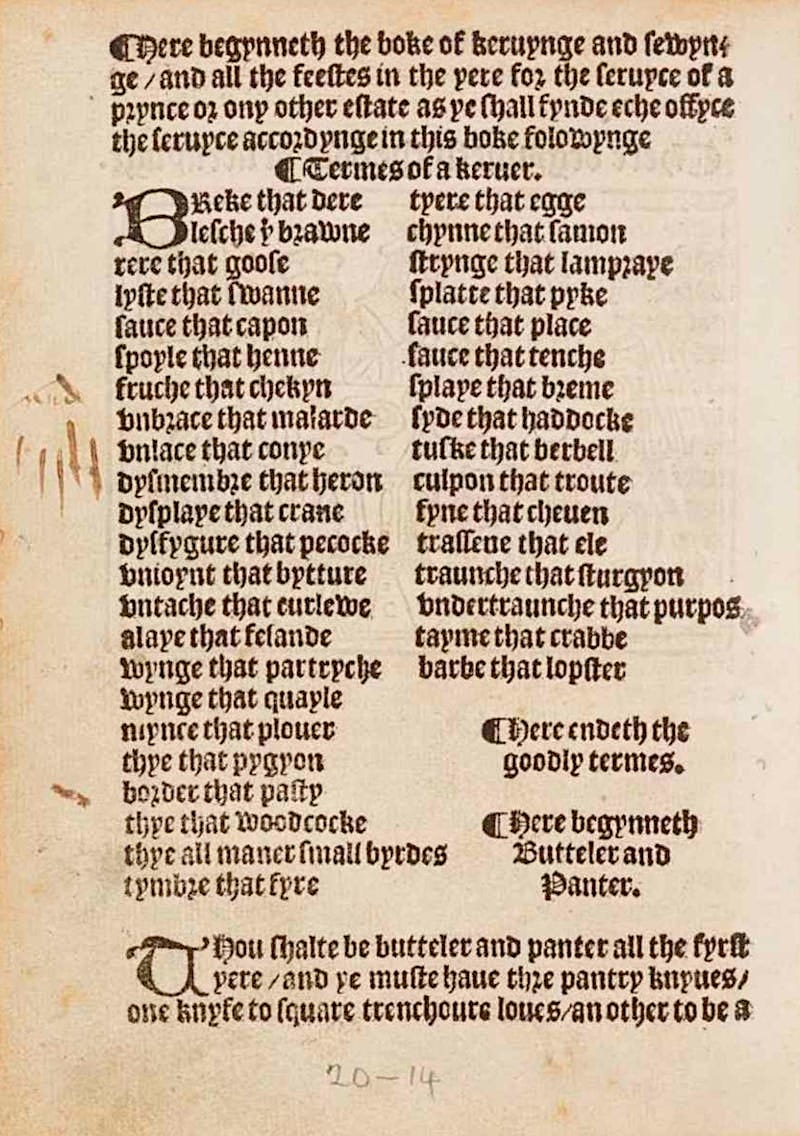
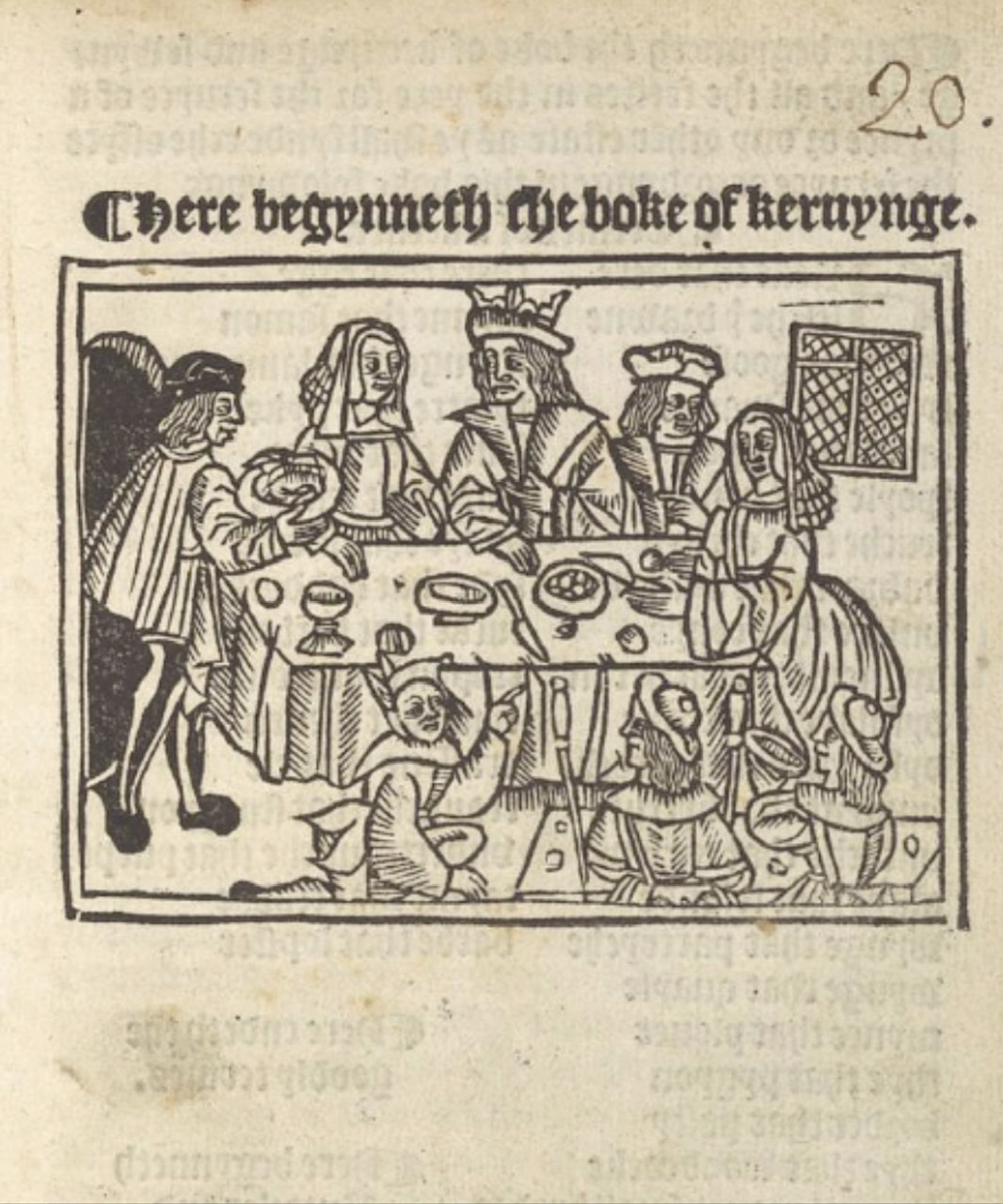
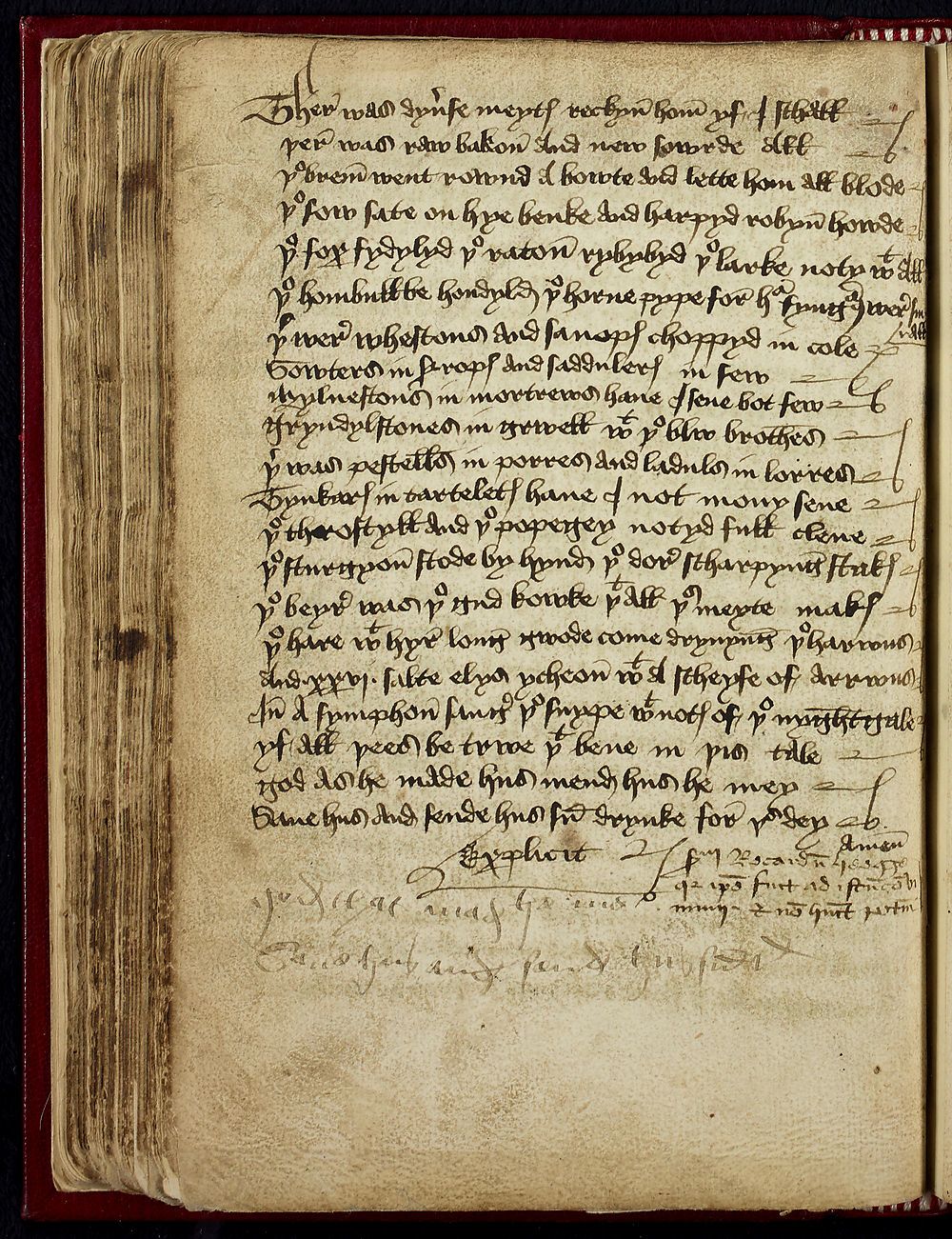
When Medieval Manuscripts Were Recycled & Used to Make the First Printed Books

“Old paint on a can­vas, as it ages, some­times becomes trans­par­ent,” play­wright Lil­lian Hell­man observed in Pen­ti­men­to, the sec­ond vol­ume of her mem­oirs. “When that hap­pens it is pos­si­ble, in some pic­tures, to see the orig­i­nal lines: a tree will show through a wom­an’s dress, a child makes way for a dog, a large boat is no longer on an open sea.”

Sev­en years ago, some­thing sim­i­lar start­ed hap­pen­ing with thou­sands of old books, dat­ing from the 15th to 19th cen­tu­ry.

Age, how­ev­er, did­n’t force these vol­umes to spill their secrets…at least not direct­ly.

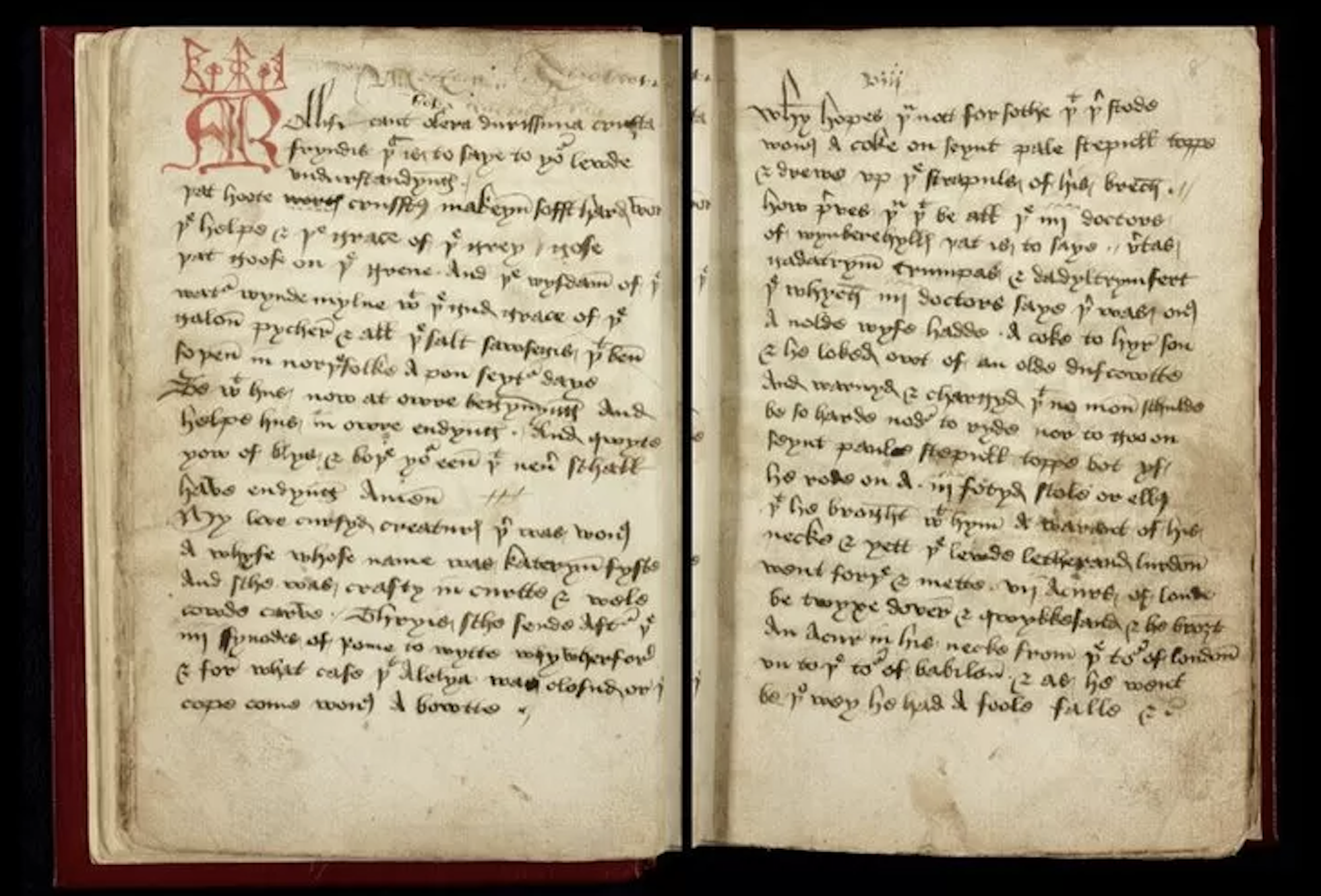
That hon­or goes to macro X‑ray flu­o­res­cence spec­trom­e­try (MA-XRF) and Erik Kwakkel, a book his­to­ri­an who the­o­rized that this tech­nol­o­gy might reveal medieval man­u­script frag­ments hid­den in the bind­ings of new­er texts, much as it had ear­li­er revealed hid­den lay­ers of paint on Old Mas­ter can­vas­es.


How did this strange “hid­den library” come to be?

Books were high­ly prized objects when man­u­scripts were copied by hand, but as Kwakkel notes on his medieval­books blog, “thou­sands and thou­sands of medieval man­u­scripts were torn apart, ripped to pieces, boiled, burned, and stripped for parts” upon the advent of the print­ing press.

Their pages were pressed into ser­vice as toi­let paper, bukram-like cloth­ing stiff­en­ers, book­marks, and, most tan­ta­liz­ing to a medieval book spe­cial­ist, bind­ing sup­port for print­ed books.

This prac­tice was so com­mon that the bind­ings of near­ly 150 ear­ly print­ed books in the Yale Law Library are known to con­tain pieces of medieval man­u­scripts.

These mate­ri­als may have been down­grad­ed in the lit­er­ary sense, but to Kwakkel they are “trav­el­ers in time, stow­aways in leather cas­es with great and impor­tant sto­ries to tell:”

Indeed, sto­ries that may oth­er­wise not have sur­vived, giv­en that clas­si­cal and medieval texts fre­quent­ly only come down to us in frag­men­tary form. The ear­ly his­to­ry of the Bible as a book could not be writ­ten if we were to throw out frag­ment evi­dence. More­over, while ancient and medieval texts sur­vive in many hand­some books from before the age of print, quite often the old­est wit­ness­es are frag­ments. At the very least a frag­ment tells you that a cer­tain text was avail­able at a cer­tain loca­tion at a cer­tain time. Step­ping out of their leather time cap­sules after cen­turies of dark­ness, frag­ments are “blips” on the map of Europe, express­ing “I exist­ed, I was used by a read­er in tenth-cen­tu­ry Italy!”

A few lines of a muti­lat­ed text can often be suf­fi­cient to iden­ti­fy it, as well as the loca­tion and gen­er­al tim­ing of its cre­ation:

That said, it is not easy to make sense of the remains. Binders seem to have par­tic­u­lar­ly enjoyed slic­ing text columns in half, as if they knew how to frus­trate future researchers best. Iden­ti­fy­ing what works these unful­fill­ing quotes come from can be a night­mare. Dat­ing and local­iz­ing the remains can cause insom­nia.

Pri­or to Kwakkel’s high tech exper­i­ments at Lei­den Uni­ver­si­ty, mod­ern researchers had to con­fine them­selves to acci­dents, as when, say, an old book’s spine cracks, reveal­ing the con­tents with­in.

Macro X‑ray flu­o­res­cence spec­trom­e­try turns out to be well equipped to detect the iron, cop­per and zinc of medieval inks beneath a lay­er of paper or parch­ment.

But it does so at a pace that might not knock a medieval scribe’s socks off.

Pro­duc­ing a leg­i­ble scan of what lurks beneath a sin­gle vol­ume’s spine can require as much as 24 hours, and expen­sive and time con­sum­ing propo­si­tion.

With thou­sands of these bind­ings hid­ing so close to the sur­face in col­lec­tions as mas­sive as the British Library and Oxford’s Bodleian, be pre­pared to remain on your ten­ter­hooks for the fore­see­able future.

If you would like to sign up for Open Culture’s free email newslet­ter, please find it here. It’s a great way to see our new posts, all bun­dled in one email, each day.

If you would like to sup­port the mis­sion of Open Cul­ture, con­sid­er mak­ing a dona­tion to our site. It’s hard to rely 100% on ads, and your con­tri­bu­tions will help us con­tin­ue pro­vid­ing the best free cul­tur­al and edu­ca­tion­al mate­ri­als to learn­ers every­where. You can con­tribute through Pay­Pal, Patre­on, and Ven­mo (@openculture). Thanks!

via Messy Nessy 

Relat­ed Con­tent 

A Medieval Book That Opens Six Dif­fer­ent Ways, Reveal­ing Six Dif­fer­ent Books in One

How Illu­mi­nat­ed Medieval Man­u­scripts Were Made: A Step-by-Step Look at this Beau­ti­ful, Cen­turies-Old Craft

Cats in Medieval Man­u­scripts & Paint­ings

- Ayun Hal­l­i­day is the Chief Pri­ma­tol­o­gist of the East Vil­lage Inky zine and author, most recent­ly, of Cre­ative, Not Famous: The Small Pota­to Man­i­festo.  Join her in New York City on Novem­ber 11 to cre­ate a col­lab­o­ra­tive Kurt Von­negut Cen­ten­ni­al fanzine. Fol­low her @AyunHalliday.

What’s the Best Audio Book You’ve Ever “Read”?

Image by Knop­per

We were look­ing for a good audio­book. So we asked our friends on Twit­ter for their audio­book rec­om­men­da­tions, and recom­men­da­tions we got. Good ones, and more than a few.  So we thought we would share the twit­ter thread/recommendations with you.

I, Claudius nar­rat­ed by Nel­son Runger; Loli­ta read by Jere­my Irons; Last Chance Tex­a­co by Rick­ie Lee Jones; The Ili­ad as read by Alfred Moli­na; The Odyssey read by Ian McK­ellen; Anna Karen­i­na nar­rat­ed by Mag­gie Gyl­len­haal, and the list goes on.

If you find any titles you like, you can always sign up for a free tri­al with Audible.com.

Please feel free to add any of your own favorites to the com­ments sec­tion below. Enjoy…

If you would like to sign up for Open Culture’s free email newslet­ter, please find it here. It’s a great way to see our new posts, all bun­dled in one email, each day.

If you would like to sup­port the mis­sion of Open Cul­ture, con­sid­er mak­ing a dona­tion to our site. It’s hard to rely 100% on ads, and your con­tri­bu­tions will help us con­tin­ue pro­vid­ing the best free cul­tur­al and edu­ca­tion­al mate­ri­als to learn­ers every­where. You can con­tribute through Pay­Pal, Patre­on, and Ven­mo (@openculture). Thanks!

Relat­ed Con­tent 

1,000 Free Audio Books: Down­load Great Books for Free

Hear Neil Gaiman Read Aloud 15 of His Own Works, and Works by 6 Oth­er Great Writ­ers: From The Grave­yard Book & Cora­line, to Edgar Allan Poe’s The Raven & Dick­ens’ A Christ­mas Car­ol

Hear Bene­dict Cum­ber­batch Read­ing Let­ters by Kurt Von­negut, Alan Tur­ing, Sol LeWitt, and Oth­ers https://www.openculture.com/2022/01/hear-benedict-cumberbatch-reading-letters-by-kurt-vonnegut-alan-turing-sol-lewitt-and-others.html

by | Permalink | Make a Comment ( 7 ) |

Download The Harvard Classics as Free eBooks: A “Portable University” Created in 1909

Every rev­o­lu­tion­ary age pro­duces its own kind of nos­tal­gia. Faced with the enor­mous social and eco­nom­ic upheavals at the nine­teenth century’s end, learned Vic­to­ri­ans like Wal­ter Pater, John Ruskin, and Matthew Arnold looked to High Church mod­els and played the bish­ops of West­ern cul­ture, with a monk­ish devo­tion to pre­serv­ing and trans­mit­ting old texts and tra­di­tions and turn­ing back to sim­pler ways of life. It was in 1909, the nadir of this milieu, before the advent of mod­ernism and world war, that The Har­vard Clas­sics took shape. Com­piled by Harvard’s pres­i­dent Charles W. Eliot and called at first Dr. Eliot’s Five Foot Shelf, the com­pendi­um of lit­er­a­ture, phi­los­o­phy, and the sci­ences, writes Adam Kirsch in Har­vard Mag­a­zine, served as a “mon­u­ment from a more humane and con­fi­dent time” (or so its upper class­es believed), and a “time cap­sule…. In 50 vol­umes.”

What does the mas­sive col­lec­tion pre­serve? For one thing, writes Kirsch, it’s “a record of what Pres­i­dent Eliot’s Amer­i­ca, and his Har­vard, thought best in their own her­itage.” Eliot’s inten­tions for his work dif­fered some­what from those of his Eng­lish peers. Rather than sim­ply curat­ing for pos­ter­i­ty “the best that has been thought and said” (in the words of Matthew Arnold), Eliot meant his anthol­o­gy as a “portable university”—a prag­mat­ic set of tools, to be sure, and also, of course, a prod­uct. He sug­gest­ed that the full set of texts might be divid­ed into a set of six cours­es on such con­ser­v­a­tive themes as “The His­to­ry of Civ­i­liza­tion” and “Reli­gion and Phi­los­o­phy,” and yet, writes Kirsch, “in a more pro­found sense, the les­son taught by the Har­vard Clas­sics is ‘Progress.’” “Eliot’s [1910] intro­duc­tion express­es com­plete faith in the ‘inter­mit­tent and irreg­u­lar progress from bar­barism to civ­i­liza­tion.’”

In its expert syn­er­gy of moral uplift and mar­ket­ing, The Har­vard Clas­sics (find links to down­load them as free ebooks below) belong as much to Mark Twain’s bour­geois gild­ed age as to the pseu­do-aris­to­crat­ic age of Victoria—two sides of the same ocean, one might say.

The idea for the col­lec­tion didn’t ini­tial­ly come from Eliot, but from two edi­tors at the pub­lish­er P.F. Col­lier, who intend­ed “a com­mer­cial enter­prise from the begin­ning” after read­ing a speech Eliot gave to a group of work­ers in which he “declared that a five-foot shelf of books could pro­vide”

a good sub­sti­tute for a lib­er­al edu­ca­tion in youth to any­one who would read them with devo­tion, even if he could spare but fif­teen min­utes a day for read­ing.

Col­lier asked Eliot to “pick the titles” and they would pub­lish them as a series. The books appealed to the upward­ly mobile and those hun­gry for knowl­edge and an edu­ca­tion denied them, but the cost would still have been pro­hib­i­tive to many. Over a hun­dred years, and sev­er­al cul­tur­al-evo­lu­tion­ary steps lat­er, and any­one with an inter­net con­nec­tion can read all of the 51-vol­ume set online. In a pre­vi­ous post, we sum­ma­rized the num­ber of ways to get your hands on Charles W. Eliot’s anthol­o­gy:

You can still buy an old set off of Ama­zon for $750. But, just as eas­i­ly, you can head to the Inter­net Archive and Project Guten­berg, which have cen­tral­ized links to every text includ­ed in The Har­vard Clas­sics (Wealth of Nations, Ori­gin of Species, Plutarch’s Lives, the list goes on below). Please note that the pre­vi­ous two links won’t give you access to the actu­al anno­tat­ed Har­vard Clas­sics texts edit­ed by Eliot him­self. But if you want just that, you can always click here and get dig­i­tal scans of the true Har­vard Clas­sics.

In addi­tion to these options, Bartle­by has dig­i­tal texts of the entire col­lec­tion of what they call “the most com­pre­hen­sive and well-researched anthol­o­gy of all time.” But wait, there’s more! Much more, in fact, since Eliot and his assis­tant William A. Neil­son com­piled an addi­tion­al twen­ty vol­umes called the “Shelf of Fic­tion.” Read those twen­ty vol­umes—at fif­teen min­utes a day—starting with Hen­ry Field­ing and end­ing with Nor­we­gian nov­el­ist Alexan­der Kiel­land at Bartle­by.

What may strike mod­ern read­ers of Eliot’s col­lec­tion are pre­cise­ly the “blind spots in Vic­to­ri­an notions of cul­ture and progress” that it rep­re­sents. For exam­ple, those three har­bin­gers of doom for Vic­to­ri­an certitude—Marx, Niet­zsche, and Freud—are nowhere to be seen. Omis­sions like this are quite telling, but, as Kirsch writes, we might not look at Eliot’s achieve­ment as a rel­ic of a naive­ly opti­mistic age, but rather as “an inspir­ing tes­ti­mo­ny to his faith in the pos­si­bil­i­ty of demo­c­ra­t­ic edu­ca­tion with­out the loss of high stan­dards.” This was, and still remains, a noble ide­al, if one that—like the utopi­an dreams of the Victorians—can some­times seem frus­trat­ing­ly unat­tain­able (or cul­tur­al­ly impe­ri­al­ist). But the wide­spread avail­abil­i­ty of free online human­i­ties cer­tain­ly brings us clos­er than Eliot’s time could ever come.

If you would like to sign up for Open Culture’s free email newslet­ter, please find it here. It’s a great way to see our new posts, all bun­dled in one email, each day.

If you would like to sup­port the mis­sion of Open Cul­ture, con­sid­er mak­ing a dona­tion to our site. It’s hard to rely 100% on ads, and your con­tri­bu­tions will help us con­tin­ue pro­vid­ing the best free cul­tur­al and edu­ca­tion­al mate­ri­als to learn­ers every­where. You can con­tribute through Pay­Pal, Patre­on, and Ven­mo (@openculture). Thanks!

Relat­ed Con­tent:

Harold Bloom Cre­ates a Mas­sive List of Works in The “West­ern Canon”: Read Many of the Books Free Online

W.H. Auden’s 1941 Lit­er­a­ture Syl­labus Asks Stu­dents to Read 32 Great Works, Cov­er­ing 6000 Pages

The Har­vard Clas­sics: A Free, Dig­i­tal Col­lec­tion

975 Free Online Cours­es from Top Uni­ver­si­ties

Josh Jones is a writer and musi­cian based in Durham, NC. Fol­low him at @jdmagness

by | Permalink | Make a Comment ( 1 ) |

1950s Pulp Comic Adaptations of Ray Bradbury Stories Getting Republished

Grow­ing up, there was always a spe­cial trans­gres­sive thrill in read­ing EC Comics, espe­cial­ly titles like Tales from the Crypt, The Vault of Hor­ror, and The Haunt of Fear. That must have been even truer when they were first pub­lished in the nine­teen-fifties than it was when they were reprint­ed in the nine­teen-nineties, the peri­od in which I myself thrilled to their dis­tinc­tive mix­ture of grotes­querie, sug­ges­tive­ness, moral­ism, and dark humor. By no means above indulging in either shock or schlock val­ue, the pub­lish­ers EC Comics also knew lit­er­ary val­ue when they saw it: in the work of Ray Brad­bury, for exam­ple, to which they paid the ulti­mate trib­ute by swip­ing.

“EC Comics writer-edi­tor Al Feld­stein com­bined two sci­ence-fic­tion sto­ries he’d read into a sin­gle tale, adapt­ed it into the comics form, and assigned it to artist Wal­ly Wood,” writes J. L. Bell at Oz and Ends, appar­ent­ly “work­ing on the belief that steal­ing from two sto­ries at once wasn’t pla­gia­rism but research.”

Brad­bury’s response came swift­ly: “You have not as of yet sent on the check for $50.00 to cov­er the use of sec­ondary rights on my two sto­ries THE ROCKET MAN and KALEIDOSCOPE which appeared in your WEIRD-FANTASY May-June ’52, #13, with the cov­er-all title of HOME TO STAY,” he wrote to EC. “I feel this was prob­a­bly over­looked in the gen­er­al con­fu­sion of office-work, and look for­ward to your pay­ment in the near future.”

Brad­bury’s “reminder” result­ed in not just pay­ment but a series of legit­i­mate adap­ta­tions there­after. His oth­er sto­ries to get the EC treat­ment include “A Sound of Thun­der,” “Mars Is Heav­en,” and the clas­sic “There Will Come Soft Rains…” All of these sto­ries are includ­ed in Fan­ta­graph­ics’ new sin­gle-vol­ume Home to Stay!: The Com­plete Ray Brad­bury EC Sto­ries, which you can see reviewed in this video. The book includes not just the 35 orig­i­nal com­ic-book sto­ries (one of which you can read free here), but also “essays by lead­ing schol­ars, EC experts, some big-name fans,” says the review­er, whose chan­nel EC Fan-Addict reveals him to be no casu­al enthu­si­ast him­self. Gen­er­a­tions of kids have found in EC comics a gate­way to “high­er” read­ing mate­r­i­al, Brad­bury and much else besides, but those who get the taste for EC’s light­heart­ed grim­ness and earnest irony nev­er real­ly lose it.

You can pick up a copy of Home to Stay!: The Com­plete Ray Brad­bury EC Sto­ries here. It will be offi­cial­ly released on Octo­ber 18.

via Boing­Bo­ing

Relat­ed con­tent:

The Essen­tial Brad­bury: The 25 Finest Sto­ries by the Beloved Writer

Sovi­et Ani­ma­tions of Ray Brad­bury Sto­ries: ‘Here There Be Tygers’ & ‘There Will Come Soft Rain’

Hear Ray Bradbury’s Beloved Sci-Fi Sto­ries as Clas­sic Radio Dra­mas

Down­load Issues of Weird Tales (1923–1954): The Pio­neer­ing Pulp Hor­ror Mag­a­zine Fea­tures Orig­i­nal Sto­ries by Love­craft, Brad­bury & Many More

Dis­cov­er the First Hor­ror & Fan­ta­sy Mag­a­zine, Der Orchideen­garten, and Its Bizarre Art­work (1919–1921)

Based in Seoul, Col­in Mar­shall writes and broad­casts on cities, lan­guage, and cul­ture. His projects include the Sub­stack newslet­ter Books on Cities, the book The State­less City: a Walk through 21st-Cen­tu­ry Los Ange­les and the video series The City in Cin­e­ma. Fol­low him on Twit­ter at @colinmarshall or on Face­book.

Get the First Biography of Hilma af Klint at a 40% Discount (for a Limited Time)

A quick heads up: The Uni­ver­si­ty of Chica­go Press will soon pub­lish the first biog­ra­phy of the Swedish avant-garde painter Hilma af Klint–an artist we have explored here many times before. Writ­ten by Julia Voss, the 440-page biog­ra­phy fea­tures near­ly 100 images of Klin­t’s life and art. Until Octo­ber 27th, you can get 40% of the new book if you use the code VOSS40 at this site.

If you would like to sign up for Open Culture’s free email newslet­ter, please find it here. It’s a great way to see our new posts, all bun­dled in one email, each day.

If you would like to sup­port the mis­sion of Open Cul­ture, con­sid­er mak­ing a dona­tion to our site. It’s hard to rely 100% on ads, and your con­tri­bu­tions will help us con­tin­ue pro­vid­ing the best free cul­tur­al and edu­ca­tion­al mate­ri­als to learn­ers every­where. You can con­tribute through Pay­Pal, Patre­on, and Ven­mo (@openculture). Thanks!

Relat­ed Con­tent 

The Life & Art of Hilma Af Klint: A Short Art His­to­ry Les­son on the Pio­neer­ing Abstract Artist

Dis­cov­er Hilma af Klint: Pio­neer­ing Mys­ti­cal Painter and Per­haps the First Abstract Artist

The Com­plete Works of Hilma af Klint Are Get­ting Pub­lished for the First Time in a Beau­ti­ful, Sev­en-Vol­ume Col­lec­tion

Who Paint­ed the First Abstract Paint­ing?: Wass­i­ly Kandin­sky? Hilma af Klint? Or Anoth­er Con­tender?

Winnie the Pooh Went Into the Public Domain, and Someone Already Turned the Story Into a Slasher Film: Watch the Trailer for Winnie-The-Pooh: Blood and Honey

Deep in the Hun­dred Acre Wood

Where Christo­pher Robin plays

You’ll find the enchant­ed neigh­bor­hood

Of Christo­pher’s child­hood days…

Those sweet­ly sen­ti­men­tal lyrics were penned not by A.A. Milne, cre­ator of Win­nie-The-Pooh but rather the Acad­e­my-Award win­ning song­writ­ing team of broth­ers Robert and Richard Sher­man, who also penned the scores of Mary Pop­pins, Chit­ty Chit­ty Bang Bang, and The Jun­gle Book.

If you are under the age of 60, chances are your con­cept of Pooh, Eey­ore, Piglet, Kan­ga, Roo, Owl, Rab­bit and Tig­ger is informed by Win­nie the Pooh and Hon­ey Tree, the 1966 Dis­ney car­toon that launched a suc­cess­ful fran­chise, not E.H. Shepherd’s charm­ing illus­tra­tions for the 1926 book, Win­nie the Pooh, which entered the pub­lic domain this year.

This means that Milne’s work can be freely repro­duced or reworked, though Dis­ney retains the copy­right to their ani­mat­ed char­ac­ter designs.

Jen­nifer Jenk­ins, direc­tor of the Cen­ter for the Study of the Pub­lic Domain at Duke Uni­ver­si­ty, told the Wash­ing­ton Post that the bulk of the inquiries she field­ed in the lead up to 2022’s pub­lic domain titles becom­ing avail­able had to do with Win­nie the Pooh:

I can’t get over how peo­ple are freak­ing out about Win­nie-the-Pooh in a good way. Every­one has a very spe­cif­ic sto­ry of the first time they read it or their par­ents gave them a doll or they [have] sto­ries about their kids…It’s the Ted Las­so effect.We need a win­dow into a world where peo­ple or ani­mals behave with decen­cy to one anoth­er.”

Ummm…

Judg­ing by the trail­er for their upcom­ing live action, low bud­get fea­ture, Win­nie the Pooh: Blood and Hon­ey, Jagged Edge, a Lon­don-based hor­ror pro­duc­tion com­pa­ny, is not much inter­est­ed in Ted Las­so good vibes, though they do man­age to stay with­in the lim­its of the law, equip­ping a black clad Piglet with threat­en­ing tusks, and dress­ing the tit­u­lar “sil­ly old bear” in a red shirt that doesn’t exact­ly scream Tum­my Song.

More like Texas Chain­saw Mas­sacre.

Pro­duc­er-Direc­tor Rhys Frake-Water­field whose as-yet-unre­leased cred­its include Peter Pan’s Nev­er­land Night­mare and Spi­ders on a Plane told Vari­ety that “we did as much as we could to make sure [the film] was only based on the 1926 ver­sion:”

When you see the cov­er for this and you see the trail­ers and the stills and all that, there’s no way any­one is going to think this is a child’s ver­sion of it.

Here’s hop­ing he’s right.

The trail­er traf­fics freely in slash­er flick tropes:

A biki­ni clad young woman relax­ing, obliv­i­ous­ly, in a hot tub.

A hand held cam­era track­ing a des­per­ate, and prob­a­bly doomed, escape attempt through the woods.

Unnerv­ing warn­ings writ­ten in blood (or pos­si­bly hon­ey?)

The child­ish scrawl on the sign demar­cat­ing the 100 Acre Wood is both faith­ful to the orig­i­nal, and unmis­tak­ably sin­is­ter.

Equal­ly dis­turb­ing is the let­ter­ing on Eeyore’s home­made grave mark­er. (SPOILER: as per Vari­ety, a starv­ing Pooh and Piglet ate him…and appar­ent­ly dis­card­ed a human skull near­by.)

The “enchant­ed neigh­bor­hood of Christo­pher’s child­hood days” has gone decid­ed­ly down­hill.

Direc­tor Frake-Water­field paints Pooh and Piglet as the pri­ma­ry vil­lains, but sure­ly the col­lege-bound Christo­pher Robin deserves some of the blame for aban­don­ing his old friends.

On the oth­er hand, when a col­lege-bound Andy tossed his beloved child­hood play­things in a give­away box at the begin­ning of Toy Sto­ry 3, Buzz and Woody did not go on a mur­der­ous ram­page.

As Frake-Water­field described Pooh and Piglet’s devo­lu­tion to Huff­Post:

Because they’ve had to fend for them­selves so much, they’ve essen­tial­ly become fer­al. So they’ve gone back to their ani­mal roots. They’re no longer tame: they’re like a vicious bear and pig who want to go around and try and find prey.

An inter­view with Dread Cen­tral offers a graph­ic taste of the vio­lent may­hem they inflict, even as Christo­pher Robin, as clue­less as a biki­ni clad inno­cent in a hot tub, bleats, “We used to be friends, why are you doing this!?”

Unsur­pris­ing­ly, the film’s tagline is “This Ain’t No Bed­time Sto­ry.”

View pro­duc­tion pho­tos, if you dare, here.

- Ayun Hal­l­i­day is the Chief Pri­ma­tol­o­gist of the East Vil­lage Inky zine and author, most recent­ly, of Cre­ative, Not Famous: The Small Pota­to Man­i­festo Her alle­giance has long been with the 1926 ver­sion. Fol­low her @AyunHalliday.

Relat­ed Con­tent 

What’s Enter­ing the Pub­lic Domain in 2022: The Sun Also Ris­es, Win­nie-the-Pooh, Buster Keaton Come­dies & More

Hear the Clas­sic Win­nie-the-Pooh Read by Author A.A. Milne in 1929

The Orig­i­nal Stuffed Ani­mals That Inspired Win­nie the Pooh

Dolly Parton Reads Free Bedtime Stories to Kids: Watch Readings from Goodnight with Dolly

How­ev­er old you may be, you’re nev­er too old to have a chil­dren’s book read aloud to you by a paja­ma clad Dol­ly Par­ton.

So snug­gle up!

Every episode of Good­night with Dol­ly finds the coun­try music icon in bed, glam­orous­ly made up as ever, read­ing glass­es perched on her nose.

She intro­duces her­self not as Dol­ly Par­ton, but the Book Lady, an hon­orif­ic bestowed by the child ben­e­fi­cia­ries of the Imag­i­na­tion Library, the non-prof­it she found­ed in 1995 to fos­ter children’s love of books and read­ing.

The selec­tions are all titles that Imag­i­na­tion Library par­tic­i­pants have received free in the mail, with the Book Lady’s com­pli­ments.

Once things get rolling, the cam­era shifts to the illus­tra­tions, with Dol­ly’s zesty nar­ra­tion as voice over.

She low­ers her voice to play Grand­pa in the late Floyd Cooper’s Max and the Tag-Along Moon and the freight train in the 90th anniver­sary edi­tion of Wat­ty Piper’s The Lit­tle Engine That Could.

If her dra­mat­ic recita­tions occa­sion­al­ly include a bun­gled prepo­si­tion, we can’t imag­ine authors tak­ing umbrage.

In addi­tion to the mil­lions of chil­dren who ben­e­fit from Imag­i­na­tion Library mem­ber­ship, authors and illus­tra­tors whose titles select­ed for inclu­sion reap incred­i­ble rewards in the form of increased vis­i­bil­i­ty, sales, sta­tus, and of course, the good feel­ing that comes from being part of such a wor­thy project.

And we sin­cere­ly hope even the prick­li­est gram­mar stick­lers won’t blow a gas­ket over the odd “ain’t” and region­alisms born of Dolly’s East Ten­nessee moun­tain roots. In addi­tion to com­ing from an authen­tic place, they’re deliv­ered with a lot of heart and zero affect.

Though a word of cau­tion to par­ents plan­ning to let Dol­ly take over tonight: the series may be billed as bed­time sto­ries, but Parton’s mis­chie­vous sense of humor is liable to have a non-soporif­ic effect.

“Are you still awake?” she crows direct­ly into the cam­era after There’s a Hole in the Log on the Bot­tom of the Lake, author-illus­tra­tor Loren Long’s crowd pleas­ing com­ic spin on the cumu­la­tive camp song sta­ple. “I want to throw you in a lake if you don’t get in bed!”

The Book Lady is also fond of shar­ing a high ener­gy snip­pet of what­ev­er song the evening’s tale has put her in mind of.

Matt de la Peña’s Last Stop on Mar­ket Street, with award win­ning illus­tra­tions by Chris­t­ian Robin­son, inspires a few lines from Poor Folks Town, from 1972.

Come on down

Have a look around

Rich folks livin’ in a poor folks town

We got no mon­ey but we’re rich in love

That’s one thing that we’ve got a‑plenty of

So come on down have a look around

At rich folks livin’ in a poor folks town

(“If that won’t put you to sleep, I don’t know what will,” she teas­es, after.)

After Dol­ly bids her lis­ten­ers good­night, the book’s author or illus­tra­tor is usu­al­ly giv­en a chance to have a word with the par­ents or care­givers, to stress how read­ing aloud deep­ens famil­ial bonds and share child­hood mem­o­ries of being read to.

De la Peña, whose book fea­tures a grand­moth­er point­ing out the sort of non-mon­e­tary rich­es Dol­ly’s moth­er also val­ued, takes the oppor­tu­ni­ty to thank the self-effac­ing star’s efforts to “reach work­ing class com­mu­ni­ties” — pre­sum­ably through rep­re­sen­ta­tion, as well as books intend­ed to cul­ti­vate a life­long love of read­ing.

Enjoy a playlist of Good­night with Dol­ly episodes here.

Learn more about the Imag­i­na­tion Library here.

Relat­ed Con­tent 

Dol­ly Parton’s Imag­i­na­tion Library Has Giv­en Away 186 Mil­lion Free Books to Kids, Boost­ing Lit­er­a­cy World­wide

Dol­ly Parton’s “Jolene” Slowed Down to 33RPM Sounds Great and Takes on New, Unex­pect­ed Mean­ings

- Ayun Hal­l­i­day is the Chief Pri­ma­tol­o­gist of the East Vil­lage Inky zine and author, most recent­ly, of Cre­ative, Not Famous: The Small Pota­to Man­i­festo.  Fol­low her @AyunHalliday.


« Go BackMore in this category... »
Quantcast