An Avalanche of Novels, Films and Other Works of Art Will Soon Enter the Public Domain: Virginia Woolf, Charlie Chaplin, William Carlos Williams, Buster Keaton & More

There may be no sweet­er sound to the ears of Open Cul­ture writ­ers than the words “pub­lic domain”—you might even go so far as to call it our “cel­lar door.” The phrase may not be as musi­cal, but the fact that many of the world’s cul­tur­al trea­sures can­not be copy­right­ed in per­pe­tu­ity means that we can con­tin­ue to do what we love: curat­ing the best of those trea­sures for read­ers as they appear online. Pub­lic domain means com­pa­nies can sell those works with­out incur­ring any costs, but it also means that any­one can give them away for free. “Any­one can re-pub­lish” pub­lic domain works, notes Life­hack­er, “or chop them up and use them in oth­er projects.” And there­by emerges the remix­ing and repur­pos­ing of old arti­facts into new ones, which will them­selves enter the pub­lic domain of future gen­er­a­tions.

Some of those future works of art may even become the next Great Amer­i­can Nov­el, if such a thing still exists as any­thing more than a hack­neyed cliché. Of course, no one seri­ous­ly goes around say­ing they’re writ­ing the “Great Amer­i­can Nov­el,” unless they’re Philip Roth in the 70s or William Car­los Williams (top right) in the 20s, who both some­how pulled off using the phrase as a title (though Roth’s book does­n’t quite live up to it.) Where Roth casu­al­ly used the con­cept in a light nov­el about base­ball, Williams’ The Great Amer­i­can Nov­el approached it with deep con­cern for the sur­vival of the form itself. His mod­ernist text “engages the tech­niques of what we would now call metafic­tion,” writes lit­er­ary schol­ar April Boone, “to par­o­dy worn out for­mu­las and con­tent and, iron­i­cal­ly, to cre­ate a new type of nov­el that antic­i­pates post­mod­ern fic­tion.”

We will all, as of Jan­u­ary 1, 2019, have free, unfet­tered access to Williams’ metafic­tion­al shake-up of the for­mu­la­ic sta­tus quo, when “hun­dreds of thou­sands of… books, musi­cal scores, and films first pub­lished in the Unit­ed States dur­ing 1923” enter the pub­lic domain, as Glenn Fleish­man writes at The Atlantic. Because of the com­pli­cat­ed his­to­ry of U.S. copy­right law—especially the 1998 “Son­ny Bono Act” that suc­cess­ful­ly extend­ed a copy­right law from 50 to 70 years (for the sake, it’s said, of Mick­ey Mouse)—it has been twen­ty years since such a mas­sive trove of mate­r­i­al has become avail­able all at once. But now, and “for sev­er­al decades from 2019 onward,” Fleish­man points out, “each New Year’s Day will unleash a full year’s worth of works pub­lished 95 years ear­li­er.”

In oth­er words, it’ll be Christ­mas all over again in Jan­u­ary every year, and while you can browse the pub­li­ca­tion dates of your favorite works your­self to see what’s com­ing avail­able in com­ing years, you’ll find at The Atlantic a short list of lit­er­ary works includ­ed in next-year’s mass-release, includ­ing books by Aldous Hux­ley, Win­ston Churchill, Carl Sand­burg, Edith Whar­ton, and P.G. Wode­house. Life­hack­er has sev­er­al more exten­sive lists, which we excerpt below:

Movies [see many more at Indiewire]

All these movies, includ­ing:

  • Cecil B. DeMille’s (first, less famous, silent ver­sion of) The Ten Com­mand­ments
  • Harold Lloyd’s Safe­ty Last!, includ­ing that scene where he dan­gles off a clock tow­er, and his Why Wor­ry?
  • A long line-up of fea­ture-length silent films, includ­ing Buster Keaton’s Our Hos­pi­tal­ityand Char­lie Chaplin’s The Pil­grim
  • Short films by Chap­lin, Keaton, Lau­rel and Hardy, and Our Gang (lat­er Lit­tle Ras­cals)
  • Car­toons includ­ing Felix the Cat(the char­ac­ter first appeared in a 1919 car­toon)
  • Mar­lene Dietrich’s film debut, a bit part in the Ger­man silent com­e­dy The Lit­tle Napoleon; also the debuts of Dou­glas Fair­banks Jr. and Fay Wray

Music

All this music, includ­ing these clas­sics:

  • “King Porter Stomp”
  • “Who’s Sor­ry Now?”
  • “Tin Roof Blues”
  • “That Old Gang of Mine”
  • “Yes! We Have No Bananas”
  • “I Cried for You”
  • “The Charleston”—written to accom­pa­ny, and a big fac­tor in the pop­u­lar­i­ty of, the Charleston dance
  • Igor Stravinsky’s “Octet for Wind Instru­ments”

Lit­er­a­ture

All these booksand these books, includ­ing the clas­sics:

  • Mrs. Dal­loway by Vir­ginia Woolf
  • Cane by Jean Toomer
  • The Prophet by Kahlil Gibran
  • The Ego and the Id by Sig­mund Freud
  • Towards a New Archi­tec­ture by Le Cor­busier
  • Whose Body?, the first Lord Peter Wim­sey nov­el by Dorothy L. Say­ers
  • Two of Agatha Christie’s Her­cule Poirot nov­els, The Mur­der of Roger Ack­royd and The Mur­der on the Links
  • The Pris­on­er, vol­ume 5 of Mar­cel Proust’s In Search of Lost Time (note that Eng­lish trans­la­tions have their own copy­rights)
  • The Com­plete Works of Antho­ny Trol­lope
  • George Bernard Shaw’s play Saint Joan
  • Short sto­ries by Christie, Vir­ginia Woolf, H.P. Love­craft, Kather­ine Mans­field, and Ernest Hem­ing­way
  • Poet­ry by Edna St. Vin­cent Mil­lay, E.E. Cum­mings, William Car­los Williams, Rain­er Maria Rilke, Wal­lace Stevens, Robert Frost, Suku­mar Ray, and Pablo Neru­da
  • Works by Jane Austen, D.H. Lawrence, Edith Whar­ton, Jorge Luis Borges, Mikhail Bul­gakov, Jean Cocteau, Ita­lo Sve­vo, Aldous Hux­ley, Win­ston Churchill, G.K. Chester­ton, Maria Montes­sori, Lu Xun, Joseph Con­rad, Zane Grey, H.G. Wells, and Edgar Rice Bur­roughs

Art

These art­works, includ­ing:

  • Con­stan­tin Brâncuși’s Bird in Space
  • Hen­ri Matisse’s Odal­isque With Raised Arms
  • Mar­cel Duchamp’s The Bride Stripped Bare By Her Bach­e­lors, Even (The Large Glass)
  • Yokoya­ma Taikan’s Metempsy­chosis
  • Work by M. C. Esch­er, Pablo Picas­so, Wass­i­ly Kandin­sky, Max Ernst, and Man Ray

Again, these are only par­tial lists of high­lights, and such high­lights…. Speak­ing for myself, I can­not wait for free access to the very best (and even worst, and weird­est, and who-knows-what-else) of 1923. And of 1924 in 2020, and 1925 and 2021, and so on and so on….

via The Atlantic

Relat­ed Con­tent:

The British Library Puts Over 1,000,000 Images in the Pub­lic Domain: A Deep­er Dive Into the Col­lec­tion

The Pub­lic Domain Project Makes 10,000 Film Clips, 64,000 Images & 100s of Audio Files Free to Use

List of Great Pub­lic Domain Films 

Josh Jones is a writer and musi­cian based in Durham, NC. Fol­low him at @jdmagness

Eminent Philosophers Name the 43 Most Important Philosophy Books Written Between 1950–2000: Wittgenstein, Foucault, Rawls & More

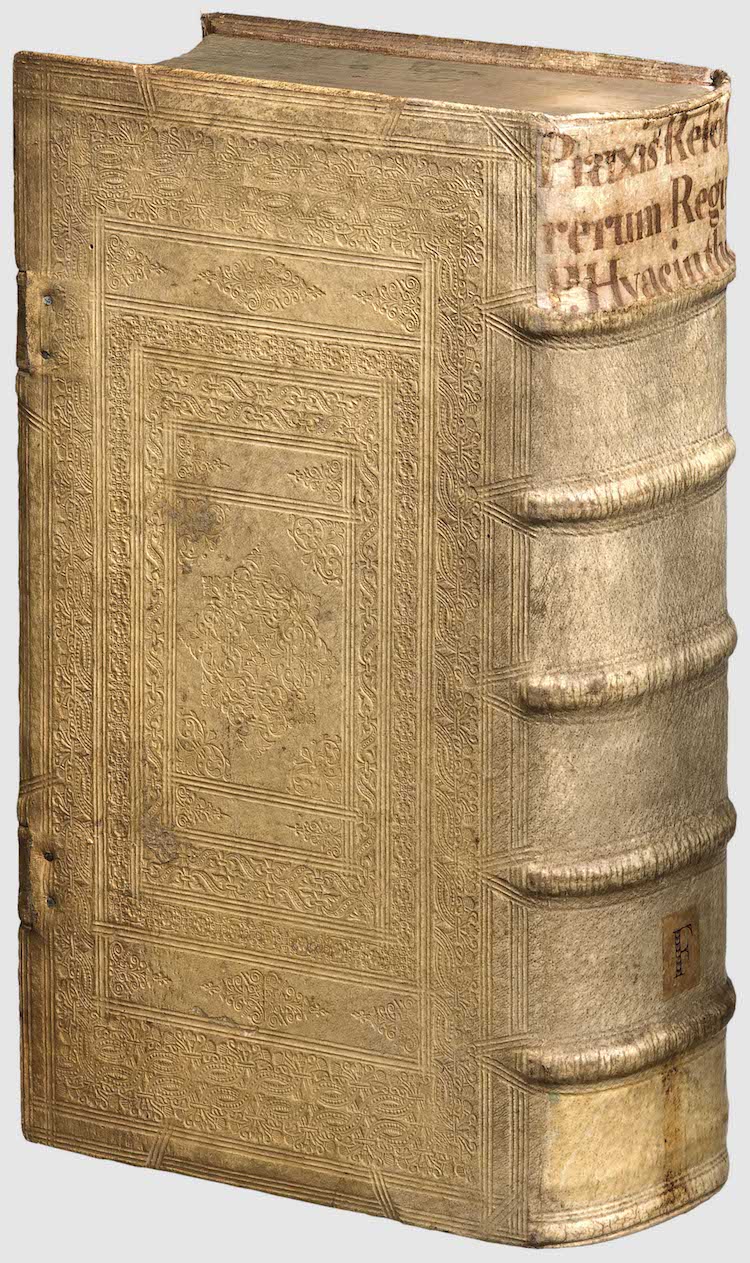
Image by Aus­tri­an Nation­al Library, via Wiki­me­dia Com­mons

Faced with the ques­tion, “who are the most impor­tant philoso­phers of the 20th cen­tu­ry?,” I might find myself com­pelled to ask in turn, “in respect to what?” Ethics? Polit­i­cal phi­los­o­phy? Phi­los­o­phy of lan­guage, mind, sci­ence, reli­gion, race, gen­der, sex­u­al­i­ty? Phe­nom­e­nol­o­gy, Fem­i­nism, Crit­i­cal the­o­ry? The domains of phi­los­o­phy have so mul­ti­plied (and some might say siloed), that a num­ber of promi­nent authors, includ­ing emi­nent phi­los­o­phy pro­fes­sor Robert Solomon, have writ­ten vehe­ment cri­tiques against its entrench­ment in acad­e­mia, with all of the atten­dant pres­sures and rewards. Should every philoso­pher of the past have had to run the gaunt­let of doc­tor­al study, teach­ing, tenure, aca­d­e­m­ic pol­i­tics and con­tin­u­ous pub­li­ca­tion, we might nev­er have heard from some of history’s most lumi­nous and orig­i­nal thinkers.

Solomon main­tains that “noth­ing has been more harm­ful to phi­los­o­phy than its ‘pro­fes­sion­al­iza­tion,’ which on the one hand has increased the abil­i­ties and tech­niques of its prac­ti­tion­ers immense­ly, but on the oth­er has ren­dered it an increas­ing­ly imper­son­al and tech­ni­cal dis­ci­pline, cut off from and for­bid­ding to every­one else.” He cham­pi­oned “the pas­sion­ate life” (say, of Niet­zsche or Camus), over “the dis­pas­sion­ate life of pure rea­son…. Let me be out­ra­geous and insist that phi­los­o­phy mat­ters. It is not a self-con­tained sys­tem of prob­lems and puz­zles, a self-gen­er­at­ing pro­fes­sion of con­jec­tures and refu­ta­tions.” I am sym­pa­thet­ic to his argu­ments even as I might object to his whole­sale rejec­tion of all aca­d­e­m­ic thought as “sophis­ti­cat­ed irrel­e­van­cy.” (Solomon him­self enjoyed a long career at UCLA and the Uni­ver­si­ty of Texas, Austin.)

But if forced to choose the most impor­tant philoso­phers of the late 20th cen­tu­ry, I might grav­i­tate toward some of the most pas­sion­ate thinkers, both inside and out­side acad­e­mia, who grap­pled with prob­lems of every­day per­son­al, social, and polit­i­cal life and did not shy away from involv­ing them­selves in the strug­gles of ordi­nary peo­ple. This need not entail a lack of rig­or. One of the most pas­sion­ate of 20th cen­tu­ry thinkers, Lud­wig Wittgen­stein, who worked well out­side the uni­ver­si­ty sys­tem, also hap­pens to be one of the most dif­fi­cult and seem­ing­ly abstruse. Nonethe­less, his thought has rad­i­cal impli­ca­tions for ordi­nary life and prac­tice. Per­haps non-spe­cial­ists will tend, in gen­er­al, to accept argu­ments for philosophy’s every­day rel­e­vance, acces­si­bil­i­ty, and “pas­sion.” But what say the spe­cial­ists?

One phi­los­o­phy pro­fes­sor, Chen Bo of Peking Uni­ver­si­ty, con­duct­ed a sur­vey along with Susan Haack of the Uni­ver­si­ty of Mia­mi, at the behest of a Chi­nese pub­lish­er seek­ing impor­tant philo­soph­i­cal works for trans­la­tion. As Leit­er Reports read­er Tra­cy Ho notes, the two pro­fes­sors emailed six­teen philoso­phers in the U.S., Eng­land, Aus­tralia, Ger­many, Fin­land, and Brazil, ask­ing specif­i­cal­ly for “ten of the most impor­tant and influ­en­tial philo­soph­i­cal books after 1950.” “They received rec­om­men­da­tions,” writes Ho, “from twelve philoso­phers, includ­ing: Susan Haack, Don­ald M. Borchert (Ohio U.), Don­ald David­son, Jur­gen Haber­mas, Ruth Bar­can Mar­cus, Thomas Nagel, John Sear­le, Peter F. Straw­son, Hilary Put­nam, and G.H. von Wright.” (Ho was unable to iden­ti­fy two oth­er names, typed in Chi­nese.)

The results, ranked in order of votes, are as fol­lows:

1. Lud­wig Wittgen­stein, Philo­soph­i­cal Inves­ti­ga­tions

2. W. V. Quine, Word and Object

3. Peter F. Straw­son, Indi­vid­u­als: An Essay in Descrip­tive Meta­physics

4. John Rawls, A The­o­ry of Jus­tice

5. Nel­son Good­man, Fact, Fic­tion and Fore­cast

6. Saul Krip­ke, Nam­ing and Neces­si­ty

7. G.E.M. Anscombe, Inten­tion

8. J. L. Austin, How to do Things with Words

9. Thomas Kuhn, The Struc­ture of Sci­en­tif­ic Rev­o­lu­tions

10. M. Dum­mett, The Log­i­cal Basis of Meta­physics

11. Hilary Put­nam, The Many Faces of Real­ism

12. Michel Fou­cault, The Order of Things: An Archae­ol­o­gy of the Human Sci­ences

13. Thomas Nagel, The View From Nowhere

14. Robert Noz­ick, Anar­chy, State and Utopia

15. R. M. Hare, The Lan­guage of Morals and Free­dom and Rea­son

16. John R. Sear­le, Inten­tion­al­i­ty and The Redis­cov­ery of the Mind

17. Bernard Williams, Ethics and the Lim­its of Phi­los­o­phyDescartes: The Project of Pure Enquiry and Moral Luck: Philo­soph­i­cal Papers 1973–1980

18. Karl Pop­per, Con­jec­ture and Refu­ta­tions

19. Gilbert Ryle, The Con­cept of Mind

20. Don­ald David­son, Essays on Action and Event and Inquiries into Truth and Inter­pre­ta­tion

21. John McDow­ell, Mind and World

22. Daniel C. Den­nett, Con­scious­ness Explained and The Inten­tion­al Stance

23. Jur­gen Haber­mas, The­o­ry of Com­mu­nica­tive Action and Between Facts and Norm

24. Jacques Der­ri­da, Voice and Phe­nom­e­non and Of Gram­ma­tol­ogy

25. Paul Ricoeur, Le Metaphore Vive and Free­dom and Nature

26. Noam Chom­sky, Syn­tac­tic Struc­tures and Carte­sian Lin­guis­tics

27. Derek Parfitt, Rea­sons and Per­sons

28. Susan Haack, Evi­dence and Inquiry

29. D. M. Arm­strong, Mate­ri­al­ist The­o­ry of the Mind and A Com­bi­na­to­r­i­al The­o­ry of Pos­si­bil­i­ty

30. Her­bert Hart, The Con­cept of Law and Pun­ish­ment and Respon­si­bil­i­ty

31. Ronald Dworkin, Tak­ing Rights Seri­ous­ly and Law’s Empire

As an adden­dum, Ho adds that “most of the works on the list are ana­lyt­ic phi­los­o­phy,” there­fore Prof. Chen asked Haber­mas to rec­om­mend some addi­tion­al Euro­pean thinkers, and received the fol­low­ing: “Axel Hon­neth, Kampf um Anerken­nung (1992), Rain­er Forst, Kon­texte der Cerechtigkeit (1994) and Her­bert Schnadel­bach, Kom­men­tor zu Hegels Rechtephiloso­phie (2001).”

The list is also over­whelm­ing­ly male and pret­ty exclu­sive­ly white, point­ing to anoth­er prob­lem with insti­tu­tion­al­iza­tion that Solomon does not acknowl­edge: it not only excludes non-spe­cial­ists but can also exclude those who don’t belong to the dom­i­nant group (and so, per­haps, excludes the every­day con­cerns of most of the world’s pop­u­la­tion). But there you have it, a list of the most impor­tant, post-1950 works in phi­los­o­phy accord­ing to some of the most emi­nent liv­ing philoso­phers. What titles, read­ers, might get your vote, or what might you add to such a list, whether you are a spe­cial­ist or an ordi­nary, “pas­sion­ate” lover of philo­soph­i­cal thought?

via Leit­er Reports

Relat­ed Con­tent:

A His­to­ry of Phi­los­o­phy in 81 Video Lec­tures: From Ancient Greece to Mod­ern Times 

Oxford’s Free Intro­duc­tion to Phi­los­o­phy: Stream 41 Lec­tures

Intro­duc­tion to Polit­i­cal Phi­los­o­phy: A Free Yale Course 

135 Free Phi­los­o­phy eBooks

Free Online Phi­los­o­phy Cours­es

44 Essen­tial Movies for the Stu­dent of Phi­los­o­phy

Josh Jones is a writer and musi­cian based in Durham, NC. Fol­low him at @jdmagness
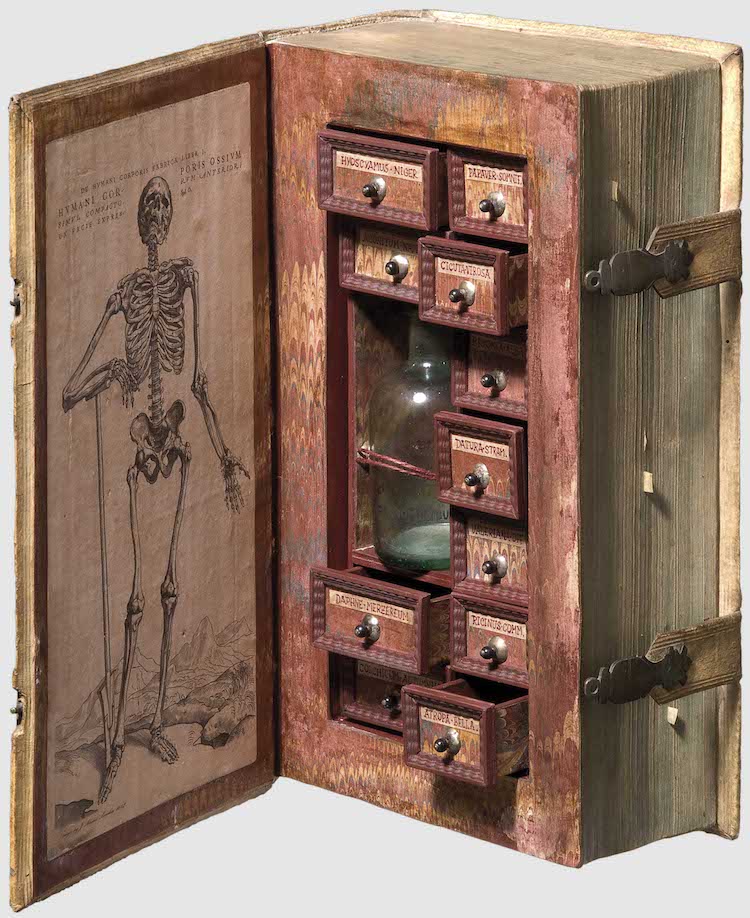
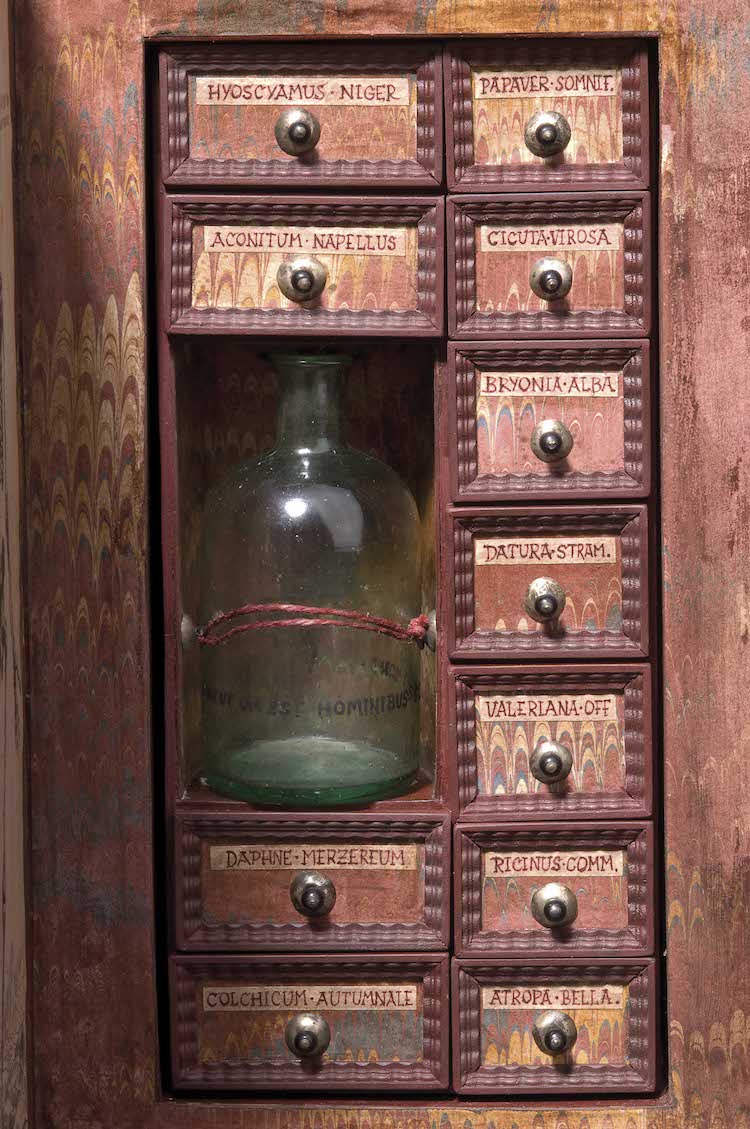
Help a Library Transcribe Magical Manuscripts & Recover the Charms, Potions & Witchcraft That Flourished in Early Modern Europe and America

Mag­ic is real—hear me out. No, you can’t solve life’s prob­lems with a wand and made-up Latin. But there are aca­d­e­m­ic depart­ments of mag­ic, only they go by dif­fer­ent names now. A few hun­dred years ago the dif­fer­ence between chem­istry and alche­my was nil. Witch­craft involved as much botany as spell­work. A lot of fun bits of mag­ic got weed­ed out when gen­tle­men in pow­dered wigs purged weird sis­ters and gnos­tic heretics from the field. Did the old spells work? Maybe, maybe not. Sci­ence has become pret­ty reli­able, I guess. Stan­dard­ized clas­si­fi­ca­tion sys­tems and mea­sure­ments are okay, but yawn… don’t we long for some witch­ing and wiz­ard­ing? A well-placed hex might work won­ders.

Say no more, we’ve got you cov­ered: you, yes you, can learn charms and potions, demonolo­gy and oth­er assort­ed dark arts. How? For a one­time fee of absolute­ly noth­ing, you can enter mag­i­cal books from the Ear­ly Mod­ern Peri­od.

T’was a ver­i­ta­ble gold­en age of mag­ic, when wiz­ard­ing sci­en­tists like John Dee—Queen Eliz­a­beth’s sooth­say­ing astrologer and reveal­er of the lan­guage of the angels—burned bright­ly just before they were extin­guished, or run under­ground, by ortho­dox­ies of all sorts. The New­ber­ry, “Chicago’s Inde­pen­dent Research Library Since 1887,” has reached out to the crowds to help “unlock the mys­ter­ies” of rare man­u­scripts and bring the diver­si­ty of the time alive.

The library’s Tran­scrib­ing Faith ini­tia­tive gives users a chance to con­nect with texts like The Book of Mag­i­cal Charms (above), by tran­scrib­ing and/or trans­lat­ing the con­tents there­in. Like soft­ware engi­neer Joseph Peterson—founder of the Eso­teric Archives, which con­tains a large col­lec­tion of John Dee’s work—you can vol­un­teer to help the Newberry’s project “Reli­gious Change, 1450–1700.” The New­ber­ry aims to edu­cate the gen­er­al pub­lic on a peri­od of immense upheaval. “The Ref­or­ma­tion and the Sci­en­tif­ic Rev­o­lu­tion are very big, cap­i­tal let­ter con­cepts,” project coor­di­na­tor Christo­pher Fletch­er tells Smithsonian.com, “we lose sight of the fact that these were real events that hap­pened to real peo­ple.”

By aim­ing to return these texts to “real peo­ple” on the inter­net, the New­ber­ry hopes to demys­ti­fy, so to speak, key moments in Euro­pean his­to­ry. “You don’t need a Ph.D. to tran­scribe,” Fletch­er points out. Atlas Obscu­ra describes the process as “much like updat­ing a Wikipedia page,” only “any­one can start tran­scrib­ing and trans­lat­ing and they don’t need to sign up to do so.” Check out some tran­scrip­tions of The Book of Mag­i­cal Charms—writ­ten by var­i­ous anony­mous authors in the sev­en­teenth cen­tu­ry—here. The book, writes the New­ber­ry, describes “every­thing from speak­ing with spir­its to cheat­ing at dice to cur­ing a toothache.”

Need to call up a spir­it for some dirty work? Just fol­low the instruc­tions below:

Call their names Ori­moth, Bel­moth Limoc and Say thus. I con­jure you by the neims of the Angels + Sator and Azamor that yee intend to me in this Aore, and Send unto me a Spirite called Sag­rigid that doe full­fill my comand­ng and desire and that can also undar­stand my words for one or 2 yuares; or as long as I will.

Seems sim­ple enough, but of course this busi­ness did not sit well with some pow­er­ful peo­ple, includ­ing one Increase Math­er, father of Cot­ton, pres­i­dent of Har­vard, best known from his work on the Salem Witch Tri­als. Increase defend­ed the pros­e­cu­tions in a man­u­script titled Cas­es of Con­science Con­cern­ing Evil Spir­its, a page from which you can see fur­ther up. The text reads, in part:

an Evi­dence Sup­posed to be in the Tes­ti­mo­ny
which is throw­ly to be Weighed, & if it doe
not infal­li­bly prove the Crime against the
per­son accused, it ought not to deter­mine
him Guilty of it for So right­eous may
be con­demned unjust­ly.

Math­er did not con­sid­er these to be show tri­als or “witch­hunts” but rather the fair and judi­cious appli­ca­tion of due process, for what­ev­er that’s worth. Else­where in the text he famous­ly wrote, “It were bet­ter that Ten Sus­pect­ed Witch­es should escape, than that one Inno­cent Per­son should be Con­demned.” Cold com­fort to those con­demned as guilty for like­ly prac­tic­ing some mix of reli­gion and ear­ly sci­ence.

These texts are writ­ten in Eng­lish and con­cern them­selves with mag­i­cal and spir­i­tu­al mat­ters express­ly. Oth­er man­u­scripts in the project’s archive roam more broad­ly across top­ics and lan­guages, and “shed light on the entwined prac­tices of reli­gion and read­ing.” One “com­mon­place book,” for exam­ple (above), from some­time between 1590 and 1620, con­tains ser­mons by John Donne as well as “reli­gious, polit­i­cal, and prac­ti­cal texts, includ­ing a Mid­dle Eng­lish lyric,” all care­ful­ly writ­ten out by an Eng­lish scribe named Hen­ry Feilde in order to prac­tice his cal­lig­ra­phy.

Anoth­er such text, large­ly in Latin, “may have been start­ed as ear­ly as the 16th cen­tu­ry, but con­tin­ued to be used and added to well into the 19th cen­tu­ry. Its com­pil­ers expressed inter­est in a wide range of top­ics, from reli­gious and moral ques­tions to the lib­er­al arts to strange events.” Books like these “reflect­ed the read­ing habits of ear­ly mod­ern peo­ple, who tend­ed not to read books from begin­ning to end, but instead to dip in and out of them,” extract­ing bits and bobs of wis­dom, quo­ta­tions, recipes, prayers, and even the odd spell or two.

The final work in need of transcription/translation is also the only print­ed text, or texts, rather, a col­lec­tion of Ital­ian reli­gious broad­sides, adver­tis­ing “pub­lic cel­e­bra­tions and com­mem­o­ra­tions of Catholic feast days and oth­er reli­gious occa­sions.” Hard­ly sum­mon­ing spir­its, though some may beg to dif­fer. If you’re so inclined to take part in open­ing the secrets of these rare books for lay read­ers every­where, vis­it Tran­scrib­ing Faith here and get to work.

via Smith­son­ianAtlas Obscu­ra

Relat­ed Con­tent:

1,600 Occult Books Now Dig­i­tized & Put Online, Thanks to the Rit­man Library and Da Vin­ci Code Author Dan Brown

Behold the Mys­te­ri­ous Voyn­ich Man­u­script: The 15th-Cen­tu­ry Text That Lin­guists & Code-Break­ers Can’t Under­stand

Isaac Newton’s Recipe for the Myth­i­cal ‘Philosopher’s Stone’ Is Being Dig­i­tized & Put Online (Along with His Oth­er Alche­my Man­u­scripts)

Josh Jones is a writer and musi­cian based in Durham, NC. Fol­low him at @jdmagness
Stephen King Creates a List of His 10 Favorite Novels

Image by The USO, via Flickr Com­mons

If you’ve ever had to name your ten favorite of any­thing, you know how much trick­i­er such a list is to com­pose than it sounds. Not because you don’t know of ten books, movies, albums, or what have you, of course, but because you don’t know if the favorites that come to mind today would also come to mind tomor­row. Stephen King, a man appar­ent­ly often asked for top-how­ev­er-many lists (see the relat­ed posts below for more exam­ples), acknowl­edges this truth in his approach to the task, as when he drew up this top-ten-favorite-books list for Goodreads:

“Any list like this is slight­ly ridicu­lous,” King admits. “On anoth­er day, ten dif­fer­ent titles might come to mind, like The Exor­cist, or All the Pret­ty Hors­es in place of Blood Merid­i­an. On anoth­er day I’d be sure to include Light in August or Scott Smith’s superb A Sim­ple PlanThe Sea, the Sea, by Iris Mur­doch. But what the hell, I stand by these. Although Antho­ny Powell’s nov­els should prob­a­bly be here, espe­cial­ly the sub­lime­ly titled Casanova’s Chi­nese Restau­rant and Books Do Fur­nish a Room. And Paul Scott’s Raj Quar­tet. And at least six nov­els by Patri­cia High­smith. What about Patrick O’Bri­an? See how hard this is to let go?”

Thus King, as pro­lif­ic in his appre­ci­a­tion of nov­els as he is in his writ­ing of nov­els, expands his num­ber of selec­tions from ten to at least 28. You can actu­al­ly com­pare this list to one he made on anoth­er day by hav­ing a look at anoth­er “all-time favorite book list” of his we fea­tured a few years ago. The com­mon titles between them include Lord of the FliesBlood Merid­i­an, and 1984. (Light in August and the Raj Quar­tet also made it onto the list prop­er.) We might draw from King’s lists the les­son that we should­n’t sweat tasks like this too much: the impor­tant thing isn’t to nail down an unchang­ing per­son­al canon, but to spread the love across the aes­thet­ic and intel­lec­tu­al spec­trum (how many of us would think to name the likes of Roth, Tolkien, Orwell, and Porter all in one place?) and, even more impor­tant than that, to sim­ply keep read­ing.

Relat­ed con­tent:

Stephen King’s Top 10 All-Time Favorite Books

Stephen King’s Top 20 Rules for Writ­ers

Stephen King Cre­ates a List of 96 Books for Aspir­ing Writ­ers to Read

Stephen King Cre­ates a List of 82 Books for Aspir­ing Writ­ers (to Sup­ple­ment an Ear­li­er List of 96 Rec­om­mend Books)

Stephen King’s 22 Favorite Movies: Full of Hor­ror & Sus­pense

Based in Seoul, Col­in Mar­shall writes and broad­casts on cities and cul­ture. His projects include the book The State­less City: a Walk through 21st-Cen­tu­ry Los Ange­les and the video series The City in Cin­e­ma. Fol­low him on Twit­ter at @colinmarshall or on Face­book.

Behold 3,000 Digitized Manuscripts from the Bibliotheca Palatina: The Mother of All Medieval Libraries Is Getting Reconstructed Online

The inter­net, one occa­sion­al­ly hears, has over­tak­en the func­tion of the library. In terms of stor­ing and mak­ing acces­si­ble all of human knowl­edge, the ways in which the capac­i­ties of the inter­net match or exceed those of even the most enor­mous library seem obvi­ous. In the­o­ry, dig­i­tal libraries don’t burn down, at least when prop­er­ly set up, nor, with their abil­i­ty to exist above nation­al bound­aries, do they get sacked by invad­ing armies. Even so, as Google recent­ly proved when its years-long book-dig­i­ti­za­tion effort Project Ocean came up against legal obsta­cles, the phys­i­cal realm has­n’t quite ced­ed to the online one.

“When the library at Alexan­dria burned it was said to be an ‘inter­na­tion­al cat­a­stro­phe,’ ” writes The Atlantic’s James Somers in a piece on the ambi­tious, trou­bled project. When the court ruled against Google’s ver­sion, though, few­er tears were shed.

At least when Hei­del­berg’s Bib­lio­the­ca Palati­na, the most impor­tant library of the Ger­main Renais­sance, became a piece of booty in the Thir­ty Years’ War in 1622, its 5,000 print­ed books and 3,524 man­u­scripts remained, in some sense, avail­able — albeit split, from then on, between Hei­del­berg and the Vat­i­can’s Bib­liote­ca Apos­toli­ca Vat­i­cana.

“At the begin­ning of the 17th cen­tu­ry,” says Medievalists.net, the Bib­lio­the­ca Palati­na “was known as ‘the great­est trea­sure of Germany’s learned.’ As a uni­ver­sal library, it con­tains not only the­o­log­i­cal, philo­log­i­cal, philo­soph­i­cal, and his­tor­i­cal works but also med­ical, nat­ur­al his­to­ry, and astro­nom­i­cal texts.” Now, its “core inven­to­ry” of approx­i­mate­ly 3,000 man­u­scripts has become avail­able free online at the Bib­lio­the­ca Palati­na Dig­i­tal. Since 2001, says its site, “Hei­del­berg Uni­ver­si­ty Library has been work­ing on sev­er­al projects that aim to dig­i­tize parts of this great col­lec­tion, the final goal being a com­plete vir­tu­al recon­struc­tion of the ‘moth­er of all libraries.’ ”

From there you can browse the Bib­lio­the­ca Palati­na Dig­i­tal’s Codices Pala­ti­ni ger­mani­ci, “the largest and old­est undi­vid­ed col­lec­tion of extant Ger­man-lan­guage man­u­scripts”; the Codices Pala­ti­ni lati­ni, where “you will even­tu­al­ly be able to access more than 2,000 Latin man­u­scripts”; and the Codices Pala­ti­ni grae­ci, which hous­es “dig­i­tal fac­sim­i­les of 29 Greek man­u­scripts which are now kept in Hei­del­berg Uni­ver­si­ty Library.” It also offers sec­tions on the his­to­ry of the Bib­lio­the­ca Palati­na; on the Codex Manesse, “the world’s rich­est anthol­o­gy of medi­ae­val Ger­man song”; and (for now in Ger­man only) on the man­u­scripts’ dec­o­ra­tions and the insight they pro­vide into “the the­mat­i­cal­ly diverse art of medi­ae­val book-mak­ing.” And none of it sub­ject to sack­ing — unless, of course, his­to­ry has a par­tic­u­lar­ly nasty sur­prise in store for us.

Enter the Dig­i­tal Bib­lio­the­ca Palati­na here.

Relat­ed Con­tent:

Dis­cov­er Euro­peana Col­lec­tions, a Por­tal of 48 Mil­lion Free Art­works, Books, Videos, Arti­facts & Sounds from Across Europe

Dis­cov­er the Jacobean Trav­el­ing Library: The 17th Cen­tu­ry Pre­cur­sor to the Kin­dle

How Illu­mi­nat­ed Medieval Man­u­scripts Were Made: A Step-by-Step Look at this Beau­ti­ful, Cen­turies-Old Craft

Won­der­ful­ly Weird & Inge­nious Medieval Books

Based in Seoul, Col­in Mar­shall writes and broad­casts on cities and cul­ture. His projects include the book The State­less City: a Walk through 21st-Cen­tu­ry Los Ange­les and the video series The City in Cin­e­ma. Fol­low him on Twit­ter at @colinmarshall or on Face­book.

Hidden Ancient Greek Medical Text Read for the First Time in a Thousand Years — with a Particle Accelerator

Image by Far­rin Abbott/SLAC, via Flickr Com­mons

Long before human­i­ty had paper to write on, we had papyrus. Made of the pith of the wet­land plant Cype­r­us papyrus and first used in ancient Egypt, it made for quite a step up in terms of con­ve­nience from, say, the stone tablet. And not only could you write on it, you could rewrite on it. In that sense it was less the paper of its day than the first-gen­er­a­tion video tape: giv­en the expense of the stuff, it often made sense to erase the con­tent already writ­ten on a piece of papyrus in order to record some­thing more time­ly. But you could­n’t com­plete­ly oblit­er­ate the pre­vi­ous lay­ers of text, a fact that has long held out promise to schol­ars of ancient his­to­ry look­ing to expand their field of pri­ma­ry sources.

The decid­ed­ly non-ancient solu­tion: par­ti­cle accel­er­a­tors. Researchers at the Stan­ford Syn­chro­tron Radi­a­tion Light­source (SSRL) recent­ly used one to find the hid­den text in what’s now called the Syr­i­ac Galen Palimpsest. It con­tains, some­where deep in its pages, “On the Mix­tures and Pow­ers of Sim­ple Drugs,” an “impor­tant phar­ma­ceu­ti­cal text that would help edu­cate fel­low Greek-Roman doc­tors,” writes Aman­da Sol­l­i­day at the SLAC Nation­al Accel­er­a­tor Lab­o­ra­to­ry.

Orig­i­nal­ly com­posed by Galen of Perg­a­mon, “an influ­en­tial physi­cian and a philoso­pher of ear­ly West­ern med­i­cine,” the work made its way into the 6th-cen­tu­ry Islam­ic world through a trans­la­tion into a lan­guage between Greek and Ara­bic called Syr­i­ac.

Image by Far­rin Abbott/SLAC, via Flickr Com­mons

Alas, “despite the physician’s fame, the most com­plete sur­viv­ing ver­sion of the trans­lat­ed man­u­script was erased and writ­ten over with hymns in the 11th cen­tu­ry – a com­mon prac­tice at the time.” Palimpsest, the word coined to describe such texts writ­ten, erased, and writ­ten over on pre-paper mate­ri­als like papyrus and parch­ment, has long since had a place in the lex­i­con as a metaphor for any­thing long-his­to­ried, mul­ti-lay­ered, and ful­ly under­stand­able only with effort. The Stan­ford team’s effort involved a tech­nique called X‑ray flu­o­res­cence (XRF), whose rays “knock out elec­trons close to the nuclei of met­al atoms, and these holes are filled with out­er elec­trons result­ing in char­ac­ter­is­tic X‑ray flu­o­res­cence that can be picked up by a sen­si­tive detec­tor.”

Those rays “pen­e­trate through lay­ers of text and cal­ci­um, and the hid­den Galen text and the new­er reli­gious text flu­o­resce in slight­ly dif­fer­ent ways because their inks con­tain dif­fer­ent com­bi­na­tions of met­als such as iron, zinc, mer­cury and cop­per.” Each of the leather-bound book’s 26 pages takes ten hours to scan, and the enor­mous amounts of new data col­lect­ed will pre­sum­ably occu­py a vari­ety of experts on the ancient world — on the Greek and Islam­ic civ­i­liza­tions, on their lan­guages, on their med­i­cine — for much longer there­after. But you do have to won­der: what kind of unimag­in­ably advanced tech­nol­o­gy will our descen­dants a mil­len­ni­um and a half years from now be using to read all of the stuff we thought we’d erased?

via SLAC

Relat­ed Con­tent:

2,000-Year-Old Man­u­script of the Ten Com­mand­ments Gets Dig­i­tized: See/Download “Nash Papyrus” in High Res­o­lu­tion

The Turin Erot­ic Papyrus: The Old­est Known Depic­tion of Human Sex­u­al­i­ty (Cir­ca 1150 B.C.E.)

Try the Old­est Known Recipe For Tooth­paste: From Ancient Egypt, Cir­ca the 4th Cen­tu­ry BC

Learn Ancient Greek in 64 Free Lessons: A Free Course from Bran­deis & Har­vard

Intro­duc­tion to Ancient Greek His­to­ry: A Free Online Course from Yale

Based in Seoul, Col­in Mar­shall writes and broad­casts on cities and cul­ture. His projects include the book The State­less City: a Walk through 21st-Cen­tu­ry Los Ange­les and the video series The City in Cin­e­ma. Fol­low him on Twit­ter at @colinmarshall or on Face­book.

Patti Smith’s 40 Favorite Books

Image of Pat­ti Smith per­form­ing in Rio de Janeiro by Dai­go Oli­va

As a lit­tle girl, Pat­ti Smith found lib­er­a­tion in words — first through the bed­time prayers she made up her­self, and lat­er in books. “I was com­plete­ly smit­ten by the book,” she writes in her mem­oir, Just Kids.  “I longed to read them all, and the things I read of pro­duced new yearn­ings.”

Smith found a role mod­el in Jo, the tomboy writer in Louisa May Alcot­t’s Lit­tle Women. “She gave me the courage of a new goal,” writes Smith, “and soon I was craft­ing lit­tle sto­ries and spin­ning long yarns for my broth­er and sis­ter.” As a teenag­er she dis­cov­ered the French Sym­bol­ist poets Charles Baude­laire and espe­cial­ly Arthur Rim­baud, who inspired her and helped shape her own artis­tic per­sona as a poet and punk rock­er.

Despite her fame as a rock ’n’ roll musi­cian, Smith has always described her­self as essen­tial­ly a book­ish per­son. It was around the time of Smith’s appear­ance at the 2008 Mel­bourne Inter­na­tion­al Arts Fes­ti­val, accord­ing to Ver­ti­go, that Smith released this list of her favorite books. Not sur­pris­ing­ly, it’s an eclec­tic and fas­ci­nat­ing group of books:

Smith’s read­ing rec­om­men­da­tions have no doubt evolved since the list was giv­en. Ear­li­er this year a writer for Elle asked what books she would sug­gest. “I could rec­om­mend a mil­lion,” Smith respond­ed. “I would just say read any­thing by [Rober­to] Bolaño. Re-read all the great clas­sics. Read The Scar­let Let­ter, read Moby Dick, read [Haru­ki] Muraka­mi. But Rober­to Bolaño’s 2666 is the first mas­ter­piece of the 21st cen­tu­ry.”

You can find a num­ber of the texts list­ed above in our col­lec­tion, 800 Free eBooks for iPad, Kin­dle & Oth­er Devices.

Note: An ear­li­er ver­sion of this post appeared on our site in April 2015.

Relat­ed Con­tent:

David Bowie’s Top 100 Books

Hayao Miyaza­ki Picks His 50 Favorite Children’s Books

29 Lists of Rec­om­mend­ed Books Cre­at­ed by Well-Known Authors, Artists & Thinkers

How Bill Gates Reads Books

If you’re a ded­i­cat­ed read­er of our site, you know that we’ve peri­od­i­cal­ly high­light­ed Bill Gates’ favorite books. (See his lists from 20152016 and 2017, plus this rec­om­men­da­tion made ear­li­er this year.) You also know that his read­ing diet skews heav­i­ly towards non-fiction–towards books like Enlight­en­ment Now by Steven PinkerSapi­ens: A Brief His­to­ry of Humankind by Noah Yuval Harari, and Mind­set: The New Psy­chol­o­gy of Suc­cess by Car­ol S. Dweck.

That’s what Gates likes to read. But how about how he reads? How does Gates get the most out of his time spent read­ing? As he explains in the Quartz video above, it boils down to this:

  1. Take Notes in the Mar­gins: That sim­ple step helps ensure that you’re real­ly pay­ing atten­tion and engag­ing crit­i­cal­ly with the text. It lets you “take in new knowl­edge and attach it to knowl­edge you already have.”
  2. Don’t Start What You Can’t Fin­ish: Gates does­n’t explain why you should nev­er cut your loss­es. Maybe it’s a form of self-dis­ci­pline. Maybe it’s a fear of miss­ing out on what a book promis­es to deliv­er. Or maybe it’s the sunk cost fal­la­cy. Either way, Gates does rec­om­mend pick­ing your books care­ful­ly before you get start­ed.
  3. Paper Books, Not eBooks: Bet­ter for mar­gin­a­lia, for sure.
  4. Block Out an Hour of Read­ing Time: You can’t read a seri­ous book in a short sit­ting. To real­ly engage with a book, give it a good hour each day. A tall order, I known, in our age of ever-declin­ing atten­tion spans.

To be sure, you have your own read­ing prac­tices to rec­om­mend. Please don’t hes­i­tate to add them to the com­ments sec­tion below.

If you would like to sign up for Open Culture’s free email newslet­ter, please find it here. It’s a great way to see our new posts, all bun­dled in one email, each day.

If you would like to sup­port the mis­sion of Open Cul­ture, con­sid­er mak­ing a dona­tion to our site. It’s hard to rely 100% on ads, and your con­tri­bu­tions will help us con­tin­ue pro­vid­ing the best free cul­tur­al and edu­ca­tion­al mate­ri­als to learn­ers every­where. You can con­tribute through Pay­Pal, Patre­on, and Ven­mo (@openculture). Thanks!

Relat­ed Con­tent:

Bill Gates, Book Crit­ic, Names His Top 5 Books of 2015

Six Books (and One Blog) Bill Gates Wants You to Read This Sum­mer

Take Big His­to­ry: A Free Short Course on 13.8 Bil­lion Years of His­to­ry, Fund­ed by Bill Gates

View Bill Gates’ Mobile Library: The Books & Cours­es That Help Him Change The World

by | Permalink | Make a Comment ( 3 ) |

« Go BackMore in this category... »
Quantcast