New Documentary on a Weird & Wonderful Dutch Library Now Free to Stream on Amazon Prime

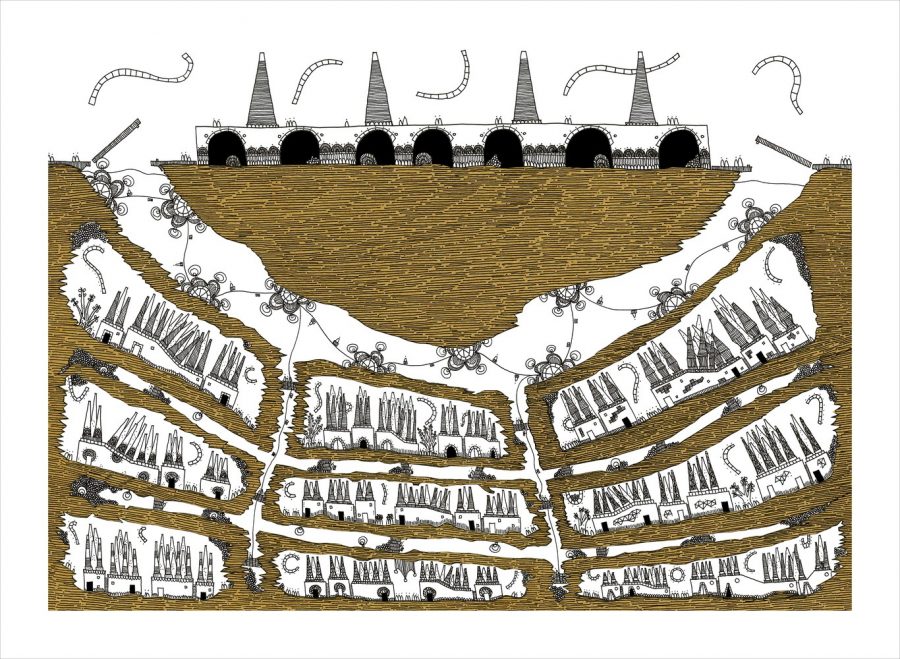
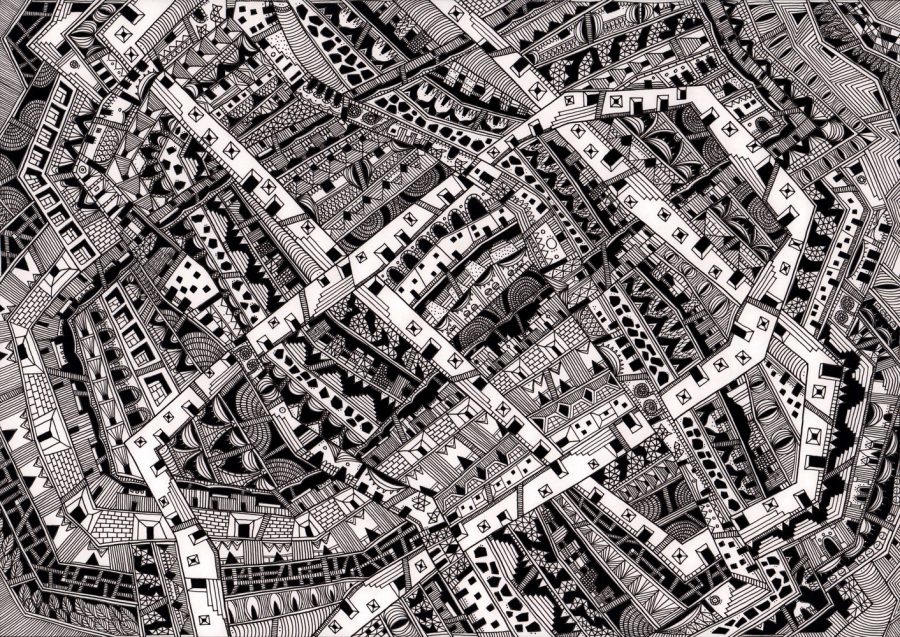
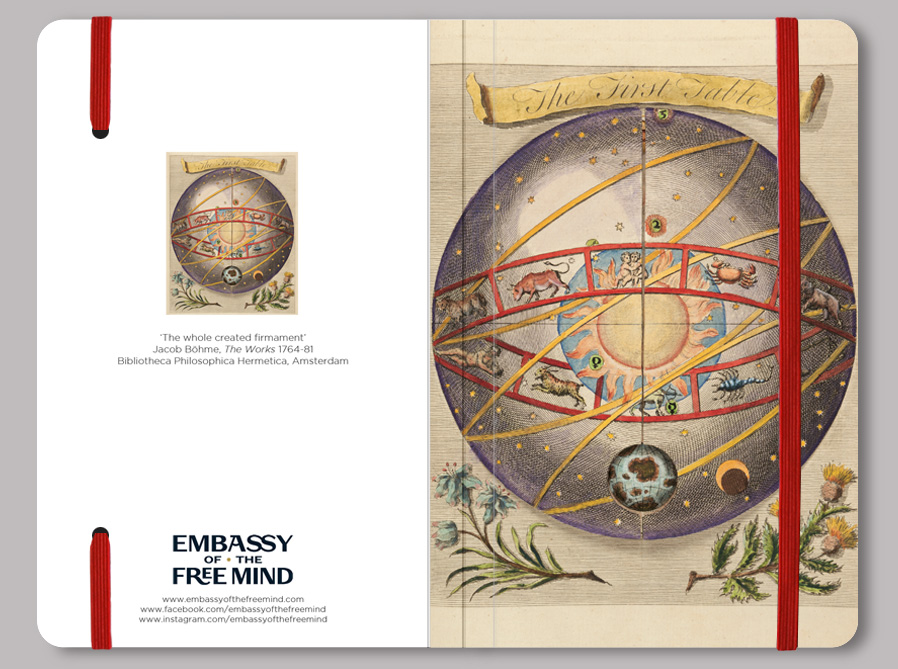
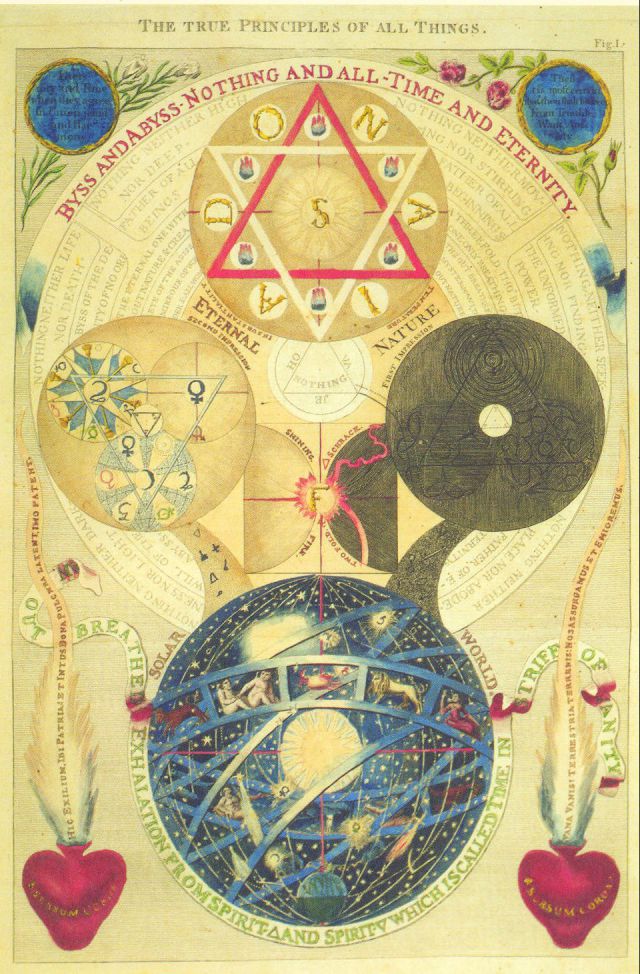
Boing­Bo­ing recent­ly ran a short pro­file on a new doc­u­men­tary that takes you inside the intrigu­ing Rit­man Library. Locat­ed in Ams­ter­dam, the library hous­es 23,000 rare books from hermetic/esoteric/occult traditions–Alchemy, Her­met­i­ca, Cabala, Mag­ic, Rosi­cru­cian­ism, Mys­tic, Theos­o­phy, Freema­son­ry, Pan­s­o­phy and much more.

You can watch the trail­er for the doc­u­men­tary above. But, even bet­ter, you can now stream the com­plete 90-minute film on Ama­zon Prime for free. If you have an Ama­zon Prime account, just click here to start watch­ing. If you don’t, you can sign up for a 30-day free tri­al, watch the doc, and then decide whether to remain a sub­scriber or not. It’s your call. (Note: they also offer a sim­i­lar arrange­ment for audio­books from Audi­ble.)

The same deal applies to oth­er films we’ve fea­tured dur­ing the past year. Jim Jar­musch’s new doc­u­men­tary Gimme Dan­ger–his “love let­ter” to punk icons Iggy Pop and The Stooges. And also Long Strange Trip, the new 4‑hour doc­u­men­tary on the Grate­ful Dead.

If you would like to sign up for Open Culture’s free email newslet­ter, please find it here. It’s a great way to see our new posts, all bun­dled in one email, each day.

If you would like to sup­port the mis­sion of Open Cul­ture, con­sid­er mak­ing a dona­tion to our site. It’s hard to rely 100% on ads, and your con­tri­bu­tions will help us con­tin­ue pro­vid­ing the best free cul­tur­al and edu­ca­tion­al mate­ri­als to learn­ers every­where. You can con­tribute through Pay­Pal, Patre­on, and Ven­mo (@openculture). Thanks!

Relat­ed Con­tent:

Dis­cov­er the Jacobean Trav­el­ing Library: The 17th Cen­tu­ry Pre­cur­sor to the Kin­dle

The Art of Mak­ing Old-Fash­ioned, Hand-Print­ed Books

Won­der­ful­ly Weird & Inge­nious Medieval Books

Wear­able Books: In Medieval Times, They Took Old Man­u­scripts & Turned Them into Clothes

Free Online Lit­er­a­ture Cours­es

by | Permalink | Make a Comment ( 1 ) |

An Animated Introduction to “the World’s Most Mysterious Book,” the 15th-Century Voynich Manuscript

It has 240 pages filled with writ­ing and illus­tra­tion. Car­bon dat­ing places it around the year 1420. Schol­ars have spent count­less thou­sands of hours scru­ti­niz­ing it. But the so-called Voyn­ich Man­u­script has one qual­i­ty more notable than any oth­er: nobody under­stands a word of it. Last month, Josh Jones wrote about this sin­gu­lar­ly strange tex­tu­al arti­fact here at Open Cul­ture, includ­ing the dig­i­tized ver­sion at the Inter­net Archive that you can flip through and read your­self — or rather “read,” since the tex­t’s lan­guage, if it be a lan­guage at all, remains uniden­ti­fied. But before you do that, you might want to watch TED-Ed’s brief intro­duc­tion to the Voyn­ich Man­u­script above.

The video’s nar­ra­tor describes pages of “real and imag­i­nary plants, float­ing cas­tles, bathing women, astrol­o­gy dia­grams, zodi­ac rings, and suns and moons with faces accom­pa­ny the text,” read­ing from a script by Stephen Bax, Voyn­ich Man­u­script researcher and Pro­fes­sor of Mod­ern Lan­guages and Lin­guis­tics at the Open Uni­ver­si­ty.

“Cryp­tol­o­gists say the writ­ing has all the char­ac­ter­is­tics of a real lan­guage — just one that no one’s ever seen before.” High­ly dec­o­rat­ed through­out with “scroll-like embell­ish­ments,” the man­u­script fea­tures the work of what looks like no few­er than three hands: two who did the writ­ing, and one who did the paint­ing.

Intrigued yet? Or per­haps you already feel an inkling of a new the­o­ry to explain this bizarre, seem­ing­ly ency­clo­pe­dia-like vol­ume’s prove­nance to add to the many that have come before: some believe the man­u­scrip­t’s author or authors wrote it in code, some that “the doc­u­ment is a hoax, writ­ten in gib­ber­ish to make mon­ey off a gullible buy­er” by a “medieval con man” or even Voyn­ich him­self, and some that it shows an attempt “to cre­ate an alpha­bet for a lan­guage that was spo­ken, but not yet writ­ten.” Maybe the thir­teenth-cen­tu­ry philoso­pher Roger Bacon wrote it. Or maybe the Eliz­a­bethan mys­tic John Dee. Or maybe Ital­ian witch­es, or space aliens. At just a glance, the Voyn­ich Man­u­script pos­es ques­tions that could take an eter­ni­ty to answer — as any great work of lit­er­a­ture should.

Relat­ed Con­tent:

Behold the Mys­te­ri­ous Voyn­ich Man­u­script: The 15th-Cen­tu­ry Text That Lin­guists & Code-Break­ers Can’t Under­stand

1,000-Year-Old Illus­trat­ed Guide to the Med­i­c­i­nal Use of Plants Now Dig­i­tized & Put Online

Won­der­ful­ly Weird & Inge­nious Medieval Books

Based in Seoul, Col­in Mar­shall writes and broad­casts on cities and cul­ture. His projects include the book The State­less City: a Walk through 21st-Cen­tu­ry Los Ange­les and the video series The City in Cin­e­ma. Fol­low him on Twit­ter at @colinmarshall or on Face­book.

Before the Bookmobile: When Librarians Rode on Horseback to Deliver Books to Rural Americans During the Great Depression

An odd phe­nom­e­non has been at work in the past few years. Print book sales slope upward while eBook sales creep down. The trend man­i­fests the oppo­site of what most people—or most peo­ple who write about these things—expected to hap­pen, quite rea­son­ably in many respects. Per­haps through sheer his­tor­i­cal momen­tum, print retains its aura of author­i­ty.

But every­one knows that buy­ing isn’t read­ing, which may indeed be in decline giv­en the pri­ma­cy of images, audio, and video, of YouTube explain­ers and doc­u­men­taries such as the one above, which tells the tale of the “Pack Horse Librar­i­ans.”

These for­got­ten heroes, like the famed Pony Express, braved wind, rain, and rough ter­rain to deliv­er books to iso­lat­ed set­tlers who oth­er­wise may have had noth­ing to read.

But this is not a tale of cow­boys and fron­tiers­men. The Pack Horse Librar­i­ans appeared in an Indus­tri­al Age, and what’s more they were most­ly women. Called “book ladies” and “pack­sad­dle librar­i­ans,” the librar­i­ans were dep­u­tized dur­ing the New Deal, when FDR sought to end the Great Depres­sion by cre­at­ing hun­dreds of jobs addressed to the country’s real social, mate­r­i­al, and cul­tur­al needs. In this case, the Pack Horse Librar­i­ans respond­ed to what many of us might con­sid­er a cri­sis, if not a crime.

“About 63% of the res­i­dents of Ken­tucky were with­out access to pub­lic libraries,” and some­where around 30% of rur­al Ken­tuck­ians were illit­er­ate. Those rur­al Ken­tuck­ians saw edu­ca­tion as a way out of pover­ty, and the Works Progress Admin­is­tra­tion agreed, over­see­ing the book deliv­ery project between 1935 and 1943. “Book women” made around $28 a month (a lit­tle over $500 in 2017) deliv­er­ing books to homes and school­hous­es. By 1936, writes the site Appalachi­an His­to­ry, “hand­made and donat­ed mate­ri­als could not sus­tain the cir­cu­la­tion needs of the pack horse patrons.”

Sur­veys of read­ers found that pack horse patrons could not get enough of books about trav­el, adven­ture and reli­gion, and detec­tive and romance mag­a­zines. Children’s pic­ture books were also immense­ly pop­u­lar, not only with young res­i­dents but also their illit­er­ate par­ents. Per head­quar­ters, approx­i­mate­ly 800 books had to be shared among five to ten thou­sand patrons.

To com­pen­sate for scarci­ty, a Uni­ver­si­ty of Ken­tucky pre­sen­ta­tion notes, librar­i­ans them­selves cre­at­ed books of “moun­tain recipes and scrap books of cur­rent events.” But the ser­vice quick­ly grew to deliv­er­ing more than 3,000 donat­ed books per month, after a dri­ve in which every PTA mem­ber in the state gave to the cause.

Eleanor Roo­sevelt (pho­tographed above vis­it­ing a Pack­horse Library in West Lib­er­ty, KY) was a cham­pi­on of the ser­vice, which founder Eliz­a­beth Fuller­ton mod­eled after a sim­i­lar ven­ture in 1913, itself a pro­fes­sion­al­iza­tion of work done by the Ken­tucky Fed­er­a­tion of Women’s Clubs in the late 19th cen­tu­ry.

We can see that the his­to­ry of women librar­i­ans on horse­back goes back quite a ways. But it is a his­to­ry now for­got­ten, despite the efforts of recent books like Down Cut Shin Creek: The Pack Horse Librar­i­ans of Ken­tucky. A recent trend involves sug­gest­ing his­tor­i­cal Amer­i­can fig­ures who might replace all those mon­u­ments to the Con­fed­er­a­cy. We might well add Pack Horse Librar­i­ans to the dis­tin­guished list of can­di­dates.

The ser­vice lost its fund­ing in 1943, “leav­ing some com­mu­ni­ties with­out access to books for decades,” Appalachi­an His­to­ry writes, “until book­mo­biles were intro­duced to the area in the late 1950s.” These ser­vices seem quaint in an era when wide­spread deliv­ery by drone seems immi­nent. We seem­ing­ly live in the most infor­ma­tion-rich, instant access soci­ety in his­to­ry. Yet a sig­nif­i­cant num­ber of peo­ple in the U.S. and around the world have lit­tle to no access to the inter­net. And a sim­i­lar degree of illiteracy—at least of basic infor­ma­tion and crit­i­cal reasoning—may war­rant a sim­i­lar­ly direct inter­ven­tion.

via The Smith­son­ian

Relat­ed Con­tent:

Free Libraries Shaped Like Doc­tor Who’s Time-Trav­el­ing TARDIS Pop Up in Detroit, Saska­toon, Macon & Oth­er Cities

Strik­ing Poster Col­lec­tion from the Great Depres­sion Shows That the US Gov­ern­ment Once Sup­port­ed the Arts in Amer­i­ca

The Future of Con­tent Deliv­ery

Josh Jones is a writer and musi­cian based in Durham, NC. Fol­low him at @jdmagness

1,000+ Historic Japanese Illustrated Books Digitized & Put Online by the Smithsonian: From the Edo & Meji Eras (1600–1912)

Sure­ly we’ve all won­dered what we might do as promi­nent nine­teenth-cen­tu­ry indus­tri­al­ists, and more than a few of us (espe­cial­ly here in the Open Cul­ture crowd) would no doubt invest our for­tunes in the art of the world. Rail­car man­u­fac­tur­ing mag­nate Charles Lang Freer did just that, as we can see today in the Freer Gallery of Art in Wash­ing­ton, D.C. Togeth­er with the Arthur M. Sack­ler Gallery (Sack­ler hav­ing made it as “the father of mod­ern phar­ma­ceu­ti­cal adver­tis­ing”), it con­sti­tutes the Smith­son­ian Insti­tu­tion’s nation­al muse­um of Asian art, gath­er­ing every­thing from ancient Egypt­ian stone sculp­ture to Chi­nese paint­ings to Kore­an pot­tery to Japan­ese books.

We like to high­light Japan­ese book cul­ture here every so often (see the relat­ed con­tent below) not just because of its strik­ing aes­thet­ics and con­sum­mate crafts­man­ship but because of its deep his­to­ry. You can now expe­ri­ence a con­sid­er­able swath of that his­to­ry free online at the Freer|Sacker Library’s web site, which just this past sum­mer fin­ished dig­i­tiz­ing over one thou­sand books — now more than 1,100, which breaks down to 41,500 sep­a­rate images — pub­lished dur­ing Japan’s Edo and Mei­ji peri­ods, a span of time reach­ing from 1600 to 1912. “Often filled with beau­ti­ful mul­ti-col­or illus­tra­tions,” writes Reiko Yoshimu­ra at the Smith­son­ian Libraries’ blog, “many titles are by promi­nent Japan­ese tra­di­tion­al and ukiyo‑e (‘float­ing world’) painters such as Oga­ta Kōrin (1658–1716), Andō Hiroshige (1797–1858) and Kat­sushi­ka Hoku­sai (1760–1849).”

Yoshimu­ra directs read­ers to such vol­umes as Hoku­sai’s One Hun­dred Views of Mt. Fuji, Uta­gawa Toyoku­ni’s Thir­ty-Six Pop­u­lar Actors, and artist, crafts­man, and design­er Kōet­su’s col­lec­tion of one hun­dred libret­tos for noh the­ater per­for­mances. Even those who can’t read clas­si­cal Japan­ese will admire an aes­thete like Kōet­su’s way with what Yoshimu­ra calls his “cali­graph­ic ‘font,’ ” all “skill­ful­ly print­ed on lux­u­ri­ous mica embell­ished papers using wood­en mov­able-type.”

While the online col­lec­tion’s scans come in a more than high enough res­o­lu­tion for gen­er­al appre­ci­a­tion, to get the full effect of book­mak­ing tech­niques like mica embell­ish­ment — which only sparkles when seen in real life — you’d have to vis­it the phys­i­cal col­lec­tion. Some things, it seems, can’t yet be dig­i­tized.

Enter the col­lec­tion of Japan­ese Illus­trat­ed Books here.

Relat­ed Con­tent:

Watch a Japan­ese Crafts­man Lov­ing­ly Bring a Tat­tered Old Book Back to Near Mint Con­di­tion

Enter a Dig­i­tal Archive of 213,000+ Beau­ti­ful Japan­ese Wood­block Prints

Japan­ese Kabu­ki Actors Cap­tured in 18th-Cen­tu­ry Wood­block Prints by the Mys­te­ri­ous & Mas­ter­ful Artist Sharaku

Splen­did Hand-Scroll Illus­tra­tions of The Tale of Gen­jii, The First Nov­el Ever Writ­ten (Cir­ca 1120)

Behold the Mas­ter­piece by Japan’s Last Great Wood­block Artist: View Online Tsukio­ka Yoshitoshi’s One Hun­dred Aspects of the Moon (1885)

A Won­der­ful­ly Illus­trat­ed 1925 Japan­ese Edi­tion of Aesop’s Fables by Leg­endary Children’s Book Illus­tra­tor Takeo Takei

“Tsun­doku,” the Japan­ese Word for the New Books That Pile Up on Our Shelves, Should Enter the Eng­lish Lan­guage

Based in Seoul, Col­in Mar­shall writes and broad­casts on cities and cul­ture. His projects include the book The State­less City: a Walk through 21st-Cen­tu­ry Los Ange­les and the video series The City in Cin­e­ma. Fol­low him on Twit­ter at @colinmarshall or on Face­book.

Émile-Antoine Bayard’s Vivid Illustrations of Jules Verne’s Around the Moon: The First Serious Works of Space Art (1870)

What does space trav­el look like? Even now, in the 21st cen­tu­ry, very, very few of us know first-hand. But we’ve all seen count­less images from count­less eras pur­port­ing to show us what it might look like. As with any­thing imag­ined by man, some­one had to ren­der a con­vinc­ing vision of space trav­el first, and that dis­tinc­tion may well go to 19th-cen­tu­ry French illus­tra­tor Émile-Antoine Bayard who, per­haps not sur­pris­ing­ly, worked with Jules Verne. Verne’s pio­neer­ing and pro­lif­ic work in sci­ence fic­tion lit­er­a­ture has kept him a house­hold name, but Bayard’s may sound more obscure; still, we’ve all seen his art­work, or at least we’ve all seen the draw­ing of Cosette the orphan he did for Les Mis­érables.

“Read­ers of Jules Verne’s ear­ly sci­ence-fic­tion clas­sic From the Earth to the Moon (De la terre à la lune) — which left the Bal­ti­more Gun Club’s bul­let-shaped pro­jec­tile, along with its three pas­sen­gers and dog, hurtling through space — had to wait a whole five years before learn­ing the fate of its heroes,” says The Pub­lic Domain Review.

When it appeared, 1870’s Around the Moon (Autour de la Lune) offered not just “a fine con­tin­u­a­tion of the space adven­ture” but “a superb series of wood engrav­ings to illus­trate the tale” cre­at­ed by Bayard. “There had been imag­i­nary views of oth­er worlds, and even of space flight before this,” writes Ron Miller in Space Art, “but until Verne’s book appeared, these views all had been heav­i­ly col­ored by mys­ti­cism rather than sci­ence.”

Com­posed strict­ly accord­ing to the sci­en­tif­ic facts known at the time — with a depar­ture here and there in the name of imag­i­na­tion and visu­al metaphor — the illus­tra­tions for A Trip Around the Moon, lat­er pub­lished in a sin­gle vol­ume with its pre­de­ces­sor as A Trip to the Moon and Around It, stand as the ear­li­est known exam­ple of sci­en­tif­ic space art. Verne went as far as to com­mis­sion a lunar map by famed selenog­ra­phers (lit­er­al­ly, schol­ars of the moom’s sur­face) Beer and Maedlerm, and just last year the Lin­da Hall Library named Bayard a “sci­en­tist of the day.” As with the uncan­ni­ly accu­rate pre­dic­tions in Verne’s ear­li­er nov­el Paris in the Twen­ti­eth Cen­tu­ry, a fair few of the ideas here, espe­cial­ly to do with the mechan­ics of the rock­et’s launch and return to Earth, remain sci­en­tif­i­cal­ly plau­si­ble.

What­ev­er the inno­va­tion of the pro­jec­t’s con­sid­er­able sci­en­tif­ic basis, its artis­tic impres­sion fired up more than a few oth­er imag­i­na­tions: both Verne’s words and Bayard’s art, all 44 pieces of which you can view here, served as major inspi­ra­tions for ear­ly film­mak­er and “father of spe­cial effects” Georges Méliès, for instance, when he made A Trip to the Moon. Dis­ap­point­ed com­plaints about our per­sis­tent lack of moon colonies or even com­mer­cial space flight may have long since grown tire­some, but the next time you hear one of us denizens of the 21st cen­tu­ry air them, remem­ber the work of Verne and Bayard and think of how deep into his­to­ry that desire real­ly runs.

Via The Pub­lic Domain Review.

Relat­ed Con­tent:

Jules Verne Accu­rate­ly Pre­dicts What the 20th Cen­tu­ry Will Look Like in His Lost Nov­el, Paris in the Twen­ti­eth Cen­tu­ry (1863)

How French Artists in 1899 Envi­sioned Life in the Year 2000: Draw­ing the Future

Sovi­et Artists Envi­sion a Com­mu­nist Utopia in Out­er Space

A Trip to the Moon (and Five Oth­er Free Films) by Georges Méliès, the Father of Spe­cial Effects

Based in Seoul, Col­in Mar­shall writes and broad­casts on cities and cul­ture. His projects include the book The State­less City: a Walk through 21st-Cen­tu­ry Los Ange­les and the video series The City in Cin­e­ma. Fol­low him on Twit­ter at @colinmarshall or on Face­book.

Ralph Steadman’s Wildly Illustrated Biography of Leonardo da Vinci (1983)

It is for good rea­son that we for­ev­er asso­ciate illus­tra­tor Ralph Stead­man with the deliri­ous work of Hunter S. Thomp­son. It took the two of them togeth­er to invent the gonzo style of jour­nal­ism, which we may almost call incom­plete now if pub­lished with­out the req­ui­site car­toon grotesques. Stead­man con­jures visions of dev­ils and demons as deft­ly as any medieval church painter, but his hells remain above ground and are most­ly man-made. Whether illus­trat­ing Ambrose Bierce’s Devil’s Dic­tio­nary, George Orwell’s Ani­mal Farm, the cast of Break­ing Bad, or the vis­ages of Amer­i­can pres­i­dents, he excels at show­ing us the freak­ish fever dreams of the mod­ern world. He may, wrote The New York Times’ Sher­win Smith in 1983, “be the most sav­age polit­i­cal car­toon­ist of the late 20th cen­tu­ry.”

Steadman’s illus­tra­tive lega­cy places him in the com­pa­ny of history’s great­est visu­al satirists, but also makes him an odd choice for a biog­ra­phy of Leonar­do da Vin­ci. Though Leonar­do fre­quent­ly drew car­i­ca­tures in his note­books, the bulk of the Renais­sance genius’s work con­cerns itself with order and precision—the pur­pose­ful­ness of his line a stark con­trast to the crazed ink splat­ters of Steadman’s work.

Nonethe­less, Steadman’s I, Leonar­do, which he under­took not on com­mis­sion but on his own ini­tia­tive, exhibits a pro­found insight into the Ital­ian painter-sculptor-philosopher-inventor’s rest­less cre­ative mind. Leonar­do pre­sent­ed a very cool exte­ri­or, but his inner life may well have resem­bled a Stead­man draw­ing.

The project came to life in 1983 as what Stead­man called “a qua­si-his­tor­i­cal mish­mash,” a “tongue-in-cheek” sup­posed long-lost auto­bi­og­ra­phy of Leonar­do in pic­tures. “It is more than a col­lec­tion of illus­tra­tions on Leonardo’s life, based upon three years of work and research,” remarked a Wash­ing­ton Post review. “Stead­man does not mere­ly the­o­rize about the man, but attempts to go inside the artist’s bones.” Stead­man, writes Maria Popo­va, “even trav­elled to Italy to stand where Leonar­do stood, seek­ing to envi­sion what it was like to inhab­it that end­less­ly imag­i­na­tive mind.” The illus­tra­tions are a sur­pris­ing­ly effec­tive com­bi­na­tion of da Vin­ci-esque dis­ci­pline and Stead­manesque sick humor.

In his intro­duc­tion to the book, Stead­man com­ments on Leonardo’s split per­sona. His “expe­ri­ence showed him that man was not what he appeared to be, despite the pre­vail­ing atmos­phere of fine thoughts and high aspi­ra­tions…. The puri­ty of his paint­ing set the divine stan­dard of Renais­sance art—and of any art for that mat­ter. I believe he pre­served intact a part of his pri­vate self which found out­let in his more per­son­al notes and draw­ings.” Many of those draw­ings include the afore­men­tioned car­i­ca­tures of mon­strous, gri­mac­ing beings who would fit right in with Steadman’s night­mar­ish draw­ings.

The gonzo illus­tra­tor found a kin­dred satir­i­cal Leonar­do inside the famed mas­ter draughts­man and engi­neer. His inter­est in the Renais­sance artist’s anar­chic psy­che mir­rors that of anoth­er keen observ­er, Sig­mund Freud, who described Leonar­do as “a man who awoke too ear­ly in the dark­ness, while the oth­ers were all still asleep.” (Steadman’s first “his­tor­i­cal mish­mash” project was a 1979 illus­trat­ed Freud biog­ra­phy.) The artist behind I, Leonar­do has a slight­ly dif­fer­ent take on the sub­ject. Stead­man, writes Smith, saw Leonar­do “in 1980’s terms—as ‘a man tak­en up by a cor­po­ra­tion that couldn’t use him.’”

See many more of Steadman’s Leonar­do illus­tra­tions at Brain Pick­ings and pur­chase a copy of the book here.

Relat­ed Con­tent:

Ralph Steadman’s Sur­re­al­ist Illus­tra­tions of George Orwell’s Ani­mal Farm (1995)

Gonzo Illus­tra­tor Ralph Stead­man Draws the Amer­i­can Pres­i­dents, from Nixon to Trump

Break­ing Bad Illus­trat­ed by Gonzo Artist Ralph Stead­man

Josh Jones is a writer and musi­cian based in Durham, NC. Fol­low him at @jdmagness

An Introduction to the Codex Seraphinianus, the Strangest Book Ever Published

Imag­ine you could talk to Hierony­mus Bosch, the authors of the Book of Rev­e­la­tion, or of the Voyn­ich Man­u­script—a bizarre 15th cen­tu­ry text writ­ten in an uncrack­able code; that you could solve cen­turies-old mys­ter­ies by ask­ing them, “what were you think­ing?” You might be dis­ap­point­ed to hear them say, as does Lui­gi Ser­afi­ni, author and illus­tra­tor of the Codex Seraphini­anus, “At the end of the day [it’s] sim­i­lar to the Rorschach inkblot test. You see what you want to see. You might think it’s speak­ing to you, but it’s just your imag­i­na­tion.”

If you were a long­time devo­tee of an intense­ly sym­bol­ic, myth­ic text, you might refuse to believe this. It must mean some­thing, fans of the Codex have insist­ed since the book’s appear­ance in 1981.

It shares many sim­i­lar­i­ties with the Voyn­ich Man­u­script (high­light­ed on our site last week), save its rel­a­tive­ly recent vin­tage and liv­ing author: both the Seraphini­anus and the Voyn­ich seem to be com­pendi­ums of an oth­er­world­ly nat­ur­al sci­ence and art, and both are writ­ten in a whol­ly invent­ed lan­guage.

Ser­afi­ni tells Wired he thinks Voyn­ich is a fake. “The Holy Roman Emper­or Rudulf II loved ancient man­u­scripts; some­body swin­dled him and spread the rumor that it was orig­i­nal. The idea of made-up lan­guages is not new at all.” As for his own made-up lan­guage in the Codex, he avers, “I always said that there is no mean­ing behind the script; it’s just a game.” But it is not a hoax. Though he hasn’t mind­ed the mon­ey from the book’s cult pop­u­lar­i­ty, he cre­at­ed the book, he says, “try­ing to reach out to my fel­low peo­ple, just like blog­gers do.” It is, he says, “the prod­uct of a gen­er­a­tion that chose to con­nect and cre­ate a net­work, rather than kill each oth­er in wars like their fathers did.”

The Codex, writes Abe books, who made the short video review above, is “essen­tial­ly an ency­clo­pe­dia about an alien world that clear­ly reflects our own, each chap­ter appears to deal with key facets of this sur­re­al place, includ­ing flo­ra, fau­na, sci­ence, machines, games and archi­tec­ture.” That’s only a guess giv­en the unin­tel­li­gi­ble lan­guage.

The illus­tra­tions seem to draw from Bosch, Leonar­do da Vin­ci, and the medieval trav­el­ogue as much as from the sur­re­al­ism of con­tem­po­rary Euro­pean artists like Fan­tas­tic Plan­et ani­ma­tor René Laloux. (Justin Tay­lor at The Believ­er points to a num­ber of sim­i­lar 20th cen­tu­ry texts, like Borges’ Book of Imag­i­nary Beings.)

Ser­afi­ni has been delight­ed to see an exten­sive inter­net com­mu­ni­ty coa­lesce around the book, and has had his fun with it. He “now states,” writes Dan­ger­ous Minds, “that a stray white cat that joined him while he cre­at­ed the Codex in Rome in the 1970s was actu­al­ly the real author, tele­path­i­cal­ly guid­ing Ser­afi­ni as he drew and ‘wrote.’” You can now, thanks to a recent, rel­a­tive­ly afford­able edi­tion pub­lished by Riz­zoli, pur­chase your copy of the Codex. Buy now, I’d say. First edi­tions of the book now fetch upwards of $5000, and the its pop­u­lar­i­ty shows no sign of slow­ing. Also check out the more recent Codex Seraphini­anus wall cal­en­dar.

Relat­ed Con­tent:  

Behold the Mys­te­ri­ous Voyn­ich Man­u­script: The 15th-Cen­tu­ry Text That Lin­guists & Code-Break­ers Can’t Under­stand

Won­der­ful­ly Weird & Inge­nious Medieval Books

Carl Jung’s Hand-Drawn, Rarely-Seen Man­u­script The Red Book: A Whis­pered Intro­duc­tion

Josh Jones is a writer and musi­cian based in Durham, NC. Fol­low him at @jdmagness

Behold the “Book Wheel”: The Renaissance Invention Created to Make Books Portable & Help Scholars Study Several Books at Once (1588)

Devo­tees of print may object, but we read­ers of the 21st cen­tu­ry enjoy a great priv­i­lege in our abil­i­ty to store a prac­ti­cal­ly infi­nite num­ber of dig­i­tized books on our com­put­ers. What’s more, those com­put­ers have them­selves shrunk down to such com­pact­ness that we can car­ry them around day and night with­out dis­com­fort. This would hard­ly have worked just forty years ago, when books came only in print and a seri­ous com­put­er could still fill a room. The paper book may remain rea­son­ably com­pet­i­tive even today with the con­ve­nience refined over hun­dreds and hun­dreds of years, but its first hand­made gen­er­a­tions tend­ed toward lav­ish, weighty dec­o­ra­tion and for­mats that now look com­i­cal­ly over­sized.

These posed real prob­lems of unwield­i­ness, one solu­tion to which took the unlike­ly form of the book­wheel. In 1588’s The Var­i­ous and Inge­nious Machines of Cap­tain Agosti­no Ramel­li, the Ital­ian engi­neer of that name “out­lined his vision for a wheel-o-books that would employ the log­ic of oth­er types of wheel (water, Fer­ris, ‘Price is Right’, etc.) to rotate books clock­work-style before a sta­tion­ary user,” writes the Atlantic’s Megan Gar­ber.

The design used “epicyclic gear­ing — a sys­tem that had at that point been used only in astro­nom­i­cal clocks — to ensure that the shelves bear­ing the wheel’s books (more than a dozen of them) would remain at the same angle no mat­ter the wheel’s posi­tion. The seat­ed read­er could then employ either hand or foot con­trols to move the desired book pret­ty much into her (or, much more like­ly, his) lap.” This rotat­ing book­case gave 16th cen­tu­ry read­ers the abil­i­ty to read heavy books in place, with far greater ease.

In his 1588  book, Ramel­li added:

This is a beau­ti­ful and inge­nious machine, very use­ful and con­ve­nient for any­one who takes plea­sure in study, espe­cial­ly those who are indis­posed and tor­ment­ed by gout. For with this machine a man can see and turn through a large num­ber of books with­out mov­ing from one spot. Moveover, it has anoth­er fine con­ve­nience in that it occu­pies very lit­tle space in the place where it is set, as any­one of intel­li­gence can clear­ly see from the draw­ing.

Inven­tors all over Europe cre­at­ed their own ver­sions of the book­wheel dur­ing the 17th and 18th cen­turies, four­teen exam­ples of which still exist. (The one pic­tured in the mid­dle of the post, built around 1650, now resides in Lei­den.) Even archi­tect Daniel Libe­skind has built one, based on Ramel­li’s design and exhib­it­ed in his home­land at the 1986 Venice Bien­nale. Alas, after it went to Gene­va for an exhi­bi­tion at the Palais Wil­son, it fell vic­tim to a ter­ror­ist fire bomb­ing. Inno­va­tion, it seems, will always have its ene­mies.

Relat­ed Con­tent:

Dis­cov­er the Jacobean Trav­el­ing Library: The 17th Cen­tu­ry Pre­cur­sor to the Kin­dle

The Art of Mak­ing Old-Fash­ioned, Hand-Print­ed Books

Won­der­ful­ly Weird & Inge­nious Medieval Books

Wear­able Books: In Medieval Times, They Took Old Man­u­scripts & Turned Them into Clothes

800 Free eBooks for iPad, Kin­dle & Oth­er Devices

Based in Seoul, Col­in Mar­shall writes and broad­casts on cities and cul­ture. He’s at work on the book The State­less City: a Walk through 21st-Cen­tu­ry Los Ange­les, the video series The City in Cin­e­ma, the crowd­fund­ed jour­nal­ism project Where Is the City of the Future?, and the Los Ange­les Review of Books’ Korea Blog. Fol­low him on Twit­ter at @colinmarshall or on Face­book.

« Go BackMore in this category... »
Quantcast