Central Park Bird Watcher Christian Cooper Writes DC Comics Graphic Novel: It’s Now Free Online

Write what you know.

It’s oft-cit­ed advice for writ­ers both begin­ning and estab­lished.

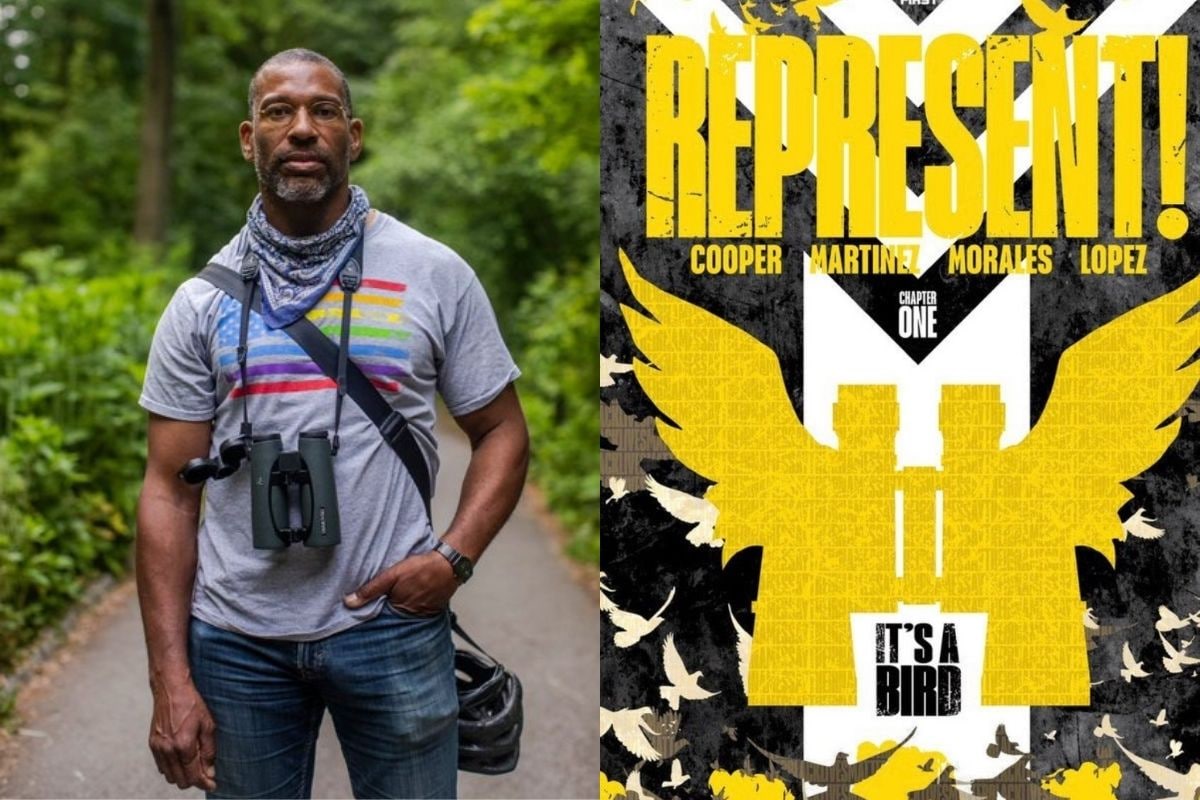
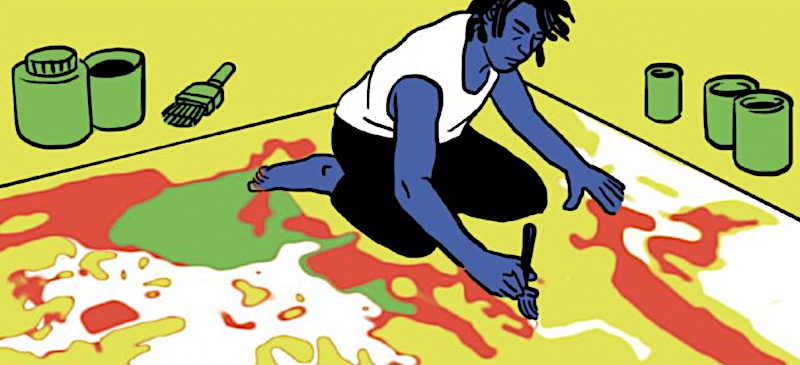
Thus, Jules, the teenage boy at the cen­ter of Chris­t­ian Cooper’s It’s a Bird, the first entry in DC Comics’ dig­i­tal-first anthol­o­gy series Rep­re­sent!, is a bird­watch­er, like the author.

And the binoc­u­lars that were a 50th birth­day gift from Cooper’s father, a Kore­an War vet and Civ­il Rights activist, serve as mod­els for the ones Jules is none too thrilled to receive, despite his grandpa’s belief that they pos­sess spe­cial pow­ers.

Coop­er, who was was Mar­vel’s first open­ly gay writer and edi­tor, intro­duc­ing a num­ber of queer char­ac­ters before devot­ing him­self to sci­ence writ­ing, also draws on recent per­son­al his­to­ry that is more fraught.

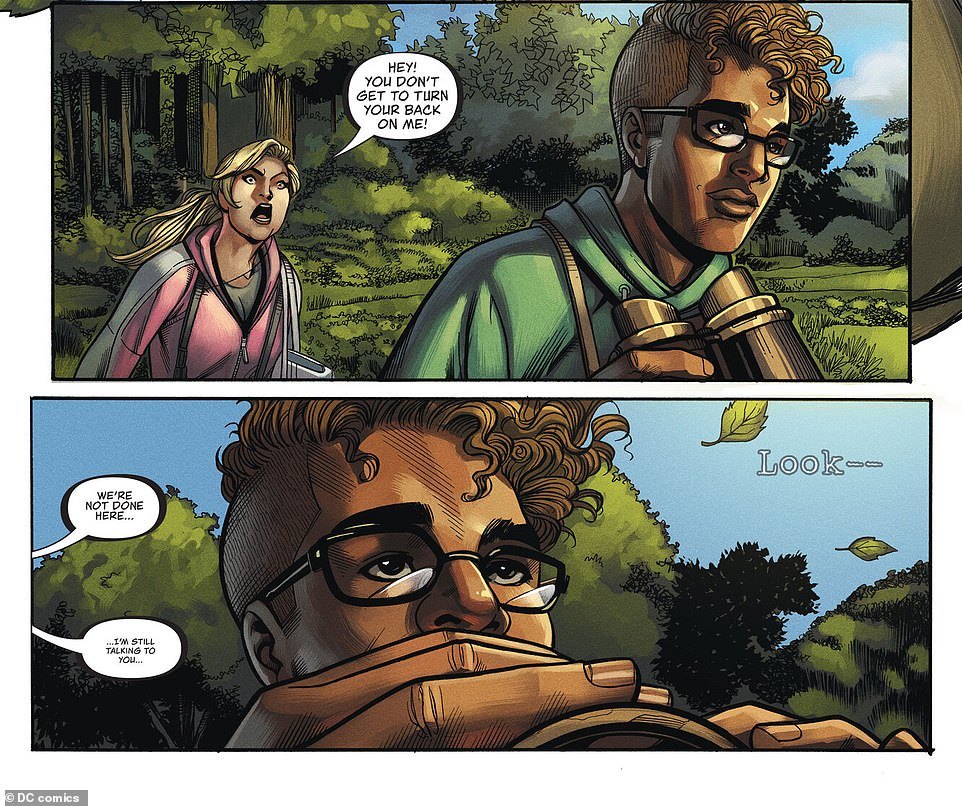
Although the loca­tion has shift­ed from New York City’s Cen­tral Park to a sub­ur­ban green space bor­dered with large, well-kept homes, includ­ing Jules’, the young man’s encounter with an indig­nant white woman and her off-leash dog should ring any num­ber of bells.

In late May, Coop­er became the sub­ject of nation­al news, when he con­front­ed Amy Coop­er (no rela­tion) over her vio­la­tion of park rules, tired of the hav­oc uncon­trolled dogs wreak on birds who call the park home. Ms. Coop­er esca­lat­ed things quick­ly by call­ing 911, claim­ing she was being threat­ened by an African-Amer­i­can man. Coop­er record­ed the inci­dent as a mat­ter of pro­to­col, and his sis­ter shared the video on social media lat­er that day.

The same day that George Floyd was killed by police in Min­neapo­lis, Min­neso­ta.

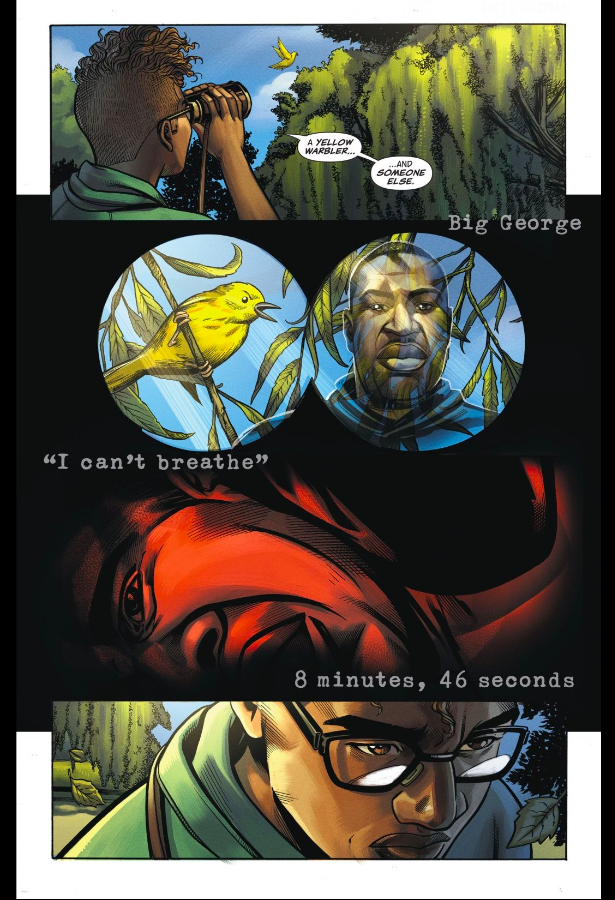
What Jules sees through the lens­es of his grand­fa­ther’s binoc­u­lars con­tains an ele­ment of fan­ta­sy, but is also deeply root­ed in reality—the faces of Ami­dou Dial­lo, Bre­on­na Tay­lor, Floyd, and oth­er Black peo­ple who have died as a result of exces­sive, unwar­rant­ed police force.

When DC first approached him about tap­ping his expe­ri­ence for his first com­ic in over two decades, Coop­er was reluc­tant:

I thought, “I don’t know, DC Comics? Super­heroes? Not sure how that’s going to work.” We kicked around a cou­ple of ideas. They said they had got­ten the title, I’m not sure exact­ly from who, but some­body pret­ty high up in the DC food chain: “It’s a Bird.” It took me half a beat. “Oh…I get what you did there.” Once I had the title, the sto­ry wrote itself.

It’s a Bird artist Aletha E. Mar­tinez, a pio­neer whose 20-year career has includ­ed ink­ing such super­hero heavy hit­ters as the Black Pan­ther, Iron Man, Bat­girl, and X‑Men, also pulled from per­son­al expe­ri­ence when ren­der­ing Jules’ expres­sion after the binoc­u­lars reveal the cir­cum­stances of George Floyd’s death:

I saw that look on my son’s face three years ago after we left North Car­oli­na, and we were com­ing home to New York. We were stopped going into the air­port. We trav­el so often—cons, in and out of the coun­try. These two secu­ri­ty guards start­ed to harass us. They want­ed to take my purse. “Where are you from?” You hear my voice, there’s no accent in my voice. It end­ed up with them say­ing, “You should trav­el with your pass­port.” This is after back­ing us up in the cor­ner, and why? I’m an Amer­i­can cit­i­zen born on this soil, so is my son. I don’t need a pass­port to trav­el with­in my coun­try. This is our day and age.

I watched my son’s face change, and he nev­er quite walked up again look­ing hap­py going to the air­port. Now he has on armor. That face you see? That’s my kid.

It’s a Bird can be read for free on par­tic­i­pat­ing dig­i­tal plat­forms (see links below), and Coop­er is hope­ful that it will inspire young peo­ple to find out more about some of the real life char­ac­ters Jules spies through his binoc­u­lars. To that end, an appen­dix touch­es on some bio­graph­i­cal details:

We not only give the bare bones details of how they died, but also a lit­tle bit about them, because they were peo­ple. They weren’t just want hap­pened to them. I hope young peo­ple (are) inspired to keep the focus where it needs to be, which is on those we have lost and how we keep from los­ing more. There are peo­ple who are invest­ed in dis­tract­ing us right now, and there are peo­ple who want to dis­tract us from their fail­ures on so many oth­er things. That’s not what this moment is about. This moment is about the ones we’ve lost, and how we’re going to keep from los­ing any more. And if you’re not talk­ing about that, I don’t want to hear it.

Read Rep­re­sent!: It’s a Bird for free on readdc.comComixol­o­gyAma­zon Kin­dle, Apple Books, and oth­er par­tic­i­pat­ing dig­i­tal plat­forms.

Read an inter­view with Coop­er and Mar­tinez, from which the quotes in this post are drawn, on DC’s blog.

Relat­ed Con­tent:

A New Dig­i­tal Archive Pre­serves Black Lives Mat­ter & COVID-19 Street Art

Read Mar­tin Luther King and The Mont­gomery Sto­ry: The Influ­en­tial 1957 Civ­il Rights Com­ic Book

Bat­man Stars in an Unusu­al Car­toon Adap­ta­tion of Dostoyevsky’s Crime and Pun­ish­ment

Ayun Hal­l­i­day is an author, illus­tra­tor, the­ater mak­er and Chief Pri­ma­tol­o­gist of the East Vil­lage Inky zine. Fol­low her @AyunHalliday.

Graphic Novels Tell the Story of David Bowie, Billie Holiday, John Coltrane, Jean-Michel Basquiat & Other Artists and Thinkers

If you’re fas­ci­nat­ed by cer­tain artists and thinkers, you can learn about them from books. Any­one who has a sig­nif­i­cant cul­tur­al or intel­lec­tu­al influ­ence on human­i­ty soon­er or lat­er gets a biog­ra­phy writ­ten about them, and usu­al­ly more than one. But how many get their own graph­ic nov­els? The ver­sa­til­i­ty of the “com­ic book,” long unsus­pect­ed by many West­ern read­ers, has been more and more wide­ly dis­cussed in recent decades. Some of those read­ers, how­ev­er, won’t believe what can be done with the form until they see what can be done with it. So why not show them the graph­ic nov­el on the life of David Bowie pub­lished not long ago — and if they remain uncon­vinced, why not show them the oth­er one?

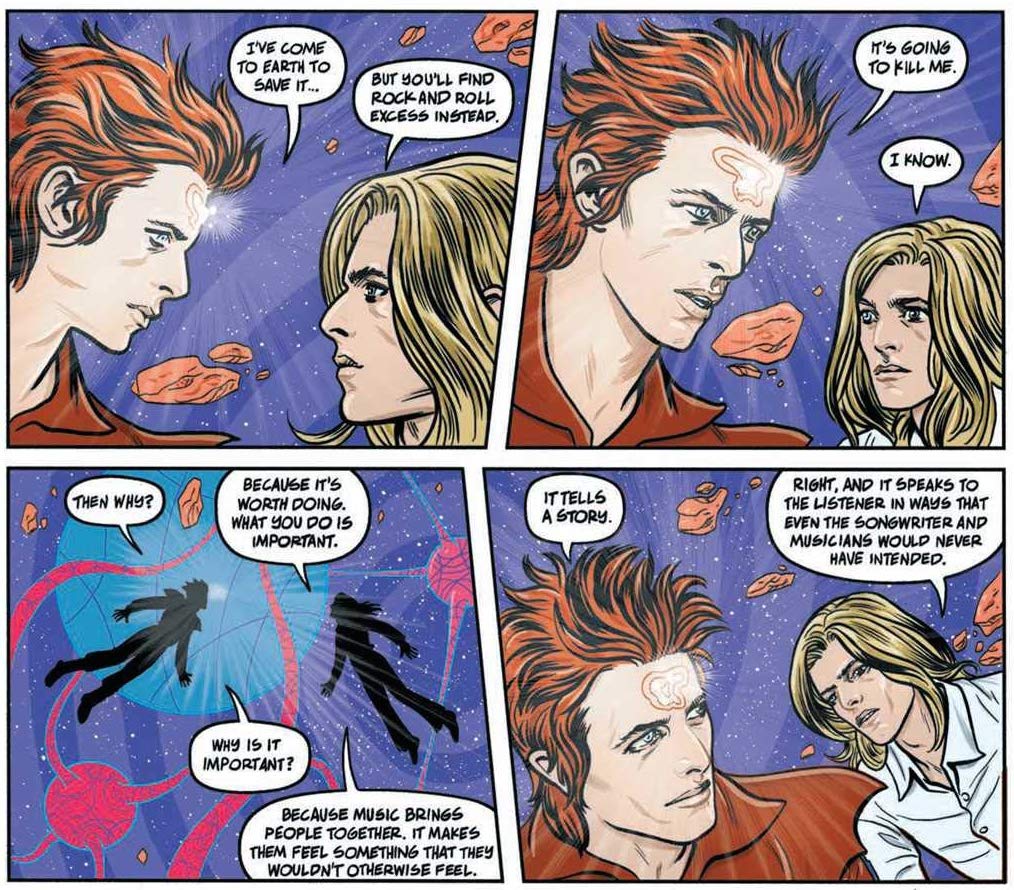
Few sub­jects demand a visu­al form as much as Bowie, because of the cen­tral­i­ty of his ever-chang­ing appear­ance to his artis­tic project as well as the need to evoke the effer­ves­cent cul­tur­al peri­ods he lived through and did more than his part to define.

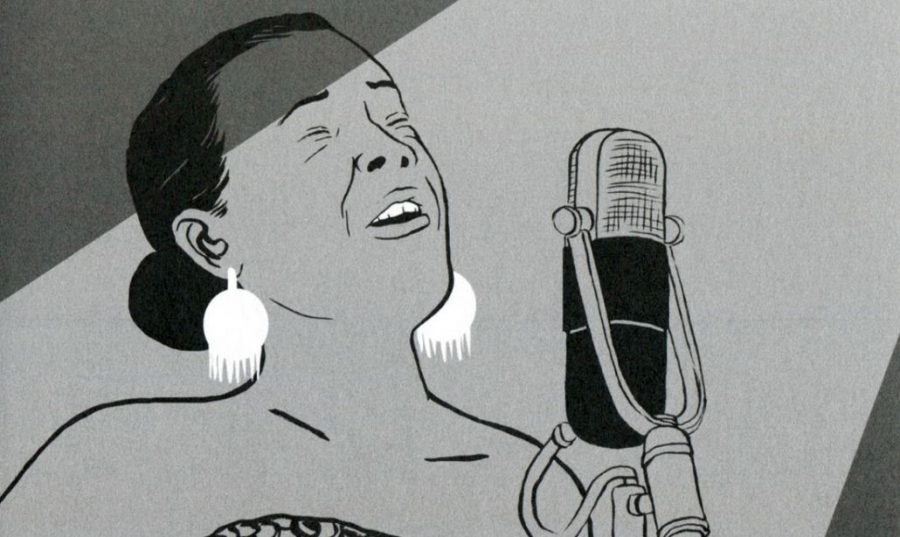
Hence the impor­tance of Michael Allred’s BOWIE: Star­dust, Ray­guns, & Moon­age Day­dreams and Nejib’s Had­don Hall as graph­ic-nov­el con­tri­bu­tions to the grow­ing field of Bowieol­o­gy. Com­ic artists and writ­ers have also done well by oth­er fig­ures with places in music his­to­ry: John Coltrane and Bil­lie Hol­l­i­day, for exam­ple, the sub­jects of Pao­lo Parisi’s Coltrane and Blues for Lady Day: The Sto­ry of Bil­lie Hol­i­day.

We’ve pre­vi­ous­ly fea­tured both of those books here on Open Cul­ture, as well as Parisi’s Basquiat: A Graph­ic Nov­el. Con­vey­ing the life of a fel­low artist, even one who worked in a dif­fer­ent medi­um, pos­es a unique set of chal­lenges to the graph­ic nov­el­ist. But it’s one thing to depict the work of anoth­er, and some­thing else again to visu­al­ly reimag­ine it, as in BOOM! Stu­dios’ adap­ta­tion of Kurt Von­negut’s Slaugh­ter­house-Five, a nov­el involv­ing not a few bio­graph­i­cal ele­ments in the first place. Oth­er respect­ed works of lit­er­a­ture late­ly to under­go graph­ic nov­el­iza­tion include James Joyce’s Ulysses in Rob Berry’s Ulysses Seen, and the “weird fic­tion” of H.P. Love­craft in the equal­ly weird Love­craft Anthol­o­gy.

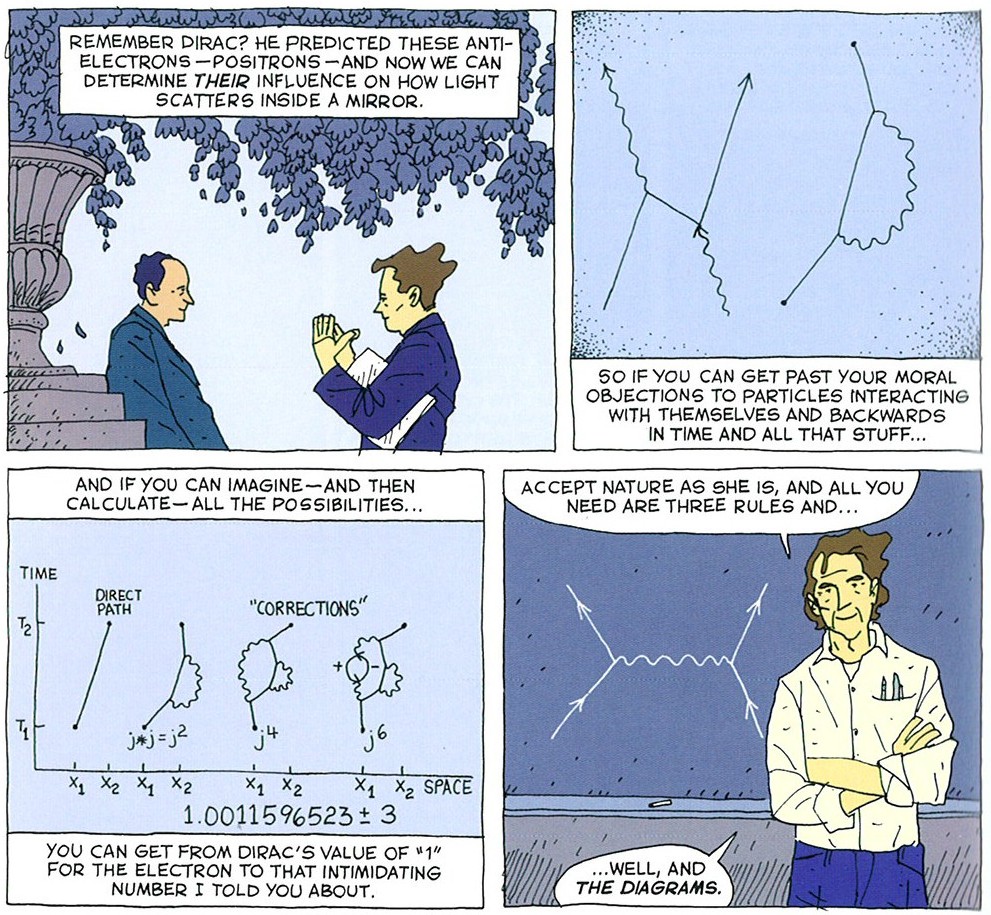
You can also read a graph­ic-nov­el adap­ta­tion of a source work nev­er com­plet­ed in the first place — but nev­er com­plet­ed, one must note, by Sal­vador Dalí and the Marx Broth­ers. A col­lab­o­ra­tion between pop-cul­ture schol­ar Josh Frank, artist Manuela Perte­ga, and come­di­an Tim Hei­deck­er, Giraffes on Horse­back Sal­ad real­izes on the page a film that not only was nev­er, but quite pos­si­bly could nev­er have been made. For read­ers clos­er to world­ly real­i­ty, there’s Jim Otta­viani and Leland Myrick­’s Feyn­man: A Biog­ra­phy, which tells and shows the life of world-famous the­o­ret­i­cal physi­cist, teacher, and bon vivant Richard Feyn­man. Nev­er before, sure­ly, has a com­ic book had to leg­i­bly and con­vinc­ing­ly depict quan­tum elec­tro­dy­nam­ics, safe-crack­ing, and bon­go-pay­ing — to name just three of Feyn­man’s pur­suits.

Relat­ed Con­tent:

Down­load Theft! A His­to­ry of Music, a New Free Graph­ic Nov­el Explor­ing 2,000 Years of Musi­cal Bor­row­ing

Bound by Law?: Free Com­ic Book Explains How Copy­right Com­pli­cates Art

iTunes Terms & Con­di­tions Adapt­ed into a Graph­ic Nov­el: Read It Free Online

Anne Frank’s Diary: The Graph­ic Nov­el Adap­ta­tion

Read the Entire Com­ic Book Adap­ta­tion of T.S. Eliot’s “The Love Song of J. Alfred Prufrock”

A Com­ic Book Adap­ta­tion of Edgar Allan Poe’s Poignant Poem, “Annabel Lee”

Based in Seoul, Col­in Mar­shall writes and broad­casts on cities, lan­guage, and cul­ture. His projects include the book The State­less City: a Walk through 21st-Cen­tu­ry Los Ange­les and the video series The City in Cin­e­ma. Fol­low him on Twit­ter at @colinmarshall, on Face­book, or on Insta­gram.

What Is a “Blerd?” Pretty Much Pop: A Culture Podcast #56 Discusses Nerd Culture and Race with The Second City’s Anthony LeBlanc

The Inter­im Exec­u­tive Pro­duc­er of The Sec­ond City joins your hosts Mark Lin­sen­may­er, Eri­ca Spyres, and Bri­an Hirt to dis­cuss the scope of black nerd-dom: what nerdy prop­er­ties pro­vide to those who feel “oth­ered,” using sci-fi to talk about race, Black Pan­ther and oth­er heroes, afro­fu­tur­ism, black ani­me fans, Star Trek, Key & Peele, Get Out vs. Us, and more.

A few arti­cles you might enjoy:

Some rel­e­vant videos and pod­casts:

Learn more at prettymuchpop.com. This episode includes bonus dis­cus­sion that you can only hear by sup­port­ing the pod­cast at patreon.com/prettymuchpop. This pod­cast is part of the Par­tial­ly Exam­ined Life pod­cast net­work.

Pret­ty Much Pop: A Cul­ture Pod­cast is the first pod­cast curat­ed by Open Cul­ture. Browse all Pret­ty Much Pop posts.

While Away the Hours with a Free H.P. Lovecraft Call of Cthulhu Coloring Book

Unlike his devo­tee Stephen King, whose nov­els and sto­ries have spawned more Love­craft­ian film and tele­vi­sion projects than any writer in the genre, H.P. Love­craft him­self has lit­tle cin­e­ma cred­it to his name. Giv­en the abject ter­ror evoked by Cthul­hu and oth­er ter­ri­fy­ing “pri­mal Great Ones”—as the author called his mon­sters in the sto­ry of the octo­pus-head­ed god—we might expect it to be oth­er­wise.

But Love­craft was not a cin­e­mat­ic writer, nor a fan of any such mod­ern sto­ry­telling devices. He pre­ferred the Vic­to­ri­an mode of indi­rect nar­ra­tion, his prose full of hearsay, reportage, bib­li­og­ra­phy, and lengthy descrip­tion of expe­ri­ences once or twice removed from the teller of the tale.

These qual­i­ties (and his extreme racism) make him a poor choice for the plot-dri­ven medi­um of fea­ture film. Lovecraft’s expan­sive imag­i­na­tion, like his buried, dream­ing mon­sters, was sub­ter­ranean and sub­ma­rine, reveal­ing only the barest glimpse of night­mares we are grate­ful nev­er to see ful­ly revealed.

The end­less­ly sug­ges­tive psy­cho­log­i­cal ter­ror of Love­craft has instead become the source of an extend­ed uni­verse that includes fan fiction—written by pro­fes­sion­als and ama­teurs alike—fantasy art, com­ic books, and RPGs (role-play­ing games) like the Call of Cthul­hu series made by Chao­sium, Inc. for over 35 years: “the fore­most game of mys­tery and hor­ror,” the com­pa­ny touts. “For those brave enough to uncov­er its secrets, the rewards are beyond com­pre­hen­sion!” If this sounds just like the thing to pass the time dur­ing these days of social dis­tanc­ing, look over all of the Chao­sium Cthul­hu offer­ings here.

For those who pre­fer Love­craft­ian immer­sions of a more soli­tary, med­i­ta­tive nature, allow us to present Call of Cthul­hu: The Col­or­ing Book, the first of many “fun and engag­ing diver­sions,” the com­pa­ny promis­es “we can enjoy while stay­ing in, work­ing-from-home, in quar­an­tine, or in self-iso­la­tion….. While away the hours in lock­down col­or­ing an amaz­ing array of scenes, with strik­ing images from H.P. Lovecraft’s stories—and the Call of Cthul­hu RPG his imag­i­na­tion inspired (Hor­ror on the Ori­ent Express, Masks of Nyarlathotep, The Fun­gi from Yug­goth and more).”

While these many Love­craft spin-offs may be unfa­mil­iar, hints of their har­row­ing scenes always lay in the murky depths of Lovecraft’s fic­tion. See how award-win­ning artist Andrey Feti­sov has imag­ined these encoun­ters with ancient ter­rors. Then col­or his Moe­bius-like draw­ings in, and enter your work in a Call of Cthul­hu col­or­ing com­pe­ti­tion by shar­ing it with the hash­tag #home­with­chao­sium. There will be prizes, sure to be sur­pris­es, though we hope the ruth­less Elder Gods don’t have a hand in choos­ing them. Down­load all 28 eldritch scenes here.

via Boing Boing

Relat­ed Con­tent:  

H.P. Lovecraft’s Clas­sic Hor­ror Sto­ries Free Online: Down­load Audio Books, eBooks & More

An Ani­mat­ed Intro­duc­tion to H.P. Love­craft and How He Invent­ed a New Goth­ic Hor­ror

H.P. Lovecraft’s Cthul­hu in Ani­me: A First Glimpse

Josh Jones is a writer and musi­cian based in Durham, NC. Fol­low him at @jdmagness

The Peanuts Gang Performs Pink Floyd’s Classic Rock Opera in the Mashup “Charlie Brown vs. The Wall

YouTu­ber Gar­ren Lazar has hit upon a bril­liant idea—take clips from Charles M. Schulz’s uni­ver­sal­ly beloved Peanuts car­toons and cut them togeth­er with uni­ver­sal­ly beloved (more or less) pop­u­lar anthems like “Bohemi­an Rhap­sody,” “Don’t Stop Believ­ing,” “Free­bird,” and “Stayin’ Alive.”

The huge emo­tions of these songs suit the over­sized feel­ings of the comic’s char­ac­ters, who were, all of them, vari­a­tions of Schulz him­self. As Jeff Kin­ney writes in his intro­duc­tion to Chip Kidd’s book, Only What’s Nec­es­sary: Charles M. Schulz and the Art of Peanuts, the strip and its many ani­mat­ed spin-offs con­sti­tute “per­haps the most rich­ly lay­ered auto­bi­og­ra­phy of all time.”

It’s fit­ting then that one of Lazar’s ear­li­er Peanuts mashups involved anoth­er such rich­ly auto­bi­o­graph­i­cal work, Pink Floyd’s rock opera The Wall, an album full of per­son­al and col­lec­tive pain, deep fear, alien­ation, inse­cu­ri­ty, and obser­va­tions about just how oppres­sive child­hood can be. Just like… well, just like Peanuts.

Schulz’s work has always tran­scend­ed the expec­ta­tions of his form, becom­ing what might even be called com­ic strip opera. His fifty years of draw­ing and writ­ing Peanuts make it “the longest sto­ry ever told by one human being,” says cul­tur­al his­to­ri­an Robert Thomp­son.

The cre­ator him­self had great ambi­tions for his col­lec­tions of “lit­tle inci­dents,” as he called the strips. He hat­ed the name Peanuts, which was forced upon him by Unit­ed Fea­ture Syn­di­cate in the 50s. Schulz pre­ferred his orig­i­nal title Li’l Folks, which he said imbued the strip “with dig­ni­ty and sig­nif­i­cance. ‘Peanuts’ made it sound too insignif­i­cant.”

This was essen­tial human dra­ma, writ small, and it amount­ed to a whole lot more than “peanuts.” Claire Cat­ter­all, cura­tor of a Schulz exhib­it in Lon­don, insists she’s “not being iron­ic” in call­ing the strip “Great Art.” Schulz “intro­duced children—and adults alike—to some of the biggest philo­soph­i­cal ideas.” His “influ­ence on cul­ture and soci­ety is noth­ing short of seis­mic.”

Peanuts’ rich­ness emerges in grand themes that took shape over decades. Bruce Handy writes of the Peanuts’ char­ac­ters’ “nihilism,” call­ing Schulz’s world a “the­ater of cru­el­ty.” (Their unhap­pi­ness only seems to lift dur­ing musi­cal num­bers.)  Jonathan Mer­ritt describes the strip’s reli­gious mis­sion, Maria Popo­va writes of its brave Civ­il Rights stand and its cul­tur­al evo­lu­tion, and Cameron Laux com­piles a list of Peanuts philoso­phies, from Exis­ten­tial­ism to the impor­tance of friend­ship and self-reflec­tion.

Nor does Schulz escape com­par­isons to writ­ers of great literature—including sev­er­al whose names may have popped up as ref­er­ences in the strip, like­ly in the word bub­bles of the pre­co­cious­ly eru­dite Schroed­er or Linus. Kin­ney com­pares Peanuts to Shake­speare, Laux com­pares it to Sartre and Beck­ett, and Stu­art Jef­fries at The Guardian writes, “Cer­tain­ly, Ibsen and Strind­berg made a lot of sense to me as an adult because I was raised on Peanuts.”

If Schulz’s com­ic strip and car­toons can evoke these august lit­er­ary names, then why not the names Roger Waters and David Gilmour? If any­one has ever felt like just anoth­er brick in the wall, it’s Char­lie Brown. Mar­vel at Lazar’s edit­ing skills in “Char­lie Brown vs. The Wall.” The Peanuts gang, and Schulz, may have pre­ferred jazz, but one can see in their exis­ten­tial angst and fre­quent bouts of despair the same kind of dis­il­lu­sion­ment Roger Waters ham­mers home in his mas­ter­piece. Only, the for­mer “Li’l Folks” and their cre­ator had a much bet­ter sense of humor about it all.

Relat­ed Con­tent: 

Peanuts Rock: Watch the Peanuts Gang Play Clas­sic Rock Songs by Queen, Lynyrd Skynyrd, Jour­ney & More

The Vel­vet Under­ground as Peanuts Char­ac­ters: Snoopy Morphs Into Lou Reed, Char­lie Brown Into Andy Warhol

Umber­to Eco Explains the Poet­ic Pow­er of Charles Schulz’s Peanuts

Josh Jones is a writer and musi­cian based in Durham, NC. Fol­low him at @jdmagness

Peanuts Rock: Watch the Peanuts Gang Play Classic Rock Songs by Queen, Lynyrd Skynyrd, Journey & More

In a very crowd­ed field, Gar­ren Lazar’s com­i­cal take on Queen’s “Bohemi­an Rhap­sody” is a stand-out.

Com­i­cal in the lit­er­al sense. Lazar, aka Super G, struck a rich vein when he thought to mash the Rolling Stones’ “Sym­pa­thy for the Dev­il” with footage culled from Charles Schulz’s ani­mat­ed Peanuts spe­cials.

And over the last six years, he’s mined a lot of gold, using Final Cut Pro to pair famil­iar clips of a drum­ming Pig­pen, Snoopy slap­ping a dou­ble bass, and the icon­ic “Linus And Lucy” scene from A Char­lie Brown Christ­mas with rock and pop clas­sics.

Schulz, an ardent music lover, fre­quent­ly pic­tured his char­ac­ters singing, danc­ing, and play­ing instru­ments, so Lazar, who has an uncan­ny knack for match­ing ani­mat­ed mouths to record­ed lyrics, has plen­ty to choose from.

Char­lie Brown’s anx­i­eties fuel the intro­duc­tion to a 15 minute remix of Lynyrd Skynyrd’s “Free Bird,” until he gets hold of the Christ­mas special’s mega­phone…

The mega­phone serves Char­lie equal­ly well on “Stayin’ Alive,” the Bee Gees’ dis­co chart top­per, though depend­ing on your vin­tage, the vision of Snoopy in leg warm­ers and sweat­band may come as a shock. Those clips come cour­tesy of It’s Flash­bea­gle, Char­lie Brown, Schulz’s 1984 goofy spin on Flash­danceFoot­looseSat­ur­day Night Fever and oth­er dance-based pop cul­tur­al phe­nom­e­nons of the era. Although that special—Schulz’s 27th—features a roto­scoped Snoopy bust­ing moves orig­i­nat­ed by Flash­dance’s stunt dancer Marine Jahan, that old hol­i­day chest­nut still man­ages to steal the show.

And when­ev­er you need a lift, you can’t do bet­ter than to spend a few min­utes with Lazar’s heady reboot of Chicago’s quin­tes­sen­tial 1970s sin­gle, “Sat­ur­day In the Park,” where­in the nor­mal­ly reserved Schroed­er reveals a more exu­ber­ant side.

Begin your explo­rations of Gar­ren Lazar’s musi­cal Peanuts remix­es on his YouTube chan­nel, warm in the knowl­edge that he enter­tains requests in the com­ments.

via Ulti­mate Clas­sic Rock

Relat­ed Con­tent:

The Vel­vet Under­ground as Peanuts Char­ac­ters: Snoopy Morphs Into Lou Reed, Char­lie Brown Into Andy Warhol

Umber­to Eco Explains the Poet­ic Pow­er of Charles Schulz’s Peanuts

The Joy of Expe­ri­enc­ing Queen’s Bohemi­an Rhap­sody for the Very First Time: Watch Three Reac­tion Videos

Ayun Hal­l­i­day is an author, illus­tra­tor, the­ater mak­er and Chief Pri­ma­tol­o­gist of the East Vil­lage Inky zine.  Join Ayun’s com­pa­ny The­ater of the Apes in New York City this March for her book-based vari­ety series, Necro­mancers of the Pub­lic Domain, and the world pre­miere of Greg Kotis’ new musi­cal, I AM NOBODY. Fol­low her @AyunHalliday.

The Graphic Novel Adaptation of Kurt Vonnegut’s Slaughterhouse-Five

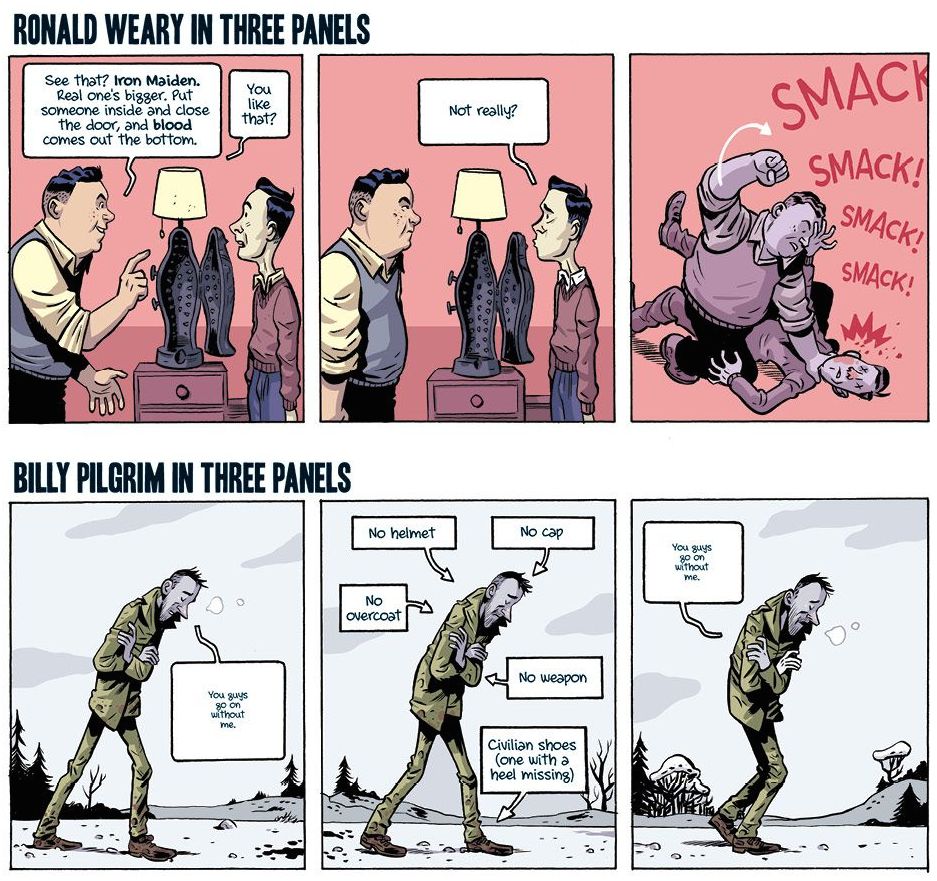
Since its pub­li­ca­tion just over half a cen­tu­ry ago, Slaugh­ter­house-Five has seen bans and burn­ings, gone through var­i­ous adap­ta­tions, and all the while held its place in the Amer­i­can lit­er­ary canon. Some­thing about Kurt Von­negut’s sto­ry of the invol­un­tar­i­ly time-trav­el­ing optometrist Bil­ly Pil­grim, who like his cre­ator sur­vived the fire­bomb­ing of Dres­den in the Sec­ond World War, con­tin­ues to res­onate with read­ers even as that war (and so very many nov­els about it) pass out of liv­ing mem­o­ry. Von­negut him­self loved George Roy Hill’s 1972 film of the nov­el, but alas, hav­ing died in 2007, he did­n’t stick around long enough to see Slaugh­ter­house-Five — or, to use its full title, Slaugh­ter­house-Five, or The Chil­dren’s Cru­sade: A Duty-Dance with Death — turned into a graph­ic nov­el.

“Indie graph­ic nov­el house BOOM! Stu­dios announced plans to pub­lish a graph­ic ver­sion of Kurt Vonnegut’s clas­sic sci-fi/an­ti­war nov­el,” reports Pub­lish­ers Week­ly’s Calvin Reid, nam­ing the adap­tors as writer Ryan North, artist Albert Monteys, and col­orist Ricard Zaplana. Nerdis­t’s Matthew Hart writes that it’s “unclear at this point what’s been includ­ed and what’s been dropped for BOOM!’s Slaugh­ter­house-Five graph­ic nov­el adap­ta­tion, it seems like the sto­ry is in good hands.” [Update: You can now pur­chase a copy of Slaugh­ter­house-Five graph­ic nov­el online here.]

The images released so far “show­case a world paint­ed with appro­pri­ate­ly mut­ed col­ors, and pop­u­lat­ed by some of the most icon­ic moments from the nov­el. The graph­ic novel’s inter­pre­ta­tion of Bil­ly Pil­grim will pos­si­bly ignite some dis­agree­ment amongst read­ers, how­ev­er, as his face can be jux­ta­posed with Vonnegut’s.”

For a nov­el con­sid­ered a “clas­sic” longer than read­ers who dis­cov­er it today have been alive, Slaugh­ter­house-Five has its own uncon­ven­tion­al way with real­i­ty. Not only does Von­negut make its pro­tag­o­nist “unstuck in time,” he also works into its cast real char­ac­ters from his own life. Take Bernard O’Hare, shown here in pan­els from the graph­ic nov­el. As Von­negut’s offi­cial­ly des­ig­nat­ed “bud­dy” in the the 106th Infantry Divi­sion, O’Hare was tak­en pris­on­er along with him in Dres­den and held cap­tive in a meat­pack­ing plant known as Schlachthof Fuenf. When Von­negut com­plet­ed the man­u­script he let O’Hare and his wife Mary read it, and the lat­ter urged the author to write about how “all the men who fought in the Sec­ond World War were just babies.” Hence the nov­el­’s sub­ti­tle, which befits the plain­spo­ken sen­si­bil­i­ty of Kurt Von­negut, a man who believed in call­ing things what they were — and thus would sure­ly have reject­ed the label “graph­ic nov­el” in favor of “com­ic book.”

Pur­chase a copy of Slaugh­ter­house-Five: The Graph­ic Nov­el online.

via Pub­lish­ers Week­ly

Relat­ed Con­tent:

Hear Kurt Von­negut Read Slaugh­ter­house-Five, Cat’s Cra­dle & Oth­er Nov­els

Why Should We Read Kurt Von­negut? An Ani­mat­ed Video Makes the Case

Kurt Von­negut Maps Out the Uni­ver­sal Shapes of Our Favorite Sto­ries

Bene­dict Cum­ber­batch Reads Kurt Vonnegut’s Incensed Let­ter to the High School That Burned Slaugh­ter­house-Five

Anne Frank’s Diary: The Graph­ic Nov­el Adap­ta­tion

Read Ulysses Seen, A Graph­ic Nov­el Adap­ta­tion of James Joyce’s Ulysses

Based in Seoul, Col­in Mar­shall writes and broad­casts on cities, lan­guage, and cul­ture. His projects include the book The State­less City: a Walk through 21st-Cen­tu­ry Los Ange­les and the video series The City in Cin­e­ma. Fol­low him on Twit­ter at @colinmarshall or on Face­book.

Pretty Much Pop: A Culture Podcast #26 Discusses Alan Moore’s Watchmen Comic and the HBO Show with Cornell Psychology Professor David Pizarro

Per­haps the most laud­ed graph­ic nov­el has been sequelized for HBO, and amaz­ing­ly, it turned out pret­ty darn well (with a 96% Rot­ten Toma­toes rat­ing!).

Your hosts Mark Lin­sen­may­er, Eri­ca Spyres, and Bri­an Hirt are joined by the Cor­nel­l’s David Pizarro, host of the pop­u­lar Very Bad Wiz­ards pod­cast. We con­sid­er Alan Moore’s 1986 graph­ic nov­el, the 2009 Zack Sny­der film, and of course most­ly the recent­ly com­plet­ed (we hope) show by Damon Lin­de­lof, the cre­ator of Lost and The Left­overs.

How does Moore’s idio­syn­crat­ic writ­ing style trans­late to the screen? Did the show make best use of its nine hours? Are there oth­er sto­ries in this alter­nate his­to­ry that should still be told, per­haps to reflect on oth­er recur­rent social ills or crises of what­ev­er moment might be depict­ed? Was Lin­de­lof real­ly the guy to tell this sto­ry about race, and does mak­ing the show about racism (which is bad!) under­mine Moore’s rejec­tion of (moral­ly) black-and-white heroes and vil­lains?

Some of the arti­cles we used to warm up for this dis­cus­sion includ­ed:

You might want to also check out HBO’s Watch­men page, which includes extra essays and the offi­cial pod­cast with Damon Lin­de­lof com­ment­ing on the episodes.

Fol­low Dave @peezHear him on The Par­tial­ly Exam­ined Life, undoubt­ed­ly the apex of his pro­fes­sion­al career.

This episode includes bonus dis­cus­sion that you can only hear by sup­port­ing the pod­cast at patreon.com/prettymuchpop. This pod­cast is part of the Par­tial­ly Exam­ined Life pod­cast net­work.

Pret­ty Much Pop: A Cul­ture Pod­cast is the first pod­cast curat­ed by Open Cul­ture. Browse all Pret­ty Much Pop posts or start with the first episode.

« Go BackMore in this category... »
Quantcast