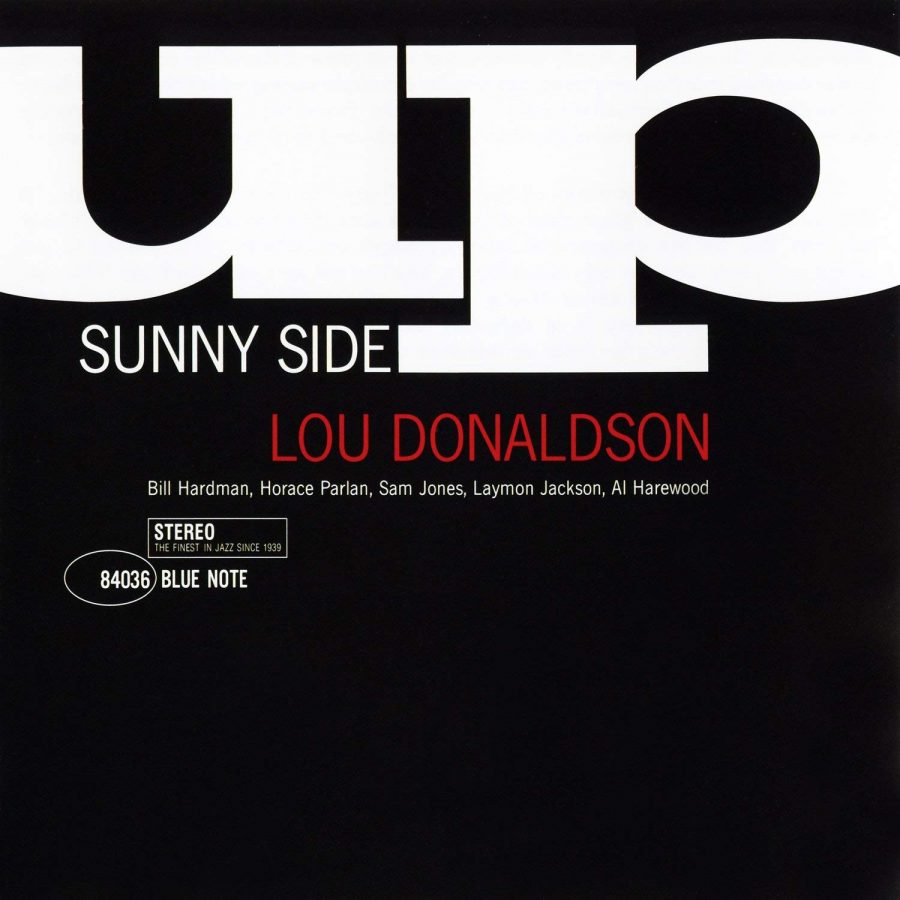
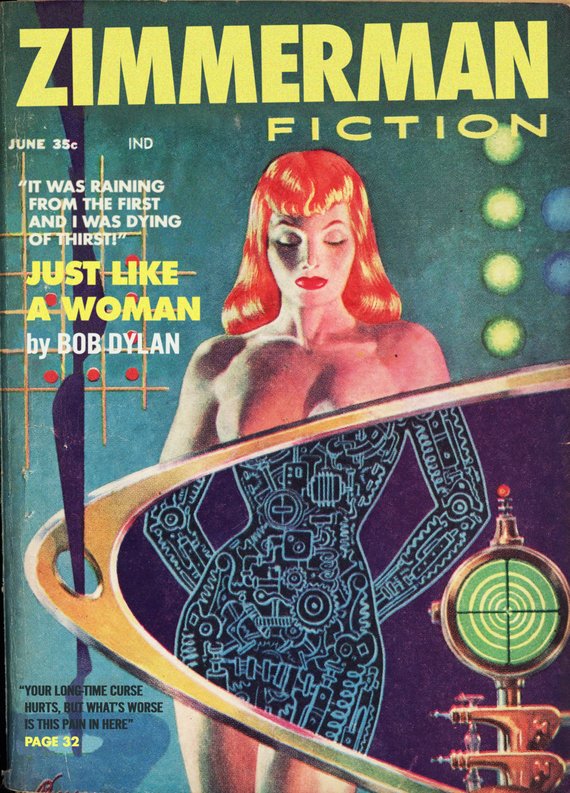
Songs by David Bowie, Elvis Costello, Talking Heads & More Re-Imagined as Pulp Fiction Book Covers

As David Bowie him­self implied in a 1975 inter­view, “Young Amer­i­cans” does­n’t have much of a nar­ra­tive.

Rather, it’s a por­trait of ambiva­lence, viewed at some remove.

The same can­not be said for Young Amer­i­cans, the whol­ly imag­i­nary mid­cen­tu­ry pulp nov­el.

One look at the lurid cov­er, above, and one can guess the sort of steamy pas­sages con­tained with­in. Bowie’s sweaty palmed class­mates at Brom­ley Tech­ni­cal High School could prob­a­bly have recit­ed them from mem­o­ry!

Dit­to Ali­son. The tawdry paper­back, not Elvis Costello’s ever­green 1977 bal­lad. There’s a rea­son its spine is falling apart, and it’s not because young lads like Elvis Costel­lo are fear­ful their hearts might prove untrue. That skimpy pink biki­ni top and hip hug­gers get-up is appeal­ing to an entire­ly dif­fer­ent organ.

Here we must reit­er­ate that these books do not exist and nev­er did.

Though there’s a lot of fun to be had in pre­tend­ing that they do.

Screen­writer Todd Alcott, the true author of these dig­i­tal mashups, is keen­ly attuned to the over­ripe visu­al lan­guage of mid­cen­tu­ry paper­backs.

He’s also got quite a knack for extract­ing lyrics from their orig­i­nal con­text and ren­der­ing them in the peri­od font, mag­i­cal­ly retool­ing them as the sort of sug­ges­tive quotes that once beck­oned from drug­store book racks.

Font has been impor­tant to him since the age of 13, when a school art project required him to com­bine text with an image:

I decid­ed that I want­ed the text to look like the text I’d seen in an ad for a John Lennon album, so I copied that font style. I did­n’t know that the font style had a name, but I knew that my instincts for how to draw those let­ters did­n’t match how the let­ters end­ed up look­ing. The font, as it turns out, was Franklin Goth­ic, and, as a 13-year-old, all I remem­ber was that I would start to draw the “S” and then real­ize that my “S” did­n’t look like Franklin Goth­ic’s “S,” and that the curvy let­ters, like “G” and “O,” did­n’t look right when they sat on the lines I’d made for the oth­er let­ters, because of course for a font, the curvy let­ters have to be a lit­tle bit big­ger than the straight let­ters, or else they end up look­ing too small. I became fas­ci­nat­ed with that kind of thing, how one font would give off one kind of feel­ing, and oth­er one would give off a com­plete­ly dif­fer­ent feel­ing. And it turns out there’s a rea­son for all of that, that every font car­ries with it a spe­cif­ic cul­tur­al con­no­ta­tion whether the read­er is aware of it or not. When I dri­ve down the street in LA, I see bill­boards and I can’t just look at one and say “Okay, got it,” I get a whole oth­er lay­er of mean­ing from them because their design and font choic­es tell me a whole his­to­ry of the peo­ple who designed them.

While Alcott dis­cov­ers many of his visu­als online, he has a soft spot for the bat­tered orig­i­nals he finds in sec­ond hand shops. Their wear and tear con­fers the sort of verisimil­i­tude he seeks. The rest is equal parts inspi­ra­tion, Pho­to­shop, and a grow­ing under­stand­ing of a design form he once dis­missed as the tawdry fruit of Low Cul­ture:

I’d nev­er under­stood pulp design until I start­ed this project.  As I start­ed look­ing at it, I real­ized that  the aes­thet­ic of pulp is so deeply attached to its prod­uct that it’s impos­si­ble to sep­a­rate the two. And that’s what great design is, a graph­ic rep­re­sen­ta­tion of ideas. When I start­ed exam­in­ing the designs, to see why some work and some don’t, I was over­whelmed with the sheer amount of artistry involved in the cov­ers. Pulp was a huge cul­tur­al force, there were dozens of mag­a­zines and pub­lish­ers, crank­ing out stuff every month for decades, detec­tive sto­ries and police sto­ries and noir sto­ries and mys­ter­ies. It employed thou­sands of artists, writ­ers and painters and illus­tra­tors. And the ener­gy of the paint­ings is just off the charts. It had to be, because any giv­en book cov­er had to com­pete with the ten thou­sand oth­er cov­ers that were on dis­play. It had to grab the view­er fast, and make that per­son pick up the book instead of some oth­er book. I love all kinds of mid­cen­tu­ry stuff, but noth­ing grabs you the way a good pulp cov­er does.

Not all of his mash ups traf­fic in mid-cen­tu­ry drug­store rack nympho­ma­nia.

New Order’s “Bizarre Love Tri­an­gle” is the ide­al recip­i­ent of the abstract approach so com­mon to psy­chol­o­gy and phi­los­o­phy titles of the peri­od.

Need­less to say, Alcott’s cov­ers are also a trib­ute to the musi­cians he lists as authors, par­tic­u­lar­ly those dat­ing to his New Wave era youth—Bowie, Costel­lo, Joy Divi­sion, Talk­ing Heads, King Crim­son…

I know I could find more pop­u­lar con­tem­po­rary artists to make trib­utes for, but these are the artists I love, I con­nect to their work on a deep lev­el, and I try to make things that they would see and think “Yeah, this guy gets me.” 

My favorite thing is when peo­ple think the pieces are real. That’s the high­est com­pli­ment I can receive. I’ve had band mem­bers con­tact me and say “Where did you find this?” or “I don’t even remem­ber doing this album” or “Where did you find this?” That’s when I know I’ve suc­cess­ful­ly com­bined ideas.

Todd Alcott’s Mid-Cen­tu­ry Mash Up Book Cov­ers can be pur­chased as prints from his Etsy store.

All images pub­lished with the per­mis­sion of Todd Alcott.

Relat­ed Con­tent:

7 Rock Album Cov­ers Designed by Icon­ic Artists: Warhol, Rauschen­berg, Dalí, Richter, Map­plethor­pe & More

French Book­store Blends Real People’s Faces with Book Cov­er Art

36 Abstract Cov­ers of Vin­tage Psy­chol­o­gy, Phi­los­o­phy & Sci­ence Books Come to Life in a Mes­mer­iz­ing Ani­ma­tion

Ayun Hal­l­i­day is an author, illus­tra­tor, the­ater mak­er and Chief Pri­ma­tol­o­gist of the East Vil­lage Inky zine.  Join her in NYC on Mon­day, Sep­tem­ber 24 for anoth­er month­ly install­ment of her book-based vari­ety show, Necro­mancers of the Pub­lic Domain. Fol­low her @AyunHalliday.

Meet Ellen Rubin (aka The Popuplady) and Her Collection of 9,000 Pop-Up Books

It’s unusu­al to encounter a pop-up book for sale in a thrift store.

Their enthu­si­as­tic child own­ers tend to work them so hard, that even­tu­al­ly even sen­ti­men­tal val­ue is trashed.

Stuck slid­er bars and torn flaps scotch the ele­ment of sur­prise.

Scenes that once sprang to crisp atten­tion can bare­ly man­age a flac­cid 45° angle.

One good yank and Cinderella’s coach gives way for­ev­er, leav­ing an unsight­ly crust of dried glue.

Their nat­ur­al ten­den­cy toward obso­les­cence only serves to make author Ellen G. K. Rubin’s inter­na­tion­al col­lec­tion of more than 9000 pop-up and move­able books all the more aston­ish­ing.

The Popuplady—an hon­orif­ic she sports with pride—would like to cor­rect three com­mon­ly held beliefs about the objects of her high­ly spe­cial­ized exper­tise:

  1. They are not a recent phe­nom­e­non. One item in her col­lec­tion dates back to 1547.
  2. They were not orig­i­nal­ly designed for use by chil­dren (as a 1933 flip book with pho­to illus­tra­tions on how women can become bet­ter sex­u­al part­ners would seem to indi­cate.)
  3. They were once con­ceived of as excel­lent edu­ca­tion­al tools in such weighty sub­jects as math­e­mat­ics, astron­o­my, med­i­cine… and, as men­tioned above, the boudoir.

A Yale trained physician’s assis­tant, she found that her hob­by gen­er­at­ed much warmer inter­est at social events than her dai­ly toil in the area of bone mar­row trans­plants.

And while paper engi­neer­ing may not be not brain surgery, it does require high lev­els of artistry and tech­ni­cal prowess. It galls Rubin that until recent­ly, paper engi­neers went uncred­it­ed on the books they had ani­mat­ed:

Paper engi­neers are the artists who take the illus­tra­tions and make them move. They are pup­pet­mas­ters, but they hand the strings to us, the read­er.

As seen in Atlas Obscu­ra’s video, above, Rubin’s col­lec­tion includes a mov­ing postage stamp, a num­ber of wheel-shaped volvelles, and a one-of-a-kind ele­phant-themed mini-book her friend, paper engi­neer, Edward H. Hutchins, cre­at­ed from ele­phant dung paper she found on safari.

She has curat­ed or served as con­sul­tant for a num­ber of pop-up exhi­bi­tions at venues includ­ing the Brook­lyn Pub­lic Library, the Biennes Cen­ter of the Lit­er­ary Arts and the Smithsonian’s Nation­al Muse­um of Amer­i­can His­to­ry. See a few more exam­ples from her col­lec­tion, which were dis­played as part of the latter’s Paper Engi­neer­ing: Fold, Pull, Pop & Turn exhi­bi­tion here.

Relat­ed Con­tent:

The Raven: a Pop-up Book Brings Edgar Allan Poe’s Clas­sic Super­nat­ur­al Poem to 3D Paper Life

French Book­store Blends Real People’s Faces with Book Cov­er Art

Won­der­ful­ly Weird & Inge­nious Medieval Books

Ayun Hal­l­i­day is an author, illus­tra­tor, the­ater mak­er and Chief Pri­ma­tol­o­gist of the East Vil­lage Inky zine.  Fol­low her @AyunHalliday.

How to Build a Custom Handcrafted Acoustic Guitar from Start to Finish: The Process Revealed in a Fascinating Documentary

Every seri­ous gui­tarist learns to set up, repair, and maybe even cus­tomize their own instru­ments. It’s eco­nom­i­cal and fun and gives play­ers insight into how and why their instru­ments sound the way they do, and how to make them sound bet­ter. Some ama­teur luthiers will even build their own instru­ments, at least those not famous enough to have cus­tom gui­tars built for them by famous mak­ers, an honor—maybe not unlike a bas­ket­ball play­er hav­ing their own shoes—that tells the world they’re at the top of the game.

Every­one else labors away in base­ments, garages, and wood­work­ing shops, lean­ing heav­i­ly on advice from mas­ter luthiers like Dan Erlewine. If you’re one of those lucky enough to have the space, tools, and know-how to make your own gui­tars, then the video above from Mon­tre­al-based mas­ter builder Michael Green­field of Green­field Gui­tars is for you. It shows every step in the process of his cus­tom built acoustic gui­tars, and along the way shows you how you can build your own.

Elec­tric gui­tars derive their sound from mag­net­ic pick­ups, which can be affixed to every­thing from oil cans to plex­i­glass. Mate­ri­als and work­man­ship can major­ly affect tone and sus­tain, but not near­ly to the degree they do in an acoustic gui­tar, in which the sound comes entire­ly from the instru­ment itself—from its shape, size, brac­ing style, wood selec­tion, and even, believe it or not, the fin­ish. The shap­ing, carv­ing, and join­ing of each of the guitar’s struc­tur­al parts—sides, top, back, and neck—makes its own unique con­tri­bu­tion to the fin­ished instru­men­t’s tone.

Greenfield’s doc­u­men­tary isn’t only for the amateur—or pro­fes­sion­al, for that matter—luthier. It’s also an all-around fas­ci­nat­ing look at how fine, hand-craft­ed acoustic gui­tars get made, of inter­est to any­one from wood­work­ers to sound engi­neers to music fans in gen­er­al. Most con­sumer-grade gui­tars get an assem­bly-line fac­to­ry build, turned out by the thou­sands to keep super­stores like Gui­tar Cen­ter stocked. Mas­ter builders like Green­field devote con­sid­er­able time and atten­tion to every indi­vid­ual instrument—the process doc­u­ment­ed here for a sin­gle gui­tar, he tells us, took place over a peri­od of four to five months.

Want to hear the fin­ished prod­uct? Skip ahead to 57:47 for a demon­stra­tion by Cana­di­an Celtic-folk singer Lizzy Hoyt. Learn more about Michael Greenfield’s hand­craft­ed gui­tars at greenfieldguitars.com.

Relat­ed Con­tent:

Repair­ing Willie Nelson’s Trig­ger: A Good Look at How a Luthi­er Gets America’s Most Icon­ic Gui­tar on the Road Again

Bri­an May’s Home­made Gui­tar, Made From Old Tables, Bike and Motor­cy­cle Parts & More

Mark Knopfler Gives a Short Mas­ter­class on His Favorite Gui­tars & Gui­tar Sounds

Josh Jones is a writer and musi­cian based in Durham, NC. Fol­low him at @jdmagness
How the Radical Buildings of the Bauhaus Revolutionized Architecture: A Short Introduction

When Ger­many lost World War I, it also lost its monar­chy. The con­sti­tu­tion for the new post­war Ger­man state was writ­ten and adopt­ed in the city of Weimar, giv­ing it the unof­fi­cial name of the Weimar Repub­lic. Free of monar­chi­cal cen­sor­ship, the Weimar Repub­lic saw, among oth­er upheavals, the flood­gates open for artis­tic exper­i­men­ta­tion in all areas of life. One of the most influ­en­tial aes­thet­ic move­ments of the era began in Weimar, where the Great Big Sto­ry short above opens. As the city gave birth to the Weimar Repub­lic, it also gave birth to the Bauhaus.

The Bauhaus, lit­er­al­ly “build­ing house,” was a school in two sens­es, both a move­ment and an actu­al insti­tu­tion. The style it advo­cat­ed, accord­ing to the video’s nar­ra­tor, “looked to strip build­ings from unnec­es­sary orna­ment and build the foun­da­tion of what is called mod­ern archi­tec­ture.” It was at Weimar Uni­ver­si­ty in 1919 that archi­tect Wal­ter Gropius found­ed the Bauhaus, and his office still stands there as a tes­ta­ment to the pow­er of “clean, sim­ple designs fit for the every­day life.” We also see the first offi­cial Bauhaus build­ing, Georg Muche’s Haus am Horn of 1923, and Gropius’ Bauhaus Dessau of 1925, which “amazed the world with its steel-frame con­struc­tion and asym­met­ri­cal plan.”

You can learn more about the Bauhaus’ prin­ci­ples in the video above, a chap­ter of an Open Uni­ver­si­ty series on design move­ments. As an edu­ca­tion­al insti­tu­tion, the Bauhaus “offered foun­da­tion train­ing in many art and design dis­ci­plines,” includ­ing mass pro­duc­tion, seek­ing to “devel­op stu­dents who could uni­fy art with craft while embrac­ing new tech­nol­o­gy.” Bauhaus thinkers believed that “good design required sim­plic­i­ty and geo­met­ric puri­ty,” which led to works of graph­ic design, fur­ni­ture, and espe­cial­ly archi­tec­ture that looked then like rad­i­cal, some­times hereti­cal depar­tures from tra­di­tion — but which to their cre­ators rep­re­sent­ed the future.

“Noth­ing dates faster than peo­ple’s fan­tasies about the future,” art crit­ic Robert Hugh­es once said, but some­how the fruits of the Bauhaus still look as mod­ern as they ever did. That holds true even now that the influ­ence of the Bauhaus man­i­fests in count­less ways in var­i­ous realms of art and design, though it had already made itself glob­al­ly felt when the school moved to Berlin in 1932. By that time, of course, Ger­many had anoth­er regime change com­ing, one that would denounce the Bauhaus as a branch of “degen­er­ate art” spread­ing the dis­ease of “cos­mopoli­tan mod­ernism.” The Gestapo shut it down in 1933, but thanks to the efforts of emi­grants like Gropius, Hannes Mey­er, and Lud­wig Mies van der Rohe, each of whom once led the school, the Bauhaus would live on.

Relat­ed Con­tent:

An Oral His­to­ry of the Bauhaus: Hear Rare Inter­views (in Eng­lish) with Wal­ter Gropius, Lud­wig Mies van der Rohe & More

Down­load Orig­i­nal Bauhaus Books & Jour­nals for Free: Gropius, Klee, Kandin­sky, Moholy-Nagy & More

32,000+ Bauhaus Art Objects Made Avail­able Online by Har­vard Muse­um Web­site

Bauhaus, Mod­ernism & Oth­er Design Move­ments Explained by New Ani­mat­ed Video Series

The Female Pio­neers of the Bauhaus Art Move­ment: Dis­cov­er Gertrud Arndt, Mar­i­anne Brandt, Anni Albers & Oth­er For­got­ten Inno­va­tors

Based in Seoul, Col­in Mar­shall writes and broad­casts on cities and cul­ture. His projects include the book The State­less City: a Walk through 21st-Cen­tu­ry Los Ange­les and the video series The City in Cin­e­ma. Fol­low him on Twit­ter at @colinmarshall or on Face­book.

Behold the Art-o-Mat: Vintage Cigarette Vending Machines Get Repurposed & Dispense Works of Art

It’s a well known fact that any­one who’s quit­ting smok­ing will need to find some­thing to occu­py their hands.

Many experts sug­gest hold­ing a pen­cil or anoth­er vague­ly-cig­a­rette-shaped object.

Oth­ers pre­scribe busy work—cracking nuts and peel­ing oranges.

Hard­core cas­es are advised to keep those paws busy with a hob­by such as paint­ing or wood­work­ing.

But from where we sit, the most spir­i­tu­al­ly reward­ing, sym­bol­ic activ­i­ty for some­one in this ten­der sit­u­a­tion would be cre­at­ing a tiny art­work pro­to­type to sell in an Art-o-Mat®, one of over 100 vin­tage cig­a­rette vend­ing machines specif­i­cal­ly repur­posed to dis­pense art.

Locat­ed pri­mar­i­ly in the US, the machines are the brain­child of artist Clark Whit­ting­ton, who loaded the first one with black & white, block-mount­ed pho­tos for a 1997 solo show in a Win­ston-Salem cafe.

These days, there are a hun­dred or so Art-o-Mats, stocked with the work of artists both pro­fes­sion­al and ama­teur, who have suc­cess­ful­ly nav­i­gat­ed the sub­mis­sion process.

A vari­ety of medi­ums is represented—painting, sculp­ture, fine art prints, jew­el­ry, assem­blages, cut paper, and tiny bound books.

Wor­thing­ton encour­ages would-be par­tic­i­pants to avoid the ease of mass pro­duc­tion in favor of unique items that bear evi­dence of the human hand:

The vend­ing process is only the begin­ning of your Art-o-Mat® art. Once pur­chased and two steps away from the machine, your work is sole­ly a reflec­tion of you and your art. Many pieces have been car­ried around the globe. So, think of approach­es that do not con­vey “a Sun­day after­noon at the copy shop” and con­sid­er ways that your art will be appre­ci­at­ed for years to come.

The guide­lines are under­stand­ably strict with regard to dimen­sions. Wouldn’t want to kill the blind box thrill by jam­ming a vin­tage vend­ing machine’s inner work­ings.

Edi­bles, mag­nets, bal­loons, glit­ter, con­fet­ti, and any­thing processed along­side peanuts are ver­boten mate­ri­als.

A cer­tain pop­u­lar decoupage medi­um is anoth­er no-no, as it adheres to the man­dat­ed pro­tec­tive wrap.

And just as cig­a­rettes car­ry stern­ly word­ed warn­ings from the Sur­geon Gen­er­al, artists are advised to include a label if their sub­mis­sion could be con­sid­ered unsuit­able for under­age col­lec­tors.

If you need a hand to walk you through the process, have a look at crafter Shan­non Greene’s video, above.

Greene became enthralled with the Art-o-Mat expe­ri­ence on a heav­i­ly doc­u­ment­ed trip to Las Vegas, when she put $5 in the Cos­mopoli­tan Hotel’s machine, and received a box of string and paint­ed can­vas scrap book­marks cre­at­ed by Kelsey Huck­a­by.

(Wit­ness artist Huck­a­by treat­ing her­self to one of her own cre­ations from an Austin, Texas Art-o-Mat on her birth­day, below, to see a machine in action. Par­tic­u­lar­ly rec­om­mend­ed for those who came of age after these once-stan­dard fix­tures were banned from the lob­bies of bars and din­ers.)

Oth­er repur­posed machines in the Art-o-Mat sta­ble include the zip­py red num­ber in Ocala, Florida’s Apple­ton Muse­um of Art, a cool blue cus­tomer resid­ing in Stan­ford University’s Lan­tana House, and a 6‑knob mod­el that peri­od­i­cal­ly pops up in var­i­ous arts-friend­ly New York City venues.

As the jol­ly and self-dep­re­cat­ing crafter Greene observes, at $5 a “yank,” no one is get­ting rich off this project, though the artists get 50% of the pro­ceeds.

It’s also worth not­ing that these orig­i­nal art­works cost less than a pack of cig­a­rettes in all but six states.

We agree with Greene that the expe­ri­ence more than jus­ti­fies the price. What­ev­er art one winds up with is but added val­ue.

Greene does not regret the con­sid­er­able labor that went into the 100 tiny jour­nals cov­ered in retired bill­board vinyl she was required to crank out after her pro­to­types were green­lit.

To deter­mine whether or not you’re pre­pared to do the time, have a peek at Katharine Miele’s labor-inten­sive process, below. Even though the artist’s con­tact infor­ma­tion is includ­ed along with every Art-o-Mat sur­prise, there’s no guar­an­tee that she’ll hear back from any­one who wound up with one of the geo­met­ric chair linocuts she spent a week mak­ing.

Oth­er Art-o-Mat artists, like Susan Rossiter, have fig­ured out how to play by the rules while also real­iz­ing a bit of return beyond the Pip­pi Long­stock­ing-like sat­is­fac­tion of cre­at­ing a nifty expe­ri­ence for ran­dom strangers. The machines are stocked with orig­i­nals of her tiny mul­ti-media chick­en por­traits, and she sells prints on her web­site.

Or per­haps, you, like monony­mous physi­cist Colleen, find a med­i­ta­tive plea­sure in the act of cre­ation. To date, she’s paint­ed 1150 cig­a­rette-pack-sized blocks for inclu­sion in the machines.

Still game? Get start­ed with an Art-o-Mat pro­to­type kit for $19.99 here.

(As Greene joy­ful­ly points out, it comes with such good­ies as a lit­tle jour­nal, a pen­cil, and an offi­cial Art-o-Mat eras­er.)

Take inspi­ra­tion — or dream about what $5 might get you — in the collector’s show and tell, above.

Feel­ing flush and far from the near­est Art-o-Mat loca­tion?  Sup­port the project by drop­ping a Ben­jamin on an Art-o-Car­ton con­tain­ing 10 tiny art­works, cus­tom select­ed in response to a short, per­son­al­i­ty-based ques­tion­naire.

Relat­ed Con­tent:

A Vend­ing Machine Now Dis­trib­utes Free Short Sto­ries at Fran­cis Ford Coppola’s Café Zoetrope

Haru­ki Muraka­mi Nov­els Sold in Pol­ish Vend­ing Machines

Sup­port “Green Reads,” a Pro­gram That Finances Libraries by Dis­trib­ut­ing Used Books in Eco-Friend­ly Vend­ing Machines

Ayun Hal­l­i­day is an author, illus­tra­tor, the­ater mak­er and Chief Pri­ma­tol­o­gist of the East Vil­lage Inky zine. Fol­low her @AyunHalliday.

Modernist Birdhouses Inspired by Bauhaus, Frank Lloyd Wright and Joseph Eichler

Study nature, love nature, stay close to nature. It will nev­er fail you. — Frank Lloyd Wright

Is there a design geek lurk­ing among your fine feath­ered friends?

Some chick­adee or finch who val­ues clean lines over the frip­peries of the gild­ed cage?

Or per­haps you’re a bird lover who’s loathe to junk up your mid-cen­tu­ry mod­ernist view by hang­ing a folksy minia­ture salt­box from a branch out­side the kitchen win­dow.…

Cal­i­for­nia-based cab­i­net­mak­er Dou­glas Barn­hard’s Bauhaus bird­hous­es offer a min­i­mal­ist solu­tion.

No word on the inte­ri­ors, but the exte­ri­ors are gor­geous, with addi­tion­al inspi­ra­tion com­ing from the likes of Frank Lloyd Wright and Joseph Eich­ler.

Barn­hard, who stud­ied archi­tec­ture briefly, repur­pos­es wal­nut, bam­boo, teak, and mahogany in his designs, which extend to dog beds, bread­box­es, and planters.

His bird­hous­es fea­ture liv­ing walls and green roofs plant­ed with suc­cu­lents.

Some have tiny long­boards propped on their decks, a reflec­tion of the time Barn­hard spent in Kauai.

Surfin’ Bird!

Is it wish­ful think­ing to believe it’s only a mat­ter of time ’til tiny wet­suits and emp­ty Fos­ters and Paci­fi­cos start fes­toon­ing the rails?

Browse Barnhard’s bird­hous­es here and fol­low him on Insta­gram to get a peek at cus­tom orders, many for cus­tomers resid­ing in the sorts of homes he recre­ates for the birds.

Relat­ed Con­tent:

Har­vard Puts Online a Huge Col­lec­tion of Bauhaus Art Objects

An Oral His­to­ry of the Bauhaus: Hear Rare Inter­views (in Eng­lish) with Wal­ter Gropius, Lud­wig Mies van der Rohe & More

Down­load Orig­i­nal Bauhaus Books & Jour­nals for Free: Gropius, Klee, Kandin­sky, Moholy-Nagy & More

Ayun Hal­l­i­day is an author, illus­tra­tor, the­ater mak­er and Chief Pri­ma­tol­o­gist of the East Vil­lage Inky zine.  Her solo show Nurse!, in which one of Shakespeare’s best loved female char­ac­ters hits the lec­ture cir­cuit to set the record straight pre­mieres in June at The Tank in New York City. Fol­low her @AyunHalliday.

Doc Martens Boots Now Come Adorned with Traditional Japanese Art

In wake of a recent prom cheongsam dust up, it remains to be seen whether Doc Martens’ spe­cial edi­tion East­ern Art shoes and boots will be regard­ed as a mis­step.

Dr. Martens’ Artist Series paid trib­ute to West­ern heavy hit­ters like Hierony­mus BoschWilliam Hog­a­rth, JMW Turn­er, and William Blake.

Those eye-catch­ing kicks may have inspired more than a few fash­ion-con­scious punks to delve into art his­to­ry, but what will consumers—and more impor­tant­ly activists on the alert for cul­tur­al appropriation—make of the East­ern Art line?

The com­pa­ny web­site describes the inau­gur­al design as:

…a new homage to tra­di­tion­al Japan­ese art with a fresh, con­tem­po­rary … spin. Fea­tur­ing detailed hand-drawn paint­ings, the art is dig­i­tal­ly print­ed on a tex­tured leather designed to emu­late tra­di­tion­al Japan­ese parch­ment, while gold-tone eye­lets and stud­ding com­plete the look.

One won­ders what led the footwear giant to go with a mish­mash “inspired by” approach, when there are so many won­der­ful Edo peri­od artists who mer­it a boot of their own?

Kat­sushi­ka Hokusai’s The Dream of the Fish­er­man’s Wife (see here) would make for an unfor­get­table toe cap…

Kita­gawa Uta­maro could shod heels and ankles with the float­ing world.

Tawaraya Sōtat­su’s work would eas­i­ly trans­fer from screen to shoe.

Thus far, the lone com­plaints have cen­tered on the pain of break­ing in the new boots, a badge of hon­or among long­time wear­ers of the company’s best-sell­ing 1460 Pas­cal style.

Asia Trend reports that Doc Martens has two shops in Japan, with plans to open more.

If you’re inclined to stomp around in a pair of Dr. Martens 1460 Pas­cal East­ern Art boots or 1461 Oxfords, best place your order soon, as these spe­cial edi­tions have a way of sell­ing out quick­ly.

via MyMod­ern­Met

Relat­ed Con­tent:

Doc Martens Now Come Adorned with William Blake’s Art, Thanks to a Part­ner­ship with Tate Britain

Doc Martens Boots Adorned with Hierony­mus Bosch’s “Gar­den of Earth­ly Delights”

Down­load 2,500 Beau­ti­ful Wood­block Prints and Draw­ings by Japan­ese Mas­ters (1600–1915)

Ayun Hal­l­i­day is an author, illus­tra­tor, the­ater mak­er and Chief Pri­ma­tol­o­gist of the East Vil­lage Inky zine.  Fol­low her @AyunHalliday.

Braille Neue: A New Version of Braille That Can Be Simultaneously Read by the Sighted and the Blind

Pho­to via Kosuke Taka­hashi

To those of us who’ve nev­er had rea­son to learn it, the Braille alpha­bet can have an appeal­ing­ly retro-futur­is­tic look, not least because Braille sig­nage in Amer­i­ca seems most often installed in pre-2000s pub­lic build­ings. But it must smack of the past to many of the visu­al­ly impaired as well, who these days have a host of ever high­er-tech read­ing devices avail­able to them (thanks to which, of course, they can read sites like this one). And though pub­lic sup­port for pro­duc­ing mate­ri­als in Braille exists, the edu­ca­tion­al pro­grams need­ed to spread Braille lit­er­a­cy in the first place have few­er cham­pi­ons. Braille itself, per­haps, needs an upgrade for the 21st cen­tu­ry.

Kosuke Taka­hashi may be just the graph­ic design­er to pro­vide that upgrade. He’s come up with Braille Neue, “a uni­ver­sal type­face that com­bines braille with exist­ing char­ac­ters. This type­face com­mu­ni­cates to both the sight­ed and blind peo­ple in the same space.” He has, in oth­er words, designed a read­able alpha­bet that allows for the over­lay­ing of Eng­lish with the cor­re­spond­ing raised Braille dots, keep­ing both leg­i­ble at a glance — or at a touch, as the case may be. Oth­er design­ers have tried their hand at the same project, but unlike Taka­hashi, none of their alpha­bets sup­port pho­net­ic Japan­ese char­ac­ters as well. “Our aim is to use this uni­ver­sal type­set for [the] Tokyo Olympics and Par­a­lympics 2020 to cre­ate a tru­ly uni­ver­sal space where any­one can access infor­ma­tion,” says Taka­hashi’s Braille Neue page.

Pho­to via Kosuke Taka­hashi

Based on the exist­ing Hel­veti­ca Neue font, Braille Neue — whose design­er, accord­ing to My Mod­ern Met, “is still exper­i­ment­ing with cost-effec­tive print­ing and is refin­ing the font pri­or to final release” — has the poten­tial to spread not just aware­ness but lit­er­a­cy of Braille, giv­en that it essen­tial­ly shows sight­ed non-Braille read­ers a key every time they read it. As any non-Japan­ese per­son who has lived in Taka­hashi’s native land knows, even if you start with no idea of how to read a char­ac­ter in an unknown writ­ing sys­tem, you’ll start to get a sense of it almost auto­mat­i­cal­ly if you see it often enough in con­text with your own. They’ll also know that if any coun­try can imple­ment retro­fu­tur­is­tic design in a way that fas­ci­nates the world, it’s Japan.

via Colos­sal/My Mod­ern Met

Relat­ed Con­tent:

Helen Keller Had Impec­ca­ble Hand­writ­ing: See a Col­lec­tion of Her Child­hood Let­ters

The Pra­do Muse­um Cre­ates the First Art Exhi­bi­tion for the Visu­al­ly Impaired, Using 3D Print­ing

Font Based on Sig­mund Freud’s Hand­writ­ing Com­ing Cour­tesy of Suc­cess­ful Kick­starter Cam­paign

How to Write Like an Archi­tect: Short Primers on Writ­ing with the Neat, Clean Lines of a Design­er

Jorge Luis Borges, After Going Blind, Draws a Self-Por­trait

Based in Seoul, Col­in Mar­shall writes and broad­casts on cities and cul­ture. His projects include the book The State­less City: a Walk through 21st-Cen­tu­ry Los Ange­les and the video series The City in Cin­e­ma. Fol­low him on Twit­ter at @colinmarshall or on Face­book.

« Go BackMore in this category... »
Quantcast