The Online Knitting Reference Library: Download 300 Knitting Books Published From 1849 to 2012

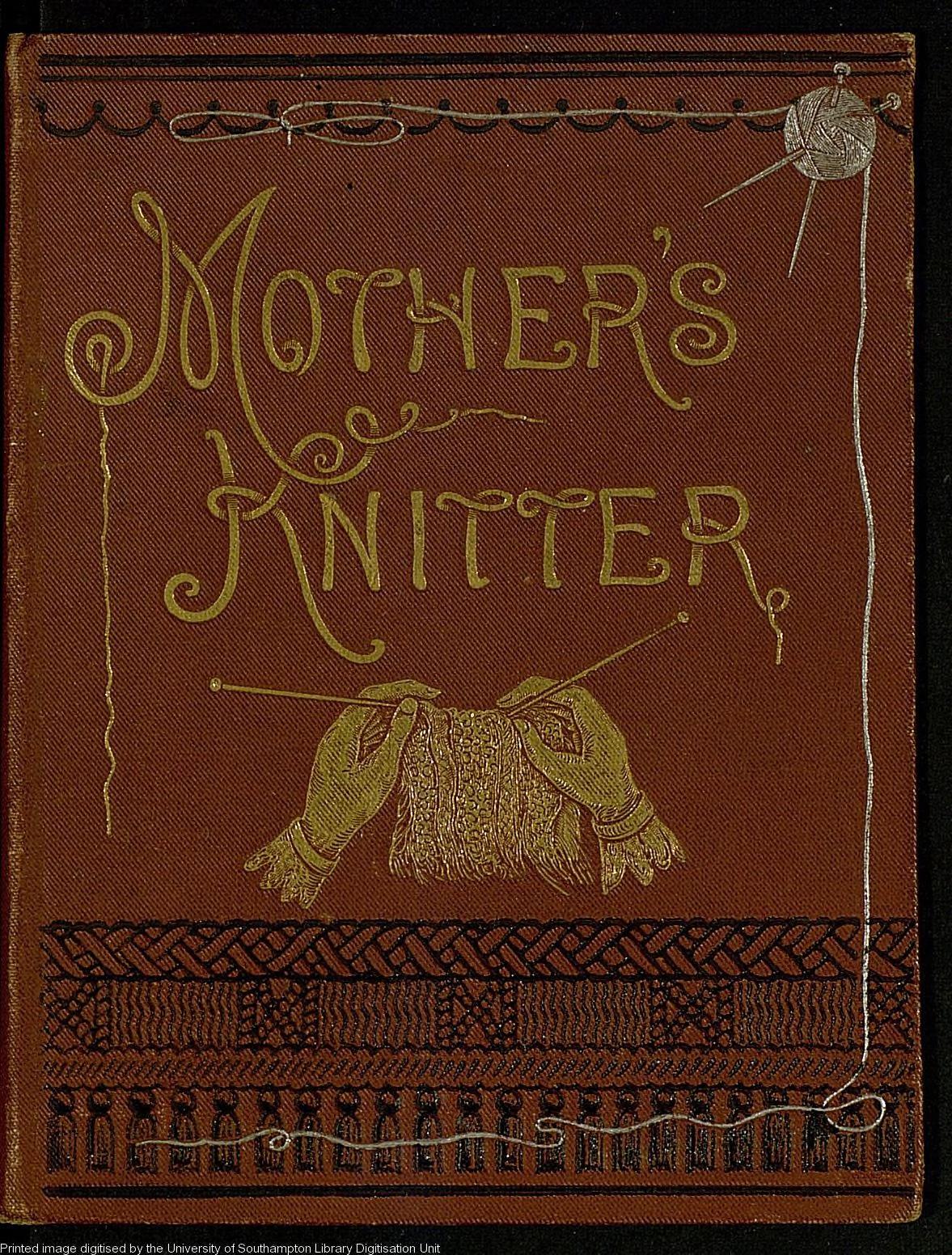
Mother's Knitter

No need to scram­ble to the fall­out shel­ter, friends.

That mas­sive boom you just heard is mere­ly the sound of thou­sands of crafters’ minds being blown en masse by the Uni­ver­si­ty of South­hamp­ton’s Knit­ting Ref­er­ence Library, an exten­sive resource of books, cat­a­logues, pat­terns, jour­nals and magazines—over sev­en­teen decades worth.

Viva la Hand­made Rev­o­lu­tion!

The basics of the form—knit­ting, purl­ing, increas­ing, decreas­ing, cast­ing on and off—have remained remark­ably con­sis­tent through­out the gen­er­a­tions. No won­der there’s an endur­ing tra­di­tion of learn­ing to knit at grandma’s knee…

What has evolved is the nature of the fin­ished prod­ucts.

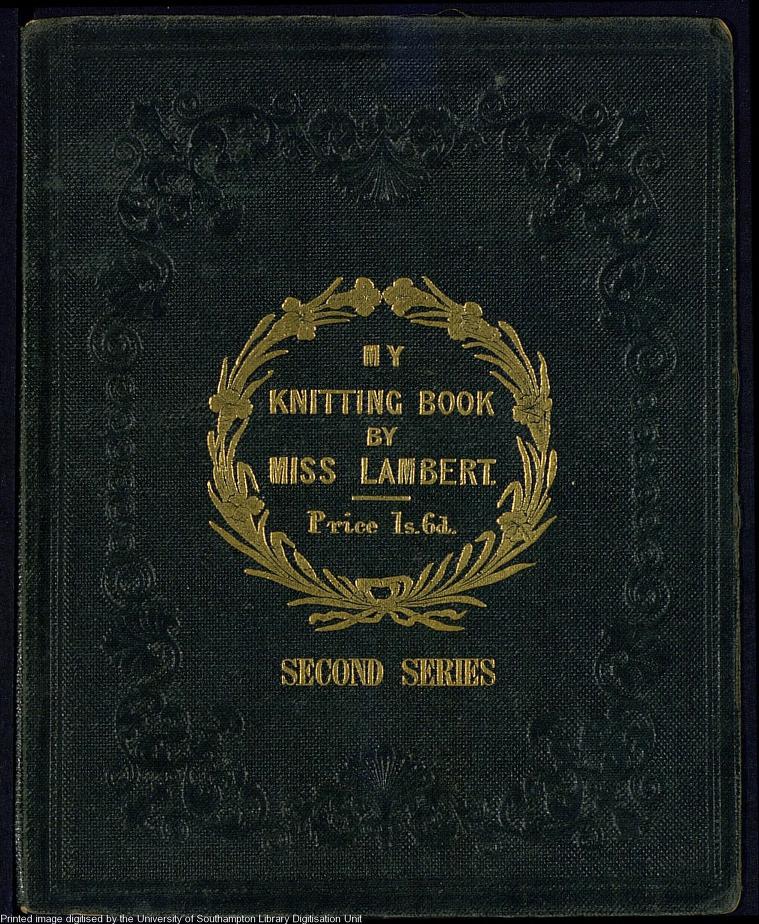
Miss Lambert

Miss Lam­bert’s “Baby Quilt in Stripes of Alter­nate Col­ors” from her 1847 Knit­ting Book could still hold its own against any oth­er hand­craft­ed show­er gift, but even the most hard­core mod­ern crafter would find it chal­leng­ing to find tak­ers for her “Car­riage Sock,” which is meant to be worn over the shoe.

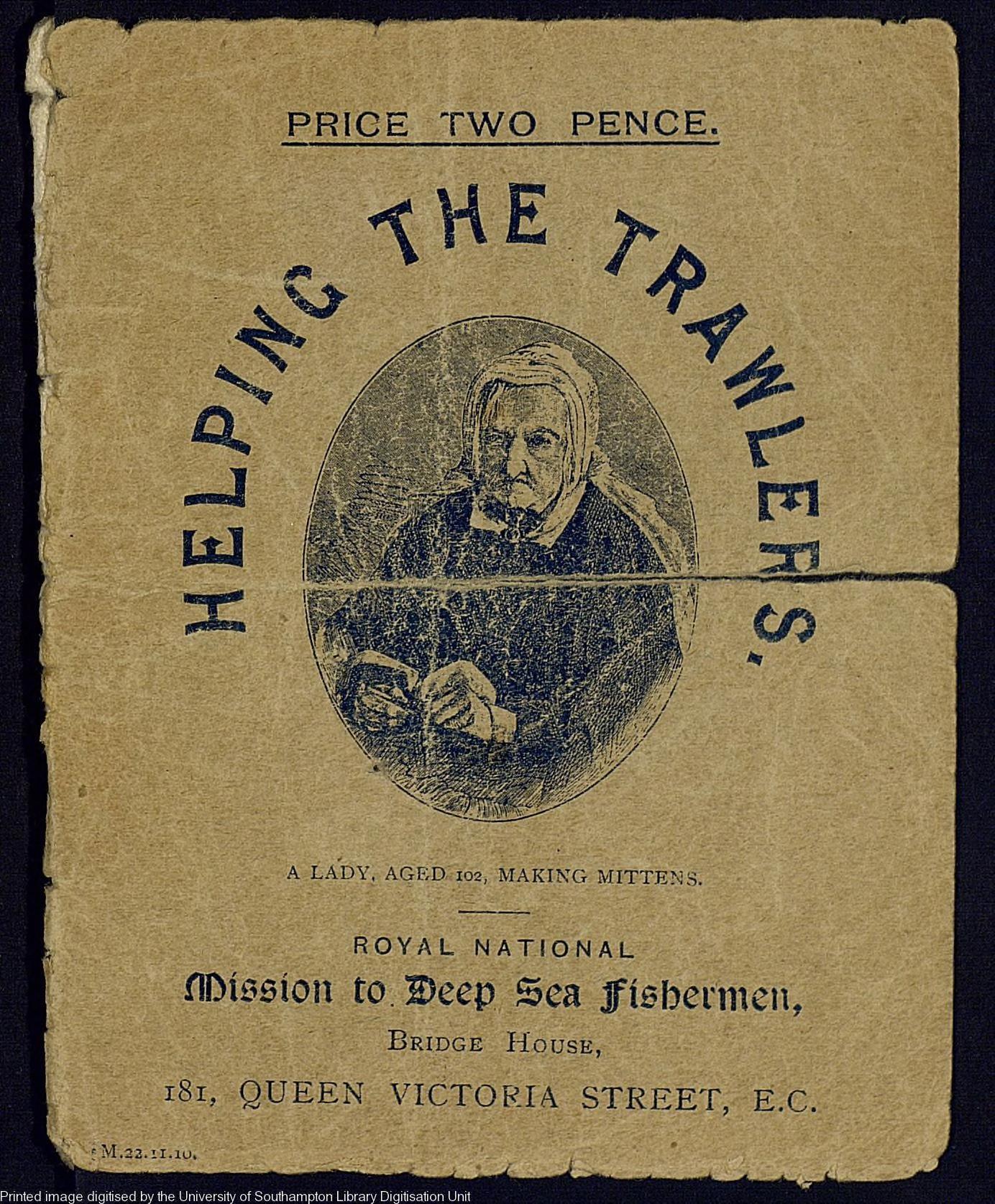
Trawlers

Dit­to the “Woolen Hel­mets” in Help­ing the Trawlers, a 32-page pam­phlet pub­lished by the Roy­al Nation­al Mis­sion to Deep Sea Fish­er­men. The hope was that civic-mind­ed knit­ters might be moved to donate hand­made socks, mit­tens, and oth­er items to com­bat the chill faced by poor work­ing men fac­ing the ele­ments on freez­ing decks.

Not sur­pris­ing­ly, the eager vol­un­teer knit­ting force grav­i­tat­ed toward the pamphlet’s most baroque item, putting the pub­lish­er in a del­i­cate posi­tion:

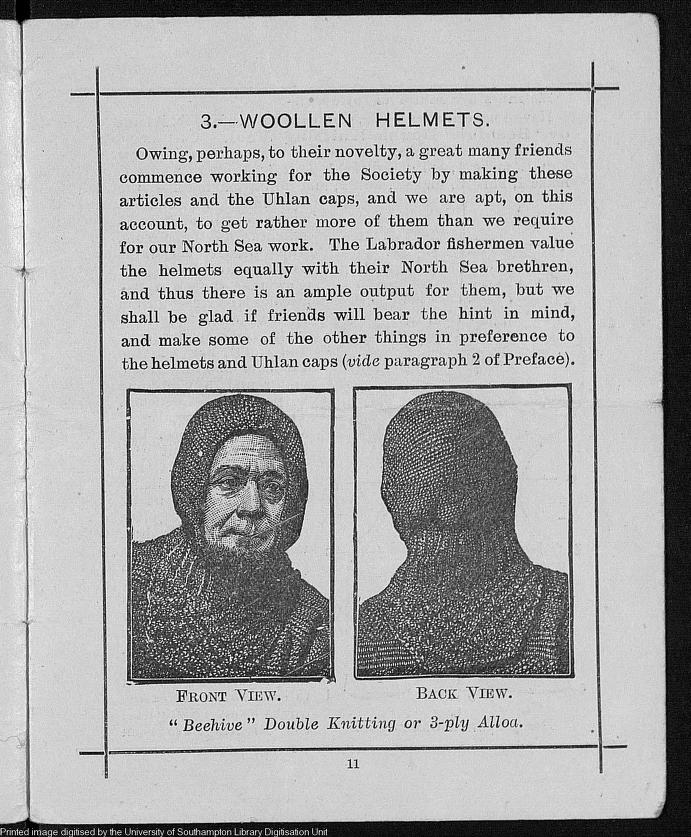
Owing, per­haps, to their nov­el­ty, a great many friends com­mence work­ing for the Soci­ety by mak­ing these arti­cles and the Uhlan caps, and we are apt, on this account, to get rather more of them than we require for our North Sea work. The Labrador fish­er­men val­ue the hel­mets equal­ly with their North Sea breathren, and thus there is an ample out­put for them, but we shall be glad if friends will bear the hint in mind, and make some of the oth­er things in pref­er­ence to the hel­mets and Uhlan caps.

Woollen Helmets

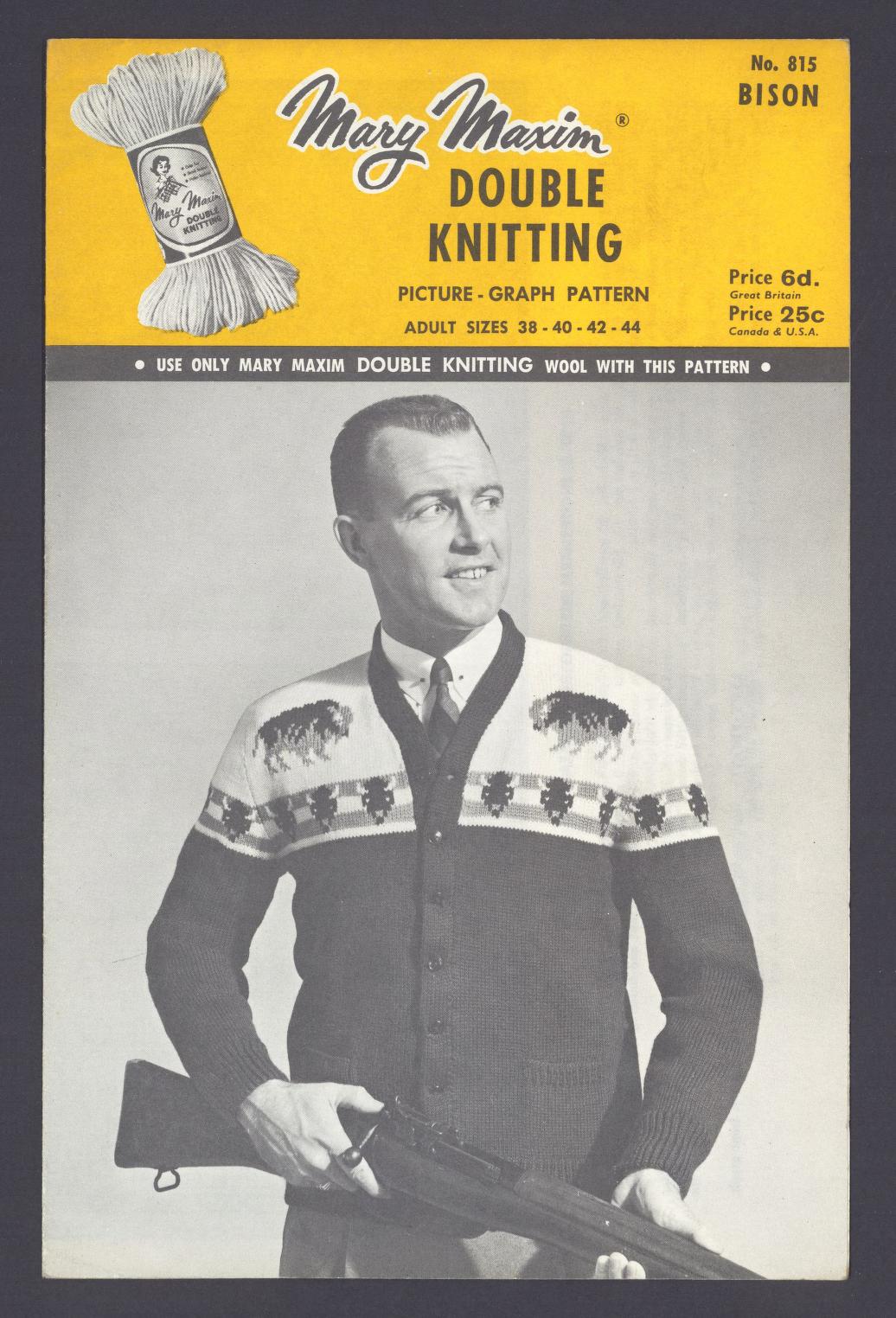
All of the books in the Knit­ting Ref­er­ence Library are open access, though many of the pat­terns and mag­a­zines are depen­dent on copy­right clear­ance. Give a prowl, and you’ll find that a few of the old­er pat­terns are avail­able as down­load­able, print­able PDFs , such as this hand­some gent’s cable knit pullover or the tricky 50’s bison cardi­gan, below.

Bison Cardigan

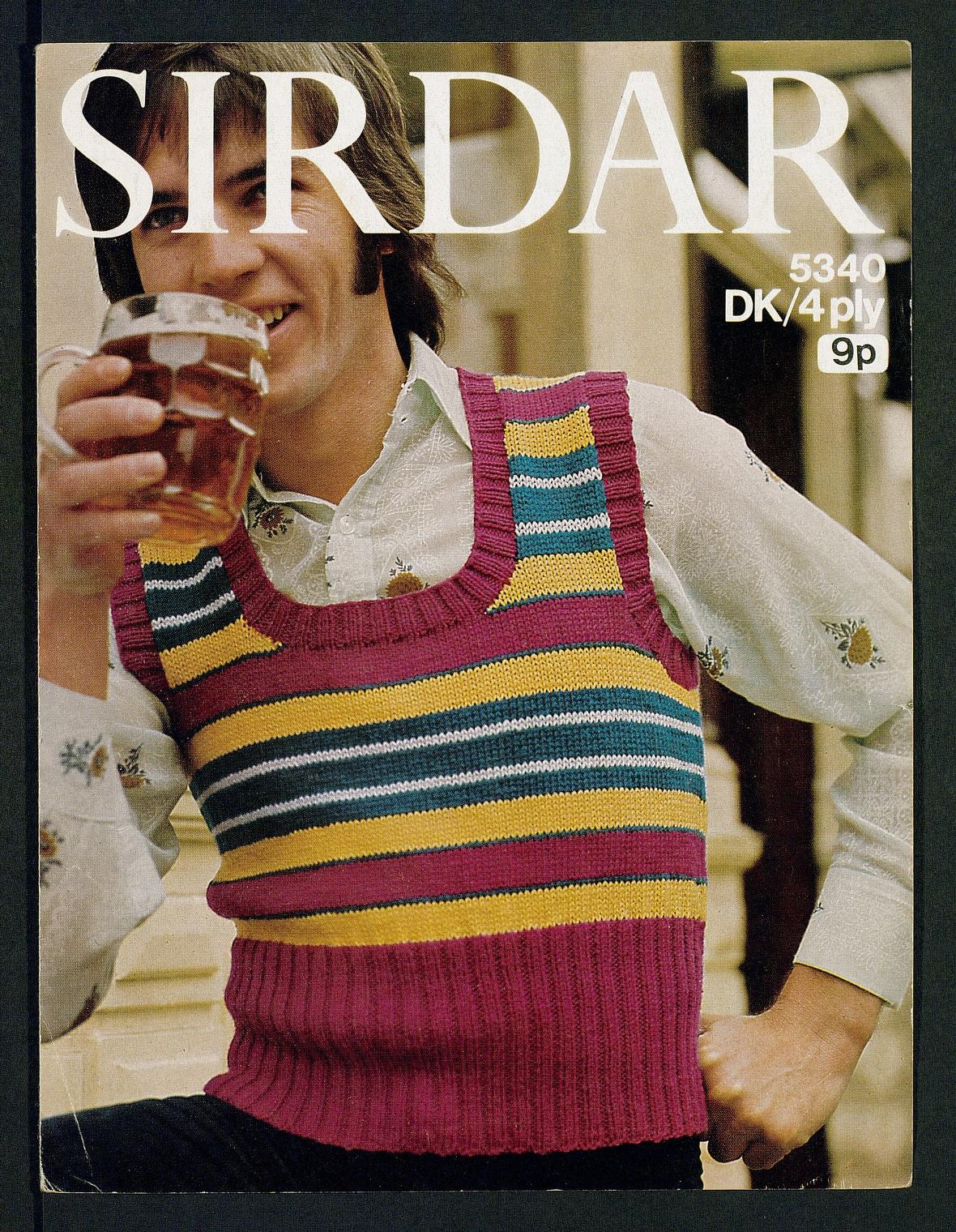
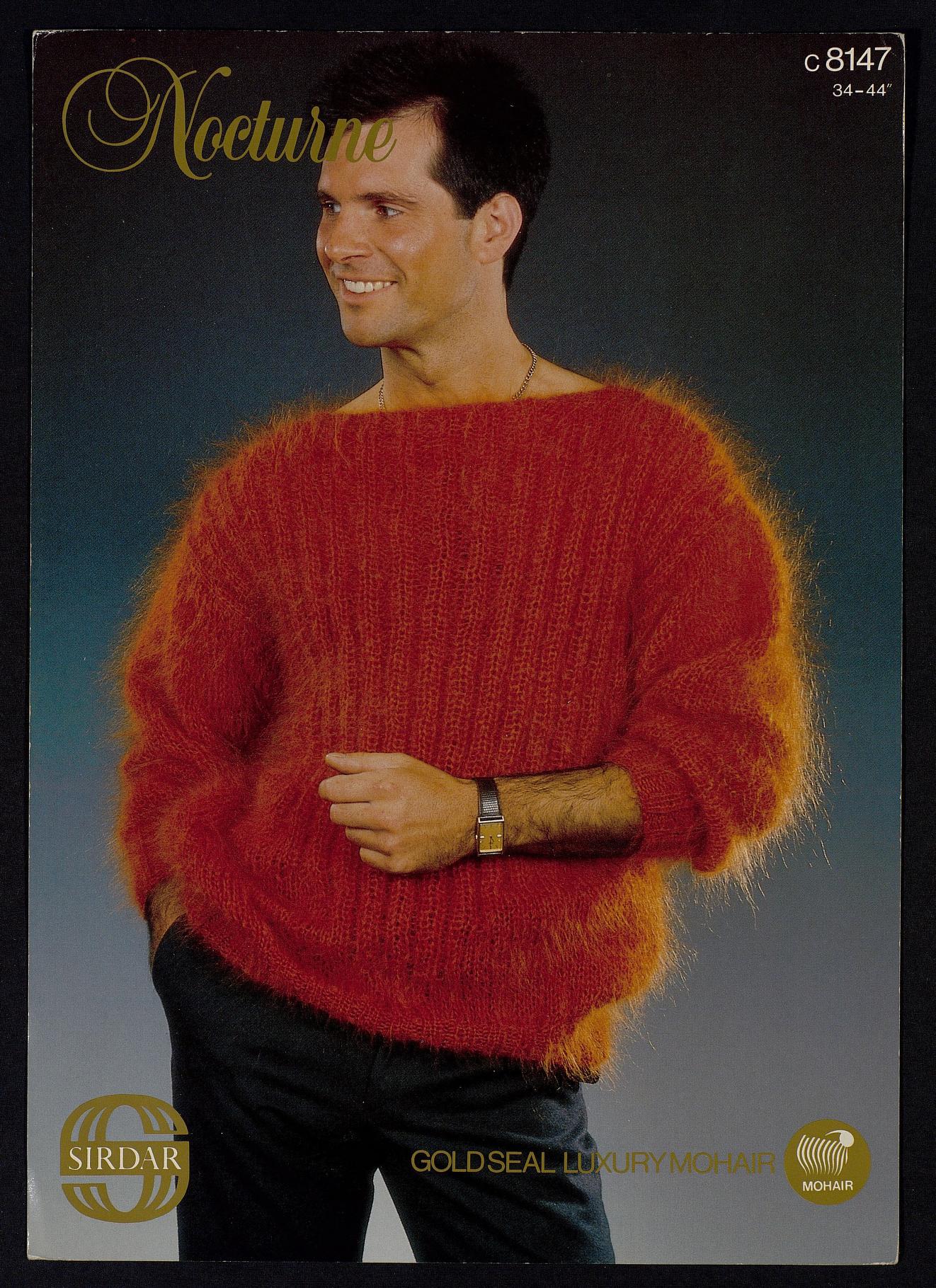
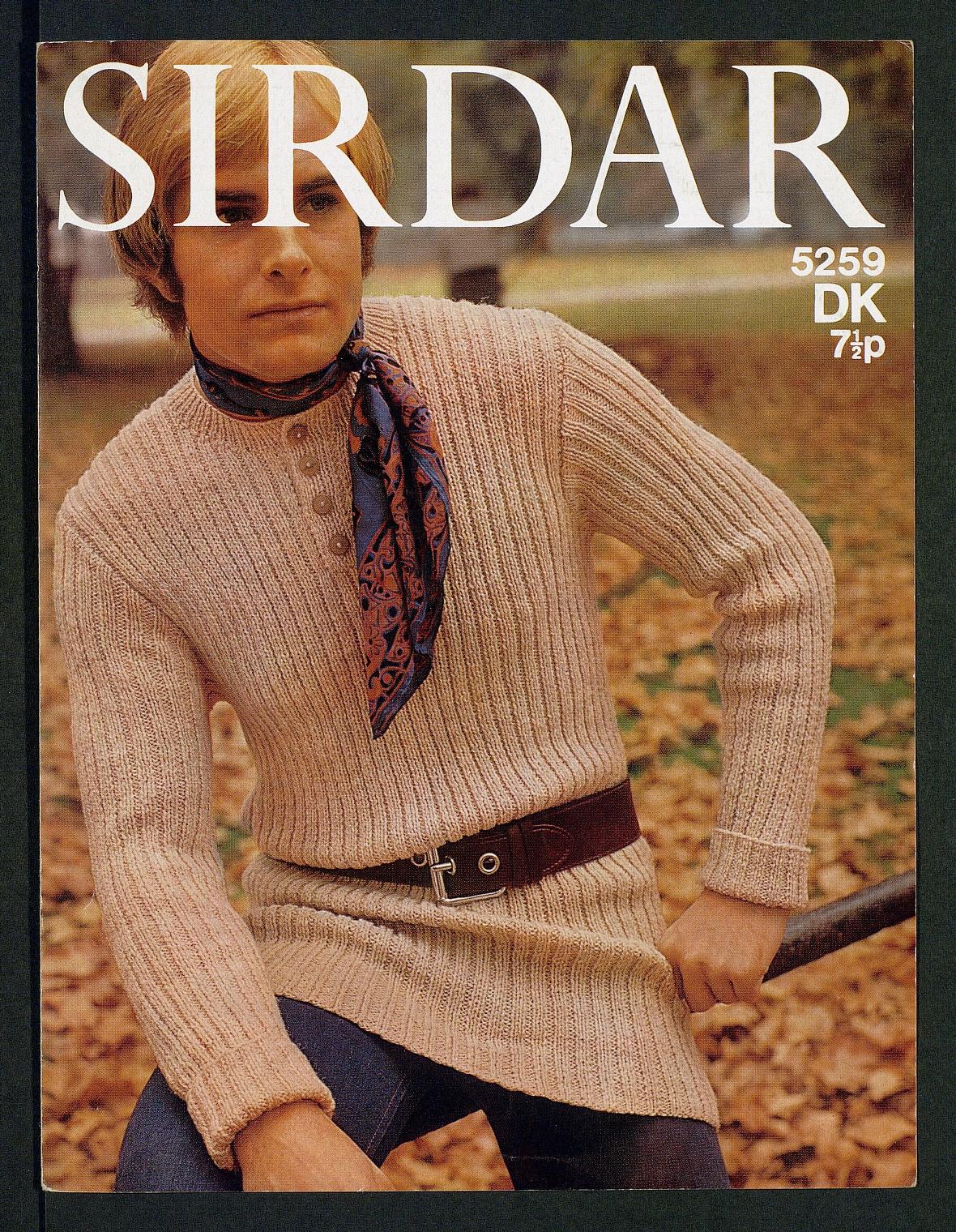
Even with­out step-by-step instruc­tions, the pat­tern envelopes’ cov­er images can still pro­vide inspiration…and no small degree of amuse­ment. Some enter­pris­ing librar­i­an should get crack­ing on a sub-col­lec­tion, Fash­ion Crimes Against Male Knitwear Mod­els, 1960–1980:

Knitting Crime 1

Knitting Crime 2

Knitting Crime 3

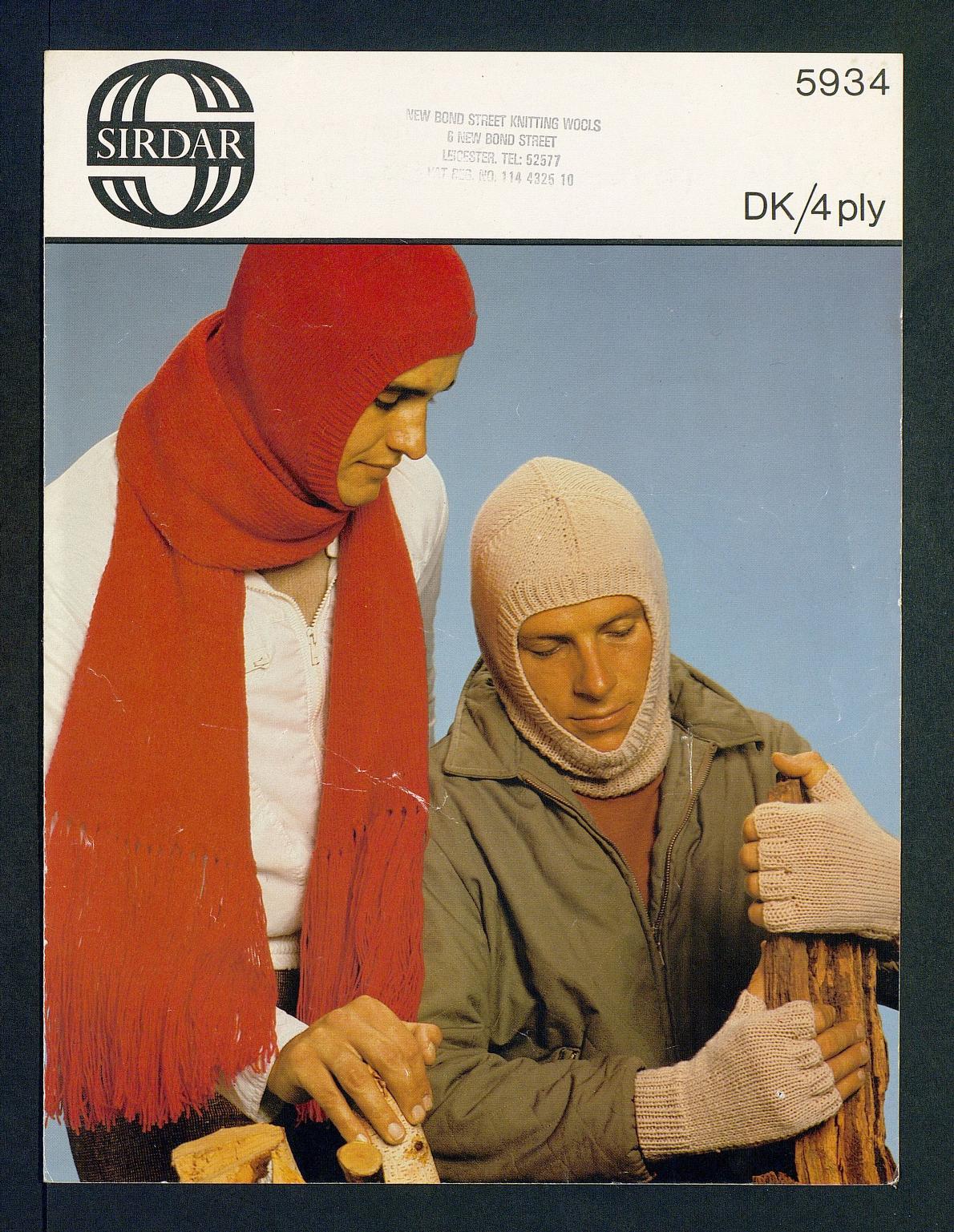
There’s even some­thing for the lat­ter day Labrador trawler...

Balaclava

The entire col­lec­tion can be viewed here. For view­ing and print­ing pat­terns, we rec­om­mend select­ing “PDF” from the list of down­load options.

via Metafil­ter

Relat­ed Con­tent:

The BBC Cre­ates Step-by-Step Instruc­tions for Knit­ting the Icon­ic Dr. Who Scarf: A Doc­u­ment from the Ear­ly 1980s

See Pen­guins Wear­ing Tiny “Pen­guin Books” Sweaters, Knit­ted by the Old­est Man in Aus­tralia

The Whole Earth Cat­a­log Online: Stew­art Brand’s “Bible” of the 60s Gen­er­a­tion

Ayun Hal­l­i­day is an author, illus­tra­tor, and Chief Pri­ma­tol­o­gist of the East Vil­lage Inky zine. Fol­low her @AyunHalliday

11 Shakespeare Tragedies Mapped Out with Network Visualizations

ShakespeareTragedynetworkdensities

Every sto­ry has its archi­tec­ture, its joints and cross­beams, orna­ments and deep struc­ture. The bound­aries and scope of a sto­ry, its built envi­ron­ment, can deter­mine the kind of sto­ry it is, tragedy, com­e­dy, or oth­er­wise. And every sto­ry also, it appears, gen­er­ates a network—a web of weak and strong con­nec­tions, hubs, and nodes.

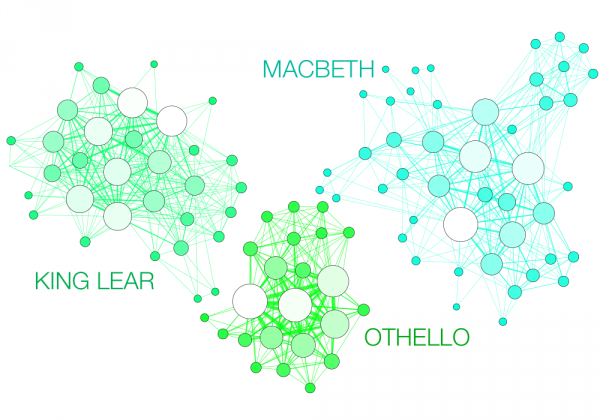
Take Shake­speare’s tragedies. We would expect their net­works of char­ac­ters to be dense, what with all those plays’ intrigues and feasts. And they are, accord­ing to dig­i­tal human­i­ties, data visu­al­iza­tion, and net­work analy­sis schol­ar Mar­tin Grand­jean, who cre­at­ed the charts you see here: “net­work visualization[s] in which each char­ac­ter is rep­re­sent­ed by a node con­nect­ed with the char­ac­ters that appear in the same scenes.”

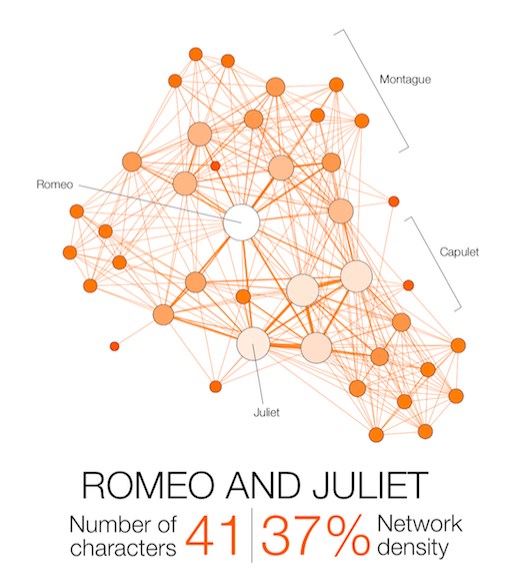
The result speaks for itself: the longest tragedy (Ham­let) is not the most struc­tural­ly com­plex and is less dense than King LearTitus Andron­i­cus or Oth­el­lo. Some plays reveal clear­ly the groups that shape the dra­ma: Mon­tague and Capulets in Romeo and Juli­et, Tro­jans and Greeks in Troilus and Cres­si­da, the tri­umvirs par­ties and Egyp­tians in Antony and Cleopa­tra, the Vols­cians and the Romans in Cori­olanus or the con­spir­a­tors in Julius Cae­sar.

Grand­jean’s visu­al­iza­tions show us how var­ied the den­si­ty of these plays is. While Mac­beth has 46 char­ac­ters, it only achieves 25% net­work den­si­ty. King Lear, with 33 char­ac­ters, reach­es 45%.

Shakespeare-Network-Romeo-and-Juliet

Ham­lets den­si­ty score near­ly match­es its num­ber of char­ac­ters, while Titus Andron­i­cus’ den­si­ty num­ber exceeds its char­ac­ter num­ber, as does that of Oth­el­lo by over twice as much. Why is this? Grand­jean does­n’t tell us. These data maps only pro­vide an answer to the ques­tion of whether “Shake­speare’s tragedies” are “all struc­tured in the same way.”

But does Grand­jean’s “result speak for itself,” as he claims? Though he helps us visu­al­ize the way char­ac­ters clus­ter around each oth­er, most obvi­ous­ly in Romeo and Juli­et, above, it’s not clear what a “den­si­ty” score does for our under­stand­ing of the dra­ma’s intent and pur­pos­es. With the excep­tion of the most promi­nent few char­ac­ters, the graph­ics only show var­i­ous plays’ per­son­ae as name­less shad­ed cir­cles, where­as Shake­speare’s skill was to turn most of those char­ac­ters, even the most minor, into anti­types and anom­alies. Per­haps as impor­tant as how they are con­nect­ed is the ques­tion of who they are when they con­nect.

You can view and down­load a com­plete poster of all 11 of Shake­speare’s tragedies at Grand­jean’s web­site.

Relat­ed Con­tent:

74 Ways Char­ac­ters Die in Shakespeare’s Plays Shown in a Handy Info­graph­ic: From Snakebites to Lack of Sleep

Read All of Shakespeare’s Plays Free Online, Cour­tesy of the Fol­ger Shake­speare Library

A 68 Hour Playlist of Shakespeare’s Plays Being Per­formed by Great Actors: Giel­gud, McK­ellen & More

Josh Jones is a writer and musi­cian based in Durham, NC. Fol­low him at @jdmagness

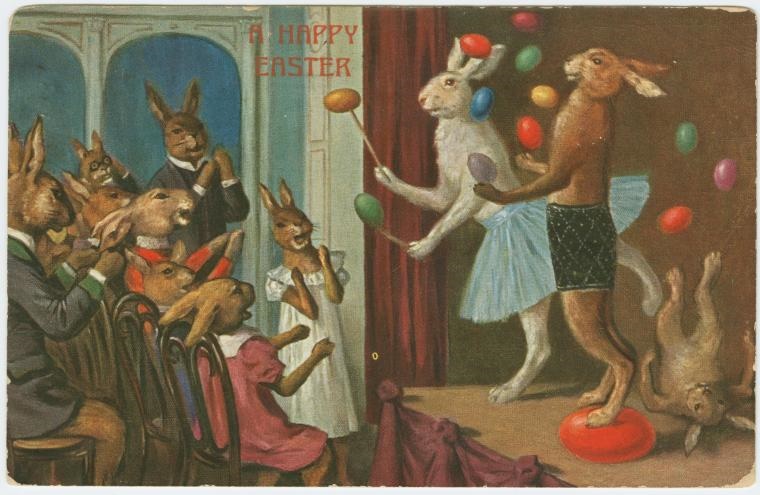
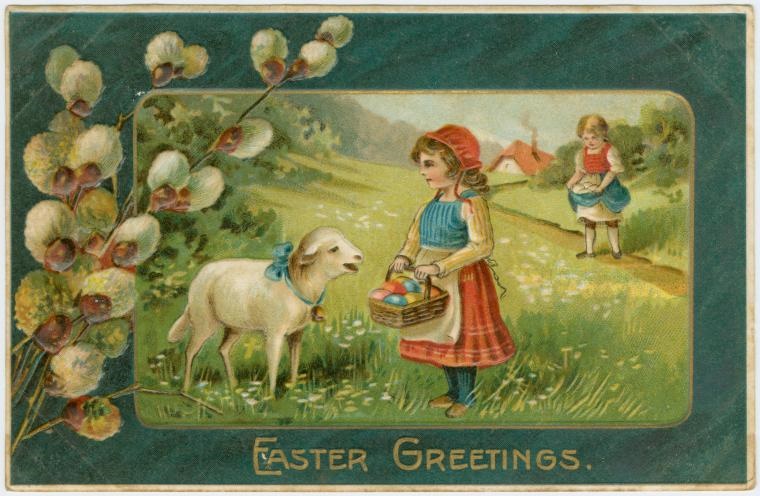
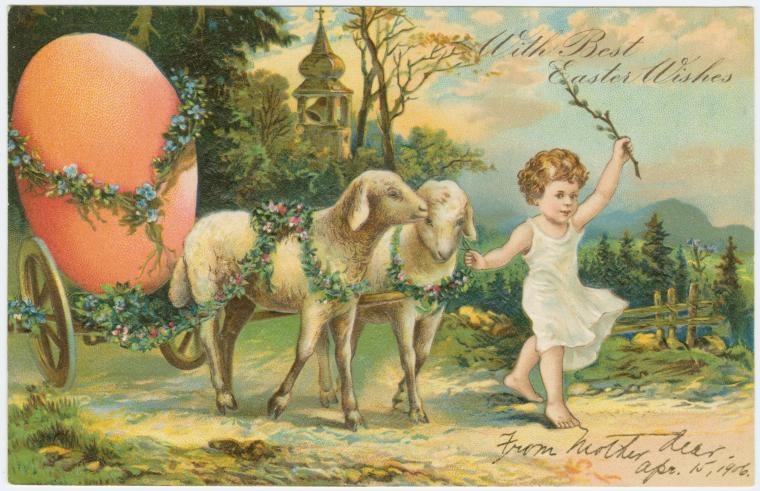
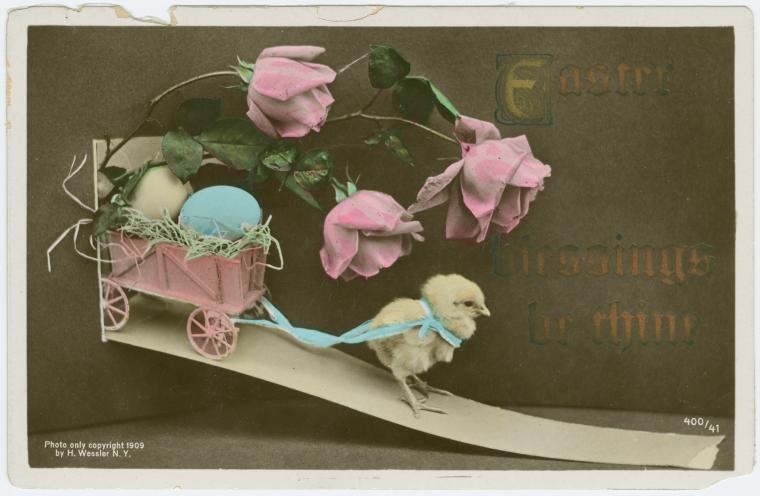
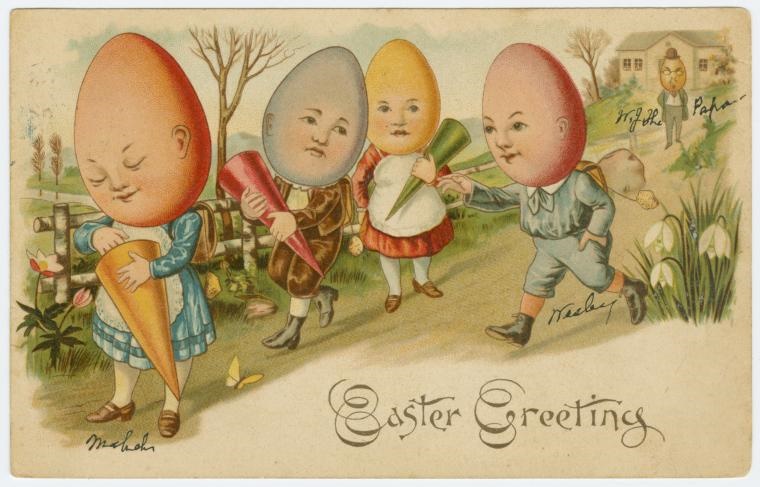
Download Beautiful Free Vintage Easter Cards from the New York Public Library

NYPL Easter 3

‘Tis the sea­son when bun­nies tem­porar­i­ly upend cats as rulers of the Inter­net.

There are scores of vin­tage snap­shots in which inno­cent chil­dren are pas­sive­ly men­aced by hideous, full body bun­ny cos­tumes—hope­ful­ly an inac­cu­rate reflec­tion of the adults encased there­in…

“Medieval rab­bits that hate East­er and want to kill you”

Some edi­ble DIY fails

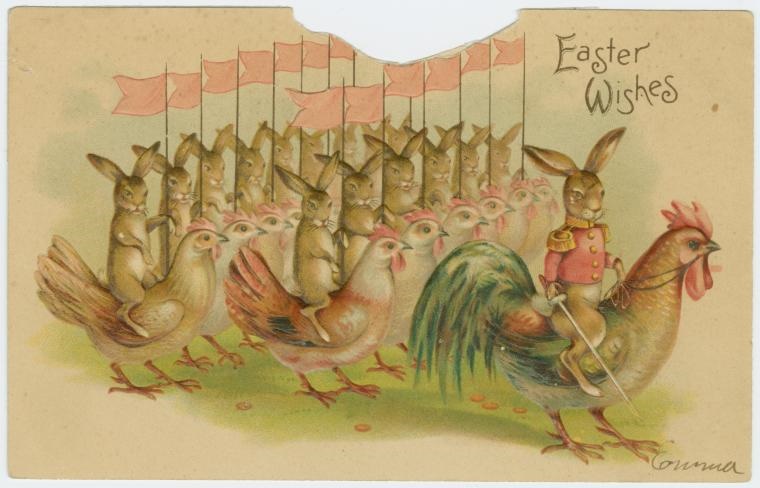
And mer­ci­ful­ly, a bit of sweet nos­tal­gia from the New York Pub­lic Library, who is mak­ing its robust col­lec­tion of East­er greet­ings avail­able for free down­load.

NYPL Easter 2
NYPL Easter 1

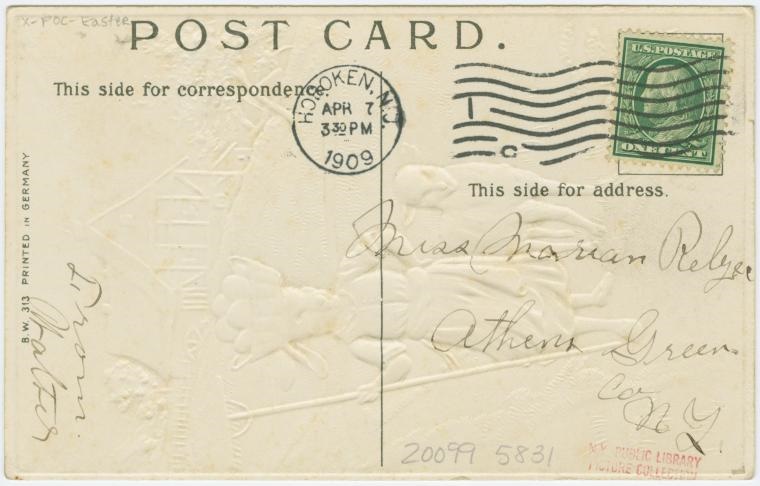
Each card comes with pub­li­ca­tion infor­ma­tion. Images of the flip sides reveal that the sender often con­sid­ered the pub­lish­ers’ preprint­ed sen­ti­ments cor­re­spon­dence enough. (It’s some­thing of a relief to real­ize that social media did not invent this kind of short­hand.)

NYPL Easter 4

Bun­nies are not the only fruit here… sea­son­al flo­ra and fau­na abound, in addi­tion to more explic­it­ly reli­gious iconog­ra­phy.

NYPL Easter 5
NYPL Easter 6
NYPL Easter 7
NYPL Easter 8

View the entire col­lec­tion here. Down­load as many as you’d like and do with them as you will.

Relat­ed Con­tent:

The New York Pub­lic Library Lets You Down­load 180,000 Images in High Res­o­lu­tion: His­toric Pho­tographs, Maps, Let­ters & More

New York Pub­lic Library Puts 20,000 Hi-Res Maps Online & Makes Them Free to Down­load and Use

Down­load 2,000 Mag­nif­i­cent Turn-of-the-Cen­tu­ry Art Posters, Cour­tesy of the New York Pub­lic Library

Ayun Hal­l­i­day is an author, illus­tra­tor, and Chief Pri­ma­tol­o­gist of the East Vil­lage Inky zine. Fol­low her @AyunHalliday

An Inside Look at How the Fantastic “Wintergatan Marble Machine” Makes Music with 2000 Marbles & 3000 Handmade Parts

Swedish musi­cian Mar­tin Molin’s Mar­ble Machine, above, looks like the kind of top heavy, enchant­ed con­trap­tion one might find in a Miyaza­ki movie, gal­lop­ing through the coun­try­side on its skin­ny legs.

Those slen­der stems are but one of the design flaws that both­er its cre­ator, who notes that he hadn’t real­ly tak­en into account the destruc­tive pow­er of 2000 flow­ing mar­bles (or more accu­rate­ly, 11mm steel ball bear­ings).

It’s nat­ur­al for some­one so close to the project to fix­ate on its imper­fec­tions, but I think it’s safe to say that the rest of us will be bedaz­zled by all the giant musi­cal Rube Gold­berg device gets right. Hannes Knutsson’s “mak­ing of” videos below detail some of Molin’s labors, from recre­at­ing the sound of a snare drum with coast­ers, a con­tact mic and a box of bas­mati rice, to cut­ting wood­en gears from a cus­tomiz­able tem­plate that any­one can down­load off the Inter­net.

If it looks like a time con­sum­ing endeav­or, it was. Molin wound up devot­ing 14 months to what he had con­ceived of as a short term project, even­tu­al­ly design­ing and fab­ri­cat­ing 3,000 inter­nal parts.

The fin­ished prod­uct is a feat of dig­i­tal, musi­cal, and phys­i­cal skill. As Molin told Wired,

I grew up mak­ing music on Midi, and every­one makes music on a grid nowa­days, on com­put­ers. Even before dig­i­tal they made fan­tas­tic, pro­gram­ma­ble music instru­ments. In bell tow­ers and church tow­ers that play a melody they always have a pro­gram­ming wheel exact­ly like the one that is on the mar­ble machine.

The “mak­ing of” videos high­light the dif­fer­ence between the record­ed audio sig­nal and the sound in the room where the machine is being oper­at­ed. There’s some­thing immense­ly sat­is­fy­ing about the insect-like click of all those mar­bles work­ing in con­cert as they acti­vate the var­i­ous instru­ments and notes.

The machine also appears to give its inven­tor a rather brisk car­dio work­out.

You can read more about the con­struc­tion of the Mar­ble Machine on Molin’s Win­ter­gatan web­site. Its tune is avail­able for down­load here.

Relat­ed Con­tent:

See the First “Drum Machine,” the Rhyth­mi­con from 1931, and the Mod­ern Drum Machines That Fol­lowed Decades Lat­er

New Order’s “Blue Mon­day” Played with Obso­lete 1930s Instru­ments

Two Gui­tar Effects That Rev­o­lu­tion­ized Rock: The Inven­tion of the Wah-Wah & Fuzz Ped­als

Download 650 Soviet Book Covers, Many Sporting Wonderful Avant-Garde Designs (1917–1942)

Circus 1931

Amer­i­cans like to pride our­selves on the numer­ous ways our pop cul­ture pen­e­trat­ed the Sovi­et Union and seduced its young­sters, send­ing them to bed with dreams of Mick­ey Mouse, Bil­lie Hol­i­day, Elvis, and Star Wars. Whether it’s jazz in the ear­ly decades after the rev­o­lu­tion, or rock and roll in the 50s and after, Sovi­et youth so craved the ways of the West, it seems, that they famous­ly boot­legged Amer­i­can music on used X‑rays, with results of wide­ly vary­ing degrees of qual­i­ty. That’s all well and good, but we rarely ask what Sovi­et cul­tur­al exports we were miss­ing while we trum­pet­ed our supe­ri­or­i­ty. (I mean, besides Ayn Rand or the com­e­dy of Yakov Smirnoff.)

Unknown Soviet Cover 1

A few of those exports have become high water­marks of cre­ative inno­va­tion and aes­thet­ic beau­ty, such as the film­mak­ing of Dzi­ga Ver­tov and Andrei Tarkovsky. At least one Sovi­et export, the Theremin, rad­i­cal­ized music with its haunt­ing elec­tron­ic whine. Much less well-known, how­ev­er, are the fas­ci­nat­ing devel­op­ments in ani­ma­tion and illus­tra­tion (such as these out­er space utopias). Now—thanks to the New York Pub­lic Library’s huge­ly expan­sive, free dig­i­tal image archive—we can view and down­load 650 exam­ples of Sovi­et book cov­er design between the years 1917 and 1942 (most date from the 30s). Many of these cov­ers are as unre­mark­ably vanil­la as some of their Amer­i­can coun­ter­parts, but no small num­ber offer unique looks into avant-garde Sovi­et design trends.

Two Years In Northern Lands 1935

Addi­tion­al­ly, the archive gives us a broad overview of the kinds of books that were pub­lished in the Sovi­et Union dur­ing these pre-Cold War years. It’s unlike­ly many of these titles saw trans­la­tion into Eng­lish and unlike­ly many of them ever will. In some cas­es, the author and title of the book rep­re­sent­ed have been lost to his­to­ry (as with the col­or­ful cov­er sec­ond from the top). Each of the images here links to a page on the NYPL’s online data­base, where you can see pub­li­ca­tion info and down­load high-res­o­lu­tion scans. Browse, and down­load, hun­dreds more pre-War Sovi­et book cov­er designs at the NYPL’s “Scrap­book of Russ­ian Book­jack­ets, 1917–1942,” or see a few more choice selec­tions at The Paris Review, who drew our atten­tion to this won­der­ful online col­lec­tion.

Takers 1933

The Grim River 1933

M. Lermontov

Big Universe 1936

via The Paris Review

Relat­ed Con­tent:

The New York Pub­lic Library Lets You Down­load 180,000 Images in High Res­o­lu­tion: His­toric Pho­tographs, Maps, Let­ters & More

Sovi­ets Boot­legged West­ern Pop Music on Dis­card­ed X‑Rays: Hear Orig­i­nal Audio Sam­ples

Sovi­et-Era Illus­tra­tions Of J. R. R. Tolkien’s The Hob­bit (1976)

Watch Sovi­et Ani­ma­tions of Win­nie the Pooh, Cre­at­ed by the Inno­v­a­tive Ani­ma­tor Fyo­dor Khitruk

Josh Jones is a writer and musi­cian based in Durham, NC. Fol­low him at @jdmagness

Brazil Gives Out Books That Double as Subway Tickets, Promoting Literacy & Mass Transit at Once

One of the things I miss about liv­ing in a city with a sub­way sys­tem is the myr­i­ad thought­ful design ele­ments that go into man­ag­ing a per­pet­u­al flow of tourists and com­muters. New York’s sub­way map presents us with an icon­ic tan­gle of inter­lock­ing trib­u­taries resem­bling dia­grams of a cir­cu­la­to­ry sys­tem. The NYC system’s inge­nious­ly sim­ple graph­ic pre­sen­ta­tion of let­tered and num­bered trains, encir­cled in their cor­re­spond­ing col­ors, can be read by most any­one with a rudi­men­ta­ry grasp on the Eng­lish alphabet—from a new lan­guage learn­er to a small child. The Wash­ing­ton, DC sub­way sys­tem, though a much more pro­sa­ic affair over­all, whisks rid­ers through impres­sive­ly cav­ernous, cat­a­comb-like sta­tions, with bru­tal­ist tile and con­crete hon­ey­combs that seem to go on for­ev­er. The squig­gly lines of its col­or-cod­ed map like­wise promise ease of use and leg­i­bil­i­ty.

Ticket-Books_LPM-1-957x644

And then there are the hours of read­ing time grant­ed by a sub­way com­mute, a leisure I’ve relin­quished now that I rely on car and bike. So you can imag­ine my envi­ous delight in learn­ing about Brazil’s Tick­et Books, which are exact­ly what they sound like—books that work as sub­way tick­ets, designed with the min­i­mal­ist care that major tran­sit sys­tems do so well. And what’s more, they’re free: “To cel­e­brate World Book Day last April 23rd,” writes “future-for­ward online resource” PSFK, “[Brazil­lian pub­lish­er] L&PM gave away 10,000 books for free at sub­way sta­tions across São Paulo. Each book came with ten free trips.” Rid­ers could then recharge them and use the books again or pass them on to oth­ers to encour­age more read­ing, an impor­tant pub­lic ser­vice giv­en that Brazil­ians only read two books per year on aver­age.

Ticket-Books_LPM-3-968x516

With sub­way map-inspired cov­ers designed by firm Agên­cia Africa, the books include The Great Gats­by, The Art of War, Ham­let, Mur­der Alley by Agatha Christie, Hun­dred Love Son­nets by Pablo Neru­da, and more (includ­ing com­ic col­lec­tions from Charles Schulz and Garfield’s Jim Davis). Watch an explain­er video at the top of the post and see some love­ly images of the book cov­ers above. The cam­paign won three tro­phies at the Cannes Lions Fes­ti­val in the cat­e­gories “Pro­mo,” “Out­door,” and “Design,” and has proved so pop­u­lar that pub­lish­er L&PM has expand­ed the project to oth­er Brazil­ian cities, giv­ing me yet more rea­son to vis­it Brazil. And if Tick­et Books makes its way to a sub­way-enabled city near me, I may con­sid­er mov­ing.

via PSFK

Relat­ed Con­tent:

Design­er Mas­si­mo Vignel­li Revis­its and Defends His Icon­ic 1972 New York City Sub­way Map

Com­muters Can Down­load Free eBooks of Russ­ian Clas­sics While Rid­ing the Moscow Metro

55 Cov­ers of Vin­tage Phi­los­o­phy, Psy­chol­o­gy & Sci­ence Books Come to Life in a Short Ani­ma­tion

Artist Ani­mates Famous Book Cov­ers in an Ele­gant, Under­stat­ed Way

Josh Jones is a writer and musi­cian based in Durham, NC. Fol­low him at @jdmagness

55 Covers of Vintage Philosophy, Psychology & Science Books Come to Life in a Short Animation

We all know that toys come alive at night, but what about mid-cen­tu­ry vin­tage paper­back cov­ers, such as you might find in the psy­chol­o­gy or phi­los­o­phy sec­tions of a dim­ly-lit used book­store?

Watch­ing 55 min­i­mal­ist cov­ers from graph­ic and motion design­er Hen­ning M. Led­er­er’s 2200 title-strong col­lec­tion begin to spin, drift, and seethe in the short ani­ma­tion above, I got the impres­sion that they were the ones dic­tat­ing the terms. Or per­haps Led­er­er is the ves­sel through which the inten­tions of the orig­i­nal design­ers—Rudolph de Harak and John + Mary Con­don to name a few—flow. Cov­ers is not an act of reimag­i­na­tion or crowd-pleas­ing irrev­er­ence, but rather one log­i­cal motion, ele­gant­ly applied.

Habitués of used book­stores may find their usu­al brows­ing habits slight­ly altered by the hyp­not­ic results.

Led­er­er makes no bones about judg­ing books by their cov­ers. Strong graph­ics, not con­tent, are the pri­ma­ry deter­min­ing fac­tor as to which titles he acquires. The state­ly geo­met­rics set in motion here are relics from anoth­er age, but the unclut­tered abstracts so favored by 60s era pub­lish­ers are not the only genre to catch his eye.

Shame Drifter, Dusky Desire, and Sin­sur­ance are some of the decid­ed­ly non-min­i­mal­ist titles spic­ing up his collection’s online gallery. After all of those arrows, angles, and spheres, Led­er­er might have craved ani­mat­ing some­thing with a bit more…personality.

Relat­ed Con­tent:

Free Online Phi­los­o­phy Cours­es

Artist Ani­mates Famous Book Cov­ers in an Ele­gant, Under­stat­ed Way

Illus­tra­tions for a Chi­nese Lord of the Rings in a Stun­ning “Glass Paint­ing Style”

Loli­ta Book Cov­ers: 100+ Designs From 37 Coun­tries (Plus Nabokov’s Favorite Design)

83 Years of Great Gats­by Book Cov­er Designs: A Pho­to Gallery

135 Free Phi­los­o­phy eBooks

Free Online Psy­chol­o­gy Cours­es

Ayun Hal­l­i­day is an author, illus­tra­tor, and Chief Pri­ma­tol­o­gist of the East Vil­lage Inky zine. Her post-dig­i­tal, pre apoc­a­lyp­tic dark com­e­dy, Fawn­book, is now play­ing in New York City. Fol­low her @AyunHalliday

100,000+ Wonderful Pieces of Theater Ephemera Digitized by The New York Public Library

ERoosevelt

Liv­ing in New York, it’s not unusu­al to encounter ardent the­ater lovers who’ve care­ful­ly pre­served decades worth of pro­grams, tick­ets, and ephemera from every play they’ve ever seen. These col­lec­tions can get a bit hoarder‑y, as any­one who’s ever sort­ed through the belong­ings of a recent­ly depart­ed life­long audi­ence mem­ber can attest.

If the­ater is dead — as gloomy Cas­san­dras have been pre­dict­ing since the advent of screens — these mono­liths of Play­bills and stubs con­sti­tute one hell of a tomb.

Sound of Music

(Go ahead, toss that 1962 pro­gram to The Sound of Music…and why not dri­ve a stake through poor Uncle Mau­rice’s cold, dead heart while you’re at it? All he ever want­ed was to sit, eyes shin­ing in the dark, and maybe hang around the stage door in hopes of scor­ing Acad­e­my Award win­ner, Warn­er Bax­ter’s auto­graph, below. )

Warner Baxter

For those of us who con­ceive of the­atre as a still-liv­ing enti­ty, the New York Pub­lic Library’s recent deci­sion to start dig­i­tiz­ing its Bil­ly Rose The­atre Divi­sion archive is cause for cel­e­bra­tion. Such grand scale com­mit­ment to this art form’s past ensures that it will enjoy a robust future. Hope­ful­ly some­day all of the approx­i­mate­ly 10 mil­lion items in the Bil­ly Rose archive can be accessed from any­where in the world. But, for now, you can start with over 100,000 items. The com­par­a­tive­ly small per­cent­age avail­able now is still a boon to direc­tors, design­ers, writ­ers, and per­form­ers look­ing for inspi­ra­tion.

It’s also wild­ly fun for those of us who nev­er made it much past play­ing a poin­set­tia in the sec­ond grade hol­i­day pageant.

KHepburn

Tru­ly, there’s some­thing for every­one. The library sin­gles out a few tan­ta­liz­ing morsels on its web­site:

A researcher can exam­ine a 1767 pro­gram for a per­for­mance of Romeo and Juli­et in Philadel­phia, study Katharine Hepburn’s per­son­al papers (ed. note: wit­ness the many moods of Kate, above), review Elia Kazan’s work­ing script and notes for the orig­i­nal pro­duc­tion of A Street­car Named Desire, exam­ine posters for Har­ry Houdini’s per­for­mances, read a script for an episode of Cap­tain Kan­ga­roo, view set designs for the orig­i­nal pro­duc­tion of Guys & Dolls and cos­tume designs for the Ziegfeld Fol­lies, ana­lyze a video­tape of the orig­i­nal pro­duc­tion of A Cho­rus Line, and find rich sub­ject files and scrap­books that doc­u­ment the most pop­u­lar and obscure per­for­mances from across the cen­turies. 

Comedy

You might also prowl for Hal­loween cos­tumes. What kid wouldn’t want to trick or treat as one of Robert Ten Eyck Stevenson’s 1926 designs for the Green­wich Vil­lage Fol­lies?

Salome

There’s cer­tain­ly no shame in moon­ing over a for­got­ten star… for the record, the one above is Alla Naz­i­mo­va in Salomé.

BMcQueen

And there’s some­thing gal­va­niz­ing about see­ing a famil­iar star escap­ing the con­fines of her best known role, the only one for which she is remem­bered, truth be told…

For me, the hands down pearl of the col­lec­tion is the telegram at the top of the page. For­mer First Lady Eleanor Roo­sevelt sent it Gyp­sy Rose Lee to her­ald the re-open­ing of Gyp­sy, the musi­cal based on her life.

For the unini­ti­at­ed, telegrams were once an open­ing night tra­di­tion, as was stay­ing up to read the review in the ear­ly edi­tion, hot off the press.

More infor­ma­tion on vis­it­ing the archive, online or in per­son, can be found here.

Relat­ed Con­tent:

Take a Vir­tu­al Tour of Shakespeare’s Globe The­atre

New York Pub­lic Library Puts 20,000 Hi-Res Maps Online & Makes Them Free to Down­load and Use

2,200 Rad­i­cal Polit­i­cal Posters Dig­i­tized: A New Archive

Ayun Hal­l­i­day is an author, illus­tra­tor, and per­former, whose lat­est play, Fawn­book, opens in New York this fall. Fol­low her @AyunHalliday

« Go BackMore in this category... »
Quantcast