Slavoj Žižek on the Feel-Good Ideology of Starbucks

Back in 2010, we pre­sent­ed an ani­mat­ed video where Slavoj Žižek, our favorite Sloven­ian the­o­rist, iden­ti­fied a new trend in mod­ern cap­i­tal­ism. Nowa­days, mar­keters have found a crafty way to rework Max Weber’s Protes­tant Eth­ic. They tell us we can achieve per­son­al redemp­tion not through hard work and amass­ing sav­ings, but by con­sum­ing the right prod­ucts. When you buy eco-friend­ly prod­ucts, fair trade goods, or prod­ucts that yield some kind of char­i­ta­ble div­i­dend, you don’t have to think twice about the cost of your con­sumerism. Not when you’ve done some good and earned your­self some good cap­i­tal­ist kar­ma.

This line of think­ing returns in Žižek’s new film The Per­vert’s Guide to Ide­ol­o­gy, where, once again, he focus­es on one of the world’s most effec­tive mar­ket­ing oper­a­tions, Star­bucks. This, after hav­ing seem­ing­ly imbibed a “Ven­ti” or “Trenta” por­tion of the prod­uct.

To drill deep­er into Zizek’s thoughts on this sub­ject, see his 30-minute lec­ture “First as Tragedy, Then as Farce.” For more clips from his new film, see our recent posts:

Slavoj Žižek Exam­ines the Per­verse Ide­ol­o­gy of Beethoven’s Ode to Joy

Slavoj Žižek’s Pervert’s Guide to Ide­ol­o­gy Decodes The Dark Knight and They Live

via Bib­liok­lept

by | Permalink | Make a Comment ( 5 ) |

Take a Free Course on the Financial Markets with Robert Shiller, Winner of the Nobel Prize in Economics

This morn­ing, the Nobel Prize in Eco­nom­ic Sci­ence went to three Amer­i­can pro­fes­sors — Eugene F. Fama (U. Chica­go), Lars Peter Hansen (U. Chica­go) and Robert J. Shiller (Yale) — “for their empir­i­cal analy­sis of asset prices.” In his own way, each econ­o­mist has demon­strat­ed that “stock and bond prices move unpre­dictably in the short term but with greater pre­dictabil­i­ty over longer peri­ods,” and that mar­kets are “moved by a mix of ratio­nal cal­cu­lus and human behav­ior,” writes The New York Times.

Of the three econ­o­mists, Robert Shiller is per­haps the most house­hold name. In March 2000, Shiller pub­lished Irra­tional Exu­ber­ance, a book that warned that the long-run­ning bull mar­ket was a bub­ble, that stock prices were being dri­ven by human psy­chol­o­gy, not real val­ues. Weeks lat­er, the mar­ket cracked and peo­ple began to pay atten­tion to what Shiller had to say. Fast for­ward a few years, and Shiller released a sec­ond edi­tion of the same book, this time argu­ing that the hous­ing mar­ket was the lat­est and great­est bub­ble. We all know how that pre­dic­tion played out.

Shiller’s think­ing about the finan­cial mar­kets isn’t a mys­tery. It’s all on dis­play in his Yale course sim­ply called Finan­cial Mar­kets. Avail­able for free on YouTubeiTunes Video, and  Yale’s web site, the 23 lec­ture-course pro­vides an intro­duc­tion to “behav­ioral finance prin­ci­ples” nec­es­sary to under­stand the func­tion­ing of the secu­ri­ties, insur­ance, and bank­ing indus­tries. Record­ed in 2011, the course is oth­er­wise list­ed in the Eco­nom­ics sec­tion of our col­lec­tion of 1200 Free Online Cours­es. You can watch all of the lec­tures above, start­ing with Lec­ture 1. By fol­low­ing these links, you can find the course syl­labus, an out­line of the week­ly ses­sions, and a book list.

Per­son­al Note: About 10 years ago, I worked with Prof. Shiller on devel­op­ing an online course. Two things I recall about him. First, he struck me as being a very down-to-earth and unas­sum­ing guy. A plea­sure to work with. Sec­ond, we had some time to kill one day, and so I asked him (cir­ca 2005) whether it was crazy to buy a house. I mean, I had the guru sit­ting in front of me, in a chat­ty mood. What did I get? Bup­kis: “You know, it just depends…”  It was­n’t a bull­ish sign. So I took it to mean “Stay on the side­lines, kid.” In 2007, it seemed like sound advice.

If you would like to sign up for Open Culture’s free email newslet­ter, please find it here. It’s a great way to see our new posts, all bun­dled in one email, each day.

If you would like to sup­port the mis­sion of Open Cul­ture, con­sid­er mak­ing a dona­tion to our site. It’s hard to rely 100% on ads, and your con­tri­bu­tions will help us con­tin­ue pro­vid­ing the best free cul­tur­al and edu­ca­tion­al mate­ri­als to learn­ers every­where. You can con­tribute through Pay­Pal, Patre­on, and Ven­mo (@openculture). Thanks!

Relat­ed Con­tent:

Mar­gin­al Rev­o­lu­tion Uni­ver­si­ty Launch­es, Bring­ing Free Cours­es in Eco­nom­ics to the Web

John May­nard Keynes Explains Cure to High Unem­ploy­ment in His Own Voice (1939)

Hayek vs. Keynes Rap

by | Permalink | Make a Comment ( 25 ) |

Read Marx’s Capital with David Harvey, and Then Help Translate His Free Course Into 36 Languages

Here’s an update to our orig­i­nal 2011 post: The social the­o­rist and geo­g­ra­ph­er David Har­vey has pro­duced a free online course where he gives a close read­ing of Karl Marx’s Cap­i­tal (1867). Often con­sid­ered to be Marx’s mas­ter­piece, Cap­i­tal is where he elab­o­rat­ed a cri­tique of cap­i­tal­ism and laid the ground­work for an ide­ol­o­gy that took the 20th cen­tu­ry by storm. Har­vey has taught cours­es on Cap­i­tal for over 40 years, both in uni­ver­si­ties (Johns Hop­kins and CUNY) and in the com­mu­ni­ty as well. Now his 26 lec­ture course is freely avail­able on the web. You can watch the first lec­ture above. (It’s pre­ced­ed by an intro­duc­to­ry, six-minute inter­view.) The rest of the lec­tures can be accessed via Har­vey’s web site, YouTubeiTunes, and the Eco­nom­ics sec­tion of our col­lec­tion of Free Online Cours­es.

Mark­ing a new phase of the project, Pro­fes­sor Har­vey is now look­ing for vol­un­teers to help trans­late his lec­tures into 36 lan­guages. If you speak Eng­lish and lan­guages like Urdu, Ara­bic or Ital­ian (just to list a few), you can start help­ing with trans­la­tions here.

Also note that Har­vey pub­lished A Com­pan­ion to Marx’s Cap­i­tal in 2010. It’s some­thing you’ll want read along with the lec­tures.

Relat­ed Con­tent:

The Cri­sis of Cap­i­tal­ism Ani­mat­ed (with David Har­vey)

Hayek v. Keynes Rap

750 Free Online Cours­es

by | Permalink | Make a Comment ( 1 ) |

Jurassic Park Tells You Everything You Need to Know About the Dangers of Global Capitalism

For­get putting a bird on it. Put on a dinosaur on it for a sure­fire hit in our mar­ket-dri­ven econ­o­my. Direc­tor Stephen Spiel­berg cer­tain­ly did­n’t skimp on the “ter­ri­ble lizards” when adapt­ing Michael Crich­ton’s Juras­sic Park for the screen, and things turned out pret­ty well for him.

Mike Rugnetta, the fast-talk­ing host of PBS’s Idea Chan­nel, the­o­rizes that the 20-year-old film is a great, pos­si­bly inad­ver­tent com­men­tary on the dan­gers of glob­al mar­ket cap­i­tal­ism. His mer­ry spoil­er-packed video touch­es on such phe­nom­e­na as risky invest­ments, the sub­prime mort­gage cri­sis, and the hav­oc that can be wreaked by a dis­grun­tled employ­ee. He hales both Richard Atten­bor­ough’s park own­er char­ac­ter and Direc­tor Spiel­berg as ego­tis­ti­cal mad­men chas­ing mon­strous prof­its. His kitchen sink approach inevitably leads to appear­ances by both Bar­ney and Sloven­ian philoso­pher and cul­tur­al crit­ic Slavoj Žižek.

Rugnetta is quick (of course) to point out that he could come up with sim­i­lar hypothe­ses for such com­par­a­tive­ly fresh releas­es as World War Z (wage slav­ery), Iron Man (glo­ry be to the world-sav­ing entre­pre­neur), and Pacif­ic Rim (the glob­al mar­ket will unite us all)… but why, when Juras­sic Park’s got endur­ing, mar­ket-test­ed crowd-pleasers?

Relat­ed Con­tent:

Does Math Objec­tive­ly Exist, or Is It a Human Cre­ation? A New PBS Video Explores a Time­less Ques­tion

Hen­ry Rollins: Edu­ca­tion is the Cure to “Dis­as­ter Cap­i­tal­ism”

Intel­li­gent YouTube Chan­nels

Ayun Hal­l­i­day final­ly got around to see­ing this movie last spring. Fol­low her @AyunHalliday 

Are the Rich Jerks? See the Science

F. Scott Fitzger­ald was right. The rich real­ly are dif­fer­ent from you or me. They’re more like­ly to behave uneth­i­cal­ly.

That’s the find­ing of a group of stud­ies by researchers at the Uni­ver­si­ty of Cal­i­for­nia, Berke­ley. The research shows that peo­ple of high­er socioe­co­nom­ic sta­tus are more like­ly to break traf­fic laws, lie in nego­ti­a­tions, take val­ued goods from oth­ers, and cheat to increase chances of win­ning a prize. The result­ing paper, “High­er Social Class Pre­dicts Increased Uneth­i­cal Behav­ior,” [PDF] was pub­lished last year in the Pro­ceed­ings of the Nation­al Acad­e­my of Sci­ences.

Per­haps most sur­pris­ing, as this sto­ry by PBS New­sHour eco­nom­ics reporter Paul Sol­man shows, is that the ten­den­cy for uneth­i­cal behav­ior appears not only in peo­ple who are actu­al­ly rich, but in those who are manip­u­lat­ed into feel­ing that they are rich. As UC Berke­ley social psy­chol­o­gist Paul Piff says, the results are sta­tis­ti­cal in nature but the trend is clear. “While hav­ing mon­ey does­n’t nec­es­sar­i­ly make any­body any­thing,” Piff told New York mag­a­zine, “the rich are way more like­ly to exhib­it char­ac­ter­is­tics that we would stereo­typ­i­cal­ly asso­ciate with, say, ass­holes.”

via Dan­ger­ous Minds

The Faces of Great Physicists on International Currency

neils-bohr-currency

Click for larg­er image

Amer­i­cans some­times com­plain that, unlike the cur­ren­cy of many oth­er coun­tries, which fea­ture por­traits of artists, sci­en­tists, and writ­ers, U.S. dol­lar bills don’t tend to fea­ture intel­lec­tu­als. But one could, I think, make the case for Ben­jamin Franklin, who must cer­tain­ly count as a man of let­ters, and did illus­trate an impor­tant physics les­son when he flew that kite with a key on it. Still, that does­n’t exact­ly make him a physi­cist, as res­i­dents of Aus­tria, New Zealand, Scot­land, and Croa­t­ia, all of whom have used bills embla­zoned with the faces of physi­cists, well know.

einsteinmoney

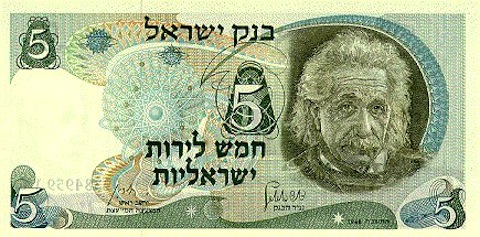
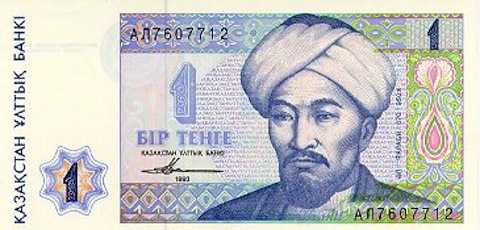
It does, how­ev­er, get Franklin a place on Uni­ver­si­ty of Mary­land physi­cist Edward F. Redish’s page “Physi­cists on the Mon­ey,” which was fea­tured on Jason Kot­tke’s site yes­ter­day. Redish high­lights 24 bills bear­ing por­traits of not­ed fig­ures through­out the his­to­ry of physics, includ­ing, at the top of the post, the Dan­ish 500-kro­ner note that pic­tures quan­tum the­o­rist Niels Bohr. Just above we have the uni­ver­sal­ly rec­og­niz­able dishevel­ment of Albert Ein­stein, who found his way onto Israel’s five-pound note by, among oth­er achieve­ments, com­ing up with the gen­er­al the­o­ry of rel­a­tiv­i­ty. Below you’ll see a physi­cist you may not have heard of, let alone spent: tenth-cen­tu­ry schol­ar Abu Nasr Al-Fara­bi, pic­tured on Kaza­khstan’s one-tenge note. Redish’s delight­ful­ly retro site also offers a col­lec­tion of physi­cists on stamps, and links to a page with more sci­en­tist- and math­e­mati­cian-bear­ing ban­knotes.

alfarabimoney

via Kot­tke

Relat­ed Con­tent:

Free Physics Cours­es

Do Physi­cists Believe in God?

Lis­ten as Albert Ein­stein Reads ‘The Com­mon Lan­guage of Sci­ence’ (1941)

The Karl Marx Cred­it Card – When You’re Short of Kap­i­tal

Col­in Mar­shall hosts and pro­duces Note­book on Cities and Cul­ture and writes essays on lit­er­a­ture, film, cities, Asia, and aes­thet­ics. He’s at work on a book about Los Ange­lesA Los Ange­les Primer. Fol­low him on Twit­ter at @colinmarshall.

An Introduction to Great Economists — Adam Smith, the Physiocrats & More — Presented in New MOOC

Last fall, Tyler Cowen and Alex Tabar­rok, two econ pro­fes­sors from George Mason Uni­ver­si­ty, launched MRUni­ver­si­ty, a MOOC plat­form that brings eco­nom­ics cours­es to the larg­er world. (If Tyler Cowen’s name sounds famil­iar, it’s prob­a­bly because you’re already famil­iar with his blog Mar­gin­al Rev­o­lu­tion or his “Eco­nom­ic Scene” col­umn for the New York Times.) Fast for­ward to this spring, and MRUni­ver­si­ty now offers cours­es on The Euro­zone Cri­sis, Mex­i­co’s Econ­o­my, The Amer­i­can Hous­ing Finance Sys­tem, and, as of this month, The Great Econ­o­mists. The short course descrip­tion for Great Econ­o­mists: Clas­si­cal Eco­nom­ics and its Fore­run­ners reads:

Who were the first eco­nom­ic thinkers? What are the very ori­gins of eco­nom­ic thought? What did ear­li­er econ­o­mists under­stand but has been lost to the mod­ern world? Why is Adam Smith the great­est econ­o­mist of all time? How did the eco­nom­ic issues of the 18th and 19th cen­turies shape the thoughts of the clas­si­cal econ­o­mists? This class, which cov­ers the his­to­ry of eco­nom­ic thought up until the “Mar­gin­al Rev­o­lu­tion” in the 1870s, will answer all of these ques­tions and many oth­ers.

The course starts with Galileo and the the­o­ry of val­ue; touch­es on Mon­tesquieu and Man­dev­ille; offers to an intro­duc­tion to Mer­can­til­ism and the Phys­iocrats, and then real­ly comes to focus on David Hume and most­ly Adam Smith and his clas­sic trea­tise, The Wealth of Nations (find it in our col­lec­tion of Free eBooks), before turn­ing to lat­er thinkers and peri­ods.

You can sign up for The Great Econ­o­mists here. And it will be added to our list of 300 MOOCs from Great Uni­ver­si­ties.

Relat­ed Con­tent:

Mar­gin­al Rev­o­lu­tion Uni­ver­si­ty Launch­es, Bring­ing Free Cours­es in Eco­nom­ics to the Web

60-Sec­ond Adven­tures in Eco­nom­ics: An Ani­mat­ed Intro to The Invis­i­ble Hand and Oth­er Eco­nom­ic Ideas

Read­ing Marx’s Cap­i­tal with David Har­vey (Free Course)

Bitcoin, the New Decentralized Digital Currency, Demystified in a Three Minute Video

They sound like some­thing out of sci­ence fic­tion, but Bit­coins are get­ting just a lit­tle bit more real every day. They’re intan­gi­ble and invis­i­ble, but bit­coins recent­ly attract­ed some real invest­ment cap­i­tal from the Win­klevoss twins, who first dreamed up the idea for Face­book — or so their law­suit argued.

A bit of back­ground: Bit­coins are a vir­tu­al cur­ren­cy sys­tem. They were pro­grammed by an anony­mous programmer(s?) in 2009. There are a lim­it­ed num­ber of pos­si­ble bit­coins that can ever be traded—21 million—and the “coins” become avail­able incre­men­tal­ly. That process is crowd­sourced (any­body can mint bit­coins) but it requires solv­ing com­plex encryp­tion prob­lems. Most bit­coin min­ers have an army of com­put­er hard­ware to do the work for them.

What can a bit­coin buy? It depends. The currency’s val­ue has been gyrat­ing wild­ly in recent weeks, from a val­ue of just a few dol­lars up to $266 and then back down to about $100. So far bit­coins are accept­ed as cur­ren­cy by some­what shady elec­tron­ics web­sites that claim to be send­ing a mes­sage to big retail­ers: start accept­ing the vir­tu­al cur­ren­cy or miss out on a big mar­ket share (that hasn’t devel­oped yet).

Last week came the announce­ment that Cameron and Tyler Winklevoss—former rivals to Mark Zuckerberg—own one per­cent of all the bit­coins in cir­cu­la­tion, the biggest stake so far. That news inspired debate over what, exact­ly, bit­coins are and whether they’re impor­tant.

They aren’t the first vir­tu­al cur­ren­cy and they aren’t being used wide­ly in com­merce. Some econ­o­mists have weighed in to say that unless peo­ple stop hord­ing bit­coins as an invest­ment and start spend­ing them, they are mean­ing­less. The bit­coin exper­i­ment may show the way to a dig­i­tal cur­ren­cy of the future. But, until it pans out, we rec­om­mend that you hang onto your dol­lars. And if you’re still try­ing to get your arms around the whole con­cept of the bit­coin, we sug­gest spend­ing a few min­utes with the video primer above.

Kate Rix writes about dig­i­tal media and edu­ca­tion. Vis­it her web­site: .


« Go BackMore in this category... »
Quantcast