New Archive Makes Available 800,000 Pages Documenting the History of Film, Television & Radio

photoplay52chic_0107

Click images for larg­er ver­sions

Film buffs and schol­ars have a new cache at their fin­ger­tips. The Media His­to­ry Dig­i­tal Library has made hun­dreds of thou­sands of pages of film and broad­cast­ing his­to­ry avail­able in a search­able dig­i­tal archive they’ve called Lantern, an open access, inter­ac­tive library.

With help from the Uni­ver­si­ty of Wis­con­sin, Madi­son Depart­ment of Com­mu­ni­ca­tion Arts, MHDL made their entire col­lec­tion of Busi­ness Screen, The Hol­ly­wood Reporter, Pho­to­play and Vari­ety—among oth­er magazines—available for text search­es for the first time.

In 2011 a group of film schol­ars devel­oped MHDL, an updat­ed resource for his­to­ri­ans used to read­ing through micro­film archives of cin­e­ma and broad­cast jour­nals. At the time, their archive was a gold­mine, pulling togeth­er the boun­ty of print­ed mate­r­i­al chron­i­cling the film indus­try. Now they’ve made it bet­ter, with more refined search, fil­ter­ing and sort­ing tools. Plus you can down­load images and texts.

It may have been a rite of pas­sage for film stu­dents to sequester them­selves in a dark library car­rel and scroll through micro­fiche reels of Mov­ing Pic­ture World, an influ­en­tial trade jour­nal until 1927, but Lantern brings ven­er­a­ble movie mag­a­zines dat­ing up to the ear­ly ’70s into the light of day where any­one can access the images and arti­cles of major trade and fan mag­a­zines, free of charge.

An ear­ly on-set chat rag, Film Fun, a mag­a­zine about “the hap­py side of the movies,” brought read­ers “inti­mate gos­sip of the pro­fes­sion told by the actors and actress­es ‘between the reels.’” The images are gor­geous.

filmfun322333lesl_0009

In the twen­ties a new ama­teur movie mak­ing indus­try thrived, with equip­ment and even tour pack­ages avail­able for buffs who want­ed to tour exot­ic locales like Cuba with cam­eras and learn to shoot and pre­serve 16 mm motion pic­tures. A boom in DIY film mag­a­zines like Ama­teur Movie Mak­ers tar­get­ed the ear­ly adopters.

amateurmoviemake12amat_0048

And lest we think that pulp celebri­ty mags like Peo­ple and Us are low­er brow than those of yes­ter­year, we should think again. I’m not sure about you, but I’m not sure four-times-mar­ried Bette Davis makes the best love advice colum­nist. But appar­ent­ly Pho­to­play mag­a­zine did.

photoplay122phot_0588

Relat­ed Con­tent:

Three Great Films Star­ring Char­lie Chap­lin, the True Icon of Silent Com­e­dy

How Brew­ster Kahle and the Inter­net Archive Will Pre­serve the Infi­nite Infor­ma­tion on the Web

Kate Rix writes about edu­ca­tion and dig­i­tal media. Vis­it her web­site and fol­low her on Twit­ter.

The Tale of the Fox: Watch Ladislas Starevich’s Animation of Goethe’s Great German Folktale (1937)

Johann Wolf­gang von Goethe — the very name bespeaks lit­er­ary mas­tery of the widest range. Not only did this best-known of all eigh­teenth- and — nine­teenth-cen­tu­ry Ger­man writ­ers reach into poet­ry, the nov­el, the mem­oir, auto­bi­og­ra­phy, crit­i­cism, sci­ence, phi­los­o­phy, and even pol­i­tics, but he did a bit of inter­pre­ta­tion of clas­sic folk­tales as well. The Faust and Sor­rows of Young Werther author wrote a par­tic­u­lar­ly last­ing ren­di­tion of the adven­tures of Rey­nard the Fox, a trick­ster from medieval Euro­pean myth. Had Goethe him­self lived into the 20th cen­tu­ry to expe­ri­ence the gold­en age of pup­pet ani­ma­tion, I feel cer­tain his artis­tic man­date would have com­pelled him to film a ver­sion of The Tale of the Fox. Alas, the lit­er­ary leg­end passed away in 1832, leav­ing the job, near­ly a cen­tu­ry lat­er, to Russ­ian ani­ma­tor Ladis­las Stare­vich (also spelled Wla­dys­law Starewicz).

Hav­ing pio­neered the form of pup­pet ani­ma­tion with his 1912 film The Beau­ti­ful Lukani­da, Stare­vich remains well-known among ani­ma­tion enthu­si­asts for shoot­ing his pic­tures with ani­mals play­ing the pro­tag­o­nists, or bugs, or seem­ing­ly what­ev­er he hap­pened to have at hand. The Tale of the Fox, by con­trast, pre­sent­ed him with a com­par­a­tive­ly vast set of resources. Pro­duced in Paris over eigh­teen months in 1929 and 1930, the 65-minute ani­mat­ed fea­ture, Stare­vich’s first and only the sixth ever made in the world at the time, tells the sto­ry of Rey­nard the Fox’s attempts to live his life of tom­fool­ery even as the lion king of this ani­mal king­dom strug­gles to bring him to jus­tice. When, sev­en years after com­plet­ing pho­tog­ra­phy, the film still lacked music, Ger­many’s Nation­al Social­ist gov­ern­ment, no doubt swollen with their ver­sion of Teu­ton­ic pride at see­ing an adap­ta­tion of an adap­ta­tion penned by a Ger­man icon, pro­vid­ed a score and arranged for a Berlin pre­miere. But try not to think about that. Con­cen­trate instead on the ani­ma­tion style used here by Stare­vich which, though he shot in stop-motion and used pup­pets, sure­ly resem­bles no stop-motion ani­ma­tion or pup­pet show you’ve ever seen.

via Bib­liok­lept

Relat­ed Con­tent:

Two Beau­ti­ful­ly-Craft­ed Russ­ian Ani­ma­tions of Chekhov’s Clas­sic Children’s Sto­ry “Kash­tan­ka”

18 Ani­ma­tions of Clas­sic Lit­er­ary Works: From Pla­to and Shake­speare, to Kaf­ka, Hem­ing­way and Gaiman

Mikhail Bulgakov’s The Mas­ter and Mar­gari­ta, Ani­mat­ed in Two Min­utes

The Mas­cot, Pio­neer­ing Stop Ani­ma­tion from Wla­dys­law Starow­icz

Col­in Mar­shall hosts and pro­duces Note­book on Cities and Cul­ture and writes essays on lit­er­a­ture, film, cities, Asia, and aes­thet­ics. He’s at work on a book about Los Ange­lesA Los Ange­les Primer. Fol­low him on Twit­ter at @colinmarshall.

Fritz Lang’s M (1931)

When Jean-Luc Godard asked the Aus­tri­an film­mak­er Fritz Lang in 1961 to name his great­est film, the one most like­ly to last, Lang did not hes­i­tate.

M,” he said.

Made in 1931, near the end of the Weimar Repub­lic, M is Lang’s bril­liant link between silent film and talkies, and between Ger­man Expres­sion­ism and what would even­tu­al­ly be called Film Noir. It tells the sto­ry of a Berlin soci­ety caught up in hys­te­ria over a series of child mur­ders, and of the mas­sive mobi­liza­tion — by police and crim­i­nals alike — to catch the killer.

The Hun­gar­i­an actor Peter Lorre plays Hans Beck­ert, the men­tal­ly dis­turbed mur­der­er. Lorre worked on the film in the day­time while per­form­ing onstage in Bertolt Brecht’s pro­duc­tion of Mann ist Mann in the evenings. His strik­ing per­for­mance in M would cat­a­pult him to inter­na­tion­al star­dom.


The script was writ­ten by Lang and his wife, Thea Von Har­bou. It was inspired by a series of mass mur­ders, cul­mi­nat­ing in a sen­sa­tion­al case of ser­i­al child killings in Düs­sel­dorf. In a 1931 arti­cle, Lang wrote:

The epi­dem­ic series of mass mur­ders of the last decade with their man­i­fold and dark side effects had con­stant­ly absorbed me, as unap­peal­ing as their study may have been. It made me think of demon­strat­ing, with­in the frame­work of a film sto­ry, the typ­i­cal char­ac­ter­is­tics of this immense dan­ger for the dai­ly order and the ways of effec­tive­ly fight­ing them. I found the pro­to­type in the per­son of the Düs­sel­dorf ser­i­al mur­der­er and I also saw how here the side effects exact­ly repeat­ed them­selves, i.e. how they took on a typ­i­cal form. I have dis­tilled all typ­i­cal events from the pletho­ra of mate­ri­als and com­bined them with the help of my wife into a self-con­tained film sto­ry. The film M should be a doc­u­ment and an extract of facts and in that way an authen­tic rep­re­sen­ta­tion of a mass mur­der com­plex.

Although M was not a great box office suc­cess when it was released in Ger­many in 1931, the film grad­u­al­ly grew in stature and is now firm­ly estab­lished as one of the mas­ter­pieces of 20th cen­tu­ry cin­e­ma. The bril­liance of the film’s nar­ra­tive struc­ture, its clas­sic visu­al images (the killer’s shad­ow appear­ing on a poster announc­ing a reward for his cap­ture, a child’s bal­loon caught in a pow­er line, Lor­re’s bulging eyes as he dis­cov­ers a chalk “M” on his shoul­der) and its inven­tive use of sound, for exam­ple in the ser­i­al killer’s omi­nous whistling of Grieg’s Peer Gynt, have made M one of the most stud­ied and imi­tat­ed films ever made.

In 1959 M was re-released in trun­cat­ed form, and for sev­er­al decades after­ward audi­ences were shown a bad­ly altered 89-minute ver­sion. A restora­tion project was mount­ed in the 1990s. The 109-minute ver­sion above, a result of that project, is clos­er to Lang’s orig­i­nal film. It’s now housed in our col­lec­tion, 4,000+ Free Movies Online: Great Clas­sics, Indies, Noir, West­erns, Doc­u­men­taries & More

Relat­ed con­tent:

Fritz Lang’s “Licen­tious, Pro­fane, Obscure” Noir Film, Scar­let Street (1945)

Free Film Noir Movies

Dexter Gordon Plays ‘Body and Soul’ in the Noted Film Round Midnight

In the acclaimed 1986 film Round Mid­night, the great tenor sax­o­phon­ist Dex­ter Gor­don plays an aging Amer­i­can jazzman liv­ing in Paris in the late 1950s, strug­gling to con­trol his addic­tion to alco­hol so he can keep play­ing every night at the Blue Note in Saint-Ger­main-des-Prés.

The role came nat­u­ral­ly to Gor­don, whose own strug­gle with hero­in addic­tion in the 1950s result­ed in prison time and a loss of his New York City cabaret card. Unable to play in the clubs of New York, Gor­don moved to Europe in the ear­ly 1960s and stayed there for 14 years. But while Dale Turn­er, his char­ac­ter in Round Mid­night, is a worn-down man near­ing death, Gor­don’s Euro­pean exile was a peri­od of rebirth.

By the time the French film direc­tor and jazz enthu­si­ast Bertrand Tav­ernier tracked Gor­don down in 1984, though, the sax­o­phone play­er had been back in Amer­i­ca for a decade and was, after 40 years on the jazz cir­cuit, becom­ing a bit worn down him­self. The Dale Turn­er char­ac­ter is based part­ly on tenor sax­o­phon­ist Lester Young, who was Gor­don’s friend and men­tor and a major influ­ence in his life, and part­ly on pianist Bud Pow­ell, whom Gor­don knew and worked with in Paris. Tav­ernier was look­ing for authen­tic­i­ty and he found it in Gor­don, a man with a direct link to the gold­en age of bebop. As the film­mak­er told Peo­ple in 1986, “I could not think of any­one else doing the part.”

Round Mid­night was a crit­i­cal suc­cess. Gor­don received an Acad­e­my Award nom­i­na­tion for best actor in a lead­ing role. The film was not­ed for “its love­ly, ele­giac pac­ing and its tremen­dous depth of feel­ing” by Janet Maslin of the New York Times. “No actor could do what the great jazz sax­o­phon­ist Dex­ter Gor­don does in ‘Round Mid­night,’ ” writes Maslin, who describes Gor­don’s screen pres­ence as the very embod­i­ment of the music itself. “It’s in his heavy-lid­ded eyes, in his hoarse, smoky voice, in the way his long, grace­ful fin­gers seem to be play­ing silent accom­pa­ni­ment to his con­ver­sa­tion. It’s even in the way he habit­u­al­ly calls any­one or any­thing ‘Lady,’ as in ‘Well, Lady Sweets, are you ready for tonight?’ ”

Those are the words Turn­er address­es to his sax­o­phone at the begin­ning of the scene above. The film then cuts to the Blue Note, where the musi­cian’s young admir­er Fran­cis (played by François Cluzet) is trans­fixed as the old man gives a melan­choly, world-weary per­for­mance of the John­ny Green stan­dard “Body and Soul.” Like all of the music in the film, “Body and Soul” was record­ed live on the set. Gor­don is accom­pa­nied by Her­bie Han­cock on piano, John McLaugh­lin on gui­tar, Pierre Mich­e­lot on bass and Bil­ly Hig­gins on drums.

For more on Dex­ter Gor­don, includ­ing a film clip from a vin­tage per­for­mance at a Dutch night­club, see our ear­li­er arti­cle “Dex­ter Gor­don’s Ele­gant Ver­sion of the Jazz Stan­dard ‘What’s New,’ 1964.”

Quentin Tarantino’s Handwritten List of the 11 “Greatest Movies”

more tarantino favoritesEar­li­er this week, we fea­tured a list of Quentin Taran­ti­no’s 12 Favorite Films of All Time, giv­en in response to Sight & Sound’s 2012 poll. This morn­ing, one of our friend­ly fol­low­ers on Twit­ter (@LoSceicco1976) made us aware of anoth­er list — a hand­writ­ten list that Taran­ti­no appar­ent­ly sub­mit­ted in 2008, to Empire Mag­a­zine. Do the two lists have some com­mon­al­i­ties? Yup, Taxi Dri­ver, His Girl Fri­day, The Good, the Bad, and the Ugly, etc. But this hand­writ­ten list also includes a num­ber of new titles — take for exam­ple, Chang-hwa Jeong’s Five Fin­gers of Death, Bri­an De Pal­ma’s Blow Out, and Howard Hawks’ Rio Bra­vo, star­ring John Wayne. (See our col­lec­tion of 21 Free John Wayne West­erns here.) And, sor­ry to say, The Bad News Bears did­n’t make the cut.

It just goes to show, if you ask direc­tors to jot down their favorite movies, the list can change from day to day, and year to year. Speak­ing of, you might also want to see a video where Taran­ti­no Lists His Favorite Films Since 1992. Yet more new films to save for a rainy day.

If you would like to sign up for Open Culture’s free email newslet­ter, please find it here. It’s a great way to see our new posts, all bun­dled in one email, each day.

If you would like to sup­port the mis­sion of Open Cul­ture, con­sid­er mak­ing a dona­tion to our site. It’s hard to rely 100% on ads, and your con­tri­bu­tions will help us con­tin­ue pro­vid­ing the best free cul­tur­al and edu­ca­tion­al mate­ri­als to learn­ers every­where. You can con­tribute through Pay­Pal, Patre­on, and Ven­mo (@openculture). Thanks!

Relat­ed Con­tent:

Woody Allen Lists the Great­est Films of All Time: Includes Clas­sics by Bergman, Truf­faut & Felli­ni

Mar­tin Scors­ese Reveals His 12 Favorite Movies (and Writes a New Essay on Film Preser­va­tion)

Stan­ley Kubrick’s List of Top 10 Films (The First and Only List He Ever Cre­at­ed)

4,000+ Free Movies Online: Great Clas­sics, Indies, Noir, West­erns, Doc­u­men­taries & More


by | Permalink | Make a Comment ( 5 ) |

Dick Cavett’s Wide-Ranging TV Interview with Ingmar Bergman and Lead Actress Bibi Andersson (1971)

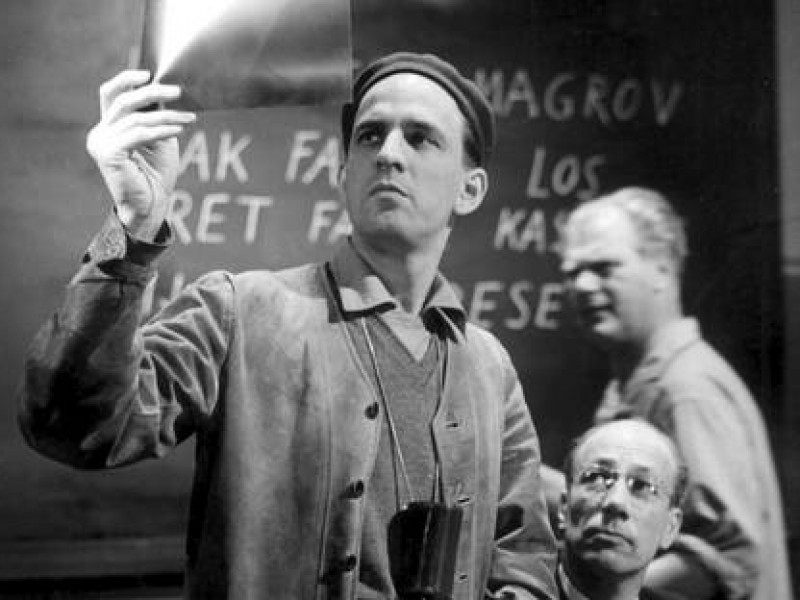
Many film fans wish we could have a direc­tor like Ing­mar Bergman work­ing today. Just as many tele­vi­sion fans sure­ly wish we could have a talk show host like Dick Cavett work­ing today. But both Bergman, who died in 2007, and Cavett, who still writes but seems to have put tele­vi­su­al pur­suits behind him, pro­duced sub­stan­tial bod­ies of work. And, thanks to the inter­net, you can expe­ri­ence their films and broad­casts even more eas­i­ly than when they first appeared. Take, for instance, this 1971 Dick Cavett Show episode fea­tur­ing the curi­ous and dry-wit­ted con­ver­sa­tion­al­ist’s inter­view with the Swedish mak­er of such pic­tures still viewed wide­ly and enthu­si­as­ti­cal­ly as The Sev­enth Seal, The Vir­gin Spring, Per­sona, and Fanny and Alexan­der. No enthu­si­ast of seri­ous con­ver­sa­tion about film would want to miss the hour when these two men’s worlds col­lide. But we get an insight into more than these men’s worlds: part­way through the episode, and to the delight of Bergman’s fans, actress Bibi Ander­s­son turns up.

Even­tu­al­ly to star in more than ten Bergman pic­tures, includ­ing Per­sona, The Magi­cian, and The Pas­sion of Anna, Ander­s­son appears osten­si­bly in pro­mo­tion of her and Bergman’s then-most recent col­lab­o­ra­tion, The Touch. “Does he under­stand women?” Cavett sud­den­ly asks Ander­s­son, who replies with every inter­view­er’s bête noire, the one-word answer: “Yes.” Bergman then explains his con­vic­tion that women pos­sess greater nat­ur­al act­ing abil­i­ty and com­fort with the craft than men do. “Act­ing,” he says, “is a very spe­cial wom­an’s pro­fes­sion.” The full con­ver­sa­tion reveals more about the film­mak­er’s sur­pris­ing fem­i­nism, as well as his child­hood fear of movies, his life­long fear of drugs, his views on punc­tu­al­i­ty, his on-set tem­per, his strug­gles with rest­less leg syn­drome, the pride he takes in his soap com­mer­cials, his home­land’s sup­posed pre­pon­der­ance of beau­ti­ful women, and how many more films he intends to make. “Five, maybe six,” the direc­tor guess­es. “Make it six, could you?” asks the host. He end­ed up mak­ing twelve.

Relat­ed Con­tent:

Ing­mar Bergman’s Soap Com­mer­cials Wash Away the Exis­ten­tial Despair

How Woody Allen Dis­cov­ered Ing­mar Bergman, and How You Can Too

Woody Allen Lists the Great­est Films of All Time: Includes Clas­sics by Bergman, Truf­faut & Felli­ni

Col­in Mar­shall hosts and pro­duces Note­book on Cities and Cul­ture and writes essays on lit­er­a­ture, film, cities, Asia, and aes­thet­ics. He’s at work on a book about Los Ange­lesA Los Ange­les Primer. Fol­low him on Twit­ter at @colinmarshall.

Quentin Tarantino Lists the 12 Greatest Films of All Time: From Taxi Driver to The Bad News Bears

987px-Quentin_Tarantino_@_2010_Academy_Awards_cropped

Cre­ative Com­mons image via Wiki­me­dia Com­mons

Any list of the most respect­ed Amer­i­can film­mak­ers of the past half-cen­tu­ry would have to include Stan­ley Kubrick, Woody Allen, and Mar­tin Scors­ese. The lat­ter two have kept cre­at­ing, and pro­lif­i­cal­ly, but that does­n’t delay those heat­ed debates about who will most proud­ly car­ry the auteur’s tra­di­tion into the next few decades. Much smart mon­ey bets on Quentin Taran­ti­no, who, at age 50, has already racked up over twen­ty years (and if you count My Best Friend’s Birth­day, over 25) of demon­strat­ing his dis­tinc­tive cin­e­mat­ic sen­si­bil­i­ty.

That sen­si­bil­i­ty has made him a direc­tor of renown, but it comes in large part from his equal­ly for­mi­da­ble stature as a film fan: his begin­nings as a high­ly cura­to­r­i­al video-store clerk, his own­er­ship of the revival the­ater the New Bev­er­ly Cin­e­ma (which I myself fre­quent), his cinephile’s-dream home the­ater and large col­lec­tion of prints. Hav­ing fea­tured top-movie lists from Kubrick, Allen, and Scors­ese, let’s take a look at one from Taran­ti­no:

  • Apoc­a­lypse Now (Fran­cis Ford Cop­po­la, 1979)
  • The Bad News Bears (Michael Ritchie, 1976)
  • Car­rie (Bri­an de Pal­ma, 1976)
  • Dazed and Con­fused (Richard Lin­klater, 1993)
  • The Good, the Bad, and the Ugly (Ser­gio Leone, 1966)
  • The Great Escape (John Sturges, 1963)
  • His Girl Fri­day (Howard Hawks, 1939)
  • Jaws (Steven Spiel­berg, 1975)
  • Pret­ty Maids All in a Row (Roger Vadim, 1971)
  • Rolling Thun­der (John Fly­nn, 1997)
  • Sor­cer­er (William Fried­kin, 1977)
  • Taxi Dri­ver (Mar­tin Scors­ese, 1976)

The direc­tor of Pulp Fic­tion, Jack­ie Brown, and Djan­go Unchained vot­ed for these pic­tures in Sight & Sound’s 2012 poll. Not only does this high-pro­file auteur select sev­er­al oth­er high-pro­file auteurs, he favors ones who show a sim­i­lar enthu­si­asm for genre: de Pal­ma, Leone, Hawks, Spiel­berg, Fried­kin. Oth­er selec­tions, like Apoc­a­lypse Now and Taxi Dri­ver, come from film­mak­ers asso­ci­at­ed with the “New Hol­ly­wood” move­ment of the sev­en­ties, the last major burst of cre­ative film­mak­ing in the Amer­i­can main­stream before — you guessed it — the “Indiewood” boom of the late eight­ies and nineties which launched the career of not only Taran­ti­no him­self but also Richard Lin­klater, whose break­out Slack­er you can watch online. You can also catch, free on the inter­net, one of the clas­sic Hol­ly­wood pro­duc­tions Taran­ti­no includes: His Girl Fri­day. As for the seem­ing­ly inex­plic­a­ble pres­ence of the 1976 kids’ sports com­e­dy The Bad News Bears, I haven’t found it free online yet, but every­body tells me you real­ly do need to see it to tru­ly appre­ci­ate it.

Relat­ed Con­tent:

Quentin Taran­ti­no Lists His Favorite Films Since 1992

Woody Allen Lists the Great­est Films of All Time: Includes Clas­sics by Bergman, Truf­faut & Felli­ni

Mar­tin Scors­ese Reveals His 12 Favorite Movies (and Writes a New Essay on Film Preser­va­tion)

Stan­ley Kubrick’s List of Top 10 Films (The First and Only List He Ever Cre­at­ed)

Watch His Girl Fri­day, Howard Hawks’ Clas­sic Screw­ball Com­e­dy Star­ring Cary Grant, Free Online

Col­in Mar­shall hosts and pro­duces Note­book on Cities and Cul­ture and writes essays on lit­er­a­ture, film, cities, Asia, and aes­thet­ics. He’s at work on a book about Los Ange­lesA Los Ange­les Primer. Fol­low him on Twit­ter at @colinmarshall.

CBGB’s: The Roots of Punk Lets You Watch Vintage Footage from the Heyday of NYC’s Great Music Scene

There’s a new film com­ing out about the rise of CBGB as the pre­mier site of New York punk, new wave, and art rock. And I have to agree with Dan­ger­ous Minds, it looks like this might just be “AWFUL.” But then again, maybe not. Who am I to make a crit­i­cal appraisal of a work I haven’t seen yet? Watch the trail­er and make your own pre-judg­ments.

No mat­ter how this fic­tion­al­ized ver­sion of the CBGB sto­ry turns out, we are lucky to have copi­ous footage from the real hey­day of the dirty Bow­ery club that made the careers of The Ramones, Pat­ti Smith, Tele­vi­sion, Blondie, the Talk­ing Heads and count­less oth­er New York bands who rose to semi-star­dom, or local noto­ri­ety, from CBGB’s famous, filthy bow­els. Although Alan Rick­man must sure­ly do a fine job as CBGB’s own­er Hil­lel Kristal, there’s noth­ing like hear­ing from the real thing, and you can, in the doc­u­men­tary CBGB’s: The Roots of Punk (part one above, part two below).

Kristal, who intend­ed to cre­ate a space for “Coun­try, Blue­Grass, and Blues,” end­ed up man­ag­ing a very dif­fer­ent beast when he real­ized that no one in low­er Man­hat­tan cared about his tastes. Instead, to keep the lights on, he was forced to let the lowlifes in, the “dere­licts, lost souls… hook­ers and pimps and junkies,” who came from the flop­hous­es and ten­e­ments to hear music that spoke to them.

Some­times they got it, some­times they didn’t, but for the musi­cians who used Kristal’s dive bar as a live rehearsal space, the oppor­tu­ni­ty to play, night after night, and cre­ate their own sounds and iden­ti­ties, the CBGB’s expe­ri­ence was invalu­able. You’ll hear a few of them reflect on those heady times in the film, but most­ly, CBGB’s: The Roots of Punk is a car­ni­val of vin­tage per­for­mances from New York’s sem­i­nal punk bands. Maybe the Hol­ly­wood ver­sion won’t be so bad, eh? Even so, I’d rather watch, and lis­ten to, the real thing.

Relat­ed Con­tent:

Deb­bie Har­ry Turns 68 Today. Watch Blondie Play CBGB in the Mid-70s in Two Vin­tage Clips

The Talk­ing Heads Play CBGB, the New York Club that Shaped Their Sound (1975)

The Ramones in Their Hey­day, Filmed “Live at CBGB,” 1977

Josh Jones is a writer and musi­cian based in Wash­ing­ton, DC. Fol­low him at @jdmagness


« Go BackMore in this category... »
Quantcast