Documentary Viva Joe Strummer: The Story of the Clash Surveys the Career of Rock’s Beloved Frontman

I vivid­ly remem­ber learn­ing the first song my high school garage band cov­ered, The Clash’s “Clash City Rock­ers.” We spent hours deci­pher­ing the lyrics, and nev­er got them right. This was, if you can believe it, a pre-Google age. While the exer­cise was frus­trat­ing, I nev­er resent­ed Joe Strummer’s slurred, grav­el­ly vocals for mak­ing us work hard at get­ting his mean­ing. For one thing, I loved his voice, and as a stu­dent of the blues and Dylan, nev­er real­ly cared if rock singers could actu­al­ly sing. For anoth­er, Strum­mer nev­er seemed to care much him­self if you could under­stand him, though his lyrics blast­ed through moun­tains of BS. This is not because he was an ego­tist but quite the oppo­site: he pas­sion­ate­ly hat­ed rock clichés and wasn’t mak­ing pop records.

The first scene in the doc­u­men­tary above, Viva Joe Strum­mer (lat­er released as Get Up, Stand Up), gives us The Clash front­man decon­struct­ing the genre. “Well, hi every­body, ain’t it groovy,” he says to a cheer­ing crowd, fol­lowed by, “ain’t you sick of hear­ing that for the last 150 years?” The documentary’s nar­ra­tor describes Strum­mer as “the man who put cred­i­ble rock and roll into the bas­tard cul­tur­al orphan that was called punk,” but this seems an inac­cu­rate descrip­tion.

For one thing, rock and roll is itself a bas­tard genre, some­thing Strum­mer always rec­og­nized, and for anoth­er The Clash, fueled by Strummer’s ecu­meni­cal inter­est in world cul­tures, drew lib­er­al­ly from oth­er kinds of music and stuck their mid­dle fin­gers up at estab­lish­ment rock and every­thing it came to rep­re­sent.

Viva Joe Strum­mer gives us loads of con­cert footage and inter­views with band mem­bers and close friends like the Sex Pis­tols’ Glen Mat­lock. The focus remains on Strum­mer, a front­man with tremen­dous charis­ma but also, para­dox­i­cal­ly, with a tremen­dous amount of humil­i­ty. One review­er of the film says as much:

Joe Strum­mer always pro­ject­ed him­self as a hum­ble man. Even at the height of The Clash‘s mega­lo­ma­nia, when he fired gui­tarist Mick Jones, Strum­mer came across like a bet­ter read, more world­ly Bruce Spring­steen. The every­man image has made eulo­giz­ing the singer dif­fi­cult.

This sug­gests that Strummer’s every­man per­sona may have been part of his show­man­ship, but even so, he was respect­ed and admired by near­ly every­one who knew him. And his pro­le­tar­i­an pol­i­tics were gen­uine. As one inter­vie­wee says above, “he always had a cor­ner to fight in. He always had some­one to stick up for.”

The orig­i­nal DVD includ­ed a CD with inter­view clips from 1979 to 2001, such as the 1981 Tom Sny­der Show inter­view above. Viva Joe Strum­mer lacks the pow­er­ful dra­mat­ic arc and tight direc­tion of Julian Temple’s 2007 The Future is Unwrit­ten, but it’s still well worth watch­ing for inter­view footage you won’t see any­where else. Despite the film’s orig­i­nal sub­ti­tle, The Sto­ry of The Clash, the doc­u­men­tary fol­lows Strummer’s career all the way through the dis­so­lu­tion of the band that made him famous and through his suc­ces­sive musi­cal endeav­ors with Joe Strum­mer and the Mescaleros. And it doc­u­ments the reac­tions to his sud­den, trag­ic death in 2002. I still remem­ber get­ting the news. I hap­pened, odd­ly enough, to be drink­ing at the bar where the Joe Strum­mer mur­al would go up in New York’s East Vil­lage in 2003. I walked out­side and lit a cig­a­rette, put on my head­phones, cued up “Clash City Rock­ers,” and shed a tear for the punk rock every­man who every­body loved.

Relat­ed Con­tent:

“Joe Strummer’s Lon­don Call­ing”: All Eight Episodes of Strummer’s UK Radio Show Free Online

Remem­ber­ing The Clash’s Front­man Joe Strum­mer on His 60th Birth­day

The Clash Live in Tokyo, 1982: Watch the Com­plete Con­cert

Josh Jones is a writer and musi­cian based in Wash­ing­ton, DC. Fol­low him at @jdmagness

A Poet in Cinema: Andrei Tarkovsky Reveals the Director’s Deep Thoughts on Filmmaking and Life

tarkovsky filming

Those who find their way into the rich emo­tion­al and aes­thet­ic realm of Russ­ian film­mak­er Andrei Tarkovsky (see our col­lec­tion of Free Tarkovsky movies online) might at first assume that nobody can put the expe­ri­en­tial appeal of his cin­e­ma into words. The well-known writer and Tarkovsky fan Geoff Dyer demon­strat­ed this, in a sense, with his high­ly enter­tain­ing book Zona: A Book About a Film About a Jour­ney to a Room, which osten­si­bly describes the direc­tor’s acclaimed Stalk­er but actu­al­ly heads off in a thou­sand dif­fer­ent digres­sive direc­tions, all of them dri­ven by the writer’s appre­ci­a­tion for the movie. Pic­tures like Stalk­er, Solaris, Nos­tal­ghia, or The Mir­ror may set off with­in you a range of reac­tions to film you’d nev­er thought pos­si­ble, but would­n’t that only make them more dif­fi­cult to talk about? Rarely do the much-dis­cussed musi­cal rather than intel­lec­tu­al prop­er­ties of cin­e­ma as an art form seem as rel­e­vant as when you watch Tarkovsky; the old line com­par­ing writ­ing about music to danc­ing about archi­tec­ture comes to mind.

But Tarkovsky him­self thought of film as sculp­ture, as he explains in the posthu­mous­ly pub­lished trea­tise on his craft Sculpt­ing in Time. The book has much to teach about the unique artis­tic poten­tial of the medi­um as this mas­ter under­stood it, and it reveals that, indeed, one can speak cogent­ly about Tarkovsky, and nobody can do it more cogent­ly than Tarkovsky him­self. This abil­i­ty he also dis­plays in the doc­u­men­tary Voy­age in Time, from which we’ve pre­vi­ous­ly fea­tured a clip of his advice to young film­mak­ers. Here we have a less-seen por­trait, but one that makes a sim­i­lar­ly thor­ough exam­i­na­tion, with inter­views, drama­ti­za­tions, and his­tor­i­cal footage, of the auteur’s real­i­ty: Donatel­la Baglivo’s 1983 Tarkovsky: A Poet in Cin­e­ma. (Watch it online here.) From Baglivo’s short but choice prompts, Tarkovsky expounds on not just his life and work but the essen­tial impor­tance of fight­ing, the con­cep­tu­al nonex­is­tence of hap­pi­ness, what child­hood deter­mines about us, wartime’s impact on fan­tasies, and the salu­tary effects of a year labor­ing in Siberia — all in the first fif­teen min­utes of this 140-minute argu­ment that film, at its most pow­er­ful, does­n’t just get you talk­ing about film; it demands that you talk about exis­tence itself.

Relat­ed Con­tent:

Tarkovsky Films Now Free Online

Tarkovsky’s Advice to Young Film­mak­ers: Sac­ri­fice Your­self for Cin­e­ma

Tarkovsky’s Solaris Revis­it­ed

Andrei Tarkovsky’s Very First Films: Three Stu­dent Films, 1956–1960

Col­in Mar­shall hosts and pro­duces Note­book on Cities and Cul­ture and writes essays on lit­er­a­ture, film, cities, Asia, and aes­thet­ics. He’s at work on a book about Los Ange­lesA Los Ange­les Primer. Fol­low him on Twit­ter at @colinmarshall.

Jimi Hendrix Live at Woodstock: Historic Concert Captured on Film


By the time Jimi Hen­drix arrived onstage at the Wood­stock Fes­ti­val on the morn­ing of August 18, 1969, the crowd of near­ly 500,000 peo­ple had dwin­dled to few­er than 40,000. Much of Max Yas­gur’s farm looked des­o­late. Lit­ter was strewn every­where and — hard as it may be to imag­ine — scores of peo­ple were stream­ing out as Hen­drix played.

The fes­ti­val was billed as “3 Days of Peace & Music,” but rain and oth­er prob­lems delayed Hen­drix’s fes­ti­val-clos­ing per­for­mance until 8:30 on the morn­ing of the fourth day, a Mon­day. The peo­ple who remained were exhaust­ed and wet and just wak­ing up. As fes­ti­val orga­niz­er Michael Lang writes in The Road to Wood­stock:

The mas­sive stage was sparse­ly pop­u­lat­ed com­pared to how packed it had been all week­end with musi­cians, crew, and friends. Jimi, a red scarf around his head and wear­ing a white fringed and bead­ed leather shirt, looked almost like a mys­ti­cal holy man in med­i­ta­tion. His eyes closed, his head back, he’d merged with his music, his Strat — played upside down since he’s a lefty — his mag­ic wand. Though he was sur­round­ed by his band, he pro­ject­ed the feel­ing he was all alone.

As he almost rev­er­ent­ly start­ed the nation­al anthem, the bedrag­gled audi­ence, worn out and mud­dy, moved clos­er togeth­er. Those of us who’d bare­ly slept in three days were awak­ened, exhil­a­rat­ed by Jim­i’s song. One minute he was chord­ing the well-worn melody, the next he was reen­act­ing “bombs burst­ing in air” with feed­back and dis­tor­tion. It was bril­liant. A mes­sage of joy and love of coun­try, while at the same time an under­stand­ing of all the con­flict and tur­moil that’s torn Amer­i­ca apart.

The Jimi Hen­drix Expe­ri­ence had bro­ken up a few weeks ear­li­er, with the depar­ture of bassist Noel Red­ding. At the fes­ti­val, Hen­drix and drum­mer Mitch Mitchell were joined by two musi­cians Hen­drix had worked with before he was famous — bassist Bil­ly Cox and gui­tarist Lar­ry Lee — along with con­ga play­ers Juma Sul­tan and Jer­ry Velez. The group had rehearsed for less than two weeks in Hen­drix’s rent­ed house near Wood­stock. They called them­selves “Gyp­sy Sun & Rain­bows,” or “Band of Gyp­sys” for short.

Hen­drix’s psy­che­del­ic per­for­mance of “The Star-Span­gled Ban­ner” was immor­tal­ized in Michael Wadleigh’s Acad­e­my Award-win­ning 1970 film, Wood­stock. A two-disc DVD cap­tur­ing most of Hen­drix’s near­ly two-hour set, called Jimi Hen­drix Live at Wood­stock, was released in 1999. The 57-minute film above is an abridged ver­sion. It begins with an excerpt from “Mes­sage to Love” (the song Hen­drix opened with) played over gen­er­al scenes of the fes­ti­val. It goes on to show Hen­drix onstage, play­ing the fol­low­ing songs:

  1. “Fire”
  2. “Izabel­la”
  3. “Red House”
  4. “Jam Back at the House”
  5. “Voodoo Child (Slight Return)”
  6. “Star-Span­gled Ban­ner”
  7. “Pur­ple Haze”
  8. “Wood­stock Impro­vi­sa­tion”
  9. “Vil­lano­va Junc­tion”

The songs in the film are not pre­sent­ed in the order Hen­drix played them in, and some have been omit­ted. Sec­ond gui­tarist Lar­ry Lee (who can be heard solo­ing in “Jam Back at the House”) sang lead vocals on “Mas­ter­mind” and “Gyp­sy Woman/Aware of Love,” but those songs have been cut from this ver­sion. Also left out are “Span­ish Cas­tle Mag­ic,” “Hear My Train a Comin’,” “Lover Man,” “Foxy Lady,” “Step­ping Stone,” and an encore of “Hey Joe.” Despite the omis­sions, this abridged ver­sion of Jimi Hen­drix Live at Wood­stock is a fas­ci­nat­ing and enjoy­able look at one of the great moments in rock and roll his­to­ry.

Relat­ed Con­tent:

In 1969 Telegram, Jimi Hen­drix Invites Paul McCart­ney to Join a Super Group with Miles Davis

See Jimi Hendrix’s First TV Appear­ance, and His Last as a Back­ing Musi­cian (1965)

Watch Jimi Hendrix’s ‘Voodoo Chile’ Per­formed on a Gayageum, a Tra­di­tion­al Kore­an Instru­ment

Alfred Hitchcock’s 50 Ways to Kill a Character (and Our Favorite Hitch Resources on the Web)

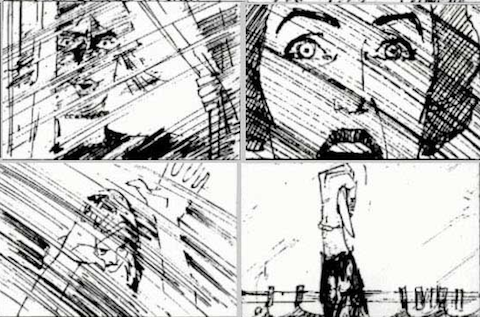
hitchock obsessionsAlfred Hitch­cock would have cel­e­brat­ed his 114th birth­day today. And, to mark the occa­sion, The Guardian has cre­at­ed a big info­graph­ic that delves into the themes and motifs that Hitch­cock obsessed over in his many films.  Above, we have a seg­ment show­ing the way Hitch­cock char­ac­ters die, and the num­ber of peo­ple who die accord­ing to par­tic­u­lar meth­ods. The best part is that you can down­load the info­graph­ic for free online.

Now time for us to dish up our favorite Hitch­cock mate­r­i­al found on the web. The best of the best:

Watch 20 Free Hitch­cock Movies Online

Alfred Hitchcock’s Sev­en-Minute Edit­ing Mas­ter Class

François Truffaut’s Big 12 Hour Inter­view with Alfred Hitch­cock

37 Hitch­cock Cameos over 50 Years: All in One Video

36 Hitch­cock Mur­der Scenes Cli­max­ing in Uni­son

Sal­vador Dalí Cre­ates a Dream Sequence for Spell­bound, Hitchcock’s Psy­cho­an­a­lyt­ic Thriller

Alfred Hitchcock’s Rules for Watch­ing Psy­cho (1960)

by | Permalink | Make a Comment ( 1 ) |

Who’s Who on a Movie Crew: An Animated Primer

Next time the cred­its are rolling, stick around so you can edu­cate your fel­low audi­ence mem­bers on what exact­ly a gaffer does.

This is but one of the mys­ter­ies addressed in Who’s Who on a Movie Crew, a campy but unde­ni­ably infor­ma­tive primer on film set respon­si­bil­i­ties and hier­ar­chies. Some job details get glossed over — grips have far more to keep track of than can ever fit in a rhyming cou­plet — but it’s in keep­ing with the delib­er­ate­ly anachro­nis­tic  ani­ma­tion style and equip­ment. The breezy style makes for appro­pri­ate view­ing for all ages. Hun­dreds of star­ry-eyed young­sters (and their par­ents) stand to ben­e­fit.

Hon­ey, are you sure you want to be a pro­duc­tion assis­tant? 

More in-depth, non-rhyming expla­na­tions of the var­i­ous roles can be found on Vimeo’s Video School. Dit­to Pro­duc­er Chris­tine Vachon’s dishy how-to / mem­oir A Killer Life, which goes into key posi­tions that failed to make the Video School cut, such as park­ing man­ag­er and cater­er (when you’re starv­ing and bored, there’s no one who’s greater-er….)

Relat­ed Con­tent:

The Film Before the Film: An Intro­duc­tion to the His­to­ry of Title Sequences in 10 Min­utes

Alfred Hitch­cock on the Filmmaker’s Essen­tial Tool: ‘The Kuleshov Effect’

Film­mak­ing Advice from Quentin Taran­ti­no and Sam Rai­mi (NSFW)

Spike Lee Shares His NYU Teach­ing List of 87 Essen­tial Films Every Aspir­ing Direc­tor Should See

Ayun Hal­l­i­day appears as the least believ­able female cop in NYC in an upcom­ing short adap­tion of Ita­lo Calvi­no’s The Man Who Only Came Out at Night. Fol­low her at @AyunHalliday.

Watch Werner Herzog’s From One Second to the Next, an Eye-Opening Film Reveals the Dangers of Texting While Driving

Soon after I start­ed dri­ving, back in high school, I got a mobile phone capa­ble of SMS mes­sag­ing. As with any tech­nol­o­gy not yet wide­spread, it then seemed more nov­el­ty than con­ve­nience; I hard­ly knew any­body else with a cell­phone, much less with one capa­ble of receiv­ing my mes­sages. But in the inter­ven­ing dozen years, every­one start­ed tex­ting, and the prac­tice turned from odd­i­ty into near-neces­si­ty, no mat­ter the time, no mat­ter the place.

Now, hav­ing tak­en for grant­ed the abil­i­ty to instant­ly send short mes­sages across the city, coun­try, or world to one anoth­er, soci­ety has, inevitably, begun to focus on the asso­ci­at­ed dan­gers of tex­ting. But few of us have thought quite as hard about them as has Wern­er Her­zog, direc­tor of Aguirre, the Wrath of God, Fitz­car­ral­do, Cave of For­got­ten Dreams, and now a doc­u­men­tary against tex­ting while dri­ving. But don’t peo­ple already know the dan­gers? Haven’t pub­lic ser­vice announce­ments cau­tioned them not to do it, and stiff, fee-threat­en­ing laws gone on the books across Amer­i­ca?

Judg­ing by the sud­den pop­u­lar­i­ty of Her­zog’s new 35-minute film From One Sec­ond to the Next, spon­sored by cell ser­vice provider AT&T, a Ger­man New Wave lumi­nary’s words car­ry more weight. “I’m not a par­tic­i­pant of tex­ting and dri­ving — or tex­ting at all,” many have already quot­ed him as say­ing, “but I see there’s some­thing going on in civ­i­liza­tion which is com­ing with great vehe­mence at us.” Despite not hav­ing dri­ven reg­u­lar­ly since high school, I do on my rare occa­sions at the wheel feel that strange­ly strong temp­ta­tion to text in motion. Hav­ing watched Her­zog’s unblink­ing take on the real-life con­se­quences of doing so — unpayably high med­ical bills at best, paral­y­sis and death at worst I don’t see myself giv­ing in next time. Whether or not it sim­i­lar­ly effects the stu­dents of the 40,000 schools in which it will screen, it marks a vast improve­ment upon all the murky, heavy-hand­ed cau­tion­ary videos I remem­ber from my own dri­ver’s ed days. Per­haps what Her­zog did for Bad Lieu­tenant, he should now do for that class­room clas­sic Red Asphalt.

You can find From One Sec­ond to the Next in our col­lec­tion of 550 Free Movies Online.

Relat­ed Con­tent:

Por­trait Wern­er Her­zog: The Director’s Auto­bi­o­graph­i­cal Short Film from 1986

An Evening with Wern­er Her­zog

Errol Mor­ris and Wern­er Her­zog in Con­ver­sa­tion

Wern­er Her­zog Has a Beef With Chick­ens

Col­in Mar­shall hosts and pro­duces Note­book on Cities and Cul­ture and writes essays on lit­er­a­ture, film, cities, Asia, and aes­thet­ics. He’s at work on a book about Los Ange­les, A Los Ange­les Primer. Fol­low him on Twit­ter at @colinmarshall.

Master of Light: A Close Look at the Paintings of Johannes Vermeer Narrated by Meryl Streep

We all thrilled to Johannes Ver­meer paint­ing his best-known por­trait as dra­ma­tized in Peter Web­ber’s 2003 film Girl with a Pearl Ear­ring. But for every height­ened, scin­til­lat­ing fea­ture film built around a well-known artist, there exists — or should exist, any­way — a doc­u­men­tary that exam­ines the work itself in greater detail. For such a coun­ter­part to the afore­men­tioned Col­in Firth/Scarlett Johans­son vehi­cle, I nom­i­nate Joe Krako­ra’s 2001 Ver­meer: Mas­ter of Light, a rich look at the paint­ings of the well-known visu­al chron­i­cler of sev­en­teenth-cen­tu­ry mid­dle-class Dutch life, whose use of col­or could reach pret­ty for­mi­da­ble heights of scin­til­la­tion itself. Pro­vid­ing its nar­ra­tion, we have a cer­tain Meryl Streep.

vermeer-ladyatvirginalswithgentleman

Click each image for a larg­er ver­sion

Streep­’s words and those of the doc­u­men­tary’s expert inter­vie­wees must of neces­si­ty focus on Ver­meer’s actu­al paint­ings, since we know lit­tle of the painter’s life. And we don’t even have very many paint­ings to talk about: liv­ing from 1632 to 1672, Ver­meer turned out few­er than 40 can­vas­es. But what can­vas­es: Mas­ter of Light goes into detail on his par­tic­u­lar mas­tery not only of light and col­or, but of tex­tures, per­spec­tives, and seem­ing­ly minor but nonethe­less painstak­ing touch­es. We do, how­ev­er, offer a view­ing tip: unless you par­tic­u­lar­ly enjoy shots of light through win­dows, you may want to begin the video at 5:22 or so. The analy­sis of Ver­meer takes its time com­ing, but when it begins, it offers a wealth of sur­pris­ing detail — just as do the paint­ings them­selves. But don’t believe me; find out for your­self by view­ing fif­teen of them up close at the Google Art Project, includ­ing Lady at the Vir­ginal with a Gen­tle­man just above, or, below, The Love Let­ter.

love-letter-jan-vermeer-van-delft

Relat­ed Con­tent:

The Rijksmu­se­um Puts 125,000 Dutch Mas­ter­pieces Online, and Lets You Remix Its Art

Flash­mob Recre­ates Rembrandt’s “The Night Watch” in a Dutch Shop­ping Mall

The Nation­al Gallery Makes 25,000 Images of Art­work Freely Avail­able Online

Ver­meer with a BiC

Google “Art Project” Brings Great Paint­ings & Muse­ums to You

Col­in Mar­shall hosts and pro­duces Note­book on Cities and Cul­ture and writes essays on lit­er­a­ture, film, cities, Asia, and aes­thet­ics. He’s at work on a book about Los Ange­lesA Los Ange­les Primer. Fol­low him on Twit­ter at @colinmarshall.

A Trip to the Moon (and Five Other Free Films) by Georges Méliès, the Father of Special Effects

If you’ve tak­en a film stud­ies course, you’ve almost cer­tain­ly seen the work of Georges Méliès. His 1902 short A Trip to the Moon, at the top, which some cin­e­ma schol­ars cite as the pic­ture where spe­cial effects as we know them began, has a par­tic­u­lar­ly impor­tant place in cin­e­ma his­to­ry. Nobody who watch­es that four­teen-minute pro­duc­tion ever for­gets the image of the moon’s con­ster­na­tion after the pro­tag­o­nists’ space­craft crash­es into it. And the rest of the movie, if nar­ra­tive­ly shaky, still has an impres­sive visu­al pow­er. If any­body had both suf­fi­cient imag­i­na­tion and suf­fi­cient know-how to com­mit such a voy­age to that cut­ting-edge medi­um known as motion film over a cen­tu­ry ago, the the­ater own­er and sea­soned illu­sion­ist Méliès did. Charged by the cin­e­mat­ic pio­neer­ing of his coun­try­men the Lumière broth­ers, he began doing it in 1896, and con­tin­ued until 1913, which makes A Trip to the Moon a mid-career high­light.

A mid-career high­light, that is, along­side 1904’s The Impos­si­ble Voy­age (just above), which con­tin­ues in the same vein of Jules Verne-style fan­tas­ti­cal sci­ence fic­tion. This time, in fact, Méliès took not just the sen­si­bil­i­ty from Verne but, in part, a sto­ry, draw­ing inspi­ra­tion from Verne’s play Jour­ney Through the Impos­si­ble about a young Dan­ish baron tempt­ed to trav­el to far-off lands, plan­ets, and real­i­ties. He wrote into this sequel, of sorts, a nat­ur­al des­ti­na­tion: the sun. MUBI.com’s “pub­lic domain greats” page offers a list of these and oth­er Méliès films avail­able free to watch online, the likes of which inspired Mar­tin Scors­ese to adapt Bri­an Selznick­’s Méliès-cen­tric nov­el The Inven­tion of Hugo Cabret into Hugo, a film visu­al­ly inven­tive by the ear­ly 21st cen­tu­ry’s stan­dards just as A Voy­age to the Moon excelled by the ear­ly 20th cen­tu­ry’s. Those films cur­rent­ly avail­able include:

They will all be added to our col­lec­tion of 550 Free Movies Online.

Relat­ed Con­tent:

The Pow­er of Silent Movies, with The Artist Direc­tor Michel Haz­anavi­cius

The Birth of Film: 11 Firsts in Cin­e­ma

The Ear­ly Days of Ani­ma­tion Pre­served in UCLA’s Video Archive

Col­in Mar­shall hosts and pro­duces Note­book on Cities and Cul­ture and writes essays on lit­er­a­ture, film, cities, Asia, and aes­thet­ics. He’s at work on a book about Los Ange­lesA Los Ange­les Primer. Fol­low him on Twit­ter at @colinmarshall.

« Go BackMore in this category... »
Quantcast