Johnny Knoxville Breaks Down Every Injury of His Career

My friend and I share most opin­ions on film and art, but on one top­ic we vehe­ment­ly dis­agree: Jack­ass. He sees it as low­est-com­mon-denom­i­na­tor garbage, the kind of show seen on the TV in Idioc­ra­cy. And I can see his point, espe­cial­ly in an Amer­i­ca becom­ing more and more obvi­ous­ly sadis­tic.

But I would like to make a con­trar­i­an point: Jack­ass is the inher­i­tor of silent movie slap­stick. John­ny Knoxville is no Buster Keaton, but in an indus­try where so few actors per­form their own stunts, and where action sequences are edit­ed togeth­er from dozens of shots, Jack­ass and Knoxville’s oth­er movie projects show its self-inflict­ed com­ic vio­lence in sin­gle wide takes. It’s the only rea­son these films work: it real­ly hurts to watch. These guys set up elab­o­rate pranks, and suf­fer for our laugh­ter, masochists for enter­tain­ment. And while Hol­ly­wood has noth­ing but invin­ci­ble heroes, the Jack­ass crew excel in their fail­ure.

This comes at a phys­i­cal cost, as Knoxville recounts for this Van­i­ty Fair video. Usu­al­ly actors rem­i­nisce over their var­i­ous roles. Here Knoxville details the var­i­ous injuries he has sus­tained over his twen­ty year career.

And there have been some doozies. Bro­ken bones? That’s noth­ing. How about hav­ing a motor­bike land in your crotch caus­ing you to pee blood? Or knocked out in a box­ing match with But­ter­bean, send­ing you into a stroke-like seizure as your throat tries to swal­low your tongue? When it’s Knoxville, even the injuries are strange.

The man him­self takes us through his first (on screen) injury in 1998, where he was the guinea pig for self-defense tech, includ­ing pep­per spray (“one of the most painful things I’ve endured in my life”) and a taser.

Apart from injuries, there’s also the near miss­es. Such as the rock­et straight out of a Road Run­ner car­toon (anoth­er touch­stone for com­e­dy vio­lence) which failed on the launch pad and instead sent a series of iron rods shoot­ing out into the Jack­ass crew, near­ly decap­i­tat­ing a few. There lit­er­al­ly was a bunch of dumb luck on this show.

Knoxville’s most recent film was Action Point, based upon a real life amuse­ment park known for its reg­u­la­tion-defy­ing dan­ger, but that film sunk with­out a trace. Maybe the Jack­ass era is done now, but stay for Knoxville’s eye injury sto­ry in this video…it’s more enjoy­able than the 2018 movie.

Relat­ed Con­tent:

A Super­cut of Buster Keaton’s Most Amaz­ing Stunts

Why Is Jack­ie Chan the King of Action Com­e­dy? A Video Essay Mas­ter­ful­ly Makes the Case

Chuck Jones’ 9 Rules For Draw­ing Road Run­ner Car­toons, or How to Cre­ate a Min­i­mal­ist Mas­ter­piece

Ted Mills is a free­lance writer on the arts who cur­rent­ly hosts the artist inter­view-based FunkZone Pod­cast and is the pro­duc­er of KCR­W’s Curi­ous Coast. You can also fol­low him on Twit­ter at @tedmills, read his oth­er arts writ­ing at tedmills.com and/or watch his films here.

What the First Movies Really Looked Like: Discover the IMAX Films of the 1890s

Cin­e­mat­ic leg­end has it that, back in the ear­ly days of motion pic­tures, audi­ences would see a train com­ing toward them on the screen and dive out of the way in a pan­ic. “There turns out to be very lit­tle con­fir­ma­tion of that in the actu­al news­pa­per reports of the time,” says crit­ic and Muse­um of Mod­ern Art film cura­tor Dave Kehr in the video above, “but you can still sense the excite­ment in see­ing these gigan­tic, incred­i­bly sharp, life­like images being pro­ject­ed.” But aren’t they only sharp and life­like by the stan­dards of the late-19th cen­tu­ry dawn of cin­e­ma, an era we film­go­ers of the 21st cen­tu­ry, now used to 4K dig­i­tal pro­jec­tion, imag­ine as one of unre­lieved blur­ri­ness, grain­i­ness, and herky-jerk­i­ness?

By no means. The footage show­cased in this video, a MoMA pro­duc­tion on “the IMAX of the 1890s,” was shot on 68-mil­lime­ter film, a greater size and thus a high­er def­i­n­i­tion than the 35-mil­lime­ter prints most of us have watched in the­aters for most of our lives.

Only the most ambi­tious film­mak­ers, like Paul Thomas Ander­son mak­ing The Mas­ter, have used such large-for­mat films in recent years, but 120 years ago an out­fit like the Bio­graph Com­pa­ny could, in Kehr’s words, “send cam­era crews around the world, as the Lumière Com­pa­ny had,” and what those crews cap­tured would end up in movie the­aters: “Sud­den­ly the world was com­ing to you in ways that peo­ple just could not have imag­ined. That you could go to Europe, that you could meet the crowned heads, that you could go to see ele­phants in India…”

Thanks to the efforts of film archivists and preser­va­tion­ists, a few of whom appear in this video to show and explain just what degra­da­tion befalls these cin­e­mat­ic time cap­sules with­out the kind of work they do, much of this footage still looks and feels remark­ably life­like. “It’s worth return­ing to these images to remind us that movies used to be ana­log,” Kehr says. “They saw things in front of the cam­era in a one-on-one rela­tion­ship. This was the world. It was an image you could trust. It was an image of phys­i­cal sub­stance, of real­i­ty. Nowa­days we tend not to trust images, because we know how eas­i­ly manip­u­lat­ed they are.” We’ve gained an unfath­omable amount of imagery, in terms of both quan­ti­ty and qual­i­ty, in our dig­i­tal age. But as the sheer “onto­log­i­cal impact” of these old 68-mil­lime­ter clips reminds us, even when felt in stream­ing-video repro­duc­tion, our images have lost some­thing as well.

via Aeon

Relat­ed Con­tents:

The Art of Cre­at­ing Spe­cial Effects in Silent Movies: Inge­nu­ity Before the Age of CGI

Enjoy the Great­est Silent Films Ever Made in Our Col­lec­tion of 101 Free Silent Films Online

Hol­ly­wood, Epic Doc­u­men­tary Chron­i­cles the Ear­ly His­to­ry of Cin­e­ma

100 Years of Cin­e­ma: New Doc­u­men­tary Series Explores the His­to­ry of Cin­e­ma by Ana­lyz­ing One Film Per Year, Start­ing in 1915

The His­to­ry of the Movie Cam­era in Four Min­utes: From the Lumiere Broth­ers to Google Glass

How Cin­e­mas Taught Ear­ly Movie-Goers the Rules & Eti­quette for Watch­ing Films (1912): No Whistling, Stand­ing or Wear­ing Big Hats

Based in Seoul, Col­in Mar­shall writes and broad­casts on cities, lan­guage, and cul­ture. His projects include the book The State­less City: a Walk through 21st-Cen­tu­ry Los Ange­les and the video series The City in Cin­e­ma. Fol­low him on Twit­ter at @colinmarshall, on Face­book, or on Insta­gram.

Why Is Jackie Chan the King of Action Comedy? A Video Essay Masterfully Makes the Case

When’s the last time you gasped, while watch­ing a movie, at a pure bit of phys­i­cal com­e­dy? Of a clever move, over a stunt that left you breath­less, because you knew that no way was com­put­er graph­ics or green­screen involved? There are indeed some–that hall­way fight in the first sea­son of Dare­dev­il, the end­less apart­ment melee in Atom­ic Blonde, and, bear with me here, most of Jack­ass. But those are few and far between. Dur­ing the Jack­ie Chan hey­day, that gob­s­mack­ing dis­be­lief hap­pened every sin­gle film. We laughed, we winced, we cheered. For a moment, Jack­ie Chan was the king of action com­e­dy.

Per­son­al­ly, I can’t believe we *haven’t* talked about this Tony Zhou YouTube essay, because I have shown it near­ly every semes­ter in my film pro­duc­tion class. Part of me wants to turn the young’uns on to Jack­ie Chan (the HK films, not the Rush Hour series), and anoth­er part hopes that these future direc­tors will go on to cor­rect what Hol­ly­wood gets so so wrong these days.

Chan was com­pared ear­ly on to the giants of silent cin­e­ma like Buster Keaton, but as a young cinephile I couldn’t see past the obvi­ous homages in films like Project A, which famous­ly had Chan hang­ing off a clock tow­er like Harold Lloyd. It was only lat­er that the true com­par­i­son became appar­ent, and Zhou lays it out for us in one of his best essays.

His main points are thus: 1) Chan starts at a dis­ad­van­tage and must fight his way back to the top, which links him with Chap­lin and Keaton, but not like action heroes at the time like Willis and Schwarzeneg­ger, who come ful­ly formed. 2) Chan uses any prop to fight, not just the usu­al guns and swords. 3) He fights in clear­ly light­ed scenes, with cos­tume design to make him stand out.

And here’s the main direc­toral point: Jack­ie Chan and his group of stunt­men can actu­al­ly fight, and fight well. So the cam­era does not need to move a lot and the total­i­ty of the human body in space can be appre­ci­at­ed. This could only hap­pen in a film­mak­ing scene like Hong Kong where pro­duc­tions took time and spent mon­ey to get absolute­ly per­fect takes. Hol­ly­wood, on the oth­er hand, does not hire actors who can fight or act physical–instead they film and edit around the actors’ lack of skill. When we applaud a clever stunt in a Jack­ie Chan film, 50 or more imper­fect takes lay on the cut­ting room floor. (Zhou finds some good behind-the-scenes inter­views explic­it­ly lay­ing this idea out.)

Zhou also blames West­ern edi­tors for cut­ting too fast and cut­ting too much on every hit, ruin­ing the rhythm. Most direc­tors, edi­tors, and stunt coor­di­na­tors don’t know edit­ing, says Chan. There’s a tech­nique in Hong Kong edit­ing where you show the impact twice that to an audi­ence feels like one, strong impact.

One of the final points is that these Jack­ie Chan films focus on the pain of the pro­tag­o­nist. (Which, by the way, is why Jack­ass suc­ceeds as com­e­dy as well.) But so many Hol­ly­wood films skip this bit of real­i­ty, as our heroes tend to be invin­ci­ble. There is a larg­er social-polit­i­cal cri­tique to be made about the par­tic­u­lar lies Hol­ly­wood tells itself, and you can have at it in the com­ments if you wish. But for now, queue up some clas­sic Chan–my jump­ing off point all those years ago was Drunk­en Mas­ter II–and see how the mas­ter does it.

Relat­ed Con­tent:

A Salute to Every Frame a Paint­ing: Watch All 28 Episodes of the Fine­ly-Craft­ed (and Now Con­clud­ed) Video Essay Series on Cin­e­ma

Safe­ty Last, the 1923 Movie Fea­tur­ing the Most Icon­ic Scene from Silent Film Era, Just Went Into the Pub­lic Domain

Judd Apa­tow Teach­es the Craft of Com­e­dy: A New Online Course from Mas­ter­Class

Buster Keaton: The Won­der­ful Gags of the Found­ing Father of Visu­al Com­e­dy

Ted Mills is a free­lance writer on the arts who cur­rent­ly hosts the artist inter­view-based FunkZone Pod­cast and is the pro­duc­er of KCR­W’s Curi­ous Coast. You can also fol­low him on Twit­ter at @tedmills, read his oth­er arts writ­ing at tedmills.com and/or watch his films here.

Worlds of Ursula K. Le Guin: Stream Online (for a Limited Time) a New Documentary Exploring the Life & Work of the Legendary Sci-Fi Writer

“There are a lot of dystopias around these days,” writes Kim Stan­ley Robin­son in his recent essay “Dystopia Now.” This, of course, “makes sense, because we have a lot of fears about the future.” We also have a lot of fears about the present, which get mapped onto the future in dystopi­an fic­tion, a genre that has become “part of our all-encom­pass­ing hope­less­ness.”

Dystopias feel famil­iar, even com­fort­ing, in that no mat­ter how bad things are, they are per­haps not quite as bad yet as the dark­est visions of sci­ence fic­tion. We might still change course if we can final­ly heed the warn­ings. But lit­er­ary and cin­e­mat­ic pes­simism, either as grim escapism or a wake-up call, “has done its job,” Robin­son argues, “it’s old news now, per­haps it’s self-indul­gence to stay stuck in that place any more.”

Anoth­er leg­endary sci-fi writer, Ursu­la K. Le Guin agreed. “We keep writ­ing dystopias,” she remarked in a 2017 essay, “instead of envi­sion­ing a bet­ter world.” Le Guin, who passed away last year, wrote of “ambigu­ous,” “clear­sight­ed,” and “trou­bled” utopias. And she prac­ticed, over the course of her long career, what Robin­son calls our cur­rent “task at hand”—“to imag­ine ways for­ward to that bet­ter place.” We may not see much rea­son for opti­mism, but utopi­an think­ing, “is real­is­tic: things could be bet­ter.”

An anar­chist, fem­i­nist, and envi­ron­men­tal­ist, Le Guin might be called an “ide­o­log­i­cal” writer, but not in the deroga­to­ry sense the word implies. All artists have ide­o­log­i­cal frame­works, whether they’re aware of them or not, and Le Guin was very much aware of the lens­es she used to see the world, what Robin­son defines as “the imag­i­nary rela­tion­ship to our real con­di­tions of exis­tence.”

She con­scious­ly restruc­tured her work to imag­ine new worlds in terms out­side the oppres­sive­ly hege­mon­ic norms that gov­ern ours, norms cre­at­ed by what she called the “yang” desire for absolute con­trol.  “I had to rethink my entire approach to writ­ing fic­tion,” she says above in Worlds of Ursu­la K. Le Guin, a new PBS doc­u­men­tary direct­ed by Arwen Cur­ry, avail­able free to stream for a lim­it­ed time.

“It was impor­tant,” Le Guin goes on, “to think about priv­i­lege and pow­er and dom­i­na­tion in terms of gen­der, which is some­thing sci­ence fic­tion and fan­ta­sy had not done.” In so doing, Le Guin showed her read­ers it was pos­si­ble to imag­ine func­tion­al, believ­able, even attain­able alter­na­tives to stark real­i­ties that seem too deeply entrenched to ever change. She showed oth­er sci-fi and fan­ta­sy writ­ers that they could do the same.

The doc­u­men­tary fea­tures appear­ances from con­tem­po­raries and suc­ces­sors to Le Guin’s world-build­ing bril­liance, includ­ing Mar­garet Atwood, Samuel R. Delany, Analee Newitz, Chi­na Miéville, Neil Gaiman, Michael Chabon, and David Mitchell, all of whom cite her as an influ­ence and inspi­ra­tion. (“I read A Wiz­ard of Earth­sea,” says Mitchell, “and things rearranged in my head.”)

In a way, read­ing Le Guin for the first time feels like being giv­en a pair of VR glass­es through which to see what’s tru­ly pos­si­ble, if only we had the will to col­lec­tive­ly imag­ine it into being. She did not think of utopi­anism as an eter­nal state of per­fec­tion or a thought exper­i­ment, but as a “process,”as Kel­ly Lynn Thomas writes at The Mil­lions, of “reflec­tion and adjust­ment, learn­ing and growth… com­mu­ni­ca­tion and respect, self-aware­ness and hon­esty.”

Though the word is typ­i­cal­ly deployed to describe dan­ger­ous naivete or pie-in-the-sky think­ing, utopi­anism need not be a grasp­ing after “ratio­nal human con­trol of human life,” Le Guin wrote. Utopias always con­tain some mea­sure of dystopia, she rec­og­nized. But she pro­posed that we find bal­ance by imag­in­ing what she calls “yin utopias,” spaces that involve “accep­tance of imper­ma­nence and imper­fec­tion, a patience with uncer­tain­ty and the makeshift, a friend­ship with water, dark­ness, and the earth.”

Such are the ideals that informed her vast imag­i­na­tive out­put over the course of near­ly 60 years, includ­ing 21 nov­els, 11 vol­umes of short sto­ries, essay col­lec­tions, children’s books, and poet­ry. In Worlds of Ursu­la K. Le Guin, we learn how she devel­oped and refined her cre­ative vision, and her cri­tiques of total­iz­ing “yang” utopi­anism and its despair­ing oppo­site. The film is avail­able to stream in full online for a lim­it­ed time. Watch it above or on PBS’s Amer­i­can Mas­ters page before it’s gone.

Relat­ed Con­tent:

Cel­e­brate the Life & Writ­ing of Ursu­la K. Le Guin (R.I.P.) with Clas­sic Radio Drama­ti­za­tions of Her Sto­ries

Ursu­la K. Le Guin’s Dai­ly Rou­tine: The Dis­ci­pline That Fueled Her Imag­i­na­tion

Ursu­la K. Le Guin Names the Books She Likes and Wants You to Read

Josh Jones is a writer and musi­cian based in Durham, NC. Fol­low him at @jdmagness

RIP D.A. Pennebaker: Watch Scenes from His Groundbreaking Bob Dylan Documentary Dont Look Back

Some­thing hap­pened to pop­u­lar cul­ture in the late 1960s, and we who seek to under­stand exact­ly what owe a debt of grat­i­tude to the doc­u­men­tary film­mak­er D.A. Pen­nebak­er, who died last week. That goes for those us who nev­er expe­ri­enced those heady times our­selves; those of us who did (and may have found the times a bit too heady to recall with any clar­i­ty); and even those of us not quite young enough to fath­om what was going on at the time, such as those already in mid­dle age by the Sum­mer of Love. Pen­nebak­er was him­self a mem­ber of that gen­er­a­tion, but the films that came out of his cov­er­age of the Mon­terey Pop Fes­ti­val — whose per­form­ers includ­ed Janis Joplin, Ravi Shankar, Jef­fer­son Air­plane, The Who, and Jimi Hen­drix — reveal that he could see some­thing big was hap­pen­ing.

Pen­nebak­er’s film­mak­ing also brought him into con­tact with the likes of John Lennon, David Bowie, Otis Red­ding, and Bob Dylan, the lat­ter being the star of Pen­nebak­er’s first music film Dont Look Back [sic]Released in 1967 but shot in 1965, it observes the singer’s tour of Eng­land that year as well as the events sur­round­ing it, offer­ing what Roger Ebert called, when the film first came out, “a fas­ci­nat­ing exer­cise in self-rev­e­la­tion car­ried out by Bob Dylan and friends,” a group that includes such gen­er­a­tional icons as Joan Baez and Dono­van.

Alas, “the por­trait that emerges is not a pret­ty one,” ren­dered as it is by the ciné­ma vérité style Pen­nebak­er had been devel­op­ing for more than a decade. That was made pos­si­ble in part by the advent of syn­chro­nous-sound cam­eras that could cap­ture real speech on loca­tion — “what peo­ple said to each oth­er,” in Pen­nebak­er’s words, as opposed to “what you thought up on a yel­low pad.”

All this exposed Dylan, in Ebert’s eyes, as “imma­ture, pet­ty, vin­dic­tive, lack­ing a sense of humor, over­ly impressed with his own impor­tance and not very bright.” In both his orig­i­nal review of Dont Look Back and his revis­i­ta­tion in 1998, when the film was select­ed for preser­va­tion in the U.S. Library of Con­gress’ Nation­al Film Reg­istry, he high­lights the scene of Dylan’s inter­view with Time Lon­don cor­re­spon­dent Horace Free­land Jud­son. Then, as now, a per­former who prefers to be pub­li­cized on his own terms, Dylan push­es back against any per­ceived attempt to define or explain him, espe­cial­ly by a rel­a­tive­ly old-school insti­tu­tion like Time. In this young Bob Dylan we have an embod­i­ment of the late-60s youth spir­it: amus­ing­ly defi­ant and pro­lif­i­cal­ly cre­ative, if also irre­spon­si­ble and arro­gant. (As Ebert wrote in 1998, “Did we actu­al­ly once take this twirp as our folk god?”)

Pen­nebak­er dis­cuss­es Dylan and Dont Look Back in the clip at the top of the post, which comes from a longer inter­view avail­able here. He also gets into 1966’s Eat the Doc­u­ment, the nev­er-offi­cial­ly-released fol­low-up to Dont Look Back pre­vi­ous­ly fea­tured here on Open Cul­ture. In the Cri­te­ri­on Col­lec­tion video just above, Pat­ti Smith — some­how nev­er the sub­ject of a Pen­nebak­er film her­self — reflects on the role Dylan played in her life. “He was like my imag­i­nary boyfriend,” Smith says of the singer. “The first time I saw Dont Look Back, I had just come to New York to live.” She describes the inter­sec­tion of the move and the movie as “a piv­otal moment, because it encom­passed every­thing for me: it encom­passed the hubris of youth, it encom­passed art, poet­ry, the per­fect sun­glass­es, every­thing.” She saw the film so many times that she “knew all the dia­logue” — dia­logue that Pen­nebak­er just hap­pened to cap­ture, but which has long since become part of the cul­ture.

Relat­ed Con­tent:

Do Look Back: Pen­nebak­er and Mar­cus Talk Bob Dylan

Bob Dylan Shares a Drug-Hazed Taxi Ride with John Lennon (1966)

Jef­fer­son Air­plane Plays on a New York Rooftop; Jean-Luc Godard Cap­tures It (1968)

Watch the First Trail­er for Mar­tin Scorsese’s New Film, Rolling Thun­der Revue: A Bob Dylan Sto­ry

Andy Warhol’s ‘Screen Test’ of Bob Dylan: A Clas­sic Meet­ing of Egos

Based in Seoul, Col­in Mar­shall writes and broad­casts on cities, lan­guage, and cul­ture. His projects include the book The State­less City: a Walk through 21st-Cen­tu­ry Los Ange­les and the video series The City in Cin­e­ma. Fol­low him on Twit­ter at @colinmarshall, on Face­book, or on Insta­gram.

Why a Cat Always Lands on Its Feet: How a French Scientist Used Photography to Solve the Problem in 1894

In the era of the CATS trail­er and #cat­sofin­sta­gram, it’s easy to for­get that sci­en­tif­ic research is what orig­i­nal­ly con­vinced our feline friends to allow their images to be cap­tured and dis­sem­i­nat­ed.

An anony­mous white French pussy took one for the team in 1894, when scientist/inventor Éti­enne-Jules Marey dropped it from an unspec­i­fied height in the Bois de Boulogne, film­ing its descent at 12 frames per sec­ond.

Ulti­mate­ly, this brave and like­ly unsus­pect­ing spec­i­men fur­thered the cause of space explo­ration, though it took over 50 years for NASA-backed researchers T.R. Kane and M.P. Sch­er to pub­lish their find­ings in a paper titled “A Dynam­i­cal Expla­na­tion of the Falling Cat Phe­nom­e­non.”

As the Vox Dark­room episode above makes clear, Marey’s obses­sion was lofti­er than a fond­ness for Stu­pid Pet Tricks and the mis­chie­vous impulse to drop things off of tall build­ings that moti­vat­ed TV host David Let­ter­man once upon a time.

Marey’s pre­oc­cu­pa­tion with the mechan­ics of organ­ic loco­mo­tion extend­ed to hors­es and humans. It prompt­ed him to invent pho­to­graph­ic tech­niques that pre­fig­ured cin­e­matog­ra­phy, and, more dark­ly, to sub­ject oth­er, less-cat­like crea­tures to dead­falls from sim­i­lar heights.

(Chil­dren and ani­mal rights activists, con­sid­er this your trig­ger warn­ing.)

The white cat sur­vived its ordeal by arch­ing its back mid-air, effec­tive­ly split­ting its body in two to har­ness the iner­tia of its body weight, much like a fig­ure skater con­trol­ling the veloc­i­ty of her spin by the posi­tion of her arms.

Why waste a sin­gle one of your nine lives? Physics is your friend, espe­cial­ly when falling from a great height.

See one of Marey’s pio­neer­ing falling cat chronopho­tographs below.

Relat­ed Con­tent:

Thomas Edison’s Box­ing Cats (1894), or Where the LOL­Cats All Began

An Ani­mat­ed His­to­ry of Cats: How Over 10,000 Years the Cat Went from Wild Preda­tor to Sofa Side­kick

Explo­sive Cats Imag­ined in a Strange, 16th Cen­tu­ry Mil­i­tary Man­u­al

Ayun Hal­l­i­day is an author, illus­tra­tor, the­ater mak­er and Chief Pri­ma­tol­o­gist of the East Vil­lage Inkyzine.  Join her in NYC on Mon­day, Sep­tem­ber 9 for anoth­er sea­son of her book-based vari­ety show, Necro­mancers of the Pub­lic Domain. Fol­low her @AyunHalliday.

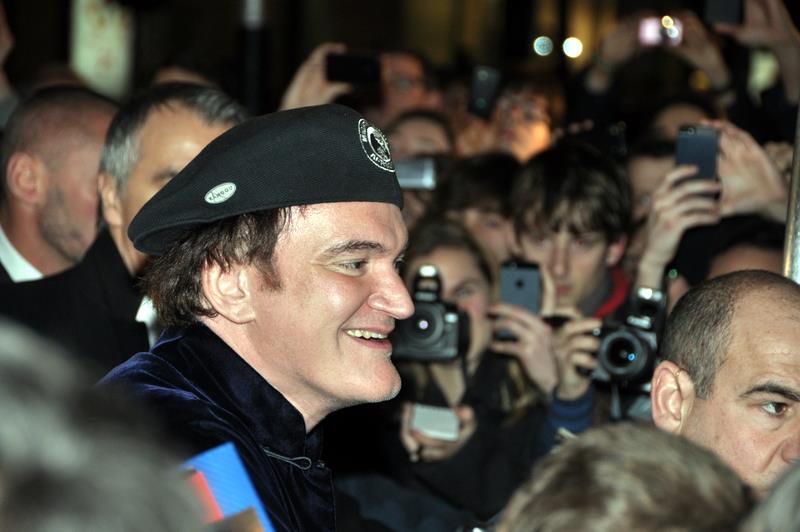
How Quentin Tarantino Steals from Other Movies: A Video Essay

“Good artists copy, great artists steal,” goes a line we often attribute to Pablo Picas­so — even those of us who know lit­tle of Picas­so’s work and noth­ing of the work from which he may or may not have stolen. Quentin Taran­ti­no’s ver­sion of the line adds anoth­er obser­va­tion about great artists: “They don’t do homages.” The direc­tor of Reser­voir Dogs, Pulp Fic­tion, and Jack­ie Brown may well have spo­ken those words in frus­tra­tion, the frus­tra­tion of hav­ing his every pic­ture described as an “homage” to some ele­ment or oth­er of cin­e­ma his­to­ry. He puts it more blunt­ly: “I steal from every sin­gle movie ever made.” A bold claim, to be sure, but if any­one is like­ly to have seen every film ever made, sure­ly it’s him.

“How Quentin Taran­ti­no Steals from Oth­er Movies,” the INSIDER video essay above, sur­veys the range of his cin­e­mat­ic sources, from The Searchers to The War­riorsBand of Out­siders to City on FireMetrop­o­lis to The Flint­stones.

In each of his ten fea­tures so far, Taran­ti­no has bun­dled all this mate­r­i­al into pack­ages describ­able most suc­cinct­ly with the adjec­tive Taran­ti­noesque, which the Oxford Eng­lish Dic­tio­nary defines as “char­ac­ter­ized by graph­ic and styl­ized vio­lence, non-lin­ear sto­ry­lines, cinelit­er­ate ref­er­ences, satir­i­cal themes, and sharp dia­logue.” Taran­ti­no’s lat­est film Once Upon a Time… in Hol­ly­wood (sub­ject of its own INSIDER video essay) exhibits all those qual­i­ties, and both crit­i­cal and audi­ence response so far sug­gests that we have yet to tire of the Taran­ti­noesque.

How has Taran­ti­no’s cin­e­mat­ic sen­si­bil­i­ty, prac­ti­cal­ly text­book in its post­mod­ernism, worn so well? As this video’s nar­ra­tor puts it, Taran­ti­no “nev­er steals from one source. He rather steals from mul­ti­ple sources span­ning decades, and then stitch­es them togeth­er to cre­ate some­thing new,” for­ti­fy­ing the process with his strong under­stand­ing of the source mate­r­i­al (honed dur­ing his pre-fame days as a video-store clerk) and his “unique vision and writ­ing.” Roger Ebert once wrote of Lars Von Tri­er, anoth­er notable film­mak­er of Taran­ti­no’s gen­er­a­tion, that “he takes chances, and that’s rare in a world where most films seem to have been banged togeth­er out of oth­er films.” But Taran­ti­no takes his chances pre­cise­ly by mak­ing films out of oth­er films, and as even his detrac­tors have to admit, it’s paid off so far.

Relat­ed Con­tent:

The Films of Quentin Taran­ti­no: Watch Video Essays on Pulp Fic­tion, Reser­voir Dogs, Kill Bill & More

Quentin Taran­ti­no Tells You About The Actors & Direc­tors Who Pro­vid­ed the Inspi­ra­tion for “Reser­voir Dogs”

Does Quentin Tarantino’s First Film, Reser­voir Dogs, Hold Up 25 Years Lat­er?: A Video Essay

How Famous Paint­ings Inspired Cin­e­mat­ic Shots in the Films of Taran­ti­no, Gilliam, Hitch­cock & More: A Big Super­cut

“Lynchi­an,” “Kubrick­ian,” “Taran­ti­noesque” and 100+ Film Words Have Been Added to the Oxford Eng­lish Dic­tio­nary

Based in Seoul, Col­in Mar­shall writes and broad­casts on cities, lan­guage, and cul­ture. His projects include the book The State­less City: a Walk through 21st-Cen­tu­ry Los Ange­les and the video series The City in Cin­e­ma. Fol­low him on Twit­ter at @colinmarshall, on Face­book, or on Insta­gram.

“I Saw the Future”: Rutger Hauer (RIP) Remembers His Most Memorable Role in Blade Runner

Rut­ger Hauer died last Fri­day at the age of 75, which means he enjoyed a life more than sev­en decades longer than that of Roy Bat­ty, the char­ac­ter he played in Rid­ley Scot­t’s Blade Run­ner. As a repli­cant, an arti­fi­cial human being engi­neered to per­form intense phys­i­cal labor, Bat­ty has immense strength but an exis­tence delib­er­ate­ly lim­it­ed to a few years. Seek­ing an escape from his immi­nent demise, he and a group of his fel­low repli­cants escape from their off-world min­ing colony to Earth, specif­i­cal­ly Los Ange­les, where they intend to seek out their cre­ator and demand an exten­sion of their lives. And so it falls to Har­ri­son Ford’s detec­tive Rick Deckard, trained as a repli­cant-hunt­ing “Blade Run­ner,” to hunt them all down.

Hauer’s per­for­mance is arguably the film’s most mem­o­rable, not least because of the man­ner in which Bat­ty final­ly accepts his own death even after spar­ing the life of the man tasked with ter­mi­nat­ing him. “I’ve seen things you peo­ple wouldn’t believe,” Bat­ty says. “Attack ships on fire off the shoul­der of Ori­on. I watched C‑beams glit­ter in the dark near the Tannhäuser Gate. All those moments will be lost in time, like tears in rain. Time to die.”

Hauer, as Indiewire’s Zack Sharf not­ed in a remem­brance, rewrote that short mono­logue him­self, hav­ing “believed the orig­i­nal speech was writ­ten in a way that was too oper­at­ic, a tone he felt a repli­cant would nev­er use.” He kept the scrip­t’s “attack ships” and “C‑beams,” sens­ing in them a kind of tech­no-poet­ry, and added the tears in the rain, an image visu­al­ly res­o­nant with the scene in which he deliv­ers it.

“It did­n’t come from me,” Hauer says of the “tears in the rain” line in the inter­view clip above. “It came from the poet in me, and there was a poet in Roy.” In using those words “to con­clude Roy’s quest,” he says, “I was also anchor­ing myself, as an actor, in my own inse­cure way. And for an audi­ence to car­ry that for 30 years was such love.” That audi­ence, he acknowl­edges, kept Blade Run­ner alive even after its fail­ure to per­form back in 1982: “When the film came out, it was out of the cin­e­ma, I think, in a week,” and some crit­ics dis­missed it as a waste of time. But Hauer under­stood its appeal as “a real­ly sexy, erot­ic, car­toon-opera inter­est­ing movie, but it was ahead of its time.”

Blade Run­ner has long since tak­en its place in the pan­theon of sci­ence fic­tion cin­e­ma, but Hauer’s fil­mog­ra­phy con­tains pic­tures of every oth­er sort of rep­u­ta­tion as well. A pro­lif­ic per­former giv­en to uncon­ven­tion­al choic­es and dis­tinc­tive turns of phrase, he was remem­bered on Twit­ter by pro­duc­er Jonathan Soth­cott as “one of those great actors who made rub­bish watch­able.” Though Hauer’s turns in pic­tures a var­ied as Lady­hawke, Blind FuryThe Hitch­er (in which hor­ror-mode Hauer, writes Stephen King, “will nev­er be topped”), Sin City, and Hobo with a Shot­gun won’t soon be for­got­ten, it will be as Roy Bat­ty — the repli­cant he has described as want­i­ng to “make his mark on exis­tence” — that he’ll be remem­bered. “At the same time I was doing this film, I saw the future,” he says of Blade Run­ner. And he lived to 2019, the once-dis­tant year in which Blade Run­ner is set, to see that future in real life.

Relat­ed Con­tent:

An Ani­mat­ed Ver­sion of Rid­ley Scott’s Blade Run­ner Made of 12,597 Water­col­or Paint­ings

Watch Tears In the Rain: A Blade Run­ner Short Film–A New, Unof­fi­cial Pre­quel to the Rid­ley Scott Film

How Rid­ley Scott’s Blade Run­ner Illu­mi­nates the Cen­tral Prob­lem of Moder­ni­ty

Blade Run­ner: The Pil­lar of Sci-Fi Cin­e­ma that Siskel, Ebert, and Stu­dio Execs Orig­i­nal­ly Hat­ed

Philip K. Dick Pre­views Blade Run­ner: “The Impact of the Film is Going to be Over­whelm­ing” (1981)

The City in Cin­e­ma Mini-Doc­u­men­taries Reveal the Los Ange­les of Blade Run­ner, Her, Dri­ve, Repo Man, and More

Based in Seoul, Col­in Mar­shall writes and broad­casts on cities, lan­guage, and cul­ture. His projects include the book The State­less City: a Walk through 21st-Cen­tu­ry Los Ange­les and the video series The City in Cin­e­ma. Fol­low him on Twit­ter at @colinmarshall, on Face­book, or on Insta­gram.

« Go BackMore in this category... »
Quantcast