20,000 Americans Hold a Pro-Nazi Rally in Madison Square Garden in 1939: Chilling Video Re-Captures a Lost Chapter in US History

Our country’s bipar­ti­san sys­tem ensures that every elec­tion will give rise to a win­ning side and a los­ing side—and depress­ing­ly, a siz­able group who refrained from cast­ing a vote either way.

There are times when the divide between the fac­tions does not seem insur­mount­able, when lead­ers in the high­est posi­tions of author­i­ty seem sin­cere­ly com­mit­ted to reach­ing across the divide….

And then there are oth­er times.

Ear­li­er in the year, the Women’s March on Wash­ing­ton and its hun­dreds of sis­ter march­es gave many of us rea­son to hope. The num­bers alone were inspir­ing.

But his­to­ry shows how great num­bers can go the oth­er way too.

With many Amer­i­can high school his­to­ry cur­ricu­lums whizzing through World War II in a week, if that, it’s dou­bly impor­tant to slow down long enough to watch the 7 minute doc­u­men­tary above.

What you’re look­ing at is the 1939 “Pro-Amer­i­can Ral­ly” (aka Pro-Nazi Ral­ly) spon­sored by the Ger­man Amer­i­can Bund at Madi­son Square Gar­den on George Washington’s 207th Birth­day. Ban­ners embla­zoned with such slo­gans as “Stop Jew­ish Dom­i­na­tion of Chris­t­ian Amer­i­cans,” “Wake Up Amer­i­ca. Smash Jew­ish Com­mu­nism,” and “1,000,000 Bund Mem­bers by 1940” dec­o­rat­ed the great hall.

New York City May­or Fiorel­lo LaGuardia—an Epis­co­palian with a Jew­ish mother—considered can­cel­ing the event, but ulti­mate­ly he, along with the Amer­i­can Jew­ish Com­mit­tee and the Amer­i­can Civ­il Lib­er­ties Com­mit­tee decreed that the Bund was exer­cis­ing its right to free speech and free assem­bly.

A crowd of 20,000 filled the famous sports venue in mid-town Man­hat­tan to capac­i­ty. 1,500 police offi­cers were present to ren­der the Gar­den “a fortress impreg­nable to anti-Nazis.” An esti­mat­ed 100,000 counter-demon­stra­tors were gath­er­ing out­side.

Police Com­mis­sion­er Lewis J. Valen­tine bragged to the press that “we have enough police here to stop a rev­o­lu­tion.”

The most dis­turb­ing moment in the short film comes at the 3:50 mark, when anoth­er secu­ri­ty force—the Bund’s Ord­nungs­di­enst or “Order Ser­vice” pile on Isidore Green­baum, a 26-year-old Jew­ish work­er who rushed the podi­um where bun­des­führer Fritz Julius Kuhn was fan­ning the flames of hatred. Valentine’s men even­tu­al­ly pulled them off, just bare­ly man­ag­ing to save the “anti-Nazi” from the vicious beat­ing he was under­go­ing.

Report­ed­ly he was beat­en again, as the crowd inside the Gar­den howled for his blood.

The uni­formed youth per­form­ing a spon­ta­neous horn­pipe in the row behind the Bund’s drum and bugle corps is a chill­ing sight to see.

Direc­tor Mar­shall Cur­ry was spurred to bring the his­toric footage to Field of Vision, a film­mak­er-dri­ven doc­u­men­tary unit that com­mis­sions short films as a rapid response to devel­op­ing sto­ries around the globe. In this case, the devel­op­ing sto­ry was the “Unite the Right” white nation­al­ist ral­ly in Char­lottesville, which had occurred a mere two days before.

“The footage is so pow­er­ful,” Cur­ry told an inter­view­er, “it seems amaz­ing that it isn’t a stock part of every high school his­to­ry class. But I think the ral­ly has slipped out of our col­lec­tive mem­o­ry in part because it’s scary and embar­rass­ing. It tells a sto­ry about our coun­try that we’d pre­fer to for­get. We’d like to think that when Nazism rose up, all Amer­i­cans were instant­ly appalled. But while the vast major­i­ty of Amer­i­cans were appalled by the Nazis, there was also a sig­nif­i­cant group of Amer­i­cans who were sym­pa­thet­ic to their white suprema­cist, anti-Semit­ic mes­sage. When you see 20,000 Amer­i­cans gath­er­ing in Madi­son Square Gar­den you can be sure that many times that were pas­sive­ly sup­port­ive.”

Field of Vision co-founder Lau­ra Poitras recalled how after meet­ing with Cur­ry, “my first thought was, ‘we need to put this film in cin­e­mas,’ and release it like a news­reel.”’  The Alamo Draft­house cin­e­ma chain screened it before fea­tures on Sep­tem­ber 26 of this year.

The Atlantic has pho­tos of the “Pro-Amer­i­can Ral­ly” and oth­er Ger­man Amer­i­can Bund-spon­sored events in the days lead­ing up to WWII here. Also read an account that appeared in a 1939 edi­tion of The New York Times here.

The Inter­na­tion­al Social­ist Review cov­ers the counter-demon­stra­tions in many eye­wit­ness quotes.

via Pale­o­Fu­ture

Relat­ed Con­tent:

Edu­ca­tion for Death: The Mak­ing of Nazi–Walt Disney’s 1943 Pro­pa­gan­da Film Shows How Fas­cists Are Made

Philoso­phers (Includ­ing Slavoj Žižek) and Ethi­cists Answer the Ques­tion: Is It OK to Punch Nazis?

Helen Keller Writes a Let­ter to Nazi Stu­dents Before They Burn Her Book: “His­to­ry Has Taught You Noth­ing If You Think You Can Kill Ideas” (1933)

Ayun Hal­l­i­day is an author, illus­tra­tor, the­ater mak­er and Chief Pri­ma­tol­o­gist of the East Vil­lage Inky zine.  Fol­low her @AyunHalliday.

Eerie 19th Century Photographs of Ghosts: See Images from the Long, Strange Tradition of “Spirit Photography”

We might draw any num­ber of con­clu­sions from the fact that rats’ brains are enough like ours that they stand in for humans in lab­o­ra­to­ries. A mis­an­throp­ic exis­ten­tial­ist may see the unflat­ter­ing sim­i­lar­i­ty as evi­dence that there’s noth­ing spe­cial about human beings, despite our grandiose sense of our­selves. A medieval Euro­pean thinker would draw a moral les­son, point­ing to the rat’s glut­tony as nature’s alle­go­ry for human greed. And a skep­ti­cal observ­er in the 19th and ear­ly 20th cen­turies might take note of how eas­i­ly both rats and humans can be manip­u­lat­ed; the lat­ter, for exam­ple, by pseu­do-phe­nom­e­na like Spir­i­tu­al­ism, which encom­passed a wide range of claims about ghosts and the after­life, from seances to spir­it pho­tog­ra­phy.

One such skep­ti­cal observ­er in 1920, Mil­la­ias Culpin, even wrote in his Spir­i­tu­al­ism and the New Psy­chol­o­gy of the “’sci­en­tif­ic’ sup­port­ers of spir­i­tu­al­ism,” most of them “emi­nent in phys­i­cal sci­ence.” They are eas­i­ly con­vinced, Culpin thought, because “they have been trained in a world where hon­esty is assumed to be a qual­i­ty of all work­ers. A lab­o­ra­to­ry assis­tant who played a trick upon one of them would find his career at an end, and ordi­nary cun­ning is for­eign to them. When they enter upon the world of Dis­so­ci­ates, where deceit mas­quer­ades under the dis­guise of trans­par­ent hon­esty, these emi­nent men are but as babes—country cousins in the hands of con­fi­dence-trick men.”

Such adher­ents of Spir­i­tu­al­ist beliefs were tak­en in not because they were nat­u­ral­ly cred­u­lous or stu­pid, but because they had been “trained” to trust the evi­dence of their sens­es. So-called spir­it pho­tographs, like those you see here, allowed peo­ple to “show mate­r­i­al evi­dence for their beliefs.” Pho­tog­ra­phers who cre­at­ed the images, Mash­able explains, could “eas­i­ly make two expo­sures on a sin­gle neg­a­tive, manip­u­late the neg­a­tive to cre­ate ghost­ly blurs, or over­lap two neg­a­tives in the dark­room to pro­duce an extra face with­in the resul­tant frame.”

The audi­ence for this work was “vast,” and many fit Culpin’s gen­er­al­iza­tions. In 1921, for exam­ple, para­nor­mal inves­ti­ga­tor Here­ward Car­ring­ton wrote of “a num­ber of ‘spir­it’ and ‘thought’ pho­tographs, the evi­dence for which seemed to me to be excep­tion­al­ly good.” In describ­ing oth­er pic­tures as “obvi­ous­ly fraud­u­lent” or “extreme­ly puz­zling,” Car­ring­ton made crit­i­cal dis­tinc­tions and appeared to use the meth­ods and the lan­guage of sci­ence in the eval­u­a­tion of objects pur­port­ing to prove the exis­tence of ghosts.

It may seem incred­i­ble that spir­it pho­tog­ra­phy had wide­spread appeal for as long as it did. The pho­tographs first began appear­ing in the 1860s, emerg­ing “from a small Boston por­trait stu­dio” and first made by William H. Mum­ler, the genre’s inven­tor and “most promi­nent ear­ly pro­po­nent,” writes Mash­able.

Mum­ler was nei­ther a pho­tog­ra­ph­er nor a medi­um. He orig­i­nal­ly worked as a sil­ver engraver, while dab­bling in pho­tog­ra­phy in the local stu­dio of a woman named Mrs. Stu­art. One day in 1861, in the midst of devel­op­ing a self-por­trait, Mum­ler report­ed that the dim fig­ure of a young cousin who had died twelve years ear­li­er emerged in the final print.

These ghost­ly images con­tin­ued to appear—on their own, the sto­ry goes—and the studio’s recep­tion­ist, a part-time medi­um, helped pop­u­lar­ize them. Soon Mum­ler “received vis­i­tors from across Amer­i­ca, includ­ing the recent­ly wid­owed Mary Todd Lin­coln.” Most of these vis­i­tors did not work as sci­en­tists or pro­fes­sion­al para­nor­mal inves­ti­ga­tors. They were ordi­nary peo­ple bereaved by the mass death of the Civ­il War and deeply moti­vat­ed to accept phys­i­cal con­fir­ma­tion of an after­life. More­over, before the rise of Fun­da­men­tal­ist Evan­gel­i­cal­ism in the 1920s, Spir­i­tu­al­ism was on the front lines of an ear­li­er cul­ture war: spir­it pho­tog­ra­phy was “a tan­gi­ble sym­bol of the over­ar­ch­ing argu­ment of mys­ti­cism ver­sus sci­ence and ratio­nal­ism.”

The three images at the top of the post date from the ear­li­est peri­od of spir­it pho­tog­ra­phy, between 1862 and 1875, and they were all pro­duced by Mum­ler in Boston and New York, where he moved in 1869, and where he was charged with fraud, then “acquit­ted of all charges because they could not be suf­fi­cient­ly proven.” (See many more of his pho­tos at Mash­able and the Get­ty Muse­um online archive.) Though his busi­ness suf­fered, spir­it pho­tog­ra­phy only grew more pop­u­lar, par­tic­u­lar­ly in Spir­i­tu­al­ist cir­cles in Britain, where Arthur Conan Doyle, cre­ator of the hyper-ratio­nal Sher­lock Holmes, was one of the most ardent of Spir­i­tu­al­ist believ­ers.

Doyle sup­port­ed a British pho­tog­ra­ph­er named William Hope, who began tak­ing spir­it pho­tographs in 1905, found­ed a group called the Crewe Cir­cle and lat­er “went on to prey on griev­ing fam­i­lies,” writes Riv­er Don­aghey at Vice, “who lost loved ones in WWI and des­per­ate­ly want­ed pho­to­graph­ic proof that their rel­a­tives were still hov­er­ing around in spec­tral form.” Even after Hope and his crew were exposed, Doyle con­tin­ued to sup­port him, going so far as to write a book called The Case for Spir­it Pho­tog­ra­phy. The four pho­tographs above and below are Hope’s work (see many more at Vice and the Pub­lic Domain Review). They are seri­ous­ly creepy—in the way movies like The Ring are creepy—but they are also, quite obvi­ous­ly, pho­to­graph­ic fic­tions.

Even as view­ers of pho­tog­ra­phy became savvi­er as the cen­tu­ry wore on, many peo­ple thrilled to Hope’s work until his death in 1933, maybe for the same rea­son we watch The Ring; it’s a fun scare, noth­ing more, if we sus­pend our dis­be­lief. As for the true believ­ers in spir­it photography—they are not so dif­fer­ent either from us 21st cen­tu­ry sophis­ti­cates. We’re still tak­en in all the time by hoax­es and frauds, maybe because it’s still as easy to push the but­tons in our brains, and because, well, we just want to believe.

Relat­ed Con­tent:

Arthur Conan Doyle & The Cot­tin­g­ley Fairies: How Two Young Girls Fooled Sher­lock Holmes’ Cre­ator

Dis­cov­er “The Ghost Club,” the His­toric Para­nor­mal Soci­ety Whose Mem­bers Includ­ed Charles Dick­ens, Arthur Conan Doyle & W.B. Yeats

Browse The Mag­i­cal Worlds of Har­ry Houdini’s Scrap­books

Josh Jones is a writer and musi­cian based in Durham, NC. Fol­low him at @jdmagness

Napoleon’s Kindle: See the Miniaturized Traveling Library He Took on Military Campaigns

Every piece of tech­nol­o­gy has a prece­dent. Most have sev­er­al dif­fer­ent types of prece­dents. You’ve prob­a­bly used (and may well own) an eBook read­er, for instance, but what would have afford­ed you a selec­tion of read­ing mate­r­i­al two or three cen­turies ago? If you were a Jacobean Eng­lish­man of means, you might have used the kind of trav­el­ing library we fea­tured in August, a hand­some portable case cus­tom-made for your books. (If you’re Tom Stop­pard in the 21st cen­tu­ry, you still do.) If you were Napoleon, who seemed to love books as much as he loved mil­i­tary pow­er — he did­n’t just amass a vast col­lec­tion of them, but kept a per­son­al librar­i­an to over­see it — you’d take it a big step fur­ther.

“Many of Napoleon’s biog­ra­phers have inci­den­tal­ly men­tioned that he […] used to car­ry about a cer­tain num­ber of favorite books wher­ev­er he went, whether trav­el­ing or camp­ing,” says an 1885 Sacra­men­to Dai­ly Union arti­cle post­ed by Austin Kleon, “but it is not gen­er­al­ly known that he made sev­er­al plans for the con­struc­tion of portable libraries which were to form part of his bag­gage.” The piece’s main source, a Lou­vre librar­i­an who grew up as the son of one of Napoleon’s librar­i­ans, recalls from his father’s sto­ries that “for a long time Napoleon used to car­ry about the books he required in sev­er­al box­es hold­ing about six­ty vol­umes each,” each box first made of mahogany and lat­er of more sol­id leather-cov­ered oak. “The inside was lined with green leather or vel­vet, and the books were bound in moroc­co,” an even soft­er leather most often used for book­bind­ing.

To use this ear­ly trav­el­ing library, Napoleon had his atten­dants con­sult “a cat­a­logue for each case, with a cor­re­spond­ing num­ber upon every vol­ume, so that there was nev­er a moment’s delay in pick­ing out any book that was want­ed.” This worked well enough for a while, but even­tu­al­ly “Napoleon found that many books which he want­ed to con­sult were not includ­ed in the col­lec­tion,” for obvi­ous rea­sons of space. And so, on July 8, 1803, he sent his librar­i­an these orders:

The Emper­or wish­es you to form a trav­el­ing library of one thou­sand vol­umes in small 12mo and print­ed in hand­some type. It is his Majesty’s inten­tion to have these works print­ed for his spe­cial use, and in order to econ­o­mize space there is to be no mar­gin to them. They should con­tain from five hun­dred to six hun­dred pages, and be bound in cov­ers as flex­i­ble as pos­si­ble and with spring backs. There should be forty works on reli­gion, forty dra­mat­ic works, forty vol­umes of epic and six­ty of oth­er poet­ry, one hun­dred nov­els and six­ty vol­umes of his­to­ry, the remain­der being his­tor­i­cal mem­oirs of every peri­od.

In sum: not only did Napoleon pos­sess a trav­el­ing library, but when that trav­el­ing library proved too cum­ber­some for his many and var­ied lit­er­ary demands, he had a whole new set of not just portable book cas­es but even more portable books made for him. (You can see how they looked packed away in the image tweet­ed by Cork Coun­ty Library above.) This pre­fig­ured in a high­ly ana­log man­ner the dig­i­tal-age con­cept of recre­at­ing books in anoth­er for­mat specif­i­cal­ly for com­pact­ness and con­ve­nience — the kind of com­pact­ness and con­ve­nience now increas­ing­ly avail­able to all of us today, and to a degree Napoleon nev­er could have imag­ined, let alone demand­ed. It’s always good to be the Emper­or, but in many ways, it’s bet­ter to be a read­er in the 21st cen­tu­ry.

Relat­ed Con­tent:

Dis­cov­er the Jacobean Trav­el­ing Library: The 17th Cen­tu­ry Pre­cur­sor to the Kin­dle

Napoleon: The Great­est Movie Stan­ley Kubrick Nev­er Made

Vin­tage Pho­tos of Vet­er­ans of the Napoleon­ic Wars, Tak­en Cir­ca 1858

Behold the “Book Wheel”: The Renais­sance Inven­tion Cre­at­ed to Make Books Portable & Help Schol­ars Study (1588)

Based in Seoul, Col­in Mar­shall writes and broad­casts on cities and cul­ture. His projects include the book The State­less City: a Walk through 21st-Cen­tu­ry Los Ange­les and the video series The City in Cin­e­ma. Fol­low him on Twit­ter at @colinmarshall or on Face­book.

An Animated Introduction to “the World’s Most Mysterious Book,” the 15th-Century Voynich Manuscript

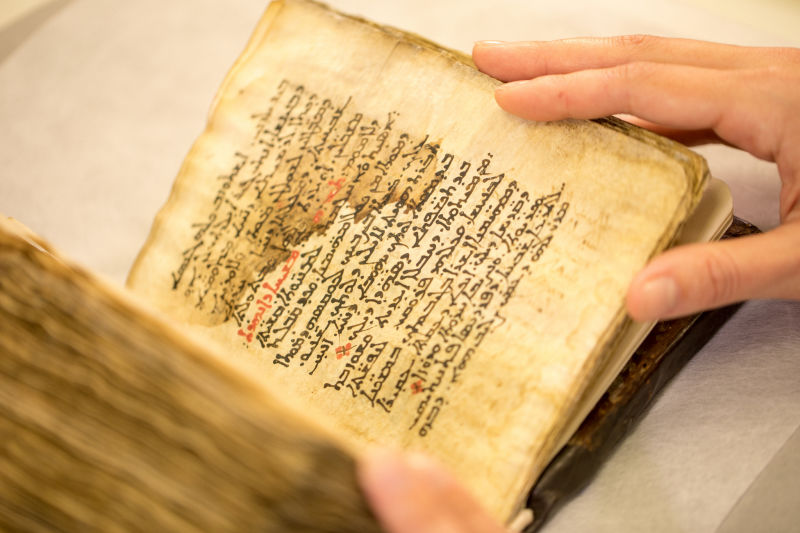
It has 240 pages filled with writ­ing and illus­tra­tion. Car­bon dat­ing places it around the year 1420. Schol­ars have spent count­less thou­sands of hours scru­ti­niz­ing it. But the so-called Voyn­ich Man­u­script has one qual­i­ty more notable than any oth­er: nobody under­stands a word of it. Last month, Josh Jones wrote about this sin­gu­lar­ly strange tex­tu­al arti­fact here at Open Cul­ture, includ­ing the dig­i­tized ver­sion at the Inter­net Archive that you can flip through and read your­self — or rather “read,” since the tex­t’s lan­guage, if it be a lan­guage at all, remains uniden­ti­fied. But before you do that, you might want to watch TED-Ed’s brief intro­duc­tion to the Voyn­ich Man­u­script above.

The video’s nar­ra­tor describes pages of “real and imag­i­nary plants, float­ing cas­tles, bathing women, astrol­o­gy dia­grams, zodi­ac rings, and suns and moons with faces accom­pa­ny the text,” read­ing from a script by Stephen Bax, Voyn­ich Man­u­script researcher and Pro­fes­sor of Mod­ern Lan­guages and Lin­guis­tics at the Open Uni­ver­si­ty.

“Cryp­tol­o­gists say the writ­ing has all the char­ac­ter­is­tics of a real lan­guage — just one that no one’s ever seen before.” High­ly dec­o­rat­ed through­out with “scroll-like embell­ish­ments,” the man­u­script fea­tures the work of what looks like no few­er than three hands: two who did the writ­ing, and one who did the paint­ing.

Intrigued yet? Or per­haps you already feel an inkling of a new the­o­ry to explain this bizarre, seem­ing­ly ency­clo­pe­dia-like vol­ume’s prove­nance to add to the many that have come before: some believe the man­u­scrip­t’s author or authors wrote it in code, some that “the doc­u­ment is a hoax, writ­ten in gib­ber­ish to make mon­ey off a gullible buy­er” by a “medieval con man” or even Voyn­ich him­self, and some that it shows an attempt “to cre­ate an alpha­bet for a lan­guage that was spo­ken, but not yet writ­ten.” Maybe the thir­teenth-cen­tu­ry philoso­pher Roger Bacon wrote it. Or maybe the Eliz­a­bethan mys­tic John Dee. Or maybe Ital­ian witch­es, or space aliens. At just a glance, the Voyn­ich Man­u­script pos­es ques­tions that could take an eter­ni­ty to answer — as any great work of lit­er­a­ture should.

Relat­ed Con­tent:

Behold the Mys­te­ri­ous Voyn­ich Man­u­script: The 15th-Cen­tu­ry Text That Lin­guists & Code-Break­ers Can’t Under­stand

1,000-Year-Old Illus­trat­ed Guide to the Med­i­c­i­nal Use of Plants Now Dig­i­tized & Put Online

Won­der­ful­ly Weird & Inge­nious Medieval Books

Based in Seoul, Col­in Mar­shall writes and broad­casts on cities and cul­ture. His projects include the book The State­less City: a Walk through 21st-Cen­tu­ry Los Ange­les and the video series The City in Cin­e­ma. Fol­low him on Twit­ter at @colinmarshall or on Face­book.

Kintsugi: The Centuries-Old Japanese Craft of Repairing Pottery with Gold & Finding Beauty in Broken Things

We all grow up believ­ing we should empha­size the inher­ent pos­i­tives about our­selves. But what if we also empha­sized the neg­a­tives, the parts we’ve had to work to fix or improve? If we did it just right, would the neg­a­tives still look so neg­a­tive after all? These kinds of ques­tions come to mind when one pon­ders the tra­di­tion­al Japan­ese craft of kintsu­gi, a means of repair­ing bro­ken pot­tery that aims not for per­fec­tion, a return to “as good as new,” but for a kind of post-break­age rein­ven­tion that dares not to hide the cracks.

“Trans­lat­ed to ‘gold­en join­ery,’ Kintsu­gi (or Kintsukuroi, which means ‘gold­en repair’) is the cen­turies-old Japan­ese art of fix­ing bro­ken pot­tery with a spe­cial lac­quer dust­ed with pow­dered gold, sil­ver, or plat­inum” says My Mod­ern Met.

“Beau­ti­ful seams of gold glint in the cracks of ceram­ic ware, giv­ing a unique appear­ance to the piece. This repair method cel­e­brates each arti­fac­t’s unique his­to­ry by empha­siz­ing its frac­tures and breaks instead of hid­ing or dis­guis­ing them. Kintsu­gi often makes the repaired piece even more beau­ti­ful than the orig­i­nal, revi­tal­iz­ing it with new life.”

Kintsu­gi orig­i­nates, so one the­o­ry has it, in the late 15th cen­tu­ry under the cul­tur­al­ly inclined shogun Ashik­a­ga Yoshi­masa, dur­ing whose reign the sen­si­bil­i­ties of tra­di­tion­al Japan­ese art as we known them emerged. When Ashik­a­ga sent one of his dam­aged Chi­nese tea bowls back to his moth­er­land for repairs, it came back reassem­bled with ungain­ly met­al sta­ples. This prompt­ed his crafts­men to find a bet­ter way: why not use that gild­ed lac­quer to empha­size the cracks instead of hid­ing them? The tech­nique was said to have won the admi­ra­tion of famed (and not eas­i­ly impressed) tea mas­ter Sen no Rikyū, major pro­po­nent of the imper­fec­tion-appre­ci­at­ing aes­thet­ic wabi sabi.

You can hear and see these sto­ries of kintsug­i’s ori­gins in the videos from Nerd­writer and Alain de Bot­ton’s School of Life at the top of the post. The clip just above offers a clos­er look at the painstak­ing tech­niques of mod­ern kintsu­gi, which not only sur­vives but thrives today, hav­ing expand­ed to include oth­er mate­ri­als, repair­ing glass­ware as well as ceram­ics, for exam­ple, or fill­ing the cracks with sil­ver instead of gold. And what could under­score the cur­rent glob­al rel­e­vance of kintsu­gi more than the fact that the craft has inspired not one but two TEDTalks, the first by Audrey Har­ris in Kyoto in 2015 and the sec­ond by Mad­die Kel­ly in Ade­laide last year. We all, it seems, want to repair our cracks; kintsu­gi shows the way to do it not just hon­est­ly but art­ful­ly.

h/t the nugget

Relat­ed Con­tent:

Wabi-Sabi: A Short Film on the Beau­ty of Tra­di­tion­al Japan

20 Mes­mer­iz­ing Videos of Japan­ese Arti­sans Cre­at­ing Tra­di­tion­al Hand­i­crafts

The Mak­ing of Japan­ese Hand­made Paper: A Short Film Doc­u­ments an 800-Year-Old Tra­di­tion

Watch a Japan­ese Crafts­man Lov­ing­ly Bring a Tat­tered Old Book Back to Near Mint Con­di­tion

The Art of Col­lo­type: See a Near Extinct Print­ing Tech­nique, as Lov­ing­ly Prac­ticed by a Japan­ese Mas­ter Crafts­man

Watch Japan­ese Wood­work­ing Mas­ters Cre­ate Ele­gant & Elab­o­rate Geo­met­ric Pat­terns with Wood

Japan­ese Crafts­man Spends His Life Try­ing to Recre­ate a Thou­sand-Year-Old Sword

Based in Seoul, Col­in Mar­shall writes and broad­casts on cities and cul­ture. His projects include the book The State­less City: a Walk through 21st-Cen­tu­ry Los Ange­les and the video series The City in Cin­e­ma. Fol­low him on Twit­ter at @colinmarshall or on Face­book.

People Walked a Little Differently During Medieval Times: A Quick Primer

Roland Warzecha runs a Youtube chan­nel where he delves into the world of medieval weapons and com­bat. If you want to learn some­thing about Viking shields and swords, medieval spears and com­bat tech­niques, spend some time there.

Above, Roland departs from his reg­u­lar­ly sched­uled pro­gram­ming and explores anoth­er facet of medieval life. Walk­ing. That’s right, walk­ing. It turns out that, as Boing Boing sum­ma­rizes it, “before struc­tured shoes became preva­lent in the 16th cen­tu­ry … peo­ple walked with a dif­fer­ent gait, push­ing onto the balls of our feet instead of rock­ing for­ward on our heels.” And that’s your les­son on medieval body mechan­ics for today…

If you would like to sup­port the mis­sion of Open Cul­ture, con­sid­er mak­ing a dona­tion to our site. It’s hard to rely 100% on ads, and your con­tri­bu­tions will help us con­tin­ue pro­vid­ing the best free cul­tur­al and edu­ca­tion­al mate­ri­als to learn­ers every­where. You can con­tribute through Pay­Pal, Patre­on, and Ven­mo (@openculture). Thanks!

Relat­ed Con­tent:

Fash­ion­able 2,000-Year-Old Roman Shoe Found in a Well

What’s It Like to Fight in 15th Cen­tu­ry Armor?: A Sur­pris­ing Demon­stra­tion

Won­der­ful­ly Weird & Inge­nious Medieval Books

See The Guidon­ian Hand, the Medieval Sys­tem for Read­ing Music, Get Brought Back to Life

Wear­able Books: In Medieval Times, They Took Old Man­u­scripts & Turned Them into Clothes

How Walk­ing Fos­ters Cre­ativ­i­ty: Stan­ford Researchers Con­firm What Philoso­phers and Writ­ers Have Always Known

by | Permalink | Make a Comment ( 8 ) |

How Marilyn Monroe Helped Break Ella Fitzgerald Into the Big Time (1955)

Think of movie stars, and you’ll almost cer­tain­ly think of Mar­i­lyn Mon­roe; think of jazz singers, and you’ll almost cer­tain­ly think of Ella Fitzger­ald. Their skills as per­form­ers, their inher­ent icon­ic qual­i­ties, the time of the mid-twen­ti­eth cen­tu­ry in which they rose to fame, and oth­er fac­tors besides, have ensured that these two women still define the images of their respec­tive crafts. But before their ascen­sion to cul­tur­al immor­tal­i­ty, the Ange­leno Mon­roe and the New York­er Fitzger­ald’s paths crossed down here on Earth in 1955, and, when they did, the movie star played an inte­gral role in break­ing the jazz singer into the big time.

If you want­ed to play to an influ­en­tial crowd in Hol­ly­wood back in the 1950s, you had to play the Mocam­bo, the Sun­set Strip night­club fre­quent­ed by the likes of Clark Gable, Humphrey Bog­a­rt, Lana Turn­er, Bob Hope, Sophia Loren, and Howard Hugh­es. But at the time, a singer of the reput­ed­ly scan­dalous new music known as jazz did­n’t just waltz onto the stage of such a respectable venue, espe­cial­ly giv­en the racial atti­tudes of the time. But as luck would have it, Fitzger­ald found an advo­cate in Mon­roe, who, “tired of being cast as a help­less sex sym­bol, took a break from Los Ange­les and head­ed to New York to find her­self,” writes the Inde­pen­dent’s Ciar Byrne.

There Mon­roe “immersed her­self in jazz,” rec­og­niz­ing in Fitzger­ald “the cre­ative genius she her­self longed to pos­sess.” Togeth­er with Fitzger­ald’s man­ag­er, jazz impre­sario and Verve Records founder Nor­man Granz, Mon­roe pres­sured the glam­orous Hol­ly­wood club to book Ella. “I owe Mar­i­lyn Mon­roe a real debt,” Fitzger­ald said lat­er, in 1972. “She per­son­al­ly called the own­er of the Mocam­bo, and told him she want­ed me booked imme­di­ate­ly, and if he would do it, she would take a front table every night.” He agreed, and true to her word, “Mar­i­lyn was there, front table, every night. The press went over­board. After that, I nev­er had to play a small jazz club again.”

Though Mon­roe’s efforts did­n’t make Fitzger­ald the first black per­former to take the Mocam­bo’s stage — Herb Jef­fries, Eartha Kitt, and Joyce Bryant had played there in 1952 and 1953 — she did use it as a plat­form to ascend to unusu­al­ly great career heights, com­pa­ra­ble to the way Frank Sina­tra launched his solo career there. The sto­ry has remained com­pelling enough for sev­er­al retellings, includ­ing Bon­nie Greer’s musi­cal Mar­i­lyn and Ella and, more recent­ly, through the hilar­i­ous unre­li­a­bil­i­ty of an episode of Drunk His­to­ry. As real his­to­ry would have it, Fitzger­ald would go on to enjoy a much longer and more var­ied career than the trag­ic Mon­roe, but she did her own part to repay the favor by adding nuance to Mon­roe’s super­fi­cial pub­lic image: “She was an unusu­al woman — a lit­tle ahead of her times. And she did­n’t know it.”

Relat­ed Con­tent:

Ella Fitzger­ald Sings ‘Sum­mer­time’ by George Gersh­win, Berlin 1968

Mar­i­lyn Monroe’s Go-Get­ter List of New Year’s Res­o­lu­tions (1955)

The 430 Books in Mar­i­lyn Monroe’s Library: How Many Have You Read?

Mar­i­lyn Mon­roe Recounts Her Har­row­ing Expe­ri­ence in a Psy­chi­atric Ward in a 1961 Let­ter

Based in Seoul, Col­in Mar­shall writes and broad­casts on cities and cul­ture. His projects include the book The State­less City: a Walk through 21st-Cen­tu­ry Los Ange­les and the video series The City in Cin­e­ma. Fol­low him on Twit­ter at @colinmarshall or on Face­book.

Before the Bookmobile: When Librarians Rode on Horseback to Deliver Books to Rural Americans During the Great Depression

An odd phe­nom­e­non has been at work in the past few years. Print book sales slope upward while eBook sales creep down. The trend man­i­fests the oppo­site of what most people—or most peo­ple who write about these things—expected to hap­pen, quite rea­son­ably in many respects. Per­haps through sheer his­tor­i­cal momen­tum, print retains its aura of author­i­ty.

But every­one knows that buy­ing isn’t read­ing, which may indeed be in decline giv­en the pri­ma­cy of images, audio, and video, of YouTube explain­ers and doc­u­men­taries such as the one above, which tells the tale of the “Pack Horse Librar­i­ans.”

These for­got­ten heroes, like the famed Pony Express, braved wind, rain, and rough ter­rain to deliv­er books to iso­lat­ed set­tlers who oth­er­wise may have had noth­ing to read.

But this is not a tale of cow­boys and fron­tiers­men. The Pack Horse Librar­i­ans appeared in an Indus­tri­al Age, and what’s more they were most­ly women. Called “book ladies” and “pack­sad­dle librar­i­ans,” the librar­i­ans were dep­u­tized dur­ing the New Deal, when FDR sought to end the Great Depres­sion by cre­at­ing hun­dreds of jobs addressed to the country’s real social, mate­r­i­al, and cul­tur­al needs. In this case, the Pack Horse Librar­i­ans respond­ed to what many of us might con­sid­er a cri­sis, if not a crime.

“About 63% of the res­i­dents of Ken­tucky were with­out access to pub­lic libraries,” and some­where around 30% of rur­al Ken­tuck­ians were illit­er­ate. Those rur­al Ken­tuck­ians saw edu­ca­tion as a way out of pover­ty, and the Works Progress Admin­is­tra­tion agreed, over­see­ing the book deliv­ery project between 1935 and 1943. “Book women” made around $28 a month (a lit­tle over $500 in 2017) deliv­er­ing books to homes and school­hous­es. By 1936, writes the site Appalachi­an His­to­ry, “hand­made and donat­ed mate­ri­als could not sus­tain the cir­cu­la­tion needs of the pack horse patrons.”

Sur­veys of read­ers found that pack horse patrons could not get enough of books about trav­el, adven­ture and reli­gion, and detec­tive and romance mag­a­zines. Children’s pic­ture books were also immense­ly pop­u­lar, not only with young res­i­dents but also their illit­er­ate par­ents. Per head­quar­ters, approx­i­mate­ly 800 books had to be shared among five to ten thou­sand patrons.

To com­pen­sate for scarci­ty, a Uni­ver­si­ty of Ken­tucky pre­sen­ta­tion notes, librar­i­ans them­selves cre­at­ed books of “moun­tain recipes and scrap books of cur­rent events.” But the ser­vice quick­ly grew to deliv­er­ing more than 3,000 donat­ed books per month, after a dri­ve in which every PTA mem­ber in the state gave to the cause.

Eleanor Roo­sevelt (pho­tographed above vis­it­ing a Pack­horse Library in West Lib­er­ty, KY) was a cham­pi­on of the ser­vice, which founder Eliz­a­beth Fuller­ton mod­eled after a sim­i­lar ven­ture in 1913, itself a pro­fes­sion­al­iza­tion of work done by the Ken­tucky Fed­er­a­tion of Women’s Clubs in the late 19th cen­tu­ry.

We can see that the his­to­ry of women librar­i­ans on horse­back goes back quite a ways. But it is a his­to­ry now for­got­ten, despite the efforts of recent books like Down Cut Shin Creek: The Pack Horse Librar­i­ans of Ken­tucky. A recent trend involves sug­gest­ing his­tor­i­cal Amer­i­can fig­ures who might replace all those mon­u­ments to the Con­fed­er­a­cy. We might well add Pack Horse Librar­i­ans to the dis­tin­guished list of can­di­dates.

The ser­vice lost its fund­ing in 1943, “leav­ing some com­mu­ni­ties with­out access to books for decades,” Appalachi­an His­to­ry writes, “until book­mo­biles were intro­duced to the area in the late 1950s.” These ser­vices seem quaint in an era when wide­spread deliv­ery by drone seems immi­nent. We seem­ing­ly live in the most infor­ma­tion-rich, instant access soci­ety in his­to­ry. Yet a sig­nif­i­cant num­ber of peo­ple in the U.S. and around the world have lit­tle to no access to the inter­net. And a sim­i­lar degree of illiteracy—at least of basic infor­ma­tion and crit­i­cal reasoning—may war­rant a sim­i­lar­ly direct inter­ven­tion.

via The Smith­son­ian

Relat­ed Con­tent:

Free Libraries Shaped Like Doc­tor Who’s Time-Trav­el­ing TARDIS Pop Up in Detroit, Saska­toon, Macon & Oth­er Cities

Strik­ing Poster Col­lec­tion from the Great Depres­sion Shows That the US Gov­ern­ment Once Sup­port­ed the Arts in Amer­i­ca

The Future of Con­tent Deliv­ery

Josh Jones is a writer and musi­cian based in Durham, NC. Fol­low him at @jdmagness

« Go BackMore in this category... »
Quantcast