An Online Gallery of 30,000 Items from The British Library, Including Leonardo da Vinci’s Notebooks And Mozart’s Diary

DAVINCI

(Click image to enlarge)

This past Decem­ber, we wrote about the British Library’s releas­ingover a mil­lion images onto Flickr Com­mons for any­one to use, remix and repur­pose.” For those who enjoyed this trea­sure trove of his­tor­i­cal con­tent, we bring more good tid­ings: the British Library also has a freely acces­si­ble online gallery, num­ber­ing some 30,000 items.

MOZART

The vast dig­i­tal col­lec­tion includes books, ancient maps, and price­less prints. Amid the count­less vir­tu­al tomes, some of the more impres­sive hold­ings include Mozart’s musi­cal diary from the last sev­en years of his life, and Leonar­do da Vinci’s note­book (find both above) where the artist and inven­tor the­o­rized about mechan­ics. Da Vin­ci also record­ed rid­dles in his notes, includ­ing: “The dead will come from under­ground and by their fierce move­ments will send num­ber­less human beings out of the world” (Answer: “Iron, which comes from under the ground, is dead, but the weapons are made of it which kill so many men”).

LONDON

The online col­lec­tion also con­tains a num­ber of expert­ly curat­ed exhibits by British Library staff, many of which are accom­pa­nied by a thor­ough intro­duc­tion to guide read­ers through the mate­r­i­al. I’ve always liked get­ting lost in old, detailed maps and par­tic­u­lar­ly enjoyed the Crace Col­lec­tion of Maps of Lon­don, which range from a 16th cen­tu­ry “guide for cun­trey men in the famous cittey of Lon­don by the helpe of wich plot they shall be able to know how far it is to any street,” to a 19th cen­tu­ry puz­zle-type map, whose read­ers must find a par­tic­u­lar route from the Strand to St. Paul’s. The col­lec­tion also con­tains a ter­rif­ic selec­tion of pre-print­ing-press-era illu­mi­nat­ed man­u­scripts, deemed “illu­mi­nat­ed” because they were metic­u­lous­ly dec­o­rat­ed, often using gold leaf. Among these are the open­ing of St. Luke’s Gospel from the Lind­is­farne Bible (below), one of the ear­li­est sur­viv­ing Eng­lish lan­guage Gospels (cir­ca 715 CE), and scenes from the life of St. Guth­lac, which dates to the ear­ly 13th cen­tu­ry.

STLUKE

For more of the British Library’s Online Col­lec­tion, head here.

Ilia Blin­d­er­man is a Mon­tre­al-based cul­ture and sci­ence writer. Fol­low him at @iliablinderman, or read more of his writ­ing at the Huff­in­g­ton Post.

Relat­ed Con­tent:

The British Library Puts 1,000,000 Images into the Pub­lic Domain, Mak­ing Them Free to Reuse & Remix

The Get­ty Puts 4600 Art Images Into the Pub­lic Domain (and There’s More to Come)

The Nation­al Gallery Makes 25,000 Images of Art­work Freely Avail­able Online

What Did Charles Darwin Read? See His Handwritten Reading List & Read Books from His Library Online

darwin-diary-books-to-be-read

Click to enlarge

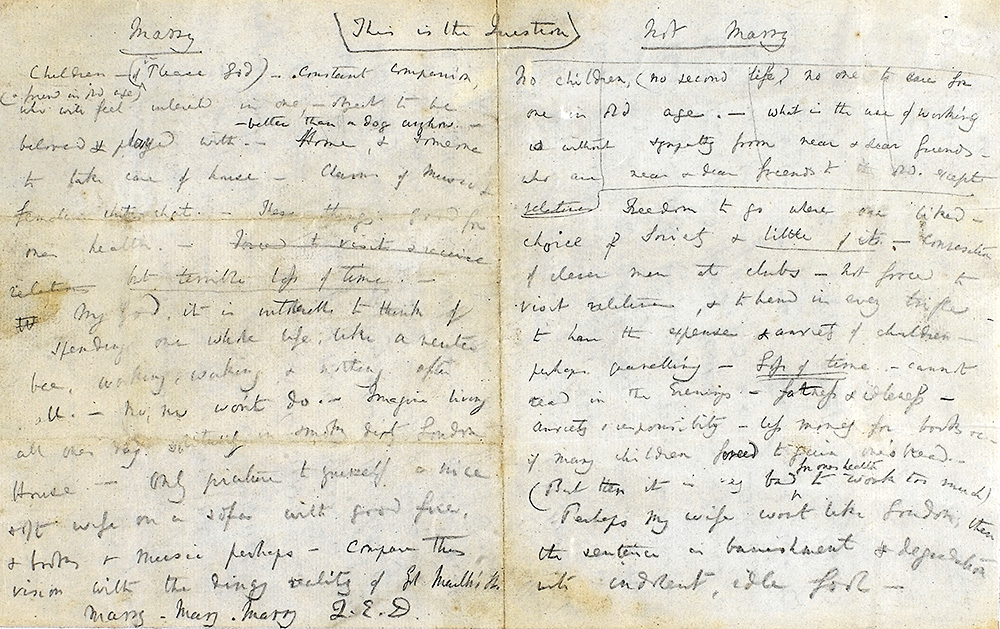
Today marks the 215th anniver­sary of pio­neer­ing Eng­lish nat­u­ral­ist Charles Dar­win’s birth — a suit­able occa­sion, per­haps, to final­ly take that copy of On the Ori­gin of Species down off your shelf (or from our col­lec­tion of Free eBooks). Though Dar­win’s best-known pub­li­ca­tion lays out his obser­va­tions on evo­lu­tion by nat­ur­al selec­tion, cul­mi­nat­ing in the the­o­ry often and unhesi­tat­ing­ly called the most impor­tant in biol­o­gy, the book remains more respect­ed than read. Still, any sci­en­tist’s lega­cy, even that of one with a name so wide­ly known as Dar­win’s, comes down to what they under­stood, and thus what they allowed the rest of human­i­ty to under­stand, not what they wrote. But you still have to won­der: what did Dar­win read?

We have two answers to that ques­tion, the first of which comes in the form of Dar­win’s 1838 “to read” list above, which runs as fol­lows:

Humboldt’s New Spain — — —
Richardson’s
 Fau­na Bore­alis
Ento­mo­log­i­cal Mag­a­zine — — —
Study Buf­fon on vari­eties of Domes­ti­cat­ed ani­mals — — — —
Find out from Sta­tis­ti­cal Soc. where M. Quetelet has pub­lished his laws about sex­es rel­a­tive to the age of mar­riage
Brown at end of Flinders & at the end of Con­go voy­age (Hook­er 923) read
Decan­dolle Philoso­phie
Decan­dolle on Geo­graph dis­trib: —
F. Cuvi­er on Instinct read
L. Jenyns paper in Annals of Nat. Hist.
Prichard; a 3d vol  Lawrence read
Bory St Vin­cent Vol 3. p 164 on unfixed form: Dr Royle on Him­malaya types (read)
Smellie Phi­los­o­phy of Zool­o­gy.
Flem­ing Dit­to
Fal­con­ers remark on the influ­ence of cli­mate

You can find more on the list’s con­text at End­pa­per, whose post describes it as found in Dar­win’s “series of note­books for the­o­ret­i­cal work now known as Note­books A, B, C, D, etc.,” specif­i­cal­ly Note­book C. (The famous Tree of Life sketch, they add, came from Note­book B.) For our sec­ond answer to the ques­tion of which books equipped the cel­e­brat­ed biol­o­gist’s mind, we offer the books that fur­nished his home: back in 2011, we fea­tured Cam­bridge Uni­ver­si­ty’s Bio­di­ver­si­ty Her­itage Library and its project to dig­i­tize and make freely avail­able 330 texts from Dar­win’s library. All come anno­tat­ed by the man him­self, so you can learn not just from what he read, but about how he read. The next, much more dif­fi­cult step, then presents itself: to think how he thought.

Relat­ed Con­tent:

Watch Dar­win, a 1993 Film by Peter Green­away

Read the Orig­i­nal Let­ters Where Charles Dar­win Worked Out His The­o­ry of Evo­lu­tion

The Genius of Charles Dar­win Revealed in Three-Part Series by Richard Dawkins

Darwin’s Per­son­al Library Goes Dig­i­tal: 330 Books Online

Darwin’s Lega­cy, a Stan­ford course in our col­lec­tion of 750 Free Online Cours­es

Col­in Mar­shall hosts and pro­duces Note­book on Cities and Cul­ture and writes essays on cities, Asia, film, lit­er­a­ture, and aes­thet­ics. He’s at work on a book about Los Ange­les, A Los Ange­les Primer. Fol­low him on Twit­ter at @colinmarshall or on his brand new Face­book page.

The Very First Written Use of the F Word in English (1528)

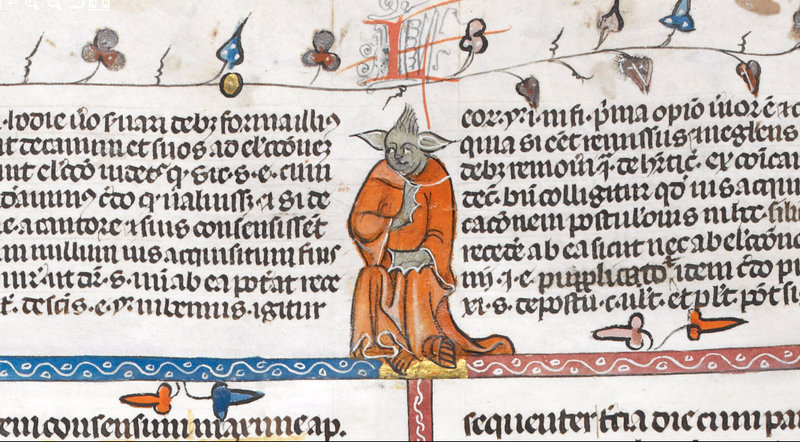
Eng­lish speak­ers enjoy what seems like an unmatched curios­i­ty about the ori­gins and his­tor­i­cal usages of their lan­guage’s curs­es. The exceed­ing­ly pop­u­lar “F word” has accret­ed an espe­cial­ly wide body of tex­tu­al inves­ti­ga­tion, wide-eyed spec­u­la­tion, and implau­si­ble folk ety­mol­o­gy. (One of the ter­m’s well-known if spu­ri­ous cre­ation myths even has a Van Halen album named after it.) “The his­to­ry begins in murky cir­cum­stances,” says the Oxford Eng­lish Dic­tio­nary’s site, and that dic­tio­nary of dic­tio­nar­ies has man­aged to place the word’s ear­li­est print appear­ance in the ear­ly six­teenth cen­tu­ry, albeit writ­ten “in code” and “in a mixed Latin-and-Eng­lish con­text.” Above, you can see one of the few con­crete pieces of infor­ma­tion we have on the mat­ter: the first defin­i­tive use of the F word in “the Eng­lish adjec­ti­val form, which implies use of the verb.”

Here the word appears (for the first time if not the last) not­ed down by hand in the mar­gins of a prop­er text, in this case Cicero’s De Offici­is. “It’s a monk express­ing his dis­plea­sure at an abbot,” writes Katharine Tren­da­cos­ta at i09. “In the mar­gins of a guide to moral con­duct. Because of course.” She quotes Melis­sa Mohr, author of Holy Sh*t: A Brief His­to­ry of Swear­ing, as declar­ing it “dif­fi­cult to know” whether this mar­gin­a­lia-mak­ing monk meant the word lit­er­al­ly, to accuse this abbott of “ques­tion­able monas­tic morals,” or whether he used it “as an inten­si­fi­er, to con­vey his extreme dis­may.” Either way, it holds a great deal of val­ue for schol­ars of lan­guage, giv­en, as the OED puts it, “the absence of the word from most print­ed text before the mid twen­ti­eth cen­tu­ry” and the “quo­ta­tion dif­fi­cul­ties” that caus­es. If you find noth­ing to like in the F word’s ever-increas­ing preva­lence in the media, think of it this way: at least future lex­i­cog­ra­phers of swear­ing will have more to go on.

To view the com­plete man­u­script page, click here. The doc­u­ment seem­ing­ly resides at Brasenose Col­lege, Oxford.

via io9

Relat­ed Con­tent:

Steven Pinker Explains the Neu­ro­science of Swear­ing (NSFW)

Stephen Fry, Lan­guage Enthu­si­ast, Defends The “Unnec­es­sary” Art Of Swear­ing

George Car­lin Per­forms His “Sev­en Dirty Words” Rou­tine: His­toric and Com­plete­ly NSFW

Medieval Cats Behav­ing Bad­ly: Kit­ties That Left Paw Prints … and Peed … on 15th Cen­tu­ry Man­u­scripts

Col­in Mar­shall hosts and pro­duces Note­book on Cities and Cul­ture and writes essays on cities, Asia, film, lit­er­a­ture, and aes­thet­ics. He’s at work on a book about Los Ange­les, A Los Ange­les Primer. Fol­low him on Twit­ter at @colinmarshall or on his brand new Face­book page.

Watch All of The Beatles’ Historic Appearances on The Ed Sullivan Show, 50 Years Ago

As you sure­ly know by now, The Bea­t­les invad­ed the U.S. by way of the Ed Sul­li­van Show fifty years ago yes­ter­day. What you may not know is that they appeared for three con­sec­u­tive Sun­day night broad­casts that year, begin­ning on Feb­ru­ary 9, 1964. That per­for­mance gar­nered a record 73 mil­lion view­ers and took place at the now his­toric Ed Sul­li­van The­ater. The sec­ond show on Feb­ru­ary 16  was broad­cast from Mia­mi Beach where the then-Cas­sius Clay and Son­ny Lis­ton were pro­mot­ing their famous bout on Feb. 25. The third broad­cast, Feb­ru­ary 23, showed a per­for­mance taped ear­li­er in the day of the orig­i­nal Feb. 9 appear­ance. Watch all three of those ’64 broad­casts above. (The band made a final live appear­ance on the show on August 14, 1965—watch “I Feel Fine” from that broad­cast below.)

It seemed like every­one want­ed a piece of The Beatles—the Amer­i­can press, the scream­ing hordes of teenage fans, even cer­tain British politi­cians—but the first Sul­li­van appear­ance was a gam­ble, arranged by their very savvy man­ag­er Bri­an Epstein to break the band in the States. Sul­li­van stood behind the band’s ini­tial head­lin­ing book­ing, despite his producer’s objec­tions, lat­er telling the New York Times, “I made up my mind that this was the same sort of mass hit hys­te­ria that had char­ac­ter­ized the Elvis Pres­ley days.”

Sul­li­van, the leg­end goes, first noticed the crazed response the band inspired (see above) when he wit­nessed “more than 1,500 young­sters lin[ing] the rooftop gar­dens of the Queen’s Build­ing and oth­ers con­gre­gat­ed on the ground” at Heathrow air­port after the group returned home from a trip to Stock­holm in Octo­ber, 1963. While the actu­al sto­ry of the first book­ing is a bit more com­pli­cat­ed, writes Bea­t­les’ his­to­ri­an Bruce Spiz­er, it still speaks to Sul­li­van’s impec­ca­ble instincts.

What was it like to be a view­er of that first broad­cast as a young fan? Above, Den­nis Mitchell, host of the “Break­fast with the Bea­t­les” radio show, remem­bers the moment. “Every­thing changed after that,” he says. Although the Sul­li­van broad­casts are mem­o­rable for all sorts of his­tor­i­cal rea­sons, “in the end, after it all,” says Mitchell, “it was the songs, it was the music.”

See­ing it on Ed Sul­li­van was over­whelm­ing, and the start of it all, but then we took it into our bed­rooms with the record play­ers and got deep­er into the music, because we knew that even though they’d done four or five songs on the Ed Sul­li­van show, there was more.

As the band evolved polit­i­cal­ly and styl­is­ti­cal­ly, says Mitchell, their fans “were all along for the ride. And they gen­uine­ly, it was almost like a mag­ic wand, changed things by chang­ing them­selves.” Could such a cul­tur­al moment hap­pen again? “No,” says Mitchell, “not at the lev­el that it did and not with the sig­nif­i­cance that it did.” In the fifty years since The Beatle’s arrival on U.S. shores, the world seems to have become both more frag­ment­ed and more close­ly drawn togeth­er, but we live in such a vast­ly dif­fer­ent media land­scape than the one that pro­duced the Ed Sul­li­van Show—and the last­ing fame of Elvis, The Supremes, and The Bea­t­les. After fifty years of post-Bea­t­les’ pop music, it’s impos­si­ble to imag­ine a tele­vi­sion per­for­mance hav­ing such a wide­spread impact that it almost sin­gle­hand­ed­ly trans­forms an entire gen­er­a­tion.

Relat­ed Con­tent:

The Bea­t­les’ Rooftop Con­cert: The Last Gig Filmed in Jan­u­ary 1969

Eric Clapton’s Iso­lat­ed Gui­tar Track From the Clas­sic Bea­t­les Song, ‘While My Gui­tar Gen­tly Weeps’ (1968)

The Kinks’ Ray Davies Reviews the Bea­t­les’ 1966 Album Revolver; Calls It “A Load of Rub­bish”

A Short Film on the Famous Cross­walk From the Bea­t­les’ Abbey Road Album Cov­er

Josh Jones is a writer and musi­cian based in Durham, NC. Fol­low him at @jdmagness

Haunting Unedited Footage of the Bombing of Nagasaki (1945)

Mak­ing the rounds on the web today is a silent film show­ing “the final prepa­ra­tion and load­ing of the ‘Fat Man’ bomb into ‘Bockscar,’ ” the plane that would drop a dev­as­tat­ing bomb on Nagasa­ki on August 9, 1945. The footage from the Los Alam­os Nation­al Lab­o­ra­to­ry is raw, except for the help­ful anno­ta­tions added by Alex Weller­stein, who runs Nuclear Secre­cy: The Restrict­ed Data Blog. Even­tu­al­ly, toward the 8 minute mark, the video shows “the Nagasa­ki explo­sion from the win­dow of an obser­va­tion plane.”  What you don’t see is the calami­tous out­come. To get a feel for the destruc­tion, you can see our pre­vi­ous post, Rare Col­or Footage of the Hiroshi­ma After­math. (Obvi­ous­ly Hiroshi­ma is the oth­er Japan­ese city that expe­ri­enced the ruinous effects of the nuclear bomb.) Also we have 360 Degree Images of Hiroshi­ma After the Bomb­ing

If you would like to sign up for Open Culture’s free email newslet­ter, please find it here. It’s a great way to see our new posts, all bun­dled in one email, each day.

If you would like to sup­port the mis­sion of Open Cul­ture, con­sid­er mak­ing a dona­tion to our site. It’s hard to rely 100% on ads, and your con­tri­bu­tions will help us con­tin­ue pro­vid­ing the best free cul­tur­al and edu­ca­tion­al mate­ri­als to learn­ers every­where. You can con­tribute through Pay­Pal, Patre­on, and Ven­mo (@openculture). Thanks!

via Metafil­ter

Relat­ed Con­tent:

53 Years of Nuclear Test­ing in 14 Min­utes: A Time Lapse Film by Japan­ese Artist Isao Hashimo­to

How a Clean, Tidy Home Can Help You Sur­vive the Atom­ic Bomb: A Cold War Film from 1954

Hiroshi­ma Atom­ic Bomb­ing Remem­bered with Google Earth

67 Free Online His­to­ry Cours­es

by | Permalink | Make a Comment ( 8 ) |

15,000 Colorful Images of Persian Manuscripts Now Online, Courtesy of the British Library

PersianMS1

When a coun­try is in the head­lines almost every day, it can be easy to for­get that today’s news isn’t the whole sto­ry. Iran’s mod­ern sto­ry fea­tures its long, bloody war with Iraq, con­test­ed pres­i­den­tial elec­tion results, and protests that became part of the Arab Spring.

But Iran is also known by its ancient name of Per­sia and is one of the world’s old­est civ­i­liza­tions.

In the 12th cen­tu­ry, all of Mesopotamia blos­somed. The Islam­ic Gold­en Age was a time of thriv­ing sci­ence, schol­ar­ship and art, includ­ing bright and vivid Per­sian miniatures—small paint­ings on paper cre­at­ed to be col­lect­ed into books.

Thou­sands of these minia­tures—known for their bright and pure coloring—are now includ­ed in a new dig­i­tal archive devel­oped by the British Library. The paint­ings, often accom­pa­nied by beau­ti­ful Per­sian texts, are metic­u­lous­ly pre­served, mak­ing avail­able del­i­cate trea­sures on par with, if not more beau­ti­ful than oth­er illu­mi­nat­ed man­u­scripts like the Book of Kells.

PersianMS2

Because the minia­tures were meant to be enjoyed in pri­vate, in books, artists could be freer with their sub­jects than with pub­lic wall paint­ings. Most minia­tures includ­ed human fig­ures, includ­ing depic­tions of the prophet Muhammed that showed his face, and “illu­mi­nat­ed” orna­men­tal bor­ders.

The joy of the archive, which includes works from the British Muse­um and India Office Library, is how close we can get to the work. Zoom in as close as you like to exam­ine the del­i­cate flow­ers and script (click the screen­shots to zoom into each paint­ing). With this tech­nol­o­gy, it’s pos­si­ble to see things that the naked eye would miss.

PersianMS3

A sep­a­rate archive hous­es rare Per­sian texts, includ­ing this pock­et ency­clo­pe­dia. The great­est ben­e­fi­cia­ries are schol­ars, who can pore over beau­ti­ful, frag­ile doc­u­ments and art­work from wher­ev­er they work, with­out dam­ag­ing the old mate­ri­als.

via The Paris Review

Relat­ed Con­tent:

Free: The Met­ro­pol­i­tan Muse­um of Art and the Guggen­heim Offer 474 Free Art Books Online

Down­load Over 250 Free Art Books From the Get­ty Muse­um

Medieval Cats Behav­ing Bad­ly: Kit­ties That Left Paw Prints … and Peed … on 15th Cen­tu­ry Man­u­scripts

Kate Rix writes about dig­i­tal media and edu­ca­tion. Vis­it her on Twit­ter.

14,000 Free Images from the French Revolution Now Available Online

droits de lhommeIt’s often said that the French Rev­o­lu­tion (1789–1799) cre­at­ed the “blue­print” for all rev­o­lu­tions to come. Unlike any event before it, the Rev­o­lu­tion drew its strength from ide­ol­o­gy — an ide­ol­o­gy that turned on the belief that France had cre­at­ed a rad­i­cal break with its monar­chi­cal past, and would now rad­i­cal­ly re-orga­nize itself along egal­i­tar­i­an and demo­c­ra­t­ic lines. To dri­ve this mes­sage home, the rev­o­lu­tion­ar­ies pro­duced thou­sands of pam­phlets and polit­i­cal works of art. What’s more, they cre­at­ed a new rev­o­lu­tion­ary cal­en­dar and a series of rev­o­lu­tion­ary fes­ti­vals that helped give cul­tur­al expres­sion to the idea that France had entered a new polit­i­cal age.

More than a cen­tu­ry lat­er, the Russ­ian rev­o­lu­tion­ar­ies would use the French blue­print and all cul­tur­al tools at their dis­pos­al to pro­mote its Marx­ist ideals. You’ve seen the posters. You’ve watched the films. Maybe you’ve read their texts. But per­haps you’re not as famil­iar with where rev­o­lu­tion­ary pro­pa­gan­da all began, in which case you’ll want to rum­mage through a new archive of 14,000 images from the French Rev­o­lu­tion, cre­at­ed by Stan­ford Uni­ver­si­ty and the Bib­lio­thèque nationale de France (BnF). The new archive con­tains visu­al mate­ri­als that will intrigue schol­ars as much as his­to­ry buffs.

Above you can see one image cel­e­brat­ing a found­ing doc­u­ment of the Rev­o­lu­tion — 1789’s Les droits de l’homme et du citoyen (The Rights of Man and Cit­i­zen).  Imme­di­ate­ly below, you can see a depic­tion of Lib­er­ty (a mod­ern ver­sion of a Greek god­dess) tri­umph­ing over past polit­i­cal abus­es. And, at the bot­tom, we have a vivid dis­play of the Rev­o­lu­tion’s choice instru­ment of cap­i­tal pun­ish­ment — the guil­lo­tine. Plus an image of an “aris­to­crat­ic hydre” in com­bat with the peo­ple.

liberty abuse

The images in the archive can be sort­ed by theme. If you find one you like, you can choose to down­load the image in a high-res­o­lu­tion for­mat, rang­ing from small to extra large. Schol­ars of the French Rev­o­lu­tion won’t want to miss anoth­er part of the new­ly-cre­at­ed archive. It con­tains the Archives par­lemen­taires, a series of his­tor­i­cal doc­u­ments that record the polit­i­cal events of the Rev­o­lu­tion. In the mid 1990s, I  spent long stretch­es of time read­ing those doc­u­ments in the great read­ing room of the old BN.

To explore more image archives, please see our recent post: Where to Find Free Art Images & Books from Great Muse­ums & Libraries.

frenchrevolutionarchive12

Note: Some lec­tures on the French Rev­o­lu­tion can be found in Yale’s course Euro­pean Civ­i­liza­tion, 1648–1945, which appears in our col­lec­tion, 1,700 Free Online Cours­es from Top Uni­ver­si­ties.

frenchrevolutionarchive4

via Hyper­al­ler­gic

Relat­ed Con­tent:

The British Library Puts 1,000,000 Images into the Pub­lic Domain, Mak­ing Them Free to Reuse & Remix

Read 700 Free eBooks Made Avail­able by the Uni­ver­si­ty of Cal­i­for­nia Press

The Rijksmu­se­um Puts 125,000 Dutch Mas­ter­pieces Online, and Lets You Remix Its Art

by | Permalink | Make a Comment ( 11 ) |

Teddy Roosevelt’s 10 Rules For Reading: Seek Enjoyment, Spurn Fads, Read What You Like

Theodore_Roosevelt_circa_1902

Ted­dy Roo­sevelt seems to us a para­dox today, and did in his time as well: A man’s man hunter, cow­boy, and war hero, who sup­pos­ed­ly saved the game of foot­ball from extinc­tion (Roo­sevelt wor­ried that ban­ning the game would pro­duce “mol­ly­cod­dles instead of vig­or­ous men”); also, a Har­vard-edu­cat­ed New York pro­gres­sive and tree­hug­ging con­ser­va­tion­ist hero, who re-defined pres­i­den­tial style with Brooks Broth­ers three-piece suits and uni­forms. And for all of his pub­lic hero­ics, Roo­sevelt was also a dot­ing father who gave his nick­name to the most uni­ver­sal­ly cud­dly species of bear. Per­haps some of the best rep­re­sen­ta­tions of Roo­sevelt’s per­son­al ethos are pho­tographs of his com­bi­na­tion library and gun room, hung with hunt­ing tro­phies and skins in the home he built for his fam­i­ly in Oys­ter Bay, New York (below—see more at the appro­pri­ate­ly named “Art of Man­li­ness”).

trfirstfloorlibrary

One sig­nif­i­cant rea­son Roo­sevelt could embody seem­ing­ly wide­ly diver­gent traits was that he was a devour­er of books, read­ing tens of thou­sands in his life­time, absorb­ing thou­sands of points of view from every pos­si­ble source. But Roo­sevelt did not read the way we do today—rapidly tak­ing in infor­ma­tion for its own sake, with auto­mat­ed ser­vices com­pil­ing rec­om­men­da­tions from the meta­da­ta (a phe­nom­e­non Susan Jaco­by has indict­ed as part of our hyper-par­ti­san, group­think cul­ture). He read accord­ing to his whim, putting plea­sure ahead of prof­it and dis­dain­ing fads and rigid cul­tur­al norms. He was, lit­er­ary site Book Riot sup­pos­es, “prob­a­bly the most well-read pres­i­dent, and per­haps one of the most well-read men in all of his­to­ry.”

Book Riot points us toward a few pages of Roosevelt’s auto­bi­og­ra­phy, in which—amidst picaresque chap­ters like “In Cow­boy Land” and heavy ones like “The Pres­i­den­cy; Mak­ing an Old Par­ty Progressive”—Roosevelt paus­es to detail his thoughts on read­ing in a par­tic­u­lar­ly prag­mat­ic chap­ter titled “Out­doors and Indoors.” Although Roo­sevelt does not present his con­tem­pla­tion as an eas­i­ly digestible list of rules, as is the fash­ion now, Book Riot has seen fit to con­dense his thought. Below see the first five of their list, “Ted­dy Roosevelt’s 10 Rules for Read­ing.” I’d be will­ing to bet that if every­one fol­lowed Teddy’s advice, we could up the woe­ful nation­al lit­er­a­cy quo­tient with­in a few short years.

1. “The room for choice is so lim­it­less that to my mind it seems absurd to try to make cat­a­logues which shall be sup­posed to appeal to all the best thinkers. This is why I have no sym­pa­thy what­ev­er with writ­ing lists of the One Hun­dred Best Books, or the Five-Foot Library [a ref­er­ence to the Har­vard Clas­sics]. It is all right for a man to amuse him­self by com­pos­ing a list of a hun­dred very good books… But there is no such thing as a hun­dred books that are best for all men, or for the major­i­ty of men, or for one man at all times.”

2. “A book must be inter­est­ing to the par­tic­u­lar read­er at that par­tic­u­lar time.”

3. “Per­son­al­ly, the books by which I have prof­it­ed infi­nite­ly more than by any oth­ers have been those in which prof­it was a by-prod­uct of the plea­sure; that is, I read them because I enjoyed them, because I liked read­ing them, and the prof­it came in as part of the enjoy­ment.”

4. “The read­er, the booklover, must meet his own needs with­out pay­ing too much atten­tion to what his neigh­bors say those needs should be.”

5. “He must not hyp­o­crit­i­cal­ly pre­tend to like what he does not like.”

Head over to Book Riot for the remain­ing five of Roo­sevelt’s “rules,” along with some wit­ty com­men­tary.

Relat­ed Con­tent:

‘The Right of the Peo­ple to Rule’: Lis­ten to Theodore Roo­sevelt Speak­ing 100 Years Ago Today

Study Finds That Read­ing Tol­stoy & Oth­er Great Nov­el­ists Can Increase Your Emo­tion­al Intel­li­gence

Ernest Hem­ing­way Cre­ates a Read­ing List for a Young Writer, 1934

Josh Jones is a writer and musi­cian based in Durham, NC. Fol­low him at @jdmagness

« Go BackMore in this category... »
Quantcast