Download 50+ Issues of Legendary West Coast Punk Music Zines from the 1970–80s: Damage, Slash & No Mag

damage110_465_712_int

If your under­stand­ing of ear­ly punk derives main­ly from doc­u­men­taries, you’re sore­ly miss­ing out. As I wrote in a post yes­ter­day on inter­na­tion­al trea­sure John Peel—the BBC DJ who exposed more than a cou­ple gen­er­a­tions to care­ful­ly-curat­ed punk rock—finding such music before the inter­net could be a daunt­ing, and excit­ing, adven­ture. With­out a doubt the best way die-hard fans and curi­ous onlook­ers could get a feel for the music, man­ners, and per­son­al­i­ties of any num­ber of local scenes was through mag­a­zine cul­ture, which dis­sem­i­nat­ed trends pre-Tum­blr with a spe­cial kind of inten­si­ty and aes­thet­ic per­son­al­iza­tion. Punk pub­li­ca­tions doc­u­ment­ed first­hand the doings of not only musi­cians, but visu­al artists, activists, pro­mot­ers, man­agers, and, of course, the fans, offer­ing points of view unavail­able any­where else.

damage71_465_699_int

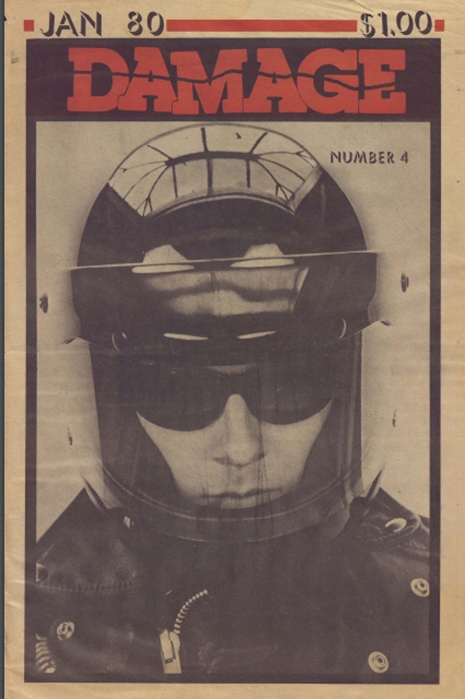
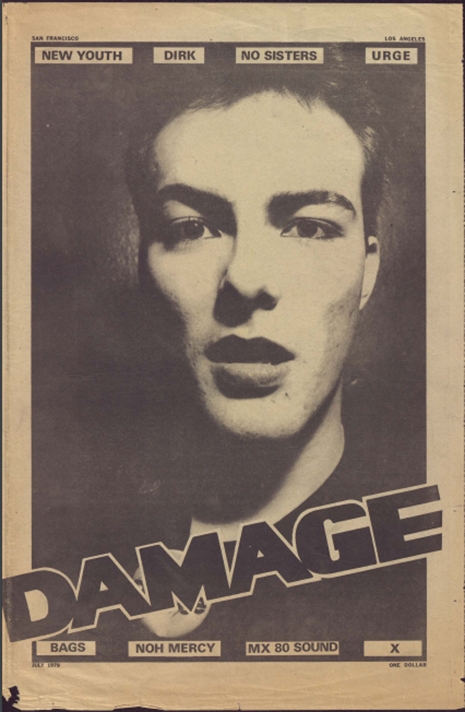
The breadth and range of local punk rock fanzines, from the UK, the States, and else­where, can seem stag­ger­ing, and the qual­i­ty curve is a steep one—from bare­ly leg­i­ble, mimeo­graphed broad­sheets to large-for­mat newsprint affairs with pro­fes­sion­al lay­out and type­set­ting, like leg­endary titles Touch & Go and Search & Destroy. The lat­ter pub­li­ca­tion emerged from the rich, but often over­looked San Fran­cis­co scene and fea­tured fre­quent con­tri­bu­tions from Dead Kennedys’ singer Jel­lo Biafra, who appears on the cov­er of anoth­er San Fran­cis­co ‘zine, Dam­age (top), “as fine an exam­ple of the [punk ‘zine] form as any you care to name,” writes Dan­ger­ous Minds. Thanks to Austin-based archivist Ryan Richard­son, you can down­load 13 com­plete issues of Dam­age, from 1979 to 1981, in one large PDF.
slash_magazine_header_465_634_int

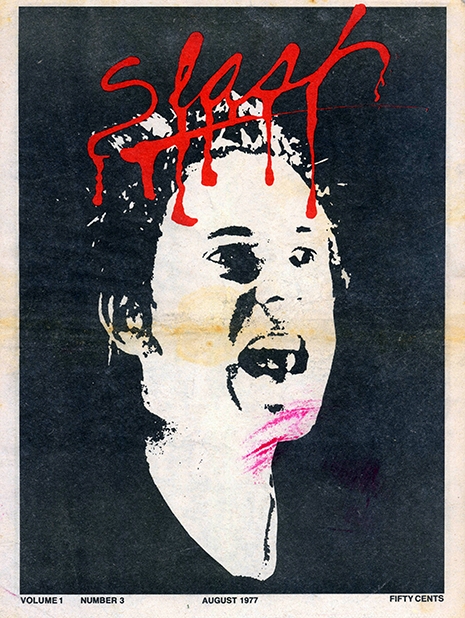
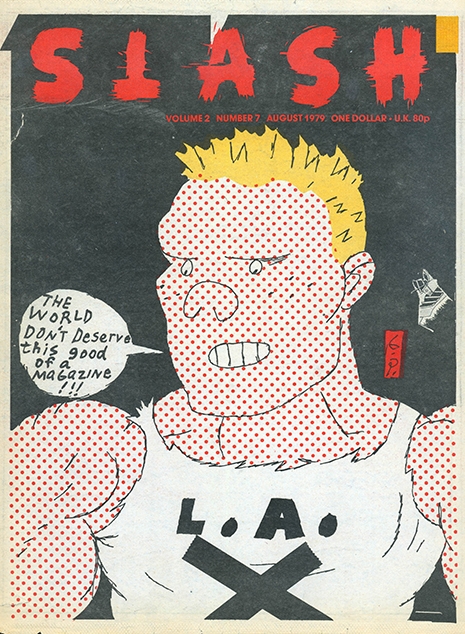
Through his project Cir­cu­la­tion Zero, Richard­son has made oth­er punk mag­a­zine col­lec­tions avail­able as well, in “an attempt to answer some ques­tions…. Are col­lec­tions bet­ter off inside insti­tu­tion­al libraries or in the hands of col­lec­tors? Should ancient in-fight­ing pre­vent bring­ing the punk print hey-day to a new gen­er­a­tion?” Obvi­ous­ly on that account, he’s come to terms with “eggshell walk­ing over copy­right issues” and decid­ed to deliv­er not only Dam­age but two more sem­i­nal titles from the West Coast punk scene’s gold­en age: Slash and No Mag. Each down­load is fair­ly large, includ­ing as they do “sin­gle search­able PDFs” of print runs over sev­er­al years. In the case of Slash, we get a whop­ping 29 issues, from 1977 to 1980, and Richard­son gives us 14 issues of No Mag, from 1978 to 1985. Because “some pub­li­ca­tions stuck around for a long time,” he writes, “I’ve picked a rea­son­able stop­ping point based most­ly on when my fas­ci­na­tion pre­cip­i­tous­ly declines head­ing into the mid-80s.”

slash_v1_n03_p01_465_618_int

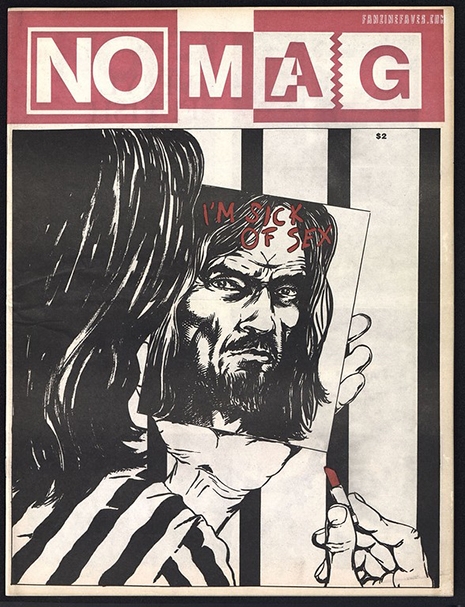
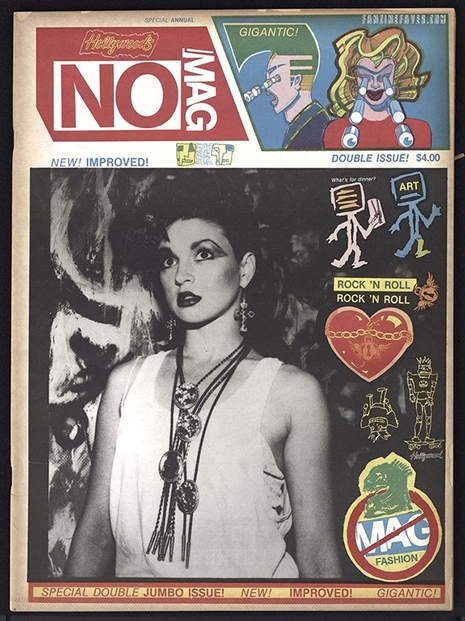
Even so, these col­lec­tions are mag­nif­i­cent rep­re­sen­ta­tions of the most fer­tile years of the move­ment, and they cap­ture some of the most nec­es­sary pub­li­ca­tions for fans and schol­ars seek­ing to under­stand punk cul­ture. “The impor­tance of Slash,” Dan­ger­ous Minds writes, “to the L.A. punk scene, and real­ly to the world­wide punk scene in gen­er­al, can­not be over­stat­ed.” The edgi­er, “filth­i­er” No Mag’s “trans­gres­sive art and pho­tog­ra­phy, along with the inter­views of now-leg­endary bands, make this run a cru­cial his­tor­i­cal resource.”

Found­ed in 1978 by Bruce Kalberg and Michael Gira—before he moved to New York and start­ed pun­ish­ing noise-rock band SwansNo Mag’s cat­a­log includ­ed the usu­al roundup of L.A. punk heroes: X, Fear, the Germs, Sui­ci­dal Ten­den­cies, along with sev­er­al for­got­ten local stal­warts as well. This par­tic­u­lar rag—as an L.A. Week­ly piece detailed—“fre­quent­ly bor­dered on the porno­graph­ic… forc­ing [Kalberg] to man­u­fac­ture it in San Fran­cis­co, where print­ers are appar­ent­ly more tol­er­ant.” It may go with­out say­ing, but we say it all the same: many of these pages make for unsafe work view­ing.

nomag07_p01-XL_465_607_int

Cir­cu­la­tion Zero gen­er­ous­ly makes these invalu­able col­lec­tions avail­able to all, osten­si­bly free of charge, but with the under­stand­ing that read­ers will “decide what your expe­ri­ence was worth and then donate” to char­i­ties of Richardson’s choice, includ­ing the Elec­tron­ic Fron­tier Foun­da­tion and Doc­tors With­out Bor­ders. You’ll find down­load links for all three titles on this page, and dona­tion links here. How­ev­er much, or lit­tle, you’re able to give (on your hon­or!), it’s worth the time and cost. Whether you’re an old-school punk, a new fan learn­ing the his­to­ry, or an aca­d­e­m­ic cul­tur­al his­to­ri­an or the­o­rist, you’ll glean an ines­timable amount of knowl­edge and plea­sure from these archives.

nomag14_p01-XL_465_621_int

via Dan­ger­ous Minds

Relat­ed Con­tent:

Down­load 834 Rad­i­cal Zines From a Rev­o­lu­tion­ary Online Archive: Glob­al­iza­tion, Punk Music, the Indus­tri­al Prison Com­plex & More

The Night John Belushi Booked the Punk Band Fear on Sat­ur­day Night Live, And They Got Banned from the Show

The Cramps Play a Men­tal Hos­pi­tal in Napa, Cal­i­for­nia in 1978: The Punk­est of Punk Con­certs

Josh Jones is a writer and musi­cian based in Durham, NC. Fol­low him at @jdmagness
Download All 8 Issues of Dada, the Arts Journal That Publicized the Avant-Garde Movement a Century Ago (1917–21)

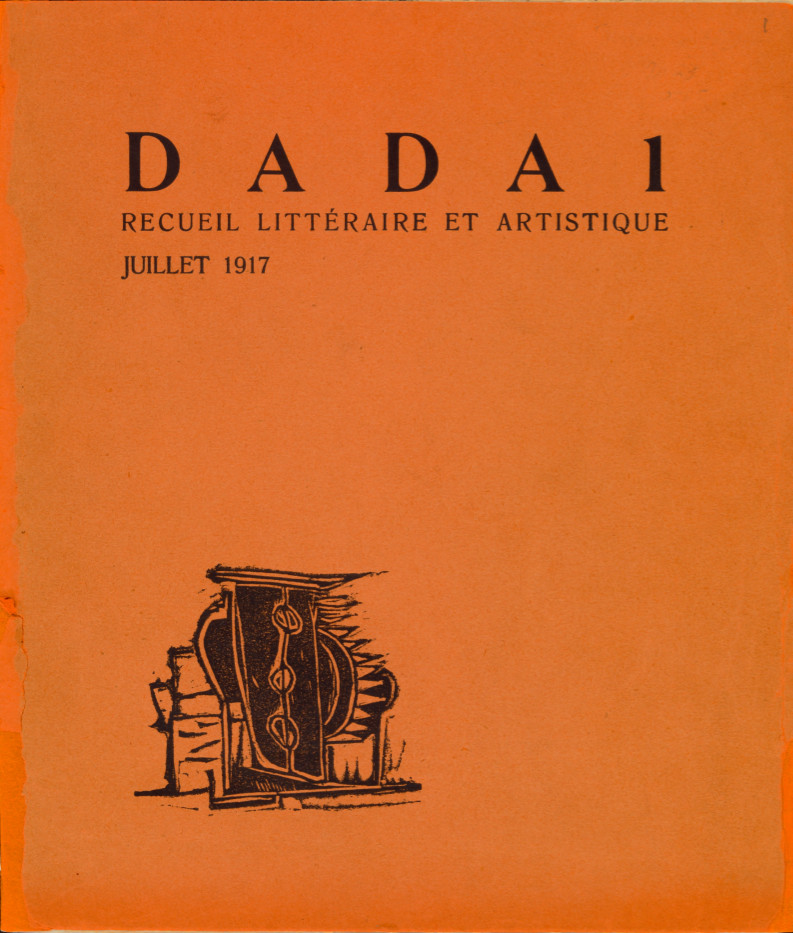
Dada_1_Jul_1917

Sur­re­al­ism, Dis­cor­dian­ism, Frank Zap­pa, Sit­u­a­tion­ism, punk rock, the Res­i­dents, Devo… the anar­chists of coun­ter­cul­ture in all their var­i­ous guis­es may nev­er have come into being—or into the being they did—were it not for an anti-art move­ment that called itself Dada. And like many of those anar­chist coun­ter­cul­tur­al move­ments and artists, Dada came about not as a play­ful exper­i­ment in “dis­rupt­ing” the art world for fun and profit—to use the cur­rent jargon—but as a polit­i­cal­ly-charged response to ratio­nal­ized vio­lence and com­pla­cent banal­i­ty. In this case, as a response to Euro­pean culture’s descent into the mass-mur­der of World War One, and to the domes­ti­ca­tion of the avant-garde’s many pro­lif­er­at­ing isms.

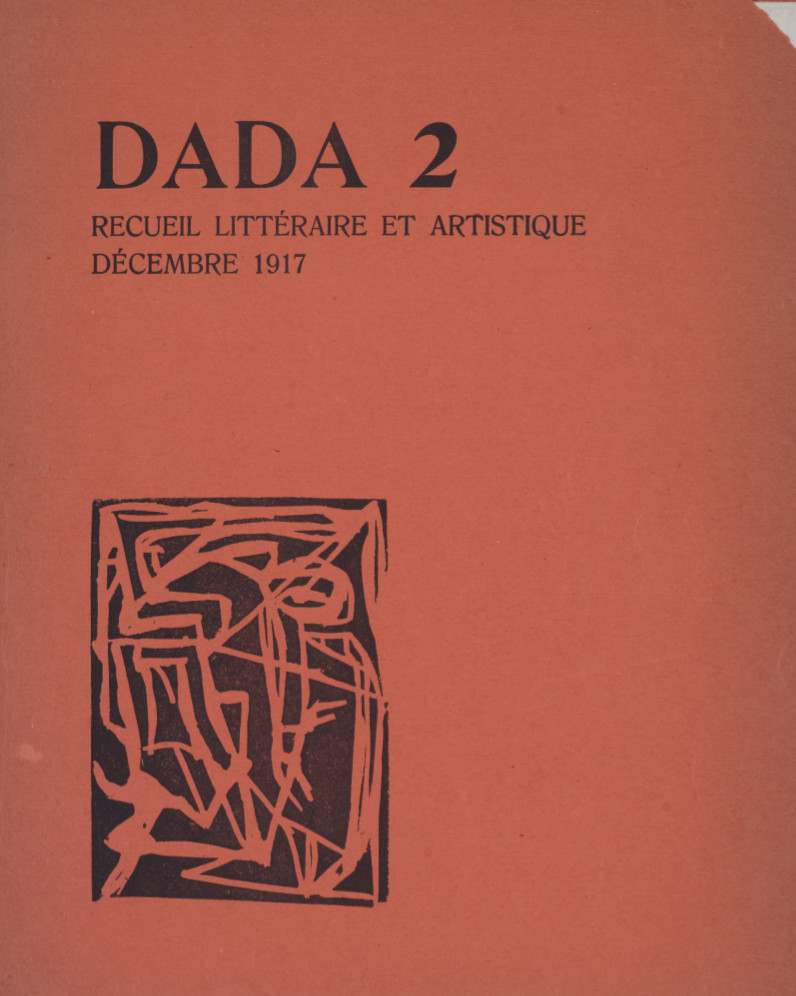
Dada_2_Dec_1917

The explic­it tenets of Dada, in their inten­tion­al­ly scram­bled way, were ecu­meni­cal, inter­na­tion­al, anti-elit­ist, and con­cerned with ques­tions of craft. “The hos­pi­tal­i­ty of the Swiss is some­thing to be pro­found­ly appre­ci­at­ed,” wrote poet Hugo Ball in his 1916 Dada man­i­festo, “And in ques­tions of aes­thet­ics the key is qual­i­ty.” Ball con­ceived Dada as a means of reach­ing back toward pri­mal ori­gins, “to show how artic­u­lat­ed lan­guage comes into being…. I shall be read­ing poems that are meant to dis­pense with con­ven­tion­al lan­guage, no less, and to have done with it.” Risk­ing a lapse into solip­sism, Ball sneered at “The word, the word, the word out­side your domain, your stuffi­ness, this laugh­able impo­tence, your stu­pen­dous smug­ness, out­side all the par­rotry of your self-evi­dent lim­it­ed­ness.” And yet, he con­clud­ed, “The word, gen­tle­men, is a pub­lic con­cern of the first impor­tance.”

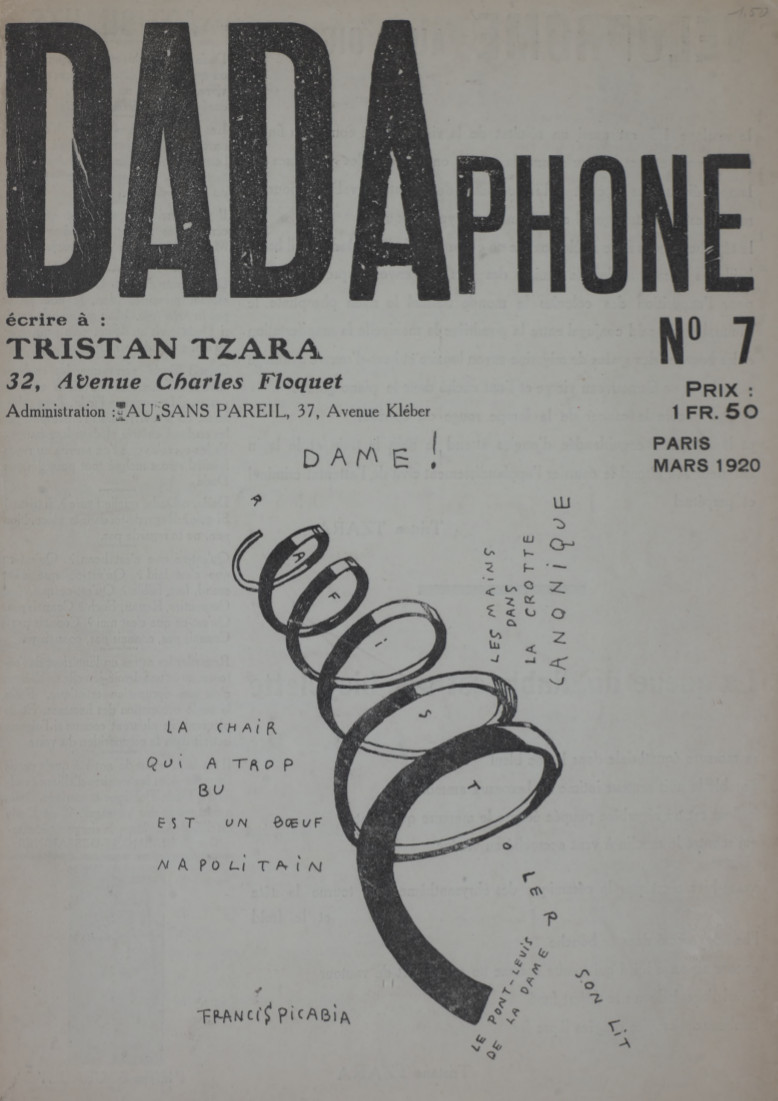
Dada_7_Mar_1920

Two years lat­er, artist Tris­tan Tzara issued a more bil­ious Dada man­i­festo with sim­i­lar intent: “a need for inde­pen­dence… a dis­trust toward uni­ty.” At once intense­ly polit­i­cal and anti-the­o­ret­i­cal, he wrote, “Those who are with us pre­serve their free­dom…. Here we are drop­ping our anchor in fer­tile ground.” How right he was, we can say 100 years lat­er. “How­ev­er short-lived,” writes Corin­na da Fon­se­ca-Woll­heim in a New York Times cel­e­bra­tion of Dada’s 100th anniver­sary, “Dada con­sti­tutes some­thing like the Big Bang of Mod­ernism.” Both Ball and Tzara posi­tioned Dada as a col­lec­tive, inter­na­tion­al move­ment. As such, it need­ed a pub­li­ca­tion to both cen­tral­ize and spread its anti-estab­lish­ment mes­sages: thus Dada, the arts jour­nal, first pub­lished in 1917 and print­ing 8 issues in Zurich and Paris until 1921.

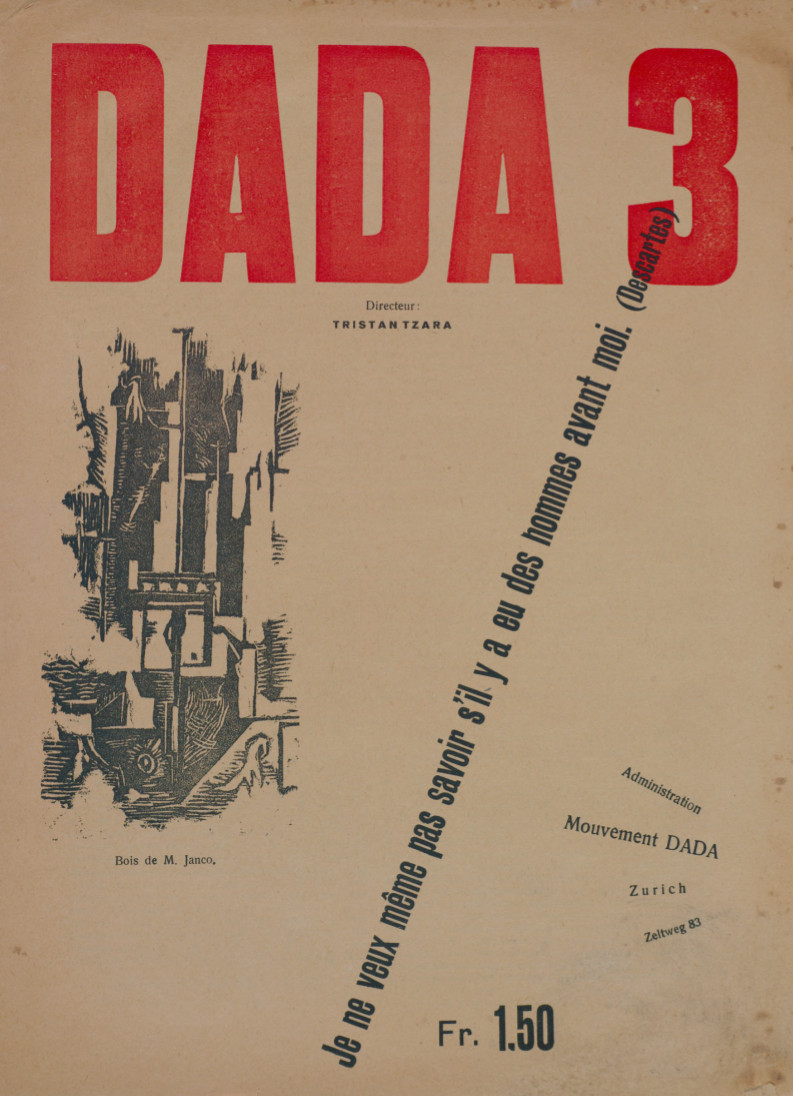
Dada_3_Dec_1918

Edit­ed by Tzara and includ­ing his man­i­festo in issue 3, the mag­a­zine “served to dis­tin­guish and define Dada in the many cities it infil­trat­ed,” writes the Art Insti­tute of Chica­go, “and allowed its major fig­ures to assert their pow­er and posi­tion.” Dada suc­ceed­ed a pre­vi­ous attempt by Ball at a jour­nal called Cabaret Voltaire—named for his Zurich theater—which sur­vived for one issue in 1917 before fold­ing, along with the first ver­sion of the cabaret. That year, Tzara, “an ambi­tious and skilled pro­mot­er… began a relent­less cam­paign to spread the ideas of Dada…. As Dada gained momen­tum, Tzara took on the role of a prophet by bom­bard­ing French and Ital­ian artists and writ­ers with let­ters about Dada’s activ­i­ties.” What­ev­er Dada was, it wasn’t shy about pro­mot­ing itself.

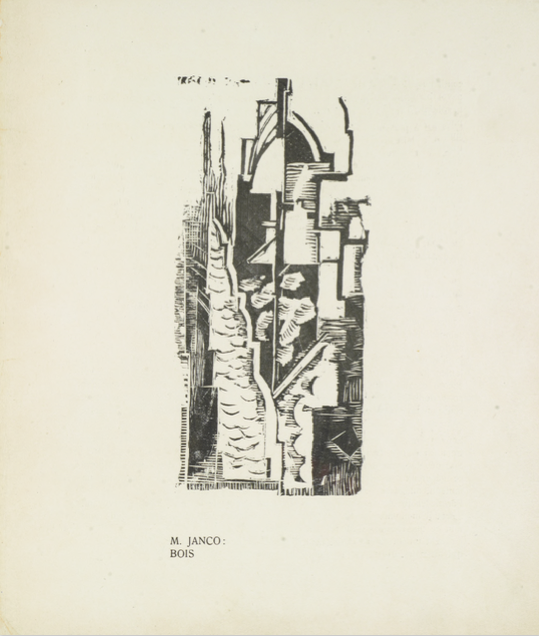
Janco Dada

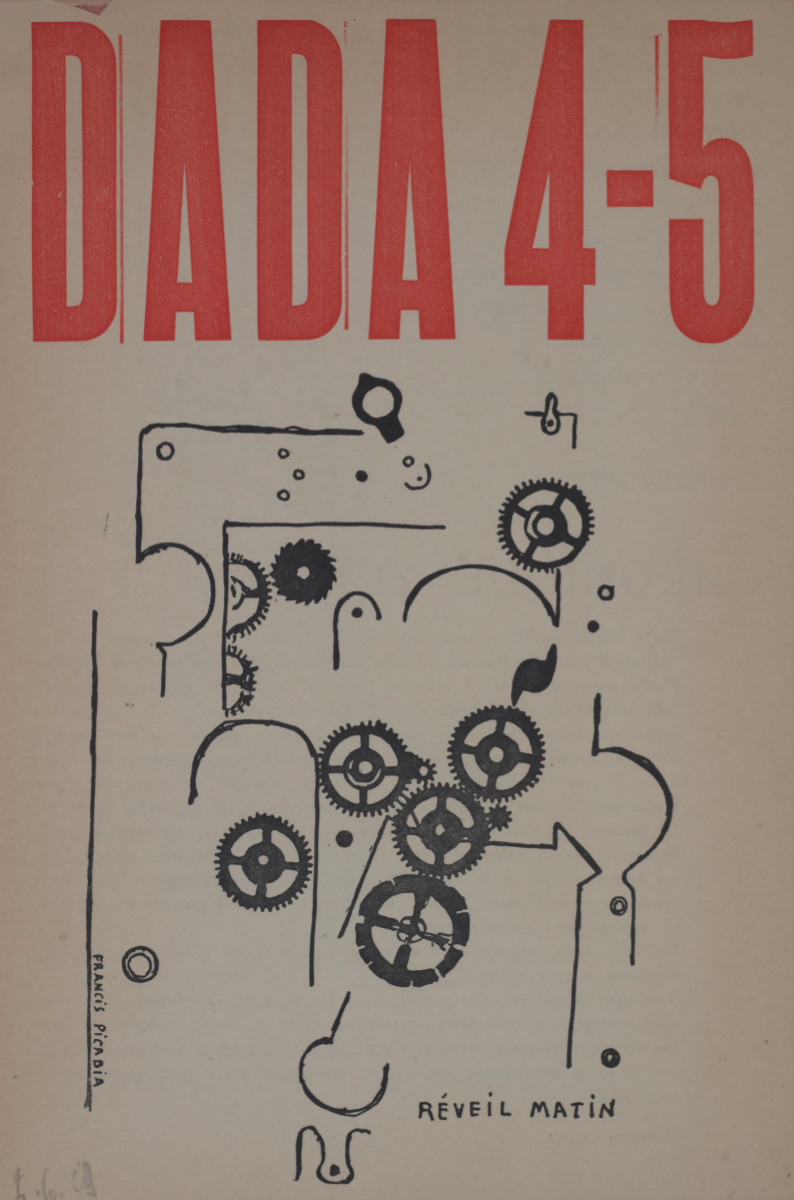
The first issue (cov­er at the top), con­tained com­men­tary and poet­ry in French and Ital­ian, and art­work like that above by impor­tant Roman­ian Dada artist, archi­tect, and the­o­rist Mar­cel Jan­co. Issues 4 and 5 were pub­lished togeth­er as an anthol­o­gy, then World War I end­ed, and with trav­el again pos­si­ble, Tzara, sev­er­al Dada com­pa­tri­ots, and the jour­nal moved to Paris. The final issue, Num­ber 8, appeared in a trun­cat­ed form. You can down­load each issue as a PDF from Mono­skop or from Prince­ton University’s Blue Moun­tain Project, which also has an online view­er that allows you to pre­view each page before down­load­ing.

Dada_4-5_May_1919

Ball and Tzara were not the only assertive dis­sem­i­na­tors of Dada’s art and aims. The Art Insti­tute of Chica­go notes that in Berlin a “high­ly aggres­sive and polit­i­cal­ly involved Dada group” pub­lished its own short-lived jour­nal, Der Dada, from 1919–1920. Down­load all three issues of that pub­li­ca­tion from the Uni­ver­si­ty of Iowa here.

Relat­ed Con­tent:

Dada Was Born 100 Years Ago: Cel­e­brate the Avant-Garde Move­ment Launched by Hugo Ball on July 14, 1916      

Hear the Exper­i­men­tal Music of the Dada Move­ment: Avant-Garde Sounds from a Cen­tu­ry Ago

Exten­sive Archive of Avant-Garde & Mod­ernist Mag­a­zines (1890–1939) Now Avail­able Online

Down­load 336 Issues of the Avant-Garde Mag­a­zine The Storm (1910–1932), Fea­tur­ing the Work of Kandin­sky, Klee, Moholy-Nagy & More

Josh Jones is a writer and musi­cian based in Durham, NC. Fol­low him at @jdmagness
Discover the First Horror & Fantasy Magazine, Der Orchideengarten, and Its Bizarre Artwork (1919–1921)

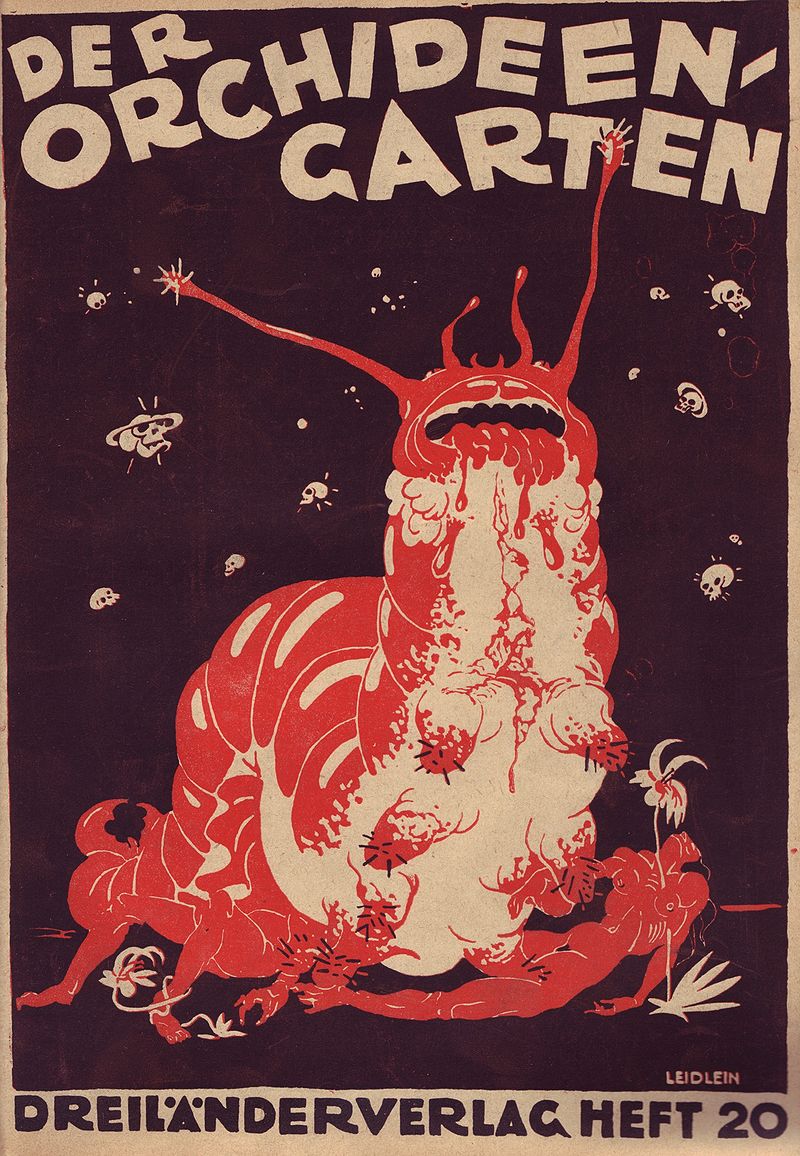
Der_Orchideengarten,_1920_cover_(Leidlein)

From the 18th cen­tu­ry onward, the gen­res of Goth­ic hor­ror and fan­ta­sy have flour­ished, and with them the sen­su­al­ly vis­cer­al images now com­mon­place in film, TV, and com­ic books. These gen­res per­haps reached their aes­thet­ic peak in the 19th cen­tu­ry with writ­ers like Edgar Allan Poe and illus­tra­tors like Gus­tave Dore. But it was in the ear­ly twen­ti­eth cen­tu­ry that a more pop­ulist sub­genre tru­ly came into its own: “weird fic­tion,” a term H.P. Love­craft used to describe the pulpy brand of super­nat­ur­al hor­ror cod­i­fied in the pages of Amer­i­can fan­ta­sy and hor­ror mag­a­zine Weird Talesfirst pub­lished in 1923. (And still going strong!)

Orchid_2

A pre­cur­sor to EC Comics’ many lurid titles, Weird Tales is often con­sid­ered the defin­i­tive ear­ly twen­ti­eth cen­tu­ry venue for weird fic­tion and illus­tra­tion.

But we need only look back a few years and to anoth­er con­ti­nent to find an ear­li­er pub­li­ca­tion, serv­ing Ger­man-speak­ing fans — Der Orchideen­garten (“The Gar­den of Orchids”), the very first hor­ror and fan­ta­sy mag­a­zine, which ran 51 issues from Jan­u­ary 1919 to Novem­ber 1921.

Orchid_3

The mag­a­zine fea­tured work from its edi­tors Karl Hans Strobl and Alfons von Czibul­ka, from bet­ter-known con­tem­po­raries like H.G. Wells and Karel Capek, and from fore­fa­thers like Dick­ens, Pushkin, Guy de Mau­pas­sant, Poe, Voltaire, Wash­ing­ton Irv­ing, Nathaniel Hawthorne, and oth­ers. “Although two issues of Der Orchideen­garten were devot­ed to detec­tive sto­ries,” writes 50 Watts, “and one to erot­ic sto­ries about cuck­olds, it was a gen­uine fan­ta­sy mag­a­zine.” And it was also a gallery of bizarre and unusu­al art­work.

04-Der-Orchideengarten--1919--German-magazine-cover_900

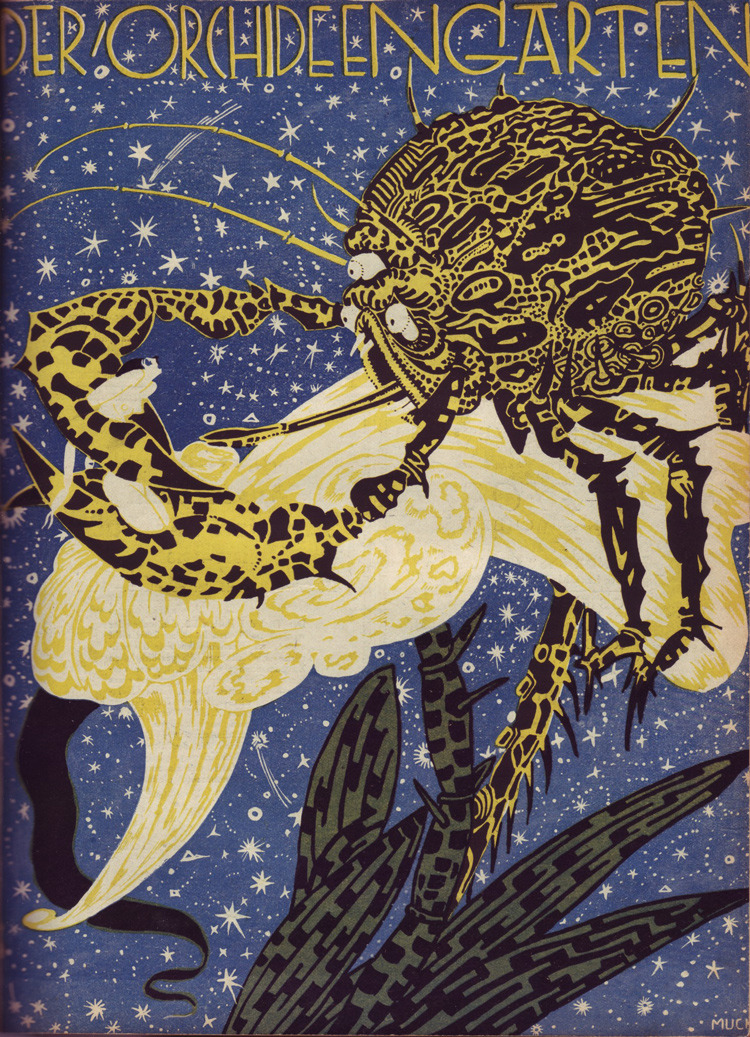
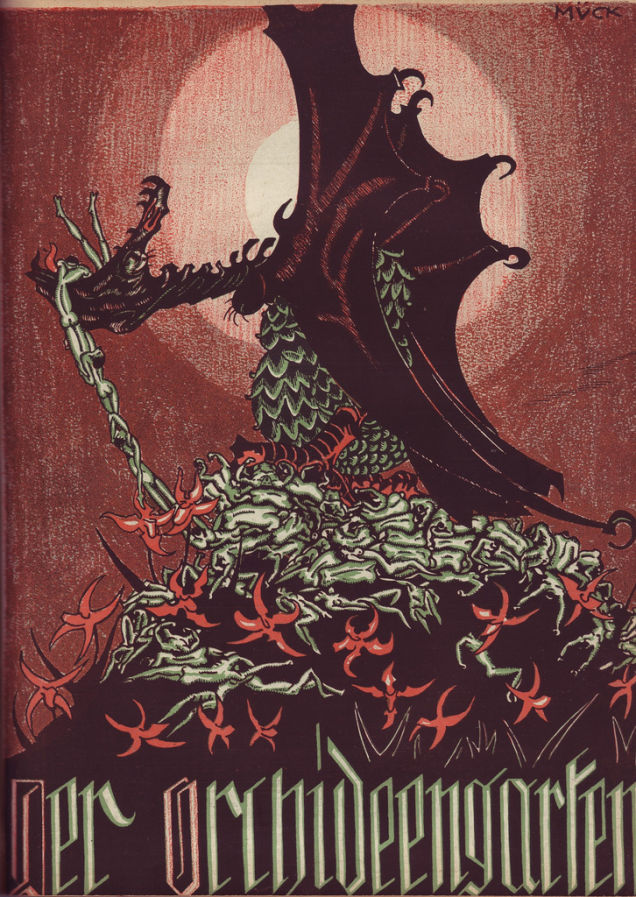
50 Watts quotes from Franz Rottensteiner’s descrip­tion of the magazine’s art, which ranged “from rep­re­sen­ta­tions of medieval wood­cuts to the work of mas­ters of the macabre such as Gus­tave Dore or Tony Johan­not, to con­tem­po­rary Ger­man artists like Rolf von Hoer­schel­mann, Otto Lenneko­gel, Karl Rit­ter, Hein­rich Kley, or Alfred Kubin.” These artists cre­at­ed the cov­ers and illus­tra­tions you see here, and many more you can see at 50 Watts, the black sun, and John Coulthart’s {feuil­leton}.

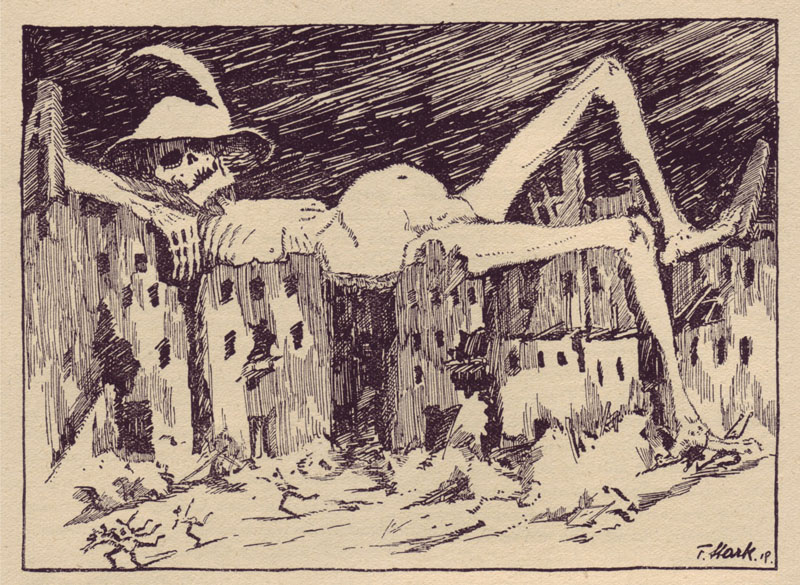
Orchid_5

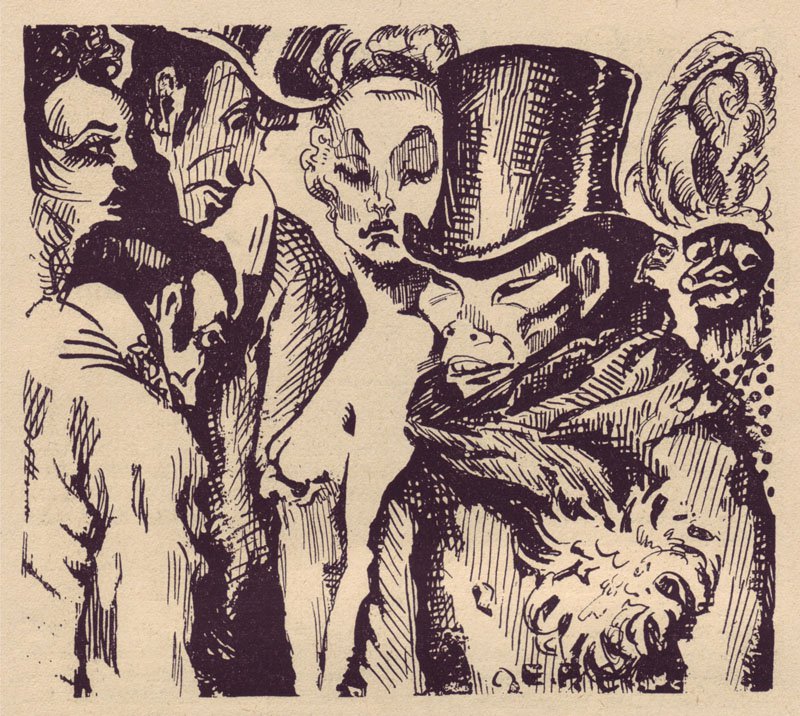
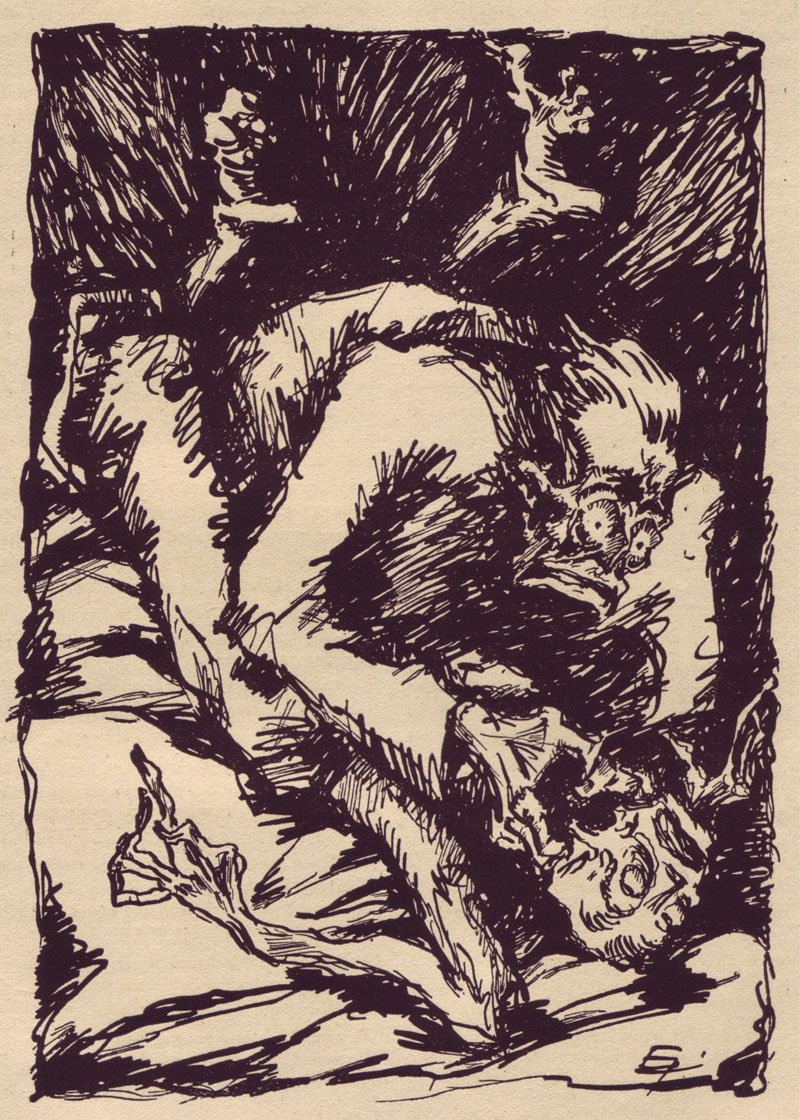
“What strikes me about these black-and-white draw­ings,” like the dense, fren­zied pen-and-ink scene above, Coulthart com­ments, “is how dif­fer­ent they are in tone to the pulp mag­a­zines which fol­lowed short­ly after in Amer­i­ca and else­where. They’re at once far more adult and fre­quent­ly more orig­i­nal than the Goth­ic clichés which padded out Weird Tales and less­er titles for many years.” Indeed, though the for­mat may be sim­i­lar to its suc­ces­sors, Der Orchideen­garten’s cov­ers show the influ­ence of Sur­re­al­ism, “some are almost Expres­sion­ist in style,” and many of the illus­tra­tions show “a dis­tinct Goya influ­ence.”

Orchid_1

Pop­u­lar fan­ta­sy and hor­ror illus­tra­tion has often leaned more toward the soft-porn of sev­en­ties air­brushed vans, pulp-nov­el cov­ers, or the gris­ly kitsch of the comics. Rot­ten­stein­er writes in his 1978 Fan­ta­sy Book that this “large-for­mat mag­a­zine… must sure­ly rank as one of the most beau­ti­ful fan­ta­sy mag­a­zines ever pub­lished.” It’s hard to argue with that assess­ment. View, read (in Ger­man), and down­load orig­i­nal scans of the magazine’s first sev­er­al issues over on this Prince­ton site.

via 50 Watts

Relat­ed Con­tent:

Exten­sive Archive of Avant-Garde & Mod­ernist Mag­a­zines (1890–1939) Now Avail­able Online

The Pulp Fic­tion Archive: The Cheap, Thrilling Sto­ries That Enter­tained a Gen­er­a­tion of Read­ers (1896–1946)

The First Illus­tra­tions of H.G. Wells’ War of the Worlds: The Sur­re­al & Hor­ri­fy­ing Art of Hen­rique Alvim Cor­rêa (1906)

Josh Jones is a writer and musi­cian based in Durham, NC. Fol­low him at @jdmagness
Download a Complete, Cover-to-Cover Parody of The New Yorker: 80 Pages of Fine Satire

jorker combo

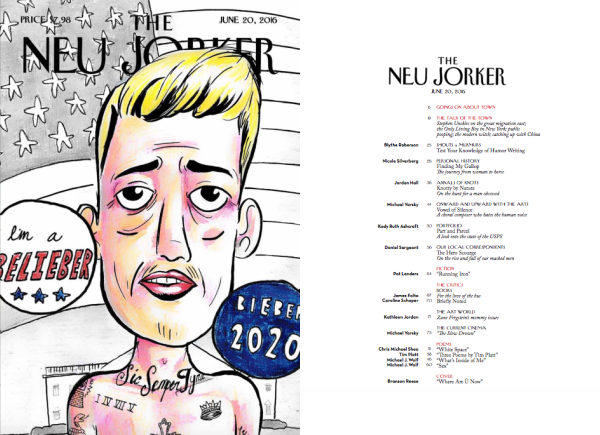
From Andrew Lip­stein & James Fol­ta comes The Neu Jork­er, a great par­o­dy of the high-brow mag­a­zine, The New York­er. The table of con­tents, the con­trib­u­tor bios, the car­toons, the ads, the articles–they’re all imi­tat­ed in a near­ly pitch per­fect way, just tak­en one degree fur­ther into the realm of slight absur­di­ty. Down­load The Neu Jork­er in high-res for­mats via Drop­box and Scribd, and you’ll see what I mean.

On page 4 of the mag­a­zine, Lip­stein and Vol­ta write, “The Neu Jork­er was a labor of love… Not a sin­gle cent was spent or made on this project. We’ve done our share of research on fair use and par­o­dy law (a sol­id Wikipedia skim), and are pret­ty sure we’re good, but we do hope that the mag­a­zine-not-to-be-named under­stands that this is some­where between satire, par­o­dy, and homage.” We’re hop­ing, too, that David Rem­nick and the lawyers at Conde Nast will appre­ci­ate the effort that went into this 80 page, cov­er-to-cov­er par­o­dy.

Con­trib­u­tors to The Neu Jork­er come from The OnionClick­HoleThe New York­er, the Late Show with David Let­ter­man, the Late Show with Stephen Col­bert, McSweeney’s, the Upright Cit­i­zens Brigade and var­i­ous oth­er fun­ny places.

Down­load the par­o­dy here. And speak­ing of The New York­er, just a quick reminder that Mal­colm Glad­well has launched a pod­cast called “Revi­sion­ist His­to­ry” today. You can hear the first episode here.

via Metafil­ter/AV Club

If you would like to sign up for Open Culture’s free email newslet­ter, please find it here. It’s a great way to see our new posts, all bun­dled in one email, each day.

If you would like to sup­port the mis­sion of Open Cul­ture, con­sid­er mak­ing a dona­tion to our site. It’s hard to rely 100% on ads, and your con­tri­bu­tions will help us con­tin­ue pro­vid­ing the best free cul­tur­al and edu­ca­tion­al mate­ri­als to learn­ers every­where. You can con­tribute through Pay­Pal, Patre­on, and Ven­mo (@openculture). Thanks!

Relat­ed Con­tent:

Mal­colm Glad­well Has Launched a New Pod­cast, Revi­sion­ist His­to­ry: Hear the First Episode

Al Jaf­fee, the Longest Work­ing Car­toon­ist in His­to­ry, Shows How He Invent­ed the Icon­ic “Folds-Ins” for Mad Mag­a­zine

The New York­er’s “Com­ma Queen” Mer­ci­ful­ly Explains the Dif­fer­ence Between Who/Whom, Lay/Lie, Less/Fewer & Beyond

The New Yorker’s Fic­tion Pod­cast: Where Great Writ­ers Read Sto­ries by Great Writ­ers

A Complete Digitization of the 1960s Magazine Avant Garde: From John Lennon’s Erotic Lithographs to Marilyn Monroe’s Last Photos

avant garde magazine digitization

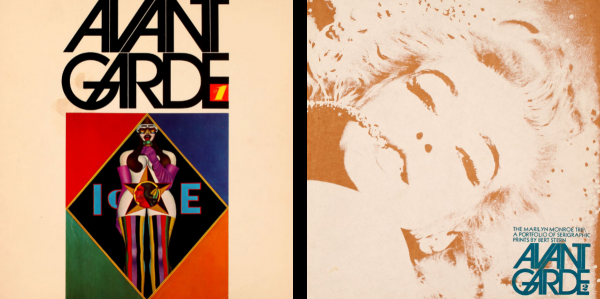
Briefly not­ed: Avant Garde mag­a­zine had a rel­a­tive­ly short run. It pro­duced only 16 issues between Jan­u­ary 1968 and July 1971. But it left its mark, influ­enc­ing tastemak­ers with­in the arts world, and it’s now been prop­er­ly dig­i­tized for pos­ter­i­ty.

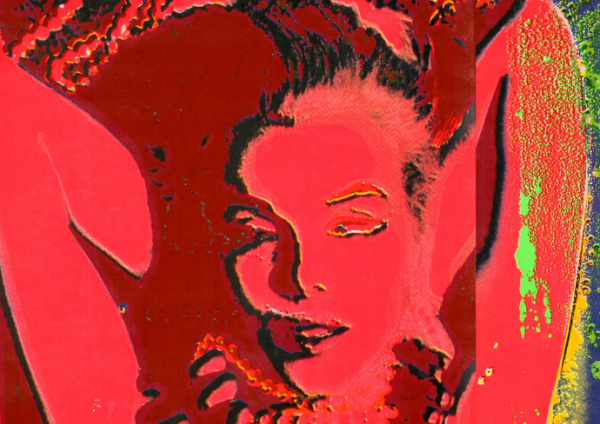
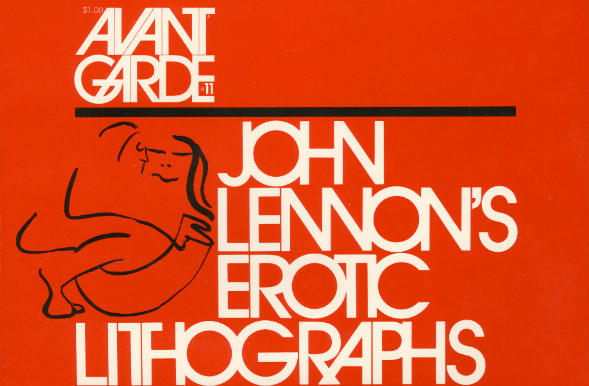
A col­lab­o­ra­tion between Ralph Ginzburg (edi­tor) and Herb Lubalin (art direc­tor), Avant Garde is part­ly remem­bered for its rad­i­cal pol­i­tics and embrace of erot­ic con­tent. (Issue #5 launched a “No More War” poster com­pe­ti­tion; Issue #11 fea­tured John Lennon and Yoko Ono’s erot­ic lith­o­graphs; Issue #2 pre­sent­ed phan­tas­magoric ver­sions of Bert Stern’s semi-nude pho­tos of Mar­i­lyn Mon­roe.)

marilyn stern

But prob­a­bly the great­est lega­cy of the mag­a­zine is the logo Lubalin designed, which gave birth to the Avant Garde type­face that still lives today. (Get more on that here.)

All 16 issues were scanned by the Inter­net Archive, and put online by Mindy Seu. You can read Avant Garde in all of its dig­i­tal glo­ry here.

lennon lithographs

If you would like to sign up for Open Culture’s free email newslet­ter, please find it here. It’s a great way to see our new posts, all bun­dled in one email, each day.

If you would like to sup­port the mis­sion of Open Cul­ture, con­sid­er mak­ing a dona­tion to our site. It’s hard to rely 100% on ads, and your con­tri­bu­tions will help us con­tin­ue pro­vid­ing the best free cul­tur­al and edu­ca­tion­al mate­ri­als to learn­ers every­where. You can con­tribute through Pay­Pal, Patre­on, and Ven­mo (@openculture). Thanks!

Relat­ed Con­tent:

Down­load 336 Issues of the Avant-Garde Mag­a­zine The Storm (1910–1932), Fea­tur­ing the Work of Kandin­sky, Klee, Moholy-Nagy & More

Exten­sive Archive of Avant-Garde & Mod­ernist Mag­a­zines (1890–1939) Now Avail­able Online

2,200 Rad­i­cal Polit­i­cal Posters Dig­i­tized: A New Archive

by | Permalink | Make a Comment ( 3 ) |

Download Issues of Landmark UK Feminist Magazine Spare Rib Free Online

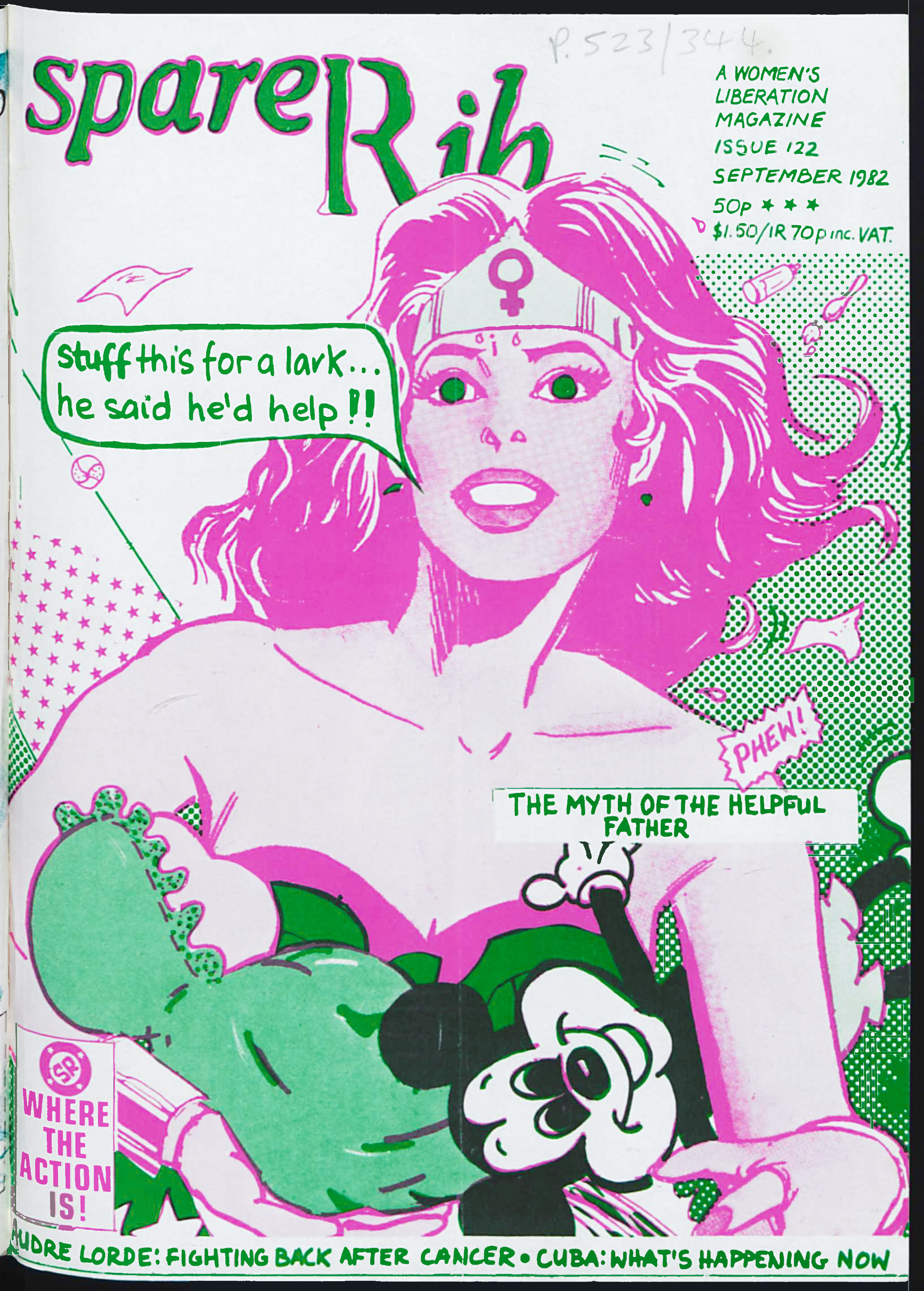
spare-rib-front-cover -Issue122-0001

The fem­i­nism we asso­ciate with the myth­i­cal­ly bra-burn­ing six­ties and seventies—with Bet­ty Friedan and Glo­ria Steinem—falls under the so-called Sec­ond Wave of the move­ment. And it has some­times been cast by its crit­ics and suc­ces­sors since the 1980s as over­whelm­ing­ly white and mid­dle class, exclud­ing from its canons work­ing class women, women of col­or, and the LGBTQ com­mu­ni­ty.

Advo­cates of intersectionality—the term coined by law pro­fes­sor Kim­ber­lé Cren­shaw in the 80s to describe, writes the New States­man, “how dif­fer­ent pow­er struc­tures inter­act in the lives of minorities”—have made con­cert­ed efforts to broad­en and diver­si­fy the move­ment. But as Cren­shaw her­self admits, the con­cept is not a new one. Its antecedents are “as old as Anna Julia Coop­er, and Maria Stew­art in the 19th cen­tu­ry in the US, all the way through Angela Davis and Deb­o­rah King.”

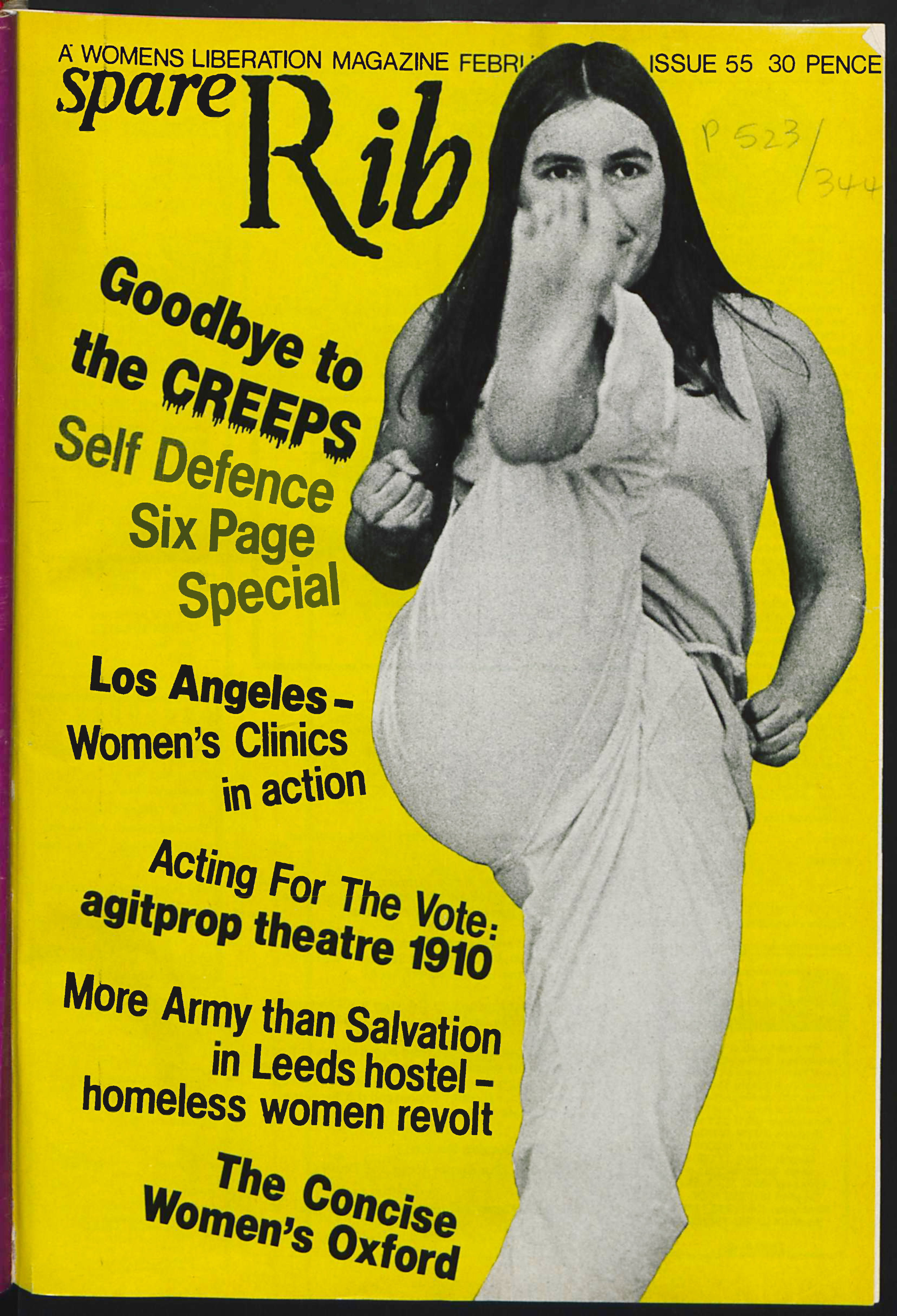
spare-rib-front-cover -Issue55-0001

We can see many of these dis­cus­sions and debates around inter­sec­tion­al­i­ty in Sec­ond Wave fem­i­nism and beyond first­hand in British fem­i­nist mag­a­zine Spare Rib, which is now avail­able online. The Guardian offers a con­cise sum­ma­ry of the magazine’s attempts to “pro­vide an alter­na­tive to tra­di­tion­al gen­der roles” by cov­er­ing

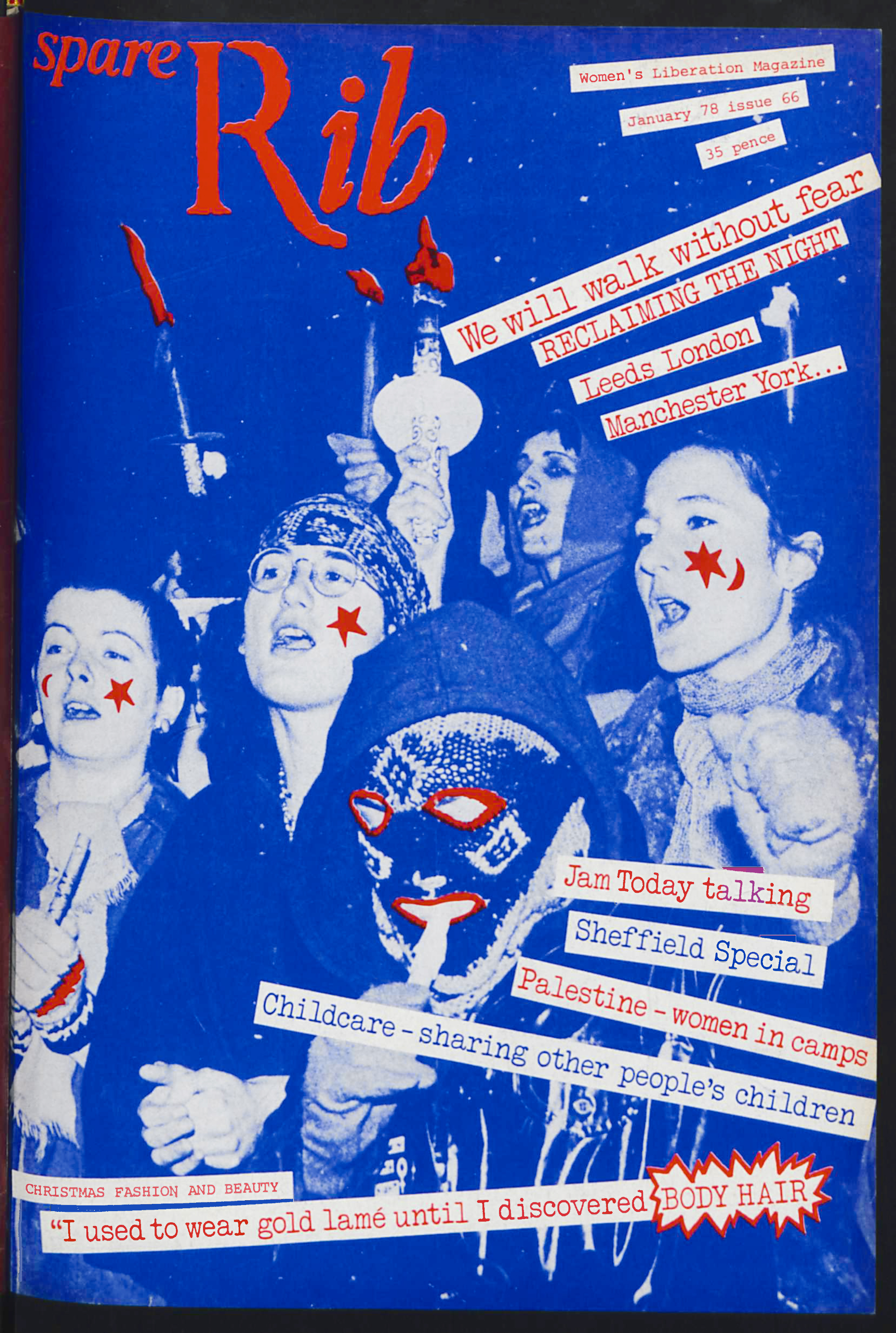
…sub­jects such as “lib­er­at­ing orgasm,” “kitchen sink racism,” anorex­ia and the prac­tice of “cliterec­to­my,” now called female gen­i­tal muti­la­tion. Cov­er head­lines includ­ed “Doctor’s Nee­dles Not Knit­ting Nee­dles” and “Cellulie—the slim­ming fraud” and arti­cles fea­tured women such as coun­try and west­ern singer Tam­my Wynette and US polit­i­cal activist Angela Davis.

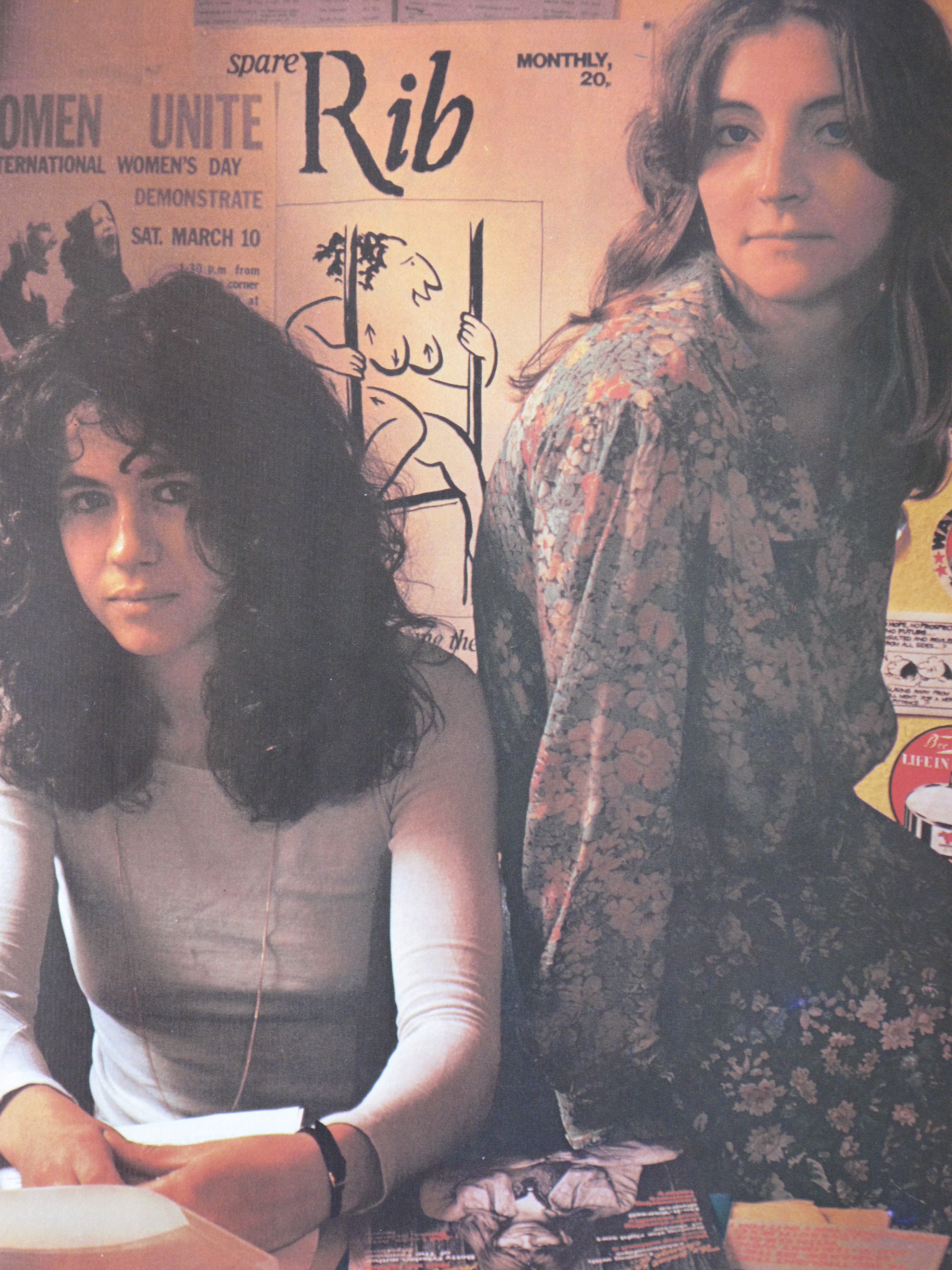
Found­ed in ’72 by Mar­sha Rowe and Rosie Boy­cott (pic­tured below), and run as a col­lec­tive, the mag­a­zine fea­tured a “breadth of voic­es.” Ear­ly issues “involved big-name con­trib­u­tors includ­ing Bet­ty Friedan, Ger­maine Greer, Mar­garet Drab­ble and Alice Walk­er, but along­side these were the voic­es of ordi­nary women telling their sto­ries.” As we see in hun­dreds of pages of Spare Rib, the often very heat­ed argu­ments around issues of race, class, and sex­u­al­i­ty in the fem­i­nist com­mu­ni­ty were no less heat­ed in the past than today.

Marsha-Rowe-and-Rosie-Boycott-in-the-Spare-Rib-offices-1972-Photograph-by-David Wilkerson

One woman who helped push the bound­aries of the con­ver­sa­tion before Spare Rib’s “con­scious effort to diver­si­fy the col­lec­tive mem­ber­ship” was Roisin Boyd, an Irish broad­cast­er and writer who joined in 1980. Boyd describes some of the magazine’s chal­lenges in a British Library ret­ro­spec­tive essay, “Race, place and class: who’s speak­ing for who?” “Over the three years I worked on the col­lec­tive,” she writes, “I was often puz­zled by the fact that although we were all women and all fem­i­nists, how dif­fi­cult it was for us to nego­ti­ate our dif­fer­ences, let alone recog­nise them.”

Boyd found that “some col­lec­tive mem­bers were upper class and wealthy” and “dis­tanced from the real­i­ty of post colo­nial­ism.” Like­wise, The Guardian describes many of the debates in the mag­a­zine as “acri­mo­nious,” giv­en its rep­re­sen­ta­tion of “so many dif­fer­ent threads of fem­i­nism.” Spare Rib “reflect­ed the some­times ‘painful’ dis­cus­sions between the col­lec­tive on how best to tack­le issues such as sex­u­al­i­ty and racism.”

spare-rib-front-cover -Issue66-0001

In spite of, or per­haps because of, these dis­agree­ments, the mag­a­zine “was a high­ly vis­i­ble part of the Women’s Lib­er­a­tion move­ment,” says for­mer col­lec­tive mem­ber Sue O’Sullivan, “and a tool for reach­ing thou­sands of women every sin­gle month for over 20 years.” Now with the dig­i­ti­za­tion of its cat­a­log, it can be “a won­der­ful resource for younger his­to­ri­ans and fem­i­nist activists, researchers and all the women (and men) who won­der what their moth­ers, aunts, grannies and old­er friends got up to all those years ago.” Known for its irrev­er­ent humor, intel­li­gence, and eye-catch­ing cov­ers, Spare Rib pre­serves a record of the many ways fem­i­nist issues and debates have changed over the decades—as well as the many ways they haven’t.

Relat­ed Con­tent:

11 Essen­tial Fem­i­nist Books: A New Read­ing List by The New York Pub­lic Library

Simone de Beau­voir Tells Studs Terkel How She Became an Intel­lec­tu­al and Fem­i­nist (1960)

The First Fem­i­nist Film, Ger­maine Dulac’s The Smil­ing Madame Beudet (1922)

Josh Jones is a writer and musi­cian based in Durham, NC. Fol­low him at @jdmagness
Download 336 Issues of the Avant-Garde Magazine The Storm (1910–1932), Featuring the Work of Kandinsky, Klee, Moholy-Nagy & More

Der_Sturm_1916-09

It’s easy to think of Expres­sion­ism—the art form that flour­ished in Ger­many dur­ing the ear­ly decades of the 20th century—as a kind of inchoate release of emo­tion onto the can­vas. The name itself sug­gests the com­mon idea of art as a means of “express­ing one­self.” Often intense­ly child­like, such as the work of Paul Klee, or com­plete­ly abstract, such as Wass­i­ly Kandinsky’s many geo­met­ric com­po­si­tions, expres­sion­ist styles influ­enced artists through­out the cen­tu­ry whom we tend to asso­ciate with emo­tion over rea­son, pas­sion over restraint: Willem de Koon­ing and Jack­son Pol­lack, Jean-Michel Basquiat and Fran­cis Bacon.

Der_Sturm_1922-04

But let us return to the movement’s roots and we see from its very begin­nings that Expres­sion­ism was high­ly the­o­ret­i­cal in its emo­tion­al­ism. Its high priest, Kandin­sky, pio­neered non-rep­re­sen­ta­tion­al paint­ing, and explained his method in cool­ly ana­lyt­i­cal terms in his trea­tise Con­cern­ing the Spir­i­tu­al in Art. Expressionism—not only in paint­ing, but in dra­ma, sculp­ture, dance, film, and literature—early on com­mu­ni­cat­ed its ideas in a week­ly mag­a­zine, Der Sturm (The Storm), found­ed in 1910 by artist and crit­ic Her­warth Walden and run­ning week­ly until 1914, then quar­ter­ly from 1924 to 1932. In that time, the pub­li­ca­tion amassed quite a few issues, and you can read (in Ger­man) and down­load all 336 of them here.

Der_Sturm_1923-01

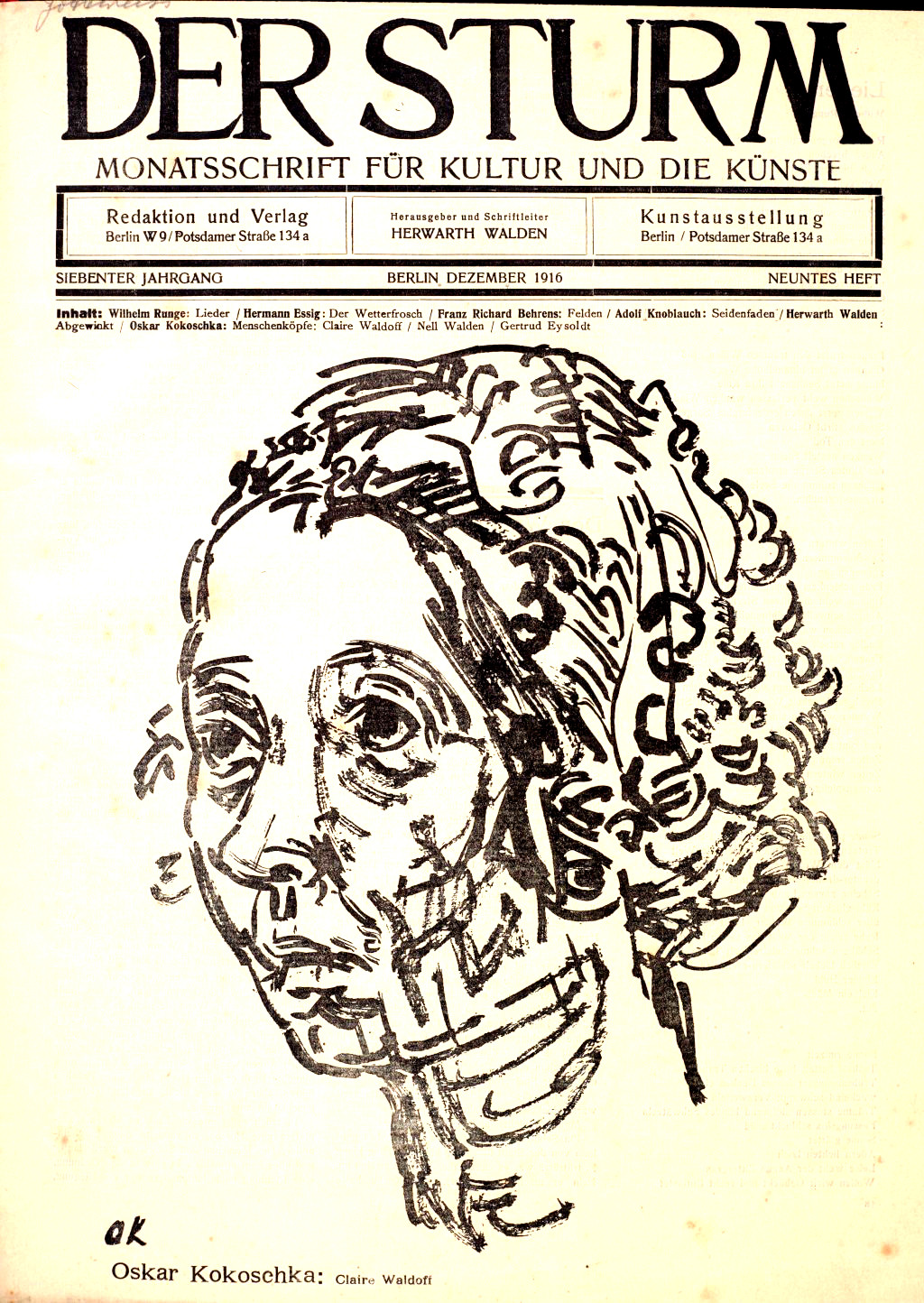
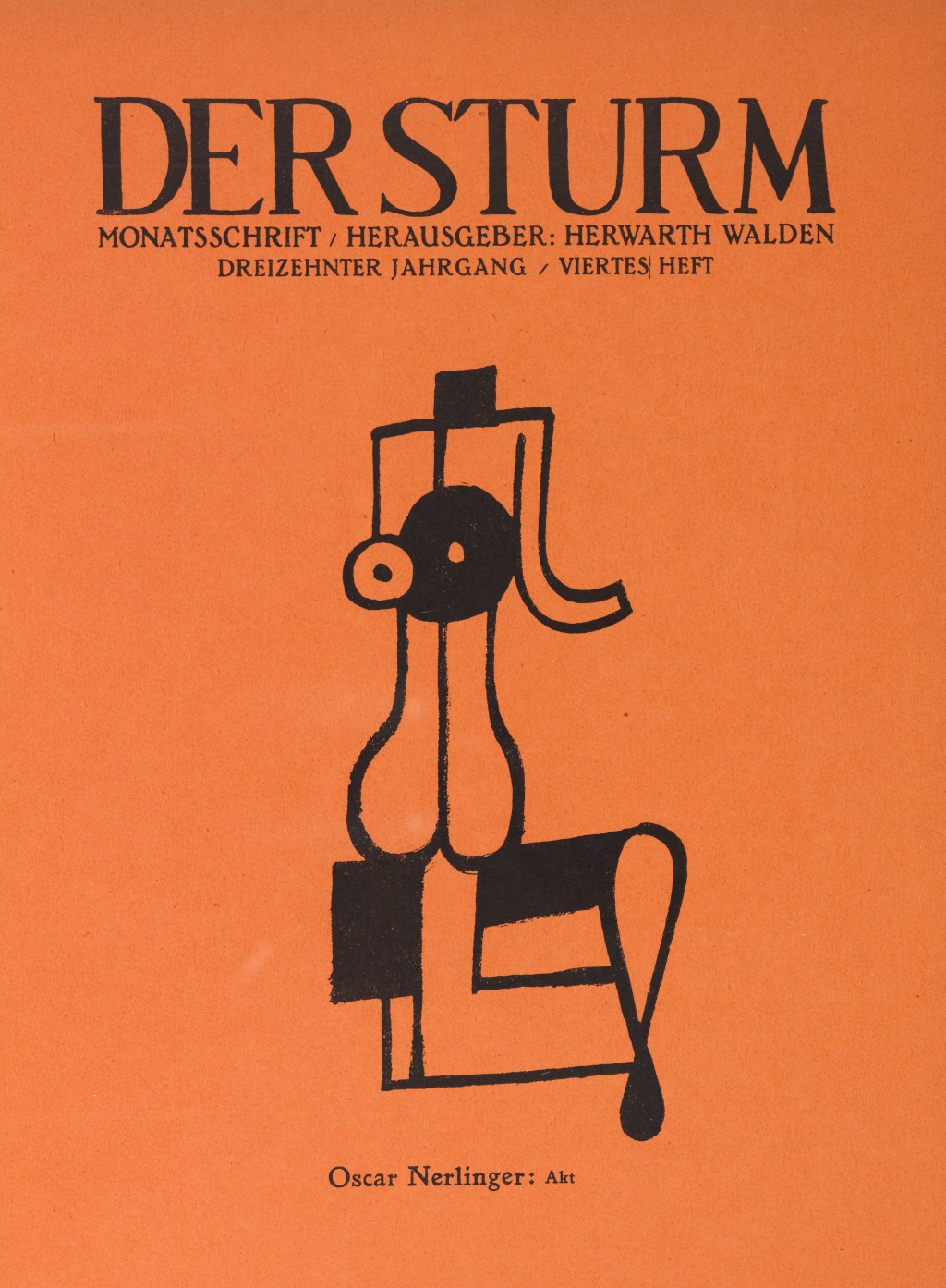
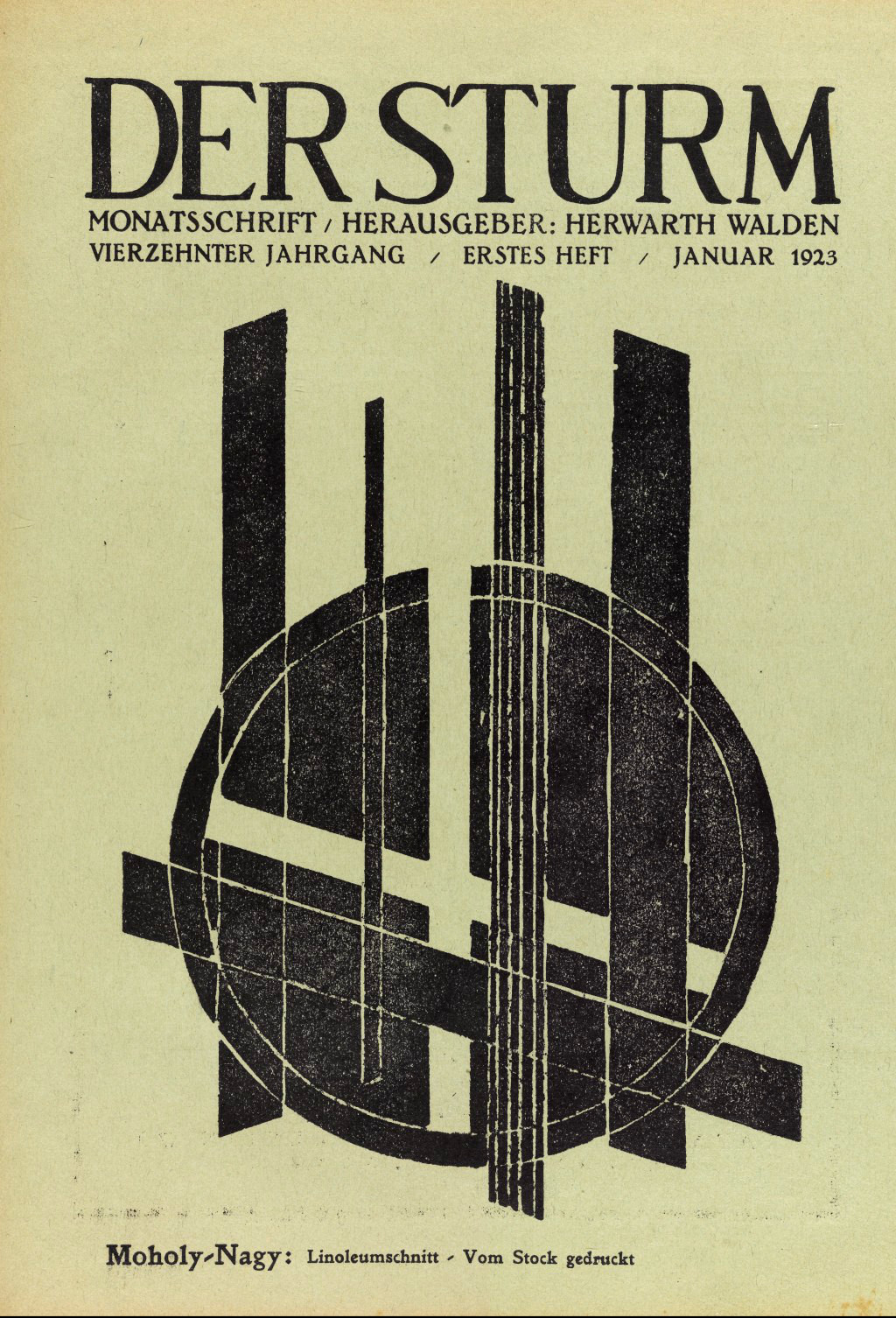
You can also see some of the inspired cov­er designs Der Sturm used over its decades of pub­li­ca­tion. “The mag­a­zine became well known for the inclu­sion of wood­cuts and linocuts,” writes the Guggen­heim, “includ­ing works by Guggen­heim col­lec­tion artists Marc Cha­gall,Vasi­ly Kandin­skyPaul KleeOscar Kokosch­ka,  Franz MarcLás­zló Moholy-Nagy, and oth­ers.” The muse­um site fea­tures sev­er­al of Der Stur­m’s graph­ic designs by Moholy-Nagy, such as the cov­er above, and Mono­skop adds the cov­ers fur­ther up and at the top of the post, by Oscar Ner­linger and Oskar Kokosch­ka, respec­tive­ly. Mono­skop also pro­vides a good deal of his­tor­i­cal con­text for the mag­a­zine and the gallery it fos­tered, Galerie Der Sturm, “start­ed by Walden to cel­e­brate its 100th edi­tion, in 1912.”

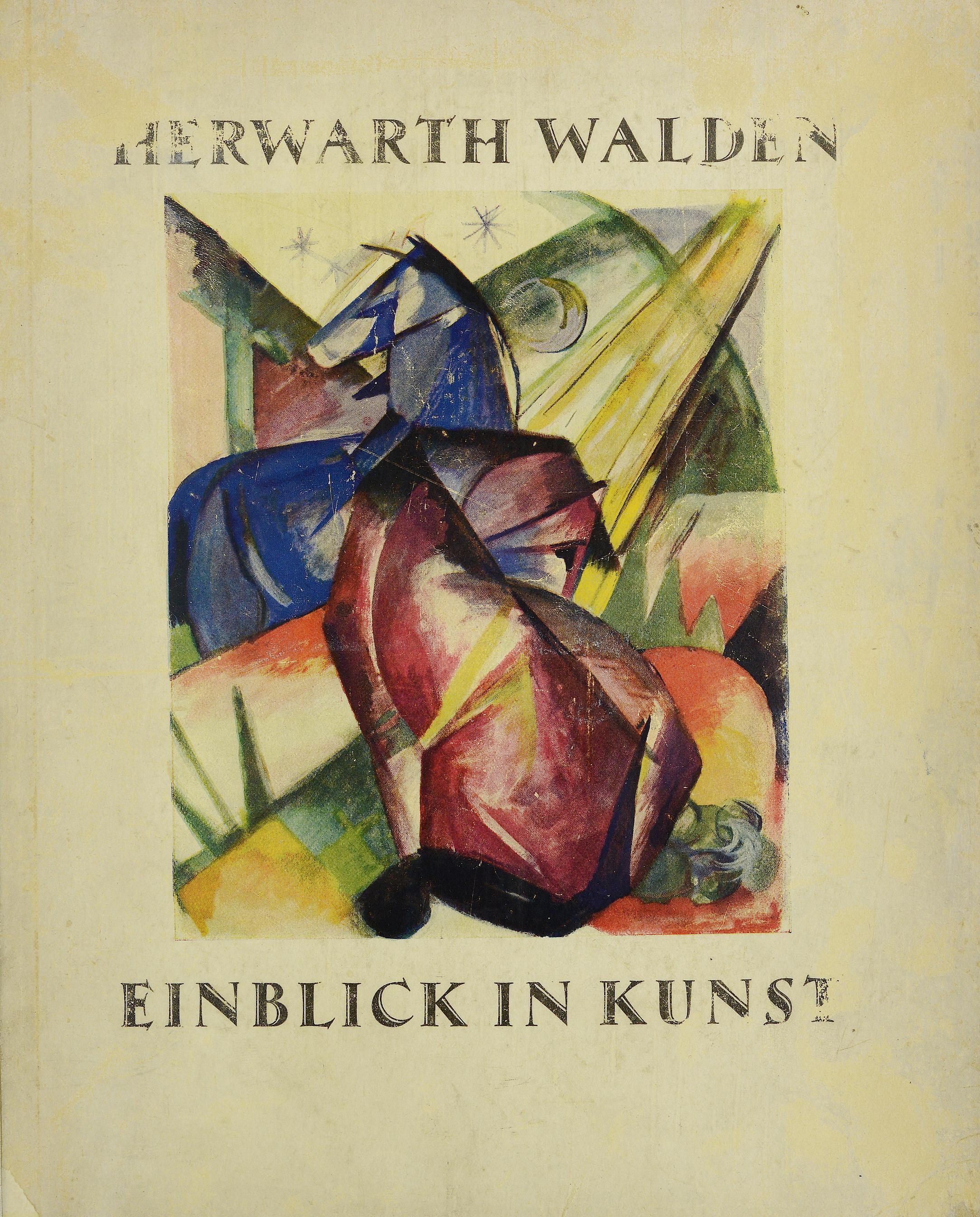
Walden_Herwarth_Einblick_in_Kunst_Expressionismus_Futurismus_Kubismus_1924

The gallery’s many exhi­bi­tions demon­strate how much Expres­sion­ism over­lapped with a host of oth­er mod­ernist –isms of the peri­od. It start­ed “with an exhi­bi­tion of Fauves and Der Blaue Reit­er [a group includ­ing Kandin­sky and Paul Klee that formed the core of first Expres­sion­ist painters], fol­lowed by the intro­duc­tion in Ger­many of the Ital­ian Futur­ists, Cubists and Orphists.” Edvard Munch exhib­it­ed there, as did Georges Braque and Pablo Picas­so. Walden expand­ed the gallery’s activ­i­ties after WWI to include lec­tures and a the­ater, and he began pub­lish­ing books and port­fo­lios by Expres­sion­ist artists. Just above see the cov­er of Walden’s own book Ein­blick in Kun­st, and see sev­er­al more book cov­ers and a bib­li­og­ra­phy at Mono­skop.

A prod­uct of the Weimar Republic’s high cul­ture, the Ger­man Expres­sion­ist move­ment large­ly came to an end, along with Der Sturm and its asso­ci­at­ed work, as the Nazis came to pow­er. But the cur­rent of Expres­sion­ism moved pow­er­ful­ly through the cen­tu­ry, inspir­ing among oth­ers the mid-cen­tu­ry Amer­i­can Abstract Expres­sion­ists, who often broke away from detached, the­o­ret­i­cal under­stand­ings of art and engaged in direct and some­times bru­tal ways with paint and can­vas. But one can’t imag­ine these lat­er painters tak­ing the sub­jec­tive license they did with­out the ground­work laid by the tire­less Kandin­sky and his con­tem­po­raries or Walden’s expan­sive Der Sturm move­ment.

You can peruse the entire col­lec­tion of Der Sturm here.

via Mono­skop

Relat­ed Con­tent:

Exten­sive Archive of Avant-Garde & Mod­ernist Mag­a­zines (1890–1939) Now Avail­able Online

Down­load 2,000 Mag­nif­i­cent Turn-of-the-Cen­tu­ry Art Posters, Cour­tesy of the New York Pub­lic Library

Down­load the Com­plete Archive of Oz, “the Most Con­tro­ver­sial Mag­a­zine of the 60s,” Fea­tur­ing R. Crumb, Ger­maine Greer & More

Josh Jones is a writer and musi­cian based in Durham, NC. Fol­low him at @jdmagness
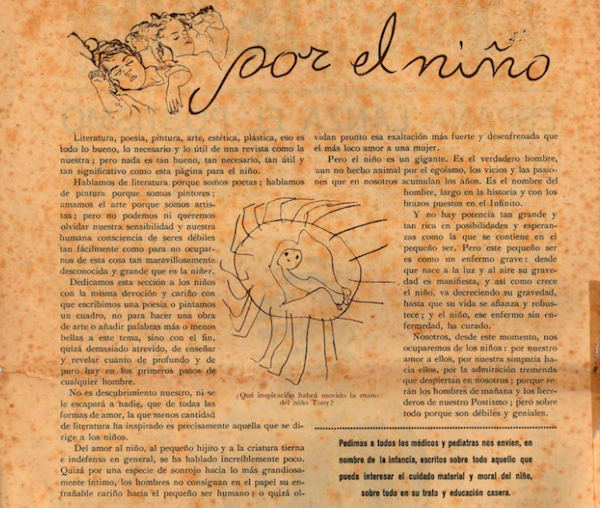
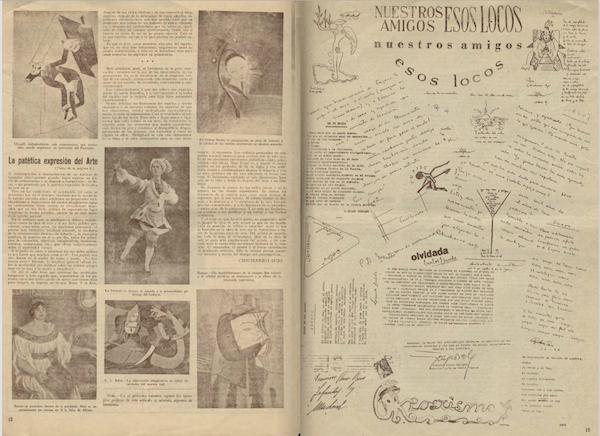
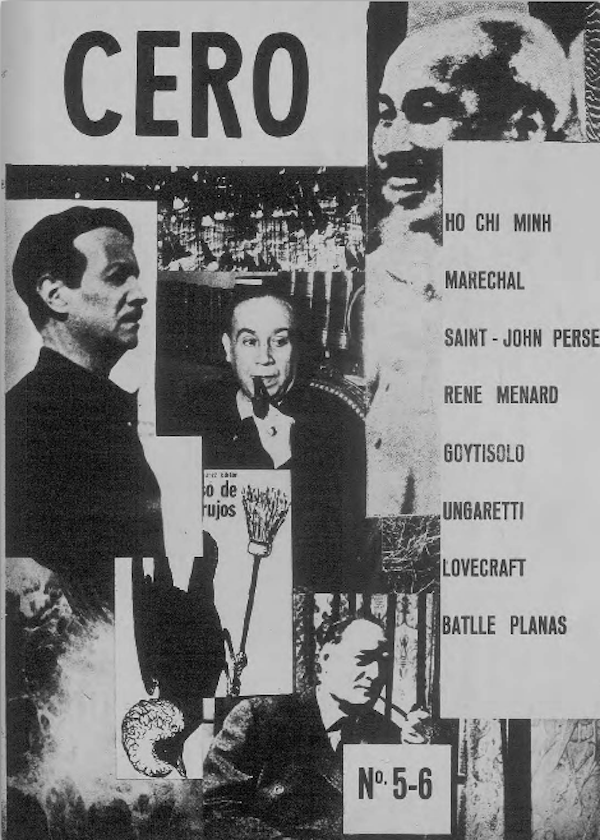
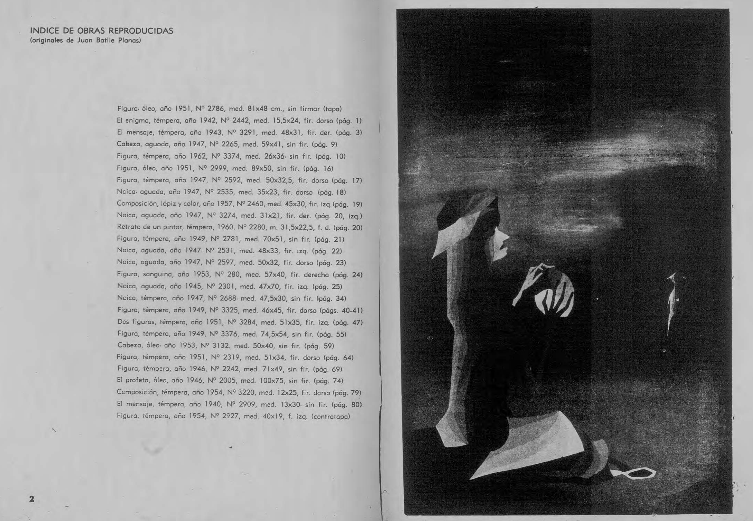
10 Digital Editions of Surrealist Journals from Argentina, Chile & Spain (1928–67)

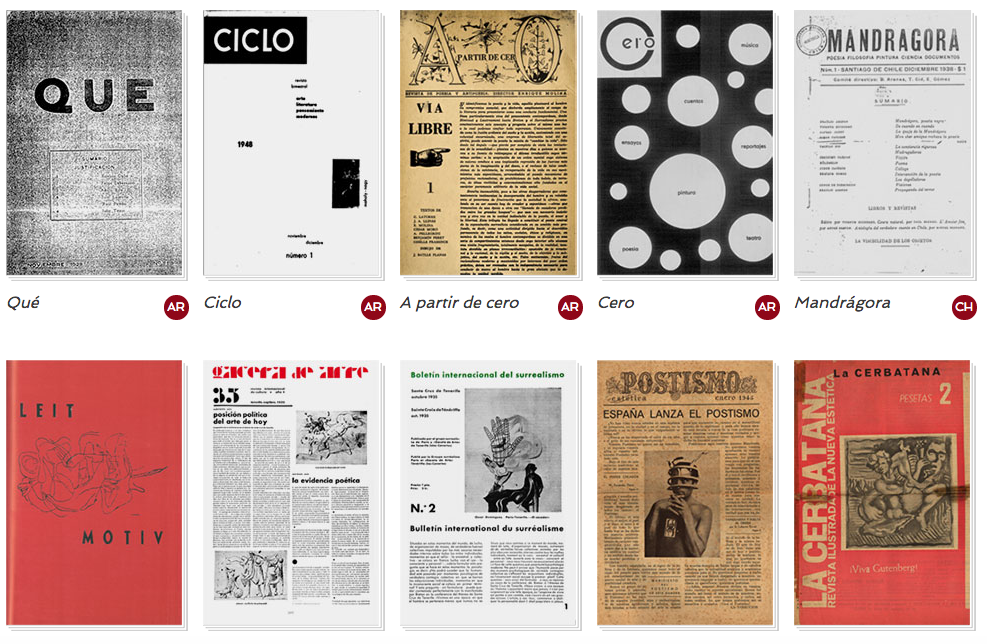
surrealist journals

Fans of mag­i­cal real­ism know that Latin Amer­i­can writ­ers seem to pos­sess a unique mas­tery of the tra­di­tion, and any­one who thinks of sur­re­al­ism in visu­al art will soon think of Sal­vador Dalí, who began and end­ed his dis­tinc­tive career in his native Spain. Why have Span­ish-speak­ing cul­tures proven so con­ducive to the kinds of cre­ativ­i­ty that bend real­i­ty just enough to make a deep and last­ing impact on their audi­ence? Those search­ing for answers would do well to look through the Autonomous Uni­ver­si­ty of Madrid’s dig­i­tal trove of Span­ish, Chilean, and Argen­tine sur­re­al­ist jour­nals from 1928–76.

Surrealism 2

They all appear as part of an inves­tiga­tive project whose name trans­lates to “Toward a Char­ac­ter­i­za­tion of His­pan­ic Sur­re­al­ism.” The archive includes, from Argenti­na:

From Chile:

And from Spain:

Surrealism 1

When you click on one of the mag­a­zines in the archive, the site will take you to a page with more infor­ma­tion describ­ing the mag­a­zine as well as plac­ing it in the prop­er his­tor­i­cal and cul­tur­al con­text of sur­re­al­is­m’s his­to­ry. (Non-Span­ish-speak­ers can get some trans­la­tion if they view the page with Google Chrome.) From there, you can click on an indi­vid­ual issue to read it.

Surrealism 3

As you flip through these records of an artis­ti­cal­ly fas­ci­nat­ing time in a series of places well suit­ed to it, you’ll get a sense of how much the dis­course var­ied even just with­in the realm of Span­ish-speak­ing sur­re­al­ists: some have a more play­ful tone while oth­ers have a more seri­ous one (though mix­ing the two did become some­thing of a sur­re­al­ist spe­cial­ty); some look out to the rest of the world while oth­ers look inward; and some come filled with strik­ing illus­tra­tions while oth­ers stick to the analy­sis of rel­e­vant ideas through text — and lots of it.

OC surrealist journals 3

Even though the most recent of these pub­li­ca­tions came off the press­es near­ly half a cen­tu­ry ago, any vis­i­tor to Spain, Argen­tine, or Chile, as well as oth­er coun­tries in the His­panophone world, will find they still have a cer­tain sur­re­al­is­tic sen­si­bil­i­ty to them. Long may they retain it.

via Mono­skop, an always inter­est­ing resource that you can fol­low on Twit­ter.

Relat­ed Con­tent:

Exten­sive Archive of Avant-Garde & Mod­ernist Mag­a­zines (1890–1939) Now Avail­able Online

Restored Ver­sion of Un Chien Andalou: Luis Buñuel & Sal­vador Dalí’s Sur­re­al Film (1929)

David Lynch Presents the His­to­ry of Sur­re­al­ist Film (1987)

Sal­vador Dalí’s Avant-Garde Christ­mas Cards

Based in Seoul, Col­in Mar­shall writes and broad­casts on cities, lan­guage, and style. He’s at work on a book about Los Ange­les, A Los Ange­les Primer, the video series The City in Cin­e­ma, the crowd­fund­ed jour­nal­ism project Where Is the City of the Future?, and the Los Ange­les Review of Books’ Korea Blog. Fol­low him on Twit­ter at @colinmarshall or on Face­book.

« Go BackMore in this category... »
Quantcast