She Was the One: An Animated 9/11 Remembrance

The first day was all smoke, debris, orga­nized may­hem, and pure dis­be­lief. The next day, real­i­ty hit home. That’s when you walked out in the streets (in my case, Brook­lyn), and saw your first miss­ing per­son sign, one of hun­dreds you’d see over the com­ing months in Man­hat­tan and the out­er bor­oughs. The num­bers you heard on TV, the body count, became real faces — real peo­ple.

In Octo­ber 2003, Sto­ryCorps, a non­prof­it ded­i­cat­ed to record­ing oral his­to­ries of every kind, got under­way with a small Sto­ry­Booth in Grand Cen­tral Ter­mi­nal. Eight years lat­er, it has record­ed and archived more than 35,000 inter­views from 70,000 par­tic­i­pants. And, more recent­ly, it has turned its focus to 9/11 and the days that fol­lowed. The goal: to memo­ri­al­ize in sound every per­son lost on that day. You can vis­it the emerg­ing audio archive here.

The poignant clip above, which tells the per­son­al sto­ry of Richie Pecorel­la and Karen Juday, appears in a larg­er series of Sto­ryCorps ani­mat­ed videos, all avail­able here. You can sup­port the Sto­ryCorps project by mak­ing a dona­tion, large or small today.

Relat­ed Con­tent:

Archive of 9/11 TV Cov­er­age Launch­es with 3,000+ Hours of Video

by | Permalink | Make a Comment ( 7 ) |

Archive of 9/11 TV Coverage Launches with 3,000+ Hours of Video

The dra­ma of 9/11 unfold­ed before the world on TV. Even many New York­ers, myself includ­ed, watched the trau­mat­ic events on CNN rather than wit­ness­ing them first­hand. Dur­ing the days that fol­lowed, we were bom­bard­ed with end­less replays — the planes hit­ting the build­ings, the tow­ers aflame and col­laps­ing, the piles of smok­ing debris left behind. Then, mer­ci­ful­ly, the cov­er­age dis­ap­peared.

Almost a decade lat­er, the Inter­net Archive has launched a 9/11 Tele­vi­sion News Archive, a resource for schol­ars, jour­nal­ists, and any­one inter­est­ed in the his­tor­i­cal record cre­at­ed by tele­vi­sion. The archive brings togeth­er more than 3,000 hours of tele­vi­sion cov­er­age from 20 US and inter­na­tion­al broad­cast­ers, and the cov­er­age can be seg­ment­ed by day, time and news provider.

Yet one more rea­son why we con­sid­er the Inter­net Archive one of the most valu­able sites on the web.

via Boing­Bo­ing

Hear Voices from the 19th Century: Tennyson, Gladstone & Tchaikovsky


Head over to Sound­Cloud, and you’ll find 10 audio files that span three cen­turies. It’s a fair­ly ran­dom col­lec­tion, we’ll admit. But two record­ings from the 19th cen­tu­ry imme­di­ate­ly stand out.

First we have Alfred Lord Ten­nyson (1809 – 1892), Poet Lau­re­ate of the Unit­ed King­dom dur­ing Queen Vic­to­ri­a’s reign, read­ing “The Charge of the Light Brigade” on the wax cylin­der in 1890.

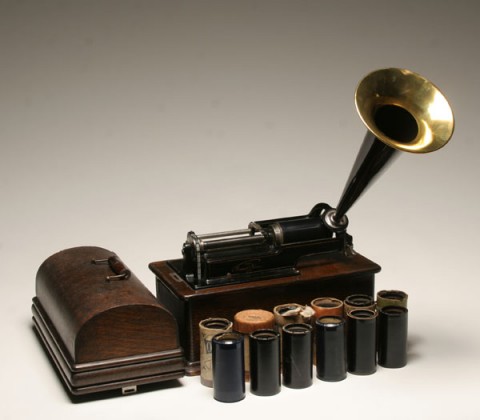
And then we get to hear echoes of the voice of William Glad­stone, the four-time Prime Min­is­ter of Great Britain (1809 — 1898). Here, Glad­stone’s voice was record­ed by Thomas Edis­on’s phono­graph cylin­der (1888), the same device that lets us lis­ten to Tchaikovsky (The Nut­crack­er, the 1812 Over­ture, etc.) chat­ting with his friends. Some have doubt­ed the authen­tic­i­ty of the Glad­stone record­ing, but it still remains gen­er­al­ly accept­ed.

For more on record­ings from the 19th cen­tu­ry, we’d rec­om­mend spend­ing some time with a five-part BBC series called Gramo­phones & Grooves. It takes you into the ear­ly record­ing indus­try and lets you hear count­less oth­er voic­es.

Fol­low Open Cul­ture on Face­book and Twit­ter and share intel­li­gent media with your friends. Or bet­ter yet, sign up for our dai­ly email and get a dai­ly dose of Open Cul­ture in your inbox. And if you want to make sure that our posts def­i­nite­ly appear in your Face­book news­feed, just fol­low these sim­ple steps.

Bertrand Russell & Other Big Thinkers in BBC Lecture Series (Free)

Back in 1948, Britain was mak­ing anoth­er dif­fi­cult tran­si­tion, mov­ing from the trau­ma of World War II to the chill of the Cold War. Hop­ing to give radio lis­ten­ers some clar­i­ty on con­tem­po­rary affairs, the BBC began air­ing an annu­al series of lec­tures — the Rei­th Lec­tures — that fea­tured lead­ing thinkers of the day. 60 years lat­er, the tra­di­tion con­tin­ues, and dur­ing this long stretch, some leg­endary fig­ures have graced the BBC’s air­waves: Michael Sandel, Edward Said, John Sear­le, John Ken­neth Gal­braith, George Ken­nan, and Robert Oppen­heimer, just to name a few. (And, yes, the list unfor­tu­nate­ly skews heav­i­ly male.)

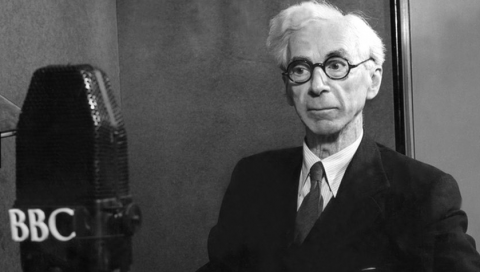
Late last month, the BBC put the com­plete audio archive online, which gives you access to 240 lec­tures in total. Where’s the best place to start? How about at the begin­ning, with the inau­gur­al lec­tures pre­sent­ed by philoso­pher Bertrand Rus­sell in 1948. His lec­ture series, Author­i­ty and the Indi­vid­ual, delved into an age old ques­tion in polit­i­cal phi­los­o­phy — the indi­vid­ual and his/her rela­tion­ship with com­mu­ni­ties and states. The head of the BBC lat­er groused that Rus­sell spoke “too quick­ly and had a bad voice.” But the real com­plaints came from the Sovi­ets, who inter­pret­ed Rus­sel­l’s lec­tures as an attack on Com­mu­nism. You can find the lec­tures here; the first lec­ture appears at the bot­tom of the page.

Note: Our Twit­ter friends around the world said that they could almost uni­ver­sal­ly access the lec­tures. If you expe­ri­ence any geo-restrict­ing, we apol­o­gize in advance.

Relat­ed Con­tent:

Bertrand Rus­sell Sends a Mes­sage to the Future

Bertrand Rus­sell on God

Free Phi­los­o­phy Cours­es

by | Permalink | Make a Comment ( 11 ) |

The Best Magazine Articles Ever, Curated by Kevin Kelly

A few days ago, we asked you to send us your favorite non-fic­tion titles. We’ll be post­ing your many excel­lent sug­ges­tions soon, and, in the mean­time, we thought we should offer some­thing in return — more specif­i­cal­ly, yet anoth­er list of excel­lent non-fic­tion com­piled by some­one oth­er than our­selves.

Kevin Kel­ly, web-pio­neer, co-founder of Wired Mag­a­zine, for­mer edi­tor of the Whole Earth Cat­a­log, and one of the best all-around liv­ing argu­ments for ditch­ing col­lege and trav­el­ing the world instead, has put togeth­er a crowd­sourced list of the best mag­a­zine arti­cles from the 60s, 70s, 80s, 90s, 00s and 10s, almost all of them avail­able on the web. He’s also gath­ered the top 25 of all time (based on the num­ber of votes received) on one thrilling page.

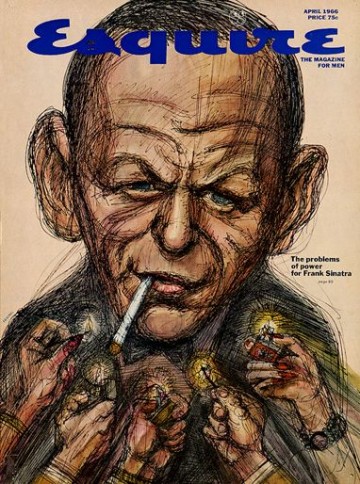
The list includes pieces like Fear and Loathing in Las Vegas by Hunter S. Thomp­son, David Fos­ter Wal­lace’s Con­sid­er the Lob­ster, and Gay Tale­se’s leg­endary 1966 Esquire cov­er sto­ry, Frank Sina­tra Has a Cold. It’s an invalu­able resource, whether you’re an aspir­ing jour­nal­ist or nov­el­ist, a his­to­ry buff, or just a per­son who wants to enjoy the evo­lu­tion of the past 60 years of the Eng­lish lan­guage.

You may already be famil­iar with the sites Instapa­per, Lon­greads, and Long­form. All three can help you find great read­ing mate­r­i­al on the web, orga­nize it, and down­load it to your Kin­dle, iPad, or tablet. Enjoy.

Get more clas­sics from our col­lec­tion of Free eBooks.

Sheer­ly Avni is a San Fran­cis­co-based arts and cul­ture writer. Her work has appeared in Salon, LA Week­ly, Moth­er Jones, and many oth­er pub­li­ca­tions. You can fol­low her on twit­ter at @sheerly.

Spy Magazine (1986–1998) Now Online

You want to know why Rupert Mur­doch runs the world and you don’t? Here’s a hint: In 1990, Spy Mag­a­zine (now archived at Google Books) sent Mur­doch and a slew of oth­er wealthy celebri­ties checks for $1.11 as a prank. Mur­doch cashed his right away — because even when he was just a low­ly bil­lion­aire, the guy under­stood mon­ey.

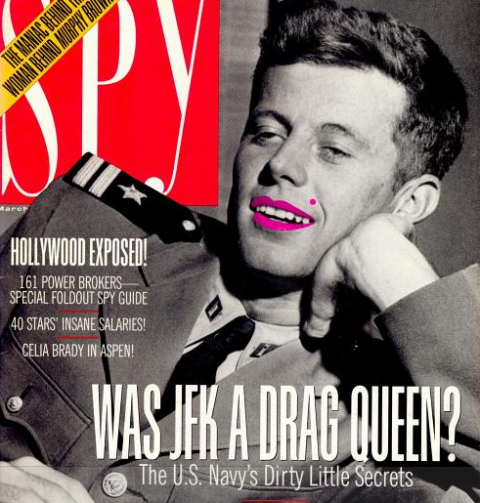
And the edi­tors at Spy (1986–98) under­stood celebri­ty cul­ture, which is why they became arguably the most influ­en­tial mag­a­zine of the late 20th cen­tu­ry, or, in Dave Eggers’ words “cru­el, bril­liant, beau­ti­ful­ly writ­ten and per­fect­ly designed, and feared by all.” Com­bin­ing an ele­gant house style, barbed satire, and a healthy dose of class-rage, Spy inspired a rad­i­cal tonal shift in Amer­i­can jour­nal­ism just in time for the arrival of a per­fect­ly suit­ed new plat­form: The Inter­net.

You can read more about the mag­a­zine’s lega­cy in Will Hines’ excel­lent arti­cle Div­ing into the Archives of Spy, The Fun­ni­est Mag­a­zine Ever, at the com­e­dy blog Split­sider. Before accus­ing Hines of hyper­bole, take a look at some of his finds:

Joe Queenan sends up the The Cult of Bob Dylan

The edi­tors list Clin­ton’s First 100 Lies

Newt Gin­grich, top­less, on the cov­er

And that’s with­out even start­ing on the true clas­sics from the 80’s. It’s all at Google Books. Enjoy.

via Split­sider

Relat­ed:  The Onion: Fake News Site Launch­es Real Archive

Sheer­ly Avni is a San Fran­cis­co-based arts and cul­ture writer. Her work has appeared in Salon, LA Week­ly, Moth­er Jones, and many oth­er pub­li­ca­tions. You can fol­low her on twit­ter at @sheerly.

Morgan Spurlock: The Greatest TED Talk Ever Sold

Mor­gan Spur­lock­’s newest doc­u­men­tary, The Great­est Movie Ever Sold, expos­es the myr­i­ad ways in which pop­u­lar media is almost whol­ly spon­sored, leased, bought and brand­ed by pow­er­ful cor­po­ra­tions. Iron­i­cal­ly — and inten­tion­al­ly — Spur­lock made sure his doc­u­men­tary would also be almost whol­ly spon­sored, leased, bought and brand­ed by pow­er­ful cor­po­ra­tions. In his very fun­ny TED talk, Spur­lock (Super Size Me30 Days) explains how he fur­thered his exper­i­ment in “pure trans­paren­cy” by encour­ag­ing spon­sor­ships of, you guessed it, his very fun­ny TED talk.

Con­fused? That’s because pure trans­paren­cy is a lot eas­i­er to envi­sion than exe­cute. Find out why start­ing at minute 6:18.

via TED

Sheer­ly Avni is a San Fran­cis­co-based arts and cul­ture writer. Her work has appeared in Salon, LA Week­ly, Moth­er Jones, and many oth­er pub­li­ca­tions. You can fol­low her on twit­ter at @sheerly.

Every Step You Take, They’ll Be Tracking You

Malte Spitz, a mem­ber of the Green Par­ty in Ger­many, sued Deutsche Telekom and forced the com­pa­ny to hand over six months of record­ed cell phone data. The results were fair­ly eye open­ing.

Dur­ing a five month peri­od, DT tracked Spitz’s loca­tion and phone usage 35,000 times. If that sounds like a lot, you’re right. And it looks even worse when you visu­al­ize the data. Zeit Online took this geolo­ca­tion data and com­bined it with pub­licly-avail­able infor­ma­tion relat­ing to Spitz’s polit­i­cal life (e.g., his Twit­ter feeds and blog entries) and pro­duced a screen­cast that doc­u­ments two days in the life of the Green Par­ty politi­cian. The YouTube video above traces his steps. But the visu­als on the Zeit site let you track Spitz’s move­ments around Ger­many with fin­er pre­ci­sion. The moral of the sto­ry: Every step you take, your tel­co is like­ly track­ing you, whether you give con­sent or not. The New York Times has more on the sto­ry…

« Go BackMore in this category... »
Quantcast