How to Paint Like Kandinsky, Picasso, Warhol & More: A Video Series from the Tate

Learn How to Print like Warhol… in five min­utes?

That sounds like fun! My Saturday’s pret­ty open…

Unfor­tu­nate­ly, The Tate’s How To series is a bit of a mis­nomer. This is not the any­one-can-do-it approach of PBS leg­end Bob Ross and his Hap­py Lit­tle Trees

Yes, the short video demon­stra­tions come with sup­ply lists and step-by-step instruc­tions, but with­out an exist­ing fine arts back­ground, you may feel more than a lit­tle bit daunt­ed, pin­ing for the sort of kid-friend­ly mod­i­fi­ca­tions that help sec­ond graders mim­ic famous artists with such aplomb.

Rather than rel­e­gate your fresh­ly-pur­chased screens, roll of acetate, and econ­o­my-sized con­tain­er of pho­to-emul­sion to the same clos­et where your cross coun­try skis, for­eign lan­guage cas­settes, and beer-mak­ing kit are cur­rent­ly spend­ing eter­ni­ty, we sug­gest that you not buy them at all.

Instead, appre­ci­ate the way these videos bridge “the gap between Art His­to­ry and Art Cre­ation,” in the words of one view­er.

So THAT’S how Warhol and untold thou­sands of oth­er artists, includ­ing this segment’s guide Mar­i­anne Keat­ing, make their prints! A lot of equip­ment! A lot of pre­cise steps. Maybe some day you’ll take a stab at it.

’Til then… Keat­ing picked for­mer Jamaican Prime Min­is­ter Michael Man­ley as her sub­ject. Who would you choose?

Artist Sui Kim’s seg­ment on Wass­i­ly Kandin­sky’s approach to paint­ing inspires a semi-abstract scene from her South Kore­an child­hood, using the same col­or palette as Kandinsky’s Cos­sacks.

What would you paint?

Though before blithe­ly slap­ping a sec­ond-grad­er rain­bow on your vision and assum­ing you now know how to paint like Kandin­sky (whether or not you know how to paint), check out the Tate’s descrip­tion of the orig­i­nal:

Paint­ed between 1910 and 1911, Cos­sacks is an expres­sion of Kandinsky’s belief in the pow­er of art “to awak­en this capac­i­ty for expe­ri­enc­ing the spir­i­tu­al in mate­r­i­al and in abstract phe­nom­e­na.” The dynam­ic ten­sion between abstract form and con­crete con­tent may be read as a man­i­fes­ta­tion of the wider con­flict between the forces of polit­i­cal oppres­sion – Kandin­sky had been deeply moved by the strikes and upheavals in Odessa a few years ear­li­er – and the hunger for spir­i­tu­al reju­ve­na­tion con­se­quent upon the rise of soul­less moder­ni­ty. Like his con­tem­po­raries Piet Mon­dri­an and Hen­ri Matisse, Kandin­sky saw paint­ing as an exten­sion of reli­gion, capa­ble, as he wrote in his Rem­i­nis­cences (1913), of reveal­ing ‘new per­spec­tives and true truths’ in ‘moments of sud­den illu­mi­na­tion, resem­bling a flash of light­ning.’ The echo of the Ancient Greek writer Longinus’s notion of sub­lime speech, which sim­i­lar­ly strikes like a bolt of light­ning, is car­ried over into Kandinsky’s descrip­tion of the spir­i­tu­al mis­sion of the mod­ern artist. In his 1911 essay On the Spir­i­tu­al in Art, he com­pares the life of the spir­it to ‘a large, acute-angled tri­an­gle,’ at the apex of which stands the soli­tary artis­tic genius dis­pens­ing spir­i­tu­al food to the mul­ti­tudes below.

Pret­ty com­plex stuff!

Per­haps Picas­so is a more straight­for­ward propo­si­tion.

Reck­on you could rope a friend into mod­el­ing for a Cubist por­trait a la Bust of a Woman (1909)? If so, which friend, and what might you do for them in return?

Oth­er artists in the Tate’s How To series include J.M.W. Turn­er and sculp­tor Rachel Whiteread. Watch them all here.

Relat­ed Con­tent:

Watch Every Episode of Bob Ross’ The Joy Of Paint­ing Free Online: 403 Episodes Span­ning 31 Sea­sons

The MoMA Teach­es You How to Paint Like Pol­lock, Rothko, de Koon­ing & Oth­er Abstract Painters

What Makes The Death of Socrates a Great Work of Art?: A Thought-Pro­vok­ing Read­ing of David’s Philo­soph­i­cal & Polit­i­cal Paint­ing

Ayun Hal­l­i­day is an author, illus­tra­tor, the­ater mak­er and Chief Pri­ma­tol­o­gist of the East Vil­lage Inky zine.  Fol­low her @AyunHalliday.

How to Write in Cuneiform, the Oldest Writing System in the World: A Short, Charming Introduction

Teach­ing child vis­i­tors how to write their names using an unfa­mil­iar or antique alpha­bet is a favorite activ­i­ty of muse­um edu­ca­tors, but Dr. Irv­ing Finkel, a cuneiform expert who spe­cial­izes in ancient Mesopotami­an med­i­cine and mag­ic, has grander designs.

His employ­er, the British Muse­um, has over 130,000 tablets span­ning Mesopotamia’s Ear­ly Dynas­tic peri­od to the Neo-Baby­lon­ian Empire “just wait­ing for young schol­ars to come devote them­selves to (the) monk­ish work” of deci­pher­ing them.

Writ­ing one’s name might well prove to be a gate­way, and Dr. Finkel has a vest­ed inter­est in lin­ing up some new recruits.

The museum’s Depart­ment of the Mid­dle East has an open access pol­i­cy, with a study room where researchers can get up close and per­son­al with a vast col­lec­tion of cuneiform tablets from Mesopotamia and sur­round­ing regions.

But let’s not put the ox before the cart.

As the extreme­ly per­son­able Dr. Finkel shows Matt Gray and Tom Scott of Matt and Tom’s Park Bench, above, cuneiform con­sists of three components—upright, hor­i­zon­tal and diagonal—made by press­ing the edge of a reed sty­lus, or pop­si­cle stick if you pre­fer, into a clay tablet.

The mechan­i­cal process seems fair­ly easy to get the hang of, but mas­ter­ing the old­est writ­ing sys­tem in the world will take you around six years of ded­i­cat­ed study. Like Japan’s kan­ji alpha­bet, the old­est writ­ing sys­tem in the world is syl­lab­ic. Prop­er­ly writ­ten out, these syl­la­bles join up into a flow­ing cal­lig­ra­phy that your aver­age, edu­cat­ed Baby­lon­ian would be able to read at a glance.

Even if you have no plans to rus­tle up a pop­si­cle stick and some Play-Doh, it’s worth stick­ing with the video to the end to hear Dr. Finkel tell how a chance encounter with some nat­u­ral­ly occur­ring cuneiform inspired him to write a hor­ror nov­el, which is now avail­able for pur­chase, fol­low­ing a suc­cess­ful Kick­starter cam­paign.

Begin your cuneiform stud­ies with Irv­ing Finkel’s Cuneiform: Ancient Scripts.

via Men­tal Floss

Relat­ed Con­tent:

You Could Soon Be Able to Text with 2,000 Ancient Egypt­ian Hiero­glyphs

Hear The Epic of Gil­gamesh Read in its Orig­i­nal Ancient Lan­guage, Akka­di­an

Hear the “Seik­i­los Epi­taph,” the Old­est Com­plete Song in the World: An Inspir­ing Tune from 100 BC

Ayun Hal­l­i­day is an author, illus­tra­tor, the­ater mak­er and Chief Pri­ma­tol­o­gist of the East Vil­lage Inky zine.  Her solo show Nurse!, in which one of Shakespeare’s best loved female char­ac­ters hits the lec­ture cir­cuit to set the record straight pre­mieres in June at The Tank in New York City. Fol­low her @AyunHalliday.

Visit an Online Collection of 64,259 Musical Instruments from Across the World

The study of musi­cal instru­ments opens up vast his­to­ries of sound rever­ber­at­ing through the cen­turies. Should we embark on a jour­ney through halls of Europe’s musi­cal instru­ment muse­ums, for exam­ple, we should soon dis­cov­er how lim­it­ed our appre­ci­a­tion for music his­to­ry has been, how nar­rowed by the rel­a­tive hand­ful of instru­ments allowed into orches­tras, ensem­bles, and bands of all kinds. The typ­i­cal diet of clas­si­cal, roman­tic, mod­ern, jazz, pop, rock, R&B, or what­ev­er, the music most of us in the West grow up hear­ing and study­ing, has result­ed from a care­ful sort­ing process that over time chose cer­tain instru­ments over oth­ers.

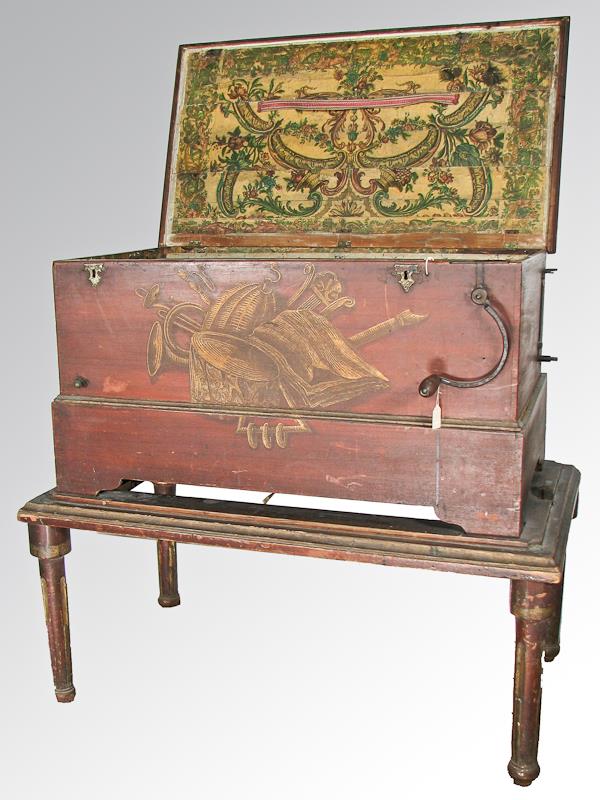
Some of those his­toric instruments—the vio­lin, cel­lo, many wind and brass—remain in wide cir­cu­la­tion and pro­duce music that can still sound rel­e­vant and con­tem­po­rary. Oth­ers, like the Mel­lotron (above) or bar­rel organs (like the 1883 Cylin­der­pos­i­tiv at the top), remain wed­ded to their his­tor­i­cal peri­ods, mak­ing sounds that might as well have dates stamped on them.

You could—and many an his­to­ri­an has, no doubt—travel the world and pay a per­son­al vis­it to the muse­ums hous­ing thou­sands of musi­cal instru­ments humans have used—or at least invented—to car­ry melodies and har­monies and keep time. Such a tour might con­sti­tute a life’s work.

But if you’re on a bud­get or your grant doesn’t come through, you can still tour Europe’s musi­cal instru­ment muse­ums, and two muse­ums in Africa, from the com­fort of your home, office, or library thanks to MIMO, Musi­cal Instru­ment Muse­ums Online, a “con­sor­tium of some of Europe’s most impor­tant musi­cal instru­ment muse­ums” offer­ing “the world’s largest freely acces­si­ble data­base for infor­ma­tion on musi­cal instru­ments held in pub­lic col­lec­tions.”

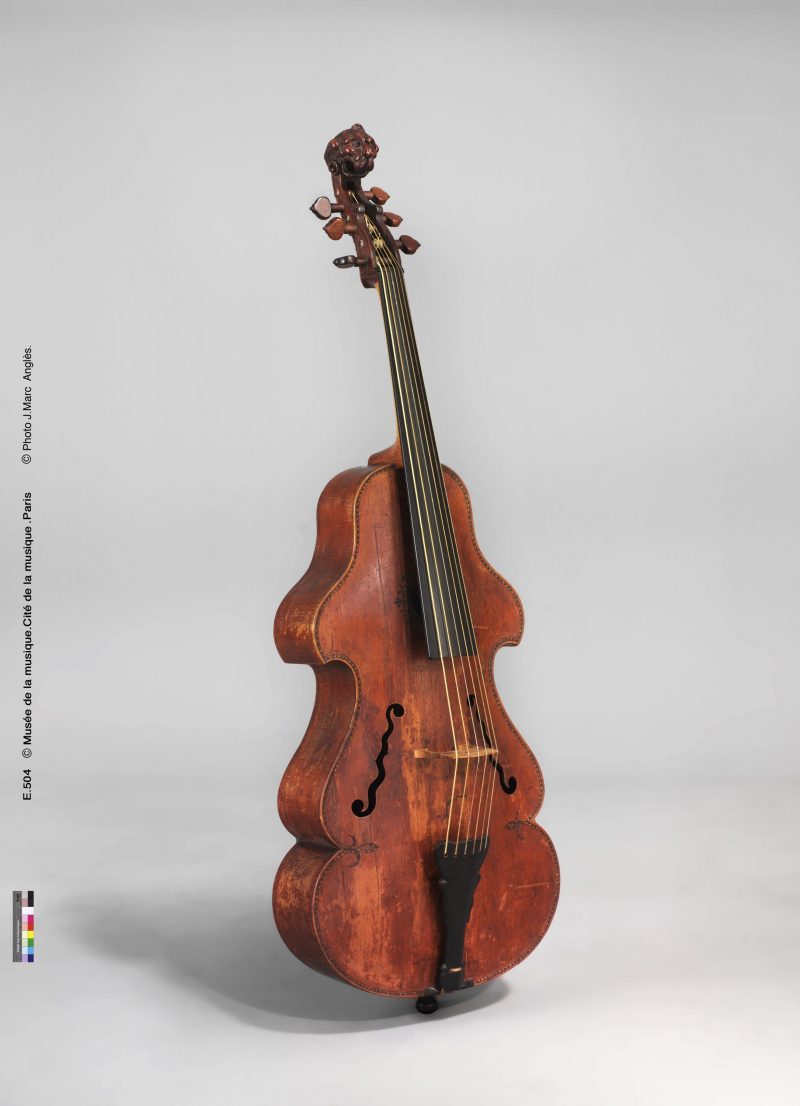
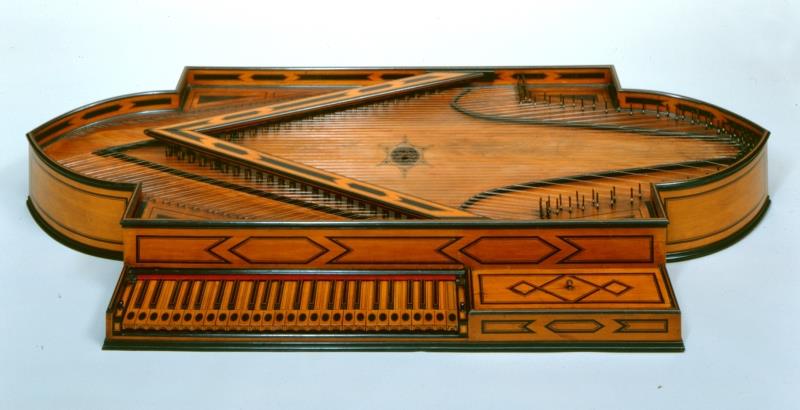
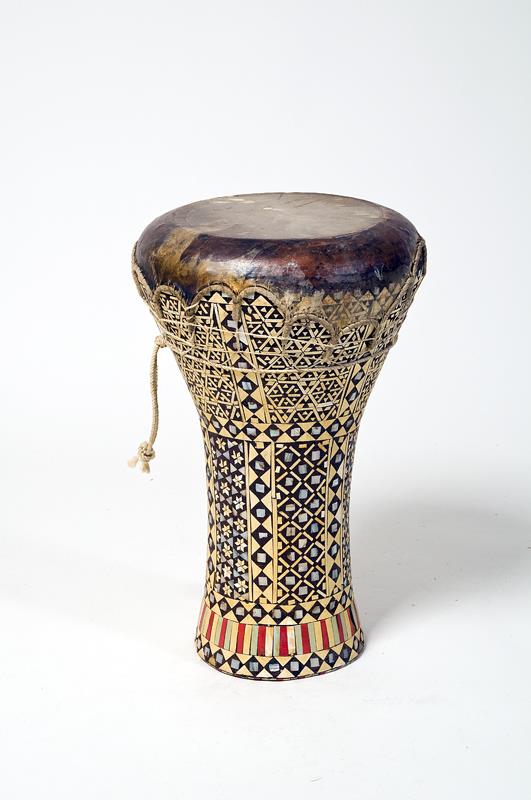
The enor­mous online col­lec­tion hous­es, vir­tu­al­ly, tens of thou­sands of instru­ments from over two dozen regions around the globe. (There are 64,259 instru­ments in total.) Find an Ital­ian Basse de Vio­le (above) from 1547 or an ornate Egypt­ian darabuk­ka (below). And, of course, plen­ty of iconic—and rare—elec­tric gui­tars and bass­es.

You can search instru­ments by mak­er, coun­try, city, or con­ti­nent, time peri­od, muse­um, and type. (Wind, Per­cus­sion, Stringed, Zithers, Rat­tles, Bells, Lamel­la­phones, etc….) Researchers may encounter a few lan­guage hurdles—MIMO’s about page men­tions “search­ing in six dif­fer­ent lan­guages,” and the site actu­al­ly lists 11 lan­guage cat­e­gories in tabs at the top. But users may still need to plug pages into Google trans­late unless they read French or Ger­man or some of the oth­er lan­guages in which descrip­tions have been writ­ten. Refresh­ing­ly con­sis­tent, the pho­tographs of each instru­ment con­form to a stan­dard set by the con­sor­tium that pro­vides “detailed guide­lines on how to set up a repos­i­to­ry to enable the har­vest­ing of dig­i­tal con­tent.”

But enough about the site func­tions, what about the sounds? Well, in a phys­i­cal muse­um, you wouldn’t expect to take a three-hun­dred-year-old flute out of its case and hear it played. Just so, most of the instru­ments here can be seen and not heard, but the site does have over 400 sound files, includ­ing the enchant­i­ng record­ing of Sym­pho­nion Eroica 38a (above), as played on a mechan­i­cal clock from 1900.

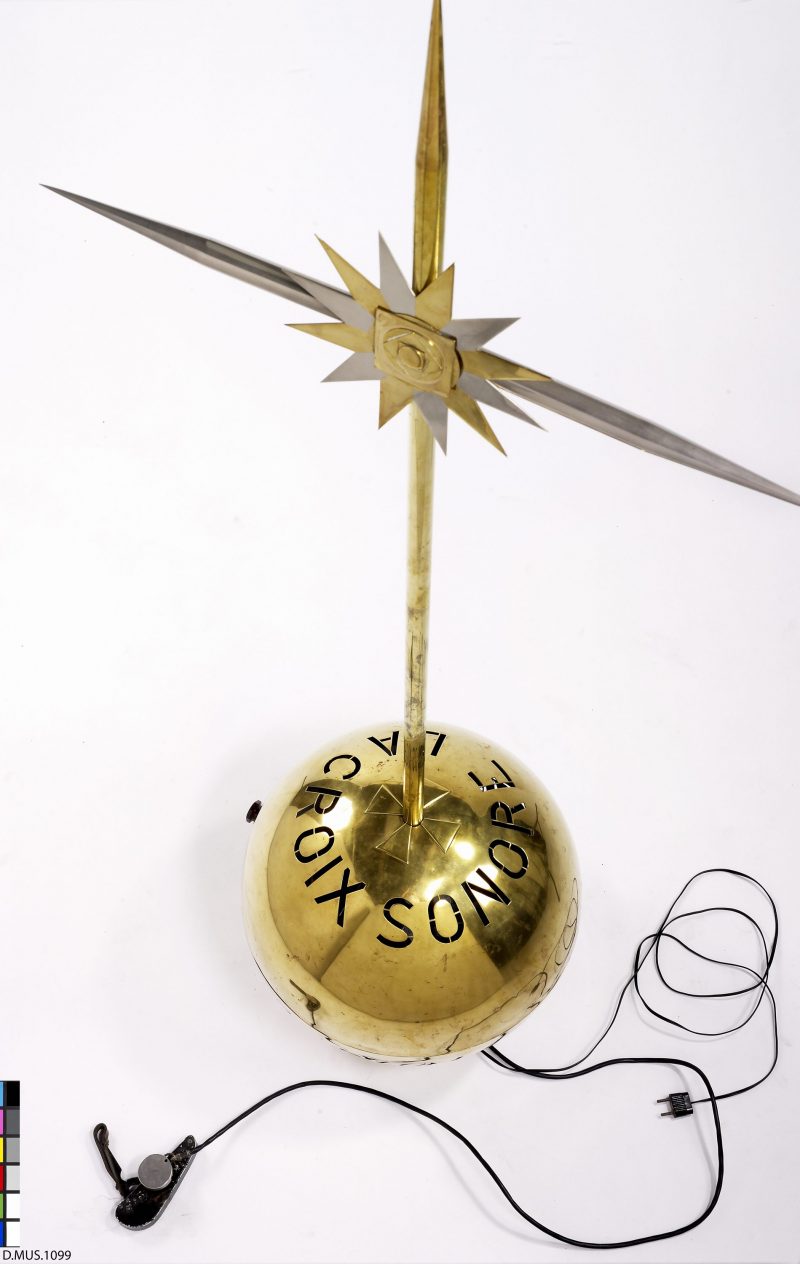
As you dis­cov­er instru­ments you nev­er knew existed—such as the theramin-like Croix Sonore (Sonorus Cross), cre­at­ed by Russ­ian com­pos­er Nico­las Obukhov between 1926 and 1934—you can under­take your own research to find sam­ple record­ings online, such as “The Third and Last Tes­ta­ment,” below, Obukhov’s com­po­si­tion for 5 voic­es, organ, 2 pianos, orches­tra, and croix sonore. Obukhov’s exper­i­ments with instru­ments of his own inven­tion prompt­ed his exper­i­ments in 12-tone com­po­si­tion, in which, he declared, “I for­bid myself any rep­e­ti­tion.” Just one exam­ple among many thou­sands demon­strat­ing how instru­ment design forms the basis of a wild­ly pro­lif­er­at­ing vari­ety of musi­cal expres­sions that can start to seem end­less after a while.

via @dark_shark

Relat­ed Con­tent:

Watch a Musi­cian Impro­vise on a 500-Year-Old Music Instru­ment, The Car­il­lon

Musi­cian Plays the Last Stradi­var­ius Gui­tar in the World, the “Sabionari” Made in 1679

Sovi­et Inven­tor Léon Theremin Shows Off the Theremin, the Ear­ly Elec­tron­ic Instru­ment That Could Be Played With­out Being Touched (1954)

Josh Jones is a writer and musi­cian based in Durham, NC. Fol­low him at @jdmagness
How the Ornate Tapestries from the Age of Louis XIV Were Made (and Are Still Made Today)

“Time is the warp and mat­ter the weft of the woven tex­ture of beau­ty in space, and death is the hurl­ing shut­tle.”

— Annie Dil­lard, Pil­grim at Tin­ker Creek

For the unini­ti­at­ed, the warp are the plain ver­ti­cal threads of a weav­ing or tapes­try, through which the col­or­ful, hor­i­zon­tal weft threads are passed, over and under, on wood­en nee­dle-shaped bob­bins (or shut­tles).

As Beat­rice Grisol, Head Weaver at Paris’ ven­er­a­ble Man­u­fac­ture Nationale des Gob­elins remarks, in The Art of Mak­ing a Tapes­try, above, weavers must pos­sess a love of draw­ing and an abun­dance of imag­i­na­tion in order to trans­late an artist’s vision using silken or woolen threads.

21st cen­tu­ry designs are more con­tem­po­rary, and dying equip­ment more pre­cise, but Les Gob­elins’s weavers’ process remains remark­ably unchanged since the days of the Sun King, Louis XIV.

As in the 17th-cen­tu­ry, giant looms are strung with white warp threads, in readi­ness for the threads expert dyers have col­ored accord­ing to the artist’s palette.

The col­ored weft threads are stored on spools, and even­tu­al­ly por­tioned out onto the bob­bins, which dan­gle from the back­side of the tapes­try, as the weaver works her mag­ic, con­stant­ly check­ing her progress in a mir­ror reflect­ing both the pro­jec­t’s front side and a print of the orig­i­nal design.

It’s worth not­ing that the pro­nouns here are exclu­sive­ly fem­i­nine. The lav­ish tapes­tries dec­o­rat­ing Louis XIV’s court hint­ed at years of unsung labor by high­ly skilled craftswomen. Tapes­tries were the ne plus ultra of prince­ly sta­tus, a tes­ta­ment to their owner’s eru­di­tion and taste. Louis XIV amassed some 2,650 pieces.

That’s a lot of bob­bins, and a lot of hard-work­ing female weavers.

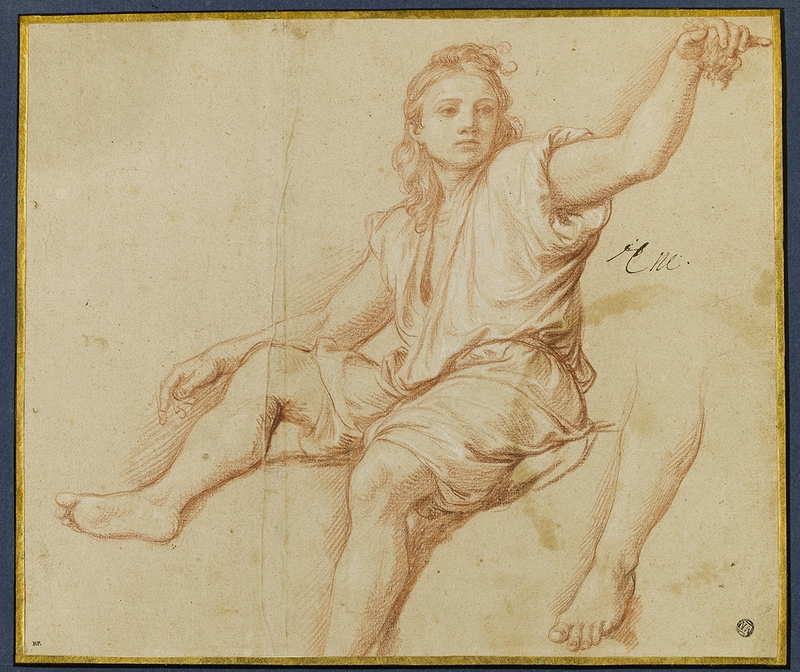
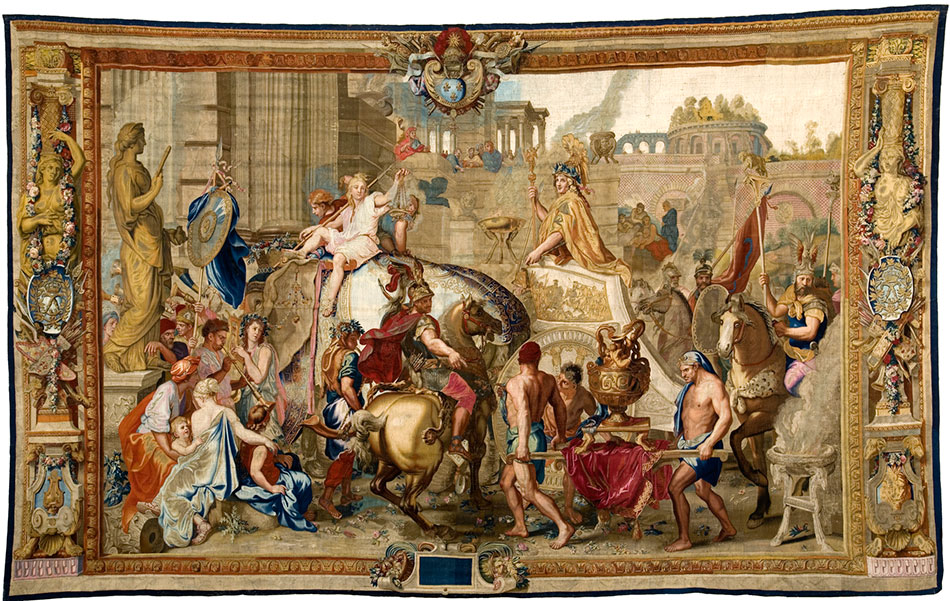
Wit­ness the trans­for­ma­tion from artist Charles Le Brun’s 1664 study for the fig­ure who would become the seat­ed youth in The Entry of Alexan­der into Baby­lon

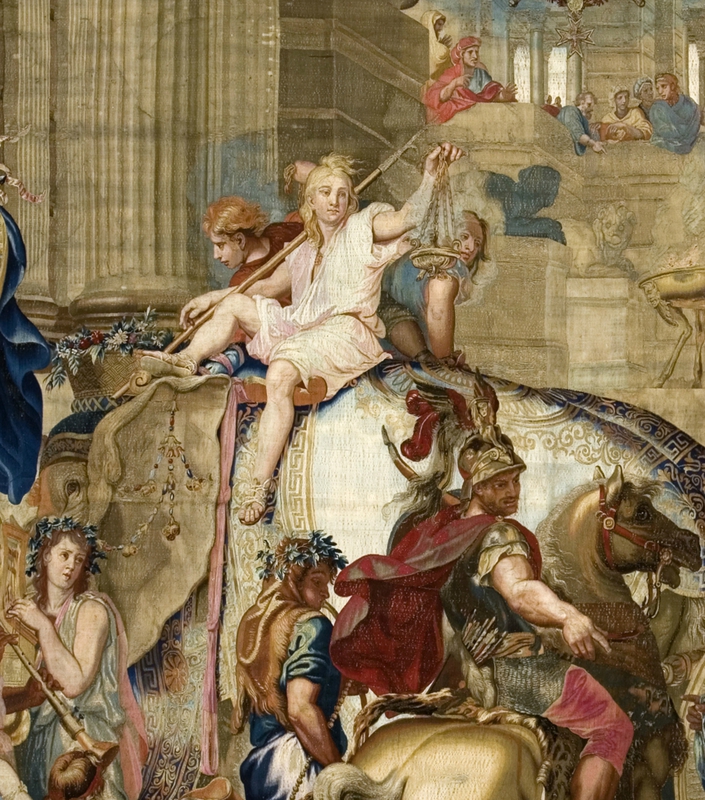
…to the ful­ly real­ized oil on can­vas ren­der­ing from 1690…

…to its incar­na­tion as a tapes­try in the Sun King’s court:

Speed­ing ahead to the 21st-cen­tu­ry, Les Gob­elins appears to rival Brooklyn’s Etsy flag­ship as a pleas­ant­ly appoint­ed, well lit, and high­ly respect­ed Tem­ple of Craft.

View some of the high­lights of the Get­ty Museum’s 2016 exhi­bi­tion Woven Gold: Tapes­tries of Louis XIV here.

Or grab your hed­dles and plan an in-per­son vis­it to La Man­u­fac­ture Nationale des Gob­elins here.

Relat­ed Con­tent:

How Illu­mi­nat­ed Medieval Man­u­scripts Were Made: A Step-by-Step Look at this Beau­ti­ful, Cen­turies-Old Craft

Artis­tic Maps of Pak­istan & India Show the Embroi­dery Tech­niques of Their Dif­fer­ent Regions

Ayun Hal­l­i­day is an author, illus­tra­tor, the­ater mak­er and Chief Pri­ma­tol­o­gist of the East Vil­lage Inky zine.  Join her in NYC on March 20 for the sec­ond install­ment of Necro­mancers of the Pub­lic Domain at The Tank. Fol­low her @AyunHalliday.

The Periodic Table of David Bowie: A Visualization of the Seminal Artist’s Influence and Influences

Mick Jag­ger …

Dada poet Tris­tan Tzara

Chair­man Mao…

What do these 20th-cen­tu­ry icons have in com­mon?

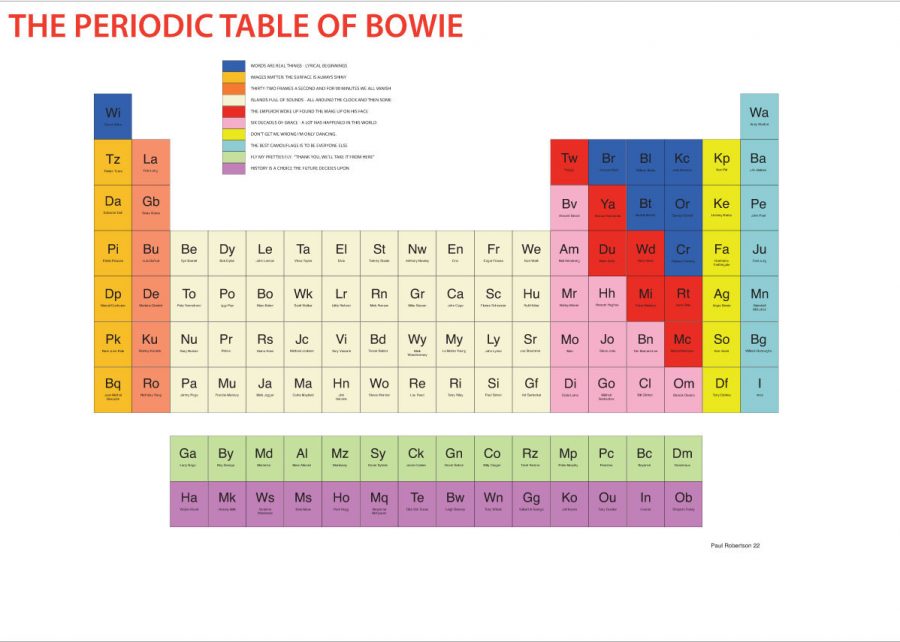
Cor­rect! They’re also all ele­ments on artist Paul Robert­son’s Peri­od­ic Table of Bowie.

The late musi­cian David Bowie was a skin-shed­ding chameleon, and a remark­ably sta­ble iso­tope. His cre­ative influ­ences were var­ied.

Robert­son’s table debuted in 2013 as part of the Vic­to­ria & Albert David Bowie is exhi­bi­tion, three years before rock­’s sem­i­nal Star­man exit­ed the plan­et. Fol­low­ing a 12-city tour, it’s tak­ing its final bow at the Brook­lyn Muse­um.

“I’m not an idiot,” the artist con­fid­ed in an inter­view. “I know that peo­ple are most­ly inter­est­ed in it because it’s David Bowie. But I think it’s still a valid art­work.”

In addi­tion to posi­tion­ing such influ­ences as col­lab­o­ra­tor John Lennon, film­mak­er Stan­ley Kubrick, and for­mer room­mate Iggy Pop as atom­ic num­bers, Robert­son’s table allows for artists who came after.

“Fly My Pret­ties Fly (Thank You. We’ll Take It From Here)” includes Lady Gaga, Pulp front­man Jarvis Cock­er, and fel­low dandy, Mor­ris­sey, while Bowie’s 90s-era cos­tumer, design­er Alexan­der McQueen and artist Jeff Koons hold down “His­to­ry Is a Choice the Future Decides Upon.”

Fit­ting­ly, author Oscar Wilde appears in the Hydro­gen slot.

Buy a print of the Peri­od­ic Table of Bowie here.

Explore David Bowie is in per­son at the Brook­lyn Muse­um through July 15.

Relat­ed Con­tent:

The David Bowie Book Club Gets Launched by His Son: Read One of Bowie’s 100 Favorite Books Every Month

Dave: The Best Trib­ute to David Bowie That You’re Going to See

In 1999, David Bowie Pre­dicts the Good and Bad of the Inter­net

Ayun Hal­l­i­day is an author, illus­tra­tor, the­ater mak­er and Chief Pri­ma­tol­o­gist of the East Vil­lage Inky zine.  Join her in NYC on March 20 for the sec­ond install­ment of Necro­mancers of the Pub­lic Domain at The Tank. Fol­low her @AyunHalliday.

Download 150 Free Coloring Books from Great Libraries, Museums & Cultural Institutions: The British Library, Smithsonian, Carnegie Hall & More

coloring book 1

A news alert for fans of col­or­ing books.

You can now take part in the 2018 edi­tion of #Col­or­Our­Col­lec­tions–a cam­paign where muse­ums, libraries and oth­er cul­tur­al insti­tu­tions make avail­able free col­or­ing books, let­ting you col­or art­work from their col­lec­tions and then share it on Twit­ter and oth­er social media plat­forms. When shar­ing, use the hash­tag #Col­or­Our­Col­lec­tions.

Below you can find a col­lec­tion of 20 free col­or­ing books, which you can down­load, print, and col­or until you can col­or no more. Also find a com­plete list of 150 col­or­ing books over at this site main­tained by The New York Acad­e­my of Med­i­cine Library.

To see the free col­or­ing books offered up in 2016, click here. And 2017, here.

The image up top comes from The British Library.

If you would like to sign up for Open Culture’s free email newslet­ter, please find it here. It’s a great way to see our new posts, all bun­dled in one email, each day.

If you would like to sup­port the mis­sion of Open Cul­ture, con­sid­er mak­ing a dona­tion to our site. It’s hard to rely 100% on ads, and your con­tri­bu­tions will help us con­tin­ue pro­vid­ing the best free cul­tur­al and edu­ca­tion­al mate­ri­als to learn­ers every­where. You can con­tribute through Pay­Pal, Patre­on, and Ven­mo (@openculture). Thanks!

Relat­ed Con­tent:

The First Adult Col­or­ing Book: See the Sub­ver­sive Exec­u­tive Col­or­ing Book From 1961

Down­load 15,000+ Free Gold­en Age Comics from the Dig­i­tal Com­ic Muse­um

Read Mar­tin Luther King and The Mont­gomery Sto­ry: The Influ­en­tial 1957 Civ­il Rights Com­ic Book

Dr. Seuss Draws Anti-Japan­ese Car­toons Dur­ing WWII, Then Atones with Hor­ton Hears a Who!

by | Permalink | Make a Comment ( 3 ) |

“The Artist Project” Reveals What 127 Influential Artists See When They Look at Art: An Acclaimed Video Series from The Metropolitan Museum of Art

Pho­tog­ra­ph­er Nan Goldin’s cel­e­brat­ed series The Bal­lad of Sex­u­al Depen­den­cy would like­ly have sent por­traitist Julia Mar­garet Cameron reel­ing for her smelling salts, but the cen­tu­ry that divides these two pho­tog­ra­phers’ active peri­ods is less of a bar­ri­er than one might assume.

As Goldin notes in the above episode of the Met­ro­pol­i­tan Muse­um of Art’s online series, The Artist Project, both made a habit of pho­tograph­ing peo­ple with whom they were inti­mate­ly acquaint­ed.  (Cameron’s sub­jects includ­ed Vir­ginia Woolf’s moth­er and Alice Lid­dell, the inspi­ra­tion for Lewis Carroll’s Alice in Won­der­land.)

The trust between artist and sub­ject is evi­dent in both of their work.

And both were round­ly crit­i­cized for their lack of tech­ni­cal prowess, though that didn’t stop either of them from pur­su­ing their visions, in focus or not.

Oth­er par­tic­i­pants in the six sea­son series, in which artists dis­cuss their influ­ences, chose to zero in on a sin­gle work.

John Baldessari, who chafes at the “Con­cep­tu­al­ist” label, has been a fan of Social Realist/Abstract Expres­sion­ist Philip Gus­ton since high school, when he would tear images of ear­ly works from his par­ents’ Life mag­a­zines.

His admi­ra­tion for Gustin’s night­mar­ish Sta­tion­ary Fig­ure reveals a major dif­fer­ence in atti­tude from muse­um goers sneer­ing that their kids could have paint­ed such a work. Baldessari sees both the big picture—the idea of death as a sort of cos­mic joke—and the sophis­ti­cat­ed brush­work.

Car­toon­ist Roz Chast chose to focus on Ital­ian Renais­sance paint­ing in her episode, savor­ing those teem­ing can­vas­es’ cre­ators’ imper­fect com­mand of per­spec­tive and three dimen­sion­al­i­ty.

May­haps she is also a fan of the Ugly Renais­sance Babies Tum­blr?

The max­i­mal­ist approach helps her believe that what she’s look­ing at is “real,” even as she grants her­self the free­dom to inter­pret the nar­ra­tive in the man­ner she finds most amus­ing, play­ful­ly sug­gest­ing that a UFO is respon­si­ble for The Con­ver­sion of Saint Paul.

Oth­er par­tic­i­pants include Nina Katchadouri­an on Ear­ly Nether­lan­dish por­trai­tureNick Cave on Kuba cloths, John Cur­rin on Ludovi­co Car­rac­ci’s The Lamen­ta­tion, and Jeff Koons on Roman sculp­ture.

The series also spawned a book, The Artist Project: What Artists See When They Look At Art.

See a list of all artists and episodes in the Artist Project here.

Relat­ed Con­tent:

60-Sec­ond Intro­duc­tions to 12 Ground­break­ing Artists: Matisse, Dalí, Duchamp, Hop­per, Pol­lock, Rothko & More

An Online Guide to 350 Inter­na­tion­al Art Styles & Move­ments: An Invalu­able Resource for Stu­dents & Enthu­si­asts of Art His­to­ry

1.8 Mil­lion Free Works of Art from World-Class Muse­ums: A Meta List of Great Art Avail­able Online

Ayun Hal­l­i­day is an author, illus­tra­tor, the­ater mak­er and Chief Pri­ma­tol­o­gist of the East Vil­lage Inky zine.  She tack­les artist Jules Bastien-Lep­age in New York City this Thurs­day, when Necro­mancers  of the Pub­lic Domain reframes his biog­ra­phy as a vari­ety show, Fol­low her @AyunHalliday.

Discover the Japanese Museum Dedicated to Collecting Rocks That Look Like Human Faces

It says some­thing about the human brain that we so often see the shape of human faces in inan­i­mate things — and that we feel such amuse­ment and even delight about it when we do. If you don’t believe it, just ask the 618,000 fol­low­ers of the Twit­ter account Faces in Things, which posts images of noth­ing else. Or go to Chichibu, Japan, two hours north­west of Tokyo, where you’ll find the Chin­sekikan, a small muse­um that has col­lect­ed over 1,700 “curi­ous rocks,” all 100 per­cent organ­i­cal­ly formed, about a thou­sand of which resem­ble human faces, some­times even famous ones.

“The museum’s founder, who passed away in 2010, col­lect­ed rocks for over fifty years,” writes Kotaku’s Bri­an Ashcraft. “Ini­tial­ly, he was drawn to rare rocks, but that evolved into col­lect­ing, well, strange rocks — espe­cial­ly unal­tered rocks that nat­u­ral­ly resem­ble celebri­ties, reli­gious fig­ures, movie char­ac­ters, and more.

These days, the founder’s daugh­ter keeps the muse­um run­ning, and it has been fea­tured on pop­u­lar, nation­wide Japan­ese TV pro­grams.” It has also, more recent­ly, become a sub­ject of CNN’s inter­net video series Great Big Sto­ry, which high­lights inter­est­ing peo­ple and places all around the world.

The Chin­sekikan stands in walk­ing dis­tance of a local riv­er rich with rocks, where we see the muse­um’s pro­pri­etor Yoshiko Haya­ma per­form­ing one of her rou­tine search­es for wee faces star­ing back at her. “To find rocks, we walk step-by-step,” she says. “If we walk too fast, we won’t find them.” She explains that a prop­er jin­mense­ki, or face-shaped stone, needs at least eyes and a mouth, rea­son­ably well-aligned, with a nose being a rare bonus. Only decades of adher­ence to these stan­dards, and hunt­ing with such delib­er­ate­ness, can yield such prize spec­i­mens as a rock that looks like Elvis Pres­ley, a rock that looks (vague­ly) like John­ny Depp, and a rock that looks like Don­ald Trump — though that one does ben­e­fit from what looks like a pile of thread on top, of a col­or best described as not found in nature.

Relat­ed Con­tent:

The Philo­soph­i­cal Appre­ci­a­tion of Rocks in Chi­na & Japan: A Short Intro­duc­tion to an Ancient Tra­di­tion

Wabi-Sabi: A Short Film on the Beau­ty of Tra­di­tion­al Japan

How to Draw the Human Face & Head: A Free 3‑Hour Tuto­r­i­al

Based in Seoul, Col­in Mar­shall writes and broad­casts on cities and cul­ture. His projects include the book The State­less City: a Walk through 21st-Cen­tu­ry Los Ange­les and the video series The City in Cin­e­ma. Fol­low him on Twit­ter at @colinmarshall or on Face­book.

« Go BackMore in this category... »
Quantcast