Take a Virtual Tour of Brazil’s National Museum & Its Artifacts: Google Digitized the Museum’s Collection Before the Fateful Fire

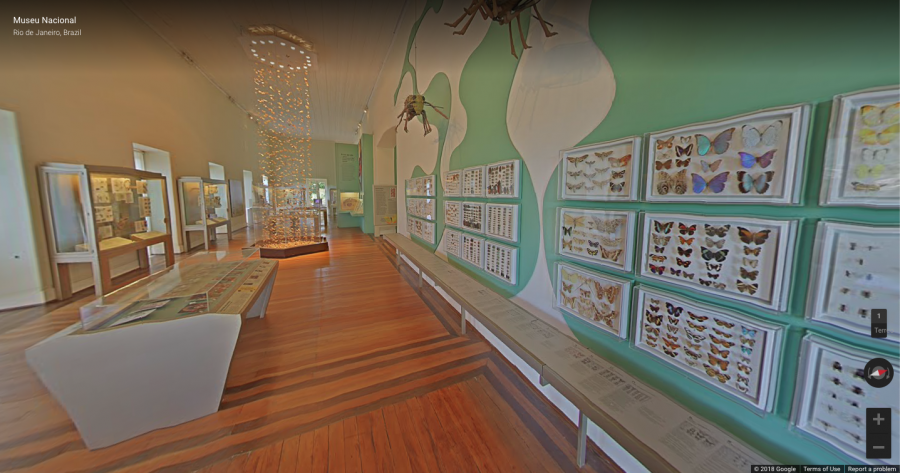
How to describe the mag­ni­tude of the loss when Brazil’s Museu Nacional caught fire in Sep­tem­ber? The New York­er’s Ale­jan­dro Cha­coff ven­tured an anal­o­gy that would res­onate with read­ers of that mag­a­zine: “It’s as if, in New York, the Amer­i­can Muse­um of Nat­ur­al His­to­ry and the New School, or a part of the Colum­bia cam­pus, had been built on the same spot, and then was reduced to ash­es.” The 200-year-old muse­um lost an esti­mat­ed 92.5 per­cent of its 20-mil­lion-item archive, one of the largest col­lec­tions of nat­ur­al his­to­ry and anthro­po­log­i­cal arti­facts in the world — but not before Google Arts & Cul­ture dig­i­tized enough to recre­ate the expe­ri­ence of vis­it­ing the Museu Nacional vir­tu­al­ly.

Start­ing back in 2016, Google Arts & Cul­ture had begun work­ing with the muse­um to bring their col­lec­tion online — so that any­one, any­where in the world could see and learn about these ancient arti­facts,” writes Google Arts & Cul­ture Pro­gram Man­ag­er Chance Coughenour.

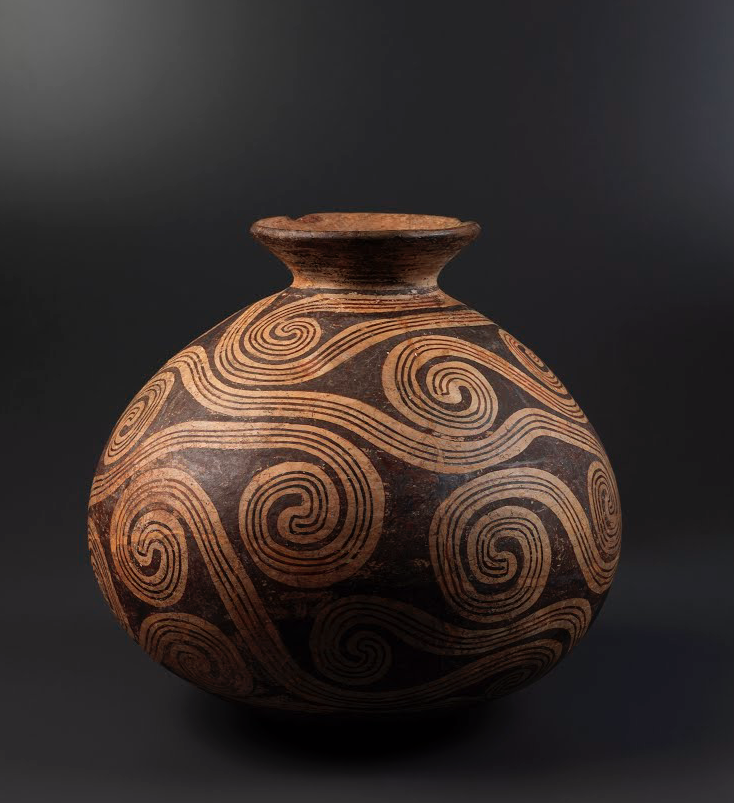
“Now for the first time ever, you can vir­tu­al­ly step inside the muse­um and learn about its lost col­lec­tion through Street View imagery and online exhibits.” In this way you can still expe­ri­ence a por­tion of “the incred­i­ble diver­si­ty of arti­facts in Brazil’s Nation­al Muse­um” that “reflect­ed cen­turies of Brazil’s cul­ture and nat­ur­al his­to­ry, from the Amazon’s endan­gered but­ter­flies to beau­ti­ful­ly-craft­ed indige­nous masks and dec­o­rat­ed pot­tery.”

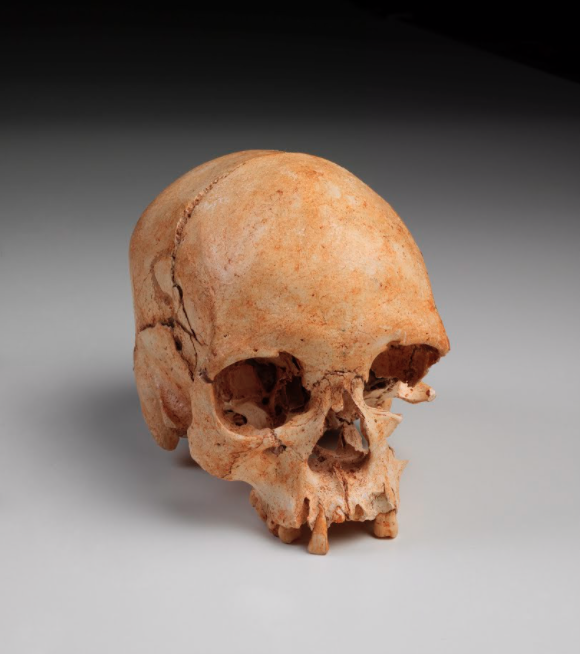
You can take a vir­tu­al tour of the high­lights of the Museu Nacional as it was here, a tour that of course includes a vis­it with the muse­um’s prized pos­ses­sion: the 12,000-year old Luzia, the old­est skele­ton found in the Amer­i­c­as, whom you can see just as she stood on dis­play in muse­um view. Mirac­u­lous­ly, Luzia counts as one of the arti­facts most­ly recov­ered from the after­math of the con­fla­gra­tion, and the muse­um has announced an ambi­tious restora­tion plan that will cost R$10 mil­lion, an amount pro­vid­ed as emer­gency funds by the Brazil­ian Gov­ern­ment — and an amount much greater than the Museu Nacional, which by its 200th anniver­sary had reached a state of not just seri­ous neglect but near-com­plete aban­don­ment, was ever able to get while still intact. Even in the case of vast repos­i­to­ries of a nation’s cul­tur­al her­itage, you don’t know what you’ve got until it’s gone.

via Art­sy

Relat­ed Con­tent:

Wikipedia Leads Effort to Cre­ate a Dig­i­tal Archive of 20 Mil­lion Arti­facts Lost in the Brazil­ian Muse­um Fire

1.8 Mil­lion Free Works of Art from World-Class Muse­ums: A Meta List of Great Art Avail­able Online

25 Mil­lion Images From 14 Art Insti­tu­tions to Be Dig­i­tized & Put Online In One Huge Schol­ar­ly Archive

Google Lets You Take a 360-Degree Panoram­ic Tour of Street Art in Cities Across the World

Take a Vir­tu­al Real­i­ty Tour of the World’s Stolen Art

Based in Seoul, Col­in Mar­shall writes and broad­casts on cities, lan­guage, and cul­ture. His projects include the book The State­less City: a Walk through 21st-Cen­tu­ry Los Ange­les and the video series The City in Cin­e­ma. Fol­low him on Twit­ter at @colinmarshall or on Face­book.

Two Cats Keep Trying to Get Into a Japanese Art Museum … and Keep Getting Turned Away: Meet the Thwarted Felines, Ken-chan and Go-chan

Pag­ing direc­tor Hayao Miyaza­ki.

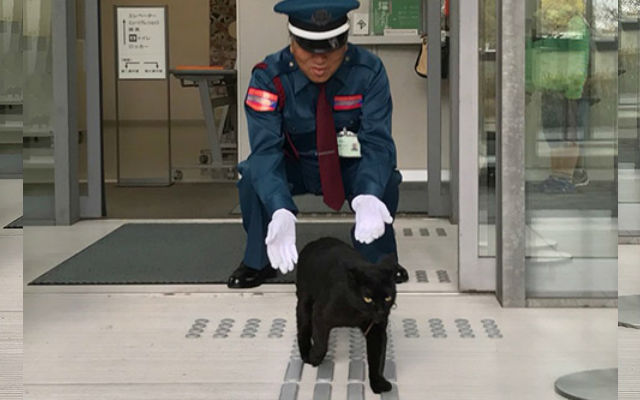
A com­pelling sub­ject for a fea­ture length ani­ma­tion is hang­ing around the slid­ing glass doors of Hiroshi­ma Prefecture’s Onomichi City Muse­um of Art.

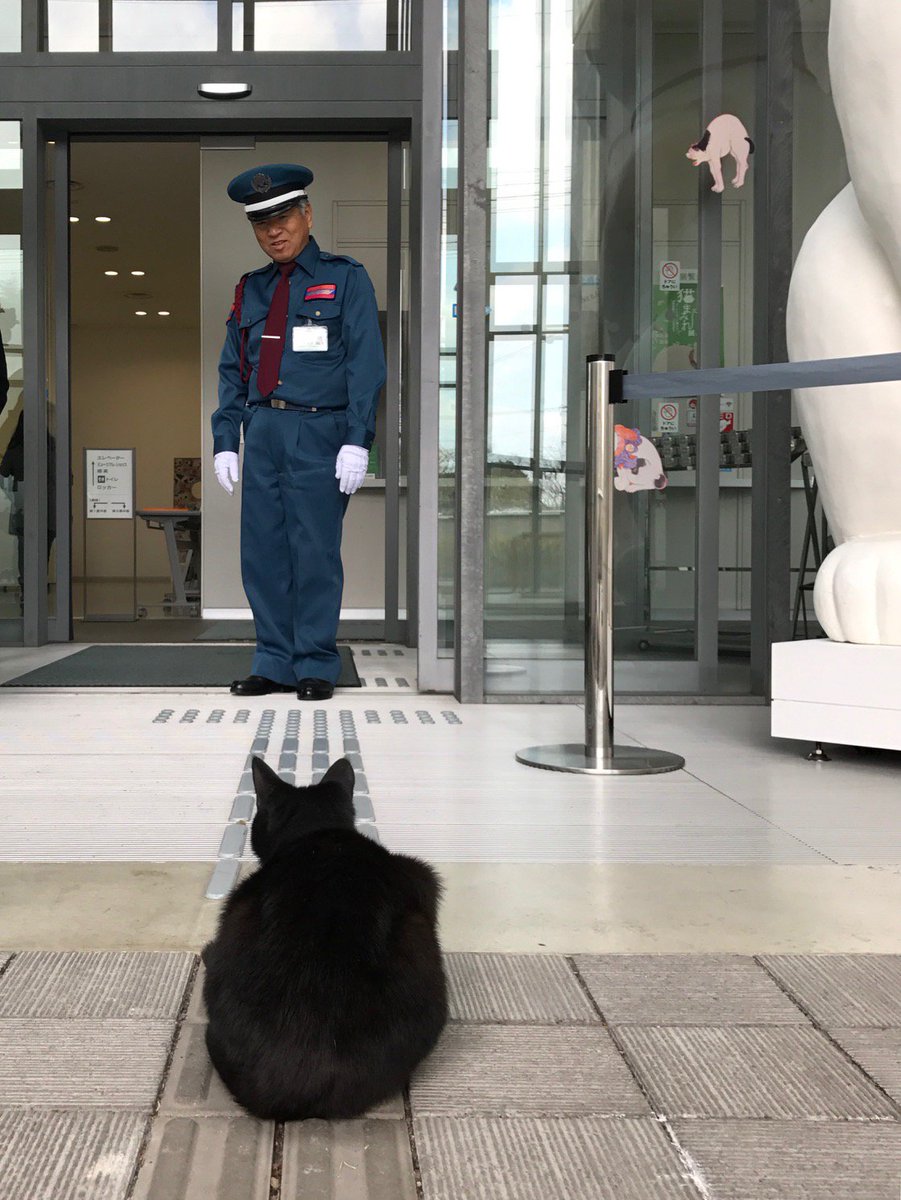
In June of 2016, a black tom­cat start­ed show­ing up at the muse­um on the reg­u­lar, for rea­sons unknown.

Those open to the sort of nar­ra­tive whim­sy at which Miyaza­ki excels might choose to believe that the beast was drawn by a cat-themed exhib­it of work by not­ed wildlife pho­tog­ra­ph­er and film­mak­er Mit­sua­ki Iwa­go, a por­tion of which would have been vis­i­ble to him through the mod­ern building’s large glass win­dows.

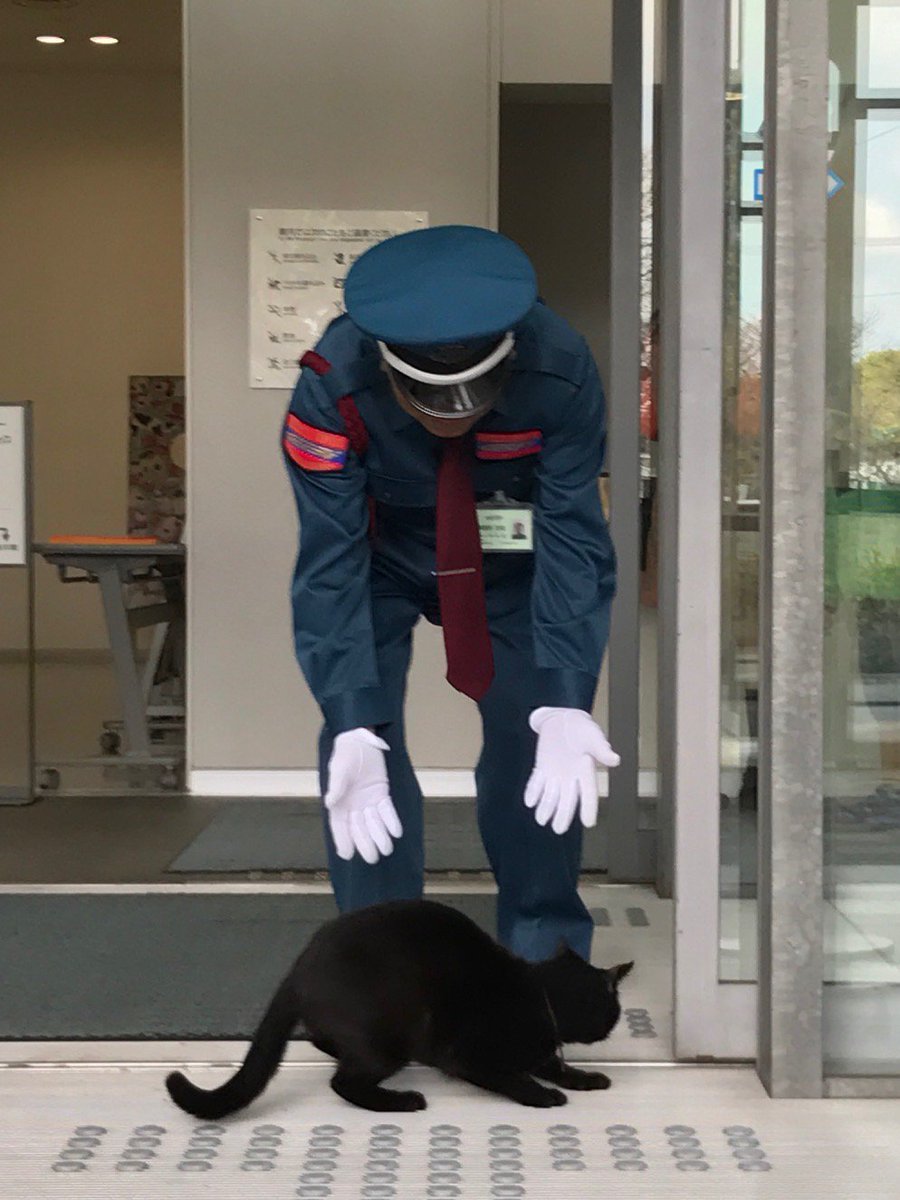
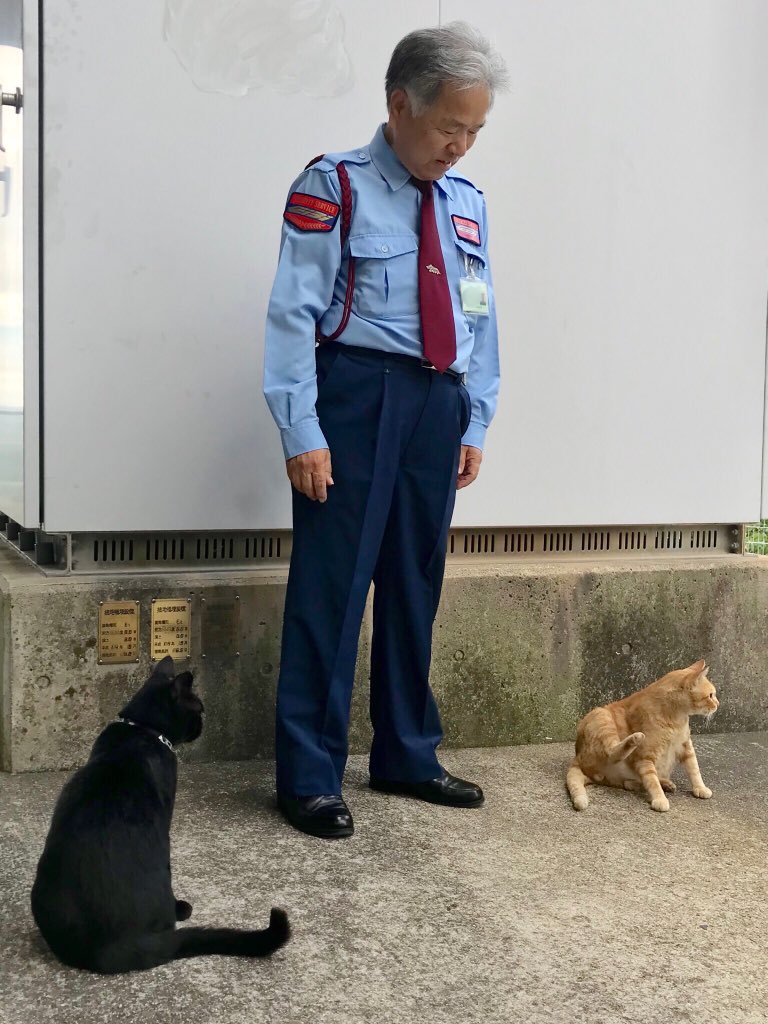
What­ev­er his rea­sons, the cat, Ken-chan, whose own­ers run a near­by restau­rant, was refused entry by a white-gloved secu­ri­ty guard and oth­er staffers, whose efforts to send him on his way start­ed blow­ing up the Inter­net short­ly after his first appear­ance.

Even­tu­al­ly, Ken-chan start­ed bring­ing back-up in the form of a well-man­nered orange tom­cat the muse­um staff dubbed Go-chan.

Their vis­its have proved to be a boon for both the small muse­um and the city they call home.

The New York Pub­lic Library has its lions.

Boston’s Pub­lic Gar­den has its ducks.

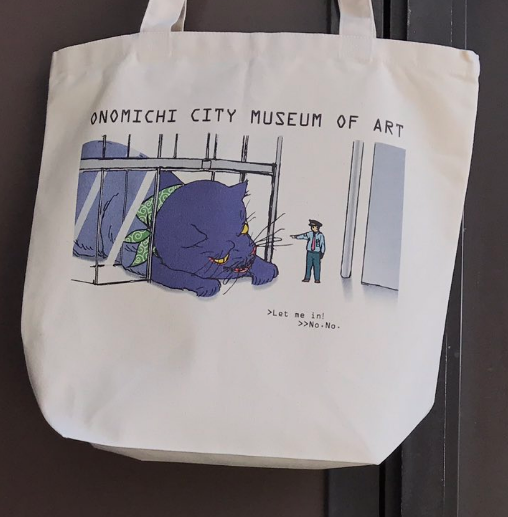
Onomichi and its small art muse­um have Ken-chan and Go-chan, whose Inter­net fame is quick­ly out­pac­ing the sup­ply of com­mem­o­ra­tive tote bags, below.

Ten­der heart­ed fans bom­bard the museum’s Twit­ter account with requests to grant the feline pair entry, but the muse­um brass is wise­ly pri­or­i­tiz­ing dra­mat­ic ten­sion over con­sum­ma­tion.

Mean­while, offi­cials in Zelenograd­sk, a Russ­ian resort town boast­ing both a cat muse­um and giant cat street mon­u­ment have invit­ed Ken-chan, Go-chan, and muse­um staff to be their guests in March, for a cat-cen­tric hol­i­day cel­e­bra­tion.

For now, Ken-chan and Go-chan are stick­ing close to home, alter­nate­ly enter­tain­ing and dis­ap­point­ing vis­i­tors who show up, cam­era in hand, hop­ing to catch them in the act.

Arm­chair trav­el­ers can enjoy a cat’s eye view tour of Onomichi, thanks to Google Street View-style 360-degree cam­era tech­nol­o­gy.

And pho­tog­ra­ph­er Iwa­go shares some pro advice for any­one seek­ing to cap­ture feline sub­jects:

…male cats are eas­i­er to pho­to­graph. Male cats seem to have more lat­i­tude and leisure in their lives. Because females do things such as raise the kit­tens, they con­cen­trate more on what goes on around them. Because males are out on patrol, it is more like­ly that you will encounter them. Because they have the free time, they’ll let you hang out and pho­to­graph them.

Depend­ing on the cat, there are a num­ber of ways to get a cat’s atten­tion. For exam­ple, when it’s start­ing to get dark out, you need to use a low­er shut­ter speed. How­ev­er, this means that the cat will be blur­ry if it moves. To avoid this, in such sit­u­a­tions, I say to the cat, ‘Stop, hold your breath!’ At that instant, when the cat is frozen, I snap the pic­ture. When you speak out to a cat, they get the mes­sage. That said, you can also get shots of good cat body lan­guage by let­ting them roam freely. They don’t need to be look­ing at the cam­era.

Even a cell­phone cam­era is enough. How­ev­er, if you don’t have a tele­pho­to lens, you’re going to have to get close to the cat you’re pho­tograph­ing. Due to this, it might be good to use a sin­gle-lens reflex (SLR) cam­era if you are pho­tograph­ing out­side. How­ev­er, if you are pho­tograph­ing the cat you live at home with, a big cam­era may prove intim­i­dat­ing. To avoid this prob­lem, it is nec­es­sary to reg­u­lar­ly put your cam­era in a place that the cat can see. It is good to start snap­ping pic­tures only after your cat has got­ten over its fear of cam­eras. If you use a flash to pho­to­graph cats indoors, their hair will look spiky and lose its soft­ness. There­fore, I rec­om­mend avoid­ing a flash. I also rec­om­mend not using a tri­pod, con­sid­er­ing the line of sight will become too high. When I am pho­tograph­ing cats, I kneel down so that I am at the same eye line as they are. It’s as if I’m crawl­ing for­ward into bat­tle.

Fol­low the Onomichi City Muse­um of Art on Twit­ter to keep up with Ken-chan and Go-chan.

via The Guardian/Hyper­al­ler­gic

Relat­ed Con­tent:

Insane­ly Cute Cat Com­mer­cials from Stu­dio Ghi­b­li, Hayao Miyazaki’s Leg­endary Ani­ma­tion Shop

Medieval Cats Behav­ing Bad­ly: Kit­ties That Left Paw Prints … and Peed … on 15th Cen­tu­ry Man­u­scripts

Free Enter­tain­ment for Cats and Dogs: Videos of Birds, Squir­rels & Oth­er Thrills

Ayun Hal­l­i­day is an author, illus­tra­tor, the­ater mak­er and Chief Pri­ma­tol­o­gist of the East Vil­lage Inky zine.  Join her in NYC this Decem­ber for the 10th anniver­sary pro­duc­tion of Greg Kotis’ apoc­a­lyp­tic hol­i­day tale, The Truth About San­ta, and the next month­ly install­ment of her book-based vari­ety show, Necro­mancers of the Pub­lic Domain. Fol­low her @AyunHalliday.

A Space of Their Own, a New Online Database, Will Feature Works by 600+ Overlooked Female Artists from the 15th-19th Centuries

Many of the works we found—well, nobody knew they were there. Nobody knew any­thing about the artists. … They weren’t impor­tant, but rather behold­en to their fathers, moth­ers, and hus­bands. They had no voice.   

— Jane For­tune, Founder of Advanc­ing Women Artists (AWA)

The paint­ings, draw­ings, prints, and sculp­tures the late Jane For­tune refers to above were dis­cov­ered in muse­um stor­age spaces through­out Flo­rence.

Many of their female cre­ators were acclaimed dur­ing their life­times. By the time For­tune set about restor­ing their work—and vis­i­bil­i­ty —to the pub­lic view, they were vir­tu­al­ly unknown, even to muse­um staff.

Saint Cather­ine with Lily by Plau­til­la Nel­li

That may change as ear­ly as the fall of 2019, when A Space of Their Own, an illus­trat­ed online data­base of over 600 female artists work­ing in the US and Europe between the 15th and 19th cen­turies, launch­es.

In prepa­ra­tion for their rein­tro­duc­tion, many of the works appear­ing on A Space of Their Own have under­gone exten­sive restora­tion, cour­tesy of Jane For­tune’s non­prof­it Advanc­ing Women Artists.

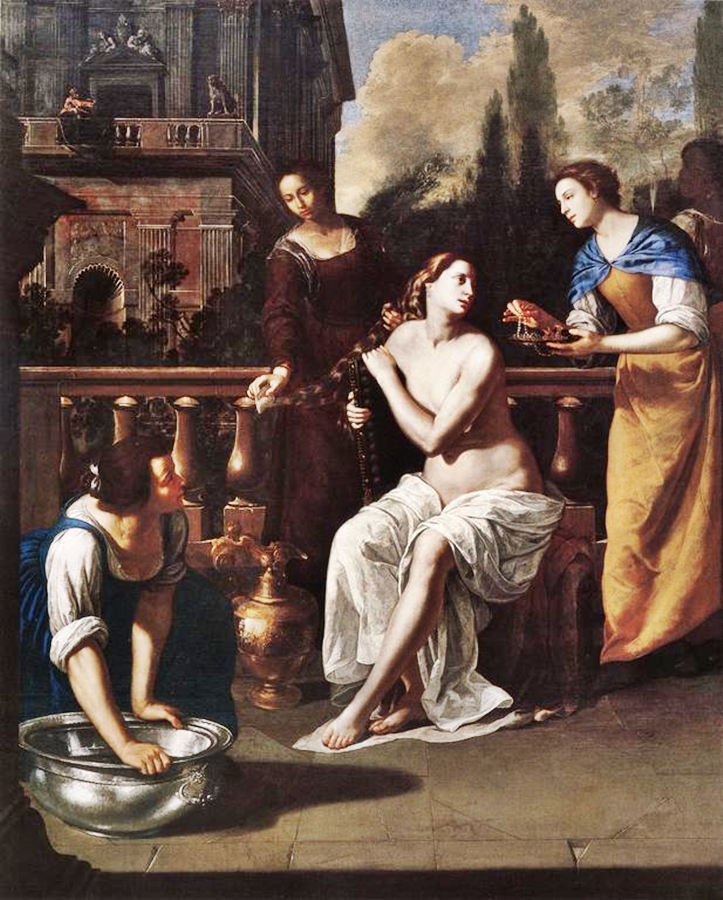
David and Bathshe­ba by Artemisia Gen­tileschi

Inter­est­ing­ly, women make up the major­i­ty of art restor­ers in Flo­rence. This pro­fes­sion­al dom­i­nance can be traced back to the mid-60s, when a cat­a­stroph­ic flood laid waste to mil­lions of the city’s art trea­sures. “It was the first time women began wear­ing trousers in Flo­rence,” Lin­da Fal­cone, AWA’s cur­rent direc­tor told art­net. “Women’s lib­er­a­tion in Flo­rence is deeply linked to the art restora­tion effort.”

Many of the artists in the data­base were self-taught, barred from seek­ing for­mal train­ing or study­ing anato­my on account of their gen­der. They could not hope to make a liv­ing from their tal­ents when women were for­bid­den from issu­ing invoic­es. And then, of course, there are the demands of mar­riage and moth­er­hood.

Small won­der they have been so under­rep­re­sent­ed in muse­ums and art his­to­ry books.

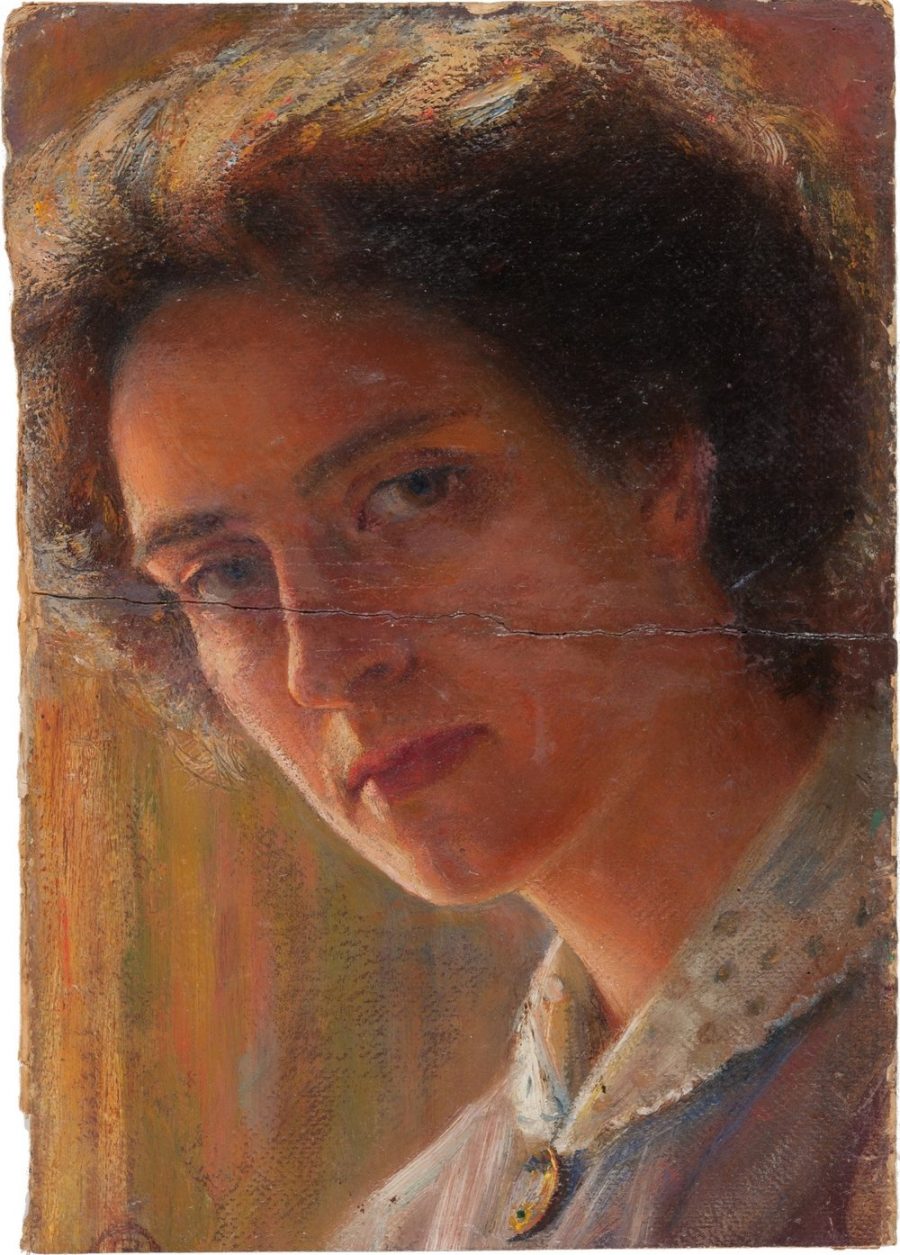
Self-por­trait by Leonet­ta Pier­ac­ci­ni Cec­chi

Peruse a menu of paint­ings in need of restora­tion spon­sor­ship and learn more about the artists on AWA’s web­site. Sign up for the newslet­ter for updates in advance of A Space of Their Own’s grand open­ing.

via Hyper­al­ler­gic

Relat­ed Con­tent:

The Female Pio­neers of the Bauhaus Art Move­ment: Dis­cov­er Gertrud Arndt, Mar­i­anne Brandt, Anni Albers & Oth­er For­got­ten Inno­va­tors

The Icon­ic Uri­nal & Work of Art, “Foun­tain,” Wasn’t Cre­at­ed by Mar­cel Duchamp But by the Pio­neer­ing Dada Artist Elsa von Frey­tag-Lor­ing­hoven

The Cre­ativ­i­ty of Female Graf­fi­ti & Street Artists Will Be Cel­e­brat­ed in Street Hero­ines, a New Doc­u­men­tary

Ayun Hal­l­i­day is an author, illus­tra­tor, the­ater mak­er and Chief Pri­ma­tol­o­gist of the East Vil­lage Inky zine.  Join her in NYC on Mon­day, Novem­ber 12 for anoth­er month­ly install­ment of her book-based vari­ety show, Necro­mancers of the Pub­lic Domain. Fol­low her @AyunHalliday.
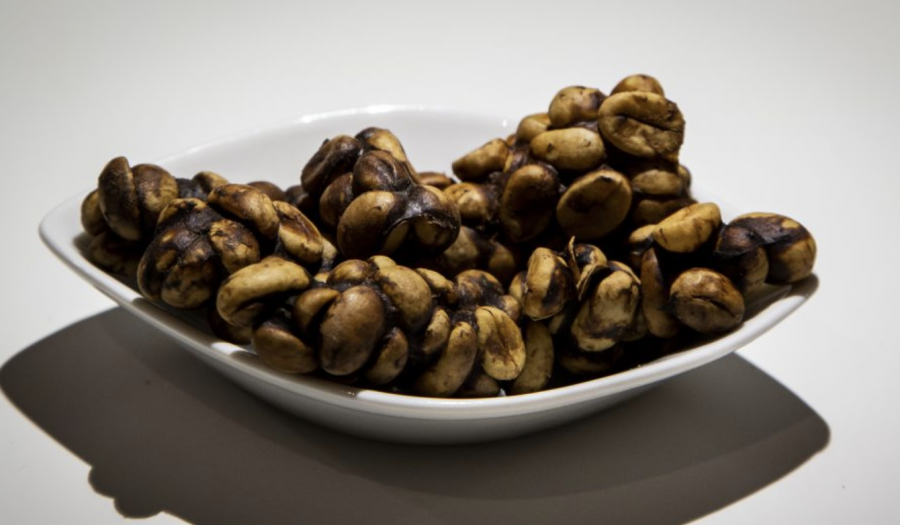
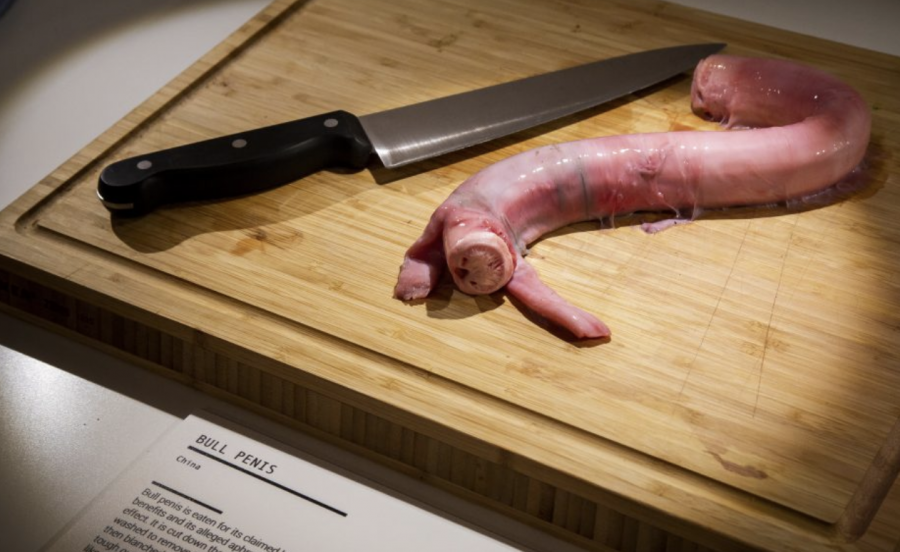
The Disgusting Food Museum Curates 80 of the World’s Most Repulsive Dishes: Maggot-Infested Cheese, Putrid Shark & More

Often we get to know each oth­er by talk­ing which foods we like. Per­haps even more often, we get to know each oth­er by talk­ing about which foods we hate. Enter­tain­ing dis­agree­ments tend to arise from such dis­cus­sions, usu­al­ly around tra­di­tion­al­ly divi­sive comestibles like anchovies, cilantro, brus­sel sprouts, or the Japan­ese dish of fer­ment­ed soy­beans known as nat­to. But how­ev­er many of us pre­fer to avoid them, these foods all look more or less con­ven­tion­al com­pared to the dish­es curat­ed by the Dis­gust­ing Food Muse­um, which the Wash­ing­ton Post’s Mau­ra Jud­kis describes as “the world’s first exhi­bi­tion devot­ed to foods that some would call revolt­ing.”

“The exhib­it has 80 of the world’s most dis­gust­ing foods,” says the muse­um’s offi­cial site. Adven­tur­ous vis­i­tors will appre­ci­ate the oppor­tu­ni­ty to smell and taste some of these noto­ri­ous foods. Do you dare smell the world’s stinki­est cheese? Or taste sweets made with met­al cleans­ing chem­i­cals?” Jud­kis notes that “the museum’s name and its con­tents are pret­ty con­tro­ver­sial — one culture’s dis­gust­ing is anoth­er culture’s del­i­ca­cy.

That goes for escamoles, the tree-ant lar­vae eat­en in Mex­i­co, or shi­rako, the cod sperm eat­en in Japan, or bird’s nest soup, a Chi­nese dish of nests made from bird sali­va.” It all goes to empha­size the Dis­gust­ing Food Muse­um’s stat­ed premis­es: “Dis­gust is one of the six fun­da­men­tal human emo­tions. While the emo­tion is uni­ver­sal, the foods that we find dis­gust­ing are not. What is deli­cious to one per­son can be revolt­ing to anoth­er.”

With inter­est in food seem­ing­ly at an all-time high — and not just food, but tra­di­tion­al food from all around the world — the cul­tur­al stud­ies wing of acad­e­mia has begun to get seri­ous mileage out of that propo­si­tion. But the Dis­gust­ing Food Muse­um has tak­en on a less intel­lec­tu­al and much more vis­cer­al mis­sion, plac­ing before its vis­i­tors duri­an fruit, banned from many a pub­lic space across Asia for its sheer stink­i­ness; casu marzu, which the muse­um’s site describes as “mag­got-infest­ed cheese from Sar­dinia”; and hákarl, which Jud­kis describes as “a putrid shark meat dish from Ice­land that the late Antho­ny Bour­dain said was one of the worst things he had ever tast­ed.”

You can learn more about these and the Dis­gust­ing Food Muse­um’s oth­er offer­ings from the Asso­ci­at­ed Press video at the top of the post, as well as at Smith­son­ian and the New York Times. If you’d like to see, smell, and even taste some of its exhibits for your­self, you’ll have to make the trek out to Malmö, Swe­den. The project comes from the mind of Samuel West, a Swede best known for cre­at­ing the Muse­um of Fail­ure (pre­vi­ous­ly fea­tured here on Open Cul­ture), whose half-Amer­i­can parent­age has made him famil­iar with sev­er­al items of U.S. cui­sine that gross out non-Amer­i­cans, from Spam to Jell‑O pas­ta sal­ad (shades of James Lileks’ mid­cen­tu­ry mid­west-focused Gallery of Regret­table Food) to Rocky Moun­tain oys­ters. Despite being Amer­i­can myself, I’ve nev­er known any­one who likes that last, a dish made of bull tes­ti­cles, or at least no one has ever admit­ted to me that they like it. But if some­one did, I’d cer­tain­ly feel as if I’d learned some­thing about them.

Relat­ed Con­tent:

The Muse­um of Fail­ure: A Liv­ing Shrine to New Coke, the Ford Edsel, Google Glass & Oth­er Epic Cor­po­rate Fails

Sal­vador Dalí’s 1973 Cook­book Gets Reis­sued: Sur­re­al­ist Art Meets Haute Cui­sine

What Pris­on­ers Ate at Alca­traz in 1946: A Vin­tage Prison Menu

Based in Seoul, Col­in Mar­shall writes and broad­casts on cities, lan­guage, and cul­ture. His projects include the book The State­less City: a Walk through 21st-Cen­tu­ry Los Ange­les and the video series The City in Cin­e­ma. Fol­low him on Twit­ter at @colinmarshall or on Face­book.

The Art Institute of Chicago Puts 44,000+ Works of Art Online: View Them in High Resolution

After the fire that total­ly destroyed Brazil’s Museu Nacional in Rio, many peo­ple lament­ed that the muse­um had not dig­i­tal­ly backed up its col­lec­tion and point­ed to the event as a trag­ic exam­ple of why such dig­i­ti­za­tion is so nec­es­sary. Just a cou­ple decades ago, stor­ing and dis­play­ing this much infor­ma­tion was impos­si­ble, so it may seem like a strange demand to make. And in any case, two-dimen­sion­al images stored on servers—or even 3D print­ed copies—cannot replace or sub­sti­tute for orig­i­nal, price­less arti­facts or works of art.

But muse­ums around the world that have dig­i­tized most–or all–of their col­lec­tions don’t claim to have repli­cat­ed or replaced the expe­ri­ence of an in-per­son vis­it, or to have ren­dered phys­i­cal media obso­lete.

Dig­i­tal col­lec­tions pro­vide access to mil­lions of peo­ple who can­not, or will not, ever trav­el to the major cities in which fine art resides, and they give mil­lions of schol­ars, teach­ers, and stu­dents resources once avail­able only to a select few.

We can’t all take the day off like Fer­ris Bueller and stand in front of Georges Seurat’s Sun­day After­noon on the Island of La Grande Jat­te. But thanks to the Art Insti­tute of Chica­go, we can all view and down­load the 1884 pointil­list paint­ing in high res­o­lu­tion, zoom in close­ly like the trou­bled Cameron to spe­cif­ic details, share the dig­i­tal image under a Cre­ative Com­mons Zero license, and sim­i­lar­ly inter­act with an oil sketch for the final paint­ing and sev­er­al con­té cray­on stud­ies.

And if that weren’t enough, the muse­um also includes a bib­li­og­ra­phy, exhi­bi­tion his­to­ry, notes on prove­nance, audio and video his­to­ries and descrip­tions, and edu­ca­tion­al resources like teacher man­u­als, les­son plans, and exams. This goes for many of the 44,312—with more to come—digital images online, includ­ing such famous works of art as Vin­cent van Gogh’s 1889 The Bed­room, Grant Wood’s 1930 Amer­i­can Goth­ic, Pablo Picasso’s 1903–4 blue peri­od paint­ing The Old Gui­tarist, Edward Hopper’s 1942 Nighthawks, Mary Cassatt’s 1893 The Child’s Bath, and so many more that it bog­gles the mind.

Browse Impres­sion­ism, Pop Art, works from the African Dias­po­ra, Cityscapes, Fash­ion, Mytho­log­i­cal Works, and oth­er gen­res and cat­e­gories. Search artists, dates, styles, media, depart­ments, places, and more.

A per­son­al vis­it to the Art Insti­tute is an awe-inspir­ing, and some­what over­whelm­ing expe­ri­ence, if you can get the day to go. You can vis­it the web­site, with full unre­strict­ed access, and gath­er infor­ma­tion, study, mar­vel, and casu­al­ly browse, at any time of day—every day if you like. No, it’s not the same, but as a learn­ing expe­ri­ence, in some ways, it’s even bet­ter. And if, by some awful chance, any­thing should hap­pen to this art, we won’t have to rely on user-sub­mit­ted pho­tos to recon­struct the cul­tur­al mem­o­ry.

The launch of this col­lec­tion comes as part of the museum’s web­site redesign, and it is an exten­sive, and expen­sive, endeav­or. The Art Insti­tute, which charges for entry, can afford to make its col­lec­tions free online. Some oth­er muse­ums charge image fees to sup­port their online work. Ide­al­ly, as art his­to­ri­an Ben­dor Grosvenor writes at Art His­to­ry News, muse­ums should offer free and open access to both phys­i­cal and online col­lec­tions, and some insti­tu­tions, like Sweden’s National­mu­se­um, have shown that this is pos­si­ble.

And, as Grosvenor shows, the suc­cess of open access online col­lec­tions has yield­ed anoth­er ben­e­fit, for both view­ers and muse­ums alike. The more peo­ple are exposed to art online, the more like­ly they are to vis­it muse­ums in per­son. Chica­go awaits you. Until then, vir­tu­al­ly immerse your­self in the Art Institute’s many thou­sands of trea­sures here.

Relat­ed Con­tent:

25 Mil­lion Images From 14 Art Insti­tu­tions to Be Dig­i­tized & Put Online In One Huge Schol­ar­ly Archive

1.8 Mil­lion Free Works of Art from World-Class Muse­ums: A Meta List of Great Art Avail­able Online

Wikipedia Leads Effort to Cre­ate a Dig­i­tal Archive of 20 Mil­lion Arti­facts Lost in the Brazil­ian Muse­um Fire

Josh Jones is a writer and musi­cian based in Durham, NC. Fol­low him at @jdmagness

Wikipedia Leads Effort to Create a Digital Archive of 20 Million Artifacts Lost in the Brazilian Museum Fire

The stag­ger­ing loss of a pos­si­ble 20 mil­lion arti­facts in the fire that con­sumed Brazil’s Museu Nacional in Rio bog­gles the mind—dinosaur fos­sils, the old­est human remains found in the coun­try, and, as Emi­ly Drey­fuss reports at Wired, “audio record­ings and doc­u­ments of indige­nous lan­guages. Many of those lan­guages, already extinct, may now be lost for­ev­er.” For­mer Brazil­ian envi­ron­ment min­is­ter called the destruc­tion of Latin Amer­i­ca’s biggest nat­ur­al his­to­ry muse­um “a lobot­o­my of the Brazil­ian mem­o­ry.”

The incal­cu­la­ble loss of cul­ture and his­to­ry seems all the more trag­ic giv­en that it might have been slowed or stopped but for gov­ern­ment cuts that left the muse­um with crum­bling infra­struc­ture and with­out a sprin­kler sys­tem or even water for the hydrants out­side (fire­fight­ers had to get water from a near­by lake). But assign­ing blame, while nec­es­sary to pre­vent future cat­a­stro­phes, will not restore the museum’s trea­sures or the many years of research its staff lost when their offices went up in flames.

Sad­ly, as Drey­fuss points out, like many muse­ums around the world, the Museu Nacional had not begun to back up its col­lec­tion dig­i­tal­ly. But it may not be entire­ly too late for that, in some small part at least. In an announce­ment last week, Wikipedia called for a post fac­to crowd­sourced back­up in the form of user-sub­mit­ted pho­tos.

“We’re ask­ing peo­ple every­where to join our glob­al com­mu­ni­ty,” wrote exec­u­tive direc­tor of the Wiki­me­dia Foun­da­tion, Kather­ine Maher, “and help the world recov­er from this col­lec­tive tragedy.” Maher describes the fire as a “dev­as­tat­ing loss of 200 years of his­to­ry,” but of course, it’s much more than that. The muse­um con­tained not only pre­his­toric arti­facts, but also Egypt­ian sar­copha­gi and mum­mies, Greek vas­es, and many oth­er ancient trea­sures. You can get a sense of the scope of its col­lec­tions at the museum’s web­site and browse the vis­i­tor-sub­mit­ted pho­tos at Wiki­me­dia.

“Thou­sands of images have already been uploaded,” reports Brazil’s O Globo. Few of them con­tain any iden­ti­fy­ing infor­ma­tion, and it will fall to schol­ars or knowl­edge­able Wikipedia edi­tors to pro­vide it. Oth­er insti­tu­tions around the world are also respond­ing. Geek­Wire notes that “Nation­al Geo­graph­ic, UNESCO and the French gov­ern­ment have offered sup­port for restor­ing the muse­um and recon­sti­tut­ing its col­lec­tion.” It may rise from the ash­es, but most of the museum’s for­mer con­tents will only exist through the pho­to­graph­ic doc­u­men­ta­tion of its many thou­sands of vis­i­tors.

If you were one of those vis­i­tors, you can sub­mit your pho­tos to Wiki­me­dia Com­mons (see the instruc­tions above, or at the tweet here). Stu­dents from the Uni­ver­si­dade Fed­er­al do Esta­do do Rio de Janeiro are also “head­ing up their own crowd­sourc­ing effort,” Geek­Wire notes. “They’re even solic­it­ing self­ies from past vis­its.” Here’s hop­ing this tragedy spurs gov­ern­ments to pro­vide the need­ed fund­ing for muse­ums in the future, and push­es muse­ums that are not doing so to make dig­i­tal archiv­ing a pri­or­i­ty.

Relat­ed Con­tent:

1.8 Mil­lion Free Works of Art from World-Class Muse­ums: A Meta List of Great Art Avail­able Online

25 Mil­lion Images From 14 Art Insti­tu­tions to Be Dig­i­tized & Put Online In One Huge Schol­ar­ly Archive

Free: Down­load 70,000+ High-Res­o­lu­tion Images of Chi­nese Art from Taipei’s Nation­al Palace Muse­um

Josh Jones is a writer and musi­cian based in Durham, NC. Fol­low him at @jdmagness

Free: Download 70,000+ High-Resolution Images of Chinese Art from Taipei’s National Palace Museum

Dur­ing Chi­na’s Ming and Qing dynas­ties, which togeth­er spanned the years 1386 to 1912, few in the Mid­dle King­dom, let alone else­where, could hope for even a glimpse of the finest Chi­nese art­works of their time. But recent­ly one muse­um has made a trove of art and arti­facts from those dynas­ties and oth­ers dig­i­tal­ly acces­si­ble to the world, and a muse­um out­side main­land Chi­na at that. “Accord­ing to pop­u­lar news web­site The Paper,” writes the BBC’s Ker­ry Allen, “Taipei’s Nation­al Palace Muse­um has placed 70,000 high-qual­i­ty elec­tron­ic images in a free-to-down­load archive so that online users can enjoy its exhi­bi­tions” — and with­out the has­sles of “glass bar­ri­er and light­ing restric­tions.”

First estab­lished as the Palace Muse­um in 1925, after the expul­sion of Chi­na’s last emper­or Puyi, the Nation­al Palace Muse­um began its col­lec­tion with valu­ables belong­ing to the for­mer Impe­r­i­al fam­i­ly. Now, writes Hyper­al­ler­gic’s Claire Voon, it boasts “one of the largest troves of ancient Chi­nese impe­r­i­al arti­facts, from paint­ings to rare books to all sorts of objects made of jade, bronze, ceram­ic, and more.”

The dig­i­ti­za­tion and upload­ing project, called Nation­al Palace Muse­um Open Data, offers an Eng­lish ver­sion site, “although that is cur­rent­ly a rather lim­it­ed and incom­plete resource. The Chi­nese ver­sion fea­tures two por­tals to more effi­cient­ly comb through the museum’s relics. One is specif­i­cal­ly for paint­ing and cal­lig­ra­phy works; the oth­er, for every­thing else.”

Still, the Nation­al Palace Muse­um has been improv­ing its Eng­lish por­tal, which allows search­es not just by cat­e­go­ry of object but by dynasty, a list that now reach­es far beyond the Ming and Qing, all the way back to the Shang Dynasty of 1600 BC to 1046 BC. But even as the Eng­lish ver­sion catch­es up to the Chi­nese one — as of this writ­ing, it con­tains more than 4700 items — it will sure­ly take some time before Nation­al Palace Muse­um Open Data catch­es up with the com­plete hold­ings of the Nation­al Palace Muse­um, with its per­ma­nent col­lec­tion of about 700,000 Chi­nese impe­r­i­al arti­facts and art­works span­ning eight mil­len­nia. As with Chi­nese his­to­ry itself, a for­mi­da­ble sub­ject of study if ever there was one, it has to be tak­en one piece at a time.

via Hyper­al­ler­gic

Relat­ed Con­tent:

1.8 Mil­lion Free Works of Art from World-Class Muse­ums: A Meta List of Great Art Avail­able Online

The World’s Old­est Mul­ti­col­or Book, a 1633 Chi­nese Cal­lig­ra­phy & Paint­ing Man­u­al, Now Dig­i­tized and Put Online

Pre-Flight Safe­ty Demon­stra­tion Gets Per­formed as a Mod­ern Dance: A Cre­ative Video from a Tai­wanese Air­line

China’s New Lumi­nous White Library: A Strik­ing Visu­al Intro­duc­tion

Based in Seoul, Col­in Mar­shall writes and broad­casts on cities and cul­ture. His projects include the book The State­less City: a Walk through 21st-Cen­tu­ry Los Ange­les and the video series The City in Cin­e­ma. Fol­low him on Twit­ter at @colinmarshall or on Face­book.

New York Public Library Card Now Gives You Free Access to 33 NYC Museums

If you’re one of the 8.5 mil­lion peo­ple liv­ing in New York City, take note of this: When you sign up for a library card from the New York Pub­lic Library, you can get access to 30,000 free movies (includ­ing many from the Cri­te­ri­on Col­lec­tion) and also some 300,000 Free eBooks. But that’s not all. A new ini­tia­tive lets mem­bers of the New York Pub­lic Library (plus the Brook­lyn and Queens libraries) to sign up for a Cul­ture Pass and there­by gain free entrance to 33 muse­ums across NYC. The list of par­tic­i­pat­ing muse­ums includes some big ones–the Met, Mor­gan, Whit­ney, Frick and Guggen­heim. Also the MoMA, Brook­lyn Muse­um, and Brook­lyn Botan­ic Gar­den, and more. Find a com­plete list below.

The Cul­ture Pass web­site has more infor­ma­tion about this new pro­gram. The web­site is also where you will need to actu­al­ly make reser­va­tions to vis­it the muse­ums. Accord­ing to Hyper­al­ler­gic, “Each card­hold­er is eli­gi­ble for one pass per cul­tur­al insti­tu­tion annu­al­ly and allowed to reserve two impend­ing vis­its at any giv­en time.”

New York­ers, you can sign up for library cards via these links: New York Pub­lic Library, Brook­lyn Library, and Queens Library.

If you would like to sign up for Open Culture’s free email newslet­ter, please find it here. It’s a great way to see our new posts, all bun­dled in one email, each day.

If you would like to sup­port the mis­sion of Open Cul­ture, con­sid­er mak­ing a dona­tion to our site. It’s hard to rely 100% on ads, and your con­tri­bu­tions will help us con­tin­ue pro­vid­ing the best free cul­tur­al and edu­ca­tion­al mate­ri­als to learn­ers every­where. You can con­tribute through Pay­Pal, Patre­on, and Ven­mo (@openculture). Thanks!

Par­tic­i­pat­ing Muse­ums

  • Brook­lyn Botan­ic Gar­den
  • Brook­lyn Chil­dren’s Muse­um
  • Brook­lyn His­tor­i­cal Soci­ety
  • Brook­lyn Muse­um
  • Chil­dren’s Muse­um of Man­hat­tan
  • Chil­dren’s Muse­um of the Arts
  • Coop­er Hewitt, Smith­son­ian Design Muse­um
  • The Draw­ing Cen­ter
  • The Frick Col­lec­tion
  • His­toric Rich­mond Town
  • Inter­na­tion­al Cen­ter of Pho­tog­ra­phy
  • Intre­pid Sea, Air & Space Muse­um
  • Jacques Mar­chais Muse­um of Tibetan Art
  • The Jew­ish Muse­um
  • Louis Arm­strong House
  • The Met­ro­pol­i­tan Muse­um of Art
  • The Mor­gan Library & Muse­um
  • Muse­um of Mod­ern Art, MoMA PS1
  • Muse­um of Chi­nese in Amer­i­ca
  • Muse­um of Jew­ish Her­itage — A Liv­ing Memo­r­i­al to the Holo­caust
  • Muse­um of the City of New York
  • New York Tran­sit Muse­um
  • Noguchi Muse­um
  • Queens His­tor­i­cal Soci­ety
  • Queens Muse­um
  • Rubin Muse­um of Art
  • Sculp­ture­Cen­ter
  • Smith­son­ian Nation­al Muse­um of the Amer­i­can Indi­an
  • Soci­ety of Illus­tra­tors
  • Solomon R. Guggen­heim Muse­um
  • Sug­ar Hill Chil­dren’s Muse­um
  • Wave Hill
  • Whit­ney Muse­um of Amer­i­can Art

via Hyper­al­ler­gic

Relat­ed Con­tent:

New York­ers Can Now Stream 30,000 Free Movies, Includ­ing the Entire Cri­te­ri­on Col­lec­tion, with Their Library Cards

The New York Pub­lic Library Lets Patrons Down­load 300,000 eBooks

by | Permalink | Make a Comment ( 1 ) |

« Go BackMore in this category... »
Quantcast