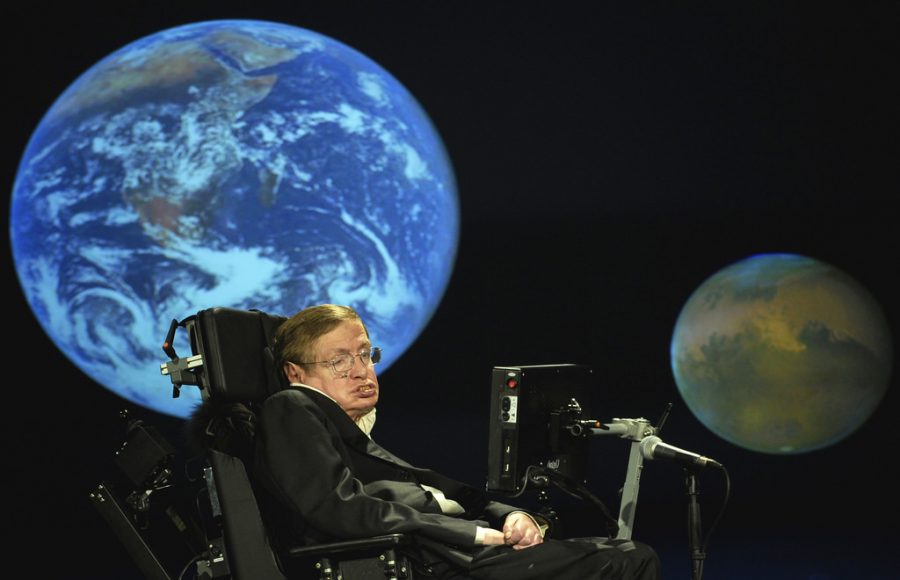
Stephen Hawking’s Ph.D. Thesis, “Properties of Expanding Universes,” Now Free to Read/Download Online

Image by NASA, via Flickr Com­mons

Imag­ine being Stephen Hawking’s dis­ser­ta­tion advi­sor? Not that most of us can put our­selves in the shoes of emi­nent Cam­bridge physi­cist Den­nis Scia­ma… but imag­ine a stu­dent suc­ceed­ing so pro­found­ly, after hav­ing over­come such remark­able dif­fi­cul­ty, to become the cel­e­brat­ed Stephen Hawk­ing? One would feel immense­ly proud, I’d guess, and maybe just a lit­tle intim­i­dat­ed. Some grad­u­ate-lev­el pro­fes­sors might even feel threat­ened by such a stu­dent. It’s doubt­ful, how­ev­er, that Sciama—who signed off on Hawking’s the­sis in 1966 and died in 1999—felt this way.

As F.R. Ellis and Roger Pen­rose write, when Hawk­ing announced a sig­nif­i­cant find­ing about black holes in 1974, Scia­ma “quick­ly rec­og­nized the impor­tance… hail­ing it as ini­ti­at­ing a new rev­o­lu­tion in our under­stand­ing.” Despite his por­tray­al by David Thewlis as “a kind of author­i­tar­i­an gate­keep­er” in the Hawk­ing biopic The The­o­ry of Every­thing, Scia­ma “was much more than that pic­ture sug­gests,” writes anoth­er of his high­ly accom­plished mentees, Adri­an Melott; “he was a superb men­tor who brought out the best in his stu­dents.” Ellis and Pen­rose, them­selves esteemed sci­en­tists strong­ly influ­enced by Scia­ma, write of his “aston­ish­ing suc­ces­sion of research stu­dents,” three of whom became fel­lows of the Roy­al Soci­ety.

I men­tion these names because they are just a few of the many peo­ple who inspired, chal­lenged, and guid­ed Hawk­ing, much of whose fame rests on his best­selling pop­u­lar cos­mol­o­gy, A Brief His­to­ry of Time. While he may be talked of as a lone eccen­tric sin­gu­lar­i­ty whose mind oper­ates above our mor­tal plane, like every sci­en­tist, he devel­oped in a com­mu­ni­ty that includes many such minds. The obser­va­tion in no way dimin­ish­es Hawking’s accomplishments–it might, ide­al­ly, spur those of us with an inter­est in his work to look at how it devel­oped in con­ver­sa­tion and debate with oth­ers, like emi­nent Cam­bridge physi­cist Fred Hoyle.

We can begin to do that now by going back to Hawking’s grad­u­ate days and read­ing his doc­tor­al the­sis, which has been made avail­able for free down­load by the Cam­bridge Uni­ver­si­ty Library. “Prop­er­ties of Expand­ing Uni­vers­es” has proven so pop­u­lar that it crashed the library web site, with more than 60,000 views yes­ter­day. By con­trast, “oth­er pop­u­lar the­ses might have 100 views per month,” says Stu­art Roberts, deputy head of research com­mu­ni­ca­tions at Cam­bridge.

In a state­ment accom­pa­ny­ing the dissertation’s release, Hawk­ing mat­ter-of-fact­ly sit­u­ates him­self in a vast com­mu­ni­ty of “great” minds:

By mak­ing my PhD the­sis Open Access, I hope to inspire peo­ple around the world to look up at the stars and not down at their feet; to won­der about our place in the uni­verse and to try and make sense of the cos­mos. Any­one, any­where in the world should have free, unhin­dered access to not just my research, but to the research of every great and enquir­ing mind across the spec­trum of human under­stand­ing.

Should we have such open access, all of us could fol­low the debates across aca­d­e­m­ic projects, learn how the most sophis­ti­cat­ed views of the universe’s nature get for­mu­lat­ed and refined. How­ev­er, we’d prob­a­bly also find that few oth­er physi­cists express them­selves with as much clar­i­ty as Hawk­ing. Whether or not we under­stand his sci­en­tif­ic expla­na­tions, we can under­stand his prose, and his direct­ness of expres­sion has won him mil­lions of read­ers who may have nev­er have oth­er­wise read any the­o­ret­i­cal physics. See the first para­graph of Hawking’s intro­duc­tion below:

The idea that the uni­verse is expand­ing is of recent ori­gin. All the ear­ly cos­molo­gies were essen­tial­ly sta­tion­ary and even Ein­stein whose the­o­ry of rel­a­tiv­i­ty is the basis for almost all mod­ern devel­op­ments in cos­mol­o­gy, found it nat­ur­al to sug­gest a sta­t­ic mod­el of the uni­verse. How­ev­er there is a very grave dif­fi­cul­ty asso­ci­at­ed with a sta­t­ic mod­el such as Ein­stein’s which is sup­posed to have exist­ed for an infi­nite time. For, if the stars had been radi­at­ing ener­gy at their present rates for an infi­nite time, they would have need­ed an infi­nite sup­ply of ener­gy. Fur­ther, the flux of radi­a­tion now would be infi­nite. Alter­na­tive­ly, if they had only a lim­it­ed sup­ply of ener­gy, the whole uni­verse would by now have reached ther­mal equi­lib­ri­um which is cer­tain­ly not the case. This dif­fi­cul­ty was noticed by Old­ers who how­ev­er was not able to sug­gest any solu­tion. The dis­cov­ery of the reces­sion of the neb­u­lae by Hub­ble led to the aban­don­ment of sta­t­ic mod­els in favour of ones which were expand­ing.

Whether the remain­der of “Prop­er­ties of Expand­ing Uni­vers­es” is as read­able may be dif­fi­cult to deter­mine for a lit­tle while. As of the writ­ing of this post, at least, both the orig­i­nal link and a sec­ondary URL host­ing a pho­tographed ver­sion of the doc­u­ment have ground to a halt. (Update: Pages are serv­ing fair­ly well again, at least for now.) No doubt many of the vis­i­tors are physi­cists and grad stu­dents them­selves. But their num­bers may be dwarfed by laypeo­ple eager to see Hawking’s pecu­liar genius first emerge into the world, from a com­mu­ni­ty of sim­i­lar­ly bril­liant cos­mol­o­gists.

Relat­ed Con­tents:

Read John Nash’s Super Short PhD The­sis with 26 Pages & 2 Cita­tions: The Beau­ty of Invent­ing a Field

Stephen Hawking’s Lec­tures on Black Holes Now Ful­ly Ani­mat­ed with Chalk­board Illus­tra­tions

Stephen Hawking’s New Lec­ture, “Do Black Holes Have No Hair?,” Ani­mat­ed with Chalk­board Illus­tra­tions

Read John Nash’s Super Short PhD The­sis with 26 Pages & 2 Cita­tions: The Beau­ty of Invent­ing a Field

The Big Ideas of Stephen Hawk­ing Explained with Sim­ple Ani­ma­tion

Josh Jones is a writer and musi­cian based in Durham, NC. Fol­low him at @jdmagness

Neil deGrasse Tyson Demonstrates the Physics-Defying Rattleback

The rat­tle­back–it’s been intrigu­ing us since pre­his­toric times. Seem­ing to defy the laws of physics, it spins in one direc­tion, “rat­tles” to a stop, and then changes direc­tion, as Neil deGrasse Tyson demon­strates above. How does the rat­tle­back work? To get into that, watch this tech­ni­cal video from William Case, a pro­fes­sor at Grin­nell Col­lege. Or review the resources on this web page. In either case, you will need to wear your think­ing cap.

If you would like to sup­port the mis­sion of Open Cul­ture, con­sid­er mak­ing a dona­tion to our site. It’s hard to rely 100% on ads, and your con­tri­bu­tions will help us con­tin­ue pro­vid­ing the best free cul­tur­al and edu­ca­tion­al mate­ri­als to learn­ers every­where. You can con­tribute through Pay­Pal, Patre­on, and Ven­mo (@openculture). Thanks!

Relat­ed Con­tent:

Free Online Physics Cours­es

The Feyn­man Lec­tures on Physics, The Most Pop­u­lar Physics Book Ever Writ­ten, Now Com­plete­ly Online

The Pio­neer­ing Physics TV Show, The Mechan­i­cal Uni­verse, Is Now on YouTube: 52 Com­plete Episodes from Cal­tech

Free Physics Text­books

by | Permalink | Make a Comment ( 1 ) |

When a Cat Co-Authored a Paper in a Leading Physics Journal (1975)

Back in 1975, Jack H. Het­her­ing­ton, a physics pro­fes­sor at Michi­gan State Uni­ver­si­ty, wrote a research paper on low–temperature physics for the respect­ed sci­en­tif­ic jour­nal Phys­i­cal Review Let­ters. Before send­ing it off, Het­her­ing­ton asked a col­league to review the paper, just to make sure it cov­ered the right bases. What hap­pened next Het­her­ing­ton explained in the 1982 book, More Ran­dom Walks in Sci­ence:

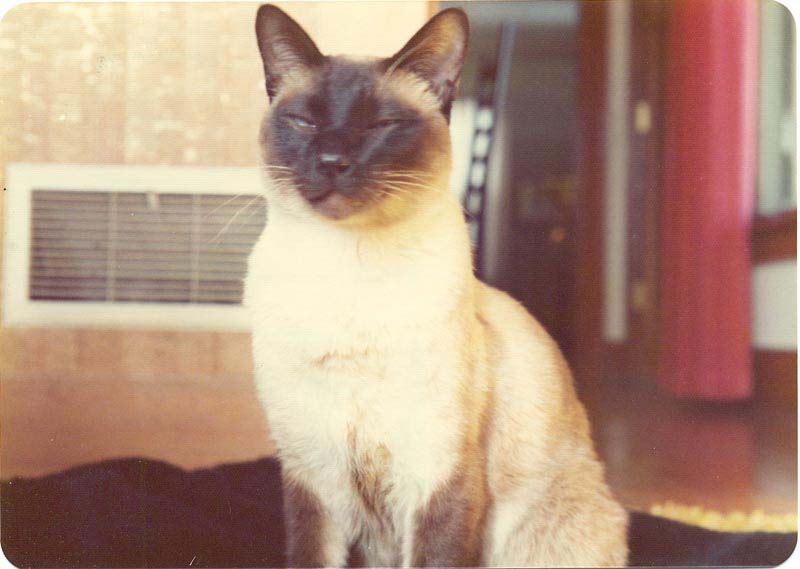
Before I sub­mit­ted [the arti­cle], I asked a col­league to read it over and he said, ‘It’s a fine paper, but they’ll send it right back.’ He explained that that is because of the Edi­tor’s rule that the word “we” should not be used in a paper with only a sin­gle author. Chang­ing the paper to the imper­son­al seemed too dif­fi­cult now, and it was all writ­ten and typed; there­fore, after an evening’s thought, I sim­ply asked the sec­re­tary to change the title page to include the name of the fam­i­ly cat, a Siamese called Chester, sired one sum­mer by Willard (one of the few unfixed male Siamese cats in Aspen, Col­orado). I added the ini­tials F D in front of the name to stand for Felix Domes­ti­cus and thus cre­at­ed F D C Willard.

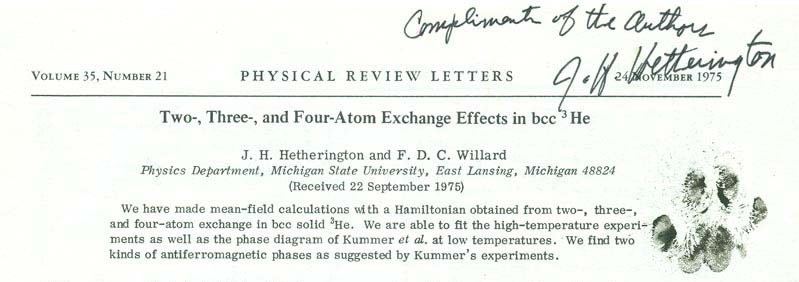
The edi­tors even­tu­al­ly accept­ed the paper, “Two‑, Three‑, and Four-Atom Exchange Effects in bcc 3 He.” And the ruse last­ed until, remem­bers Het­her­ing­ton, “a vis­i­tor [came to the uni­ver­si­ty and] asked to talk to me, and since I was unavail­able asked to talk with Willard. Every­one laughed and soon the cat was out of the bag.” (Pun sure­ly intend­ed.) Appar­ent­ly only the jour­nal edi­tors did­n’t find humor in the joke.

Above, you can see F.D.C. Willard’s sig­na­ture (a paw print) on the front page of the arti­cle. The web­site, Today­I­Found­Out, has much more on this enchant­i­ng lit­tle sto­ry.

If you would like to sup­port the mis­sion of Open Cul­ture, con­sid­er mak­ing a dona­tion to our site. It’s hard to rely 100% on ads, and your con­tri­bu­tions will help us con­tin­ue pro­vid­ing the best free cul­tur­al and edu­ca­tion­al mate­ri­als to learn­ers every­where. You can con­tribute through Pay­Pal, Patre­on, and Ven­mo (@openculture). Thanks!

Relat­ed Con­tent:

The Short­est-Known Paper Pub­lished in a Seri­ous Math Jour­nal: Two Suc­cinct Sen­tences 

The Famous Schrodinger’s Cat Thought Exper­i­ment Gets Brought to Life in an Off-Kil­ter Ani­ma­tion

Insane­ly Cute Cat Com­mer­cials from Stu­dio Ghi­b­li, Hayao Miyazaki’s Leg­endary Ani­ma­tion Shop

Nick Cave Nar­rates an Ani­mat­ed Film about the Cat Piano, the Twist­ed 18th Cen­tu­ry Musi­cal Instru­ment Designed to Treat Men­tal Ill­ness

An Animated Introduction to the Life & Work of Marie Curie, the First Female Nobel Laureate

Look­ing for an intro­duc­tion or rein­tro­duc­tion to the life and work of sci­en­tist Marie Curie?

You could have a peek at her orig­i­nal man­u­scripts, after first sign­ing a waiv­er and garb­ing your­self in pro­tec­tive gear, so as to avoid the radioac­tiv­i­ty per­me­at­ing her pos­ses­sions

Or you could turn to song. Army of Lovers, the Crypts!, and the Dee­dle Dee­dle Dees have all writ­ten songs in cel­e­bra­tion of this bril­liant woman, the first female Nobel Lau­re­ate and only per­son in his­to­ry to have been award­ed Nobel prizes in two dif­fer­ent sci­ences.

(Her lead-lined cof­fin, for­bid­den stud­ies, and romance with fel­low physi­cist and hus­band Pierre are the stuff from which gold­en lyrics are spun…)

Or you could watch the TED-Ed ani­ma­tion above, writ­ten and nar­rat­ed by Dr. Shohi­ni Ghose, Physics Pro­fes­sor and Direc­tor of Wil­frid Lau­ri­er University’s Cen­tre for Women in Sci­ence.

Ghose coun­ter­bal­ances the tan­ta­liz­ing bio­graph­i­cal tid­bits of the world’s most famous female sci­en­tist with her actu­al con­tri­bu­tions to the fields of oncol­o­gy, tech­nol­o­gy, med­i­cine, and nuclear physics.

Ghose’s full TED-Ed les­son includes a review quiz and fur­ther resources.

To get an even more in-depth intro­duc­tion to the Curies, lis­ten to the episode of In Our Time, below.

And do remem­ber to put down the sparklers and pota­to sal­ad for a moment in silent recog­ni­tion that this July 4th marks the 83rd anniver­sary of Mme. Curie’s death from aplas­tic ane­mia, the result of pro­longed expo­sure to radi­a­tion.

Relat­ed Con­tent:

Marie Curie’s Research Papers Are Still Radioac­tive 100+ Years Lat­er

Marie Curie Attend­ed a Secret, Under­ground “Fly­ing Uni­ver­si­ty” When Women Were Banned from Pol­ish Uni­ver­si­ties

Free Online Physics Cours­es

Real Women Talk About Their Careers in Sci­ence

The Con­tri­bu­tions of Women Philoso­phers Recov­ered by the New Project Vox Web­site

Ayun Hal­l­i­day is an author, illus­tra­tor, the­ater mak­er and Chief Pri­ma­tol­o­gist of the East Vil­lage Inky zine.  Fol­low her @AyunHalliday.

How to Build Leonardo da Vinci’s Ingenious Self-Supporting Bridge: Renaissance Innovations You Can Still Enjoy Today

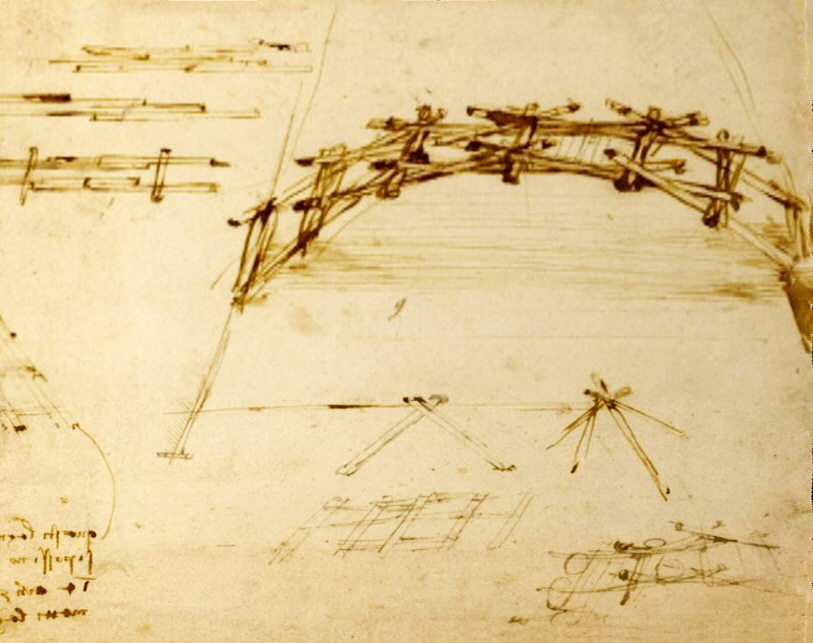
Leonar­do da Vin­ci, the most accom­plished exam­ple of the poly­math­ic, artist-engi­neer “Renais­sance man,” came up with an aston­ish­ing num­ber of inven­tions great and small in the late 15th and ear­ly 16th cen­tu­ry, from the heli­copter to the musi­cal vio­la organ­ista, the tank to the auto­mat­ed bob­bin winder. Even the devices he was born too late to invent, he improved: humans had crossed the hum­ble bridge, for instance, for count­less cen­turies, but then Leonar­do cre­at­ed a new, self-sup­port­ing vari­ety whose design, as fol­lowed by a kid and his dad in the video above, still impress­es today.

“With a series of wood­en poles and beams, ‘Stick-Boy’ shows his Dad how to build Leonar­do da Vinci‘s self-sup­port­ing arch bridge, also known as the emer­gency bridge,” say the descrip­tion by Rion Nakaya at The Kid Should See This. “No nails, screws, rope, glues, notch­es, or oth­er fas­ten­ers are hold­ing the bridge in place… just fric­tion and grav­i­ty.”

Clear­ly it works, but how? Accord­ing to a post at the blog ArchiS­crip­tor on self-sup­port­ing struc­tures, all such bridges, from Leonar­do’s on down, real­ly do rely on only those two forces. “Notch­es in the mem­bers make it eas­i­er to con­struct, but strict­ly speak­ing aren’t nec­es­sary as long as there is some fric­tion. Grav­i­ty will do the rest.”

Leonar­do, the post con­tin­ues, “explored two forms of the struc­ture – a bridge and a dome. His work was com­mis­sioned by the Bor­gia fam­i­ly, with the man­date to design light and strong struc­tures which could be built and tak­en down quick­ly. This was to aid them in their con­stant strug­gle for pow­er with the Medici fam­i­ly in Renais­sance Italy.” The site of the Leonardo3 Muse­um adds, “we do not know whether this bridge was ever put to prac­ti­cal use, but it is not hard to believe that such a mod­u­lar con­struc­tion, extreme­ly easy to trans­port and to assem­ble, must have met with great favor from the Renais­sance lords who were always on the look­out for new tech­nolo­gies to put to mil­i­tary use.”

Leonar­do him­self called this “the bridge of safe­ty,” and it counts as only one of the inge­nious bridges he designed in his life­time. For the Duke Sforza he also invent­ed sev­er­al oth­ers includ­ing a revolv­ing bridge which, accord­ing to Leonar­do da Vin­ci Inven­tions, “could be quick­ly packed up and trans­port­ed for use by armies on the move to pass over bod­ies of water,” could “swing across a stream or moat and set down on the oth­er side so that sol­diers could pass with lit­tle trou­ble,” and “incor­po­rat­ed a rope-and-pul­ley sys­tem for both quick employ­ment and easy trans­port.” All use­ful tools indeed for those who once sought mil­i­tary dom­i­nance in Italy, but even more ben­e­fi­cial as inspi­ra­tion for the Renais­sance boys and girls of the 21st cen­tu­ry.

via The Kid Should See This

Relat­ed Con­tent:

Leonar­do Da Vinci’s To Do List (Cir­ca 1490) Is Much Cool­er Than Yours

Leonar­do da Vin­ci Draws Designs of Future War Machines: Tanks, Machine Guns & More

Watch Leonar­do da Vinci’s Musi­cal Inven­tion, the Vio­la Organ­ista, Being Played for the Very First Time

The Anatom­i­cal Draw­ings of Renais­sance Man, Leonar­do da Vin­ci

Leonar­do da Vinci’s Hand­writ­ten Resume (1482)

An Ani­mat­ed His­to­ry Of Avi­a­tion: From da Vinci’s Sketch­es to Apol­lo 11

Did Leonar­do da Vin­ci Paint a First Mona Lisa Before The Mona Lisa?

Based in Seoul, Col­in Mar­shall writes and broad­casts on cities and cul­ture. He’s at work on the book The State­less City: a Walk through 21st-Cen­tu­ry Los Ange­les, the video series The City in Cin­e­ma, the crowd­fund­ed jour­nal­ism project Where Is the City of the Future?, and the Los Ange­les Review of Books’ Korea Blog. Fol­low him on Twit­ter at @colinmarshall or on Face­book.

The Pioneering Physics TV Show, The Mechanical Universe, Is Now on YouTube: 52 Complete Episodes from Caltech

In Decem­ber, Cal­tech announced that the crit­i­cal­ly acclaimed TV series, The Mechan­i­cal Uni­verse… And Beyond, has been made avail­able in its entire­ty on YouTube. Cre­at­ed at Cal­tech and aired on PBS from 1985–86, the 52-episode series offers an intro­duc­tion to col­lege-lev­el physics, cov­er­ing every­thing from the sci­en­tif­ic rev­o­lu­tion begun by Coper­ni­cus, to quan­tum the­o­ry. A uni­ver­si­ty web page offers more details on the pro­duc­tion:

The series was based on the Physics 1a and 1b cours­es devel­oped by David Good­stein, the Frank J. Gilloon Dis­tin­guished Teach­ing and Ser­vice Pro­fes­sor and Pro­fes­sor of Physics and Applied Physics, Emer­i­tus.

Each episode opens and clos­es with Good­stein lec­tur­ing to his fresh­man physics class in 201 E. Bridge, pro­vid­ing philo­soph­i­cal, his­tor­i­cal, and often humor­ous insight into the day’s top­ic. The show also con­tains hun­dreds of com­put­er ani­ma­tion seg­ments, cre­at­ed by JPL com­put­er graph­ics engi­neer James F. Blinn, as the pri­ma­ry tool of instruc­tion. Dynam­ic loca­tion footage and his­tor­i­cal re-cre­ations are also used to stress the fact that sci­ence is a human endeav­or…

Although the series was designed as a col­lege-lev­el course, “thou­sands of high school teach­ers across the US came to depend on it for instruc­tion­al and inspi­ra­tional use,” Good­stein says. “The lev­el of instruc­tion in the US was, and remains, abysmal­ly low, and these 52 pro­grams filled a great void.”

You can stream all 52 episodes above. Or find them on Youtube and Dai­ly­Mo­tion. They will also be added to our col­lec­tion of Free Online Physics Cours­es, a sub­set of our col­lec­tion, 1,700 Free Online Cours­es from Top Uni­ver­si­ties.

Vis­it this Cal­tech web­site to get more infor­ma­tion on the show.

If you would like to sup­port the mis­sion of Open Cul­ture, con­sid­er mak­ing a dona­tion to our site. It’s hard to rely 100% on ads, and your con­tri­bu­tions will help us con­tin­ue pro­vid­ing the best free cul­tur­al and edu­ca­tion­al mate­ri­als to learn­ers every­where. You can con­tribute through Pay­Pal, Patre­on, and Ven­mo (@openculture). Thanks!

Relat­ed Con­tent:

The Char­ac­ter of Phys­i­cal Law’: Richard Feynman’s Leg­endary Course Pre­sent­ed at Cor­nell, 1964

The Famous Feyn­man Lec­tures on Physics: The New Online Edi­tion (in HTML5)

Quan­tum Physics Made Rel­a­tive­ly Sim­ple: A Mini Course from Nobel Prize-Win­ning Physi­cist Hans Bethe

The Famous Schrodinger’s Cat Thought Experiment Gets Brought to Life in an Off-Kilter Animation

Schrödinger’s Cat is one of the more famous thought exper­i­ments in mod­ern physics, cre­at­ed by Aus­tri­an physi­cist Erwin Schrödinger back in 1935.  The Tele­graph sum­ma­rizes the gist of the exper­i­ment as fol­lows:

In the hypo­thet­i­cal exper­i­ment … a cat is placed in a sealed box along with a radioac­tive sam­ple, a Geiger counter and a bot­tle of poi­son.

If the Geiger counter detects that the radioac­tive mate­r­i­al has decayed, it will trig­ger the smash­ing of the bot­tle of poi­son and the cat will be killed.

The exper­i­ment was designed to illus­trate the flaws of the ‘Copen­hagen inter­pre­ta­tion’ of quan­tum mechan­ics, which states that a par­ti­cle exists in all states at once until observed.

If the Copen­hagen inter­pre­ta­tion sug­gests the radioac­tive mate­r­i­al can have simul­ta­ne­ous­ly decayed and not decayed in the sealed envi­ron­ment, then it fol­lows the cat too is both alive and dead until the box is opened.

The Uni­ver­si­ty of Not­ting­ham’s Six­ty Sym­bols YouTube chan­nel pro­vides a more com­plete expla­na­tion. But with or with­out any fur­ther intro­duc­tion, you can watch the off-kil­ter ani­ma­tion, above, which imag­ines the ori­gins of the orig­i­nal exper­i­ment. It was cre­at­ed by Chav­dar Yor­danov for an ani­ma­tion show in Lon­don.

If you would like to sup­port the mis­sion of Open Cul­ture, con­sid­er mak­ing a dona­tion to our site. It’s hard to rely 100% on ads, and your con­tri­bu­tions will help us con­tin­ue pro­vid­ing the best free cul­tur­al and edu­ca­tion­al mate­ri­als to learn­ers every­where. You can con­tribute through Pay­Pal, Patre­on, and Ven­mo (@openculture). Thanks!

Relat­ed Con­tent:

80 Free Online Physics Cours­es

Nick Cave Nar­rates an Ani­mat­ed Film about the Cat Piano, the Twist­ed 18th Cen­tu­ry Musi­cal Instru­ment Designed to Treat Men­tal Ill­ness

Ani­mat­ed Intro­duc­tions to Quan­tum Mechan­ics: From Schrödinger’s Cat to Heisenberg’s Uncer­tain­ty Prin­ci­ple

Ani­ma­tions of 6 Famous Thought Exper­i­ments

by | Permalink | Make a Comment ( 3 ) |

For Sale: The Building Blocks of Albert Einstein’s Creative Mind

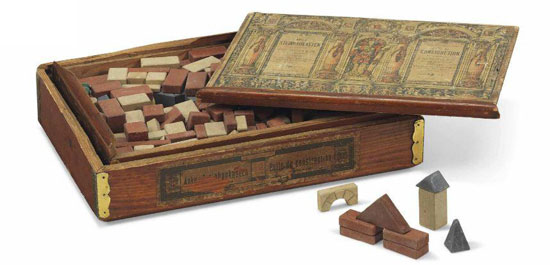
Call­ing all par­ents with a hedge fund–or big trust fund. If you real­ly love your kids (wink), you can let them play with the build­ing blocks that once belonged to young Albert Ein­stein. Accord­ing to Ein­stein’s own sis­ter, Albert used these blocks to build “com­pli­cat­ed struc­tures” dur­ing his child­hood in Ger­many, sow­ing the seeds of his cre­ativ­i­ty. Now, after hav­ing been recent­ly auc­tioned off by Einstein’s descen­dants, they’re being sold online for $160,000–plus $3 ship­ping with­in the US). Abe­Books, the online ven­dor of rare books and ephemera–has a blog post with more infor­ma­tion on this col­lectible.

Relat­ed Con­tent:

Free Online Physics Cours­es

Albert Ein­stein Impos­es on His First Wife a Cru­el List of Mar­i­tal Demands

Lis­ten as Albert Ein­stein Reads ‘The Com­mon Lan­guage of Sci­ence’ (1941)

The Musi­cal Mind of Albert Ein­stein: Great Physi­cist, Ama­teur Vio­lin­ist and Devo­tee of Mozart

Albert Ein­stein Archive Now Online, Bring­ing 80,000+ Doc­u­ments to the Web

« Go BackMore in this category... »
Quantcast