Slow Burn: An Eight-Episode Podcast Miniseries on the Unfolding of the Watergate Scandal

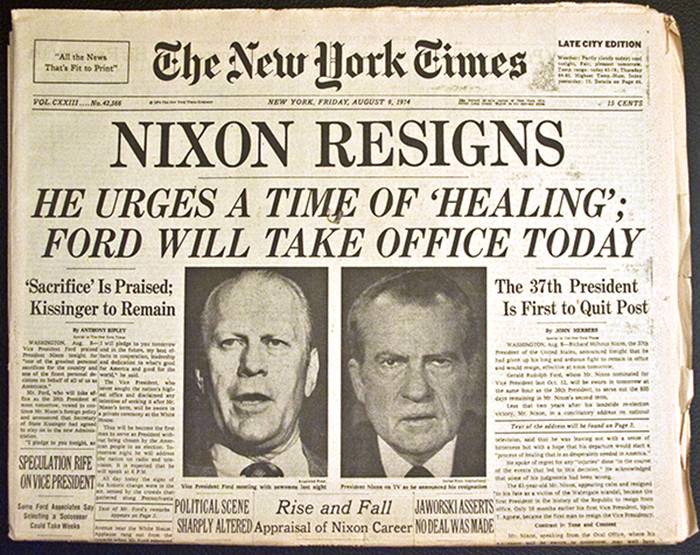
A crime was com­mit­ted dur­ing a pres­i­den­tial cam­paign. Then came a cov­er up and oth­er skull­dug­gery. Final­ly, there was a res­ig­na­tion. Nope, we’re not talk­ing about the tra­jec­to­ry of the Mueller inves­ti­ga­tion. We’re talk­ing about Watergate–the sub­ject of Slow Burn, a new, eight-episode pod­cast minis­eries from Slate.

Avail­able on iTunes, the web, and oth­er pod­cast play­ers, Slow Burn zeroes in on the ques­tions: “What did it feel like to live through the scan­dal that brought down a pres­i­dent? What was that strange, wild ride like?” Below, you can read the intro­duc­to­ry words from the pod­cast’s host, Leon Ney­fakh. And then stream the first episode called “Martha,” as in Martha Mitchell, wife of John Mitchell, the Attor­ney Gen­er­al of the Unit­ed States under Pres­i­dent Nixon.

One day at the end of April 1973, Richard Nixon stood on a porch at Camp David and told John Ehrlich­man he want­ed to die. Nixon had sum­moned Ehrlich­man, his long-serv­ing domes­tic pol­i­cy advis­er, to tell him he was being fired from the White House.

Nixon had been dread­ing the con­ver­sa­tion, but he knew it had to be done. The Depart­ment of Jus­tice had recent­ly informed the pres­i­dent that Ehrlich­man could be fac­ing crim­i­nal charges. Nixon felt the walls clos­ing in.

Lat­er, Nixon would tell the jour­nal­ist David Frost how he gave his old friend the news: “I said, ‘You know, John, when I went to bed last night … I hoped—I almost prayed—I wouldn’t wake up this morn­ing.’ ” Accord­ing to Ehrlich­man, the pres­i­dent then began to sob. It would be 15 months before he resigned from office.

So, that’s how Richard Nixon felt as the Water­gate sto­ry went from a curi­ous bur­glary to a nation­al obses­sion. What was it like for every­one else? That’s the ani­mat­ing ques­tion behind my new eight-episode pod­cast series for Slate, Slow Burn.

Episode 1: Martha

If you would like to sign up for Open Culture’s free email newslet­ter, please find it here. It’s a great way to see our new posts, all bun­dled in one email, each day.

If you would like to sup­port the mis­sion of Open Cul­ture, con­sid­er mak­ing a dona­tion to our site. It’s hard to rely 100% on ads, and your con­tri­bu­tions will help us con­tin­ue pro­vid­ing the best free cul­tur­al and edu­ca­tion­al mate­ri­als to learn­ers every­where. You can con­tribute through Pay­Pal, Patre­on, and Ven­mo (@openculture). Thanks!

by | Permalink | Make a Comment ( 1 ) |

Discover the Creative, New Philosophy Podcast Hi-Phi Nation: The First Story-Driven Show About Philosophy

Let me call your atten­tion to a new and quite dif­fer­ent phi­los­o­phy pod­cast. Cre­at­ed by Bar­ry Lam (Asso­ciate Pro­fes­sor of Phi­los­o­phy at Vas­sar Col­lege), Hi-Phi Nation is a phi­los­o­phy pod­cast “that turns sto­ries into ideas.” Con­sid­er it “the first sound and sto­ry-dri­ven show about phi­los­o­phy, bring­ing togeth­er nar­ra­tive sto­ry­telling, inves­tiga­tive jour­nal­ism, and sound­track­ing.”

Above you can watch a trail­er that intro­duces Hi-Phi Nation, which is now avail­able on iTunes, Google Play, Sound­cloud and this web­site. Below, hear Episode 9 of Sea­son 1, called “The Ash­es of Truth.” Among oth­er things, it fea­tures film­mak­er Errol Mor­ris.

The first sea­son of Hi-Phi Nation has been made pos­si­ble by the Nation­al Endow­ment for the Human­i­ties, The Cen­ter for Doc­u­men­tary Stud­ies at Duke Uni­ver­si­ty, the Human­i­ties-Writ Large Fel­low­ship, and oth­er insti­tu­tions. Learn more about the show by read­ing these write-ups by Vas­sar and Prince­ton.

If you would like to sign up for Open Culture’s free email newslet­ter, please find it here. It’s a great way to see our new posts, all bun­dled in one email, each day.

If you would like to sup­port the mis­sion of Open Cul­ture, con­sid­er mak­ing a dona­tion to our site. It’s hard to rely 100% on ads, and your con­tri­bu­tions will help us con­tin­ue pro­vid­ing the best free cul­tur­al and edu­ca­tion­al mate­ri­als to learn­ers every­where. You can con­tribute through Pay­Pal, Patre­on, and Ven­mo (@openculture). Thanks!

Relat­ed Con­tent:

Free Online Phi­los­o­phy Cours­es

Learn Islam­ic & Indi­an Phi­los­o­phy with 107 Episodes of the His­to­ry of Phi­los­o­phy With­out Any Gaps Pod­cast

The His­to­ry of Phi­los­o­phy … With­out Any Gaps

A His­to­ry of Phi­los­o­phy in 81 Video Lec­tures: From Ancient Greece to Mod­ern Times 

The His­to­ry of Phi­los­o­phy Visu­al­ized

by | Permalink | Make a Comment ( 2 ) |

Alec Baldwin Has a Podcast: Hear His Intimate Interviews with Patti Smith, Thom Yorke, Jerry Seinfeld, Ira Glass, Amy Schumer & More

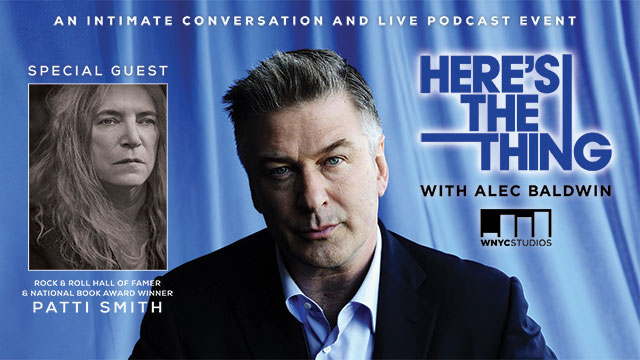
It some­how escaped me. Alec Bald­win has a pod­cast. With 133 episodes in its archive, Here’s The Thing with Alec Bald­win  (WebiTunes — Feeds) fea­tures “inti­mate and hon­est con­ver­sa­tions” with “artists, pol­i­cy mak­ers and per­form­ers – to hear their sto­ries, what inspires their cre­ations, what deci­sions changed their careers, and what rela­tion­ships influ­enced their work.” Below, we’ve embed­ded his recent con­ver­sa­tion with Pat­ti Smith. It’s quite good. But there are so many oth­ers worth a men­tion. Let me rat­tle off a quick list: REM’s Michael Stipe, Vig­go Mortensen, Michael Pol­lan, Amy Schumer and Judd Apa­tow, William Fried­kin, Paul Simon, Ira Glass, Jer­ry Sein­feld, David Simon, Radio­head­’s Thom Yorke, Lena Dun­ham, Peter Framp­ton, David Let­ter­man, Car­ol Bur­nettKris­ten Wiig, SNL’s Lorne Michaels, and Chris Rock.

Click the links to stream each inter­view, and don’t miss Bald­win’s new mem­oir, Nev­er­the­lessHe hap­pens to nar­rate the audio­book ver­sion, which you can down­load for free if you sign up for Audible.com’s 30-day free tri­al. We have info on that here.

If you would like to sign up for Open Culture’s free email newslet­ter, please find it here. It’s a great way to see our new posts, all bun­dled in one email, each day.

If you would like to sup­port the mis­sion of Open Cul­ture, con­sid­er mak­ing a dona­tion to our site. It’s hard to rely 100% on ads, and your con­tri­bu­tions will help us con­tin­ue pro­vid­ing the best free cul­tur­al and edu­ca­tion­al mate­ri­als to learn­ers every­where. You can con­tribute through Pay­Pal, Patre­on, and Ven­mo (@openculture). Thanks!

An Epic Retelling of the Great Chinese Novel Romance of the Three Kingdoms: 110 Free Episodes and Counting

Romance of the Three King­doms is con­sid­ered one of the Four Great Clas­si­cal Nov­els of Chi­nese lit­er­a­ture, and its lit­er­ary influ­ence in East Asia rivals that of Shake­speare in the Eng­lish speak­ing world. “Writ­ten 600 years ago,” writes the BBC, “it is an his­tor­i­cal nov­el that tells the sto­ry of a tumul­tuous peri­od in Chi­nese his­to­ry, the 2nd and 3rd cen­turies AD. Part­ly his­tor­i­cal and part­ly leg­end, it recounts the fight­ing and schem­ing of the feu­dal lords and the three states which came to pow­er as the Han Dynasty col­lapsed.”

And now the ancient meets the mod­ern…

If you lis­ten to the Romance of the Three King­doms pod­cast, you can hear John Zhu’s attempt to retell this epic tale and make it acces­si­ble to a West­ern audi­ence. The first 110 episodes are avail­able on YouTube, the web, and iTunes–with at least anoth­er 10 to come. Quite a feat. Have a lis­ten.

To learn more about Romance of the Three King­doms, lis­ten to this episode of the BBC’s In Our Time.

If you would like to sign up for Open Culture’s free email newslet­ter, please find it here. It’s a great way to see our new posts, all bun­dled in one email, each day.

If you would like to sup­port the mis­sion of Open Cul­ture, con­sid­er mak­ing a dona­tion to our site. It’s hard to rely 100% on ads, and your con­tri­bu­tions will help us con­tin­ue pro­vid­ing the best free cul­tur­al and edu­ca­tion­al mate­ri­als to learn­ers every­where. You can con­tribute through Pay­Pal, Patre­on, and Ven­mo (@openculture). Thanks!

via metafil­ter

Relat­ed Con­tent:

1,000 Free Audio Books: Down­load Great Books for Free

The His­to­ry of Rome in 179 Pod­casts

The His­to­ry of Phi­los­o­phy With­out Any Gaps Pod­cast, Now at 239 Episodes, Expands into East­ern Phi­los­o­phy

by | Permalink | Make a Comment ( 1 ) |

S‑Town: The Podcast That Will Help You Binge-Listen Your Way Through This Week

Last week, the folks behind Ser­i­al and This Amer­i­can Life, teamed up to release S‑Town (short for Shit­town), a sev­en-episode/­sev­en-hour pod­cast which I devoured in three days flat. I don’t want to give any spoil­ers. So let me give you just the text that pro­motes the pod­cast on iTunes, and then sug­gest you start lis­ten­ing:

John despis­es his Alaba­ma town and decides to do some­thing about it. He asks a reporter to inves­ti­gate the son of a wealthy fam­i­ly who’s alleged­ly been brag­ging that he got away with mur­der. But then some­one else ends up dead, spark­ing a nasty feud, a hunt for hid­den trea­sure, and an unearthing of the mys­ter­ies of one man’s life.

Find episodes on iTunes, Stitch­er, RSS feed, Radio Pub­lic, or the web.

If you would like to sign up for Open Culture’s free email newslet­ter, please find it here. It’s a great way to see our new posts, all bun­dled in one email, each day.

If you would like to sup­port the mis­sion of Open Cul­ture, con­sid­er mak­ing a dona­tion to our site. It’s hard to rely 100% on ads, and your con­tri­bu­tions will help us con­tin­ue pro­vid­ing the best free cul­tur­al and edu­ca­tion­al mate­ri­als to learn­ers every­where. You can con­tribute through Pay­Pal, Patre­on, and Ven­mo (@openculture). Thanks!

Listen to Presidential, The Washington Post’s Podcast Exploring Each & Every U.S. President

A quick heads up on Pres­i­den­t’s Day: The Wash­ing­ton Post presents Pres­i­den­tial, a pod­cast that explores how “each Amer­i­can pres­i­dent reached office, made deci­sions, han­dled crises and rede­fined the role of com­man­der-in-chief.” Nat­u­ral­ly, it starts with George Wash­ing­ton. Hear that episode below.

Pres­i­den­tial is host­ed by Wash­Po edi­tor Lil­lian Cun­ning­ham and fea­tures Pulitzer Prize-win­ning his­to­ri­ans like David McCul­lough and jour­nal­ists like Bob Wood­ward. Right now you can get all 45 episodes (each about 30–50 min­utes long) on iTunes, Sound­cloud and Stitch­er.

If you would like to sign up for Open Culture’s free email newslet­ter, please find it here. It’s a great way to see our new posts, all bun­dled in one email, each day.

If you would like to sup­port the mis­sion of Open Cul­ture, con­sid­er mak­ing a dona­tion to our site. It’s hard to rely 100% on ads, and your con­tri­bu­tions will help us con­tin­ue pro­vid­ing the best free cul­tur­al and edu­ca­tion­al mate­ri­als to learn­ers every­where. You can con­tribute through Pay­Pal, Patre­on, and Ven­mo (@openculture). Thanks!

Relat­ed Con­tent:

Free Online His­to­ry Cours­es

Watch Online Every Pres­i­den­tial Debate Since 1960–and Revis­it America’s San­er Polit­i­cal Days

John Green’s Crash Course in U.S. His­to­ry: From Colo­nial­ism to Oba­ma in 47 Videos

The His­to­ry of the World in 46 Lec­tures From Colum­bia Uni­ver­si­ty

An Immersive Audio Tour of the East Village’s Famed Poetry Scene, Narrated by Jim Jarmusch

Allen_ginsberg_erads howl

Image by Michiel Hendryckx, via Wiki­me­dia Com­mons

A peek at the pho­tos on a realtor’s list­ing for a New York City one bed­room apart­ment for­mer­ly occu­pied by Beat poet Allen Gins­berg is a dispir­it­ing reminder of how much the East Vil­lage has changed.

And that list­ing is over six years old!

Daniel Mau­r­er, the edi­tor of Bed­ford + Bow­ery, and a Gins­berg fan whom his­to­ry has com­pelled to take over a por­tion of his hero’s for­mer­ly sprawl­ing digs, wrote amus­ing­ly of shod­dy ren­o­va­tions and his upstairs neigh­bor, punk rock icon Richard Hell:

Orlovsky’s name is still on the mail­box – which is just about the only thing still around from his day. After his death, the place was gut ren­o­vat­ed with lux­u­ri­ous mod­ern ameni­ties like a mini fridge that comes up to mid-thigh and a stove that’s so tiny and inef­fec­tu­al I just use it for cook­book stor­age. Soon after I moved in I took a trip to Ikea and rec­og­nized my kitchen cab­i­nets there.

That’s why I was amused to read a piece in the Wall Street Jour­nal … in which my upstairs neigh­bor, Richard Hell, talked about his rent-sta­bi­lized two-bed­room apart­ment and its “funk­i­ness that you don’t find in Man­hat­tan much any­more.”

Hell describes his “worn unvar­nished wood floors that groan when you walk on them, cracks in the plas­ter walls, sag­ging orig­i­nal mold­ings.” That’s exact­ly what I was look­ing for in an apart­ment two years ago.

Mau­r­er is far from alone in the desire to edge clos­er to a bygone cul­tur­al moment. Radio pro­duc­er Pejk Mali­novski spent three years craft­ing Pass­ing Stranger, a site-spe­cif­ic audio tour of the East Vil­lage poet­ry scene, below.

A Dane who relo­cat­ed to New York in 2003, Mali­novs­ki was intrigued by the scene-relat­ed anec­dotes of his friend, poet Ron Pad­gett, who point­ed out his for­mer haunts on strolls about the neigh­bor­hood. His inter­est piqued, Mali­novs­ki immersed him­self in Daniel Kane’s All Poets Wel­come, The Low­er East Side Poet­ry Scene in the 1960’s, anoth­er his­to­ry that comes for­ti­fied with archival audio clips.

Film­mak­er Jim Jar­musch, a long­time Low­er East Side res­i­dent who stud­ied with poet Ken­neth Koch in his youth, was tapped to pro­vide the audio tour’s nar­ra­tion, with music com­pli­ments of com­pos­er John Zorn, the artis­tic direc­tor of The Stone, an exper­i­men­tal East Vil­lage per­for­mance space. Below, Jar­musch explains what attract­ed him to the project:

No mat­ter if geo­graph­ic con­straints pre­vent you from down­load­ing Malinovski’s tour for a two mile, 90 minute amble around the much-changed East Vil­lage. In some ways, the vir­tu­al tour is bet­ter. Rather than try­ing to take it all in in a sin­gle, pre-plot­ted ses­sion, you’re free to wan­der at will, enjoy­ing such inter­ac­tive fea­tures as maps and pho­tos, in addi­tion to inter­views, read­ings, and rem­i­nis­cences.

The 10th stop on the tour deposits you across the street from 437 East 12th Street, Ginsberg’s afore­men­tioned for­mer res­i­dence, on the steps of a church that no longer exists. Mary Help of Chris­tians Roman Catholic Church was demol­ished short­ly after Pass­ing Stranger hit the streets, but its mem­o­ry lives on thanks to its cel­e­brat­ed appear­ance in Ginsberg’s work:

Fourth Floor, Dawn, Up All Night Writ­ing Let­ters

Pigeons shake their wings on the cop­per church roof 

out my win­dow across the street, a bird perched on the cross 

sur­veys the city’s blue-grey clouds. Lar­ry Rivers 

‘ll come at 10 AM and take my pic­ture. I’m tak­ing 

your pic­ture, pigeons. I’m writ­ing you down, Dawn. 

I’m immor­tal­iz­ing your exhaust, Avenue A bus. 

O Thought, now you’ll have to think the same thing for­ev­er!

- Allen Gins­berg, New York, June 7, 1980

Gins­berg him­self is brought to vivid life by his sec­re­tary and fel­low poet, Bob Rosen­thal, who recalls how vis­i­tors would call up from the street, then wait for Gins­berg to toss down keys, wrapped in a dirty sock. He also name checks Mr. Buon­giorno, the 437 East 12th St neigh­bor who served as Mary Help of Chris­tians’ bell ringer.

You can hear those bells in the back­ground of your Pass­ing Stranger tour, though pro­duc­er Mali­novs­ki uses ambi­ent sound spar­ing­ly, to avoid over­whelm­ing those using the tour on the noisy streets of the actu­al East Vil­lage.

You can down­load the full walk­ing tour of Pass­ing Stranger—named for Walt Whitman’s open­ing salu­ta­tion in “To a Stranger”—here.

Explore Pass­ing Stranger’s triv­ia-filled inter­ac­tive website—featuring audio from Amiri Bara­ka, Het­tie Jones, Eileen Myles, and Jack Ker­ouac, among oth­ers—here.

Poems includ­ed on the Pass­ing Stranger audio tour of the East Vil­lage, in order of appear­ance:

Ken­neth Koch, “To my Audi­ence” (excerpt)

Frank O’Hara, Ode to Joy (To hell with it) (excerpt)

Ted Berrri­g­an “Dear Margie, Hel­lo”

Ron Pad­gett “Poe­ma del City from Tou­jours l’amour”

Walt Whit­man, “To a Stranger”

Tay­lor Mead, “Motor­cy­cles”

Bernadette May­or, “Son­net (You jerk, you did­n’t call me up)”

Diane Di Pri­ma, “Rev­o­lu­tion­ary Let­ters” (excerpt)

Gal­way Kin­nell, “The Avenue Bear­ing the Ini­tial of Christ” (excerpt)

Miquel Piñero, “A Low­er East Side Poem” (excerpt)

Jack Ker­ouac, “Amer­i­can Haiku” (excerpt)

Bill Berk­son / Frank O’Hara, “Song Heard Around St. Bridget’s”

John Ash­bery, “Just Walk­ing Around, from A Wave”

Joe Brainard, “I Remem­ber” (excerpt)

Alice Not­ley, “10 Best Com­ic Books”

WH Auden, “Sep­tem­ber 1, 1939” (excerpt)

Anne Wald­man, “Fast Speak­ing Woman” (excerpt)

Lewis Warsh, “Eye Con­tact” (excerpt)

Dick Gallup / Ted Berri­g­an, “80th Con­gress”

Abra­ham Lin­coln, “My Child­hood-Home I See Again” (excerpt)

Leroi Jones, “Bang, bang, out­ish­ly” (excerpt)

Het­tie Jones, “Ode to My Kitchen Sink”

Bren­da Coul­tas, “A Hand­made Muse­um” (excerpt)

ee cum­mings, ”i was sit­ting in mcsorley’s…”

Relat­ed Con­tent:

Rare Footage of Allen Gins­berg, Jack Ker­ouac & Oth­er Beats Hang­ing Out in the East Vil­lage (1959)

Hear Allen Gins­berg Teach “Lit­er­ary His­to­ry of the Beats”: Audio Lec­tures from His 1977 & 1981 Naropa Cours­es

Iggy Pop Con­ducts a Tour of New York’s Low­er East Side, Cir­ca 1993

Ayun Hal­l­i­day is an author, illus­tra­tor, the­ater mak­er and Chief Pri­ma­tol­o­gist of the East Vil­lage Inky zine.  Her play Zam­boni Godot is open­ing in New York City in March 2017. Fol­low her @AyunHalliday.

The History of Literature Podcast Takes You on a Literary Journey: From Ancient Epics to Contemporary Classics

LOGO-COVERS

Even before you start on a jour­ney through the his­to­ry of lit­er­a­ture, you know some of the stops you’ll make on the way: the Epic of Gil­gamesh, the Bible, Home­r’s Ili­ad and Odyssey, Greek tragedy, Shake­speare, Joyce. And so it comes as no sur­prise that Jacke Wil­son, cre­ator and host of the His­to­ry of Lit­er­a­ture pod­cast (from ancient epics to con­tem­po­rary clas­sics — AndroidRSS), has so far devot­ed whole episodes, and often more than one, to each of them. A self-described “ama­teur schol­ar,” Wil­son aims with this show, which he launched last Octo­ber, to take “a fresh look at some of the most com­pelling exam­ples of cre­ative genius the world has ever known.”

Wil­son also address­es ques­tions like “How did lit­er­a­ture devel­op? What forms has it tak­en? And what can we learn from engag­ing with these works today?” And yet he asks this rhetor­i­cal one in The His­to­ry of Lit­er­a­ture’s very first episodeIs it just me, or is lit­er­a­ture dying?” The also self-described “wild­ly unqual­i­fied host” admits that he at first tried to cre­ate a straight­for­ward, straight-faced march through lit­er­ary his­to­ry, but found the result staid and life­less. And so he loos­ened up, allow­ing in not just more of his per­son­al­i­ty but more of his doubts about the very lit­er­ary enter­prise in the 21st cen­tu­ry.

Giv­en that we get so much of our knowl­edge, human inter­ac­tion, and pure word­craft on the inter­net today, laments Wil­son, what remains for nov­els, sto­ries, poet­ry, and dra­ma to pro­vide us? As a His­to­ry of Lit­er­a­ture lis­ten­er, I per­son­al­ly see things dif­fer­ent­ly. The fact that we now have such abun­dant out­lets from which to receive all those oth­er things may strip lit­er­a­ture of some of the rel­e­vance it once held by default, but it also lifts from lit­er­a­ture a con­sid­er­able bur­den. Just as the devel­op­ment of pho­tog­ra­phy freed paint­ing from the oblig­a­tion to ever more faith­ful­ly rep­re­sent real­i­ty, lit­er­a­ture can now find forms and sub­jects bet­ter suit­ed to the artis­tic expe­ri­ence that it, and only it, can deliv­er.

Jorge Luis Borges counts as only one of the writ­ers who grasped the unex­plored poten­tial of lit­er­a­ture, and Wil­son uses one of the occa­sion­al episodes that breaks from the lin­ear­i­ty of his­to­ry to dis­cuss the “Gar­den of Fork­ing Paths” author’s thoughts on the mean­ing of life. He record­ed it (lis­ten above) in response to two deaths: that of “Fifth Bea­t­le” George Mar­tin, and even more so that of his uncle. Oth­er relat­able parts of Wilson’s life come into play in oth­er con­ver­sa­tions about writ­ers both ancient and mod­ern, such as the con­ver­sa­tion about the works of Gra­ham Greene and whether he can still get as much out of them as he did dur­ing his youth­ful trav­el­ing days. Lit­er­a­ture, after all, may have no greater val­ue than that it gets us ask­ing ques­tions — a val­ue The His­to­ry of Lit­er­a­ture demon­strates in every episode. 

Relat­ed Con­tent:

What Are Lit­er­a­ture, Phi­los­o­phy & His­to­ry For? Alain de Bot­ton Explains with Mon­ty Python-Style Videos

A Crash Course in Eng­lish Lit­er­a­ture: A New Video Series by Best-Sell­ing Author John Green

Enti­tled Opin­ions, the “Life and Lit­er­a­ture” Pod­cast That Refus­es to Dumb Things Down

The Dead Authors Pod­cast: H.G. Wells Com­i­cal­ly Revives Lit­er­ary Greats with His Time Machine

The His­to­ry of Phi­los­o­phy With­out Any Gaps Pod­cast, Now at 239 Episodes, Expands into East­ern Phi­los­o­phy

The Com­plete His­to­ry of the World (and Human Cre­ativ­i­ty) in 100 Objects

78 Free Online His­to­ry Cours­es: From Ancient Greece to The Mod­ern World

55 Free Online Lit­er­a­ture Cours­es: From Dante and Mil­ton to Ker­ouac and Tolkien

Based in Seoul, Col­in Mar­shall writes and broad­casts on cities and cul­ture. He’s at work on a book about Los Ange­les, A Los Ange­les Primer, the video series The City in Cin­e­ma, the crowd­fund­ed jour­nal­ism project Where Is the City of the Future?, and the Los Ange­les Review of Books’ Korea Blog. Fol­low him on Twit­ter at @colinmarshall or on Face­book.

« Go BackMore in this category... »
Quantcast