Watch Online Every Presidential Debate Since 1960–and Revisit America’s Saner Political Days

On Wednes­day night, Las Vegas will mer­ci­ful­ly host the final pres­i­den­tial debate. And it promis­es to be anoth­er rated‑R affair. You’d except noth­ing less from the can­di­date who’s going to “make Amer­i­ca great again.”

If you want a spec­ta­cle your kids can actu­al­ly watch, then shut your TVs and trav­el back into Amer­i­ca’s past. Cre­at­ed by PBS and Microsoft, the web site watchthedebates.org lets you watch every tele­vised pres­i­den­tial debate since 1960. They’re gen­er­al­ly sub­stan­tive, all rat­ed PG, and cer­tain­ly a lit­tle nos­tal­gia-induc­ing.

Above you can watch Kennedy and Nixon go at it in the first tele­vised debate (1960). Head over to www.watchthedebates.org for more.

If you would like to sign up for Open Culture’s free email newslet­ter, please find it here. It’s a great way to see our new posts, all bun­dled in one email, each day.

If you would like to sup­port the mis­sion of Open Cul­ture, con­sid­er mak­ing a dona­tion to our site. It’s hard to rely 100% on ads, and your con­tri­bu­tions will help us con­tin­ue pro­vid­ing the best free cul­tur­al and edu­ca­tion­al mate­ri­als to learn­ers every­where. You can con­tribute through Pay­Pal, Patre­on, and Ven­mo (@openculture). Thanks!

Relat­ed Con­tent:

Free Online His­to­ry Cours­es

John Green’s Crash Course in U.S. His­to­ry: From Colo­nial­ism to Oba­ma in 47 Videos

The His­to­ry of the World in 46 Lec­tures From Colum­bia Uni­ver­si­ty

Isaac Asimov Laments the “Cult of Ignorance” in the United States (1980)

asimov-culture-of-ignorance

Paint­ing of Asi­mov on his throne by Rowe­na Morill, via Wiki­me­dia Com­mons

In 1980, sci­en­tist and writer Isaac Asi­mov argued in an essay that “there is a cult of igno­rance in the Unit­ed States, and there always has been.” That year, the Repub­li­can Par­ty stood at the dawn of the Rea­gan Rev­o­lu­tion, which ini­ti­at­ed a decades-long con­ser­v­a­tive groundswell that many pun­dits say may final­ly come to an end in Novem­ber. GOP strate­gist Steve Schmidt (who has been regret­ful about choos­ing Sarah Palin as John McCain’s run­ning mate in 2008) recent­ly point­ed to what he called “intel­lec­tu­al rot” as a pri­ma­ry cul­prit, and a cult-like devo­tion to irra­tional­i­ty among a cer­tain seg­ment of the elec­torate.

It’s a famil­iar con­tention. There have been cri­tiques of Amer­i­can anti-intel­lec­tu­al­ism since the country’s found­ing, though whether or not that phe­nom­e­non has inten­si­fied, as Susan Jaco­by alleged in The Age of Amer­i­can Unrea­son, may be a sub­ject of debate. Not all of the unrea­son is par­ti­san, as the anti-vac­ci­na­tion move­ment has shown. But “the strain of anti-intel­lec­tu­al­ism” writes Asi­mov, “has been a con­stant thread wind­ing its way through our polit­i­cal and cul­tur­al life, nur­tured by the false notion that democ­ra­cy means that ‘my igno­rance is just as good as your knowl­edge.’”

Asimov’s pri­ma­ry exam­ples hap­pen to come from the polit­i­cal world. How­ev­er, he doesn’t name con­tem­po­rary names but reach­es back to take a swipe at Eisen­how­er (“who invent­ed a ver­sion of the Eng­lish lan­guage that was all his own”) and George Wal­lace. Par­tic­u­lar­ly inter­est­ing is Asimov’s take on the “slo­gan on the part of the obscu­ran­tists: ‘Don’t trust the experts!’” This lan­guage, along with charges of “elit­ism,” Asi­mov wry­ly notes, is so often used by peo­ple who are them­selves experts and elites, “feel­ing guilty about hav­ing gone to school.” So many of the Amer­i­can polit­i­cal class’s wounds are self-inflict­ed, he sug­gests, but that’s because they are behold­en to a large­ly igno­rant elec­torate:

To be sure, the aver­age Amer­i­can can sign his name more or less leg­i­bly, and can make out the sports headlines—but how many nonelit­ist Amer­i­cans can, with­out undue dif­fi­cul­ty, read as many as a thou­sand con­sec­u­tive words of small print, some of which may be tri­syl­lab­ic?

Asimov’s exam­ples are less than con­vinc­ing: road signs “steadi­ly being replaced by lit­tle pic­tures to make them inter­na­tion­al­ly leg­i­ble” has more to do with lin­guis­tic diver­si­ty than illit­er­a­cy, and accus­ing tele­vi­sion com­mer­cials of speak­ing their mes­sages out loud instead of using print­ed text on the screen seems to fun­da­men­tal­ly mis­un­der­stand the nature of the medi­um. Jaco­by in her book-length study of the prob­lem looks at edu­ca­tion­al pol­i­cy in the Unit­ed States, and the resis­tance to nation­al stan­dards that vir­tu­al­ly ensures wide­spread pock­ets of igno­rance all over the coun­try. Asimov’s very short, pithy essay has nei­ther the space nor the incli­na­tion to con­duct such analy­sis.

Instead he is con­cerned with atti­tudes. Not only are many Amer­i­cans bad­ly edu­cat­ed, he writes, but the broad igno­rance of the pop­u­la­tion in mat­ters of “sci­ence… math­e­mat­ics… eco­nom­ics… for­eign lan­guages…” has as much to do with Amer­i­cans’ unwill­ing­ness to read as their inabil­i­ty.

There are 200 mil­lion Amer­i­cans who have inhab­it­ed school­rooms at some time in their lives and who will admit that they know how to read… but most decent peri­od­i­cals believe they are doing amaz­ing­ly well if they have cir­cu­la­tion of half a mil­lion. It may be that only 1 per cent—or less—of Amer­i­cans make a stab at exer­cis­ing their right to know. And if they try to do any­thing on that basis they are quite like­ly to be accused of being elit­ists.

One might in some respects charge Asi­mov him­self of elit­ism when he con­cludes, “We can all be mem­bers of the intel­lec­tu­al elite.” Such a blithe­ly opti­mistic state­ment ignores the ways in which eco­nom­ic elites active­ly manip­u­late edu­ca­tion pol­i­cy to suit their inter­ests, crip­ple edu­ca­tion fund­ing, and oppose efforts at free or low cost high­er edu­ca­tion. Many efforts at spread­ing knowledge—like the Chatauquas of the ear­ly 20th cen­tu­ry, the edu­ca­tion­al radio pro­grams of the 40s and 50s, and the pub­lic tele­vi­sion rev­o­lu­tion of the 70s and 80s—have been ad hoc and near­ly always imper­iled by fund­ing crises and the designs of prof­i­teers.

Nonethe­less, the wide­spread (though hard­ly uni­ver­sal) avail­abil­i­ty of free resources on the inter­net has made self-edu­ca­tion a real­i­ty for many peo­ple, and cer­tain­ly for most Amer­i­cans. But per­haps not even Isaac Asi­mov could have fore­seen the bit­ter polar­iza­tion and dis­in­for­ma­tion cam­paigns that tech­nol­o­gy has also enabled. Need­less to say, “A Cult of Igno­rance” was not one of Asimov’s most pop­u­lar pieces of writ­ing. First pub­lished on Jan­u­ary 21, 1980 in Newsweek, the short essay has nev­er been reprint­ed in any of Asimov’s col­lec­tions. You can read the essay as a PDF here. There’s also, one of our read­ers reminds us, a tran­script on Github.

via Aphe­lis

Relat­ed Con­tent:

Isaac Asimov’s 1964 Pre­dic­tions About What the World Will Look 50 Years Lat­er

How Isaac Asi­mov Went from Star Trek Crit­ic to Star Trek Fan & Advi­sor

Isaac Asi­mov Explains His Three Laws of Robots

Josh Jones is a writer and musi­cian based in Durham, NC. Fol­low him at @jdmagness

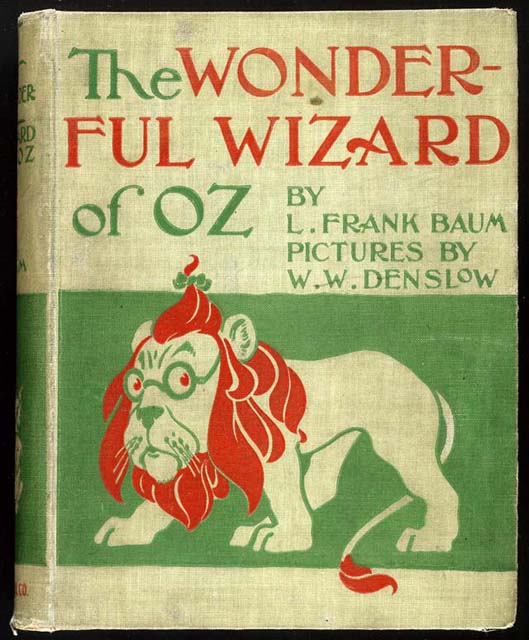
When L. Frank Baum’s Wizard of Oz Series Was Banned for “Depicting Women in Strong Leadership Roles” (1928)

wizard_oz_1900_cover

We’ve reached the final stretch of the most infu­ri­at­ing, unset­tling elec­tion I’ve ever expe­ri­enced. And we find the U.S. so polar­ized  that—as The Wall Street Jour­nal chill­ing­ly demon­strates in their “Blue Feed Red Feed” feature—the left and right seem to live in two entire­ly dif­fer­ent real­i­ties. Still, one would have to work very hard on either side, I think, to deny the role sex­ism has played. One can­di­date, a known and well-doc­u­ment­ed misog­y­nist, leads mil­lions of sup­port­ers call­ing for his opponent’s death, impris­on­ment, and humil­i­a­tion. That oppo­nent, of course, hap­pens to be the first woman to run on a major par­ty tick­et in a gen­er­al elec­tion.

Do many Amer­i­cans still have a prob­lem with accept­ing women as lead­ers? I per­son­al­ly don’t think there’s much of an argu­ment there, and peo­ple who see the ques­tion as redun­dant mar­vel at how long archa­ic atti­tudes about women in pow­er have per­sist­ed. At least these days we can open­ly have the—often high­ly inflamed—conversation about sex­ism in busi­ness, enter­tain­ment, and gov­ern­ment. And we can sup­port a cul­tur­al indus­try thriv­ing on strong female char­ac­ters in fic­tion, film, and tele­vi­sion. Not so much in 1928, when the Chica­go Pub­lic Library banned The Wiz­ard of Oz, writes Kristi­na Rosen­thal at the Uni­ver­si­ty of Tul­sa Depart­ment of Spe­cial Col­lec­tions, “argu­ing that the sto­ry was ungod­ly for ‘depict­ing women in strong lead­er­ship roles.’”

First pub­lished in 1900, L. Frank Baum’s fan­ta­sy nov­el ini­ti­at­ed a series of 13 Oz-themed sequels, all of which became immense­ly pop­u­lar after MGM’s 1939 film adap­ta­tion. (You can find them all in text and audio for­mat here.) And yet, “through­out the years the books have been opposed for their pos­i­tive por­tray­als of fem­i­nin­i­ty.” Var­i­ous libraries used sim­i­lar excus­es to ban the books through­out the 50s and 60s. The Detroit pub­lic library banned the Oz books in 1957, stat­ing they had “no val­ue for chil­dren of today.” The ban remained in place until 1972. One Flori­da librar­i­an cir­cu­lat­ed a memo to her col­leagues call­ing the books “unwhole­some,” among oth­er things, and caus­ing a run on local book­stores as chil­dren des­per­ate­ly tried to find them.

Oth­er groups decid­ed that the books pro­mot­ed witch­craft in charges sim­i­lar to those levied at the Har­ry Pot­ter series. In 1986, a group of Fun­da­men­tal­ist Chris­t­ian fam­i­lies in Ten­nessee came togeth­er to remove the The Wiz­ard of Oz from their schools’ cur­ricu­lum, protest­ing “the novel’s depic­tion of benev­o­lent witch­es.” They argued, writes Rosen­thal, “that all witch­es are bad, there­fore it is ‘the­o­log­i­cal­ly impos­si­ble ‘for good witch­es to exist.” Many seek­ing to ban the books since have sim­i­lar­ly referred to their pos­i­tive depic­tions of mag­ic and “god­less super­nat­u­ral­ism,” but the Ten­nessee case stands as a land­mark in the Reli­gious Right’s liti­gious cru­sade against the gov­ern­ment. The attor­ney who rep­re­sent­ed plain­tiff Vic­ki Frost called on “every born-again Chris­t­ian to get their chil­dren out of pub­lic schools.”

It’s odd to think of whim­si­cal children’s lit­er­a­ture so seem­ing­ly innocu­ous as The Wiz­ard of Oz books as ter­ri­to­ry in the long cul­ture wars of the 20th cen­tu­ry. But as we are remind­ed every year dur­ing Banned Books Week (Sep­tem­ber 25 − Octo­ber 1, 2016), lit­er­a­ture often arous­es the ire of those incensed by change and dif­fer­ence. Yet their attempts to sup­press cer­tain books have always back­fired, mak­ing the tar­gets of their cen­sor­ship even more pop­u­lar and sought-after. If you’d like to read Baum’s Oz books now, you needn’t con­front a gate­keep­ing librar­i­an; sim­ply head over to our post on the com­plete Wiz­ard of Oz series, with free eBooks and audio books of all 14 female-cen­tric fan­ta­sy clas­sics.

via The Smith­son­ian

Relat­ed Con­tent:

800 Free eBooks for iPad, Kin­dle & Oth­er Devices

The Com­plete Wiz­ard of Oz Series, Avail­able as Free eBooks and Free Audio Books

North Car­oli­na Coun­ty Cel­e­brates Banned Book Week By Ban­ning Ralph Ellison’s Invis­i­ble Man … Then Revers­ing It

74 Free Banned Books (for Banned Books Week)

1,000 Free Audio Books: Down­load Great Books for Free

Josh Jones is a writer and musi­cian based in Durham, NC. Fol­low him at @jdmagness

Hear George Orwell’s 1984 Adapted as a Radio Play at the Height of McCarthyism & The Red Scare (1953)

“If you want a pic­ture of the future,” George Orwell famous­ly said, “imag­ine a boot stamp­ing on a human face, for­ev­er.” Since his omi­nous warn­ing of com­ing tyran­ny, and the pub­li­ca­tion of his dystopi­an nov­el 1984, Orwell’s grim vision has been put to var­i­ous par­ti­san uses. Con­ser­v­a­tives lament­ing the polic­ing of speech invoke Orwell. So too does a spec­trum of voic­es speak­ing out against vio­lent author­i­tar­i­an­ism in actu­al polic­ing, and in the pol­i­tics of the right—related phe­nom­e­na giv­en the will­ing­ness of police and secret ser­vice to become enforcers of a campaign’s will at ral­lies nation­wide. The state and cor­po­rate mass media have both become com­plic­it in fos­ter­ing a cli­mate of out­rage, mis­trust, and inse­cu­ri­ty in which there seems to be, as Orwell wrote, “no loy­al­ty except loy­al­ty to the Par­ty.”

How did this hap­pen? If we, in the Unit­ed States, are ever inclined to learn from our his­to­ry, we might avoid falling vic­tim to the para­noid blan­d­ish­ments of dem­a­gogues and fear­mon­gers. While one cur­rent threat to democ­ra­cy comes from out­side the polit­i­cal sys­tem, in the 1950s, an insid­er used sev­er­al of the same tac­tics to hold the nation in thrall. The repres­sive post­war cli­mate of anti-Com­mu­nist pan­ic in which Joseph McCarthy rose to pow­er in the late 40s and 50s entrapped even Orwell, who “named names” in a list he sent to the British For­eign Office, sug­gest­ing cer­tain acquain­tances “were not fit for writ­ing assign­ments” with the gov­ern­ment because of sup­posed Sovi­et sym­pa­thies.

This secret act would have seemed like a bit­ter irony to many dis­si­dents in McCarthy’s Amer­i­ca, who sure­ly read 1984 with increas­ing alarm as the Red Scare took hold of Con­gress. For their part, read­ers fear­ing the Com­mu­nist threat heard echoes of Orwell’s warn­ings in McCarthy’s pro­pa­gan­da.

In what­ev­er way it was inter­pret­ed, 1984 had an imme­di­ate impact on the cul­ture. Its first radio drama­ti­za­tion, star­ring David Niv­en, pre­miered in 1949—the year after the nov­el­’s publication—aired by the NBC Uni­ver­si­ty The­ater. This was fol­lowed just four years lat­er with anoth­er radio adap­ta­tion pro­duced by The Unit­ed States Steel Hour, a radio and TV anthol­o­gy pro­gram that employed Rod Ser­ling as a scriptwriter and fea­tured notable guest stars like James Dean, Andy Grif­fith, Jack Klug­man, and Paul New­man.

The program’s radio dra­mas, called The­atre Guild on the Air, adapt­ed clas­sic nov­els like Pride and Prej­u­dice and plays from Eugene O’Neill and Ten­nessee Williams. Its 1953 radio play of 1984 starred Richard Wid­mark as “Smith” and Mar­i­an Seldes as “Julia.” The play opens—as you can hear above—with a dire announce­ment of “the most ter­ri­fy­ing sub­ject in the news today: the threat to all free men of Com­mu­nism or total­i­tar­i­an dom­i­na­tion in any form.”

Whether they saw creep­ing Stal­in­ism or the rabid anti-Com­mu­nism of McCarthy as the more insid­i­ous force, read­ers of the 1950s found Orwell imme­di­ate­ly rel­e­vant. He has remained so, such that con­ser­v­a­tive colum­nist David Brooks, who has made many an Orwell ref­er­ence in the past, describes the recent “birtherism” turn­around as an “Orwellian inver­sion of the truth” in the PBS New­shour appear­ance above:

And so we are real­ly in Orwell land. We are in “1984.” And it’s inter­est­ing that an author­i­tar­i­an per­son­al­i­ty type comes in at the same time with a com­plete dis­re­spect for even tan­gen­tial rela­tion­ship to the truth, that words are unmoored.

And so I do think this state­ment sort of shocked me with the purifi­ca­tion of a lot of ter­ri­ble trends that have been hap­pen­ing. And so what’s white is black, and what is up is down, what is down is up. And that real­ly is some­thing new in pol­i­tics.

Like com­par­isons to anoth­er, all-too-real, total­i­tar­i­an regime, ref­er­ences to Orwell’s author­i­tar­i­an soci­ety have grown hoary over the decades, and often seem so elas­tic that they fall into triv­i­al­iz­ing cliché. But com­par­isons to fas­cism in a time when many vocal par­ti­sans are avowed fas­cists, or may as well be, seem almost tau­to­log­i­cal. The moment Brooks calls “Orwellian” above also seems pre­cise­ly that—a will­ful, coor­di­nat­ed, bla­tant, and total rever­sal of polit­i­cal language’s rela­tion­ship to any­thing even resem­bling the truth.

You can also stream the radio pro­duc­tion at the Inter­net Archive, who host all 74 The­atre Guild on the Air pro­duc­tions. 1984 was the last of the radio dra­mas before The Unit­ed States Steel Hour moved to tele­vi­sion, where Rod Ser­ling attract­ed con­tro­ver­sy for his 1956 dra­ma Noon at Dooms­day, inspired by the Emmett Till case, and anoth­er Cold War work still ter­ri­bly rel­e­vant to our time.

“The vic­tim” of the play, wrote Ser­ling in the intro to his 1957 col­lec­tion Pat­terns, “was on old Jew who ran a pawn­shop. The killer was a neu­rot­ic mal­con­tent who lashed out at some­thing or some­one who might be mate­ri­al­ly and phys­i­cal­ly the scape­goat for his own unhap­py, pur­pose­less, mis­er­able exis­tence.” The episode imme­di­ate­ly pro­voked “a wel­ter of pub­lic­i­ty that came from some 15,000 let­ters and wires from White Cit­i­zens Coun­cils and the like protest­ing the pro­duc­tion of the play” for its resem­blance to the Till case. “I shrugged it off,” wrote Ser­ling, “answer­ing, ‘If the shoe fits.…’ ”

Relat­ed Con­tent:

George Orwell’s Final Warn­ing: Don’t Let This Night­mare Sit­u­a­tion Hap­pen. It Depends on You!

Hear the Very First Adap­ta­tion of George Orwell’s 1984 in a Radio Play Star­ring David Niv­en (1949)

Hux­ley to Orwell: My Hell­ish Vision of the Future is Bet­ter Than Yours (1949)

Josh Jones is a writer and musi­cian based in Durham, NC. Fol­low him at @jdmagness

Hear 21 Hours of Lectures & Talks by Howard Zinn, Author of the Bestselling A People’s History of the United States

Reg­u­lar­ly in these pres­sure cook­er days we hear plau­si­ble argu­ments from lib­er­als and con­ser­v­a­tives about how demo­c­ra­t­ic insti­tu­tions have recent­ly failed us, and how unique­ly polar­ized we have become as a peo­ple. We also hear often high­ly implau­si­ble claims about how cur­rent con­tenders intend to restore some kind of jus­tice or fair­ness. Read­ers of Howard Zinn’s A People’s His­to­ry of the Unit­ed States will have a dif­fer­ent per­spec­tive, one in which sup­pos­ed­ly demo­c­ra­t­ic insti­tu­tions were nev­er designed to work for the major­i­ty of the country’s inhab­i­tants. And in which, by design, cer­tain minori­ties have always remained at the bot­tom of the hier­ar­chy.

“There is not a coun­try in world his­to­ry,” writes Zinn in his famous rad­i­cal his­to­ry, “in which racism has been more impor­tant, for so long a time, as the Unit­ed States.” Far from a flawed yet excep­tion­al form of gov­ern­ment, the U.S.  sys­tem, Zinn argued, began as a means by which the founders seized the pre­rog­a­tives of the British for them­selves, with no inten­tion of expand­ing these lib­er­ties wide­ly. On the con­trary. As Zinn puts it in a chap­ter called “Tyran­ny is Tyran­ny”:

Around 1776, cer­tain impor­tant peo­ple in the Eng­lish colonies made a dis­cov­ery that would prove enor­mous­ly use­ful for the next two hun­dred years. They found that by cre­at­ing a nation, a sym­bol, a legal uni­ty called the Unit­ed States, they could take over land, prof­its, and polit­i­cal pow­er from favorites of the British Empire. In the process, they could hold back a num­ber of poten­tial rebel­lions and cre­ate a con­sen­sus of pop­u­lar sup­port for the rule of a new, priv­i­leged lead­er­ship.

The Amer­i­can Rev­o­lu­tion swapped out one rule by elites for anoth­er, in oth­er words, and one empire for anoth­er. Or as Zinn wrote in his mem­oir, there is “some­thing rot­ten at the root.” Those who object to Zinn’s work may find flaws in his schol­ar­ly method­ol­o­gy. Accu­sa­tions of bias, however—even couched in polite pejo­ra­tives like “polem­i­cal” and “revisionist”—are pret­ty much moot. Zinn, who died in 2010, would agree. The neces­si­ty of tak­ing a posi­tion, after all, was inte­gral to the his­to­ri­an and activist’s entire ethos, such that he titled his auto­bi­og­ra­phy You Can’t Be Neu­tral on a Mov­ing Train. “The state and its police were not neu­tral ref­er­ees in a soci­ety of con­tend­ing inter­ests,” wrote Zinn, “They were on the side of the rich and pow­er­ful.” He always made it plain whose side he took, an approach by nature con­tro­ver­sial.

Was he a lib­er­al par­ti­san? Hard­ly. After tak­ing a beat­ing by police at a protest, Zinn writes, “I was no longer a lib­er­al, a believ­er in the self-cor­rect­ing char­ac­ter of Amer­i­can democ­ra­cy. I was a rad­i­cal, believ­ing that some­thing fun­da­men­tal was wrong in this coun­try.” A Com­mu­nist? “Marx,” wrote Zinn, “was often wrong, often dog­mat­ic… too insis­tent that the indus­tri­al work­ing class must be the agent of rev­o­lu­tion.” Zinn admired Marx. He wrote a play about him, Marx in Soho, and describes in the for­ward how his ear­ly read­ing of Marx, while grow­ing up in work­ing-class Brook­lyn, great­ly influ­enced his view of the world.

But after “grow­ing evi­dence of the hor­rors of Stal­in­ism” and his expe­ri­ence with the grass­roots “par­tic­i­pa­to­ry democ­ra­cy” of the Stu­dent Non­vi­o­lent Coor­di­nat­ing Com­mit­tee (SNCC), Zinn became drawn to anar­chism. Decid­ed­ly left­ist and fun­da­men­tal­ly egal­i­tar­i­an, Zinn’s analy­sis has proven broad enough to war­rant admi­ra­tion from sev­er­al dif­fer­ent polit­i­cal per­sua­sions: from mod­ern lib­er­als to Marx­ists to lib­er­tar­i­an com­mu­nists to free mar­ket lib­er­tar­i­ans like Rea­son’s Thad­deus Rus­sell, who pro­nounced him “no bet­ter exem­plar of that thor­ough­go­ing, anti-sta­tist left.”

Like anoth­er famous anar­chist intel­lec­tu­al of the rad­i­cal cam­pus left, Noam Chom­sky, Zinn first came to nation­al promi­nence in the 60s while orga­niz­ing protests against the Viet­nam War—and like Chom­sky, he debat­ed con­ser­v­a­tive stan­dard-bear­er William F. Buck­ley. Zinn pre­vi­ous­ly protest­ed seg­re­ga­tion with SNCC while he taught at Spel­man Col­lege, writ­ing an influ­en­tial his­to­ry of the orga­ni­za­tion. His tire­less activism con­tin­ued until the very end of his life, and he deliv­ered notable speech­es and lec­tures through­out his involve­ment in the civ­il rights, anti-war, envi­ron­men­tal, and eco­nom­ic jus­tice move­ments.

In the Spo­ti­fy playlist above, you can hear 22 of those talks for a total of 21 hours of Zinn, includ­ing that his­toric Buck­ley debate, which you can also hear in full at the top of the post. (If you need Spo­ti­fy’s free soft­ware, down­load it here.) After their Tufts Uni­ver­si­ty meet­ing, notes Ed Welchel, Zinn reflect­ed, “I found it curi­ous that Buck­ley did not seem to under­stand that unspar­ing crit­i­cism of gov­ern­ment is an essen­tial ele­ment of a demo­c­ra­t­ic soci­ety.”

The playlist of Zinn lec­tures and talks will be added to our col­lec­tion, 1,000 Free Audio Books: Down­load Great Books for Free.

Relat­ed Con­tent:

Illus­trat­ed Video: Howard Zinn’s “What the Class­room Didn’t Teach Me About the Amer­i­can Empire”

Adorn Your Gar­den with Howard the Zinn Monk

Noam Chom­sky vs. William F. Buck­ley, 1969

Josh Jones is a writer and musi­cian based in Durham, NC. Fol­low him at @jdmagness

Penn Jillette Makes the Philosophical & Pragmatic Case for Libertarianism

For an anar­chist like Noam Chom­sky, lib­er­tar­i­an­ism as it’s under­stood in the U.S. is a cor­rup­tion of the term. Through­out their polit­i­cal his­to­ry, Chom­sky argues, “real” Lib­er­tar­i­ans have been anti-Capitalist—and he includes under this head­ing such clas­si­cal lib­er­als as Adam Smith and Thomas Jef­fer­son, as well as mod­ern anar­cho-social­ists like him­self. Mod­ern U.S. Lib­er­tar­i­ans like Ron and Rand Paul, Mil­ton Fried­man, and Robert Noz­ick have all meant some­thing very dif­fer­ent by the term, and cer­tain­ly haven’t agreed on what that is. So what exact­ly is Lib­er­tar­i­an­ism?

Giv­en pop­u­lar misconceptions—and some less than stel­lar pub­lic rela­tions moments—one per­haps gets a clear­est idea of what Amer­i­can Lib­er­tar­i­an­ism is by read­ing about what it isn’t, as in this essay from one of its most con­trar­i­an the­o­rists, Mur­ray Roth­bard. Or we can spend a few min­utes with that vol­u­ble comedic magi­cian Penn Jil­lette, a well-known face of Lib­er­tar­i­an and athe­ist thought for many years. Jillette’s the­sis in his eigh­teen-minute Big Think video above comes down to this: “we think you should take as lit­tle from oth­er peo­ple by force as pos­si­ble and you should be able to do what­ev­er you think is right.” Lib­er­tar­i­an­ism, Jil­lette elab­o­rates, “is the strongest sense of ‘please, do what you want, try not to hurt me.”

The con­cept he refers to is one Isa­iah Berlin wrote of as “neg­a­tive lib­er­ty,” or the prin­ci­ple of non­in­ter­fer­ence, a sta­ple of all Lib­er­tar­i­an thought. The heavy stress on indi­vid­ual rights has come in for cri­tique as naïve, but as Roth­bard notes, “no indi­vid­u­al­ist denies that peo­ple are influ­enc­ing each oth­er all the time.” Lib­er­tar­i­an thinkers have wres­tled with the con­flict (if not con­tra­dic­tion) between max­i­mal indi­vid­ual free­dom and free­dom from harm. Robert Noz­ick, for exam­ple, extend­ed his dis­cus­sion beyond our respon­si­bil­i­ties to each oth­er to a moral case study of our duties toward ani­mals. Respon­si­bil­i­ty stands as a key term in Jillette’s artic­u­la­tion of Libertarianism—a sine qua non of a Lib­er­tar­i­an soci­ety.

But is there such a thing as a func­tion­ing Lib­er­tar­i­an soci­ety? Or does Jil­lette describe an unre­al­iz­able utopia that depends not only on most peo­ple act­ing respon­si­bly, but also on most peo­ple act­ing ratio­nal­ly? As he him­self says, “Lib­er­tar­i­an­ism is tak­ing a right on mon­ey, your first left on sex, and look­ing for utopia straight ahead.” This lan­guage aside, he doesn’t seem to oper­ate under the illu­sion that peo­ple always make the best choic­es for them­selves or their fam­i­lies. As part of his argu­ment, how­ev­er, he admits he isn’t qual­i­fied or desirous to make those choic­es for oth­er peo­ple when he can often bare­ly dis­cern the right course of action for him­self. As it gen­er­al­ly does, this course of rea­son­ing brings us to the prob­lem of tax­a­tion in Lib­er­tar­i­an thought.

Jillette’s appeal seems com­mon­sen­si­cal and prag­mat­ic, and after his gen­er­al pitch, he launch­es into a cri­tique of cor­po­rate cap­i­tal­ism that could come right out of a Chom­sky talk—in some small part, that is. Jil­lette believes that, absent most gov­ern­ment inter­fer­ence, we would have such a thing as a “true free mar­ket” in which every­one could com­pete fair­ly and with­out coer­cion. This is a posi­tion even Noz­ick soft­ened on many years after his clas­sic Anar­chy, State, and Utopia, call­ing it “seri­ous­ly inad­e­quate” and admit­ting that many demo­c­ra­t­ic insti­tu­tions Lib­er­tar­i­ans want to abol­ish pre­serve “our equal human dig­ni­ty, our auton­o­my and pow­ers of self-direc­tion.”

What­ev­er we make of Jillette’s lais­sez faire ide­ol­o­gy, his cri­tiques of gov­ern­ment speak to Lib­er­tar­i­ans on either side of the eco­nom­ics divide. He makes an inci­sive case against Clin­ton, then tears into Trump’s will­ing­ness to “give easy answers.” Hold­ing up career politi­cians Bernie Sanders and Gary John­son as “paragons” may seem a bit much, giv­en Jillette’s force­ful argu­ment for a healthy and thor­ough­go­ing mis­trust of gov­ern­ment. As he says in the ear­li­er Big Think inter­view above, “part of the joy and the won­der and the bril­liance of the ideas of the Unit­ed States of Amer­i­ca that whoever’s in pow­er is ques­tioned and beat up.”

He does not, of course, mean that last part in any lit­er­al sense. While Lib­er­tar­i­an­ism has per­haps been tarred by asso­ci­a­tion with an increas­ing­ly vio­lent right, it would be a mis­take to lump Jil­lette in with cer­tain polit­i­cal oppor­tunists who at one time or anoth­er have used the term to describe them­selves. His com­mit­ment to anti-war and drug legal­iza­tion poli­cies is unwa­ver­ing, and he makes a strong, well-rea­soned case for his pol­i­tics. It’s one worth hear­ing out whether you agree or not in the end.

Relat­ed Con­tent:

6 Polit­i­cal The­o­rists Intro­duced in Ani­mat­ed “School of Life” Videos: Marx, Smith, Rawls & More

A The­o­ry of Jus­tice, the Musi­cal Imag­ines Philoso­pher John Rawls as a Time-Trav­el­ing Adven­tur­er

Noam Chom­sky on Whether the Rise of Trump Resem­bles the Rise of Fas­cism in 1930s Ger­many

Josh Jones is a writer and musi­cian based in Durham, NC. Fol­low him at @jdmagness

Michio Kaku on Why Immigrants Are America’s Secret Weapon: They Compensate for Our Mediocre STEM Education & Keep Prosperity Going

Amer­i­cans have often found them­selves caught up in pan­ics about immi­gra­tion, like that now dri­ving the cam­paign to build a wall between us and our third largest trad­ing partner—when more Mex­i­cans are leav­ing the U.S. than arriv­ing. Then we have the talk of ban­ning an entire world reli­gion, though, of course, we’ve seen this before, lest we for­get that the Klan resurged in large part as an anti-Catholic group. All of this mis­in­for­ma­tion, mis­trust, and out­right con­tempt comes at a high cost, includ­ing that of any real under­stand­ing of how immi­gra­tion works, and why it works, no mat­ter how vehe­ment­ly cer­tain orga­ni­za­tions fight against it.

The fact is that the U.S. might be a dynamo for cap­i­tal but not when it comes to what econ­o­mists crude­ly call “human cap­i­tal.” The point applies not only to immi­grant work­ers who do jobs Amer­i­cans won’t, but also those who do jobs Amer­i­cans can’t, because, as physi­cist Michio Kaku argues above, “the Unit­ed States has the worst edu­ca­tion­al sys­tem known to sci­ence.” Were it sole­ly up to U.S. grad­u­ates, the sci­en­tif­ic estab­lish­ment and tech econ­o­my would col­lapse, he says, “for­get about Google, for­get about Sil­i­con Val­ley. There would be no Sil­i­con Val­ley.” Instead, U.S. sci­ence and tech thrive because of immi­grants who come on H‑1B visas, “America’s secret weapon… the genius visa.”

Kaku goes on to press his case with daunt­ing sta­tis­tics about the num­ber of for­eign-born Ph.D. grad­u­ates, though he doesn’t say that all of those grads have H‑1Bs. In fact, his posi­tion is a high­ly con­tro­ver­sial one. Reli­able stud­ies show that many com­pa­nies abuse the spe­cial­ized work visa to out­source jobs Amer­i­cans are ful­ly qual­i­fied to do, and to cre­ate a class of immi­grant work­ers who earn less than their U.S. coun­ter­parts and work under a mod­i­fied form of inden­tured servi­tude. The visa is, after all, “a non-immi­grant visa,” points out one crit­ic, “and so has noth­ing at all to do with stay­ing in the USA, becom­ing a cit­i­zen, or start­ing a busi­ness.” It is, more or less, a guest work­er pro­gram.

Kaku’s tone can also seem grat­ing, a smarmy reminder of what David H. Freed­man calls in The Atlantic “open sea­son on the non­s­mart.” Call­ing Amer­i­can grads “stu­pid” will not like­ly endear many of them to his posi­tion. Nonethe­less, when it comes to sci­ence edu­ca­tion, it’s hard to argue with his assess­ments, and with his case for allow­ing the best minds in the world to come work for Amer­i­can com­pa­nies (under more equi­table con­di­tions). In the Big Think video above, Kaku again press­es his argu­ment for the H‑1B as instru­men­tal to a “brain drain” into the Unit­ed States, feed­ing its sci­ence and tech indus­tries with fresh minds and fresh ideas con­stant­ly. His ideas about mer­i­toc­ra­cy may seem blithe, espe­cial­ly giv­en the mate­r­i­al advan­tages so many guest work­ers already have before arriv­ing in the States. But in pure­ly descrip­tive terms, the best U.S. grad­u­ates just sim­ply can­not com­pete with many of their for­eign-born col­leagues.

Here Kaku’s argu­ment takes a turn in both these videos and shows how the “secret weapon” is one we’ve point­ed at our­selves. We can’t con­tin­ue to depend on “genius­es” from oth­er coun­tries, he says, to prop up our sci­ence and tech­nol­o­gy sec­tors, espe­cial­ly since the brain drains back out, with H1‑B visa hold­ers fre­quent­ly leav­ing, giv­en their tem­po­rary sta­tus, and estab­lish­ing com­pa­nies in their home coun­tries. “In real­i­ty,” wrote Moth­er Jones in 2013, “most of today’s H‑1B work­ers don’t stick around to become the next Albert Ein­stein or Sergey Brin.” That year, “the top 10 users of H‑1B visas… were all off­shore out­sourc­ing firms… that hired near­ly half near­ly half of H1‑B work­ers.” As one expert explained, “The H‑1B work­er learns the job and then rotates back to the home coun­try and takes the work with him.”

It’s like­ly large num­bers of those work­ers feel less and less wel­come in the U.S. But it’s also true, as Kaku says, that Amer­i­cans con­tin­ue to fall far behind in math and sci­ence. There may indeed be few Amer­i­cans who can fill many of those jobs or con­tin­ue to push tech­no­log­i­cal inno­va­tion for­ward in the U.S.

Relat­ed Con­tent:

Free Online Math Cours­es

Michio Kaku Explains the Physics Behind Absolute­ly Every­thing

Col­or­ful Ani­ma­tion Visu­al­izes 200 Years of Immi­gra­tion to the U.S. (1820-Present)

Por­traits of Ellis Island Immi­grants Arriv­ing on America’s Wel­com­ing Shores Cir­ca 1907

Noam Chom­sky Defines What It Means to Be a Tru­ly Edu­cat­ed Per­son

Josh Jones is a writer and musi­cian based in Durham, NC. Fol­low him at @jdmagness

How Did Hitler Rise to Power? : New TED-ED Animation Provides a Case Study in How Fascists Get Democratically Elected

How does one rise to pub­lic office? In part, by flat­ter­ing the sen­si­bil­i­ties of those one seeks to serve.

Do you appeal to their high­er nature, their sense of civic respon­si­bil­i­ty and inter­con­nect­ness?

Or do you cap­i­tal­ize on pre-exist­ing bias­es, stok­ing already sim­mer­ing fears and resent­ments to the boil­ing point?

The world paid a ghast­ly price when Germany’s Chan­cel­lor and even­tu­al Führer Adolf Hitler proved him­self a mas­ter of the lat­ter approach.

It seems like we’ve been hear­ing about Hitler’s rise to pow­er a lot late­ly… and not in antic­i­pa­tion of the fast-approach­ing 80th anniver­sary of the 1936 Olympic Games in Berlin.

We must always resist the temp­ta­tion to over­sim­pli­fy his­to­ry, espe­cial­ly when doing so serves our own ends. There are way too many con­tribut­ing fac­tors to Hitler’s ascen­dan­cy to squeeze into a five minute ani­ma­tion.

On the oth­er hand, you can’t dump a ton of infor­ma­tion on people’s heads and expect them to absorb it all in one sit­ting. You have to start some­where.

TED-Ed les­son plan­ners Alex Gendler and Antho­ny Haz­ard, in col­lab­o­ra­tion with the Uncle Gin­ger ani­ma­tion stu­dio, offer a very cogent expla­na­tion of how “a tyrant who orches­trat­ed one of the largest geno­cides in his­to­ry” achieved such a calami­tous­ly pow­er­ful posi­tion. All in a demo­c­ra­t­ic fash­ion.

When view­ers have more than five min­utes to devote to the sub­ject, they can delve into addi­tion­al resources and par­tic­i­pate in dis­cus­sions on the sub­ject.

The video doesn’t touch on Hitler’s men­tal ill­ness or the par­tic­u­lars of Weimar era polit­i­cal struc­tures, but even view­ers with lim­it­ed his­tor­i­cal con­text will walk away from it with an under­stand­ing that Hitler was a mas­ter at exploit­ing the Ger­man majority’s mood in the wake of WWI. (A 1933 cen­sus shows that Jews made up less than one per­cent of the total pop­u­la­tion.)

Hitler’s rep­u­ta­tion as a charis­mat­ic speak­er is dif­fi­cult to accept, giv­en hind­sight, mod­ern sen­si­bil­i­ties, and the herky-jerky qual­i­ty of archival footage. He seems unhinged. How could the crowds not see it?

Per­haps they could, Gendler and Haz­ard sug­gest. They just did­n’t want to. Busi­ness­men and intel­lec­tu­als, want­i­ng to back a win­ner, ratio­nal­ized that his more mon­strous rhetoric was “only for show.”

Quite an atten­tion-get­ting show, as it turns out.

Could it hap­pen again?  Gendler and Haz­ard, like all good edu­ca­tors, present stu­dents with the facts, then open the floor for dis­cus­sion.

Relat­ed Con­tent:

Rare 1940 Audio: Thomas Mann Explains the Nazis’ Ulte­ri­or Motive for Spread­ing Anti-Semi­tism

How Jazz-Lov­ing Teenagers–the Swingjugend–Fought the Hitler Youth and Resist­ed Con­for­mi­ty in Nazi Ger­many

Noam Chom­sky on Whether the Rise of Trump Resem­bles the Rise of Fas­cism in 1930s Ger­many

Ayun Hal­l­i­day is an author, illus­tra­tor, and Chief Pri­ma­tol­o­gist of the East Vil­lage Inky zine. Fol­low her @AyunHalliday

« Go BackMore in this category... »
Quantcast