Sci-Fi Icon Robert Heinlein Lists 5 Essential Rules for Making a Living as a Writer

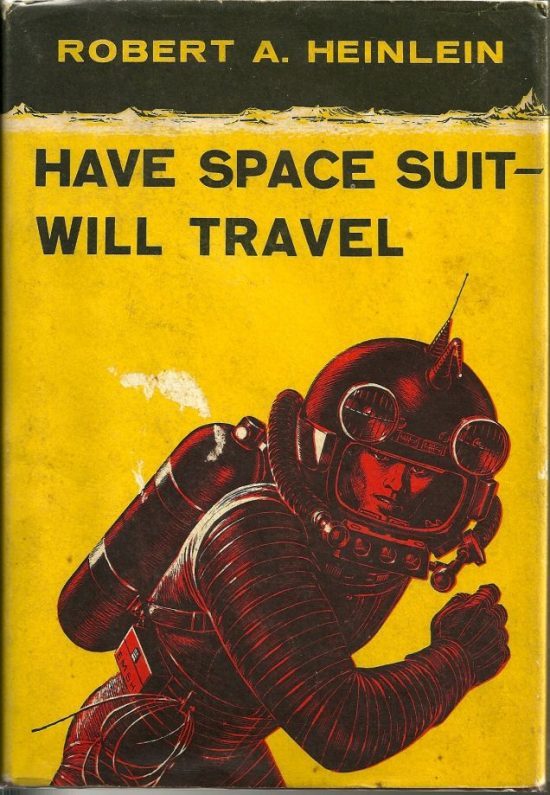
havespacesuitwilltravel-1

So you want to be a writer? Good, you’ll find plen­ty of advice from the best here at Open Cul­ture. Oh, you want to be a sci­ence fic­tion writer? The great Ursu­la K. Le Guin has offered read­ers a wealth of writ­ing advice, though she won’t tell us “how to sell a ship, but how to sail one.” But wait, you also want to know how to pub­lish, and make a liv­ing? For that, you’d bet­ter see Robert Hein­lein, one of the acknowl­edged mas­ters of the Gold­en Age of sci­ence fic­tion and a huge­ly pro­lif­ic author who pio­neered both pop­u­lar hard sci-fi and what he called “spec­u­la­tive fic­tion,” a more seri­ous, lit­er­ary form incor­po­rat­ing social and polit­i­cal themes.

In his 1947 essay “On the Writ­ing of Spec­u­la­tive Fic­tion,” Hein­lein refers to these “two types” of sci­ence fic­tion as “the gad­get sto­ry and the human inter­est sto­ry.” The lat­ter kind of sto­ry, writes Hein­lein “stands a bet­ter chance with the slicks than a gad­get sto­ry does” because it has wider appeal. This advice sounds rather util­i­tar­i­an, doesn’t it? What about pas­sion, inspi­ra­tion, the muse? Eh, you don’t have time for those things. If you want to be suc­cess­ful like Robert Hein­lein, you’ve got to write sto­ries, lots of ‘em, sto­ries peo­ple want to pub­lish and pay for, sto­ries peo­ple want to read.

Hein­lein spends the bulk of his essay advis­ing us on how to write such sto­ries, with a pro­vi­so, in an epi­gram from Rud­yard Kipling, that “there are nine-and-six­ty ways / Of con­struct­ing trib­al lays / And every sin­gle one of them is right.” After, how­ev­er, describ­ing in detail how he writes a “human inter­est” sci­ence fic­tion sto­ry, Hein­lein then gets down to busi­ness. He assumes that we can type, know the right for­mats or can learn them, and can spell, punc­tu­ate, and use gram­mar as our “wood-carpenter’s sharp tools.” These pre­req­ui­sites met, all we real­ly need to write spec­u­la­tive fic­tion are the five rules below:

1. You must write.

2. You must fin­ish what you start.

3. You must refrain from rewrit­ing except to edi­to­r­i­al order.

4. You must put it on the mar­ket.

5. You must keep it on the mar­ket until sold.

You might think Hein­lein has lapsed into the lan­guage of the real­tor, not the writer, but he is dead­ly seri­ous about these rules, which “are amaz­ing­ly hard to follow—which is why there are so few pro­fes­sion­al writ­ers and so many aspi­rants.” Any­one who has tried to write and pub­lish fic­tion knows this to be true. But what did Hein­lein mean in giv­ing us such an aus­tere list? For one thing, as he notes many times, there are per­haps as many ways to write sci-fi sto­ries as there are peo­ple to write them. What Hein­lein aims to give us are the keys to becom­ing pro­fes­sion­al writ­ers, not the­o­rists of writ­ing, lovers of writ­ing, dab­blers and dilet­tantes of writ­ing.

Award-win­ning sci­ence fic­tion writer Robert J. Sawyer has inter­pret­ed Heinlein’s rules with com­men­tary of his own, and added a sixth: “Start Work­ing on Some­thing Else.” Good advice. Hein­lein’s rule num­ber three, however—“the one that got Hein­lein in trou­ble with cre­ative-writ­ing teachers”—seems to con­tra­dict what most every oth­er writer will tell us. Sawyer sug­gests we take it to mean, “Don’t tin­ker end­less­ly with your sto­ry.” Writer Patri­cia C. Wrede agrees, but also sug­gests that “Hein­lein was of the school of thought that felt that ‘good enough’ was all that was nec­es­sary, ever.”

Like 19th cen­tu­ry writ­ers who churned out nov­els as seri­al­ized sto­ries for the papers and mag­a­zines, Hein­lein and his fel­low Gold­en Age writ­ers made their liv­ing sell­ing sto­ry after sto­ry to the “pulps” and the “slicks” (prefer­ably the slicks). One had to be pro­lif­ic, and being “’pro­lif­ic enough’ often involved not hav­ing time to pol­ish and revise much (if at all).” So rule num­ber three may or may not apply, depend­ing on our con­straints. The lit­er­ary mar­ket has changed dra­mat­i­cal­ly since 1947, but the rest of Heinlein’s rules still seem non­nego­tiable if we intend not only to write—speculative fic­tion or otherwise—but also to make a career doing so.

via Ken St. Andre

Relat­ed Con­tent:

Writ­ing Tips by Hen­ry Miller, Elmore Leonard, Mar­garet Atwood, Neil Gaiman & George Orwell

Ray Brad­bury Gives 12 Pieces of Writ­ing Advice to Young Authors (2001)

Stephen King’s Top 20 Rules for Writ­ers

Josh Jones is a writer and musi­cian based in Durham, NC. Fol­low him at @jdmagness

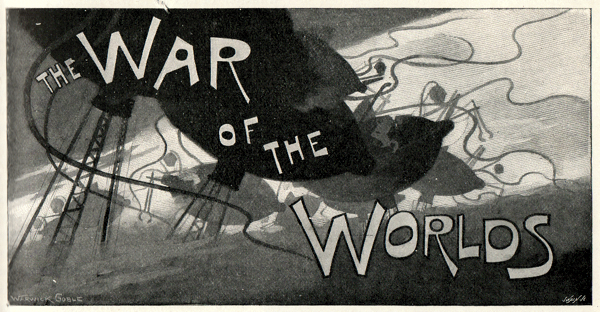
The Very First Illustrations of H.G. Wells’ The War of the Worlds (1897)

war-of-the-worlds-goble

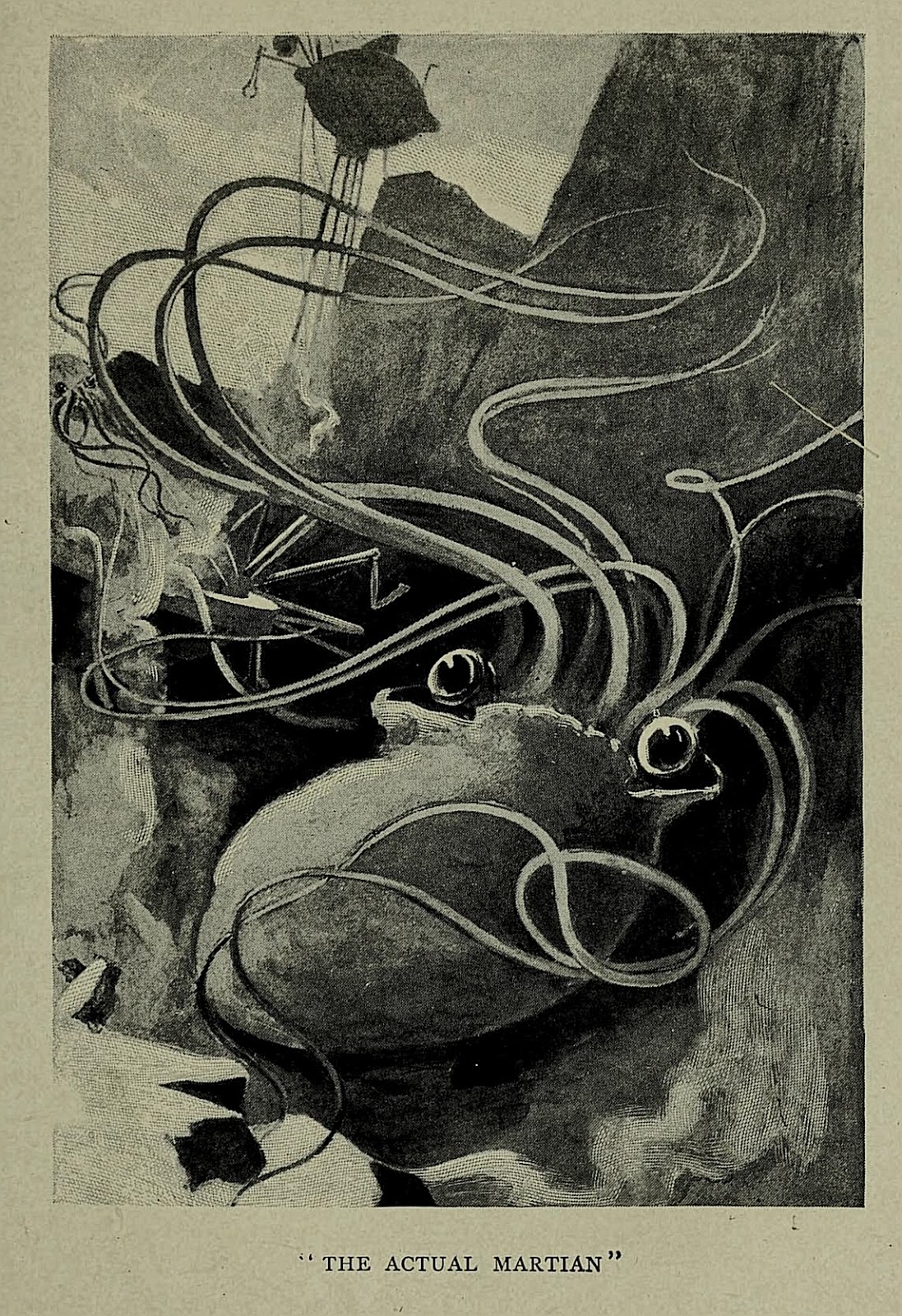
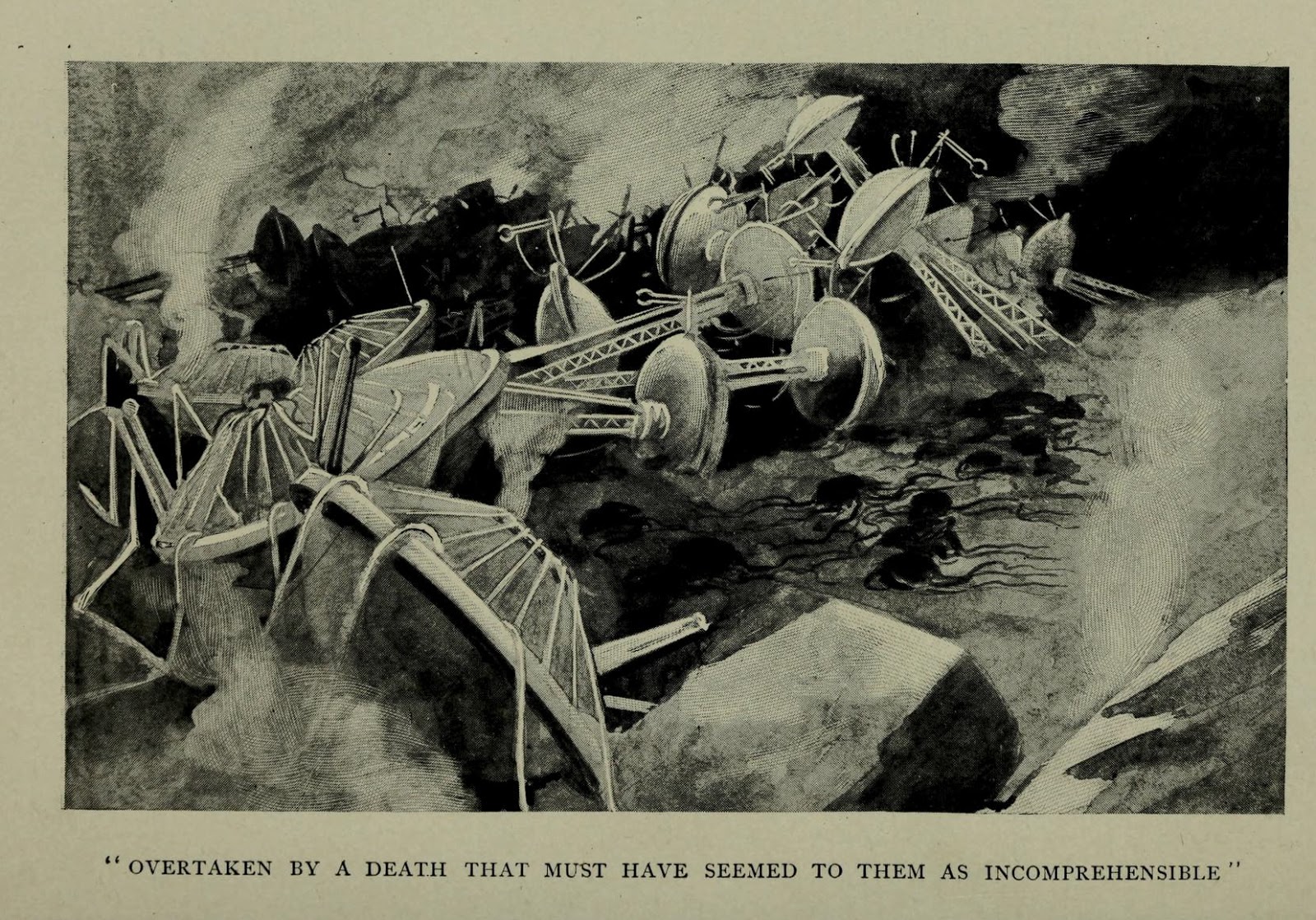
H.G. Wells’ tales of fan­tas­ti­cal inven­tions, nev­er-before-seen beings, time trav­el, and alien inva­sion prac­ti­cal­ly cry out for visu­al and son­ic accom­pa­ni­ment. Of all the oth­er artists’ inter­pre­ta­tions of his 1898 nov­el The War of the Worlds, Orson Welles’ infa­mous Hal­loween 1938 radio broad­cast remains best known, but var­i­ous illus­tra­tors have also brought the sto­ry of mer­ci­less­ly destruc­tive Mar­tians’ arrival on Earth to equal­ly vivid life. Last year, we fea­tured Brazil­ian illus­tra­tor Hen­rique Alvim Cor­rêa’s hor­ri­fy­ing work for the 1906 edi­tion; today, we go back before The War of the Worlds’ first edi­tion to behold the aliens as ren­dered by War­wick Gob­le.

hg-wells-2

“I’m doing the dear­est lit­tle ser­i­al for Pear­son­’s new mag­a­zine,” Wells wrote to a friend, “in which I com­plete­ly wreck and sack Wok­ing — killing my neigh­bours in painful and eccen­tric ways — then pro­ceed via Kingston and Rich­mond to Lon­don, which I sack, select­ing South Kens­ing­ton for feats of pecu­liar atroc­i­ty.” That dear­est lit­tle ser­i­al, after its 1897 run in Pear­son­’s Mag­a­zine in the U.K. and Cos­mopoli­tan in the U.S., appeared the next year in book form as The War of the Worlds, a com­mon pub­li­ca­tion pro­ce­dure for pop­u­lar Eng­lish-lan­guage nov­els in the 19th and ear­ly 20th cen­tu­ry.

hg-wells-3

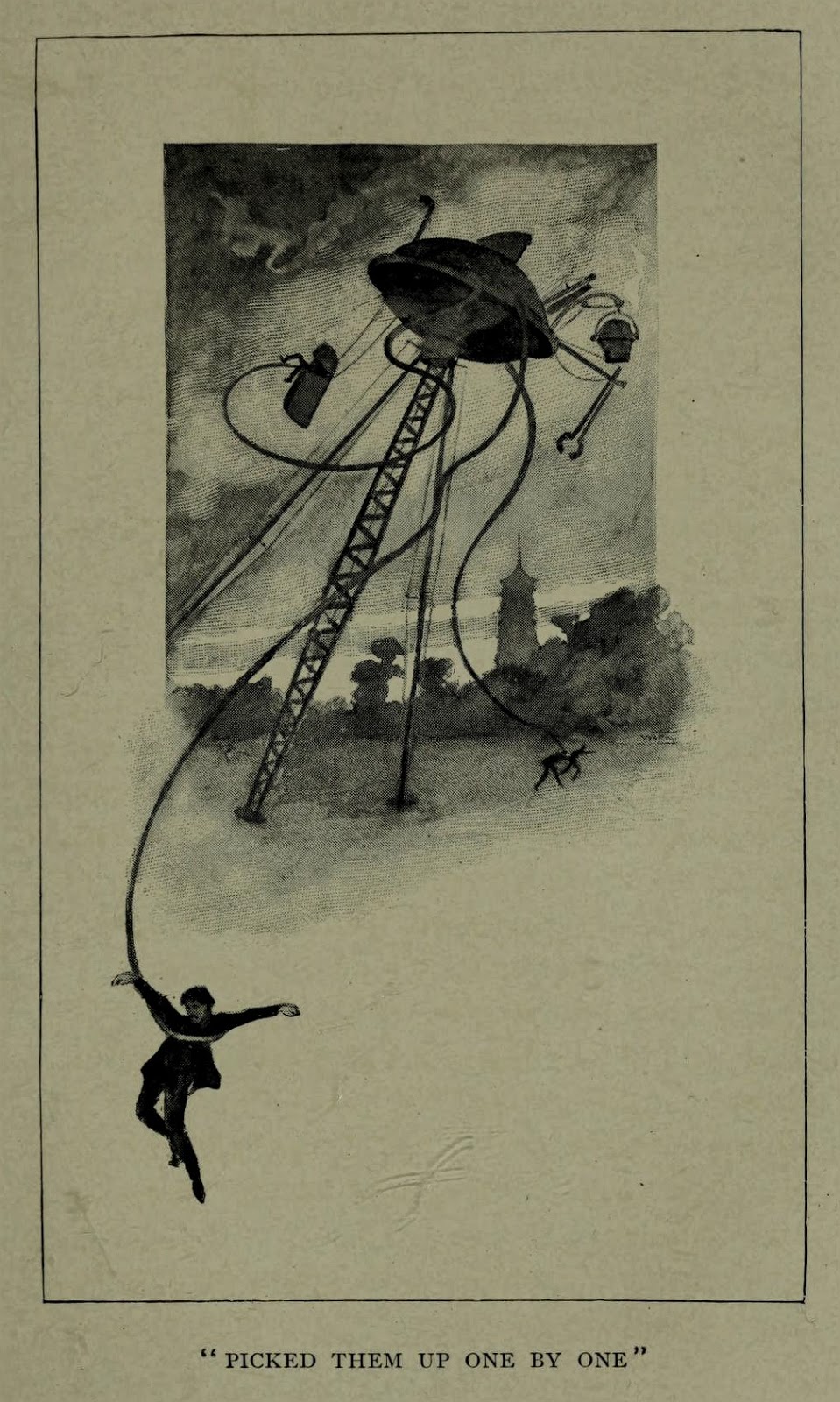
“The sto­ry is still a bit rough round the edges,” writes sci-fi author John Guy Col­lick, but “what makes the mag­a­zine spe­cial are the fan­tas­tic illus­tra­tions by War­wick Gob­le. These are the first pic­tures of the Mar­tians and their tripods and, I think, the best.” He prais­es their low-tech style and their faith­ful­ness to the text: “in the nov­el Wells is at pains to point out that the Mar­t­ian legs are rigid,” not artic­u­lat­ed as the films and oth­er illus­tra­tions have tend­ed to por­tray them.” The Mar­tians them­selves he con­sid­ers a “bit too cute, though they are the first attempt to visu­alise beings from anoth­er world,” and these depic­tions of ter­ror from anoth­er plan­et (more of which you can see here) cer­tain­ly marked a depar­ture in Gob­le’s chil­dren’s book-ori­ent­ed career. Even an artist of whim­sy has to cause a few night­mares once in a while.

hg-wells-4

Relat­ed Con­tent:

Hor­ri­fy­ing 1906 Illus­tra­tions of H.G. Wells’ War of the Worlds: Dis­cov­er the Art of Hen­rique Alvim Cor­rêa

The War of the Worlds on Pod­cast: How H.G. Wells and Orson Welles Riv­et­ed A Nation

Orson Welles Meets H.G. Wells in 1940: The Leg­ends Dis­cuss War of the Worlds, Cit­i­zen Kane, and WWII

H.G. Wells Inter­views Joseph Stal­in in 1934; Declares “I Am More to The Left Than You, Mr. Stal­in”

Based in Seoul, Col­in Mar­shall writes and broad­casts on cities and cul­ture. He’s at work on a book about Los Ange­les, A Los Ange­les Primer, the video series The City in Cin­e­ma, the crowd­fund­ed jour­nal­ism project Where Is the City of the Future?, and the Los Ange­les Review of Books’ Korea Blog. Fol­low him on Twit­ter at @colinmarshall or on Face­book.

An Animated Aldous Huxley Identifies the Dystopian Threats to Our Freedom (1958)

20 years after Aldous Hux­ley pub­lished Brave New World (1931), he was still the medi­a’s go-to futur­ist. Let me cite two exam­ples:

In 1950, Red­book Mag­a­zine asked four experts (includ­ing Hux­ley) “what the world may look like fifty years hence?,” to which the author respond­ed:

Dur­ing the next fifty years mankind will face three great prob­lems: the prob­lem of avoid­ing war; the prob­lem of feed­ing and cloth­ing a pop­u­la­tion of two and a quar­ter bil­lions which, by 2000 A.D., will have grown to upward of three bil­lions, and the prob­lem of sup­ply­ing these bil­lions with­out ruin­ing the planet’s irre­place­able resources.

Then, in 1958, a young reporter named Mike Wal­lace had Hux­ley play prophet on a 30-minute TV show. Over­pop­u­la­tion gets dis­cussed again. But then Hux­ley returns to some famil­iar dystopi­an themes, iden­ti­fy­ing some emerg­ing threats to our free­doms. 

  • Overor­ga­ni­za­tion: “Well anoth­er force which I think is very strong­ly oper­a­tive in this coun­try is the force of what may be called of overor­ga­ni­za­tion. Er…As tech­nol­o­gy becomes more and more com­pli­cat­ed, it becomes nec­es­sary to have more and more elab­o­rate orga­ni­za­tions, more hier­ar­chi­cal orga­ni­za­tions, and inci­den­tal­ly the advance of tech­nol­o­gy is being accom­pa­nied by an advance in the sci­ence of orga­ni­za­tion.

    It’s now pos­si­ble to make orga­ni­za­tions on a larg­er scale than it was ever pos­si­ble before, and so that you have more and more peo­ple liv­ing their lives out as sub­or­di­nates in these hier­ar­chi­cal sys­tems con­trolled by bureau­cra­cy, either the bureau­cra­cies of big busi­ness­es or the bureau­cra­cies of big gov­ern­ment.”

  • Abuse of new tech­nolo­gies: “There are cer­tain­ly devices which can be used [to lim­it free­doms.] I mean, let us er…take after all, a piece of very recent and very painful his­to­ry is the pro­pa­gan­da used by Hitler, which was incred­i­bly effec­tive.

    I mean, what were Hitler’s meth­ods? Hitler used ter­ror on the one kind, brute force on the one hand, but he also used a very effi­cient form of pro­pa­gan­da, which er…he was using every mod­ern device at that time. He did­n’t have TV., but he had the radio which he used to the fullest extent, and was able to impose his will on an immense mass of peo­ple. I mean, the Ger­mans were a high­ly edu­cat­ed peo­ple.

  • Drugs: I mean, in this book that you men­tioned, this book of mine, “Brave New World,” er…I pos­tu­lat­ed it a sub­stance called ‘soma,’ which was a very ver­sa­tile drug. It would make peo­ple feel hap­py in small dos­es, it would make them see visions in medi­um dos­es, and it would send them to sleep in large dos­es.…

    If you want to pre­serve your pow­er indef­i­nite­ly, you have to get the con­sent of the ruled, and this they will do part­ly by drugs as I fore­saw in “Brave New World,” part­ly by these new tech­niques of pro­pa­gan­da. They will do it by bypass­ing the sort of ratio­nal side of man and appeal­ing to his sub­con­scious and his deep­er emo­tions, and his phys­i­ol­o­gy even, and so, mak­ing him actu­al­ly love his slav­ery.

Above, you can watch ani­mat­ed excerpts from Wal­lace’s inter­view with Hux­ley, cour­tesy of Blank on Blank. Find the com­plete orig­i­nal inter­view below, along with a tran­script here

Relat­ed Con­tent:

Aldous Hux­ley Pre­dicts in 1950 What the World Will Look Like in the Year 2000

Hear Aldous Hux­ley Read Brave New World

Hux­ley to Orwell: My Hell­ish Vision of the Future is Bet­ter Than Yours (1949)

Things to Come, the 1936 Sci-Fi Film Written by H.G. Wells, Accurately Predicts the World’s Very Dark Future

“We live in inter­est­ing, excit­ing, and anx­ious times,” declares the boom­ing nar­ra­tion that opens the movie trail­er above. Truer words were nev­er spo­ken about our age — or about the mid-1930s, the times to which the nar­ra­tor actu­al­ly refers. But the pic­ture itself tells a sto­ry about the future, one extend­ing deep into the 21st cen­tu­ry: a hun­dred-year saga of decades-long war, a new Dark Age, and, by the mid-2050s, a rebuild­ing of soci­ety as a kind of indus­tri­al Utopia run by a tech­no­crat­ic world gov­ern­ment. It will sur­prise no one famil­iar with his sen­si­bil­i­ty that the screen­play for the film, Things to Come, came from the mind of H.G. Wells. Watch it in full on YouTube or Archive.org.

Welles had made his name long before with imag­i­na­tive nov­els like The Time MachineThe Island of Doc­tor More­auThe Invis­i­ble Man, and The War of the Worlds (find them in our list of Free eBooks), all pub­lished in the pre­vi­ous cen­tu­ry. By the time the oppor­tu­ni­ty came around to make a big-bud­get cin­e­ma spec­ta­cle with pro­duc­er Alexan­der Kor­da and direc­tor William Cameron Men­zies, con­ceived in part as a rebuke to Fritz Lang’s Metrop­o­lis, the writer had set­tled into his role as a kind of “emi­nent for­tune teller,” as New York Times crit­ic Frank Nugent described him in his review of the col­lab­o­ra­tion’s final prod­uct.

“Typ­i­cal Well­sian con­jec­ture,” Nugent con­tin­ues, “it ranges from the rea­son­ably pos­si­ble to the rea­son­ably fan­tas­tic; but true or false, fan­ci­ful or log­i­cal, it is an absorb­ing, provoca­tive and impres­sive­ly staged pro­duc­tion.” It includ­ed work from not just impor­tant fig­ures in the his­to­ry of film­mak­ing (Men­zies, for instance, invent­ed the job of pro­duc­tion design­er) but the his­to­ry of art as well, such as the Bauhaus’ Lás­zló Moholy-Nagy. You can watch and judge for your­self the free ver­sion of Things to Come avail­able on YouTube or, much prefer­able to the cinephile, the restored and much-sup­ple­ment­ed Cri­te­ri­on Col­lec­tion edi­tion, whose extras include unused footage that more ful­ly shows Moholy-Nagy’s con­tri­bu­tions.

At the time, this much-bal­ly­hooed spec­ta­cle-prophe­cy drew respons­es not just from movie crit­ics, but from oth­er emi­nent writ­ers as well. In his Cri­te­ri­on essay “Whith­er Mankind?”, Geof­frey O’Brien quotes those of both Jorge Luis Borges and George Orwell. “The heav­en of Wells and Alexan­der Kor­da, like that of so many oth­er escha­tol­o­gists and set design­ers, is not much dif­fer­ent than their hell, though even less charm­ing,” Borges com­plained of the envi­sioned near-per­fec­tion of its dis­tant future. Wells, like many 19th-cen­tu­ry vision­ar­ies, instinc­tive­ly asso­ci­at­ed tech­no­log­i­cal progress with the moral vari­ety, but Borges saw a dif­fer­ent sit­u­a­tion in the present, when “the pow­er of almost all tyrants aris­es from their con­trol of tech­nol­o­gy.”

Things to Come has, how­ev­er, received ret­ro­spec­tive cred­it for pre­dict­ing glob­al war just ahead. In its first act, the Lon­don-like Every­town suf­fers an aer­i­al bomb­ing raid which sets the whole civ­i­liza­tion-destroy­ing con­flict in motion. Not long after the real Blitz came, Orwell looked back at the film and wrote, omi­nous­ly, that “much of what Wells has imag­ined and worked for is phys­i­cal­ly there in Nazi Ger­many. The order, the plan­ning, the State encour­age­ment of sci­ence, the steel, the con­crete, the air­planes, are all there, but all in the ser­vice of ideas appro­pri­ate to the Stone Age.” Or, in Nugen­t’s chill­ing words of 1936, “There’s noth­ing we can do now but sit back and wait for the holo­caust. If Mr. Wells is right, we are in for an inter­est­ing cen­tu­ry.”

If you would like to sign up for Open Culture’s free email newslet­ter, please find it here. It’s a great way to see our new posts, all bun­dled in one email, each day.

If you would like to sup­port the mis­sion of Open Cul­ture, con­sid­er mak­ing a dona­tion to our site. It’s hard to rely 100% on ads, and your con­tri­bu­tions will help us con­tin­ue pro­vid­ing the best free cul­tur­al and edu­ca­tion­al mate­ri­als to learn­ers every­where. You can con­tribute through Pay­Pal, Patre­on, and Ven­mo (@openculture). Thanks!

Relat­ed Con­tent:

The Great Leonard Nimoy Reads H.G. Wells’ Sem­i­nal Sci-Fi Nov­el The War of the Worlds

H.G. Wells Inter­views Joseph Stal­in in 1934; Declares “I Am More to The Left Than You, Mr. Stal­in”

The Dead Authors Pod­cast: H.G. Wells Com­i­cal­ly Revives Lit­er­ary Greats with His Time Machine

Metrop­o­lis: Watch a Restored Ver­sion of Fritz Lang’s Mas­ter­piece (1927)

Jules Verne Accu­rate­ly Pre­dicts What the 20th Cen­tu­ry Will Look Like in His Lost Nov­el, Paris in the Twen­ti­eth Cen­tu­ry (1863)

Based in Seoul, Col­in Mar­shall writes and broad­casts on cities and cul­ture. He’s at work on a book about Los Ange­les, A Los Ange­les Primer, the video series The City in Cin­e­ma, the crowd­fund­ed jour­nal­ism project Where Is the City of the Future?, and the Los Ange­les Review of Books’ Korea Blog. Fol­low him on Twit­ter at @colinmarshall or on Face­book.

On Star Trek’s 50th Anniversary, Watch New Episodes of Star Trek Continues, the Acclaimed Fan-Made Sequel to the Original TV Show

Today marks the 50th anniver­sary of the pre­miere of Star Trek, and the start of a love affair between fans and the show’s utopi­an promise. With only 79 episodes over three sea­sons in the orig­i­nal 1966–1969 series, it might have dis­ap­peared into pop cul­ture his­to­ry. Instead, it has lived long and pros­pered, with movies and sequels and New Gen­er­a­tions, and reboots and more sequels. And that’s not count­ing the labor-of-love fan films that have spawned around the fringes.

Now, fan-cre­at­ed films usu­al­ly fall down in the act­ing and effects depart­ment, or they try too hard. But even if you’re not a ded­i­cat­ed Trekkie, the inde­pen­dent­ly-pro­duced Star Trek Con­tin­ues holds up as some great sci-fi that recre­ates the orig­i­nal series’ look to per­fec­tion, while skirt­ing par­o­dy. (Plus it got the bless­ing of series cre­ator Gene Roddenberry’s son, who said his father “would con­sid­er this canon.”)

When we first told you about Star Trek Con­tin­ues in Feb­ru­ary, five hour-long episodes were view­able on YouTube or the show’s offi­cial web­site, fund­ed through two Kick­starter cam­paigns and per­son­al mon­eys from exec­u­tive pro­duc­er Vic Mignogna ($150,000) and co-exec­u­tive pro­duc­er Steven Den­gler ($100,000). Above, you can check out the two new episodes, “Come Not Between the Drag­ons” (Episode 6) and “Embrac­ing the Winds” (Episode 7). Or watch the entire series, from start to fin­ish, below.

Despite Star Trek Con­tin­ues’ not-for-prof­it sta­tus, oth­er Star Trek fan films have raised the ire of CBS and Paramount’s legal divi­sions, and may end up harm­ing the future of such endeav­ors. But remem­ber, CBS had no faith in the orig­i­nal series back in the day, plac­ing it in lat­er and lat­er time slots. It was syn­di­ca­tion that made the show a cult hit, and it was those orig­i­nal fans that lov­ing­ly fanned the embers until the show reignit­ed. For them on this half-cen­tu­ry mark, they deserve as much a thank you as the orig­i­nal crew of the Star­ship Enter­prise.

Relat­ed Con­tent:

Nichelle Nichols Explains How Mar­tin Luther King Con­vinced Her to Stay on Star Trek

Watch Star Trek: New Voy­ages: The Orig­i­nal Fan-Made Sequel to the 1960s TV Series

How Isaac Asi­mov Went from Star Trek Crit­ic to Star Trek Fan & Advi­sor

Ted Mills is a free­lance writer on the arts who cur­rent­ly hosts the artist inter­view-based FunkZone Pod­cast. You can also fol­low him on Twit­ter at @tedmills, read his oth­er arts writ­ing at tedmills.com and/or watch his films here.

Star Trek Postage Stamps Coming Soon: Celebrating 50 Years of Exploring the Final Frontier

star-trek-stamps

The orig­i­nal Star Trek TV series took to the air­waves near­ly 5o years ago–on Sep­tem­ber 8, 1966. Poor rat­ings meant that the show did­n’t last very long (only three years). But every­thing changed once the show went into syn­di­ca­tion. It achieved cult sta­tus. And a fran­chise was born. The orig­i­nal Star Trek has now spawned five addi­tion­al tv series, 13 fea­ture films, and a num­ber of fan-made sequels.

To cel­e­brate 50 years of Star Trek, the US Postal Ser­vice has decid­ed to release a com­mem­o­ra­tive set of stamps inspired by the orig­i­nal show. The four stamps (shown above) depict the fol­low­ing:

  • The Star­ship Enter­prise inside the out­line of a Starfleet insignia against a gold back­ground.
  • The sil­hou­ette of a crew­man in a trans­porter against a red back­ground.
  • The sil­hou­ette of the Enter­prise from above against a green back­ground.
  • The Enter­prise inside the out­line of the Vul­can salute (Spock’s icon­ic hand ges­ture) against a blue back­ground.

The stamps will be offi­cial­ly avail­able on Sep­tem­ber 2, though they can be pre-ordered here.

via Kot­tke

Relat­ed Con­tent:

Watch Star Trek Con­tin­ues: The Crit­i­cal­ly-Acclaimed, Fan-Made Sequel to the Orig­i­nal TV Series

How Isaac Asi­mov Went from Star Trek Crit­ic to Star Trek­Fan & Advi­sor

Nichelle Nichols Explains How Mar­tin Luther King Con­vinced Her to Stay on Star Trek

The Com­plete Star Wars “Fil­mu­men­tary”: A 6‑Hour, Fan-Made Star Wars Doc­u­men­tary, with Behind-the-Scenes Footage & Com­men­tary

Hard­ware Wars: The Moth­er of All Star Wars Fan Films (and the Most Prof­itable Short Film Ever Made)

Star Wars Uncut: The Epic Fan Film

by | Permalink | Make a Comment ( 1 ) |

Read the Original 32-Page Program for Fritz Lang’s Metropolis (1927)

75388-Lang-525x700

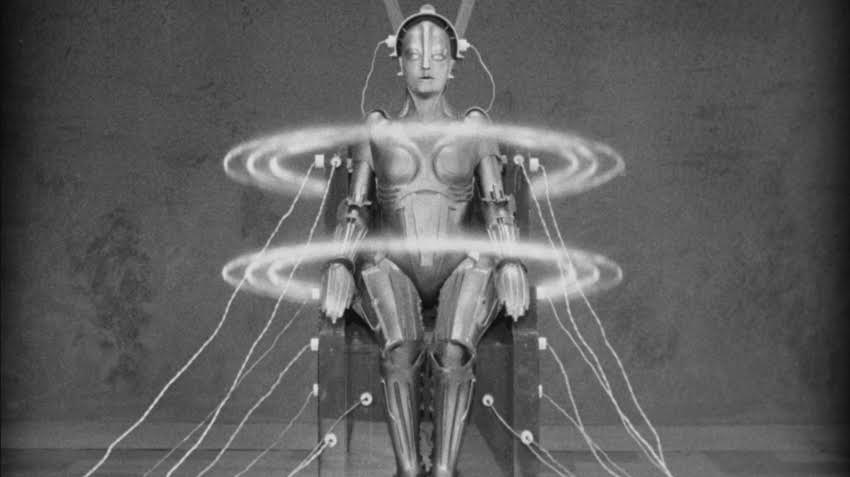
One of the very first fea­ture-length sci-fi films ever made, Fritz Lang’s Metrop­o­lis took a dar­ing visu­al approach for its time, incor­po­rat­ing Bauhaus and Futur­ist influ­ences in thrilling­ly designed sets and cos­tumes. Lang’s visu­al lan­guage res­onat­ed strong­ly in lat­er decades. The film’s rather stun­ning alchem­i­cal-elec­tric trans­fer­ence of a woman’s phys­i­cal traits onto the body of a destruc­tive android—the so-called Maschi­nen­men­schfor exam­ple, began a very long trend of female robots in film and tele­vi­sion, most of them as dan­ger­ous and inscrutable as Lang’s. And yet, for all its many imi­ta­tors, Metrop­o­lis con­tin­ues to deliv­er sur­pris­es. Here, we bring you a new find: a 32-page pro­gram dis­trib­uted at the film’s 1927 pre­mier in Lon­don and recent­ly re-dis­cov­ered.

75388_1_Lang-511x700

In addi­tion to under­writ­ing almost one hun­dred years of sci­ence fic­tion film and tele­vi­sion tropes, Metrop­o­lis has had a very long life in oth­er ways: Inspir­ing an all-star sound­track pro­duced by Gior­gio Moroder in 1984,with Fred­die Mer­cury, Lover­boy, and Adam Ant, and a Kraftwerk album. In 2001, a recon­struct­ed ver­sion received a screen­ing at the Berlin Film Fes­ti­val, and UNESCO’s Mem­o­ry of the World Reg­is­ter added it to their ros­ter. 2002 saw the release of an excep­tion­al Metrop­o­lis-inspired ani­me with the same title. And in 2010 an almost ful­ly restored print of the long-incom­plete film—recut from footage found in Argenti­na in 2008—appeared, adding a lit­tle more sophis­ti­ca­tion and coher­ence to the sim­plis­tic sto­ry line.

75388_6_Lang-504x700

Even at the film’s ini­tial recep­tion, with­out any miss­ing footage, crit­ics did not warm to its sto­ry. For all its intense visu­al futur­ism, it has always seemed like a very quaint, naïve tale, struck through with earnest reli­gios­i­ty and inex­plic­a­ble archaisms. Con­tem­po­rary review­ers found its nar­ra­tive of gen­er­a­tional and class con­flict uncon­vinc­ing. H.G. Wells—“something of an author­i­ty on sci­ence fiction”—pronounced it “the sil­li­est film” full of “every pos­si­ble fool­ish­ness, cliché, plat­i­tude, and mud­dle­ment about mechan­i­cal progress and progress in gen­er­al served up with a sauce of sen­ti­men­tal­i­ty that is all its own.” Few were kinder when it came to the sto­ry, and despite its overt reli­gious themes, many saw it as Com­mu­nist pro­pa­gan­da.

75388_7_lang

Viewed after sub­se­quent events in 20th cen­tu­ry Ger­many, many of the film’s scenes appear “dis­turbing­ly pre­scient,” writes the Unaf­fil­i­at­ed Crit­ic, such as the vision of a huge indus­tri­al machine as Moloch, in which “bald, under­fed humans are led in chains to a fur­nace.” Lang and his wife Thea von Harbou—who wrote the nov­el, then screenplay—were of course com­ment­ing on indus­tri­al­iza­tion, labor con­di­tions, and pover­ty in Weimar Ger­many. Metrop­o­lis’s “clear mes­sage of clas­sism,” as io9 writes, comes through most clear­ly in its arrest­ing imagery, like that hor­ri­fy­ing, mon­strous fur­nace and the “loom­ing sym­bol of wealth in the Tow­er of Babel.”

75388_26_Lang-512x700

The visu­al effects and spec­tac­u­lar set pieces have worked their mag­ic on almost every­one (Wells exclud­ed) who has seen Metrop­o­lis. And they remain, for all its silli­ness, the pri­ma­ry rea­son for the movie’s cul­tur­al preva­lence. Wired calls it “prob­a­bly the most influ­en­tial sci-fi movie in his­to­ry,” remark­ing that “a sin­gle movie poster from the orig­i­nal release sold for $690,000 sev­en years ago, and is expect­ed to fetch even more at an auc­tion lat­er this year.”

75388_18_Lang-504x700

We now have anoth­er arti­fact from the movie’s pre­miere, this 32-page pro­gram, appro­pri­ate­ly called “Metrop­o­lis” Mag­a­zine, that offers a rich feast for audi­ences, and text at times more inter­est­ing than the film’s script. (You can view the pro­gram in full here.) One imag­ines had they pos­sessed back­lit smart phones, those ear­ly movie­go­ers might have found them­selves strug­gling not to browse their pro­grams while the film screened. But, of course, Metrop­o­lis’s visu­al excess­es would hold their atten­tion as they still do ours. Its scenes of a futur­is­tic city have always enthralled view­ers, film­mak­ers, and (most) crit­ics, such that Roger Ebert could write of “vast futur­is­tic cities” as a sta­ple of some of the best sci­ence fic­tion in his review of the 21st-cen­tu­ry ani­mat­ed Metrop­o­lis—“visions… goofy and yet at the same time exhil­a­rat­ing.”

75388_24_Lang-515x700

The pro­gram real­ly is an aston­ish­ing doc­u­ment, a trea­sure for fans of the film and for schol­ars. Full of pro­duc­tion stills, behind-the-scenes arti­cles and pho­tos, tech­ni­cal minu­ti­ae, short columns by the actors, a bio of Thea von Har­bau, the “authoress,” excerpts from her nov­el and screen­play placed side-by-side, and a short arti­cle by her. There’s a page called “Fig­ures that Speak” that tal­lies the pro­duc­tion costs and cast and crew num­bers (includ­ing very crude draw­ings and num­bers of “Negroes” and “Chi­nese”). Lang him­self weighs in, lacon­i­cal­ly, with a breezy intro­duc­tion fol­lowed by a clas­sic silent-era line: “if I can­not suc­ceed in find­ing expres­sion on the pic­ture, I cer­tain­ly can­not find it in speech.” Film his­to­ry agrees, Lang found his expres­sion “on the pic­ture.”

75388_10_Lang-511x700

“Only three sur­viv­ing copies of this pro­gram are known to exist,” writes Wired, and one of them, from which these pages come, has gone on sale at the Peter Har­ring­ton rare book shop for 2,750 pounds ($4,244)—which seems rather low, giv­en what an orig­i­nal Metrop­o­lis poster went for. But mar­kets are fick­le, and what­ev­er its cur­rent or future price, ”Metrop­o­lis” Mag­a­zine is invalu­able to cineast­es. See all 32 pages of the pro­gram at Peter Harrington’s web­site.

75388_22_lang

via Wired

Relat­ed Con­tent:

Metrop­o­lis: Watch a Restored Ver­sion of Fritz Lang’s Mas­ter­piece (1927)

Fritz Lang Tells the Riv­et­ing Sto­ry of the Day He Met Joseph Goebbels and Then High-Tailed It Out of Ger­many

Metrop­o­lis II: Dis­cov­er the Amaz­ing, Fritz Lang-Inspired Kinet­ic Sculp­ture by Chris Bur­den

Josh Jones is a writer and musi­cian based in Durham, NC. Fol­low him at @jdmagness

Hear Arthur C. Clarke Read 2001: A Space Odyssey: A Vintage 1976 Vinyl Recording

When we hear the open­ing of Also Sprach Zarathus­tra, we instinc­tive­ly steel our­selves for enor­mous leaps through space and time. We have since 1968, when Stan­ley Kubrick­’s 2001: A Space Odyssey made Richard Strauss’ 1896 piece its theme music. (Kubrick, as we post­ed in 2014, did com­mis­sion an orig­i­nal score, only to reject it as “com­plete­ly inad­e­quate for the film.”) If you saw and loved it dur­ing its orig­i­nal the­atri­cal run, long before the advent of home video, you had only a lim­it­ed set of ways to re-live it at will. The obvi­ous choice includ­ed buy­ing a copy of the sound­track or Arthur C. Clarke’s epony­mous nov­el (or, for the kids, to go eat at Howard John­son’s), but in 1976, you could also buy a record that gave you a bit of both at once.

On this now out-of-print record, Clarke reads the final chap­ters of 2001 with the accom­pa­ni­ment of that most rec­og­niz­able piece from the film score, all pack­aged in a sleeve fea­tur­ing an image of Keir Dul­lea as Mis­sion Com­man­der David Bow­man on one of the film’s immac­u­late­ly craft­ed space-sta­tion sets. You can hear side one at the top, and side two below.

If all this strikes you as an uncon­scionable inter­min­gling of book and movie, remem­ber that Kubrick­’s 2001 does­n’t straight­for­ward­ly adapt Clarke’s 2001. Both of those inde­pen­dent but com­ple­men­tary works grew from the seed of “The Sen­tinel,” Clarke’s 1948 short sto­ry about a daz­zling and mys­ti­fy­ing arti­fact left behind by an ancient alien civ­i­liza­tion. Kubrick had orig­i­nal­ly tapped Clarke to write a whole new screen­play, but that col­lab­o­ra­tion ulti­mate­ly turned into two par­al­lel projects, with the nov­el­ist writ­ing to his own sen­si­bil­i­ty and the film­mak­er cer­tain­ly direct­ing to his. Some Clarke fans pre­fer the nov­el and some Kubrick fans pre­fer the film, but those who admire the virtues of both 2001s will appre­ci­ate the exis­tence of this record, in its own way an impres­sive arti­fact of a dis­tant era.

You can’t buy this album new these days, but used copies can still be pur­chased online.

Relat­ed Con­tent:

The Clas­si­cal Music in Stan­ley Kubrick’s Films: Lis­ten to a Free, 4 Hour Playlist

James Cameron Revis­its the Mak­ing of Kubrick’s 2001: A Space Odyssey

1966 Film Explores the Mak­ing of Kubrick’s 2001: A Space Odyssey (and Our High-Tech Future)

Watch Steven Soderbergh’s Re-Edit­ed Ver­sion of Kubrick’s 2001: A Space Odyssey Free Online

Howard Johnson’s Presents a Children’s Menu Fea­tur­ing Kubrick’s 2001: A Space Odyssey (1968)

Based in Seoul, Col­in Mar­shall writes and broad­casts on cities and cul­ture. He’s at work on a book about Los Ange­les, A Los Ange­les Primer, the video series The City in Cin­e­ma, the crowd­fund­ed jour­nal­ism project Where Is the City of the Future?, and the Los Ange­les Review of Books’ Korea Blog. Fol­low him on Twit­ter at @colinmarshall or on Face­book.

« Go BackMore in this category... »
Quantcast