The Big Aha, the Latest Novel by Cyberpunk Writer Rudy Rucker, is Now Out and Free Online

the big aha coverA quick note: Rudy Ruck­er, one of the founders of the cyber­punk move­ment, put him­self on the lit­er­ary map with the Prize-Win­ning Ware Tetral­o­gy. In the spir­it of open­ness, Ruck­er has long made the Tetral­o­gy freely avail­able online. Now comes his lat­est work, The Big Aha, which you can read online in an illus­trat­ed for­mat at right this very moment. Released just days ago, the nov­el (also avail­able in ebook and paper­back for­mats) was fund­ed by 331 back­ers through a Kick­starter cam­paign launched ear­li­er this year. For more free sci-fi, please see our rich 2012 post: Free Sci­ence Fic­tion Clas­sics on the Web: Hux­ley, Orwell, Asi­mov, Gaiman & Beyond.

via Boing­Bo­ing

Relat­ed Con­tent:

Revis­it Futuria Fan­ta­sia: The Sci­ence Fic­tion Fanzine Ray Brad­bury Pub­lished as a Teenag­er

Isaac Asi­mov Recalls the Gold­en Age of Sci­ence Fic­tion (1937–1950)

Free Philip K. Dick: Down­load 13 Great Sci­ence Fic­tion Sto­ries

500 Free eBooks: Down­load to Kin­dle, iPad/iPhone & Nook

by | Permalink | Make a Comment ( 1 ) |

1966 Film Explores the Making of Kubrick’s 2001: A Space Odyssey (and Our High-Tech Future)

“The fol­low­ing film describes an unusu­al motion pic­ture now being pro­duced in Lon­don for release all over the world start­ing in 1967.” We hear and see this announce­ment, which pre­cedes A Look Behind the Futurethe pro­mo­tion­al doc­u­men­tary above, deliv­ered by a pomade-haired, horn-rimmed mid­dle-aged fel­low. He has much else to say about our need to pre­pare our­selves through edi­fy­ing enter­tain­ment for the “rad­i­cal revi­sions in our total soci­ety” fast ush­ered in by the Space Age. Anoth­er, even more offi­cial-sound­ing announc­er intro­duces this man as “the pub­lish­er of Look mag­a­zine, Mr. Ver­non Myers.” This could hap­pen at no time but the mid-1960s, and Myers could refer to no oth­er “unusu­al motion pic­ture” than Stan­ley Kubrick­’s 2001: A Space Odyssey.

Mod­ern-day exam­i­na­tions of 2001 usu­al­ly cel­e­brate the film’s still-strik­ing artis­tic vision and its influ­ence on so much of the sci­ence fic­tion that fol­lowed. But when this short appeared, not only did the year 2001 lay far in the future, so did the movie itself. Con­tem­po­rary with Kubrick­’s pro­duc­tion, it touts how thor­ough­ly researchers have root­ed the spec­u­la­tive devices of the sto­ry in the thrilling tech­nolo­gies then in real-life devel­op­ment (whether ulti­mate­ly fruit­ful or oth­er­wise), and how the pic­ture thus offers the most accu­rate pre­dic­tion of mankind’s high-tech future yet. It even brings in co-author Arthur C. Clarke him­self to com­ment upon the NASA lunar explo­ration gear under con­struc­tion. The Apol­lo 11 moon land­ing would, of course, come just three years lat­er. A Look Behind the Future reflects the enter­pris­ing if square tech­no­log­i­cal opti­mism of that era, a tone that per­haps has­n’t aged quite as well as the haunt­ing, bot­tom­less­ly ambigu­ous film it pitch­es.

If you would like to sign up for Open Culture’s free email newslet­ter, please find it here. It’s a great way to see our new posts, all bun­dled in one email, each day.

If you would like to sup­port the mis­sion of Open Cul­ture, con­sid­er mak­ing a dona­tion to our site. It’s hard to rely 100% on ads, and your con­tri­bu­tions will help us con­tin­ue pro­vid­ing the best free cul­tur­al and edu­ca­tion­al mate­ri­als to learn­ers every­where. You can con­tribute through Pay­Pal, Patre­on, and Ven­mo (@openculture). Thanks!

Related Con­tent:

Stan­ley Kubrick’s List of Top 10 Films (The First and Only List He Ever Cre­at­ed)

Stan­ley Kubrick’s Very First Films: Three Short Doc­u­men­taries

Rare 1960s Audio: Stan­ley Kubrick’s Big Inter­view with The New York­er

Col­in Mar­shall hosts and pro­duces Note­book on Cities and Cul­ture and writes essays on lit­er­a­ture, film, cities, Asia, and aes­thet­ics. He’s at work on a book about Los Ange­lesA Los Ange­les Primer. Fol­low him on Twit­ter at @colinmarshall.

Hear Orson Welles’ Iconic War of the Worlds Broadcast (1938)

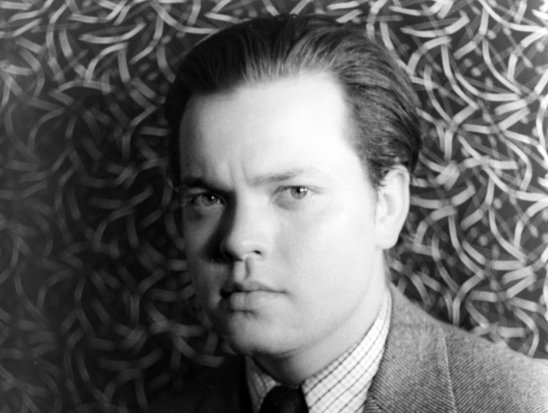
orson welles broadcast

Image by Carl Van Vecht­en, via Wiki­me­dia Com­mons

One night in Octo­ber of 1938, lis­ten­ers tuned into CBS radio to hear a piece of radio the­ater (lis­ten below) so fright­en­ing and, for its time, real­is­tic, that peo­ple across New Eng­land and east­ern Cana­da fled their homes to escape dan­ger. Or so the leg­end goes. With Orson Welles read­ing the part of an astro­naut and pro­fes­sor, the Mer­cury The­atre on the Air’s broad­cast of War of the Worlds hit a frayed nerve in the Amer­i­can pub­lic.

The show aired dur­ing the tense years lead­ing up to World War II, when fas­cism was on the rise in Europe. Many took the “news” of an alien inva­sion for truth.  It would have been easy to be fooled: the sto­ry, adapt­ed from H.G. Wells’ ear­ly sci-fi nov­el, was writ­ten as a sim­u­lat­ed news broad­cast. It opened with an intro­duc­tion from the nov­el and a note that the adap­ta­tion was set a year ahead (1939). For those who missed that dis­claimer, the remain­der of the show was unset­tling to say the least.

A reporter read a weath­er report. Then came dance music played by a fic­ti­tious band (“Ramon Raque­l­lo and his Orches­tra”) that was inter­rupt­ed by news of bizarre explo­sions on the sur­face of Mars. Soon Orson Welles made his appear­ance, inter­viewed as an expert who denied the pos­si­bil­i­ty of any life on the red plan­et. But then came the news of a cylin­dri­cal mete­orite land­ing in north­ern New Jer­sey. A crowd gath­ered and a “reporter” came on the scene to watch the cylin­der unscrew itself and reveal a rock­et­ship inside.

Chaos ensued, fol­lowed by a Mar­t­ian inva­sion of New York City, where peo­ple ran into the East Riv­er “like rats.”

Welles offered anoth­er dis­claimer at the end of the sto­ry (when the aliens suc­cumbed to Earth’s pathogens) to remind lis­ten­ers that the broad­cast was fic­tion.

Too lit­tle, too late? Or just great the­ater?

The next day, Welles held a bril­liant news con­fer­ence where he apol­o­gized for putting a fright into lis­ten­ers. (It’s anoth­er great piece of the­ater.) Mean­while the broad­cast estab­lished the Mer­cury The­atre on the Air—already an acclaimed stage pro­duc­tion company—as one of Amer­i­ca’s top-rat­ed radio pro­grams. Until then the show had lan­guished in rel­a­tive obscu­ri­ty. After send­ing thou­sands of peo­ple into a pan­ic, the show earned adver­tis­ing spon­sor­ship from Campbell’s Soup.

Kate Rix writes about dig­i­tal media and edu­ca­tion. Fol­low her on Twit­ter.

Relat­ed Con­tent:

Orson Welles Meets H.G. Wells in 1940: The Leg­ends Dis­cuss War of the Worlds, Cit­i­zen Kane, and WWII

Aldous Hux­ley Reads Dra­ma­tized Ver­sion of Brave New World

Free: Isaac Asimov’s Epic Foun­da­tion Tril­o­gy Dra­ma­tized in Clas­sic Audio

How Philip K. Dick Disdained American Anti-Intellectualism and Found His Inspiration in Flaubert, Stendhal & Balzac

Despite some of the stranger cir­cum­stances of Philip K. Dick’s life, his rep­u­ta­tion as a para­noid guru is far bet­ter deserved by oth­er sci­ence fic­tion writ­ers who lost touch with real­i­ty. Dick was a seri­ous thinker and writer before pop cul­ture made him a prophet. Jonathan Letham wrote of him, “Dick wasn’t a leg­end and he wasn’t mad. He lived among us and was a genius.” It’s a fash­ion­able opin­ion these days, but his genius went most­ly unrec­og­nized in his lifetime—at least in his home country—except among a sub­set of sci-fi read­ers. But Dick con­sid­ered him­self a lit­er­ary writer. He left the Uni­ver­si­ty of Cal­i­for­nia after less than a semes­ter, but the “con­sum­mate auto­di­dact” read wide­ly and deeply, favor­ing the giants of Euro­pean phi­los­o­phy, the­ol­o­gy, and lit­er­a­ture. For this rea­son, Dick sus­pect­ed that his tepid recep­tion in the U.S., by com­par­i­son with the warm regard of the French, showed a “flawed” anti-intel­lec­tu­al­ism in Amer­i­cans that pre­vent­ed them from appre­ci­at­ing his work. In the 1977 edit­ed inter­view above with Dick in France, you can hear him lay out his the­o­ry in detail, offer­ing insights along the way into his lit­er­ary edu­ca­tion and influ­ences.

Dick iden­ti­fies two strains of anti-intel­lec­tu­al­ism in the U.S. The first, he says, pre­vents Amer­i­can read­ers from appre­ci­at­ing “nov­els of ideas.” Sci­ence fic­tion, he says, “is essen­tial­ly the field of ideas. And the anti-intel­lec­tu­al­ism of Amer­i­cans pro­hibits their inter­est in imag­i­na­tive ideas and inter­est­ing con­cepts.”

I don’t find Dick par­tic­u­lar­ly per­sua­sive here, but I live in a time when he has been ful­ly embraced, if only in adap­ta­tion. Dick’s more spe­cif­ic take on what may be a root cause for Amer­i­cans’ lack of curios­i­ty has to do with the read­ing habits of Amer­i­cans.

There’s anoth­er facet as regards my par­tic­u­lar work say com­pared to oth­er sci­ence fic­tion writ­ers. I grew up in Berke­ley and my edu­ca­tion was not lim­it­ed at all to read­ing oth­er sci­ence fic­tion nov­els pre­ced­ing my own, such as van Vogt, or Hein­lein, or peo­ple of that kind… Pad­gett, and so on…. Brad­bury. What I read, because it’s a uni­ver­si­ty city,  was Flaubert, Stend­hal, Balzac… Proust, and the Russ­ian nov­el­ists influ­enced by the French. Tur­genev. And I even read Japan­ese nov­els, mod­ern Japan­ese nov­els, nov­el­ists who were influ­enced by the French real­is­tic writ­ers.

Dick says his “slice of life” nov­els were well received in France because he based them on 19th French real­ist nov­els. His favorite, he tells the inter­view­er, were Madame Bovary and The Red and the Black, as well as Turgenev’s Fathers and Sons — all found in our col­lec­tion of Free eBooks and Free Audio BooksPer­haps a lit­tle self-impor­tant­ly, in his par­tic­u­lar con­cep­tion of him­self as a lit­er­ary writer, Dick dis­tances him­self from oth­er Amer­i­can sci­ence fic­tion authors, whom he alleges share the Amer­i­can reader’s anti-intel­lec­tu­al propen­si­ties. “I think this applies to me more than oth­er Amer­i­can sci­ence fic­tion writ­ers,” says Dick, “In fact, I think that it’s a great flaw in Amer­i­can sci­ence fic­tion writ­ers, and their read­ers, that they are insu­lat­ed from the great lit­er­a­ture of the world.”

Relat­ed Con­tent:

Robert Crumb Illus­trates Philip K. Dick’s Infa­mous, Hal­lu­ci­na­to­ry Meet­ing with God (1974)

The Penul­ti­mate Truth About Philip K. Dick: Doc­u­men­tary Explores the Mys­te­ri­ous Uni­verse of PKD

Free Philip K. Dick: Down­load 13 Great Sci­ence Fic­tion Sto­ries

Josh Jones is a writer and musi­cian based in Durham, NC. Fol­low him at @jdmagness

75 Years of Superman in 2 Minutes

As we told you this sum­mer, Super­man is cel­e­brat­ing his 75th Anniver­sary this year. And to help com­mem­o­rate this mile­stone, “Man of Steel direc­tor Zack Sny­der teamed up with artist and ani­ma­tor extra­or­di­naire Bruce Timm to cre­ate a two-minute short that traces the Man of Steel’s his­to­ry from Superman’s debut on the cov­er of 1938’s Action Comics #1 all the way to Hen­ry Cav­ill in Man of Steel.” After you watch the video, you’ll want to head over to DC Comics, where they’ve cre­at­ed a long list of anno­ta­tions that explain the some­times sub­tle ref­er­ences in the short. You’ll also want to revis­it our post where we fea­tured Super­man (or The Mad Sci­en­tist), the 1941 film that marked Super­man’s first appear­ance on the big screen. Plus you can lis­ten to the Adven­tures of Super­man radio dra­ma that aired between 1938 and 1951. Enjoy the trib­ute.

via Metafil­ter

Relat­ed Con­tent:

Cel­e­brate Superman’s 75th Anniver­sary by Enjoy­ing the Orig­i­nal Super­man Car­toon and Radio Show

The Mechan­i­cal Mon­sters: Sem­i­nal Super­man Ani­mat­ed Film from 1941 (by Maria Popo­va)

A Look Inside Mel Blanc’s Throat as He Per­forms the Voic­es of Bugs Bun­ny and Oth­er Car­toon Leg­ends

How Ridley Scott Turned Footage From the Beginning of The Shining Into the End of Blade Runner

Flop­ping in 1982 but ulti­mate­ly accru­ing more crit­i­cal acclaim and cinephile esteem than per­haps any oth­er sci­ence-fic­tion film, Blade Run­ner, star­ring Har­ri­son Ford and Sean Young, has become the quin­tes­sen­tial mod­ern exam­ple of a work of art before its time. Direc­tor Rid­ley Scott, a true cin­e­mat­ic prag­ma­tist, had his sus­pi­cions about the film’s box-office fate even dur­ing pro­duc­tion: “The fact is, if you are ahead of your time, that’s as bad as being behind the times, near­ly.” â€śYou’ve still got the same prob­lem. I’m all about try­ing to fix the prob­lem.” He and his team decid­ed they could fix one “prob­lem” in par­tic­u­lar: the film’s ambigu­ous end­ing, which appar­ent­ly left cold those who saw it. So cast and crew went to Big Bear Lake, where they shot a new sequence of Ford and Young escap­ing into the moun­tains. “I did­n’t know how long we’d have togeth­er,” says Ford’s pro­tag­o­nist Rick Deck­er, in the final words of his faux-hard boiled explana­to­ry voice-over. “Who does?”

The tight shots inside Deck­er’s fly­ing car, built to soar across a dark, dense, neon-lined post-Japan­i­fi­ca­tion Los Ange­les but now cruis­ing incon­gru­ous­ly through a lush for­est, came out okay. Alas, cloudy weath­er ruined all the wide-angle footage cap­tured at greater dis­tances. Scott remem­bered that Stan­ley Kubrick­’s The Shin­ing, a cou­ple years before, had opened with just the sort of over­head moun­tain dri­ving imagery he need­ed.

This gave him an idea: Kubrick “must’ve done a blan­ket shoot of every peak in Mon­tana for The Shin­ing using the best heli­copter crew. I’ll bet you he’s got weeks of heli­copter footage.” He did indeed have plen­ti­ful out­takes and a will­ing­ness to hand them over, which meant the first ver­sion of Blade Run­ner in wide release end­ed with shots from the very same pho­tog­ra­phy ses­sions that pro­duced the begin­ning of The Shin­ing. For all the inge­nu­ity that went into it, this rel­a­tive­ly hap­py end­ing still, in a sense, wound up on the cut­ting room floor. Excised along with that wide­ly dis­liked voice-over as new cuts and releas­es restored the pic­ture to its orig­i­nal form, it gave way to the orig­i­nal­ly script­ed end­ing, with its much more suit­able (and mem­o­rable) final line deliv­ered by Edward James Olmos as Deckard’s col­league Gaff: â€śIt’s too bad she won’t live, but then again, who does?”

Relat­ed Con­tent:

The Mak­ing of Blade Run­ner

Blade Run­ner is a Waste of Time: Siskel & Ebert in 1982

Philip K. Dick Pre­views Blade Run­ner: “The Impact of the Film is Going to be Over­whelm­ing” (1981)

The Blade Run­ner Sketch­book: The Orig­i­nal Art of Syd Mead and Rid­ley Scott Online

Col­in Mar­shall hosts and pro­duces Note­book on Cities and Cul­ture and writes essays on lit­er­a­ture, film, cities, Asia, and aes­thet­ics. He’s at work on a book about Los Ange­lesA Los Ange­les Primer. Fol­low him on Twit­ter at @colinmarshall.

The Penultimate Truth About Philip K. Dick: Documentary Explores the Mysterious Universe of PKD


Even read­ers not par­tic­u­lar­ly well versed in sci­ence fic­tion know Philip K. Dick as the author of the sto­ries that would become such cin­e­mat­ic visions of a trou­bled future as Blade Run­nerTotal RecallMinor­i­ty Report, and A Scan­ner Dark­ly. Dick­’s fans know him bet­ter through his 44 nov­els, 121 short sto­ries, and oth­er writ­ings not quite cat­e­go­riz­able as one thing or the oth­er. All came as the prod­ucts of a cre­ative­ly hyper­ac­tive mind, and one sub­ject to more than its fair share of dis­tur­bances from amphet­a­mines, hal­lu­cino­gens, uncon­ven­tion­al beliefs, and what those who write about Dick­’s work tend to call para­noia (either jus­ti­fied or unjus­ti­fied, depend­ing on whom you ask). But Dick, who passed in 1982, chan­neled this con­stant churn of visions, the­o­ries, con­vic­tions, and fears into books like The Man in the High Cas­tle, Do Androids Dream of Elec­tric Sheep?Ubik, and VALIS, some of the most unusu­al works of lit­er­a­ture ever to car­ry the label of sci­ence fic­tion — works that, indeed, tran­scend the whole genre.

But what must it have felt like to live with the guy? The Penul­ti­mate Truth About Philip K. Dick (named after his 1964 nov­el of human­i­ty tricked into liv­ing in under­ground war­rens) seeks out the writer’s friends, col­leagues, col­lab­o­ra­tors, step­daugh­ter, ther­a­pist, and wives (three of them, any­way), assem­bling a por­trait of the man who could cre­ate so many tex­tu­al worlds at once so off-kil­ter and so tapped into our real wor­ries and obses­sions. Each of these inter­vie­wees regards dif­fer­ent­ly Dick­’s ded­i­ca­tion to the pur­suits of both lit­er­ary achieve­ment and psy­cho­nau­ti­cal adven­ture, his com­pli­cat­ed con­cep­tion of the true nature of real­i­ty, his at times unpre­dictable behav­ior, and his pen­chant for encoun­ters with the divine. Direc­tor Emeliano Larre and writer Patri­cio Veg­a’s 2007 doc­u­men­tary reveals one of the most fas­ci­nat­ing per­son­al­i­ties in late 20th-cen­tu­ry let­ters, though, as any pro­fes­sor of lit­er­a­ture will tell you, we ulti­mate­ly have to return to the work itself. For­tu­nate­ly, Dick­’s per­son­al­i­ty ensured that we have a great deal of it, all of it unset­tling but great­ly enter­tain­ing. Read­ers tak­en note. You can Down­load 14 Great Sci-Fi Sto­ries by Philip K. Dick as Free Audio Books and Free eBooks.

Relat­ed Con­tent:

Robert Crumb Illus­trates Philip K. Dick’s Infa­mous, Hal­lu­ci­na­to­ry Meet­ing with God (1974)

Philip K. Dick Pre­views Blade Run­ner: “The Impact of the Film is Going to be Over­whelm­ing” (1981)

Col­in Mar­shall hosts and pro­duces Note­book on Cities and Cul­ture and writes essays on lit­er­a­ture, film, cities, Asia, and aes­thet­ics. He’s at work on a book about Los Ange­lesA Los Ange­les Primer. Fol­low him on Twit­ter at @colinmarshall.

Sci-Fi Writer Robert Heinlein Imagines the Year 2000 in 1949, and Gets it Mostly Wrong

Image via Wiki­me­dia Com­mons

Two giants of 20th cen­tu­ry sci­ence fic­tion: Robert Hein­lein and Isaac Asi­mov (see them togeth­er above, with L. Sprague de Camp in-between). Like every young sci-fi geek, I read them both assid­u­ous­ly, got lost in their dizzy­ing uni­vers­es that stretched across nov­els and sig­nif­i­cant teenage mile­stones. Even as an awk­ward kid, I could clear­ly iden­ti­fy an essen­tial dif­fer­ence in tone between their fore­casts of the future. Hein­lein, the Navy man forcibly retired from ser­vice by tuber­cu­lo­sis, had the dark­er vision, in which the brute force of mass mil­i­tarism con­tin­ued to thrive and hero­ic men of action car­ried the day. Asi­mov, the prac­tic­ing scientist—whose “Nor­by” series of kids books might be the cutest intro­duc­tion to sci-fi ever writ­ten by an American—favored a future that, if still quite dan­ger­ous, was man­aged by robots and their cre­ators, the tech­nocrats.

As we can plain­ly see, we are no less a bel­li­cose species than when these two authors wrote of the future, but Asi­mov seems to have had it right. The tech­nocrats came out on top; too many bat­tles are fought not by massed bat­tal­ions but by dead­ly fly­ing robots mak­ing (so we’re told) “sur­gi­cal” strikes. A few weeks ago, we brought you a series of tech­no­crat­ic pre­dic­tions of the year 2014 from Asi­mov, many of them sur­pris­ing­ly accu­rate. Today, we have a list of pre­dic­tions from Hein­lein, this time of the year 2000, and writ­ten in 1949 and pub­lished in 1952 in Galaxy mag­a­zine. How does his pre­dic­tive abil­i­ty stack up against his con­tem­po­rary? Well, I’d say that 2 (stripped of some exag­ger­a­tion), 8, and 11 either hit the mark or come pret­ty damn close. 19 is self-evi­dent­ly true, and 15 is arguably not ter­ri­bly far away, though it may not have seemed so in 2000. 4 is painful­ly iron­ic. The rest? Eh, not so much. Take a look and try to imag­ine your­self in Heinlein’s shoes in 1949. Not an easy task? Try to imag­ine what the world will look like in 2063. Which ver­sion of IOS will you be run­ning then?

1. Inter­plan­e­tary trav­el is wait­ing at your front door — C.O.D. It’s yours when you pay for it.

2. Con­tra­cep­tion and con­trol of dis­ease is revis­ing rela­tions between the sex­es to an extent that will change our entire social and eco­nom­ic struc­ture.

3. The most impor­tant mil­i­tary fact of this cen­tu­ry is that there is no way to repel an attack from out­er space.

4. It is utter­ly impos­si­ble that the Unit­ed States will start a “pre­ven­tive war.” We will fight when attacked, either direct­ly or in a ter­ri­to­ry we have guar­an­teed to defend.

5. In fif­teen years the hous­ing short­age will be solved by a “break­through” into new tech­nolo­gies which will make every house now stand­ing as obso­lete as priv­ies.

6. We’ll all be get­ting a lit­tle hun­gry by and by.

7. The cult of the pho­ny in art will dis­ap­pear. So-called “mod­ern art” will be dis­cussed only by psy­chi­a­trists.

8. Freud will be classed as a pre-sci­en­tif­ic, intu­itive pio­neer and psy­cho­analy­sis will be replaced by a grow­ing, chang­ing “oper­a­tional psy­chol­o­gy” based on mea­sure­ment and pre­dic­tion.

9. Can­cer, the com­mon cold, and tooth decay will all be con­quered; the rev­o­lu­tion­ary new prob­lem in med­ical research will be to accom­plish “regen­er­a­tion,” i.e., to enable a man to grow a new leg, rather than fit him with an arti­fi­cial limb.

10. By the end of this cen­tu­ry mankind will have explored this solar sys­tem, and the first ship intend­ed to reach the near­est star will be a‑building.

11. Your per­son­al tele­phone will be small enough to car­ry in your hand­bag. Your house tele­phone will record mes­sages, answer sim­ple inquiries, and trans­mit vision.

12. Intel­li­gent life will be found on Mars.

13. A thou­sand miles an hour at a cent a mile will be com­mon­place; short hauls will be made in evac­u­at­ed sub­ways at extreme speed.

14. A major objec­tive of applied physics will be to con­trol grav­i­ty.

15. We will not achieve a “World State” in the pre­dictable future. Nev­er­the­less, Com­mu­nism will van­ish from this plan­et.

16. Increas­ing mobil­i­ty will dis­en­fran­chise a major­i­ty of the pop­u­la­tion. About 1990 a con­sti­tu­tion­al amend­ment will do away with state lines while retain­ing the sem­blance.

17. All air­craft will be con­trolled by a giant radar net run on a con­ti­nent-wide basis by a mul­ti­ple elec­tron­ic “brain.”

18. Fish and yeast will become our prin­ci­pal sources of pro­teins. Beef will be a lux­u­ry; lamb and mut­ton will dis­ap­pear.

19. Mankind will not destroy itself, nor will “Civ­i­liza­tion” be destroyed.

Here are things we won’t get soon, if ever:

– Trav­el through time

– Trav­el faster than the speed of light

– “Radio” trans­mis­sion of mat­ter.

– Man­like robots with man­like reac­tions

– Lab­o­ra­to­ry cre­ation of life

– Real under­stand­ing of what “thought” is and how it is relat­ed to mat­ter.

– Sci­en­tif­ic proof of per­son­al sur­vival after death.

– Nor a per­ma­nent end to war.

Curi­ous­ly, nei­ther Hein­lein nor Asi­mov fore­saw that most ter­ri­bly banal and ubiq­ui­tous phe­nom­e­non of real­i­ty TV, but real­ly, what kind of mon­ster could have imag­ined such a thing?

via Lists of Note/i09

Relat­ed Con­tent:

Arthur C. Clarke Pre­dicts the Future in 1964 … And Kind of Nails It

Wal­ter Cronkite Imag­ines the Home of the 21st Cen­tu­ry … Back in 1967

Mar­shall McLuhan Announces That The World is a Glob­al Vil­lage

Josh Jones is a writer and musi­cian based in Durham, NC. Fol­low him at @jdmagness

« Go BackMore in this category... »
Quantcast