The Science of Caffeine: The World’s Most Popular Drug

Here’s a quick shot of sci­ence to start your day. The Amer­i­can Chem­i­cal Soci­ety, an orga­ni­za­tion rep­re­sent­ing chemists across the US, has released the lat­est in a series of Reac­tions videos. Attempt­ing to explain the sci­ence of every­day things, pre­vi­ous Reac­tions videos have demys­ti­fied the chem­istry of Sriracha, LovePep­per and more. This lat­est video breaks down the world’s most wide­ly used stim­u­lant, caf­feine. If you haven’t had your morn­ing cup of cof­fee, you may need to watch this video twice.

On a side note, if you live in the San Fran­cis­co Bay Area, con­sid­er spend­ing Sat­ur­day, May 3rd at Stanford’s one-day cof­fee sym­po­sium. Orga­nized by Stan­ford Con­tin­u­ing Stud­ies, the sym­po­sium – Cof­fee: From Tree to Beans to Brew and Every­thing in Between – will fea­ture guest speak­ers (his­to­ri­ans, sci­en­tists, the CEO of Blue Bot­tle Cof­fee, etc.) talk­ing about what goes into mak­ing this great bev­er­age of ours. Stu­dents will also have the oppor­tu­ni­ty to par­tic­i­pate in cof­fee tast­ing and eval­u­a­tion ses­sions. In full dis­clo­sure, I helped put the pro­gram togeth­er. It promis­es to be a great day. So I had to give a plug. You can learn more and sign up here.

by | Permalink | Make a Comment ( 1 ) |

Science & Cooking: Harvard’s Free Course on Making Cakes, Paella & Other Delicious Food

I can hard­ly think of a more appeal­ing nexus of the sci­ences, for most of us and for obvi­ous (and deli­cious) rea­sons, than food. Add a kind of engi­neer­ing to the mix, and you get the study of cook­ing. Back in 2012, we fea­tured the first few lec­tures from Har­vard Uni­ver­si­ty’s course Sci­ence and Cook­ing: From Haute Cui­sine to the Sci­ence of Soft Mat­terTheir col­lec­tion of rig­or­ous and enter­tain­ing pre­sen­ta­tions of that which we love to pre­pare and, even more so, to eat has since expand­ed to include one- to two-hour lec­tures deliv­ered by sharp pro­fes­sors in coop­er­a­tion with respect­ed chefs and oth­er food lumi­nar­ies on culi­nary sub­jects like the sci­ence of sweets (fea­tur­ing Flour Bak­ery’s Joanne Chang), how to do cut­ting-edge mod­ernist cui­sine at home (fea­tur­ing Nathan Myhrvold, who wrote an enor­mous book on it), and the rel­e­vance of microbes, mis­os, and olives (fea­tur­ing David Chang of Momo­fuku fame). You can watch all of the lec­tures, in order, with the playlist embed­ded at the top of this post.

Alter­na­tive­ly, you can pick and choose from the com­plete list of Har­vard’s Sci­ence and Cook­ing lec­tures on Youtube or on iTunes. Some get deep into the nat­ur­al work­ings of spe­cif­ic dish­es, ingre­di­ents and prepa­ra­tion meth­ods; oth­ers, like “The Sci­ence of Good Cook­ing” with a cou­ple of edi­tors from Cook’s Illus­trat­ed, take a broad­er view. That lec­ture and oth­ers will cer­tain­ly help build an intel­lec­tu­al frame­work for those of us who want to improve our cook­ing — and even those of us who can already cook decent­ly, or at least reli­ably fol­low a recipe — but can’t quite attain the next lev­el with­out under­stand­ing exact­ly what hap­pens when we flick on the heat. One school of thought holds that, to come off as rea­son­ably skilled in the kitchen, you need only mas­ter one or two show­case meals. When asked to cook some­thing, I, for instance, have tend­ed to make pael­la almost every time, almost out of sheer habit. But now that I’ve found Raül Bal­am Rus­calleda’s talk on the sci­ence of that tra­di­tion­al Span­ish dish, I can see that I must now, on sev­er­al lev­els, raise my game. View it below, and feel free to take notes along­side me. You can find Sci­ence and Cook­ing in our col­lec­tion of 900 Free Online Cours­es from Top Uni­ver­si­ties.

Relat­ed Con­tent:

Sci­ence & Cook­ing: Har­vard Profs Meet World-Class Chefs in Unique Online Course

MIT Teach­es You How to Speak Ital­ian & Cook Ital­ian Cui­sine All at Once (Free Online Course)

How Cook­ing Can Change Your Life: A Short Ani­mat­ed Film Fea­tur­ing the Wis­dom of Michael Pol­lan

Col­in Mar­shall hosts and pro­duces Note­book on Cities and Cul­ture and writes essays on cities, lan­guage, Asia, and men’s style. He’s at work on a book about Los Ange­les, A Los Ange­les Primer. Fol­low him on Twit­ter at @colinmarshall or on Face­book.

Watch Episode #5 of Neil deGrasse Tyson’s Cosmos: Unlocking the Mysteries of Light (US Viewers)

Episode 5 of Neil deGrasse Tyson’s Cos­mos series aired last night on Fox. Thanks to Hulu, US view­ers can now watch it online. The episode, called “Hid­ing the Light,” explores the wave the­o­ry of light. It moves across 2000+ years of his­to­ry and even­tu­al­ly gets into the sci­en­tif­ic work of Isaac New­ton, William Her­schel and Joseph von Fraun­hofer, before wind­ing up in mod­ern times and touch­ing on big ques­tions con­tem­plat­ed by astronomers. (For a deep­er dive into this mate­r­i­al, see our col­lec­tion of Free Astron­o­my Cours­es.) If you need to catch up on ear­li­er episodes, you can find them below.

Pre­vi­ous Episodes:

Episode #1: “Stand­ing Up in the Milky Way”

Episode #2: “Some of the Things That Mol­e­cules Do”

Episode #3: “When Knowl­edge Con­quered Fear

Episode #4: “A Sky Full of Ghosts”

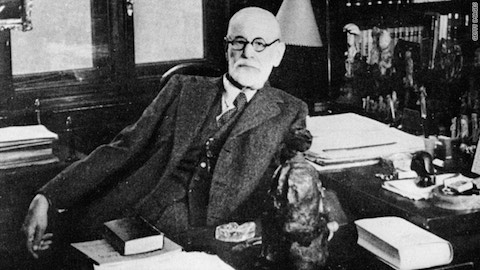
How a Young Sigmund Freud Researched & Got Addicted to Cocaine, the New “Miracle Drug,” in 1894

t1larg.sigmund.freud.gi

As David Bowie had his cocaine peri­od, so too did Sig­mund Freud, begin­ning in 1894 and last­ing at least two years. Unlike the rock star, the doc­tor was just at the begin­ning of his career, “a ner­vous fel­low” of 28 “who want­ed to make good,” says Howard Markel, author of An Anato­my of Addic­tion: Sig­mund Freud, William Hal­st­ed, and the Mir­a­cle Drug Cocaine. Markel tells Ira Fla­tow in the NPR Sci­ence Fri­day episode below that Freud “knew if he was going to get a pro­fes­sor­ship, he would have to dis­cov­er some­thing great.”

Freud’s exper­i­ments with the drug led to the pub­li­ca­tion of a well-regard­ed paper called “Über Coca,” which he described as “a song of praise to this mag­i­cal sub­stance” in a “pret­ty racy” let­ter to his then-fiancé Martha Bernays. (He also promised she would be unable to resist the advances of: “a big, wild man who has cocaine in his body.”) Two years lat­er, his health suf­fer­ing, Freud appar­ent­ly stopped all use of the drug and rarely men­tioned it again.

Freud’s cocaine use began, in fact, with tragedy, “the anguished death of one of his dear­est friends,” writes The New York Times in a review of Markel’s book:

[T]he accom­plished young phsyi­ol­o­gist Ernst von Fleis­chl-Marx­ow, whose mor­phine addic­tion Freud had tried to treat with cocaine, with dis­as­trous results. As Freud wrote almost three decades lat­er, “the study on coca was an ­allotri­on” — an idle pur­suit that dis­tracts from seri­ous respon­si­bil­i­ties — “which I was eager to con­clude.”

The drug was at the time tout­ed as a panacea, and Fleis­chl-Marx­ow, Markel says, was “the first addict in Europe to be treat­ed with this new ther­a­peu­tic.” Freud also used him­self as a test sub­ject, unaware of the addic­tive prop­er­ties of his cure for his friend’s addic­tion and his own depres­sion and ret­i­cence.

While Freud con­duct­ed his exper­i­ments, anoth­er med­ical pioneer—American sur­geon William Hal­st­ed, one of Johns Hop­kins “four found­ing physi­cians”—simul­ta­ne­ous­ly found uses for the drug in his prac­tice. Freud and Hal­st­ed nev­er met and worked com­plete­ly inde­pen­dent­ly in entire­ly dif­fer­ent fields, says Markel in the news seg­ment above, but “their lives were braid­ed togeth­er by a fas­ci­na­tion with cocaine,” as addicts, and as read­ers and writ­ers of “sev­er­al med­ical papers about the lat­est, newest mir­a­cle drug of their era, 1894.” Hal­stead is respon­si­ble for many of the mod­ern sur­gi­cal tech­niques with­out which the prospect of surgery by today’s stan­dards is unimag­in­able —the prop­er han­dling of exposed tis­sue, oper­at­ing in asep­tic envi­ron­ments, and sur­gi­cal gloves. He inject­ed patients with cocaine to numb regions of their body, allow­ing him to oper­ate with­out ren­der­ing them uncon­scious.

Hal­st­ed, too, used him­self as a guinea pig. “No doc­tor knew at this point,” says Markel above, “of the ter­ri­ble addic­tive effects of cocaine” before Freud and Halsted’s exper­i­ments. Both men irrev­o­ca­bly changed their fields and almost destroyed their own lives in the process (see a short doc­u­men­tary on Halsted’s med­ical advances below). In Freud’s case, much of the work of psy­cho­analy­sis has come to be seen as pseudoscience—his work on dreams sig­nif­i­cant­ly so, as Markel says above: “Cocaine haunts the pages of the Inter­pre­ta­tion of Dreams. The mod­el dream is a cocaine dream.” The “talk­ing cure,” how­ev­er, engen­dered by the “loos­en­ing of the tongue” Freud expe­ri­enced while on cocaine, endures as, of course, do Halsted’s inno­va­tions.

Relat­ed Con­tent:

Freud’s Thought Explained in Yale Psych Course (Find Full Course on our List of 875 Free Online Cours­es)

Sig­mund Freud Speaks: The Only Known Record­ing of His Voice, 1938

Sig­mund Freud’s Home Movies: A Rare Glimpse of His Pri­vate Life

Jean-Paul Sartre Writes a Script for John Huston’s Film on Freud (1958)

Josh Jones is a writer and musi­cian based in Durham, NC. Fol­low him at @jdmagness

Beautiful Equations: Documentary Explores the Beauty of Einstein & Newton’s Great Equations

Like many right-brained peo­ple, artist and crit­ic Matt Collings finds high­er math mys­ti­fy­ing, a word that implies both bewil­der­ment and won­der. Faced with the equa­tions that make, for exam­ple, Stephen Hawking’s work pos­si­ble, most of us are left sim­i­lar­ly slack-jawed. Collings apt­ly describes the realm of the­o­ret­i­cal physics—which so con­tra­dicts our every­day experience—as “an alien world,” with its equa­tions like “incom­pre­hen­si­ble hiero­glyphs.” He decid­ed to enter this world, to “learn about some of the most impor­tant equa­tions in sci­ence.” His angle? He views them as art, “mas­ter­pieces” that “explain the world we live in.” Collings spends his hour-long BBC spe­cial Beau­ti­ful Equa­tions chat­ting with Stephen Hawk­ing and oth­er the­o­rists about such par­a­digm-shift­ing equa­tions as Einstein’s for­mu­la for spe­cial rel­a­tiv­i­ty and Newton’s laws of grav­i­ty.

In an era char­ac­ter­ized by sci­en­tists encroach­ing on the arts—to claim Mar­cel Proust as a neu­ro­sci­en­tist, Jane Austen as game the­o­rist—it’s refresh­ing to see a human­i­ties per­son engage the world of math, using the only schema he knows to make sense of what seems to him unin­tel­li­gi­ble. Unlike those sci­en­tists-turned-lit­er­ary crit­ics, Collings doesn’t make any large claims or assert exper­tise. He plays the hum­ble every­man, own­ing his igno­rance, his most endear­ing and effec­tive tool since it pro­vides the basis for his inter­locu­tors’ reme­di­al, and friend­ly, expla­na­tions. The results are an intel­li­gent primer for lay­folk, a refresh­er for the more knowl­edge­able, and per­haps an enter­tain­ing diver­sion for experts, who will like­ly have their quib­bles with Collings’ nec­es­sar­i­ly basic pre­sen­ta­tion. But he is not on the hunt for complexity—quite the oppo­site. As the title of the spe­cial indi­cates, Collings’ inquiry seeks to find out just what makes the work of New­ton, Ein­stein, and oth­ers so pro­found­ly, sim­ply ele­gant.

Aes­thet­ic feel­ing is not at all alien to math—far from it, in fact. As Bertrand Rus­sell famous­ly wrote in his essay “Mys­ti­cism and Log­ic”: “Math­e­mat­ics, right­ly viewed, pos­sess­es not only truth, but supreme beau­ty.” Rus­sel­l’s point has been empir­i­cal­ly val­i­dat­ed by recent neu­ro­science. As BBC.com report­ed in Feb­ru­ary, a study in the jour­nal Fron­tiers in Human Neu­ro­science found that in the brains of math­e­mati­cians, “the same emo­tion­al brain cen­tres used to appre­ci­ate art” are “acti­vat­ed by ‘beau­ti­ful’ maths.” While the con­cept of beau­ty itself may be impos­si­ble to quan­ti­fy, when it comes to equa­tions, sci­en­tists (or at least their brains) know it when they see it. The rest of us, like Collings, may require an appre­ci­a­tion course to under­stand the awe inspired by the math that, as our host puts it, so ele­gant­ly cap­tures the “enor­mi­ty of the uni­verse.”

You can find Beau­ti­ful Equa­tions list­ed in our col­lec­tion of Free Doc­u­men­taries, part of our larg­er col­lec­tion of 675 Free Movies Online.

Relat­ed Con­tent:

Einstein’s Big Idea: E=mc²

Sev­en Ques­tions for Stephen Hawk­ing: What Would He Ask Albert Ein­stein & More

Josh Jones is a writer and musi­cian based in Durham, NC. Fol­low him at @jdmagness

Watch Episode #4 of Neil deGrasse Tyson’s Cosmos: The Big Bang, Black Holes & More (US Viewers)

On Sun­day evening, Fox aired the lat­est episode of Neil deGrasse Tyson’s Cos­mos series. This episode, called “A Sky Full of Ghosts,” explored some more out-of-this-world sub­jects — the speed of light and how it helps us under­tand the Big Bang; the sci­en­tif­ic work of Isaac New­ton, William Her­schel, James Clerk Maxwell; Albert Ein­stein’s The­o­ry of Rel­a­tiv­i­ty; dark stars; black holes; and more. US view­ers can watch the entire­ty of Episode 4 online (above), along with pre­vi­ous episodes in the series below (or on Hulu). For view­ers out­side the US, we have some­thing per­haps bet­ter for you: Carl Sagan’s Orig­i­nal Cos­mos Series on YouTube. Plus, we have a bunch of Free Online Astron­o­my Cours­es in our col­lec­tion of 875 Free Online Cours­es. Enjoy.

Pre­vi­ous Episodes:

Episode #1: “Stand­ing Up in the Milky Way”

Episode #2: “Some of the Things That Mol­e­cules Do”

Episode #3: “When Knowl­edge Con­quered Fear

by | Permalink | Make a Comment ( 1 ) |

Big Bang Big Boom: Graffiti Stop-Motion Animation Creatively Depicts the Evolution of Life

There’s a rapa­cious, run-amok ener­gy to Ital­ian street artist Blu’s stop motion ani­ma­tion, “BIG BANG BIG BOOM.” How­ev­er long it took him, assist­ed by a slew of local artists, to ren­der a host of paint­ed large-scale char­ac­ters across a pri­mar­i­ly indus­tri­al land­scape in Argenti­na and Uruguay, it takes less than ten, glo­ri­ous­ly grit­ty min­utes for his just-dawned world to destroy itself.

This is evo­lu­tion at its most apoc­ryphal (and least sci­en­tif­ic). Crus­taceans and giant lizards who mere decades ago would have ter­ror­ized the streets of Tokyo are here no match for man. In fact, man is no match for man, rapid­ly engi­neer­ing his own demise as he chas­es about an appro­pri­ate­ly cir­cu­lar, aban­doned-look­ing silo.

The nec­es­sary demise of his murals—animation frames, if you like—serves as a nifty reminder of the evo­lu­tion­ary fate of most street art. A Banksy care­ful­ly pre­served beneath Plexi is the excep­tion, and even that is no guar­an­tee of per­ma­nence. Case in point, New York City’s leg­endary “insti­tute of high­er burn­ing,” 5 Pointz, whose 200,000-square-feet were recent­ly white­washed into noth­ing­ness overnight.

Boom indeed.

 Relat­ed Con­tent:

Banksy Cre­ates a Tiny Repli­ca of The Great Sphinx Of Giza In Queens

Obey the Giant: Short Film Presents the True Sto­ry of Shep­ard Fairey’s First Act of Street Art

Artists Paint Paris, Berlin and Lon­don with High-Tech Video Graf­fi­ti

Ayun Hal­l­i­day is an author, illus­tra­tor, and Chief Pri­ma­tol­o­gist of the long run­ning zine, The East Vil­lage Inky. Fol­low her @AyunHalliday

Richard Feynman on Religion, Science, the Search for Truth & Our Willingness to Live with Doubt

A com­plete­ly unsur­pris­ing thing has hap­pened dur­ing the first sea­son of Neil deGrasse Tyson’s Cos­mos reboot. Cre­ation­ists vocal­ly com­plained that the show does not give their point of view an equal hear­ing. Tyson respond­ed, say­ing “you don’t talk about the spher­i­cal earth with NASA and then say let’s give equal time to the flat-earth­ers.” The anal­o­gy is more amus­ing than effec­tive, since rough­ly fifty per­cent of Amer­i­cans are Cre­ation­ists, while per­haps 49.9 per­cent few­er believe the earth is flat. But the point stands. If sci­en­tif­ic the­o­ries were arrived at by pop­u­lar vote, the “equal time” argu­ment might make some sense. Of course that’s not how sci­ence works. Is this bias? As Tyson put it in one of his well-craft­ed tweets, “you are not biased any time you ever speak the truth.”

“But what is truth?” asks a cer­tain kind of skep­tic. That, sug­gests the late Nobel prize-win­ning physi­cist Richard Feyn­man above, depends upon your method. If you’re doing sci­ence, you may find answers, but not nec­es­sar­i­ly the ones you want:

If you expect­ed sci­ence to give all the answers to the won­der­ful ques­tions about what we are, where we’re going, what the mean­ing of the uni­verse is and so on, then I think you can eas­i­ly become dis­il­lu­sioned and look for some mys­tic answer.

Going to the sci­ences, says Feyn­man, to “get an answer to some deep philo­soph­i­cal ques­tion,” means “you may be wrong. It may be that you can’t get an answer to that ques­tion by find­ing out more about the char­ac­ter of nature.” Sci­ence does not begin with answers, but with doubt: “Is sci­ence true? No, no we don’t know what’s true, we’re try­ing to find out.” Feynman’s sci­en­tif­ic atti­tude is pro­found­ly agnos­tic; he’d rather “live with doubt than have answers that might be wrong.”

Feyn­man couch­es his com­ments in per­son­al terms, admit­ting there are sci­en­tists who have reli­gious faith, or as he puts it “mys­tic answers,” and that he “doesn’t under­stand that.” He declines to say any­thing more. While sim­i­lar­ly agnos­tic, Neil deGrasse Tyson states his opin­ions a bit more force­ful­ly on sci­en­tists who are believ­ers, say­ing that around one third of “ful­ly-func­tion­ing” “Western/American sci­en­tists claim that there is a god to whom they pray.” Yet unlike the claims of Answers in Gen­e­sis and oth­er Cre­ation­ist out­fits, “There is no exam­ple of some­one read­ing their scrip­ture and say­ing, ‘I have a pre­dic­tion about the world that no one knows yet, because this gave me insight. Let’s go test that pre­dic­tion,’ and have the pre­dic­tion be cor­rect.”

Both Feyn­man and Tyson seem to agree that the sci­en­tif­ic and Cre­ation­ist meth­ods for dis­cov­er­ing “truth,” what­ev­er that may be, are basi­cal­ly incom­pat­i­ble. Says Feyn­man: “There are very remark­able mys­ter­ies… but those are mys­ter­ies I want to inves­ti­gate with­out know­ing the answers to them.” For that rea­son, says Feyn­man, he “can’t believe the spe­cial sto­ries that have been made up about our rela­tion­ship to the uni­verse.” His word­ing recalls the phrase Answers in Gen­e­sis uses to char­ac­ter­ize human ori­gins: “spe­cial cre­ation,” the descrip­tion of a method that places mean­ing and val­ue before evi­dence, and dogged­ly assumes to know the truth about what it sets out to inves­ti­gate in igno­rance.

Con­front­ed with the Cre­ation­ists of today, Feyn­man would like­ly lump them in with what he called in a 1974 Cal­tech com­mence­ment speech “Car­go Cult Sci­ence,” or “sci­ence that isn’t sci­ence” but that intim­i­dates “ordi­nary peo­ple with com­mon­sense ideas.” That lec­ture appears in a col­lec­tion of Feynman’s speech­es, lec­tures, inter­views and arti­cles called The Plea­sure of Find­ing Things Out, which also hap­pens to be the title of the pro­gram from which the clip at the top comes.

Pro­duced by the BBC in 1981, the hour-long inter­view was taped for a show called Hori­zon which, like Cos­mos, show­cas­es sci­en­tists shar­ing the joys of dis­cov­ery with a lay audi­ence. Like Neil deGrasse Tyson, and Carl Sagan before him, Feyn­man was a very lik­able and accom­plished sci­ence com­mu­ni­ca­tor. He had lit­tle time for phi­los­o­phy, but his prac­tice of the sci­en­tif­ic method is unim­peach­able. Of the Feyn­man TV spe­cial above, Nobel Prize-win­ning chemist Sir Har­ry Kro­to remarked: “The 1981 Feyn­man-Hori­zon is the best sci­ence pro­gram I have ever seen. This is not just my opin­ion — it is also the opin­ion of many of the best sci­en­tists that I know who have seen the pro­gram… It should be manda­to­ry view­ing for all stu­dents whether they be sci­ence or arts stu­dents.”

Relat­ed Con­tent:

‘The Char­ac­ter of Phys­i­cal Law’: Richard Feynman’s Leg­endary Course Pre­sent­ed at Cor­nell, 1964

Richard Feyn­man Intro­duces the World to Nan­otech­nol­o­gy with Two Sem­i­nal Lec­tures (1959 & 1984)

Josh Jones is a writer and musi­cian based in Durham, NC. Fol­low him at @jdmagness

« Go BackMore in this category... »
Quantcast