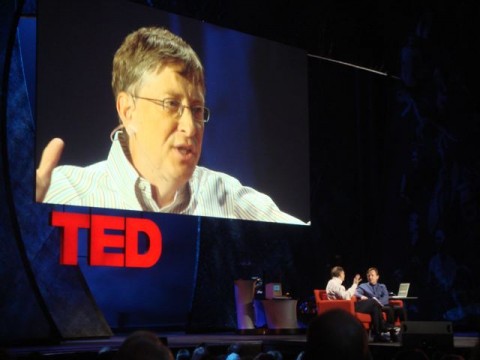
1377 TED Talks Listed in a Neat Spreadsheet — And More Stellar Culture Links on the Web

A quick fyi for TED heads. In ear­ly 2011 we men­tioned that some­one put togeth­er a handy online spread­sheet that lists 1377 TED Talks, with handy links to each indi­vid­ual video. It’s worth men­tion­ing the spread­sheet again because this evolv­ing Google doc has now grown beyond 1200 talks. That works out to more than 340 hours of “riv­et­ing talks by remark­able peo­ple.” Because the page gets updat­ed on a reg­u­lar basis, you’ll def­i­nite­ly want to book­mark it and keep tabs on the new addi­tions.

Now time for more good cul­ture links, all pre­vi­ous­ly fea­tured on our hap­penin’ Twit­ter stream.

Archae­ol­o­gists Unearth Ancient Maya Cal­en­dar Writ­ing

Vir­ginia Woolf. Play­ing Crick­et

Delta Dawn: How Sears, Roe­buck & Co. Mid­wifed the Birth of the Blues

Mau­rice Sendak’s Last Video Appear­ance with Stephen Col­bert

‘Madame Bovary’ in Pie Chart Form. (Did Some­one Say Pie?)

From Whistler to Warhol, Famous Artists Paint Their Moth­ers

Jose Sara­m­ago’s First Reac­tion after Watch­ing the Movie Blind­ness

All 268 Pages from Leonar­do’s Note­books Pre­sent­ed in High Res iPad App

Mar­garet Atwood Rec­om­mends That Mar­tians Read Moby Dick to Under­stand Amer­i­ca

Biog­ra­ph­er Robert Caro Dis­cuss­es Polit­i­cal Power—How to Get It and Use It

A Record­ing of 24-Year-Old John Ash­bery Read­ing His Poems

John Peel’s Mas­sive Record Col­lec­tion Now Avail­able Online

The Strange Pol­i­tics of Gertrude Stein

David Sedaris Reads “Six to Eight Black Men” from the Album ‘Live at Carnegie Hall’

Fol­low us on Face­bookTwit­terGoogle Plus or Email, and we’ll bring intel­li­gent media right to you. We’re at your ser­vice, you know?

TED-Ed Brings the Edginess of TED to Learning

Since it began post­ing videos six years ago of its now-famous talks, TED has estab­lished itself and its “ideas worth spread­ing” as a forum for cut­ting-edge think­ing about every­thing under the sun. Pio­neers in social net­work­ing, neu­rol­o­gy, art—you name it, the pithi­est speak­ers of our day find an audi­ence at TED’s two annu­al con­fer­ences. But the real audi­ence is online. TED’s most e‑mailed talk so far fea­tured edu­ca­tor Sir Ken Robin­son, whose 2006 talk argued that schools kill cre­ativ­i­ty. The E in TED may not stand for edu­ca­tion (it stands for enter­tain­ment) but the New York-based non­prof­it is respond­ing to inter­est in edu­ca­tion­al top­ics.

This month saw the launch of TED-Ed, a dynam­ic new YouTube chan­nel that fea­tures the work of con­tent experts and pro­fes­sion­al ani­ma­tors in five-minute videos. Each TED-Ed video comes with sup­ple­men­tary quizzes, ques­tions, quizzes and activ­i­ties ide­al for home instruc­tion. (Click on “Quick Quiz,” “Think” or “Dig Deep­er” here for exam­ples.) In the spir­it of “flip” teach­ing, a method that revers­es home­work and instruc­tion time, videos on TED-Ed can be assigned for home review, free­ing up class­room time for dis­cus­sion, appli­ca­tion and projects. In a flipped class­room, stu­dents would view a video about sex deter­mi­na­tion, for exam­ple, and hear edu­ca­tor Aaron Reedy explain how gen­der chro­mo­somes vary from one species to anoth­er. The next day in class might fea­ture a dis­cus­sion about how glob­al warm­ing effects tem­per­a­ture-depen­dent sex deter­mi­na­tion. After watch­ing How Fold­ing Paper Can Get You to the Moon (above), which explores the prin­ci­ples revealed by  fold­ing one piece of paper, stu­dents and their teacher could dis­cuss expo­nen­tial growth pat­terns in micro­bi­ol­o­gy and eco­nom­ics. All of the quizzes and resources are editable, so teach­ers can cus­tomize their lessons and cre­ate their own instruc­tion­al archives using TED-Ed videos or any oth­er YouTube video. All in all, a lot more fun than film strips. And, to be sure, we’ll add TED Ed to our emerg­ing col­lec­tion of Free K‑12 Resources.

Kate Rix writes about k‑12 instruc­tion and high­er ed. 

Relat­ed Con­tent:

MIT & Khan Acad­e­my Team Up to Devel­op Sci­ence Videos for Kids. Includes The Physics of Uni­cy­cling

Har­vard and MIT Cre­ate EDX to Offer Free Online Cours­es World­wide

Every TED Talk in a Neat Spread­sheet

The Art of the Book Cover Explained at TED

Give this one a minute to get going, to get beyond the schtick. And then you’ll enter the world of Chip Kidd, asso­ciate art direc­tor at Knopf, who has designed cov­ers for many famous books. As he will tell you, his job comes down to ask­ing: What do sto­ries look like, and how can he give them a face, if not write a short visu­al haiku for them? In the remain­ing min­utes of his TED Talk, Kidd takes you through his work, reveal­ing the aes­thet­ic choic­es that went into design­ing cov­ers for books by Michael Crich­ton, John Updike, David Sedaris, Haru­ki Muraka­mi, and oth­ers.

When you’re done, we rec­om­mend check­ing out these relat­ed items:

Vladimir Nabokov Mar­vels Over Dif­fer­ent “Loli­ta” Book Cov­ers

Spike Jonze Presents a Stop Motion Film for Book Lovers

Books Come to Life in Clas­sic Car­toons from 1930s and 1940s

The Animation of Billy Collins’ Poetry: Everyday Moments in Motion

The first time I saw Bil­ly Collins speak, he appeared at my col­lege con­vo­ca­tion, toward the end of his years as Unit­ed States Poet Lau­re­ate. Now, the sec­ond time I’ve seen Bil­ly Collins speak, he appears giv­ing this TEDTalk, “Every­day Moments, Caught in Time,” in which he makes fun of his own ten­den­cy to men­tion his years as Unit­ed States Poet Lau­re­ate. But he most­ly uses his fif­teen min­utes onstage in Long Beach in front of TED’s swoop­ing cam­eras to talk about how the Sun­dance Chan­nel ani­mat­ed five of his poems. A boost­er of poet­ry “off the shelf” and into pub­lic places — sub­ways, bill­boards, cere­al box­es — he fig­ured that even such an “unnat­ur­al and unnec­es­sary” merg­er could fur­ther the cause of elud­ing humanity’s “anti-poet­ry deflec­tor shields that were installed in high school.”

Collins also notes that the idea for the project stirred the embers of his “car­toon junkie” child­hood, when Bugs Bun­ny was his muse. Styl­is­ti­cal­ly, how­ev­er, the pro­duc­ers at the Sun­dance Chan­nel kept quite far indeed from the Mer­rie Melodies. These ani­mat­ed poems opt instead for an aes­thet­ic that takes pieces of visu­al real­i­ty and repur­pos­es them in ways we don’t expect: look at the real arm slith­er­ing across the pages in the first poem, the tan­gi­ble-look­ing dolls and doll envi­ron­ments of the sec­ond poem, or the drift­ing pho­to­graph­ic cutouts of the third. Not to get too grand about it, but isn’t this what poet­ry itself is sup­posed to do? Don’t the words them­selves also cut out frag­ments of actu­al exis­tence and posi­tion them, recon­tex­tu­al­ize them, and move them around in ways that sur­prise us? The sub­stance of these shorts — foun­tain pens, fig­urines, car keys, paper boats, match­sticks, mice — may seem like the last word in mun­dan­i­ty, but per­ceived through the dif­fer­ent­ly “real” lens­es of Collins’ poet­ry and this unusu­al ani­ma­tion, they inspire curios­i­ty again.

Relat­ed con­tent:

3 Year Old Recites Poem, “Litany” By Bil­ly Collins

Bill Mur­ray Reads Poet­ry At Con­struc­tion Site

Col­in Mar­shall hosts and pro­duces Note­book on Cities and Cul­ture. Fol­low him on Twit­ter at @colinmarshall.

Autonomous Flying Robots Play the Theme From the James Bond Movies

Yes­ter­day we fea­tured a video of Lynyrd Skynyrd’s “Sweet Home Alaba­ma” being played on a pair of Tes­la coils. Today we keep the music going with some­thing per­haps even more amaz­ing: a swarm of autonomous fly­ing robots play­ing the theme from the James Bond movies.

The robots were devel­oped at the Uni­ver­si­ty of Penn­syl­va­ni­a’s Gen­er­al Robot­ics, Automa­tion, Sens­ing and Per­cep­tion (GRASP) lab by grad­u­ate stu­dents Daniel Mellinger and Alex Kushleyev, founders of KMel Robot­ics, under the super­vi­sion of Pro­fes­sor Vijay Kumar. The researchers are work­ing to devel­op agile, autonomous fly­ing robots that can mim­ic the swarm­ing behav­iors of birds, fish and insects. In the video above, which was cre­at­ed spe­cial­ly for Kumar’s Feb­ru­ary 29 TED talk, a swarm of nine quadro­tor heli­copters play musi­cal instru­ments. An arti­cle on the UPenn web­site explains:

In this demon­stra­tion, the “stage” is in a room fit­ted with infrared lights and cam­eras. The nano quads all have reflec­tors on their struts, which allows the cam­era sys­tem to plot their exact posi­tion and relay that infor­ma­tion wire­less­ly to each unit.

Lab mem­bers can then assign each unit a series of way­points in three-dimen­sion­al space that must be reached at an exact time. In this case, those times and places trans­late into notes on a key­board or a strum of a gui­tar. Fig­ur­ing out how to get from way­point to way­point most effi­cient­ly and with­out dis­turb­ing their neigh­bors is up to the robots.

The robots are remark­ably agile, and may some­day be use­ful for a wide vari­ety of appli­ca­tions. To learn more, watch Kumar’s 17-minute TED talk, below, which includes sev­er­al aston­ish­ing video demon­stra­tions of the robots in action.

via Cos­mic Vari­ance

Ridley Scott Readies a Prequel to Alien; Guy Pearce Gives Its “TED Talk”

Do you count your­self in that group of cinephiles who have spent years and years patient­ly wait­ing for Rid­ley Scott to get back in the sad­dle? We thrilled to Alien, where pri­mal closed-in pan­ic col­lid­ed with a cast fur­rowed by seem­ing­ly unmar­ketable space-weari­ness, and to Blade Run­ner, whose per­va­sive unclean­li­ness and lin­ger­ing ambi­gu­i­ty sim­i­lar­ly raised it above its futur­is­tic genre trap­pings. When we could­n’t catch a screen­ing of Bar­ry Lyn­don, we even rev­eled in the Napoleon­ic glis­ten of The Duel­lists. But alas, as cer­tain crit­i­cal opin­ions hold, the psy­chic taut­ness ground­ing the elab­o­rate pro­duc­tion of those first few films even­tu­al­ly melt­ed away, inject­ing pock­ets of dis­com­fit­ing empti­ness into a White Squall, or of bloat­ed grandeur into a Glad­i­a­tor. We don’t com­plain that Scott has stopped work­ing; we com­plain that he’s stopped work­ing to our exact­ing (and prob­a­bly unfair) spec­i­fi­ca­tions.

But rumors of a dis­tant Blade Run­ner sequel have sur­faced, and the June release looms of Prometheus, a pre­quel to Alien. Could Scott have found his way back to what­ev­er cre­ative well nour­ished him so rich­ly in the late sev­en­ties and ear­ly eight­ies? Either way, he’ll ride what looks like a groundswell of renewed inter­est in the Alien uni­verse. In recent weeks, I saw enough mid­night-movie types wear­ing T‑shirts adver­tis­ing an enti­ty called “Wey­land-Yutani” that, with assis­tance from Google, I remem­bered its place as the Alien’s pre­sid­ing force of cor­po­rate amoral­i­ty. Things have come along for the com­pa­ny; where once its brand exist­ed only as a recur­ring crate stamp in Alien’s back­drop, now its CEO is giv­ing a dra­mat­i­cal­ly shot TED talk on the state of mankind.

Could this be a two-in-one shot in the arm for both Scott and TED, an inter­min­gling of real­i­ty and fan­ta­sy that revi­tal­izes both the direc­tor’s and the con­fer­ence enter­prise’s sense of cre­ative risk-tak­ing? CEO Peter Wey­land, as played by Guy Pearce, stirs up his crowd with the bold claim that, what with the intel­li­gence human­i­ty can now cre­ate, per­haps we’ve become the gods. But Wey­land’s talk comes cour­tesy of the future, which is also Alien’s past: “now” means 2023, 62 years before the events of Prometheus. As for how, pre­cise­ly, Wey­land’s prophet­ic grand­stand­ing — a behav­ior not unknown at TED’s events, though at least we now see they’re in on the joke — con­nects with Prometheus and the estab­lished canon of Alien movies we won’t know for a few months. Until then, you can watch the new film’s trail­er and spec­u­late for your­self about whether it can pos­si­bly recap­ture that essence of para­noid iso­la­tion that made the orig­i­nal such an endur­ing cin­e­mat­ic expe­ri­ence.

Relat­ed con­tent:

The Mak­ing of Blade Run­ner

875 TEDTalks in a Neat Spread­sheet

Col­in Mar­shall hosts and pro­duces Note­book on Cities and Cul­ture. Fol­low him on Twit­ter at @colinmarshall.

Harvard Thinks Big 2012: 8 All-Star Professors. 8 Big Ideas.

Ear­li­er this month, Har­vard stu­dents made their way to the Sanders The­atre for the 2012 edi­tion of Har­vard Thinks Big. It’s a TED-style event which gets pitched like this: “8 all-star pro­fes­sors. 8 big ideas. All ten min­utes each.” You get the gist.

This year’s ver­sion had as much sub­stance, though per­haps not quite the same siz­zle, as the 2011 ver­sion, which fea­tured talks by Steven PinkerLawrence Lessig, Daniel Gilbert and Elaine Scar­ry. Above, we have one talk from the lat­est Har­vard Thinks Big. It fea­tures Daniel Lieber­man, the renowned biol­o­gist (per­haps you know his work on bare­foot run­ning?) talk­ing about how evo­lu­tion­ary biol­o­gy explains why obe­si­ty is on the rise in the Unit­ed States.

Oth­er speak­ers at the event includ­ed Doug Melton, Eleanor Duck­worth, Nicholas Chris­takis, Kaia Stern, Don­hee Ham, Stephen Green­blatt, and Jill Lep­ore. The lec­tures can be watched via YouTube (fol­low the pre­vi­ous links) or via iTunes. Regret­tably the talks by Green­blatt, Ham and Lep­ore haven’t made it to the web, at least not yet. When they do, we’ll men­tion it on our Twit­ter stream, where we post lots of oth­er cul­tur­al good­ies.

Relat­ed Con­tent:

Har­vard Presents Free Cours­es with the Open Learn­ing Ini­tia­tive

Har­vard Thinks Green: Big Ideas from 6 All-Star Envi­ron­ment Profs

Why is the U.S. F’ed Up? 8 Lec­tures from Occu­py Har­vard Teach-In Pro­vide Answers

by | Permalink | Make a Comment ( 1 ) |

Baba Brinkman: The Rap Guide to Evolution

Cana­di­an “geek rap­per” Baba Brinkman first gar­nered pop­u­lar atten­tion with a well-received, well-reviewed rap adap­ta­tion of Chaucer’s Can­ter­bury Tales at the Edin­burgh Fringe Fes­ti­val. (To get a sense of the project, check out this brief scene from “The Par­don­er’s Tale.”) And we also pre­vi­ous­ly fea­tured his bril­liant work on Macmil­lan’s What’s Your Eng­lish? cam­paign.

Brinkman has brought his fol­low-up show, a fas­ci­nat­ing homage to Charles Dar­win called “The Rap Guide to Evo­lu­tion,” to New York City, where it’s get­ting rave reviews. In the video above, he explains how he went about putting the project togeth­er, and how evo­lu­tion­ary sci­ence enriched his under­stand­ing of the vio­lence and anger so preva­lent in the music he loves. The whole talk is great, but if you want to start off with a taste of the rap itself, skip for­ward to minute 9:03.

Relat­ed Con­tent:

Hayak vs. Keynes Rap

The Cli­mate Sci­en­tist Rap (Warn­ing: Offen­sive Lan­guage)

Sheer­ly Avni is a San Fran­cis­co-based arts and cul­ture writer. Her work has appeared in Salon, LA Week­ly, Moth­er Jones, and many oth­er pub­li­ca­tions. You can fol­low her on twit­ter at @sheerly.

« Go BackMore in this category... »
Quantcast

