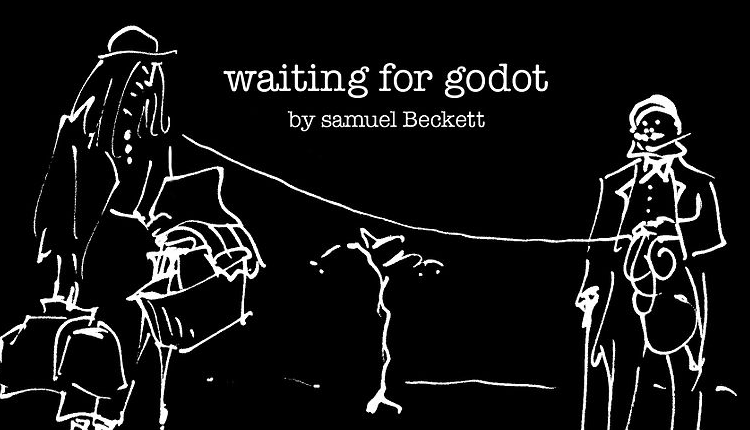
We’re Gonna Build a Fourth Wall, and Make the Brechtians Pay for It

fourth-wall

By now, you undoubt­ed­ly know what hap­pened when Mike Pence went to see Hamil­ton on Fri­day night. And the brouha­ha that unfold­ed from there, par­tic­u­lar­ly on Twit­ter.

Tweets came and went through­out the week­end. But, if you’re keep­ing score at home, none out­fun­nied this tweet from Jere­my Noel-Tod. We’re suck­ers around here for Brecht­ian humor.

Find us on Twit­ter at @openculture.

If you would like to sign up for Open Culture’s free email newslet­ter, please find it here. It’s a great way to see our new posts, all bun­dled in one email, each day.

If you would like to sup­port the mis­sion of Open Cul­ture, con­sid­er mak­ing a dona­tion to our site. It’s hard to rely 100% on ads, and your con­tri­bu­tions will help us con­tin­ue pro­vid­ing the best free cul­tur­al and edu­ca­tion­al mate­ri­als to learn­ers every­where. You can con­tribute through Pay­Pal, Patre­on, and Ven­mo (@openculture). Thanks!

Relat­ed Con­tent:

Watch Them Watch Us: A His­to­ry of Break­ing the “Fourth Wall” in Film

The Cast of Hamil­ton Sends a Strong Mes­sage to Mike Pence (After the Crowd Jeers Him)

by | Permalink | Make a Comment ( 1 ) |

The Cast of Hamilton Sends a Strong Message to Mike Pence (After the Crowd Jeers Him)

When Mike Pence entered the Richard Rodgers The­atre to see Hamil­ton Fri­day night, the crowd booed him.

When the play end­ed, the cast sent Pence off with a spe­cial mes­sage. Speak­ing for the cast, Bran­don Vic­tor Dixon, the actor who plays Aaron Burr, said this:

You know we have a guest in the audi­ence this evening. Vice Pres­i­dent-elect Pence I see you walk­ing out but I hope you will hear us just a few more moments.

There is noth­ing to boo here ladies and gen­tle­men, we are all shar­ing a sto­ry of love. We have a mes­sage for you sir, and we hope you will hear us out…

Vice Pres­i­dent-elect Mike Pence we wel­come you and we tru­ly thank you for join­ing us here at Hamil­ton, an Amer­i­can Musi­cal.

We, sir, we are the diverse Amer­i­ca who are alarmed and anx­ious that your new admin­is­tra­tion will not pro­tect us, our plan­et, our chil­dren, our par­ents or defend us or uphold our inalien­able rights, sir. But we tru­ly hope this show has inspired you to uphold our Amer­i­can val­ues and to work on behalf of all of us.

We tru­ly thank you for shar­ing this show, this won­der­ful Amer­i­can sto­ry told by a diverse group of men and women of dif­fer­ent col­ors, creeds and ori­en­ta­tions.

Trump and Pence came to office exploit­ing racial, nation­al and eth­nic resent­ments across Amer­i­ca. They’re now putting fig­ures like Steve Ban­non and Jeff Ses­sions (both tar­nished by alle­ga­tions of racism) in posi­tions of pow­er. And we’re seeing hate crimes on the rise. (701  report­ed cas­es since the elec­tion.) It’s no sur­prise that the new gov­ern­ment is get­ting tak­en to task. It’s free speech in action, democ­ra­cy being the some­times rau­cous, in your face thing it can be.

For­tu­nate­ly Pence seems to have a fin­er appre­ci­a­tion of the role dis­sent plays in our coun­try: He has since told The Hol­ly­wood Reporter, “I did hear what was said from the stage, and I can tell you, I was­n’t offend­ed by what was said.” “It was a real joy to be there. When we arrived, we heard a few boos and a few cheers, and I nudged my kids and remind­ed them, ‘That’s what free­dom sounds like.” Kudos to him.

In oth­er culture/education news, Don­ald Trump has agreed to pay $25 mil­lion to set­tle his Trump Uni­ver­si­ty fraud case.

If you would like to sign up for Open Culture’s free email newslet­ter, please find it here. It’s a great way to see our new posts, all bun­dled in one email, each day.

If you would like to sup­port the mis­sion of Open Cul­ture, con­sid­er mak­ing a dona­tion to our site. It’s hard to rely 100% on ads, and your con­tri­bu­tions will help us con­tin­ue pro­vid­ing the best free cul­tur­al and edu­ca­tion­al mate­ri­als to learn­ers every­where. You can con­tribute through Pay­Pal, Patre­on, and Ven­mo (@openculture). Thanks!

Relat­ed Con­tent:

Alexan­der Hamil­ton: Hip-Hop Hero at the White House Poet­ry Evening

“Alexan­der Hamil­ton” Per­formed with Amer­i­can Sign Lan­guage

by | Permalink | Make a Comment ( 17 ) |

Hear Marilyn Monroe’s Acting Teacher, Lee Strasberg, Deliver a Moving Eulogy at Her Funeral (1962)

Good­bye, Nor­ma Jean…

Mar­i­lyn Monroe’s star­dom is tru­ly leg­endary. Her image gen­er­ates mil­lions of dol­lars annu­al­ly. From high-end mem­o­ra­bil­ia to lunch­box­es, fridge mag­nets, and oth­er cheap trin­kets, the world still can’t get enough of her, near­ly fifty-five years after her death.

Her act­ing tal­ent was con­sid­er­able, but by and large that is not what she’s cel­e­brat­ed for. Speak­ing at her funer­al, her men­tor Lee Stras­berg, the Artis­tic Direc­tor of the Actors Stu­dio, lament­ed that “the pub­lic who loved her did not have the oppor­tu­ni­ty to see her as we did, in many of the roles that fore­shad­owed what she would have become.” In his opin­ion, the movie star’s true des­tiny pegged her to become “one of the finest Amer­i­can stage actress­es of all time.”

Actor Mar­tin Lan­dau remem­bered Mon­roe steel­ing her­self to get up in front of her Actors Stu­dio class­mates for the first time, in a scene from Eugene O’Neill’s Anna Christie with Mau­reen Sta­ple­ton.

Alas, this is not the sort of Mon­roe moment pos­ter­i­ty pre­serves on a beach tote or sequined t‑shirt.

Strasberg’s mov­ing 1962 eulo­gy, above, acknowl­edged both the 31 inti­mates invit­ed to her final send off, and the crowds out­side the gate. Frank Sina­tra, Ella Fitzger­ald, and Sam­my Davis, Jr. were among the lumi­nar­ies denied entry. Monroe’s for­mer hus­band, base­ball great Joe DiMag­gio banned a whole pan­theon of Hol­ly­wood movers and shak­ers, along with the pub­lic.

If it was­n’t for them, she’d still be here,” he told her lawyer, Mick­ey Rudin.

Stu­dio execs had lit­tle regard for the actress’ well­be­ing, but Stras­berg was both teacher and father fig­ure, allow­ing her beyond the usu­al pro­fes­sion­al bound­aries to become a de fac­to, if prob­lem­at­ic, mem­ber of the fam­i­ly. As his daugh­ter, Monroe’s friend, actress Susan Stras­berg wrote:

Mar­i­lyn broke all the rules I was expect­ed to fol­low. She was unpre­dictable, but he didn’t yell at her. He con­stant­ly val­i­dat­ed her. With her, Pop was vul­ner­a­ble, pater­nal, per­mis­sive. With me he was imper­son­al, crit­i­cal, for­bid­ding. What was I doing wrong? Why didn’t he give me per­mis­sion to be myself as he did her?”

DiMag­gio had orig­i­nal­ly hoped that poet Carl Sand­burg might be avail­able to orate at Monroe’s funer­al. When Sand­burg declined due to ill health, the sad duty fell to Stras­berg, who turned out to be unique­ly pre­pared to ful­fill this role.

The com­plete text of Lee Strasberg’s eulo­gy for Mar­i­lyn Mon­roe is below, as is a short doc­u­men­tary on her involve­ment with the Actors Stu­dio.

Mar­i­lyn Mon­roe was a leg­end.

In her own life­time she cre­at­ed a myth of what a poor girl from a deprived back­ground could attain. For the entire world she became a sym­bol of the eter­nal fem­i­nine.

But I have no words to describe the myth and the leg­end. I did not know this Mar­i­lyn Mon­roe. We gath­ered here today, knew only Mar­i­lyn – a warm human being, impul­sive and shy, sen­si­tive and in fear of rejec­tion, yet ever avid for life and reach­ing out for ful­fill­ment. I will not insult the pri­va­cy of your mem­o­ry of her – a pri­va­cy she sought and trea­sured – by try­ing to describe her whom you knew to you who knew her. In our mem­o­ries of her she remains alive, not only a shad­ow on the screen or a glam­orous per­son­al­i­ty.

For us Mar­i­lyn was a devot­ed and loy­al friend, a col­league con­stant­ly reach­ing for per­fec­tion. We shared her pain and dif­fi­cul­ties and some of her joys. She was a mem­ber of our fam­i­ly. It is dif­fi­cult to accept the fact that her zest for life has been end­ed by this dread­ful acci­dent.

Despite the heights and bril­liance she attained on the screen, she was plan­ning for the future; she was look­ing for­ward to par­tic­i­pat­ing in the many excit­ing things which she planned. In her eyes and in mine her career was just begin­ning.

The dream of her tal­ent, which she had nur­tured as a child, was not a mirage. When she first came to me I was amazed at the star­tling sen­si­tiv­i­ty which she pos­sessed and which had remained fresh and undimmed, strug­gling to express itself despite the life to which she had been sub­ject­ed.

Oth­ers were as phys­i­cal­ly beau­ti­ful as she was, but there was obvi­ous­ly some­thing more in her, some­thing that peo­ple saw and rec­og­nized in her per­for­mances and with which they iden­ti­fied. She had a lumi­nous qual­i­ty – a com­bi­na­tion of wist­ful­ness, radi­ance, yearn­ing – to set her apart and yet make every­one wish to be a part of it, to share in the child­ish naïveté which was so shy and yet so vibrant.

This qual­i­ty was even more evi­dent when she was in the stage. I am tru­ly sor­ry that the pub­lic who loved her did not have the oppor­tu­ni­ty to see her as we did, in many of the roles that fore­shad­owed what she would have become. With­out a doubt she would have been one of the real­ly great actress­es of the stage.

Now it is at an end. I hope her death will stir sym­pa­thy and under­stand­ing for a sen­si­tive artist and a woman who brought joy and plea­sure to the world.

I can­not say good­bye. Mar­i­lyn nev­er liked good­byes, but in the pecu­liar way she had of turn­ing things around so that they faced real­i­ty – I will say au revoir. For the coun­try to which she has gone, we must all some­day vis­it.

Relat­ed Con­tent:

Mar­i­lyn Mon­roe Recounts Her Har­row­ing Expe­ri­ence in a Psy­chi­atric Ward in a 1961 Let­ter

A Look Inside Mar­i­lyn Monroe’s Per­son­al Library

Mar­i­lyn Mon­roe Explains Rel­a­tiv­i­ty to Albert Ein­stein (in a Nico­las Roeg Movie)

Ayun Hal­l­i­day is an author, illus­tra­tor, the­ater mak­er and Chief Pri­ma­tol­o­gist of the East Vil­lage Inky zine.  Her play Zam­boni Godot is open­ing in New York City in March 2017. Fol­low her @AyunHalliday.

“Alexander Hamilton” Performed with American Sign Language

Back in 2011, the Los Ange­les Times ran a pro­file on Sarah Tubert, then a 17-year-old stu­dent who lost her hear­ing as a young child. With the help of her fam­i­ly, Sarah per­se­vered, became a star water polo and vol­ley­ball play­er in high school, and earned a full schol­ar­ship to Gal­laudet Uni­ver­si­ty–all with the hope of one day becom­ing an instruc­tor for deaf and hear­ing-impaired stu­dents.

Five years lat­er, Sarah is mak­ing good on her promise. Above, Sarah per­forms “Alexan­der Hamil­ton,” the open­ing num­ber of the Broad­way show, in Amer­i­can Sign Lan­guage (ASL). On Twit­ter, the Hamil­ton star Lin-Manuel Miran­da called it “beau­ti­ful.” And it’s hard not to agree.

You can find ASL lessons in our col­lec­tion, Learn 45+ Lan­guages Online for Free: Span­ish, Chi­nese, Eng­lish & More.

If you would like to sign up for Open Culture’s free email newslet­ter, please find it here. It’s a great way to see our new posts, all bun­dled in one email, each day.

If you would like to sup­port the mis­sion of Open Cul­ture, con­sid­er mak­ing a dona­tion to our site. It’s hard to rely 100% on ads, and your con­tri­bu­tions will help us con­tin­ue pro­vid­ing the best free cul­tur­al and edu­ca­tion­al mate­ri­als to learn­ers every­where. You can con­tribute through Pay­Pal, Patre­on, and Ven­mo (@openculture). Thanks!


via Kot­tke

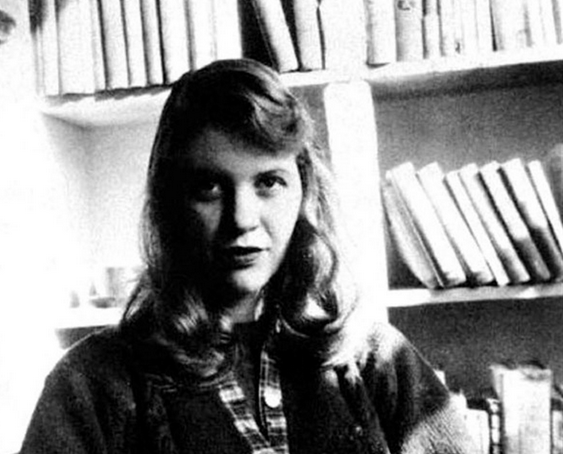
Hear Sylvia Plath’s Barely-Known Radio Play, Three Women

plath commandments

Image via Wiki­me­dia Com­mons

Over the years, we’ve let you hear Sylvia Plath read­ing many of her poems, all writ­ten before she took her life at the age of 30. What you like­ly haven’t heard — until today — is Three Women, one of Plath’s less­er-known pieces of writ­ing. “Orig­i­nal­ly writ­ten as a radio verse dra­ma for three voic­es,” notes The Guardian, the play “was broad­cast in 1962 on the BBC Third Pro­gramme and lat­er includ­ed in Win­ter Trees, a poet­ry col­lec­tion first pub­lished in 1971.” “With its themes of preg­nan­cy, birth, mis­car­riage and adop­tion, it per­fect­ly encap­su­lates the expe­ri­ence of becom­ing — or not becom­ing — a moth­er, includ­ing all the ecsta­sy and ter­ror of child­birth.” Below you can hear a record­ing with actress Judith Binder as the wife, Ann Bern­stein as the sec­re­tary, and Rachelle Tow­ers as the girl. The pro­gram is made avail­able on Archive.org by Paci­fi­ca Radio Archives. Find more Sylvia Plath audio in our col­lec­tion, 1,000 Free Audio Books: Down­load Great Books for Free.

If you would like to sign up for Open Culture’s free email newslet­ter, please find it here. It’s a great way to see our new posts, all bun­dled in one email, each day.

If you would like to sup­port the mis­sion of Open Cul­ture, con­sid­er mak­ing a dona­tion to our site. It’s hard to rely 100% on ads, and your con­tri­bu­tions will help us con­tin­ue pro­vid­ing the best free cul­tur­al and edu­ca­tion­al mate­ri­als to learn­ers every­where. You can con­tribute through Pay­Pal, Patre­on, and Ven­mo (@openculture). Thanks!

Relat­ed Con­tent

Hear Sylvia Plath Read 50+ of Her Dark, Com­pelling Poems

Hear Sylvia Plath Read Fif­teen Poems From Her Final Col­lec­tion, Ariel, in 1962 Record­ing

The Art of Sylvia Plath: Revis­it Her Sketch­es, Self-Por­traits, Draw­ings & Illus­trat­ed Let­ters

Sylvia Plath, Girl Detec­tive Offers a Hilar­i­ous­ly Cheery Take on the Poet’s Col­lege Years

by | Permalink | Make a Comment ( 2 ) |

Marshall McLuhan, W.H. Auden & Buckminster Fuller Debate the Virtues of Modern Technology & Media (1971)

45 years ago, four emi­nences took the stage at the Uni­ver­si­ty of Toron­to: Irish actor Jack Mac­Gowran, best known for his inter­pre­ta­tions of Samuel Beck­ett; Eng­lish poet and drama­tist W.H. Auden; Amer­i­can archi­tect and the­o­rist of human­i­ty’s way of life Buck­min­ster Fuller; and Cana­di­an lit­er­ary schol­ar turned media tech­nol­o­gy ora­cle Mar­shall McLuhan. Now only did all four men come from dif­fer­ent coun­tries, they came from very dif­fer­ent points on the intel­lec­tu­al and cul­tur­al map. The CBC record­ed them for broad­cast on its long-run­ning series Ideas, pref­ac­ing it with an announce­ment that “the osten­si­ble sub­ject of their dis­cus­sion is the­atre and the visu­al arts.”

Key word: osten­si­ble. “That top­ic is soon for­got­ten as two modes of per­cep­tion clash,” says the announc­er, “that of Pro­fes­sor McLuhan, who is one of the most famous inter­preters of con­tem­po­rary 20th-cen­tu­ry cul­tur­al trends, and that of W.H. Auden, who cheer­ful­ly admits to being ‘a 19th-cen­tu­ry man’ and sees no rea­son to change.” And so, though Fuller and Mac­Gowan do occa­sion­al­ly pro­vide their per­spec­tive, the pan­el turns into a rol­lick­ing debate between McLuhan and Auden, more or less from the point where the for­mer — mak­ing one of his char­ac­ter­is­ti­cal­ly com­pelling procla­ma­tions — declares that mod­ern media brings us to a world in which “there is no audi­ence. There are only actors.” But the lat­ter objects: “I pro­found­ly dis­ap­prove of audi­ence par­tic­i­pa­tion.”

By the ear­ly 1970s, tele­vi­sion had long since found its way into homes all across Amer­i­ca, Cana­da, and Britain, but the thinkers of the time had only just begun to grap­ple with its con­se­quences. “We’ve just seen Apol­lo 14, which has some visu­al effects going with it. It’s a new type of the­ater, obvi­ous­ly,” says McLuhan, draw­ing one of many audi­ence laughs. On the sub­ject of tele­vi­sion’s con­fla­tion of fact and fic­tion, Auden does­n’t mince words: “I think TV is a very, very wicked medi­um. That’s all I can say.” McLuhan empha­sizes that, as a pro­fes­sion­al observ­er of these phe­nom­e­na, “I have stead­fast­ly reserved moral judg­ment on all media mat­ters.” Auden: “I don’t.”

Yet the author of The Age of Anx­i­ety and the author of The Guten­berg Galaxy turn out to have more in com­mon than their con­flict might sug­gest. Both in their 60s by the time of this dis­cus­sion (“Thank God I can remem­ber the world before World War I,” says the poet) and both 1930s con­verts to Catholi­cism, they also both har­bored deep sus­pi­cions of tech­nolo­gies like tele­vi­sion. Auden, who insists he would nev­er dream of owing a TV set him­self, seems to look down on it as mere­ly low­brow, but McLuhan has dark­er sus­pi­cions: “You are miss­ing the name of the game, sir. You are actu­al­ly imag­in­ing that those lit­tle images you see on TV are TV. They are not. What is TV is that fire stream pour­ing out of that tube into your gut.”

Even while pre­dict­ing still-unheard-of advances in tele­vi­su­al tech­nol­o­gy (at one point attempt­ing to engage Mac­Gowran on “the imme­di­ate prospect of four- and five-dimen­sion­al TV”), McLuhan also fore­sees it as the poten­tial spark for such cat­a­clysms as a glob­al race war, going so far as to sug­gest that “if you want to save a fan­tas­tic blood­bath on this plan­et, which will be very trau­mat­ic, very cathar­tic, and very trag­ic — in the Greek sense — we turn off TV total­ly. For good.” Auden, of course, actu­al­ly approves of that par­tic­u­lar idea of McLuhan’s, though he evinces lit­tle opti­mism about its fea­si­bil­i­ty. “Why won’t it hap­pen?” asks McLuhan. “Because peo­ple like the damn things,” he replies.

Relat­ed Con­tent:

Mar­shall McLuhan on the Stu­pid­est Debate in the His­to­ry of Debat­ing (1976)

The Vision­ary Thought of Mar­shall McLuhan, Intro­duced and Demys­ti­fied by Tom Wolfe

McLuhan Said “The Medi­um Is The Mes­sage”; Two Pieces Of Media Decode the Famous Phrase

W.H. Auden’s 1941 Lit­er­a­ture Syl­labus Asks Stu­dents to Read 32 Great Works, Cov­er­ing 6000 Pages

W.H. Auden Recites His 1937 Poem, ‘As I Walked Out One Evening’

Every­thing I Know: 42 Hours of Buck­min­ster Fuller’s Vision­ary Lec­tures Free Online (1975)

Bertrand Rus­sell & Buck­min­ster Fuller on Why We Should Work Less, and Live & Learn More

Bet­ter Liv­ing Through Buck­min­ster Fuller’s Utopi­an Designs: Revis­it the Dymax­ion Car, House, and Map

Based in Seoul, Col­in Mar­shall writes and broad­casts on cities and cul­ture. He’s at work on a book about Los Ange­les, A Los Ange­les Primer, the video series The City in Cin­e­ma, the crowd­fund­ed jour­nal­ism project Where Is the City of the Future?, and the Los Ange­les Review of Books’ Korea Blog. Fol­low him on Twit­ter at @colinmarshall or on Face­book.

Hear Waiting for Godot, the Acclaimed 1956 Production Starring The Wizard of Oz’s Bert Lahr

godot-reading

Image by Fewskul­chor, via Wiki­me­dia Com­mons

You may not know the name Bert Lahr, but you know his most beloved role: the Cow­ard­ly Lion in The Wiz­ard of Oz. And while you may not have an inti­mate famil­iar­i­ty with Wait­ing for Godot, either Samuel Beck­et­t’s script or any of the count­less sub­tle vari­a­tions in its pro­duc­tions on stage, you cer­tain­ly know that it has chal­lenged many an actor look­ing to shore up his avant-garde cre­den­tials. Lahr turns out to have stood at the van­guard of this phe­nom­e­non in Amer­i­ca: sev­en­teen years after his suc­cess in Oz but well before word of Godot had spread far beyond Europe, he played Estragon at Miami’s Coconut Grove Play­house. It billed this piece of min­i­mal­ist exis­ten­tial­ism as “the laugh sen­sa­tion of two con­ti­nents” — a bit of absur­di­ty itself some­how actu­al­ly wor­thy of Beck­ett.

“The play was not so much a laugh riot as a rev­o­lu­tion in the­atri­cal sto­ry­telling; inevitably, it was met with mil­i­tant incom­pre­hen­sion,” writes Lahr’s sonNew York­er dra­ma crit­ic John Lahr. “On open­ing night, half the audi­ence walked out after the first act; the next day, there was a line at the box office—to return tick­ets.” He remem­bers his father’s strug­gle with the next, “the curi­ous con­tra­dic­tion between his colos­sal inse­cu­ri­ty about the mean­ing of the words that he strug­gled to learn and his adamant con­vic­tion of the emo­tion­al truth of the com­e­dy con­tained in those per­plex­ing words.” He also remem­bers what came after that dis­as­trous Mia­mi pre­miere: “the thrill of the re-staged Broad­way pro­duc­tion lat­er that year, and Dad’s pro­found sat­is­fac­tion at his suc­cès d’estime in New York.”

You can hear a record­ing of this tri­umphant ver­sion of the Lahr-star­ring Godot, with tele­vi­sion star E.G. Mar­shall as Vladimir and famed Vien­nese the­ater direc­tor Her­bert Berghof at the helm) on Spo­ti­fy. If you don’t have Spo­ti­fy’s free soft­ware, you can down­load it here, or you can lis­ten to the play at the Inter­net Archive. (It’s also stream­able above.) “The 1956 pro­duc­tion of Godot was Mr. Lahr’s show all the way,” writes Ter­ry Tea­chout, lis­ten­ing again to the record­ing, “and to hear it now is to bog­gle at his seem­ing­ly infi­nite com­ic resource­ful­ness. He whines, he whim­pers, he chor­tles, he grunts, giv­ing each line pre­cise­ly the right fla­vor. Yet nev­er for a moment does his clown­ing con­ceal the play’s under­ly­ing pathos, and when­ev­er he opens his mouth, it’s always Beck­ett, not Bert Lahr, that you hear.”

This record­ing will be added to our col­lec­tion, 1,000 Free Audio Books: Down­load Great Books for Free.

Relat­ed Con­tent:

Samuel Beck­ett Directs His Absur­dist Play Wait­ing for Godot (1985)

Comics Inspired by Wait­ing For Godot, Fea­tur­ing Tintin, Roz Chast, and Beav­is & Butthead

Mon­ster­piece The­ater Presents Wait­ing for Elmo, Calls BS on Samuel Beck­ett

The Great Gats­by and Wait­ing for Godot: The Video Game Edi­tions

Based in Seoul, Col­in Mar­shall writes and broad­casts on cities and cul­ture. He’s at work on a book about Los Ange­les, A Los Ange­les Primer, the video series The City in Cin­e­ma, the crowd­fund­ed jour­nal­ism project Where Is the City of the Future?, and the Los Ange­les Review of Books’ Korea Blog. Fol­low him on Twit­ter at @colinmarshall or on Face­book.

“Charlie Rose” by Samuel Beckett: Watch Charlie Rose Meet Charlie Rose in a Comical Piece of Absurdist Theater

New York City couldn’t get enough of Ian McKel­lan and Patrick Stew­art when they appeared togeth­er in a cel­e­brat­ed 2013 revival of Samuel Beck­ett’s Wait­ing for Godot.

Five years ear­li­er, anoth­er high pro­file gent took a stab at the noto­ri­ous­ly avant-garde play­wright, and while the Inter­net took note, the same New York­ers who were des­tined to go ga ga for the adorable bowler hat­ted Brits bare­ly bat­ted a col­lec­tive eye.

Why was that?

Per­haps it’s because the ear­li­er project had a decid­ed­ly more down­town feel than the Broad­way pro­duc­tion star­ring McKel­lan and Stew­art. It was so exper­i­men­tal that its main play­er, jour­nal­ist and talk show host Char­lie Rose, a fix­ture of the New York social scene, didn’t even know he was per­form­ing in it. 

He didn’t have to. The whole thing was engi­neered by film­mak­er Andrew Fil­ip­pone Jr., in the spir­it of Beck­ett. 

By cut­ting togeth­er old footage using crowd-pleas­ing Par­ent Trap spe­cial effects, he made it pos­si­ble for Char­lie to have an absur­dist con­ver­sa­tion with him­self. It takes about 45 sec­onds to set­tle in to the prop­er sensibility—the top­ic is a bit 21st-cen­tu­ry and the famil­iar Char­lie Rose cred­its could’ve used a tweak—but once it gets going, it’s a ton of bizarre and dis­turb­ing fun.

The large table where Rose films his inter­views makes for as evoca­tive a set­ting as a bar­ren tree on a coun­try lane, a mound of earth, or a pair of garbage cans.

Beck­ett was nev­er one to shy from par­en­thet­i­cal instruc­tions, a prac­tice most play­wrights are taught to avoid on the the­o­ry that the actors should be allowed to dis­cov­er their char­ac­ters. Direc­tor Fil­ip­pone serves his muse well here, edit­ing in a host of non­ver­bal reac­tions so spe­cif­ic, they seem to be the direct embod­i­ment of some­thing writ­ten in the (non-exis­tent) script.

Relat­ed Con­tent:

Conan O’Brien Plays Char­lie Rose, Talks Pres­i­den­tial His­to­ry with Edmund Mor­ris

Watch the Open­ing Cred­its of an Imag­i­nary 70s Cop Show Star­ring Samuel Beck­ett

When Samuel Beck­ett Drove Young André the Giant to School: A True Sto­ry

Ayun Hal­l­i­day is an author, illus­tra­tor, the­ater mak­er and Chief Pri­ma­tol­o­gist of the East Vil­lage Inky zine.  Her play Zam­boni Godot is open­ing in New York City in March 2017. Fol­low her @AyunHalliday.

« Go BackMore in this category... »
Quantcast