Cambridge University Professor Cooks 4000-Year-Old Recipes from Ancient Mesopotamia, and Lets You See How They Turned Out

Those of us who’ve ded­i­cat­ed a por­tion of our iso­la­tion to the art of sour­dough have not suf­fered for a lack of infor­ma­tion on how that par­tic­u­lar sausage should get made.

The Inter­net har­bors hun­dreds, nay, thou­sands of com­pli­cat­ed, con­trary, often con­tra­dic­to­ry, extreme­ly firm opin­ions on the sub­ject. You can lose hours…days…weeks, ago­niz­ing over which method to use.

The course for Bill Suther­land’s recent culi­nary exper­i­ment was much more clear­ly chart­ed.

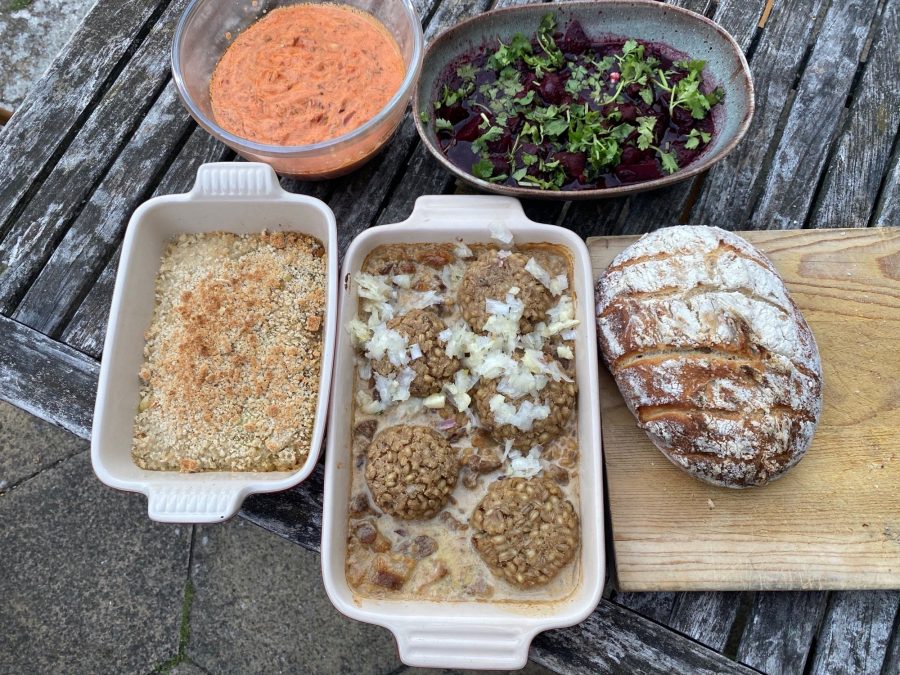
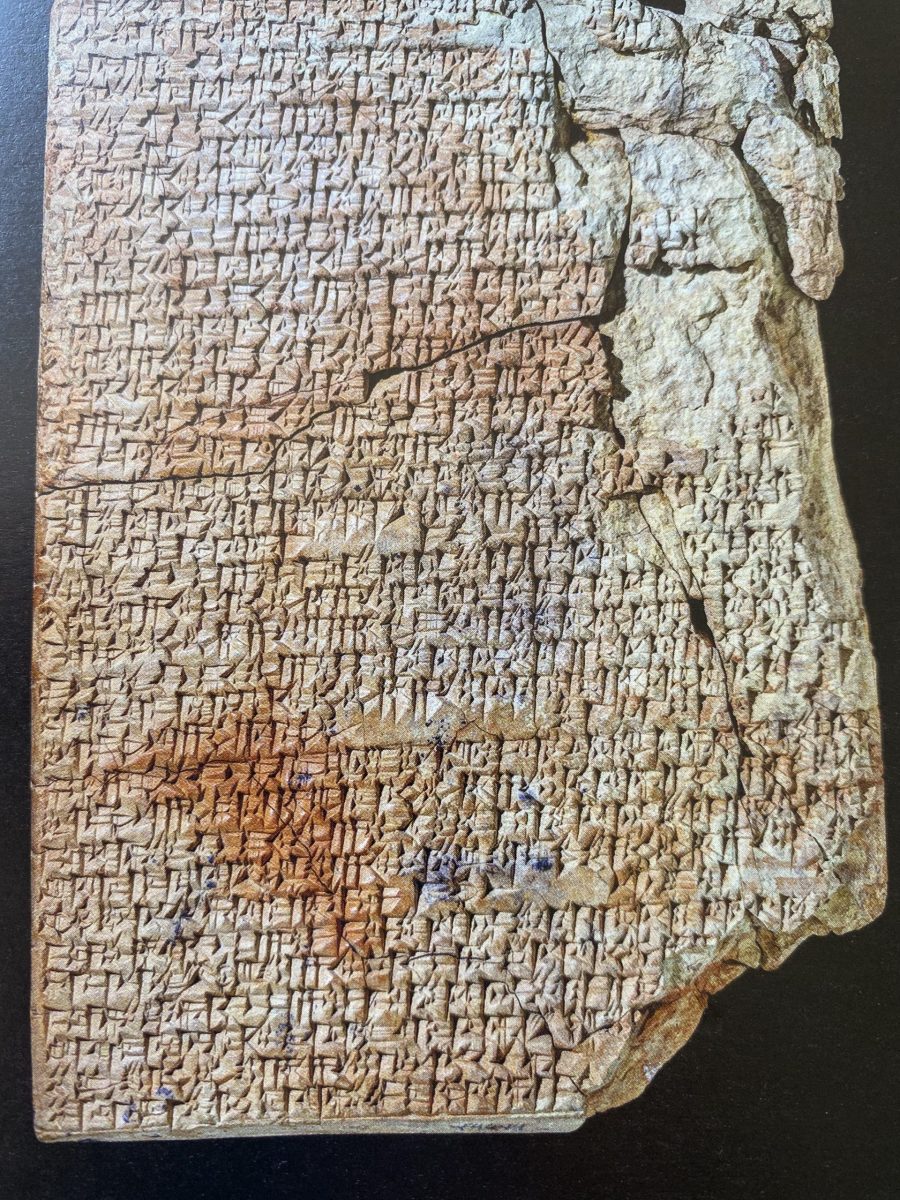
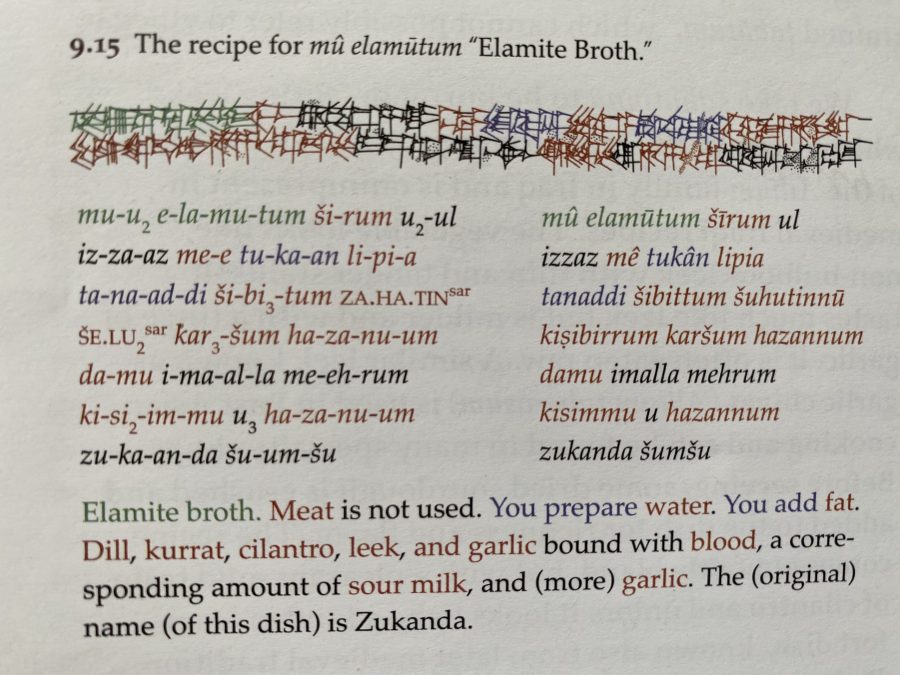
As doc­u­ment­ed in a series of now-viral Twit­ter posts, the Cam­bridge Uni­ver­si­ty pro­fes­sor of Con­ser­va­tion Biol­o­gy decid­ed to attempt a Mesopotami­an meal, as inscribed on a 3770-year-old recipe tablet con­tain­ing humankind’s old­est sur­viv­ing recipes.

As Suther­land told Bored Pan­da’s Liu­ci­ja Ado­maite and Ilona Bal­iū­naitė, the trans­lat­ed recipes, found in Ancient Mesopotamia Speaks: High­lights of the Yale Baby­lon­ian Col­lec­tion, were “aston­ish­ing­ly terse” and “per­plex­ing,” lead­ing to some guess work with regard to onions and gar­lic.

In addi­tion to 25 recipes, the book has pho­tos and illus­tra­tions of var­i­ous arti­facts and essays that “present the ancient Near East in the light of present-day dis­cus­sion of lived expe­ri­ences, focus­ing on fam­i­ly life and love, edu­ca­tion and schol­ar­ship, iden­ti­ty, crime and trans­gres­sion, demons, and sick­ness.”

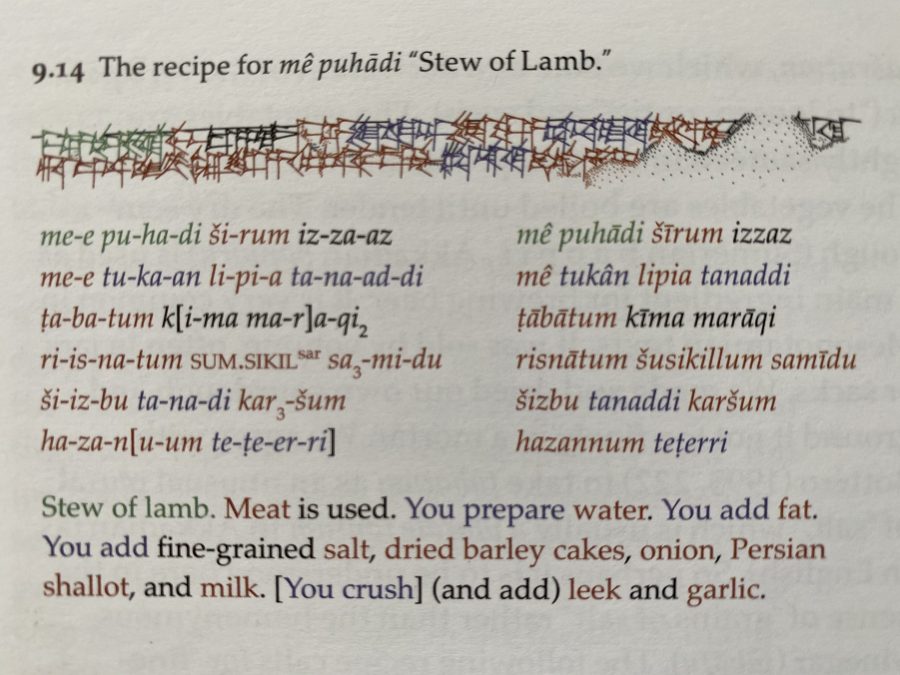
Kind of like a cra­dle of civ­i­liza­tion Martha Stew­art Liv­ing, just a bit less user friend­ly with regard to things like mea­sure­ments, tem­per­a­ture, and cook­ing times. Which is not to say the instruc­tions aren’t step-by-step:

Stew of Lamb

Meat is used. 

You pre­pare water. 

You add fat. 

You add fine-grained salt, bar­ley cakes, onion, Per­sian shal­lot, and milk. 

You crush and add leek and gar­lic.

The meal, which required just a cou­ple hours prep in Sutherland’s non-ancient kitchen sounds like some­thing he might have ordered for deliv­ery from one of Cam­bridge’s Near East­ern restau­rants.

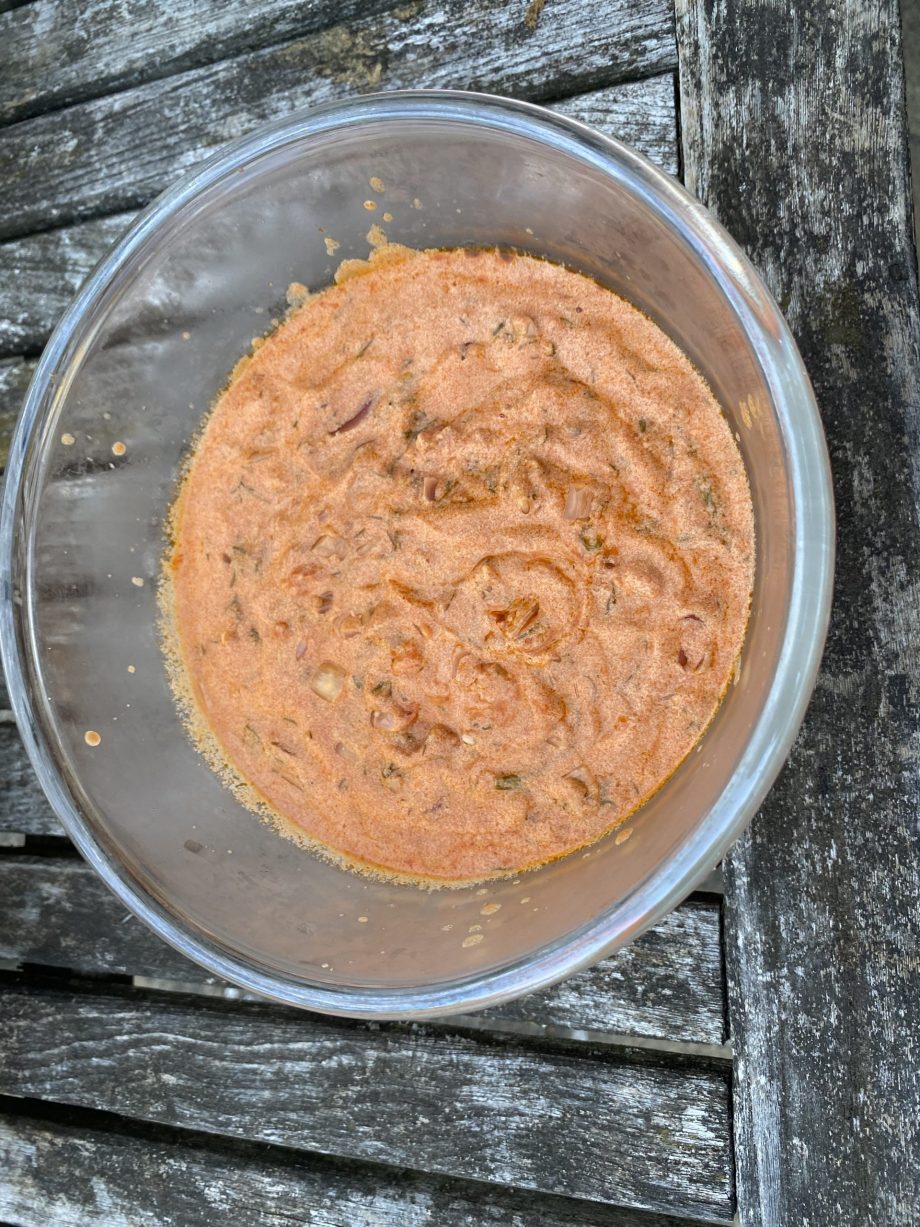
The lamb stew was the hit of the night.

Unwind­ing, a casse­role of leeks and spring onion, looked invit­ing but was “a bit bor­ing.”

Elamite Broth was “pecu­liar but deli­cious,” pos­si­bly because Suther­land sub­sti­tut­ed toma­to sauce for sheep’s blood.

It’s an admit­ted­ly meaty propo­si­tion. Only 2 of the 25 recipes in the col­lec­tion are veg­e­tar­i­an (“meat is not used.”)

And even there, to be real­ly authen­tic, you’d have to sauté every­thing in sheep fat.

(Suther­land swapped in but­ter.)

via Bored Pan­da

Relat­ed Con­tent:

Lis­ten to the Old­est Song in the World: A Sumer­ian Hymn Writ­ten 3,400 Years Ago

Dic­tio­nary of the Old­est Writ­ten Language–It Took 90 Years to Com­plete, and It’s Now Free Online

Hear The Epic of Gil­gamesh Read in the Orig­i­nal Akka­di­an and Enjoy the Sounds of Mesopotamia

Ayun Hal­l­i­day is an author, illus­tra­tor, the­ater mak­er and Chief Pri­ma­tol­o­gist of the East Vil­lage Inky zine.  Her iso­la­tion projects are sour­dough and an ani­ma­tion with free down­load­able posters, encour­ag­ing the use of face cov­er­ings to stop the spread of COVID-19. Fol­low her @AyunHalliday.

An Introduction to Hagia Sophia: After 85 Years as a Museum, It’s Set to Become a Mosque Again

No tour of Istan­bul can fail to include Hagia Sophia. The same is true enough of the British Muse­um in Lon­don or the Lou­vre in Paris, but Hagia Sophia is more than a muse­um: it’s also spent dif­fer­ent stretch­es of its near-mil­len­ni­um-and-a-half of exis­tence as an East­ern Ortho­dox cathe­dral, a Roman Catholic cathe­dral, and a mosque. Stripped of its reli­gious func­tion in the mid-1930s by the admin­is­tra­tion of Pres­i­dent Mustafa Kemal Atatürk, remem­bered for his cre­ation of a sec­u­lar Turk­ish repub­lic, the majes­tic build­ing has spent the past 85 years as not just a muse­um but the coun­try’s top tourist attrac­tion. Now, accord­ing to a decree issued last week by Pres­i­dent Recep Tayyip Erdo­gan, Hagia Sophia will become a mosque again.

“Erdo­gan, like his pre­de­ces­sor Ataturk, appears to be using the fate of the Hagia Sophia to make a polit­i­cal state­ment and score some points with his sup­port­ers,” writes Ars Tech­ni­ca’s Kiona N. Smith. But so did Emper­or Jus­tin­ian I of the East­ern Roman Empire, who “ordered the cathedral’s con­struc­tion in the first place for sim­i­lar rea­sons.”

Built on the site where two cathe­drals had pre­vi­ous­ly stood, both burned down in dif­fer­ent revolts, “the Hagia Sophia has always been as much a polit­i­cal land­mark as a reli­gious or cul­tur­al one — so it’s not sur­pris­ing that it has also changed hands, and func­tions, at least four times in its his­to­ry.” Ataturk’s sec­u­lar­iza­tion of Hagia Sophia entailed a restora­tion of its his­toric fea­tures: “Chris­t­ian mosaics that had been plas­tered over in the late 1400s were care­ful­ly uncov­ered, and they shared the domed space with Mus­lim prayer nich­es and pul­pits.”

You can get a clear­er sense of what the build­ing’s archi­tec­ture and dec­o­ra­tion reveal in the ani­mat­ed TED-Ed les­son at the top of the post. Edu­ca­tor Kel­ly Wall points to, among oth­er fea­tures, the ancient for­ti­fi­ca­tions that “hint at the strate­gic impor­tance of the sur­round­ing city, found­ed as Byzan­tium by Greek colonists in 657 BCE.”; the foun­da­tion stones that “mur­mur tales from their home­lands of Egypt and Syr­ia, while columns tak­en from the Tem­ple of Artemis recall a more ancient past”; and, beneath the gold­en dome that “appears sus­pend­ed from heav­en,” rein­forc­ing Corinthi­an columns, “brought from Lebanon after the orig­i­nal dome was par­tial­ly destroyed by an earth­quake in 558 CE,” that offer a reminder of “fragili­ty and the engi­neer­ing skills such a mar­vel requires.” The BBC 360-degree vir­tu­al tour just above goes into greater detail on these ele­ments and oth­ers.

Accord­ing to reports cit­ed by Hyper­al­ler­gic’s Hakim Bishara, “tourists will still have access to the site, although it might be closed to vis­i­tors dur­ing prayer time.” Still, “art his­to­ri­ans and con­ser­va­tion­ists wor­ry that the Turk­ish author­i­ties might decide to cov­er up or remove the cen­turies-old Byzan­tine mosaics and Chris­t­ian iconog­ra­phy that adorn the cel­e­brat­ed struc­ture, as was done in oth­er con­vert­ed church­es in Turkey in the past.” Good job, then, that irre­press­ible tele­vi­sion trav­el­er Rick Steves has already shot his episode on Istan­bul, which (from 9:34) nat­u­ral­ly fea­tures a vis­it to Hagia Sophia. But whether as a muse­um, cathe­dral, a mosque, or what­ev­er it becomes next, the build­ing will sure­ly remain what Steves called “the high point of Byzan­tine archi­tec­ture” and “the pin­na­cle of that soci­ety’s sixth-cen­tu­ry glo­ry days.” And no leader of Turkey, no mat­ter what their beliefs about church and state, will want the tourists to stop com­ing.

via Hyper­al­ler­gic

Relat­ed Con­tent:

Hear the Hagia Sophia’s Awe-Inspir­ing Acoustics Get Recre­at­ed with Com­put­er Sim­u­la­tions, and Let Your­self Get Trans­port­ed Back to the Mid­dle Ages

Hear the Sound of the Hagia Sophia Recre­at­ed in Authen­tic Byzan­tine Chant

French Illus­tra­tor Revives the Byzan­tine Empire with Mag­nif­i­cent­ly Detailed Draw­ings of Its Mon­u­ments & Build­ings: Hagia Sophia, Great Palace & More

Map­ping the Sounds of Greek Byzan­tine Church­es: How Researchers Are Cre­at­ing “Muse­ums of Lost Sound”

The Com­plex Geom­e­try of Islam­ic Art & Design: A Short Intro­duc­tion

Based in Seoul, Col­in Mar­shall writes and broad­casts on cities, lan­guage, and cul­ture. His projects include the book The State­less City: a Walk through 21st-Cen­tu­ry Los Ange­les and the video series The City in Cin­e­ma. Fol­low him on Twit­ter at @colinmarshall, on Face­book, or on Insta­gram.

Take a Virtual Drive through London, Tokyo, Los Angeles & 45 Other World Cities

When asked once about his beliefs, This Amer­i­can Life cre­ator Ira Glass replied that he believes “the car is the best place to lis­ten to the radio.” That seems to be a cul­tur­al­ly sup­port­ed per­cep­tion, or at least it has been in over the past half-cen­tu­ry in Amer­i­ca. But does it hold true in oth­er coun­tries? Does lis­ten­ing to the radio in the car feel as good in Lon­don, Buenos Aires, Mum­bai, and Tokyo as it does in Chica­go, New York, Mia­mi, and Los Ange­les?

You can see and hear for your­self with the wealth of vir­tu­al urban-dri­ving-and-radio-lis­ten­ing expe­ri­ences on offer at Dri­ve & Lis­ten, where you can take your pick from any of the afore­men­tioned cities and 40 oth­ers besides. The site makes this pos­si­ble by bring­ing togeth­er two forms of media that have come into their own on the inter­net of the 21st cen­tu­ry: stream­ing radio and stream­ing video.

In most every major met­ro­pol­i­tan area, radio sta­tions now make their broad­casts avail­able online. At the same time, Youtu­bers have by now shot and uploaded a great many through-the wind­shield views of all those places, cre­at­ing the once-unlike­ly enter­tain­ment genre of the dri­ving video.

Here we’ve includ­ed some prime exam­ples from pop­u­lar Youtube dri­ver J Utah, whose scope includes Amer­i­can cities large and small as well as such world cap­i­tals as Tokyo, Paris, Sin­ga­pore, Hong Hong, and São Paulo. All in 4K video.

Click on one of the cities on Dri­ve & Lis­ten’s menu, and chances are you’ll see one of J Utah’s videos. It will come with a stream­ing-radio sound­track, sourced from one of the sta­tions in the city or coun­try on dis­play. Your vir­tu­al Havana dri­ve may be accom­pa­nied by announce­ments of the news of the day, your vir­tu­al Istan­bul dri­ve by Turk­ish rock, your vir­tu­al Chica­go dri­ve by an NPR affil­i­ate (per­haps even WBEZ, home of This Amer­i­can Life), your vir­tu­al Guadala­jara dri­ve by soc­cer scores, your vir­tu­al Mia­mi dri­ve by straight-ahead jazz, your vir­tu­al Berlin dri­ve by Pat­ti Smith.

Each time you select a city, you’ll get a dif­fer­ent com­bi­na­tion of radio sta­tion and dri­ving footage. As every dri­ver knows, day dri­ving and night dri­ving — to say noth­ing of rush hour ver­sus the wee hours — feels com­plete­ly dif­fer­ent, and so the dri­vers of Youtube have shot at all pos­si­ble times. Some of their routes thread right between down­town sky­scrap­ers, while oth­ers stick to free­ways along the out­skirts. As a res­i­dent of Seoul, I can tell you that Dri­ve & Lis­ten accu­rate­ly con­veys the expe­ri­ence of rid­ing in a cab through that city — pro­vid­ed you first crank the video speed up to 2x.

Enter Dri­ve & Lis­ten here.

Relat­ed Con­tent:

Take a Dri­ve Through 1940s, 50s & 60s Los Ange­les with Vin­tage Through-the-Car-Win­dow Films

Time Trav­el Back to Tokyo After World War II, and See the City in Remark­ably High-Qual­i­ty 1940s Video

Lon­don Mashed Up: Footage of the City from 1924 Lay­ered Onto Footage from 2013

A Trip Through New York City in 1911: Vin­tage Video of NYC Gets Col­orized & Revived with Arti­fi­cial Intel­li­gence

Pris­tine Footage Lets You Revis­it Life in Paris in the 1890s: Watch Footage Shot by the Lumière Broth­ers

Read­ing While Dri­ving, Seri­ous­ly?

Based in Seoul, Col­in Mar­shall writes and broad­casts on cities, lan­guage, and cul­ture. His projects include the book The State­less City: a Walk through 21st-Cen­tu­ry Los Ange­les and the video series The City in Cin­e­ma. Fol­low him on Twit­ter at @colinmarshall, on Face­book, or on Insta­gram.

Watch a Mesmerizing Stream of Unwatched YouTube Videos: Astronaut.io Lets You Discover the Hidden Dimensions of the World’s Largest Video Platform

When times are hard, it often helps to zoom out for a moment—in search of a wider per­spec­tive, his­tor­i­cal con­text, the for­est full of trees…

Astronaut.io, an algo­rith­mic YouTube-based project by Andrew Wong and James Thomp­son, offers a big pic­ture that’s as restora­tive as it is odd:

Today, you are an Astro­naut. You are float­ing in inner space 100 miles above the sur­face of Earth. You peer through your win­dow and this is what you see.

If the stars look very dif­fer­ent today, it’s because they’re human, though not the kind who are prone to attract­ing the paparazzi. Rather, Astro­naut is pop­u­lat­ed by ordi­nary cit­i­zens, with occa­sion­al appear­ances by pets, wildlife, video game char­ac­ters, and hous­es, both inte­ri­or and exte­ri­or.

Launch Astro­naut, and you will be bear­ing pas­sive wit­ness to a parade of unevent­ful, unti­tled home video excerpts.

The expe­ri­ence is the oppo­site of earth­shak­ing.

And that is by design.

As Wong told Wired’s Liz Stin­son:

There’s this metaphor of being on a train …you see things out the win­dow and think, ‘Oh what is that?’ but it’s too late, it’s already gone by. Not let­ting some­one go too deep is pret­ty impor­tant.

After some tri­al and error on Twit­ter, where video con­tent rarely favors the rest­ful, Wong and Thomp­son real­ized that the sort of mate­r­i­al they sought resided on YouTube. Per­haps it’s been reflex­ive­ly dumped by users with no par­tic­u­lar pas­sion for what they’ve record­ed. Or the account is a new one, its own­er just begin­ning to fig­ure out how to post con­tent.

The videos on any giv­en Astro­naut jour­ney earn their place by virtue of gener­ic, cam­era-assigned file names (IMG 0034, MOV 0005, DSC 0165…), zero views, and an upload with­in the last week.

The over­all effect is one of mes­mer­iz­ing, unre­mark­able life going on whether it’s observed or not.

Chil­dren per­form in their liv­ing room

A woman assem­bles a bride’s bou­quet

A kit­ten bats a toy

A pre-fab home is moved into place

The vision is heart­warm­ing­ly glob­al.

Astro­naut is anti-star, but there are some fre­quent sight­ings, owing to the num­ber of name­less incon­se­quen­tial videos any one user uploads.

This week a Viet­namese fash­ion­ista, a karaoke space in Argenti­na, and a box­ing ring in Mon­tre­al make mul­ti­ple appear­ances, as do some very tired look­ing teach­ers.

The effect is most sooth­ing when you allow it to wash over you unim­ped­ed, but there is a red but­ton below the frame, if you feel com­pelled to linger with­in a cer­tain scene.

(You can also click on what­ev­er pass­es for the video’s title in the upper left cor­ner to open it on YouTube, from whence you might be able to suss out a bit more infor­ma­tion.)

A very young Super Mario fan has appar­ent­ly col­o­nized a parent’s account for his nar­rat­ed gam­ing videos.

Halfway around the world, a for­mal­ly dressed man sits behind a desk pri­or to his first-ever upload.

Some gift­ed dancers fail to rotate pri­or to upload­ing.

A recent­ly acquired night vision wildlife cam has already cap­tured a num­ber of coy­otes.

And every­one who comes through the door of a Chi­nese house­hold adores the hap­py baby with­in.

It’s unclear if the algo­rithm will alight on any cell phone footage doc­u­ment­ing the shock­ing scenes at recent protests sparked by the death of George Floyd. Per­haps not, giv­en the urgency to share such videos, titling them to clue view­ers in to the what, who, where, when, and why.

For now Astro­naut appears to be the same floaty trip Jake Swearin­gen described in a 2017 arti­cle for New York Mag­a­zine:

The inter­net is a place that often rewards the shock­ing, the sad, the rage-induc­ing — or the naked­ly ambi­tious and atten­tion-seek­ing. A morn­ing of watch­ing Astronaut.io is an anti­dote to all that.

Begin your explo­rations with Astro­naut here.

h/t to read­er Tom Hedrick

Relat­ed Con­tent:

A Playlist of Songs to Get You Through Hard Times: Stream 20 Tracks from the Alan Lomax Col­lec­tion

Sooth­ing, Uplift­ing Resources for Par­ents & Care­givers Stressed by the COVID-19 Cri­sis

An Art Gallery for Ger­bils: Two Quar­an­tined Lon­don­ers Cre­ate a Mini Muse­um Com­plete with Ger­bil-Themed Art

Ayun Hal­l­i­day is an author, illus­tra­tor, the­ater mak­er and Chief Pri­ma­tol­o­gist of the East Vil­lage Inky zine.  Every day since March 15, she has uploaded a set of 10 micrhvi­sions of social­ly dis­tanced New York City. Fol­low her @AyunHalliday.

Take a Virtual Tour of the World’s Only Sourdough Library

There’s 15-year-old Pre­cious from the Nether­lands…

And Bub­ble from Aus­tralia, age 4…

Yeasty Beasty Methuse­lah, from Twin Falls, Ida­ho, is esti­mat­ed to be around 50…

Every sour­dough starter is spe­cial to the ones who made or main­tain it, but of the 1000s reg­is­tered online with Quest for Sour­dough, only 125 have earned a per­ma­nent place in the Puratos Sour­dough Library in Saint-Vith, Bel­gium. It’s the world’s only library ded­i­cat­ed to Sour­dough, and you can take a vir­tu­al tour here.

Housed in iden­ti­cal jars in a muse­um-qual­i­ty refrig­er­at­ed cab­i­nets, these her­itage starters have been care­ful­ly select­ed by librar­i­an Karl De Smedt, above, who trav­els the world vis­it­ing bak­eries, tast­ing bread, and learn­ing the sto­ries behind each sam­ple that enters the col­lec­tion.

As De Smedt recalls in an inter­view with the Sour­dough Pod­cast, the idea for the muse­um began tak­ing shape when a Lebanese bak­er reached out to Puratos, a hun­dred-year-old com­pa­ny that sup­plies com­mer­cial bak­ers and pas­try mak­ers with essen­tials of the trade. The man’s sons returned from a bak­ing expo in Paris and informed their dad that when they took over, they planned to retire his time-hon­ored prac­tice of bak­ing with fer­ment­ed chick­peas in favor of instant yeast. Wor­ried that his prized recipe would be lost to his­to­ry, he appealed to Puratos to help pre­serve his pro­to­cols.

While fer­ment­ed chick­peas do not count as sourdough—a com­bi­na­tion of flour, water, and the result­ing microor­gan­isms this mar­riage gives rise to over time—the com­pa­ny had recent­ly col­lect­ed and ana­lyzed 43 ven­er­a­ble starters. The bulk came from Italy, includ­ing one from Alta­mu­ra, the “city of bread, pro­duc­er of what Horace called in 37 B.C. ‘the best bread to be had, so good that the wise trav­el­er takes a sup­ply of it for his onward jour­ney.’”

Thus was a non-cir­cu­lat­ing library born.

Each spec­i­men is ana­lyzed by food micro­bi­ol­o­gist Mar­co Gob­bet­ti from the Uni­ver­si­ty of Bolzano and Bari.

A col­lab­o­ra­tion with North Car­oli­na State Uni­ver­si­ty biol­o­gists Rob Dunn and Anne Mad­den revealed that sour­dough bak­ers’ hands share dis­tinct microbes with their starters.

More than 1100 strains of microor­gan­isms have been record­ed so far.

Every two months, the starters are tak­en out of the fridge and fed, i.e. reac­ti­vat­ed, with a com­bi­na­tion of water and some of their flour of ori­gin, year­ly quan­ti­ties of which are con­tributed by their bak­ers. With­out this reg­u­lar care, the starters will die off.

(The pan­dem­ic has De Smedt work­ing from home, but he inti­mat­ed to The New York Times that he intend­ed to make it back to feed his babies, or “moth­ers” as they are known in sour­dough cir­cles.)

#72 from Mex­i­co feeds on eggs, lime and beer

#100 from Japan is made of cooked sake rice.

#106 is a vet­er­an of the Gold Rush.

Their con­sis­ten­cy is doc­u­ment­ed along a line that ranges from hard to flu­id, with Sil­ly Put­ty in the mid­dle.

Each year, De Smedt expands the col­lec­tion with starters from a dif­fer­ent area of the world. The lat­est addi­tions come from Turkey, and are doc­u­ment­ed in the mouth­wa­ter­ing trav­el­ogue above.

For now, of course, he’s ground­ed in Bel­gium, and using his Insta­gram account to pro­vide encour­age­ment to oth­er sour­dough prac­ti­tion­ers, answer­ing rook­ie ques­tions and show­ing off some of the loaves pro­duced by his own per­son­al starters, Bar­bara and Aman­da.

Reg­is­ter your starter on Quest for Sour­dough here.

If you haven’t yet tak­en the sour­dough plunge, you can par­tic­i­pate in North Car­oli­na State University’s Wild Sour­dough Project by fol­low­ing their instruc­tions on mak­ing a starter from scratch and then sub­mit­ting your data here.

And bide your time until you’re cleared to vis­it the Puratos Sour­dough Library in per­son by tak­ing an inter­ac­tive vir­tu­al tour or watch­ing a com­plete playlist of De Smedt’s col­lect­ing trips here.

via Atlas Obscu­ra

Relat­ed Con­tent: 

How to Bake Ancient Roman Bread Dat­ing Back to 79 AD: A Video Primer

An Archive of Hand­writ­ten Tra­di­tion­al Mex­i­can Cook­books Is Now Online

400 Ways to Make a Sand­wich: A 1909 Cook­book Full of Cre­ative Recipes

Ayun Hal­l­i­day is an author, illus­tra­tor, the­ater mak­er and Chief Pri­ma­tol­o­gist of the East Vil­lage Inky zine.  Her cur­rent starter, Miss Sour­dough, was brought to life with an unholy splash of apple cider. Fol­low her @AyunHalliday.

The Stay At Home Museum: Your Private, Guided Tours of Rubens, Bruegel & Other Flemish Masters

Of the many world class muse­ums treat­ing a stuck-at-home pub­lic to vir­tu­al tours of their col­lec­tions, none inspire the resolve for future trav­el as the Stay At Home Muse­um, an ini­tia­tive of the Flan­ders tourism board.

Before the COVID-19 epi­dem­ic response demand­ed the tem­po­rary shut­ter­ing of all such attrac­tions, the region was enter­ing the final year of a 3‑year fes­ti­val cel­e­brat­ing such Flem­ish mas­ters as Jan Van EyckPieter Bruegel, and Peter Paul Rubens.

Its web­site appeals to young, hip vis­i­tors by match­ing inter­ests with celebri­ty tour guides: Bac­chus (as ren­dered by Rubens) for eat­ing and drink­ing in an arty atmos­phere and Rubens’ Venus for cul­tur­al­ly respon­si­ble shop­ping and dia­mond admir­ing.

Oth­er entic­ing prospects we can’t take advan­tage of at present:

A down­load­able Bruegel walk­ing tour map

Rubens-inspired beer tourism

A Flem­ish Mas­ters itin­er­ary for chil­dren

An open air aug­ment­ed real­i­ty expe­ri­ence based on Bruegel’s The Fight Between Car­ni­val and Lent

Our sad­ness at miss­ing these can­not be chalked up to FOMO. Right now, the whole world is miss­ing out.

So, con­sid­er the Stay At Home Muse­um a pre­view, some­thing to help us enjoy our trips to the region all the more at some point in the future, by edu­cat­ing our­selves on the painters who made Flan­ders famous.

The series is also a treat for the Zoom weary. The expert guides aren’t fac­ing their web­cams at home, but rather using their high lev­el access to lead us through the emp­ty muse­ums in which the exhibits are still installed.

No jostling…

No crowd­ing in front of the most cel­e­brat­ed pieces…

No inane lunch-relat­ed chat­ter from tourists who aren’t into art as deeply as you are…

Above, Van Eyck expert Till-Hol­ger Borchert, Direc­tor of Musea Bruges, ori­ents us to the artist and his work, most notably the Ghent altar­piece, aka Ado­ra­tion of the Mys­tic Lamb, a 12-pan­el polyp­tych that Van Eyck worked on with Hugo, the old­er broth­er who died 6 years before its com­ple­tion.

Pay close atten­tion to Adam and Eve’s body hair. Borchert cer­tain­ly does.

He also sheds a lot of inter­est­ing light on the sig­nif­i­cance of mate­ri­als, fram­ing choic­es, and com­po­si­tion.

The restored altar­piece was slat­ed to be rein­stalled in its orig­i­nal home of Ghent’s Saint Bavo’s Cathe­dral, fol­low­ing the sched­uled clos­ing of Jan van Eyck: An Opti­cal Rev­o­lu­tion—April 30, 2020.

The Roy­al Muse­um of Fine Art’s direc­tor Michel Draguet takes us on a French-speak­ing jour­ney inside Bruegel’s paint­ing, The Fall of the Rebel Angels.

Ben Van Bene­den, the direc­tor of the Rubens House, invites us into Ruben’s “art gallery room”—something no self-respect­ing wealthy poly­glot diplomat/aesthete who’s also a Baroque painter would do with­out, appar­ent­ly.

The peek at Rubens’ gar­den is nice too, espe­cial­ly for those of us with no pri­vate out­door space of our own.

Jump­ing ahead to the Bel­gian avant-garde of the late nine­teenth and ear­ly twen­ti­eth cen­turies, cura­tor Mieke Mels of Ostennd’s the Mu.ZEE spills the beans on why native son, James Ensor, shield­ed his 1888 mas­ter­piece Christ’s Entry into Brus­sels from the pub­lic view for 3 decades.

This episode has been trans­lat­ed into Inter­na­tion­al Sign Lan­guage for deaf and hear­ing impaired view­ers.

A fifth and alleged­ly final episode is forth­com­ing. View a playlist of all Stay At Home Muse­um episodes here.

Relat­ed Con­tent: 

Take a Vir­tu­al Tour of 30 World-Class Muse­ums & Safe­ly Vis­it 2 Mil­lion Works of Fine Art

14 Paris Muse­ums Put 300,000 Works of Art Online: Down­load Clas­sics by Mon­et, Cézanne & More

The British Muse­um Puts 1.9 Mil­lion Works of Art Online

Ayun Hal­l­i­day is an author, illus­tra­tor, the­ater mak­er and Chief Pri­ma­tol­o­gist of the East Vil­lage Inky zine. It’s been so long since she vis­it­ed Bel­gium, she can’t remem­ber if her indis­cre­tion in the Bruges youth hos­tel made it into her trav­el mem­oir, No Touch Mon­key! And Oth­er Trav­el Lessons Learned Too Late. Fol­low her @AyunHalliday.

Experience New York City’s Fabled Mid-Century Nightclubs in an Interactive, COVID-19-Era, Student-Designed Exhibit

It’s been over a month since pub­lic health pre­cau­tions led almost every school in the Unit­ed States to switch to online instruc­tion.

While there are obvi­ous­ly much greater tragedies unfold­ing dai­ly, it’s hard not to empathize with stu­dents who have watched count­less spe­cial events—proms, com­mence­ments, spring sports, per­for­mances, hot­ly antic­i­pat­ed rites of passage—go poof.

In New York City, stu­dents in Par­sons School of Design’s Nar­ra­tive Spaces: Design Tools for Spa­tial Sto­ry­telling course were crest­fall­en to learn that their upcom­ing open-to-the-pub­lic exhi­bi­tion of group and solo projects in the West Village—the cen­ter­piece of the class and a huge oppor­tu­ni­ty to con­nect with an audi­ence out­side of the classroom—was sud­den­ly off the menu.

Mul­ti­dis­ci­pli­nary artist Jeff Stark, who co-teach­es the class with Pamela Park­er, was dis­ap­point­ed on their behalves.

Stark’s own work, from Empire Dri­ve In to Miss Rock­away Arma­da, is root­ed in live expe­ri­ence, and New York City holds a spe­cial place in his heart. (He also edits the week­ly email list Non­sense NYC, an invalu­able resource for inde­pen­dent art and Do-It-Your­self events in the city.)

This year’s class projects stemmed from vis­its to the City Reli­quary, a small muse­um and civic orga­ni­za­tion cel­e­brat­ing every­day New York City arti­facts. Stu­dents were able to get up close and per­son­al with Chris Engel’s col­lec­tion of pho­tographs, menus, pro­mo­tion­al mate­ri­als, and sou­venirs doc­u­ment­ing the hey­day of New York’s sup­per club nightlife, from the 1940s through the 1960s.

Stu­dent Rylie Cooke, an Aus­tralian who aspires to launch a design com­pa­ny, found that her research deep­ened her con­nec­tion to arti­facts she encoun­tered at the Reli­quary, as she came to appre­ci­ate the fabled Copaca­bana’s influ­ence on the pop­u­lar cul­ture, food, and music of the peri­od:

… with COVID-19 it became impor­tant to have this con­nec­tion to the arti­facts as I was­n’t able to phys­i­cal­ly touch or look at them when Par­sons moved to online for the semes­ter. I am a very hands-on cre­ative and I love curat­ing things, espe­cial­ly in an exhib­it for­mat.

Rather than scrap their goal of pub­lic exhi­bi­tion, the class decid­ed to take things into the vir­tu­al realm, hus­tling to adapt their orig­i­nal con­cepts to a pure­ly screen-based expe­ri­ence, The New York Sup­per Club: From Nightlife to Social Dis­tanc­ing.

The plan to wow vis­i­tors with a peri­od-appro­pri­ate table in the cen­ter of their West Vil­lage exhi­bi­tion space became a grid of dig­i­tal place­mats that serve as por­tals to each project.

Cooke’s con­tri­bu­tion, A Seat at the Copaca­bana, begins with an inter­view in which base­ball great Mick­ey Man­tle recounts get­ting into a cloak­room brawl as he and fel­low New York Yan­kees cel­e­brat­ed a birth­day with a Sam­my Davis Jr. set. Recipes for steak and pota­toes, Chick­en a la King, rarebit, and arroz con pol­lo pro­vide fla­vor for a floor­show rep­re­sent­ed by archival footage of “Let’s Do the Copaca­bana” star­ring Car­men Miran­da, a Mar­tin and Lewis appear­ance, and a dance rehearsal from 1945. The tour ends at the Copa’s cur­rent incar­na­tion in Times Square, with a vision of pre-social­ly dis­tanced con­tem­po­rary mer­ry­mak­ers sal­sa-ing the night away.

(Nav­i­gate this exhib­it using tool­bar arrows at the bot­tom of the screen.)

Stu­dent Hongxi Chen’s inves­ti­ga­tions into The Chi­na Doll night­club result­ed in an elab­o­rate inter­ac­tive immer­sive expe­ri­ence on the top­ic of cul­tur­al appro­pri­a­tion:

The Chi­na Doll… was found­ed in 1946 by Cau­casian stage pro­duc­er Tom Ball, who deemed it the only “all-ori­en­tal” night club in New York. While the club some­times played off “Ori­en­tal” stereo­types, and titled one of its shows “Slant-Eyed Scan­dals,” they fea­tured Asian dancers and Asian singers pre­sent­ing pop­u­lar songs in a way New York­ers had nev­er seen before. The Dim inter­ac­tive expe­ri­ence unfolds with the sto­ry of Thomas, a wait­er at the Chi­na Doll.

As a junior in Par­sons’ Design and Tech­nol­o­gy pro­gram, Chen had plen­ty of pre­vi­ous expe­ri­ence forg­ing vir­tu­al envi­ron­ments, but work­ing with a muse­um col­lec­tion was new to him, as was col­lab­o­rat­ing on a vir­tu­al plat­form.

He sought Stark’s advice on cre­at­ing vivid dia­logue for his fic­tion­al wait­er.

Jiaqi Liuan, a Design and Tech­nol­o­gy MFA stu­dent and vet­er­an of the Shang­hai pro­duc­tion of Sleep No More, Punchdrunk’s immer­sive retelling of Mac­Beth, helped chore­o­graph Chen’s Chi­na Doll dancers in an homage to The Flower Drum Songs Fan Tan Fan­nie num­ber.

Chen stayed up until 7 am for two weeks, devour­ing open source tuto­ri­als in an attempt to wran­gle and debug the many ele­ments of his ambi­tious project—audio, video, char­ac­ter mod­els and ani­ma­tion, soft­ware, game engines, and game serv­er plat­form.

As Chen not­ed at the exhibition’s recent Zoom open­ing (an event that was fol­lowed by a dig­i­tal dance par­ty), the mas­sive game can be a bit slow to load. Don’t wor­ry, it’s worth the wait, espe­cial­ly as you will have a hand in the sto­ry, steer­ing it to one of five dif­fer­ent end­ings.

Chen, an inter­na­tion­al stu­dent, could not safe­ly return to Chi­na and has not left his stu­dent apart­ment since mid-March, but game­ly states that remain­ing in the same time zone as his school allowed him to com­mu­ni­cate effi­cient­ly with his pro­fes­sors and the major­i­ty of his class­mates. (Cooke is back home in Aus­tralia.)

Adds Chen:

Even though we are fac­ing a dif­fi­cult cir­cum­stance under the pan­dem­ic and had to piv­ot our orig­i­nal ideas into a vir­tu­al pre­sen­ta­tion, I’m glad that our class was able to quick­ly change plans and adapt to the sit­u­a­tion. This… actu­al­ly inspired me a lot and opened up ways to invite and con­nect peo­ple with vir­tu­al art­work.

Oth­er high­lights of The New York Sup­per Club: From Nightlife to Social Dis­tanc­ing include Ming Hong Xian’s explo­ration of the famous West Vil­lage coun­try music club, The Vil­lage Barn (com­plete with tur­tle races) and What Are You? a per­son­al­i­ty test devised by Mi Ri Kim and Eleanor Mel­by, to help vis­i­tors deter­mine which clas­sic NYC sup­per club best suits their per­son­al­i­ty.

(Appar­ent­ly, I’m head­ed to Cafe Zanz­ibar, below, where the drinks are cheap, the aspirin is free, and Cab Cal­loway is a fre­quent head­lin­er.)

Stark admits that ini­tial­ly, his stu­dents may not have shared his swoon­ing response to the source mate­r­i­al, but they share his love of New York City and the desire to “get in the thick of it.” By bring­ing a Gen­er­a­tion Z per­spec­tive to this his­tor­i­cal ephemera, they stake a claim, mak­ing work that could help the City Reli­quary con­nect to a new audi­ence.

Enter The New York Sup­per Club: From Nightlife to Social Dis­tanc­ing here.

Explore the City Reli­quary online here, and join in the civic pride by par­tic­i­pat­ing in its week­ly Insta­gram Live events, includ­ing Thurs­day Col­lec­tors’ Nights.

(All images used with per­mis­sion of the artists and The City Reli­quary)

Relat­ed Con­tent: 

See New York City in the 1930s and Now: A Side-by-Side Com­par­i­son of the Same Streets & Land­marks

New York City: A Social His­to­ry (A Free Online Course from N.Y.U.) 

The Lost Neigh­bor­hood Buried Under New York City’s Cen­tral Park

Ayun Hal­l­i­day is an author, illus­tra­tor, the­ater mak­er and Chief Pri­ma­tol­o­gist of the East Vil­lage Inky zine. Her con­tri­bu­tion to art in iso­la­tion is a hasti­ly assem­bled trib­ute to the clas­sic 60s social line dance, The Madi­son. Fol­low her @AyunHalliday.

How to Paint Water Lilies Like Monet in 14 Minutes

Some of us are using this peri­od of self-iso­la­tion to make sour­dough.

Oth­ers are learn­ing to play an instru­ment or ini­ti­at­ing a dai­ly yoga prac­tice.

For those con­sid­er­ing tak­ing up paint­ing, David Dun­lop’s Emmy-Award win­ning PBS series Land­scapes Through Time offers an excel­lent alter­na­tive (or sup­ple­ment) to the well-estab­lished joys of cult fig­ure Bob Ross, the eter­nal king of tele­vi­sion art instruc­tion.

Like Ross, Dun­lop has a mel­low onscreen tem­pera­ment that pairs beau­ti­ful­ly with the enchant­i­ng set­ting of Claude Monet’s famous water gar­den, above.

(Those who’ve vis­it­ed Monet’s house and gar­den at Giverny will envy him his tourist-free access to the site. Even those with no inten­tion of pick­ing up a brush should find it restora­tive to spend time gaz­ing at the same love­ly view that Dun­lop, like Mon­et before him, looks at through a delib­er­ate­ly Impres­sion­is­tic squint.)

He packs a lot of art appre­ci­a­tion into 14 eas­i­ly digest­ed min­utes, touch­ing on art his­to­ry, brush tech­nique, com­po­si­tion, use of light, and, in par­tic­u­lar, col­or the­o­ry.

When the muse­ums reopen, you may find this crash course has enhanced your enjoy­ment, espe­cial­ly as per­tains to can­vas­es by Mon­et and his fel­low Impres­sion­ists.

For those pur­su­ing the hands-on oil paint­ing expe­ri­ence, Dun­lop pro­vides a sup­ply list of col­ors, all read­i­ly avail­able:

Cobalt Blue

Cad­mi­um Yel­low

Alizarin Crim­son

Ultra­ma­rine

Bril­liant Rose

Emer­ald Green

Hooker’s Green

Tita­ni­um White

His brush­es and paper appear to be gar­den vari­ety, and his approach, like Ross’, is fast and loose.

Those who favor a less brazen approach may feel more at home with his water­col­or paint­ing demon­stra­tion in Cezanne’s Mont Sainte-Vic­toire in Provence, France, below.

There are more excerpts and instruc­tion on Dunlop’s YouTube chan­nel. For those wish­ing to take it to the next lev­el, Dun­lop is teach­ing a series of inter­ac­tive stu­dio demon­stra­tion class­es via Zoom. Reg­is­ter here.

Relat­ed Con­tent: 

Rare 1915 Film Shows Claude Mon­et at Work in His Famous Gar­den at Giverny

Watch Every Episode of Bob Ross’ The Joy Of Paint­ing Free Online: 403 Episodes Span­ning 31 Sea­sons

Bob Ross’ Christ­mas Spe­cial: Cel­e­brate, Relax, Nod Off

Ayun Hal­l­i­day is an author, illus­tra­tor, the­ater mak­er and Chief Pri­ma­tol­o­gist of the East Vil­lage Inky zine.  Her art in iso­la­tion has tak­en the form of a hasti­ly assem­bled trib­ute to the clas­sic 60s social line dance, The Madi­son. Fol­low her @AyunHalliday.

« Go BackMore in this category... »
Quantcast