Hunter S. Thompson’s Decadent Daily Breakfast: The “Psychic Anchor” of His Frenetic Creative Life

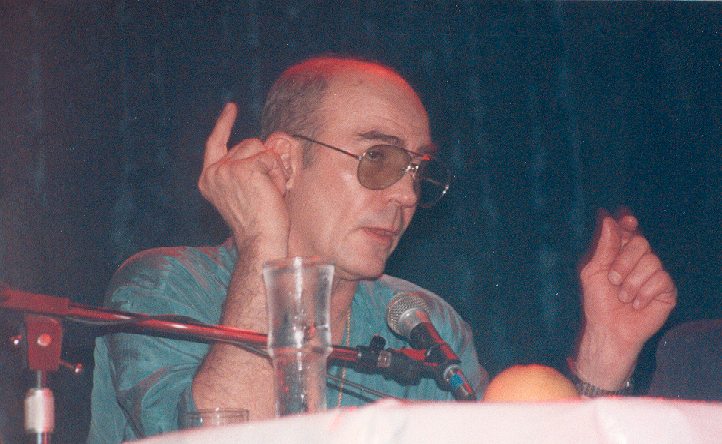
Image  via Wiki­me­dia Com­mons

Is break­fast real­ly the most impor­tant meal of the day?

It cer­tain­ly seems so from all the care­ful­ly staged pho­tos of overnight oat­meal on Insta­gram.

The phys­i­cal and men­tal ben­e­fits are well doc­u­ment­ed. A nutri­tious meal in the morn­ing boosts blood glu­cose lev­els, improv­ing con­cen­tra­tion, boost­ing ener­gy lev­els and main­tain­ing healthy weight.

Sad­ly, many Amer­i­cans gob­ble their break­fasts on the fly. How many hun­dreds of film and tele­vi­sion scenes have you seen where­in the main char­ac­ters hur­tle through the kitchen snatch­ing bananas, gra­nola bars, and trav­el mugs on their way to the door?

The late gonzo jour­nal­ist Hunter S. Thomp­son would sure­ly not have approved, though he may have enjoyed the sense of supe­ri­or­i­ty these morn­ing scram­bles would have engen­dered.

This was a man who bragged that he could “cov­er a hope­less­ly scram­bled pres­i­den­tial cam­paign bet­ter than any six-man team of career polit­i­cal jour­nal­ists on The New York Times or The Wash­ing­ton Post and still eat a three-hour break­fast in the sun every morn­ing.”

Report­ing for Rolling Stone in “Fear and Loathing on the Cam­paign Trail 76,” he inti­mat­ed that he viewed break­fast with the “tra­di­tion­al­ized rev­er­ence that most peo­ple asso­ciate with Lunch and Din­ner.”

One won­ders who exact­ly he meant by “most peo­ple”?

Tex­ans? The Irish? Rabelais?

Regard­less of whether he had been to bed, or what he had got­ten up to the night before, he insist­ed upon a mas­sive repast—consumed al fres­co, and prefer­ably in the nude. The sun he enjoyed bask­ing in was usu­al­ly at its zenith by the time he sat down. The meal, which he called the “psy­chic anchor” of “a ter­mi­nal­ly jan­gled lifestyle, con­sist­ed of the fol­low­ing:

Four bloody Marys

Two grape­fruits

A pot of cof­fee

Ran­goon crêpes

A half-pound of either sausage, bacon, or corned beef-hash with diced chilies

A Span­ish omelette or eggs Bene­dict

A quart of milk

A chopped lemon for ran­dom sea­son­ing

Some­thing like a slice of Key lime pie

Two mar­gar­i­tas

And six lines of the best cocaine for dessert

Last sum­mer, a Dan­ish Vice reporter recre­at­ed Thompson’s break­fast of choice, invit­ing a poet friend (and “aspir­ing alco­holic”) to par­take along with him. It end­ed with him vom­it­ing, naked, into a shrub. His guest, who seems to be made of stur­dier stuff, praised the eggs bene­dict, the Bloody Marys, and dessert.

Thomp­son pre­ferred that his first meal of the day be con­sumed solo, in order to get a jump on the day’s work. In addi­tion to the edi­ble menu items, he required:

Two or three news­pa­pers

All mail and mes­sages

A tele­phone

A note­book for plan­ning the next twen­ty four hours

And at least one source of good music

Read “Fear and Loathing on the Cam­paign Trail 1976” here. The key break­fast quote reads as fol­lows:

I like to eat break­fast alone, and almost nev­er before noon; any­body with a ter­mi­nal­ly jan­gled lifestyle needs at least one psy­chic anchor every twen­ty four hours, and mine is break­fast. In Hong Kong, Dal­las, or at home—and regard­less of whether or not I have been to bed—breakfast is a per­son­al rit­u­al that can only be prop­er­ly observed alone, and in a spir­it of gen­uine excess. The food fac­tor should always be mas­sive: Four bloody Marys, two grape­fruits, a pot of cof­fee, Ran­goon crêpes, a half-pound of either sausage, bacon, or corned beef-hash with diced chilies, a Span­ish omelette or eggs Bene­dict, a quart of milk, a chopped lemon for ran­dom sea­son­ing, and some­thing like a slice of Key lime pie, two mar­gar­i­tas, and six lines of the best cocaine for dessert… Right, and there should also be two or three news­pa­pers, all mail and mes­sages, a tele­phone, a note­book for plan­ning the next twen­ty four hours, and at least one source of good music… All of which should be dealt with out­side, in the warmth of the hot sun, and prefer­ably stone naked.

And just in case, here is a recipe for Crab Ran­goon Crepes…

Relat­ed Con­tent:

How Hunter S. Thomp­son Gave Birth to Gonzo Jour­nal­ism: Short Film Revis­its Thompson’s Sem­i­nal 1970 Piece on the Ken­tucky Der­by

Hear the 10 Best Albums of the 1960s as Select­ed by Hunter S. Thomp­son

Read 11 Free Arti­cles by Hunter S. Thomp­son That Span His Gonzo Jour­nal­ist Career (1965–2005)

Ayun Hal­l­i­day is an author, illus­tra­tor, the­ater mak­er and Chief Pri­ma­tol­o­gist of the East Vil­lage Inky zine.  Fol­low her @AyunHalliday.

Is Charles Bukowski a Self-Help Guru? Hear Five of His Brutally Honest, Yet Oddly Inspiring, Poems and Decide for Yourself

I don’t know if he’s been replaced as a major influ­ence on young, rest­less (and almost exclu­sive­ly male) aspir­ing writ­ers, but once upon a time—if you weren’t into the roman­tic wan­der­lust of Ker­ouac but still con­sid­ered your­self a fringe character—it might be to the hard-boiled shit-talk­ing of wise old man Charles Bukows­ki that you turned. Upon first learn­ing this, and being a busy col­lege stu­dent, I decid­ed to take a crash course and checked out a doc­u­men­tary.

I did not find myself charmed all at once. But one can fall in love with an author’s per­sona yet loathe them on the page. Bukowski’s crude­ness and bad humor on film could not hide the deep wells of sad­ness in which he seemed to swim, as if—like some ancient cyn­ic philosopher—he knew some­thing pro­found and ter­ri­ble and spared us the telling of it by pos­ing as a drunk­en, half-mad street-cor­ner racon­teur. I had to go and read him.

In his idiom—that of an elo­quent street­wise barfly—Bukowski can be every bit as pas­sion­ate and pro­found as his hero Dos­to­evsky. His unfor­get­table mix­ing of com­ic seed­i­ness and casu­al abuse with a deeply trag­ic mourn­ing over the human con­di­tion, while not to everyone’s taste, make his decades-long strug­gle out of penury and obscu­ri­ty a feat wor­thy of the telling in his semi-auto­bi­o­graph­i­cal prose and poet­ry.

But does it make him a role mod­el? For any­one but cer­tain young, most­ly male, aspir­ing writ­ers maybe spend­ing more time drink­ing than writ­ing, that is?

A fair num­ber of peo­ple seem to think so, and I leave it to you to decide, first by lis­ten­ing to the Bukows­ki poems read here, post­ed on YouTube with heavy, inspi­ra­tional back­ground music. Some are giv­en new titles to sound more like self-help seminars—such as “Rein­vent Your Life” at the top (orig­i­nal­ly “No Lead­ers, Please”). The video read­ing called “Go all the way,” sec­ond from top, changes the title of “Roll the Dice,” a clas­sic pic­ture of Bukowski’s uncom­pro­mis­ing com­mit­ment to “going all the way,” even if it means “freez­ing on a park bench” and “los­ing girl­friends, wives, rel­a­tives, jobs and maybe your mind.”

Solid­ly mid­dle-class par­ents might approve of the first poem’s sen­ti­ments, which could be wedged into a suit­ably vague, yet bold-sound­ing com­mence­ment speech or a job recruiter’s pep talk. But “Roll the Dice” sim­ply goes too far. “It could mean jail, it could mean deri­sion, mock­ery, iso­la­tion”? This won’t do at all. Hear anoth­er read­ing of “Roll the Dice” by inspi­ra­tional rock star Bono fur­ther up, just after the more Bukows­ki-like Tom Waits reads “The Laugh­ing Heart,” fre­quent­ly ref­er­enced for its inten­si­ty of feel­ing. Like Thomas Hardy or Leonard Cohen, the bard of the barstools could look life straight in the eye, see all of its bleak­ness and vio­lence, and still man­age at times to catch a divine glim­mer.

And for the many aspi­rants to whom Bukows­ki has appealed, we have, fur­ther up, “So, You Want to Be a Writer?” Before you hear, or read, this poem, be advised: these are not warm words of encour­age­ment or help­ful life-coach­ing in verse. It is the kind of raw talk no respectable writ­ing teacher will give you, and maybe they’re right not to, who’s to say? Except a man who went all the way, froze on park bench­es, went to jail, lost girl­friends, wives, rel­a­tives, jobs and maybe his mind? Read an excerpt of Bukowski’s writ­ing advice below, and just above, hear the author him­self read “Friend­ly Advice to a Lot of Young Men,” which urges them to do vir­tu­al­ly any­thing they like, “But don’t write poet­ry.”

don’t be like so many writ­ers,
don’t be like so many thou­sands of
peo­ple who call them­selves writ­ers,
don’t be dull and bor­ing and
pre­ten­tious, don’t be con­sumed with self-
love.
the libraries of the world have
yawned them­selves to
sleep
over your kind.
don’t add to that.
don’t do it.
unless it comes out of
your soul like a rock­et,
unless being still would
dri­ve you to mad­ness or
sui­cide or mur­der,
don’t do it.
unless the sun inside you is
burn­ing your gut,
don’t do it.

Relat­ed Con­tent:

Har­ry Dean Stan­ton (RIP) Reads Poems by Charles Bukows­ki

Charles Bukows­ki Reads His Poem “The Secret of My Endurance” 

Inspi­ra­tion from Charles Bukows­ki: You Might Be Old, Your Life May Be “Crap­py,” But You Can Still Make Good Art

Josh Jones is a writer and musi­cian based in Durham, NC. Fol­low him at @jdmagness

How to Write Like an Architect: Short Primers on Writing with the Neat, Clean Lines of a Designer

We have anoth­er nation­al cri­sis on our hands.

Our chil­dren are not only ill-equipped to read maps and tell time with ana­log clocks, their hand­writ­ing is in seri­ous decline.

For­get cur­sive, which went the way of the dodo ear­li­er in the mil­len­ni­um. Young­sters who are dab hands on the key­board may have lit­tle impulse—or opportunity—to prac­tice their print­ing.

Does it mat­ter?

It sure as shootin’ might be dur­ing a zom­bie inva­sion, giv­en the atten­dant break­down of dig­i­tal com­mu­ni­ca­tion and the elec­tric­i­ty that pow­ered it.

But even in less dire times, leg­i­ble pen­man­ship is a good skill to mas­ter.

As Vir­ginia Berninger, pro­fes­sor emer­i­tus and prin­ci­pal inves­ti­ga­tor of the Uni­ver­si­ty of Washington’s Inter­dis­ci­pli­nary Learn­ing Dis­abil­i­ties Cen­ter, told The New York Times, “Hand­writ­ing — form­ing let­ters — engages the mind, and that can help chil­dren pay atten­tion to writ­ten lan­guage.”

Hand let­ter­ing is also a com­plex neu­ro­log­i­cal process, a work­out involv­ing var­i­ous cog­ni­tive, motor, and neu­ro­mus­cu­lar func­tions.

There’s also a school of thought that teach­ers who still accept hand­writ­ten assign­ments uncon­scious­ly award the high­est grades to pupils with the neat­est pen­man­ship, which is eas­i­er on tired eyes. Some­thing to keep in mind for those gear­ing up to take the hand­writ­ten essay por­tions of the SAT and ACT.

Let’s remem­ber that let­ters are real­ly just shapes.

The Finns and French have long-estab­lished uni­for­mi­ty with regard to hand­writ­ing. In the absence of class­room instruc­tion, Amer­i­cans have the free­dom to peruse var­i­ous pen­man­ship styles, iden­ti­fy their favorite, and work hard to attain it.

(This writer is proof that pen­man­ship can become part of the DNA through prac­tice, hav­ing set out to dupli­cate my mother’s delight­ful, eccen­tric-to-the-point-of-illeg­i­bile hand at around the age of 8. I added a few per­son­al quirks along the way. The result is I’m fre­quent­ly bam­boo­zled into serv­ing as scribe for what­ev­er group I hap­pen to find myself in, and my chil­dren can claim they could­n’t read the impor­tant hand­writ­ten instruc­tions hur­ried­ly left for them on Post-Its.)

His­tor­i­cal­ly, the most leg­i­ble Amer­i­can pen­man­ship belongs to archi­tects.

Their pre­cise­ly ren­dered all caps sug­gest metic­u­lous­ness, account­abil­i­ty, steadi­ness of char­ac­ter…

And almost any­one can achieve it, regard­less of whether those are qual­i­ties they per­son­al­ly pos­sess.

All it takes is deter­mi­na­tion, time, and—as taught by Doug Patt in his How to Archi­tect series, above—more tools than can be simul­ta­ne­ous­ly oper­at­ed with two hands:

an Ames let­ter­ing guide

a par­al­lel rule or t‑square

a small plas­tic tri­an­gle cus­tomized with bits of tape

a .5mm Pen­tel draft­ing pen­cil

If this sounds need­less­ly labo­ri­ous, keep in mind that such spe­cial­ty equip­ment may appeal to reluc­tant hand writ­ers with an inter­est in engi­neer­ing, robot­ics, or sci­en­tif­ic exper­i­men­ta­tion.

(Be pre­pared for some frus­tra­tion if this is the student’s first time at the rodeo with these instru­ments. As any vet­er­an com­ic book artist can attest, few are born know­ing how to use an Ames let­ter­ing guide.)

It should be not­ed that Patt’s alpha­bet devi­ates a bit from tra­di­tion­al stan­dards in the field.

His pref­er­ence for breath­ing some life into his let­ters by not clos­ing their loops, squash­ing tra­di­tion­al­ly cir­cu­lar forms into ellipses, and using “dynam­ic angles” to ren­der cross­pieces on a slant would like­ly not have passed muster with archi­tec­ture pro­fes­sors of an ear­li­er age, my sec­ond grade teacher, or the font design­ers respon­si­ble for the com­put­er-gen­er­at­ed “hand let­ter­ing” grac­ing the bulk of recent archi­tec­tur­al ren­der­ings.

He’s like­ly the only expert sug­gest­ing you make your Ks and Rs rem­i­nis­cent of actor Ralph Mac­chio in the 1984 film, The Karate Kid.

There’s lit­tle chance you’ll find your­self groov­ing to Patt’s videos for any­thing oth­er than their intend­ed pur­pose. Where­as the late Bob Ross’ Joy of Paint­ing series has legions of fans who tune in sole­ly for the med­i­ta­tive ben­e­fits they derive from his mel­low demeanor, Patt’s rapid fire instruc­tion­al style is that of the busy mas­ter, deft­ly exe­cut­ing moves the fledg­ling stu­dent can only but fum­ble through.

But if the Karate Kid taught us any­thing, it’s that prac­tice and grit lead to excel­lence. If the above demon­stra­tion whips by too quick­ly, Patt expands on the shap­ing of each let­ter in 30-sec­ond video tuto­ri­als avail­able as part of a $19 online course.

Those look­ing for archi­tec­tur­al low­er case, or tech­niques for con­trol­ling the thick­ness of their lines can find them in the episode devot­ed to let­ter­ing with a .7mm Pen­tel mechan­i­cal draft­ing pen­cil.

Explore fur­ther secrets of the archi­tects on Patt’s How to Archi­tect chan­nel or 2012 book, also called How to Archi­tect.

Relat­ed Con­tent:

The Art of Hand­writ­ing as Prac­ticed by Famous Artists: Geor­gia O’Keeffe, Jack­son Pol­lock, Mar­cel Duchamp, Willem de Koon­ing & More

Dis­cov­er What Shakespeare’s Hand­writ­ing Looked Like, and How It Solved a Mys­tery of Author­ship

Helen Keller Had Impec­ca­ble Hand­writ­ing: See a Col­lec­tion of Her Child­hood Let­ters

Ayun Hal­l­i­day is an author, illus­tra­tor, the­ater mak­er and Chief Pri­ma­tol­o­gist of the East Vil­lage Inky zine.  Fol­low her @AyunHalliday.

“The Couch to 80k” Writing Boot Camp: Take a Free 8‑Week Podcast Course to Start Writing Fiction, or Even Finish a Novel

Image by Book Mama via Flickr Com­mons

We’ve all read fic­tion, but how to go about writ­ing it? Nobody has the defin­i­tive answer, and there, in the mul­ti­plic­i­ty of pos­si­ble approach­es, meth­ods, and frames of mind, lies both the chal­lenge and the fas­ci­na­tion of the craft. The Eng­lish writer Tim Clare, who before reach­ing forty years of age has pub­lished poet­ry, a mem­oir, and a nov­el as well as host­ed a tele­vi­sion series called How to Get a Book Deal, seems to know that full well. Hence the vari­ety of chal­lenges he’ll put you through in “The Couch to 80k” (80,000 words being the indus­try-stan­dard length of a nov­el), his free eight-week fic­tion-writ­ing “boot camp” avail­able for any­one to take free online.

Pro­duced as a part of Clare’s writ­ing-advice pod­cast Death of 1000 Cuts, the mini-series con­sists of 48 episodes, each of which, he says, “teach­es you new writ­ing skills through a 10 minute exer­cise – it even times you while you do the exer­cise, so once the pod­cast fin­ish­es, you’re done for the day. No home­work!”

You need only “some­thing to lis­ten to them on, and a pen and note­book or a lap­top, so you can write. The whole idea is to give you some­thing low com­mit­ment but intense, pack­ing in every­thing you’d learn on a Fic­tion MA and more, so every day you’re doing focused exer­cis­es that build upon your pre­vi­ous work and rapid­ly build your imag­i­na­tive mus­cles.”

Clare’s jokey, con­ver­sa­tion­al tone makes the course enter­tain­ing even if you don’t actu­al­ly want to write fic­tion, though Clare him­self, in the very first episode (above), cau­tions strong­ly against lis­ten­ing unless you’re ready to put pen to paper — and ready to con­sign every­thing you’ve writ­ten on that paper, through all eight weeks, straight to the recy­cle bin. Some of the chal­lenges Clare throws down may seem sil­ly, but they do get you writ­ing, and he under­girds the series with for­ays into more tech­ni­cal mat­ters like the “math­sy busi­ness of sen­tence com­po­si­tion” as well. Review­ing his nov­el Hon­ours, the Guardian’s Sarah Per­ry called Clare “a sto­ry­teller who knows what his read­er wants, and isn’t shy of giv­ing plen­ty of it.” As this boot camp reveals, he’s also a teacher who knows what his stu­dents need.

Enter the “The Couch to 80k” boot­camp here. And if you fol­low it through to com­ple­tion, “you’ll have the knowl­edge and the moti­va­tion to fin­ish a nov­el.”

via Metafil­ter

Relat­ed Con­tent:

William S. Bur­roughs Teach­es a Free Course on Cre­ative Read­ing and Writ­ing (1979)

The Dai­ly Habits of Famous Writ­ers: Franz Kaf­ka, Haru­ki Muraka­mi, Stephen King & More

Stephen King’s Top 20 Rules for Writ­ers

Sev­en Tips From Ernest Hem­ing­way on How to Write Fic­tion

John Updike’s Advice to Young Writ­ers: ‘Reserve an Hour a Day’

10 Writ­ing Tips from Leg­endary Writ­ing Teacher William Zinss­er

Judy Blume Now Teach­ing an Online Course on Writ­ing

Based in Seoul, Col­in Mar­shall writes and broad­casts on cities and cul­ture. His projects include the book The State­less City: a Walk through 21st-Cen­tu­ry Los Ange­les and the video series The City in Cin­e­ma. Fol­low him on Twit­ter at @colinmarshall or on Face­book.

George Orwell Creates a List of the Four Essential Reasons Writers Write

Image by BBC, via Wiki­me­dia Com­mons

Every­one should learn to write well, I used to tell stu­dents in Com­po­si­tion class­es, and I believed it. To write well, in a cer­tain sense, is to become a bet­ter thinker. But writ­ing dif­fers from writ­ing, per­haps, in the same way that walk­ing the dog dif­fers from hik­ing the Appalachi­an trail. There are lev­els of dif­fi­cul­ty. How bad­ly do you need to say some­thing that no one else can—or wants to—say? How bad­ly do you need to push this thing you’ve said into the world?

These are sep­a­rate ques­tions. Some writ­ers real­ly do write for them­selves, some write for mon­ey, though they might also write for free. Some write as a means to oth­er ends, and some require, at all times, an audi­ence. It may be a sex­u­al com­pul­sion or an ani­mal reflex or the only way to get one’s mind right. Or some com­bi­na­tion of the above. As a Jesuit schol­ar I once knew would say, “I’ve nev­er met a motive that wasn’t mixed.” Giv­en the dif­fi­cul­ty of dis­cern­ing why any­one does any­thing, there could be as many mixed motives as there are writ­ers.

That said, I tend to think that every writer who reads George Orwell’s essay “Why I Write” sees them­selves in some part of his descrip­tion of his ear­ly life. “I was some­what lone­ly,” he tells us, “and I soon devel­oped dis­agree­able man­ner­isms which made me unpop­u­lar through­out my school­days. I had the lone­ly child’s habit of mak­ing up sto­ries and hold­ing con­ver­sa­tions with imag­i­nary per­sons, and I think from the start my lit­er­ary ambi­tions were mixed up with the feel­ing of being iso­lat­ed and under­val­ued.”

Maybe every­one has such feel­ings, but again it is a ques­tion of degree. Giv­en Orwell’s keen under­stand­ing of the writer’s mind from the inside out, and his dili­gent pur­suit of his work through the most try­ing times, we might be inclined to give him a hear­ing when he claims, “there are four great motives for writ­ing, at any rate for writ­ing prose.” Orwell allows that these motives will be mixed, exist­ing “in dif­fer­ent degrees in every writer, and in any one writer the pro­por­tions will vary from time to time, accord­ing to the atmos­phere in which he is liv­ing.”

But no one whom we might call a writer, Orwell sug­gests, writes sole­ly for util­i­ty or mon­ey. The rewards are too pecu­liar­ly psy­cho­log­i­cal, as are the pains. And the plea­sures too oth­er­world­ly and prac­ti­cal­ly use­less. Orwell begins with one of those psy­cho­log­i­cal com­pen­sa­tions, fame, then pro­ceeds to plea­sure, then to duty to pos­ter­i­ty and, final­ly, to per­sua­sion; the four rea­sons, he says:

(i) Sheer ego­ism. Desire to seem clever, to be talked about, to be remem­bered after death, to get your own back on the grown-ups who snubbed you in child­hood, etc., etc. It is hum­bug to pre­tend this is not a motive, and a strong one. Writ­ers share this char­ac­ter­is­tic with sci­en­tists, artists, politi­cians, lawyers, sol­diers, suc­cess­ful busi­ness­men — in short, with the whole top crust of human­i­ty. The great mass of human beings are not acute­ly self­ish. After the age of about thir­ty they almost aban­don the sense of being indi­vid­u­als at all — and live chiefly for oth­ers, or are sim­ply smoth­ered under drudgery. But there is also the minor­i­ty of gift­ed, will­ful peo­ple who are deter­mined to live their own lives to the end, and writ­ers belong in this class. Seri­ous writ­ers, I should say, are on the whole more vain and self-cen­tered than jour­nal­ists, though less inter­est­ed in mon­ey.

(ii) Aes­thet­ic enthu­si­asm. Per­cep­tion of beau­ty in the exter­nal world, or, on the oth­er hand, in words and their right arrange­ment. Plea­sure in the impact of one sound on anoth­er, in the firm­ness of good prose or the rhythm of a good sto­ry. Desire to share an expe­ri­ence which one feels is valu­able and ought not to be missed. The aes­thet­ic motive is very fee­ble in a lot of writ­ers, but even a pam­phle­teer or writer of text­books will have pet words and phras­es which appeal to him for non-util­i­tar­i­an rea­sons; or he may feel strong­ly about typog­ra­phy, width of mar­gins, etc. Above the lev­el of a rail­way guide, no book is quite free from aes­thet­ic con­sid­er­a­tions.

(iii) His­tor­i­cal impulse. Desire to see things as they are, to find out true facts and store them up for the use of pos­ter­i­ty.

(iv) Polit­i­cal pur­pose. — Using the word ‘polit­i­cal’ in the widest pos­si­ble sense. Desire to push the world in a cer­tain direc­tion, to alter oth­er peo­ples’ idea of the kind of soci­ety that they should strive after. Once again, no book is gen­uine­ly free from polit­i­cal bias. The opin­ion that art should have noth­ing to do with pol­i­tics is itself a polit­i­cal atti­tude.

Sure­ly, some­one will sug­gest oth­ers, but it may be that oth­er rea­sons would still fall into these  cat­e­gories. Nei­ther are these motives con­so­nant, “they must war with one anoth­er,” Orwell writes, and read­ers tend to egg the con­flict on, declar­ing his­tor­i­cal mem­oirs as prod­ucts of pure ego­tism or turn­ing their noses up at over­ly “polit­i­cal” nov­els.

Sur­pris­ing­ly, Orwell reveals that he might have done the same, had not cir­cum­stances forced his hand. “In a peace­ful age I might have writ­ten ornate or mere­ly descrip­tive books, and might have remained almost unaware of my polit­i­cal loy­al­ties,” he says. But who lives in a peace­ful age? In any case, we might won­der if he is being com­plete­ly hon­est. “What I have most want­ed to do through­out the past ten years is to make polit­i­cal writ­ing into an art. My start­ing point is always a feel­ing of par­ti­san­ship, a sense of injus­tice.”

Orwell admits that his task “is not easy,” and he offers unspar­ing exam­ples of times when his writ­ing has moved too far toward one end of the spec­trum on which he sit­u­ates him­self. What is instruc­tive about his frame­work for under­stand­ing his moti­va­tions, how­ev­er, is that he has the tools to self-cor­rect. Such self-knowl­edge can serve any­one in good stead. For the writer, who is com­pelled to reveal them­selves over and over, it may be essen­tial.

You can pur­chase your copy of Orwell’s “Why I Write” here.

Relat­ed Con­tent:

George Orwell Explains in a Reveal­ing 1944 Let­ter Why He’d Write 1984

George Orwell Reviews Sal­vador Dali’s Auto­bi­og­ra­phy: “Dali is a Good Draughts­man and a Dis­gust­ing Human Being” (1944)

A Map of George Orwell’s 1984

Josh Jones is a writer and musi­cian based in Durham, NC. Fol­low him at @jdmagness

Read the Shortest Academic Article Ever Written: “The Unsuccessful Self-Treatment of a Case of ‘Writer’s Block’ ”

We’ve fea­tured impres­sive­ly short aca­d­e­m­ic papers here on Open Cul­ture before, like John Nash’s 26-page PhD the­sis and this two-sen­tence “Coun­terex­am­ple to Euler’s Con­jec­ture on Sums and Like Pow­ers,” but if you’ve set your sights on writ­ing one short­er still, don’t get your hopes up. The almost cer­tain­ly unbeat­able exam­ple of a short aca­d­e­m­ic paper appeared more than forty years ago, in the fall 1974 issue of the Jour­nal of Applied Behav­ior Analy­ses, its main text com­ing in at exact­ly zero words. You can read it, if indeed “read” is the word, above or at the Nation­al Cen­ter for Biotech­nol­o­gy Infor­ma­tion.

Writ­ten, or at least thought up, by psy­chol­o­gist Den­nis Upper, “The Unsuc­cess­ful Self-Treat­ment of a Case of ‘Writer’s Block’ ” has noth­ing but its title, one foot­note (indi­cat­ing that “por­tions of this paper were not pre­sent­ed at the 81st annu­al Amer­i­can Psy­cho­log­i­cal Asso­ci­a­tion Con­ven­tion”), and the ful­some com­ments of a review­er: “I have stud­ied this man­u­script very care­ful­ly with lemon juice and X‑rays and have not detect­ed a sin­gle flaw in either design or writ­ing style. I sug­gest it be pub­lished with­out revi­sion. Clear­ly it is the most con­cise man­u­script I have ever seen — yet it con­tains suf­fi­cient detail to allow oth­er inves­ti­ga­tors to repli­cate Dr. Upper’s fail­ure. In com­par­i­son with the oth­er man­u­scripts I get from you con­tain­ing all that com­pli­cat­ed detail, this one was a plea­sure to exam­ine.”

Some describe writer’s block, whether in sci­ence or lit­er­a­ture or any oth­er field requir­ing the prop­er arrange­ment of words, as a fear of the blank page. If look­ing at Upper’s void-like paper fright­ens you, con­sid­er hav­ing a look at the Louisiana Chan­nel series we fea­tured in 2016 where­in writ­ers like Mar­garet Atwood, Jonathan Franzen, Joyce Car­ol Oates, and David Mitchell talk about how they deal with the blank page them­selves. Atwood finds that it “beck­ons you in to write some­thing on it,” that “it must be filled,” but if you don’t hear the same call, you’ll have to come up with an approach of your own. Just don’t try titling, foot­not­ing, and turn­ing in the emp­ty sheet — it’s been done.

Relat­ed Con­tent:

8 Writ­ers on How to Face Writer’s Block and the Blank Page: Mar­garet Atwood, Jonathan Franzen, Joyce Car­ol Oates & More

The Short­est-Known Paper Pub­lished in a Seri­ous Math Jour­nal: Two Suc­cinct Sen­tences 

Read John Nash’s Super Short PhD The­sis with 26 Pages & 2 Cita­tions: The Beau­ty of Invent­ing a Field

When a Cat Co-Authored a Paper in a Lead­ing Physics Jour­nal (1975)

Based in Seoul, Col­in Mar­shall writes and broad­casts on cities and cul­ture. His projects include the book The State­less City: a Walk through 21st-Cen­tu­ry Los Ange­les and the video series The City in Cin­e­ma. Fol­low him on Twit­ter at @colinmarshall or on Face­book.

A Supercut of Buster Keaton’s Most Amazing Stunts

Joseph Frank Keaton was born into show­biz. His father was a come­di­an. His moth­er, a soubrette. He emerged into the world dur­ing a one night engage­ment in Kansas City. His father’s busi­ness part­ner, escape artist Har­ry Hou­di­ni, inad­ver­tent­ly renamed him Buster, approv­ing of the way the rub­bery lit­tle Keaton weath­ered an acci­den­tal tum­ble down a flight of stairs.

As Keaton recalls in the inter­view accom­pa­ny­ing silent movie fan Don McHoull’s edit of some of his most amaz­ing stunts, above:

My old man was an eccen­tric com­ic and as soon as I could take care of myself at all on my feet, he had slapped shoes on me and big bag­gy pants. And he’d just start doing gags with me and espe­cial­ly kickin’ me clean across the stage or tak­ing me by the back of the neck and throw­ing me. By the time I got up to around sev­en or eight years old, we were called The Rough­est Act That Was Ever in the His­to­ry of the Stage. 

By the time of his first film role in the 1917 Roscoe “Fat­ty” Arbuck­le vehi­cle, The Butch­er Boy, Keaton was a sea­soned clown, with plen­ty of expe­ri­ence string­ing phys­i­cal gags into an enter­tain­ing nar­ra­tive whole.

Like his silent peers, Harold Lloyd and Char­lie Chap­lin, Keaton was an idea man, who saw no need for a script. Armed with a firm con­cept of how the film should begin and end, he rolled cam­eras with­out much idea of how the mid­dle would turn out, fine tun­ing his phys­i­cal set pieces on the fly, scrap­ping the ones that didn’t work and embrac­ing the hap­py acci­dents.

Could such an approach work for today’s come­di­ans? In lat­er inter­views, Keaton was gen­er­ous toward oth­er com­e­dy pro­fes­sion­als who got their laughs via meth­ods he steered clear of, from Bob Hope’s wordi­ness to direc­tor Bil­ly Wilder’s deft han­dling of Some Like It Hot’s far­ci­cal cross-dress­ing. His was nev­er a one-size-fits-all phi­los­o­phy.

Per­haps it’s more help­ful to think of his approach as an anti­dote to cre­ative block and timid­i­ty. We’ve cob­bled togeth­er some of his advice, below, in the hope that it might prove use­ful to sto­ry­tellers of all stripes.

Buster Keaton’s 5 Rules of Com­ic Sto­ry­telling

Make a strong start - grab the audi­ence with a dynam­ic, easy to grasp premise, like the one in 1920’s One Week, which finds a new­ly­wed Buster strug­gling to assem­ble a house from a do-it-your­self kit.

Decide how you want things to fin­ish up - for Keaton, this usu­al­ly involved get­ting the girl, though he learned to keep a pok­er face after a pre­view audi­ence booed the broad grin he tried out in one of Arbuckle’s shorts. Once you know where your story’s going, trust that the mid­dle will take care of itself.

If it’s not work­ing, cut it — Keaton may not have had a script, but he invest­ed a lot of thought into the phys­i­cal set pieces of his films. If it didn’t work as well as he hoped in exe­cu­tion, he cut it loose. If some serendip­i­tous sna­fu turned out to be fun­nier than the intend­ed gag, he put that in instead.

Play it like it mat­ters to you. As many a begin­ning improv stu­dent finds out, if you let your own mate­r­i­al crack you up, the audi­ence is rarely inclined to laugh along. Why set­tle for low stakes and dif­fi­dence, when high stakes and com­mit­ment are so much fun­nier?

Action over words Whether deal­ing with dia­logue or expo­si­tion, Keaton strove to min­i­mize the inter­ti­tles in his silent work. Show, don’t tell.

Films excerpt­ed at top:

Three Ages
Cops
Day Dreams
Sher­lock Jr.
One Week
Hard Luck
Neigh­bors
The Gen­er­al
Steam­boat Bill, Jr.
Sev­en Chances
Our Hos­pi­tal­i­ty
The Bell

Relat­ed Con­tent:

Buster Keaton: The Won­der­ful Gags of the Found­ing Father of Visu­al Com­e­dy

Some of Buster Keaton’s Great, Death-Defy­ing Stunts Cap­tured in Ani­mat­ed Gifs

The Pow­er of Silent Movies, with The Artist Direc­tor Michel Haz­anavi­cius

Ayun Hal­l­i­day is an author, illus­tra­tor, the­ater mak­er and Chief Pri­ma­tol­o­gist of the East Vil­lage Inky zine.  Fol­low her @AyunHalliday.

Why Did Leonardo da Vinci Write Backwards? A Look Into the Ultimate Renaissance Man’s “Mirror Writing”

As the stand­out exam­ple of the “Renais­sance Man” ide­al, Leonar­do da Vin­ci racked up no small num­ber of accom­plish­ments in his life. He also had his eccen­tric­i­ties, and tried his hand at a num­ber of exper­i­ments that might look a bit odd even to his admir­ers today. In the case of one prac­tice he even­tu­al­ly mas­tered and with which he stuck, he tried his hand in a more lit­er­al sense than usu­al: Leonar­do, the evi­dence clear­ly shows, had a habit of writ­ing back­wards, start­ing at the right side of the page and mov­ing to the left.

“Only when he was writ­ing some­thing intend­ed for oth­er peo­ple did he write in the nor­mal direc­tion,” says the Muse­um of Sci­ence. Why did he write back­wards? That remains one of the host of so far unan­swer­able ques­tions about Leonar­do’s remark­able life, but “one idea is that it may have kept his hands clean. Peo­ple who were con­tem­po­raries of Leonar­do left records that they saw him write and paint left hand­ed. He also made sketch­es show­ing his own left hand at work. As a lefty, this mir­rored writ­ing style would have pre­vent­ed him from smudg­ing his ink as he wrote.”

Or Leonar­do could have devel­oped his “mir­ror writ­ing” out of fear, a hypoth­e­sis acknowl­edged even by books for young read­ers: “Through­out his life, he was wor­ried about the pos­si­bil­i­ty of oth­ers steal­ing his ideas,” writes Rachel A. Koestler-Grack in Leonar­do Da Vin­ci: Artist, Inven­tor, and Renais­sance Man“The obser­va­tions in his note­books were writ­ten in such a way that they could be read only by hold­ing the books up to a mir­ror.” The blog Walk­er’s Chap­ters makes a rep­re­sen­ta­tive coun­ter­ar­gu­ment: “Do you real­ly think that a man as clever as Leonar­do thought it was a good way to pre­vent peo­ple from read­ing his notes? This man, this genius, if he tru­ly want­ed to make his notes read­able only to him­self, he would’ve invent­ed an entire­ly new lan­guage for this pur­pose. We’re talk­ing about a dude who con­cep­tu­al­ized para­chutes even before heli­copters were a thing.”

Per­haps the most wide­ly seen piece of Leonar­do’s mir­ror writ­ing is his notes on Vit­ru­vian Man (a piece of which appears at the top of the post), his enor­mous­ly famous draw­ing that fits the pro­por­tions of the human body into the geom­e­try of both a cir­cle and a square (and whose ele­gant math­e­mat­ics we fea­tured last week). Many exam­ples of mir­ror writ­ing exist after Leonar­do, from his coun­try­man Mat­teo Zac­col­in­i’s 17th-cen­tu­ry trea­tise on col­or to the 18th- and 19th-cen­tu­ry cal­lig­ra­phy of the Ottoman Empire to the front of ambu­lances today. Each of those has its func­tion, but one won­ders whether as curi­ous a mind as Leonar­do’s would want to write back­wards sim­ply for the joy of mas­ter­ing and using a skill, any skill, how­ev­er much it might baf­fle oth­ers — or indeed, because it might baf­fle them.

If you’re inter­est­ed in all things da Vin­ci, make sure you check out the new best­selling biog­ra­phy, Leonar­do da Vin­ci, by Wal­ter Isaac­son.

Relat­ed Con­tent:

The Ele­gant Math­e­mat­ics of Vit­ru­vian Man, Leonar­do da Vinci’s Most Famous Draw­ing: An Ani­mat­ed Intro­duc­tion

Down­load the Sub­lime Anato­my Draw­ings of Leonar­do da Vin­ci: Avail­able Online, or in a Great iPad App

Leonar­do da Vinci’s Bizarre Car­i­ca­tures & Mon­ster Draw­ings

Leonar­do da Vinci’s Vision­ary Note­books Now Online: Browse 570 Dig­i­tized Pages

Leonar­do da Vinci’s Hand­writ­ten Resume (1482)

Leonar­do Da Vinci’s To Do List (Cir­ca 1490) Is Much Cool­er Than Yours

Based in Seoul, Col­in Mar­shall writes and broad­casts on cities and cul­ture. His projects include the book The State­less City: a Walk through 21st-Cen­tu­ry Los Ange­les and the video series The City in Cin­e­ma. Fol­low him on Twit­ter at @colinmarshall or on Face­book.

« Go BackMore in this category... »
Quantcast