Nietzsche’s 10 Rules for Writing with Style

The life of Russ­ian-born poet, nov­el­ist, crit­ic, and first female psy­chol­o­gist Lou Andreas-Salomé has pro­vid­ed fod­der for both sala­cious spec­u­la­tion and intel­lec­tu­al dra­ma in film and on the page for the amount of roman­tic atten­tion she attract­ed from Euro­pean intel­lec­tu­als like philoso­pher Paul Rée, poet Ranier Maria Rilke, and Friedrich Niet­zsche. Emo­tion­al­ly intense Niet­zsche became infat­u­at­ed with Salomé, pro­posed mar­riage, and, when she declined, broke off their rela­tion­ship in abrupt Niet­zschean fash­ion.

For her part, Salomé so val­ued these friend­ships she made a pro­pos­al of her own: that she, Niet­zsche and Rée, writes D.A. Bar­ry at 3:AM Mag­a­zine, “live togeth­er in a celi­bate house­hold where they might dis­cuss phi­los­o­phy, lit­er­a­ture and art.” The idea scan­dal­ized Nietzsche’s sis­ter and his social cir­cle and may have con­tributed to the “pas­sion­ate crit­i­cism” Salomé’s 1894 bio­graph­i­cal study, Friedrich Niet­zsche: The Man and His Works, received. The “much maligned” work deserves a reap­praisal, Bar­ry argues, as “a psy­cho­log­i­cal por­trait.”

In Niet­zsche, Salomé wrote, we see “sor­row­ful ail­ing and tri­umphal recov­ery, incan­des­cent intox­i­ca­tion and cool con­scious­ness. One sens­es here the close entwin­ing of mutu­al con­tra­dic­tions; one sens­es the over­flow­ing and vol­un­tary plunge of over-stim­u­lat­ed and tensed ener­gies into chaos, dark­ness and ter­ror, and then an ascend­ing urge toward the light and most ten­der moments.” We might see this pas­sage as charged by the remem­brance of a friend, with whom she once “climbed Monte Sacro,” she claimed, in 1882, “where he told her of the con­cept of the Eter­nal Recur­rence ‘in a qui­et voice with all the signs of deep­est hor­ror.’”

We should also, per­haps pri­mar­i­ly, see Salomé’s impres­sions as an effect of Nietzsche’s tur­bu­lent prose, reach­ing its apoth­e­o­sis in his exper­i­men­tal­ly philo­soph­i­cal nov­el, Thus Spake Zarathus­tra. As a the­o­rist of the embod­i­ment of ideas, of their inex­tri­ca­ble rela­tion to the phys­i­cal and the social, Niet­zsche had some very spe­cif­ic ideas about lit­er­ary style, which he com­mu­ni­cat­ed to Salomé in an 1882 note titled “Toward the Teach­ing of Style.” Well before writ­ers began issu­ing “sim­i­lar sets of com­mand­ments,” writes Maria Popo­va at Brain Pick­ings, Niet­zsche “set down ten styl­is­tic rules of writ­ing,” which you can find, in their orig­i­nal list form, below.

1. Of prime neces­si­ty is life: a style should live.

2. Style should be suit­ed to the spe­cif­ic per­son with whom you wish to com­mu­ni­cate. (The law of mutu­al rela­tion.)

3. First, one must deter­mine pre­cise­ly “what-and-what do I wish to say and present,” before you may write. Writ­ing must be mim­ic­ry.

4. Since the writer lacks many of the speaker’s means, he must in gen­er­al have for his mod­el a very expres­sive kind of pre­sen­ta­tion of neces­si­ty, the writ­ten copy will appear much paler.

5. The rich­ness of life reveals itself through a rich­ness of ges­tures. One must learn to feel every­thing — the length and retard­ing of sen­tences, inter­punc­tu­a­tions, the choice of words, the paus­ing, the sequence of argu­ments — like ges­tures.

6. Be care­ful with peri­ods! Only those peo­ple who also have long dura­tion of breath while speak­ing are enti­tled to peri­ods. With most peo­ple, the peri­od is a mat­ter of affec­ta­tion.

7. Style ought to prove that one believes in an idea; not only that one thinks it but also feels it.

8. The more abstract a truth which one wish­es to teach, the more one must first entice the sens­es.

9. Strat­e­gy on the part of the good writer of prose con­sists of choos­ing his means for step­ping close to poet­ry but nev­er step­ping into it.

10. It is not good man­ners or clever to deprive one’s read­er of the most obvi­ous objec­tions. It is very good man­ners and very clever to leave it to one’s read­er alone to pro­nounce the ulti­mate quin­tes­sence of our wis­dom.

As with all such pre­scrip­tions, we are free to take or leave these rules as we see fit. But we should not ignore them. While Nietzsche’s per­spec­tivism has been (mis)interpreted as wan­ton sub­jec­tiv­i­ty, his ven­er­a­tion for antiq­ui­ty places a high val­ue on for­mal con­straints. His prose, we might say, resides in that ten­sion between Dionysian aban­don and Apol­lon­ian cool, and his rules address what lib­er­al arts pro­fes­sors once called the Triv­i­um: gram­mar, rhetoric, and log­ic: the three sup­ports of mov­ing, expres­sive, per­sua­sive writ­ing.

Salomé was so impressed with these apho­ris­tic rules that she includ­ed them in her biog­ra­phy, remark­ing, “to exam­ine Nietzsche’s style for caus­es and con­di­tions means far more than exam­in­ing the mere form in which his ideas are expressed; rather, it means that we can lis­ten to his inner sound­ings.” Isn’t this what great writ­ing should feel like?

Salomé wrote in her study that “Niet­zsche not only mas­tered lan­guage but also tran­scend­ed its inad­e­qua­cies.” (As Niet­zsche him­self com­ment­ed in 1886, notes Hugo Dro­chon, he need­ed to invent “a lan­guage of my very own.”) Nietzsche’s bold-yet-dis­ci­plined writ­ing found a com­ple­ment in Salomé’s bold­ly keen analy­sis. From her we can also per­haps glean anoth­er prin­ci­ple: “No mat­ter how calum­nious the pub­lic attacks on her,” writes Bar­ry, “par­tic­u­lar­ly from [his sis­ter] Elis­a­beth Förster-Niet­zsche dur­ing the Nazi peri­od in Ger­many, Salomé did not respond to them.”

Note: An ear­li­er ver­sion of this post appeared on our site in Decem­ber 2016.

If you would like to sign up for Open Culture’s free email newslet­ter, please find it here. It’s a great way to see our new posts, all bun­dled in one email, each day.

If you would like to sup­port the mis­sion of Open Cul­ture, con­sid­er mak­ing a dona­tion to our site. It’s hard to rely 100% on ads, and your con­tri­bu­tions will help us con­tin­ue pro­vid­ing the best free cul­tur­al and edu­ca­tion­al mate­ri­als to learn­ers every­where. You can con­tribute through Pay­Pal, Patre­on, and Ven­mo (@openculture). Thanks!

Relat­ed Con­tent:

The Dai­ly Habits of High­ly Pro­duc­tive Philoso­phers: Niet­zsche, Marx & Immanuel Kant

Wal­ter Kaufmann’s Clas­sic Lec­tures on Niet­zsche, Kierkegaard and Sartre (1960)

Writ­ing Tips by Hen­ry Miller, Elmore Leonard, Mar­garet Atwood, Neil Gaiman & George Orwell

Josh Jones is a writer and musi­cian based in Durham, NC. Fol­low him at @jdmagness

by | Permalink | Make a Comment ( 3 ) |

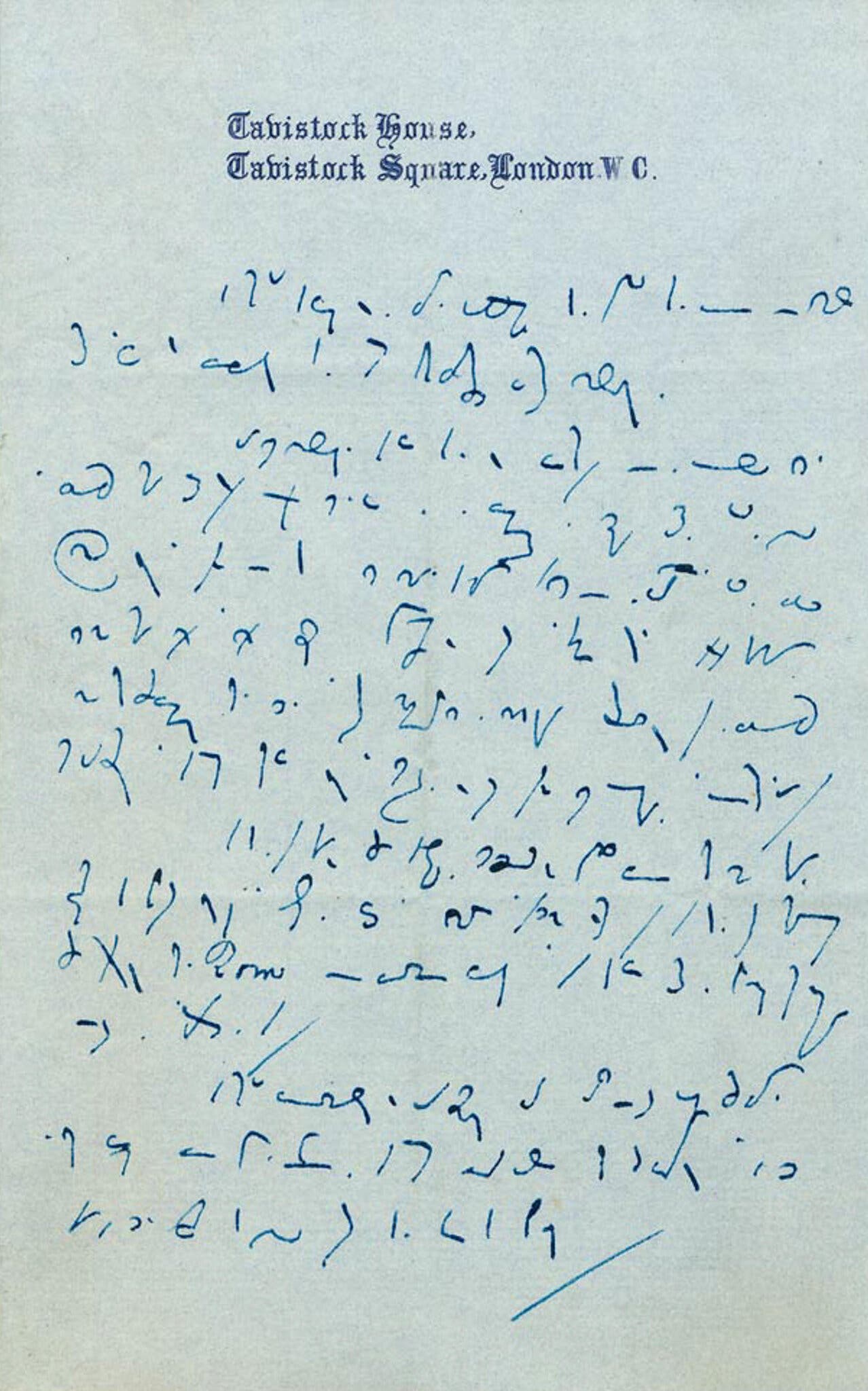
The Code of Charles Dickens’ Shorthand Has Been Cracked by Computer Programmers, Solving a 160-Year-Old Mystery


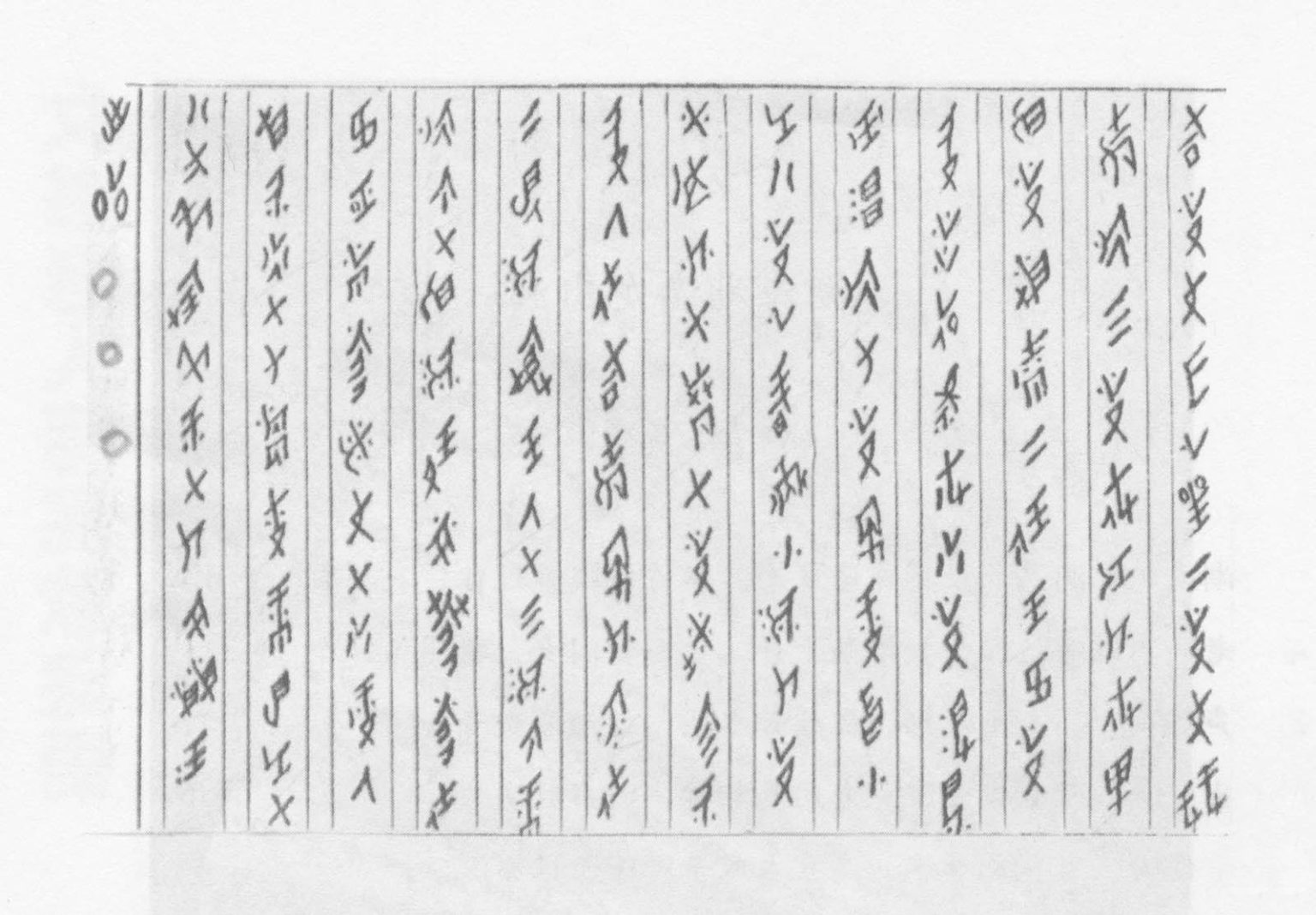
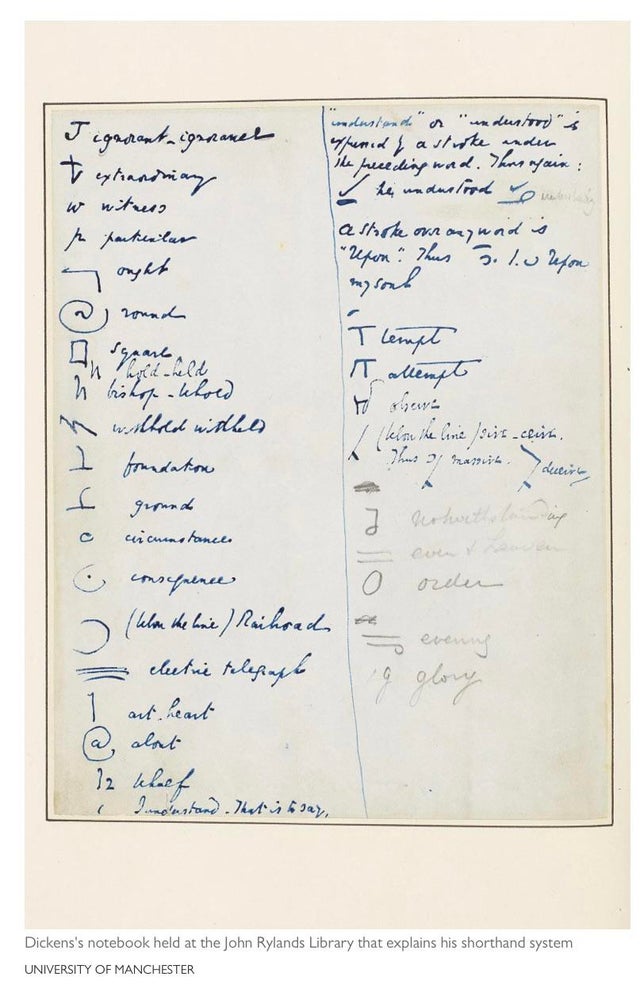
We can describe the writ­ing of Charles Dick­ens in many ways, but nev­er as impen­e­tra­ble. The most pop­u­lar nov­el­ist of his day, he wrote for the broad­est pos­si­ble audi­ence, seri­al­iz­ing his sto­ries in news­pa­pers before putting them between cov­ers. This hard­ly pre­vent­ed him from demon­strat­ing a mas­tery of the Eng­lish lan­guage whose mark remains detectable in our own rhetoric and lit­er­ary prose more than 150 years after his death. But Dick­ens wrote both pub­licly and pri­vate­ly, and in the case of the lat­ter he could write quite pri­vate­ly indeed: in doc­u­ments for his own eyes only, he made use of a short­hand that he called it “the devil’s hand­writ­ing,” and which has long been dev­il­ish­ly impen­e­tra­ble to schol­ars.

Dick­ens “learned a dif­fi­cult short­hand sys­tem called Brachyg­ra­phy and wrote about the expe­ri­ence in his semi-auto­bi­o­graph­i­cal nov­el, David Cop­per­field, call­ing it a ‘sav­age steno­graph­ic mys­tery,’ ” says The Dick­ens Code, a web site ded­i­cat­ed to solv­ing that mys­tery.

A for­mer court reporter, “Dick­ens used short­hand through­out his life but while he was using the sys­tem, he was also chang­ing it. So the hooks, lines, cir­cles and squig­gles on the page are very hard to deci­pher.” The Dick­ens Code project thus offered up t0 any­one who could tran­scribe his short­hand a sum of 300 British pounds — which might not sound like much, but imag­ine how grand a sum it would have been in Dick­ens’ day.

Besides, the inter­net’s cryp­tog­ra­phy enthu­si­asts hard­ly require much of an incen­tive to get to work on such a long-uncracked code as this. “The win­ner of the com­pe­ti­tion, Shane Bag­gs, a com­put­er tech­ni­cal sup­port spe­cial­ist from San Jose, Calif., had nev­er read a Dick­ens nov­el before,” writes the New York Times’ Jen­ny Gross. “Mr. Bag­gs, who spent about six months work­ing on the text, most­ly after work, said that he first heard about the com­pe­ti­tion through a group on Red­dit ded­i­cat­ed to crack­ing codes and find­ing hid­den mes­sages.”

The doc­u­ment being decod­ed is a copy of a let­ter from 1859, the year Dick­ens was seri­al­iz­ing A Tale of Two Cities. Writ­ing to Times of Lon­don edi­tor John Thad­deus Delane, “Dick­ens says that a clerk at the news­pa­per was wrong to reject an adver­tise­ment he want­ed in the paper, pro­mot­ing a new lit­er­ary pub­li­ca­tion, and asks again for it to run,” report Gross. This seem­ing­ly triv­ial inci­dent inspires the kind of “strong, direct lan­guage in the 19th cen­tu­ry that showed the writer was angry.” Though 70 per­cent of this deco­rous­ly bad-tem­pered let­ter has now been deci­phered, The Dick­ens Code still has work to do and con­tin­ues to enlist help from vol­un­teers to do it, albeit with­out the prize mon­ey that is now pre­sum­ably in Bag­gs’ pos­ses­sion. Let’s hope he uses it on the hand­somest pos­si­ble set of Dick­ens’ col­lect­ed works.

Relat­ed con­tent:

An Ani­mat­ed Intro­duc­tion to Charles Dick­ens’ Life & Lit­er­ary Works

The Writ­ing Sys­tem of the Cryp­tic Voyn­ich Man­u­script Explained: British Researcher May Have Final­ly Cracked the Code

Stream a 24 Hour Playlist of Charles Dick­ens Sto­ries, Fea­tur­ing Clas­sic Record­ings by Lau­rence Olivi­er, Orson Welles & More

Why Did Leonar­do da Vin­ci Write Back­wards? A Look Into the Ulti­mate Renais­sance Man’s “Mir­ror Writ­ing”

Alice in Won­der­land, Ham­let, and A Christ­mas Car­ol Writ­ten in Short­hand (Cir­ca 1919)

Charles Dick­ens (Chan­nel­ing Jorge Luis Borges) Cre­at­ed a Fake Library, with 37 Wit­ty Invent­ed Book Titles

Based in Seoul, Col­in Mar­shall writes and broad­casts on cities, lan­guage, and cul­ture. His projects include the Sub­stack newslet­ter Books on Cities, the book The State­less City: a Walk through 21st-Cen­tu­ry Los Ange­les and the video series The City in Cin­e­ma. Fol­low him on Twit­ter at @colinmarshall or on Face­book.

Harper Lee Gives Advice to Young Writers in One of Her Only Interviews Captured on Audio (1964)

You know the char­ac­ter Boo Radley? Well, if you know Boo, then you under­stand why I wouldn’t be doing an inter­view. Because I am real­ly Boo. 

– Harp­er Lee, in a pri­vate con­ver­sa­tion with Oprah Win­frey

Author Harp­er Lee loved writ­ing but resist­ed inter­views, grant­i­ng just a hand­ful in the fifty-six years that fol­lowed the pub­li­ca­tion of her Pulitzer Prize win­ning 1960 nov­el, To Kill a Mock­ing­bird

Go Set a Watch­manher sec­ond, and final, nov­el began as an ear­ly draft of To Kill a Mock­ing­bird, and was pub­lished in 2015, a year before her death.

Roy Newquist, inter­view­ing Lee in 1964 for WQXR’s Coun­ter­pointaboveprob­a­bly expect­ed the hot­shot young nov­el­ist had many more books in her when he solicit­ed her advice for “the tal­ent­ed young­ster who wants to carve a career as a cre­ative writer.”

Pre­sum­ably Lee did too. “I hope to good­ness that every nov­el I do gets bet­ter and bet­ter, not worse and worse,” she remarked toward the end of the inter­view.

She oblig­ed Newquist by offer­ing some advice, but stopped short of offer­ing career tips to those eager for the low­down on how to write an instant best­seller that will be adapt­ed for stage and screen, earn a peren­ni­al spot in mid­dle school cur­ricu­lums, and — just last week — be crowned the Best Book of the Past 125 Years in a New York Times read­ers’ poll, beat­ing out titles by well regard­ed, and vast­ly more pro­lif­ic authors on the order of J.R.R. Tolkien, George Orwell, Gabriel Gar­cía Márquez, and Toni Mor­ri­son.

“Peo­ple who write for reward by way of recog­ni­tion or mon­e­tary gain don’t know what they’re doing. They’re in the cat­e­go­ry of those who write; they are not writ­ers,” she drawled.

Harp­er Lee’s Advice to Young Writ­ers

  • Hope for the best and expect noth­ing in terms of recog­ni­tion
  • Write to please an audi­ence of one: your­self
  • Write to exor­cise your divine dis­con­tent
  • Gath­er mate­r­i­al from the world around you, then turn inward and reflect
  • Don’t major in writ­ing

Lis­ten­ing to the record­ing, it occurs to us that this inter­view con­tains some more advice for young writ­ers, or rather, those bring­ing up chil­dren in the dig­i­tal age.

When Newquist won­ders why it is that “such a dis­pro­por­tion­ate share of our sen­si­tive and endur­ing fic­tion springs from writ­ers born and reared in the South,” Lee, a native of Mon­roeville, Alaba­ma, makes a strong case for cul­ti­vat­ing an envi­ron­ment where­in chil­dren have no choice but to make their own fun:

I think … the absence of things to do and see and places to go means a great deal to our own pri­vate com­mu­ni­ca­tion. We can’t go to see a play; we can’t go to see a big league base­ball game when we want to. We enter­tain our­selves.

This was my child­hood: If I went to a film once a month it was pret­ty good for me, and for all chil­dren like me. We had to use our own devices in our play, for our enter­tain­ment. We did­n’t have much mon­ey. Nobody had any mon­ey. We did­n’t have toys, noth­ing was done for us, so the result was that we lived in our imag­i­na­tion most of the time. We devised things; we were read­ers, and we would trans­fer every­thing we had seen on the print­ed page to the back­yard in the form of high dra­ma.

Did you nev­er play Tarzan when you were a child? Did you nev­er tramp through the jun­gle or refight the bat­tle of Get­tys­burg in some form or fash­ion? We did. Did you nev­er live in a tree house and find the whole world in the branch­es of a chin­aber­ry tree? We did.

I think that kind of life nat­u­ral­ly pro­duces more writ­ers than, say, an envi­ron­ment like 82nd Street in New York.

Hear that, par­ents and teach­ers of young writ­ers?

  • Nur­ture the cre­ative spir­it by reg­u­lar­ly pry­ing the dig­i­tal device’s from young writ­ers’ hands (and minds.)

Bite your tongue if, thus deprived, they trot off to the the­ater, the mul­ti­plex, or the sports sta­di­um. Remem­ber that iPhones hadn’t been invent­ed when Lee was stump­ing for the ton­ic effects of her chin­aber­ry tree. These days, any unplugged real world expe­ri­ence will be to the good.

If the young writ­ers com­plain — and they sure­ly will — sub­ject your­self to the same terms.

Call it sol­i­dar­i­ty, self-care, or a way of uphold­ing your New Year’s res­o­lu­tion…

Read an account of anoth­er Harp­er Lee inter­view, dur­ing her one day vis­it to Chica­go to pro­mote the 1962 film of To Kill a Mock­ing­bird and attend a lit­er­ary tea in her hon­or, here.

Relat­ed Con­tent: 

Harp­er Lee Gets a Request for a Pho­to; Offers Impor­tant Life Advice Instead (2006)

Harp­er Lee on the Joy of Read­ing Real Books: “Some Things Should Hap­pen On Soft Pages, Not Cold Met­al”

Writ­ing Tips by Hen­ry Miller, Elmore Leonard, Mar­garet Atwood, Neil Gaiman & George Orwell

Ayun Hal­l­i­day is the Chief Pri­ma­tol­o­gist of the East Vil­lage Inky zine and author, most recent­ly, of Cre­ative, Not Famous: The Small Pota­to Man­i­festo.  Fol­low her @AyunHalliday.

Nick Cave’s Online Store: Pencils Adorned with Lyrics, Mugs, Polaroids & More

I’m sit­ting on the bal­cony
Read­ing Flan­nery O’Connor
With a pen­cil and a plan

- Nick Cave, Car­nage

Access to tech­nol­o­gy has trans­formed the cre­ative process, and many artists who’ve come to depend on it have long ceased to mar­vel at the labor and time saved, seething with resent­ment when devices and dig­i­tal access fails.

Musi­cian Nick Cave, founder and front­man of The Bad Seeds, is one who hasn’t aban­doned his ana­log ways, whether he’s in the act of gen­er­at­ing new songs, or seek­ing respite from the same.

“There has always been a strong, even obses­sive, visu­al com­po­nent to the (song­writ­ing) process,” he writes, “a com­pul­sive ren­der­ing of the lyric as a thing to be seen, to be touched, to be exam­ined:”

I have always done this—basically drawn my songs—for as long as I’ve been writ­ing them…when the pres­sure of song writ­ing gets too much, well, I draw a cute ani­mal or a naked woman or a reli­gious icon or a mytho­log­i­cal crea­ture or some­thing. Or I take a Polaroid or make some­thing out of clay. I do a col­lage, or write a child’s poem and date stamp and stick­er it, or do some granny-art with a set of water­colour paints. 

Last year, these extra cre­ative labors became fruits in their own right, with the open­ing of Cave Things, an online shop well stocked with quirky objects “con­ceived, sourced, shaped, and designed” by the musi­cian.

These include such long­time fas­ci­na­tions as prayer cards, pic­ture discs, and Polaroids, and a series of enam­eled charms and ceram­ic fig­ures that evoke Vic­to­ri­an Stafford­shire “flat­backs.”

T‑shirts, gui­tar picks and egg cups may come graced with doo­dles of fre­quent col­lab­o­ra­tor War­ren Ellis’ beard­ed mug, or the afore­men­tioned naked women, which Cage describes to Inter­view’s Ben Bar­na as “a com­pul­sive habit I have had since my school days”:

They have no artis­tic mer­it. Rather, they are evi­dence of a kind of rit­u­al­is­tic and habit­u­al think­ing, not dis­sim­i­lar to the act of writ­ing itself, actu­al­ly.

Of all of Cave’s Cave Things, the ones with the broad­est appeal may be the pen­cil sets per­son­al­ized with the­mat­ic snip­pets of his lyrics.

White god pen­cils quote from “Into My Arms,” “Idiot Prayer,” “Mer­maids,”  and “Hand of God.”

A red dev­il pen­cil bear­ing lines from “Bromp­ton Ora­to­ry” slips a bit of god into the mix, as well as a ref­er­ence to the sea, a fre­quent Cave motif.

Mad­ness and war pen­cils are coun­ter­bal­anced by pen­cils cel­e­brat­ing love and flow­ers.

The pen­cils are Vikings, a clas­sic Dan­ish brand well known to pen­cil nerds, hard and black on the graphite scale.

Put them all in a cup and draw one out at ran­dom, or let your mood or feel­ings about what said pen­cil will be writ­ing or draw­ing deter­mine your pick.

Mean­while Cave’s imple­ments of choice may sur­prise you. As he told NME’s Will Richards last Decem­ber:

My process of lyric writ­ing is as fol­lows: For months, I write down ideas in a note­book with a Bic medi­um ball­point pen in black. At some point, the songs begin to reveal them­selves, to take some kind of form, which is when I type the new lyrics into my lap­top. Here, I begin the long process of work­ing on the words, adding vers­es, tak­ing them away, and refin­ing the lan­guage, until the song arrives at its des­ti­na­tion. At this stage, I take one of the yel­low­ing back pages I have cut from old sec­ond-hand books, and, on my Olympia type­writer, type out the lyrics. I then glue it into my bespoke note­book, num­ber it, date-stamp it, and stick­er it. The song is then ‘offi­cial­ly’ com­plet­ed.

Hmm. No pen­cils, though there’s a ref­er­ence to a blind pen­cil sell­er in Cave’s con­tri­bu­tion to the sound­track of Wim Wen­ders’ sci­ence fic­tion epic Until the End of the World.

Two more lyrics about pen­cils and he’ll have enough to put a Pen­cil Pen­cils set up on Cave Things!

Fol­low Cave Things on Insta­gram to keep tabs on new pen­cil drops.

Relat­ed Con­tent: 

Nick Cave Answers the Hot­ly Debat­ed Ques­tion: Will Arti­fi­cial Intel­li­gence Ever Be Able to Write a Great Song?

Lis­ten to Nick Cave’s Lec­ture on the Art of Writ­ing Sub­lime Love Songs (1999)

Ani­mat­ed Sto­ries Writ­ten by Tom Waits, Nick Cave & Oth­er Artists, Read by Dan­ny Devi­to, Zach Gal­i­fi­anakis & More

Ayun Hal­l­i­day is an author, illus­tra­tor, the­ater mak­er and Chief Pri­ma­tol­o­gist of the East Vil­lage Inky zine. Fol­low her @AyunHalliday.

Albert Camus on the Responsibility of the Artist: To “Create Dangerously” (1957)

Lit­er­ary state­ments about the nature and pur­pose of art con­sti­tute a genre unto them­selves, the ars poet­i­ca, an antique form going back at least as far as Roman poet Horace. The 19th cen­tu­ry poles of the debate are some­times rep­re­sent­ed by the duel­ing notions of Per­cy Shel­ley — who claimed that poets are the “unac­knowl­edged leg­is­la­tors of the world” — and Oscar Wilde, who famous­ly pro­claimed, “all art is quite use­less.” These two state­ments con­ve­nient­ly describe a con­flict between art that involves itself in the strug­gles of the world, and art that is involved only with itself.

In the mid-twen­ti­eth cen­tu­ry, Albert Camus put the ques­tion some­what dif­fer­ent­ly in a 1957 speech enti­tled “Cre­ate Dan­ger­ous­ly.”

Of what could art speak, indeed? If it adapts itself to what the major­i­ty of our soci­ety wants, art will be a mean­ing­less recre­ation. If it blind­ly rejects that soci­ety, if the artist makes up his mind to take refuge in his dream, art will express noth­ing but a nega­tion.

And yet, grandiose ideas about the artist’s role seemed absurd in the mid-twen­ti­eth cen­tu­ry, when the ques­tion becomes whether artists should exist at all. “Such amaz­ing opti­mism seems dead today,” writes Camus. “In most cas­es the artist is ashamed of him­self and his priv­i­leges, if he has any. He must first of all answer the ques­tion he has put to him­self: is art a decep­tive lux­u­ry?”

Women artists have also had to con­sid­er the ques­tion, of course. Brain Pick­ings’ Maria Popo­va quotes Audre Lorde’s call for artists to “uphold their respon­si­bil­i­ty toward ‘the trans­for­ma­tion of silence into lan­guage and action.” Ursu­la Le Guin believed that art expand­ed the imag­i­na­tion, and thus the pos­si­bil­i­ties for human free­dom. Both of these writ­ers were polit­i­cal­ly engaged artists, and so it’s lit­tle won­der that we find sim­i­lar sen­ti­ments in Camus’ speech from decades ear­li­er.

To make art, Camus writes, is to make choic­es. Artists are already involved, as Shel­ley declared, in shap­ing the world around them, whether they acknowl­edge it or not:

Real­i­ty can­not be repro­duced with­out exer­cis­ing a selec­tion… The only thing need­ed, then, is to find a prin­ci­ple of choice that will give shape to the world. And such a prin­ci­ple is found, not in the real­i­ty we know, but in the real­i­ty that will be — in short, the future. In order to repro­duce prop­er­ly what is, one must depict also what will be.

The most elo­quent, endur­ing expres­sions of future think­ing are that which we call art. Even art that seeks to depict the fleet­ing­ness of nature freezes itself for pos­ter­i­ty.

Art, in a sense, is a revolt against every­thing fleet­ing and unfin­ished in the world. Con­se­quent­ly, its only aim is to give anoth­er form to a real­i­ty that it is nev­er­the­less forced to pre­serve as the source of its emo­tion. In this regard, we are all real­is­tic and no one is. Art is nei­ther com­plete rejec­tion nor com­plete accep­tance of what is. It is simul­ta­ne­ous­ly rejec­tion and accep­tance, and this is why it must be a per­pet­u­al­ly renewed wrench­ing apart. 

To under­stand art as pur­pose­less­ly divorced from the world is to mis­un­der­stand it, Camus argues. This is the mis­un­der­stand­ing of “a fash­ion­able soci­ety in which all trou­bles [are] mon­ey trou­bles and all wor­ries [are] sen­ti­men­tal wor­ries” — the self-sat­is­fied bour­geois soci­ety “about which Oscar Wilde, think­ing of him­self before he knew prison, said that the great­est of all vices was super­fi­cial­i­ty.”

Art for art’s sake is the doc­trine of a “soci­ety of mer­chants… the arti­fi­cial art of a fac­ti­tious and self-absorbed soci­ety,” Camus declared. “The log­i­cal result of such a the­o­ry is the art of lit­tle cliques.” Or, to a degree Camus could not have imag­ined, we have the enter­tain­ment indus­tri­al com­plex of art for com­merce’s sake, which in the 21st cen­tu­ry can make it near­ly impos­si­ble for art to thrive. (As actor Stel­lan Skars­gård recent­ly said in pub­lic com­ments, the prob­lem with the film indus­try is “that we have for decades believed that the mar­ket should rule every­thing.”)

There­fore, the ques­tion before Camus, and no less before artists today, is how to “cre­ate dan­ger­ous­ly” in a soci­ety “that for­gives noth­ing.” The ques­tion of whether or not art serves a pur­pose is a false one, he sug­gests, since “every pub­li­ca­tion is a delib­er­ate act,” and there­fore pur­pose­ful. The real ques­tion, for Camus the philoso­pher, “is sim­ply to know — giv­en the strict con­trols of count­less ide­olo­gies (so many cults, such soli­tude!) — how the enig­mat­ic free­dom of cre­ation remains pos­si­ble.” If only arriv­ing at such knowl­edge were so sim­ple. Camus’ lec­ture has recent­ly been trans­lat­ed by San­dra Smith and pub­lished in the short vol­ume, Cre­ate Dan­ger­ous­ly: The Pow­er and Respon­si­bil­i­ty of the Artist. You can read a sec­tion of the lec­ture at Lithub.

Camus’ speech was pre­sent­ed on Decem­ber 14, 1957 at the Uni­ver­si­ty of Upp­sala in Swe­den, short­ly after he won the Nobel Prize.

via Brain Pick­ings

Relat­ed Con­tent: 

Hear Albert Camus Deliv­er His Nobel Prize Accep­tance Speech (1957)

See Albert Camus’ His­toric Lec­ture, “The Human Cri­sis,” Per­formed by Actor Vig­go Mortensen

Albert Camus: The Mad­ness of Sin­cer­i­ty — 1997 Doc­u­men­tary Revis­its the Philosopher’s Life & Work

Albert Camus Explains Why Hap­pi­ness Is Like Com­mit­ting a Crime—”You Should Nev­er Admit to it” (1959)

Josh Jones is a writer and musi­cian based in Durham, NC. Fol­low him at @jdmagness

Good with Words: A Series of Writing & Editing Courses from the University of Michigan

We’ve all used words just about as long as we’ve been alive. This obvi­ous truth, alas, has led too many of us into the delu­sion that we’re good with words: that we’re good speak­ers and, even more com­mon­ly and less jus­ti­fi­ably, that we’re good writ­ers. Yet any­one who’s seen or heard much of how words are used in the realms of busi­ness and acad­e­mia — to say noth­ing of per­son­al cor­re­spon­dence — does under­stand, on some lev­el, the true rar­i­ty of these skills. Now, those of us who rec­og­nize the need to shore up our own skills can do so through Good with Words, a spe­cial­iza­tion in writ­ing and edit­ing now offered by the Uni­ver­si­ty of Michi­gan through online edu­ca­tion plat­form Cours­era.

Good with Words com­pris­es indi­vid­ual cours­es on word choice and word order, struc­ture and orga­ni­za­tion, draft­ing, and revis­ing. Here to teach them is Michi­gan Law School Clin­i­cal Assis­tant Pro­fes­sor of Law Patrick Bar­ry, of whose lec­tur­ing style you can get a taste in this Youtube playlist col­lect­ing clips of a writ­ing work­shop held for Michi­gan Law stu­dents in 2014.

In the clip above, he takes on the com­mon prob­lem of ver­bal clut­ter, work­ing from the def­i­n­i­tion orig­i­nal­ly laid out by On Writ­ing Well author William Zinss­er (whose ten writ­ing tips we pre­vi­ous­ly fea­tured here on Open Cul­ture). In oth­er brief views, Bar­ry touch­es on every­thing from the pow­er of descrip­tion and sen­tence flow to facts ver­sus truths and zom­bie nouns.

In one work­shop clip, Bar­ry reminds his stu­dents that, in order to write good sen­tences, they must read good sen­tences. This point bears repeat­ing, and indeed Bar­ry repeats it in his Cours­era course, the rel­e­vant excerpt of which you can view here. “A young writer must read,” he quotes Colum McCann declar­ing in the book Let­ters to a Young Writer. “She must read and read and read. Adven­tur­ous­ly. Promis­cu­ous­ly. Unfail­ing­ly.” But tak­ing a course as well could­n’t hurt, espe­cial­ly when, as with Good with Words, it can be audit­ed for free. (Cours­era also offers a paid option for stu­dents who would like to receive a cer­tifi­cate upon com­plet­ing the spe­cial­iza­tion.) Bar­ry offers plen­ty of exam­ple sen­tences, good and less so, but the true writ­ers among us will nev­er stop look­ing for their own, even after Good with Words’ sug­gest­ed four-month dura­tion is over.

Relat­ed Con­tent:

Free Online Writ­ing & Jour­nal­ism Cours­es

The Craft of Writ­ing Effec­tive­ly: Essen­tial Lessons from the Long­time Direc­tor of UChicago’s Writ­ing Pro­gram

10 Writ­ing Tips from Leg­endary Writ­ing Teacher William Zinss­er

Mar­tin Amis Explains His Method for Writ­ing Great Sen­tences

Jane Austen Used Pins to Edit Her Man­u­scripts: Before the Word Proces­sor & White-Out

Google & Cours­era Launch Career Cer­tifi­cates That Pre­pare Stu­dents for Jobs in 6 Months: Data Ana­lyt­ics, Project Man­age­ment and UX Design

Based in Seoul, Col­in Mar­shall writes and broad­casts on cities, lan­guage, and cul­ture. His projects include the Sub­stack newslet­ter Books on Cities, the book The State­less City: a Walk through 21st-Cen­tu­ry Los Ange­les and the video series The City in Cin­e­ma. Fol­low him on Twit­ter at @colinmarshall or on Face­book.

An Animated History of Writing: From Ancient Egypt to Modern Writing Systems

He would be a very sim­ple per­son, and quite a stranger to the ora­cles of Thamus or Ammon, who should leave in writ­ing or receive in writ­ing any art under the idea that the writ­ten word would be intel­li­gi­ble or cer­tain. — Socrates

The trans­mis­sion of truth was at one time a face-to-face busi­ness that took place direct­ly between teacher and stu­dent. We find ancient sages around the world who dis­cour­aged writ­ing and priv­i­leged spo­ken dia­logue as the best way to com­mu­ni­cate. Why is that? Socrates him­self explained it in Plato’s Phae­drus, with a myth about the ori­gin of writ­ing. In his sto­ry, the Egypt­ian god Thoth devis­es the var­i­ous means of com­mu­ni­ca­tion by signs and presents them to the Egypt­ian god-king Thamus, also known as Ammon. Thamus exam­ines them, prais­ing or dis­parag­ing each in turn. When he gets to writ­ing, he is espe­cial­ly put out.

“O most inge­nious Theuth,” says Thamus (in Ben­jamin Jowett’s trans­la­tion), “you who are the father of let­ters, from a pater­nal love of your own chil­dren have been led to attribute to them a qual­i­ty which they can­not have; for this dis­cov­ery of yours will cre­ate for­get­ful­ness in the learn­ers’ souls, because they will not use their mem­o­ries; they will trust to the exter­nal writ­ten char­ac­ters and not remem­ber of them­selves. The spe­cif­ic which you have dis­cov­ered is an aid not to mem­o­ry, but to rem­i­nis­cence, and you give your dis­ci­ples not truth, but only the sem­blance of truth.”

Oth­er tech­nolo­gies of com­mu­ni­ca­tion like Incan khipu have the qual­i­ty of “embed­ded­ness,” says YouTu­ber Native­Lang above, in an ani­mat­ed his­to­ry of writ­ing that begins with the myth of “Thoth’s Pill.” That is to say, such forms are insep­a­ra­ble from the mate­r­i­al con­text of their ori­gins. Writ­ing is unique, fun­gi­ble, alien­able, and alien­at­ing. Its great­est strength — the abil­i­ty to com­mu­ni­cate across dis­tances of time and space — is also its weak­ness since it sep­a­rates us from each oth­er, requir­ing us to mem­o­rize com­plex sys­tems of signs and inter­pret an author’s mean­ing in their absence. Socrates crit­i­cizes writ­ing because “it will de-embed you.”

The irony of Socrates’ cri­tique (via Pla­to) is that “it comes to us via text,” notes Bear Skin Dig­i­tal. “We enjoy it and think about it pure­ly because it is record­ed in writ­ing.” What’s more, as Phae­drus says in response, Socrates’ sto­ry is only a sto­ry. “You can eas­i­ly invent tales of Egypt, or of any oth­er coun­try.” To which Socrates replies that a truth is a truth, no mat­ter who says it, or how we hap­pen to hear it. Is it so with writ­ing? Does its ambi­gu­i­ty ren­der it use­less? Are writ­ten works like orphans, as Socrates char­ac­ter­izes them? “If they are mal­treat­ed or abused, they have no par­ents to pro­tect them; and they can­not pro­tect or defend them­selves….”

It’s a lit­tle too late to decide if we’re bet­ter off with­out the writ­ten word, so many mil­len­nia after writ­ing grew out of pic­tographs, or “pro­to-writ­ing” and into ideo­graphs, logographs, rebus­es, pho­net­ic alpha­bets, and more. Watch the full ani­mat­ed his­to­ry of writ­ing above and, then, by all means, close your brows­er and go have a long con­ver­sa­tion with some­one face-to-face.

Relat­ed Con­tent:

How to Write in Cuneiform, the Old­est Writ­ing Sys­tem in the World: A Short, Charm­ing Intro­duc­tion

40,000-Year-Old Sym­bols Found in Caves World­wide May Be the Ear­li­est Writ­ten Lan­guage

A 4,000-Year-Old Stu­dent ‘Writ­ing Board’ from Ancient Egypt (with Teacher’s Cor­rec­tions in Red)

Josh Jones is a writer and musi­cian based in Durham, NC. Fol­low him at @jdmagness

Hunter Thompson Explains What Gonzo Journalism Is, and How He Writes It (1975)

There’ve been any num­ber of aspir­ing “gonzo jour­nal­ists” over the past half-cen­tu­ry, but there was only one Hunter S. Thomp­son. Hav­ing orig­i­nat­ed with his work in the ear­ly 1970s, this sense of gonzo made it into the Ran­dom House Dic­tio­nary with­in his life­time. “Filled with bizarre or sub­jec­tive ideas, com­men­tary, or the like,” says its first def­i­n­i­tions. And its sec­ond: “Crazy; eccen­tric.” Thomp­son seems to have approved, see­ing as he kept a copy of this very edi­tion, put on dis­play at the Owl Farm Pri­vate Muse­um (run by the Gonzo Foun­da­tion) after his death in 2005. Thir­ty years ear­li­er, he had the ques­tion put to him in the inter­view above: “What is gonzo jour­nal­ism?”

“That word has real­ly plagued me,” Thomp­son says. But he also cred­its it with putting dis­tance between him­self and the recent­ly ascen­dant “New Jour­nal­ists” like Tom Wolfe, Gay Talese, and Joan Did­ion: “I was­n’t sure I was doing that, but I was sure I was­n’t doing what we call straight jour­nal­ism.” Indeed, few pieces could have seemed less “straight” than “The Ken­tucky Der­by Is Deca­dent and Depraved,” first pub­lished in Scan­lan’s Month­ly in 1970. Assem­bled in des­per­a­tion out of pages pulled straight from Thomp­son’s note­book and illus­trat­ed by Ralph Stead­man (the begin­ning of a long and fruit­ful col­lab­o­ra­tion), the piece struck some read­ers as a rev­e­la­tion. A friend of Thomp­son’s declared it “pure gonzo” — an uncon­ven­tion­al name for an uncon­ven­tion­al form.

“Christ,” Thomp­son remem­bers think­ing, “if I made a break­through, we’ve got to call it some­thing.” Why not use a label with at least one instance of prece­dent? (It also appealed, he admits, to his inner “word freak.”) As for the sub­stance of gonzo, he attrib­ut­es to it “a mix­ture of humor and a high, stomp­ing style, a bit more active than your nor­mal jour­nal­ism” — as well as what­ev­er gets him past his innate hatred of writ­ing. “All I can real­ly get off on,” he says, is “when I can let my mind run. I start to laugh. I under­stand that Dick­ens used to laugh at his type­writer. I don’t laugh at my type­writer until I hit one of those what I con­sid­er pure gonzo break­throughs. Then it’s worth it.”

Pub­lished three years ear­li­er, Thomp­son’s best-known book Fear and Loathing in Las Vegas marked the cul­mi­na­tion of a par­tic­u­lar writ­ing project: “to elim­i­nate the steps, or the blocks, between the writer and the page. That’s why I always get the fastest and newest type­writer. If they make one that costs twelve mil­lion dol­lars, I’ll write a bad check and get it for a while.” Reg­u­lat­ing this sig­na­ture gonzo direct­ness is a rig­or­ous styl­is­tic dis­ci­pline. “That’s the one book of mine that I’ve even read,” Thomp­son says, thanks to the “four or five rewrites” he per­formed on the man­u­script. “There’s not a word in there — I mean, there might be fif­teen or twen­ty, but that’s about all — that don’t have to be there.”

Inter­view­ing Thomp­son is vet­er­an jour­nal­ist Har­ri­son Sal­is­bury, the New York Times’ Moscow bureau chief in the 1940s and 50s. He also wrote many books includ­ing The Shook-Up Gen­er­a­tion, a 1958 study of juve­nile delin­quen­cy (and a vol­ume found in Mar­i­lyn Mon­roe’s per­son­al library) that could have primed his inter­est in Thomp­son’s debut Hel­l’s Angels when it came out a decade lat­er. Appear though he may to be the kind of estab­lish­ment fig­ure who’d have lit­tle enthu­si­asm for gonzo jour­nal­ism, Sal­is­bury’s ques­tions sug­gest a thor­ough knowl­edge and under­stand­ing of Thomp­son’s work, right down to the “ten­sion” that dri­ves it. “It could be drug-induced, or adren­a­line-induced, or time-induced,” Thomp­son says of that ten­sion. “I’ve been told by at least one or two con­fi­dent spe­cial­ists that the kind of ten­sion I main­tain can­not be done for any length of time with­out… I’ll either melt or explode, one of the two.”

Relat­ed Con­tent:

Read 9 Free Arti­cles by Hunter S. Thomp­son That Span His Gonzo Jour­nal­ist Career (1965–2005)

How Hunter S. Thomp­son Gave Birth to Gonzo Jour­nal­ism: Short Film Revis­its Thompson’s Sem­i­nal 1970 Piece on the Ken­tucky Der­by

“Gonzo” Defined by Hunter S. Thompson’s Per­son­al Copy of the Ran­dom House Dic­tio­nary

Hunter S. Thomp­son Chill­ing­ly Pre­dicts the Future, Telling Studs Terkel About the Com­ing Revenge of the Eco­nom­i­cal­ly & Tech­no­log­i­cal­ly “Obso­lete” (1967)

Hunter S. Thomp­son Talks with Kei­th Richards in a Very Mem­o­rable and Mum­ble-Filled Inter­view (1993)

A Young Hunter S. Thomp­son Appears on the Clas­sic TV Game Show, To Tell the Truth (1967)

Read Hunter S. Thompson’s Fear and Loathing in Las Vegas, as It Was Orig­i­nal­ly Pub­lished in Rolling Stone (1971)

Based in Seoul, Col­in Mar­shall writes and broad­casts on cities, lan­guage, and cul­ture. His projects include the Sub­stack newslet­ter Books on Cities, the book The State­less City: a Walk through 21st-Cen­tu­ry Los Ange­les and the video series The City in Cin­e­ma. Fol­low him on Twit­ter at @colinmarshall or on Face­book.

« Go BackMore in this category... »
Quantcast