The 55 Strangest, Greatest Films Never Made (Chosen by John Green)

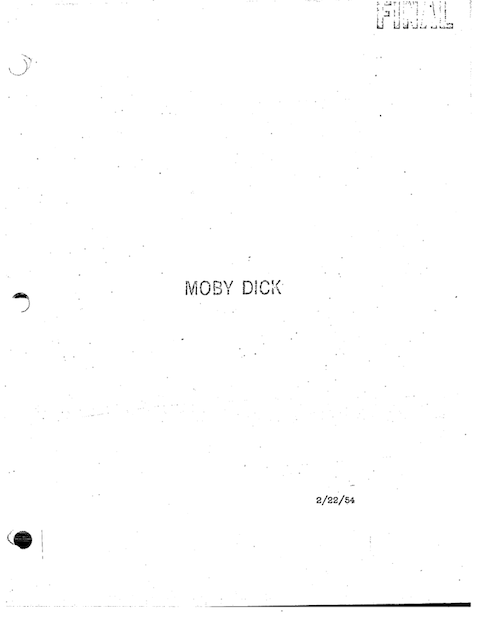
The Lord of the Rings star­ring the Bea­t­les?

The Lit­tle Prince, adapt­ed by Orson Welles?

Bat­man vs. Dwight D. Eisen­how­er? 

These are movies I’d pay to see! The first two made Men­tal Floss’ list of 55 Unfor­tu­nate­ly Unfin­ished Films, a roll call of movies that got hung up in pro­duc­tion or pre-pro­duc­tion, nev­er mak­ing it to the screen. As far as Bat­man bat­tling the 34th pres­i­dent goes, that one’s mere wish­ful think­ing, deliv­ered as a typ­i­cal­ly off-the-cuff remark from list pre­sen­ter, author John Green.

Mov­ing at a speed that will be famil­iar to fans of his Crash Course series, Green races through a tempt­ing menu of triv­ia and mis­for­tune, obses­sion and obscu­ri­ty.

Super­heroes fig­ure promi­nent­ly, as do musi­cians. The Clash in Gangs of New YorkThe Sex Pis­tols in Who Killed Bam­bi? (The screen­play of which is avail­able online, cour­tesy of its author, Roger Ebert.)

Death turns out to be anoth­er big plug-puller here. The untime­ly if not entire­ly sur­pris­ing ear­ly exits of John Belushi, John Can­dy, and Chris Far­ley led to the “curse” of A Con­fed­er­a­cy of Dunces.

As for Don Quixote, both Ter­ry Gilliam and the afore­men­tioned Mr. Welles have tilt­ed at that wind­mill only to find out their dream was impos­si­ble, if not unfilmable.

Relat­ed Con­tent:

Orson Welles Explains Why Igno­rance Was the Genius Behind Cit­i­zen Kane

Mar­tin Scors­ese Brings “Lost” Hitch­cock Film to Screen in Short Faux Doc­u­men­tary

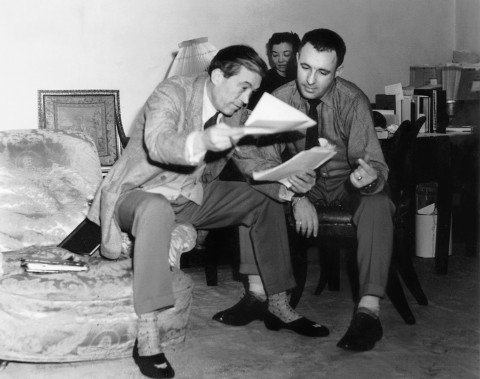
Jean-Paul Sartre Writes a Script for John Huston’s Film on Freud (1958)

Ayun Hal­l­i­day would love to see John Green under­take a Crash Course Cin­e­ma series. Fol­low her @AyunHalliday

Dewars Channels the Ghost of Charles Bukowski to Sell Scotch

In 1993, the GAP used the ghost of Jack Ker­ouac to help sell khakis to desk jock­eys across the nation. That was odd. 20 years lat­er, Dewars has called upon Charles Bukows­ki, dead since 1994, to ped­dle Scotch. That makes com­plete sense. As you may recall, Bukows­ki once told Sean Penn in a 1987 Inter­view mag­a­zine piece: “Alco­hol is prob­a­bly one of the great­est things to arrive upon the earth — along­side of me. Yes…these are two of the great­est arrivals upon the sur­face of the earth. So…we get along.” Bukows­ki liked to drink. He also liked to talk about his mem­o­rable hang­overs. Dead or alive, Bukows­ki has the creds to sell Scotch.

As the Dewars ad rolls (above), you’ll hear lines from Bukowski’s poem “so you want to be a writer?” (below). And if you’re famil­iar with the poem, you’ll notice that the nar­ra­tion in the com­mer­cial is abridged. They’ve removed var­i­ous lines refer­ring to the writ­ing life, mak­ing it so that the nar­ra­tion speaks to a broad­er audi­ence. Rock climbers. Motor­cy­cle mechan­ics. Musi­cians. Jour­nal­ists. Peo­ple who aspire — or need to be inspired — to “live true.”

Two quick notes: If I’m not mis­tak­en, you can hear the same voice in the clips above and below. That would make it the voice of “Tom O’Bed­lam,” who runs the Spo­ken Verse chan­nel on YouTube. Also, you can view a Span­ish ver­sion of the Dewars ad here.

Relat­ed Resources: 

So You Want to Be a Writer?: Charles Bukows­ki Explains the Dos & Don’ts

Charles Bukows­ki Tells the Sto­ry of His Worst Hang­over Ever

“Don’t Try”: Charles Bukowski’s Con­cise Phi­los­o­phy of Art and Life

550 Free Audio Books: Down­load Great Books for Free

Drink­ing with William Faulkn­er

by | Permalink | Make a Comment ( 4 ) |

Watch Audio Ammunition: A Documentary Series on The Clash and Their Five Classic Albums

The Clash are big in music news again with the arrival of their box set Sound Sys­tem, which Mick Jones promis­es will be their final offi­cial release of all time. Jones also tells The Guardian it’s the “best box set ever,” and I just might believe it. It’s cer­tain­ly one of the coolest look­ing. The band’s music holds up per­fect­ly well; in fact it’s tak­en on renewed rel­e­vance as so much of the cul­tur­al and eco­nom­ic con­flicts they wrote in response to have emerged like zom­bies from the grave to tor­ment us again (this time, per­haps, pace Marx, as zom­bie farce).

In light of their renewed rel­e­vance, Google brings us a five-part doc­u­men­tary series on the band, called Audio Ammu­ni­tion, and it looks fan­tas­tic.

Each part cov­ers the mak­ing of their five clas­sic stu­dio albums (exclud­ing 1985’s mis­guid­ed Cut the Crap). Here’s Google’s offi­cial descrip­tion:

In this exclu­sive doc­u­men­tary fea­tur­ing nev­er-before-seen footage of the late, great Joe Strum­mer, all four mem­bers of “the only band that mat­ters” walk us through the mak­ing of each of their clas­sic albums. New­ly re-mas­tered ver­sions of those albums are avail­able below, along with a new hits col­lec­tion based on the set list from one of Joe’s favorite gigs. Plus, four con­tem­po­rary bands inspired by the Clash’s lega­cy offer their own takes on the band’s songs. If you already love the Clash, watch and lis­ten and we guar­an­tee you’ll hear some­thing new. If you don’t, you’ll hear why you should.

See Part One, “The Clash,” at the top and part 2, “Give ‘Em Enough Rope,” above, and below find part 3, “Lon­don Call­ing,” part 4, “San­din­ista,” and part 5, “Com­bat Rock.” And vis­it the Google Play site for the film and to find oth­er good­ies like Kurt Vile’s fuzzed-out take on “The Guns of Brix­ton” and oth­er exclu­sive cov­ers of Clash songs by con­tem­po­rary artists. The doc­u­men­tary series will be added to our col­lec­tion of 575 Free Movies Online.

Lon­don Call­ing

San­din­ista

Com­bat Rock

via Boing Boing

Relat­ed Con­tent:

Sur­viv­ing Mem­bers of The Clash Recount the Mak­ing of “Lon­don Call­ing” & Dis­cuss New Box Set

Doc­u­men­tary Viva Joe Strum­mer: The Sto­ry of the Clash Sur­veys the Career of Rock’s Beloved Front­man

The Clash: West­way to the World

Mick Jones Plays Three Clas­sics by The Clash at the Pub­lic Library

Josh Jones is a writer and musi­cian based in Durham, NC. Fol­low him at @jdmagness

Death of An Adjunct: A Sobering, True Story

DuquesneChapel

The Pitts­burgh Post-Gazette ran a sad and galling sto­ry yes­ter­day about Mary Mar­garet Vojtko who died of a heart attack at the age of 83. At the time of her death, Daniel Kova­lik writes:

She was receiv­ing radi­a­tion ther­a­py for the can­cer that had just returned to her, she was liv­ing near­ly home­less because she could not afford the upkeep on her home, which was lit­er­al­ly falling in on itself, and now, she explained, she had received anoth­er indig­ni­ty — a let­ter from Adult Pro­tec­tive Ser­vices telling her that some­one had referred her case to them say­ing that she need­ed assis­tance in tak­ing care of her­self.

Vojtko had end­ed up in pover­ty after spend­ing 25 years work­ing as an adjunct pro­fes­sor of French at Duquesne Uni­ver­si­ty, a Catholic school locat­ed in Pitts­burgh, Pa. Until she was ter­mi­nat­ed last spring, she worked “on a con­tract basis from semes­ter to semes­ter, with no job secu­ri­ty, no ben­e­fits and with a salary of between $3,000 and just over $3,500 per three-cred­it course.” When teach­ing three class­es a semes­ter and two dur­ing the sum­mer, Vojtko nev­er earned more than $25,000 a year. (A pit­tance com­pared to the pay pack­age of Duques­ne’s pres­i­dent — report­ed­ly about $700,000 per year in salary and ben­e­fits.) Mean­while, Duquesne thwart­ed attempts by adjuncts to union­ize, claim­ing that the school should have a reli­gious exemp­tion.

As Kova­lik goes on to note: “Adjuncts now make up well over 50 per­cent of the fac­ul­ty at col­leges and uni­ver­si­ties.” And that sta­tis­tic is bound to increase. You can — and should — read the full sto­ry at the Post-Gazette. Read Death of an Adjunct here.

via @stevesilberman

by | Permalink | Make a Comment ( 5 ) |

Sci-Fi Writer Robert Heinlein Imagines the Year 2000 in 1949, and Gets it Mostly Wrong

Image via Wiki­me­dia Com­mons

Two giants of 20th cen­tu­ry sci­ence fic­tion: Robert Hein­lein and Isaac Asi­mov (see them togeth­er above, with L. Sprague de Camp in-between). Like every young sci-fi geek, I read them both assid­u­ous­ly, got lost in their dizzy­ing uni­vers­es that stretched across nov­els and sig­nif­i­cant teenage mile­stones. Even as an awk­ward kid, I could clear­ly iden­ti­fy an essen­tial dif­fer­ence in tone between their fore­casts of the future. Hein­lein, the Navy man forcibly retired from ser­vice by tuber­cu­lo­sis, had the dark­er vision, in which the brute force of mass mil­i­tarism con­tin­ued to thrive and hero­ic men of action car­ried the day. Asi­mov, the prac­tic­ing scientist—whose “Nor­by” series of kids books might be the cutest intro­duc­tion to sci-fi ever writ­ten by an American—favored a future that, if still quite dan­ger­ous, was man­aged by robots and their cre­ators, the tech­nocrats.

As we can plain­ly see, we are no less a bel­li­cose species than when these two authors wrote of the future, but Asi­mov seems to have had it right. The tech­nocrats came out on top; too many bat­tles are fought not by massed bat­tal­ions but by dead­ly fly­ing robots mak­ing (so we’re told) “sur­gi­cal” strikes. A few weeks ago, we brought you a series of tech­no­crat­ic pre­dic­tions of the year 2014 from Asi­mov, many of them sur­pris­ing­ly accu­rate. Today, we have a list of pre­dic­tions from Hein­lein, this time of the year 2000, and writ­ten in 1949 and pub­lished in 1952 in Galaxy mag­a­zine. How does his pre­dic­tive abil­i­ty stack up against his con­tem­po­rary? Well, I’d say that 2 (stripped of some exag­ger­a­tion), 8, and 11 either hit the mark or come pret­ty damn close. 19 is self-evi­dent­ly true, and 15 is arguably not ter­ri­bly far away, though it may not have seemed so in 2000. 4 is painful­ly iron­ic. The rest? Eh, not so much. Take a look and try to imag­ine your­self in Heinlein’s shoes in 1949. Not an easy task? Try to imag­ine what the world will look like in 2063. Which ver­sion of IOS will you be run­ning then?

1. Inter­plan­e­tary trav­el is wait­ing at your front door — C.O.D. It’s yours when you pay for it.

2. Con­tra­cep­tion and con­trol of dis­ease is revis­ing rela­tions between the sex­es to an extent that will change our entire social and eco­nom­ic struc­ture.

3. The most impor­tant mil­i­tary fact of this cen­tu­ry is that there is no way to repel an attack from out­er space.

4. It is utter­ly impos­si­ble that the Unit­ed States will start a “pre­ven­tive war.” We will fight when attacked, either direct­ly or in a ter­ri­to­ry we have guar­an­teed to defend.

5. In fif­teen years the hous­ing short­age will be solved by a “break­through” into new tech­nolo­gies which will make every house now stand­ing as obso­lete as priv­ies.

6. We’ll all be get­ting a lit­tle hun­gry by and by.

7. The cult of the pho­ny in art will dis­ap­pear. So-called “mod­ern art” will be dis­cussed only by psy­chi­a­trists.

8. Freud will be classed as a pre-sci­en­tif­ic, intu­itive pio­neer and psy­cho­analy­sis will be replaced by a grow­ing, chang­ing “oper­a­tional psy­chol­o­gy” based on mea­sure­ment and pre­dic­tion.

9. Can­cer, the com­mon cold, and tooth decay will all be con­quered; the rev­o­lu­tion­ary new prob­lem in med­ical research will be to accom­plish “regen­er­a­tion,” i.e., to enable a man to grow a new leg, rather than fit him with an arti­fi­cial limb.

10. By the end of this cen­tu­ry mankind will have explored this solar sys­tem, and the first ship intend­ed to reach the near­est star will be a‑building.

11. Your per­son­al tele­phone will be small enough to car­ry in your hand­bag. Your house tele­phone will record mes­sages, answer sim­ple inquiries, and trans­mit vision.

12. Intel­li­gent life will be found on Mars.

13. A thou­sand miles an hour at a cent a mile will be com­mon­place; short hauls will be made in evac­u­at­ed sub­ways at extreme speed.

14. A major objec­tive of applied physics will be to con­trol grav­i­ty.

15. We will not achieve a “World State” in the pre­dictable future. Nev­er­the­less, Com­mu­nism will van­ish from this plan­et.

16. Increas­ing mobil­i­ty will dis­en­fran­chise a major­i­ty of the pop­u­la­tion. About 1990 a con­sti­tu­tion­al amend­ment will do away with state lines while retain­ing the sem­blance.

17. All air­craft will be con­trolled by a giant radar net run on a con­ti­nent-wide basis by a mul­ti­ple elec­tron­ic “brain.”

18. Fish and yeast will become our prin­ci­pal sources of pro­teins. Beef will be a lux­u­ry; lamb and mut­ton will dis­ap­pear.

19. Mankind will not destroy itself, nor will “Civ­i­liza­tion” be destroyed.

Here are things we won’t get soon, if ever:

– Trav­el through time

– Trav­el faster than the speed of light

– “Radio” trans­mis­sion of mat­ter.

– Man­like robots with man­like reac­tions

– Lab­o­ra­to­ry cre­ation of life

– Real under­stand­ing of what “thought” is and how it is relat­ed to mat­ter.

– Sci­en­tif­ic proof of per­son­al sur­vival after death.

– Nor a per­ma­nent end to war.

Curi­ous­ly, nei­ther Hein­lein nor Asi­mov fore­saw that most ter­ri­bly banal and ubiq­ui­tous phe­nom­e­non of real­i­ty TV, but real­ly, what kind of mon­ster could have imag­ined such a thing?

via Lists of Note/i09

Relat­ed Con­tent:

Arthur C. Clarke Pre­dicts the Future in 1964 … And Kind of Nails It

Wal­ter Cronkite Imag­ines the Home of the 21st Cen­tu­ry … Back in 1967

Mar­shall McLuhan Announces That The World is a Glob­al Vil­lage

Josh Jones is a writer and musi­cian based in Durham, NC. Fol­low him at @jdmagness

Vladimir Nabokov’s Delightful Butterfly Drawings

NabokovInscription1

We don’t often talk about the hob­bies (oth­er than drink­ing, any­way) of respect­ed twen­ti­eth-cen­tu­ry writ­ers. But do you know a sin­gle Nabokov read­er, or even an aspir­ing Nabokov read­er, igno­rant of the lep­i­dopter­ist lean­ings of the author of Loli­taThe Gift, and Pale Fire?  The man liked but­ter­flies, as any of the wide­ly seen pho­tographs of him wield­ing his com­i­cal­ly over­sized net can attest. But when his eyes turned toward these strik­ing, del­i­cate insects, he did­n’t nec­es­sar­i­ly put down his pen. Nabokov’s wife Vera, accord­ing to a Book­tryst post on the sale of his book and man­u­script col­lec­tions, “trea­sured nature, art, and life’s oth­er intan­gi­bles more high­ly than mate­r­i­al pos­ses­sions, and Vladimir knew that for Christ­mas, birth­days and anniver­saries” — in Mon­treux in 1971, Itha­ca in 1957, Los Ange­les in 1960, or any­where at any time in their life togeth­er  — “Vera appre­ci­at­ed his thought­ful and del­i­cate but­ter­fly draw­ings much more than some trin­ket. She  delight­ed in these draw­ings in a way she nev­er did for the land­scapes he used to paint for her in ear­li­er days.” For the woman clos­est to his heart, Nabokov drew the crea­tures clos­est to his heart.

NabokovInscription2

“From the age of sev­en, every­thing I felt in con­nec­tion with a rec­tan­gle of framed sun­light was dom­i­nat­ed by a sin­gle pas­sion. If my first glance of the morn­ing was for the sun, my first thought was for the but­ter­flies it would engen­der.” This he declares in his auto­bi­og­ra­phy Speak, Mem­o­ry. “I have hunt­ed but­ter­flies in var­i­ous climes and dis­guis­es: as a pret­ty boy in knicker­bock­ers and sailor cap; as a lanky cos­mopoli­tan expa­tri­ate in flan­nel bags and beret; as a fat hat­less old man in shorts.” Despite the pas­sion with which Nabokov pur­sued lep­i­doptery, it seemed, in his life­time, his accom­plish­ments in the field would remain most­ly non-pro­fes­sion­al; he began one book called But­ter­flies of Europe and anoth­er called But­ter­flies in Art, but fin­ished nei­ther.

But in 2000, out came the 782-page Nabokov’s But­ter­flies, which col­lects, as its co-edi­tor Bri­an Boyd writes in the Atlantic, “his aston­ish­ing­ly diverse writ­ing about but­ter­flies, whether sci­en­tif­ic or artis­tic, pub­lished or unpub­lished, care­ful­ly fin­ished or rough­ly sketched, in poems, sto­ries, nov­els, mem­oirs, sci­en­tif­ic papers, lec­tures, notes, diaries, let­ters, inter­views, dreams.” And in 2011, a hypoth­e­sis he had about but­ter­fly evo­lu­tion had its vin­di­ca­tion under the Roy­al Soci­ety of Lon­don. But to under­stand how much but­ter­flies meant to him, we need look no fur­ther than the title pages of the vol­umes he gave his wife.

NabokovInscription3

via Book Tryst

Relat­ed Con­tent:

Vladimir Nabokov Cre­ates a Hand-Drawn Map of James Joyce’s Ulysses

Vladimir Nabokov Mar­vels Over Dif­fer­ent Loli­ta Book Cov­ers

Vladimir Nabokov (Chan­nelled by Christo­pher Plum­mer) Teach­es Kaf­ka at Cor­nell

Col­in Mar­shall hosts and pro­duces Note­book on Cities and Cul­ture and writes essays on lit­er­a­ture, film, cities, Asia, and aes­thet­ics. He’s at work on a book about Los Ange­lesA Los Ange­les PrimerFol­low him on Twit­ter at @colinmarshall.

Bohemian Gravity: String Theory Explored With an A Cappella Version of Bohemian Rhapsody

This past spring, Tim­o­thy Blais wrote his mas­ters the­sis at McGill Uni­ver­si­ty in Mon­tre­al. Titled “A new quan­ti­za­tion con­di­tion for par­i­ty-vio­lat­ing three-dimen­sion­al grav­i­ty,” the the­sis clocks in at 74 pages and gets into some seri­ous physics. The first line reads: “(2+1)-dimensional grav­i­ty with a neg­a­tive cos­mo­log­i­cal con­stant is a topo­log­i­cal the­o­ry with no local degrees of free­dom.” I have to admit that Tim lost me right there. But he has made some amends with Bohemi­an Grav­i­ty, a poten­tial­ly viral video that explores string the­o­ry with the help of an a cap­pel­la par­o­dy of Queen’s Bohemi­an Rhap­sody. I have to admit that I don’t quite under­stand the sub­stance of the video either. But I am thor­ough­ly enter­tained and that counts for some­thing.

Blais pre­vi­ous­ly record­ed “Rolling in the Hig­gs,” a sci­en­tif­ic riff on Adele’s song. Accord­ing to his Face­book page, these “sci­ence-par­o­dy cre­ations are 100% orig­i­nal­ly record­ed and made out of unal­tered sounds from his mouth, throat and vocal cords.” Keep an eye on his YouTube Chan­nel, acapel­la­science, for more videos (we hope) in the future.

H/T Robin/via I F’ing Love Sci­ence

Relat­ed Con­tent:

Gui­tarist Bri­an May Explains the Mak­ing of Queen’s Clas­sic Song, ‘Bohemi­an Rhap­sody’

Lis­ten to Fred­die Mer­cury and David Bowie on the Iso­lat­ed Vocal Track for the Queen Hit ‘Under Pres­sure,’ 1981

The Hig­gs Boson, AKA the God Par­ti­cle, Explained with Ani­ma­tion

What’s Next for the Large Hadron Col­lid­er? PhD Comics Intro­duces the Search for Extra Dimen­sions

Free Physics Cours­es

by | Permalink | Make a Comment ( 3 ) |

Train Your Brain This Fall with Free Online Courses, eBooks, Audio Books, Language Lessons & More

bigstock-Brain-2819159

For years now, the buzz­word “Neu­ro­plas­tic­i­ty” has crossed the lips of many major thinkers in psy­chol­o­gy, neu­rol­o­gy, and edu­ca­tion­al the­o­ry. Maybe, as some allege, it is a “dirty word”—vague and in need of spe­cif­ic clar­i­fi­ca­tion. Maybe. But the con­texts in which it aris­es point to an impor­tant idea: that we are capa­ble of learn­ing new things, all the time, at any stage of life, and that those new learn­ing expe­ri­ences change and renew our brains in ways we can’t pre­dict or imag­ine. So today, for those stu­dents return­ing to school and those life­long learn­ers for whom every sea­son beck­ons with new oppor­tu­ni­ties to acquire new skills and knowl­edge, we present to you our col­lec­tions of free online cours­es, books, films, lan­guage lessons, text­books, and oth­er resources to exer­cise your neu­ro­plas­tic mind.

Free Online Cours­es: This list brings togeth­er over 750 free online cours­es from lead­ing uni­ver­si­ties, includ­ing Stan­ford, Yale, MIT, UC Berke­ley, Oxford and more. These cours­es range across all dis­ci­plines – his­to­ry, physics, phi­los­o­phy, psy­chol­o­gy and beyond. Most all of these cours­es are avail­able in audio, and rough­ly 75% are avail­able in video. In total, you will find over 2o,000 hours of free lec­tures from world-class insti­tu­tions here.

Free MOOCs: What­ev­er you’re into (phi­los­o­phy?, behav­ioral eco­nom­ics?, music his­to­ry?), you’ll like­ly find a MOOC (Mas­sive Open Online Course) to suit you in our list of class­es from lead­ing uni­ver­si­ties. Many MOOCs offer cer­tifi­cates of com­ple­tion (though rarely course cred­its that will actu­al­ly trans­fer to uni­ver­si­ties). 125 MOOCs will be launch­ing between now and the end of Octo­ber. See our com­plete list.

Free Lan­guage Lessons: Per­haps learn­ing a new lan­guage is high on your list this fall. Well, here is a great way to do it. Take your pick of 46 lan­guages includ­ing, Span­ish, French, Ital­ian, Man­darin, Eng­lish, Russ­ian, Dutch, even Finnish, Yid­dish and Esperan­to. The lessons are all free and ready to down­load.

Free Audio Books: What bet­ter way to spend your free time than lis­ten­ing to some of the great­est books ever writ­ten? Our col­lec­tion 1,000 Free Audio Books: Down­load Great Books for Free includes works by Arthur Conan Doyle, James Joyce, Jane Austen, Edgar Allan Poe, George Orwell and more recent writ­ers — Ita­lo Calvi­no, Vladimir Nabokov, Ray­mond Carv­er, etc. You can down­load these clas­sic books straight to your gagdets, then lis­ten as you go.

[Note: If you’re look­ing for a con­tem­po­rary book, you can down­load one free audio book from Audible.com. Find details on Audi­ble’s no-strings-attached deal here.]

Free eBooks: You have always want­ed to read the great works. And now is your chance. When you dive into our col­lec­tion of 800 Free eBooks for iPad, Kin­dle & Oth­er Devices you will find great works by some clas­sic writ­ers (Dick­ens, Dos­to­evsky, Shake­speare and Tol­stoy) and more mod­ern writ­ers (F. Scott Fitzger­ald, Philip K. Dick, Isaac Asi­mov, and Kurt Von­negut). The col­lec­tion also gives you access to the 51-vol­ume Har­vard Clas­sics.

Free Text­books: We have scoured the web and pulled togeth­er a list of 150 Free Text­books. It’s a great resource par­tic­u­lar­ly if you’re look­ing to learn math, com­put­er sci­ence or physics on your own. There might be a dia­mond in the rough here for you.

Free K‑12 Resources: Par­ents, teach­ers, and young stu­dents seek­ing excel­lent free online edu­ca­tion­al resources, look no fur­ther. We’ve gath­ered free apps, qual­i­ty YouTube chan­nels; test prep mate­ri­als; and free web resources in aca­d­e­m­ic sub­jects like lit­er­a­ture, his­to­ry, sci­ence and com­put­ing.

Free Movies: With a click of a mouse, or a tap of your touch screen, you will have access to 500 great movies. The col­lec­tion hosts many clas­sics, west­erns, indies, doc­u­men­taries, silent films and film noir favorites. It fea­tures work by some of our great direc­tors (Alfred Hitch­cock, Orson Welles, Andrei Tarkovsky and David Lynch) and per­for­mances by cin­e­ma leg­ends: John Wayne, Jack Nichol­son, Audrey Hep­burn, Char­lie Chap­lin, and beyond. On this one page, you will find thou­sands of hours of cin­e­ma bliss.

Enjoy stretch­ing your brains in new and inter­est­ing ways this sea­son.

David Lynch Lists His Favorite Films & Directors, Including Fellini, Wilder, Tati & Hitchcock

At least a few of you — more than a few, I’d wager — think of David Lynch as your favorite film­mak­er. Back when we post­ed about the great­est films of all time as named by Stan­ley KubrickMar­tin Scors­eseWoody Allen, and Quentin Taran­ti­no, you prob­a­bly won­dered what selec­tions the Eraser­head auteur would make. You can get an idea from the inter­view clip above, in which Lynch con­sid­ers the ques­tions “Whose work do you admire?” and “What movies have you watched over and over and could still watch a hun­dred times more?” Well-asked, since the movies we actu­al­ly watch most often reveal more about us than the movies we hap­pen to call “favorites.” “I love Stan­ley Kubrick,” he replies. “I can watch his movies over and over. I love Bil­ly Wilder, Sun­set Boule­vard in par­tic­u­lar, and I’ve watched it over and over. I loved the world Bil­ly Wilder cre­at­ed.”

“I love Felli­ni,” Lynch con­tin­ues. “Watched ’em over and over. If you want to see some great come­dies, check out Jacques Tati’s Mr. Hulot’s Hol­i­day. I like W.C. Fields. I like the movie It’s a Gift. I like Hitch­cock, par­tic­u­lar­ly Rear Win­dow.” And after a moment of reflec­tion: “I like a lot of dif­fer­ent film­mak­ers, but those are… some of them.” MUBI.com also offers a post on Lynch’s favorite films, drawn from Lynch on Lynch, Chris Rod­ley’s book-length inter­view with the direc­tor, and Catch­ing the Big Fish, Lynch’s own vol­ume on med­i­tat­ing your way to inter­est­ing ideas.

Here he pro­vides more details on his fel­low film­mak­ers of choice:

  • In , “Felli­ni man­ages to accom­plish with film what most­ly abstract painters do – name­ly, to com­mu­ni­cate an emo­tion with­out ever say­ing or show­ing any­thing in a direct man­ner, with­out ever explain­ing any­thing, just by a sort of sheer mag­ic.”
  • In Sun­set Boule­vard, Wilder “man­ages to accom­plish pret­ty much the same abstract atmos­phere, less by mag­ic than through all sorts of styl­is­tic and tech­ni­cal tricks. The Hol­ly­wood he describes in the film prob­a­bly nev­er exist­ed, but he makes us believe it did, and he immers­es us in it, like a dream.”
  • Mon­sieur Hulot’s Hol­i­day wins his favor “for the amaz­ing point of view that Jacques Tati casts at soci­ety through it. When you watch his films, you real­ize how much he knows about – and loved – human nature, and it can only be an inspi­ra­tion to do the same.”
  • Rear Win­dow does the same “for the bril­liant way in which Alfred Hitch­cock man­ages to cre­ate – or rather, re-cre­ate – a whole world with­in con­fined para­me­ters. James Stew­art nev­er leaves his wheel­chair dur­ing the film, and yet, through his point of view, we fol­low a very com­plex mur­der scheme. Hitch­cock man­ages to take some­thing huge and con­dense it into some­thing real­ly small. And he achieves that through a com­plete con­trol of film mak­ing tech­nique.”

Com­mu­ni­cat­ing with­out direct­ly say­ing, show­ing, or explain­ing? Craft­ing abstract atmos­phere? Evok­ing a dream­like ver­sion of Hol­ly­wood? Cast­ing an eye on soci­ety that sees things dif­fer­ent­ly? Cre­at­ing worlds in tight con­fines? Seems to me, as some­one who’s expe­ri­enced more than his share of screen­ings of such films as Eraser­headBlue Vel­vetLost High­way, and Mul­hol­land Dri­ve, that you could ascribe new ver­sions of not one but all of these cin­e­mat­ic ten­den­cies to Lynch him­self. We call imi­ta­tion the sin­cer­est form of flat­tery, but sure­ly it counts as a whole oth­er order of com­pli­ment to take the accom­plish­ments of the cre­ators who inspire you and some­how make them com­plete­ly your own. It takes, as the man says, a sort of sheer mag­ic.

Relat­ed Con­tent:

The 10 Great­est Films of All Time Accord­ing to 846 Film Crit­ics

David Lynch Talks About His 99 Favorite Pho­tographs at Paris Pho­to 2012

David Lynch Explains How Med­i­ta­tion Enhances Our Cre­ativ­i­ty

David Lynch’s Sur­re­al Com­mer­cials

Col­in Mar­shall hosts and pro­duces Note­book on Cities and Cul­ture and writes essays on lit­er­a­ture, film, cities, Asia, and aes­thet­ics. He’s at work on a book about Los Ange­lesA Los Ange­les PrimerFol­low him on Twit­ter at @colinmarshall.

Edward Said Speaks Candidly about Politics, His Illness, and His Legacy in His Final Interview (2003)

In an excerpt from her mem­oir pub­lished in Salon last month, Najla Said—daughter of lit­er­ary crit­ic and Pales­tin­ian-Amer­i­can polit­i­cal activist Edward Said—recalls her father’s lega­cy:

To very smart peo­ple who study a lot, Edward Said is the “father of post­colo­nial stud­ies” or, as he told me once when he insist­ed I was wast­ing my col­lege edu­ca­tion by tak­ing a course on post­mod­ernism and I told him he didn’t even know what it was:

“Know what it is, Najla? I invent­ed it!!!”

I still don’t know if he was jok­ing or seri­ous.

Most like­ly Said was only half seri­ous, but it’s impos­si­ble to over­state the impact of his 1978 book Ori­en­tal­ism on the gen­er­a­tions of stu­dents and activists that fol­lowed. As Najla writes, it’s “the book that every­one reads at some point in col­lege, whether in his­to­ry, pol­i­tics, Bud­dhism, or lit­er­a­ture class.” Said’s “post­mod­ernism,” unlike that of Fran­cois Lyotard or many oth­ers, avoid­ed the pejo­ra­tive bag­gage that came to attach to the term, large­ly because while he called into doubt cer­tain ossi­fied and per­ni­cious cat­e­gor­i­cal dis­tinc­tions, he nev­er stopped believ­ing in the pos­i­tive intel­lec­tu­al enter­prise that gave him the tools and the posi­tion to make his cri­tiques. He stub­born­ly called him­self a human­ist, “despite,” as he writes in the pref­ace to the 2003 edi­tion of his most famous book, “the scorn­ful dis­missal of the term by sophis­ti­cat­ed post-mod­ern crit­ics”:

It isn’t at all a mat­ter of being opti­mistic, but rather of con­tin­u­ing to have faith in the ongo­ing and lit­er­al­ly unend­ing process of eman­ci­pa­tion and enlight­en­ment that, in my opin­ion, frames and gives direc­tion to the intel­lec­tu­al voca­tion.

In that same pref­ace Said also writes of his aging, of the recent death of two men­tors, and of “the nec­es­sary diminu­tions in expec­ta­tions and ped­a­gog­ic zeal which usu­al­ly frame the road to senior­i­ty.” He does not write about the leukemia that would take his life that same year at the age of 67, ten years ago this month.

For the inter­view above, how­ev­er, Said’s last, he speaks can­did­ly about his ill­ness. Fit­ting­ly, the video opens with a quote from Roland Barthes: “The only sort of inter­view that one could, if forced to, defend would be where the author is asked to artic­u­late what he can­not write.” Said tells inter­view­er Charles Glass that his main pre­oc­cu­pa­tion in the past few months had been his ill­ness, some­thing he thought he had “mas­tered” but which had forced him to con­front the incon­tro­vert­ible fact of his mor­tal­i­ty and sapped him of his will to work.

Said, as always, is artic­u­late and engag­ing, and the con­ver­sa­tion soon turns to his oth­er pre­oc­cu­pa­tions: the sit­u­a­tion of the Pales­tin­ian peo­ple and the pol­i­tics and per­son­al toll of liv­ing “between worlds.” He also express­es his dis­ap­point­ment in friends who had become “mouth­pieces of the sta­tus quo,” bang­ing the drums for war and West­ern Impe­ri­al­ism in this, the first year of the war in Iraq. One sus­pects that he refers to Christo­pher Hitchens, among oth­ers, though he is too dis­creet to name names. Said has a tremen­dous amount to say on not only the cur­rent events of the time but on his entire career as a writer and thinker. Though he’s giv­en dozens of impas­sioned inter­views over the decades, this may be the most hon­est and unguard­ed, as he unbur­dens him­self dur­ing his final days of those things, per­haps, he could not bring him­self to write.

Thanks to Stephanos for send­ing this video our way.

Relat­ed Con­tent:

Stephen Fry & Friends Pay Trib­ute to Christo­pher Hitchens

Christo­pher Hitchens: No Deathbed Con­ver­sion for Me, Thanks, But it was Good of You to Ask

Noam Chom­sky Calls Post­mod­ern Cri­tiques of Sci­ence Over-Inflat­ed “Poly­syl­lab­ic Tru­isms”

Josh Jones is a writer and musi­cian based in Durham, NC. Fol­low him at @jdmagness

The Irrepressible Bette Davis Recalls Her Good and Bad Days Kissing in the Movies

In 1971, a year before Last Tan­go in Paris was released in the US,  Bette Davis went on The Dick Cavett Show to dish on a career’s worth of onscreen kiss­es. Four decades on, when access to Net­flix is all that’s required to enjoy a visu­al inti­ma­cy bor­der­ing on the gyne­co­log­i­cal with Halle Berry or Maria Bel­lo, Davis still cap­ti­vates. Watch the above excerpt and don’t feel ashamed if you spend the rest of the day try­ing to guess the iden­ti­ty of the actor who—in Cavet­t’s words—“was so repul­sive that you just could­n’t stand to do it.”

Glenn Ford? Paul Hein­reid? Pop­u­lar opin­ion points to Edward G. Robin­son.

Who­ev­er he was, she cashed her pay­check and took one for the team, just as she did in 1930, when under con­tract to Uni­ver­sal, the self-described “Yan­kee-ist, mod­est vir­gin that ever walked the earth” was pressed into ser­vice as a “test girl.” This involved lying on a couch as a suc­ces­sion of 15 audi­tion­ing actors demon­strat­ed their pas­sion­ate kiss­ing abil­i­ties.

That ses­sion was filmed, but evi­dence has yet to sur­face on the Inter­net. Fans will just have to con­tent them­selves with sneak­ing onto a three-acre pri­vate arbore­tum in Mass­a­chu­setts for a glimpse of an Anna Col­man Ladd foun­tain fea­tur­ing four frol­ic­some nudes. Word has it a cer­tain mod­est vir­gin Yan­kee served as the mod­el for one of these fig­ures while still in her teens. Or so a leg­endary actress revealed to Play­boy at the age of 74.

Relat­ed Con­tent:

Woody Allen on The Dick Cavett Show Cir­ca 1970

Dick Cavett’s Wide-Rang­ing TV Inter­view with Ing­mar Bergman and Lead Actress Bibi Ander­s­son (1971)

George Har­ri­son in the Spot­light: The Dick Cavett Show (1971)

Ayun Hal­l­i­day recalls Lau­ren Bacall shilling for a lip aug­men­ta­tion pro­ce­dure in No Touch Mon­key! And Oth­er Trav­el Lessons Learned Too Late. Fol­low her @AyunHalliday


  • Great Lectures

  • Sign up for Newsletter

  • About Us

    Open Culture scours the web for the best educational media. We find the free courses and audio books you need, the language lessons & educational videos you want, and plenty of enlightenment in between.


    Advertise With Us

  • Archives

  • Search

  • Quantcast