What Would MLK Say About the USA Today?

What would Mar­tin Luther King Jr. think about Amer­i­ca in 2010? Few would know bet­ter than Clay­borne Car­son, the Stan­ford his­to­ri­an who directs the Mar­tin Luther King, Jr. Research and Edu­ca­tion Insti­tute. In this talk, Car­son describes MLK’s like­ly thoughts about Amer­i­ca dur­ing the Great Reces­sion. King cared deeply about eco­nom­ic jus­tice, and it’s clear that King would­n’t have looked unam­biva­lent­ly upon the inequal­i­ties that the finan­cial melt­down made so glar­ing­ly obvi­ous. Next week, the U.S. will cel­e­brate King’s birth­day and bankers will col­lect their record-set­ting bonus­es …

Note: Clay­borne Car­son is cur­rent­ly hold­ing Open Office Hours on Stan­ford’s Face­book Page. Be sure to vis­it. Also, Pro­fes­sor Car­son has taught an online course that you can freely down­load. It’s called African-Amer­i­can His­to­ry: Mod­ern Free­dom Strug­gle, and you can find it on YouTube and iTunes. It’s also the first course that appears in our col­lec­tion of Free Cours­es.

B- Classic Movies Now Online

If you get your kicks from uber kitschy B- films, then we’ve got a lit­tle some­thing for you. AMC has launched a new site called B- Minus Clas­sics, which we have added to our grow­ing col­lec­tion of Free Movies Online. (Our list now con­tains 125 free clas­sic movies, and numer­ous sites where you can watch free movies online). AMC describes its new site as:

Your new go-to site for B‑movies by the likes of John Car­pen­ter (Dark Star) and Roger Cor­man (Saga of the Viking Women). Now online and in full screen, watch unsung clas­sics like Asy­lum by Psy­cho screen­writer Robert Block or Cor­ri­dors of Blood with the inim­itable Christo­pher Lee. Want to see inter­na­tion­al icons before they made it big? Check out Raquel Welch in A Swingin’ Sum­mer or kung fu king Son­ny Chi­ba in Ter­ror Beneath the Sea. Look­ing for the unex­pect­ed? How about The Ruth­less Four, a spaghet­ti West­ern star­ring Klaus Kin­s­ki. Now updat­ed with even more B‑movies fea­tur­ing femmes fatales (The Cat Girl), jun­gle adven­tures (Curse of the Voodoo) and talk­ing ven­tril­o­quist’s dum­mies (Dev­il Doll). What­ev­er your B‑movie taste, BMC has got you cov­ered.

Thanks to @brainkpicker for flag­ging this new col­lec­tion.

Vladimir Horowitz Plays Mozart Back in the USSR


Vladimir Horowitz, one of the great pianists of the 20th cen­tu­ry, left Rus­sia to set­tle in the Unit­ed States in 1939. But, once the Cold War thawed, he famous­ly returned home and played before rapt audi­ences. What we have here, I believe, is Horowitz play­ing Mozart’s Sonata in C Major dur­ing a 1986 recital Moscow. A beau­ti­ful piece. For good mea­sure, I’ve also added Horowitz play­ing Chopin’s 2nd Piano Sonata at the White House. Both clips have been added to our YouTube favorites.

by | Permalink | Make a Comment ( 3 ) |

Two Gentlemen of Lebowski

Take the Coen Broth­ers’ 1998 cult film, The Big Lebows­ki, and put it in Shake­speare­an verse, and what do you get? Two Gen­tle­men of Lebowski as writ­ten by Adam Bertoc­ci. It begins:

In wayfarer’s worlds out west was once a man,
A man I come not to bury, but to praise.
His name was Geof­frey Lebows­ki called, yet
Not called, except­ing by his kin.
That which we call a knave by any oth­er name
Might bowl just as sweet. Lebows­ki, then,
Did call him­self ‘the Knave’, a name that I,
Your hum­ble cho­rus, would not self-apply
In home­lands mine; but, then, this Knave was one
From whom sense was a bur­den to extract,
And of the arid vale in which he dwelt,
Also dis­like in sen­si­bil­i­ty;
May­hap the very search for sense reveals
The rea­son that it striketh me as most
Int’resting, yea, inspir­ing me to odes.

The Wall Street Jour­nal has more on this cre­ative bit that has gone viral dur­ing the past week, and will be soon per­formed on stage in NYC. See Kottke.org for more on that.

The Neurons That Shaped Civilization

TED recent­ly took its show to India, and one of the more inter­est­ing pre­sen­ta­tions fea­tured neu­ro­sci­en­tist Vilaya­nur Ramachan­dran (UCSD) explain­ing how mir­ror neu­rons, a recent­ly dis­cov­ered sys­tem in the brain, “allow us to learn com­plex social behav­iors, some of which formed the foun­da­tions of human civ­i­liza­tion,” and also helped us evolve as a species. Good stuff. You can find more TED India Talks here.

by | Permalink | Make a Comment ( 2 ) |

Stanford Releases New iPhone App Development Course

Last year, Stan­ford Uni­ver­si­ty gave iPhone own­ers around the world a boost when it released a free iPhone App Devel­op­ment course (find it on iTunes). Mil­lions have since down­loaded the lec­tures, and many new iPhone apps have been cre­at­ed as a result. (Part­ly thanks to this course, we devel­oped our own Free iPhone App that gives you mobile access to our edu­ca­tion­al media col­lec­tions — free audio books, free uni­ver­si­ty cours­es, free lan­guage lessons, etc. Get our app here.)

This week, Stan­ford has start­ed rolling out a new App Devel­op­ment course (get it in video on iTunes), one adapt­ed to the new iPhone oper­at­ing sys­tem that Apple released last sum­mer. Two lec­tures have been released so far. More will get rolled out on a week­ly basis. Please note, these cours­es also appear in our col­lec­tion of Com­put­er Sci­ence Cours­es, a sub­set of our larg­er col­lec­tion of Free Cours­es from lead­ing uni­ver­si­ties.

A.C. Grayling on “Teaching the Controversy”

In this clip from Richard Dawkins’ YouTube Chan­nel, philoso­pher A.C. Grayling offers an argu­ment for why intel­li­gent design should’t be taught along­side evo­lu­tion in the class­room. Some will agree with his posi­tion, and some won’t. And prob­a­bly few will have no opin­ion. If you have reac­tions to Grayling’s argu­ment, please state them civil­ly and intel­li­gent­ly in the com­ments below.

via @courosa

by | Permalink | Make a Comment ( 6 ) |

Is Anything Real?

Wel­come to the new world of dig­i­tal film­mak­ing. Give this one a minute to get going.

Thanks Nats and Gary for send­ing this one along. Have a great link to share with us? (I know you do!) Write us at mail at open­cul­ture dot com.

by | Permalink | Make a Comment ( 3 ) |

How is the Internet Changing the Way You Think?

Every year, The Edge.org pos­es a thought-pro­vok­ing ques­tion to 150+ engag­ing thinkers, and the answers nev­er dis­ap­point. This year, they throw out the ques­tion: How is the Inter­net Chang­ing the Way You Think? In this col­lec­tion, you will find answers by George Dyson, Clay Shirky, Tim O’Reil­ly, Maris­sa May­er, Richard Dawkins and many more. Below, I’ve includ­ed an excerpt from Nas­sim Taleb (author of The Black Swan), who has a less san­guine out­look on how the inter­net is chang­ing our world. He writes:

I used to think that the prob­lem of infor­ma­tion is that it turns homo sapi­ensinto fools — we gain dis­pro­por­tion­ate­ly in con­fi­dence, par­tic­u­lar­ly in domains where infor­ma­tion is wrapped in a high degree of noise (say, epi­demi­ol­o­gy, genet­ics, eco­nom­ics, etc.). So we end up think­ing that we know more than we do, which, in eco­nom­ic life, caus­es fool­ish risk tak­ing. When I start­ed trad­ing, I went on a news diet and I saw things with more clar­i­ty. I also saw how peo­ple built too many the­o­ries based on ster­ile news, the fooled by ran­dom­ness effect. But things are a lot worse. Now I think that, in addi­tion, the sup­ply and spread of infor­ma­tion turns the world into Extrem­is­tan (a world I describe as one in which ran­dom vari­ables are dom­i­nat­ed by extremes, with Black Swans play­ing a large role in them). The Inter­net, by spread­ing infor­ma­tion, caus­es an increase in inter­de­pen­dence, the exac­er­ba­tion of fads (best­sellers like Har­ry Pot­ter and runs on the banks become plan­e­tary). Such world is more “com­plex”, more moody, much less pre­dictable.

So con­sid­er the explo­sive sit­u­a­tion: more infor­ma­tion (par­tic­u­lar­ly thanks to the Inter­net) caus­es more con­fi­dence and illu­sions of knowl­edge while degrad­ing pre­dictabil­i­ty.

You can find Tale­b’s full answer here, and the entire col­lec­tion of thoughts here. If you want to tell us how the inter­net has changed the world for you, please add your thoughts to the com­ments sec­tion below.

by | Permalink | Make a Comment ( 4 ) |

Experiments in Publishing: Kindle Rush Results

Click here to lis­ten to this post as audio. (Right-click to down­load.)

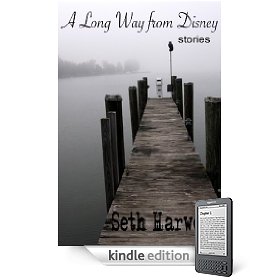
As some of you already know, back on Decem­ber 27th, I released a sam­ple of my first short sto­ry col­lec­tion A Long Way from Dis­ney on Amazon’s Kin­dle store and used social media strate­gies to mar­ket it. I did this for var­i­ous rea­sons, but main­ly because, as I’ve said here on OC before, I believe authors need to take on the role of sci­en­tists and exper­i­ment with what’s pos­si­ble in today’s pub­lish­ing world. (If you’re inter­est­ed in how I pub­li­cized this, see my recent posts at AuthorBootCamp.com.)

From a sci­en­tif­ic point of view, the exper­i­ment was a great suc­cess. I learned a great deal, which I’ll dis­cuss below. I sold a lot of books (at $.99 each)–around 350 in the first week–and I got my name and sto­ries in front of a lot of new peo­ple. I also heard from a num­ber of them who read the book right away and real­ly loved it! For you authors out there, I hope you can relate: Get­ting pos­i­tive feed­back on your work from total strangers is about the best feed­back there is.

[For those of you keep­ing score at home, those sales put $260 into Amazon’s pock­et and $140 into mine. Not too shab­by, I think, but also not the split an author might hope for.]

Okay, with­out any fur­ther delay: Here are the Results (what I’ve learned) from Exper­i­ment 1:

1)   Timing can be essen­tial. I posi­tioned myself to hit the Kin­dle store just after Xmas, think­ing that with many new­ly gift­ed Kin­dles out there, a lot more Kin­dle ebooks would be sell­ing and that I could cash in on this rush. I was cor­rect in this pre­dic­tion (Ama­zon sold more ebooks than paper copies over Christ­mas), but what I didn’t pre­dict was how much hard­er this made it to reach the Top 100 Kin­dle best­seller list, a goal I had set for myself. I want­ed to hit the Top 100 because it would give the book addi­tion­al expo­sure and stim­u­late more buy­ing from new­bie Kin­dle own­ers look­ing for quick, cheap con­tent. (more…)

Modern Physics: A Free 6‑Course Introduction by Stanford’s Leonard Susskind

For the past two years, Stan­ford has been rolling out a series of cours­es (col­lec­tive­ly called Mod­ern Physics: The The­o­ret­i­cal Min­i­mum) that gives you a base­line knowl­edge for think­ing intel­li­gent­ly about mod­ern physics. The sequence, which moves from Isaac New­ton, to Albert Einstein’s work on the gen­er­al and spe­cial the­o­ries of rel­a­tiv­i­ty, to black holes and string the­o­ry, comes out of Stanford’s Con­tin­u­ing Stud­ies pro­gram. And the cours­es are all taught by Leonard Susskind, an impor­tant physi­cist who has engaged in a long run­ning “Black Hole War” with Stephen Hawk­ing. The final course, Sta­tis­ti­cal Mechan­ics, has now been post­ed on YouTube. The rest of the cours­es can be accessed imme­di­ate­ly below. (The cours­es also appear in our list of Free Online Physics Cours­es, a sub­set of our col­lec­tion, 1,700 Free Online Cours­es from Top Uni­ver­si­ties.) Six cours­es. Rough­ly 120 hours of con­tent. A com­pre­hen­sive tour of mod­ern physics. All in video. All free. Beat that.

Mod­ern Physics: The The­o­ret­i­cal Min­i­mum

  • Clas­si­cal Mechan­ics — YouTube
  • Quan­tum Mechan­ics — YouTube
  • Spe­cial Rel­a­tiv­i­ty — YouTube
  • Ein­stein’s Gen­er­al The­o­ry of Rel­a­tiv­i­ty — YouTube
  • Cos­mol­o­gy — YouTube
  • Sta­tis­ti­cal Mechan­ics — YouTube

Relat­ed Con­tent:

The Feyn­man Lec­tures on Physics, The Most Pop­u­lar Physics Book Ever Writ­ten, Is Now Com­plete­ly Online

What Made Richard Feyn­man One of the Most Admired Edu­ca­tors in the World

‘The Char­ac­ter of Phys­i­cal Law’: Richard Feynman’s Leg­endary Course Pre­sent­ed at Cor­nell, 1964

by | Permalink | Make a Comment ( 5 ) |


  • Great Lectures

  • Sign up for Newsletter

  • About Us

    Open Culture scours the web for the best educational media. We find the free courses and audio books you need, the language lessons & educational videos you want, and plenty of enlightenment in between.


    Advertise With Us

  • Archives

  • Search

  • Quantcast