Thomas Edison & His Trusty Kinetoscope Create the First Movie Filmed In The US (c. 1889)

Thomas Edi­son is undoubt­ed­ly America’s best-known inven­tor. Nick­named “The Wiz­ard of Men­lo Park” for his pro­lif­ic cre­ativ­i­ty, Edi­son amassed a whop­ping 1093 patents through­out his life­time. His most impor­tant inven­tions, such as the incan­des­cent light bulb and the phono­graph, were not mere­ly rev­o­lu­tion­ary in and of them­selves: they led direct­ly to the estab­lish­ment of vast indus­tries, such as pow­er util­i­ties and the music busi­ness. It is one of his less­er known inven­tions, how­ev­er, that led to the pro­duc­tion of the first film shot in the Unit­ed States, which you can view above.

The film, called Mon­keyshines, No. 1, was record­ed at some point between June 1889 and Novem­ber 1890. Its cre­ation is the work of William Dick­son, an employ­ee of Edison’s, who had been in charge of devel­op­ing the inventor’s idea for a new film-view­ing device. The machine that Edi­son had con­ceived and Dick­son engi­neered was the Kine­to­scope: a large box that housed a sys­tem that quick­ly moved a strip of film over a light source. Users watched the film whiz by from a hole in the top of the box, and by using sequen­tial images, like those in a flip-book, the Kine­to­scope gave the impres­sion of move­ment.

kinematografidisona

In the film, which Dick­son and anoth­er Edi­son employ­ee named William Heise cre­at­ed, a blur­ry out­line of an Edi­son labs employ­ee moves about, seem­ing­ly danc­ing. The above clip con­tains both Mon­keyshines, No. 1, and its sequel, appar­ent­ly filmed to con­duct fur­ther equip­ment tests, known as Mon­keyshines, No. 2. HD video, this is not. Despite hav­ing the hon­or of being the first films to be shot in the US, the Mon­keyshines series has gar­nered an unen­thu­si­as­tic reac­tion from present-day crit­ics: the orig­i­nal received a rat­ing of 5.5/10 stars at IMDB. The sequel? A 5.4.

Ilia Blin­d­er­man is a Mon­tre­al-based cul­ture and sci­ence writer. Fol­low him at @iliablinderman, or read more of his writ­ing at the Huff­in­g­ton Post.

Relat­ed Con­tent:

Thomas Edi­son and Niko­la Tes­la Face Off in “Epic Rap Bat­tles of His­to­ry”

Magi­cian Mar­co Tem­pest Daz­zles a TED Audi­ence with “The Elec­tric Rise and Fall of Niko­la Tes­la”

A Brief, Ani­mat­ed Intro­duc­tion to Thomas Edi­son (and Niko­la Tes­la)

Thomas Edi­son Recites “Mary Had a Lit­tle Lamb” in Ear­ly Voice Record­ing

David Bowie Talks and Sings on The Dick Cavett Show (1974)

I can think of very few taste­ful phe­nom­e­na to have come to promi­nence in the sev­en­ties, but David Bowie’s albums and Dick Cavet­t’s talk shows both make the short list. In the mid­dle of that decade, Bowie cer­tain­ly made the tele­vi­sion rounds; we pre­vi­ous­ly fea­tured his 1975 appear­ance oppo­site Cher, and today we have his appear­ance oppo­site Cavett from the pre­vi­ous year. “David Bowie is a super­star in a cat­e­go­ry that has nev­er actu­al­ly been defined,” says the host about the rock­er, to audi­ence cheers, “because as soon as a crit­ic tries to say what he is, he changes, like a chameleon.” It seems that Bowie, then at the height of his self-trans­for­ma­tive ten­den­cies, could reduce even the most elo­quent man on tele­vi­sion to that not-quite-accu­rate cliché. As the for­mer host told Esquire thir­ty years after this broad­cast, “Does­n’t a chameleon exert tremen­dous ener­gy to become indis­tin­guish­able from its envi­ron­ment?”

Yet Cavett ulti­mate­ly holds his own with Bowie, a feat I doubt many of the rest of us could pull off then or now. The appear­ance involves more than just music; while Bowie does per­form, he also sits down to talk, some­thing that his fans had­n’t yet seen him do in 1974. To many of them, he remained for the most part a mys­tery, albeit an astute­ly rock­ing one. “Who is he? What is he?” Cavett rhetor­i­cal­ly asks the crowd. “Man? Woman? Robot?” In the event, they dis­cuss his school days, his ride on the Trans-Siber­ian Rail­way, the unfor­get­table Dia­mond Dogs cov­er arthis step back from “glit­ter,” why oth­er peo­ple would have feared inter­view­ing him, and whether he pic­tures him­self at six­ty (in the far-flung year of 2007). How easy to for­get, in this age when we can often con­verse with our idols by mere­ly send­ing them an @ reply on Twit­ter, how much a show­man like Bowie could leave to our imag­i­na­tions. He remains admirably secre­tive by today’s stan­dards, but back in the sev­en­ties, any­thing he said would have come as a rev­e­la­tion — espe­cial­ly if prompt­ed by no less art­ful a con­ver­sa­tion­al­ist.

Relat­ed Con­tent:

David Bowie and Cher Sing Duet of “Young Amer­i­cans” and Oth­er Songs on 1975 Vari­ety Show

David Bowie Sings ‘I Got You Babe’ with Mar­i­anne Faith­full in His Last Per­for­mance As Zig­gy Star­dust

David Bowie Releas­es Vin­tage Videos of His Great­est Hits from the 1970s and 1980s

David Bowie Recalls the Strange Expe­ri­ence of Invent­ing the Char­ac­ter Zig­gy Star­dust (1977)

David Bowie’s Top 100 Books

Col­in Mar­shall hosts and pro­duces Note­book on Cities and Cul­ture and writes essays on cities, lan­guage, Asia, and men’s style. He’s at work on a book about Los Ange­les, A Los Ange­les Primer. Fol­low him on Twit­ter at @colinmarshall or on Face­book.

Billy Joel & Vanderbilt Student Perform Impromptu Duet of “New York State of Mind”

Dur­ing a vis­it to Van­der­bilt Uni­ver­si­ty last year, Bil­ly Joel field­ed a ques­tion from a fresh­man, Michel Pol­lack. To para­phrase: “My favorite song of yours is New York State of Mind. Can I play it for you on the piano while you sing?” To which Joel replied, “Ok.” And off they went. It’s a love­ly impromp­tu moment. But it was a lit­tle too much for Pol­lack. A lit­tle over­whelmed by the whole expe­ri­ence, he got a 69 on his cal­cu­lus exam the next day. But who could blame him. We have more impromp­tu musi­cal moments below.

Relat­ed Con­tent:

Lenny Kravitz Over­hears High School Kids Play­ing His Music and Sur­pris­es Them by Join­ing In

A Paul Simon Feelin’-Very-Groovy Moment with a Fan

Blind Gui­tarist Lives Out Dream at U2 Show

Michel Foucault and Alain Badiou Discuss “Philosophy and Psychology” on French TV (1965)

If sub­ti­tles don’t play auto­mat­i­cal­ly, please click the “CC” but­ton at the bot­tom of each video.

When Sig­mund Freud died in 1939, the year Hitler invad­ed Poland, W.H. Auden wrote a eulo­gy in verse and remarked “We are all Freudi­ans now.” One might have said some­thing sim­i­lar of Michel Fou­cault after his death in 1984. Fou­cault became a fierce­ly polit­i­cal philoso­pher after the May 1968 Paris stu­dent upris­ing and in a year that saw the Tet Offen­sive in Viet­nam and the assas­si­na­tions of Mar­tin Luther King Jr. and Robert Kennedy. In the fol­low­ing year—after the Man­son mur­ders and the grim events at Altamont—the six­ties effec­tive­ly came to an end as its utopi­an projects flared up and fiz­zled.

In the next repres­sive decade, Fou­cault pub­lished Dis­ci­pline and Pun­ish (1974) and his His­to­ry of Sex­u­al­i­ty (1976). Even as he used Freudi­an con­cepts, he declared Freudi­an psy­cho­analy­sis com­plic­it in what he called “dis­ci­pli­nary soci­ety,” anoth­er method, like pris­ons, schools, and hos­pi­tals, of keep­ing mass­es of peo­ple under con­stant sur­veil­lance and in states of sub­mis­sion. It is this post-‘68 Fou­cault many of us came to know—an anti-philoso­pher whose deep dis­trust of all insti­tu­tion­al forms of pow­er seemed the per­fect ally for post-ado­les­cent col­lege stu­dents in com­fort­able rebel­lion. This is why it is a lit­tle sur­pris­ing to see the Fou­cault above, in a 1965 con­ver­sa­tion with philoso­pher Alain Badiou, ensconced in the bour­geois world of a French philo­soph­i­cal cul­ture, with its lin­eages and ordi­nary cit­i­zens brows­ing paper­back copies of Marx and Hegel, instead of stag­ing Sit­u­a­tion­ist actions to dis­rupt the social order.

But of course, it’s only log­i­cal to infer that the one cul­ture led direct­ly to the oth­er. For all his rhetor­i­cal the­atrics, Fou­cault nev­er gave up on the human­ist insti­tu­tion of the uni­ver­si­ty, but always made his home in class­rooms, lec­ture halls, and yes, even TV inter­views. His top­ic in con­ver­sa­tion with Badiou is “Phi­los­o­phy and Psy­chol­o­gy” and they came togeth­er on the edu­ca­tion­al tele­vi­sion pro­gram L’enseignement de la philoso­phie—anoth­er tes­ta­ment, like the well-stocked book­stores and cul­tur­al land­marks, to a six­ties French cul­ture steeped in philo­soph­i­cal atti­tudes. Unfor­tu­nate­ly we have only the first two parts of the inter­view, above, with Eng­lish sub­ti­tles (the third and final part is still wait­ing to be trans­lat­ed). You can, how­ev­er, see the full inter­view in French below.

The inter­view opens with the ques­tion “What is psy­chol­o­gy?” Foucault’s answer, which he would revise many times in the com­ing decades, along with his ter­mi­nol­o­gy, begins by ask­ing that we “inter­ro­gate” the dis­ci­pline of Psy­chol­o­gy “like any oth­er type of cul­ture.” Prod­ded by Badiou, he elab­o­rates: Psy­chol­o­gy is yet anoth­er insti­tu­tion­al­ized “form of know­ing” that makes up a dis­ci­pli­nary soci­ety, the core con­cept of his phi­los­o­phy. Foucault’s inter­view­er Badiou is now an elder states­man of French phi­los­o­phy, its “great­est liv­ing expo­nent,” writes his pub­lish­er. His most recent book doc­u­ments forty years of what he calls the “’French moment’ in con­tem­po­rary thought”—one great­ly inspired by Michel Fou­cault.

Relat­ed Con­tent:

Hear Michel Fou­cault Deliv­er His Lec­ture on “Truth and Sub­jec­tiv­i­ty” at UC Berke­ley, In Eng­lish (1980)

Clash of the Titans: Noam Chom­sky & Michel Fou­cault Debate Human Nature & Pow­er on Dutch TV, 1971

Michel Foucault’s Con­tro­ver­sial Life and Phi­los­o­phy Explored in a Reveal­ing 1993 Doc­u­men­tary

Free Online Phi­los­o­phy Cours­es

Josh Jones is a writer and musi­cian based in Durham, NC. Fol­low him at @jdmagness

Watch Episode #3 of Cosmos with Neil deGrasse Tyson: “When Knowledge Conquered Fear” (US Viewers)

Last week’s episode of the Cos­mos reboot saw Neil deGrasse Tyson giv­ing Fox view­ers a les­son in evo­lu­tion, a les­son that end­ed with the qui­et but emphat­ic dec­la­ra­tion: “The the­o­ry of evo­lu­tion, like the the­o­ry of grav­i­ty, is a sci­en­tif­ic fact. Evo­lu­tion real­ly hap­pened.” This week Tyson, the astro­physi­cist who directs the Hay­den Plan­e­tar­i­um, intro­duced view­ers to some sub­jects he holds near and dear: comets and grav­i­ty, the work of Edmond Hal­ley and Isaac New­ton, and how they changed our under­stand­ing of the world.

Relat­ed Con­tent:

Episode #1 of Neil deGrasse Tyson’s Cos­mos Reboot on Hulu (US View­ers)

Episode #2 of Neil deGrasse Tyson’s Cos­mos: Explains the Real­i­ty of Evo­lu­tion (US View­ers)

Neil deGrasse Tyson on the Stag­ger­ing Genius of Isaac New­ton

Neil deGrasse Tyson Talks Aster­oid Physics & “Non New­ton­ian Solids” with Inspir­ing 9‑Year-Old Stu­dent


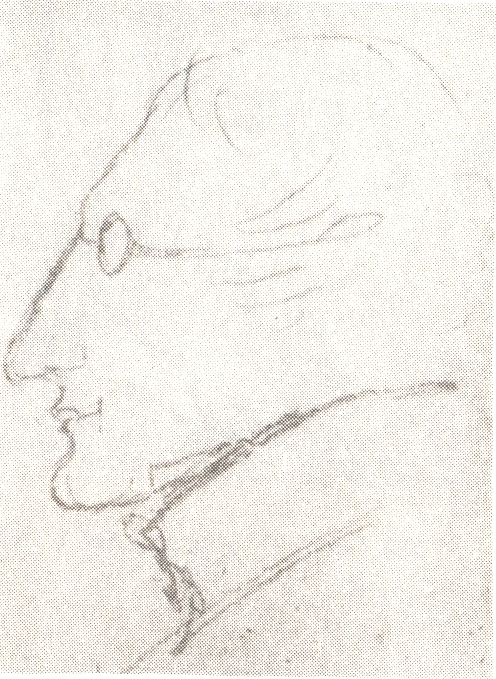
Revered Poet Alexander Pushkin Draws Sketches of Nikolai Gogol and Other Russian Artists

pushkin sketch of gogol

Ask an Amer­i­can or an Eng­lish­man who the best Russ­ian poet is, and they’ll gen­uine­ly con­sid­er the ques­tion. The same query, when posed to a Russ­ian, invari­ably yields a sin­gle answer: Alexan­der Pushkin. While his rep­u­ta­tion pos­sess­es a cer­tain renown amid some rar­efied lit­er­ary cir­cles in the West, in Rus­sia, Pushkin is wor­shipped: ele­men­tary school stu­dents mem­o­rize his vers­es, and one would be hard pressed to find a per­son igno­rant of Eugene Onegin’s plot.

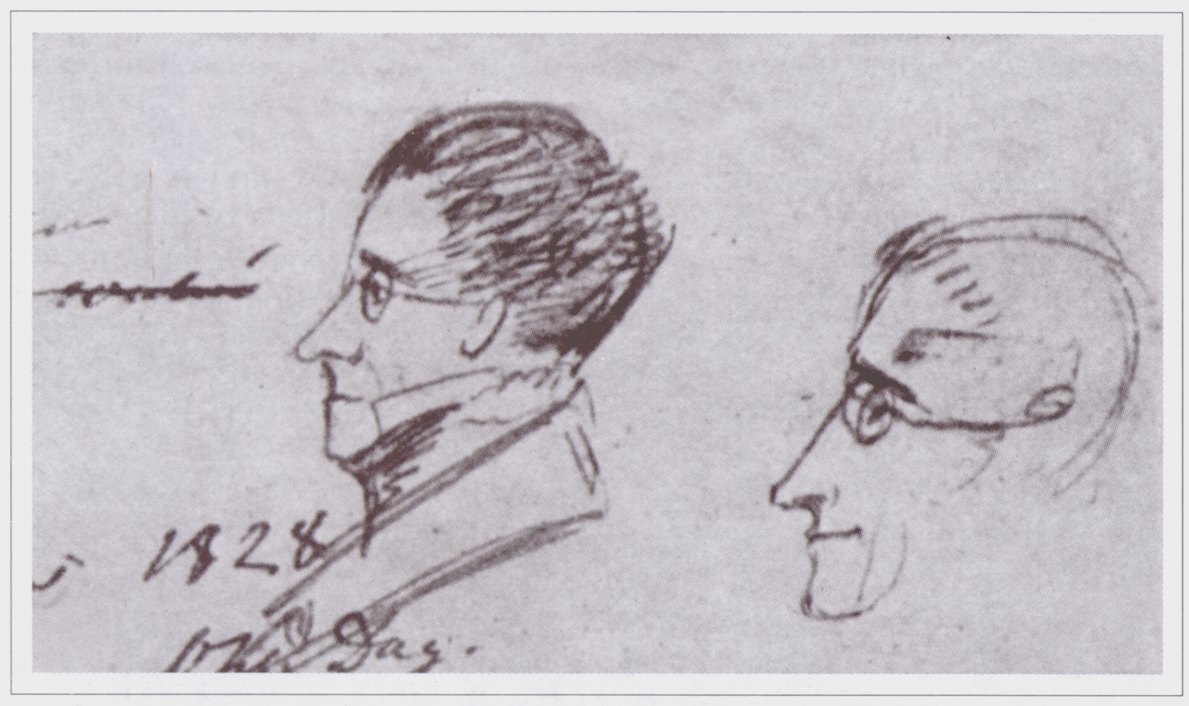
By exten­sion, Pushkin’s sketch­es — so beloved in Rus­sia that they’ve been com­piled and pub­lished numer­ous times — remain almost unheard of else­where. Above we’ve includ­ed a sim­ple draw­ing that the poet sketched of the great Russ­ian writer, Niko­lai Gogol. In the fol­low­ing image, below, Pushkin depict­ed anoth­er autho­r­i­al con­tem­po­rary: Alek­sander Gri­boe­dov, whose Woe from Wit remains a Russ­ian clas­sic.

Griboedov

Fur­ther down is the poet him­self, all curls and side­burns, in a self-por­trait that dates from some­where between 1827 and 1830.

pushkin

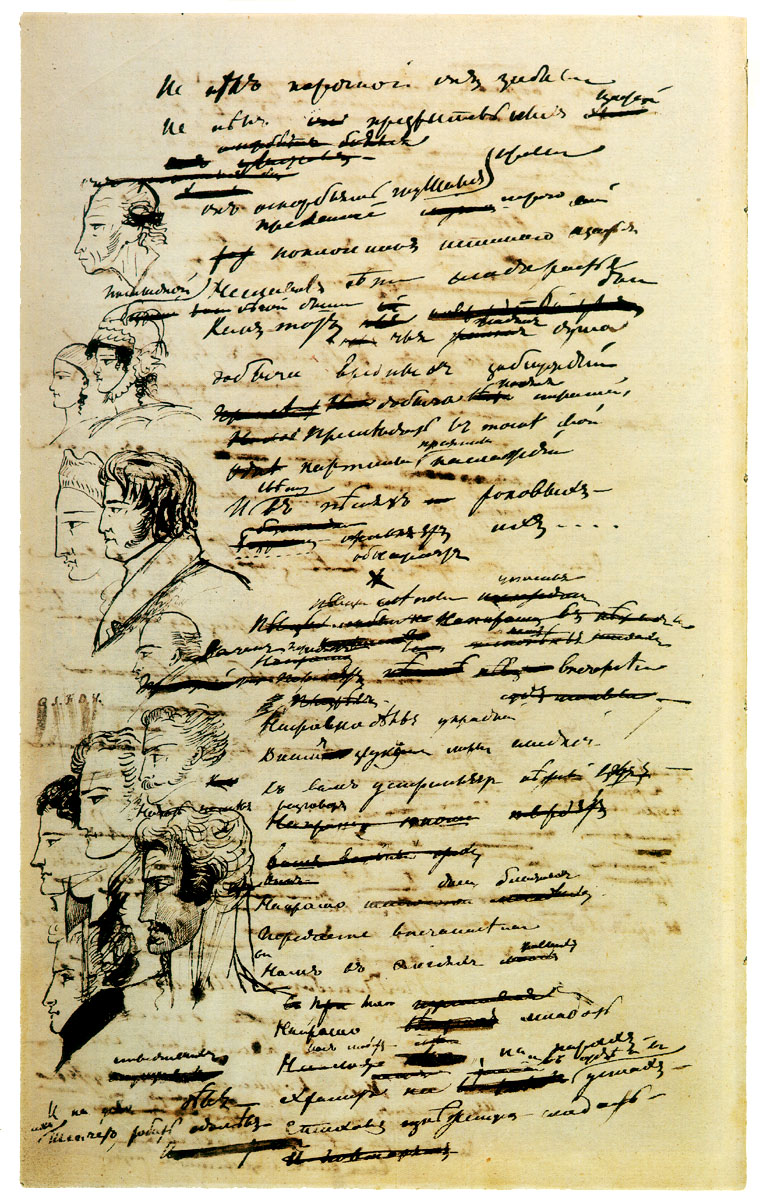
Pushkin would fre­quent­ly jot down these charm­ing black and white sketch­es both in his per­son­al writ­ings, and in the mar­gins of his man­u­scripts. The final image, a page from Eugene One­gin, is a ter­rif­ic exam­ple of his note­books. Along­side the text, Pushkin includ­ed a sketch of a well-known Russ­ian painter and aris­to­crat, with whom the author was cer­tain­ly acquaint­ed: Count Fyo­dor Petro­vich Tol­stoy (not to be con­fused with the Leo Tol­stoy).

tolstoy

Ilia Blin­d­er­man is a Mon­tre­al-based cul­ture and sci­ence writer. Fol­low him at @iliablinderman, or read more of his writ­ing at the Huff­in­g­ton Post.

Relat­ed Con­tent:

The His­toric Meet­ing Between Dick­ens and Dos­to­evsky Revealed as a Great Lit­er­ary Hoax

George Saun­ders’ Lec­tures on the Russ­ian Greats Brought to Life in Stu­dent Sketch­es

Stephen Fry Pro­files Six Russ­ian Writ­ers in the New Doc­u­men­tary Russia’s Open Book

The Chorus Project Features Teenagers Performing Hits by the Kinks, David Byrne, the Jackson 5 & More

The Cho­rus Project is the sort of oppor­tu­ni­ty par­ents dream about—talent-based, high pro­file, and helmed by vision­ary adults in tune with teenagers’ emo­tion­al and pre-pro­fes­sion­al needs. The select few—there are 39, lead­ing one to won­der what hap­pened to num­ber 40—range in age from 14–18. They hail from a vari­ety of back­grounds, com­ing togeth­er after school and over the sum­mer to sing, and ulti­mate­ly record, choral arrange­ments of rock and pop hits, orches­trat­ed by well known musi­cians. The 1970s Lan­g­ley Schools Music Project is a big influ­ence, as is the tele­vi­sion show Glee.

Their fresh-faced, ortho­don­tia-enhanced take on the David Byrne / St.Vincent col­lab­o­ra­tion “Who,” above, embod­ies the Cho­rus Project approach, gar­ner­ing St. Vin­cen­t’s stamp, or rather, Tweet, of approval.

Byrne recent­ly advised young musi­cans to expect that retain­ing free­dom and cre­ative con­trol means tak­ing a finan­cial hit. How com­fort­ing to find Cho­rus Project founder Lau­ren Brom­ley Hodge ennu­mer­at­ing that path’s alter­nate rewards:

 Music is a uni­ver­sal lan­guage, cross­ing cul­tur­al and income bar­ri­ers. Singing in a cho­rus cre­ates com­mu­ni­ty, friend­ship and trust. In a soci­ety where arts based edu­ca­tion­al oppor­tu­ni­ties are dras­ti­cal­ly reduced and threat­ened, this music project gives young singers the chance to learn about singing, per­form­ing and record­ing from musi­cians and teach­ers.

Cul­tur­al and income bar­ri­ers aren’t the only bound­aries music tran­scends. As one Metafil­ter user remarked after view­ing the Cho­rus Pro­jec­t’s spin on The Kinks’ “Water­loo Sun­set,” arranged by the dBs’ Chris Stamey:

Can some­one let that ado­les­cent boy singing lead on “Water­loo Sun­set” know that my six­teen year-old self called and his heart is bro­ken from the crush he’ll nev­er be able to say hel­lo to?

Because sob.

See, kids? You don’t need leather pants or facial hair to be cool!

My favorite Cho­rus Project per­for­mance thus­far is their cov­er of the Jack­son 5’s  “I Want You Back.” The puri­ty of those open­ing bars remind­ed me of high school and “You Can’t Always Get What You Want” in equal parts. I dug the cin­der blocks in the back­ground. I appre­ci­at­ed the deep look of con­cen­tra­tion upon soloist Presyce Baez’s face, as well as the cat­like, canary-stuffed expres­sion of his part­ner, Ally Copen­haver, bid­ing her time until the one-and-a-half minute mark when… leapin’ lizards! That kid’s got an impres­sive set of pipes, mak­ing it all the more grat­i­fy­ing to see her show­ing up in a sup­port­ing capac­i­ty else­where in her cho­rus’s oeu­vre.

You can enjoy more of the Cho­rus Pro­jec­t’s videos here, after which you can move to Raleigh-Durham, where project Sea­mus Ken­ney, leads a week­ly, drop-in Pop­up Cho­rus for adults.

Relat­ed Con­tent:

Teens Pon­der Mean­ing of Con­tem­po­rary Art

Ele­men­tary School Kids Sing David Bowie’s “Space Odd­i­ty” & Oth­er Rock Hits: A Cult Clas­sic Record­ed in 1976

Ayun Hal­l­i­day can’t sing, but she can crank out the zines like nobody’s busi­ness. Fol­low her @AyunHalliday

Titanic: The Nazis Create a Mega-Budget Propaganda Film About the Ill-Fated Ship … and Then Banned It (1943)

James Cameron’s Titan­ic appeared in 1997 as the most expen­sive film ever made. Wern­er Klin­gler and Her­bert Selpin’s Titan­ic appeared in 1943 as the most expen­sive Ger­man film ever made. And the two share even more than their bud­gets’ record-break­ing sta­tus, their famous­ly “unsink­able” sub­ject, and their title in com­mon: both endured trou­bled pro­duc­tions, both fea­ture a late scene where their male hero con­vinces his lover to just get on a lifeboat already, and both set out to make strong state­ments indeed. The lat­er, Amer­i­can Titan­ic has much to say about the cin­e­mat­ic tri­umph of late-20th-cen­tu­ry visu­al effects, where­as the ear­li­er, Ger­man Titan­ic takes a more neg­a­tive tack, mount­ing an indict­ment of the sup­pos­ed­ly sav­age avarice and thor­ough cor­rup­tion of that coun­try’s bit­ter wartime ene­my, Great Britain. In its ill-fat­ed tit­u­lar ship, the huge-scale pro­pa­gan­da film found what must have seemed like the per­fect­ly opu­lent illus­tra­tion of its argu­ment.

But things worked out no bet­ter for this Titan­ic than for the actu­al Titan­ic — and indeed, for Ger­many in the Sec­ond World War. “Nev­er shown in Nazi Ger­many, its direc­tor was found hanged  by his own braces and is sus­pect­ed of hav­ing been mur­dered by the Gestapo,” writes David Ger­rie in the Dai­ly Mail. “And the ship that took the role of the Titan­ic, the Cap Arcona, was lat­er sunk with 5,000 con­cen­tra­tion camp pris­on­ers on board, a vast­ly greater loss of life than the 1,517 who died in the Titan­ic dis­as­ter.” For all the time, ener­gy, and mon­ey the regime piled into it, the film turned out “far from the mas­ter­piece [Nazi Min­is­ter of Pro­pa­gan­da Joseph] Goebbels had wait­ed two years to see. Fear­ing Nazi cit­i­zens under attack by Allied bombers would be fright­ened by the sink­ing, he banned its release in Ger­many.” Just as Cameron’s Titan­ic shocked the indus­try-watch­ers who had solemn­ly pre­dict­ed a megaflop by cre­at­ing one of the most suc­cess­ful movies of all time, Klin­gler and Selpin’s Titan­ic must have giv­en the Nazis quite a start when it emerged as a tes­ta­ment not to Britain’s hubris, but, inad­ver­tent­ly, to their own.

Relat­ed Con­tent:

Watch Lam­beth Walk—Nazi Style: The Ear­ly Pro­pa­gan­da Mash Up That Enraged Joseph Goebbels

The Nazi’s Philis­tine Grudge Against Abstract Art and The “Degen­er­ate Art Exhi­bi­tion” of 1937

Don­ald Duck’s Bad Nazi Dream and Four Oth­er Dis­ney Pro­pa­gan­da Car­toons from World War II

“The Duck­ta­tors”: Loony Tunes Turns Ani­ma­tion into Wartime Pro­pa­gan­da (1942)

The Nazis’ 10 Con­trol-Freak Rules for Jazz Per­form­ers: A Strange List from World War II

Col­in Mar­shall hosts and pro­duces Note­book on Cities and Cul­ture and writes essays on cities, lan­guage, Asia, and men’s style. He’s at work on a book about Los Ange­les, A Los Ange­les Primer. Fol­low him on Twit­ter at @colinmarshall or on Face­book.

« Go BackMore in this category... »
Quantcast