Willie Nelson–Young, Clean-Shaven & Wearing a Suit–Sings Early Hits at the Grand Ole Opry (1962)

On an ordi­nary after­noon, a group of friends sit around lis­ten­ing to records. Some­one puts on a Willie Nel­son album, and there is a knock at the door. It’s an old­er man, mak­ing a deliv­ery. He paus­es behind his clip­board, hear­ing the music from inside the house. “Is that Red Head­ed Stranger,” he asks? Yes. He asks if he can come in and lis­ten. And for the next thir­ty min­utes, no one says a word as the album tells its mourn­ful tale of betray­al and bloody revenge, a sto­ry, writes All­mu­sic “about a preach­er on the run after mur­der­ing his depart­ed wife and her new lover.” It’s an album that remains—with its “brief song-poems and utter­ly min­i­mal backing”—perhaps “the strangest block­buster coun­try pro­duced.”

That 1975 album of tear-jerk­ers and mur­der bal­lads, which estab­lished Nel­son as a “super­star record­ing artist,” is so “old-fash­ioned” it sounds “like a tale told around a cow­boy camp­fire.” And it is for that rea­son mil­lions of fans can’t tear them­selves away from its com­pelling nar­ra­tive and aching­ly sad, home­spun laments—including myself, a few friends, and a stranger on a sched­ule who came to the door. And if Red Head­ed Stranger is an unlike­ly block­buster, Nel­son is an unlike­ly super­star, full of con­tra­dic­tions. He’s a gen­tle out­law; an old-fash­ioned coun­try trou­ba­dour who has remained on the pro­gres­sive activist edge; and an unas­sum­ing, tra­di­tion­al artist who hap­pens to be loved across the spec­trum of gen­er­a­tions, polit­i­cal per­sua­sions, and musi­cal styles.

But before Nel­son became an inter­na­tion­al super­star he appeared on the coun­try music cir­cuit clean-shaven, short-haired, and in the nat­ty suit and tie you see him wear in the clip above from a tele­vised 1962 Grand Ole Opry per­for­mance. Close your eyes and you’ll hear that it’s undoubt­ed­ly Nelson’s famil­iar warble—though not so weath­ered with age as we’ve grown used to. But when you look, it’s hard to see the griz­zled tax-evad­ing, pot-smok­ing out­law hip­pie hero we know and love in this fresh-faced gent. Nel­son had only just moved to Nashville two years pri­or, and he strug­gled to make an impres­sion at first. But when coun­try singer Faron Young heard him sing his “Hel­lo Walls” at a bar next to the Opry, his for­tunes changed. Young sent the song into the top 40, and Nel­son became, as the host above calls him, “the Mick­ey Man­tle of coun­try music,” writ­ing hit after hit.

By ’62, he had record­ed his first LP, And Then I Wrote, singing many songs he’d giv­en to oth­er artists. He opens above with “Hel­lo Walls,” and he clos­es with his oth­er mas­sive hit from the peri­od, “Crazy,” Pat­sy Cline’s sig­na­ture tune. In-between, Nel­son sings anoth­er song from his debut album, Bil­ly Walker’s “Fun­ny How Time Slips Away,” and works in “Night Life,” a blues song he wrote for Ray Price. Only eight years after this TV appear­ance, Nel­son decid­ed to retire from music and pack it in, feel­ing like his career had run its course. It wasn’t until a cou­ple years later—after he’d become part of Austin’s eclec­tic music scene and re-invent­ed him­self musi­cal­ly with 1973’s Shot­gun Willie—that the out­law bal­ladeer we know and love was born.

Relat­ed Con­tent:

Willie Nel­son Audi­tions for The Hob­bit Film Sequel, Turns 80 Today

John­ny Cash: Singer, Out­law, and, Briefly, Tele­vi­sion Host

The 1969 Bob Dylan-John­ny Cash Ses­sions: 12 Rare Record­ings

Josh Jones is a writer and musi­cian based in Durham, NC. Fol­low him at @jdmagness

Metallica’s Bassist Robert Trujillo Plays Metallica Songs Flamenco-Style, Joined by Rodrigo y Gabriela

Heavy Met­al has always had its baroque non-met­al ele­ments. It seems that no mat­ter how hard and fast a met­al band rocks, they’re even­tu­al­ly going to slip into some form of medieval Scan­di­na­vian folk music, Teu­ton­ic opera, Tolkienesque fan­ta­sy con­cept album song cycle, or at least—on the bub­blegum end of the spectrum—soft rock bal­lad…. (You’re prob­a­bly already pic­tur­ing tiny Stone­henge on the Spinal Tap stage.) Such ref­er­ences have been in the genre’s DNA since the days of met­al fore­fa­thers Led Zep­pelin and Deep Pur­ple.

Metal­li­ca, and the oth­er three of the big four founders of thrash metal—Anthrax, Megadeath, and Slayer—emerged as an anti­dote to metal’s occa­sion­al pre­ten­tious­ness and grandios­i­ty. Much clos­er to punk and hard­core (they once cov­ered campy hor­ror punks The Mis­fits) than to the bom­bas­tic span­dex and hair­spray indus­try met­al became, ear­ly Metal­li­ca prid­ed them­selves on vio­lent­ly aggres­sive music and imagery, and a com­plete absence of sub­tle­ty. (See the orig­i­nal title and cov­er for their debut album Kill ‘em All.)

But they soft­ened in time, as we know, and even­tu­al­ly intro­duced some some non-met­al into their songwriting—most notably in the grim acoustic bal­ladry of megahit “One.” Now, thanks to new (-ish) bassist Robert Tru­jil­lo, the met­al leg­ends can add a com­plete­ly dif­fer­ent acoustic style to their repertoire—“flamingo,” as lead singer James Het­field describes Trujillo’s fla­men­co gui­tar chops in the video above. And, as if to prove his bona fides in the fla­men­co world, Tru­jil­lo got to jam with the reign­ing king and queen of Nue­vo Fla­men­co gui­tarists, Mex­i­can duo Rodri­go y Gabriela—two play­ers whose speed and vir­tu­os­i­ty match those of the best met­al shred­ders, but whose roots come from a much old­er tra­di­tion. (See them rip through “Tama­cun” below.)

In the video at the top of the post, Tru­jil­lo and his low-slung bass join the acoustic duo on stage dur­ing their encore at a Red Rocks con­cert in 2014 for a fla­men­co-style med­ley of Metal­li­ca clas­sics, includ­ing “Ori­on,” “For Whom The Bell Tolls,” “The Frayed Ends of San­i­ty,” and “Bat­tery.” It some­how seems like a per­fect fit for the ver­sa­tile Tru­jil­lo, who grew up as inspired by jazz fusion bassist Jaco Pas­to­rius and funk and Motown play­ers (he opens his guest spot above with the “Jun­gle Boo­gie” bass riff) as he was by Black Sab­bath. He brought many of these influ­ences to pre­vi­ous bands like Sui­ci­dal Ten­den­cies and Infec­tious Grooves. And now—in addi­tion to “flamingo”—he’s brought to Metal­li­ca some­thing else pre­vi­ous­ly unheard-of in met­al: slap bass solos.

Relat­ed Con­tent:

With Medieval Instru­ments, Band Per­forms Clas­sic Songs by The Bea­t­les, Red Hot Chili Pep­pers, Metal­li­ca & Deep Pur­ple

A Blue­grass Ver­sion of Metallica’s Heavy Met­al Hit, “Enter Sand­man”

Finnish Musi­cians Play Blue­grass Ver­sions of AC/DC, Iron Maid­en & Ron­nie James Dio

Josh Jones is a writer and musi­cian based in Durham, NC. Fol­low him at @jdmagness

Free MIT Course Teaches You to Watch Movies Like a Critic: Watch Lectures from The Film Experience

We all have our favorite film crit­ics. Maybe we grav­i­tat­ed to them because they write well or because they share our tastes, but the very best of them — the crit­ics we read even on gen­res and direc­tors we oth­er­wise would­n’t care about — make us see movies in a new way. Specif­i­cal­ly, they make us see them the way they do, and the point of view of a pro­fes­sion­al crit­ic steeped in cin­e­ma his­to­ry and the­o­ry (not to men­tion the thou­sands and thou­sands of hours of actu­al film they’ve watched) will always have a rich­ness that the casu­al movie­go­er can’t hope to enjoy on his/her own.

Unless, of course, you take The Film Expe­ri­ence, a 23-lec­ture course from the Mass­a­chu­setts Insti­tute of Tech­nol­o­gy. And you don’t need to enroll at MIT — or even show up and sur­rep­ti­tious­ly audit — to take it, since the school has made those lec­tures, their accom­pa­ny­ing mate­ri­als, and even sup­ple­men­tal media (just like the DVD extras that have inspired a gen­er­a­tion of cinephiles) free on their Open­Course­Ware site. They’ve also assem­bled the videos, star­ring MIT’s Film and Media Stud­ies pro­gram found­ing pro­fes­sor David Thor­burn, into a sin­gle Youtube playlist.

Thor­burn’s lec­tures begin with the intro­duc­tion to film as a cul­tur­al form at the top of the post, which itself begins with the ques­tion “What is film?” He then launch­es into a jour­ney through film his­to­ry, from the silent come­dies of Buster Keaton and Char­lie Chap­lin (see also our Keaton and Chap­lin col­lec­tions) to the Hol­ly­wood stu­dio era and Alfred Hitch­cock (for whom we’ve got a col­lec­tion as well) to Amer­i­can film in the 1970s and Ital­ian neo­re­al­ism to François Truf­faut and Aki­ra Kuro­sawa. When you come out of the course pos­sess­ing a new­ly height­ened abil­i­ty to decode the lan­guage of film, you may or may not hear the call­ing to become a crit­ic your­self — but at least it’ll make your next trip to the mul­ti­plex more inter­est­ing.

The Film Expe­ri­ence will be added to our col­lec­tion, 1,700 Free Online Cours­es from Top Uni­ver­si­ties.


If you would like to sign up for Open Culture’s free email newslet­ter, please find it here. It’s a great way to see our new posts, all bun­dled in one email, each day.

If you would like to sup­port the mis­sion of Open Cul­ture, con­sid­er mak­ing a dona­tion to our site. It’s hard to rely 100% on ads, and your con­tri­bu­tions will help us con­tin­ue pro­vid­ing the best free cul­tur­al and edu­ca­tion­al mate­ri­als to learn­ers every­where. You can con­tribute through Pay­Pal, Patre­on, and Ven­mo (@openculture). Thanks!

Relat­ed Con­tent:

The 10 Great­est Films of All Time Accord­ing to 846 Film Crit­ics

Take a Free Course on Film Noir; Then Watch Oodles of Free Noir Films Online

65 Free Char­lie Chap­lin Films Online

The Gen­er­al, “Per­haps the Great­est Film Ever Made,” and 20 Oth­er Buster Keaton Clas­sics Free Online

22 Free Hitch­cock Movies Online

Based in Seoul, Col­in Mar­shall writes and broad­casts on cities, lan­guage, and style. He’s at work on a book about Los Ange­les, A Los Ange­les Primer, the video series The City in Cin­e­ma, the crowd­fund­ed jour­nal­ism project Where Is the City of the Future?, and the Los Ange­les Review of Books’ Korea Blog. Fol­low him on Twit­ter at @colinmarshall or on Face­book.

The Online Knitting Reference Library: Download 300 Knitting Books Published From 1849 to 2012

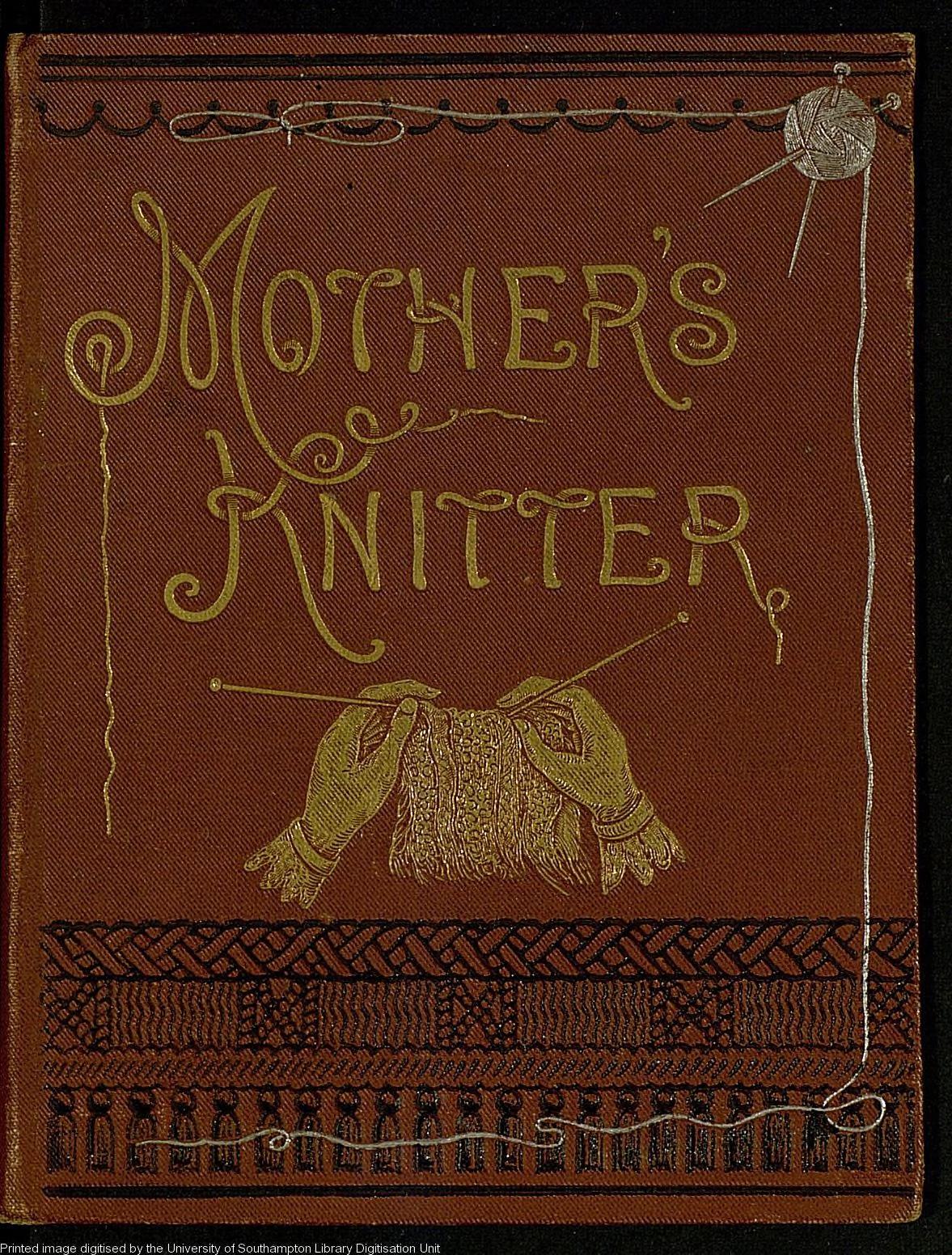
Mother's Knitter

No need to scram­ble to the fall­out shel­ter, friends.

That mas­sive boom you just heard is mere­ly the sound of thou­sands of crafters’ minds being blown en masse by the Uni­ver­si­ty of South­hamp­ton’s Knit­ting Ref­er­ence Library, an exten­sive resource of books, cat­a­logues, pat­terns, jour­nals and magazines—over sev­en­teen decades worth.

Viva la Hand­made Rev­o­lu­tion!

The basics of the form—knit­ting, purl­ing, increas­ing, decreas­ing, cast­ing on and off—have remained remark­ably con­sis­tent through­out the gen­er­a­tions. No won­der there’s an endur­ing tra­di­tion of learn­ing to knit at grandma’s knee…

What has evolved is the nature of the fin­ished prod­ucts.

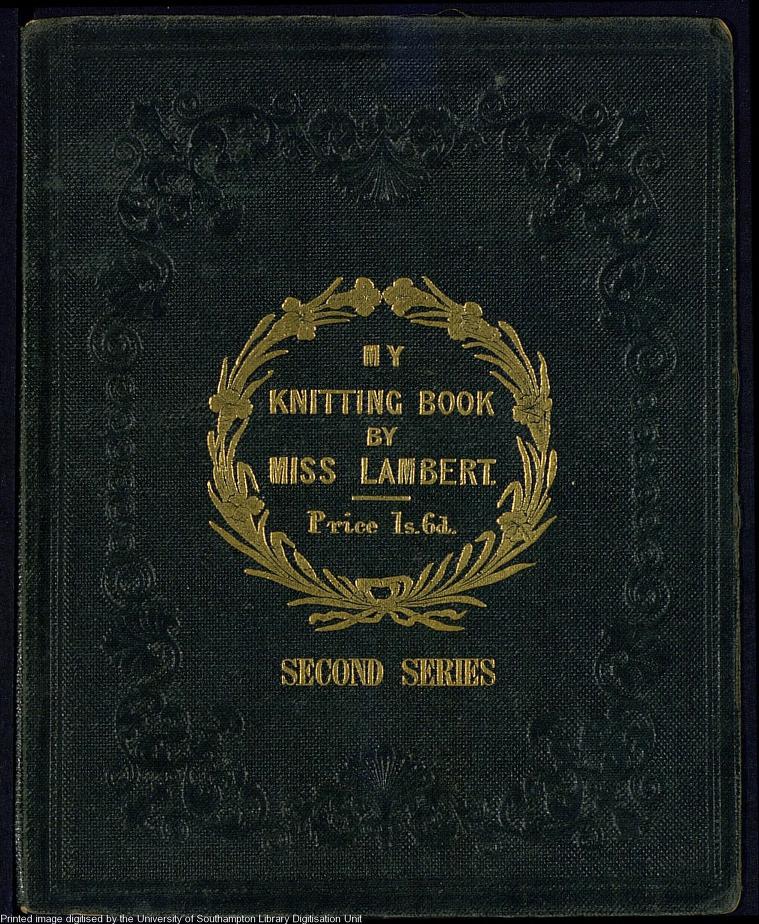
Miss Lambert

Miss Lam­bert’s “Baby Quilt in Stripes of Alter­nate Col­ors” from her 1847 Knit­ting Book could still hold its own against any oth­er hand­craft­ed show­er gift, but even the most hard­core mod­ern crafter would find it chal­leng­ing to find tak­ers for her “Car­riage Sock,” which is meant to be worn over the shoe.

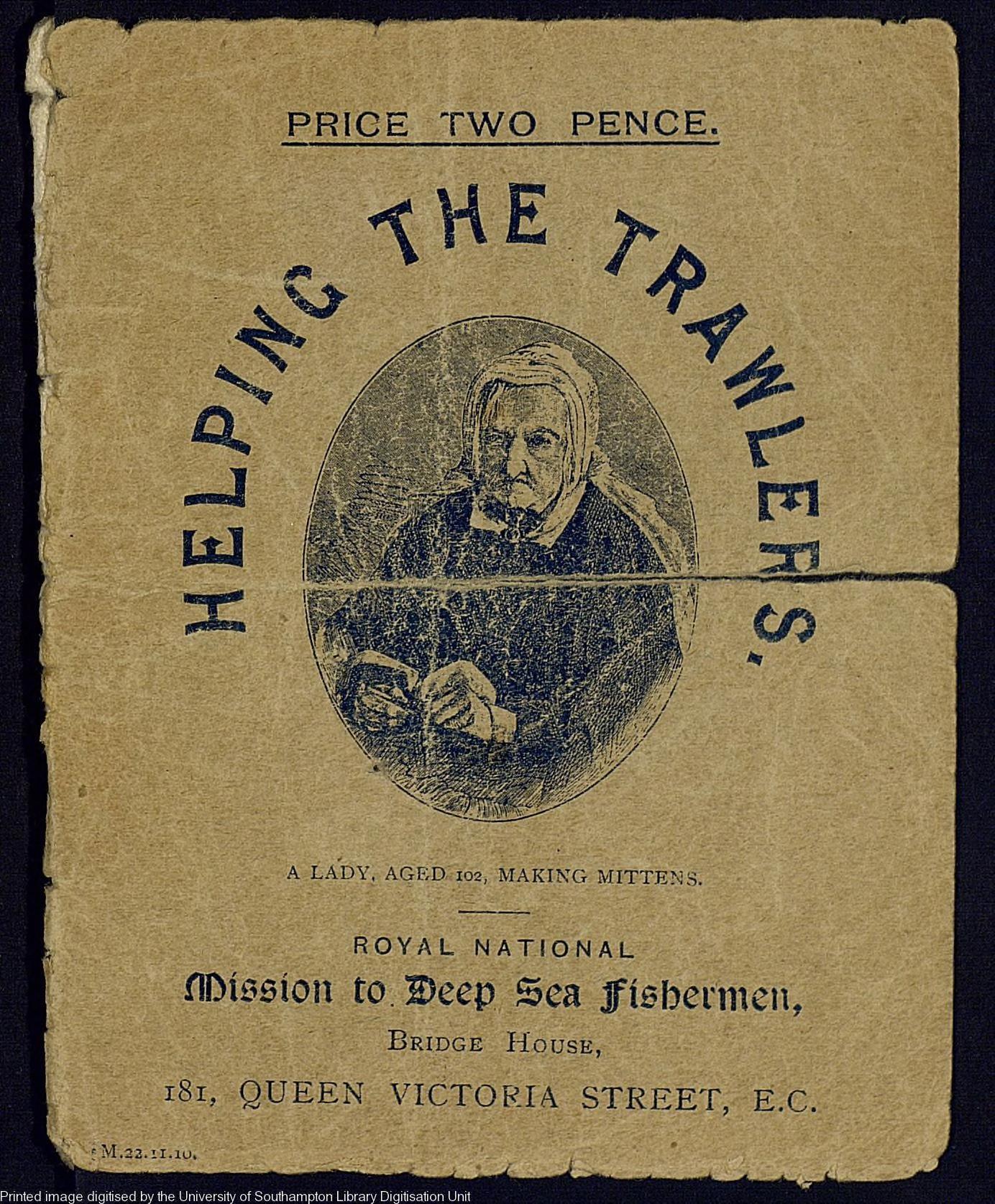
Trawlers

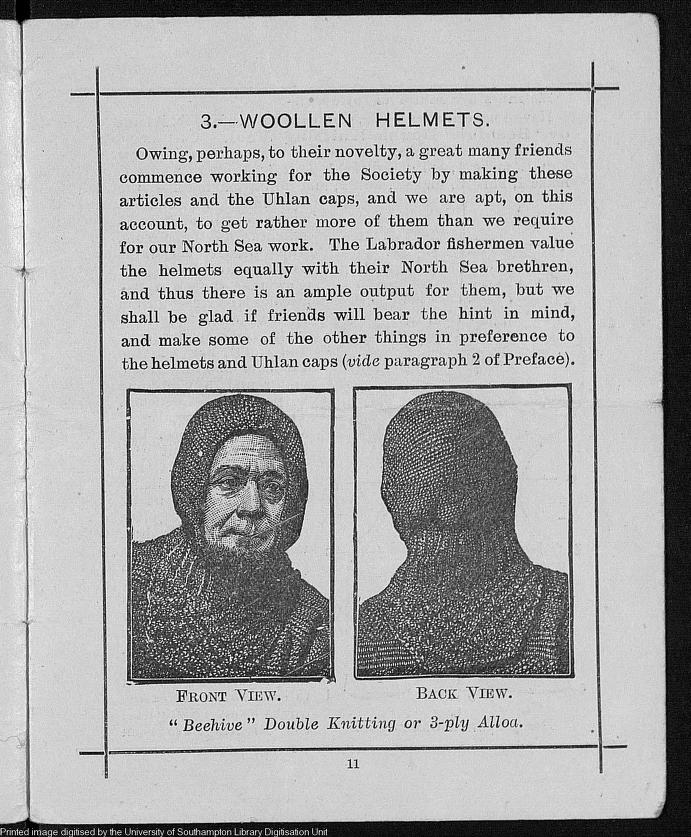
Dit­to the “Woolen Hel­mets” in Help­ing the Trawlers, a 32-page pam­phlet pub­lished by the Roy­al Nation­al Mis­sion to Deep Sea Fish­er­men. The hope was that civic-mind­ed knit­ters might be moved to donate hand­made socks, mit­tens, and oth­er items to com­bat the chill faced by poor work­ing men fac­ing the ele­ments on freez­ing decks.

Not sur­pris­ing­ly, the eager vol­un­teer knit­ting force grav­i­tat­ed toward the pamphlet’s most baroque item, putting the pub­lish­er in a del­i­cate posi­tion:

Owing, per­haps, to their nov­el­ty, a great many friends com­mence work­ing for the Soci­ety by mak­ing these arti­cles and the Uhlan caps, and we are apt, on this account, to get rather more of them than we require for our North Sea work. The Labrador fish­er­men val­ue the hel­mets equal­ly with their North Sea breathren, and thus there is an ample out­put for them, but we shall be glad if friends will bear the hint in mind, and make some of the oth­er things in pref­er­ence to the hel­mets and Uhlan caps.

Woollen Helmets

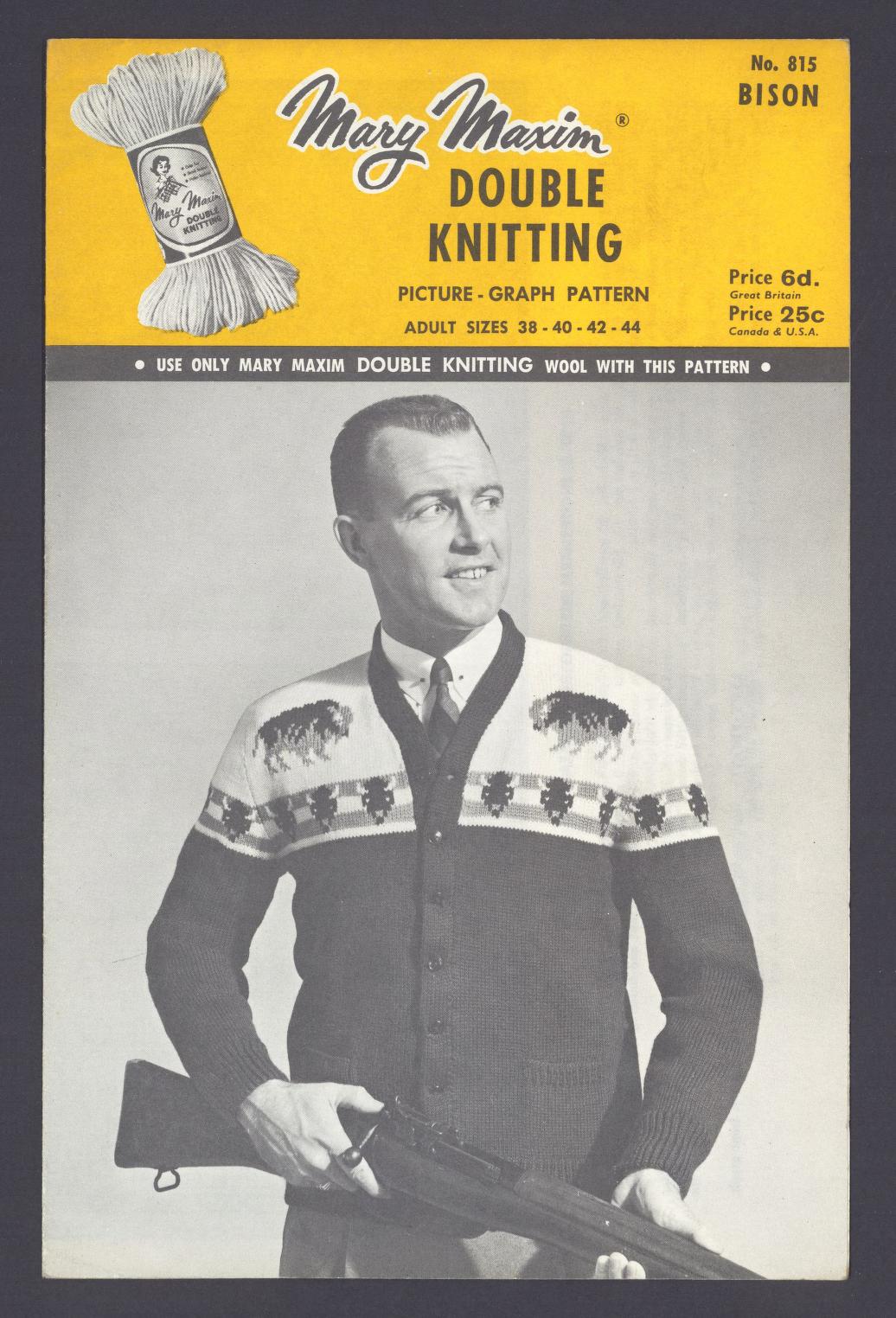
All of the books in the Knit­ting Ref­er­ence Library are open access, though many of the pat­terns and mag­a­zines are depen­dent on copy­right clear­ance. Give a prowl, and you’ll find that a few of the old­er pat­terns are avail­able as down­load­able, print­able PDFs , such as this hand­some gent’s cable knit pullover or the tricky 50’s bison cardi­gan, below.

Bison Cardigan

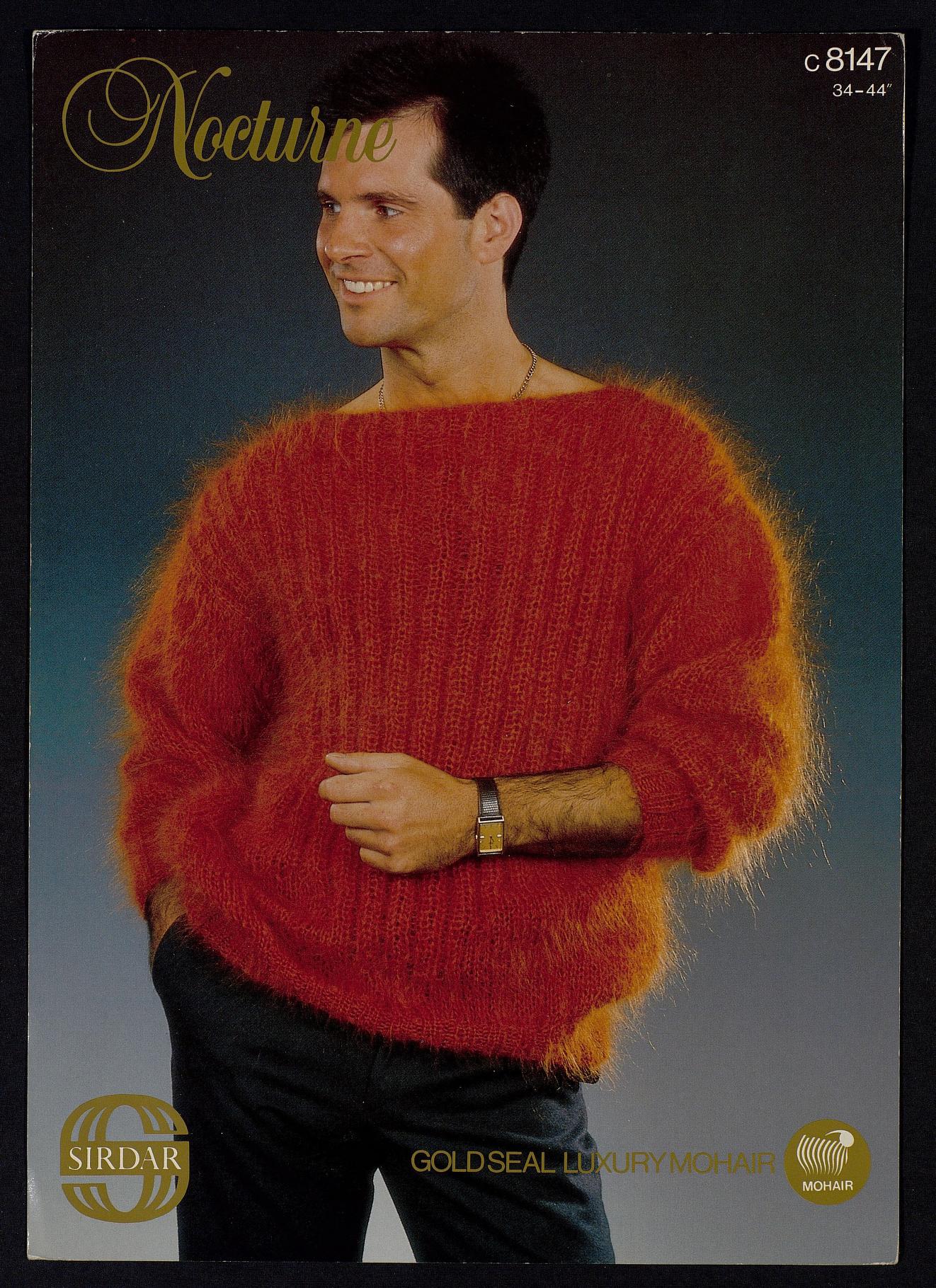
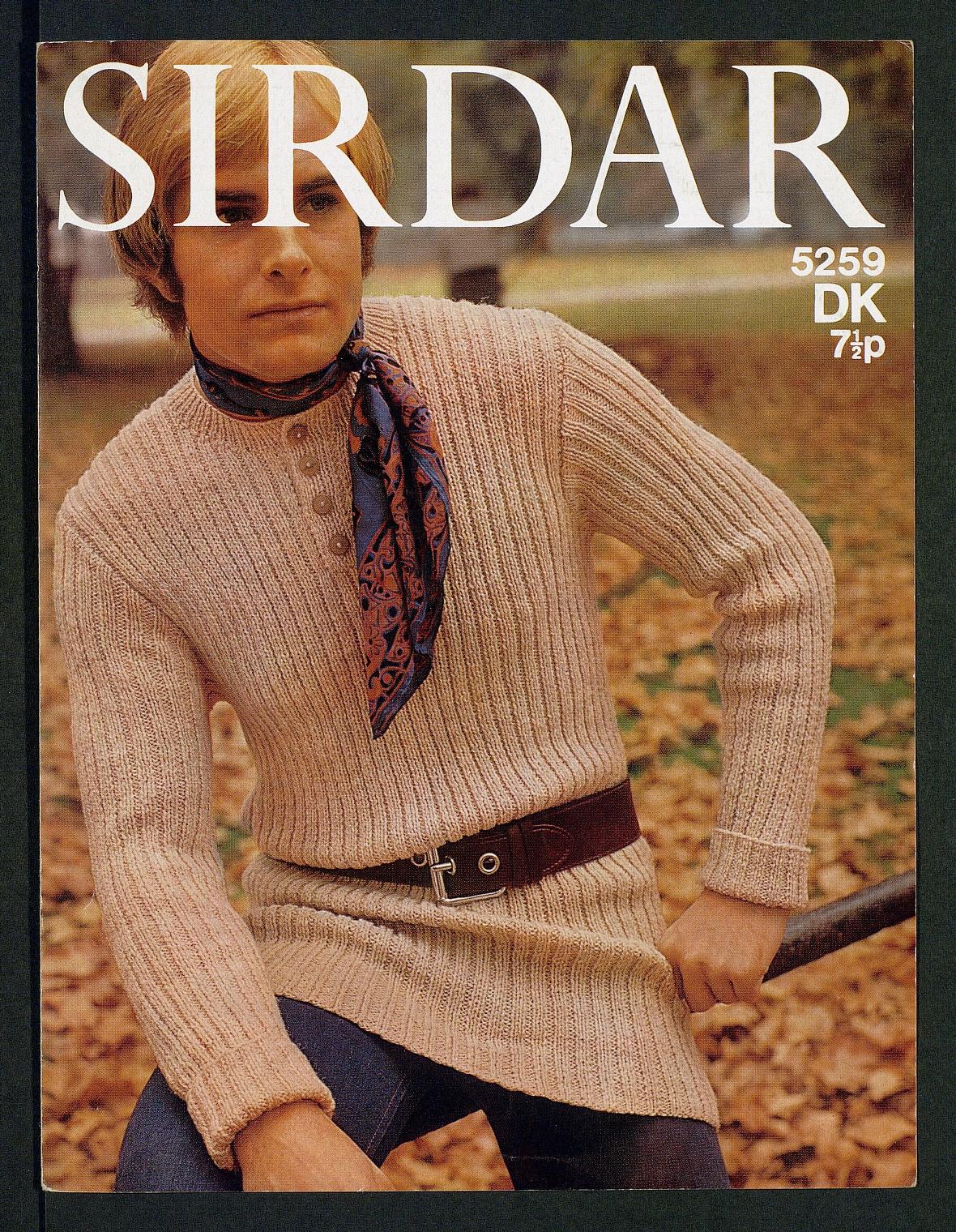
Even with­out step-by-step instruc­tions, the pat­tern envelopes’ cov­er images can still pro­vide inspiration…and no small degree of amuse­ment. Some enter­pris­ing librar­i­an should get crack­ing on a sub-col­lec­tion, Fash­ion Crimes Against Male Knitwear Mod­els, 1960–1980:

Knitting Crime 1

Knitting Crime 2

Knitting Crime 3

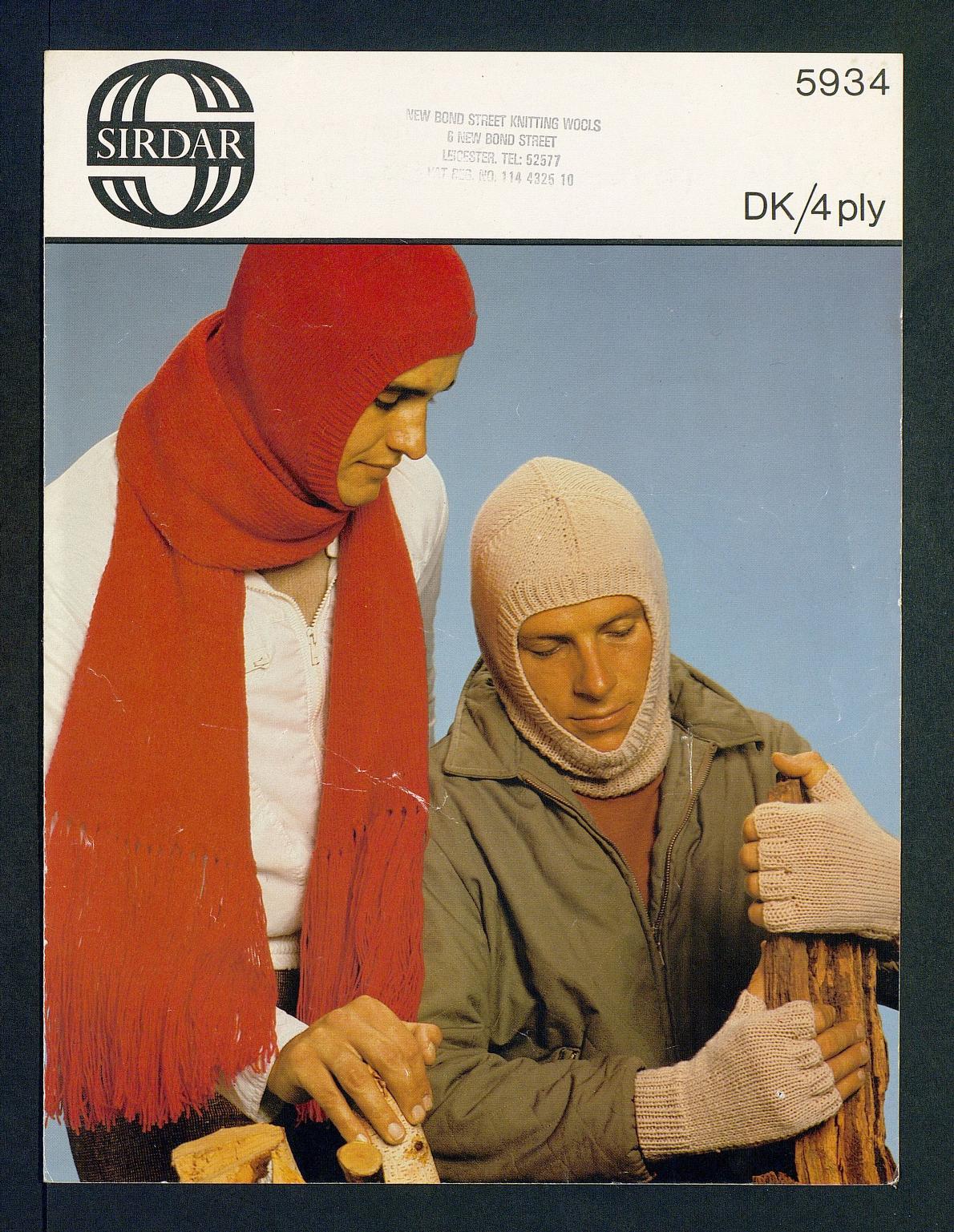
There’s even some­thing for the lat­ter day Labrador trawler...

Balaclava

The entire col­lec­tion can be viewed here. For view­ing and print­ing pat­terns, we rec­om­mend select­ing “PDF” from the list of down­load options.

via Metafil­ter

Relat­ed Con­tent:

The BBC Cre­ates Step-by-Step Instruc­tions for Knit­ting the Icon­ic Dr. Who Scarf: A Doc­u­ment from the Ear­ly 1980s

See Pen­guins Wear­ing Tiny “Pen­guin Books” Sweaters, Knit­ted by the Old­est Man in Aus­tralia

The Whole Earth Cat­a­log Online: Stew­art Brand’s “Bible” of the 60s Gen­er­a­tion

Ayun Hal­l­i­day is an author, illus­tra­tor, and Chief Pri­ma­tol­o­gist of the East Vil­lage Inky zine. Fol­low her @AyunHalliday

Lolita Book Covers: 200+ Designs From 40 Countries Since 1955, Including Nabokov’s Favorite Design

nabokov's favorite lolita cover

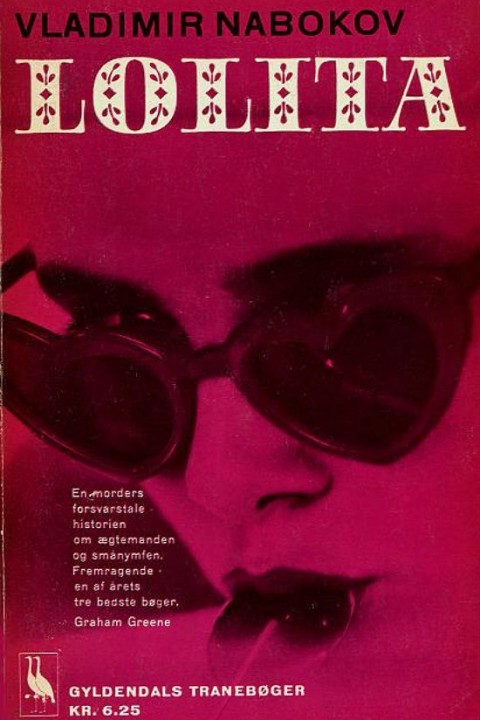
How to mar­ket a book like Loli­ta, which, upon its pub­li­ca­tion in 1955, prompt­ly found itself banned in France, Britain, New Zealand, Argenti­na and oth­er coun­tries? Care­ful­ly. At least at first.

Over at Cov­er­ing Loli­ta, you can see an archive of the designs that have adorned the cov­er of the famous­ly con­tro­ver­sial book. It all starts with the orig­i­nal 1955 edi­tion, which was the most vanil­la cov­er imag­in­able. Loli­ta and Hum­bert Hum­bert — they were nowhere to be seen.

lolita-cover-2-e1362033220249

By the 1960s, pub­lish­ers got a lit­tle less gun shy, and the cov­ers, more risqué. See this 1964 Turk­ish ver­sion as an exam­ple. Or the sec­ond image above, a Dan­ish cov­er from 1963.

So what cov­er did Nabokov per­son­al­ly favor? Glad you asked. Long ago, we showed you some footage of Nabokov mar­veling over dif­fer­ent “Loli­ta” cov­er designs. And, in it, he points to his favorite: a French sketch from 1963, which appears up top.

This just a small sam­pling of what you will find in the Cov­er­ing Loli­ta Archive, a gallery that cur­rent­ly con­tains 210 book and media cov­ers from 40 coun­tries, span­ning 58 years.

The archive brings you right up to 2014. (2015 and 2016 will like­ly be account­ed for pret­ty soon.) If you have a favorite design, please let us know in the com­ments sec­tion below.

Note: You can down­load essen­tial works by Vladimir Nabokov as free audio­books (includ­ing Jere­my Irons read­ing Loli­ta) if you sign up for a 30-Day Free Tri­al with Audi­ble. Find more infor­ma­tion on that pro­gram here.

If you would like to sign up for Open Culture’s free email newslet­ter, please find it here. It’s a great way to see our new posts, all bun­dled in one email, each day.

If you would like to sup­port the mis­sion of Open Cul­ture, con­sid­er mak­ing a dona­tion to our site. It’s hard to rely 100% on ads, and your con­tri­bu­tions will help us con­tin­ue pro­vid­ing the best free cul­tur­al and edu­ca­tion­al mate­ri­als to learn­ers every­where. You can con­tribute through Pay­Pal, Patre­on, and Ven­mo (@openculture). Thanks!

Relat­ed Con­tent:

Vladimir Nabokov Names the Great­est (and Most Over­rat­ed) Nov­els of the 20th Cen­tu­ry

Vladimir Nabokov (Chan­nelled by Christo­pher Plum­mer) Teach­es Kaf­ka at Cor­nell

Vladimir Nabokov Mar­vels Over Dif­fer­ent “Loli­ta” Book Cov­ers

The Note­cards on Which Vladimir Nabokov Wrote Loli­ta: A Look Inside the Author’s Cre­ative Process

by | Permalink | Make a Comment ( 5 ) |

Hear 22-Year-Old Orson Welles Star in The Shadow, the Iconic 1930s Super Crimefighter Radio Show

Who knows what evil lurks in the hearts of men? Every fan of old-time radio, the fruit of a “gold­en age” on the Amer­i­can air­waves which last­ed from the 1920s until tele­vi­sion took hold, can tell you the answer: The Shad­ow knows. Though he’s appeared in pulp-era mag­a­zines and nov­els as well as comics, movies, and even video games, the mys­te­ri­ous crime­fight­er, known by day as “wealthy young man about town” Lam­ont Cranston, made his biggest mark on the good old wire­less, around which lis­ten­ers gath­ered to hear him dis­pense his own brand of psy­cho­log­i­cal­ly deliv­ered jus­tice from 1937 to 1954.

The Shad­ow became, in many ways, the pro­to­type of the super­hero, espe­cial­ly Bat­man and oth­ers who do their job not with fan­tas­ti­cal super­pow­ers but with their wits, their wealth, and the host of advanced devices and obscure tech­niques at their dis­pos­al. (Assum­ing, of course, you don’t con­sid­er the Shad­ow’s nev­er-ful­ly-explained abil­i­ty to “cloud men’s minds” fan­tas­ti­cal.) This also makes him some­thing of a pro­to-James Bond, the tech­ni­cal­ly human but seem­ing­ly invin­ci­ble British Secret Ser­vice agent who debuted on the page the year before The Shad­ow end­ed his run on the radio. Like James Bond, The Shad­ow exists inde­pen­dent­ly of the many actors who have por­trayed him, but just as most acknowl­edge Sean Con­nery as the defin­i­tive Bond, Orson Welles stands as The Shad­ow to beat.

In fact, the New York­er’s Alex Ross titled his pro­file of Welles’ career, look­ing back from the 100th anniver­sary of the radio-the­ater-film auteur’s birth, “The Shad­ow,” acknowl­edg­ing aspects of the man’s cre­ative per­sona as well as the pro­gram on which he, at the ten­der age of 22, “achieved radio star­dom as a hyp­no­sis-induc­ing vig­i­lante” — and also found a source of mon­ey to fun­nel straight into his own high­er-brow and more social­ly con­scious pro­duc­tions under the New Deal’s Fed­er­al The­atre Project. (Ross quotes Franklin Delano Roo­sevelt jok­ing­ly call­ing Welles the “only oper­a­tor in his­to­ry who ever ille­gal­ly siphoned mon­ey into a Wash­ing­ton project.”)

Now you can lis­ten to more than 30 Welles-star­ring episodes of The Shad­ow free at the Inter­net Archive. When the show made its debut, it ran for 26 episodes spon­sored by Blue Coal, a name fans will know as well as they know Lam­ont Cranston’s. Then came a sum­mer series spon­sored by Goodrich Safe­ty Sil­ver-Town Tires. “For many years it was believed that the syn­di­cat­ed Goodrich series had run for 15 episodes,” say the accom­pa­ny­ing notes, “until a com­plete col­lec­tion of record­ings sur­faced in the estate of a for­mer Goodrich exec­u­tive and it was real­ized that the sum­mer sea­son had been a full 26 episodes — and that 11 full episodes star­ring Welles had been dis­cov­ered that had not been heard since they orig­i­nal­ly aired 70 years ago.” A sud­den, dra­mat­ic appear­ance by The Shad­ow just when we least expect­ed it — how very like him.

Relat­ed Con­tent:

The War of the Worlds: Orson Welles’ 1938 Radio Dra­ma That Pet­ri­fied a Nation

Orson Welles Turns Heart of Dark­ness Into a Radio Dra­ma, and Almost His First Great Film

Orson Welles’ Radio Per­for­mances of 10 Shake­speare Plays

A Christ­mas Car­ol, A Vin­tage Radio Broad­cast by Orson Welles and Lionel Bar­ry­more (1939)

Stream 61 Hours of Orson Welles’ Clas­sic 1930s Radio Plays: War of the Worlds, Heart of Dark­ness & More

Based in Seoul, Col­in Mar­shall writes and broad­casts on cities, lan­guage, and style. He’s at work on a book about Los Ange­les, A Los Ange­les Primer, the video series The City in Cin­e­ma, the crowd­fund­ed jour­nal­ism project Where Is the City of the Future?, and the Los Ange­les Review of Books’ Korea Blog. Fol­low him on Twit­ter at @colinmarshall or on Face­book.

Carl Sagan Presents His “Baloney Detection Kit”: 8 Tools for Skeptical Thinking

Sagan_835

Pho­to by NASA via Wiki­me­dia Com­mons

It is some­times said that sci­ence and phi­los­o­phy have grown so far apart that they no longer rec­og­nize each oth­er. Per­haps they no longer need each oth­er. And yet some of the most thought­ful sci­en­tists of modernity—those who most ded­i­cat­ed their lives not only to dis­cov­er­ing nature’s mys­ter­ies, but to com­mu­ni­cat­ing those dis­cov­er­ies with the rest of us—have been ful­ly steeped in a philo­soph­i­cal tra­di­tion. This espe­cial­ly goes for Carl Sagan, per­haps the great­est sci­ence com­mu­ni­ca­tor of the past cen­tu­ry or so.

Sagan wrote a num­ber of pop­u­lar books for lay­folk in which he indulged not only his ten­den­cies as a “hope­less roman­tic,” writes Maria Popo­va, but also as a “bril­liant philoso­pher.” He did not fear to ven­ture into the realms of spir­i­tu­al desire, and did not mock those who did like­wise; and yet Sagan also did not hes­i­tate to defend rea­son against “society’s most shame­less untruths and out­ra­geous pro­pa­gan­da.” These under­tak­ings best come togeth­er in Sagan’s The Demon-Haunt­ed World, a book in which he very patient­ly explains how and why to think sci­en­tif­i­cal­ly, against the very human com­pul­sion to do any­thing but.

In one chap­ter of his book, “The Fine Art of Baloney Detec­tion,” Sagan laid out his method, propos­ing what he called “A Baloney Detec­tion Kit,” a set of intel­lec­tu­al tools that sci­en­tists use to sep­a­rate wish­ful think­ing from gen­uine prob­a­bil­i­ty. Sagan presents the con­tents of his kit as “tools for skep­ti­cal think­ing,” which he defines as “the means to con­struct, and to under­stand, a rea­soned argu­ment and—especially important—to rec­og­nize a fal­la­cious or fraud­u­lent argu­ment.” You can see his list of all eight tools, slight­ly abridged, below. These are all in Sagan’s words:

  • Wher­ev­er pos­si­ble there must be inde­pen­dent con­fir­ma­tion of the “facts.”
  • Encour­age sub­stan­tive debate on the evi­dence by knowl­edge­able pro­po­nents of all points of view.
  • Argu­ments from author­i­ty car­ry lit­tle weight — “author­i­ties” have made mis­takes in the past. They will do so again in the future. Per­haps a bet­ter way to say it is that in sci­ence there are no author­i­ties; at most, there are experts.
  • Spin more than one hypoth­e­sis. If there’s some­thing to be explained, think of all the dif­fer­ent ways in which it could be explained. Then think of tests by which you might sys­tem­at­i­cal­ly dis­prove each of the alter­na­tives.
  • Try not to get over­ly attached to a hypoth­e­sis just because it’s yours. It’s only a way sta­tion in the pur­suit of knowl­edge. Ask your­self why you like the idea. Com­pare it fair­ly with the alter­na­tives. See if you can find rea­sons for reject­ing it. If you don’t, oth­ers will.
  • If what­ev­er it is you’re explain­ing has some mea­sure, some numer­i­cal quan­ti­ty attached to it, you’ll be much bet­ter able to dis­crim­i­nate among com­pet­ing hypothe­ses. What is vague and qual­i­ta­tive is open to many expla­na­tions.
  • If there’s a chain of argu­ment, every link in the chain must work (includ­ing the premise) — not just most of them.
  • Occam’s Razor. This con­ve­nient rule-of-thumb urges us when faced with two hypothe­ses that explain the data equal­ly well to choose the sim­pler. Always ask whether the hypoth­e­sis can be, at least in prin­ci­ple, fal­si­fied…. You must be able to check asser­tions out. Invet­er­ate skep­tics must be giv­en the chance to fol­low your rea­son­ing, to dupli­cate your exper­i­ments and see if they get the same result.

See the unabridged list at Brain Pick­ings, or read Sagan’s full chap­ter, ide­al­ly by get­ting a copy of The Demon-Haunt­ed World. As Popo­va notes, Sagan not only gives us suc­cinct instruc­tions for crit­i­cal think­ing, but he also makes a thor­ough list, with def­i­n­i­tions, of the ways rea­son fails us through “the most com­mon and per­ilous fal­lac­i­es of log­ic and rhetoric.” Sagan’s chap­ter on “Baloney Detec­tion” is, like the rest of the book, a high­ly lit­er­ary, per­son­al, engage­ment with the most press­ing sci­en­tif­ic con­sid­er­a­tions in our every­day life. And it is also an infor­mal yet rig­or­ous restate­ment of Aristotle’s clas­si­cal log­ic and rhetoric and Fran­cis Bacon’s nat­ur­al phi­los­o­phy.

Relat­ed Con­tent:

The Wis­dom of Carl Sagan Ani­mat­ed

Richard Feyn­man Cre­ates a Sim­ple Method for Telling Sci­ence From Pseu­do­science (1966)

Noam Chom­sky Calls Post­mod­ern Cri­tiques of Sci­ence Over-Inflat­ed “Poly­syl­lab­ic Tru­isms”

Josh Jones is a writer and musi­cian based in Durham, NC. Fol­low him at @jdmagness

Question: Where Can You Watch 65 Charlie Chaplin Films Free Online?

free chaplin films

Answer: Why, in our col­lec­tion 65 Char­lie Chap­lin Films Free Online. Just did­n’t want you to for­get :)


If you would like to sign up for Open Culture’s free email newslet­ter, please find it here. It’s a great way to see our new posts, all bun­dled in one email, each day.

If you would like to sup­port the mis­sion of Open Cul­ture, con­sid­er mak­ing a dona­tion to our site. It’s hard to rely 100% on ads, and your con­tri­bu­tions will help us con­tin­ue pro­vid­ing the best free cul­tur­al and edu­ca­tion­al mate­ri­als to learn­ers every­where. You can con­tribute through Pay­Pal, Patre­on, and Ven­mo (@openculture). Thanks!

« Go BackMore in this category... »
Quantcast