See the Well-Preserved Wreckage of Ernest Shackleton’s Ship Endurance Found in Antarctica

110 years after its first and last voy­age, we remem­ber the RMS Titan­ic and its tout­ed “unsink­a­bil­i­ty” as one of the resound­ing ironies of mar­itime his­to­ry. But 1912 also saw the launch of anoth­er new­ly built yet ill-fat­ed ship whose name proved all too apt: Endurance, as it was rechris­tened by Sir Ernest Shack­le­ton when he pur­chased it to use on his Impe­r­i­al Trans-Antarc­tic Expe­di­tion of 1914. In Jan­u­ary of the fol­low­ing year, Endurance got stuck in the ice of the Wed­dell Sea off Antarc­ti­ca, and over the fol­low­ing ten months that ice slow­ly crushed and ulti­mate­ly sank the ship. But her whole crew sur­vived, thanks to Shack­le­ton’s lead­ing them more than 800 miles over the open ocean to safe­ty.

Shack­le­ton and his men have been cel­e­brat­ed for their endurance; as for Endurance her­self, it has spent more than a cen­tu­ry unseen at the bot­tom of the ocean — unseen, that is, until now. “A team of adven­tur­ers, marine archae­ol­o­gists and tech­ni­cians locat­ed the wreck at the bot­tom of the Wed­dell Sea, east of the Antarc­tic Penin­su­la, using under­sea drones,” writes the New York Times’ Hen­ry Foun­tain. “Bat­tling sea ice and freez­ing tem­per­a­tures, the team had been search­ing for more than two weeks in a 150-square-mile area around where the ship went down in 1915.”

Time turns out to have been kind to Shack­le­ton’s ship: “Endurance’s rel­a­tive­ly pris­tine appear­ance was not unex­pect­ed, giv­en the cold water and the lack of wood-eat­ing marine organ­isms in the Wed­dell Sea that have rav­aged ship­wrecks else­where.” You can glimpse Endurance in her watery grave in the Marine Tech­nol­o­gy TV video at the top of the post. But you’ll also see a lot more of anoth­er impres­sive ship: Agul­has II, the South African ice­break­er used by Endurance22, as the $10 mil­lion research expe­di­tion was called. What­ev­er the chal­lenges posed by final­ly track­ing down Endurance, their brunt was­n’t borne by that mighty ves­sel.

“Aside from a few tech­ni­cal glitch­es involv­ing the two sub­mersibles, and part of a day spent ice­bound when oper­a­tions were sus­pend­ed, the search pro­ceed­ed rel­a­tive­ly smooth­ly,” reports Foun­tain. The nature of this expe­di­tion, espe­cial­ly in its use of sub­mersibles to observe the wreck­age with­out dis­turb­ing it, may bring back to mind (for those of us of a cer­tain age) the 1992 doc­u­men­tary Titan­i­ca, which aston­ished us with the first up-close, IMAX-sized views of the sunken Titan­ic. Con­sid­er­ing the advance­ments in explorato­ry and pho­to­graph­ic tech­nol­o­gy in the three decades since — and the con­di­tion of Endurance itself — the film that even­tu­al­ly results from Endurance22 should aston­ish us all over again.

For any­one inter­est­ed in Shack­le­ton’s remark­able adven­ture, we rec­om­mend the book The Endurance: Shack­le­ton’s Leg­endary Antarc­tic Expe­di­tion.

Relat­ed con­tent:

Hear Ernest Shack­le­ton Speak About His Antarc­tic Expe­di­tion in a Rare 1909 Record­ing

Google Street View Opens Up a Look at Shackleton’s Antarc­tic

How the Titan­ic Sank: James Cameron’s New CGI Ani­ma­tion

The Titan­ic: Rare Footage of the Ship Before Dis­as­ter Strikes (1911–1912)

New­ly Dis­cov­ered Ship­wreck Proves Herodotus, the “Father of His­to­ry,” Cor­rect 2500 Years Lat­er

Based in Seoul, Col­in Mar­shall writes and broad­casts on cities, lan­guage, and cul­ture. His projects include the Sub­stack newslet­ter Books on Cities, the book The State­less City: a Walk through 21st-Cen­tu­ry Los Ange­les and the video series The City in Cin­e­ma. Fol­low him on Twit­ter at @colinmarshall or on Face­book.

Brian Eno Creates a List of 20 Books That Could Rebuild Civilization

Cre­ative Com­mons image via Wiki­me­dia Com­mons

Artist and music pro­duc­er Bri­an Eno wrote one of my very favorite books: A Year with Swollen Appen­dices, which takes the form of his per­son­al diary of the year 1995 with essay­is­tic chap­ters (the “swollen appen­dices”) on top­ics like “edge cul­ture,” gen­er­a­tive music, new ways of , pre­ten­sion, CD-ROMs (a rel­e­vant top­ic back then), and pay­ment struc­tures for record­ing artists (a rel­e­vant top­ic again today). It also includes a fair bit of Eno’s cor­re­spon­dence with Stew­art Brand, once edi­tor of the Whole Earth Cat­a­log and now pres­i­dent of the Long Now Foun­da­tion, “a coun­ter­point to today’s accel­er­at­ing cul­ture” meant to “help make long-term think­ing more com­mon” and “cre­ative­ly fos­ter respon­si­bil­i­ty in the frame­work of the next 10,000 years.”

It so hap­pens that Eno now sits on the Long Now Foundation’s board and has had a hand in some of its projects. Nat­u­ral­ly, he con­tributed sug­gest­ed read­ing mate­r­i­al to the foun­da­tion’s Man­u­al of Civ­i­liza­tion, a col­lec­tion of books human­i­ty could use to rebuild civ­i­liza­tion, should it need rebuild­ing. Eno’s full list, which spans his­to­ry, pol­i­tics, phi­los­o­phy, soci­ol­o­gy, archi­tec­ture, design, nature, and lit­er­a­ture, runs as fol­lows:

If you’d like to know more books that have shaped Eno’s think­ing, do pick up a copy of A Year with Swollen Appen­dices. Like all the best diarists, Eno makes plen­ty of ref­er­ences to his day-to-day read­ing mate­r­i­al, and at the very end — beyond the last swollen appen­dix — he includes a bib­li­og­ra­phy (below), on which you’ll find more from Christo­pher Alexan­der, a reap­pear­ance of Rorty’s Con­tin­gency, Irony and Sol­i­dar­i­ty, and even Stew­ard Brand’s own How Build­ings Learn (on a tele­vi­sion ver­sion of which the two would col­lab­o­rate). You can find other writ­ers and thinker­s’s con­tri­bu­tions to the Man­u­al of Civ­i­liza­tion here.

Note: An ear­li­er ver­sion of this post appeared on our site in 2015.

Relat­ed Con­tent:

David Bowie’s Top 100 Books

Jump Start Your Cre­ative Process with Bri­an Eno’s “Oblique Strate­gies”

Bri­an Eno on Cre­at­ing Music and Art As Imag­i­nary Land­scapes (1989)

What Books Could Be Used to Rebuild Civ­i­liza­tion?: Lists by Bri­an Eno, Stew­art Brand, Kevin Kel­ly & Oth­er For­ward-Think­ing Minds

What Books Should Every Intel­li­gent Per­son Read?: Tell Us Your Picks; We’ll Tell You Ours

Neil deGrasse Tyson Lists 8 (Free) Books Every Intel­li­gent Per­son Should Read

The 10 Great­est Books Ever, Accord­ing to 125 Top Authors (Down­load Them for Free)

Col­in Mar­shall writes on cities, lan­guage, Asia, and men’s style. He’s at work on a book about Los Ange­les, A Los Ange­les Primer, and the video series The City in Cin­e­ma. Fol­low him on Twit­ter at @colinmarshall or on Face­book.

by | Permalink | Make a Comment ( 21 ) |

The Failed Logistics of Russia’s Invasion of Ukraine

If there’s a small sil­ver lin­ing in Putin’s assault on Ukraine, it’s that we’ve dis­cov­ered the medi­oc­rity of the Russ­ian mil­i­tary. Rus­sia expect­ed a short and deci­sive war. Two weeks lat­er, the inva­sion grinds on.

Already, Rus­sia has lost 4,000 sol­diers (the US lost 2,400 dur­ing its 20-year cam­paign in Afghanistan), while Ukraine still retains con­trol of its major cities. Above, Wen­dover Pro­duc­tions breaks down a major fac­tor behind Rus­si­a’s stum­ble–the fail­ure of its logis­tics.

For more on this ques­tion, it’s worth lis­ten­ing to this inter­view with Retired Lt. Gen­er­al Mark Hertling, the for­mer com­mand­ing gen­er­al of U.S. Army Europe and 7th Army.  Draw­ing on his own mil­i­tary expe­ri­ence, he elab­o­rates on the major gaps in Rus­si­a’s strate­gic plan­ning.

If you would like to sup­port the mis­sion of Open Cul­ture, con­sid­er mak­ing a dona­tion to our site. It’s hard to rely 100% on ads, and your con­tri­bu­tions will help us con­tin­ue pro­vid­ing the best free cul­tur­al and edu­ca­tion­al mate­ri­als to learn­ers every­where. You can con­tribute through Pay­Pal, Patre­on, and Ven­mo (@openculture). Thanks!

Relat­ed Con­tent 

Russ­ian Inva­sion of Ukraine Teach-Out: A Free Course from the Uni­ver­si­ty of Michi­gan

West Point Expert Gives Ukraini­ans Advice on Con­duct­ing Effec­tive Urban War­fare Against Russ­ian Troops

Why Rus­sia Invad­ed Ukraine: A Use­ful Primer

The First Work of Science Fiction: Read Lucian’s 2nd-Century Space Travelogue A True Story

Late in life, Kings­ley Amis declared that he would hence­forth read only nov­els open­ing with the sen­tence “A shot rang out.” On one lev­el, this would have sound­ed bizarre com­ing from one of Britain’s most promi­nent men of let­ters. But on anoth­er it aligned with his long-demon­strat­ed appre­ci­a­tion of genre fic­tion, includ­ing not just sto­ries of crime but also of high tech­nol­o­gy and space explo­ration. His life­long inter­est in the lat­ter inspired the Chris­t­ian Gauss Lec­tures he deliv­ered at Prince­ton in 1958, pub­lished soon there­after as New Maps of Hell: A Sur­vey of Sci­ence Fic­tion, a book that sees him trace the his­to­ry of the genre well back beyond his own boy­hood — about eigh­teen cen­turies beyond it.

“His­to­ries of sci­ence fic­tion, as opposed to ‘imag­i­na­tive lit­er­a­ture,’ usu­al­ly begin, not with Pla­to or The Birds of Aristo­phanes or the Odyssey, but with a work of the late Greek prose romancer Lucian of Samosa­ta,” Amis writes. He refers to what schol­ars now know as A True Sto­ry (Ἀληθῆ διηγήματα), a novel­la-length fic­tion of the sec­ond cen­tu­ry that has every­thing from space trav­el to inter­plan­e­tary war to tech­nol­o­gy so advanced — as no less a sci-fi lumi­nary than Arthur C. Clarke would put it much lat­er — as to be indis­tin­guish­able from mag­ic. At its core a work of fan­tas­ti­cal satire, A True Sto­ry “delib­er­ate­ly piles extrav­a­gance upon extrav­a­gance for com­ic effect” in a rather un-sci­ence-fic­tion-like man­ner.

“Leav­ing aside the ques­tion whether there was enough sci­ence around in the sec­ond cen­tu­ry to make sci­ence fic­tion fea­si­ble,” Amis writes, “I will mere­ly remark that the spright­li­ness and sophis­ti­ca­tion of the True His­to­ry” — as he knew the work — “make it read like a joke at the expense of near­ly all ear­ly-mod­ern sci­ence fic­tion, that writ­ten between, say, 1910 and 1940,” which he him­self would have grown up read­ing.

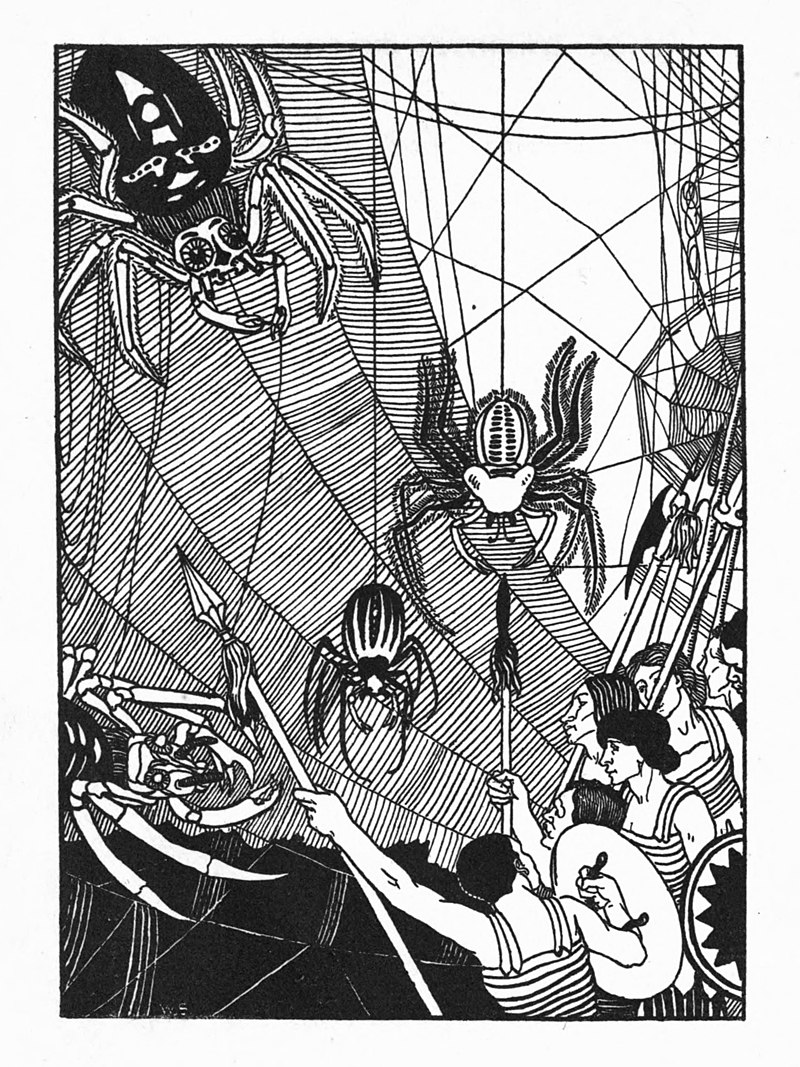
In the video by at the top of the post, film­mak­er Gre­go­ry Austin McConnell sum­ma­rizes Lucian’s entire trav­el­ogue, not neglect­ing to men­tion the riv­er of wine, the tree-shaped women, the cities on the moon, the army of the sun, the bat­tle­field-spin­ning space spi­ders, the dogs who ride on winged acorns, the float­ing sen­tient lamps, and the 187 and ½ mile-long whale.

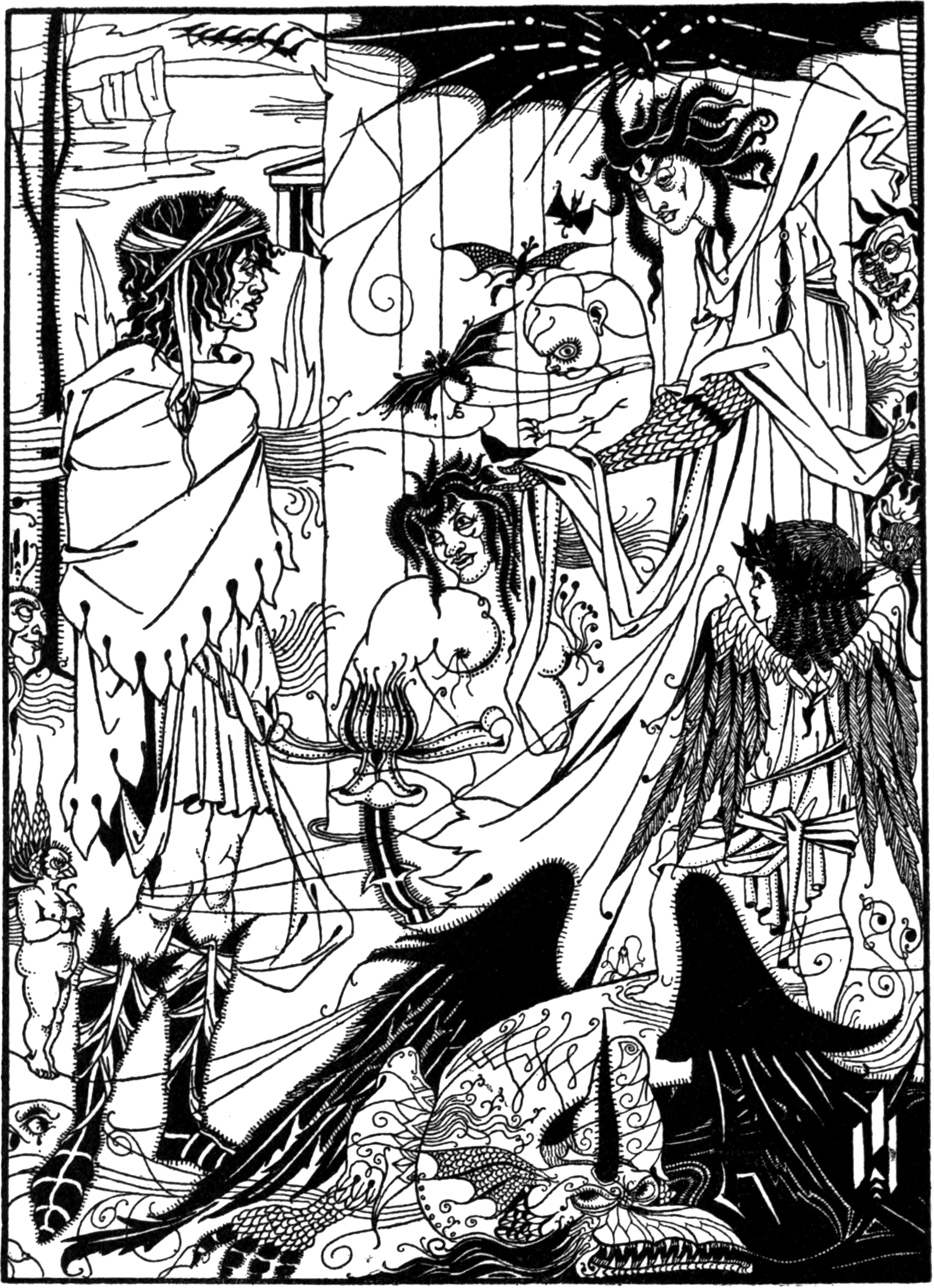
This clear­ly isn’t what we’d now call “hard” sci­ence fic­tion. So how, exact­ly, to label it? Such argu­ments erupt over every major work of genre fic­tion, even from antiq­ui­ty. A True Sto­ry con­tains ele­ments of what would become com­e­dy sci-fi, mil­i­tary sci-fi, and even the fan­ta­sy-and-sci-fi-hybridiz­ing “space opera” most pop­u­lar­ly exem­pli­fied by Star Wars and its many sequels. Cat­e­go­riza­tion quib­bles aside, what mat­ters about any work in the broad­er tra­di­tion of “spec­u­la­tive fic­tion” is whether it fires up the read­er’s imag­i­na­tion, and Lucian’s work has done it for not just ancients but mod­erns like the 19th-cen­tu­ry artists William Strang and Aubrey Beard­s­ley, whose illus­tra­tions from 1894 edi­tions of A True Sto­ry appear above. Now that “sci­ence fic­tion rules the cin­e­mat­ic land­scape,” as McConnell puts it, who will adapt it for us post­mod­erns?

Relat­ed con­tent:

When Astronomer Johannes Kepler Wrote the First Work of Sci­ence Fic­tion, The Dream (1609)

Mythos: An Ani­ma­tion Retells Time­less Greek Myths with Abstract Mod­ern Designs

The Ency­clo­pe­dia of Sci­ence Fic­tion: 17,500 Entries on All Things Sci-Fi Are Now Free Online

Every Pos­si­ble Kind of Sci­ence Fic­tion Sto­ry: An Exhaus­tive List Cre­at­ed by Pio­neer­ing 1920s Sci­Fi Writer Clare Winger Har­ris (1931)

Isaac Asi­mov Recalls the Gold­en Age of Sci­ence Fic­tion (1937–1950)

Free Sci­ence Fic­tion Clas­sics Avail­able on the Web

Based in Seoul, Col­in Mar­shall writes and broad­casts on cities, lan­guage, and cul­ture. His projects include the Sub­stack newslet­ter Books on Cities, the book The State­less City: a Walk through 21st-Cen­tu­ry Los Ange­les and the video series The City in Cin­e­ma. Fol­low him on Twit­ter at @colinmarshall or on Face­book.

When Movies Came on Vinyl: The Early-80s Engineering Marvel and Marketing Disaster That Was RCA’s SelectaVision

Any­one over 30 remem­bers a time when it was impos­si­ble to imag­ine home video with­out phys­i­cal media. But any­one over 50 remem­bers a time when it was dif­fi­cult to choose which kind of media to bet on. Just as the “com­put­er zoo” of the ear­ly 1980s forced home-com­put­ing enthu­si­asts to choose between Apple, IBM, Com­modore, Texas Instru­ments, and a host of oth­er brands, each with its own tech­no­log­i­cal spec­i­fi­ca­tions, the mar­ket for home-video hard­ware pre­sent­ed sev­er­al dif­fer­ent alter­na­tives. You’ve heard of Sony’s Beta­max, for exam­ple, which has been a punch­line ever since it lost out to JVC’s VHS. But that was just the realm of video tape; have you ever watched a movie on a vinyl record?

Four decades ago, it was dif­fi­cult for most con­sumers to imag­ine home video at all. “Get records that let you have John Tra­vol­ta danc­ing on your floor, Gene Hack­man dri­ving though your liv­ing room, the God­fa­ther stay­ing at your house,” booms the nar­ra­tor of the tele­vi­sion com­mer­cial above.

How, you ask? By pur­chas­ing a Selec­taVi­sion play­er and com­pat­i­ble video discs, which allow you to “see the enter­tain­ment you real­ly want, when you want, unin­ter­rupt­ed.” In our age of stream­ing-on-demand this sounds like a laugh­ably pedes­tri­an claim, but at the time it rep­re­sent­ed the cul­mi­na­tion of sev­en­teen years and $600 mil­lion of inten­sive research and devel­op­ment at the Radio Com­pa­ny of Amer­i­ca, bet­ter known as RCA.

Radio, and even more so its suc­ces­sor tele­vi­sion, made RCA an enor­mous (and enor­mous­ly prof­itable) con­glom­er­ate in the first half of the twen­ti­eth cen­tu­ry. By the 1960s, it com­mand­ed the resources to work seri­ous­ly on such projects as a vinyl record that could con­tain not just music, but full motion pic­tures in col­or and stereo. This turned out to be even hard­er than it sound­ed: after numer­ous delays, RCA could only bring Selec­taVi­sion to mar­ket in the spring of 1981, four years after the inter­nal tar­get. By that time, after the com­pa­ny had been com­mis­sion­ing con­tent for the bet­ter part of a decade (D. A. Pen­nebak­er shot David Bowie’s final Zig­gy Star­dust con­cert in 1973 on com­mis­sion from RCA, who’d intend­ed to make a Selec­taVi­sion disc out of it), the for­mat faced com­pe­ti­tion from not just VHS and Beta­max but the cut­ting-edge LaserDisc as well.

Nev­er­the­less, the Selec­taVi­sion’s ultra-dense­ly encod­ed vinyl video discs — offi­cial­ly known as capac­i­tance elec­tron­ic discs, or CEDs — were, in their way, mar­vels of engi­neer­ing. You can take a deep dive into exact­ly what makes the sys­tem so impres­sive, which involves not just a break­down of its com­po­nents but a com­plete retelling of the his­to­ry of RCA, though the five-part Tech­nol­o­gy Con­nec­tions minis­eries at the top of the post. True com­pletists can also watch RCA’s video tour of its Selec­taVi­sion pro­duc­tion facil­i­ties, as well as its live deal­er-intro­duc­tion broad­cast host­ed by Tom Brokaw and fea­tur­ing a Broad­way-style musi­cal num­ber. Selec­taVi­sion was also rolled out in the Unit­ed King­dom in 1983, thus qual­i­fy­ing for a hands-on exam­i­na­tion by British retro-tech Youtu­ber Tech­moan.

Selec­taVi­sion last­ed just three years. Its fail­ure was per­haps overde­ter­mined, and not just by the bad tim­ing result­ing from its trou­bled devel­op­ment. In the ear­ly 1980s, the idea of buy­ing pre-record­ed video media lacked the imme­di­ate appeal of “time-shift­ing” tele­vi­sion, which had become pos­si­ble only with video tape. Nor did RCA, whose mar­ket­ing cen­tered on the pos­si­bil­i­ty of build­ing a per­ma­nent home-video library in the man­ner of one’s music library, fore­see the pos­si­bil­i­ty of rental. And though CEDs were ulti­mate­ly made func­tion­al, they remained cum­ber­some, able to hold just one hour of video per side and noto­ri­ous­ly sub­ject to jit­ters even on the first play. Yet as RCA’s ad cam­paigns empha­sized, there real­ly was a “mag­ic” in being able to watch the movies you want­ed at home, when­ev­er you want­ed to. In that sense, at least, we now live in a mag­i­cal world indeed.

Relat­ed con­tent:

The Sto­ry of the Mini­Disc, Sony’s 1990s Audio For­mat That’s Gone But Not For­got­ten

A Cel­e­bra­tion of Retro Media: Vinyl, Cas­settes, VHS, and Polaroid Too

The Beau­ty of Degrad­ed Art: Why We Like Scratchy Vinyl, Grainy Film, Wob­bly VHS & Oth­er Ana­log-Media Imper­fec­tion

The Muse­um of Fail­ure: A New Swedish Muse­um Show­cas­es Harley-David­son Per­fume, Col­gate Beef Lasagne, Google Glass & Oth­er Failed Prod­ucts

Based in Seoul, Col­in Mar­shall writes and broad­casts on cities, lan­guage, and cul­ture. His projects include the Sub­stack newslet­ter Books on Cities, the book The State­less City: a Walk through 21st-Cen­tu­ry Los Ange­les and the video series The City in Cin­e­ma. Fol­low him on Twit­ter at @colinmarshall or on Face­book.

Behold the Strandbeest, the Mechanical Animals That Roam the Beaches of Holland

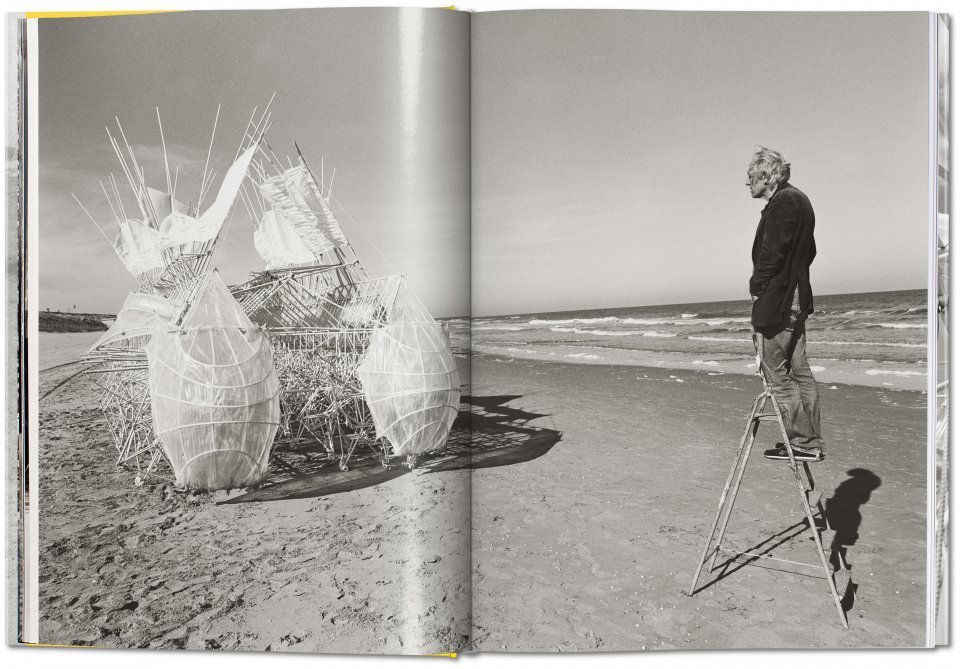
No car­toon Dutch land­scape omits a wind­mill. With their wood­en frames and large blades, those mechan­i­cal struc­tures have been used in the Nether­lands since at least the twelfth cen­tu­ry, first to pump water out of poten­tial­ly arable low­lands, and lat­er for such uses as saw­ing wood and pound­ing grain. Today, of course, there exist much more effi­cient tech­nolo­gies for those jobs, but the wind­mill nev­er­the­less remains a Dutch cul­tur­al icon. In the Nether­lands the wind itself also blows as strong as ever, just wait­ing to be har­nessed: if not by indus­try, then per­haps by art. Enter Theo Jansen, inven­tor of the strand­beest — Dutch for “beach beast,” an apt descrip­tion of its nature.

Elab­o­rate­ly con­struct­ed with off-the-shelf mate­ri­als like wood, PVC pip­ing, and sheets of fab­ric, Jansen’s large and fan­tas­ti­cal-look­ing strand­beesten walk through the sand as if mov­ing under their own voli­tion. In fact they’re wind-pow­ered kinet­ic sculp­tures, artic­u­lat­ed in such a way as to make their move­ments look whol­ly organ­ic.

Cre­at­ed for more than thir­ty years now through Jansen’s intel­li­gent design, the strand­beesten are also sub­ject to a process not unlike bio­log­i­cal evo­lu­tion. You can see it in the artist’s clip com­pi­la­tion at the top of the post and Taschen’s new book Strand­beest: The Dream Machines of Theo Jansen by pho­tog­ra­ph­er Lena Her­zog (wife, inci­den­tal­ly, of Wern­er Her­zog, a known appre­ci­a­tor of such “con­quests of the use­less”). You can also pur­chase mini mod­els of the Strand­beest online.

“I make skele­tons that are able to walk on the wind,” Jansen once said. “Over time, these skele­tons have become increas­ing­ly bet­ter at sur­viv­ing the ele­ments such as storms and water and even­tu­al­ly I want to put these ani­mals out in herds on the beach­es, so they will live their own lives.” His goals also include equip­ping future gen­er­a­tions of strand­beesten with a kind of mechan­i­cal arti­fi­cial intel­li­gence, which would let them avoid the kind of dan­gers that got their ances­tors top­pled or stuck. But in their sheer uncan­ny mag­nif­i­cence, even the least intel­li­gent exam­ples have fas­ci­nat­ed the world. A few years ago Jansen and one of his cre­ations even appeared on The Simp­sons, sug­gest­ing that one day, car­toon Dutch land­scapes may be incom­plete with­out a strand­beest.

Relat­ed con­tent:

Exis­ten­tial Moments with Theo Jansen and His Amaz­ing Kinet­ic Sculp­tures, the Strand­beests

Behold the Kinet­ic, 39-Ton Stat­ue of Franz Kafka’s Head, Erect­ed in Prague

Metrop­o­lis II: Dis­cov­er the Amaz­ing, Fritz Lang-Inspired Kinet­ic Sculp­ture by Chris Bur­den

A Per­fect Spring­time Ani­ma­tion: The Wind­mill Farmer by Joaquin Bald­win

Alexan­der Calder’s Archive Goes Online: Explore 1400 Works of Art by the Mod­ernist Sculp­tor

Pen­du­lum Waves as Kinet­ic Art

Based in Seoul, Col­in Mar­shall writes and broad­casts on cities, lan­guage, and cul­ture. His projects include the Sub­stack newslet­ter Books on Cities, the book The State­less City: a Walk through 21st-Cen­tu­ry Los Ange­les and the video series The City in Cin­e­ma. Fol­low him on Twit­ter at @colinmarshall or on Face­book.

Odessa Opera House, in 1942 and Today

via @KyivPost

When Rod Serling Turned TV Pitchman: See His Post-Twilight Zone Ads for Ford, Mazda, Gulf Oil & Smokey Bear

The Twi­light Zone ran from 1959 to 1964, this con­clud­ing in a dif­fer­ent cul­ture than the one in which it had pre­miered. CBS broad­cast the series’ first episode to an Amer­i­ca that had nei­ther heard of the Bea­t­les nor elect­ed John F. Kennedy to the pres­i­den­cy; its final episode went out to an Amer­i­ca that had buried JFK and launched into a youth-ori­ent­ed cul­tur­al rev­o­lu­tion just months before. But Rod Ser­ling, The Twi­light Zone’s cre­ator and host, man­aged to retain a degree of the rec­og­niz­abil­i­ty and author­i­ty he’d enjoyed in the era we call the “long 1950s” well into the sharply con­trast­ing one we call “the 60s.”

At the end of the 1950s, Amer­i­can net­work tele­vi­sion offered a steady, bland diet of sit­coms, West­erns, and cop shows. The Twi­light Zone appeared as some­thing new, an anthol­o­gy series not so genre-bound — or rather, per­mit­ted to switch genre every episode — because Ser­ling set its lim­its at those of the human imag­i­na­tion.

Ghost sto­ries, post-apoc­a­lyp­tic sce­nar­ios, tales of alien inva­sion, super­pow­er fan­tasies both com­ic and trag­ic: all of these nar­ra­tive forms and more fell with­in the show’s purview. No mat­ter how brazen­ly unre­al­is­tic their premis­es, most of these sto­ries had some­thing to say about con­tem­po­rary soci­ety, and all were teth­ered to real­i­ty by the pres­ence of Ser­ling him­self.

Even if you’ve some­how nev­er seen an episode of The Twi­light Zone, you’ll have a ready men­tal image of Ser­ling him­self, or at least of the dark-suit­ed, cig­a­rette-pinch­ing per­sona he took on in the open­ing of most broad­casts. His dis­tinc­tive man­ner of speech, still oft-imi­tat­ed but sel­dom quite nailed, has become a short­hand for a cer­tain stripe of steady mid­cen­tu­ry tele­vi­su­al author­i­ty in the midst of sur­re­al or fright­en­ing cir­cum­stances. As this became a rare and thus in-demand qual­i­ty in post-Twi­light Zone Amer­i­ca, no few cor­po­ra­tions as well as gov­ern­ment agen­cies must have seen in Ser­ling a desir­able spokesman indeed.

Ser­ling, “tele­vi­sion’s last angry man,” was noto­ri­ous for writ­ing scripts from his social and civic con­science. This made him an ide­al human face to accom­pa­ny the ursine one of Smokey Bear in the U.S. For­est Ser­vice’s “Only You Can Pre­vent For­est Fires” pub­lic ser­vice announce­ment of 1968. Its Ser­ling-nar­rat­ed intro­duc­tion of Ed Mor­gan and his fam­i­ly as they motor through the woods, plays for all the world like the open­ing of a clas­sic Twi­light Zone episode, albeit in col­or. “They’ve dri­ven this road a dozen times before, and noth­ing ever hap­pened,” he says, “but today’s dif­fer­ent: today, Ed will become a killer, and here’s his weapon”: a lit cig­a­rette tossed unthink­ing­ly out the win­dow. Such a dire warn­ing may sound a bit rich com­ing from a man who not only smoked onscreen in so many of his appear­ances, but per­son­al­ly endorsed Chester­field Kings on air.

Yet irony was even more inte­gral to The Twi­light Zone than, say, space trav­el, a theme with which many of its episodes dealt. It was pre­sum­ably Ser­ling’s result­ing sci-fi cred­i­bil­i­ty that brought him the offer, just months after the actu­al Moon land­ing, of a spot for We Came in Peace, “a per­ma­nent 75-page book with full-col­or illus­tra­tions” about the his­to­ry of “man’s quest in space,” avail­able for one dol­lar at all par­tic­i­pat­ing Gulf Oil gas sta­tions. In the fol­low­ing decade he would also adver­tise the cars you’d fill up at one, pro­mot­ing fea­tures like Ford LTD’s qui­et ride and the new Maz­das’ rotary engines. All these mod­els would also have come with ash­trays, of course, and a respon­si­ble mid­cen­tu­ry man like Ser­ling would have made sure to use them.

Relat­ed Con­tent:

Watch The Twi­light Zone’s Pilot Episode, Pitched by Rod Ser­ling Him­self (1959)

Rod Ser­ling: Where Do Ideas Come From? (1972)

Cig­a­rette Com­mer­cials from David Lynch, the Coen Broth­ers and Jean Luc Godard

An Anti, Anti-Smok­ing Announce­ment from John Waters

Based in Seoul, Col­in Mar­shall writes and broad­casts on cities, lan­guage, and cul­ture. His projects include the Sub­stack newslet­ter Books on Cities, the book The State­less City: a Walk through 21st-Cen­tu­ry Los Ange­les and the video series The City in Cin­e­ma. Fol­low him on Twit­ter at @colinmarshall or on Face­book.

« Go BackMore in this category... »
Quantcast