The 15 Greatest Documentaries of All Time: Explore Films by Werner Herzog, Errol Morris & More

There are two kinds of peo­ple in this world: those who rec­og­nize the phrase “corny dia­logue that would make the pope weep,” and those who don’t. If you fall into the for­mer cat­e­go­ry, your mind is almost cer­tain­ly filled with images of bleak Mid­west­ern win­ters, mod­est trail­er homes, hood­ed fig­ures smash­ing an already-junk­yard-wor­thy car, and above all, one man try­ing — and try­ing, and try­ing — to put anoth­er man’s head through a kitchen cab­i­net. If you fall into the lat­ter cat­e­go­ry, it’s high time you watched Amer­i­can Movie, Chris Smith and Sara Price’s doc­u­men­tary about a hap­less aspir­ing Wis­con­sin hor­ror film­mak­er Mark Bor­chardt that has, in the 25 years since its release, become a minor cul­tur­al phe­nom­e­non unto itself.

Amer­i­can Movie right­ful­ly occu­pies the top spot in the new Cin­e­ma Car­tog­ra­phy video above, which ranks the fif­teen great­est doc­u­men­taries of all time. The list fea­tures well-known works by the most acclaimed doc­u­men­tary film­mak­ers alive today, like Fred­er­ick Wise­man’s Titi­cut Fol­lies, which cap­tures a tal­ent show at an insti­tu­tion for the “crim­i­nal­ly insane”; Errol Mor­ris’ The Thin Blue Line, which proved instru­men­tal in solv­ing the very mur­der case it exam­ines; and Wern­er Her­zog’s Griz­zly Man, which deals in Her­zog’s sig­na­ture height­ened yet mat­ter-of-fact man­ner with the iron­ic fate of an eccen­tric bear enthu­si­ast.

Doc­u­men­tary film has expe­ri­enced some­thing of a pop­u­lar renais­sance over the past few decades, begin­ning in 1994 with Steve James’ Acad­e­my Award-win­ning Hoop Dreams (which comes in at num­ber sev­en). More recent exam­ples of doc­u­men­taries that have gone rel­a­tive­ly main­stream include Joshua Oppen­heimer’s The Act of Killing (num­ber three), in which par­tic­i­pants in Indone­si­a’s mass polit­i­cal vio­lence of the nine­teen-six­ties recall their own bru­tal­i­ty in detail, and O.J.: Made in Amer­i­ca (num­ber five), which revis­its the “tri­al of the cen­tu­ry” now so close and yet so far in our cul­tur­al mem­o­ry. There are also intrigu­ing films of a much low­er pro­file, like William Greaves’ chaot­ic Sym­biopsy­chotax­i­plasm: Take One and the late Jonas Mekas’ epi­cal­ly but mod­est­ly auto­bi­o­graph­i­cal As I Was Mov­ing Ahead Occa­sion­al­ly I Saw Brief Glimpses of Beau­ty.

If you watch only one of these fif­teen doc­u­men­taries, make it Amer­i­can Movie, which repays repeat­ed view­ings over a quar­ter-cen­tu­ry (as I can per­son­al­ly con­firm) with not just its com­e­dy — inten­tion­al or unin­ten­tion­al — but also its insight — again, inten­tion­al or unin­ten­tion­al — into the nature of cre­ation, friend­ship, and human exis­tence itself. “If ever, in your cre­ations, there’s doubt, or you ever feel like you’ve lost your way, if there was ever a film to watch, to realign your­self, it is Amer­i­can Movie,” says The Cin­e­ma Car­tog­ra­phy cre­ator Lewis Bond. Even those of us not ded­i­cat­ed to any par­tic­u­lar art form could stand to be remind­ed on occa­sion that, as Bor­chardt mem­o­rably puts it, “life is kin­da cool some­times.”

Relat­ed Con­tent:

50 Must-See Doc­u­men­taries, Select­ed by 10 Influ­en­tial Doc­u­men­tary Film­mak­ers

Watch 80 Free Doc­u­men­taries from Kino Lor­ber: Includes Films on M. C. Esch­er, Stan­ley Kubrick, Han­nah Arendt, Hilma af Klint & More

Errol Mor­ris Makes His Ground­break­ing Series First Per­son Free to Watch Online: Binge Watch His Inter­views with Genius­es, Eccentrics, Obses­sives & Oth­er Unusu­al Types

Por­trait Wern­er Her­zog: The Director’s Auto­bi­o­graph­i­cal Short Film from 1986

The 10 Great­est Doc­u­men­taries of All Time Accord­ing to 340 Film­mak­ers and Crit­ics

Based in Seoul, Col­in Marshall writes and broad­casts on cities, lan­guage, and cul­ture. His projects include the Sub­stack newslet­ter Books on Cities, the book The State­less City: a Walk through 21st-Cen­tu­ry Los Ange­les and the video series The City in Cin­e­ma. Fol­low him on Twit­ter at @colinmarshall or on Face­book.

6,000 Years of History Visualized in a 23-Foot-Long Timeline of World History, Created in 1871

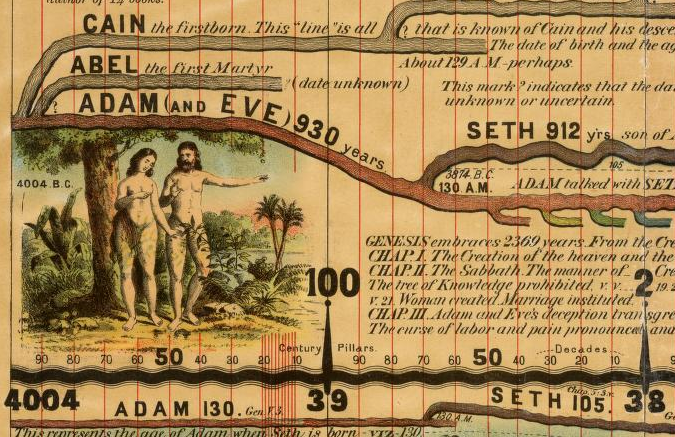
adam and eve map

A beau­ti­ful ear­ly exam­ple of visu­al­iz­ing the flow of his­to­ry, Sebas­t­ian C. Adams’ Syn­chrono­log­i­cal Chart of Uni­ver­sal His­to­ry out­lines the evo­lu­tion of mankind from Adam and Eve to 1871, the year of its first edi­tion.

A recre­ation can be found and close­ly exam­ined at the David Rum­sey Map Col­lec­tion, which allows you to zoom in on any part of the orig­i­nal time­line, which stretched to 23 feet in length and was designed for school­hous­es as a one-stop shop for all of his­to­ry.

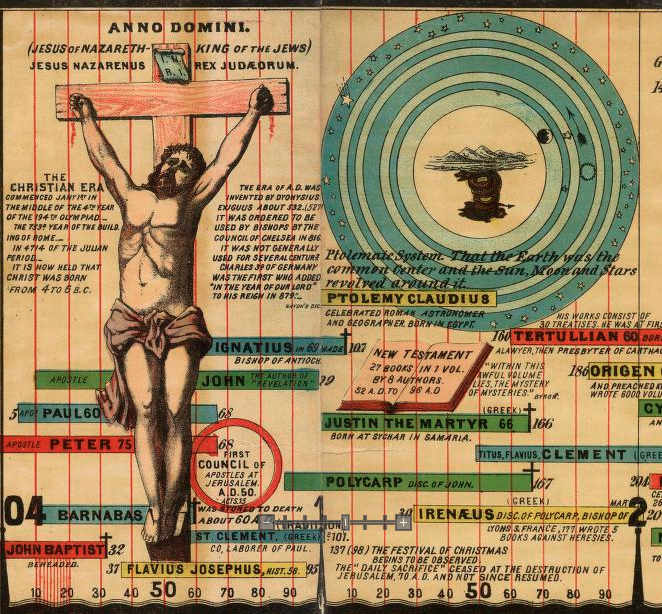
jesus map

As Daniel Rosen­berg and Antho­ny Grafton describe it in their book Car­togra­phies of Time:

The Syn­chrono­log­i­cal Chart is a great work of out­sider think­ing and a tem­plate for auto­di­dact study; it attempts to rise above the sta­tion of a mere his­tor­i­cal sum­ma­ry and to draw a pic­ture of his­to­ry rich enough to serve as a text­book in itself.

Adams was a vora­cious read­er and a good Chris­t­ian, and in the top half of the chart he attempts to untan­gle the spaghet­ti-like geneal­o­gy of Adam and Eve’s chil­dren from Abel (“The First Mar­tyr”) through to Solomon (whose tem­ple looks very Goth­ic), all the way through to Jesus and beyond.

At the same time he presents a detailed descrip­tion of archae­o­log­i­cal his­to­ry “after the flood,” from Stone Age tools through the ear­li­est civ­i­liza­tions, men­tion­ing major bat­tles, inven­tions, philoso­phers, and advances in sci­ence. Adams’ start­ing date of all his­to­ry comes from the Irish Arch­bish­op James Ussh­er, who, in 1654 declared, after years of study, that the earth was cre­at­ed on “night­fall on 22 Octo­ber 4004 BC.” (Now that’s cer­tain­ty!)

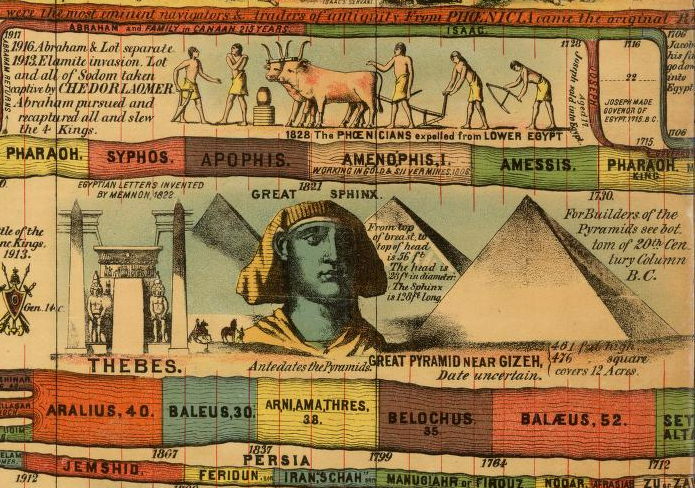
egypt map

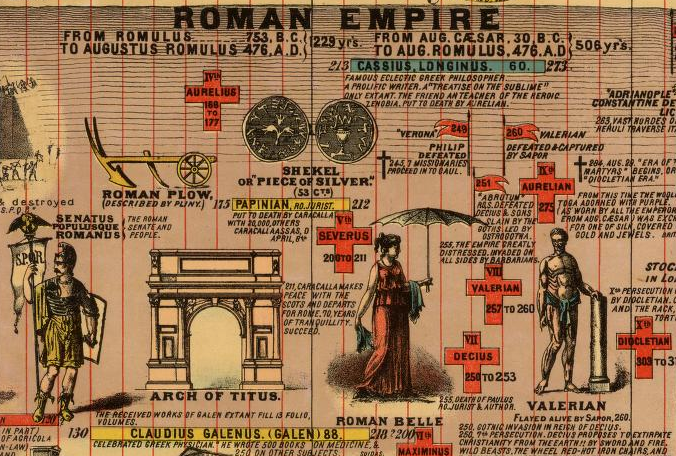
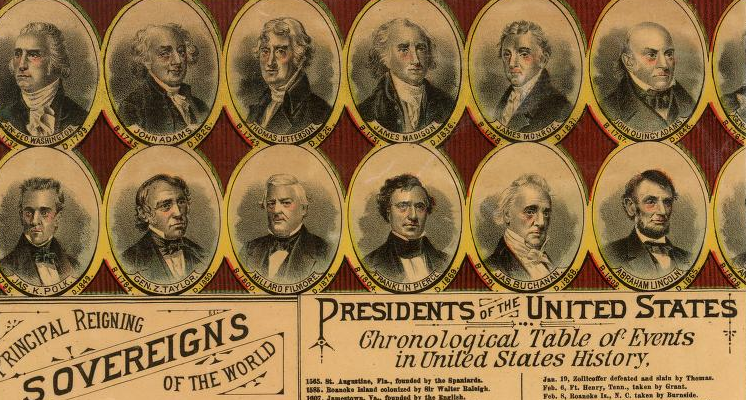
The map is col­or­ful and filled with beau­ti­ful illus­tra­tions from the self-taught Adams, from a draw­ing of Nebuchadnezzar’s Dream to the cur­rent world lead­ers and a list of Unit­ed States Pres­i­dents up to James Garfield. There’s even a sec­tion at the far end for “Emi­nent Men not else­where men­tioned on the Chart,” the sign of a true com­pletist (except for the part where he leaves out women).

rome map

Adams lived far from the epi­cen­ters of Amer­i­can edu­ca­tion. He grew up in a Pres­by­ter­ian fam­i­ly in Ohio, and, when he showed a skill for teach­ing lat­er in life, he made the trek out west, near­ly dying on the Ore­gon Trail. He set­tled in Salem, Ore­gon and began teach­ing while also work­ing on his chart. When it was ready to print, he trav­eled back to Cincin­nati to hire the esteemed lith­o­g­ra­phers Stro­bridge & Co., who pub­lished Civ­il War scenes, maps, and cir­cus posters. Ini­tial­ly he sold the chart him­self, but its pop­u­lar­i­ty led to sev­er­al Amer­i­can and British print­ers pro­duc­ing copies into the 20th cen­tu­ry. Even Hor­ror writer H.P. Love­craft owned a copy.

presidents map

It remains a riotous work of art, his­to­ry, reli­gion, and self-deter­mi­na­tion, and fac­sim­i­les can still be pur­chased online. Adams lat­er left teach­ing to become pres­i­dent of an insur­ance com­pa­ny, and died of “la grippe” (i.e. the flu) in 1898.

Note: An ear­li­er ver­sion of this post appeared on our site in 2015.

Relat­ed Con­tent:

New York Pub­lic Library Puts 20,000 Hi-Res Maps Online & Makes Them Free to Down­load and Use

Down­load 67,000 His­toric Maps (in High Res­o­lu­tion) from the Won­der­ful David Rum­sey Map Col­lec­tion

Oculi Mun­di: A Beau­ti­ful Online Archive of 130 Ancient Maps, Atlases & Globes

Ted Mills is a free­lance writer on the arts who cur­rent­ly hosts the FunkZone Pod­cast. You can also fol­low him on Twit­ter at @tedmills, read his oth­er arts writ­ing at tedmills.com and/or watch his films here.

by | Permalink | Make a Comment ( 5 ) |

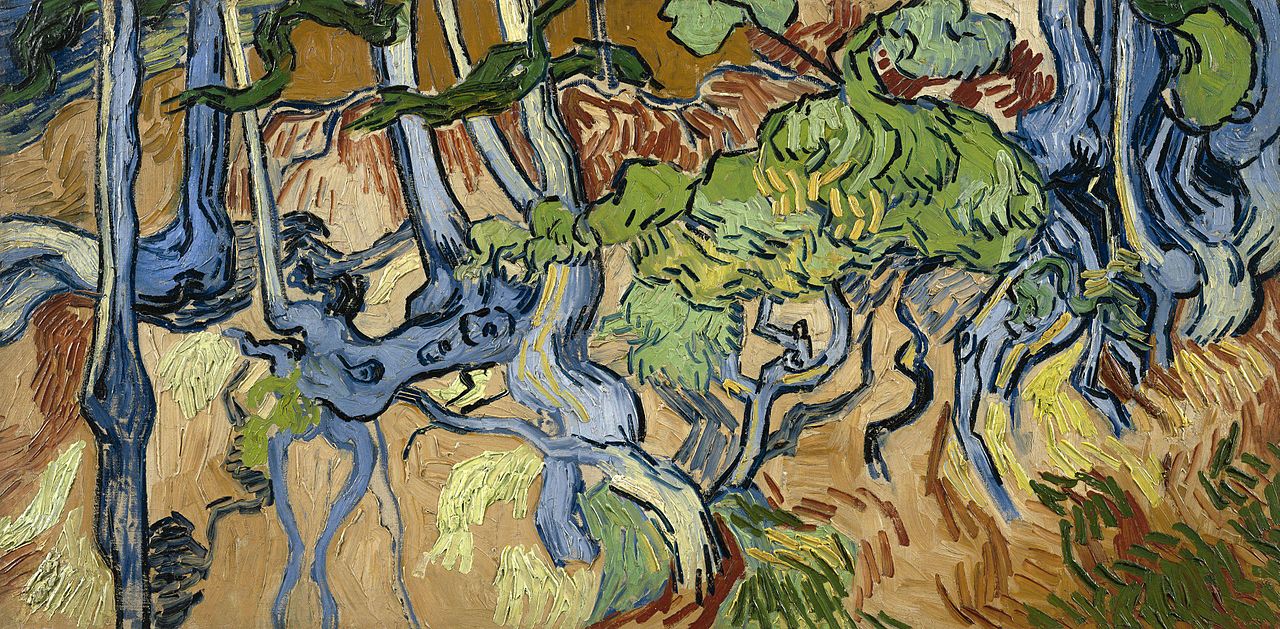
Vincent Van Gogh’s Final Painting: Discover Tree Roots, the Last Creative Act of the Dutch Painter (1890)

The sto­ry of Vin­cent van Gogh’s life tends to be defined by his psy­cho­log­i­cal con­di­tion and the not-unre­lat­ed man­ner of his death. (It does if we set aside the episode with the muti­lat­ed ear and the broth­el, any­way.) The fig­ure of the impov­er­ished, neglect­ed artist whose work would rev­o­lu­tion­ize his medi­um, and whose descent into mad­ness ulti­mate­ly drove him to take his own life, has proven irre­sistible to mod­ern sto­ry­tellers. That group includes painter-film­mak­er Julian Schn­abel, who told Van Gogh’s sto­ry a few years ago with At Eter­ni­ty’s Gate, and Vin­cente Min­nel­li, who’d ear­li­er giv­en it the full Cin­e­maS­cope treat­ment in 1956 with Lust for Life.

It is thanks in large part to Lust for Life that casu­al Van Gogh fans long regard­ed Wheat­field with Crows as his final paint­ing. “The paint­ing’s dark and gloomy sub­ject mat­ter seemed to per­fect­ly encap­su­late the last days of Van Gogh, full of fore­bod­ing of his even­tu­al death,” says gal­lerist-Youtu­ber James Payne in his new Great Art Explained video above.

Recent­ly, how­ev­er, the con­sen­sus has shift­ed toward a dif­fer­ent, less­er-known work, Tree Roots. Like Wheat­field with Crows, Van Gogh paint­ed it in the rur­al vil­lage of Auvers-sur-Oise, to which he moved after check­ing out of the last asy­lum in which he’d received treat­ment. There, in his final weeks, he “worked on a series of land­scapes on the hills above Auvers,” all ren­dered on wide-for­mat can­vas­es he’d nev­er used before.

That this series con­sists of “vast expans­es, total­ly devoid of any human fig­ures” makes it look “as if he has giv­en up on human­i­ty.” What’s more, Tree Roots is also “devoid of form. It is unfin­ished, which is extreme­ly unusu­al for Van Gogh, and a sign it was still being worked on when he died.” Its obscure loca­tion only became clear dur­ing the time of COVID-19, when Van Gogh spe­cial­ist Wouter van der Veen was look­ing through a cache of old French post­cards he’d received and hap­pened to spot a high­ly famil­iar set of roots. Thanks to this coin­ci­dence, we can now vis­it the very spot in which Van Gogh paint­ed what’s now thought to be his very last work on the morn­ing of July 27th, 1890, the same day he chose to end his own life. This counts as a mys­tery solved, but sure­ly the art Van Gogh made dur­ing his abbre­vi­at­ed but prodi­gious career still has much to reveal to us.

Relat­ed con­tent:

1,500 Paint­ings & Draw­ings by Vin­cent van Gogh Have Been Dig­i­tized & Put Online

Vin­cent van Gogh’s The Star­ry Night: Why It’s a Great Paint­ing in 15 Min­utes

Down­load Vin­cent van Gogh’s Col­lec­tion of 500 Japan­ese Prints, Which Inspired Him to Cre­ate “the Art of the Future”

Vin­cent van Gogh’s Self Por­traits: Explore & Down­load a Col­lec­tion of 17 Paint­ings Free Online

A Com­plete Archive of Vin­cent van Gogh’s Let­ters: Beau­ti­ful­ly Illus­trat­ed and Ful­ly Anno­tat­ed

Van Gogh’s Ugli­est Mas­ter­piece: A Break Down of His Late, Great Paint­ing, The Night Café (1888)

Based in Seoul, Col­in Marshall writes and broad­casts on cities, lan­guage, and cul­ture. His projects include the Sub­stack newslet­ter Books on Cities, the book The State­less City: a Walk through 21st-Cen­tu­ry Los Ange­les and the video series The City in Cin­e­ma. Fol­low him on Twit­ter at @colinmarshall or on Face­book.

Salvador Dalí’s Surreal Cutlery Set from 1957

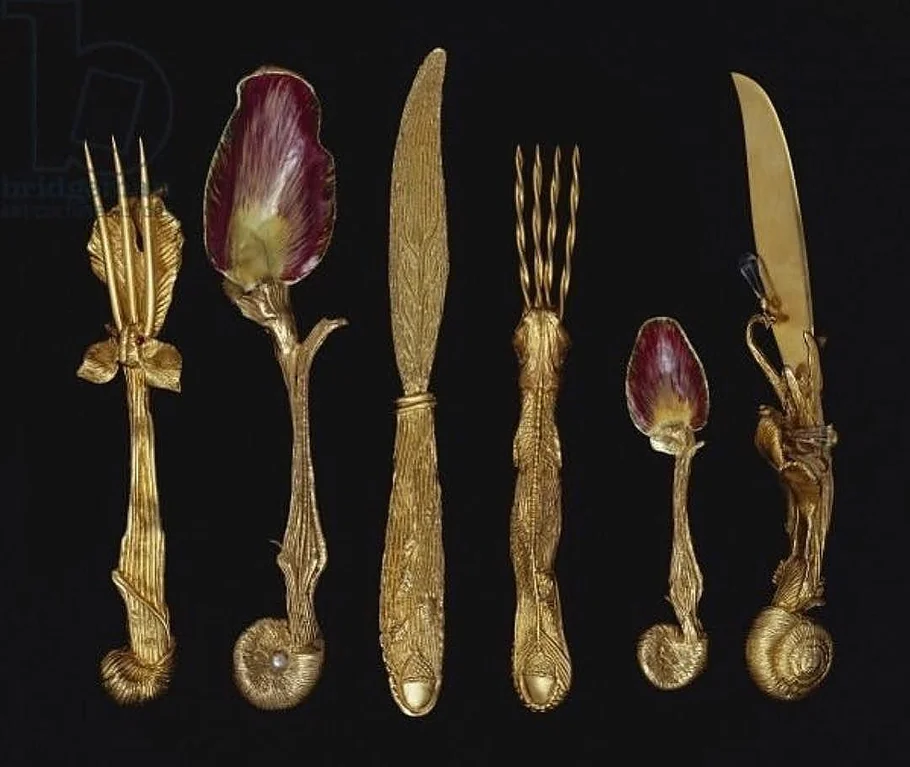
In 1957, Sal­vador Dalí cre­at­ed a table­ware set con­sist­ing of 1) a four-tooth fork with a fish han­dle, 2) an ele­phant fork with three teeth, 3) a snail knife with tears, 4) a leaf knife, 5) a small arti­choke spoon, and 6) an arti­choke spoon. When the set went on auc­tion in 2012, it sold for $28,125.

Infor­ma­tion on the cut­lery set remains hard to find, but we sus­pect that it sprang from Dalí’s desire to blur the lines between art and every­day life. It’s per­haps the same log­ic that led him to design a sur­re­al­ist cook­book—Les Din­ers de Gala—16 years lat­er. It’s not hard to imag­ine the uten­sils above going to work on his odd­ball recipes, like “Bush of Craw­fish in Viking Herbs,” “Thou­sand-Year-Old Eggs,” and “Veal Cut­lets Stuffed with Snails.” If you hap­pen to know more about Dalí’s cre­ation, please add any thoughts to the com­ments below.

Relat­ed Con­tent 

Sal­vador Dalí’s 1973 Cook­book Gets Reis­sued: Sur­re­al­ist Art Meets Haute Cui­sine

Sal­vador Dali’s 1978 Wine Guide, The Wines of Gala, Gets Reis­sued: Sen­su­al Viti­cul­ture Meets Sur­re­al Art

How to Actu­al­ly Cook Sal­vador Dali’s Sur­re­al­ist Recipes: Cray­fish, Prawns, and Spit­ted Eggs

by | Permalink | Make a Comment ( 6 ) |

When François Truffaut Made a Film Adaptation of Ray Bradbury’s Fahrenheit 451 (1966)

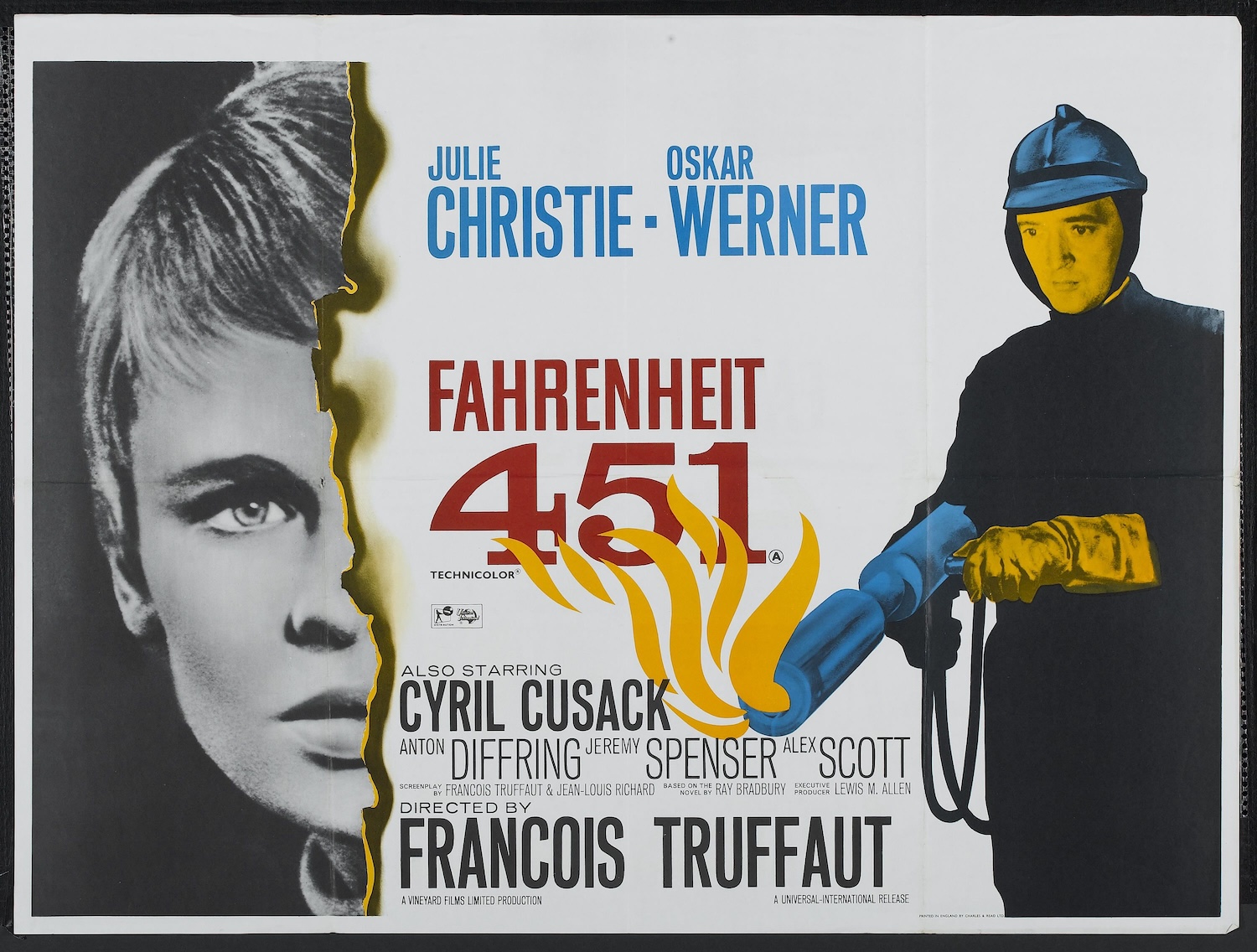
The pro­tag­o­nist of Ray Brad­bury’s Fahren­heit 451 is a “fire­man” tasked with incin­er­at­ing what few books remain in a domes­tic-screen-dom­i­nat­ed future soci­ety forced into illit­er­a­cy. Late in life, Ray Brad­bury declared that he wrote the nov­el because he was “wor­ried about peo­ple being turned into morons by TV.” This tinges with a cer­tain irony giv­en that the lat­est adap­ta­tion was made for HBO (2018). That project, which one crit­ic likened it to “a Glax­o­SmithK­line pro­duc­tion of Aldous Huxley’s Brave New World,” will prob­a­bly not be the last Fahren­heit 451 movie. Nor was it the first: that title goes to the one Nou­velle Vague auteur François Truf­faut’s film direct­ed in 1966, though many count that as a dubi­ous hon­or.

A con­tem­po­rary review in Time mag­a­zine mem­o­rably called Truf­faut’s Fahren­heit 451 a “weird­ly gay lit­tle pic­ture that assails with both hor­ror and humor all forms of tyran­ny over the mind of man,” albeit one that “strong­ly sup­ports the wide­ly held sus­pi­cion that Julie Christie can­not actu­al­ly act.”

Truf­faut bold­ly cast Christie in a dual role, as both pro­tag­o­nist Guy Mon­tag’s TV-and-pill-addict­ed wife and the young rebel who even­tu­al­ly lures him over to the pro-book lib­er­a­tion move­ment. Though some view­ers see it as the pic­ture’s fatal flaw, Scott Tobias, writ­ing at The Dis­solve, calls it a “mas­ter­stroke” that ren­ders the near­ly iden­ti­cal char­ac­ters “the abstract rep­re­sen­ta­tives of con­for­mi­ty and non-con­for­mi­ty they had always been in the book.”

It’s easy to imag­ine what appeal the source mate­r­i­al would have held for Truf­faut, the most lit­er­ary-mind­ed leader of the French New Wave; recall the shrine to Balzac kept by young Antoine Doinel in Truf­faut’s auto­bi­o­graph­i­cal debut The 400 Blows. By the time he went to work on Fahren­heit 451, his sixth fea­ture, he’d become what the Amer­i­can behind-the-scenes trail­er calls an “inter­na­tion­al­ly famous French direc­tor.” But this time, cir­cum­stances con­spired against him: his increas­ing­ly frac­tious rela­tion­ship with Jules and Jim star Oskar Wern­er did the lat­ter’s per­for­mance as Mon­tag no favors, and the mon­ey hav­ing come from the U.K. forced him to work in Eng­lish, a lan­guage of which he had scant com­mand at the time.

Truf­faut him­self enu­mer­ates these and oth­er dif­fi­cul­ties in a pro­duc­tion diary pub­lished over sev­er­al issues of Cahiers du Ciné­ma (begin­ning with num­ber 175). Yet near­ly six decades lat­er, his trou­bled inter­pre­ta­tion of Fahren­heit 451 still fas­ci­nates. New York­er crit­ic Richard Brody calls it “one of Truffaut’s wildest films, a cold­ly flam­boy­ant out­pour­ing of visu­al inven­tion in the ser­vice of lit­er­ary pas­sion and artis­tic mem­o­ry as well as a repu­di­a­tion of a world of uni­form con­ve­nience and com­fort­able con­for­mi­ty.” Today we may won­der why the paraso­cial rela­tion­ship Mon­tag’s wife anx­ious­ly main­tains with her tele­vi­sion, which must have seemed fan­tas­ti­cal in the mid-six­ties, feels dis­com­fit­ing­ly famil­iar — and how long it will be before Fahren­heit 451 gets re-adapt­ed as a binge-ready pres­tige TV dra­ma.

Relat­ed con­tent:

How Truf­faut Became Truf­faut: From Pet­ty Thief to Great Auteur

Ralph Steadman’s Hell­ish Illus­tra­tions for Ray Bradbury’s Clas­sic Dystopi­an Nov­el Fahren­heit 451

Behold Sovi­et Ani­ma­tions of Ray Brad­bury Sto­ries

Why Should We Read Ray Bradbury’s Fahren­heit 451? A New TED-Ed Ani­ma­tion Explains

Ray Brad­bury Reveals the True Mean­ing of Fahren­heit 451: It’s Not About Cen­sor­ship, But Peo­ple “Being Turned Into Morons by TV”

How the French New Wave Changed Cin­e­ma: A Video Intro­duc­tion to the Films of Godard, Truf­faut & Their Fel­low Rule-Break­ers

Based in Seoul, Col­in Marshall writes and broad­casts on cities, lan­guage, and cul­ture. His projects include the Sub­stack newslet­ter Books on Cities, the book The State­less City: a Walk through 21st-Cen­tu­ry Los Ange­les and the video series The City in Cin­e­ma. Fol­low him on Twit­ter at @colinmarshall or on Face­book.

How Engineers Straightened the Leaning Tower of Pisa

?si=WxyK2XAukThVTpa7

Con­struc­tion on the Tow­er of Pisa first began in the year 1173. By 1178, the archi­tects knew they had a prob­lem on their hands. Built on an unsteady foun­da­tion, the tow­er began to sink under its own weight and soon start­ed to lean. Medieval archi­tects tried to address the tilt. How­ev­er, it per­sist­ed and incre­men­tal­ly wors­ened over the next eight cen­turies. Then, in 1990, Ital­ian author­i­ties closed the tow­er to the pub­lic, fear­ing it might col­lapse. For the next 11 years, engi­neers worked to sta­bi­lize the struc­ture. How did they put the tow­er on a bet­ter foot­ing, as it were, while still pre­serv­ing some of its icon­ic lean? That’s the sub­ject of this intrigu­ing video by the YouTube chan­nel Prac­ti­cal Engi­neer­ing. Watch it above.

Relat­ed Con­tent 

Behold a 21st-Cen­tu­ry Medieval Cas­tle Being Built with Only Tools & Mate­ri­als from the Mid­dle Ages

The Age of Cathe­drals: A Free Online Course from Yale Uni­ver­si­ty

Venice Explained: Its Archi­tec­ture, Its Streets, Its Canals, and How Best to Expe­ri­ence Them All

Benedict Cumberbatch Reads Alexei Navalny’s Final Letter: “Victory Is Inevitable. We Must Not Give Up”

Above, actor Bene­dict Cum­ber­batch reads the final let­ter writ­ten by Alex­ei Naval­ny, the Russ­ian oppo­si­tion leader who died in a Siber­ian prison on Feb­ru­ary 16th. The let­ter gets at a ques­tion many have asked, even from afar. Why, after being poi­soned with Novi­chok in 2020, did Naval­ny return to Rus­sia, know­ing he would face imme­di­ate and harsh impris­on­ment?

The let­ter, dat­ed Jan­u­ary 17, 2024, begins:

Exact­ly 3 years ago, I returned to Rus­sia after under­go­ing treat­ment for poi­son­ing at the air­port. I was arrest­ed and here I am three years in. For three years, I’ve been answer­ing the same ques­tion. Inmates ask it plain­ly and direct­ly. Prison admin­is­tra­tion staff [ask it] cau­tious­ly, with the recorders off. Why did you come back?

For a coun­try now used to cyn­i­cism and cor­rup­tion, the answer is dis­may­ing:

It’s actu­al­ly very sim­ple. I have my coun­try and my con­vic­tions and I don’t want to renounce either my coun­try or my con­vic­tions.… If your con­vic­tions are worth any­thing, you should be ready to stand up for them and, if nec­es­sary, make some sac­ri­fices. And if you’re not ready, then you have no con­vic­tions at all. You just think you do. But those are not con­vic­tions and
prin­ci­ples, just thoughts in your head.

Naval­ny ends the let­ter with a pre­dic­tion: “Putin’s state is unvi­able. One day we’ll look at its place and it will be gone. Vic­to­ry is inevitable but, for now, we must not give up…” Rest in peace Alex­ei Naval­ny.

The Getty Makes Nearly 88,000 Art Images Free to Use However You Like

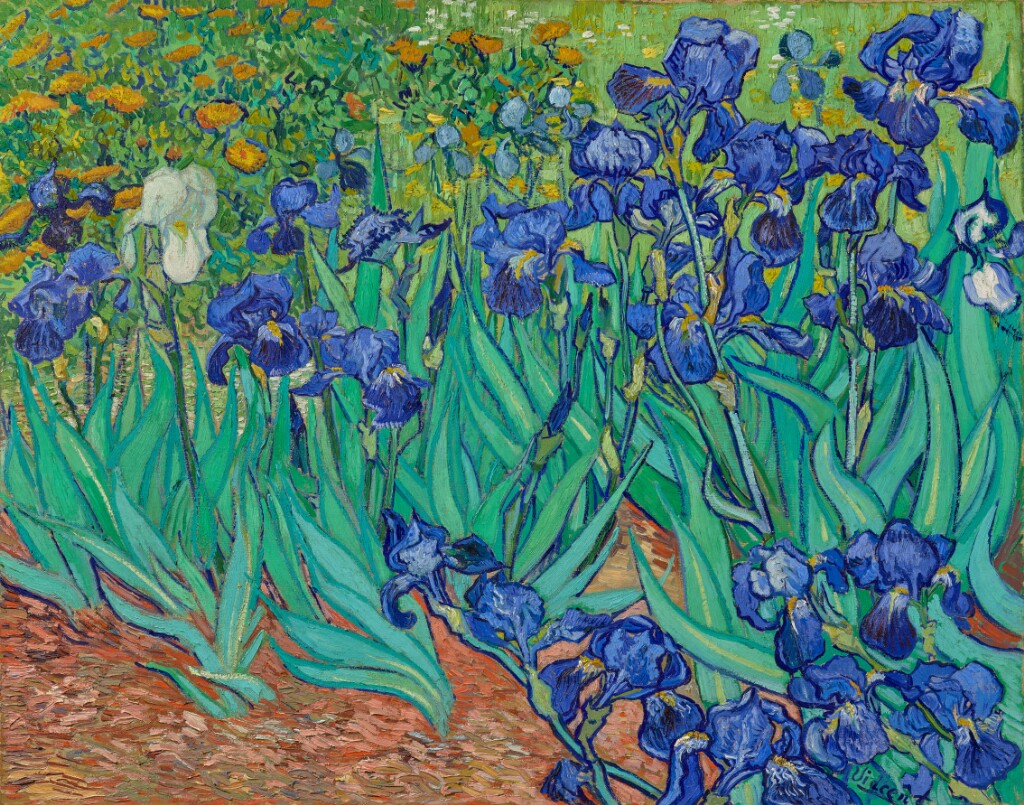
Since the J. Paul Get­ty Muse­um launched its Open Con­tent pro­gram back in 2013, we’ve been fea­tur­ing their efforts to make their vast col­lec­tion of cul­tur­al arti­facts freely acces­si­ble online. They’ve released not just dig­i­tized works of art, but also a great many art his­to­ry texts and art books in gen­er­al. Just this week, they announced an expan­sion of access to their dig­i­tal archive, in that they’ve made near­ly 88,000 images free to down­load on their Open Con­tent data­base under Cre­ative Com­mons Zero (CC0). That means “you can copy, mod­i­fy, dis­trib­ute and per­form the work, even for com­mer­cial pur­pos­es, all with­out ask­ing per­mis­sion.”

The Get­ty sug­gests that you “add a print of your favorite Dutch still life to your gallery wall or cre­ate a show­er cur­tain using the Iris­es by Van Gogh.” But if you search the open con­tent in their archive your­self, you can sure­ly get much more cre­ative than that.

The por­tal’s inter­face lets you search by cre­ation date (with a time­line graph stretch­ing back to the year 6000 BC), medi­um (from agate and alabaster to wood­cut and zinc), object type (includ­ing paint­ings, pho­tographs, and sculp­tures, of course, but also akro­te­ria, horse trap­pings, and tweez­ers), and cul­ture. The selec­tion reflects the wide man­date of the Get­ty’s col­lec­tion, which encom­pass­es as many of the civ­i­liza­tions of the world as it does the eras of human his­to­ry.

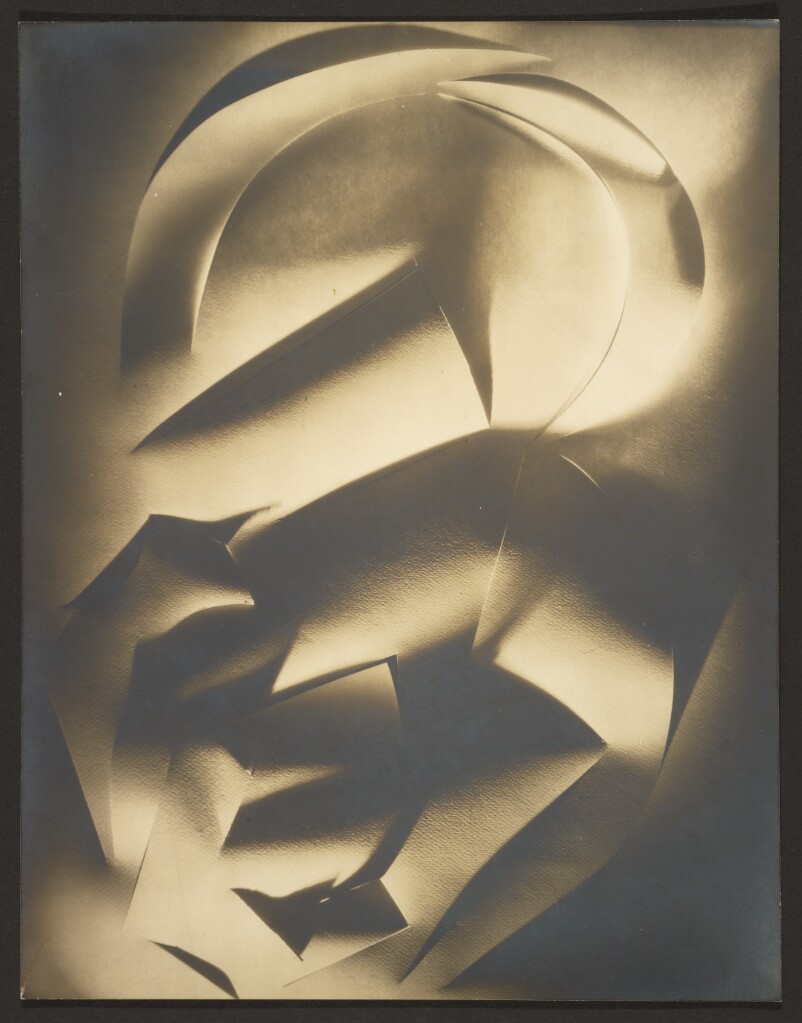
In the Get­ty’s open-con­tent archive, you’ll find ancient sculp­ture from Greece, Rome and many oth­er parts of the world besides; a frag­men­tary oinochoe (that is, a wine jug) from third-cen­tu­ry-BC Ptole­ma­ic Egypt; lav­ish­ly illu­mi­nat­ed medieval books of hours (of the kind pre­vi­ous­ly fea­tured here on Open Cul­ture); works by such inno­v­a­tive French painters as Édouard Manet and Edgar Degas; the stereo­scop­ic pho­tog­ra­phy of Car­leton H. Graves, who in the late nine­teenth and ear­ly twen­ti­eth cen­tu­ry cap­tured places from Den­mark and Pales­tine, to Japan and Korea; the dar­ing abstrac­tions of artists like Hannes Maria Flach, JaromĂ­r Funke, and Fran­cis Bruguière. But what you do with them is, of course, entire­ly up to you. Enter the col­lec­tion here.

Relat­ed con­tent:

The Get­ty Dig­i­tal Archive Expands to 135,000 Free Images: Down­load High Res­o­lu­tion Scans of Paint­ings, Sculp­tures, Pho­tographs & Much Much More

A Search Engine for Find­ing Free, Pub­lic Domain Images from World-Class Muse­ums

100,000 Free Art His­to­ry Texts Now Avail­able Online Thanks to the Get­ty Research Por­tal

Down­load Great Works of Art from 40+ Muse­ums World­wide: Explore Artvee, the New Art Search Engine

The Smith­son­ian Puts 4.5 Mil­lion High-Res Images Online and Into the Pub­lic Domain, Mak­ing Them Free to Use

Down­load Over 325 Free Art Books From the Get­ty Muse­um

Based in Seoul, Col­in Marshall writes and broad­casts on cities, lan­guage, and cul­ture. His projects include the Sub­stack newslet­ter Books on Cities, the book The State­less City: a Walk through 21st-Cen­tu­ry Los Ange­les and the video series The City in Cin­e­ma. Fol­low him on Twit­ter at @colinmarshall or on Face­book.

« Go BackMore in this category... »
Quantcast