How Four Masters—Michelangelo, Donatello, Verrocchio & Bernini—Sculpted David

More than a few vis­i­tors to Flo­rence make a bee­line to the Gal­le­ria del­l’Ac­cad­e­mia, and once inside, to Michelan­gelo’s David, the most famous sculp­ture in the world. But how many of them, one won­ders, then take the time to view the three oth­er Davids in that city alone? At the Bargel­lo, just ten min­utes’ walk away, reside two more sculp­tures of the young man who would be king of Israel and Judah, both of them by Michelan­gelo’s fel­low Renais­sance mas­ter Donatel­lo. The less renowned, he made of mar­ble in the late four­teen-hun­dreds; the more renowned, of bronze in the four­teen-for­ties, is the sub­ject of the Smarthis­to­ry video at the top of the post.

“For a thou­sand years, the Chris­t­ian West had looked to the soul as the place to focus. The body was seen as the path to cor­rup­tion, and so it was not to be cel­e­brat­ed,” says the video’s host Steven Zuck­er. “What we’re see­ing here is a return to ancient Greece and Rome’s love of the body, its respect for the body.”

And to the Flo­ren­tines of the mid-fif­teenth cen­tu­ry, as co-host Beth Har­ris explains, this par­tic­u­lar body was­n’t just that of “King David from the Bible,” but that of their own repub­lic as well. See­ing them­selves as the David-like under­dog vic­to­ri­ous over the Goliath that was the Duke of Milan, “they felt blessed and cho­sen by God” as the “heirs of the ancient Roman Repub­lic.”

Whether or not most every­day cit­i­zens of the Flo­ren­tine Repub­lic felt that way, the bank­ing Medici fam­i­ly, who effec­tive­ly ran the place for cen­turies, sure­ly must have. Also at the Bargel­lo is anoth­er of the Davids they com­mis­sioned, sculpt­ed in bronze by Andrea del Ver­roc­chio in the four­teen-sev­en­ties. “Ver­roc­chio gives us a very self-assured young man,” says Har­ris, with the beau­ty to be expect­ed of a work of this genre, but also with a cer­tain degree of anti-clas­si­cist ado­les­cent awk­ward­ness. In that, the work con­trasts with Bernini’s, though both artists cre­at­ed a vic­to­ri­ous David, stand­ing over the head of Goliath. Michelan­ge­lo, of course, did things quite dif­fer­ent­ly thir­ty years lat­er, sculpt­ing a David out of mar­ble eter­nal­ly steel­ing him­self for the bat­tle, at just the moment when his colos­sal foe comes into view.

Donatel­lo, Ver­roc­chio, and Michelan­gelo’s Davids all date from the Renais­sance. The oth­er unig­nor­able sculp­ture in this tra­di­tion was cre­at­ed much lat­er, in the six­teen-twen­ties, and also far from Flo­rence. The David by Gian Loren­zo Berni­ni, who would become syn­ony­mous with the dra­mat­ic extrav­a­gance of sev­en­teenth-cen­tu­ry Rome, is “like a spring that’s about to unwind,” as Zuck­er puts it. Unlike when we behold Michelan­gelo’s con­tem­pla­tive ren­di­tion, Har­ris adds, “here, we’re emo­tion­al­ly, bod­i­ly involved,” not just because of the action pose, but also of the phys­i­cal effort evi­dent in the face. This was the Baroque era, when “the Catholic church is using art as a way to affirm and strength­en the faith of believ­ers.” Ideas about the pur­pose of art may have changed in the four cen­turies since, but that has­n’t stopped even the less­er-known Davids from receiv­ing a steady stream of impressed vis­i­tors.

Relat­ed Con­tent:

Michelangelo’s David: The Fas­ci­nat­ing Sto­ry Behind the Renais­sance Mar­ble Cre­ation

Michelan­ge­lo Entered a Com­pe­ti­tion to Put a Miss­ing Arm Back on Lao­coön and His Sons — and Lost

How Michelangelo’s David Still Draws Admi­ra­tion and Con­tro­ver­sy Today

New Video Shows What May Be Michelangelo’s Lost & Now Found Bronze Sculp­tures

School Prin­ci­pal, Forced to Resign After Stu­dents Learn About Michelangelo’s “David,” Vis­its the Renais­sance Stat­ue in Flo­rence

3D Scans of 7,500 Famous Sculp­tures, Stat­ues & Art­works: Down­load & 3D Print Rodin’s Thinker, Michelangelo’s David & More

Based in Seoul, Col­in Marshall writes and broad­casts on cities, lan­guage, and cul­ture. His projects include the Sub­stack newslet­ter Books on Cities and the book The State­less City: a Walk through 21st-Cen­tu­ry Los Ange­les. Fol­low him on the social net­work for­mer­ly known as Twit­ter at @colinmarshall.

Neil deGrasse Tyson Lists 8 (Free) Books Every Intelligent Person Should Read

Image via Wiki­me­dia Com­mons

A num­ber of years ago, a Red­dit user posed the ques­tion to Neil deGrasse Tyson: “Which books should be read by every sin­gle intel­li­gent per­son on the plan­et?”

Below, you will find the book list offered up by the astro­physi­cist, direc­tor of the Hay­den Plan­e­tar­i­um, and pop­u­lar­iz­er of sci­ence. Where pos­si­ble, we have includ­ed links to free ver­sions of the books.

1.) The Bible (eBook) — “to learn that it’s eas­i­er to be told by oth­ers what to think and believe than it is to think for your­self.”

2.) The Sys­tem of the World by Isaac New­ton (eBook) — “to learn that the uni­verse is a know­able place.”

3.) On the Ori­gin of Species by Charles Dar­win (eBookAudio Book) — “to learn of our kin­ship with all oth­er life on Earth.”

4.) Gul­liv­er’s Trav­els by Jonathan Swift (eBookAudio Book) — “to learn, among oth­er satir­i­cal lessons, that most of the time humans are Yahoos.”

5.) The Age of Rea­son by Thomas Paine (eBookAudio Book) — “to learn how the pow­er of ratio­nal thought is the pri­ma­ry source of free­dom in the world.”

6.) The Wealth of Nations by Adam Smith (eBookAudio Book) — “to learn that cap­i­tal­ism is an econ­o­my of greed, a force of nature unto itself.”

7.) The Art of War by Sun Tsu (eBookAudio Book) — “to learn that the act of killing fel­low humans can be raised to an art.”

8.) The Prince by Machi­avel­li (eBookAudio Book) — “to learn that peo­ple not in pow­er will do all they can to acquire it, and peo­ple in pow­er will do all they can to keep it.”

Tyson con­cludes by say­ing: “If you read all of the above works you will glean pro­found insight into most of what has dri­ven the his­to­ry of the west­ern world.”

He has also added some more thoughts in the com­ments sec­tion below, say­ing:

Thanks for this ongo­ing inter­est in my book sug­ges­tions. From some of your reflec­tions, it looks like the intent of the list was not as clear as I thought. The one-line com­ment after each book is not a review but a state­ment about how the book’s con­tent influ­enced the behav­ior of peo­ple who shaped the west­ern world. So, for exam­ple, it does no good to say what the Bible “real­ly” meant, if its actu­al influ­ence on human behav­ior is some­thing else. Again, thanks for your col­lec­tive inter­est. ‑NDTyson

If you would like to sign up for Open Culture’s free email newslet­ter, please find it here. It’s a great way to see our new posts, all bun­dled in one email, each day.

If you would like to sup­port the mis­sion of Open Cul­ture, con­sid­er mak­ing a dona­tion to our site. It’s hard to rely 100% on ads, and your con­tri­bu­tions will help us con­tin­ue pro­vid­ing the best free cul­tur­al and edu­ca­tion­al mate­ri­als to learn­ers every­where. You can con­tribute through Pay­Pal, Patre­on, and Ven­mo (@openculture). Thanks!

Note: An ear­li­er ver­sion of this post appeared on our site in 2011.

Relat­ed Con­tent:

1,000 Free Audio Books: Down­load Great Books for Free

The Har­vard Clas­sics: Down­load All 51 Vol­umes as Free eBooks

Neil deGrasse Tyson Offers Advice on How to Be Your­self and Achieve Your Own Great­ness

1,700 Free Online Cours­es from Top Uni­ver­si­ties

Neil deGrasse Tyson Presents a Brief His­to­ry of Every­thing in an 8.5 Minute Ani­ma­tion


by | Permalink | Make a Comment ( 13 ) |

Discover the Only Painting Van Gogh Ever Sold During His Lifetime

It may have crossed your mind, while behold­ing paint­ings of Vin­cent van Gogh, that you’d like to own one your­self some­day. If so, you’ll have to get in line with more than a few bil­lion­aires, and even they may nev­er see one go up on the auc­tion block. This would prob­a­bly come as a sur­prise to van Gogh him­self, who died des­ti­tute — and prac­ti­cal­ly unknown — after an artis­tic career of just ten years. In that time, he man­aged to sell exact­ly one paint­ing, at least accord­ing to cer­tain def­i­n­i­tions of “sell.” Van Gogh did barter paint­ings for food and art sup­plies, and he did accept com­mis­sions, begin­ning with one from his art-deal­er uncle Cor. But as for sales made to non-rel­a­tives through an offi­cial show, we only know of one: La vigne rouge.

Known in Eng­lish as The Red Vine­yards near Arles, or sim­ply The Red Vine­yard, the paint­ing depicts a land­scape van Gogh came across “on a late after­noon walk with Paul Gau­guin on 28 Octo­ber 1888, five days after his friend’s arrival in Arles.” So writes Mar­tin Bai­ley at The Art News­pa­per, who adds that “pick­ing the grapes nor­mal­ly takes place in Sep­tem­ber in Provence, but the har­vest seems to have been late that year.”

To his broth­er Theo, Vin­cent described the scene thus: “A red vine­yard, com­plete­ly red like red wine. In the dis­tance it became yel­low, and then a green sky with a sun, fields vio­let and sparkling yel­low here and there after the rain in which the set­ting sun was reflect­ed.” The artist was not, how­ev­er, moved to set up his can­vas then and there; rather, he paint­ed the vine­yard the next month, from mem­o­ry.

Vin­cent let Theo hang the result­ing can­vas in his Paris apart­ment until he asked for it back in order to exhib­it it in the annu­al Brus­sels show put on by a group called Les Vingt in ear­ly 1890. The Red Vine­yards’ buy­er was one of their num­ber, a cer­tain Anna Boch, the sis­ter of van Gogh’s col­league in impres­sion­ism (and one­time por­trait sub­ject) Eugène Boch. Though she was no rela­tion, Anna did pay full stick­er price for the paint­ing, and van Gogh lat­er expressed some regret about not giv­ing her a “friend’s price.” But what­ev­er it cost her, it was sure­ly a steal com­pared to its val­ue today, after its pur­chase by a Russ­ian col­lec­tor, its rev­o­lu­tion­ary expro­pri­a­tion, and its long Sovi­et sup­pres­sion fol­lowed by proud exhi­bi­tion at Moscow’s Pushkin State Muse­um of Fine Arts — which, owing to the paint­ing’s fragili­ty, won’t even lend it out.

via Messy Nessy

Relat­ed con­tent:

1,500 Paint­ings & Draw­ings by Vin­cent van Gogh Have Been Dig­i­tized & Put Online

Vin­cent Van Gogh’s The Star­ry Night: Why It’s a Great Paint­ing in 15 Min­utes

Based in Seoul, Col­in Marshall writes and broad­casts on cities, lan­guage, and cul­ture. His projects include the Sub­stack newslet­ter Books on Cities and the book The State­less City: a Walk through 21st-Cen­tu­ry Los Ange­les. Fol­low him on the social net­work for­mer­ly known as Twit­ter at @colinmarshall.

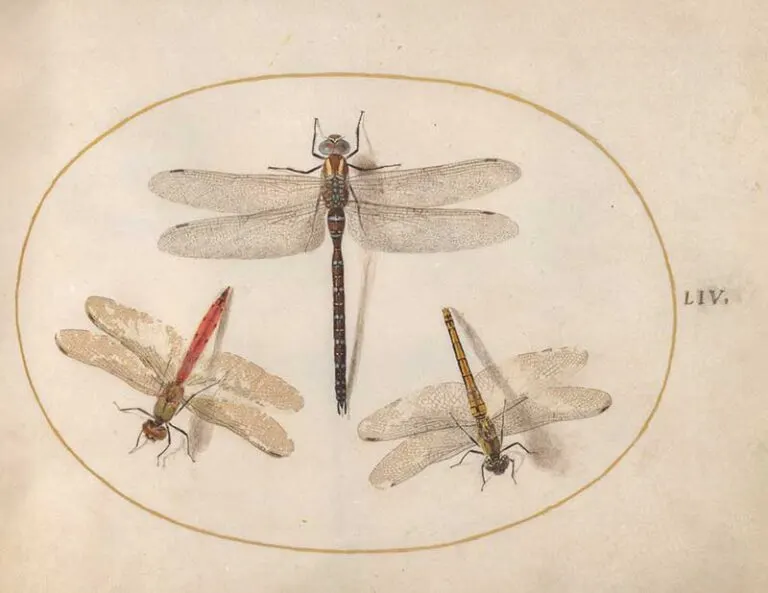
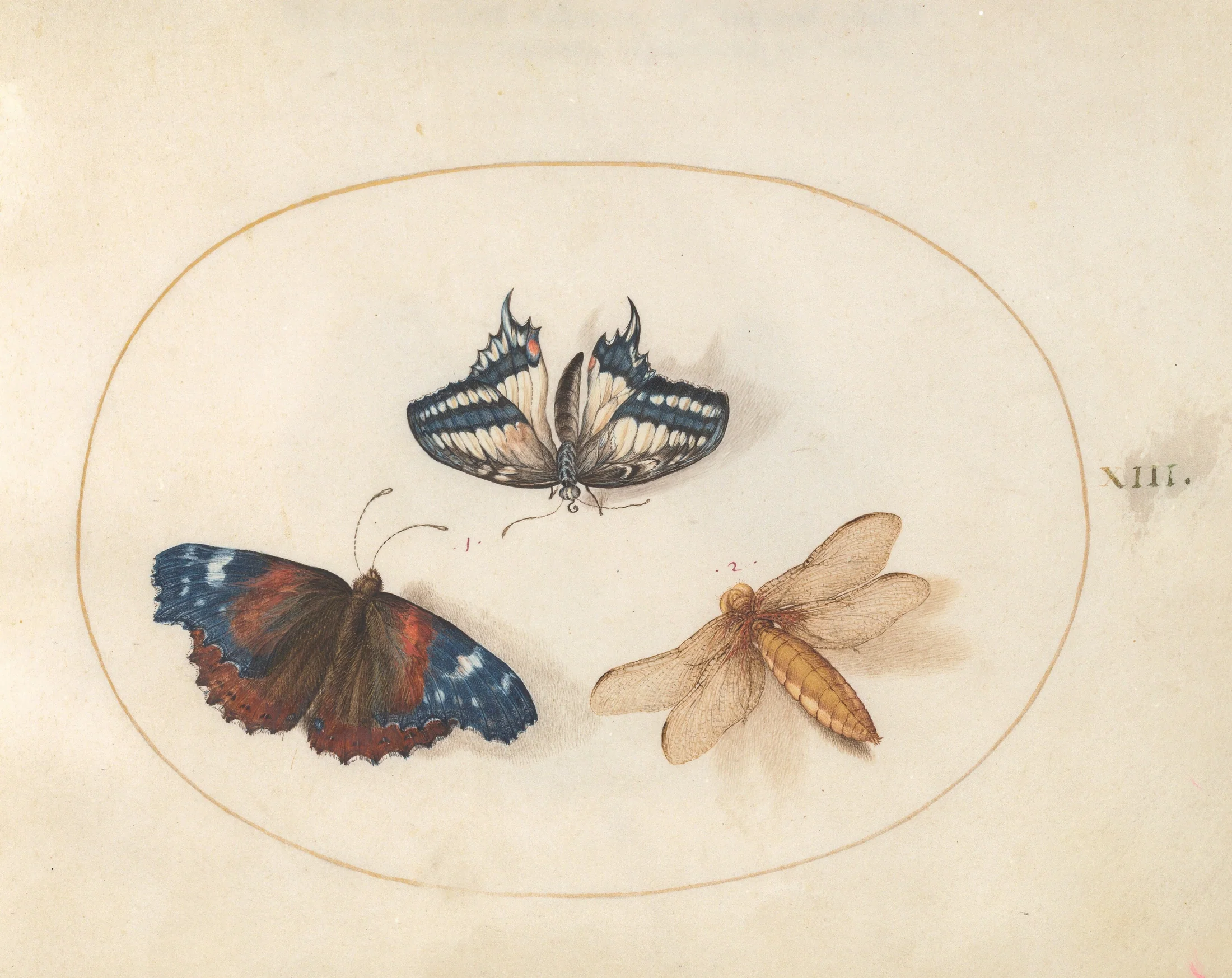
How 16th-Century Artist Joris Hoefnagel Made Insects Beautiful—and Changed Science Forever

In Eng­lish, most of the words we’d use to refer to insects sound off-putting at best and fear­some at worst, at least to those with­out an ento­mo­log­i­cal bent. Dutch, close a lin­guis­tic rela­tion though it may be, offers a more endear­ing alter­na­tive in beestjes, which refers to all these “lit­tle beasts” in which the artists and sci­en­tists of Europe start­ed to take a major inter­est in the late six­teenth cen­tu­ry. As was the style of that era, the mag­is­te­ria of art and sci­ence tend­ed to over­lap, a phe­nom­e­non nowhere more clear­ly reflect­ed — at least with regard to the insect king­dom — than in the work of Joris Hoef­nagel, a Flem­ish artist whose illus­tra­tions of beestjes com­bined beau­ty and accu­ra­cy in a man­ner nev­er seen before.


You can now see Hoef­nagel’s art up close at the exhi­bi­tion Lit­tle Beasts: Art, Won­der, and the Nat­ur­al World, which will be up at the Nation­al Gallery of Art in Wash­ing­ton, DC until ear­ly Novem­ber. If you won’t be able to make it out to the muse­um, have a look at the exhi­bi­tion’s web site, which shows off the splen­dor of Hoef­nagel’s work as pub­lished in The Four Ele­ments, a col­lec­tion of about 300 water­col­ors grouped into four vol­umes in the fif­teen-sev­en­ties and eight­ies, each one named for an ele­ment: Aqua con­tains water ani­mals; Ter­ra land ani­mals; Aier birds and plants; and Ignis, or “fire,” insects.

“We don’t real­ly know why Hoef­nagel put insects in the fire vol­ume,” says Evan “Nerd­writer” Puschak in the new video above. “Maybe because both fire and insects sym­bol­ize trans­for­ma­tion.”


“What we do know,” Puschak adds, “is that these insect minia­tures are mag­nif­i­cent­ly ren­dered.” Hoef­nagel even made improve­ments on the nature illus­tra­tions of his artis­tic pre­de­ces­sor Albrecht Dür­er, whose own abil­i­ties to ren­der our world with fideli­ty had been regard­ed as near­ly super­hu­man. One par­tic­u­lar work that sur­pass­es Dür­er is Hoef­nagel’s depic­tion of a stag bee­tle, which he accom­pa­nied with the Latin inscrip­tion “SCARABEI UMBRA,” or “the shad­ow of the stag bee­tle”: pos­si­bly a ref­er­ence to the unprece­dent­ed real­ism of the insec­t’s shad­ow as Hoef­nagel ren­dered it, but in any case a com­mon say­ing at the time about hol­low threats. For how­ev­er fright­en­ing the stag bee­tle looked, as Hoef­nagel well knew, the actu­al crea­ture was gen­tle — just anoth­er wee beast­ie after all.

Relat­ed Con­tent:

The Genius of Albrecht Dür­er Revealed in Four Self-Por­traits

Vladimir Nabokov’s Delight­ful But­ter­fly Draw­ings

Ernst Haeckel’s Sub­lime Draw­ings of Flo­ra and Fau­na: The Beau­ti­ful Sci­en­tif­ic Draw­ings That Influ­enced Europe’s Art Nou­veau Move­ment (1889)

Two Mil­lion Won­drous Nature Illus­tra­tions Put Online by The Bio­di­ver­si­ty Her­itage Library

Cap­ti­vat­ing Col­lab­o­ra­tion: Artist Hubert Duprat Uses Insects to Cre­ate Gold­en Sculp­tures

Watch The Insects’ Christ­mas from 1913: A Stop Motion Film Star­ring a Cast of Dead Bugs

Based in Seoul, Col­in Marshall writes and broad­casts on cities, lan­guage, and cul­ture. His projects include the Sub­stack newslet­ter Books on Cities and the book The State­less City: a Walk through 21st-Cen­tu­ry Los Ange­les. Fol­low him on the social net­work for­mer­ly known as Twit­ter at @colinmarshall.

Iconic Animator Chuck Jones Creates an Oscar-Winning Animation About the Virtues of Universal Health Care (1949)

While our coun­try looks like it might be com­ing apart at the seams, it’s good to revis­it, every once in a while, moments when it did work. And that’s not so that we can feel nos­tal­gic about a lost time, but so that we can remind our­selves how, giv­en the right con­di­tions, things could work well once again.

One exam­ple from his­to­ry (and recent­ly redis­cov­ered by a num­ber of blogs dur­ing the AHCA deba­cle in Con­gress) is this gov­ern­ment pro­pa­gan­da film from 1949—the Har­ry S. Tru­man era—that pro­motes the idea of cra­dle-to-grave health care, and all for three cents a week. This mon­ey went to school nurs­es, nutri­tion­ists, fam­i­ly doc­tors, and neigh­bor­hood health depart­ments.

Direct­ed by Chuck Jones, bet­ter known for ani­mat­ing Bugs Bun­ny, Porky Pig, Daffy Duck, and the Road Run­ner, “So Much for So Lit­tle” fol­lows our main char­ac­ter from infancy—where doc­tors help immu­nize babies against whoop­ing cough, diph­the­ria, rheumat­ic fever, and smallpox—through school to dat­ing, mar­riage, becom­ing par­ents, and set­tling into a nice, healthy retire­ment. Along the way, the gov­ern­ment has made sure that health care is noth­ing to wor­ry about.

The film won an Acad­e­my Award in 1950 for Doc­u­men­tary Short Subject—not best sci-fi, despite how rad­i­cal this all sounds.

So what hap­pened? John Maher at the blog Dot and Line puts it this way:

Par­ti­san­ship and cap­i­tal­ism and racist zon­ing poli­cies shat­tered its ide­al­is­tic dream that Amer­i­cans might actu­al­ly pay com­mu­nal­ly for their health as well as that of their neigh­bors and fel­low cit­i­zens.

Three cents per Amer­i­can per week wouldn’t cut it now in terms of uni­ver­sal health cov­er­age. But accord­ing to Maher, quot­ing a 2009 Kingsepp study on the orig­i­nal Afford­able Care Act, tax­pay­ers would have to pay $3.61 a week.

So folks, don’t get despon­dent, get ide­al­is­tic. The Great­est Gen­er­a­tion came back from WWII with a grand ide­al­ism. Maybe this cur­rent gen­er­a­tion just needs to fight and defeat Nazis all over again…

Note: An ear­li­er ver­sion of this post appeared on our site in 2017.

Relat­ed Con­tent:

The Evo­lu­tion of Chuck Jones, the Artist Behind Bugs Bun­ny, Daffy Duck & Oth­er Looney Tunes Leg­ends: A Video Essay

How to Draw Bugs Bun­ny: A Primer by Leg­endary Ani­ma­tor Chuck Jones

Chuck Jones’ 9 Rules For Draw­ing Road Run­ner Car­toons, or How to Cre­ate a Min­i­mal­ist Mas­ter­piece

Chuck Jones’ The Dot and the Line Cel­e­brates Geom­e­try & Hard Work: An Oscar-Win­ning Ani­ma­tion (1965)

Ted Mills is a free­lance writer on the arts.

by | Permalink | Make a Comment ( 2 ) |

A Visualization of the History of Technology: 1,889 Innovations Across Three Million Years

“Any suf­fi­cient­ly advanced tech­nol­o­gy is indis­tin­guish­able from mag­ic.” So holds the third and most famous of the “three laws” orig­i­nal­ly artic­u­lat­ed by sci­ence fic­tion writer Arthur C. Clarke. Even when it was first pub­lished in the late nine­teen-six­ties, Clarke’s third law would have felt true to any res­i­dent of the devel­oped world, sur­round­ed by and whol­ly depen­dent on advanced tech­nolo­gies whose work­ings they could scarce­ly hope to explain. Nat­u­ral­ly, it feels even truer now, a quar­ter of the way into our dig­i­tal twen­ty-first cen­tu­ry. Indeed, for all we know about how they real­ly work, our cred­it cards, our smart­phones, our com­put­ers, and indeed the inter­net itself might as well be mag­ic.

To best under­stand the tech­nol­o­gy that increas­ing­ly makes up our world, we should attempt to under­stand the evo­lu­tion of that tech­nol­o­gy. Those smart­phones, for exam­ple, could­n’t have been invent­ed in the form we know them with­out the pre­vi­ous devel­op­ments of chem­i­cal­ly strength­ened glass, the mul­ti-touch screen inter­face, and the cam­era phone. Each of those indi­vid­ual tech­nolo­gies also has its pre­de­ces­sors: fol­low the chain back far enough, and even­tu­al­ly you get to the likes of the mobile radio tele­phone, invent­ed in 1946; the phased array anten­na, invent­ed in 1905; and glass, invent­ed around 1500 BC. These and count­less oth­er paths can be traced at the His­tor­i­cal Tech Tree, an ambi­tious project of writer and pro­gram­mer Éti­enne Forti­er-Dubois.

Forti­er-Dubois cred­its among his inspi­ra­tions Sid Meier’s Civ­i­liza­tion games, with their all-impor­tant “tech trees,” and James Burke’s tele­vi­sion series Con­nec­tions, which high­light­ed the unpre­dictable process­es by which one inno­va­tion could lead to oth­ers across the cen­turies or mil­len­nia. Even in the sev­en­ties, Forti­er-Dubois writes, “Burke was already con­cerned that our lives depend on tech­no­log­i­cal sys­tems that very few peo­ple deeply under­stand. It is, of course, pos­si­ble to live with­out com­pre­hend­ing how com­put­ers, mon­ey, or air­planes work. But when every­thing around us feels vague­ly mag­i­cal, reliant on experts whose actions we have no way of ver­i­fy­ing, it’s easy to lose trust in tech­no­log­i­cal solu­tions to our cur­rent prob­lems.” He offers the His­tor­i­cal Tech Tree as a poten­tial cor­rec­tive to that loss of under­stand­ing and the ener­vat­ing atti­tudes it pro­duces.

Forti­er-Dubois him­self admits that the project “made me real­ize how lit­tle I knew about the objects around me. I didn’t real­ly know that ‘elec­tron­ics’ meant con­trol­ling the flow of elec­trons with vac­u­um tubes or semi­con­duc­tors, or that refin­ing petro­le­um into kerosene uses frac­tion­al dis­til­la­tion, or that WiFi and blue­tooth are just the use of cer­tain radio fre­quen­cies that can be detect­ed by a spe­cif­ic kind of chip.” Any­one who explores even this ear­ly ver­sion of the His­tor­i­cal Tech Tree (which, as of this writ­ing, con­tains 1886 tech­nolo­gies and 2180 con­nec­tions between them) will find it an edu­ca­tion­al expe­ri­ence in the same way, pro­vid­ing as it does not just knowl­edge about tech­nol­o­gybut a sense of how much of that knowl­edge we lack. Our civ­i­liza­tion has made its way from stone tools to rob­o­t­axis, mRNA vac­cines, and LLM chat­bots; we’d all be bet­ter able to inhab­it it with even a slight­ly clear­er idea of how it did so. Vis­it the His­tor­i­cal Tech Tree here.

Relat­ed con­tent:

An Inter­ac­tive Time­line Cov­er­ing 14 Bil­lion Years of His­to­ry: From The Big Bang to 2015

The Tree of Lan­guages Illus­trat­ed in a Big, Beau­ti­ful Info­graph­ic

The His­to­ry of Phi­los­o­phy Visu­al­ized

The Tree of Mod­ern Art: Ele­gant Draw­ing Visu­al­izes the Devel­op­ment of Mod­ern Art from Delacroix to Dalí (1940)

The His­to­ry of Mod­ern Art Visu­al­ized in a Mas­sive 130-Foot Time­line

The Map of Com­put­er Sci­ence: New Ani­ma­tion Presents a Sur­vey of Com­put­er Sci­ence, from Alan Tur­ing to “Aug­ment­ed Real­i­ty”

Based in Seoul, Col­in Marshall writes and broad­casts on cities, lan­guage, and cul­ture. His projects include the Sub­stack newslet­ter Books on Cities and the book The State­less City: a Walk through 21st-Cen­tu­ry Los Ange­les. Fol­low him on the social net­work for­mer­ly known as Twit­ter at @colinmarshall.

Listen to Never-Before-Heard Works by Erik Satie, Performed 100 Years After His Death

If asked to name our favorite French com­pos­er of the late nine­teenth or ear­ly twen­ti­eth cen­tu­ry, most of us would reach straight for Erik Satie, being able to bring to mind only his most famous pieces, the Gymnopédies and per­haps the Gnossi­ennes. We may not know that those works all date from the same few years of his career between the late eigh­teen-eight­ies and the ear­ly nineties. They also rep­re­sent only a small por­tion indeed of his artis­tic out­put, which includes a great deal of instru­men­tal and vocal music as well as com­po­si­tions for dra­mat­ic works, writ­ten between 1886 and his death in 1925 — the com­ing hun­dredth anniver­sary of which is being cel­e­brat­ed with the record­ing of new­ly dis­cov­ered pieces.

As the Guardian’s Dalya Alberge writes, these “twen­ty-sev­en pre­vi­ous­ly unheard works by Erik Satie, from play­ful cabaret songs to min­i­mal­ist noc­turnes” have been “painstak­ing­ly pieced togeth­er from hun­dreds of small note­books,” most of them writ­ten “in the bohemi­an bistros of Mont­martre in Paris where Satie worked as a pianist.”

Their redis­cov­ery owes to the efforts of two com­posers, James Nye and Sato Mat­sui, who “tracked down the lost mate­r­i­al in var­i­ous archival col­lec­tions, includ­ing the Bib­lio­thèque Nationale de France.” They’ve now been record­ed by pianist Alexan­dre Tha­raud, and you can hear the result­ing album, Satie: Dis­cov­er­ies, in the Youtube playlist at the top of the post.


Famous in his native France and else­where, Tha­raud’s pro­fes­sion­al involve­ment with the work of his esteemed pre­de­ces­sor and coun­try­man goes back to at least 2009, when he orga­nized a Satie Day at Paris’ Cité de la Musique. That same year, he record­ed Satie’s 1915 com­po­si­tions Avant-dernières Pen­sées, or “Penul­ti­mate Thoughts. Once dis­missed as minor, even by the com­poser’s enthu­si­asts, the Avant-dernières Pen­sées have since risen in sta­tus to become some of his most often per­formed lat­er works. With the 27 short pieces that con­sti­tute Dis­cov­er­ies, Tha­raud’s chal­lenge was­n’t to come up with a fresh rein­ter­pre­ta­tion, but the very first inter­pre­ta­tion any of us will ever have heard, leav­ing it to the next cen­tu­ry of pianists to put their own spins on them.

Relat­ed con­tent:

Watch Ani­mat­ed Scores of Eric Satie’s Most Famous Pieces: “Gymno­pe­die No. 1” and “Gnossi­enne No. 1”

How Erik Satie’s ‘Fur­ni­ture Music’ Was Designed to Be Ignored and Paved the Way for Ambi­ent Music

Watch the 1917 Bal­let “Parade”: Cre­at­ed by Erik Satie, Pablo Picas­so & Jean Cocteau, It Pro­voked a Riot and Inspired the Word “Sur­re­al­ism”

The Vel­vet Underground’s John Cale Plays Erik Satie’s Vex­a­tions on I’ve Got a Secret (1963)

A Son­ic Intro­duc­tion to Avant-Garde Music: Stream 145 Min­utes of 20th Cen­tu­ry Art Music, Includ­ing Mod­ernism, Futur­ism, Dadaism & Beyond

Based in Seoul, Col­in Marshall writes and broad­casts on cities, lan­guage, and cul­ture. His projects include the Sub­stack newslet­ter Books on Cities and the book The State­less City: a Walk through 21st-Cen­tu­ry Los Ange­les. Fol­low him on the social net­work for­mer­ly known as Twit­ter at @colinmarshall.

Hear the World’s Oldest Instrument, the “Neanderthal Flute,” Dating Back Over 43,000 Years

Sev­er­al years ago, we brought you a tran­scrip­tion and a cou­ple of audio inter­pre­ta­tions of the old­est known song in the world, dis­cov­ered in the ancient Syr­i­an city of Ugar­it and dat­ing back to the 14th cen­tu­ry B.C.E.. Like­ly per­formed on an instru­ment resem­bling an ancient lyre, the so-called “Hur­ri­an Cult Song” or “Hur­ri­an Hymn No. 6” sounds oth­er­world­ly to our ears, although mod­ern-day musi­col­o­gists can only guess at the song’s tem­po and rhythm.

When we reach even fur­ther back in time, long before the advent of sys­tems of writ­ing, we are com­plete­ly at a loss as to the forms of music pre­his­toric humans might have pre­ferred. But we do know that music was like­ly a part of their every­day lives, as it is ours, and we have some sound evi­dence for the kinds of instru­ments they played. In 2008, arche­ol­o­gists dis­cov­ered frag­ments of flutes carved from vul­ture and mam­moth bones at a Stone Age cave site in south­ern Ger­many called Hohle Fels. These instru­ments date back 42,000 to 43,000 years and may sup­plant ear­li­er find­ings of flutes at a near­by site dat­ing back 35,000 years.

bone flute

Image via the The Archae­ol­o­gy News Net­work

The flutes are metic­u­lous­ly craft­ed, reports Nation­al Geo­graph­ic, par­tic­u­lar­ly the mam­moth bone flute, which would have been “espe­cial­ly chal­leng­ing to make.” At the time of their dis­cov­ery, researchers spec­u­lat­ed that the flutes “may have been one of the cul­tur­al accom­plish­ments that gave the first Euro­pean mod­ern-human (Homo sapi­ens) set­tlers an advan­tage over their now extinct Nean­derthal-human (Homo nean­derthalen­sis) cousins.” But as with so much of our knowl­edge about Nean­derthals, includ­ing new evi­dence of inter­breed­ing with Homo sapi­ens, these con­clu­sions may have to be revised.

It is per­haps pos­si­ble that the much-under­es­ti­mat­ed Nean­derthals made their own flutes. Or so a 1995 dis­cov­ery of a flute made from a cave bear femur might sug­gest. Found by arche­ol­o­gist Ivan Turk in a Nean­derthal camp­site at Div­je Babe in north­west­ern Slove­nia, this instru­ment (above) is esti­mat­ed to be over 43,000 years old and per­haps as much as 80,000 years old. Accord­ing to musi­col­o­gist Bob Fink, the flute’s four fin­ger holes match four notes of a dia­ton­ic (Do, Re, Mi…) scale. “Unless we deny it is a flute at all,” Fink argues, the notes of the flute “are inescapably dia­ton­ic and will sound like a near-per­fect fit with­in ANY kind of stan­dard dia­ton­ic scale, mod­ern or antique.” To demon­strate the point, the cura­tor of the Sloven­ian Nation­al Muse­um had a clay repli­ca of the flute made. You can hear it played at the top of the post by Sloven­ian musi­cian Ljuben Dimkaros­ki.

The pre­his­toric instru­ment does indeed pro­duce the whole and half tones of the dia­ton­ic scale, so com­plete­ly, in fact, that Dimkaros­ki is able to play frag­ments of sev­er­al com­po­si­tions by Beethoven, Ver­di, Rav­el, Dvořák, and oth­ers, as well as some free impro­vi­sa­tions “mock­ing ani­mal voic­es.” The video’s YouTube page explains his choice of music as “a pot­pour­ri of frag­ments from com­po­si­tions of var­i­ous authors,” select­ed “to show the capa­bil­i­ties of the instru­ment, tonal range, stac­ca­to, lega­to, glis­san­do….” (Dimkaros­ki claims to have fig­ured out how to play the instru­ment in a dream.) Although arche­ol­o­gists have hot­ly dis­put­ed whether or not the flute is actu­al­ly the work of Nean­derthals, as Turk sug­gest­ed, should it be so, the find­ing would con­tra­dict claims that the close human rel­a­tives “left no firm evi­dence of hav­ing been musi­cal.” But what­ev­er its ori­gin, it seems cer­tain­ly to be a hominid artifact—not the work of predators—and a key to unlock­ing the pre­his­to­ry of musi­cal expres­sion.

Note: An ear­li­er ver­sion of this post appeared on our site in 2015.

Relat­ed Con­tent:

Hear the Old­est Song in the World: A Sumer­ian Hymn Writ­ten 3,400 Years Ago

What Ancient Greek Music Sound­ed Like: Hear a Recon­struc­tion That is ‘100% Accu­rate’

Hear the “Seik­i­los Epi­taph,” the Old­est Com­plete Song in the World: An Inspir­ing Tune from 100 BC

Josh Jones is a writer and musi­cian based in Durham, NC. Fol­low him at @jdmagness

« Go BackMore in this category... »
Quantcast