Confidence: The Cartoon That Helped America Get Through the Great Depression (1933)

No more bum­min’, let’s all get to work…

Actu­al­ly, hold up a sec. We’ll all be hap­pi­er and more pro­duc­tive if we take a moment to start our work day with Con­fi­dence, a pep­py musi­cal ani­ma­tion from 1933, star­ring new­ly elect­ed Pres­i­dent Franklin Delano Roo­sevelt and Mick­ey Mouse pre­cur­sor, Oswald the Lucky Rab­bit. 

Few Americans—today we’d refer to them as the 1%—could escape the pri­va­tions of the Great Depres­sion. The movies were one indus­try that con­tin­ued to thrive through this dark peri­od, pre­cise­ly because they offered a few hours of respite. No one went to the pic­tures to see a reflec­tion of their own lives. Gor­geous gowns, glam­orous Man­hat­tan apart­ments and roman­tic trou­ble cer­tain to be resolved in hap­py endings…remember Mia Far­row’s belea­guered wait­ress bask­ing in the Pur­ple Rose of Cairo’reas­sur­ing glow?

Giv­en the pub­lic’s pref­er­ence for escapist fare, direc­tor Bill Nolan, the Father of Rub­ber Hose Ani­ma­tion, could have played it safe by gloss­ing over the back­sto­ry that leads Oswald to seek out advice from the Com­man­der in Chief. Instead, Nolan deliv­ered his joy­ful car­toon ani­mals into night­mare ter­ri­to­ry, the Depres­sion per­son­i­fied as a cowled Death fig­ure lay­ing waste to the land. It’s weird­ly upset­ting to see those hyper-cheer­ful vin­tage barn­yard ani­mals (and a rogue mon­key) under­go this graph­ic ener­va­tion.

Oh, for some oral history—I’d love to know how mati­nee crowds react­ed as Oswald raced scream­ing before a spin­ning ver­ti­go back­ground, seek­ing a rem­e­dy for a host of non-car­toon prob­lems. Irony is a lux­u­ry they did­n’t have.

Unsur­pris­ing­ly, the can-do spir­it so cen­tral to FDR’s New Deal quick­ly turned Oswald’s frown upside down. As pres­i­den­tial cam­paign promis­es go, this one’s unique­ly tai­lored to the demands of musi­cal com­e­dy. Wit­ness Annie, in which the 32nd pres­i­dent was again called upon to Rex Har­ri­son his way into audi­ence hearts, this time from the wheel­chair the cre­ators of Con­fi­dence did­n’t dare show, some forty years ear­li­er.

The divi­sion between enter­tain­ment and nation-lead­ing is pret­ty per­me­able these days, too.

Accord­ing­ly, what real­ly sets this car­toon apart for me is the use of a Pres­i­den­tial­ly-sanc­tioned giant syringe as a tool to get Depres­sion-era Amer­i­ca back on its feet. A fig­u­ra­tive injec­tion of con­fi­dence is all well and good, but noth­ing gets the barn­yard back on its singing, danc­ing feet like a lib­er­al dose, deliv­ered in the most lit­er­al way.

Note: An ear­li­er ver­sion of this post appeared on our site in 2014.

Relat­ed Con­tent:

A Sim­ple, Down-to-Earth Christ­mas Card from the Great Depres­sion (1933)

Pri­vate Sna­fu: The World War II Pro­pa­gan­da Car­toons Cre­at­ed by Dr. Seuss, Frank Capra & Mel Blanc

Yale Presents an Archive of 170,000 Pho­tographs Doc­u­ment­ing the Great Depres­sion

Great Depres­sion Cook­ing: Get Bud­get-Mind­ed Meals from the Online Cook­ing Show Cre­at­ed by 93-Year-Old Clara Can­nuc­cia­ri

When Al Capone Opened a Soup Kitchen Dur­ing the Great Depres­sion: Anoth­er Side of the Leg­endary Mobster’s Oper­a­tion

Ayun Hal­l­i­day can’t get enough of that rub­ber style. 

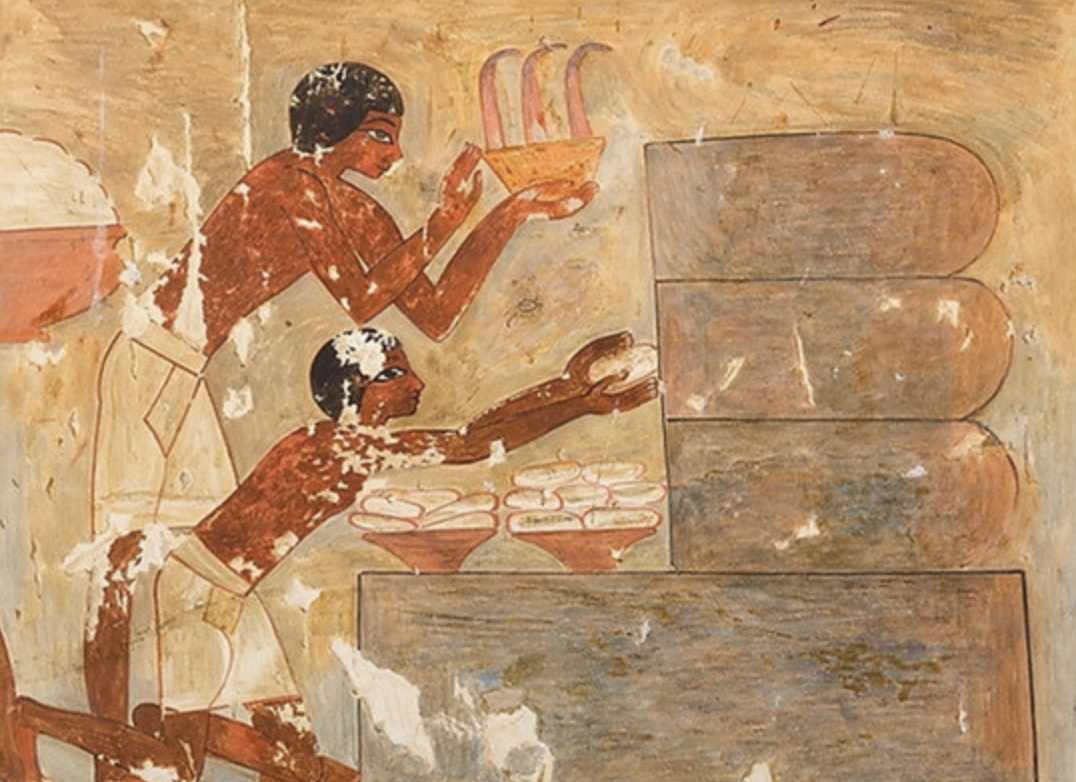
Why Ancient Egyptian Honey Remains Edible After 3,000 Years

The glob­al bee pop­u­la­tion comes up in the news every now and again. Some­times we’re assured that the num­ber is sta­ble or ris­ing; more often, we’re warned about col­laps­ing colonies and the large-scale eco­log­i­cal dis­as­ter that could result. As with most high-stakes issues, it can be dif­fi­cult to know what to believe. But even if you lack the time to invest in an under­stand­ing of the sci­ence behind the com­plex con­nec­tions between api­an and human wel­fare, you can eas­i­ly come to appre­ci­ate the impor­tance of bees if you learn just how long they’ve played a role in our civ­i­liza­tion.

As Elana Spi­vack writes at History.com, “a cave paint­ing in north­east­ern Spain depict­ing a human har­vest­ing hon­ey dates back 7,500 years to the Neolith­ic peri­od, accord­ing to research pub­lished in 2021 in the jour­nal Tra­ba­jos de Pre­his­to­ria.” Just last year, a paper in the Jour­nal of the Amer­i­can Chem­i­cal Soci­ety con­firmed that bronze con­tain­ers dis­cov­ered in an under­ground shrine in a sixth-cen­tu­ry-BC Greek set­tle­ment not far from Pom­peii con­tained a residue of hon­ey. We’ve long known of hiero­glyphs from ancient Egypt that depict bees and the keep­ing there­of; “accord­ing to a 2022 paper in the jour­nal Ani­mals, the use of hon­ey­bees in the Nile Val­ley can be traced to the ear­li­est years of the Egypt­ian king­dom.”

Here in the twen­ty-first cen­tu­ry, most of us regard hon­ey as noth­ing more than a rel­a­tive­ly healthy sweet­en­er. In ancient Egypt, too, it was used to improve the taste of their bread and beer, but it was also put to impor­tant med­ical uses. “Because it’s so thick, rejects any kind of growth and con­tains hydro­gen per­ox­ide, it cre­ates the per­fect bar­ri­er against infec­tion for wounds,” writes Smith­son­ian’s Natasha Geil­ing. “The ancient Egyp­tians used med­i­c­i­nal hon­ey reg­u­lar­ly, mak­ing oint­ments to treat skin and eye dis­eases.” They may not have been the first to do so, giv­en that the ear­li­est known uses of hon­ey are record­ed on Sumer­ian clay tablets, but they took respect for the stuff to a whole new lev­el, describ­ing hon­ey­bees as orig­i­nat­ing from the tears of their sun god Re (for­mer­ly known in the Eng­lish-speak­ing world as Ra).

That par­tic­u­lar piece of mythol­o­gy is record­ed on some Egypt­ian papyri; oth­ers reveal how much hon­ey was rationed to work­ers, at least those employed direct­ly by the Pharaoh. In those days, the sub­stance’s gold­en col­or reflect­ed its dear­ness, and it seems that com­mon labor­ers and their fam­i­lies could go a life­time with­out ever tast­ing a spoon­ful them­selves. Today, of course, we take it for grant­ed that we can go down to the super­mar­ket and cheap­ly buy an econ­o­my-size tub of hon­ey that nev­er goes bad. But then, ancient Egypt­ian hon­ey has nev­er gone bad either: thanks to the very same chem­i­cal and bio­log­i­cal prop­er­ties that made it use­ful for heal­ing, the sealed jars of it remain the­o­ret­i­cal­ly edi­ble even after 3,000 years. Driz­zle it on some gen­uine Greek yogurt, and you’ve got a large swath of the his­to­ry of civ­i­liza­tion in break­fast form.

via Boing Boing/Smith­son­ian

Relat­ed con­tent:

Try the Old­est Known Recipe For Tooth­paste: From Ancient Egypt, Cir­ca the 4th Cen­tu­ry BC

How Egypt­ian Papyrus Is Made: Watch Arti­sans Keep a 5,000-Year-Old Art Alive

A 3,000-Year-Old Painter’s Palette from Ancient Egypt, with Traces of the Orig­i­nal Col­ors Still In It

How Sci­en­tists Recre­at­ed Ancient Egypt’s Long-Lost Pig­ment, “Egypt­ian Blue”

Behold 1,600-Year-Old Egypt­ian Socks Made with Nål­bind­ning, an Ancient Pro­to-Knit­ting Tech­nique

How Did the Egyp­tians Make Mum­mies? An Ani­mat­ed Intro­duc­tion to the Ancient Art of Mum­mi­fi­ca­tion

Based in Seoul, Col­in Marshall writes and broad­casts on cities, lan­guage, and cul­ture. He’s the author of the newslet­ter Books on Cities as well as the books 한국 요약 금지 (No Sum­ma­riz­ing Korea) and Kore­an Newtro. Fol­low him on the social net­work for­mer­ly known as Twit­ter at @colinmarshall.

When Francis Bacon Shocked the Art World: Viewers Were Horrified by His Paintings, But Couldn’t Look Away

A dif­fi­cult child­hood and ado­les­cence, sat­u­rat­ed with the feel­ing of being an out­sider, may or may not con­tribute to becom­ing a great artist. Expe­ri­enc­ing the social and cul­tur­al fer­ment of Berlin and Paris in the nine­teen-twen­ties prob­a­bly would­n’t hurt one’s chances. Nor, sure­ly, would for­ma­tive expo­sure in such cities to films like Metrop­o­lis, Bat­tle­ship Potemkin, and Abel Gance’s Napoleon, as well as to the paint­ings of Pablo Picas­so. Going to art school may seem like the nat­ur­al choice for any aspir­ing artist, but there’s also some­thing to be gained from avoid­ing that aca­d­e­m­ic sys­tem entire­ly.

These, as gal­lerist-Youtu­ber James Payne tells us in the new Great Art Explained video above, are all aspects of the life that pro­duced Fran­cis Bacon. As usu­al on that series, he pro­ceeds from a sin­gle rep­re­sen­ta­tive work, in this case Study after Velázquez’s Por­trait of Pope Inno­cent X, from 1953.

If you’ve seen that paint­ing even once, you haven’t for­got­ten it, and indeed, you’ve prob­a­bly seen it again in your night­mares since. To trace the source of its trou­bling pow­er, Payne plunges into the his­to­ry of Bacon’s har­row­ing life as well as that of the Irish, Eng­lish, and Euro­pean his­tor­i­cal con­texts in which he lived — often to its dan­ger­ous, chaot­ic fullest.

Not that any art his­to­ri­an can ignore the inspi­ra­tion cit­ed right there in the paint­ing’s title. It is to that sev­en­teenth-cen­tu­ry Spaniard’s acclaimed por­trait of that head of the Catholic Church (who pro­nounced the fin­ished work “trop­po vero”) that Bacon pays twist­ed, decon­struc­tive homage. Yet despite hav­ing been to Rome, he nev­er actu­al­ly saw the orig­i­nal; that, as Payne explains, “would have meant fac­ing its pow­er direct­ly.” Instead, he worked from a small, washed-out “copy of a copy,” all the bet­ter to allow for not just rein­ven­tion, but also the incor­po­ra­tion of oth­er scraps of the rapid­ly expand­ing mass media of the twen­ti­eth cen­tu­ry: the peri­od, despite the out-of-time qual­i­ty of so much of his art, to which Bacon so thor­ough­ly belonged.

Relat­ed Con­tent:

The Bril­liant­ly Night­mar­ish Art & Trou­bled Life of Painter Fran­cis Bacon

Fran­cis Bacon on The South Bank Show: A Sin­gu­lar Pro­file of the Sin­gu­lar Painter

William Bur­roughs Meets Fran­cis Bacon: See Nev­er-Broad­cast Footage (1982)

What Makes Diego Velázquez’s Las Meni­nas One of the Most Fas­ci­nat­ing Paint­ings in Art His­to­ry

Great Art Explained: Watch 15 Minute Intro­duc­tions to Great Works by Warhol, Rothko, Kahlo, Picas­so & More

Based in Seoul, Col­in Marshall writes and broad­casts on cities, lan­guage, and cul­ture. He’s the author of the newslet­ter Books on Cities as well as the books 한국 요약 금지 (No Sum­ma­riz­ing Korea) and Kore­an Newtro. Fol­low him on the social net­work for­mer­ly known as Twit­ter at @colinmarshall.

You Can Have Your Ashes Turned Into a Playable Vinyl Record, When Your Day Comes

Even in death we are only lim­it­ed by our imag­i­na­tion in how we want to go out. There are now ways to turn our corpse into a tree, or have our ash­es shot into space, or press our ash­es into dia­monds–I believe Super­man is involved in that last one. And now for the music lover, a com­pa­ny called And Viny­ly will press your ash­es into a playable vinyl record.

You like that pun­ny com­pa­ny name? There’s more: the busi­ness lets the dear depart­ed “Live on from beyond the groove.” Hear that groan? That’s the deceased lit­er­al­ly spin­ning in their grave…on a turntable.

The UK-based com­pa­ny has been around since 2009, when Jason Leach launched it “just for fun” at first. But a lot of peo­ple liked the idea and have kept him in busi­ness.

It will cost, how­ev­er. The basic ser­vice gen­er­al­ly costs between £1000 and £3000 GBP, and it part­ly depends on how many vinyl records you pro­duce. From what we can tell, you can­not use copy­right-pro­tect­ed music to fill up the 18–22 min­utes per side. So no “Free Bird” or “We Are the Cham­pi­ons,” unfor­tu­nate­ly. But you can put any­thing else: a voice record­ing, or the sounds of nature, or com­plete silence. Get more infor­ma­tion over at the com­pa­ny’s FAQ.

No doubt, the ser­vice can pro­vide com­fort and a mem­o­ry trig­ger for those left behind. The above video, “Hear­ing Madge,” is a short doc about a son who took record­ings of his moth­er and used And Viny­ly to make a record out of them. It’s sweet.

“I’m sure a lot of peo­ple think that it’s creepy, a lot of peo­ple think it’s sac­ri­le­gious,” the man says. “But I know my moth­er wouldn’t have. She would’ve thought it was a hoot.”

Jason Leach, a musi­cian and vinyl col­lec­tor him­self, talks of the imme­di­a­cy of sound and what it means to many.

“Sound is vibrat­ing you, the room, and it’s actu­al­ly mov­ing the air around you,” he says. “And that’s what’s so pow­er­ful about hear­ing someone’s voice on a record. They’re actu­al­ly mov­ing the air and for me that’s pow­er­ful.”

Note: An ear­li­er ver­sion of this post appeared on our site in 2017.

Relat­ed Con­tent:

John Cleese’s Eulo­gy for Gra­ham Chap­man: ‘Good Rid­dance, the Free-Load­ing Bas­tard, I Hope He Fries’

Bronze Age Britons Turned Bones of Dead Rel­a­tives into Musi­cal Instru­ments & Orna­ments

Watch Carl Sagan’s “A Glo­ri­ous Dawn” Become the First Vinyl Record Played in Space, Cour­tesy of Jack White

Death: A Free Online Phi­los­o­phy Course from Yale Helps You Grap­ple with the Inescapable

Ted Mills is a free­lance writer on the arts.

Chuck Jones’ The Dot and the Line Celebrates Geometry & Hard Work: An Oscar-Winning Animation (1965)

The ani­mat­ed short above, The Dot and the Line, direct­ed by the great Chuck Jones and nar­rat­ed by Eng­lish actor Robert Mor­ley, won an Oscar in 19656 for Best Ani­mat­ed Short Film. Based on a book writ­ten by Nor­ton Juster, “The Dot and the Line” tells the sto­ry of a romance between two geo­met­ric shapes—taking the arche­typ­al nar­ra­tive tra­jec­to­ry of boy meets girl, los­es girl, wins girl in the end (find­ing him­self along the way) and inject­ing it with some fas­ci­nat­ing social com­men­tary that still res­onates almost fifty years lat­er. One way of watch­ing “The Dot and the Line” is as a “tri­umph of the nerd” sto­ry, where an anx­ious square (as in “uncool”) Line has to com­pete with a hip­ster beat­nik Squig­gle of a rival for the affec­tions of a flighty Dot.

The Line begins the film “stiff as a stick… dull, con­ven­tion­al and repressed” (as his love inter­est says of him) in con­trast to the groovy Squig­gle and his groovy bebop sound­track. With the pos­si­ble sug­ges­tion that this love trans­gress­es mid-cen­tu­ry racial bound­aries, the Line’s friends dis­ap­prove and tell him to give it up, since “they all look alike any­way.” But the Line per­sists in his fol­ly, indulging in some Wal­ter Mit­ty-like rever­ies of hero­ic endeav­ors that might win over his Dot. Final­ly, using “great self-con­trol,” he man­ages to bend him­self into an angle, then anoth­er, then a series of sim­ple, then very com­plex, shapes, becom­ing, we might assume, some kind of math­e­mat­i­cal wiz. After refin­ing his tal­ents alone, he goes off to show them to Dot, who is “over­whelmed” and delight­ed and who “gig­gles like a school­girl.”

Here the sub­text of the nerd-gets-the-girl sto­ry­line man­i­fests a fair­ly con­ser­v­a­tive cri­tique of the “anar­chy” of the Squig­gle, whom the Dot comes to see as “undis­ci­plined, grace­less, coarse” and oth­er unflat­ter­ing adjec­tives while the line—who pro­claimed to him­self ear­li­er that “free­dom is not a license for chaos”—is “daz­zling, clever, mys­te­ri­ous, ver­sa­tile, light, elo­quent, pro­found, enig­mat­ic, com­plex, and com­pelling.” I can almost imag­ine that George Will had a hand in the writ­ing, which is to say that it’s enor­mous­ly clever, and enor­mous­ly invest­ed in the val­ues of self-con­trol, hard work, and dis­ci­pline, and dis­trust­ful of spon­tane­ity, free play, and gen­er­al groovi­ness. At the end of the film, our Dot and Line go off to live “if not hap­pi­ly ever after, at least rea­son­ably so” in some cozy sub­urb, no doubt. The moral of the sto­ry? “To the vec­tor belong the spoils.”

If you would like to sup­port the mis­sion of Open Cul­ture, con­sid­er mak­ing a dona­tion to our site. It’s hard to rely 100% on ads, and your con­tri­bu­tions will help us con­tin­ue pro­vid­ing the best free cul­tur­al and edu­ca­tion­al mate­ri­als to learn­ers every­where. You can con­tribute through Pay­Pal, Patre­on, and Ven­mo (@openculture). Thanks!

Relat­ed Con­tent 

Carl Sagan Explains Evo­lu­tion in an 8‑Minute Ani­ma­tion

Watch “Geom­e­try of Cir­cles,” the Abstract Sesame Street Ani­ma­tion Scored by Philip Glass (1979)

Jour­ney to the Cen­ter of a Tri­an­gle: Watch the 1977 Dig­i­tal Ani­ma­tion That Demys­ti­fies Geom­e­try

Josh Jones is a writer and musi­cian based in Durham, NC. 

How Sylvester Stallone Rescued the First Rambo Film With a Radical Recut, Cutting It From 3½ Hours to 93 Minutes

About a year ago, a cer­tain kind of cinephile took note of obit­u­ar­ies for Ted Kotch­eff, a tele­vi­sion-turned-film direc­tor who worked steadi­ly from the mid-fifties to the mid-nineties. Even to read­ers only casu­al­ly acquaint­ed with movies, more than one title pops out from his fil­mog­ra­phy: The Appren­tice­ship of Dud­dy Kravitz, Fun with Dick and Jane, North Dal­las Forty, Week­end at Bernie’s. The focus on gen­res, and their vari­ety, sug­gests not an auteur but a jour­ney­man, the kind of effi­cient, ver­sa­tile prob­lem-solver that used to keep Hol­ly­wood afloat. But occa­sion­al­ly, the work of a jour­ney­man can achieve its own kind of tran­scen­dence: that moment came with First Blood, in Kotch­ef­f’s case, which launched the Ram­bo series in 1982.

Those who remem­ber Sylvester Stal­lone’s John Ram­bo as a head­band­ed one-man army bent on re-fight­ing and win­ning the Viet­nam War, one bout of ultra-vio­lence at a time, will be sur­prised by the rel­a­tive meek­ness of his first onscreen incar­na­tion.

As First Blood’s sto­ry is sum­ma­rized by the Cin­e­maS­tix video above, Ram­bo drifts into a small Wash­ing­ton town after a search for his Viet­nam com­rades comes to a fruit­less end. Hos­tile­ly eject­ed by the local sher­iff, he nev­er­the­less walks right back into city lim­its. Arrest­ed and booked at the police sta­tion, he turns on the cops in a PTSD-trig­gered rage. When he makes his escape into the for­est, the law pur­sues him, leav­ing him no choice — at least in his own mind — but to declare war on the police, the town, and per­haps the whole of Amer­i­can civ­i­liza­tion.

This is a promis­ing enough nar­ra­tive for a post-Viet­nam genre pic­ture, as a vari­ety of pro­duc­ers must have thought while David Mor­rel­l’s orig­i­nal nov­el was cir­cu­lat­ing through Hol­ly­wood. But only the star pow­er of Stal­lone, with the first cou­ple of Rocky pic­tures under his belt, could get it made. And indeed, he almost got it un-made: dis­mayed by its ini­tial three-and-a-half hour cut, he decid­ed to buy the rights and destroy the neg­a­tive. The solu­tion that end­ed up sav­ing the movie was­n’t much less dras­tic, pro­duc­ing a 93-minute cut that excised most of Ram­bo’s dia­logue. The result, as Cin­e­maS­tix cre­ator Dan­ny Boyd explains, pos­sess­es the good kind of ambiva­lence, which lets the audi­ence share not just the belea­guered pro­tag­o­nist’s per­spec­tive but also that of his increas­ing­ly frus­trat­ed pur­suers, who esca­late the bat­tle out of all pro­por­tion to his actions. 44 years on, First Blood still offers sur­pris­es, not the least of which is that Ram­bo — for the last time in his career — nev­er actu­al­ly kills any­one.

Relat­ed Con­tent:

How the Viet­nam War Shaped Clas­sic Rock–And How Clas­sic Rock Shaped the War

Muham­mad Ali Explains Why He Refused to Fight in Viet­nam: “My Con­science Won’t Let Me Go Shoot My Broth­er… for Big Pow­er­ful Amer­i­ca” (1970)

Mick­ey Mouse in Viet­nam: The Under­ground Anti-War Ani­ma­tion from 1968, Co-Cre­at­ed by Mil­ton Glaser

The Alche­my of Film Edit­ing, Explored in a New Video Essay That Breaks Down Han­nah and Her Sis­ters, The Empire Strikes Back & Oth­er Films

How Edit­ing Saved Fer­ris Bueller’s Day Off & Made It a Clas­sic

Based in Seoul, Col­in Marshall writes and broad­casts on cities, lan­guage, and cul­ture. He’s the author of the newslet­ter Books on Cities as well as the books 한국 요약 금지 (No Sum­ma­riz­ing Korea) and Kore­an Newtro. Fol­low him on the social net­work for­mer­ly known as Twit­ter at @colinmarshall.

« Go Back
Quantcast