Wes Anderson Picks Nine of His Favorite Criterion Films

Many an inter­net cinephile has won­dered aloud if the Cri­te­ri­on Clos­et is a real place, or just a set thrown togeth­er to make videos when famous direc­tors like Christo­pher Nolan, Fran­cis Ford Cop­po­la, or Jim Jar­musch drop by. It turns out indeed to exist, not only at Cri­te­ri­on’s offices in New York, but also else­where. The Cri­te­ri­on Mobile Clos­et, for exam­ple, has tak­en the label’s home-video library on the road since 2024, the 40th anniver­sary of the com­pa­ny’s foun­da­tion. If it comes to your town, queue up in as time­ly a fash­ion as pos­si­ble, and you may get the chance to enter and remain inside for three min­utes. That may sound brief, but no less an auteur than Wes Ander­son takes almost a minute less to make his cin­e­mat­ic selec­tions in the new video above.

The occa­sion was the Cri­te­ri­on Mobile Clos­et’s stop at the Hol­ly­wood Bowl, which coin­cid­ed with the three-night con­cert event Music from the Films of Wes Ander­son this past June. With a few days’ trav­el ahead of him, he picks out nine Cri­te­ri­on releas­es as view­ing mate­r­i­al to take along on “our road trip across Amer­i­ca.”

With an eye toward pleas­ing the entire fam­i­ly, he goes most­ly for “reli­able, stand­by” clas­sics, begin­ning with Alfred Hitch­cock­’s The 39 Steps and con­tin­u­ing on to Michael Pow­ell and Emer­ic Press­burg­er’s The Red Shoes (“my daugh­ter loves this movie”), and two from Ernst Lubitsch, Heav­en Can Wait and Design for Liv­ing — a pic­ture that must appeal to Ander­son on sev­er­al lev­els, not least in that it deals with Amer­i­cans in Paris, a set of which he’s long been a mem­ber.

Oth­er of Ander­son­’s more canon­i­cal picks include Pre­ston Sturges’ The Lady Eve with Bar­bara Stan­wyck, “one of the great­est actress­es in the his­to­ry of cin­e­ma, as every­body knows”; Stage­coach, which requires by way of intro­duc­tion only the name of John Ford; and, from Satya­jit Ray, not the cel­e­brat­ed Apu tril­o­gy (which Nolan took home) but Charu­la­ta, the inspi­ra­tion for the binoc­u­lar shots in his own Moon­rise King­dom. He also pulls from the shelf Syd­ney Pol­lack­’s Toot­sie (“remem­ber, Bill Mur­ray is in there”), a some­what more recent selec­tion. What stands out even more is the prac­ti­cal­ly brand new Flow, Lat­vian ani­ma­tor Gints Zil­balodis’ dia­logue-free adven­ture movie with only ani­mal char­ac­ters. It may have yet to pass the test of time, but if the man who direct­ed Isle of Dogs likes it — to say noth­ing of Cri­te­ri­on’s impri­matur — it’s sure­ly worth a watch.

Relat­ed con­tent:

Wes Ander­son Vis­its a Paris Video Store and High­lights the Films He Loves: Kuro­sawa, Truf­faut, Buñuel & More

Wes Ander­son Names 12 of His Favorite Art Films

Wes Anderson’s Favorite Films

Wes Ander­son & Yasu­jiro Ozu: New Video Essay Reveals the Unex­pect­ed Par­al­lels Between Two Great Film­mak­ers

Jim Jar­musch Picks His Favorite Films from the The Cri­te­ri­on Col­lec­tion

The Cult of the Cri­te­ri­on Col­lec­tion: The Com­pa­ny Ded­i­cat­ed to Gath­er­ing & Dis­trib­ut­ing the Great­est Films from Around the World

Based in Seoul, Col­in Marshall writes and broad­casts on cities, lan­guage, and cul­ture. He’s the author of the newslet­ter Books on Cities as well as the books 한국 요약 금지 (No Sum­ma­riz­ing Korea) and Kore­an Newtro. Fol­low him on the social net­work for­mer­ly known as Twit­ter at @colinmarshall.

Discover J.R.R. Tolkien’s Personal Book Cover Designs for The Lord of the Rings Trilogy

In some rare cas­es, adap­ta­tions and inter­pre­ta­tions of a lit­er­ary work can sur­pass the source. Despite hun­dreds of valiant efforts on the part of fans, film­mak­ers, game/toy design­ers, and radio pro­duc­ers, this has nev­er been true of the ful­ly-real­ized fan­ta­sy world in J.R.R. Tolkien’s The Hob­bit and The Lord of the Rings tril­o­gy (not that it’s ever been anyone’s intent). As we not­ed in a pre­vi­ous post, Tolkien’s fic­tion­al world is so intri­cate, its sources so vast and var­ied, that Corey Olsen, “The Tolkien Pro­fes­sor,” has made it his entire life’s work to open that world up to stu­dents and curi­ous read­ers, such as with his eight-part lec­ture series on The Hob­bit.

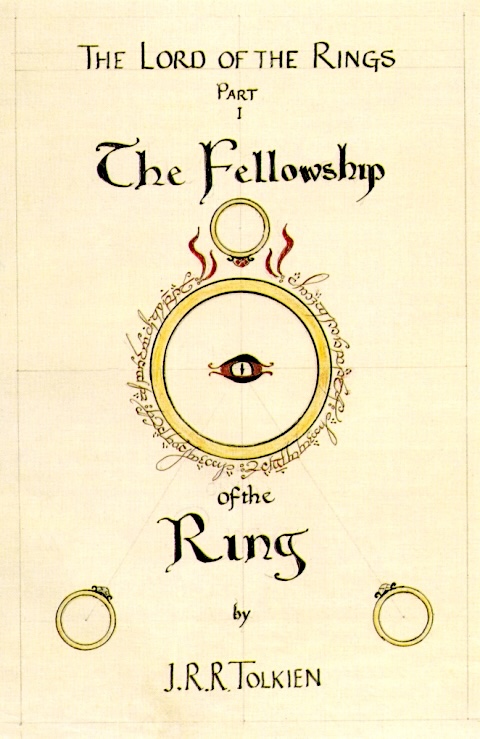
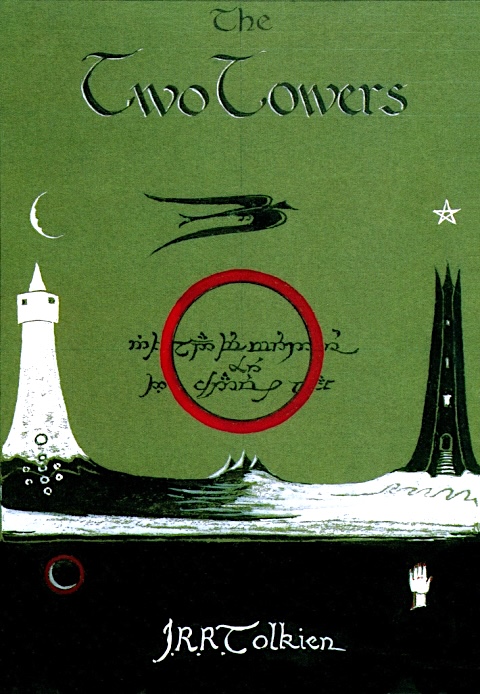
One might also add illus­tra­tors to the list of Tolkien inter­preters above who have—in the almost nine­ty years since The Hobbit’s pub­li­ca­tion and more than sev­en­ty years since the first appear­ance of The Lord of the Rings trilogy—done their best to visu­al­ize Tolkien’s world. But per­haps no one did so bet­ter than the mas­ter him­self. Long known as a visu­al artist as well as a lit­er­ary one, Tolkien left behind over 100 illus­tra­tions for The Hob­bit, one of which adorns 2011’s Harper­Collins 75th anniver­sary edi­tion of the book. He also cre­at­ed these orig­i­nal cov­er designs for each book in The Lord of the Rings tril­o­gy.

In the long and com­plex pub­li­ca­tion his­to­ry of Tolkien’s most famous of works, it’s unclear if these designs ever made it onto books pub­lished dur­ing his life­time, but the sig­il in the cen­ter of The Fel­low­ship of the Ring design (above), with its omi­nous eye of Sauron sur­round­ed by elvish runes and topped by the one ring, did grace the ele­gant, min­i­mal­ist cov­ers of the first edi­tion of the tril­o­gy. Tolkien’s art­work received a thor­ough treat­ment in a 1995 mono­graph J.R.R. Tolkien Artist & Illus­tra­tor, which cov­ers over 60 years of Tolkien’s life as an artist, and the mag­ic of flickr brings us this com­pendi­um of Tolkien illus­tra­tions.

Note: An ear­li­er ver­sion of this post appeared on our site in 2013.

Relat­ed Con­tent: 

Lis­ten to J.R.R. Tolkien Read Poems from The Fel­low­ship of the Ring, in Elvish and Eng­lish (1952)

The Art of the Book Cov­er Explained at TED

Vladimir Nabokov Mar­vels Over Dif­fer­ent “Loli­ta” Book Cov­ers

Jack Kerouac’s Hand-Drawn Cov­er for On the Road

Josh Jones is a writer and musi­cian based in Durham, NC.

How Leonardo da Vinci’s Procrastination Contributed to His Creativity

At the height of their pro­duc­tiv­i­ty as Bea­t­les, nei­ther Paul McCart­ney nor John Lennon could read or write music nota­tion. Clear­ly it did­n’t keep them from mak­ing a cul­tur­al impact, and as with so much else in life, they regard­ed it humor­ous­ly. As McCart­ney has said, they used to liken them­selves to ancient Egypt­ian pharaohs, who relied on scribes rather than being lit­er­ate them­selves. It’s worth con­sid­er­ing whether, all things con­sid­ered, this inabil­i­ty was real­ly a defi­cien­cy: not being rig­or­ous­ly schooled in the tra­di­tions and con­ven­tions of music could have giv­en them just the free­dom they need­ed to cre­ate fresh songs. And if you’ve strug­gled with pro­cras­ti­na­tion, have you con­sid­ered liken­ing your­self to Leonar­do da Vin­ci?

“Leonar­do’s dif­fi­cul­ties with stick­ing to tasks were per­va­sive from child­hood,” says a Sci­enceDai­ly sum­ma­ry of a 2019 paper by clin­i­cal neu­ro­sci­en­tist Mar­co Catani. “Accounts from biog­ra­phers and con­tem­po­raries show Leonar­do was con­stant­ly on the go, often jump­ing from task to task.” Regard­ing his life at a dis­tance of half a mil­len­ni­um, we may con­sid­er Leonar­do not just a genius but a high­ly pro­duc­tive one, with a body of work includ­ing numer­ous inven­tions built and unbuilt as well as paint­ings like Lady with an Ermine, The Last Sup­per, and the Mona Lisa — which near­ly joined the man’s pile of aban­doned projects. As Nico­las Cole writes at Inc., schol­ar­ship sug­gests that Leonar­do “paint­ed the Mona Lisa on and off for a few years start­ing in 1503, left it unfin­ished, and didn’t com­plete it until close to his death in 1519.”

“While paint­ing The Last Sup­per, Leonar­do would some­times stare at the work for an hour, final­ly make one small stroke, and then leave,” writes Wal­ter Isaac­son in his biog­ra­phy Leonar­do da Vin­ci. His expla­na­tion: “Men of lofty genius some­times accom­plish the most when they work least, for their minds are occu­pied with their ideas and the per­fec­tion of their con­cep­tions, to which they after­wards give form.” When the non-Renais­sance men of the world say things like that, it comes off as self-aggran­diz­ing excuse-mak­ing. Many, per­haps most of us have spent so much time telling our­selves we’re prepar­ing for a task that it just became anoth­er means of pro­cras­ti­na­tion. But “pro­cras­ti­nat­ing like Leonar­do requires work: it involves gath­er­ing all the pos­si­ble facts and ideas, and only after that allow­ing the col­lec­tion to sim­mer,” notes Isaac­son.

Not that the patrons frus­trat­ed by Leonar­do’s fail­ures to deliv­er could always keep that in mind. After he worked at the Vat­i­can for three years, Pope Leo X dis­missed him with the judg­ment that he would nev­er accom­plish any­thing, “for he begins by think­ing of the end of the work, before the begin­ning.” Even Leonar­do him­self made a deathbed apol­o­gy “to God and Man for leav­ing so much undone.” Hav­ing exam­ined the nature of both Leonar­do’s chal­lenges and his bril­liance, Catani comes to the con­clu­sion that he exhib­it­ed traits con­sis­tent with a con­di­tion only giv­en a name well with­in liv­ing mem­o­ry, Atten­tion Deficit Hyper­ac­tiv­i­ty Dis­or­der (ADHD). When we find our­selves com­pul­sive­ly flee­ing from the incom­plete work at hand, we’d do well to bear in mind not just Leonar­do’s exam­ple, but also the words of apho­rist Aaron Haspel: “We all suf­fer from a clus­ter of psy­cho­log­i­cal dis­or­ders; it used to be known as per­son­al­i­ty.”

Relat­ed con­tent:

The Neu­ro­science & Psy­chol­o­gy of Pro­cras­ti­na­tion, and How to Over­come It

What Is Pro­cras­ti­na­tion & How Can We Solve It? An Intro­duc­tion by One of the World’s Lead­ing Pro­cras­ti­na­tion Experts

The Art of Struc­tured Pro­cras­ti­na­tion

Miran­da July Teach­es You How to Avoid Pro­cras­ti­na­tion

Leonar­do da Vinci’s To-Do List from 1490: The Plan of a Renais­sance Man

Medieval Monks Com­plained About Con­stant Dis­trac­tions: Learn How They Worked to Over­come Them

Based in Seoul, Col­in Marshall writes and broad­casts on cities, lan­guage, and cul­ture. He’s the author of the newslet­ter Books on Cities as well as the books 한국 요약 금지 (No Sum­ma­riz­ing Korea) and Kore­an Newtro. Fol­low him on the social net­work for­mer­ly known as Twit­ter at @colinmarshall.

Watch the Completely Unsafe, Vertigo-Inducing Footage of Workers Building New York’s Iconic Skyscrapers

Would any­one in their right mind sign up for a job that had a high risk of mortality/disability? Or a job where red hot met­al is being hurled direct­ly at your face? Back in the 1920s this was the lot of the men who built New York’s sky­line, the men who con­struct­ed the Chrysler Build­ing and the Empire State, giant phal­lic sym­bols of America’s bur­geon­ing wealth and pow­er.

In this short clip (remas­tered and quite decent­ly col­orized) from the Smith­son­ian Chan­nel, we get a brief glimpse of the per­ils encoun­tered dai­ly on the build­ing site. Nick­named “rough­necks,” the nar­ra­tor points out that they work with­out har­ness­es, safe­ty ropes, or hard hats. Red hot riv­ets are thrown at men on the met­al beams high­er up and they are meant to catch them with what looks like a tin fun­nel. You can see the thinnest of ropes used to lift the now-icon­ic stain­less steel art-deco eagles into place by men wear­ing felt hats and no gloves.

The work­ers came from Europe, many who had trained on ships. Some came from Montreal’s Kah­nawake reser­va­tion. The lat­ter, known as Iron Walk­ers, were Mohawk, known for work­ing fear­less­ly at great heights.

“A lot of peo­ple think Mohawks aren’t afraid of heights; that’s not true,” Kyle Karon­hi­ak­tatie Beau­vais said in 2002. “We have as much fear as the next guy. The dif­fer­ence is that we deal with it bet­ter.”

Much of this work was doc­u­ment­ed by pho­tog­ra­ph­er Lewis Hine, who cap­tured a mix of brute strength and grav­i­ty-defy­ing courage along with pri­vate moments of rest, catch­ing a smoke or tak­ing lunch. You can see many of his famous pho­tos in this clip:

The Chrysler Build­ing was com­plet­ed in 1930, and reached a height of 1,046 feet (319 m), fea­tur­ing 77 floors. It held its fame as the world’s tallest build­ing for only 11 months. In 1931 work­ers com­plet­ed the Empire State Build­ing, stand­ing at 1,454 feet (443.2 m) and hous­ing 102 floors. (That’s dinky com­pared to the cur­rent record-hold­er: Dubai’s Burj Khal­i­fa, which stands at 2,722 feet (829.8 m)).

Heads up: The Smith­son­ian Chan­nel clip has some of the worst exam­ples of YouTube com­ments among the videos we’ve high­light­ed over the years, as if peo­ple still don’t work in ter­ri­ble and unsafe con­di­tions in order to feed their fam­i­lies and pay rent. And look! Here’s a guy who walks out onto the Chrysler eagle just for fun. Don’t say we didn’t warn you:

Note: An ear­li­er ver­sion of this post appeared on our site in 2019.

Relat­ed Con­tent:

Paris, New York & Havana Come to Life in Col­orized Films Shot Between 1890 and 1931

A Light Show on The Empire State Build­ing Gets Synced to the Dead’s Live Per­for­mance of “Touch of Grey” (6/24/2017)

Famous Archi­tects Dress as Their Famous New York City Build­ings (1931)

Ted Mills is a free­lance writer on the arts.

How Phone Addiction Keeps You from Achieving a Productive “Flow State”

If you have an iPhone, try push­ing its side but­ton three times in a row. Just like mag­ic, the screen should turn from col­or into black-and-white, or rather grayscale. (To do the same on an Android phone, you’ll have to dive into set­tings, then “acces­si­bil­i­ty,” “vision enhance­ments,” and “col­or cor­rec­tion.”) Why would you want that in the first place? As Har­vard Kennedy School and Har­vard Busi­ness School pro­fes­sor Arthur C. Brooks explains in the Big Think video above, “one of the ways that you can actu­al­ly get less hooked by social media, or any screen-based tech­nol­o­gy, is by turn­ing off the col­or.” When you get only black, white, and the shades of gray in between, “you will care less about your screen, and you will look at it less.”

This may ring true to those of us who remem­ber pure­ly mono­chro­mat­ic cell­phones, and how lit­tle time we spent star­ing at them. But no mat­ter your gen­er­a­tion, Brooks has plen­ty of use­ful advice about how to break the depen­den­cy on your phone from which, as a twen­ty-first-cen­tu­ry inter­net user, you almost cer­tain­ly suf­fer.

“You notice when some­body is addict­ed to hero­in, because it’s not that com­mon for ordi­nary peo­ple,” he says. “You don’t notice when some­body’s addict­ed to their phone, because lit­er­al­ly every­body is addict­ed to their phones.” There­fore, we could all ben­e­fit from turn­ing off noti­fi­ca­tions, set­ting defined “tech times,” exer­cis­ing with­out our devices, and going on mul­ti-day med­i­ta­tion retreats — though we may have to work up to that last one.

The func­tion­al phone addict may believe that all his dai­ly scrolling may not have that much of a neg­a­tive impact on his life, and even that it helps him unwind. What he does­n’t real­ize, in Brooks’ view, is the extent to which dig­i­tal dis­trac­tions keep him out of what psy­chol­o­gist Mihaly Csik­szent­mi­ha­lyi called “flow.” (These com­ments come around the 27:06 mark.) Flow hap­pens “when you’re involved immer­sive­ly in some­thing, and hours turn to min­utes. You lose track of time. It’s intense­ly plea­sur­able,” almost “like a state of Bud­dhist med­i­ta­tion.” Con­scious­ly or uncon­scious­ly, we use our phones and oth­er dig­i­tal devices in a way that pre­vents flow, “mul­ti­task­ing” between numer­ous tasks and dis­trac­tions, nev­er pay­ing sus­tained atten­tion to any one thing. At the root of this impulse is a fear of bore­dom, which must be endured in order to accom­plish any­thing mean­ing­ful. The irony of our new­found abil­i­ty to evade bore­dom every moment is that, if we do so, the whole of life turns out to be pret­ty bor­ing.

Relat­ed con­tent:

How to Enter a ‘Flow State’ on Com­mand: Peak Per­for­mance Mind Hack Explained in 7 Min­utes

The Sur­pris­ing Pow­er of Bore­dom: It Lets You Con­front Big Ques­tions & Give Life Mean­ing

How to Enter Flow State, Increase Your Abil­i­ty to Con­cen­trate, and Let Your Ego Fall Away : An Ani­mat­ed Primer

Why Smart Peo­ple Feel Like Frauds: The Psy­chol­o­gy of Impos­tor Syn­drome and Its Hid­den Ben­e­fits

How to Get into a Cre­ative “Flow State”: A Short Mas­ter­class

Lyn­da Bar­ry on How the Smart­phone Is Endan­ger­ing Three Ingre­di­ents of Cre­ativ­i­ty: Lone­li­ness, Uncer­tain­ty & Bore­dom

Based in Seoul, Col­in Marshall writes and broad­casts on cities, lan­guage, and cul­ture. He’s the author of the newslet­ter Books on Cities as well as the books 한국 요약 금지 (No Sum­ma­riz­ing Korea) and Kore­an Newtro. Fol­low him on the social net­work for­mer­ly known as Twit­ter at @colinmarshall.

Milton Glaser’s 10 Rules for Life & Work: The Celebrated Designer Dispenses Wisdom Gained Over His Long Life & Career

“None of us has real­ly the abil­i­ty to under­stand our path until it’s over,” the cel­e­brat­ed graph­ic design­er Mil­ton Glaser mused less than a minute into the above video.

The late Mil­ton Glaser’s many con­tri­bu­tions to pop culture—the I ❤ NY logo, the psy­che­del­ic por­trait of a rain­bow-haired Bob Dylan, DC Comics’ clas­sic bul­let logo—con­ferred unde­ni­able author­i­ty. To the out­side eye, he seemed to have a pret­ty firm han­dle on the path he trav­eled for lo those many decades. Aspi­rant design­ers would do well to give extra con­sid­er­a­tion to any advice he might have shared.

As would the rest of us.

His “Ten Things I Have Learned,” orig­i­nal­ly deliv­ered as part of a talk to the AIGA—a ven­er­a­ble mem­ber­ship orga­ni­za­tion for design professionals—qualifies as sol­id life advice of gen­er­al inter­est.

Yes, the Inter­net spawns bul­let-point­ed tips for bet­ter liv­ing the way spring rains yield mush­rooms, but Glaser, a self-described “child of mod­ernism,” did not truck in pithy Insta­gram-friend­ly apho­risms. Instead, his list was born of reflec­tion on the var­i­ous turns of a long and most­ly sat­is­fy­ing cre­ative career.

We’ve excerpt­ed some of his most essen­tial points below, and sug­gest that those read­ers who are still in train­ing give spe­cial empha­sis to num­ber sev­en. Don’t place too much weight on num­ber nine until you’ve estab­lished a sol­id work eth­ic. (See num­ber four for more on that.)

MILTON GLASER”S TEN RULES FOR WORK AND LIFE (& A BONUS JOKE ABOUT A RABBIT).

1. YOU CAN ONLY WORK FOR PEOPLE THAT YOU LIKE

Some years ago I real­ized that… all the work I had done that was mean­ing­ful and sig­nif­i­cant came out of an affec­tion­ate rela­tion­ship with a client.

2. IF YOU HAVE A CHOICE NEVER HAVE A JOB

Here, Glaser quotes com­pos­er John CageNev­er have a job, because if you have a job some­day some­one will take it away from you and then you will be unpre­pared for your old age. 

3. SOME PEOPLE ARE TOXIC AVOID THEM.

Glaser rec­om­mends putting a ques­tion­able com­pan­ion to a gestalt ther­a­py test. If, after spend­ing time with that per­son “you are more tired, then you have been poi­soned. If you have more ener­gy, you have been nour­ished. The test is almost infal­li­ble and I sug­gest that you use it for the rest of your life.”

4. PROFESSIONALISM IS NOT ENOUGH (or THE GOOD IS THE ENEMY OF THE GREAT)

Glaser con­cedes that a record of depend­able excel­lence is some­thing to look for in a brain sur­geon or auto mechan­ic, but for those in the arts, “con­tin­u­ous trans­gres­sion” is the qual­i­ty to cul­ti­vate. Pro­fes­sion­al­ism does not allow for that because trans­gres­sion has to encom­pass the pos­si­bil­i­ty of fail­ure and if you are pro­fes­sion­al your instinct is not to fail, it is to repeat suc­cess. 

5. LESS IS NOT NECESSARILY MORE

I have an alter­na­tive to the propo­si­tion that I believe is more appro­pri­ate. ‘Just enough is more.’

6. STYLE IS NOT TO BE TRUSTED

Style change is usu­al­ly linked to eco­nom­ic fac­tors, as all of you know who have read Marx. Also fatigue occurs when peo­ple see too much of the same thing too often.

7. HOW YOU LIVE CHANGES YOUR BRAIN

The brain is the most respon­sive organ of the body…. Thought changes our life and our behav­ior. I also believe that draw­ing works in the same way…. Draw­ing also makes you atten­tive. It makes you pay atten­tion to what you are look­ing at, which is not so easy.

8. DOUBT IS BETTER THAN CERTAINTY

One of the signs of a dam­aged ego is absolute cer­tain­ty. Schools encour­age the idea of not com­pro­mis­ing and defend­ing your work at all costs. Well, the issue at work is usu­al­ly all about the nature of com­pro­mise…. Ide­al­ly, mak­ing every­one win through acts of accom­mo­da­tion is desir­able.

9. IT DOESN’T MATTER

Glaser cred­its essay­ist Roger Rosenblatt’s Rules for Aging (misiden­ti­fy­ing the title as Aging Grace­ful­ly) with help­ing him artic­u­late his phi­los­o­phy here.  It doesn’t mat­ter what you think. It does not mat­ter if you are late or ear­ly, if you are here or there, if you said it or didn’t say it, if you are clever or if you were stu­pid. If you were hav­ing a bad hair day or a no hair day or if your boss looks at you cock­eyed or your boyfriend or girl­friend looks at you cock­eyed, if you are cock­eyed. If you don’t get that pro­mo­tion or prize or house or if you do – it doesn’t mat­ter.

10. TELL THE TRUTH

It’s inter­est­ing to observe that in the new AIGA’s code of ethics there is a sig­nif­i­cant amount of use­ful infor­ma­tion about appro­pri­ate behav­ior towards clients and oth­er design­ers, but not a word about a designer’s rela­tion­ship to the pub­lic. If we were licensed, telling the truth might become more cen­tral to what we do.

BONUS JOKE

A butch­er was open­ing his mar­ket one morn­ing and as he did a rab­bit popped his head through the door. The butch­er was sur­prised when the rab­bit inquired ‘Got any cab­bage?’ The butch­er said ‘This is a meat mar­ket – we sell meat, not veg­eta­bles.’ The rab­bit hopped off. The next day the butch­er is open­ing the shop and sure enough the rab­bit pops his head round and says ‘You got any cab­bage?’ The butch­er now irri­tat­ed says ‘Lis­ten you lit­tle rodent, I told you yes­ter­day we sell meat, we do not sell veg­eta­bles and the next time you come here I am going to grab you by the throat and nail those flop­py ears to the floor.’ The rab­bit dis­ap­peared hasti­ly and noth­ing hap­pened for a week. Then one morn­ing the rab­bit popped his head around the cor­ner and said ‘Got any nails?’ The butch­er said ‘No.’ The rab­bit said ‘Ok. Got any cab­bage?’’

Read Mil­ton Glaser’s “Ten Things I Have Learned” in its entire­ty here.

Note: An ear­li­er ver­sion of this post appeared on our site in 2017.

Relat­ed Con­tent:

Mil­ton Glaser Draws Shake­speare & Explains Why Draw­ing is the Key to Under­stand­ing Life

Mick­ey Mouse In Viet­nam: The Under­ground Anti-War Ani­ma­tion from 1968, Co-Cre­at­ed by Mil­ton Glaser

Mil­ton Glaser (RIP) Explains Why We Must Over­come the Fear of Fail­ure, Take Risks & Dis­cov­er Our True Poten­tial

Ayun Hal­l­i­day is an author, illus­tra­tor, and the­ater mak­er in NYC.

« Go Back
Quantcast