If Fritz Lang’s Iconic Film Metropolis Had a Kraftwerk Soundtrack

The case of the copy­right his­to­ry of Fritz Lang’s influ­en­tial sci-fi mas­ter­piece Metrop­o­lis is as con­vo­lut­ed as the his­to­ry of its film print. Lang’s vision and his orig­i­nal almost-three-hour cut were doomed to cen­sor­ship right from the start. The Nazis took out its more social­ist scenes. It’s been edit­ed, col­orized, put back togeth­er and restored. Wikipedia cur­rent­ly lists nine dif­fer­ent ver­sions. Sim­i­lar­ly, own­er­ship of the film shift­ed from dis­trib­u­tors back to the pub­lic domain, then out of it again, once more of the orig­i­nal footage was redis­cov­ered. And then came 2023, when Metrop­o­lis once again land­ed in the pub­lic domain, at least in Amer­i­ca. Will we see as many legal bat­tles as new remix­es and re-scores? Prob­a­bly a bit of both.

The film’s orig­i­nal orches­tral score is avail­able, but many fans also seek out a score more befit­ting its futur­ist ori­gins. Some­thing more elec­tron­ic.

In fact, the four-minute clip above is YouTu­ber “Kar­maGer­many’s” 2009 fan-made edit using the music of Kraftwerk. If any band of the late 20th cen­tu­ry was born to be paired with Lang’s tech­no­log­i­cal vision, it’s the Fab Four from Düs­sel­dorf. Their icy roman­tic melodies strike the right bal­ance between Metrop­o­lis’ bat­tle, then syn­the­sis, of machin­ery and the human heart. And, look Kraftwerk even cre­at­ed a song called “Metrop­o­lis,” which becomes the actu­al score above. 

Like watch­ing the Wiz­ard of Oz while Dark Side of the Moon plays, Kraftwerk’s “Metrop­o­lis” seems writ­ten for the film, with its open­ing fan­fare over the shots of the future city wak­ing up, then how it switch­es to its motorik beat as the work­ers begin their alien­at­ing fac­to­ry day. (We haven’t done a side-by-side of the extant cut of the film, so there very well may be some edit­ing at play here.)

Now, while this is just a fan’s very well made use of the band’s full cat­a­log (it dives back into the band’s spaci­er ear­ly work for the film’s more ten­der moment), oth­ers have gone a more offi­cial route. Kraftwerk con­tem­po­rary and mem­ber of Clus­ter, Dieter Moe­bius record­ed a four-part, 40-minute suite Musik für Metrop­o­lis. It was released posthu­mous­ly in 2015, and it is one of his spook­i­er works.

Pri­or to that, tech­no DJ and com­pos­er Jeff Mills (no rela­tion) com­posed an hour-long score in 2000 that also had its own accom­pa­ny­ing edit, and mar­ried his career in both ambi­ent and futur­is­tic elec­tron­ic beats.

If the Kraftwerk re-edit whets your tech­no whis­tle, that clip was just the open­ing scene of the 90-minute fan edit from John McWilliam. His notes: “Orig­i­nal­ly two and a half hours long it has been reduced down to one hour 23 min­utes to pace it up includ­ing remov­ing the sub­ti­tle cards between shots and plac­ing them over [the] pic­ture instead.”

The last instruc­tion from McWilliam could apply to what­ev­er score you choose, as long as it’s for Metrop­o­lis: “Best watched on a big-ass TV hooked up to a big-booty sound sys­tem.”

Note: An ear­li­er ver­sion of this post appeared on our site in 2022.

Relat­ed Con­tent 

Fritz Lang First Depict­ed Arti­fi­cial Intel­li­gence on Film in Metrop­o­lis (1927), and It Fright­ened Peo­ple Even Then

Kraftwerk’s First Con­cert: The Begin­ning of the End­less­ly Influ­en­tial Band (1970)

How Fritz Lang’s Metrop­o­lis Cre­at­ed the Blue­print for Mod­ern Sci­ence Fic­tion (1927)

Watch Metrop­o­lis’ Cin­e­mat­i­cal­ly Inno­v­a­tive Dance Scene, Restored as Fritz Lang Intend­ed It to Be Seen (1927)

Ted Mills is a free­lance writer on the arts.

A New Search Engine Lets You Explore 4 Million Works of Art & Historical Photographs from Museums and Libraries Around the World

We live in an age when you can describe prac­ti­cal­ly any­thing you want to see in words, then see it almost imme­di­ate­ly. Nobody will ever have laid eyes upon that par­tic­u­lar sight before — and quite pos­si­bly, nobody ever will again. There we have both the upside and the down­side of arti­fi­cial intel­li­gence-pow­ered image gen­er­a­tion. A con­stant flow of visu­al, aur­al, or tex­tu­al nov­el­ty offers stim­u­la­tion, to put it mild­ly, but it inevitably comes to feel insub­stan­tial. How­ev­er com­plex­ly derived from the work of human­i­ty it may be, it lacks a direct con­nec­tion to that work. Not so the results deliv­ered by Arkivism, a new search engine that responds to descrip­tions by draw­ing on a col­lec­tion of more than four mil­lion pieces of real art and pho­tog­ra­phy.

You may need a “town at sun­set,” a “col­or­ful cake,” a “rock­et ship blast­ing off,” a “Japan­ese wood­block print of a cat,” or some­thing else besides. Arkivism will more than like­ly be able to come up with more than a few images to fit the bill, with sources at hand includ­ing the Library of Con­gress, the NASA Video and Image Library, the Rijksmu­se­um, and Japan’s Nation­al Diet Library. (I notice that its reach extends even to the Gongu Copy­right Com­mis­sion in Korea, where I live, which will make it my go-to site when next I need to evoke the Joseon Dynasty.) The chance of dis­cov­er­ing a work of art you’d nev­er heard of is always high, even if you search a big name like Rem­brandt, Leonar­do, Klimt, or Hoku­sai.

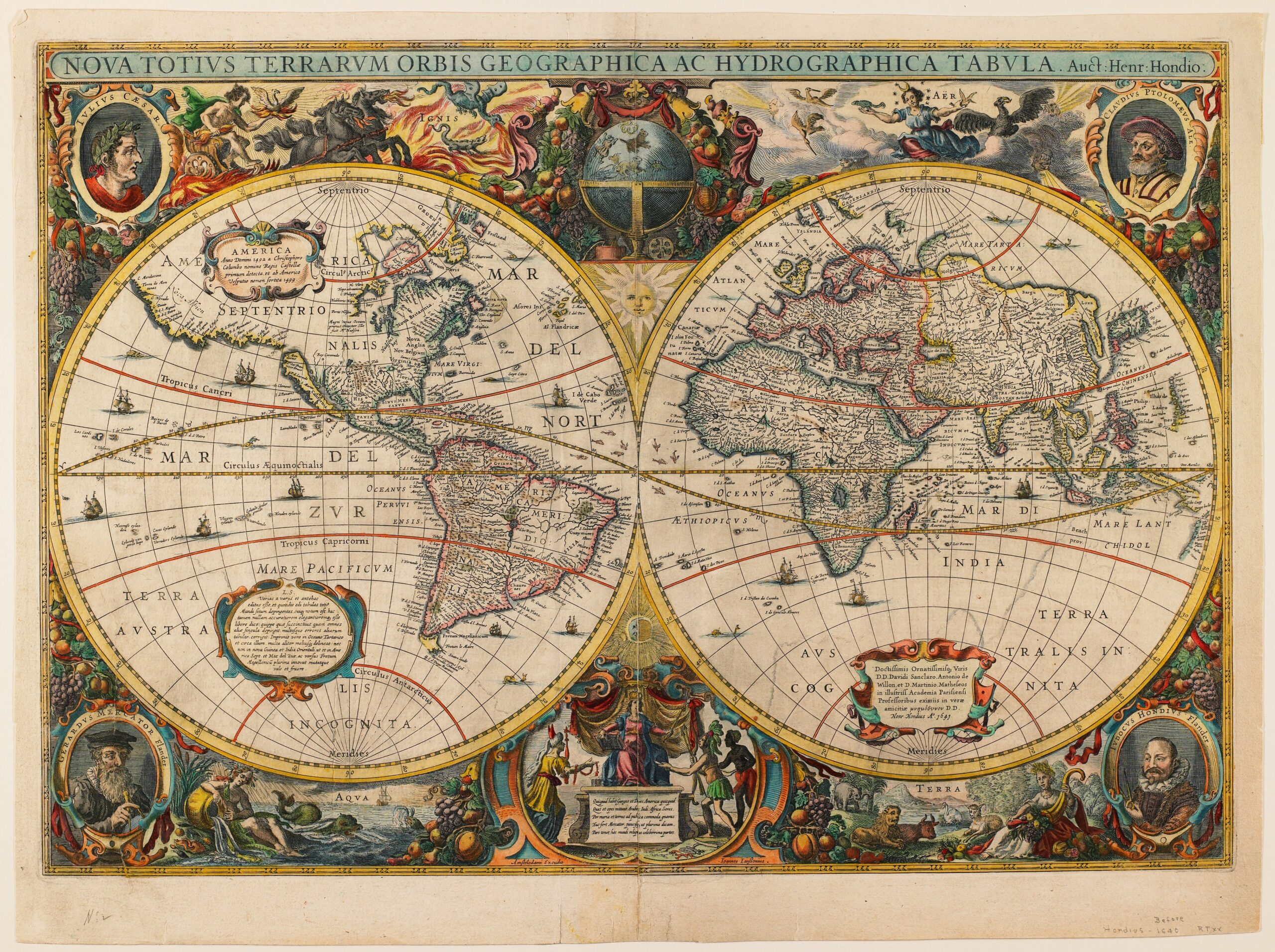
“Every work indexed here is CC0 or pub­lic domain,” says Arkivis­m’s about page. “Down­load it, adapt it, use it in client work — no per­mis­sion need­ed, no strings.” Like all the best online ser­vices, this one was designed to answer the actu­al needs of its cre­ator, “a design­er and video cre­ator who kept need­ing imagery that was gen­uine­ly safe to use — and kept los­ing after­noons to a dozen muse­um search box­es.” Even if your work has noth­ing to do with design or video cre­ation, you nev­er know when you’ll be look­ing for a pic­ture of a cas­tle, a paint­ing of a feast, or a map of the world. Sure, you could always ask AI to gen­er­ate one for you, and you’d get some­thing more or less usable. Some­times that’s what you need; oth­er times, you’re ready to be led down a his­tor­i­cal and cul­tur­al rab­bit hole. Enter Arkivism here.

via Kot­tke

Relat­ed con­tent:

A Free Online Archive Lets You Explore 5.8 Mil­lion Works of Art Span­ning 5,000 Years of His­to­ry

Down­load Great Works of Art from 40+ Muse­ums World­wide: Explore Artvee, the New Art Search Engine

A Search Engine for Find­ing Free, Pub­lic Domain Images from World-Class Muse­ums

Explore the New­ly-Launched Pub­lic Domain Image Archive with 10,000+ Free His­tor­i­cal Images

Cre­ative Com­mons Offi­cial­ly Launch­es a Search Engine That Index­es 300+ Mil­lion Pub­lic Domain Images

Based in Seoul, Col­in Marshall writes and broad­casts on cities, lan­guage, and cul­ture. He’s the author of the newslet­ter Books on Cities as well as the books 한국 요약 금지 (No Sum­ma­riz­ing Korea) and Kore­an Newtro. Fol­low him on the social net­work for­mer­ly known as Twit­ter at @colinmarshall.

The San Francisco Public Library Launches a Free Online Archive with 80,000+ Historical Images & Documents to Explore & Download

Over 100,000 peo­ple move to the San Fran­cis­co Bay Area each year. Their moti­va­tions for doing so no doubt vary, but these days, the ambi­tion to make a for­tune at the epi­cen­ter of the tech indus­try — espe­cial­ly amid the rapid­ly inflat­ing AI bub­ble — is hard­ly unheard of. Unfor­tu­nate­ly, that desire can be so all-con­sum­ing as to crowd out any inter­est in, or even curios­i­ty about, the city itself, to say noth­ing of its wider region. Yet the San Fran­cis­co we know today is the result of a sto­ry at least 250 years long, very lit­tle of which has much to do with ven­ture cap­i­tal or GPUs. Now, any­one who does want to make a start on under­stand­ing it can do so at the new-and-improved plat­form Dig­i­talSF, with its more than 80,000 his­tor­i­cal items avail­able to view and down­load.

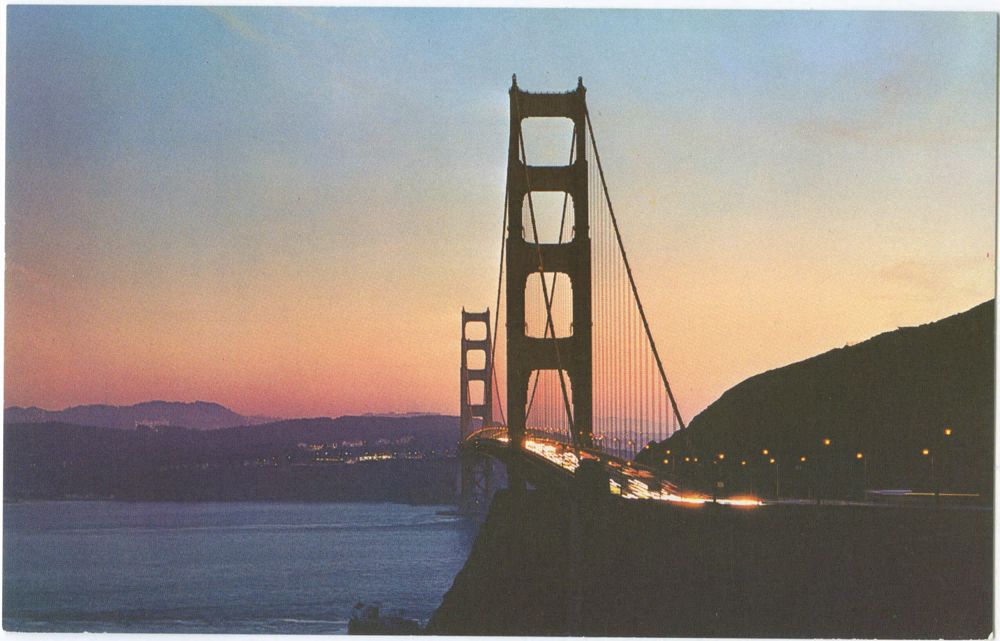
An oper­a­tion of the San Fran­cis­co Pub­lic Library, Dig­i­talSF offers simul­ta­ne­ous access to mul­ti­ple online his­tor­i­cal archives. Search for the Gold­en Gate Bridge, let’s say, and the results will include hun­dreds of post­card pho­tographs and oth­er images cap­tur­ing that icon­ic piece of infra­struc­ture from a vari­ety of angles and in a vari­ety of decades, as well as — since this is the always cli­mat­i­cal­ly sur­pris­ing San Fran­cis­co we’re talk­ing about — under a vari­ety of weath­er con­di­tions.

The same exer­cise would prove equal­ly illu­mi­nat­ing for Chi­na­town, Pier 39, the Sutro Baths (which weren’t always ruins), and the Fer­ry Build­ing (which was­n’t always a col­lec­tion of pricey shops). Inevitably, this sort of vir­tu­al tourism becomes a form of time trav­el.

Dig­i­talSF also offers count­less glimpses of San Fran­cis­co’s impor­tant peri­ods in twen­ti­eth-cen­tu­ry Amer­i­can coun­ter­cul­ture, when the city made every­thing seem pos­si­ble: beat­nik poet­ry, the Grate­ful Dead, a par­tic­u­lar fla­vor of punk, the ascent of Har­vey Milk. But even before then, San Fran­cis­co had already expe­ri­enced a dis­pro­por­tion­ate­ly intense amount of his­to­ry dur­ing its rel­a­tive­ly short exis­tence: the earth­quakes of 1868 and 1906, for exam­ple, or the Gold Rush of the late eigh­teen-for­ties from whose par­tic­i­pants the local foot­ball team took its name. Those “forty-nin­ers” who flood­ed in from all over the rest of the Unit­ed States, turn­ing San Fran­cis­co from a small port town into a rel­a­tive­ly major city prac­ti­cal­ly overnight, prob­a­bly had scant fas­ci­na­tion with local his­to­ry them­selves. After all, they were too busy mak­ing it. Enter the Dig­i­talSF here.

Relat­ed con­tent:

An Archive of 5,000 Images Doc­u­ment the His­to­ry of San Fran­cis­co and the Vehi­cles That Put It in Motion

Dra­mat­ic Footage of San Fran­cis­co Right Before & After the Mas­sive­ly Dev­as­tat­ing Earth­quake of 1906

How the Gold­en Gate Bridge Was Built: A 3D Ani­mat­ed Intro­duc­tion

Rare Footage of the “Human Be-In,” the Land­mark Counter-Cul­ture Event Held in Gold­en Gate Park, 1967

The Unseen Sea: San Fran­cis­co Nat­ur­al Beau­ty in HD

Lawrence Fer­linghet­ti Turns 100: Hear the Great San Fran­cis­co Poet Read “Trump’s Tro­jan Horse,” “Pity the Nation” & Many Oth­er Poems

Based in Seoul, Col­in Marshall writes and broad­casts on cities, lan­guage, and cul­ture. He’s the author of the newslet­ter Books on Cities as well as the books 한국 요약 금지 (No Sum­ma­riz­ing Korea) and Kore­an Newtro. Fol­low him on the social net­work for­mer­ly known as Twit­ter at @colinmarshall.

Soviet Animations of Winnie the Pooh, Created by the Innovative Animator Fyodor Khitruk

In 1962, the ani­ma­tor Fyo­dor Khitruk made his direc­to­r­i­al debut with Sto­ry of One Crime, a film that broke with a Sovi­et ten­den­cy to make imi­ta­tions of Dis­ney-style ani­ma­tions. The film, as The Guardian explained in its 2012 obit­u­ary for the ani­ma­tor, came as a shock. It was styl­is­ti­cal­ly sim­ple and dealt with themes that Dis­ney films would nev­er touch — like, why would a polite clerk mur­der two house­wives with a fry­ing pan?

Khitruk made oth­er films that were packed with social com­men­tary, often tak­ing aim at abus­es in the Sovi­et sys­tem. But, he also made straight­for­ward ani­ma­tions for chil­dren, none more famous than his series of films based on AA Mil­ne’s beloved Win­nie the Pooh books.

Cre­at­ed between 1969 and 1972, Khitruk’s three films star a bear named “Vin­ni-Pukh” who looks noth­ing like the Win­nie the Pooh that West­ern­ers grew up with. (You can see the orig­i­nal illus­tra­tions of Pooh by E.H. Shep­ard here.) But view­ers will cer­tain­ly rec­og­nize the sto­ry­line and spir­it of the orig­i­nal Pooh in the Sovi­et adap­ta­tions. For decades, these films have enchant­ed East Euro­pean view­ers, both young and old. And they still occa­sion­al­ly appear on Russ­ian TV.

Above, you can watch the three ani­ma­tions online. They appear in the order in which they were released: 1) Win­nie-the-Pooh (Винни-Пух, 1969), 2) Win­nie-the-Pooh Goes on a Vis­it (Винни-Пух идет в гости, 1971); and 3) Win­nie-the-Pooh and the Day of Con­cern (Винни-Пух и день забот, 1972).

Note: An ear­li­er ver­sion of this post appeared on our site in 2013.

Relat­ed Con­tent:

Hear the Clas­sic Win­nie-the-Pooh Read by Author A.A. Milne in 1929

The Orig­i­nal Stuffed Ani­mals That Inspired Win­nie the Pooh

Two Beau­ti­ful­ly-Craft­ed Russ­ian Ani­ma­tions of Chekhov’s Clas­sic Children’s Sto­ry “Kash­tan­ka”

Watch The Amaz­ing 1912 Ani­ma­tion of Stop-Motion Pio­neer Ladis­las Stare­vich, Star­ring Dead Bugs

A Beginner’s Guide to Philosophy: From Logic to Epistemology to Metaphysics

These are, per­haps, not the very best times for human­i­ties majors. Sel­dom do we even hear the once-stan­dard defense that, by pur­su­ing a course of study in sub­jects of that kind, stu­dents “learn how to think.” Such a jus­ti­fi­ca­tion still points to real val­ue, at least in the most demand­ing set­tings. Take Har­vard’s course Human­i­ties 10, whose dig­i­tal device-free envi­ron­ment and syl­labus cov­er­ing every­thing from The Odyssey and Ulysses to Pla­to and James Bald­win — at a pace of one sub­stan­tial book per week — recent­ly drew the atten­tion of the Wall Street Jour­nal. Yet it’s always been true that you don’t have to major in any­thing to learn how to think, or in any case, to make a start of doing so.

Take the phi­los­o­phy-and-lit­er­a­ture YouTu­ber Jared Hen­der­son, who in the video at the top of the post tells us how he began his self-direct­ed study in high school. “I did what a lot of peo­ple would think is nat­ur­al,” he says. “I went to a book­store, and then I just found some books that I want­ed to read.” The pieces of light read­ing he took home: Friedrich Niet­zsche’s The Birth of Tragedy and Mar­tin Hei­deg­ger’s Intro­duc­tion to Meta­physics.

“If you know any­thing about phi­los­o­phy, I think you know that that was prob­a­bly not the ide­al way to start.” But all the years of learn­ing and teach­ing since have final­ly put him in a posi­tion of know­ing how to begin, and in the span of half an hour, he lays out an intel­lec­tu­al roadmap for any­one in the same posi­tion as his teenage self, with stops in log­ic, meta­physics, epis­te­mol­o­gy, ethics, and polit­i­cal phi­los­o­phy.

That sequence reflects the rea­son­able assump­tion that, before we can eval­u­ate argu­ments about how soci­ety ought to be arranged, we must learn to eval­u­ate state­ments about how things are. We must, in oth­er words, learn how to think — but also learn about the nature of real­i­ty itself, and how or whether we can know any­thing about it in the first place, ques­tions rel­e­vant to both meta­physics and epis­te­mol­o­gy. That may seem like a daunt­ing task, but Hen­der­son frames all its stages in rela­tion to one anoth­er, nam­ing some of the most famous philoso­phers who have writ­ten in the rel­e­vant fields along the way. No sin­gle read­ing could give you mas­tery of their work, or even a full under­stand­ing of it, how­ev­er clear the big­ger pic­ture might seem. But the attempt teach­es the true first les­son of phi­los­o­phy: in one area of knowl­edge or anoth­er, you’ll always be a begin­ner.

Relat­ed con­tent:

Free Online Phi­los­o­phy Cours­es

Sev­en Phi­los­o­phy Books for Begin­ners: Where to Start

135 Free Phi­los­o­phy eBooks

The Rad­i­cal Ideas of Plato’s Repub­lic: An In-Depth Intro­duc­tion

A His­to­ry of Phi­los­o­phy in 81 Video Lec­tures: A Free Course That Explores Phi­los­o­phy from Ancient Greece to Mod­ern Times

Based in Seoul, Col­in Marshall writes and broad­casts on cities, lan­guage, and cul­ture. He’s the author of the newslet­ter Books on Cities as well as the books 한국 요약 금지 (No Sum­ma­riz­ing Korea) and Kore­an Newtro. Fol­low him on the social net­work for­mer­ly known as Twit­ter at @colinmarshall.

Watch David Bowie Take MTV to Task for Failing to Play Music Videos by Black Artists (1983)

The old vaude­ville phrase “Will it play in Peo­ria?” has its roots in the late 19th cen­tu­ry, specif­i­cal­ly in Hor­a­tio Alger’s nov­el Five Hun­dred Dol­lars; Or Jacob Marlowe’s Secret. Like all of the books Alger wrote extolling the virtues of thrift, study, groom­ing, indus­try, etc., this one artic­u­lates a mid­dle Amer­i­can boot­straps phi­los­o­phy and rags-to-rich­es mythol­o­gy, while giv­ing the enter­tain­ment indus­try a col­or­ful way to sum up the small-town audi­ences who embraced Alger’s strait-laced eth­ic, and who need­ed to be pan­dered to or they wouldn’t get all those big-city jokes and ref­er­ences.

Peo­ria has been many places in the U.S.—from Tul­sa to Boise—but what­ev­er the test mar­ket, the assump­tions have always been the same: the Amer­i­can main­stream is insu­lar, mid­dle class or aspir­ing to it, cul­tur­al­ly con­ser­v­a­tive, unfail­ing­ly white, and fear­ful of every­one who isn’t. Such demo­graph­ic dog­ma has per­sist­ed for over a hun­dred years. Even when it is shown to be out­mod­ed or plain wrong, broad­cast­ers and jour­nal­ists con­tin­ue to play to Peo­ria, gen­u­flect­ing to a sta­t­ic, pop­ulist ver­sion of the U.S. that ignores large, rapid­ly chang­ing seg­ments of the pop­u­la­tion.

In the ear­ly eight­ies it took an Eng­lish­man with a very high pro­file to inter­ro­gate this state of affairs on the air. You may have come across the inter­view after David Bowie died, when social media filled with trib­utes and remem­brances. One thread that got a lot of atten­tion involved the tran­script of a 1983 inter­view Bowie gave the fledg­ling MTV, in which he “turns the tables on reporter Mark Good­man,” writes Takepart’s Jen­nifer Swann, “to grill him about the youth-ori­ent­ed network’s lack of eth­nic diver­si­ty.”

“It’s a sol­id enter­prise, and it’s got a lot going for it,” says Bowie. “I’m just floored by the fact there’s so few black artists fea­tured in it. Why is that?” On the spot, Good­man reach­es for a mar­ket­ing term, “nar­row­cast­ing,” to sug­gest that the net­work is delib­er­ate­ly tar­get­ing a niche. But when Bowie keeps push­ing, Good­man admits that the “nar­row” demo­graph­ic is the very same sup­posed mass mar­ket that exist­ed in Alger’s day, when the only rep­re­sen­ta­tions of black enter­tain­ers most white audi­ences in Peo­ria (or wher­ev­er) saw were in black­face.

We have to try and do what we think not only New York and Los Ange­les will appre­ci­ate, but also Pough­keep­sie or the Mid­west. Pick some town in the Mid­west that would be scared to death by Prince, which we’re play­ing, or a string of oth­er black faces, or black music. We have to play music we think an entire coun­try is going to like, and cer­tain­ly we’re a rock and roll sta­tion.

What do the Isley Broth­ers, asks Good­man, mean to a sev­en­teen-year-old? To which Bowie replies, “I’ll tell you what the Isley Broth­ers mean to a black sev­en­teen-year-old, and sure­ly he’s part of Amer­i­ca as well.” To the defense that it’s just the way things are, espe­cial­ly in radio, he gives a reply that might be derid­ed by many in the ready-made terms that rou­tine­ly pop up in such dis­cus­sions these days. Bowie, who suc­cess­ful­ly crossed over into play­ing for black audi­ences on Soul Train in the mid-sev­en­ties, would have sneered at phras­es like “SJW.” As he says in response to one young fan who rant­ed in a let­ter about “what he did­n’t want to see” on MTV: “Well that’s his prob­lem.”

The Peo­ria effect, says Bowie, “does seem to be ram­pant through Amer­i­can media. Should it not be a chal­lenge to make the media far more inte­grat­ed, espe­cial­ly, if any­thing, in musi­cal terms?” The “lines are begin­ning to blur,” Good­man admits. At the end of that year, Michael Jackson’s John Lan­dis-direct­ed “Thriller” video debuted and “changed music videos for­ev­er,” break­ing the prime­time bar­ri­ers for black artists on MTV, trans­form­ing the net­work “into a cul­tur­al behe­moth,” as Swann writes, and giv­ing the lie to the Peo­ria myth, one Bowie knew had lit­tle to do in actu­al­i­ty with the country’s cul­ture or its tastes but with a nar­row, archa­ic view of who the media should serve.

See Good­man’s full inter­view with Bowie just above.

Note: An ear­li­er ver­sion of this post appeared on our site in 2018.

Relat­ed Con­tent:

How Michael Jackson’s “Thriller” Video Changed Pop Cul­ture For­ev­er: Revis­it the 13-Minute Short Film Direct­ed by John Lan­dis

David Bowie Sings “Fame” & “Gold­en Years” on Soul Train (1975)

David Bowie and Cher Sing Duet of “Young Amer­i­cans” and Oth­er Songs on 1975 Vari­ety Show

David Bowie Becomes a DJ on BBC Radio in 1979; Intro­duces Lis­ten­ers to The Vel­vet Under­ground, Talk­ing Heads, Blondie & More

Josh Jones is a writer and musi­cian based in Durham, NC. 

« Go Back
Quantcast