Watch Digital Dancers Electrify the Streets of Istanbul

Are you open to the idea of oth­er­world­ly beings mov­ing amongst us, benign but unseen?

Direc­tor Gökalp Gönen seems to be in the above video for jazz inno­va­tor Ilhan Ersahin’s “Hur­ri-Mitan­ni” (Good News).

Things kick off in a decid­ed­ly low key manner—a young woman sets off for a night­time stroll through the streets of Istan­bul, her face delib­er­ate­ly obscured by a snug­ly tied black and white cloth.

Turn­ing a cor­ner, she pass­es an anony­mous fig­ure, wrapped head to toe in sim­i­lar stripes.

Does this unex­pect­ed sight elic­it any dis­cernible reac­tion?

Our guess is no, but we can’t say for sure, as the cam­era los­es inter­est in the young woman, opt­ing to linger with the svelte and exu­ber­ant mum­my, who’s danc­ing like no one is watch­ing.

Else­where, oth­er increas­ing­ly col­or­ful beings per­form vari­a­tions on the mum­my’s box step, alone or in groups.

As their out­fits become more fan­ci­ful, Gönen employs CGI and 3D ani­ma­tion to unhitch them from the laws of physics and famil­iar bound­aries of human anato­my.

They pixel­late, sprout extra legs, project rays rem­i­nis­cent of string art, appear more veg­etable than ani­mal.…

Some grow to Godzil­la-like pro­por­tions, shed­ding lit­tle humanoid forms and bound­ing across the Bosporus.

A small spiky ver­sion ignores the paws of a curi­ous kit­ten.

These fan­tas­ti­cal, face­less beings are invis­i­ble to passer­by. Only one, per­form­ing on an out­door stage, seems eager for inter­ac­tion. None of them seen to mean any harm.

They just wan­na boo­gie…

…or do they?

The director’s state­ment is not eas­i­ly parsed in trans­la­tion:

A group of anony­mous wan­der­ing the streets. Every­where is very crowd­ed but iden­ti­ties are very few. Try­ing to be some­one is as dif­fi­cult as writ­ing your name on the waves left by this fast-mov­ing giant ship. Every­one is every­one and every­one is nobody any­more. This silence could only exist through glow­ing screens, even if it found itself nooks. On those loud screens, they remind­ed who actu­al­ly had the pow­er by enter­ing the places that were said to be inac­ces­si­ble. But they did­n’t even care about this pow­er. The areas where we had pas­sion­ate con­ver­sa­tions about it for days were a “now like this” place for us, but they looked like this to say “no, it was actu­al­ly like that” but they did not speak much. They had the charm of a cat. When they said, “Look, it was like this,” they became part of every­thing that made it “like this” and became unno­tice­able like paving stones. They just want­ed to have a lit­tle fun, to be able to live a few years with­out wor­ry. In five min­utes, fif­teen sec­onds at most, they exist­ed and left.

A few crea­tures who got left on the cut­ting room floor can be seen danc­ing on Gönen’s Insta­gram pro­file.

via Colos­sal

Relat­ed Con­tent: 

Rare Grooves on Vinyl from Around the World: Hear Curat­ed Playlists of Ara­bic, Brazil­ian, Bol­ly­wood, Sovi­et & Turk­ish Music

The Dance The­atre of Harlem Dances Through the Streets of NYC: A Sight to Behold

Istan­bul Cap­tured in Beau­ti­ful Col­or Images from 1890: The Hagia Sophia, Top­ka­ki Palace’s Impe­r­i­al Gate & More

Ayun Hal­l­i­day is an author, illus­tra­tor, the­ater mak­er and Chief Pri­ma­tol­o­gist of the East Vil­lage Inky zine.  Fol­low her @AyunHalliday.

Watch How to Be at Home, a Beautiful Short Animation on the Realities of Social Isolation in 2020

I think, as social pri­mates, we want to feel a strong sense of belong­ing either in a rela­tion­ship or to a community—or both. But also intrin­sic to our human­i­ty is a feel­ing that we are tru­ly alone.

—Film­mak­er Andrea Dorf­man, 2010

When they first became friends, poet Tanya Davis and film­mak­er Andrea Dorf­man talked a lot about the plea­sures and hard­ships of being alone. Davis had just gone through a break up, and Dorf­man was just embark­ing on a rela­tion­ship after four years of fly­ing solo.

These con­ver­sa­tions led to a col­lab­o­ra­tion, 2010’s How to Be At Alone (see below), a whim­si­cal videopo­em that com­bines live action and ani­ma­tion to con­sid­er some of soli­tude’s sweet­er aspects, like sit­ting on a bench as sig­nal to the uni­verse that one is avail­able for impromp­tu con­ver­sa­tion with a stranger.

That bench reap­pears in their 2020 fol­low up, How to Be At Home, above. Now it is cor­doned off with black and yel­low cau­tion tape, a famil­iar pub­lic health mea­sure in 2020.

As with the ear­li­er project, a large part of Davis’ pur­pose was to reflect and reas­sure, both her­self, and by exten­sion, oth­ers.

Although she has become a poster child for the joys of soli­tude, she also rel­ish­es human con­tact, and found her­self miss­ing it ter­ri­bly while shel­ter­ing alone in the ear­ly days of the pan­dem­ic. Writ­ing the new poem gave her “an anchor” and a place to put her anx­i­ety.

Dorf­man notes that the project, which was com­mis­sioned by the Nation­al Film Board of Cana­da as part of a short film col­lec­tion about Cana­di­ans nav­i­gat­ing life dur­ing the pan­dem­ic, was “essen­tial­ly cat­alyzed by COVID.”

As she embarked on the project, she won­dered if the pan­dem­ic would be over by the time it was com­plete. As she told the CBC’s Tom Pow­er:

There was this feel­ing that this could go away in a month, so this bet­ter be fin­ished soon, so it’s still rel­e­vant. So as an artist, as a film­mak­er, I thought, “I have to crank this out” but there’s no fast and easy way to do ani­ma­tion. It just takes so long and as I got into it and real­ized that this was going to be a marathon, not a sprint, the images just kept com­ing to me and I real­ly just made it up as I went along. I’d go into my stu­dio every day not know­ing what lay ahead and I’d think, “Okay, so, what do we have up next? What’s the next line? And I’d spend maybe a week on a line of the poem, ani­mat­ing it. 

It appears to have been an effec­tive approach.

Dorfman’s paint­ed images rip­ple across the fast turn­ing pages of an old book. The titles change from time to time, and the choic­es seem delib­er­ate—The Lone Star Ranger, Le Secret du Manoir Han­té, a chap­ter in The Bro­ken Halo—“Rose­mary for Remem­brance.”

“It’s almost as though the way the poem is writ­ten there are many chap­ters in the book. (Davis) moves from one sub­ject to anoth­er so com­plete­ly,” Dorf­man told the Uni­ver­si­ty of King’s Col­lege stu­dent paper, The Sig­nal.

In the new work, the absence of oth­er peo­ple proves a much heav­ier bur­den than it does in How To Be Alone.

Davis flirts with many of the first poem’s set­tings, places where a lone indi­vid­ual might have gone to put them­selves in prox­im­i­ty to oth­er humans as recent­ly as Feb­ru­ary 2020:

Pub­lic trans­porta­tion

The gym

A dance club

A descrip­tion from 2010:

The lunch counter, where you will be sur­round­ed by chow-down­ers, employ­ees who only have an hour and their spous­es work across town, and they, like you, will be alone.

Resist the urge to hang out with your cell phone.

In 2020, she strug­gles to recre­ate that expe­ri­ence at home, her phone serv­ing as her most vital link to the out­side world, as she scrolls past images of a Black Lives Mat­ter protests and a masked essen­tial work­er:

I miss lunch coun­ters so much I’ve been eat­ing [pick­les and] toast­ed sand­wich­es while hang­ing unabashed­ly with my phone.

See How to Be at Home and the 29 oth­er films that com­prise The Curve, the Nation­al Film Board of Cana­da series about life in the era of COVID-19 here.

How to be at Home

By Tanya Davis

If you are, at first, real­ly fuck­ing anx­ious, just wait. It’ll get worse, and then you’ll get the hang of it. Maybe. 

Start with the rea­son­able feel­ings – dis­com­fort, lack of focus, the sad­ness of alone

you can try to do yoga

you can shut off the radio when it gets to you

you can mes­sage your fam­i­ly or your friends or your col­leagues, you’re not sup­posed to leave your home any­way, so it’s safe for you

There’s also the gym

you can’t go there but you could pre­tend to

you could bendy by your­self in your bed­room

And there’s pub­lic trans­porta­tion

prob­a­bly best to avoid it

but there’s prayer and med­i­ta­tion, yes always

employ it

if you have pains in your chest ‘cause your anx­i­ety won’t rest

take a moment, take a breath

Start sim­ple

things you can han­dle based on your inter­ests

your issues and your trig­gers

and your inner logis­tics 

I miss lunch coun­ters so much I’ve been eat­ing [pick­les and] toast­ed sand­wich­es while hang­ing unabashed­ly with my phone

When you are tired, again of still being alone

make your­self a din­ner

but don’t invite any­body over

put some­thing green in it, or maybe orange

chips are fine some­times but they won’t keep you charged 

feed your heart

if peo­ple are your nour­ish­ment, I get you

feel the feel­ings that undo you while you have to keep apart

Watch a movie, in the dark

and pre­tend some­one is with you 

watch all of the cred­its

because you have time, and not much else to do

or watch all of the cred­its to remem­ber 

how many peo­ple come togeth­er

just to tell a sto­ry

just to make a pic­ture move

And then, set your­self up danc­ing

like it’s a club where every­one knows you

and they’re all gonna hold you

all night long

they’re gonna dance around you and with you and on their own

it’s your favourite song 

with the hard­est bass and the cathar­tic drums

your heart pumps along/hard, you belong

you put your hands up to feel it

With the come down comes the weep­ing

those down­cast eyes and feel­ings

the truth is you can’t go danc­ing, not right now

not at any club or par­ty in any town

The heart­break of this astounds you

it joins old aches way down in you

you can vis­it them, but please don’t stay there

Go out­side if you’re able, breathe the air

there are trees for hug­ging

don’t be embar­rassed

it’s your friend, it’s your moth­er, it’s your new crush

lay your cheek against the bark, it’s a liv­ing thing to touch

Sad­ly, leave all bench­es emp­ty

appre­ci­ate the kind­ness in the dis­tance of strangers

as you pine for com­pa­ny and wave at your neigh­bours

savour the depths of your con­ver­sa­tions

the lay­ers uncov­ered

in this strange space and time

Soci­ety is afraid of change

and no one wants to die

not now, from a tiny virus

not lat­er from the world on fire

But death is a truth we all hate to know

we all get to live, and then we all have to go

In the mean­time, we’re sur­round­ed, we’re alone

each a thread woven in the fab­ric, unrav­el­ling in moments though

each a solo enti­ty spin­ning on its axis, for­get­ting that the galaxy includes us all

Here­in our fall

from grace from each oth­er from god what­ev­er, doesn’t mat­ter

the dis­as­ter is that we believe we’re sep­a­rate 

we’re not

As evi­denced by virus­es tak­ing down soci­eties

as proven by the lone­li­ness inher­ent in no gath­er­ings

as pal­pa­ble as the vacan­cy in the space of one per­son hug­ging

If this dis­rup­tion undoes you

if the absence of peo­ple unrav­els you

if touch was the teth­er that held you togeth­er

and now that it’s sev­ered you’re frag­ile too 

lean into lone­li­ness and know you’re not alone in it 

lean into lone­li­ness like it is hold­ing you

like it is a gen­er­ous rep­re­sen­ta­tive of a glar­ing truth

oh, we are con­nect­ed

we for­get this, yet we always knew.

How to Be at Home will be added to the Ani­ma­tion sec­tion of our col­lec­tion, 4,000+ Free Movies Online: Great Clas­sics, Indies, Noir, West­erns, Doc­u­men­taries & More.

Relat­ed Con­tent: 

Watch 66 Oscar-Nom­i­nat­ed-and-Award-Win­ning Ani­mat­ed Shorts Online, Cour­tesy of the Nation­al Film Board of Cana­da

Watch “Ryan,” Win­ner of an Oscar and 60 Oth­er Awards

2020: An Iso­la­tion Odyssey–A Short Film Reen­acts the Finale of Kubrick’s 2001: A Space Odyssey, with a COVID-19 Twist


Ayun Hal­l­i­day is an author, illus­tra­tor, the­ater mak­er and Chief Pri­ma­tol­o­gist of the East Vil­lage Inky zine.  Fol­low her @AyunHalliday.

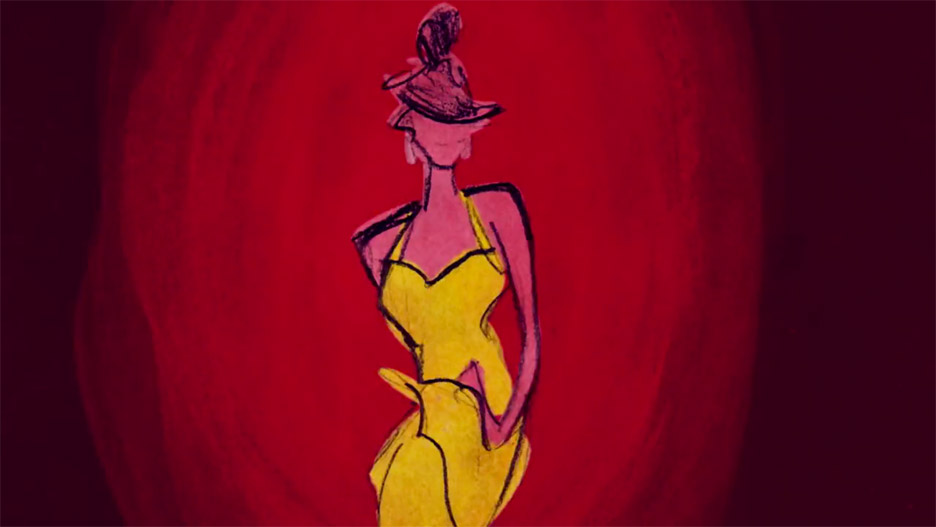
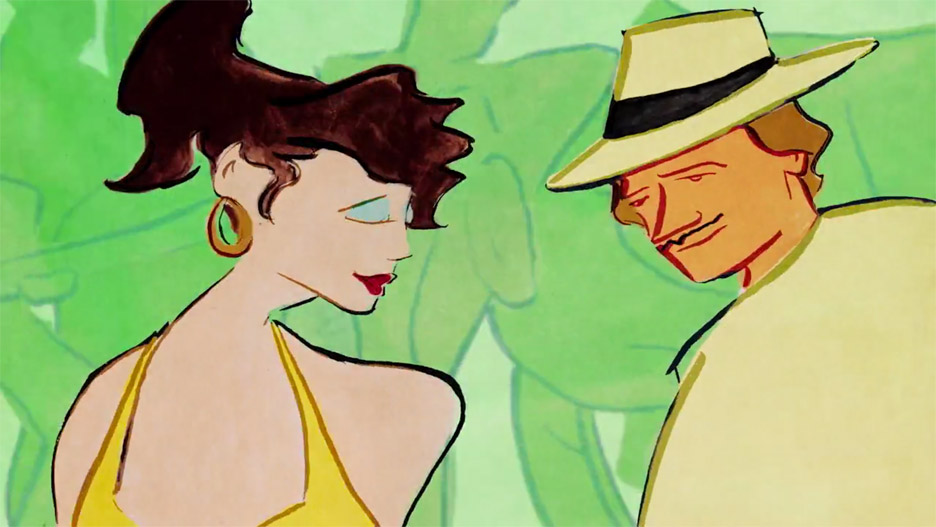
The Beautiful Video for David Gilmour’s “The Girl in the Yellow Dress,” Featuring 9,000 Hand-Drawn Frames of Animation

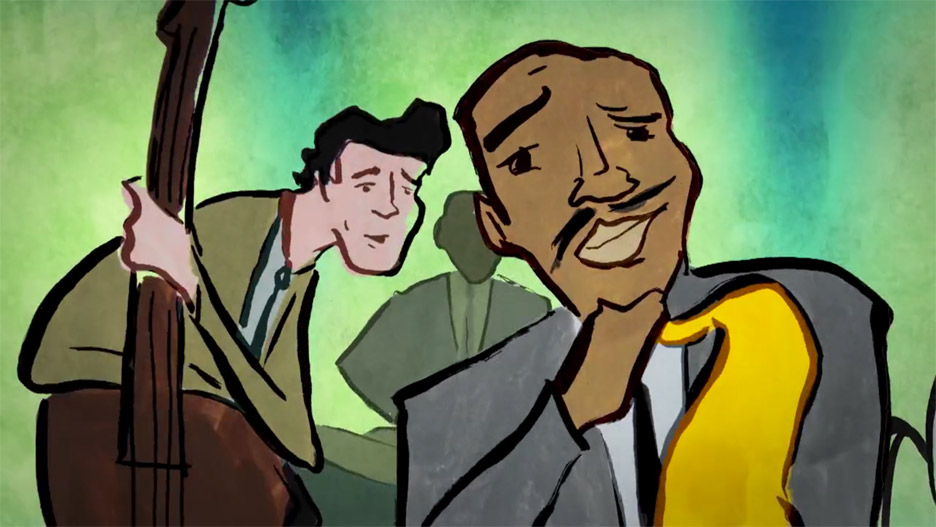
The ani­mat­ed video for David Gilmour’s “The Girl in the Yel­low Dress” opens on a sax­o­phon­ist with a famil­iar story—one so well-known to his band­mates they can read it on his face. But then the per­spec­tive shifts, and we fol­low instead the woman (or “girl”) of his woes, as she comes to see him play, gets ogled and turned into a fan­ta­sy by the men in the club, pur­sues the res­i­dent lothario, crush­ing the hearts of them all, includ­ing the sax­o­phon­ist, who plays his blues instead of col­laps­ing into a drink.

At least that seems to be the sto­ry, a typ­i­cal nightlife scene ren­dered in a very dynam­ic, atyp­i­cal way. The video, from a track off Gilmour’s 2015 album Rat­tle that Lock, was direct­ed by Dan­ny Mad­den for Ornana Films, who write, “The music video is made of about 9,000 frames of ani­ma­tion that were touched by sev­er­al hands to get the lay­ered con­tours, vibrant col­ors, and exag­ger­at­ed char­ac­ter design of old French Lith­o­graph posters. We want­ed to cre­ate a mov­ing ver­sion of that look, as if each frame had all the lay­ers stamped on the page.”

An incred­i­ble amount of inten­sive artis­tic labor went into cre­at­ing the boozy, swirling effects in each scene. “We ani­mat­ed with pen­cil, then con­tour lines were gone over with a brush tip mark­er. We used gouache to get nice life in the vary­ing brush­strokes, then we lay­ered the con­tours over the paint lay­er in the com­posit­ing step so that the colours would do inter­est­ing things when they ran togeth­er.” Maybe these images could be recre­at­ed con­vinc­ing­ly with dig­i­tal effects… but I sus­pect not.

The song “looks back at [Gilmour’s] ear­li­est musi­cal influ­ence,” writes a Guardian review of the Rat­tle that Lock. If so, it’s a nascent influ­ence that did not emerge often in his Pink Floyd play­ing, though the song may also indi­rect­ly pay trib­ute to the jazz-trained Richard Wright, memo­ri­al­ized else­where on the album. You can see sev­er­al more scenes from this extra­or­di­nary video at Dezeen.

via Laugh­ing Squid 

Relat­ed Con­tent: 

David Gilmour Talks About the Mys­ter­ies of His Famous Gui­tar Tone

How Pink Floyd’s “Com­fort­ably Numb” Was Born From an Argu­ment Between Roger Waters & David Gilmour

Watch Tom Waits For No One, the Pio­neer­ing Ani­mat­ed Music Video from 1979

Josh Jones is a writer and musi­cian based in Durham, NC. Fol­low him at @jdmagness

The Five Minute Museum: A Stop Motion Animation Shows the History of Civilization at Breakneck Speed

Exper­i­men­tal direc­tor and ani­ma­tor Paul Bush’s 2015 short film The Five-Minute Muse­um, above, is the dizzy­ing anti­dote to stand­ing, foot­sore, in front of a vit­rine crowd­ed with Ancient Greek amphoras or exquis­ite­ly craft­ed pock­et watch­es and won­der­ing, not about his­to­ry, cul­ture or the nature of time, but whether you can jus­ti­fy spend­ing $15 for an under­whelm­ing cheese and toma­to sand­wich in the muse­um cafe.

It’s a break­neck stop motion jour­ney through the his­to­ry of civ­i­liza­tion via six muse­um collections—three in Lon­don and three in Switzer­land.

Pre­sent­ed pri­mar­i­ly as stills that flash by at a rate of 24 per sec­ond, Bush groups like objects togeth­er, “there­by allow­ing the tri­umphs of human endeav­or to be seen even in far cor­ners of the land, by the bedrid­den, the infirm and the lazy.”

His sense of humor asserts itself the minute an assort­ment of ancient shards appear to ren­der them­selves into not just a state of whole­ness, but an entire up close soci­ety in close-up. It doesn’t take long for these ves­sels’ clash­ing of war­riors to give way to a com­pos­ite por­trait of idle youth, whose flir­ta­tions are stoked by a num­ber of man­ic pipers in rapid suc­ces­sion, and Andy Cow­ton’s orig­i­nal music and sound design.

It’s a shock when Bush slows down and pulls back to show the source objects in their muse­um cas­es, qui­et as a tomb, the sort of dis­play most vis­i­tors blow past en route to some­thing sex­i­er, like a dinosaur or a block­buster exhib­it requir­ing timed entry tick­ets.

Oth­er high­lights include a live­ly assort­ments of guns, hats, chairs, and plas­tic toys.

If you start feel­ing over­whelmed by the visu­al inten­si­ty, don’t wor­ry. Bush builds in a bit of a breather once you hit the clocks, the bulk of which pre­sum­ably hail from the Bey­er Clock and Watch Muse­um in Zurich.

The inge­nious ani­mat­ed short was 10 years in the mak­ing, a fact the artist mod­est­ly down­plays:

It’s very sim­ple. Sim­ple sto­ry, a sim­ple tech­nique and that’s what I like. Poet­ry should be a lit­tle bit stu­pid. This is what Pushkin says, and I try and make my films a lit­tle bit stu­pid as well.

In addi­tion to the Bey­er Clock and Watch Muse­um, you’ll find the fea­tured arti­facts housed in the British Muse­um, the Vic­to­ria and Albert Muse­um, London’s Muse­um of the Home (for­mer­ly known as the Gef­frye Muse­um) as well as the Lucerne His­tor­i­cal Muse­um and the Bern His­tor­i­cal Muse­um.

Expect a much slow­er expe­ri­ence.

via Aeon

Relat­ed Con­tent: 

A Vir­tu­al Tour Inside the Hayao Miyazaki’s Stu­dio Ghi­b­li Muse­um

Watch Art on Ancient Greek Vas­es Come to Life with 21st Cen­tu­ry Ani­ma­tion

Take a Vir­tu­al Tour of 30 World-Class Muse­ums & Safe­ly Vis­it 2 Mil­lion Works of Fine Art

Take Immer­sive Vir­tu­al Tours of the World’s Great Muse­ums: The Lou­vre, Her­mitage, Van Gogh Muse­um & Much More

Where to Find Free Art Images & Books from Great Muse­ums, and Free Books from Uni­ver­si­ty Press­es

Ayun Hal­l­i­day is an author, illus­tra­tor, the­ater mak­er and Chief Pri­ma­tol­o­gist of the East Vil­lage Inky zine.  Help your­self to her free down­load­able poster series, encour­ag­ing cit­i­zens to wear masks. Fol­low her @AyunHalliday.

Terry Gilliam Reveals the Secrets of Monty Python Animations: A 1974 How-To Guide

Before he direct­ed such mind-bend­ing mas­ter­pieces as Time Ban­dits, Brazil and Fear and Loathing in Las Vegas, before he became short-hand for a film­mak­er cursed with cos­mi­cal­ly bad luck, before he became the sole Amer­i­can mem­ber of sem­i­nal British com­e­dy group Mon­ty Python, Ter­ry Gilliam made a name for him­self cre­at­ing odd ani­mat­ed bits for the UK series Do Not Adjust Your Set. Gilliam pre­ferred cut-out ani­ma­tion, which involved push­ing bits of paper in front of a cam­era instead of pho­tograph­ing pre-drawn cels. The process allows for more spon­tane­ity than tra­di­tion­al ani­ma­tion along with being com­par­a­tive­ly cheap­er and eas­i­er to do.

Gilliam also pre­ferred to use old pho­tographs and illus­tra­tions to cre­ate sketch­es that were sur­re­al and hilar­i­ous. Think Max Ernst meets Mad Mag­a­zine. For Mon­ty Python’s Fly­ing Cir­cus, he cre­at­ed some of the most mem­o­rable moments of a show chock full of mem­o­rable moments: A pram that devours old ladies, a mas­sive cat that men­aces Lon­don, and a mus­tached police offi­cer who pulls open his shirt to reveal the chest of a shape­ly woman. He also cre­at­ed the show’s most icon­ic image, that giant foot dur­ing the title sequence.

On Bob God­frey’s series Do It Your­self Film Ani­ma­tion Show, Gilliam delved into the nuts and bolts of his tech­nique. You can watch it above. Along the way, he sums up his thoughts on the medi­um:

The whole point of ani­ma­tion to me is to tell a sto­ry, make a joke, express an idea. The tech­nique itself doesn’t real­ly mat­ter. What­ev­er works is the thing to use. That’s why I use cut-out. It’s the eas­i­est form of ani­ma­tion I know.

He also notes that the key to cut-out ani­ma­tion is to know its lim­i­ta­tions. Grace­ful, ele­gant move­ment à la Walt Dis­ney is damned near impos­si­ble. Swift, sud­den move­ments, on the oth­er hand, are much sim­pler. That’s why there are far more behead­ings in his seg­ments than ball­room danc­ing. Watch the whole clip. If you are a hard­core Python enthu­si­ast, as I am, it is plea­sure to watch him work. Below find one of his first ani­mat­ed movies, Sto­ry­time, which includes, among oth­er things, the tale of Don the Cock­roach.

Note: An ear­li­er ver­sion of this post appeared on our site in 2014.

Relat­ed Con­tent: 

Ter­ry Gilliam: The Dif­fer­ence Between Kubrick (Great Film­mak­er) and Spiel­berg (Less So)

The Mir­a­cle of Flight, the Clas­sic Ear­ly Ani­ma­tion by Ter­ry Gilliam

A Young Jim Hen­son Teach­es You How to Make Pup­pets with Socks, Ten­nis Balls & Oth­er House­hold Goods (1969)

Jonathan Crow is a Los Ange­les-based writer and film­mak­er whose work has appeared in Yahoo!, The Hol­ly­wood Reporter, and oth­er pub­li­ca­tions. You can fol­low him at @jonccrow.

by | Permalink | Make a Comment ( 1 ) |

A Quay Brothers Animation Explains Anamorphosis, the Renaissance Illusion That Hides Pictures within Pictures

First appear­ances can be deceiv­ing.

Take physi­cist Emmanuel Maig­nan’s 1642 fres­co in a cor­ri­dor of Rome’s Trinità dei Mon­ti monastery.

Viewed head on, it appears to be a some­what uncon­ven­tion­al land­scape in which one of the few remain­ing branch­es of a muti­lat­ed tree spreads over a city, far in the dis­tance. Streaky clouds sug­gest heavy weath­er is brew­ing.

Stroll to the end of the cor­ri­dor and take anoth­er look. You’ll find that the tree has con­tract­ed, and the clouds have recon­fig­ured them­selves into a por­trait of Saint Francesco of Pao­la, pray­ing beneath its boughs.

It’s a prime exam­ple of oblique anamor­pho­sis, an image that has been delib­er­ate­ly dis­tort­ed by an artist well versed in per­spec­tive, with the end result that the image’s true nature will only be revealed to those view­ing the work from an uncon­ven­tion­al point.

The Quay Broth­ers’ doc­u­men­tary short, above, a col­lab­o­ra­tion with art his­to­ri­an Roger Car­di­nal, uses a com­bi­na­tion of their delight­ful­ly creepy sig­na­ture pup­pet stop motion, as well as ani­mat­ed 3‑D cut outs, to lift the cur­tains on how the human eye can be manip­u­lat­ed, using prin­ci­ples of per­spec­tive.

Anamor­pho­sis may not seem like such a feat in an age when a num­ber of soft­ware pro­grams can pro­vide a major assist, but why would Renais­sance artists put them­selves to so much extra trou­ble?

The Quay Broth­ers delve into this too.

Per­haps the artist was inject­ing a bit of social crit­i­cism, like Hans Hol­bein the Younger, whose 1533 por­trait, The Ambas­sadors, includes a secret anamor­phic skull. This could be tak­en as a jab at the excess­es of the wealthy young diplo­mats who pro­vide the painting’s sub­ject, except that the one who com­mis­sioned the work, Jean de Din­teville, prized the mot­to “Memen­to mori.

Maybe he know­ing­ly ordered up the naked death’s head to go along with his ermine and bling, an exam­ple of hav­ing one’s cake and eat­ing it too, and yet anoth­er dizzy­ing head trip for those view­ing the paint­ing from the intend­ed angle.

(Betcha didn’t have to work too hard to guess the skull’s loca­tion, though…)

Or an artist might choose to employ anamor­pho­sis as a brown paper wrap­per of sorts, as in the case of Erhard Schön’s erot­ic wood­block prints.

Else­where, the goal was to empha­size patience, reflec­tion, and cleav­ing to a pious path by reward­ing those who craned their necks toward a spir­i­tu­al peep­hole with an appro­pri­ate­ly reli­gious view.

(Pity the poor pil­grim who stepped up expect­ing Erhard Schön…)

For a 21st-cen­tu­ry take on anamor­phic art, have a look at the work of the graf­fi­ti col­lec­tive TRULY | Urban Artists here.

The Quay Broth­ers’ short film, “De Arti­fi­ciali Per­spec­ti­va, or Anamor­pho­sis,” has been made avail­able on The Met Muse­um’s YouTube chan­nel.

via Aeon

Relat­ed Con­tent: 

Opti­cal Poems by Oskar Fischinger, the Avant-Garde Ani­ma­tor Despised by Hitler, Dissed by Dis­ney

Watch Mar­cel Duchamp’s Hyp­not­ic Rotore­liefs: Spin­ning Discs Cre­at­ing Opti­cal Illu­sions on a Turntable (1935)

The Anatom­i­cal Draw­ings of Renais­sance Man, Leonar­do da Vin­ci

Ayun Hal­l­i­day is an author, illus­tra­tor, the­ater mak­er and Chief Pri­ma­tol­o­gist of the East Vil­lage Inky zine.  Fol­low her @AyunHalliday.

Studio Ghibli Puts Online 400 Images from Eight Classic Films, and Lets You Download Them for Free

Japan’s Stu­dio Ghi­b­li has long been pro­tec­tive of their intel­lec­tu­al prop­er­ty, with Hayao Miyaza­ki and his team over­see­ing how their char­ac­ters are mer­chan­dized, as well as care­ful­ly mak­ing sure for­eign dis­tri­b­u­tion of their films stay faith­ful to the orig­i­nal. (Miyaza­ki famous­ly–although apoc­ryphal­ly–sent Miramax’s Har­vey Wein­stein a katana sword along with a note read­ing “No Cuts,” because the mogul and all-around bad per­son was noto­ri­ous for recut­ting Asian films for west­ern audi­ences).

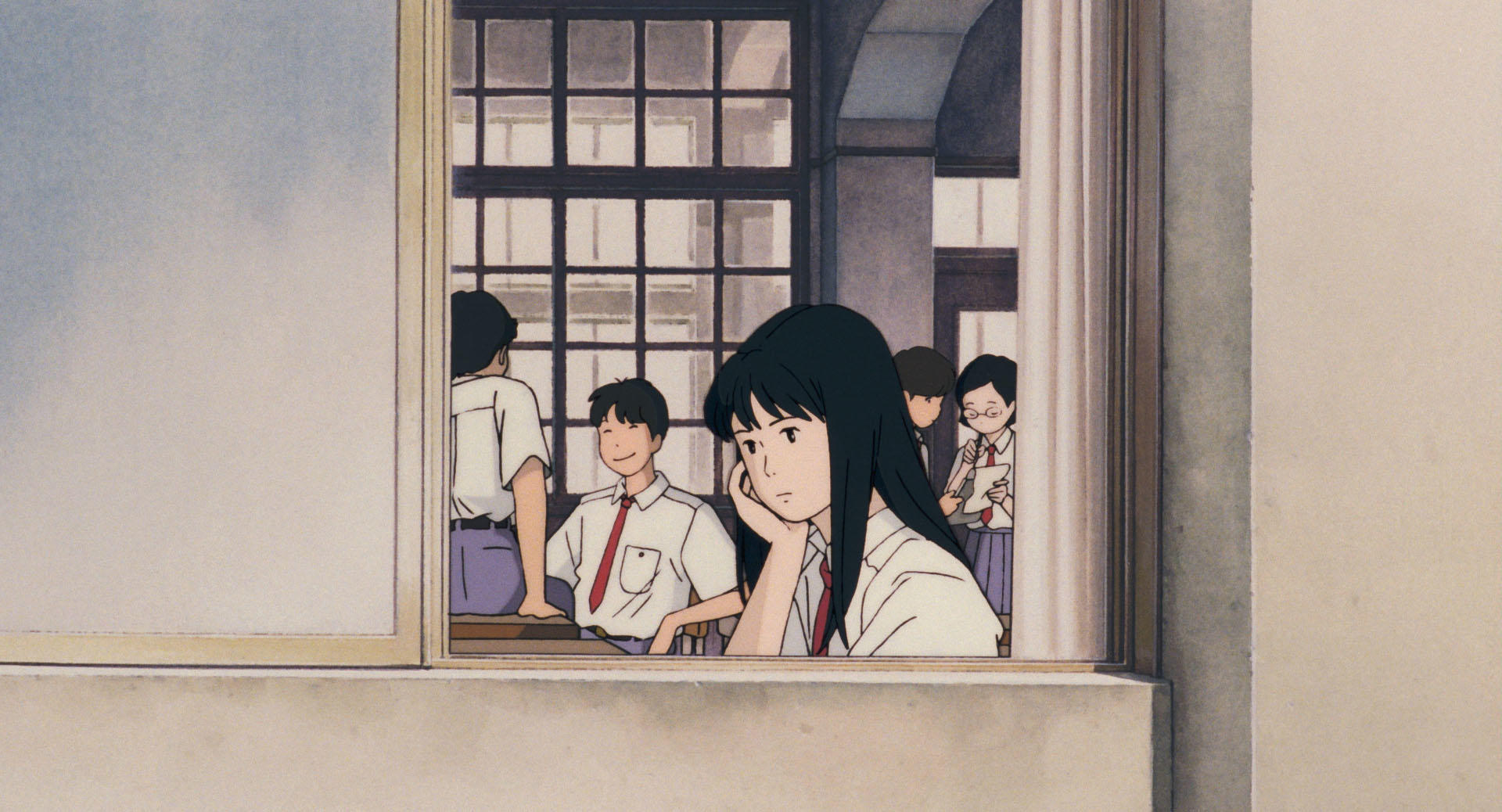
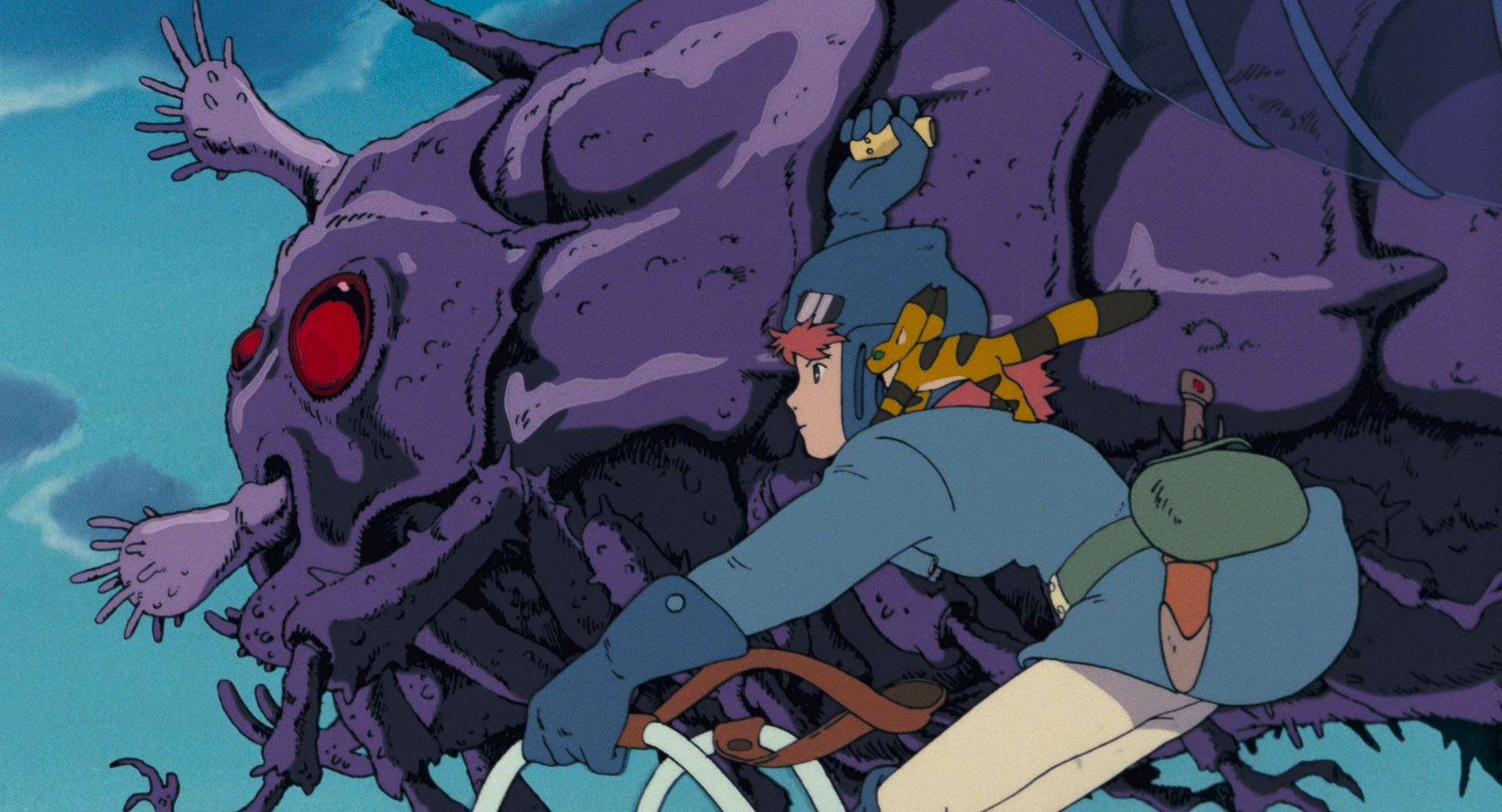
It’s not that you can’t get tons of Ghi­b­li mer­chan­dise—there’s a Totoro beer if you’re inter­est­ed—it’s that Stu­dio Ghi­b­li likes con­trol. Which makes this huge hi-res image dump from the stu­dio a sur­pris­ing gift. Ear­li­er this year they released a series of back­grounds to spice up your Zoom meet­ings. And now they’ve just released 400 images from eight of their films, with plen­ty more to come.

You can do what you want with these 1920x1080 jpgs, with one caveat from pro­duc­er Toshi Suzu­ki: “Please use them freely with­in the scope of com­mon sense.”

The stu­dio is not releas­ing all their clas­sics in one go, how­ev­er. Among the famous Spir­it­ed Away and Ponyo, there’s art from films that bare­ly got screen­ings in the States: Tales from Earth­sea (2006), From Up on Pop­py Hill (2011), and When Marnie Was There (2014).

Look, they can’t all be Totoros, and Stu­dio Ghi­b­li has deliv­ered plen­ty of sweet roman­tic dra­mas along with its more fan­tas­tic films. If you are curi­ous, Net­flix and HBO­Max are stream­ing pret­ty much the whole cat­a­log.

Which is a sur­prise, as Miyaza­ki has long banned Ghibli’s films from stream­ing. As Suzu­ki told reporters in a March announce­ment:

“First of all, Hayao Miyaza­ki doesn’t know exact­ly what video stream­ing ser­vices like Net­flix are. He doesn’t use per­son­al com­put­ers, he doesn’t use smart­phones. So when you men­tion dig­i­tal dis­tri­b­u­tion to him, he just doesn’t get it.”

He added:

“Hayao Miyaza­ki is cur­rent­ly mak­ing a movie but it’s tak­ing a real­ly long time. When that hap­pens, it’s only nat­ur­al that it will require a lot of mon­ey too. I told him this can cov­er the pro­duc­tion costs for that movie. When I said that, he said “Well, there’s noth­ing I can do then.”

As long as we enjoy the films “with­in the scope of com­mon sense,” I hope Miyaza­ki will have noth­ing to wor­ry about. Enter the image archive here.

via Nerdist

Relat­ed Con­tent:

A Vir­tu­al Tour Inside the Hayao Miyazaki’s Stu­dio Ghi­b­li Muse­um

For the First Time, Stu­dio Ghibli’s Entire Cat­a­log Will Soon Be Avail­able for Dig­i­tal Pur­chase

Hayao Miyaza­ki Picks His 50 Favorite Children’s Books

Ted Mills is a free­lance writer on the arts who cur­rent­ly hosts the Notes from the Shed pod­cast and is the pro­duc­er of KCR­W’s Curi­ous Coast. You can also fol­low him on Twit­ter at @tedmills, and/or watch his films here.

William Blake’s Paintings Come to Life in Two Animations

The poet and painter William Blake toiled in obscu­ri­ty, for the most part, and died in pover­ty.

Twen­ty some years after his death, his rebel­lious spir­it gained trac­tion with the Pre-Raphaelites.

By the dawn­ing of the Age of Aquar­ius, Blake was ripe to be ven­er­at­ed as a counter-cul­tur­al hero, for hav­ing flown in the face of con­ven­tion, while cham­pi­oning gen­der and racial equal­i­ty, nature, and free love.

Reclin­ing half-naked on a “a fab­u­lous couch in Harlem,” poet Allen Gins­burg had a hal­lu­ci­na­to­ry encounter where­in Blake recit­ed to him “in earth­en mea­sure.”

Dit­to poet Michael McClure, though in his case, Bob Dylan’s “Gates of Eden” served as some­thing of a medi­um:

I had the idea that I was hal­lu­ci­nat­ing, that it was William Blake’s voice com­ing out of the walls and I stood up and put my hands on the walls and they were vibrat­ing.

Blake’s work (and world view) con­tin­ues to exert enor­mous influ­ence on graph­ic nov­el­iststhe­ater­mak­ers, and cre­atives of every stripe.

He’s also a dab hand at ani­ma­tion, col­lab­o­rat­ing from beyond the grave.

The short above, a com­mis­sion for a late ‘70s Blake exhi­bi­tion at The Tate, envi­sions a roundtrip jour­ney from Heav­en to Hell. Ani­ma­tor Sheila Graber parked her­self in the Sculp­ture Hall to cre­ate it in pub­lic view, pair­ing Blake’s line “Ener­gy is Eter­nal delight” with a per­son­al obser­va­tion:

Whether we use it to cre­ate or destroy—it’s the same ener­gy. The prac­tice of art can turn a per­son from a van­dal to a builder!

More recent­ly, the Tate gave direc­tor Sam Gains­bor­ough access to super high-res imagery of Blake’s orig­i­nal paint­ings, in order to cre­ate a pro­mo for last year’s block­buster exhi­bi­tion.

Gains­bor­ough and ani­ma­tor Renald­ho Pelle worked togeth­er to bring the cho­sen works to life, frame by frame, against a series of Lon­don build­ings and streets that were well known to Blake him­self.

The film opens with Blake’s Ghost of a Flea emerg­ing from the walls of Broad­wick Street, where its cre­ator was born, then stalk­ing off, bowl in hand, ced­ing the screen to God, The Ancient of Days, whose reach spreads like ink across the grit­ty facade of a white brick edi­fice.

Sey­mour Mil­ton’s orig­i­nal music and Jas­mine Black­borow’s nar­ra­tion of excerpts from Blake’s poem “Auguries of Inno­cence” seem to antic­i­pate the fraught cur­rent moment, as does the entire poem:

Auguries of Inno­cence

To see a World in a Grain of Sand

And a Heav­en in a Wild Flower 

Hold Infin­i­ty in the palm of your hand 

And Eter­ni­ty in an hour

A Robin Red breast in a Cage

Puts all Heav­en in a Rage 

A Dove house filld with Doves & Pigeons

Shud­ders Hell thr’ all its regions 

A dog starvd at his Mas­ters Gate

Pre­dicts the ruin of the State 

A Horse mis­usd upon the Road

Calls to Heav­en for Human blood 

Each out­cry of the hunt­ed Hare

A fibre from the Brain does tear 

A Sky­lark wound­ed in the wing 

A Cheru­bim does cease to sing 

The Game Cock clipd & armd for fight

Does the Ris­ing Sun affright 

Every Wolfs & Lions howl

Rais­es from Hell a Human Soul 

The wild deer, wan­dring here & there 

Keeps the Human Soul from Care 

The Lamb mis­usd breeds Pub­lic Strife

And yet for­gives the Butch­ers knife 

The Bat that flits at close of Eve

Has left the Brain that wont Believe

The Owl that calls upon the Night

Speaks the Unbe­liev­ers fright

He who shall hurt the lit­tle Wren

Shall nev­er be belovd by Men 

He who the Ox to wrath has movd

Shall nev­er be by Woman lovd

The wan­ton Boy that kills the Fly

Shall feel the Spi­ders enmi­ty 

He who tor­ments the Chafers Sprite

Weaves a Bow­er in end­less Night 

The Cat­ter­piller on the Leaf

Repeats to thee thy Moth­ers grief 

Kill not the Moth nor But­ter­fly 

For the Last Judg­ment draweth nigh 

He who shall train the Horse to War

Shall nev­er pass the Polar Bar 

The Beg­gars Dog & Wid­ows Cat 

Feed them & thou wilt grow fat 

The Gnat that sings his Sum­mers Song

Poi­son gets from Slan­ders tongue 

The poi­son of the Snake & Newt

Is the sweat of Envys Foot 

The poi­son of the Hon­ey Bee

Is the Artists Jeal­ousy

The Princes Robes & Beg­gars Rags

Are Toad­stools on the Misers Bags 

A Truth thats told with bad intent

Beats all the Lies you can invent 

It is right it should be so 

Man was made for Joy & Woe 

And when this we right­ly know 

Thro the World we safe­ly go 

Joy & Woe are woven fine 

A Cloth­ing for the soul divine 

Under every grief & pine

Runs a joy with silken twine 

The Babe is more than swadling Bands

Through­out all these Human Lands

Tools were made & Born were hands 

Every Farmer Under­stands

Every Tear from Every Eye

Becomes a Babe in Eter­ni­ty 

This is caught by Females bright

And returnd to its own delight 

The Bleat the Bark Bel­low & Roar 

Are Waves that Beat on Heav­ens Shore 

The Babe that weeps the Rod beneath

Writes Revenge in realms of Death 

The Beg­gars Rags flut­ter­ing in Air

Does to Rags the Heav­ens tear 

The Sol­dier armd with Sword & Gun 

Palsied strikes the Sum­mers Sun

The poor Mans Far­thing is worth more

Than all the Gold on Africs Shore

One Mite wrung from the Labr­ers hands

Shall buy & sell the Misers Lands 

Or if pro­tect­ed from on high 

Does that whole Nation sell & buy 

He who mocks the Infants Faith

Shall be mockd in Age & Death 

He who shall teach the Child to Doubt

The rot­ting Grave shall neer get out 

He who respects the Infants faith

Tri­umphs over Hell & Death 

The Childs Toys & the Old Mans Rea­sons

Are the Fruits of the Two sea­sons 

The Ques­tion­er who sits so sly 

Shall nev­er know how to Reply 

He who replies to words of Doubt

Doth put the Light of Knowl­edge out 

The Strongest Poi­son ever known

Came from Cae­sars Lau­rel Crown 

Nought can Deform the Human Race

Like to the Armours iron brace 

When Gold & Gems adorn the Plow

To peace­ful Arts shall Envy Bow 

A Rid­dle or the Crick­ets Cry

Is to Doubt a fit Reply 

The Emmets Inch & Eagles Mile

Make Lame Phi­los­o­phy to smile 

He who Doubts from what he sees

Will neer Believe do what you Please 

If the Sun & Moon should Doubt 

Theyd imme­di­ate­ly Go out 

To be in a Pas­sion you Good may Do 

But no Good if a Pas­sion is in you 

The Whore & Gam­bler by the State

Licencd build that Nations Fate 

The Har­lots cry from Street to Street 

Shall weave Old Eng­lands wind­ing Sheet 

The Win­ners Shout the Losers Curse 

Dance before dead Eng­lands Hearse 

Every Night & every Morn

Some to Mis­ery are Born 

Every Morn and every Night

Some are Born to sweet delight 

Some are Born to sweet delight 

Some are Born to End­less Night 

We are led to Believe a Lie

When we see not Thro the Eye

Which was Born in a Night to per­ish in a Night 

When the Soul Slept in Beams of Light 

God Appears & God is Light

To those poor Souls who dwell in Night 

But does a Human Form Dis­play

To those who Dwell in Realms of day

Relat­ed Con­tent:

Enter an Archive of William Blake’s Fan­tas­ti­cal “Illu­mi­nat­ed Books”: The Images Are Sub­lime, and in High Res­o­lu­tion

William Blake Illus­trates Mary Wollstonecraft’s Work of Children’s Lit­er­a­ture, Orig­i­nal Sto­ries from Real Life (1791)

William Blake’s Mas­ter­piece Illus­tra­tions of the Book of Job (1793–1827)

Ayun Hal­l­i­day is an author, illus­tra­tor, the­ater mak­er and Chief Pri­ma­tol­o­gist of the East Vil­lage Inky zine. Fol­low her @AyunHalliday.

« Go BackMore in this category... »
Quantcast