Before The Simpsons: Homer Groening Directs a 1969 Short Film, The Story, Starring His Kids Maggie, Lisa & Matt

The Sto­ry (1969) is a cute short film about two kids, Matt and Lisa, telling their younger sis­ter Mag­gie a bed­time sto­ry about meet­ing some ani­mals, and an alien, in the woods. You can watch it above. The Matt in this film is none oth­er than Matt Groen­ing, who would go on to cre­ate The Simp­sons. Their dad, Homer, made the movie. The Simp­sons, as Groen­ing admit­ted in an inter­view with Smith­son­ian mag­a­zine, is more than a lit­tle auto­bi­o­graph­i­cal.

I had been draw­ing my week­ly com­ic strip, “Life in Hell,” for about five years when I got a call from Jim Brooks, who was devel­op­ing “The Tracey Ull­man Show” for the brand-new Fox net­work. He want­ed me to come in and pitch an idea for doing lit­tle car­toons on that show. I soon real­ized that what­ev­er I pitched would not be owned by me, but would be owned by Fox, so I decid­ed to keep my rab­bits in “Life in Hell” and come up with some­thing new.

While I was waiting—I believe they kept me wait­ing for over an hour—I very quick­ly drew the Simp­sons fam­i­ly. I basi­cal­ly drew my own fam­i­ly. My father’s name is Homer. My mother’s name is Mar­garet. I have a sis­ter Lisa and anoth­er sis­ter Mag­gie, so I drew all of them. I was going to name the main char­ac­ter Matt, but I didn’t think it would go over well in a pitch meet­ing, so I changed the name to Bart.

Groen­ing incor­po­rat­ed oth­er auto­bi­o­graph­i­cal ele­ments into The Simp­sons too. For instance, the Groen­ing fam­i­ly, like Bart and com­pa­ny, lived on Ever­green Ter­race. In that same inter­view with Smith­son­ian, he all but admit­ted that the show is set in his native Ore­gon. And he even hint­ed that the names of a cou­ple despised school­yard bul­lies made their way into the show.

matt-lisa-maggie

The real Homer, how­ev­er, was very dif­fer­ent from the donut-obsessed rube in the car­toon. “My father was a real man’s man, you know. He was a B17 bomber pilot in the War, sta­tioned in Eng­land. So I grew up with this very intim­i­dat­ing, tough act to fol­low,” Groen­ing told the Tele­graph. “The nice thing was that he would leave his pens out for me to play with. But then he was not par­tic­u­lar­ly approv­ing of what I came up with.”

And while the ear­ly episodes of the Simp­sons, which show Homer being per­pet­u­al­ly irri­tat­ed by his smart aleck son, hints at the com­pli­cat­ed rela­tion­ship Groen­ing had with his father, he also cred­its him – and the movie above in par­tic­u­lar – for inspir­ing his huge­ly suc­cess­ful show.

He used to tape-record the fam­i­ly sur­rep­ti­tious­ly, either while we were dri­ving around or at din­ner, and, in 1963, he and I made up a sto­ry about a broth­er and a sis­ter, Lisa and Matt, hav­ing an adven­ture out in the woods with ani­mals. I told it to my sis­ter Lisa, and she in turn told it to my sis­ter Mag­gie. My father record­ed the telling of the sto­ry by Lisa to Mag­gie, and then he used it as the sound­track to a movie. So the idea of dra­ma­tiz­ing the family—Lisa, Mag­gie, Matt—I think was the inspi­ra­tion for doing some­thing kind of auto­bi­o­graph­i­cal with “The Simp­sons.” There is an aspect of the psy­cho­dy­nam­ics of my fam­i­ly in which it makes sense that one of us grew up and made a car­toon out of the fam­i­ly and had it shown all over the world.

via Laugh­ing Squid/Dan­ger­ous Minds

Relat­ed Con­tent:

Before The Simp­sons, Matt Groen­ing Illus­trat­ed a “Student’s Guide” for Apple Com­put­ers (1989)

Jonathan Crow is a Los Ange­les-based writer and film­mak­er whose work has appeared in Yahoo!, The Hol­ly­wood Reporter, and oth­er pub­li­ca­tions. You can fol­low him at @jonccrowAnd check out his blog Veep­to­pus, fea­tur­ing one new draw­ing of a vice pres­i­dent with an octo­pus on his head dai­ly. 

Drums West: Jim Henson’s Animated Tribute to Jazz Drummer Chico Hamilton (1961)

Judg­ing by behind-the-scenes footage of a beard­less Jim Hen­son ani­mat­ing “Drums West,” a 1961 homage to jazz drum­mer Chico Hamil­ton, one good sneeze and the par­ty would’ve been over.

Ani­ma­tion is always a painstak­ing propo­si­tion, but the hun­dreds of tiny paper scraps Hen­son was con­tend­ing with in an extreme­ly cramped work­ing space seem down­right oppres­sive com­pared to the expan­sive visu­als to which they gave rise.

The fin­ished piece’s con­struc­tion paper fire­works are every­thing iTunes Visu­al­iz­er func­tion strives to be. Speak­ing for myself, I can’t envi­sion any com­put­er-gen­er­at­ed abstrac­tion open­ing a mag­ic por­tal that sud­den­ly allowed even a philis­tine like me to appre­ci­ate a brush solo steeped in 50’s‑era West Coast cool.

Sure­ly Dr. Teeth would be down.

If you would like to sup­port the mis­sion of Open Cul­ture, con­sid­er mak­ing a dona­tion to our site. It’s hard to rely 100% on ads, and your con­tri­bu­tions will help us con­tin­ue pro­vid­ing the best free cul­tur­al and edu­ca­tion­al mate­ri­als to learn­ers every­where. You can con­tribute through Pay­Pal, Patre­on, and Ven­mo (@openculture). Thanks!

Relat­ed Con­tent:

Watch The Sur­re­al 1960s Films and Com­mer­cials of Jim Hen­son

Jim Hen­son Teach­es You How to Make Pup­pets in Vin­tage Footage From 1969

Jim Henson’s Ani­mat­ed Film, Lim­bo, the Orga­nized Mind, Pre­sent­ed by John­ny Car­son (1974)

Ayun Hal­l­i­day is an author, home­school­er, and Chief Pri­ma­tol­o­gist of the East Vil­lage Inky zine. Fol­low her @AyunHalliday

Three Animated Shorts by the Groundbreaking Russian Animator Fyodor Khitruk

There aren’t many ani­ma­tors out there who would make a movie that jus­ti­fies the mur­der of annoy­ing peo­ple, but that’s pre­cise­ly what Russ­ian film­mak­er Fyo­dor Khitruk did with this break­through movie Sto­ry of One Crime (1962), which you can watch above. The film, about an unas­sum­ing clerk who snaps and kills his loud, incon­sid­er­ate neigh­bors with a fry­ing pan, was a land­mark in Rus­sia and not just because of its cri­tique of Sovi­et soci­ety — some­thing utter­ly unthink­able dur­ing Stalin’s reign just nine years pri­or. Unlike pre­vi­ous Russ­ian ani­mat­ed movies – which were large­ly Marx­ism-espous­ing Dis­ney knock­offs – this film pre­sent­ed a clean, mod­ern visu­al style that seemed more influ­enced by the likes of Paul Klee than by Dis­ney. The movie shook up the world of Sovi­et ani­ma­tion and helped start a rebirth of the indus­try.

Over his long career (he died in 2012 at the age of 95) Khitruk made two kinds of movies: car­toons for chil­dren – his most famous being his styl­ized adap­ta­tion of Win­nie the Pooh – and social­ly-aware satires. One in the lat­ter cat­e­go­ry is his short The Island (1973), which you can see above.

At first blush, it looks like the premise for a New York­er car­toon – a hairy look­ing cast­away is stuck on a com­i­cal­ly small island with a sin­gle palm tree. As the movie pro­gress­es, a parade of peo­ple pass through but don’t help. As the guy gets embroiled in an art heist, con­vert­ed by mis­sion­ar­ies, col­o­nized by an invad­ing army and mar­ket­ed to by mer­chants hawk­ing use­less goods, it becomes increas­ing­ly clear that the tit­u­lar island is less a sandy spot in the sea than a metaphor for soci­etal iso­la­tion. The Island end­ed up win­ning the Palme d’Or for the best short at the 1974 Cannes film fes­ti­val.

Anoth­er one of Khitruk’s shorts is Man in the Frame (1966), a movie that any­one who has ever endured office pol­i­tics in a large cor­po­ra­tion, or the polit­buro, can relate to. Drawn in a style that recalls Fer­nand Leg­er and Saul Stein­berg, the movie’s name­less pro­tag­o­nist ris­es high­er and high­er with­in a bureau­cra­cy only to lose some­thing in the process. You can watch it below.You can also find these Khitruk cre­ations on our list of Ani­mat­ed Films, part of our larg­er col­lec­tion called 4,000+ Free Movies Online: Great Clas­sics, Indies, Noir, West­erns, Doc­u­men­taries & More.

Relat­ed Con­tent: 

Watch Sovi­et Ani­ma­tions of Win­nie the Pooh, Cre­at­ed by the Inno­v­a­tive Ani­ma­tor Fyo­dor Khitruk

Two Beau­ti­ful­ly-Craft­ed Russ­ian Ani­ma­tions of Chekhov’s Clas­sic Children’s Sto­ry “Kash­tan­ka”

Watch The Amaz­ing 1912 Ani­ma­tion of Stop-Motion Pio­neer Ladis­las Stare­vich, Star­ring Dead Bugs

Sovi­et Ani­ma­tions of Ray Brad­bury Sto­ries: ‘Here There Be Tygers’ & ‘There Will Comes Soft Rain’

Jonathan Crow is a Los Ange­les-based writer and film­mak­er whose work has appeared in Yahoo!, The Hol­ly­wood Reporter, and oth­er pub­li­ca­tions. You can fol­low him at @jonccrowAnd check out his blog Veep­to­pus, fea­tur­ing one new draw­ing of a vice pres­i­dent with an octo­pus on his head dai­ly. 


Conspiracy Theory Rock: The Schoolhouse Rock Parody Saturday Night Live May Have Censored

You’ve prob­a­bly seen “Illu­sion of Choice,” a 2011 info­graph­ic detail­ing how six media con­glom­er­ates “con­trol a stag­ger­ing 90% of what we read, watch, or lis­ten to.” (The enti­ties named are GE, News Corp, Dis­ney, Via­com, Time Warn­er, and CBS.) Anoth­er “Illu­sion of Choice” info­graph­ic from last year doc­u­ments how “ten huge cor­po­ra­tions con­trol the pro­duc­tion of almost every­thing the aver­age per­son buys.” Are these webs of cor­po­rate con­nec­tion kooky con­spir­a­cy the­o­ries or gen­uine cause for alarm? Do the cor­re­la­tions between busi­ness enti­ties cause polit­i­cal cur­rents that under­mine democ­ra­cy and media inde­pen­dence? It’s not par­tic­u­lar­ly con­tro­ver­sial to think so giv­en the amount of mon­ey cor­po­ra­tions spend on lob­by­ing and polit­i­cal cam­paigns. It’s not even par­tic­u­lar­ly con­tro­ver­sial to say so, at least for those of us who aren’t employed by, say, Via­com, Time Warn­er, GE, etc.

But point­ing fin­gers at the cor­po­ra­toc­ra­cy may have not gone over so well for famed com­e­dy writer Robert Smigel in 1998 when his recur­ring ani­mat­ed “Sat­ur­day TV Fun­house” seg­ment pro­duced the “Con­spir­a­cy The­o­ry Rock” bit above for Sat­ur­day Night Live. A par­o­dy of the beloved School­house Rock edu­ca­tion­al ‘toons of the 70s, “Con­spir­a­cy The­o­ry Rock” fea­tures a disheveled gentleman—a stereo­type of the out­sider crackpot—leading a sing-along about the machi­na­tions of the “Media-opoly.” Fig­ured as greedy octopi (rem­i­nis­cent of Matt Taibbi’s “vam­pire squid”), the media giants here, includ­ing GE, West­ing­house, Fox, and Dis­ney, devour the small­er guys—the tra­di­tion­al networks—and “use them to say what­ev­er they please and put down the opin­ions of any­one who dis­agrees.” The seg­ment may have raised the ire of GE, who own NBC. It aired once with the orig­i­nal episode but was sub­se­quent­ly pulled from the show in syn­di­ca­tion, though it’s been includ­ed in sub­se­quent DVD com­pi­la­tions of “Sat­ur­day TV Fun­house.”

Now “Con­spir­a­cy The­o­ry Rock” is cir­cu­lat­ing online—ampli­fied by a Marc Maron tweet—as a “banned” clip, a mis­lead­ing descrip­tion that feeds right into the sto­ry of con­spir­a­cy. Edit­ing a sketch from a syn­di­cat­ed com­e­dy show, after all, is not tan­ta­mount to ban­ning it. While the short piece makes the usu­al com­pelling case against cor­po­rate rule, it does so in a tongue-in-cheek way that allows for the pos­si­bil­i­ty that some of these alle­ga­tions are ten­u­ous exag­ger­a­tions. Our unwashed pre­sen­ter, for exam­ple, ends the seg­ment mum­bling an inco­her­ent non sequitur about Lorne Michaels and Mar­i­on Bar­ry attend­ing the same high school. For his part, Michaels has said the seg­ment was cut because it “wasn’t fun­ny.” He’s got a point—it isn’t—but it’s hard to believe it didn’t raise oth­er objec­tions from net­work exec­u­tives. It wouldn’t be the first time the show has been accused of cen­sor­ing a polit­i­cal sketch.

Relat­ed Con­tent:

5 Musi­cal Guests Banned From Sat­ur­day Night Live: From Elvis Costel­lo to Frank Zap­pa

William S. Bur­roughs on Sat­ur­day Night Live, 1981: A Quick 100th Birth­day Cel­e­bra­tion

School­house Rock at 40: Revis­it a Col­lec­tion of Nos­tal­gia-Induc­ing Edu­ca­tion­al Videos

Josh Jones is a writer and musi­cian based in Durham, NC. Fol­low him at @jdmagness

Watch a Hand-Painted Animation of Dostoevsky’s “The Dream of a Ridiculous Man”

Pub­lished in 1864, Fyo­dor Dostoevsky’s Notes from the Under­ground has a rep­u­ta­tion as the first exis­ten­tial­ist nov­el. It estab­lished a tem­plate for the genre with a por­trait of an iso­lat­ed man con­temp­tu­ous of the sor­did soci­ety around him, par­a­lyzed by doubt, and obsessed with the pain and absur­di­ty of his own exis­tence. Also true to form, the nar­ra­tive, though it has a plot of sorts, does not redeem its hero in any sense or offer any res­o­lu­tion to his gnaw­ing inner con­flict, con­clud­ing, lit­er­al­ly, as an unfin­ished text. Thir­teen years lat­er, the great Russ­ian writer, his health in decline but his lit­er­ary rep­u­ta­tion and finan­cial prospects much improved, wrote a sim­i­lar sto­ry, “The Dream of a Ridicu­lous Man.”

In this tale, an unnamed nar­ra­tor also med­i­tates on his absurd state, to the point of sui­cide. But he observes this spir­i­tu­al malaise at a dis­tance, recall­ing the sto­ry as an old­er man from a van­tage point of wis­dom: “I am a ridicu­lous per­son,” the sto­ry begins, “Now they call me a mad­man. That would be a pro­mo­tion if it were not that I remain as ridicu­lous in their eyes as before. But now I do not resent it, they are all dear to me now.” This char­ac­ter, unlike Dostoevsky’s bit­ter under­ground man, has had a trans­for­ma­tive experience—a dream in which he expe­ri­ences the full moral weight of his choic­es on a grand scale. In a moment of instant enlight­en­ment, our pro­tag­o­nist becomes a kinder, more humane per­son con­cerned with the wel­fare of oth­ers.

It is the dif­fer­ence between these two tales which makes the sta­t­ic, inter­nal Under­ground a very dif­fi­cult sto­ry to adapt to the screen—as far as I know it hasn’t been done—and “Ridicu­lous Man,” with its vivid dream imagery and dynam­ic char­ac­ter­i­za­tion, almost ide­al. The 1992 ani­ma­tion (in two parts above) uses painstak­ing­ly hand-paint­ed cells to bring to life the alter­nate world the nar­ra­tor finds him­self nav­i­gat­ing in his dream. From the flick­er­ing lamps against the drea­ry, dark­ened cityscape of the ridicu­lous man’s wak­ing life to the shift­ing, sun­lit sands of the dream­world, each detail of the sto­ry is fine­ly ren­dered with metic­u­lous care. Drawn and direct­ed by Russ­ian ani­ma­tor Alexan­der Petrov—who won an Acad­e­my Award for his 1999 adap­ta­tion of Hem­ing­way’s The Old Man and the Sea—this is clear­ly a labor of love, and of tremen­dous skill and patience.

The tech­nique Petrov uses, writes Gali­na Saubano­va, is one of“Finger Paint­ing”: “Forc­ing the paint on the glass, the artist draws with his fin­gers, using brush­es only in excep­tion­al cas­es. One fig­ure is one film frame, which flash­es with­in 1/24 of a sec­ond while watch­ing. Petrov draws more than a thou­sand paint­ings for one minute of his film.” In Russ­ian with Eng­lish sub­ti­tles tak­en from Con­stance Garnett’s trans­la­tion, the twen­ty-minute “ani­mat­ed paint­ing” sub­lime­ly real­izes Dostoevsky’s tale of per­son­al trans­for­ma­tion with a light­ness and lyri­cism that a live-action film can­not dupli­cate, although a 1990 BBC pro­duc­tion called “The Dream” cer­tain­ly has much to rec­om­mend it. If you like Petrov’s work, be sure to watch his Old Man and the Sea here. Also online are his short films “The Mer­maid” (1997) and “My Love” (2006).

Relat­ed Con­tent:

See a Beau­ti­ful­ly Hand-Paint­ed Ani­ma­tion of Ernest Hemingway’s The Old Man and the Sea (1999)

Watch Piotr Dumala’s Won­der­ful Ani­ma­tions of Lit­er­ary Works by Kaf­ka and Dos­to­evsky

Two Beau­ti­ful­ly-Craft­ed Russ­ian Ani­ma­tions of Chekhov’s Clas­sic Children’s Sto­ry “Kash­tan­ka”

Josh Jones is a writer and musi­cian based in Durham, NC. Fol­low him at @jdmagness


Watch the First Episode of Osamu Tezuka’s Astro Boy, Of Which Stanley Kubrick Became a Big Fan

Osamu Tezu­ka is one of the great cre­ative forces of the 20th cen­tu­ry. Known in his native Japan as the “god of man­ga,” Tezu­ka was mind-bog­gling­ly pro­duc­tive, crank­ing out around 170,000 pages of comics in his 60 years of life. He almost sin­gle-hand­ed­ly made man­ga respectable to read for adults, cre­at­ing tales that were both uni­ver­sal and emo­tion­al­ly com­plex. And he worked in pret­ty much every genre you can imag­ine from hor­ror, to girly fan­ta­sy, to an epic series about the life of the Bud­dha. Yet of all of Tezuka’s many vol­umes of comics, his best beloved work was Tet­suwan Ato­mu, oth­er­wise known as Astro Boy.

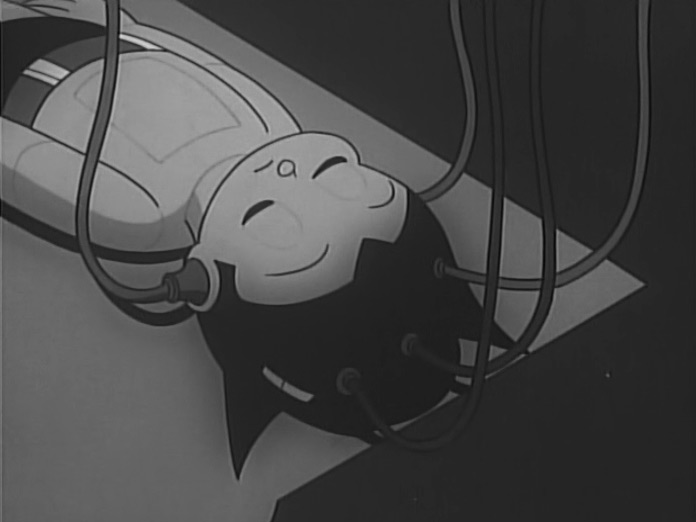
In 1962, Tezu­ka ful­filled a child­hood dream by open­ing an ani­ma­tion stu­dio. One of his first projects was to adapt was Astro Boy. The tele­vi­sion series pre­miered in 1963 and proved to be huge­ly pop­u­lar in Japan. It wasn’t long before Amer­i­can TV start­ed air­ing dubbed ver­sions of the show. You can see the very first episode, “Birth of Astro Boy,” above.

After his son dies in a freak car acci­dent, sci­en­tist Dr. Astor Boyn­ton is dri­ven mad by grief. He devel­ops an insane laugh and, with it, an equal­ly insane plan to build a robot who looks just like his dead son. After a Franken­stein-esque mon­tage, Astro Boy is born. All seems well for the adorable, sweet-natured robot, until Boyn­ton freaks out over Astro Boy’s lack of  growth. “I’ve been a good father to you, haven’t I?” he whines. “Well then, why can’t you be a good son to me and grow up to be a nor­mal human adult?” How’s that for a parental guilt trip?

astroboy-birth

So Dr. Boyn­ton casts Astro Boy out, sell­ing him into slav­ery to The Great Cac­cia­tore, an evil cir­cus ring­leader who forces him to be the world’s cutest robot glad­i­a­tor. For­tu­nate­ly, Dr. Ele­fun, a col­league of Dr. Boyn­ton, takes pity on Astro Boy and works to free him from his bondage.

The whole sto­ry plays out as if Mary Shel­ley and Fritz Lang col­lab­o­rat­ed to make Dum­bo. Tezu­ka throws in a lot of wacky slap­stick com­e­dy, which just bare­ly takes the edge off the story’s Dick­en­sian melo­dra­ma, which relent­less­ly mines all those pri­mal fears you thought you got over. In short, it’s bril­liant.

The series ran for two years in the States and then con­tin­ued on re-runs though­out the decade. One of the shows fans was appar­ent­ly Stan­ley Kubrick. Dur­ing the mid-60s, Kubrick sent Tezu­ka a let­ter ask­ing if he would be inter­est­ed in help­ing with the art direc­tion and design of his new movie 2001: A Space Odyssey. The offer would have required that Tezu­ka spend a year or more in Lon­don. Though great­ly flat­tered, Tezu­ka turned the offer down. The worka­holic artist sim­ply couldn’t spend that much time away from his stu­dio. One has to won­der what Kubrick’s mas­ter­piece would have looked like seen through the prism of Tezu­ka.

In 2001, Steven Spiel­berg pre­miered a movie that was a long ges­tat­ing project of Kubrick’s – the wild­ly under­rat­ed A.I. Arti­fi­cial Intel­li­gence. The par­al­lels between that movie, about a robot child cast out by his par­ents into a cru­el world, and Astro Boy are strik­ing. Kubrick, as it turns out, might have been even a big­ger fan of the God of Man­ga than pre­vi­ous­ly thought.

Here’s the trail­er for A.I. Arti­fi­cial Intel­li­gence.


Relat­ed Con­tent: 

Kafka’s Night­mare Tale, ‘A Coun­try Doc­tor,’ Told in Award-Win­ning Japan­ese Ani­ma­tion

Japan­ese Car­toons from the 1920s and 30s Reveal the Styl­is­tic Roots of Ani­me

How to Make Instant Ramen Com­pli­ments of Japan­ese Ani­ma­tion Direc­tor Hayao Miyza­ki

Jonathan Crow is a Los Ange­les-based writer and film­mak­er whose work has appeared in Yahoo!, The Hol­ly­wood Reporter, and oth­er pub­li­ca­tions. You can fol­low him at @jonccrowAnd check out his blog Veep­to­pus, fea­tur­ing one new draw­ing of a vice pres­i­dent with an octo­pus on his head dai­ly. 

The Story of Oedipus Retold with Vegetables in Starring Roles

Sopho­cles and Aeschy­lus may be spin­ning in their graves. Or, who knows, they may be tak­ing some delight in this bizarre twist on the Oedi­pus myth. Run­ning 8 min­utes, Jason Wish­now’s 2004 film puts veg­eta­bles in the star­ring roles. One of the first stop-motion films shot with a dig­i­tal still cam­era, Oedi­pus took two years to make with a vol­un­teer staff of 100. But the hard work paid off.

The film has since been screened at 70+ film fes­ti­vals and was even­tu­al­ly acquired by the Sun­dance Chan­nel. Sep­a­rate videos show you the behind-the-scenes mak­ing of the film (mid­dle), plus the sto­ry­boards used dur­ing pro­duc­tion (bot­tom). This video first appeared on our site in 2011, and, stel­lar as it is, we’re delight­ed to bring it back for read­ers who have joined us since. Hope you enjoy.

Relat­ed Con­tent:

Two Ani­ma­tions of Plato’s Alle­go­ry of the Cave: One Nar­rat­ed by Orson Welles, Anoth­er Made with Clay

The Har­vard Clas­sics: A Free, Dig­i­tal Col­lec­tion

Down­load 78 Free Online His­to­ry Cours­es: From Ancient Greece to The Mod­ern World

Ancient Greek clas­sics can be found in our twin col­lec­tions: 800 Free eBooks for iPad, Kin­dle & Oth­er Devices and 1,000 Free Audio Books: Down­load Great Books for Free

Playing an Instrument Is a Great Workout For Your Brain: New Animation Explains Why

Get me a piano teacher, stat!

When I was a child, my father, enchant­ed by the notion that I might some­day pro­vide live piano accom­pa­ni­ment to his evening cock­tails, signed me up for lessons with a mild-man­nered wid­ow who—if mem­o­ry serves—charged 50¢ an hour.

Had I only been forced to prac­tice more reg­u­lar­ly, I’d have no trou­ble remem­ber­ing the exact price of these lessons. My mem­o­ry would be a supreme­ly robust thing of beau­ty. Dit­to my math skills, my cog­ni­tive func­tion, my abil­i­ty to mul­ti­task.

Instead, my dad even­tu­al­ly con­ced­ed that I was not cut out to be a musi­cian (or a bal­le­ri­na, or a ten­nis whiz…) and Mrs. Arnold was out a pupil.

Would that I stuck with it beyond my halt­ing ver­sions of “The Enter­tain­er” and “Für Elise.” Accord­ing to the TED-Ed video above, play­ing an instru­ment is one of the very best things you can do for your brain. Tal­ent does­n’t mat­ter in this con­text, just ongo­ing prac­tice.

Neu­ro­sci­en­tists using fMRI (Func­tion­al Mag­net­ic Res­o­nance Imag­ing) and PET (Positron Emis­sion Tomog­ra­phy) tech­nol­o­gy to mon­i­tor the brain activ­i­ty of sub­jects lis­ten­ing to music saw engage­ment in many areas, but when the sub­jects trad­ed in head­phones for actu­al instru­ments, this activ­i­ty mor­phed into a grand fire­works dis­play.

(The ani­mat­ed expla­na­tion of the inter­play between var­i­ous musi­cal­ly engaged areas of the brain sug­gests the New York City sub­way map, a metaphor I find more apt.)

This mas­sive full brain work­out is avail­able to any­one will­ing to put in the time with an instru­ment. Read­ing the score, fig­ur­ing out tim­ing and fin­ger­ing, and pour­ing one’s soul into cre­ative inter­pre­ta­tion results in an interof­fice cere­bral com­mu­ni­ca­tion that strength­ens the cor­pus calos­sum and exec­u­tive func­tion.

 Vin­di­ca­tion for drum­mers at last!

Though to bring up the specter of anoth­er stereo­type, stay away from the hard stuff, guys…don’t fry those beau­ti­ful minds.

If you’d like to know more about the sci­en­tif­ic impli­ca­tions of music lessons, WBUR’s series “Brain Mat­ters” has a good overview here. And good luck break­ing the good news to your chil­dren.

Relat­ed Con­tent:

Watch a New Music Video Shot Entire­ly With­in an MRI Machine

TED-Ed Brings the Edgi­ness of TED to Learn­ing

“Hum­ming­bird,” A New Form of Music Nota­tion That’s Eas­i­er to Learn and Faster to Read

Ayun Hal­l­i­day is an author, home­school­er, and Chief Pri­ma­tol­o­gist of the East Vil­lage Inky zine. Fol­low her @AyunHalliday

« Go BackMore in this category... »
Quantcast