Pablo Picasso’s Childhood Paintings: Precocious Works Painted Between the Ages of 8 and 15

It’s hard to imag­ine from this his­tor­i­cal dis­tance how upset­ting Pablo Picasso’s 1907 mod­ernist paint­ing Les Demoi­selles d’Avignon was to Parisian soci­ety at its debut. On its 100th anniver­sary, Guardian crit­ic Jonathan Jones described it as “the rift, the break that divides past and future.” The paint­ing caused an uproar, even among the artist’s peers. It was a moment of cul­ture shock, notes PBS. Its five nude fig­ures, bro­ken into pro­to-cubist planes and angles with faces paint­ed like African masks, met “with almost unan­i­mous shock, dis­taste, and out­rage.”

Hen­ri Matisse, him­self often cred­it­ed with ush­er­ing in mod­ernist paint­ing with his flat­tened fields of col­or, “is angered by the work, which he con­sid­ers a hoax, an attempt to paint the fourth dimen­sion.” Much of the out­rage was pur­port­ed to come from mid­dle-class moral qualms about the painting’s sub­ject, “the sex­u­al free­dom depict­ed in a broth­el.”

This is a lit­tle hard to believe. Nude women in broth­els, “odal­isques,” had long been a favorite sub­ject of some of the most revered Euro­pean painters. But where the women in these paint­ings always appear pas­sive, if not sub­mis­sive, Picas­so’s nudes pose sug­ges­tive­ly and meet the view­er’s gaze, active­ly unashamed.

What like­ly most dis­turbed those first view­ers was the per­ceived vio­lence done to tra­di­tion. While we can­not recov­er the ten­der sen­si­bil­i­ties of ear­ly 20th-cen­tu­ry Parisian crit­ics, we can, I think, expe­ri­ence a sim­i­lar kind of shock by look­ing at work Picas­so had done ten years ear­li­er, such as the 1896 First Com­mu­nion, fur­ther up, and 1897 study Sci­ence and Char­i­ty at the top, con­ser­v­a­tive genre paint­ings in an aca­d­e­m­ic style, beau­ti­ful­ly ren­dered with exquis­ite skill by a then 15-year-old artist. See an ear­li­er draw­ing, Study for a Tor­so, above, com­plet­ed in 1892 when Picas­so was only 11.

Giv­en his incred­i­ble pre­coc­i­ty, it may seem hard­ly any won­der that Picas­so inno­vat­ed scan­dalous­ly new means of using line, col­or, and com­po­si­tion. He was a prodi­gious mas­ter of tech­nique at an age when many artists are still years away from for­mal study. Where else could his rest­less tal­ent go? He paint­ed a favorite sub­ject in 1900, in the loose, impres­sion­ist Bull­fight, above, a return of sorts to his first oil paint­ing, Pic­a­dor, below, made when he was 8. Fur­ther down, see a draw­ing from the fol­low­ing year in his ear­ly devel­op­ment, “Bull­fight and Pigeons.”

This piece, with its real­is­tic-look­ing birds care­ful­ly drawn upside-down atop a loose sketch of a bull­fight, appeared in a 2006 show at the Phillips Col­lec­tion in Wash­ing­ton, DC fea­tur­ing child­hood art­works from Picas­so and Paul Klee. Con­trary, per­haps, to our expec­ta­tions, cura­tor Jonathan Fineberg remarks of this draw­ing that “9‑year-old Picasso’s con­fi­dent, play­ful scrib­ble” gives us more indi­ca­tion of his tal­ent than the fine­ly-drawn birds.

“It’s not just that Picas­so could ren­der well, because you could teach any­body to do that,” Fineberg says. Maybe not any­body, but the point stands—technique can be taught, cre­ative vision can­not. “It’s not about skill. It’s about unique qual­i­ties of see­ing. That’s what makes Picas­so a bet­ter artist than Andrew Wyeth. Art is about a nov­el way of look­ing at the world.” You may pre­fer Wyeth, or think the down­ward com­par­i­son unfair, but there’s no deny­ing Picas­so had a very “nov­el way of see­ing,” from his ear­li­est sketch­es to his most rev­o­lu­tion­ary mod­ernist mas­ter­pieces. See sev­er­al more high­ly accom­plished ear­ly works from Picas­so here.

Note: An ear­li­er ver­sion of this post appeared on our site in 2018.

Relat­ed Con­tent:

9‑Year-Old Edward Hop­per Draws a Pic­ture on the Back of His 3rd Grade Report Card

14 Self-Por­traits by Pablo Picas­so Show the Evo­lu­tion of His Style: See Self-Por­traits Mov­ing from Ages 15 to 90

Watch Pablo Picasso’s Cre­ative Process Unfold in Real-Time: Rare Footage Shows Him Cre­at­ing Draw­ings of Faces, Bulls & Chick­ens

The Gestapo Points to Guer­ni­ca and Asks Picas­so, “Did You Do This?;” Picas­so Replies “No, You Did!”

Josh Jones is a writer and musi­cian based in Durham, NC. Fol­low him at @jdmagness

A Young Jim Henson Teaches You How to Make Puppets with Socks, Tennis Balls & Other Household Goods (1969)

By the time he filmed this video archived on Iowa Pub­lic Tele­vi­sion’s YouTube chan­nel, Jim Hen­son was just about to strike gold with a new children’s show called Sesame Street. The year was 1969, and he already had 15 years of pup­petry expe­ri­ence under his belt, from children’s shows to com­mer­cials and exper­i­men­tal films.

On the cusp of suc­cess, Hen­son, along with fel­low pup­peteer Don Sahlin (the cre­ator and voice of Rowlf), ven­tures to teach kids how to make a pup­pet out of pret­ty much any­thing you’ll find around the house. Such a vision appears easy, but it real­ly shows the genius of Hen­son, as he and Sahlin make char­ac­ters from a ten­nis ball, a mop, a wood­en spoon, a cup, socks, an enve­lope, even pota­toes and pears. (There is a lot to be said for the inher­ent com­e­dy of goo­gly eyes, and the impor­tance of fake fur.)

An unknown assis­tant takes some of these pup­pets and brings them to life while Hen­son and his part­ner cre­ate more–funny voic­es, per­son­al­i­ties, even a bit of anar­chy are in play. Sur­pris­ing­ly, Ker­mit does not make an appear­ance, although his sock ances­tor does.

The man who saw poten­tial pup­pets in every­thing is in his ele­ment and relaxed. Check it out, smile, and then raid your kitchen for sup­plies for your own pup­pet show. And although Hen­son promis­es a fur­ther episode, it has yet to be found on YouTube, or else­where.

Note: An ear­li­er ver­sion of this post appeared on our site in 2016.

Relat­ed Con­tent:

Jim Henson’s Com­mer­cials for Wilkins Cof­fee: 15 Twist­ed Min­utes of Mup­pet Cof­fee Ads (1957–1961)

Watch Twin Beaks, Sesame Street’s Par­o­dy of David Lynch’s Icon­ic TV Show (1990)

Jim Henson’s Ani­mat­ed Film, Lim­bo, the Orga­nized Mind, Pre­sent­ed by John­ny Car­son (1974)

Watch The Sur­re­al 1960s Films and Com­mer­cials of Jim Hen­son

Ted Mills is a free­lance writer on the arts who cur­rent­ly hosts the artist inter­view-based FunkZone Pod­cast. You can also fol­low him on Twit­ter at @tedmills, read his oth­er arts writ­ing at tedmills.com and/or watch his films here.

George Orwell Reviews Salvador Dali’s Autobiography: “Dali is a Good Draughtsman and a Disgusting Human Being” (1944)

Images or Orwell and Dali via Wiki­me­dia Com­mons

Should we hold artists to the same stan­dards of human decen­cy that we expect of every­one else? Should tal­ent­ed peo­ple be exempt from ordi­nary moral­i­ty? Should artists of ques­tion­able char­ac­ter have their work con­signed to the trash along with their per­son­al rep­u­ta­tions? These ques­tions, for all their time­li­ness in the present, seemed no less thorny and com­pelling 81 years ago when George Orwell con­front­ed the strange case of Sal­vador Dali, an unde­ni­ably extra­or­di­nary tal­ent, and—Orwell writes in his 1944 essay “Ben­e­fit of Cler­gy”—a “dis­gust­ing human being.”

The judg­ment may seem over­ly harsh except that any hon­est per­son would say the same giv­en the episodes Dali describes in his auto­bi­og­ra­phy, which Orwell finds utter­ly revolt­ing. “If it were pos­si­ble for a book to give a phys­i­cal stink off its pages,” he writes, “this one would. The episodes he refers to include, at six years old, Dali kick­ing his three-year-old sis­ter in the head, “as though it had been a ball,” the artist writes, then run­ning away “with a ‘deliri­ous joy’ induced by this sav­age act.” They include throw­ing a boy from a sus­pen­sion bridge, and, at 29 years old, tram­pling a young girl “until they had to tear her, bleed­ing, out of my reach.” And many more such vio­lent and dis­turb­ing descrip­tions.

Dali’s litany of cru­el­ty to humans and ani­mals con­sti­tutes what we expect in the ear­ly life of ser­i­al killers rather than famous artists. Sure­ly he is putting his read­ers on, wild­ly exag­ger­at­ing for the sake of shock val­ue, like the Mar­quis de Sade’s auto­bi­o­graph­i­cal fan­tasies. Orwell allows as much. Yet which of the sto­ries are true, he writes, “and which are imag­i­nary hard­ly mat­ters: the point is that this is the kind of thing that Dali would have liked to do.” More­over, Orwell is as repulsed by Dali’s work as he is by the artist’s char­ac­ter, informed as it is by misog­y­ny, a con­fessed necrophil­ia and an obses­sion with excre­ment and rot­ting corpses.

But against this has to be set the fact that Dali is a draughts­man of very excep­tion­al gifts. He is also, to judge by the minute­ness and the sure­ness of his draw­ings, a very hard work­er. He is an exhi­bi­tion­ist and a careerist, but he is not a fraud. He has fifty times more tal­ent than most of the peo­ple who would denounce his morals and jeer at his paint­ings. And these two sets of facts, tak­en togeth­er, raise a ques­tion which for lack of any basis of agree­ment sel­dom gets a real dis­cus­sion.

Orwell is unwill­ing to dis­miss the val­ue of Dali’s art, and dis­tances him­self from those who would do so on moral­is­tic grounds. “Such peo­ple,” he writes, are “unable to admit that what is moral­ly degrad­ed can be aes­thet­i­cal­ly right,” a “dan­ger­ous” posi­tion adopt­ed not only by con­ser­v­a­tives and reli­gious zealots but by fas­cists and author­i­tar­i­ans who burn books and lead cam­paigns against “degen­er­ate” art. “Their impulse is not only to crush every new tal­ent as it appears, but to cas­trate the past as well.” (“Wit­ness,” he notes, the out­cry in Amer­i­ca “against Joyce, Proust and Lawrence.”) “In an age like our own,” writes Orwell, in a par­tic­u­lar­ly jar­ring sen­tence, “when the artist is an excep­tion­al per­son, he must be allowed a cer­tain amount of irre­spon­si­bil­i­ty, just as a preg­nant woman is.”

At the very same time, Orwell argues, to ignore or excuse Dali’s amoral­i­ty is itself gross­ly irre­spon­si­ble and total­ly inex­cus­able. Orwell’s is an “under­stand­able” response, writes Jonathan Jones at The Guardian, giv­en that he had fought fas­cism in Spain and had seen the hor­ror of war, and that Dali, in 1944, “was already flirt­ing with pro-Fran­co views.” But to ful­ly illus­trate his point, Orwell imag­ines a sce­nario with a much less con­tro­ver­sial fig­ure than Dali: “If Shake­speare returned to the earth to-mor­row, and if it were found that his favourite recre­ation was rap­ing lit­tle girls in rail­way car­riages, we should not tell him to go ahead with it on the ground that he might write anoth­er King Lear.”

Draw your own par­al­lels to more con­tem­po­rary fig­ures whose crim­i­nal, preda­to­ry, or vio­lent­ly abu­sive acts have been ignored for decades for the sake of their art, or whose work has been tossed out with the tox­ic bath­wa­ter of their behav­ior. Orwell seeks what he calls a “mid­dle posi­tion” between moral con­dem­na­tion and aes­thet­ic license—a “fas­ci­nat­ing and laud­able” crit­i­cal thread­ing of the nee­dle, Jones writes, that avoids the extremes of “con­ser­v­a­tive philistines who con­demn the avant garde, and its pro­mot­ers who indulge every­thing that some­one like Dali does and refuse to see it in a moral or polit­i­cal con­text.”

This eth­i­cal cri­tique, writes Char­lie Finch at Art­net, attacks the assump­tion in the art world that an appre­ci­a­tion of artists with Dali’s pecu­liar tastes “is auto­mat­i­cal­ly enlight­ened, pro­gres­sive.” Such an atti­tude extends from the artists them­selves to the soci­ety that nur­tures them, and that “allows us to wel­come dia­mond-mine own­ers who fund bien­nales, Gazprom bil­lion­aires who pur­chase dia­mond skulls, and real-estate moguls who dom­i­nate tem­ples of mod­ernism.” Again, you may draw your own com­par­isons.

Note: An ear­li­er ver­sion of this post appeared on our site in 2018.

Relat­ed Con­tent:

When The Sur­re­al­ists Expelled Sal­vador Dalí for “the Glo­ri­fi­ca­tion of Hit­ler­ian Fas­cism” (1934)

George Orwell Reviews Mein Kampf: “He Envis­ages a Hor­ri­ble Brain­less Empire” (1940)

How the Nazis Waged War on Mod­ern Art: Inside the “Degen­er­ate Art” Exhi­bi­tion of 1937

Tol­stoy Calls Shake­speare an “Insignif­i­cant, Inartis­tic Writer”; 40 Years Lat­er, George Orwell Weighs in on the Debate

Josh Jones is a writer and musi­cian based in Durham, NC. Fol­low him at @jdmagness
Watch Pablo Picasso’s Creative Process Unfold in Real-Time: Rare Footage Shows Him Creating Drawings of Faces, Bulls & Chickens

Pablo Picas­so was born not long before the inven­tion of the motion pic­ture. With a dif­fer­ent set of incli­na­tions, he might have become one of the most dar­ing pio­neers of that medi­um. Instead, as we know, he mas­tered and then prac­ti­cal­ly rein­vent­ed the much old­er art form of paint­ing. That said, cin­e­ma did seem to have been fas­ci­nat­ed by both Picas­so’s work and the man him­self. He made a cameo appear­ance in Jean Cocteau’s Tes­ta­ment of Orpheus in 1960, a few years after play­ing the title role in Hen­ri-Georges Clouzot’s doc­u­men­tary Le Mys­tère Picas­so. The short clip from the lat­ter above shows how Picas­so could cre­ate an expres­sive face with just a few strokes of a pen.

By the time he made Le Mys­tère Picas­so, Clouzot was already well estab­lished as a direc­tor of ele­vat­ed genre films, hav­ing just made Le salaire de la peur or (The Wages of Fear) and Les dia­boliques (or Dia­bolique), which would turn out to be one of his defin­ing works.

To film­go­ers fol­low­ing his career, it may have come as a sur­prise to see him fol­low those up with a doc­u­men­tary about a painter: a genius, yes, but one whose work had already seemed famil­iar. But Clouzot took as his task not telling the sto­ry of Les Demoi­selles d’Av­i­gnon or Three Musi­cians or Guer­ni­ca, but cap­tur­ing Picas­so (whom he’d known since his teenage years) in the act of cre­at­ing new works of art — works nev­er to be seen except on film.

That was the idea, in any case; though most of the 20 paint­ings and draw­ings cre­at­ed just for Le Mys­tère Picas­so were destroyed, some weren’t. One such sur­vivor, a chick­en-turned-dev­il­ish-vis­age that emerges in one of the film’s more tense sequences (an inter­sec­tion of Clouzot and Picas­so’s artis­tic instincts), was actu­al­ly restored a few years ago for inclu­sion in the Roy­al Acad­e­my of Arts’ exhi­bi­tion Picas­so and Paper. He could also work on glass, as evi­denced by the clip just above from Vis­it to Picas­so, a 1949 doc­u­men­tary short by the Bel­gian film­mak­er Paul Hae­saerts. In it he paints — in less than 30 sec­onds, with the cam­era run­ning just on the oth­er side of the pane — an evoca­tive image of a bull, demon­strat­ing that, no mat­ter how ful­ly he was embraced by the Fran­coph­o­ne world, a Spaniard he remained.

Relat­ed Con­tent:

Thou­sands of Pablo Picasso’s Works Now Avail­able in a New Dig­i­tal Archive

What Makes Picasso’s Guer­ni­ca a Great Paint­ing?: Explore the Anti-Fas­cist Mur­al That Became a World­wide Anti-War Sym­bol

Pablo Picasso’s Mas­ter­ful Child­hood Paint­ings: Pre­co­cious Works Paint­ed Between the Ages of 8 and 15

14 Self-Por­traits by Pablo Picas­so Show the Evo­lu­tion of His Style: See Self-Por­traits Mov­ing from Ages 15 to 90

Pablo Picas­so Pos­es as Pop­eye (1957)

Based in Seoul, Col­in Marshall writes and broad­casts on cities, lan­guage, and cul­ture. His projects include the Sub­stack newslet­ter Books on Cities and the book The State­less City: a Walk through 21st-Cen­tu­ry Los Ange­les. Fol­low him on the social net­work for­mer­ly known as Twit­ter at @colinmarshall.

Take a 3D Virtual Tour of the Sistine Chapel & Explore Michelangelo’s Masterpieces Up Close

Today, 133 car­di­nals from around the world enter the con­clave to deter­mine the next pope, dur­ing which they’ll cast their votes in the Sis­tine Chapel. Despite being one of the most famous tourist attrac­tions in Europe, the Sis­tine Chapel still serves as a venue for such impor­tant offi­cial func­tions, just as it has since its com­ple­tion in 1481. When its name­sake Pope Six­tus IV com­mis­sioned it, he also ordered its walls cov­ered in fres­coes by some of the finest artists of that peri­od of the Renais­sance, includ­ing San­dro Bot­ti­cel­li, Domeni­co Ghirlandaio, and Cosi­mo Rossel­li. He also made the unusu­al choice of hav­ing the cross-vault ceil­ing cov­ered by a blue-and-gold paint­ing of the night sky, ably exe­cut­ed by Pier­mat­teo Lau­ro de’ Man­fre­di da Amelia.

No longer do the car­di­nals vote for their next leader under the stars, nor have they for about half a mil­len­ni­um. Even if you’ve nev­er set foot in the Sis­tine Chapel, you sure­ly know it as the build­ing whose ceil­ing was paint­ed by Michelan­ge­lo, lying flat on a scaf­fold all the while (a pleas­ing but high­ly doubt­ful image in the col­lec­tive cul­tur­al mem­o­ry).

In fact, that mas­ter of Renais­sance mas­ters did­n’t touch his brush to the place until 1508. He’d been brought in by a lat­er pope, Julius II, after hav­ing first resist­ed the com­mis­sion, insist­ing that he was a sculp­tor first, not a painter. For­tu­nate­ly for Renais­sance art enthu­si­asts, not only did Julius II pre­vail upon Michelan­ge­lo, so, near­ly thir­ty years lat­er, did Paul III, who had him paint over the altar the work that turned out to be the Last Judg­ment.

In the video at the top of the post, his­to­ry-and-archi­tec­ture YouTu­ber Manuel Bra­vo (pre­vi­ous­ly fea­tured here on Open Cul­ture for his expla­na­tions of his­toric places like Venice, Pom­peii, the Cathe­dral of San­ta Maria del Fiore, and St. Peter’s Basil­i­ca, which was also touched by the hand of Michelan­ge­lo) nar­rates a 3D vir­tu­al tour of the Sis­tine Chapel. That for­mat makes it pos­si­ble to see not only its numer­ous works of Bib­li­cal art, by Michelan­ge­lo and a host of oth­er painters besides, from every pos­si­ble angle, but also the build­ing itself just as it would have looked in eras past, even before Michelan­ge­lo made his con­tri­bu­tion. The more you under­stand each indi­vid­ual ele­ment, the bet­ter you can appre­ci­ate this “ver­i­ta­ble Div­ina Com­me­dia of the Renais­sance,” as Bra­vo calls it, when next you can see it in per­son. That, of course, will only be after the con­clave fin­ish­es up: in a few hours, or days, or weeks, or maybe — a phe­nom­e­non not unex­am­pled in the his­to­ry of the church — a few years.

Relat­ed con­tent:

The Sis­tine Chapel: A $22,000 Art-Book Col­lec­tion Fea­tures Remark­able High-Res­o­lu­tion Views of the Murals of Michelan­ge­lo, Bot­ti­cel­li & Oth­er Renais­sance Mas­ters

Take a 3D Vir­tu­al Tour of the Sis­tine Chapel, St. Peter’s Basil­i­ca and Oth­er Art-Adorned Vat­i­can Spaces

The Vat­i­can Library Goes Online and Dig­i­tizes Tens of Thou­sands of Man­u­scripts, Books, Coins, and More

Michelangelo’s David: The Fas­ci­nat­ing Sto­ry Behind the Renais­sance Mar­ble Cre­ation

A Secret Room with Draw­ings Attrib­uted to Michelan­ge­lo Opens to Vis­i­tors in Flo­rence

Michelangelo’s Illus­trat­ed Gro­cery List

Based in Seoul, Col­in Marshall writes and broad­casts on cities, lan­guage, and cul­ture. His projects include the Sub­stack newslet­ter Books on Cities and the book The State­less City: a Walk through 21st-Cen­tu­ry Los Ange­les. Fol­low him on the social net­work for­mer­ly known as Twit­ter at @colinmarshall.

See Vermeer’s Girl with a Pearl Earring in 3D in a New 108-Gigapixel Scan

You may believe that you’ve had a close enough view of Johannes Ver­meer’s Girl with a Pearl Ear­ring. You may have gone to The Hague and seen the paint­ing in per­son at the Mau­rit­shuis. You may have zoomed into the ten bil­lion-pix­el scan we fea­tured here on Open Cul­ture in 2021. But if you haven’t spent time with the new 108 bil­lion-pix­el scan, can you real­ly claim to have seen Girl with a Pearl Ear­ring at all?

At that 108-gigapix­el res­o­lu­tion, notes Jason Kot­tke, “each pix­el is 1.3 microns in size — 1000 microns is 1 mil­lime­ter.” You can learn more about the tech­nol­o­gy behind the project in this mak­ing-of video pro­duced by Hirox Europe, the local branch of the Japan­ese dig­i­tal micro­scope com­pa­ny respon­si­ble for both the ten bil­lion-pix­el scan and this 108 bil­lion-pix­el one, which neces­si­tat­ed 88 hours of non-stop scan­ning this rel­a­tive­ly small can­vas of 15 inch­es by 17.5 inch­es, a process that result­ed in 41,000 3D images.

Yes, 3D images: though Girl with a Pearl Ear­ring, known as “the Mona Lisa of the North,” may be known far and wide in flat rep­re­sen­ta­tions on pages, screens, posters, and T‑shirts, it is, after all, a work of oil on can­vas.

Ver­meer achieved his ultra-real­is­tic effects not just by putting the right col­ors in the right places, but apply­ing them at the right thick­ness­es and with the right tex­tures — all of which have been repli­cat­ed in a “mega-sized” phys­i­cal 3D print, 100 times larg­er than the orig­i­nal work, com­mis­sioned by the Mau­rit­shuis for its Who’s that Girl? exhi­bi­tion.

You can per­form your own topo­graph­i­cal exam­i­na­tion of sec­tions of the paint­ing — the eyes, the lips, a fold of the tur­ban, the ear­ring, and even the reflec­tion on the ear­ring — by click­ing the “3D” but­ton at the bot­tom of the scan’s view­ing inter­face.  A look this close reveals much about how Ver­meer cre­at­ed this world-famous image, as well as how it’s weath­ered the past 360 years. It does not reveal, of course, the answers to such long-stand­ing mys­ter­ies as the iden­ti­ty of the sub­ject or the moti­va­tions behind her strik­ing pre­sen­ta­tion. Whether or not the girl with the pearl ear­ring even exist­ed, we can, at this point, be sure of one thing: she must feel seen. Enter the new 108 bil­lion-pix­el scan here.

via Kot­tke

Relat­ed con­tent:

Based in Seoul, Col­in Marshall writes and broad­casts on cities, lan­guage, and cul­ture. His projects include the Sub­stack newslet­ter Books on Cities and the book The State­less City: a Walk through 21st-Cen­tu­ry Los Ange­les. Fol­low him on the social net­work for­mer­ly known as Twit­ter at @colinmarshall.

The Greatest Art Heist in History: How the Mona Lisa Was Stolen from the Louvre (1911)

If you hap­pen to go to the Lou­vre to have a look at Leonar­do da Vin­ci’s Mona Lisa, you’ll find that you can’t get espe­cial­ly close to it. That owes in part to the ever-present crowd of cell­phone pho­tog­ra­phers, and more so to the paint­ing’s hav­ing been installed behind a wood­en bar­ri­er and encased in a stur­dy-look­ing glass box. These are suit­able pre­cau­tions, you might imag­ine, for the sin­gle most famous work of art in the world. But there was­n’t always so much secu­ri­ty, and indeed, nor was Mona Lisa always so dear­ly prized. A lit­tle more than a cen­tu­ry ago, you could just walk out of the Lou­vre with it.

You could do so, that is, pro­vid­ed you had a knowl­edge of the Lou­vre’s inter­nal oper­a­tions, the nerve to pluck a mas­ter­piece off its walls, and the will­ing­ness to spend a night in one of the muse­um’s clos­ets. Vin­cen­zo Perug­gia, an Ital­ian immi­grant who’d worked there as a clean­er and reframer of paint­ings, had all those qual­i­ties. On the evening of Sun­day, August 20th, 1911, Perug­gia entered the Lou­vre wear­ing one of its stan­dard-issue employ­ee coats. The next day, he emerged into an almost emp­ty muse­um, closed as it was to the pub­lic every Mon­day. You can find out what hap­pened next by watch­ing the Pri­mal Space video above, which visu­al­izes each step of the heist and its after­math.

Why did Perug­gia dare to steal the Mona Lisa in broad day­light, an act wor­thy of Arsène Lupin (him­self cre­at­ed just a few years ear­li­er)? Dis­cov­ered a cou­ple years lat­er, hav­ing hid­den the paint­ing in the false bot­tom of a trunk near­ly all the while, Perug­gia cast him­self as an Ital­ian patri­ot attempt­ing to return a piece of cul­tur­al pat­ri­mo­ny to its home­land. Anoth­er pos­si­bil­i­ty, elab­o­rat­ed upon in the video, is that he was noth­ing more than a pawn in a larg­er scheme mas­ter­mind­ed by the forg­er Eduar­do de Val­fier­no, who planned to make sev­er­al copies of the miss­ing mas­ter­piece and sell them to cred­u­lous Amer­i­can mil­lion­aires.

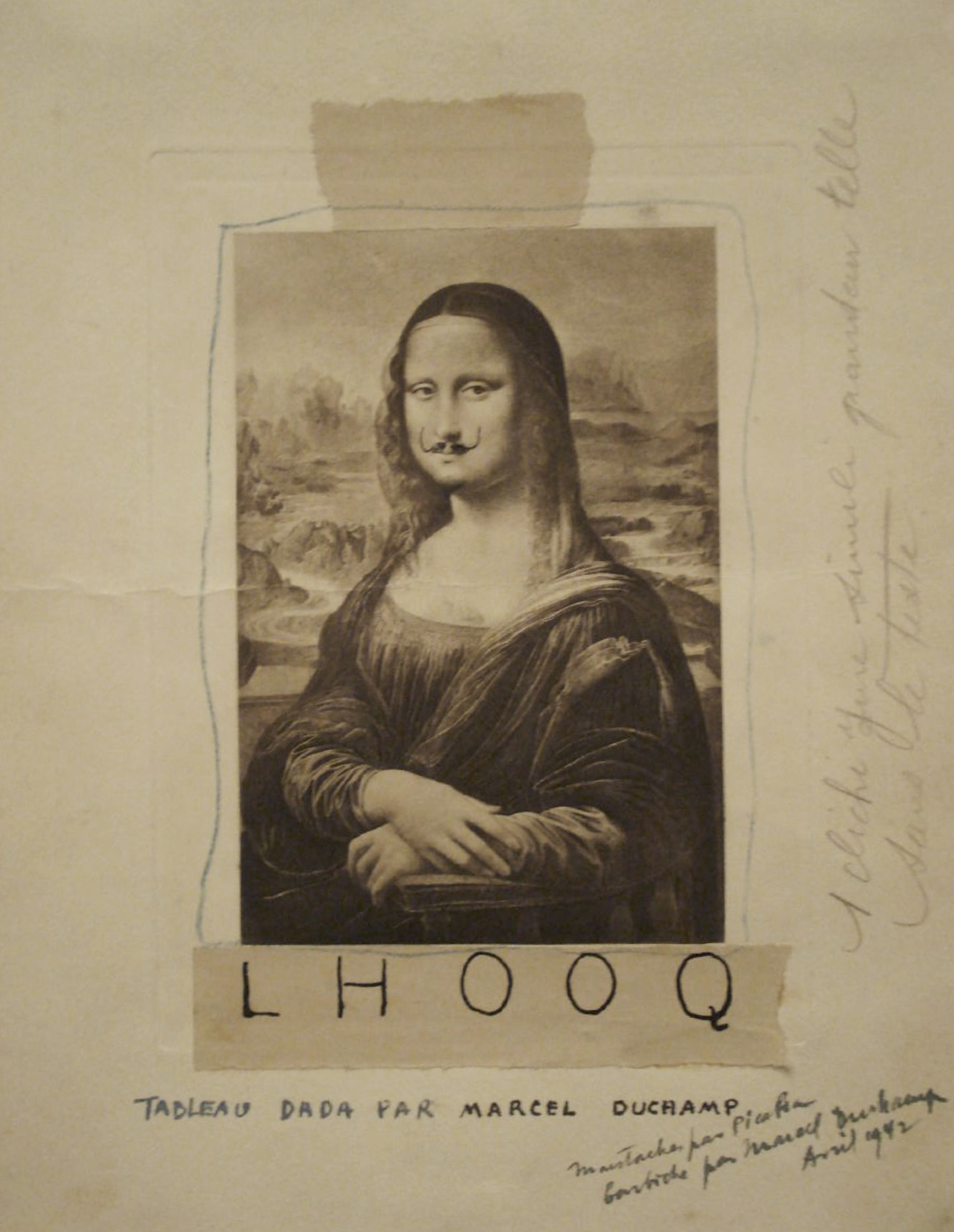
That, in any case, is what one Sat­ur­day Evening Post sto­ry report­ed in 1932, though it could well be that, in real­i­ty, Perug­gia act­ed alone, out of no high­er motive than a need for cash. (In a way, it would have been a more inter­est­ing sto­ry had the cul­prits actu­al­ly been Pablo Picas­so and Guil­laume Apol­li­naire, whose unre­lat­ed pos­ses­sion of stat­ues stolen from the Lou­vre drew police sus­pi­cion.) How­ev­er the heist occurred, it would­n’t have hap­pened if its object had­n’t already been wide­ly known, at least among art enthu­si­asts. But soon after La Gio­con­da was returned to her right­ful place, she became the face of art itself — and the rea­son muse­ums do things much dif­fer­ent­ly now than they did in the nine­teen-tens. The Lou­vre, you’ll notice, is now closed on Tues­days instead.

Relat­ed con­tent:

What Makes Leonardo’s Mona Lisa a Great Paint­ing?: An Expla­na­tion in 15 Min­utes

How the Mona Lisa Went From Being Bare­ly Known, to Sud­den­ly the Most Famous Paint­ing in the World (1911)

What Makes the Mona Lisa a Great Paint­ing: A Deep Dive

Why Leonar­do da Vinci’s Great­est Paint­ing is Not the Mona Lisa

How France Hid the Mona Lisa & Oth­er Lou­vre Mas­ter­pieces Dur­ing World War II

When Pablo Picas­so and Guil­laume Apol­li­naire Were Accused of Steal­ing the Mona Lisa (1911)

Based in Seoul, Col­in Marshall writes and broad­casts on cities, lan­guage, and cul­ture. His projects include the Sub­stack newslet­ter Books on Cities and the book The State­less City: a Walk through 21st-Cen­tu­ry Los Ange­les. Fol­low him on the social net­work for­mer­ly known as Twit­ter at @colinmarshall.

How Zaha Hadid Revolutionized Architecture & Drew Inspiration from Russian Avant-Garde Art

Zaha Hadid died in 2016, at the age of 65. She cer­tain­ly was­n’t old, by the stan­dards of our time, though in most pro­fes­sions, her best work­ing years would already have been behind her. She was, how­ev­er, an archi­tect, and by age 65, most archi­tects are still very much in their prime. Take Rem Kool­haas, who today remains a leader of the Office of Met­ro­pol­i­tan Archi­tec­ture in his eight­ies — and who, back in the sev­en­ties, was one of Hadid’s teach­ers at the Archi­tec­tur­al Asso­ci­a­tion School of Archi­tec­ture in Lon­don. It was there that Kool­haas gave his promis­ing, uncon­ven­tion­al stu­dent the assign­ment of bas­ing a project on the art of Kaz­imir Male­vich.

Specif­i­cal­ly, as archi­tect Michael Wyet­zn­er explains in the new Archi­tec­tur­al Digest video above, Hadid had to adapt one of Male­vich’s “arkhitek­tons,” which were “objects that took his ideas of shapes that he used in his paint­ings” — the most wide­ly known among them being Black Square, from 1915, pre­vi­ous­ly fea­tured here on Open Cul­ture — “and turned them into a 3D piece.”

To under­stand Hadid’s for­ma­tion, then, we must go back to the ear­ly-twen­ti­eth-cen­tu­ry Rus­sia in which Male­vich oper­at­ed as an avant-garde artist, and in which he launched the move­ment he called Supre­ma­tism, whose name reflects “the idea that his art was con­cerned with the suprema­cy of pure feel­ing, as opposed to the rep­re­sen­ta­tion of the real world.”

As a pio­neer of “non-objec­tive” art, Male­vich did his part to inspire Hadid on her path to design­ing build­ings that come as close to abstrac­tion as tech­no­log­i­cal­ly pos­si­ble. In fact, dur­ing the ini­tial phas­es of Hadid’s career, what we think of as her sig­na­ture curve-inten­sive archi­tec­tur­al style — exem­pli­fied by build­ings like the Lon­don Aquat­ics Cen­tre and the Dong­dae­mun Design Plaza in Seoul — was­n’t tech­no­log­i­cal­ly pos­si­ble. Exam­in­ing her ear­ly paint­ings, such as the one of the arkhitek­ton-based bridge hotel she turned in to Kool­haas, or her first built projects like the Vit­ra Fire Sta­tion in Weil am Rhein, shows us how her ideas were already evolv­ing in direc­tions then prac­ti­cal­ly unthink­able in archi­tec­ture. Zaha Hadid has now been gone near­ly a decade, but her field is in many ways still catch­ing up with her.

Relat­ed con­tent:

An Intro­duc­tion to the World-Renowned Archi­tect Zaha Hadid, “the Queen of the Curve”

The ABC of Archi­tects: An Ani­mat­ed Flip­book of Famous Archi­tects and Their Best-Known Build­ings

What Makes Kaz­imir Malevich’s Black Square (1915) Not Just Art, But Impor­tant Art

Every­thing You Need to Know About Mod­ern Russ­ian Art in 25 Min­utes: A Visu­al Intro­duc­tion to Futur­ism, Social­ist Real­ism & More

Based in Seoul, Col­in Marshall writes and broad­casts on cities, lan­guage, and cul­ture. His projects include the Sub­stack newslet­ter Books on Cities and the book The State­less City: a Walk through 21st-Cen­tu­ry Los Ange­les. Fol­low him on the social net­work for­mer­ly known as Twit­ter at @colinmarshall.

« Go BackMore in this category... »
Quantcast