23 Hours of H.P. Lovecraft Stories: Hear Readings & Dramatizations of “The Call of Cthulhu,” “The Shadow Over Innsmouth,” & Other Weird Tales

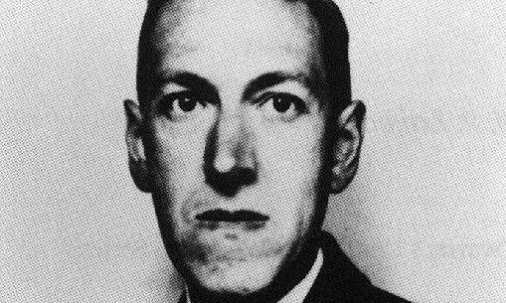
lovecraft2

Image by Lucius B. Trues­dell, via Wiki­me­dia Com­mons

H.P. Love­craft has some­what fall­en out of favor in many cir­cles of hor­ror and fan­ta­sy writ­ing. Just this past year, after much debate, the World Fan­ta­sy Awards decid­ed to remove his like­ness from their stat­uette. Because, quite frankly, Love­craft was not only a big­ot but a com­mit­ted anti-Semi­te and white suprema­cist who loathed vir­tu­al­ly every­one who wasn’t, as he put it, “Nordic-Amer­i­can.” This includ­ed African-Amer­i­cans and “stunt­ed bra­cy­cephal­ic South-Ital­ians & rat-faced half-Mon­goloid Russ­ian & Pol­ish Jews, & all that cursed scum,” as he wrote in a let­ter to fel­low writer August Der­leth. The state­ment is rep­re­sen­ta­tive of many, many more on the sub­ject.

Were these sim­ply pri­vate polit­i­cal opin­ions and noth­ing more, there might not be suf­fi­cient rea­son to read them into his work, but as sev­er­al peo­ple have argued con­vinc­ing­ly, Lovecraft’s opin­ions form the basis of so much of his work. Chi­na Miéville, for exam­ple, writes “I fol­low [French nov­el­ist Michel Houelle­becq—hard­ly known for any kind of polit­i­cal cor­rect­ness] in think­ing that Lovecraft’s oeu­vre, his work itself, is inspired by and deeply struc­tured with race hatred. As Houelle­becq said, it is racism itself that rais­es in Love­craft a ‘poet­ic trance.’”

Lovecraft’s xeno­pho­bic loathing begins to seem like an almost patho­log­i­cal hatred and fear of any­one dif­fer­ent, and of any kind of change in the nation’s make­up. It goes far beyond casu­al “man of his time” atti­tudes (and increas­ing­ly, of our time). F. Scott Fitzger­ald lived dur­ing Lovecraft’s time. And Fitzger­ald had the crit­i­cal dis­tance to sat­i­rize fanat­i­cal big­otry like Love­craft’s in The Great Gats­by’s Tom Buchanan. All of that said, how­ev­er, it’s impos­si­ble to deny Lovecraft’s influ­ence on hor­ror and fan­ta­sy, and almost no one has done so, even among those writ­ers who most vehe­ment­ly lob­bied to retire his image or who found his pres­ence deeply trou­bling.

World Fan­ta­sy Award win­ner Nne­di Oko­rafor writes about con­tem­po­rary authors hav­ing to wres­tle with the fact “that many of The Elders we hon­or and need to learn from hate or hat­ed us.” Win­ner Sofia Samatar, who want­ed the stat­uette changed, exclaimed, “I am not telling any­body not to read Love­craft. I teach Love­craft! I actu­al­ly insist that peo­ple read him and write about him!” In a short essay at Tor, sci-fi and fan­ta­sy writer Eliz­a­beth Bear expressed many of the same ambiva­lent feel­ings about her “com­pli­cat­ed rela­tion­ship with Love­craft.” While find­ing his “big­otry of just about any stripe you like… revolt­ing,” his work has nonethe­less pro­vid­ed “a pow­er­ful source of inspi­ra­tion, the foun­da­tions of it like Hadrian’s Wall; full of mate­r­i­al for min­ing and repur­pos­ing.”

It’s not par­tic­u­lar­ly unusu­al to find such ambiva­lent atti­tudes expressed toward lit­er­ary ances­tors. All artists—all people—have their char­ac­ter flaws, and to expect every writer we like to share our val­ues seems naive, nar­row, and super­fi­cial. But Love­craft presents an extreme exam­ple, and also one whose prose is often pret­ty ter­ri­ble: over­stuffed, over­wrought, pre­ten­tious, and archa­ic. But it’s that pulpy style that makes Love­craft, Lovecraft—that con­tributes to the fever­ish atmos­phere of para­noia and alien­ation in his sto­ries. “He’s a mas­ter of mood,” Bear avows, “of sweep­ing blast­ed vis­tas of despair and the bone-soak­ing cold of space.”

That much of his despair and hor­ror emanat­ed from a place inside him that feared the “ges­tures & jab­ber­ing” of oth­er humans does not make it any less effec­tive­ly creepy or hyp­not­ic. It just makes it that much hard­er to love Love­craft the author, no mat­ter how much we might admire his work. But per­haps Love­craft was such an effec­tive hor­ror writer pre­cise­ly because he was so ter­ri­bly afraid of change and dif­fer­ence. As he him­self wrote of his par­tic­u­lar brand of super­nat­ur­al hor­ror, or “weird fic­tion,” as he called it: “hor­ror and the unknown or the strange are always close­ly con­nect­ed… because fear is our deep­est and strongest emo­tion.” One need­n’t be a pho­bic racist to write good hor­ror fic­tion, but in Love­craft’s case, I guess, it seems to have helped.

Just as much as the work of Isaac Asi­mov, or Robert Hein­lein, or Gene Rod­den­ber­ry resides in the DNA of sci­ence fic­tion, so too does Love­craft inhab­it the organ­ic build­ing blocks of hor­ror writ­ing. Hor­ror and fan­ta­sy writ­ers who some­how avoid read­ing Love­craft may end up absorb­ing his influ­ence any­way; read­ers who avoid him will end up read­ing some ver­sion of “Love­craft pas­tiche,” as Bear puts it. So it behooves us to go to the source, find out what Love­craft him­self wrote, take the good over the bad, even “pick a fight with him,” writes Bear, “because of what he does right, that makes his sto­ries too com­pelling to just walk away from, and because of what he does wrong… for exam­ple, the way he treats peo­ple as things.”

We’ve pre­vi­ous­ly brought to your atten­tion sev­er­al online Love­craft archives, such as this com­pi­la­tion of Love­craft eBooks and audio­books, and these many fine drama­ti­za­tions of Love­craft’s sto­ries. Addi­tion­al­ly, you can down­load many of Love­craft’s sto­ries and let­ters pub­lished in the sem­i­nal hor­ror and fan­ta­sy mag­a­zine Weird Tales. And in the Spo­ti­fy playlist above (down­load Spo­ti­fy here if you need it), you can hear The H.P. Love­craft Com­pendi­um, 23 hours of read­ings and drama­ti­za­tions of Love­craft’s creepy short sto­ries and novel­las, includ­ing The Shad­ow Over Inns­mouth, “The Dun­wich Hor­ror,” The Whis­per­er in Dark­ness, “The Call of Cthul­hu,” and many, many more. How­ev­er repug­nant many of Love­craft’s atti­tudes, there’s no deny­ing the pow­er of his “weird fic­tion.” As the playlist advis­es, “you might want to leave a light on when lis­ten­ing to these chill­ing per­for­mances.…”

This playlist will be added to our col­lec­tion, 1,000 Free Audio Books: Down­load Great Books for Free.

Relat­ed Con­tent:

H.P. Lovecraft’s Clas­sic Hor­ror Sto­ries Free Online: Down­load Audio Books, eBooks & More

Hear Drama­ti­za­tions of H.P. Lovecraft’s Sto­ries On His Birth­day: “The Call of Cthul­hu,” “The Dun­wich Hor­ror,” & More

Down­load Issues of “Weird Tales” (1923–1954): The Pio­neer­ing Pulp Hor­ror Mag­a­zine Fea­tures Orig­i­nal Sto­ries by Love­craft, Brad­bury & Many More

H.P. Love­craft Gives Five Tips for Writ­ing a Hor­ror Sto­ry, or Any Piece of “Weird Fic­tion”

Josh Jones is a writer and musi­cian based in Durham, NC. Fol­low him at @jdmagness

Hear a BBC Radio Drama of Dostoyevsky’s The Brothers Karamazov: Streaming Free for a Limited Time

Dostoyevsky - The Brothers Karamazov

A quick heads up: For the next two weeks, you can stream a BBC Radio 4 drama­ti­za­tion of Fyo­dor Dos­toyevsky’s final nov­el, The Broth­ers Kara­ma­zov. Pub­lished between Jan­u­ary 1879 and Novem­ber 1880, the philo­soph­i­cal nov­el has influ­enced gen­er­a­tions of readers–certainly me, maybe you, and then some oth­er notable fig­ures like Ein­stein, Wittgen­stein, Hei­deg­ger, Freud and more. The radio drama­ti­za­tion is trun­cat­ed, just 5 hours, where­as most com­plete ver­sions run 34 hours. (Find those in our col­lec­tion of Free Audio Books. Or get a pro­fes­sion­al­ly-read ver­sion on Audible.com, by check­ing out Audi­ble’s 30-day free tri­al pro­gram.) Below, you can find the install­ments of the BBC radio dra­ma.

  • Episode 1: Rus­sia, 1880: The unpre­dictable Fyo­dor Kara­ma­zov and his sons are reunit­ed to dis­cuss Dmit­ry’s inher­i­tance. Stars Roy Mars­den.
  • Episode 2: As Alyosha attends to dying Father Zosi­ma, rela­tions between Dmit­ry and his father turn ever more dan­ger­ous. Stars Paul Hilton.
  • Episode 3: Fol­low­ing a vio­lent encounter at the Kara­ma­zov home, Dmit­ry flees the town in search of Grushen­ka. Stars Paul Hilton.
  • Episode 4: As Dmit­ry goes on tri­al for mur­der, Alyosha des­per­ate­ly seeks proof of his inno­cence. Stars Paul Hilton and Carl Prekopp.
  • Episode 5: Fol­low­ing Ivan’s dra­mat­ic appear­ance at his broth­er’s tri­al, Kate­ri­na pre­pares to deal Dmit­ry a fatal blow. Stars Paul Hilton.

If you would like to sign up for Open Culture’s free email newslet­ter, please find it here. It’s a great way to see our new posts, all bun­dled in one email, each day.

If you would like to sup­port the mis­sion of Open Cul­ture, con­sid­er mak­ing a dona­tion to our site. It’s hard to rely 100% on ads, and your con­tri­bu­tions will help us con­tin­ue pro­vid­ing the best free cul­tur­al and edu­ca­tion­al mate­ri­als to learn­ers every­where. You can con­tribute through Pay­Pal, Patre­on, and Ven­mo (@openculture). Thanks!

Relat­ed Con­tent:

800 Free eBooks for iPad, Kin­dle & Oth­er Devices

Fyo­dor Dostoyevsky’s Life & Lit­er­a­ture Intro­duced in a Mon­ty Python-Style Ani­ma­tion

Fyo­dor Dos­to­evsky Draws Elab­o­rate Doo­dles In His Man­u­scripts

Free Online Lit­er­a­ture Cours­es

Hear Robert Frost Read His Most Famous Poems: “The Road Not Taken,” “Mending Wall,” “Nothing Gold Can Stay” & More

Robert Frost has the dubi­ous hon­or of being known the world over as the poet of a seize-the-day cliché. His poem “The Road Not Tak­en” (read by Frost above) appears on cof­fee mugs, autum­nal moti­va­tion­al posters, upbeat email sig­na­tures, and in adver­tise­ments and tele­vi­sion shows, all meant to inspire con­fi­dent deci­sion-mak­ing in uncer­tain times: unin­ten­tion­al­ly iron­ic, pop­ulist appeals to diverge from the herd.

If this is Frost’s lega­cy in the wider cul­ture, it’s a fate most poets wouldn’t wish on their bit­ter­est rival. The typ­i­cal inter­pre­ta­tion of this poem is an unfor­tu­nate mis­rep­re­sen­ta­tion of Frost’s work in gen­er­al. Indeed, “The Road Not Tak­en” may be “the most mis­read poem in Amer­i­ca,” as David Orr argues at The Paris Review.

Frost’s poet­ry does not often inspire con­fi­dence or moti­va­tion, but rather doubt, uncom­fort­able reflec­tion, fear, and some­times a kind of dread­ful awe. Like Faulkn­er was in his day, Frost was, and still is, mis­tak­en for a quaint, col­or­ful region­al­ist. But rather than a poet of New Eng­land folk sim­plic­i­ty, he is a poet of New Eng­land skep­ti­cism and a kind of hard-head­ed sub­lime. Any­one who reads “The Road Not Tak­en” close­ly, for exam­ple, will note the speaker’s ambigu­ous tone in the final stan­za, and final three lines—oft-quoted as a tri­umphant dénoue­ment.

I shall be telling this with a sigh
Some­where ages and ages hence:
Two roads diverged in a wood, and I—
I took the one less trav­eled by,
And that has made all the dif­fer­ence.

The trav­el­er does not tell us what “dif­fer­ence” the choice will have made, nor why he should tell of this cross­roads “ages and ages hence… with a sigh.” Implied in these lines, how­ev­er, is at least the sug­ges­tion of unavoid­able future regret, and a reck­on­ing with irrev­o­ca­ble fate. The ear­li­er line, “Oh, I kept the first for anoth­er day!” sounds more like an excla­ma­tion of rue than the cel­e­bra­tion of a choice well-made.

And as Orr points out, the speak­er’s ini­tial encounter presents him with two paths that “equal­ly lay / in leaves.”; the two roads are equal­ly travelled—or untrav­elled as the case may be—and the trav­eller choos­es one arbi­trar­i­ly. In these final lines, he announces his inten­tion to tell a dif­fer­ent, per­haps self-con­grat­u­la­to­ry sto­ry about his deci­sion. “The poem isn’t a salute to can-do indi­vid­u­al­ism,” Orr writes, “it’s a com­men­tary on the self-decep­tion we prac­tice when con­struct­ing the sto­ry of our own lives.”

One can hear even dark­er notes in anoth­er famous poem, “Mend­ing Wall,” in which a name­less, unfeel­ing “Some­thing” goes about its work of dis­man­tling the speaker’s best efforts, and all human work gen­er­al­ly. It’s a theme in much of Frost’s poet­ry that can, if ful­ly appre­ci­at­ed, inspire a dread as potent as that in the most baroque and florid of H.P. Lovecraft’s weird tales. Frost devel­oped his theme of cos­mic indif­fer­ence ear­ly, in “Stars,” from his first pub­lished col­lec­tion, A Boy’s Will. He intro­duces the poem in the table of con­tents with this suc­cinct descrip­tion: “There is no over­sight in human affairs,” a mat­ter-of-fact state­ment that scarce­ly pre­pares us for the unnerv­ing images to fol­low:

How count­less­ly they con­gre­gate
O’er our tumul­tuous snow,
Which flows in shapes as tall as trees
When win­try winds do blow!—

As if with keen­ness for our fate,
Our fal­ter­ing few steps on
To white rest, and a place of rest
Invis­i­ble at dawn,—

And yet with nei­ther love nor hate,
Those stars like some snow-white
Minerva’s snow-white mar­ble eyes
With­out the gift of sight.

In three short, dev­as­tat­ing stan­zas, Frost under­cuts ancient, com­fort­ing pre­ten­tions about the stars’ (or gods’) sen­tient benev­o­lence, with images and dic­tion that recall Thomas Hardy’s bleak lament “In Tene­bris” and antic­i­pate Wal­lace Stevens’ imper­son­al and chill­ing “The Snow Man.” The snow and ice in Frost’s poems are not part of the pret­ty scenery, but metonymic fig­ures of obliv­ion.

In short, the kind­ly old Robert Frost we think we know from the triv­ial mis­read­ing of “The Road Not Tak­en” is not the poet Robert Frost at all. Frost is a prick­ly, chal­leng­ing, even some­what devi­ous char­ac­ter whose pleas­ing­ly musi­cal lines and quaint, pas­toral images lure read­ers into poems that har­bor much less cheer­ful atti­tudes than they expect to find, and much more com­plex and mature ideas. The young Frost once described him­self as “not unde­sign­ing,” and in his lat­er, 1939 essay “The Fig­ure a Poem Makes,” he famous­ly declared that a poem “begins in delight and ends in wis­dom.”

In the two Spo­ti­fy playlists above (down­load Spo­ti­fy’s free soft­ware here), you can hear Frost read some of his most famous poems, includ­ing “The Road Not Tak­en,” “Mend­ing Wall,” “Noth­ing Gold Can Stay,” “After Apple Pick­ing,” “Death of a Hired Man,” and sev­er­al more. Not rep­re­sent­ed here, unfor­tu­nate­ly, are poems from the won­der­ful debut A Boy’s Will, but you can read that full col­lec­tion online here, and you should. Get to know the real Frost, if you haven’t already, and you’ll appre­ci­ate all the more why he’s one of the most cel­e­brat­ed poets in the Amer­i­can canon.

The read­ings above will be added to our col­lec­tion, 1,000 Free Audio Books: Down­load Great Books for Free.

Relat­ed Con­tent:

Lis­ten to Robert Frost Read ‘The Gift Out­right,’ the Poem He Recit­ed from Mem­o­ry at JFK’s Inau­gu­ra­tion

Robert Frost Recites ‘Stop­ping by Woods on a Snowy Evening’

Library of Con­gress Launch­es New Online Poet­ry Archive, Fea­tur­ing 75 Years of Clas­sic Poet­ry Read­ings

Josh Jones is a writer and musi­cian based in Durham, NC. Fol­low him at @jdmagness

4 Hours of Charles Bukowski’s Riotous Readings and Rants

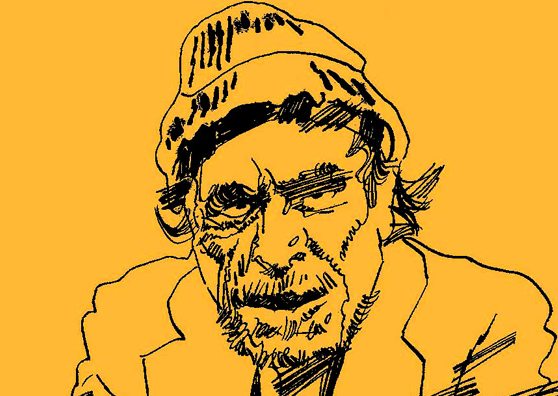
bukowski readings

Draw­ing by Graziano Ori­ga, via Wiki­me­dia Com­mons

An old man sits alone, rant­i­ng in a nasal­ly monot­o­nous drone. He breaks into rue­ful laugh­ter, threats of vio­lence, mock­ery, maudlin lament…. An angry drunk­en uncle cry­ing out into the wilder­ness of a Tues­day night ben­der? A tough guy left behind in the world, unable to stom­ach its restric­tions and blithe hypocrisies? A mad poet on his way to the grave? An every­man ram­bler whose seen-it-all can­dor and hardass sense of humor com­mand the com­mon people’s ear?

All of the above was beloved nov­el­ist, racon­teur, poet, and tren­chant essay­ist Charles Bukows­ki. It’s easy to car­i­ca­ture Bukows­ki for his life­long romance with booze, a dom­i­nant theme in near­ly all of his auto­bi­o­graph­i­cal­ly-inspired poems and sto­ries. But in writ­ing of the life an alco­holic artist, him­self, he also uncov­ered in extrem­is gen­er­al truths about human exis­tence that many peo­ple spend their lives try­ing to avoid. The pain, and solace, of lone­li­ness, rejec­tion, and self-doubt, the des­per­ate need for for­ti­tude in the face of seem­ing hope­less­ness.

Bukows­ki is not only a hero to so many would-be writ­ers because of his epic bar­room tales and rock-star-cal­iber drink­ing bouts. If that were so, his sto­ries might quick­ly grow tedious. What Bukows­ki had over the run-of-the-mill pub reg­u­lars was a sur­pris­ing amount of emo­tion­al vul­ner­a­bil­i­ty and self-aware­ness, and a desire to com­mu­ni­cate his expe­ri­ences with the same raw hon­esty as his lit­er­ary hero, Dos­to­evsky. Put sim­ply, Bukows­ki pos­sessed an abun­dance of what Keats called “neg­a­tive capa­bil­i­ty.”

He also had a good deal of luck. If even a hand­ful of the sto­ries he tells about his life are true, it’s a won­der he didn’t die sev­er­al times over. Take his recount­ing below of a live 1979 Van­cou­ver per­for­mance, footage of which became the doc­u­men­tary film There’s Gonna Be a God Damn Riot in Here. In a let­ter that year to a friend, he wrote:

Back from Cana­di­an read­ing. Took Lin­da. Have video tapes of the thing in col­or, runs about two hours. Saw it a cou­ple nights back. Not bad. Much fight­ing with the audi­ence. New poems. Dirty stuff and the oth­er kind. Drank before the read­ing and 3 bot­tles of red wine dur­ing but read the poems out. Dumb par­ty after­wards. I fell down sev­er­al times while danc­ing. They got me back on the ele­va­tor back at the hotel and I kept hol­ler­ing for anoth­er bot­tle. Poor Lin­da. After­wards in hotel room, kept falling. Final­ly fell against the radi­a­tor and cracked a 6 inch gash in skull. Blood every­where. Hell of a trip…Nice Cana­di­an peo­ple who set up read­ing, though. Not poet types at all. All in all, a good show…

The video tapes were Bukowski’s idea—he insist­ed on the record­ing as a con­di­tion for mak­ing the trip. And you can hear audio of the entire per­for­mance at the top on Spo­ti­fy (get Spo­ti­fy’s soft­ware here; or lis­ten on Youtube here). Also on the playlist are two oth­er Bukows­ki spo­ken-word albums, Charles Bukows­ki Mas­ter Col­lec­tion, and Hostage. The lat­ter, writes Ama­zon, “has to be one of the row­di­est poet­ry records ever released, which makes sense con­sid­er­ing how drunk Bukows­ki plain­ly is.” But “the drink nev­er gets in the way of his deliv­ery,” and his tough-but-ten­der verse comes through plain­ly, even if it seems like there might be a riot any minute. Only Bukows­ki could have pulled this off and lived to tell the tale.

Find these Bukows­ki read­ings added to our col­lec­tion, 1,000 Free Audio Books: Down­load Great Books for Free.

Relat­ed Con­tent:

Lis­ten to Charles Bukows­ki Poems Being Read by Bukows­ki Him­self & the Great Tom Waits

Watch “Beer,” a Mind-Warp­ing Ani­ma­tion of Charles Bukowski’s 1971 Poem Hon­or­ing His Favorite Drink

Four Charles Bukows­ki Poems Ani­mat­ed

Josh Jones is a writer and musi­cian based in Durham, NC. Fol­low him at @jdmagness

Hear a Complete 24-Hour Reading of Moby-Dick, Recorded at the Southbank Centre in London (2015)

moby dick unabridged

Last week, Ted Mills told you how Ply­mouth Uni­ver­si­ty orches­trat­ed a won­der­ful project called Moby-Dick The Big Read, which result­ed in celebrities–like Bene­dict Cum­ber­batch, John Waters, Mary Oliv­er, Stephen Fry, and Til­da Swinton–reading the entire­ty of Her­man Melville’s Moby-Dick, and mak­ing the record­ing free to down­load.

This week­end, we hap­pi­ly dis­cov­ered anoth­er unabridged read­ing of Melville’s great Amer­i­can nov­el, this one com­ing out of the 2015 Lon­don Lit­er­a­ture Fes­ti­val, held at the South­bank Cen­tre in Lon­don. Over four days, Moby-Dick was read by writ­ers, actors, come­di­ans, mem­bers of the pub­lic and even Melville’s great-great-great-grand­daugh­ter. You can stream a record­ing of the epic read­ing on Sound­cloud right below. You might want to make a good strong pot of cof­fee because it runs 24 hours.

If you vis­it the Moby-Dick Unabridged web­site, you can get more back­ground on the project. In the mean­time, this lat­est record­ing will be added to our col­lec­tion, 1,000 Free Audio Books: Down­load Great Books for Free.

If you would like to sign up for Open Culture’s free email newslet­ter, please find it here. It’s a great way to see our new posts, all bun­dled in one email, each day.

If you would like to sup­port the mis­sion of Open Cul­ture, con­sid­er mak­ing a dona­tion to our site. It’s hard to rely 100% on ads, and your con­tri­bu­tions will help us con­tin­ue pro­vid­ing the best free cul­tur­al and edu­ca­tion­al mate­ri­als to learn­ers every­where. You can con­tribute through Pay­Pal, Patre­on, and Ven­mo (@openculture). Thanks!

Relat­ed Con­tent

Hear Moby Dick Read in Its Entire­ty by Bene­dict Cum­ber­batch, John Waters, Stephen Fry, Til­da Swin­ton & More

An Illus­tra­tion of Every Page of Her­man Melville’s Moby Dick

How Ray Brad­bury Wrote the Script for John Huston’s Moby Dick (1956)

Orson Welles Reads From Moby-Dick: The Great Amer­i­can Direc­tor Takes on the Great Amer­i­can Nov­el

Download Two Harry Potter Audio Books for Free (and Get the Rest of the Series for Cheap)

harry potter free audible

FYI: If you’re look­ing to down­load the Har­ry Pot­ter series as audio books, here’s a way to get two books in the series for free, and the rest at a steep dis­count.

In recent months, Audi­ble (the audio books com­pa­ny owned by Ama­zon) began mak­ing Har­ry Pot­ter books avail­able for down­load. Now here’s what you need to know: If you sign up for Audible’s 30-Day Free Tri­al Pro­gram, you can down­load two audio books for free, includ­ing two books from the Har­ry Pot­ter series. Then, once the free tri­al is over, you can decide whether you want to become an ongo­ing Audi­ble sub­scriber or not. Regard­less of what deci­sion you make, you can keep the two free audio books.

If you remain an Audi­ble sub­scriber (like I have), you can down­load addi­tion­al books at a rate of $14.95 each. That means you can get the remain­ing 5 books in the Har­ry Pot­ter series for $74.75 in total—which is sig­nif­i­cant­ly cheap­er than pay­ing $242.94, the price that Pot­ter­more cur­rent­ly charges for the set.

To get start­ed, you can go to this page, sign up for Audible’s 30-Day Free Tri­al Pro­gram, and then down­load your first two Har­ry Pot­ter books for free.

NB: Audi­ble is an Amazon.com sub­sidiary, and we’re a mem­ber of their affil­i­ate pro­gram.

Relat­ed Con­tent:

1,000 Free Audio Books: Down­load Great Books for Free

Down­load a Free Course from “The Great Cours­es” Through Audible.com’s Free Tri­al Pro­gram

How J.K. Rowl­ing Plot­ted Har­ry Pot­ter with a Hand-Drawn Spread­sheet

J.K. Rowl­ing Tells Har­vard Grads Why Suc­cess Begins with Fail­ure

Twi­light Series: How to Get Free Audio Books

Free Audio: Down­load the Com­plete Chron­i­cles of Nar­nia by C.S. Lewis

by | Permalink | Make a Comment ( 4 ) |

William S. Burroughs Reads Edgar Allan Poe’s “The Masque of the Red Death”

burroughs poe

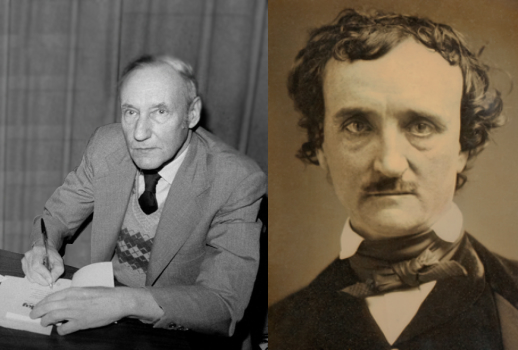
The label “Amer­i­can orig­i­nal” gets slapped onto a lot of dif­fer­ent peo­ple, but it seems to me that, espe­cial­ly in the realm of let­ters, we could find no two lumi­nar­ies who mer­it it more in the 19th cen­tu­ry than psy­cho­log­i­cal hor­ror pio­neer Edgar Allan Poe, and in the 20th cen­tu­ry William S. Bur­roughs, sui gener­is even with­in the Beat Gen­er­a­tion. So how could we resist fea­tur­ing the record­ing just below, free to hear on Spo­ti­fy (whose soft­ware, if you don’t have it yet, you can down­load here), of Bur­roughs read­ing Poe’s tale — because, as you know if you read him, he wrote not sto­ries but tales — “The Masque of the Read Death”?

The 1842 tale itself, still haunt­ing today more than 170 years after its pub­li­ca­tion, tells of a prince and his coterie of a thou­sand aris­to­crats who, in order to pro­tect them­selves from a Black Plague-like disease—the tit­u­lar Red Death—sweeping through com­mon soci­ety, take refuge in an abbey and weld the doors shut. In need of amuse­ments (this all takes place about cen­tu­ry and a half before Net­flix, remem­ber), the prince throws a mas­quer­ade ball. What, then, should inter­rupt this good time but the inex­plic­a­ble arrival of an unin­vit­ed guest in a cos­tume rem­i­nis­cent of the corpse of a Red Death vic­tim — pos­si­bly an embod­i­ment of the Red Death itself?

Poe could tell a seri­ous­ly res­o­nant tale, and so could Bur­roughs. Though com­plete­ly dif­fer­ent in form, aes­thet­ic, set­ting, and psy­chol­o­gy, both writ­ers’ works strike just the right omi­nous tone and leave just enough unex­plained to seep into our sub­con­scious in vivid and some­times even unwant­ed ways. And so it makes per­fect sense for Bur­roughs and his voice of a jad­ed but still amused ancient to join the for­mi­da­ble line­up of Poe’s inter­preters, which includes Christo­pher Walken, Vin­cent Price, Christo­pher LeeJames Earl JonesIggy PopLou Reed, and Stan Lee. But among them all, who bet­ter than Bur­roughs to artic­u­late “The Masque of the Red Death’s” final line: “And Dark­ness and Decay and the Red Death held illim­itable domin­ion over all.”

You can hear more of Bur­roughs read­ing Poe, in per­for­mances record­ed for the com­put­er game The Dark Eye, in Ted Mills’ pre­vi­ous post here.

Bur­roughs’ read­ing (which you can also hear on YouTube) will be added to our col­lec­tion, 1,000 Free Audio Books: Down­load Great Books for Free.

Relat­ed Con­tent:

William S. Bur­roughs Reads Edgar Allan Poe Tales in the Vin­tage 1995 Video Game, “The Dark Eye”

Iggy Pop Reads Edgar Allan Poe’s Clas­sic Hor­ror Sto­ry, “The Tell-Tale Heart”

Down­load 55 Free Online Lit­er­a­ture Cours­es: From Dante and Mil­ton to Ker­ouac and Tolkien

Edgar Allan Poe’s “The Raven,” Read by Christo­pher Walken, Vin­cent Price, and Christo­pher Lee

Lou Reed Rewrites Edgar Allan Poe’s “The Raven.” See Read­ings by Reed and Willem Dafoe

Down­load the Com­plete Works of Edgar Allan Poe on His Birth­day

Aubrey Beardsley’s Macabre Illus­tra­tions of Edgar Allan Poe’s Short Sto­ries (1894)

Based in Seoul, Col­in Mar­shall writes and broad­casts on cities and cul­ture. He’s at work on a book about Los Ange­les, A Los Ange­les Primer, the video series The City in Cin­e­ma, the crowd­fund­ed jour­nal­ism project Where Is the City of the Future?, and the Los Ange­les Review of Books’ Korea Blog. Fol­low him on Twit­ter at @colinmarshall or on Face­book.

Hear Jeremy Irons Read T.S. Eliot’s ‘The Naming of Cats’ (For a Limited Time)

Briefly not­ed: For a lim­it­ed time (for the next 23 days, to be pre­cise), you can hear Jere­my Irons read­ing “The Nam­ing of Cats,” a poem from T.S. Eliot’s Old Pos­sum’s Book of Prac­ti­cal Cats (1939). The poem will cer­tain­ly sound famil­iar to any­one who has ever seen Andrew Lloyd Web­ber’s musi­cal, Cats.

As a bonus, if you revis­it this post in our archive, you can hear Eliot, him­self, read­ing poems from the very same col­lec­tion. And this oth­er Open Cul­ture post fea­tures Eliot’s own cov­er design for Old Pos­sum’s Book of Prac­ti­cal Cats. What angle haven’t we cov­ered?

The clip above comes cour­tesy of BBC Radio 4.

Relat­ed Con­tent:

T.S. Eliot Reads Old Possum’s Book of Prac­ti­cal Cats & Oth­er Clas­sic Poems (75 Min­utes, 1955)

T.S. Eliot Illus­trates His Let­ters and Draws a Cov­er for Old Possum’s Book of Prac­ti­cal Cats

Lis­ten to T.S. Eliot Recite His Late Mas­ter­piece, the Four Quar­tets

T.S. Eliot Reads His Mod­ernist Mas­ter­pieces “The Waste Land” and “The Love Song of J. Alfred Prufrock”

1,000 Free Audio Books: Down­load Great Books for Free

by | Permalink | Make a Comment ( 9 ) |

« Go BackMore in this category... »
Quantcast