Orson Welles Reads ‘The Secret Sharer,’ by Joseph Conrad

Today is the birth­day of the writer Joseph Con­rad. He was born Józef Teodor Kon­rad Korzniows­ki on Decem­ber 3, 1857 in Berdichev, in the Pol­ish Ukraine. As a young man he trav­eled the world as a mer­chant sail­er, an expe­ri­ence that fur­nished mate­r­i­al and inspi­ra­tion for his Eng­lish-lan­guage books, which include such clas­sics as Nos­tro­mo, Lord Jim and Heart of Dark­ness.

To mark the occa­sion we bring you a record­ing of Orson Welles read­ing (lis­ten to it here) Con­rad’s short sto­ry “The Secret Shar­er” in 1985 as one of his selec­tions for The Orson Welles Library. “I think I’m made for Con­rad,” Welles once said. “I think every Con­rad sto­ry is a movie.” Con­rad wrote “The Secret Shar­er” in 1909. The sto­ry is told by the cap­tain of a ship. One night, while on watch in waters near the Gulf of Siam, the cap­tain dis­cov­ers a naked swim­mer cling­ing des­per­ate­ly to the side of the ship. He helps the mys­te­ri­ous man aboard and learns his sto­ry. The cap­tain is then faced with a dilem­ma: Should he help the man, or turn him over to the peo­ple who are look­ing for him?

You can find “The Secret Shar­er” and oth­er works by Joseph Con­rad in our col­lec­tions of  Free Audio Books and Free eBooks. And for more read­ings by Welles, please see our meta post: Orson Welles Nar­rates Plato’s Cave Alle­go­ry, Kafka’s Para­ble, and Free­dom Riv­er.

h/t The Writer’s Almanac

The Best Books of 2012: Lists by The New York Times, NPR, The Guardian and More

If books fig­ure into your hol­i­day gift-giv­ing plans, then we’ve got a lit­tle some­thing for you — a meta list of the best books of 2012. It’s now Decem­ber, the final month of the year, which means that news­pa­pers and mag­a­zines can start tak­ing stock of 2012 and declare their favorites.

The New York Times Book Review announced The 10 Best Books of 2012 this week­end, just a few days after nam­ing the 100 Notable Books of 2012. Some famil­iar names appear on the win­nowed down list — Robert Caro, Dave Eggers and Zadie Smith — but I’m most tempt­ed by Jim Holt’s Why Does the World Exist?: An Exis­ten­tial Detec­tive Sto­ry. The ques­tion has crossed my mind late­ly.

The Wash­ing­ton Post boils down three lists — The Best Graph­ic Nov­els of 201250 Notable Works of Fic­tion50 Notable Works of Non­fic­tion — to one. Behold The Top 10 Books of 2012. Fic­tion-wise, I’m not blown away by the picks. But, when it comes to Non­fic­tion, they’re on the mark with House of Stone: A Mem­oir of Home, Fam­i­ly, and a Lost Mid­dle East by Antho­ny Sha­did, the award-win­ning New York Times jour­nal­ist who died ear­li­er this year in Syr­ia.

You can find more good reads with “Best of” lists cre­at­ed by NPR, Pub­lish­ers Week­lyEsquire, Huff­Po and The Guardian. And if you’re look­ing for a deal, don’t miss this: Amazon.com is now offer­ing 40% off books appear­ing on its list of 2012 Edi­tors’ Picks. Mean­while Audible.com has pro­duced its own list of favorites, and it’s worth high­light­ing if only because, when you sign up for a Free Tri­al, you can down­load one of their selec­tions (or pret­ty much any oth­er audio­book you want) for free. Learn more and ini­ti­ate the free down­load here.

Now my dear fel­low read­ers, it’s your turn. We want to hear what books (pub­lished in 2012) left the strongest impres­sion on you. Give us your thoughts in the com­ments sec­tion below and we’ll pub­lish the Open Cul­ture Best of 2012 list lat­er this week. We look for­ward to hear­ing your picks!

by | Permalink | Make a Comment ( 8 ) |

Arthur Conan Doyle Discusses Sherlock Holmes and Psychics in a Rare Filmed Interview (1927)

While Scot­tish physi­cian and author Arthur Conan Doyle died in 1930, he seems almost whol­ly of the nine­teenth cen­tu­ry: a trained sci­en­tist who fer­vent­ly believed in “spir­i­tu­al­ism” and fairies, and an accom­plished and pro­lif­ic writer whose most famous character—that most log­i­cal of detectives—had a cocaine addic­tion and more per­son­al quirks than the aver­age neu­rot­ic. Like Joseph Con­rad, Doyle sailed–as a ship’s doctor–to Euro­pean colonies in West Africa and found him­self deeply affect­ed by the bru­tal exploita­tion he encoun­tered. And like Con­rad, he seems to embody a turn-of-the-cen­tu­ry British­ness poised between old and new worlds, when Vic­to­ria gave way to Edward and moder­ni­ty limned the Empire. Although the age of film and of tele­vi­sion have always embraced Sher­lock Holmes, his cre­ator belongs to the age of the nov­el. Nev­er­the­less, he agreed to the 1927 inter­view above, pos­si­bly his only appear­ance on film. In the brief mono­logue, he dis­cuss­es the two ques­tions that he most received from curi­ous fans and jour­nal­ists: how he came to write the Sher­lock Holmes sto­ries and how he came to believe in “psy­chic mat­ters.”

Doyle attrib­ut­es the cre­ation of Holmes to his sci­en­tif­ic train­ing, and to a keen irri­ta­tion when read­ing detec­tive sto­ries whose pro­tag­o­nists stum­bled on solu­tions by chance or nar­ra­tive non sequitur. He also describes his admi­ra­tion for a colleague’s impres­sive “deduc­tive” abil­i­ties. What if, Conan Doyle rea­soned, the detec­tives had the pow­ers of a doc­tor? Oh, had he lived to see his premise flipped in House (and sue for roy­al­ties). Doyle also express­es his amuse­ment at the creduli­ty of his read­ing pub­lic, many of whom believed in the real­i­ty of Sher­lock Holmes and Dr. Wat­son and who sent them regards and advice. At this point in the inter­view, Doyle turns to a sub­ject upon which many thought him cred­u­lous: psy­chic and super­nat­ur­al expe­ri­ence. He goes to some lengths to estab­lish his bona fides, say­ing that he stud­ied spir­i­tu­al­ism for forty-one years and did not arrive at his ideas in haste. But Doyle was eas­i­ly tak­en in by sev­er­al hoax­es and insist­ed through­out his life that Har­ry Hou­di­ni pos­sessed psy­chic pow­ers, despite Houdini’s protests to the con­trary. It seems this was one area in which Doyle’s rea­son failed him—in which he resem­bles the mys­ti­cal Yeats more than the skep­ti­cal Wat­son and Holmes.

You can down­load free copies of The Adven­tures of Sher­lock Holmes from our col­lec­tions of Free Audio Books and Free eBooks. You can also find four adap­ta­tions of Sher­lock Holmes in our col­lec­tion of Free Movies Online.

Josh Jones is a doc­tor­al can­di­date in Eng­lish at Ford­ham Uni­ver­si­ty and a co-founder and for­mer man­ag­ing edi­tor of Guer­ni­ca / A Mag­a­zine of Arts and Pol­i­tics.

Watch the “Biblio-Mat” Book-Vending Machine Dispense Literary Delight

We thought that Brazen­head Books might qual­i­fy as the quirki­est book­store we’ve encoun­tered. After all, it’s run out of Michael Sei­den­berg’s apart­ment in New York City. But get a load of this: The Monkey’s Paw, which calls itself “Toronto’s most idio­syn­crat­ic sec­ond-hand book­shop,” has installed the Bib­lio-mat, a vend­ing machine that dis­pens­es ran­dom books for a very nom­i­nal fee — $2 per book. (If you’re look­ing for $0, see our lists below.) In a recent inter­view with QuillandQuire.com, Stephen Fowler, the book­store’s own­er, explained the sto­ry behind the Bib­lio-mat:

I went fish­ing this past sum­mer with Craig Small, co-founder of The Jug­ger­naut, an ani­ma­tion stu­dio in Toron­to. I had this idea that I would love to have a vend­ing machine that gave out ran­dom books. I pic­tured it as a paint­ed refrig­er­a­tor box with one of my assis­tants inside; peo­ple would put in a coin and he would drop a book out. But Craig is more prag­mat­ic and vision­ary then I am. He said, “You need to have an actu­al mechan­i­cal vend­ing machine.” That was beyond my wildest imag­in­ings, but not Craig’s, so he just built it for me.

Thanks to Small, you can now watch the Bib­lio-mat in action above. It whirrs. It vibrates. And it final­ly deliv­ers a book with a sat­is­fy­ing clunk.

via Gal­ley Cat

Relat­ed Con­tent:

Down­load Free Audio Books and Free eBooks

Spike Jonze Presents a Stop Motion Film for Book Lovers

Books Savored in Stop Motion Film

Going West: A Stop Motion Nov­el

by | Permalink | Make a Comment ( 4 ) |

Philip Roth Reads the Last Pages of His Last Work of Fiction: “The End of the Line After Thirty-One Books”

After half a cen­tu­ry and 31 books, Philip Roth casu­al­ly announced last month in an inter­view with a French mag­a­zine that he was call­ing it quits. He actu­al­ly made the deci­sion back in 2010, after the pub­li­ca­tion of his Book­er Prize-win­ning nov­el Neme­sis. “I did­n’t say any­thing about it because I want­ed to be sure it was true,” the 79-year-old Roth told New York Times reporter Charles McGrath last week in what he said would be his last inter­view. “I thought, ‘Wait a minute, don’t announce your retire­ment and then come out of it.’ I’m not Frank Sina­tra. So I did­n’t say any­thing to any­one, just to see if it was so.”

Although Roth had been pri­vate­ly telling friends about his retire­ment for two years, accord­ing to David Rem­nick in The New York­er, the pub­lic announce­ment came as a shock for many. From his 1959 Nation­al Book Award-win­ning debut Good­bye, Colum­bus and Five Short Sto­ries and his out­ra­geous­ly fun­ny 1969 clas­sic Port­noy’s Com­plaint through his remark­ably pro­lif­ic late peri­od, with its steady stream of beau­ti­ful­ly craft­ed nov­els like Oper­a­tion Shy­lock, Sab­bath’s The­ater and The Human Stain, it seemed as though Roth had the cre­ative ener­gy to keep writ­ing until he took his last breath.

But per­haps if we’d paid clos­er atten­tion we would­n’t be so sur­prised. In this 2011 video, for exam­ple, which shows Roth read­ing a few pages from Neme­sis after it won the Man Book­er Inter­na­tion­al Prize, he basi­cal­ly says it: “Com­ing where they do, they’re the pages I like best in Neme­sis. They con­sti­tute the last pages of the last work of fic­tion I’ve published–the end of the line after 31 books.”

Relat­ed con­tent:

Philip Roth on Aging

Philip Roth’s Cre­ative Surge and the Death of the Nov­el

Philip Roth Pre­dicts the Death of the Nov­el; Paul Auster Coun­ters

The Best Music to Write By: Give Us Your Recommendations

Writ­ing is hard. It’s hard to begin, hard to con­tin­ue, hard to fin­ish. To write suc­cess­ful­ly and con­sis­tent­ly requires an alchem­i­cal com­bi­na­tion of dis­ci­pline and inspi­ra­tion so per­son­al that read­ing advice on the sub­ject amounts to watch­ing some­one else die to learn how it’s done. And while it often feels enlight­en­ing to read about the habits of, say, Stein­beck or Austen, their meth­ods are non-trans­fer­able. You’ve got to find your own way. So it is with writ­ing to music. It’s always there in the back­ground, goad­ing you on qui­et­ly. Not every­one writes to music; not every­one can. But a good many do, includ­ing Wired con­trib­u­tor Steve Sil­ber­man who calls the prac­tice one of many rit­u­als writ­ers use “to evoke that elu­sive flow of inspi­ra­tion.”

Sil­ber­man just wrote a piece for Neu­roTribes in which he sur­veyed ten authors on their favorite music to write by. One of Silberman’s own choic­es, Miles Davis’s In a Silent Way (above), is one I’m steal­ing. With its bril­liant assem­blage of musi­cians and haunt­ing mood­i­ness it sets the per­fect tone for my process. Also, there’s no singing. Like Sil­ber­man, I can’t com­pete with a wise, wit­ty lyri­cist (he men­tions Elvis Costel­lo, I pre­fer Mor­ris­sey). In Sil­ber­man’s piece, John Schwartz, a New York Times reporter, lis­tens to noth­ing. Jane Hirschfield, a chan­cel­lor of the Acad­e­my of Amer­i­can Poets, likes David Byrne, Dylan’s Mod­ern Times, and Gillians Welch’s The Har­row and the Har­vest. Wired con­tribut­ing edi­tor David Wol­man makes a playlist of most­ly indie-pop songs enti­tled “Write the Book!” His main cri­te­ri­on for the songs he choos­es: DO NOT BE BORING! My default writ­ing music is exem­pli­fied by Aus­tralian three-piece instru­men­tal rock band Dirty Three (below).

So now it’s your turn, read­ers. Do you write to music? If so, what is it? What artists/composers/albums help you find your rhythm and why? Can you stand lyrics in the music you write by or no? Leave your selec­tions in the com­ments. On Mon­day, we’ll com­pile them in an arti­cle and leave you with a great Open Cul­ture playlist. Whether you find some­thing you can steal or not, it should be a fun exer­cise.

*See our fol­low-up post with a list of your favorites here

Josh Jones is a doc­tor­al can­di­date in Eng­lish at Ford­ham Uni­ver­si­ty and a co-founder and for­mer man­ag­ing edi­tor of Guer­ni­ca / A Mag­a­zine of Arts and Pol­i­tics.

The Ten Best American Essays Since 1950, According to Robert Atwan

Robert Atwan’s favorite lit­er­ary genre is the essay. As edi­tor and founder of The Best Amer­i­can Essays series, Atwan has read thou­sands of exam­ples of the remark­ably flex­i­ble form.

“Essays can be lots of things, maybe too many things,” writes Atwan in his fore­ward to the 2012 install­ment in the Best Amer­i­can series, “but at the core of the genre is an unmis­tak­able recep­tiv­i­ty to the ever-shift­ing process­es of our minds and moods. If there is any essen­tial char­ac­ter­is­tic we can attribute to the essay, it may be this: that the truest exam­ples of the form enact that ever-shift­ing process, and in that enact­ment we can find the basis for the essay’s qual­i­fi­ca­tion to be regard­ed seri­ous­ly as imag­i­na­tive lit­er­a­ture and the essay­ist’s claim to be tak­en seri­ous­ly as a cre­ative writer.”

In 2001 Atwan and Joyce Car­ol Oates took on the daunt­ing task of trac­ing that ever-shift­ing process through the pre­vi­ous 100 years for The Best Amer­i­can Essays of the Cen­tu­ry. Recent­ly Atwan returned with a more focused selec­tion for Pub­lish­ers Week­ly“The Top 10 Essays Since 1950.” To pare it all down to such a small num­ber, Atwan decid­ed to reserve the “New Jour­nal­ism” cat­e­go­ry, with its many mem­o­rable works by Tom Wolfe, Gay Talese, Michael Herr and oth­ers, for some future list. He also made a point of select­ing the best essays, as opposed to exam­ples from the best essay­ists. “A list of the top ten essay­ists since 1950 would fea­ture some dif­fer­ent writ­ers.”

We were inter­est­ed to see that six of the ten best essays are avail­able for free read­ing online. Here is Atwan’s list, along with links to those essays that are on the Web:

  • James Bald­win, “Notes of a Native Son,” 1955 (Read it here.)
  • Nor­man Mail­er, “The White Negro,” 1957 (Read it here.)
  • Susan Son­tag, “Notes on ‘Camp,’ ” 1964 (Read it here.)
  • John McPhee, “The Search for Mar­vin Gar­dens,” 1972 (Read it here with a sub­scrip­tion.)
  • Joan Did­ion, “The White Album,” 1979
  • Annie Dil­lard, “Total Eclipse,” 1982
  • Phillip Lopate, “Against Joie de Vivre,” 1986 (Read it here.)
  • Edward Hoagland, “Heav­en and Nature,” 1988
  • Jo Ann Beard, “The Fourth State of Mat­ter,” 1996 (Read it here.)
  • David Fos­ter Wal­lace, “Con­sid­er the Lob­ster,” 2004 (Read it here in a ver­sion dif­fer­ent from the one pub­lished in his 2005 book of the same name.)

“To my mind,” writes Atwan in his arti­cle, “the best essays are deeply per­son­al (that does­n’t nec­es­sar­i­ly mean auto­bi­o­graph­i­cal) and deeply engaged with issues and ideas. And the best essays show that the name of the genre is also a verb, so they demon­strate a mind in process–reflecting, try­ing-out, essay­ing.”

To read more of Atwan’s com­men­tary, see his arti­cle in Pub­lish­ers Week­ly.

The pho­to above of Susan Son­tag was tak­en by Peter Hujar in 1966.

Relat­ed Con­tent:

30 Free Essays & Sto­ries by David Fos­ter Wal­lace on the Web

Rare Footage of Scott and Zelda Fitzgerald From the 1920s

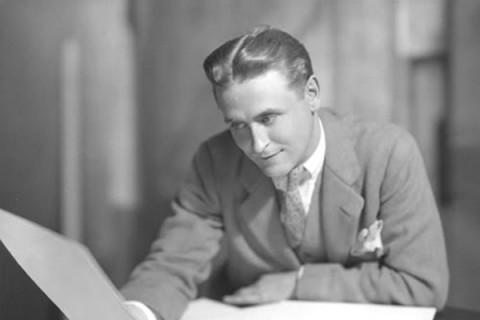
The writer F. Scott Fitzger­ald and his flam­boy­ant wife Zel­da are often remem­bered as the embod­i­ment of the boom and bust that con­vulsed Amer­i­ca in the peri­od between the two world wars.

Like char­ac­ters in The Great Gats­by, Scott and Zel­da lived lives of wild aban­don in the Roar­ing Twen­ties, rid­ing on top of taxi cabs and splash­ing in the Plaza Hotel foun­tain. Scott was inspired and prod­ded along in his dis­si­pa­tion by the noto­ri­ous­ly eccen­tric Zel­da. As Ring Lard­ner once put it, “Mr. Fitzger­ald is a nov­el­ist and Mrs. Fitzger­ald is a nov­el­ty.”

But by the time the stock mar­ket crashed in 1929, so too had the Fitzger­alds. Scot­t’s drink­ing caught up with him, and Zel­da’s eccen­tric­i­ty evolved into schiz­o­phre­nia. Their sad down­fall is cap­tured in Fitzger­ald’s 1930 sto­ry, “Baby­lon Revis­it­ed.” Zel­da would live the rest of her life in men­tal insti­tu­tions while Scott spent his final years in Hol­ly­wood, strug­gling to pay for her treat­ment and try­ing to recap­ture his lost glo­ry. Their daugh­ter, Scot­tie, was raised by oth­er peo­ple.

In this video we catch a few glimpses of the Fitzger­alds in their hey­day, before the par­ty came to an end. The film clips are fun to watch but the YouTube video on which they are col­lect­ed should per­haps be tak­en with a grain of salt. We’re not sure, for exam­ple, that the clip pur­port­ing to show Zel­da being “very live­ly in a street” is actu­al­ly of her. It appears to show some­one else. And one of the cap­tions claims that Fitzger­ald is pic­tured writ­ing The Great Gats­by, but accord­ing to the Uni­ver­si­ty of South Car­oli­na’s Fitzger­ald Web site, the sen­tence he is writ­ing on paper is: “Every­body has been pre­dict­ing a bad end for the flap­per, but I don’t think there is any­thing to wor­ry about.”

Relat­ed con­tent:

Win­ter Dreams: F. Scott Fitzger­ald’s Life Remem­bered in a Fine Film

F. Scott Fitzger­ald Recites From Shake­speare’s Oth­el­lo and John Mase­field­’s ‘On Grow­ing Old’

Find F. Scott Fitzger­ald’s works in our col­lec­tions of Free eBooks and Free Audio Books

« Go BackMore in this category... »
Quantcast