Write Only 500 Words Per Day and Publish 50+ Books: Graham Greene’s Writing Method

Image via Wiki­me­dia Com­mons

Nobody can write a book. That is, nobody can write a book at a stroke — unless aid­ed by aggres­sive­ly mind-invig­o­rat­ing sub­stances, and even then they sel­dom pull it off. As pro­fes­sion­al writ­ers know all too well, com­pos­ing just one pass­able chap­ter at a sit­ting demands a Stakhanovite for­ti­tude (or more com­mon­ly, a threat­en­ing­ly close dead­line). Books are writ­ten less one chap­ter at a time than one sec­tion at a time, less one sec­tion at a time than one para­graph at a time, less one para­graph at a time than one sen­tence at a time, and less one sen­tence at a time than one word at a time. Gra­ham Greene wrote his for­mi­da­ble body of work, more than 50 books, includ­ing nov­els, poet­ry and short fic­tion col­lec­tions, mem­oirs, and chil­dren’s sto­ries, 500 words at a time.

In one of his most beloved nov­els, 1951’s The End of the Affair, Greene has his writer pro­tag­o­nist Mau­rice Ben­drix describe a work­ing method much like his own:

Over twen­ty years I have prob­a­bly aver­aged five hun­dred words a day for five days a week. I can pro­duce a nov­el in a year, and that allows time for revi­sion and the cor­rec­tion of the type­script. I have always been very method­i­cal, and when my quo­ta of work is done I break off, even in the mid­dle of a scene. Every now and then dur­ing the morning’s work I count what I have done and mark off the hun­dreds on my man­u­script. No print­er need make a care­ful cast-off of my work, for there on the front page is marked the fig­ure — 83,764.

In his youth, Ben­drix notes, “not even a love affair would alter my sched­ule,” nor could one inter­rupt the night­ly phase of his process: “How­ev­er late I might be in get­ting to bed — as long as I slept in my own bed — I would read the morning’s work over and sleep on it.”

Much of a nov­el­ist’s writ­ing, he believes, “takes place in the uncon­scious; in those depths the last word is writ­ten before the first word appears on paper. We remem­ber the details of our sto­ry, we do not invent them.” Greene, too, set enough store by the uncon­scious to keep a dream jour­nal. A few year after The End of the Affair, writesThe New York­er’s Maria Kon­niko­va, “he faced a cre­ative ‘block­age,’ as he called it, that pre­vent­ed him from see­ing the devel­op­ment of a sto­ry or even, at times, its start. The dream jour­nal proved to be his sav­ior.”

All of us who write, what­ev­er we write, can learn from Greene’s meth­ods; Michael Kor­da got to wit­ness them first-hand. In the sum­mer of 1950 he was invit­ed by his uncle, the film pro­duc­er Alexan­der Kor­da, to come along on a French-Riv­iera cruise with a vari­ety of major indus­try fig­ures, Greene includ­ed. By that point Greene had already writ­ten a fair few screen­plays, includ­ing adap­ta­tions of his own nov­els Brighton Rock and The Third Man. But each morn­ing on the yacht he worked on a more per­son­al project, as the six­teen-year-old Kor­da watched:

An ear­ly ris­er, he appeared on deck at first light, found a seat in the shade of an awning, and took from his pock­et a small black leather note­book and a black foun­tain pen, the top of which he unscrewed care­ful­ly. Slow­ly, word by word, with­out cross­ing out any­thing, and in neat, square hand­writ­ing, the let­ters so tiny and cramped that it looked as if he were attempt­ing to write the Lord’s Prayer on the head of a pin, Gra­ham wrote, over the next hour or so, exact­ly five hun­dred words. He count­ed each word accord­ing to some arcane sys­tem of his own, and then screwed the cap back onto his pen, stood up and stretched, and, turn­ing to me, said, “That’s it, then. Shall we have break­fast?” I did not, of course, know that he was com­plet­ing The End of the Affair.

This work­ing rit­u­al, a Kor­da describes it, suits the sen­si­bil­i­ties of the writer, a con­vert to Catholi­cism who dealt with themes of reli­gious prac­tice in his work:

Greene’s self-dis­ci­pline was such that, no mat­ter what, he always stopped at five hun­dred words, even if it left him in the mid­dle of a sen­tence. It was as if he brought to writ­ing the pre­ci­sion of a watch­mak­er, or per­haps it was that in a life full of moral uncer­tain­ties and con­fu­sion he sim­ply need­ed one area in which the rules, even if self-imposed, were absolute. What­ev­er else was going on, his dai­ly writ­ing, like a reli­gious devo­tion, was sacred and com­plete. Once the dai­ly penance of five hun­dred words was achieved, he put the note­book away and did­n’t think about it again until the next morn­ing.

Just as Greene’s adher­ence to Catholi­cism lost some of its rig­or in his lat­er years (he claimed to have been con­vert­ed by argu­ments, then for­got­ten the argu­ments), his dai­ly word count decreased. “In the old days, at the begin­ning of a book, I’d set myself 500 words a day, but now I’d put the mark to about 300 words,” a 66-year-old Greene told the New York Times in 1971. But such are the wages of the nov­el­ist’s art, in which Greene felt a demand to “know — even if I’m not writ­ing it — where my char­ac­ter’s sit­ting, what his move­ments are. It’s this focus­ing, even though it’s not focus­ing on the page, that strains my eyes, as though I were watch­ing some­thing too close.”

Greene was­n’t alone in writ­ing a cer­tain num­ber of words each day. Accord­ing to a post at Word Counter, Ernest Hem­ing­way got start­ed on his own 500 dai­ly words at first light. Ian McE­wan says he aims “for about six hun­dred words a day and hope for at least a thou­sand when I’m on a roll.” For the more pro­lif­ic J.G. Bal­lard, a thou­sand was the min­i­mum, “even if I’ve got a hang­over. You’ve got to dis­ci­pline your­self if you’re pro­fes­sion­al. There’s no oth­er way.” The near-inhu­man­ly pro­lif­ic Stephen King dou­bles that: “I like to get ten pages a day, which amounts to 2,000 words,” he says in his mem­oir On Writ­ing. “On some days those ten pages come eas­i­ly; I’m up and out and doing errands by eleven-thir­ty in the morn­ing, perky as a rat in liv­er­wurst. More fre­quent­ly, as I grow old­er, I find myself eat­ing lunch at my desk and fin­ish­ing the day’s work around one-thir­ty in the after­noon.”

John Updike, no slouch when it came to pro­duc­tiv­i­ty, rec­om­mend­ed writ­ing for a length of time rather than to a num­ber of words. “Even though you have a busy life, try to reserve an hour, say — or more — a day to write,” he says in an inter­view clip pre­vi­ous­ly fea­tured here on Open Cul­ture. “Some very good things have been writ­ten on an hour a day.” At The Guardian, nov­el­ist Neil Grif­fiths dis­cuss­es his apos­ta­sy from the thou­sand-words-a-day method: “I’m writ­ing a nov­el — an artis­tic enter­prise, one hopes — but I was mea­sur­ing my work­ing day by a num­ber.” Switch­ing to the “fin­ish the bit you’re work­ing on” method, he writes, means he does­n’t have “half an eye on what is going to hap­pen in the next bit because with­out it I’ll nev­er make the day’s 1000. My sole con­cern is the words before me, how­ev­er many or few they are, and get­ting them right before mov­ing on.” And so, it seems, those of us try­ing to get our life’s work writ­ten have two options: do what Gra­ham Greene did, or do the oppo­site.

Relat­ed Con­tent:

John Updike’s Advice to Young Writ­ers: ‘Reserve an Hour a Day’

David Sedaris Breaks Down His Writ­ing Process: Keep a Diary, Car­ry a Note­book, Read Out Loud, Aban­don Hope

Ursu­la K. Le Guin’s Dai­ly Rou­tine: The Dis­ci­pline That Fueled Her Imag­i­na­tion

The Dai­ly Rou­tines of Famous Cre­ative Peo­ple, Pre­sent­ed in an Inter­ac­tive Info­graph­ic

Stephen King’s 20 Rules for Writ­ers

The Sev­en Road-Test­ed Habits of Effec­tive Artists

Based in Seoul, Col­in Mar­shall writes and broad­casts on cities, lan­guage, and cul­ture. His projects include the book The State­less City: a Walk through 21st-Cen­tu­ry Los Ange­les and the video series The City in Cin­e­ma. Fol­low him on Twit­ter at @colinmarshall, on Face­book, or on Insta­gram.

Breathtakingly-Detailed Tibetan Book Printed 40 Years Before the Gutenberg Bible

The Guten­berg Bible went to press in the year 1454. We now see it as the first piece of mass media, print­ed as it was with the then-cut­ting-edge tech­nol­o­gy of met­al mov­able type. But in the his­to­ry of aes­thet­ic achieve­ments in book-print­ing, the Guten­berg Bible was­n’t with­out its prece­dents. To find tru­ly impres­sive exam­ples requires look­ing in lands far from Europe: take, for instance, this “Sino-Tibetan con­certi­na-fold­ed book, print­ed in Bei­jing in 1410, con­tain­ing San­skrit dhāranīs and illus­tra­tions of pro­tec­tive mantra-dia­grams and deities, wood­block-print­ed in bright red ink on heavy white paper,” whose “breath­tak­ing­ly detailed print­ing” pre­dates Guten­berg by 40 years.

That descrip­tion comes from a Twit­ter user called Incunab­u­la (a term refer­ring to ear­ly books), a self-described bib­lio­phile and rare book col­lec­tor who posts about “the his­to­ry of writ­ing, and of the book, from cave paint­ing to cuneiform tablet to papyrus scroll to medieval codex to Kin­dle.”

Incunab­u­la’s six-tweet thread on this ear­ly 15th-cen­tu­ry Sino-Tibetan book includes both pic­tures and descrip­tions of this remark­able arti­fac­t’s inte­ri­or and exte­ri­or.

Its text, writ­ten in the Tibetan and Nepalese Rañ­janā script, “is print­ed twice, once on each side of the paper, so that the book may be read in the Indo-Tibetan man­ner by turn­ing the pages from right to left or in Chi­nese style by turn­ing from left to right.” The book’s con­tent is “a sequence of Tibetan Bud­dhist recita­tion texts,” or chants, all “pro­tect­ed at front and back by thick­er board-like wrap­pers,” each “cov­ered in fine pen-draw­ings in gold paint on black of 20 icons of the Tathā­gatas.”

Incunab­u­la has also post­ed exten­sive­ly about Bud­dhist texts from oth­er times and lands: a Thai fold­ing man­u­script from the mid-19th cen­tu­ry telling of a monk’s jour­neys to heav­en and hell; a Mon­go­lian man­u­script from the same peri­od that trans­lates the Čoy­i­jod Dagi­ni, “a pop­u­lar Bud­dhist text about virtue, sin and the after­life”; an exam­ple of “Japan­ese Bud­dhist print­ing 150 years before Guten­berg”; an “8th cen­tu­ry Khotanese amulet­ic scroll from the Silk Road.” The cre­ators of these texts would have meant the words they were pre­serv­ing to sur­vive them — but our mar­veling at them hun­dreds, even more than a thou­sand years lat­er, would sure­ly have come as a sur­prise.

Relat­ed Con­tent:

The Old­est Book Print­ed with Mov­able Type is Not The Guten­berg Bible: Jikji, a Col­lec­tion of Kore­an Bud­dhist Teach­ings, Pre­dat­ed It By 78 Years and It’s Now Dig­i­tized Online

The World’s Old­est Mul­ti­col­or Book, a 1633 Chi­nese Cal­lig­ra­phy & Paint­ing Man­u­al, Now Dig­i­tized and Put Online

The World’s Largest Col­lec­tion of Tibetan Bud­dhist Lit­er­a­ture Now Online

Free Online Course: Robert Thurman’s Intro­duc­tion to Tibetan Bud­dhism (Record­ed at Colum­bia U)

Tibetan Musi­cal Nota­tion Is Beau­ti­ful

Oxford Uni­ver­si­ty Presents the 550-Year-Old Guten­berg Bible in Spec­tac­u­lar, High-Res Detail

Based in Seoul, Col­in Mar­shall writes and broad­casts on cities, lan­guage, and cul­ture. His projects include the book The State­less City: a Walk through 21st-Cen­tu­ry Los Ange­les and the video series The City in Cin­e­ma. Fol­low him on Twit­ter at @colinmarshall, on Face­book, or on Insta­gram.

Salvador Dalí’s Tarot Cards, Cookbook & Wine Guide Re-Issued as Beautiful Art Books

Main­tain­ing an aggres­sive­ly upward-waxed mus­tache; mak­ing a sur­re­al­ist film with Luis Buñuel that Buñuel described as “noth­ing more than a des­per­ate impas­sioned call for mur­der”; bring­ing an anteater on The Dick Cavett Show: Sal­vador Dalí can be described as a mas­ter of atten­tion-grab­bing gam­bits, by his admir­ers and detrac­tors alike. No won­der, then, that he appears to have some seri­ous admir­ers at Taschen. Known as a pub­lish­er of books that draw a great deal of press for their bound­ary-push­ing size, con­tent, and pro­duc­tion val­ues, Taschen would seem to be a nat­ur­al home for Dalí’s lega­cy, or at least the parts of it that fit between two cov­ers.

Besides his well-known and much-reprint­ed paint­ings, Dalí left behind a body of work also includ­ing not just film but sculp­ture, pho­tog­ra­phy, archi­tec­ture, and books. His first pub­lished vol­ume, 1938’s The Trag­ic Myth of the Angelus of Mil­let, offers a “para­noiac-crit­i­cal” inter­pre­ta­tion of the tit­u­lar pas­toral paint­ing by Jean-François Mil­let. In the 1940s he wrote, among oth­er books, The Secret Life of Sal­vador Dalí, a kind of auto­bi­og­ra­phy, and Hid­den Faces, a nov­el set among aris­toc­ra­cy in France, Moroc­co, and Cal­i­for­nia.

It was in the 1970s that Dalí’s lit­er­ary efforts took a less pre­dictable turn: 1973 saw the pub­li­ca­tion of his Les Din­ers de Gala, a cook­book fea­tur­ing such recipes as Veal Cut­lets Stuffed with Snails,” “Thou­sand Year Old Eggs,” and “Tof­fee with Pine Cones.” In 1978 came The Wines of Gala, a per­son­al guide to “Wines of Friv­o­li­ty,” “Wines of Sen­su­al­i­ty,” “Wines of Aes­theti­cism,” and oth­ers besides. In recent years, Taschen has reprint­ed Dalí’s food and wine books with char­ac­ter­is­tic hand­some­ness. Those two now sit in the Taschen Dalí col­lec­tion along­side Dalí: The Paint­ings, the most com­plete such col­lec­tion ever pub­lished, and Dalí Tarot, a pack­age that includes not just the Dalí-designed tarot deck orig­i­nal­ly pub­lished in 1984 but a com­pan­ion book by tarot schol­ar Johannes Fiebig.

Dalí’s wife and savvy busi­ness man­ag­er Gala — she of all those din­ners and wines — would sure­ly approve of the skill and taste that Taschen has put into pack­ag­ing even the artist’s minor work as a viable 21st-cen­tu­ry prod­uct. Well-heeled Dalí enthu­si­asts will sure­ly con­tin­ue to pay Taschen prices for such pack­ages, and even the less well-heeled ones can’t help but won­der what future reprints are on the table: lav­ish new edi­tions of Hid­den FacesThe Secret Life, or even 1948’s 50 Secrets of Mag­ic Crafts­man­ship (with its endorse­ment of pow­er nap­ping)? Dare we hope for the defin­i­tive Sal­vador Dalí Bible?

Relat­ed Con­tent:

Sal­vador Dalí’s 1973 Cook­book Gets Reis­sued: Sur­re­al­ist Art Meets Haute Cui­sine

Sal­vador Dali’s 1978 Wine Guide, The Wines of Gala, Gets Reis­sued: Sen­su­al Viti­cul­ture Meets Sur­re­al Art

The Most Com­plete Col­lec­tion of Sal­vador Dalí’s Paint­ings Pub­lished in a Beau­ti­ful New Book by Taschen: Includes Nev­er-Seen-Before Works

Alice’s Adven­tures in Won­der­land, Illus­trat­ed by Sal­vador Dalí in 1969, Final­ly Gets Reis­sued

Sal­vador Dalí’s Illus­tra­tions for The Bible (1963)

Based in Seoul, Col­in Mar­shall writes and broad­casts on cities, lan­guage, and cul­ture. His projects include the book The State­less City: a Walk through 21st-Cen­tu­ry Los Ange­les and the video series The City in Cin­e­ma. Fol­low him on Twit­ter at @colinmarshall, on Face­book, or on Insta­gram.

500+ Beautiful Manuscripts from the Islamic World Now Digitized & Free to Download

Math­e­mat­ics, astron­o­my, his­to­ry, law, lit­er­a­ture, archi­tec­ture: in these fields and oth­ers, the Mus­lim world came up with major inno­va­tions before any oth­er civ­i­liza­tion did. This Islam­ic cul­tur­al and intel­lec­tu­al flow­er­ing last­ed from the 11th through the 19th cen­tu­ry, and many of the texts the peri­od left as its lega­cy have gone most­ly unre­searched. So say the cre­ators of Man­u­scripts of the Mus­lim World, a project of Colum­bia Uni­ver­si­ty, the Free Library of Philadel­phia, the Uni­ver­si­ty of Penn­syl­va­nia, Bryn Mawr Col­lege, and Haver­ford Col­lege aimed at cre­at­ing an online archive of “more than 500 man­u­scripts and 827 paint­ings from the Islam­i­cate world broad­ly con­strued.”

As UPenn Libraries Senior Cura­tor of Spe­cial Col­lec­tions Mitch Fraas tells Hyper­al­ler­gic’s Sarah Rose Sharp, “The aim of this project was to find and dig­i­tize all the Islam­i­cate man­u­scripts in Philadel­phia col­lec­tions and along the way we part­nered with Colum­bia on a grant to take a mul­ti-city approach.”

To the sources of its man­u­scripts it also takes a mul­ti-cul­ture approach, includ­ing “texts relat­ed to Chris­tian­i­ty (Cop­tic and Syr­i­ac mss. galore), Hin­duism (epics trans­lat­ed into Per­sian in Mughal India), sci­ence, tech­nol­o­gy, music, etc. but which were pro­duced in the his­toric Mus­lim world.” There are also texts, he adds, “in Per­sian, Ara­bic, and Turk­ish of course but also in Cop­tic, Tamazight, Aves­tan, etc.”

If you can read those lan­guages, Man­u­scripts of the Mus­lim World obvi­ous­ly amounts to a gold mine. (You may also find some­thing of inter­est in the dig­i­tal archives of 700 years of Per­sian man­u­scripts and 10,000 books in Ara­bic we’ve pre­vi­ous­ly fea­tured here on Open Cul­ture.) But even if you don’t, you’ll find in the col­lec­tion mar­vels of book design that will appeal to any­one with an appre­ci­a­tion of the lush aes­thet­ics, both abstract and fig­u­ra­tive, of these places and these times. Some of them aren’t even as old as they may seem: take the man­u­script at the top of the post, “over­paint­ed in the 20th cen­tu­ry to mim­ic Mughal style.” Or the one below that, whose colophon “says the copy was com­plet­ed in 1121 A.H. (1709 or 1710 CE),” which “does not make sense giv­en the author like­ly lived in the 19th cen­tu­ry.”

The oth­er pages here come from a set of “illus­tra­tions from Qur’ānic sto­ries” (this one depict­ing “Abra­ham sac­ri­fic­ing his son”) and a “Per­sian cal­lig­ra­phy and illus­tra­tion album.” You’ll find much more in Man­u­scripts of the Mus­lim World, host­ed on OPENN, the Uni­ver­si­ty of Penn­syl­va­ni­a’s online repos­i­to­ry of “high-res­o­lu­tion archival images of man­u­scripts” accom­pa­nied by “machine-read­able TEI P5 descrip­tions and tech­ni­cal meta­da­ta,” all released into the pub­lic domain or under Cre­ative Com­mons licens­es. Though each man­u­scrip­t’s entry comes with basic notes, the col­lec­tion is, in the main, not yet a thor­ough­ly stud­ied one. If you have an inter­est in the Islam­ic world at its peak of cul­tur­al and intel­lec­tu­al influ­ence so far, you may just find your next big research sub­ject here — or at the very least, mate­r­i­al for a few hours’ admi­ra­tion. Enter the col­lec­tion.

via Hyper­al­ler­gic

Relat­ed Con­tent:

The Com­plex Geom­e­try of Islam­ic Art & Design: A Short Intro­duc­tion

How Ara­bic Trans­la­tors Helped Pre­serve Greek Phi­los­o­phy … and the Clas­si­cal Tra­di­tion

Learn Islam­ic & Indi­an Phi­los­o­phy with 107 Episodes of the His­to­ry of Phi­los­o­phy With­out Any Gaps Pod­cast

700 Years of Per­sian Man­u­scripts Now Dig­i­tized and Avail­able Online

Down­load 10,000+ Books in Ara­bic, All Com­plete­ly Free, Dig­i­tized and Put Online

Based in Seoul, Col­in Mar­shall writes and broad­casts on cities, lan­guage, and cul­ture. His projects include the book The State­less City: a Walk through 21st-Cen­tu­ry Los Ange­les and the video series The City in Cin­e­ma. Fol­low him on Twit­ter at @colinmarshall, on Face­book, or on Insta­gram.

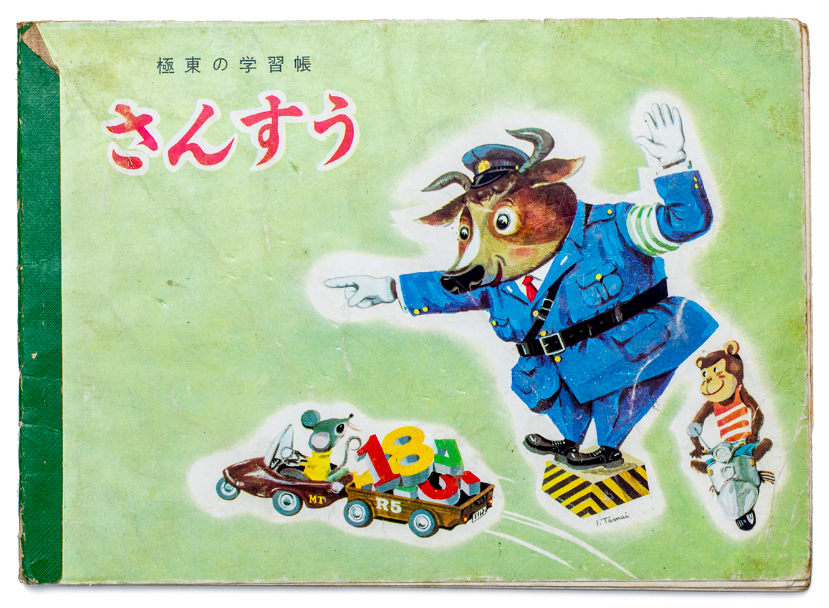
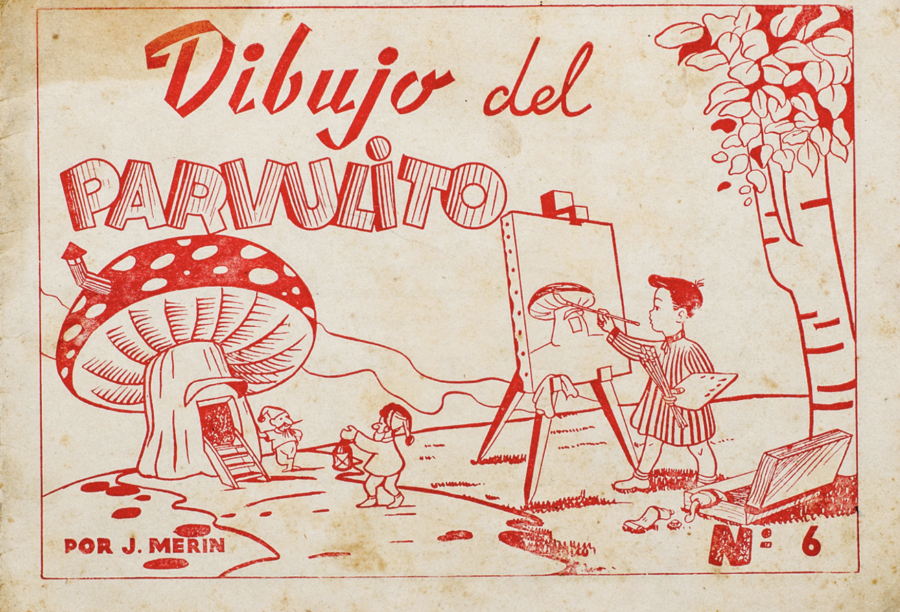
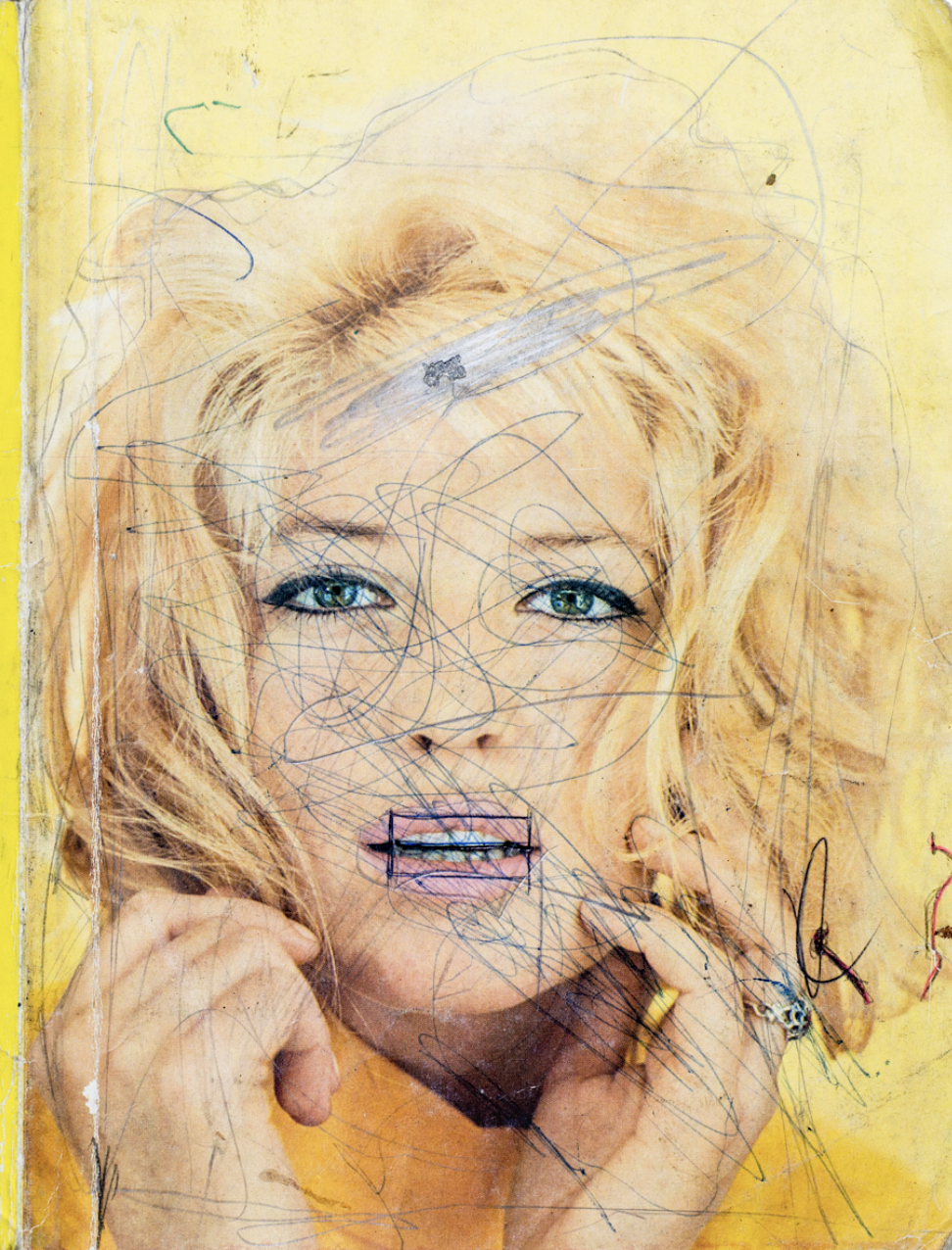
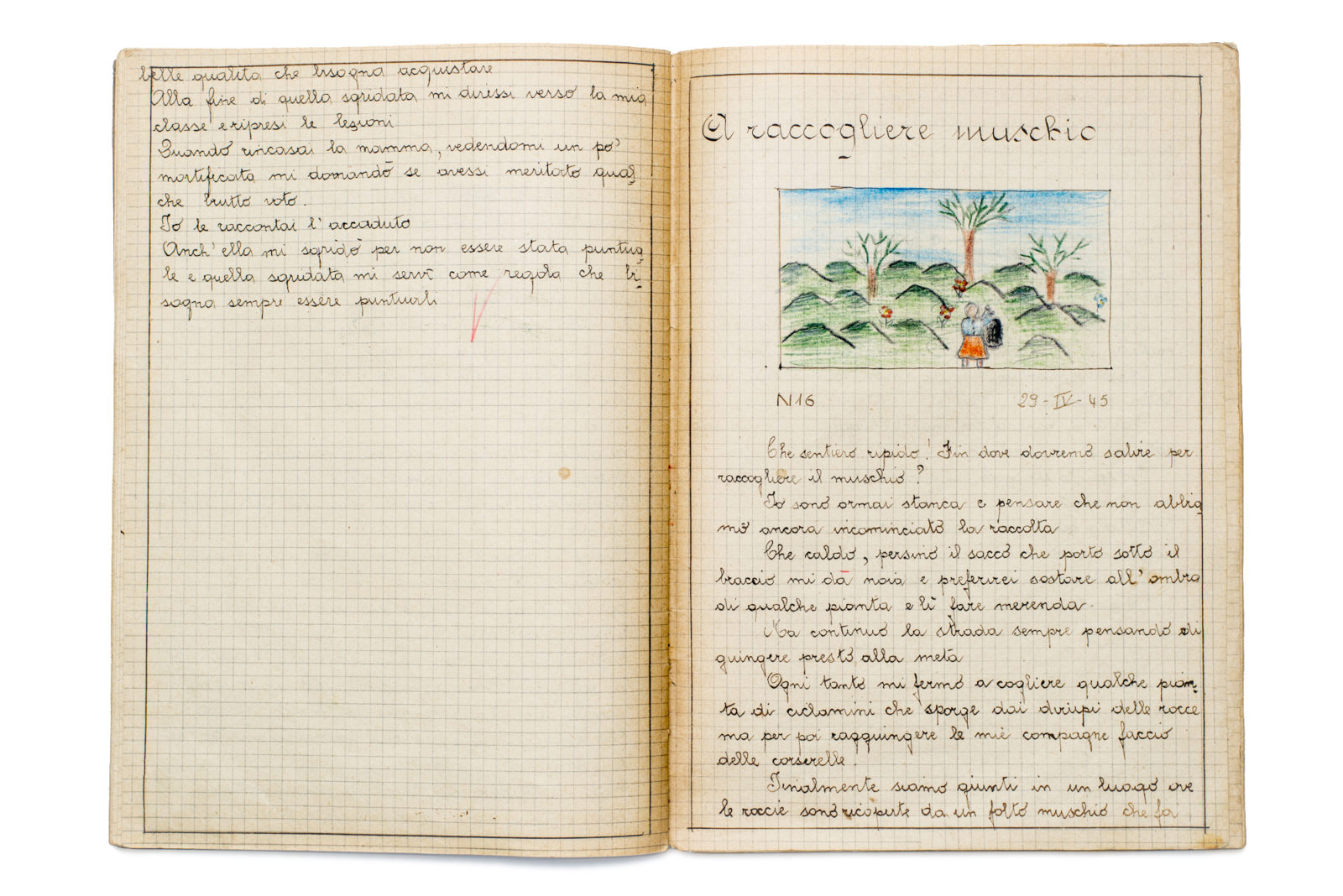
Vintage Book & Record Covers Brought to Life in a Mesmerizing Animated Video

The state of vir­tu­al and aug­ment­ed real­i­ty tech­nol­o­gy has reached the thresh­old of a time in which VR meet­ings will be the norm. Apart from oth­er appli­ca­tions, this may soon allow con­sumers to stroll through vir­tu­al aisles rather than click­ing box­es on a screen, pick­ing up prod­ucts and view­ing them from every angle. Still, design­ers rec­og­nize that an essence of the human expe­ri­ence is lost with­out the sense of touch. There may even be a future in which we wear clothes with hap­tic feed­back sys­tems embed­ded in them, to feel the pages of a vir­tu­al book beneath our fin­gers…

Yet our slow tran­si­tion from the phys­i­cal to the vir­tu­al world leaves out intan­gi­bles. Some­thing is lost from both. Big box stores still devote sig­nif­i­cant floor space to books and records, for exam­ple. But I sub­mit that a glossi­ness pre­vails in print design, per­haps a con­se­quence of com­pet­ing with screens. There’s a wabi-sabi qual­i­ty to brows­ing a used book­store or record shop in per­son, thumb­ing through an old col­lec­tion of vin­tage paper­backs and LPs, that can­not be sim­u­lat­ed or enhanced in any way. On the inter­net, how­ev­er, where video is king, it can be made the sub­ject of some hyp­not­ic video art.

As the sen­si­ble major­i­ty of us are hope­ful­ly stay­ing put for the long haul (if we can), we may find our­selves curi­ous­ly edi­fied by the video art of Hen­ning M. Led­er­er. We’ve pre­vi­ous­ly fea­tured Lederer’s ani­ma­tions of mid-cen­tu­ry min­i­mal­ist book cov­ers and vin­tage psy­chol­o­gy and phi­los­o­phy books. He turns the abstract geo­met­ric pat­terns beloved by book and record com­pa­ny design­ers of the lat­ter half of the 20th cen­tu­ry into mov­ing images that hint at how prop­er cov­er design can set the imag­i­na­tion whirring (even if it’s a cov­er design for Basic Account­ing).

If Lederer’s mes­mer­iz­ing videos sim­u­late any­thing, it’s the expe­ri­ence of wan­der­ing into a used book­store next to a lib­er­al arts college—full of pro­fes­sors’ fas­ci­nat­ing­ly out­dat­ed hand-me-downs—after hav­ing ingest­ed a small quan­ti­ty of LSD. Maybe you’ll have a slight­ly dif­fer­ent asso­ci­a­tion. But the point is that Lederer’s art sug­gests a sce­nario rather than attempt­ing to recre­ate one. His stud­ies of mod­ernist cov­er designs also recall Mar­cel Duchamp’s Rotore­liefs, con­cep­tu­al art pieces intend­ed for pop­u­lar use as opti­cal illu­sions.

Duchamp’s spin­ning disks became fea­tures of ear­ly Sur­re­al­ist cin­e­ma, icon­ic sym­bols of dreams on film. There is a mys­te­ri­ous opac­i­ty to his phys­i­cal objects onscreen, just as Lederer’s book and record cov­ers seem to have a weight of their own, a use of dig­i­tal tech­nol­o­gy to high­light the strange unique­ness of phys­i­cal objects, rather than their end­less repro­ducibil­i­ty.

Relat­ed Con­tent:

36 Abstract Cov­ers of Vin­tage Psy­chol­o­gy, Phi­los­o­phy & Sci­ence Books Come to Life in a Mes­mer­iz­ing Ani­ma­tion

157 Ani­mat­ed Min­i­mal­ist Mid-Cen­tu­ry Book Cov­ers

Watch Mar­cel Duchamp’s Hyp­not­ic Rotore­liefs: Spin­ning Discs Cre­at­ing Opti­cal Illu­sions on a Turntable (1935)

Josh Jones is a writer and musi­cian based in Durham, NC. Fol­low him at @jdmagness

Free Books About Pandemic & Contagion from Duke University Press

From Duke Uni­ver­si­ty Press comes free books on pan­demics and con­ta­gion. They write: “Amid the world­wide spread of COVID-19, it’s a chal­leng­ing time, and our thoughts are with those affect­ed by this dis­ease. In sup­port and sol­i­dar­i­ty, we are pro­vid­ing free access to the fol­low­ing books and jour­nal arti­cles to help build knowl­edge and under­stand­ing of how we nav­i­gate the spread of com­mu­ni­ca­ble dis­eases. List­ed books are free to read online until June 1, 2020, and jour­nal arti­cles are free until Octo­ber 1.” Titles include: Con­ta­gious: Cul­tures, Car­ri­ers, and the Out­break Nar­ra­tive; Vir­u­lent Zones: Ani­mal Dis­ease and Glob­al Health at China’s Pan­dem­ic Epi­cen­ter; Red State, Blue State, Flu State: Media Self-Selec­tion and Par­ti­san Gaps in Swine Flu Vac­ci­na­tions; and more. Enter the col­lec­tion here.

via Hyper­al­ler­gic

If you would like to sign up for Open Culture’s free email newslet­ter, please find it here. It’s a great way to see our new posts, all bun­dled in one email, each day.

If you would like to sup­port the mis­sion of Open Cul­ture, con­sid­er mak­ing a dona­tion to our site. It’s hard to rely 100% on ads, and your con­tri­bu­tions will help us con­tin­ue pro­vid­ing the best free cul­tur­al and edu­ca­tion­al mate­ri­als to learn­ers every­where. You can con­tribute through Pay­Pal, Patre­on, and Ven­mo (@openculture). Thanks!

by | Permalink | Make a Comment ( 3 ) |

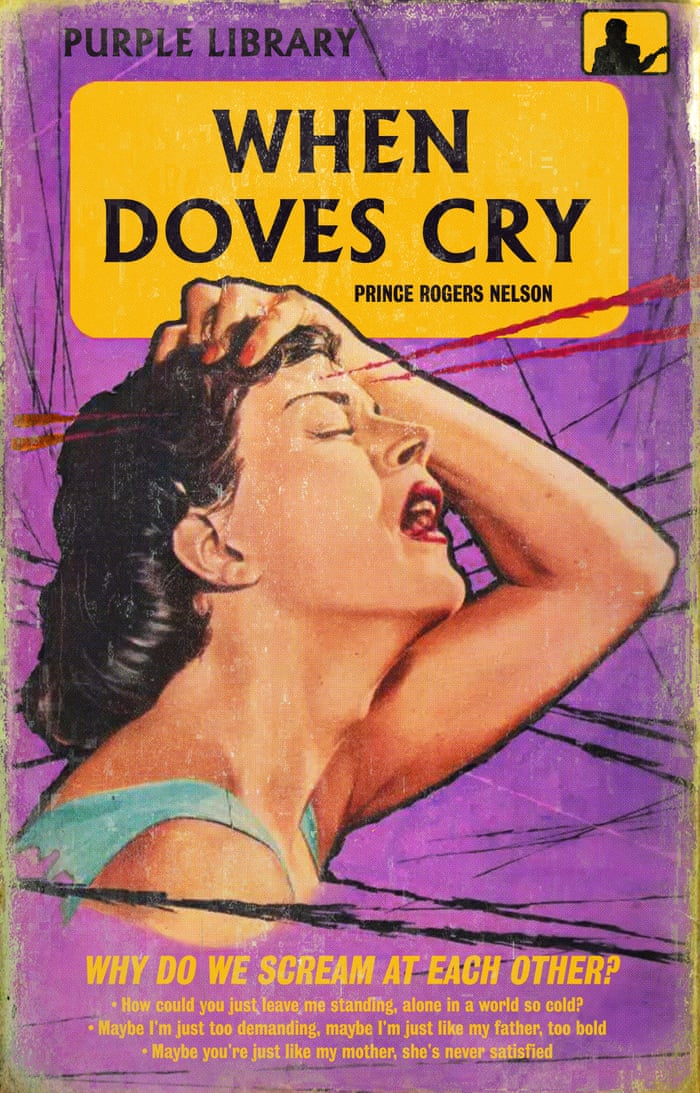
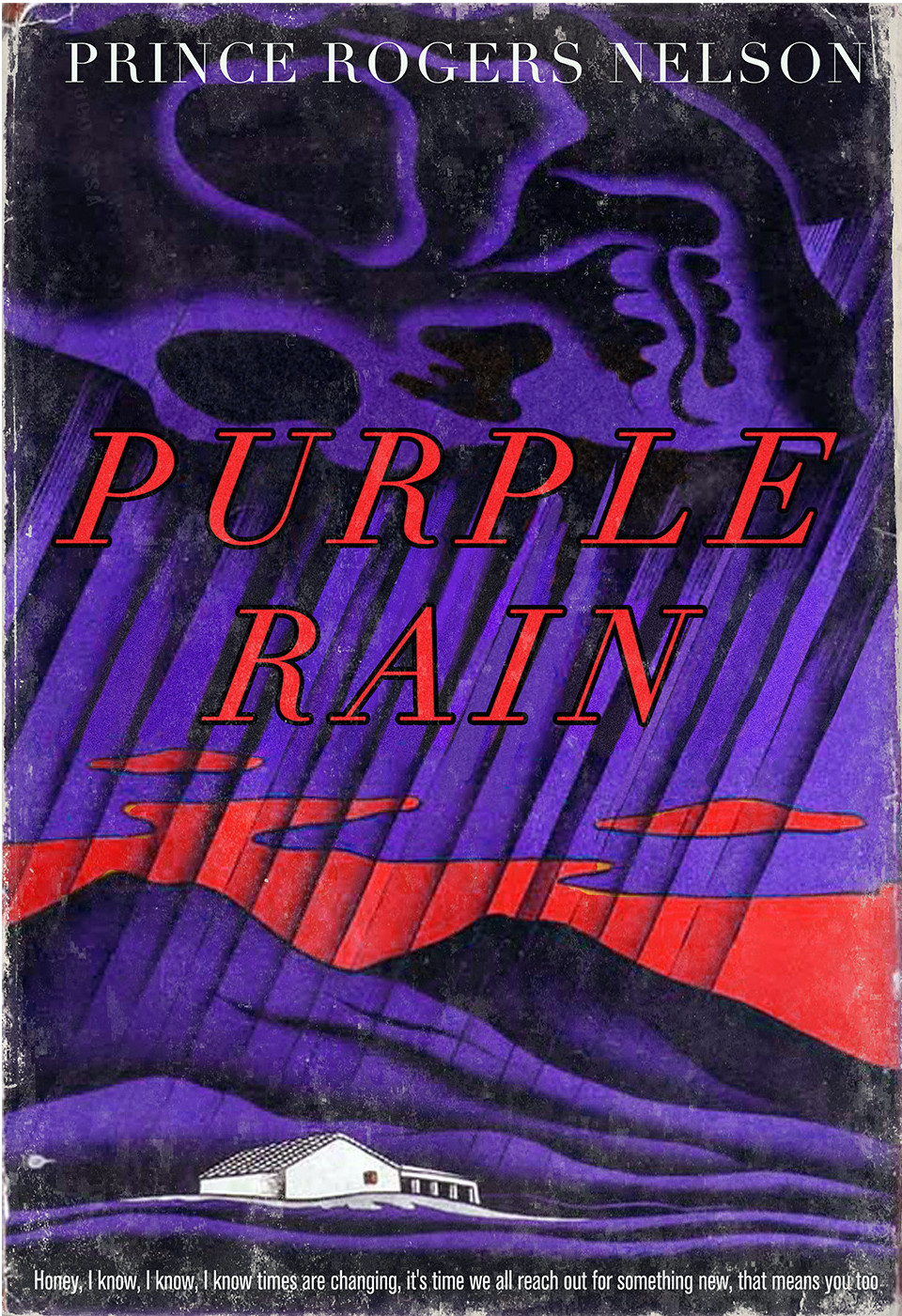
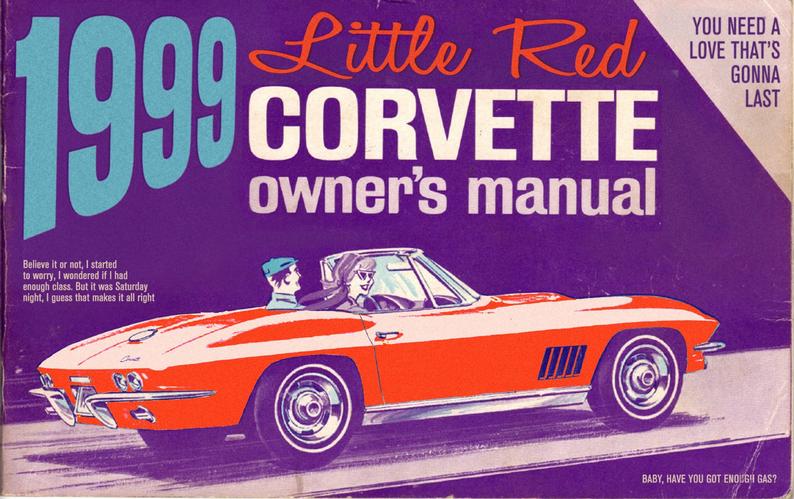
Classic Songs Re-Imagined as Vintage Book Covers During Our Troubled Times: “Under Pressure,” “It’s the End of the World as We Know It,” “Shelter from the Storm” & More

Even before the COVID-19 pan­dem­ic, how many of us sought solace from the tur­bu­lent 21st cen­tu­ry in cul­tur­al arti­facts of bygone eras? Our favorite records by the likes of the Bea­t­les, Queen, David Bowie; our favorite nov­els by the likes of Ray­mond Chan­dler, Ian Flem­ing, Philip K. Dick: all of them now pos­sess a solid­i­ty that seems lack­ing in much cur­rent pop­u­lar cul­ture. The work of all these cre­ators has its own kind of artis­tic dar­ing, and all of it, too, also came out of times trou­bled in their own way.

Hence the cul­tur­al res­o­nance that has long out­last­ed their first burst of pop­u­lar­i­ty — and that fuels the visu­al mash-ups of Todd Alcott. A pro­fes­sion­al screen­writer and graph­ic design­er, Alcott takes mid-20th-cen­tu­ry works of graph­ic design, most often paper­back book cov­ers, and reimag­ines them with the lyrics, themes, and even imagery of pop­u­lar songs from a slight­ly lat­er peri­od. This project is eas­i­er shown than explained, but take a glance at his Etsy shop and you’ll under­stand it at once.

You’ll also take notice of a few mash-ups espe­cial­ly rel­e­vant to the present moment, one in which we all feel a bit “Under Pres­sure.” The whole of “Plan­et Earth,” after all, has found itself sub­ject to the kind of dead­ly pan­dem­ic that only hap­pens “Once in a Life­time,” if that often.

Increas­ing­ly many of us feel the need to “Call the Doc­tor,” but increas­ing­ly often, the doc­tor has proven unavail­able. Most of us can do no bet­ter than seek­ing “Shel­ter from the Storm” — and some of us have been forced by law to do so.

In some coun­tries, all this has begun to feel like “Life Dur­ing Wartime.” Extend­ed peri­ods con­fined to our homes have ren­dered some of us “Com­fort­ably Numb,” and no few Amer­i­cans have begun to say, “I’m So Bored with the U.S.A.” Per­haps you’ve even heard from friends who describes them­selves as in the process of “Los­ing My Reli­gion.” Some see human­i­ty as plung­ing into “The Down­ward Spi­ral” that ulti­mate­ly means “It’s the End of the World as We Know It.”

Oth­ers say “Don’t Wor­ry About the Gov­ern­ment,” expect­ing as they do a “Rev­o­lu­tion” for which they’ve already begun to arm them­selves with “Lawyers, Guns and Mon­ey.” But how many of us can real­ly say with con­fi­dence what a post-coro­n­avirus world will look like, and how or whether it will be dif­fer­ent from the one we’ve grown used to? Best to draw all we can from the wis­dom of the past — what­ev­er form it comes in — and bear in mind that, as a 20th-cen­tu­ry sage once put it, “Tomor­row Nev­er Knows.” You can pur­chase copies of Todd Alcot­t’s cov­ers (which extends well beyond what appears here) at his Etsy shop.

Relat­ed Con­tent:

Bea­t­les Songs Re-Imag­ined as Vin­tage Book Cov­ers and Mag­a­zine Pages: “Dri­ve My Car,” “Lucy in the Sky with Dia­monds” & More

Clas­sic Songs by Bob Dylan Re-Imag­ined as Pulp Fic­tion Book Cov­ers: “Like a Rolling Stone,” “A Hard Rain’s A‑Gonna Fall” & More

David Bowie Songs Reimag­ined as Pulp Fic­tion Book Cov­ers: Space Odd­i­ty, Heroes, Life on Mars & More

Talk­ing Heads Songs Become Mid­cen­tu­ry Pulp Nov­els, Mag­a­zines & Adver­tise­ments: “Burn­ing Down the House,” “Once in a Life­time,” and More

Clas­sic Radio­head Songs Re-Imag­ined as a Sci-Fi Book, Pulp Fic­tion Mag­a­zine & Oth­er Nos­tal­gic Arti­facts

Songs by Joni Mitchell Re-Imag­ined as Pulp Fic­tion Book Cov­ers & Vin­tage Movie Posters

Based in Seoul, Col­in Mar­shall writes and broad­casts on cities, lan­guage, and cul­ture. His projects include the book The State­less City: a Walk through 21st-Cen­tu­ry Los Ange­les and the video series The City in Cin­e­ma. Fol­low him on Twit­ter at @colinmarshall, on Face­book, or on Insta­gram.

What is Albert Camus’ The Plague About? An Introduction

Top­ping lists of plague nov­els cir­cu­lat­ing these days, Albert Camus’ 1947 The Plague (La Peste), as many have been quick to point out, is about more than its blunt title would sug­gest. The book incor­po­rates Camus’ expe­ri­ence as edi­tor-in-chief of Com­bat, a French Resis­tance news­pa­per, and serves as an alle­go­ry for the spread of fas­cism and the Nazi occu­pa­tion of France. It also illus­trates the evo­lu­tion of his philo­soph­i­cal thought: a grad­ual turn toward the pri­ma­cy of the absurd, and away from asso­ci­a­tions with Sartre’s Exis­ten­tial­ism.

But The Plague’s pri­ma­ry sub­ject is, of course, a plague—a fic­tion­al out­break in the Alger­ian “French pre­fec­ture” of Oran. Here, Camus relo­cates a 19th cen­tu­ry cholera out­break to some­time in the 1940s and turns it into the rat-borne epi­dem­ic that killed tens of mil­lions in cen­turies past. As Daniel Defoe had done 175 years before in A Jour­nal of the Plague Yeardraw­ing on his own expe­ri­ences as a journalist—Camus “immersed him­self in the his­to­ry of plagues,” notes the School of Life. Camus even quotes Defoe in the nov­el­’s epi­graph: “It is as rea­son­able to rep­re­sent one kind of impris­on­ment by anoth­er, as it is to rep­re­sent any­thing that real­ly exists by that which exists not.”

Camus “read books on the Black Death that killed 50 mil­lion peo­ple in Europe in the 14th cen­tu­ry; the Ital­ian plague of 1629 that killed 280,000 peo­ple across the plains of Lom­bardy and the Vene­to, the great plague of Lon­don of 1665 as well as plagues that rav­aged cities on China’s east­ern seaboard dur­ing the 18th and 19th cen­turies.” Per­haps more time­ly now than in its time, The Plague puts Camus’ his­tor­i­cal knowl­edge in the mind of its pro­tag­o­nist, Dr. Bernard Rieux, who remem­bers in his grow­ing alarm “the plague at Con­stan­tino­ple that, accord­ing to Pro­copius, caused ten thou­sand deaths in a sin­gle day.”

Rieux embod­ies anoth­er theme in the novel—the seem­ing­ly end­less human capac­i­ty for denial, even among well-mean­ing, knowl­edge­able experts. Despite his read­ing of his­to­ry and up-close obser­va­tion of the out­break, Rieux fails—or refuses—to acknowl­edge the dis­ease for what it is. That is, until an old­er col­league says to him, “Nat­u­ral­ly, you know what this is.” Forced to say the word “plague” aloud, Rieux allows the spread­ing epi­dem­ic to become real for the first time.

[L]ike our fel­low cit­i­zens, Rieux was caught off his guard, and we should under­stand his hes­i­ta­tions in the light of this fact; and sim­i­lar­ly under­stand how he was torn between con­flict­ing fears and con­fi­dence. When a war breaks out, peo­ple say: “It’s too stu­pid; it can’t last long.” But though a war may well be “too stu­pid,” that does­n’t pre­vent its last­ing. Stu­pid­i­ty has a knack of get­ting its way; as we should see if we were not always so much wrapped up in our­selves.

In this respect our towns­folk were like every­body else, wrapped up in them­selves; in oth­er words they were human­ists: they dis­be­lieved in pesti­lences.

Per­pet­u­al­ly busy with mer­can­tile projects and ideas about progress, the town, like “human­ists,” ignores the reap­pear­ance of his­to­ry and believe plagues to belong to the dis­tant past. Camus writes that such peo­ple “pass away… first of all, because they haven’t tak­en their pre­cau­tions.”

Every­body knows that pesti­lences have a way of recur­ring in the world; yet some­how we find it hard to believe in ones that crash down on our heads from a blue sky. There have been as many plagues as wars in his­to­ry; yet always plagues and wars take peo­ple equal­ly by sur­prise.

Whether we are pre­pared for them or not, plagues and wars will come upon us, aid­ed by the brute force of human idio­cy and irra­tional­i­ty. This ter­ri­ble truth flies in the face of the unteth­ered free­dom of Sartre­an exis­ten­tial­ism. “They fan­cied them­selves free,” Camus’ nar­ra­tor says of Oran’s towns­peo­ple, “and no one will ever be free so long as there are pesti­lences.” The nov­el pro­ceeds to illus­trate just how dev­as­tat­ing a dead­ly epi­dem­ic can be to our most cher­ished notions.

In Camus’ phi­los­o­phy, “our lives,” the School of Life points out, “are fun­da­men­tal­ly on the edge of what he termed ‘the absurd.’” But this “should not lead us to despair pure and sim­ple,” though the feel­ing may be a stage along the way to “a redemp­tive tra­gi-com­ic per­spec­tive.” The recog­ni­tion of fini­tude, of fail­ure, igno­rance, and repetition—what philoso­pher Miguel de Una­muno called “the trag­ic sense of life”—can instead cure us of the “behav­iors Camus abhorred: a hard­ness of heart, an obses­sion with sta­tus, a refusal of joy and grat­i­tude, a ten­den­cy to mor­al­ize and judge.” What­ev­er else The Plague is about, Camus shows that in a strug­gle for sur­vival, these atti­tudes can prove worse than use­less and can be the first to go.

Relat­ed Con­tent:

Why You Should Read The Plague, the Albert Camus Nov­el the Coro­n­avirus Has Made a Best­seller Again

Pan­dem­ic Lit­er­a­ture: A Meta-List of the Books You Should Read in Coro­n­avirus Quar­an­tine

Sartre Writes a Trib­ute to Camus After His Friend-Turned-Rival Dies in a Trag­ic Car Crash: “There Is an Unbear­able Absur­di­ty in His Death”

Josh Jones is a writer and musi­cian based in Durham, NC. Fol­low him at @jdmagness

« Go BackMore in this category... »
Quantcast