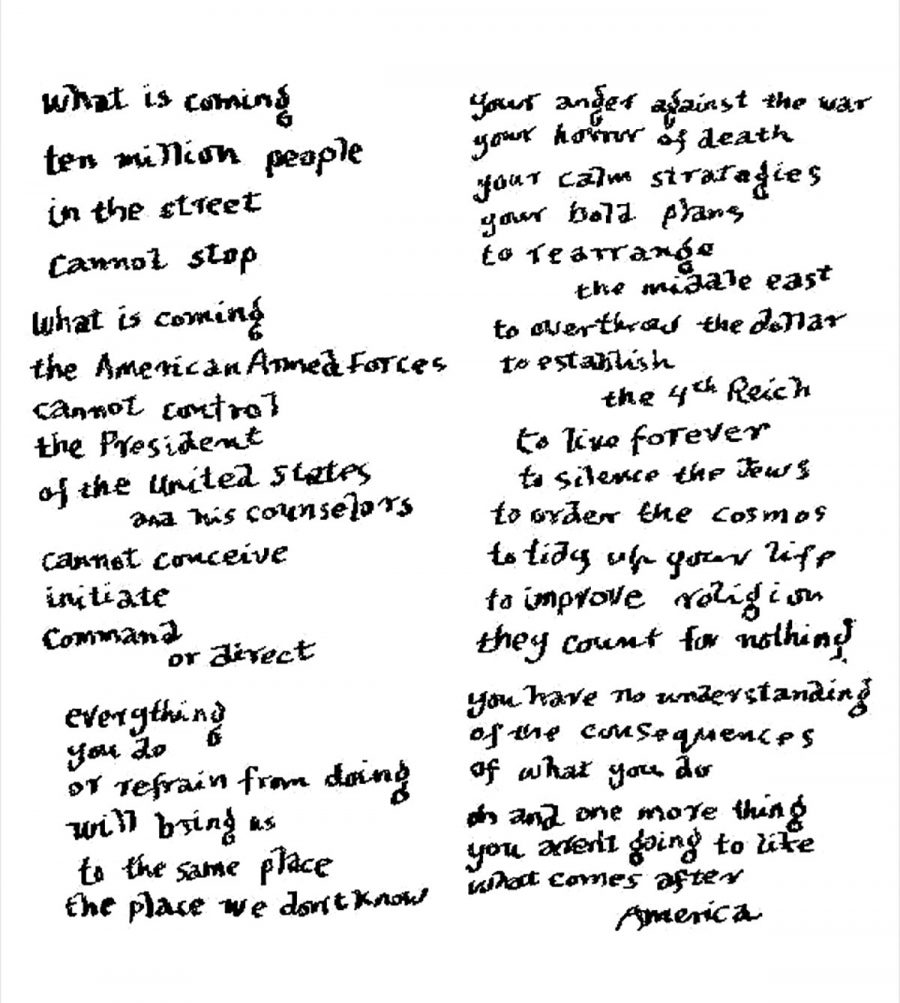
Penguin Classic’s Back Cover Blurb for Sinclair Lewis’ 1935 Novel It Can’t Happen Here

Cam­er­ap­er­son Steve Yedlin sur­faced this on Twit­ter: “Pen­guin Classic’s back-cov­er blurb for Sin­clair Lewis’s 1935 nov­el It Can’t Hap­pen Here.” I’ll let this pic­ture, speak for itself…

If you would like to sign up for Open Culture’s free email newslet­ter, please find it here. It’s a great way to see our new posts, all bun­dled in one email, each day.

If you would like to sup­port the mis­sion of Open Cul­ture, con­sid­er mak­ing a dona­tion to our site. It’s hard to rely 100% on ads, and your con­tri­bu­tions will help us con­tin­ue pro­vid­ing the best free cul­tur­al and edu­ca­tion­al mate­ri­als to learn­ers every­where. You can con­tribute through Pay­Pal, Patre­on, and Ven­mo (@openculture). Thanks!

Relat­ed Con­tent:

Sin­clair Lewis’ Chill­ing Play, It Can’t Hap­pen Here: A Read-Through by the Berke­ley Reper­to­ry The­atre

How to Rec­og­nize a Dystopia: Watch an Ani­mat­ed Intro­duc­tion to Dystopi­an Fic­tion

George Orwell’s Final Warn­ing: Don’t Let This Night­mare Sit­u­a­tion Hap­pen. It Depends on You!

Philoso­pher Richard Rorty Chill­ing­ly Pre­dicts the Results of the 2016 Elec­tion … Back in 1998

by | Permalink | Make a Comment ( 5 ) |

French Bookstore Blends Real People’s Faces with Book Cover Art

You can lead the I‑generation to a book­store, but can you make them read?

Per­haps, espe­cial­ly if the vol­ume has an eye-catch­ing cov­er image that bleeds off the edge.

If noth­ing else, they can be enlist­ed to pro­vide some stun­ning free pub­lic­i­ty for the titles that appeal to their high­ly visu­al sense of cre­ative play. (An author’s dream!)

France’s first indie book­store, Bordeaux’s Librairie Mol­lat, is reel­ing ‘em in with Book Face, an irre­sistible self­ie chal­lenge that harkens back to DJ Carl Mor­risSleeve­face project, in which one or more peo­ple are pho­tographed “obscur­ing or aug­ment­ing any part of their body or bod­ies with record sleeve(s), caus­ing an illu­sion.”

The results are pro­lif­er­at­ing on the store’s Insta­gram, as fetch­ing young things (and oth­ers) apply them­selves to find­ing the best angles and cos­tumes for their lit-based Trompe‑l’œil mas­ter­strokes.

…even the ones that don’t quite pass the forced per­spec­tive test have the capac­i­ty to charm.

…and not every shot requires intense pre-pro­duc­tion and pre­ci­sion place­ment.

Hope­ful­ly, we’ll see more kids get­ting into the act soon. In fact, if some young­sters of your acquain­tance are express­ing a bit of bore­dom with their vacances d’été, try turn­ing them loose in your local book­store to iden­ti­fy a like­ly can­di­date for a Book Face of their own.

(Remem­ber to sup­port the book­seller with a pur­chase!)

Back state­side, some librar­i­ans shared their pro tips for achiev­ing Book Face suc­cess in this 2015 New York Times arti­cle. The New York Pub­lic Library’s Mor­gan Holz­er also cites Sleeve­face as the inspi­ra­tion behind #Book­face­Fri­day, the hash­tag she coined in hopes that oth­er libraries would fol­low suit.

With over 50,000 tagged posts on Insta­gram, looks like it’s caught on!

See Librairie Mol­lats patrons’ gallery of Book Faces here.

Read­ers, if you’ve Book Faced any­where in the world, please share the link to your efforts in the com­ments sec­tion.

via This is Colos­sal/Hyper­al­ler­gic

Relat­ed Con­tent:

36 Abstract Cov­ers of Vin­tage Psy­chol­o­gy, Phi­los­o­phy & Sci­ence Books Come to Life in a Mes­mer­iz­ing Ani­ma­tion

The Art of Sci-Fi Book Cov­ers: From the Fan­tas­ti­cal 1920s to the Psy­che­del­ic 1960s & Beyond

Enter the Cov­er Art Archive: A Mas­sive Col­lec­tion of 800,000 Album Cov­ers from the 1950s through 2018

Ayun Hal­l­i­day is an author, illus­tra­tor, the­ater mak­er and Chief Pri­ma­tol­o­gist of the East Vil­lage Inky zine. In hon­or of her son’s 18th birth­day, she invites you to Book Face your baby using The Big Rum­pus, her first book, for which he served as cov­er mod­el. Fol­low her @AyunHalliday.

Do Our Dreams Predict the Future? Vladimir Nabokov Spent Three Months Testing That Theory in 1964

Pho­to by NC Mal­lo­ry via Flickr Com­mons 

Why keep a dream jour­nal? There’s prob­a­bly amus­ing befud­dle­ment and even a kind of round­about enlight­en­ment to be had in look­ing back over one’s sub­con­scious visions, so vivid dur­ing the night, that van­ish so soon after wak­ing. But now we have anoth­er, more com­pelling rea­son to write down our dreams: Vladimir Nabokov did it. This we know from the recent­ly pub­lished Insom­ni­ac Dreams, a col­lec­tion of the entries from the Loli­ta and Pale Fire author’s dream jour­nal — writ­ten, true to his com­po­si­tion­al method, on index cards— edit­ed and con­tex­tu­al­ized by Nabokov schol­ar Gen­nady Barab­tar­lo.

“On Octo­ber 14, 1964, in a grand Swiss hotel in Mon­treux where he had been liv­ing for three years, Vladimir Nabokov start­ed a pri­vate exper­i­ment that last­ed till Jan­u­ary 3 of the fol­low­ing year, just before his wife’s birth­day (he had engaged her to join him in the exper­i­ment and they com­pared notes),” writes Barab­tar­lo in the book’s first chap­ter, which you can read online. “Every morn­ing, imme­di­ate­ly upon awak­en­ing, he would write down what he could res­cue of his dreams. Dur­ing the fol­low­ing day or two he was on the look­out for any­thing that seemed to do with the record­ed dream.”

He want­ed to “test a the­o­ry accord­ing to which dreams can be pre­cog­ni­tive as well as relat­ed to the past. That the­o­ry is based on the premise that images and sit­u­a­tions in our dreams are not mere­ly kalei­do­scop­ing shards, jum­bled, and mis­la­beled frag­ments of past impres­sions, but may also be a pro­lep­tic view of an event to come.”  That notion, writes Dan Piepen­bring at the New York­er, “came from J. W. Dunne, a British engi­neer and arm­chair philoso­pher who, in 1927, pub­lished An Exper­i­ment with Time, argu­ing, in part, that our dreams afford­ed us rare access to a high­er order of time.” The book’s fan base includ­ed such oth­er lit­er­ary nota­bles as James Joyce, T.S. Eliot, and Aldous Hux­ley.

Nabokov had his own take on Dun­ne’s the­o­ry: “The wak­ing event resem­bling or coin­cid­ing with the dream event does so not because the lat­ter is a prophe­cy,” he writes on the first note­card in the stack pro­duced by his own three-month exper­i­ment with time, “but because this would be the kind of dream that one might expect to have after the event.” But Nabokov’s dream data seem to have pro­vid­ed lit­tle in the way in absolute proof of what he called “reverse mem­o­ry.” In the strongest exam­ple, a dream about eat­ing soil sam­ples at a muse­um pre­cedes his real-life view­ing of a tele­vi­sion doc­u­men­tary about the soil of Sene­gal. And as Barab­tar­lo points out, the dream “dis­tinct­ly and close­ly fol­lowed two scenes” of a short sto­ry Nabokov had writ­ten 25 years before.

And so we come to the real appeal of Insom­ni­ac Dreams: Nabokov’s skill at ren­der­ing evoca­tive and mem­o­rable images in lan­guage — or rather, in his poly­glot case, lan­guages – as well as deal­ing with themes of time and mem­o­ry. You can read a few sam­ples at Lithub involv­ing not just soil but sex­u­al jeal­ousy, a lec­ture hasti­ly scrawled min­utes before class time, the Red Army, and “a death-sign con­sist­ing of two roundish gold­en-yel­low blobs with blurred edges.” They may bring to mind the words of the nar­ra­tor of Ada, the nov­el Nabokov pub­lished the fol­low­ing year, who in his own con­sid­er­a­tion of Dunne guess­es that in dreams, “some law of log­ic should fix the num­ber of coin­ci­dences, in a giv­en domain, after which they cease to be coin­ci­dences, and form, instead, the liv­ing organ­ism of a new truth.”

Relat­ed Con­tent:

The Note­cards on Which Vladimir Nabokov Wrote Loli­ta: A Look Inside the Author’s Cre­ative Process

Take Vladimir Nabokov’s Quiz to See If You’re a Good Reader–The Same One He Gave to His Stu­dents

Vladimir Nabokov (Chan­nelled by Christo­pher Plum­mer) Teach­es Kaf­ka at Cor­nell

Alfred Hitch­cock and Vladimir Nabokov Trade Let­ters and Ideas for a Film Col­lab­o­ra­tion (1964)

How a Good Night’s Sleep — and a Bad Night’s Sleep — Can Enhance Your Cre­ativ­i­ty

Based in Seoul, Col­in Mar­shall writes and broad­casts on cities and cul­ture. His projects include the book The State­less City: a Walk through 21st-Cen­tu­ry Los Ange­les and the video series The City in Cin­e­ma. Fol­low him on Twit­ter at @colinmarshall or on Face­book.

Joseph Heller’s Handwritten Outline for Catch-22, One of the Great Novels of the 20th Century

We remem­ber Catch-22, more than half a cen­tu­ry after its pub­li­ca­tion, as a rol­lick­ing satire of Amer­i­can mil­i­tary cul­ture in wartime. But those of us who return to Joseph Heller’s debut nov­el, a cult favorite turned best­seller turned pil­lar of the mod­ern canon, find a much more com­plex piece of work. Heller began writ­ing the man­u­script in 1953, while still employed as a copy­writer at a small adver­tis­ing agency. The project grew in ambi­tion over the next eight years he spent work­ing on it, even­tu­al­ly in col­lab­o­ra­tion with edi­tor Robert Got­tlieb and its oth­er advo­cates at Simon & Schus­ter, the pub­lish­er that had bought it.

When Catch-22 final­ly went into print, one of those advo­cates, an adver­tis­ing man­ag­er named Nina Bourne, launched an aggres­sive one-woman cam­paign to get copies into the hands of all the influ­en­tial read­ers of the day. “You are mis­tak­en in call­ing it a nov­el,” replied Eve­lyn Waugh. “It is a col­lec­tion of sketch­es — often rep­e­ti­tious — total­ly with­out struc­ture.” But the book’s appar­ent­ly free-form nar­ra­tive, full of and often turn­ing on puns and seem­ing­ly far-fetched asso­ci­a­tions, had actu­al­ly come as the prod­uct of a decep­tive com­po­si­tion­al rig­or. As one piece of evi­dence we have Heller’s hand­writ­ten out­line above. (You can also find a more eas­i­ly leg­i­ble ver­sion here.)

The out­line’s grid presents the events of the sto­ry in chrono­log­i­cal order, as the nov­el itself cer­tain­ly does­n’t. The rows of its ver­ti­cal axis run from ear­ly 1944 at the top to Decem­ber 1944 at the bot­tom, and the columns of its hor­i­zon­tal axis lists the book’s major char­ac­ters. They include the pro­tag­o­nist John Yos­sar­i­an, Air Force bom­bardier; the “poor and rus­tic” Orr; Colonel Cath­cart, a “Har­vard grad­u­ate with a cig­a­rette hold­er,” and Major Major, who “looks like Hen­ry Fon­da.” With­in this matrix Heller kept track of what should hap­pen to which char­ac­ters when, at the time of which events of the real war.

The descrip­tions of events sketched on the out­line range from the broad­ly com­ic (“Chap­lain spies Yos­sar­i­an naked in a tree and thinks it is a mys­ti­cal vision”) to the cyn­i­cal (“Milo jus­ti­fies bomb­ing the squadron in terms of free enter­prise and the large prof­it he has made”) to the straight­for­ward­ly bru­tal (“Snow­den is shot through the mid­dle and dies”). Their place­ment togeth­er in the same neu­tral space reflects the sin­gle qual­i­ty that, per­haps more than any oth­er, brought upon the nov­el such a wide range of reac­tions and earned it a last­ing place in not just Amer­i­can lit­er­a­ture but Amer­i­can cul­ture. Look at all the aspects of war straight on, it reminds us still today, and the total pic­ture — bloody and sense­less for the indi­vid­ual par­tic­i­pant, though not with­out its minor tri­umphs and laughs — looks some­thing like absur­dist art.

Relat­ed Con­tent:

Kurt Von­negut Dia­grams the Shape of All Sto­ries in a Master’s The­sis Reject­ed by U. Chica­go

William Faulkn­er Out­lines on His Office Wall the Plot of His Pulitzer Prize Win­ning Nov­el, A Fable (1954)

How J.K. Rowl­ing Plot­ted Har­ry Pot­ter with a Hand-Drawn Spread­sheet

How Famous Writ­ers — From J.K. Rowl­ing to William Faulkn­er — Visu­al­ly Out­lined Their Nov­els

Based in Seoul, Col­in Mar­shall writes and broad­casts on cities and cul­ture. His projects include the book The State­less City: a Walk through 21st-Cen­tu­ry Los Ange­les and the video series The City in Cin­e­ma. Fol­low him on Twit­ter at @colinmarshall or on Face­book.

Barack Obama Shares a List of Enlightening Books Worth Reading

Pho­to by Pete Souza via obamawhitehouse.archive.gov

What­ev­er his­to­ri­ans have to say about his polit­i­cal lega­cy, Barack Oba­ma will be remem­bered as charm­ing, diplo­mat­ic, thought­ful, and very well-read. He honed these per­son­al qual­i­ties not only as a politi­cian but as a schol­ar, writer, and teacher, roles that require intel­lec­tu­al curios­i­ty and open­ness to oth­er points of view. The for­mer pres­i­dent was some­thing of a dream come true for teach­ers and librar­i­ans, who could point to him as a shin­ing exam­ple of a world leader who loves to read, talk about books, and share books with oth­ers. All kinds of books: from nov­els and poet­ry to biog­ra­phy, phi­los­o­phy, soci­ol­o­gy, and polit­i­cal and sci­en­tif­ic non­fic­tion; books for chil­dren and books for young adults.

It is refresh­ing to look back at his tenure as a reli­able rec­om­mender of qual­i­ty books dur­ing his eight years in office. (See every book he rec­om­mend­ed dur­ing his two terms here.) Read­ing gave him the abil­i­ty to “slow down and get per­spec­tive,” he told Michiko Kaku­tani last year. He hoped to use his office, he said, “to widen the audi­ence for good books. At a time when so much of our pol­i­tics is try­ing to man­age this clash of cul­tures brought about by glob­al­iza­tion and tech­nol­o­gy and migra­tion, the role of sto­ries to unify—as opposed to divide, to engage rather than to marginalize—is more impor­tant than ever.”

While many peo­ple have been hop­ing he would weigh in on deeply dis­turb­ing cur­rent events, he “has been rel­a­tive­ly qui­et on social media of late,” notes Thu-Huong Ha at Quartz. But he has con­tin­ued to use his plat­form to rec­om­mend good books, sug­gest­ing that the per­spec­tives we gain from read­ing are as crit­i­cal as ever. “In a Face­book post pub­lished on Sat­ur­day, Oba­ma rec­om­mend­ed some of the non­fic­tion he’s read recent­ly, focused on gov­ern­ment, inequal­i­ty, and his­to­ry, with one book that address­es immi­gra­tion. Togeth­er the rec­om­men­da­tions are an intel­lec­tu­al anti­dote to the cur­rent US pres­i­dent, who eschews read­ing,” says Ha.

The list below includes Obama’s brief com­men­tary on each book and arti­cle.

Futureface: A Fam­i­ly Mys­tery, an Epic Quest, and the Secret to Belong­ing, by Alex Wag­n­er (2018)

Jour­nal­ist Alex Wag­n­er inves­ti­gates a poten­tial new twist in her family’s his­to­ry. “What she came up with,” Oba­ma writes, “is a thought­ful, beau­ti­ful med­i­ta­tion on what makes us who we are—the search for har­mo­ny between our own indi­vid­ual iden­ti­ties and the val­ues and ideals that bind us togeth­er as Amer­i­cans.”

The New Geog­ra­phy of Jobs, by Enri­co Moret­ti (2012)

Econ­o­mist Enri­co Moret­ti argues that there are three Amer­i­c­as: brain-hub cities like Austin and Boston; cities once dom­i­nat­ed by tra­di­tion­al man­u­fac­tur­ing; and the cities in between. “Still a time­ly and smart dis­cus­sion of how dif­fer­ent cities and regions have made a chang­ing econ­o­my work for them,” writes Oba­ma, “and how pol­i­cy­mak­ers can learn from that to lift the cir­cum­stances of work­ing Amer­i­cans every­where.”

Why Lib­er­al­ism Failed, by Patrick J. Deneen (2018)

Polit­i­cal sci­en­tist Patrick J. Deneen argues that lib­er­al­ism is not the result of the nat­ur­al state of pol­i­tics and lays out the ideology’s inher­ent con­tra­dic­tions. “In a time of grow­ing inequal­i­ty, accel­er­at­ing change, and increas­ing dis­il­lu­sion­ment with the lib­er­al demo­c­ra­t­ic order we’ve known for the past few cen­turies,” says the for­mer pres­i­dent, “I found this book thought-pro­vok­ing.”

“The 9.9 Per­cent Is the New Amer­i­can Aris­toc­ra­cy,” by Matthew Stew­art (June 2018)

In The Atlantic, Matthew Stew­art, author of The Man­age­ment Myth, defines a “cog­ni­tive elite,” a “9.9%” of Amer­i­cans who val­ue mer­i­toc­ra­cy and, he argues, are com­plic­it in the ero­sion of democ­ra­cy. “Anoth­er thought-pro­vok­ing analy­sis, this one about how eco­nom­ic inequal­i­ty in Amer­i­ca isn’t just grow­ing, but self-rein­forc­ing,” says Oba­ma.

In the Shad­ow of Stat­ues: A White South­ern­er Con­fronts His­to­ry, by Mitch Lan­drieu (2018)

Mitch Lan­drieu, the for­mer may­or of New Orleans, Louisiana, writes in his mem­oir of the per­son­al his­to­ry and reck­on­ing with race that led him to take down four Con­fed­er­ate stat­ues in 2017. “It’s an ulti­mate­ly opti­mistic take from some­one who believes the South will rise again not by reassert­ing the past, but by tran­scend­ing it,” writes Oba­ma.

“Truth Decay: An Ini­tial Explo­ration of the Dimin­ish­ing Role of Facts and Analy­sis in Amer­i­can Pub­lic Life,” by Jen­nifer Kavanagh and Michael D. Rich, RAND Cor­po­ra­tion (2018)

This report for the non­prof­it RAND Cor­po­ra­tion, avail­able as a free ebook, attempts to study the ero­sion of fact-based pol­i­cy mak­ing and dis­course in the US. “A look at how a selec­tive sort­ing of facts and evi­dence isn’t just dis­hon­est, but self-defeat­ing,” says Oba­ma.

While the for­mer pres­i­dent no longer has the pow­er to sway pol­i­cy, he can still inspire mil­lions of peo­ple to read—essential for stay­ing bal­anced, informed, and reflec­tive in our per­ilous times.

Relat­ed Con­tent:

Pres. Oba­ma Releas­es a Free Playlist of 40 Songs for a Sum­mer Day (Plus 6 Books on His Sum­mer Read­ing List)

The 5 Books on Pres­i­dent Obama’s 2016 Sum­mer Read­ing List

The Oba­ma “Hope” Poster & The New Copy­right Con­tro­ver­sy

Josh Jones is a writer and musi­cian based in Durham, NC. Fol­low him at @jdmagness

Hear David Lynch Read from His New Memoir Room to Dream, and Browse His New Online T‑Shirt Store

We think of David Lynch as a film­mak­er, and right­ly so, but the direc­tor of Eraser­headBlue Vel­vet, and Mul­hol­land Dri­ve has long kept a more diverse cre­ative port­fo­lio. He began as a painter, study­ing at the Penn­syl­va­nia Acad­e­my of the Fine Arts, and has also tried his hand at pho­tog­ra­phymusic, and com­ic strips. More recent­ly, writes the AV Club’s Ran­dall Col­burn, “Lynch has also released his own line of cof­fee, col­lab­o­rat­ed on Twin Peaks-themed beer and skate­boards, and cre­at­ed his own fes­ti­val. His lat­est endeav­or? T‑shirts, which is wild because it’s hard to imag­ine the ever-dap­per film­mak­er ever wear­ing one.”

Per­haps a line of Lynch-approved tra­di­tion­al white shirts, made to be but­toned all the way up even with­out a tie, remains in devel­op­ment. But for now, fans choose from the 57 T‑shirts designs now avail­able at Stu­dio: David Lynch’s Ama­zon store. All suit­able for wear­ing to your local revival house, they include “Turkey Cheese Head,” “Cow­boy,” “Small Dog,”“Small Bark­ing Dog,“and “You Got­ta Be Kid­din’ Me.” What kind of life, now solid­ly into its eighth decade, has both enabled and dri­ven Lynch to make not just so many things, but so many Lynchi­an things? Per­haps we can find a few answers with­in the near­ly 600 pages of Room to Dream, Lynch’s new mem­oir.

“Fans who share Lynch’s plea­sure in mys­tery will approach this book anx­ious­ly, hop­ing that his secrets may some­how be both revealed and sus­tained,” writes the Wash­ing­ton Post’s Charles Arrow­smith of the book, an excerpt of which you can hear read by Lynch him­self above. (He begins by say­ing “I’m going to tell you a sto­ry about my grand­par­ents” and ends with the image of his young self vom­it­ing into a hel­met he’d brought to school for show-and-tell.) And those who fear that the con­ven­tion­al­i­ty of the mem­oir form might flat­ten out Lynch’s idio­syn­crasies can rest assured that “in telling his life sto­ry, Lynch demon­strates the same dis­re­gard for causal­i­ty and tonal con­sis­ten­cy that marks his films.”

Despite includ­ing not just Lynch’s per­spec­tive but the per­spec­tives of many oth­ers (“sur­pris­ing­ly can­did ex-wives, fam­i­ly mem­bers, actors, agents, musi­cians, and col­leagues in var­i­ous fields,” pro­claims the jack­et copy), “Room to Dream pulls off a neat trick in draw­ing back a cur­tain and reveal­ing rel­a­tive­ly lit­tle. Despite the book’s heft, there’s not much to expli­cate the mys­ter­ies of Lynch’s work. But then, for him, the mystery’s the thing. To explain would be to destroy. What we get instead is insight into his cre­ative process.” As ded­i­cat­ed Lynch enthu­si­asts under­stand, the cre­ative process, which through­out his career has led him not to answers but ever more strange­ly com­pelling ques­tions, is every­thing.

Note: When Room to Dream comes out on June 19th, you can down­load the audio­book ver­sion, which Lynch helps nar­rate, for free if you sign up for Audi­ble’s free tri­al pro­gram. We have details on that pro­gram here.

Relat­ed Con­tent:

The Paint­ings of Filmmaker/Visual Artist David Lynch

David Lynch’s Pho­tographs of Old Fac­to­ries

Dis­cov­er David Lynch’s Bizarre & Min­i­mal­ist Com­ic Strip, The Angri­est Dog in the World (1983–1992)

What Makes a David Lynch Film Lynchi­an: A Video Essay

Based in Seoul, Col­in Mar­shall writes and broad­casts on cities and cul­ture. His projects include the book The State­less City: a Walk through 21st-Cen­tu­ry Los Ange­les and the video series The City in Cin­e­ma. Fol­low him on Twit­ter at @colinmarshall or on Face­book.

Ralph Steadman Creates an Unorthodox Illustrated Biography of Sigmund Freud, the Father of Psychoanalysis (1979)

Sig­mund Freud died in 1939, and the near­ly eight decades since haven’t been kind to his psy­cho­an­a­lyt­i­cal the­o­ries, but in some sense he sur­vives. “For many years, even as writ­ers were dis­card­ing the more patent­ly absurd ele­ments of his the­o­ry — penis envy, or the death dri­ve — they con­tin­ued to pay homage to Freud’s unblink­ing insight into the human con­di­tion,” writes the New York­er’s Louis Menand. He claims that Freud thus evolved, “in the pop­u­lar imag­i­na­tion, from a sci­en­tist into a kind of poet of the mind. And the thing about poets is that they can­not be refut­ed. No one asks of ‘Par­adise Lost’: But is it true? Freud and his con­cepts, now con­vert­ed into metaphors, joined the legion of the undead.”

The mas­ter of a legion of undead psy­cho­log­i­cal metaphors — who, in the ranks of liv­ing illus­tra­tors, could be more suit­ed to ren­der such a fig­ure than Ralph Stead­man? And how many of us know that he actu­al­ly did so in 1979, when he pro­duced an “art-biog­ra­phy” of the “Father of Psy­cho­analy­sis”?

Sig­mund Freud, which has spent long stretch­es out of print since its first pub­li­ca­tion, tells the sto­ry of Freud’s life, begin­ning with his child­hood in Aus­tria to his death, not long after his emi­gra­tion in flight from the Nazis, in Lon­don. It was there that he met Vir­ginia Woolf, who in her diary describes him as “a screwed up shrunk very old man: with a monkey’s light eyes, par­a­lyzed spas­mod­ic move­ments, inar­tic­u­late: but alert.”

There, again, Freud sounds like one of Stead­man’s draw­ings, some­times out­ward­ly unap­peal­ing but always pos­sessed of an unig­nor­able vital­i­ty gen­er­at­ed by a sol­id core of per­cep­tive­ness. Ear­li­er chap­ters of Freud’s life, char­ac­ter­ized by intel­lec­tu­al as well as phys­i­cal vig­or­ous­ness aid­ed by the 19th-cen­tu­ry “mir­a­cle drug” of cocaine, also give the illus­tra­tor rich mate­r­i­al to work with. One can’t help but think of Fear and Loathing in Las Vegas, which forged a per­ma­nent cul­tur­al link between Stead­man’s art and Hunter S. Thomp­son’s prose. How “true” is the drug-fueled desert odyssey that book recounts? More so, per­haps, than many of Freud’s sup­pos­ed­ly sci­en­tif­ic dis­cov­er­ies. But as with the work of Freud, so with that of Thomp­son and Stead­man: we return to it not because we want the truth, exact­ly, but because we can’t turn away from the often grotesque ver­sions of our­selves it shows us.

You can pick up a copy of Stead­man’s illus­trat­ed Sig­mund Freud here.

Relat­ed Con­tent:

Sig­mund Freud, Father of Psy­cho­analy­sis, Intro­duced in a Mon­ty Python-Style Ani­ma­tion

Sig­mund Freud’s Psy­cho­an­a­lyt­ic Draw­ings Show How He First Visu­al­ized the Ego, Super­ego, Id & More

How a Young Sig­mund Freud Researched & Got Addict­ed to Cocaine, the New “Mir­a­cle Drug,” in 1894

Ralph Steadman’s Wild­ly Illus­trat­ed Biog­ra­phy of Leonar­do da Vin­ci (1983)

Gonzo Illus­tra­tor Ralph Stead­man Draws the Amer­i­can Pres­i­dents, from Nixon to Trump

Based in Seoul, Col­in Mar­shall writes and broad­casts on cities and cul­ture. His projects include the book The State­less City: a Walk through 21st-Cen­tu­ry Los Ange­les and the video series The City in Cin­e­ma. Fol­low him on Twit­ter at @colinmarshall or on Face­book.

Download 50,000 Art Books & Catalogs from the Metropolitan Museum of Art’s Digital Collections


If you’ve lived in or vis­it­ed New York City, you must know the laugh­able futil­i­ty of try­ing to “do the Met” in a day, or even a week­end. Not only is the muse­um enor­mous, but its per­ma­nent col­lec­tions demand to be stud­ied in detail, an activ­i­ty one can­not rush through with any sat­is­fac­tion. If you’re head­ed there for a spe­cial exhib­it, be espe­cial­ly disciplined—make a bee­line and do not stop to linger over elab­o­rate Edo-peri­od samu­rai armor or aus­tere Shak­er-made fur­ni­ture.

I thought I’d learned my les­son after many years of res­i­dence in the city. When I returned last sum­mer for a vis­it, fam­i­ly in tow, I vowed to head straight for the Rei Kawakubo exhib­it, list­ing all oth­er pri­or­i­ties beneath it. More fool me.

Imme­di­ate over­whelm over­took as we entered, on a week­end, in a crush of tourist noise. After hours spent admir­ing sar­copha­gi, neo­clas­si­cal paint­ings, etc., etc., we had to nix the exhib­it and push our way into Cen­tral Park for fresh air and recu­per­a­tive ice cream.

Does an exhi­bi­tion check­list, with pho­tographs and descrip­tions of every piece on dis­play, make up for miss­ing the Kawakubo in per­son? Not exact­ly, but at least I can linger over it, vir­tu­al­ly, in soli­tude and at my leisure. If you val­ue this expe­ri­ence, can­not make it to the Met, or want to see sev­er­al hun­dred past exhi­bi­tions from the com­fort of your home, you can do so eas­i­ly thanks to the wealth of cat­a­logs the Met has uploaded to its Dig­i­tal Col­lec­tions.

These cat­a­logs doc­u­ment spe­cial exhibits not only at the New York land­mark, but also at gal­leries around the world from the past 100 years or so. In a recent blog post, the Met points to one such scanned catalog—out of almost a hun­dred from the Hun­gar­i­an Gallery Nemzeti Sza­lon—from a 1957 exhi­bi­tion of sculp­tor Mik­lós Bor­sos. The text is in Hun­gar­i­an, but the art­work (fur­ther up), in detailed black and white pho­tographs, speaks a uni­ver­sal visu­al lan­guage.

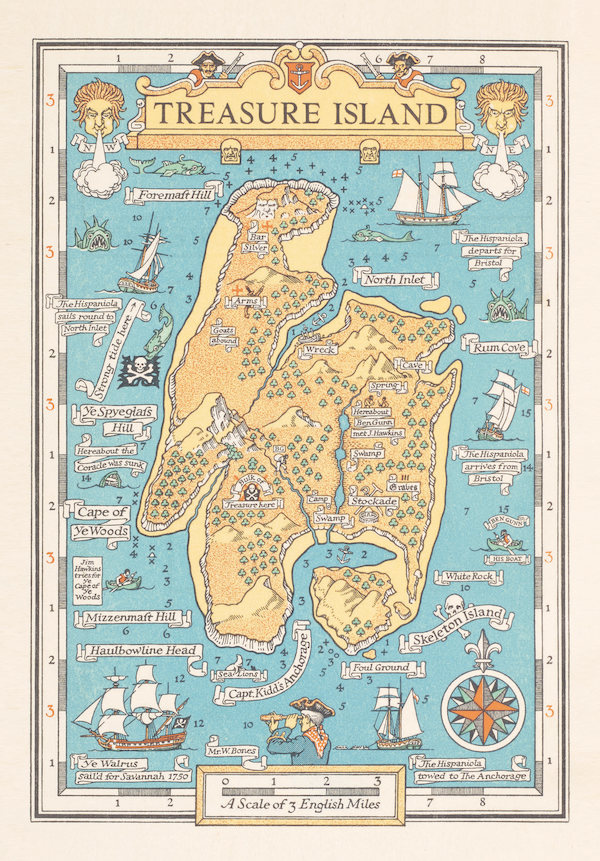
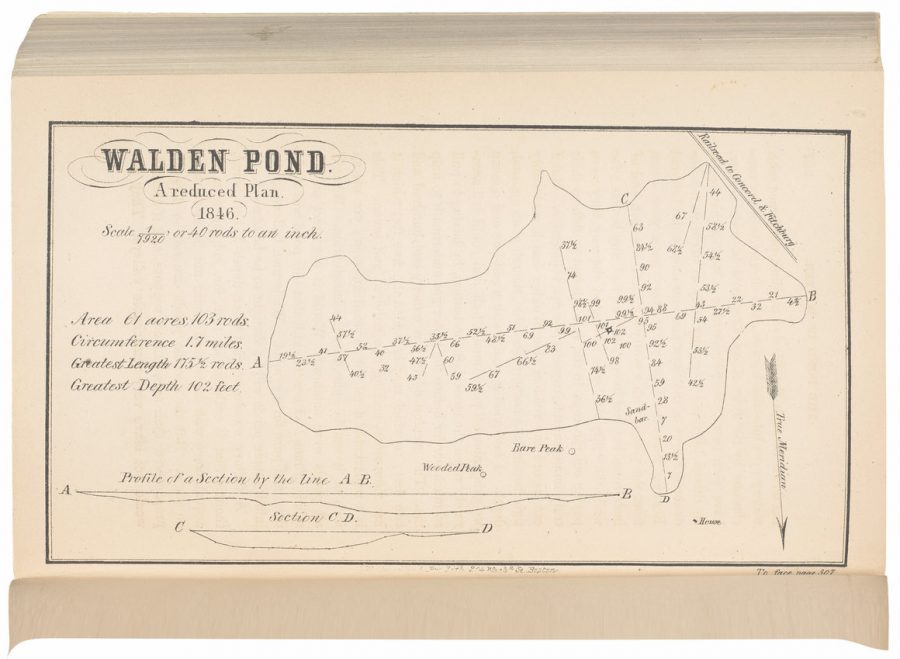
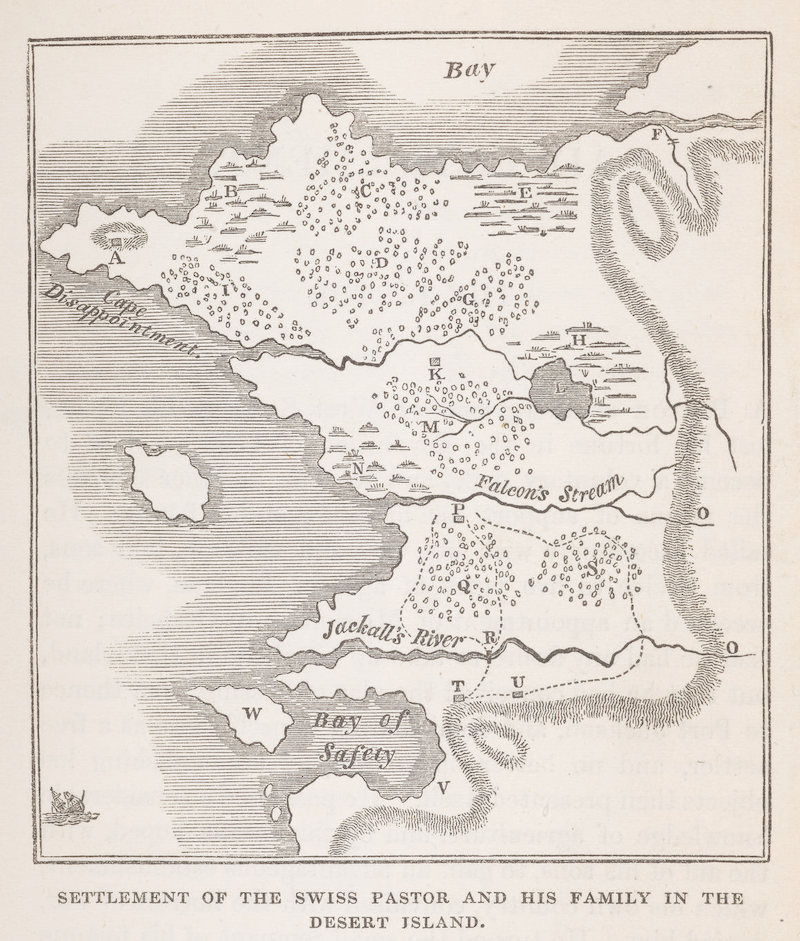
These cat­a­logs join the thou­sands of books—50,000 titles in all—at the Met’s Dig­i­tal Col­lec­tions. There, you’ll find col­lec­tions such as Rare Books Pub­lished in Impe­r­i­al and Ear­ly Sovi­et Rus­sia, with unusu­al trea­sures like the book Church­es of Uglich, a sur­vey of one Russ­ian town’s church­es, with pho­tos, from the 1880s. “Inter­est­ed in Dada?” asks the Met, and who isn’t? The muse­um has just added a 1917 issue of jour­nal The Blind Man, edit­ed by Mar­cel Duchamp and con­tain­ing Alfred Stieglitz’s pho­to­graph of Duchamp’s found art prank Foun­tain.

If fashion’s your thing, the muse­um has added thou­sands of Bergdorf Good­man sketch­es from 1929 to 1952 (see a par­tic­u­lar­ly ele­gant exam­ple above from the 1930s). Maybe you’re into the his­to­ry of the Met itself? If so, check out this mas­sive col­lec­tion of his­tor­i­cal images of the muse­um, inside and out, dat­ing from its incep­tion in 1870 to the present. There’s even a selec­tion of pho­tos of its icon­ic spe­cial exhi­bi­tion ban­ners from 1970 through 2004 (like that below from 1982).

If you’re head­ed to the Met to see one of these spe­cial exhibits, take my advice and don’t get dis­tract­ed once you’re inside. But if you want to access a range of the museum’s cul­tur­al trea­sures from afar, you can’t do any bet­ter than brows­ing its Dig­i­tal Col­lec­tions, where you’re also like­ly to get lost for hours, maybe days.

Relat­ed Con­tent:

The Met­ro­pol­i­tan Muse­um of Art Makes 375,000 Images of Fine Art Avail­able Under a Cre­ative Com­mons License: Down­load, Use & Remix

Down­load 200+ Free Mod­ern Art Books from the Guggen­heim Muse­um

2,000+ Archi­tec­ture & Art Books You Can Read Free at the Inter­net Archive

Josh Jones is a writer and musi­cian based in Durham, NC. Fol­low him at @jdmagness

« Go BackMore in this category... »
Quantcast