Visit “Mariobatalivoice,” the Cooking Blog by Steve Albini, Musician & Record Producer

640px-Albini_atp

Image by Wiki­me­dia Com­mons by Freeko­rps

You know Steve Albi­ni as the pio­neer­ing founder and front­man of such dis­turb­ing post-hard­core punk bands as Big Black, Rape­man, and Shel­lac. You also know him as the in-demand pro­duc­er of albums by such excel­lent artists as the Pix­ies, Nir­vana, Cheap Trick, Mog­wai, The Dirty Three, The Breed­ers, P.J. Har­vey… the list goes ever on… Albini’s role as a producer—of bands both high pro­file and total­ly obscure—is leg­endary in rock cir­cles, as is his cur­mud­geon­li­ness, exact­ing per­son­al stan­dards, high­ly opin­ion­at­ed com­men­tary, and excep­tion­al musi­cal taste.

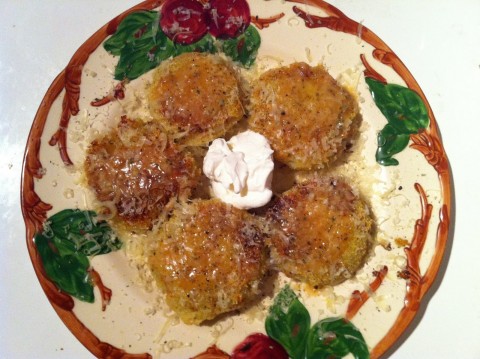
You may not know, how­ev­er, about Albini’s excep­tion­al culi­nary tastes, as doc­u­ment­ed on his food blog, “Mar­i­o­batal­ivoice: What I made Heather for din­ner.” Main­tained between 2011 and 2013, the run­ning com­men­tary chron­i­cles Albini’s attempts at dish­es such as “Li-hing-rubbed tor­pe­do with weird huau­zon­tle and diced pep­pers” and “aged short ribs with fen­nel on saf­fron pota­to puree.” From the looks of things, Albi­ni is a fine cook, as well as decent food photographer—if those are his pho­tos. His blog descrip­tion sug­gests they may be the work of Heather (that is, his wife, Heather Whin­na).

potato cashew pancakes

A pho­to of Saf­fron Pota­to Cashew Pan­cakes from mar­i­o­batal­ivoice.

Albini’s also a very enter­tain­ing writer. No sur­prise there, “as any­one who’s seen his back-in-the-day fanzine rants can attest,” wrote Tom Brei­han at Pitch­fork in 2011. Typ­i­cal­ly under­stat­ed and idio­syn­crat­ic, Albi­ni writes, “I don’t give quan­ti­ties or exact recipes because I eye­ball and taste every­thing like any­body who cooks a lot…. We’re not nin­jas. Also, some of this food may not turn out that great, so repli­cat­ing it would be point­less. I have also suc­cess­ful­ly cooked for our cats.” Nonethe­less, even with­out pro­por­tions and exact steps spelled out, “if you cook, you should be able to fig­ure out how to make any of these meals.”

The name, he tells us, “comes from the way I bring [Heather] food in bed and present it to her using an imi­ta­tion of Mario Batali’s voice from TV.” You’ll prob­a­bly find your own brand of pre­sen­ta­tion, but all of the dish­es look both chal­leng­ing and total­ly worth the effort. To read about Albini’s adven­tures in the culi­nary exot­ic, check out the archives of his now-dor­mant food blog here.

via Metafil­ter

Relat­ed Con­tent:

Read Steve Albini’s Uncom­pro­mis­ing Pro­pos­al to Pro­duce Nirvana’s In Utero (1993)

An Awkward/NSFW Inter­view with Nir­vana Pro­duc­er Steve Albi­ni (Plus B‑52 Front­man Fred Schnei­der)

1967 Cook­book Fea­tures Recipes by the Rolling Stones, Simon & Gar­funkel, Bar­bra Streisand & More

Josh Jones is a writer and musi­cian based in Durham, NC. Fol­low him at @jdmagness

How Bourbon is Made: The ABC’s in 9 Minutes

Head over to Prince­ton Uni­ver­si­ty’s web entry on Bour­bon, and you will learn that, back in 1964, the U.S. Con­gress rec­og­nized Bour­bon Whiskey as a “dis­tinc­tive prod­uct of the Unit­ed States,” and the Fed­er­al Stan­dards of Iden­ti­ty for Dis­tilled Spir­its (27 C.F.R. 5.22) estab­lished a bunch of laws defin­ing what Bour­bon is, and isn’t. The Stan­dards read as fol­lows:

  • Only whiskey pro­duced in the Unit­ed States can be called bour­bon.
  • Bour­bon must be made of a grain mix­ture that is at least 51% corn (maize).
  • Bour­bon must be dis­tilled to no more than 160 (U.S.) proof (80% alco­hol by vol­ume).
  • Nei­ther col­or­ing nor fla­vor­ing may be added.
  • Bour­bon must be aged in new, charred oak bar­rels.
  • Bour­bon must be entered into the bar­rel at no more than 125 proof (62.5% alco­hol by vol­ume).
  • Bour­bon, like oth­er whiskeys, must be bot­tled at not less than 80 proof (40% alco­hol by vol­ume.)
  • Bour­bon that meets the above require­ments and has been aged for a min­i­mum of two years may (but is not required to) be called Straight Bour­bon.
  • Straight Bour­bon aged for a peri­od less than four years must be labeled with the dura­tion of its aging.
  • If an age is stat­ed on the label, it must be the age of the youngest whiskey in the bot­tle.

If a spir­it does­n’t com­ply with these rules, it ain’t Bour­bon.

In the video above, Gear Patrol takes a clos­er look at how Bour­bon is made. The pro­duc­ers toured 12 dis­til­leries in five days, and asked each to explain the Bour­bon-mak­ing process. Along the way, you will fig­ure out why so much Bour­bon comes from Ken­tucky. It comes down to geol­o­gy, not chance.

via Devour

Relat­ed Con­tent:

The Physics of Guin­ness Beer Demys­ti­fied

How to Open a Wine Bot­tle with Your Shoe for the DIY Con­nois­seur

Sci­ence & Cook­ing: Harvard’s Free Course on Mak­ing Cakes, Pael­la & Oth­er Deli­cious Food

MIT Teach­es You How to Speak Ital­ian & Cook Ital­ian Cui­sine All at Once (Free Online Course)

Michael Pollan Explains How Cooking Can Change Your Life; Recommends Cooking Books, Videos & Recipes

Last year, we fea­tured “How Cook­ing Can Change Your Life,” an ani­mat­ed short based on the work of In Defense of FoodThe Omni­vore’s Dilem­ma, and Food Rules author Michael Pol­lan. If you want more — and the culi­nar­i­ly inclined fans of Pol­lan, a self-described “lib­er­al food­ie intel­lec­tu­al,” often can’t get enough — have a look at his extend­ed pre­sen­ta­tion on the same sub­ject above. (If you pre­fer an audio pod­cast, you can get an MP3 with audi­ence Q&A and all here.) The talk came as part of an event held at the Roy­al Soci­ety for the Encour­age­ment of Arts, Man­u­fac­tures and Com­merce (RSA), which con­fronts the daunt­ing ques­tion of how peo­ple can “improve their family’s health and well-being, build com­mu­ni­ties, help fix our bro­ken food sys­tem, and break our grow­ing depen­dence on cor­po­ra­tions.” Pol­lan’s rec­om­men­da­tion, it may or may not sur­prise you to hear, comes down to one sim­ple act: cook­ing.

Of course, any­one who decides to jump into cook­ing in the 21st cen­tu­ry real­izes how sim­ple it isn’t, or at least how com­pli­cat­ed we’ve made it. Pol­lan, as luck would have it, real­izes this, so today we’ve round­ed up some of his resources that can help you learn to cook bet­ter, or indeed cook at all. Sur­pris­ing­ly, the man him­self has nev­er writ­ten a cook­book. “While I enjoy cook­ing, I’ll leave the art of per­fect­ing and dis­sem­i­nat­ing recipes to the pros,” he writes. “That said, I believe that if you can read, you can cook, and I have a few cook­books that I use reg­u­lar­ly and rec­om­mend to those of you want­i­ng good, healthy and basic recipes” — from Mark Bittman’s How to Cook Every­thing and How to Cook Every­thing Veg­e­tar­i­an to Chez Panisse chef Alice Waters’ The Art of Sim­ple Food, and even (“when I have an ingre­di­ent I want to use but don’t know what to do with it”) epicurious.com.

You can find more Pol­lan-endorsed food read­ing, includ­ing San­dor Katz’s The Art of Fer­men­ta­tion and Michael Moss’ Salt Sug­ar Fat, on his lists at Omnivo­ra­cious and Barnes and Noble. He also offers a roundup of online cook­ing resources:

Pol­lan’s sec­tion on cook­ing class­es and oth­er ways to learn to cook, aside from a vari­ety of sug­ges­tions of region­al insti­tu­tions, includes these use­ful options:

  • A “free, beau­ti­ful book full of recipes that fit a food stamp bud­get” called Good and Cheap.
  • Skill­Share, whose “inno­v­a­tive plat­form allows almost any­one, any­where to teach a project-based class either online to a glob­al com­mu­ni­ty or offline in their local com­mu­ni­ty. You can search for cook­ing, brew­ing or bread bak­ing class­es in your region.”
  • Life­Hack­er and its “cook­ing advice, recipes and how to’s.”

And if you missed it, don’t for­get to take Pol­lan’s own course “Edi­ble Edu­ca­tion,” free from UC Berke­ley. I like to think he’d sec­ond my own advice on the mat­ter: just cook some­thing that sounds good, any­thing that sounds good, right now. Not that I dare inflict the result on friends and fam­i­ly until I’ve learned a lit­tle more — which is when all those links above come in handy.

Relat­ed Con­tent:

How Cook­ing Can Change Your Life: A Short Ani­mat­ed Film Fea­tur­ing the Wis­dom of Michael Pol­lan

Michael Pollan’s Book, Food Rules, Brought to Life with Ani­ma­tion

Michael Pol­lan on Sus­tain­able Food

MIT Teach­es You How to Speak Ital­ian & Cook Ital­ian Cui­sine All at Once (Free Online Course)

Sci­ence & Cook­ing: Har­vard Profs Meet World-Class Chefs in Unique Online Course

Col­in Mar­shall hosts and pro­duces Note­book on Cities and Cul­ture and writes essays on cities, lan­guage, Asia, and men’s style. He’s at work on a book about Los Ange­les, A Los Ange­les Primer. Fol­low him on Twit­ter at @colinmarshall or on Face­book.

53 New York Times Videos Teach Essential Cooking Techniques: From Poaching Eggs to Shucking Oysters

I was blessed to grow up around a grand­moth­er who cooked every meal like she was feed­ing a dozen fam­ished farmhands. She nev­er spelled out all her var­i­ous tricks and short cuts … let’s not call them hacks. She just did what she did, and I picked it up by osmo­sis, using a juice glass for a bis­cuit cut­ter and watch­ing for pock­marks in the pan­cake bat­ter. End­less hours in her kitchen made me a con­fi­dent chef long before I was in a posi­tion to buy my own gro­ceries.

Not every­one is so for­tu­nate, I know.

They get their infor­ma­tion from Julia Child, Martha Stew­art, some pseu­do­ny­mous food blog­ger or pos­si­bly my friend, Jesse, whose exper­tise as a builder extends to things culi­nary. He once insist­ed on show­ing me a more effi­cient way to cut up man­go. My grandmother’s trop­i­cal fruit expe­ri­ence maxed out at oranges, so I was on my own in the sep­a­rat­ing man­go flesh from man­go bone depart­ment. I tried it his way a cou­ple of times, before revert­ing to my non-way.

There’s unde­ni­able com­pet­i­tive­ness amongst those of us who pride our­selves on our cook­ing abil­i­ties. Our skills are our hon­or. So help me if I went on Top Chef, and some guest judge decreed I was doing some­thing wrong!

For the record, The New York Times endors­es Jesse’s man­go tech­nique above, in their short instruc­tion­al video series, Cook­ing Tech­niques. There are 53 videos in total.

I can see how such a col­lec­tion would come in handy for those who didn’t grow up around my grand­moth­er, Jesse, or me.

And speak­ing of handy, all fledg­ling chefs are advised to get a firm han­dle on knife tech­niques before pick­ing up a noto­ri­ous­ly slip­pery-fleshed fruit and cut­ting toward their own fin­gers! Such reck­less­ness would nev­er have passed muster with the edi­tors of the Bet­ty Crock­er New Boys and Girls Cook­book. The Times is liv­ing on the edge!

Some of the con­tent has a dopey wash-rinse-repeat vibe, abet­ted by an odd­ly fla­vor­less nar­ra­tive voice. (Not every­one has Thug Kitchen’s nar­ra­tive sparkle. I should be grate­ful for the per­son­al­i­ty shin­ing through oth­er Times videos, notably Bill Cunningham’s “On The Street.”)

I’ll eat those words should I ever need to shuck an oys­ter, anoth­er one of those culi­nary duties that had no place on my Mid­west­ern grandmother’s agen­da. Not to say that my kitchen abil­i­ties are limned by the culi­nary stan­dards of 1970s Indi­ana. I fling around fish sauce and coconuts with Siamese aban­don, but oys­ters always seem so damn daunt­ing. Could owe to ear­ly read­ings of Lewis Car­roll.

I don’t know what I was so afraid of. Appar­ent­ly all it takes is 30 sec­onds and a dish­tow­el. (And an oys­ter knife, but we’ve got draw­er­fuls of those, the trick­le down effect of my husband’s Cape Cod boy­hood.)

Ulti­mate­ly, it’s sol­id stuff, but though with apolo­gies to our veg­e­tar­i­an read­ers, there’s more than one way to skin a cat. You can poach eggs a la the Times, or do it my way by adding a table­spoon of vine­gar to the poach­ing water. No fussy pre-poach. Boom! Done!

Sim­i­lar­ly stem­ming greens. My way, gleaned, not from my gran, but a hand­writ­ten, illus­trat­ed zine ear­li­er this mil­len­ni­um, doesn’t even require a knife! Hold that kale stem side up, using your oth­er hand as an ersatz prong, tear­ing the leaf from stem to stern.

Good heav­ens. Is that where that expres­sion came from? Per­haps some­one at the Times would know…. See all 53 of their cook­ing tech­nique videos here.

Relat­ed Con­tent:

How Cook­ing Can Change Your Life: A Short Ani­mat­ed Film Fea­tur­ing the Wis­dom of Michael Pol­lan

Sci­ence & Cook­ing: Harvard’s Free Course on Mak­ing Cakes, Pael­la & Oth­er Deli­cious Food

MIT Teach­es You How to Speak Ital­ian & Cook Ital­ian Food All at Once (Free Online Course)

Ayun Hal­l­i­day is an author, home­school­er, for­mer food blog­ger and Chief Pri­ma­tol­o­gist of the East Vil­lage Inky zine. Fol­low her @AyunHalliday

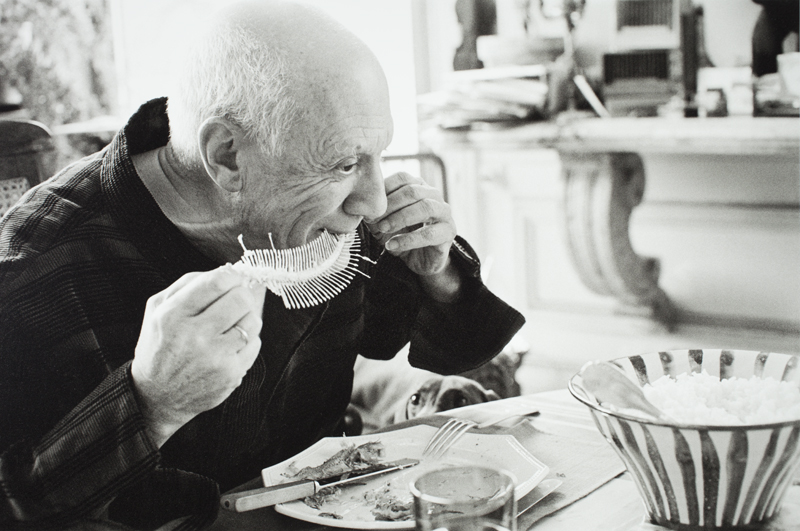
Pablo Picasso’s Two Favorite Recipes: Eel Stew & Omelette Tortilla Niçoise

picasso stew

Back in 1964, Pablo Picas­so shared with Vogue’s food colum­nist Ninette Lyon two of his favorite recipes — one for Eel Stew, the oth­er for Omelette Tor­tilla Niçoise. If you live in the South of France, as Picas­so did, the recipes prob­a­bly won’t be entire­ly for­eign to you. But if you aren’t so lucky, you might want to add these recipes, now reprint­ed by Vogue, to your culi­nary buck­et list.

Below, we’ve high­light­ed the ingre­di­ents for the recipes. But, for step-by-step direc­tions on how to pre­pare the dish­es, head over to Vogue itself.

For more recipes from cul­tur­al icons — Hem­ing­way, Tol­stoy, Alice B. Tok­las, Jane Austen, David Lynch, Miles Davis, etc. — head to the bot­tom of this page.

Eel Stew for Four Peo­ple

6 table­spoons olive oil
6 table­spoons but­ter
12 small white onions
1 tea­spoon sug­ar
2 yel­low onions, chopped
12 mush­rooms
â…“ pound salt pork, cubed
2 shal­lots, minced
2 cloves gar­lic, minced
2 eels of about 1 pound each, cut into four- to five-inch sec­tions
1 bot­tle of good red wine
1 table­spoon flour
Salt, pep­per, cayenne pep­per
Bou­quet gar­ni: thyme, bay leaf, pars­ley, fen­nel, and a small branch of cel­ery

Omelette Tor­tilla Niçoise for Four Peo­ple
6 table­spoons olive oil
1 large onion
4 pep­pers, red and green
3 toma­toes
2 table­spoons wine vine­gar
8 eggs
Salt and pep­per

Relat­ed Con­tent:

Ernest Hemingway’s Favorite Ham­burg­er Recipe

Leo Tolstoy’s Fam­i­ly Recipe for Mac­a­roni and Cheese

David Lynch Teach­es You to Cook His Quinoa Recipe in a Weird, Sur­re­al­ist Video

Thomas Jefferson’s Hand­writ­ten Vanil­la Ice Cream Recipe

Alice B. Tok­las Reads Her Famous Recipe for Hashish Fudge (1963)

Mar­i­lyn Monroe’s Hand­writ­ten Turkey-and-Stuff­ing Recipe

Read Film­mak­er Luis Buñuel’s Recipe for the Per­fect Dry Mar­ti­ni, and Then See Him Make One

Miles Davis’ “South Side Chica­go Chili Mack” Recipe Revealed

The Recipes of Icon­ic Authors: Jane Austen, Sylvia Plath, Roald Dahl, the Mar­quis de Sade & More

2nd Graders Eat at Fancy French Restaurant, Daniel; Acclaimed Director Captures Their Reactions

For its fall Food issue, The New York Times mag­a­zine took six sec­ond graders from Brook­lyn to din­ner at Daniel, the fan­cy French restau­rant locat­ed on the Upper East Side of Man­hat­tan. There, the kids each enjoyed a $220, sev­en-course tast­ing menu, which includ­ed Maine Lob­ster Sal­ad, Squash Ravi­o­li with Pork Bel­ly, Smoked Papri­ka Cured Hamachi, Crispy Japan­ese Snap­per, and Wagyu Beef Rib-Eye. Jef­frey Blitz fit­ting­ly cap­tured the kids’ reac­tions. He’s the direc­tor of the Oscar-nom­i­nat­ed doc­u­men­tary Spell­bound, which fol­lowed eight teenagers on their quest to win the 1999 Nation­al Spelling Bee. These young kids have style, and cer­tain­ly not the most finicky taste I’ve ever seen.

Fol­low us on Face­bookTwit­ter and Google Plus and share intel­li­gent media with your friends. Or bet­ter yet, sign up for our dai­ly email and get a dai­ly dose of Open Cul­ture in your inbox.

Relat­ed Con­tent:

Food­ie Alert: New York Pub­lic Library Presents an Archive of 17,000 Restau­rant Menus (1851–2008)

The Right and Wrong Way to Eat Sushi: A Primer

What Pris­on­ers Ate at Alca­traz in 1946: A Vin­tage Prison Menu

Michelangelo’s Hand­writ­ten 16th-Cen­tu­ry Gro­cery List

by | Permalink | Make a Comment ( 1 ) |

Ben Franklin’s List of 200 Synonyms for “Drunk”: “Moon-Ey’d,” “Hammerish,” “Stew’d” & More (1737)

Benjamin-Franklin1

How many Amer­i­cans could, off the top of their heads, tell you exact­ly why his­to­ry remem­bers Ben­jamin Franklin? Not many, I sus­pect, though we all know that he did a great deal worth remem­ber­ing, even by the stan­dards of a Found­ing Father. (Some­thing got him on the $100 bill, after all.) Of course, only his biog­ra­phers could remem­ber the every accom­plish­ment of this “First Amer­i­can,” from help­ing unite the colonies, to pub­lish­ing news­pa­pers, to serv­ing as Ambas­sador to France, to putting US nation­al secu­ri­ty at risk, to co-found­ing the Uni­ver­si­ty of Penn­syl­va­nia, to invent­ing bifo­cals and every­thing in between. Most Amer­i­cans can, I sus­pect, sum­mon to mind the image of Franklin fly­ing a kite with a key on it as well.

It also turns out that Franklin could indulge in a vice as hearti­ly as he could a virtue; the man who wrote Poor Richard’s Almanack knew how to have a good time. In 18th-cen­tu­ry Amer­i­ca, this seems often as not to have meant to know how to drink — and, in Franklin’s case, also to know how to iden­ti­fy the drunk. His rep­u­ta­tion as a bon vivant and a man of let­ters con­verged in a Jan­u­ary 13, 1737 edi­tion of the Penn­syl­va­nia Gazette, where­in he pub­lished this “Drinkers Dic­tio­nary” con­sist­ing of 200 syn­onyms for wast­ed, blot­to, half in the bag, three sheets to the wind, and oth­ers that would emerge over the fol­low­ing cen­turies. See them all below.

A
He is Addled,
He’s cast­ing up his Accounts,
He’s Afflict­ed,
He’s in his Airs.

B
He’s Big­gy,
Bewitch’d,
Block and Block,
Boozy,
Bowz’d,
Been at Bar­ba­does,
Pis­s’d in the Brook,
Drunk as a Wheel-Bar­row,
Bur­dock­’d,
Buskey,
Buzzey,
Has Stole a Manchet out of the Brew­er’s Bas­ket,
His Head is full of Bees,
Has been in the Bib­bing Plot,
Has drank more than he has bled,
He’s Bungey,
As Drunk as a Beg­gar,
He sees the Bears,
He’s kiss’d black Bet­ty,
He’s had a Thump over the Head with Samp­son’s Jaw­bone,
He’s Bridgey.

C
He’s Cat,
Cagrin’d,
Capa­ble,
Cram­p’d,
Cheru­bim­i­cal,
Cher­ry Mer­ry,
Wamble Crop’d,
Crack­’d,
Con­cern’d,
Half Way to Con­cord,
Has tak­en a Chirrip­ing-Glass,
Got Corns in his Head,
A Cup to much,
Coguy,
Copey,
He’s heat his Cop­per,
He’s Cro­cus,
Catch’d,
He cuts his Capers,
He’s been in the Cel­lar,
He’s in his Cups,
Non Com­pos,
Cock­’d,
Curv’d,
Cut,
Chip­per,
Chick­ery,
Loaded his Cart,
He’s been too free with the Crea­ture,
Sir Richard has tak­en off his Con­sid­er­ing Cap,
He’s Chap-fall­en,

D
He’s Dis­guiz’d,
He’s got a Dish,
Kil­l’d his Dog,
Took his Drops,
It is a Dark Day with him,
He’s a Dead Man,
Has Dip­p’d his Bill,
He’s Dag­g’d,
He’s seen the Dev­il,

E
He’s Prince Eugene,
Enter’d,
Wet both Eyes,
Cock Ey’d,
Got the Pole Evil,
Got a brass Eye,
Made an Exam­ple,
He’s Eat a Toad & half for Break­fast.
In his Ele­ment,

F
He’s Fishey,
Fox’d,
Fud­dled,
Sore Foot­ed,
Frozen,
Well in for’t,
Owes no Man a Far­thing,
Fears no Man,
Crump Foot­ed,
Been to France,
Flush’d,
Froze his Mouth,
Fet­ter’d,
Been to a Funer­al,
His Flag is out,
Fuzl’d,
Spoke with his Friend,
Been at an Indi­an Feast.

G
He’s Glad,
Groat­able,
Gold-head­ed,
Glaiz’d,
Gen­er­ous,
Booz’d the Gage,
As Dizzy as a Goose,
Been before George,
Got the Gout,
Had a Kick in the Guts,
Been with Sir John Goa,
Been at Gene­va,
Glob­u­lar,
Got the Glan­ders.

H
Half and Half,
Hardy,
Top Heavy,
Got by the Head,
Hid­dey,
Got on his lit­tle Hat,
Ham­mer­ish,
Loose in the Hilts,
Knows not the way Home,
Got the Horn­son,
Haunt­ed with Evil Spir­its,
Has Tak­en Hip­pocrates grand Elixir,

I
He’s Intox­i­cat­ed,
Jol­ly,
Jag­g’d,
Jam­bled,
Going to Jerusalem,
Joc­u­lar,
Been to Jeri­co,
Juicy.

K
He’s a King,
Clips the King’s Eng­lish,
Seen the French King,
The King is his Cousin,
Got Kib’d Heels,
Knapt,
Het his Ket­tle.

L
He’s in Liquor,
Lord­ly,
He makes Inden­tures with his Leg­gs,
Well to Live,
Light,
Lap­py,
Lim­ber,

M
He sees two Moons,
Mer­ry,
Mid­dling,
Moon-Ey’d,
Mud­dled,
Seen a Flock of Moons,
Maudlin,
Moun­tous,
Mud­dy,
Rais’d his Mon­u­ments,
Mel­low,

N
He’s eat the Cocoa Nut,
Nimp­top­si­cal,
Got the Night Mare,

O
He’s Oil’d,
Eat Opi­um,
Smelt of an Onion,
Oxy­cro­ci­um,
Over­set,

P
He drank till he gave up his Half-Pen­ny,
Pid­geon Ey’d,
Pungey,
Prid­dy,
As good con­di­tioned as a Pup­py,
Has scalt his Head Pan,
Been among the Philistines,
In his Pros­per­i­ty,
He’s been among the Philip­pi­ans,
He’s con­tend­ing with Pharaoh,
Wast­ed his Paunch,
He’s Polite,
Eat a Pud­ding Bagg,

Q
He’s Quar­rel­some,

R
He’s Rocky,
Rad­dled,
Rich,
Reli­gious,
Lost his Rud­der,
Ragged,
Rais’d,
Been too free with Sir Richard,
Like a Rat in Trou­ble.

S
He’s Stitch’d,
Sea­far­ing,
In the Sud­ds,
Strong,
Been in the Sun,
As Drunk as David’s Sow,
Swampt,
His Skin is full,
He’s Steady,
He’s Stiff,
He’s burnt his Shoul­der,
He’s got his Top Gal­lant Sails out,
Seen the yel­low Star,
As Stiff as a Ring-bolt,
Half Seas over,
His Shoe pinch­es him,
Stag­ger­ish,
It is Star-light with him,
He car­ries too much Sail,
Stew’d
Stub­b’d,
Soak’d,
Soft,
Been too free with Sir John Straw­ber­ry,
He’s right before the Wind with all his Stud­ding Sails out,
Has Sold his Sens­es.

T
He’s Top’d,
Tongue-ty’d,
Tan­n’d,
Tip­i­um Grove,
Dou­ble Tongu’d,
Top­sy Tur­vey,
Tipsey,
Has Swal­low’d a Tav­ern Token,
He’s Thaw’d,
He’s in a Trance,
He’s Tram­mel’d,

V
He makes Vir­ginia Fence,
Valiant,
Got the Indi­an Vapours,

W
The Malt is above the Water,
He’s Wise,
He’s Wet,
He’s been to the Salt Water,
He’s Water-soak­en,
He’s very Weary,
Out of the Way.

Franklin’s glos­sary also appears in Lists of Note, the brand new, high­ly rec­om­mend­ed book from Let­ters of Note’s Shaun Ush­er. Wher­ev­er you con­sult it, bear in mind Franklin’s intro­duc­to­ry note that all these terms come “gath­er’d whol­ly from the mod­ern Tav­ern-Con­ver­sa­tion of Tiplers. [ … ] I was tempt­ed to add a new one my self under the Let­ter B, to wit, Bru­ti­fy’d: But upon Con­sid­er­a­tion, I fear’d being guilty of Injus­tice to the Brute Cre­ation, if I rep­re­sent­ed Drunk­en­ness as a beast­ly Vice, since, ’tis well-known, that the Brutes are in gen­er­al a very sober sort of Peo­ple.” Which brings to mind a few bet­ter-known words attrib­uted to the man: “Beer is proof that god loves us and wants us to be hap­py.” He actu­al­ly said it about wine, but either way, let’s give Franklin cred­it: he was Wise — in mod­er­a­tion, of course.

Relat­ed Con­tent:

Declas­si­fied CIA Doc­u­ment Reveals That Ben Franklin (and His Big Ego) Put U.S. Nation­al Secu­ri­ty at Risk

Drunk His­to­ry: An Intox­i­cat­ed Look at the Famous Alexan­der Hamil­ton – Aaron Burr Duel

Drunk Shake­speare: The Trendy Way to Stage the Bard’s Plays in the US & the UK

Col­in Mar­shall hosts and pro­duces Note­book on Cities and Cul­ture and writes essays on cities, lan­guage, Asia, and men’s style. He’s at work on a book about Los Ange­les, A Los Ange­les Primer. Fol­low him on Twit­ter at @colinmarshall or on Face­book.

How to Sing Julia Child’s Mastering the Art of French Cooking

Though she had no ten­der feel­ings for Julie Powell’s Julia/Julie blog, I like to think Julia Child wouldn’t have been entire­ly dis­pleased by the Bush­wick Book Club’s efforts to musi­cal­ize Mas­ter­ing the Art of French Cook­ing, Child’s two vol­ume labor of love (and the inspi­ra­tion for Powell’s cel­e­brat­ed blog).

The “club,” a free float­ing, dis­cus­sion-free group of New York City-based singer-song­writ­ers, start­ed in 2009, when Kurt Vonnegut’s Break­fast of Cham­pi­ons was cel­e­brat­ed with music and the­mat­ic drink spe­cials. In the ensu­ing half-decade, they’ve met month­ly to wres­tle with such titles as The Great Gats­by, Madame Bovary and Dol­ly Parton’s auto­bi­og­ra­phy.

Some con­tri­bu­tions to these events do feel half-baked, as if the per­former delayed start­ing work in case he or she might be able to fin­ish the book on the bus ride to the show. Oth­ers are well craft­ed, as well as insight­ful.

Leslie Graves’ musi­cal recita­tion of Child’s “Flam­ing Tart” is the sort of naughty fun Bessie Smith want­ed in her bowl:

And just before enter­ing 

Put a warm liqueur 

Over the hot caramelized sur­face…

Not, pre­sum­ably, what Child had in mind when she wrote those words, although the hap­pi­ness of her mar­riage is well doc­u­ment­ed. (“If we could just have the kitchen and the bed­room, that would be all we need.”)

The link between stom­ach and heart under­scores Hilary Downes’ bossa nova-inflect­ed “Mas­ters of the Table” and Shan­non Pelcher’s gen­tle “Eat­ing” which looks past Child’s tow­er­ing culi­nary achieve­ment to her yearn­ing TV audi­ence.

I did hear a sound mid­way between an egg beat­er and some­one spin­ning beneath her Bon Appetit-engraved tomb­stone when club founder Susan Hwang slipped the phrase “walk­ing corpses” into Child’s “List of Equip­ment.” But she bal­anced the scales with a sin­cere com­pli­ment to the all-too-rare sound of Child’s unmis­tak­able voice.

(This made me so nos­tal­gic, I had to rus­tle up Dan Aykroyd’s taste­less but clas­sic imper­son­ation from 1978…)

Stuff your­self on the entire evening’s songs using the link at the top of this page.

Or, should you crave a dif­fer­ent sort of fare, join the Bush­wick Book Club on the Fry­ing Pan Octo­ber 29, when they con­sid­er The Shin­ing by Stephen King.

Relat­ed Con­tent:

Julia Child Shows How to Edit Video­tape with a Meat Cleaver, and Cook Meat with a Blow Torch

Remem­ber­ing Julia Child on Her 100th Birth­day with Her Clas­sic Appear­ance on the Let­ter­man Show

How Cook­ing Can Change Your Life: A Short Ani­mat­ed Film Fea­tur­ing the Wis­dom of Michael Pol­lan

Ayun Hal­l­i­day is an author whose Zinester’s Guide to NYC inspired a pret­ty great song of its own. Fol­low her @AyunHalliday

« Go BackMore in this category... »
Quantcast