What Ancient Chinese Sounded Like — and How We Know It: An Animated Introduction

No stu­dent of Chi­nese has an easy time with pro­nun­ci­a­tion. Even lin­guist Joshua Rud­der, who tells ani­mat­ed sto­ries on his Youtube chan­nel Native­Lang about lan­guages around the world and how they came to be, admits his own strug­gles to get it right. “But late­ly I’ve been bury­ing myself in hun­dreds of pages of Chi­nese lin­guis­tic his­to­ry, and you know what? I’m in good com­pa­ny,” says Rud­der in the intro­duc­tion to the video above, “What ‘Ancient’ Chi­nese Sound­ed Like — and How We Know.” “Chi­nese pro­nun­ci­a­tion puz­zled experts in Chi­na for a long, long time.”

This leads into the sto­ry of one par­tic­u­lar expert, a 19th schol­ar named Chen Li who sought to recov­er Chi­nese pro­nun­ci­a­tions that even then seemed to have been lost to his­to­ry. “How do you recov­er the sounds immor­tal­ized in clas­si­cal texts? How do you make the old poems rhyme again?” And how do you do it when “you have no record­ings, no pho­net­ic tran­scrip­tions, not even an alpha­bet — you’re work­ing with char­ac­ters.” Ah yes, char­ac­ters, those thou­sands of logograms, evolved over mil­len­nia, that still today bedev­il any­one try­ing to get a han­dle on the Chi­nese lan­guage, not exclud­ing the Chi­nese them­selves. That goes espe­cial­ly for some­one as lin­guis­ti­cal­ly ambi­tious as Chen Li.

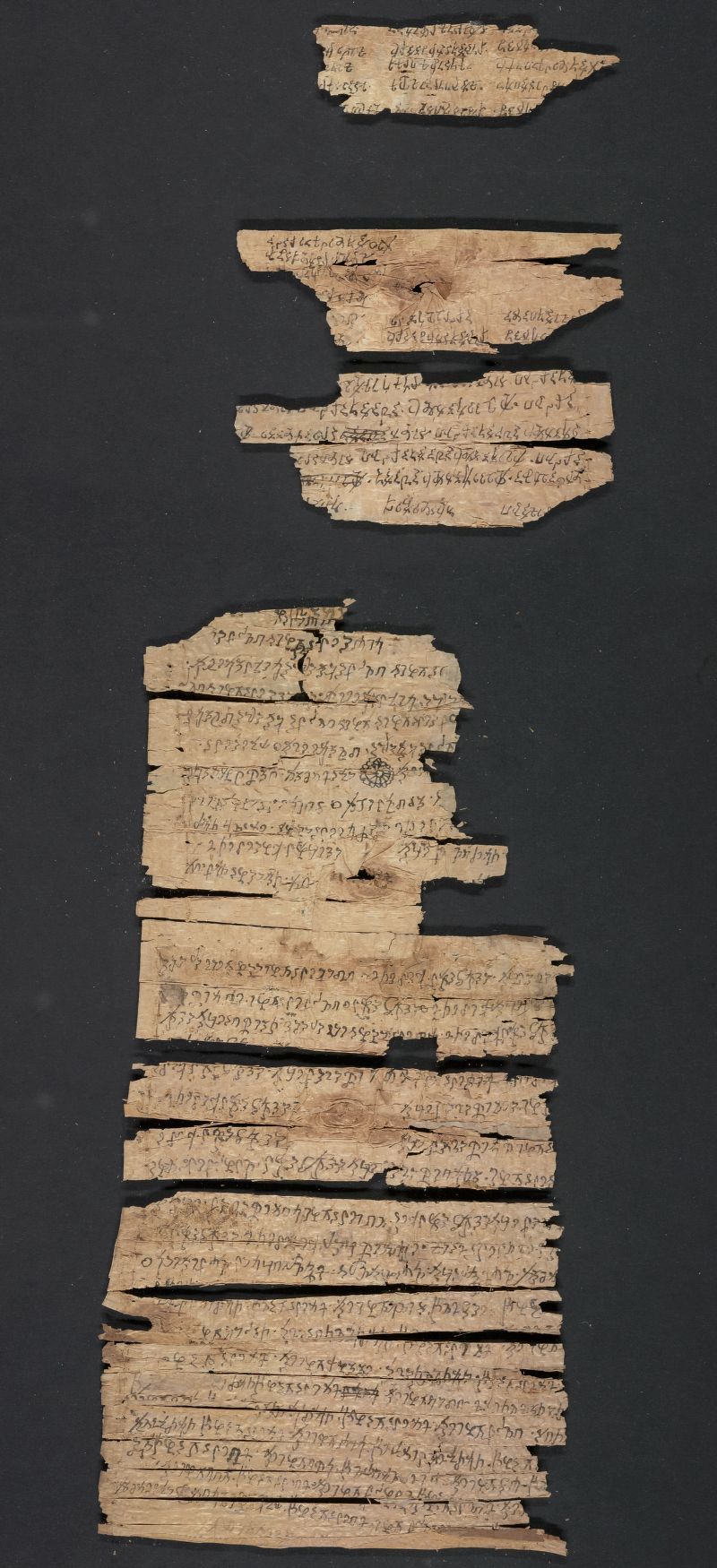
Chen Li’s research on the cor­rect pro­nun­ci­a­tion of ancient Chi­nese brought him to the Qieyun, an even then-1200-year-old dic­tio­nary of fan­qie (反切), or the pro­nun­ci­a­tion of sin­gle char­ac­ters described by using com­bi­na­tions of oth­er char­ac­ters. (On Wikipedia, you can find assem­bled links to scanned frag­ments of the text cur­rent­ly held in places like the British Library and the Bib­lio­thèque nationale de France.) Draw­ing on not just the Qieyun but oth­er sources as well, Chen Li’s painstak­ing work of recon­struct­ing old pro­nun­ci­a­tions over­turned the long-stand­ing teach­ing that the Chi­nese lan­guage had 36 ini­tial con­so­nant sounds. He found that it had 41. But even after that dis­cov­ery, the nature of these “pre­cise sounds” remained unknown, an incom­plete­ness of knowl­edge chipped away at by the Swedish schol­ar Bernard Karl­gren in the 1900s, who took into account “the many liv­ing vari­eties” of the Chi­nese lan­guage.

Oth­er Asian lan­guages with vocab­u­lary descend­ed from Chi­nese also come in to play. Rud­der takes the exam­ple of the word for “coun­try,” pro­nounced guó (國) in mod­ern Man­darin but kuk in Kore­an (국), koku in Japan­ese (国), and kuək in Viet­namese (quốc), all sug­gest­ing a com­mon ancient Chi­nese ances­tor word end­ing in a K‑like con­so­nant sound. But how­ev­er much progress has been made, this research into “ancient” Chi­nese has turned out to be research into a lin­guis­tic peri­od of “mid­dle Chi­nese,” which reveals evi­dence of “an even old­er lan­guage to uncov­er, a thou­sand years old­er still.” The work of a lin­guis­tic his­to­ry, just like the hum­bler work of a Chi­nese lan­guage-learn­er, is nev­er done.

Relat­ed Con­tent:

Free Chi­nese Lessons

What Ancient Latin Sound­ed Like, And How We Know It

What Did Etr­uscan Sound Like? An Ani­mat­ed Video Pro­nounces the Ancient Lan­guage That We Still Don’t Ful­ly Under­stand

What Did Old Eng­lish Sound Like? Hear Recon­struc­tions of Beowulf, The Bible, and Casu­al Con­ver­sa­tions

Hear What the Lan­guage Spo­ken by Our Ances­tors 6,000 Years Ago Might Have Sound­ed Like: A Recon­struc­tion of the Pro­to-Indo-Euro­pean Lan­guage

A Map of How the Word “Tea” Spread Across the World

Based in Seoul, Col­in Mar­shall writes and broad­casts on cities, lan­guage, and cul­ture. His projects include the book The State­less City: a Walk through 21st-Cen­tu­ry Los Ange­les and the video series The City in Cin­e­ma. Fol­low him on Twit­ter at @colinmarshall or on Face­book.

How Humans Migrated Across The Globe Over 200,000 Years: An Animated Look

Cov­er­age of the refugee cri­sis peaked in 2015. By the end of the year, note researchers at the Uni­ver­si­ty of Bergen, “this was one of the hottest top­ics, not only for politi­cians, but for par­tic­i­pants in the pub­lic debate,” includ­ing far-right xeno­phobes giv­en mega­phones. What­ev­er their intent, Daniel Trilling argues at The Guardian, the explo­sion of refugee sto­ries had the effect of fram­ing “these new­ly arrived peo­ple as oth­ers, peo­ple from ‘over there,’ who had lit­tle to do with Europe itself and were strangers.”

Such a char­ac­ter­i­za­tion ignores the cru­cial con­text of Europe’s pres­ence in near­ly every part of the world over the past sev­er­al cen­turies. And it frames mass migra­tion as extra­or­di­nary, not the norm. The cri­sis aspect is real, the result of dan­ger­ous­ly accel­er­at­ed move­ment of cap­i­tal and cli­mate change. But mass move­ments of peo­ple seek­ing bet­ter con­di­tions, safe­ty, oppor­tu­ni­ty, etc. may be the old­est and most com­mon fea­ture of human his­to­ry, as the Sci­ence Insid­er video shows above.

The yel­low arrows that fly across the globe in the dra­mat­ic ani­ma­tion make it seem like ear­ly humans moved by bul­let train. But when con­se­quen­tial shifts in cli­mate occurred at a glacial pace—and economies were built on what peo­ple car­ried on their backs—mass migra­tions hap­pened over the span of thou­sands of years. Yet they hap­pened con­tin­u­ous­ly through­out last 200,000 to 70,000 years of human his­to­ry, give or take. We may nev­er know what drove so many of our dis­tant ances­tors to spread around the world.

But how can we know what routes they took to get there? “Thanks to the amaz­ing work of anthro­pol­o­gists and pale­on­tol­o­gists like those work­ing on Nation­al Geographic’s Geno­graph­ic Project,” Sci­ence Insid­er explains, “we can begin to piece togeth­er the sto­ry of our ances­tors.” The Geno­graph­ic Project was launched by Nation­al Geo­graph­ic in 2005, “in col­lab­o­ra­tion with sci­en­tists and uni­ver­si­ties around the world.” Since then, it has col­lect­ed the genet­ic data of over 1 mil­lion peo­ple, “with a goal of reveal­ing pat­terns of human migra­tion.”

The project assures us it is “anony­mous, non­med­ical, and non­prof­it.” Par­tic­i­pants sub­mit­ted their own DNA with Nation­al Geographic’s “Geno” ances­try kits (and may still do so until next month). They can receive a “deep ances­try” report and cus­tomized migra­tion map; and they can learn how close­ly they are relat­ed to “his­tor­i­cal genius­es,” a cat­e­go­ry that, for some rea­son, includes Jesse James.

Do projects like these veer close to recre­at­ing the “race sci­ence” of pre­vi­ous cen­turies? Are they valid ways of recon­struct­ing the “human sto­ry” of ances­try, as Nation­al Geo­graph­ic puts it? Crit­ics like sci­ence jour­nal­ist Angela Sai­ni are skep­ti­cal. “DNA test­ing can­not tell you that,” she says in an inter­view on NPR, but it can “make us believe that iden­ti­ty is bio­log­i­cal, when iden­ti­ty is cul­tur­al.” Nation­al Geo­graph­ic seems to dis­avow asso­ci­a­tions between genet­ics and race, writ­ing, “sci­ence defines you by your DNA, soci­ety defines you by the col­or of your skin.” But it does so at the end of a video about a group of peo­ple bond­ing over their sim­i­lar fea­tures.

Despite the sig­nif­i­cance mod­ern humans have ascribed to vari­a­tions in phe­no­type, race is a cul­tur­al­ly defined cat­e­go­ry and not a sci­en­tif­ic one. argues Joseph L. Graves, pro­fes­sor of bio­log­i­cal sci­ences at the Joint School of Nanoscience and Nano­engi­neer­ing.. “Every­thing we know about our genet­ics has proven that we are far more alike than we are dif­fer­ent. If more peo­ple under­stood that, it would be eas­i­er to debunk the myth that peo­ple of a cer­tain race are ‘nat­u­ral­ly’ one way or anoth­er,” or that refugees and asy­lum seek­ers are dan­ger­ous oth­ers instead of just like every oth­er human who has moved around the world over the last 200,000 years.

Relat­ed Con­tent:

Col­or­ful Ani­ma­tion Visu­al­izes 200 Years of Immi­gra­tion to the U.S. (1820-Present)

Where Did Human Beings Come From? 7 Mil­lion Years of Human Evo­lu­tion Visu­al­ized in Six Min­utes

Ian McK­ellen Reads a Pas­sion­ate Speech by William Shake­speare, Writ­ten in Defense of Immi­grants

Josh Jones is a writer and musi­cian based in Durham, NC. Fol­low him at @jdmagness

A Brief History of Chess: An Animated Introduction to the 1,500-Year-Old Game

I have come to the per­son­al con­clu­sion that while all artists are not chess play­ers, all chess play­ers are artists.

 –Mar­cel Duchamp

“Over the rough­ly one and half mil­len­nia of its exis­tence, chess has been known as a tool of mil­i­tary strat­e­gy, a metaphor for human affairs, and a bench­mark of genius,” points out the TED-Ed ani­mat­ed his­to­ry of the game by Alex Gendler, above. The first records of chess date to the 7th cen­tu­ry, but it may have orig­i­nat­ed even a cen­tu­ry ear­li­er, in India, where we find men­tion of the first game to have dif­fer­ent moves for dif­fer­ent pieces, and “a sin­gle king piece, whose fate deter­mined the out­come.”

It was orig­i­nal­ly called “chat­u­ran­ga,” a word that Yoga prac­ti­tion­ers will rec­og­nize as the “four-limbed staff pose,” but which sim­ply meant “four divi­sions” in this con­text. Once it spread to Per­sia, it became “chess,” mean­ing “Shah,” or king. It took root in the Arab world, and trav­eled the Silk Road to East and South­east Asia, where it acquired dif­fer­ent char­ac­ter­is­tics but used sim­i­lar rules and strate­gies. The Euro­pean form we play today became the stan­dard, but it might have been a very dif­fer­ent game had the Japan­ese version—which allowed play­ers to put cap­tured pieces into play—dominated.

Chess found ready accep­tance every­where it went because its under­ly­ing prin­ci­ples seemed to tap into com­mon mod­els of con­test and con­quest among polit­i­cal and mil­i­tary elites. Though writ­ten over a thou­sand years before “chat­u­ran­ga” arrived in China—where the game was called xiangqi, or “ele­phant game”—Sun Tzu’s Art of War may as well have been dis­cussing the crit­i­cal impor­tance of pawns in declar­ing, “When the offi­cers are valiant and the troops inef­fec­tive the army is in dis­tress.”

Chess also speaks to the hier­ar­chies ancient civ­i­liza­tions sought to nat­u­ral­ize, and by 1000 AD, it had become a tool for teach­ing Euro­pean noble­men the neces­si­ty of social class­es per­form­ing their prop­er roles. This alle­gor­i­cal func­tion gave to the pieces the roles we know today, with the piece called “the advi­sor” being replaced by the queen in the 15th cen­tu­ry, “per­haps inspired by the recent surge of strong female lead­ers.”

Ear­ly Mod­ern chess, freed from the con­fines of the court and played in cof­fee­hous­es, also became a favorite pas­time for philoso­phers, writ­ers, and artists. Trea­tis­es were writ­ten by the hun­dreds. Chess became a tool for sum­mon­ing inspi­ra­tion, and per­form­ing the­atri­cal, often Punic games for audiences—a trend that ebbed dur­ing the Cold War, when chess­boards became proxy bat­tle­grounds between world super­pow­ers, and intense cal­cu­la­tion ruled the day.

The arrival of IBM’s Deep Blue com­put­er, which defeat­ed reign­ing cham­pi­on Gar­ry Kas­parov in 1996, sig­naled a new evo­lu­tion for the game, a chess sin­gu­lar­i­ty, as it were, after which com­put­ers rou­tine­ly defeat­ed the best play­ers. Does this mean, accord­ing to Mar­cel Duchamp’s obser­va­tion, that chess-play­ing com­put­ers should be con­sid­ered artists? Chess’s ear­li­est adopters could nev­er have con­ceived of such a ques­tion. But the game they passed down through the cen­turies may have antic­i­pat­ed all of the pos­si­ble out­comes of human ver­sus machine.

Relat­ed Con­tent:

Gar­ry Kas­parov Now Teach­ing an Online Course on Chess

A Free 700-Page Chess Man­u­al Explains 1,000 Chess Tac­tics in Plain Eng­lish

Vladimir Nabokov’s Hand-Drawn Sketch­es of Mind-Bend­ing Chess Prob­lems

Chess Grand­mas­ter Gar­ry Kas­parov Relives His Four Most Mem­o­rable Games

When John Cage & Mar­cel Duchamp Played Chess on a Chess­board That Turned Chess Moves Into Elec­tron­ic Music (1968)

Mar­cel Duchamp, Chess Enthu­si­ast, Cre­at­ed an Art Deco Chess Set That’s Now Avail­able via 3D Print­er

Josh Jones is a writer and musi­cian based in Durham, NC. Fol­low him at @jdmagness

The Internet Archive Is Digitizing & Preserving Over 100,000 Vinyl Records: Hear 750 Full Albums Now

There seems to be wide­spread agreement—something spe­cial was lost in the rushed-to-mar­ket move from phys­i­cal media to dig­i­tal stream­ing. We have come to admit that some old­er musi­cal tech­nolo­gies can­not be improved upon. Musi­cians, pro­duc­ers, engi­neers spend thou­sands to repli­cate the sound of old­er ana­log record­ing tech­nol­o­gy, with all its quirky, incon­sis­tent oper­a­tion. And fans buy record play­ers and vinyl records in sur­pris­ing­ly increas­ing num­bers to hear the warm and fuzzy char­ac­ter of their sound.

Neil Young, who has relent­less­ly crit­i­cized every aspect of dig­i­tal record­ing, has dis­missed the resur­gence of the LP as a “fash­ion state­ment” giv­en that most new albums released on vinyl are dig­i­tal mas­ters. But buy­ers come to vinyl with a range of expec­ta­tions, writes Ari Her­stand at Dig­i­tal Music News: “Vinyl is an entire expe­ri­ence. Won­der­ful­ly tac­tile…. When we stare at our screens for the major­i­ty of our days, it’s nice to look at art that doesn’t glow and isn’t the size of my hand.” Vinyl can feel and look as good as it sounds (when prop­er­ly engi­neered).

While shiny, dig­i­tal­ly mas­tered vinyl releas­es pop up in big box stores every­where, the real musi­cal wealth lies in the past—in thou­sands upon thou­sands of LPs, 45s, 78s—relics of “the only con­sumer play­back for­mat we have that’s ful­ly ana­log and ful­ly loss­less,” says vinyl mas­ter­ing engi­neer Adam Gon­salves. Few insti­tu­tions can afford to store thou­sands of phys­i­cal albums, and many rar­i­ties and odd­i­ties exist in van­ish­ing­ly few­er copies. Their crack­le and hiss may be for­ev­er lost with­out the inter­ven­tion of dig­i­tal preser­va­tion­ists like the Inter­net Archive.

The Archive is “now expand­ing its dig­i­ti­za­tion project to include LPs,” reports Faye Lessler on the organization’s blog. This will come as wel­come news to cul­tur­al his­to­ri­ans, ana­log con­ser­va­tion­ists, and vinyl enthu­si­asts of all kinds, who will most­ly agree that dig­i­ti­za­tion is far bet­ter than extinc­tion, though the tac­tile and visu­al plea­sures may be irre­place­able. The Archive has focused its efforts on the over 100,000 audio record­ings from the Boston Pub­lic Library’s col­lec­tion, “in order to pre­vent them from dis­ap­pear­ing for­ev­er when the vinyl is bro­ken, warped, or lost.”

“These record­ings exist in a vari­ety of his­tor­i­cal for­mats, includ­ing wax cylin­ders, 78 rpms, and LPs,” though the project is cur­rent­ly focused on the lat­ter. “They span musi­cal gen­res includ­ing  clas­si­cal, pop, rock, and jazz, and con­tain obscure record­ings like this album of music for baton twirlers, and this record of radio’s all-time great­est bloop­ers.” The method of rapid­ly con­vert­ing the arti­facts at the rate of ten LPs per hour (which you can read more about at the Archive blog) serves as a tes­ta­ment to what dig­i­tal tech­nol­o­gy does best—using machine learn­ing and meta­da­ta to auto­mate the archival process and cre­ate exten­sive, search­able data­bas­es of cat­a­logue infor­ma­tion.

Cur­rent­ly, the project has uploaded 1,180 record­ings to its site, “but some of the albums are only avail­able in 30 sec­ond snip­pets due to rights issues,” Lessler points out. Browse the “Unlocked Record­ings” cat­e­go­ry to hear 750 dig­i­tized LPs avail­able in full: these include a record­ing of Gian Car­lo Menot­ti’s bal­let The Uni­corn, the Gor­gon, and the Man­ti­core, fur­ther up; The Beget­ting of the Pres­i­dent, above, a satire of Nixon’s rise to pow­er as Bib­li­cal epic, read by Orson Welles in his King of Kings’ voice; and Tchaikovsky’s Piano Con­cer­to no. 1 in B‑flat minor, played by Van Cliburn, below.

The range and vari­ety cap­tured in this collection—from fire­works sound effects to Elton John’s sec­ond, self-titled album to clas­sic Pearl Bai­ly to 80s new wave band The Com­mu­nards to Andres Segovia play­ing Bach to the Smokey and the Ban­dit 2 soundtrack—will out­last copy­right restric­tions. And they will leave behind an exten­sive record, no pun intend­ed, of the LP: “our pri­ma­ry musi­cal medi­um for over a gen­er­a­tion,” says the Archive’s spe­cial projects direc­tor CR Saik­ley, “wit­ness to the birth of both Rock & Roll and Punk Rock… inte­gral to our cul­ture from the 1950s to the 1980s.” Vinyl remains the most revered of musi­cal for­mats for good reason—reasons future gen­er­a­tions will dis­cov­er, at least vir­tu­al­ly, for them­selves some­day.

via Kot­tke

Relat­ed Con­tent:

How Vinyl Records Are Made: A Primer from 1956

An Inter­ac­tive Map of Every Record Shop in the World

25,000+ 78RPM Records Now Pro­fes­sion­al­ly Dig­i­tized & Stream­ing Online: A Trea­sure Trove of Ear­ly 20th Cen­tu­ry Music

Josh Jones is a writer and musi­cian based in Durham, NC. Fol­low him at @jdmagness

A Map of How the Word “Tea” Spread Across the World

When I order a cup of tea in Korea, where I live, I ask for cha (차); when trav­el­ing in Japan, I ask for the hon­orif­ic-affixed ocha (お茶). In Span­ish-speak­ing places I order , which I try to pro­nounce as dis­tinct­ly as pos­si­ble from the thé I order in French-speak­ing ones. And on my trips back to Unit­ed States, where I’m from, I just ask for tea. Not that tea, despite its awe-inspir­ing ven­er­a­bil­i­ty, has ever quite matched the pop­u­lar­i­ty of cof­fee in Amer­i­ca, but you can still find it most every­where you go. And for decades now, no less an Amer­i­can cor­po­rate cof­fee jug­ger­naut than Star­bucks has labeled cer­tain of its teas chai, which has pop­u­lar­ized that alter­na­tive term but also cre­at­ed a degree of pub­lic con­fu­sion: what’s the dif­fer­ence, if any, between chai and tea?

Both words refer, ulti­mate­ly, to the same bev­er­age invent­ed in Chi­na more than three mil­len­nia ago. Tea may now be drunk all over the world, but peo­ple in dif­fer­ent places pre­fer dif­fer­ent kinds: fla­vors vary from region to region with­in Chi­na, and Chi­nese teas taste dif­fer­ent from, say, Indi­an teas. Star­bucks pre­sum­ably brands its Indi­an-style tea with the word chai because it sounds like the words used to refer to tea in India.

It also sounds like the words used to refer to tea in Far­si, Turk­ish, and even Russ­ian, all of them sim­i­lar to chay. But oth­er coun­tries’ words for tea sound dif­fer­ent: the May­lay teh, the Finnish tee, the Dutch thee. “The words that sound like ‘cha’ spread across land, along the Silk Road,” writes Quartz’s Nikhil Son­nad. “The ‘tea’-like phras­ings spread over water, by Dutch traders bring­ing the nov­el leaves back to Europe.”

“The term cha (茶) is ‘Sinitic,’ mean­ing it is com­mon to many vari­eties of Chi­nese,” writes Son­nad. “It began in Chi­na and made its way through cen­tral Asia, even­tu­al­ly becom­ing ‘chay’ (چای) in Per­sian. That is no doubt due to the trade routes of the Silk Road, along which, accord­ing to a recent dis­cov­ery, tea was trad­ed over 2,000 years ago.” The te form “used in coastal-Chi­nese lan­guages spread to Europe via the Dutch, who became the pri­ma­ry traders of tea between Europe and Asia in the 17th cen­tu­ry, as explained in the World Atlas of Lan­guage Struc­tures. The main Dutch ports in east Asia were in Fujian and Tai­wan, both places where peo­ple used the te pro­nun­ci­a­tion. The Dutch East India Company’s expan­sive tea impor­ta­tion into Europe gave us the French thé, the Ger­man Tee, and the Eng­lish tea.”

And we must­n’t leave out the Por­tuguese, who in the 1500s “trav­elled to the Far East hop­ing to gain a monop­oly on the spice trade,” as Cul­ture Trip’s Rachel Dea­son writes, but “decid­ed to focus on export­ing tea instead. The Por­tuguese called the drink cha, just like the peo­ple of south­ern Chi­na did,” and under that name shipped its leaves “down through Indone­sia, under the south­ern tip of Africa, and back up to west­ern Europe.” You can see the glob­al spread of tea, tee, thé, chai, chay, cha, or what­ev­er you call it in the map above, recent­ly tweet­ed out by East Asia his­to­ri­an Nick Kapur. (You may remem­ber the fan­tas­ti­cal Japan­ese his­to­ry of Amer­i­ca he sent into cir­cu­la­tion last year.) Study it care­ful­ly, and you’ll be able to order tea in the lands of both te and cha. But should you find your­self in Bur­ma, it won’t help you: just remem­ber that the word there is lakphak.

Relat­ed Con­tent:

An Ani­mat­ed His­to­ry of Tea

1934 Map Resizes the World to Show Which Coun­try Drinks the Most Tea

10 Gold­en Rules for Mak­ing the Per­fect Cup of Tea (1941)

George Orwell’s Rules for Mak­ing the Per­fect Cup of Tea: A Short Ani­ma­tion

Epic Tea Time with Alan Rick­man

Based in Seoul, Col­in Mar­shall writes and broad­casts on cities, lan­guage, and cul­ture. His projects include the book The State­less City: a Walk through 21st-Cen­tu­ry Los Ange­les and the video series The City in Cin­e­ma. Fol­low him on Twit­ter at @colinmarshall, on Face­book, or on Insta­gram.

When White Supremacists Overthrew a Government (1898): The Hidden History of an American Coup

White suprema­cist ide­ol­o­gy has found a home in both major polit­i­cal par­ties at dif­fer­ent times in the country’s his­to­ry. But it has not always been open­ly acknowl­edged, reced­ing into cod­ed lan­guage and whis­pers when out of polit­i­cal favor. In the decades after Recon­struc­tion and after World War I, how­ev­er, politi­cians shout­ed racist, xeno­pho­bic speech­es through bull­horns, incit­ing thou­sands of lynch­ings across the coun­try.

One incred­i­bly bloody mass killing, the so-called Tul­sa “Race Riot” of 1921—actually a mas­sacre and dec­i­ma­tion of a thriv­ing busi­ness dis­trict—has come back into pub­lic con­scious­ness after a fic­tion­al­ized depic­tion on HBO’s Watch­men series. Twelve years ear­li­er, anoth­er defin­i­tive event took place in Wilm­ing­ton, North Car­oli­na. If men­tioned at all, it’s been glossed over quick­ly in text­books and the town’s his­tor­i­cal mem­o­ry, but the Wilm­ing­ton Mas­sacre is part of a his­to­ry of racial ter­ror­ism many cel­e­brat­ed open­ly, then sought to sup­press, deny, and ignore when it became embar­rass­ing.

Yale pro­fes­sor of his­to­ry Glen­da Gilmore calls the peri­od a “50-year black hole of infor­ma­tion.” Grow­ing up in North Car­oli­na her­self, she says, “I had nev­er heard the word ‘lynch­ing’ until I was 21.” In fact, as the Vox video above notes, librar­i­ans in Wilm­ing­ton refused even to release mate­ri­als relat­ed to the mas­sacre. This is odd con­sid­er­ing its sig­nif­i­cance to Amer­i­can his­to­ry as the only suc­cess­ful vio­lent over­throw of an elect­ed U.S. gov­ern­ment on U.S. soil.

It was a coup (despite the way that word has been delib­er­ate­ly mis­used) involv­ing no due process or con­sti­tu­tion­al checks and bal­ances. The vio­lence began on the morn­ing of Novem­ber 10, 1898, when the offices of The Dai­ly Record were set on fire. By the day’s end, “as many as 60 peo­ple had been mur­dered, and the local gov­ern­ment that was elect­ed two days pri­or had been over­thrown and replaced by white suprema­cists,” writes The Atlantic.

This was no spon­ta­neous riot. The events had been planned and pro­mot­ed by the most promi­nent lead­ers in the city and state, who gath­ered at the Thalian Hall opera house in Wilm­ing­ton the pre­vi­ous month to hear a speech in which Demo­c­ra­t­ic Con­gress­man Alfred Wad­dell declared “We will nev­er sur­ren­der to a ragged raf­fle of Negroes, even if we have to choke the Cape Fear Riv­er with car­cass­es.”

This kind of rhetoric was com­mon­place. White suprema­cist clubs around the State, goad­ed on by South Car­oli­na sen­a­tor Ben Till­man, resound­ed with talk of “shot­gun pol­i­tics” to oust elect­ed Black Repub­li­cans. After Waddell’s Thalian Hall speech, he trav­eled to Golds­boro for a “White Suprema­cy Con­ven­tion” attend­ed by 8,000 peo­ple. There, Major William Guthrie promised, “Resist our march of progress and civ­i­liza­tion and we will wipe you off the face of the earth.”

The con­ven­tion was hailed in The Fayet­teville Observ­er as “A White Man’s Day.” and Tillman’s exhor­ta­tion “in behalf of the restora­tion of white rule” by vio­lence was called “a great speech for democ­ra­cy.” The mas­sacre and over­throw of Wilm­ing­ton’s gov­ern­ment fol­lowed soon after. His­to­ri­ans were able to recon­struct the events after their sup­pres­sion in part because they were so wide­ly cel­e­brat­ed for decades after­ward. “In the 1910s, 1920s, 1930s, 1940s, they bragged about it,” says his­to­ri­an David S. Cecel­s­ki.

Along with a dis­turb­ing resur­gence, we’ve also recent­ly seen a pub­lic reck­on­ing with the racial ter­ror and tyran­ny of the late-19th and ear­ly 20th cen­turies, as the mem­o­ry of lynch­ing is enshrined in memo­ri­als and muse­ums, and sto­ries buried since the 50s are unearthed. This his­to­ry has been also been used by some mod­ern-day Repub­li­cans to grind polit­i­cal axes against mod­ern-day Democ­rats, as though the major 1960s Civ­il Rights realign­ment nev­er hap­pened.

Shal­low par­ti­san­ship aside, the fact remains: what the Wilm­ing­ton insur­rec­tion­ists and their allies and inciters cam­paigned, burned, and killed for was a return to the oppres­sive rule of an elite white minor­i­ty, against a mul­tira­cial demo­c­ra­t­ic coali­tion that had unit­ed for­mer slaves and poor white farm­ers in a fusion gov­ern­ment rep­re­sent­ing work­ing peo­ple in North Car­oli­na and the thriv­ing, major­i­ty Black pop­u­la­tion in Wilm­ing­ton, its largest city at the time.

Learn more about the his­to­ry of the Wilm­ing­ton Mas­sacre in the Vox video above and in the excel­lent col­lec­tion Democ­ra­cy Betrayed.

Relat­ed Con­tent:

New Inter­ac­tive Map Visu­al­izes the Chill­ing His­to­ry of Lynch­ing in the U.S. (1835–1964)

Cor­nell Cre­ates a Data­base of Fugi­tive Slave Ads, Telling the Sto­ry of Those Who Resist­ed Slav­ery in 18th & 19th Cen­tu­ry Amer­i­ca

Mas­sive New Data­base Will Final­ly Allow Us to Iden­ti­fy Enslaved Peo­ples and Their Descen­dants in the Amer­i­c­as

Josh Jones is a writer and musi­cian based in Durham, NC. Fol­low him at @jdmagness

The Difference Between the United Kingdom, Great Britain and England: A (Pre-Brexit) Video Explains

I once played in a New York pub band with an Eng­lish­man, a North­ern Irish­man, and a Scots­man. This is not the set­up for a joke. (We weren’t that bad!) But I had ques­tions. Were they all from dif­fer­ent coun­tries or dif­fer­ent parts of one coun­try called Britain, or Great Britain, or the grander-sound­ing Unit­ed King­dom?

British his­to­ry could be a con­tentious sub­ject in such com­pa­ny, and no won­der giv­en that the vio­lence of the Empire began at home, or with the neigh­bor­ing peo­ple who were absorbed—sometimes, part­ly, but not always—against their will into a larg­er enti­ty. So, what to call that ter­ri­to­ry of the crown which once claimed one fourth of the world as its own prop­er­ty?

CGP Grey, mak­er of the YouTube explain­er above, aims to clear things up in five min­utes, offer­ing his own spin on British impe­r­i­al his­to­ry along the way. The Unit­ed King­dom is a “coun­try of coun­tries that con­tains inside it four coequal and sov­er­eign nations,” Eng­land, Scot­land, Wales, and North­ern Ire­land. “You can call them all British,” says Grey, but “it’s gen­er­al­ly not rec­om­mend­ed as the four coun­tries gen­er­al­ly don’t like each oth­er.”

Like it or not, how­ev­er, they are all British cit­i­zens of “The Unit­ed King­dom of Great Britain and North­ern Ire­land.” Still con­fused? Well, Britain and the Unit­ed King­dom name the same coun­try. But “Great Britain” is a geo­graph­i­cal term that includes Scot­land, Eng­land, and Wales, but not North­ern Ire­land. As a “geo­graph­i­cal rather than a polit­i­cal term,” Great Britain sounds sil­ly when used to describe nation­al­i­ty.

But it gets a bit more com­pli­cat­ed. All of the coun­tries locat­ed with­in Great Britain have neigh­bor­ing islands that are not part of Great Britain, such as the Hebrides, Shet­land and Orkney Islands, and Isles of Angle­sey and Wight. Ire­land is a geo­graph­i­cal term for the land mass encom­pass­ing two nations: North­ern Ire­land, which is part of Britain, or the Unit­ed King­dom, and the Repub­lic of Ire­land, which—as you know—is decid­ed­ly not.

All of these coun­tries and “coun­tries of coun­tries” are part of the Euro­pean Union, says Grey, at which point it becomes clear that the video, post­ed in 2011, did not antic­i­pate any such thing as Brex­it. Nonethe­less, this infor­ma­tion holds true for the moment, though that ugly saga is sure to reach some res­o­lu­tion even­tu­al­ly, at which point, who knows what new maps, inde­pen­dence ref­er­en­da, and bor­der wars will arise, or res­ur­rect, on the British Isles.

Relat­ed Con­tent:

The Entire His­to­ry of the British Isles Ani­mat­ed: 42,000 BCE to Today

Watch the Rise and Fall of the British Empire in an Ani­mat­ed Time-Lapse Map ( 519 A.D. to 2014 A.D.)

The His­to­ry of Europe from 400 BC to the Present, Ani­mat­ed in 12 Min­utes

Josh Jones is a writer and musi­cian based in Durham, NC. Fol­low him at @jdmagness

Behold Félix Nadar’s Pioneering Photographs of the Paris Catacombs (1861)

As a tourist in Eng­land, one may be per­suad­ed to pick a piece of mer­chan­dise with the now-ubiq­ui­tous slo­gan “Keep Calm and Car­ry On,” from a lit­tle-dis­played World War II moti­va­tion­al poster redis­cov­ered in 2000 and turned into the 21st-cen­tu­ry’s most cheeky emblem of stiff-upper-lip-ness. Trav­el across the Chan­nel, how­ev­er, and you’ll find anoth­er ver­sion of the sen­ti­ment, drawn not from war mem­o­ra­bil­ia but the ancient warn­ing of memen­to mori.

“Keep Calm and Remem­ber You Will Die” say mag­nets, key chains, and oth­er sou­venirs embla­zoned with the logo of the Paris Cat­a­combs, a major tourist attrac­tion that sells timed tick­ets “to man­age the large queue that forms dai­ly out­side the non­de­script entrance on the Place Den­fert-Rochere­au (for­mer­ly called the Place d’Enfer, or Hell Square),” writes Alli­son Meier at Pub­lic Domain Review. Still pro­found­ly creepy, the Cat­a­combs were once as for­bid­ding to descend into as their walls of skulls and bones are to gaze upon, requir­ing vis­i­tors to car­ry flam­ing torch­es into their depths.

When pio­neer­ing pho­tog­ra­ph­er Félix Nadar “descend­ed into this ‘empire of death’ in the 1860s arti­fi­cial light­ing was still in its infan­cy.” Using Bun­sen bat­ter­ies “and a good deal of patience,” Nadar cap­tured the Cat­a­combs as they had nev­er been seen. He also doc­u­ment­ed the com­ple­tion of “artis­tic facades” of skulls and long bones, built “to hide piles of oth­er bones,” notes Strange Remains, from an esti­mat­ed six mil­lion corpses exhumed from over­crowd­ed Parisian ceme­ter­ies in the 18th and 19th cen­turies.

Nadar (the pseu­do­nym of Gas­pard-Félix Tour­na­chon, born 1820), helped turn the Cat­a­combs into the glob­al­ly famous des­ti­na­tion they became. His “sub­ter­ranean pho­tographs,” writes Matthew Gandy in The Fab­ric of Space: Water, Moder­ni­ty, and the Urban Imag­i­na­tion, “played a key role in fos­ter­ing the grow­ing pop­u­lar­i­ty of sew­ers and cat­a­combs among mid­dle-class Parisians, and from the 1867 Expo­si­tion onward the city author­i­ties began offer­ing pub­lic tours of under­ground Paris.” The Cat­a­combs became, in Nadar’s own words, “one of those places that every­one wants to see and no one wants to see again.”

Vis­i­tors came seek­ing the grim fas­ci­na­tions they had seen in Nadar’s pho­tos, tak­en dur­ing a “sin­gle three-month cam­paign,” Meier notes, some­time in 1861, after the pho­tog­ra­ph­er “pio­neered new approach­es to arti­fi­cial light.” The project was an irre­sistible pho­to­graph­ic essay on the lev­el­ing force of mor­tal­i­ty. In an essay titled “Paris Above and Below,” pub­lished in the 1867 Expo­si­tion guide, Nadar described the “egal­i­tar­i­an con­fu­sion of death,” in which “a Merovin­gian king remains in eter­nal silence next to those mas­sa­cred in Sep­tem­ber ’92.”

The ancient and the mod­ern dead, peas­ants, aris­to­crats, vic­tims of the Rev­o­lu­tion­ary ter­ror all piled togeth­er, “every trace implaca­bly lost in the unac­count­able clut­ter of the most hum­ble, the anony­mous.” The huge necrop­o­lis ini­tial­ly had no shape or order. Its 19th cen­tu­ry redesign reflect­ed that of the Parisian streets above. In 1810, Napoleon autho­rized quar­ries inspec­tor Héri­cart de Thury to under­take a ren­o­va­tion that account­ed for what Thury called “the inti­mate rap­port that will sure­ly exist between the Cat­a­combs and the events of the French Rev­o­lu­tion.”

This “rap­port” not only includ­ed the “mass bur­ial of the vic­tims of the 1792 Sep­tem­ber Mas­sacres” Nadar ref­er­ences in his essay, but also, Meier points out, the arrange­ment of bones in “pat­terns, rows, and cross­es; altars and columns were installed below the earth. Plaques with evoca­tive quo­ta­tions were added to encour­age vis­i­tors to reflect on mor­tal­i­ty.” Because of the long expo­sure times the pho­tographs required, Nadar used man­nequins to stand in for the liv­ing work­ers who com­plet­ed this work. The only liv­ing body he cap­tured was his own, in the self-por­trait above.

Learn more about the his­to­ry of the Cat­a­combs and Nadar’s now-leg­endary pho­to­graph­ic project at Pub­lic Domain Review and see many more memen­to mori images here.

Relat­ed Con­tent:

Notre Dame Cap­tured in an Ear­ly Pho­to­graph, 1838

Take a Visu­al Jour­ney Through 181 Years of Street Pho­tog­ra­phy (1838–2019)

19th-Cen­tu­ry Skele­ton Alarm Clock Remind­ed Peo­ple Dai­ly of the Short­ness of Life: An Intro­duc­tion to the Memen­to Mori

Josh Jones is a writer and musi­cian based in Durham, NC. Fol­low him at @jdmagness

« Go BackMore in this category... »
Quantcast