Shakespeare’s Restless World: A Portrait of the Bard’s Era in 20 Podcasts

bardtimes_2192865b

The BBC’s acclaimed pod­cast A His­to­ry of the World in 100 Objects brought us just that: the sto­ry of human civ­i­liza­tion as told through arti­facts from the Egypt­ian Mum­my of Horned­jitef to a Cre­tan stat­ue of a Minoan Bull-leaper to a Kore­an roof tile to a Chi­nese solar-pow­ered lamp. All those 100 items came from the for­mi­da­ble col­lec­tion held by the British Muse­um, and any ded­i­cat­ed lis­ten­er to that pod­cast will know the name of Neil Mac­Gre­gor, the insti­tu­tion’s direc­tor. Now, Mac­Gre­gor has returned with anoth­er series of his­tor­i­cal audio explo­rations, one much more focused both tem­po­ral­ly and geo­graph­i­cal­ly but no less deep than its pre­de­ces­sor. The ten-part Shake­speare’s Rest­less World â€ślooks at the world through the eyes of Shake­speare’s audi­ence by explor­ing objects from that tur­bu­lent peri­od” — i.e., William Shake­speare’s life, which spanned the 1560s to the 1610s: a time of Venet­ian glass gob­lets, African sunken gold, chim­ing clocks, and hor­rif­ic relics of exe­cu­tion.

These trea­sures illu­mi­nate not only the Eng­lish but the glob­al affairs of Shake­speare’s day. The Bard lived dur­ing a time when mur­der­ers plot­ted against Eliz­a­beth I and James I, Eng­land expelled its Moors, Great Britain strug­gled to unite itself, human­i­ty gained an ever more pre­cise grasp on the keep­ing of time, and even “civ­i­lized” nations got spooked and slaugh­tered their own. Just as the study of Shake­speare’s plays reveals a world bal­anced on the tip­ping point between the mod­ern con­scious­ness and the long, slow awak­en­ing that came before, the study of Shake­speare’s time reveals a world that both retains sur­pris­ing­ly vivid ele­ments of its bru­tal past and has already begun incor­po­rat­ing sur­pris­ing­ly advanced ele­ments of the future to come. Even if you don’t give a hoot about the lit­er­ary mer­its of Richard III, Titus Andron­i­cus, or The Mer­chant of Venice, these real-life sto­ries of polit­i­cal intrigue, grue­some blood­shed, and, er, Venice will cer­tain­ly hold your atten­tion. You can start with the “tabloid his­to­ry of Shake­speare’s Eng­land” in the first episode of Shake­speare’s Rest­less World above, then con­tin­ue on either at the series’ site or on iTunes. And if you find your­self get­ting into the series, you can get Mac­Gre­gor’s com­pan­ion book, Shake­speare’s Rest­less World: Por­trait of an Era.

via Metafil­ter

Relat­ed Con­tent:

A His­to­ry of the World in 100 Objects

What Shake­speare Sound­ed Like to Shake­speare: Recon­struct­ing the Bard’s Orig­i­nal Pro­nun­ci­a­tion

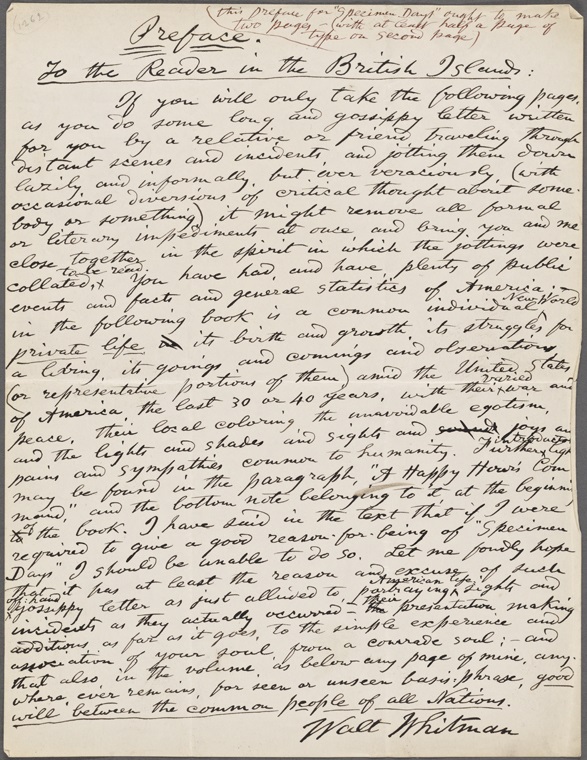
Dis­cov­er What Shakespeare’s Hand­writ­ing Looked Like, and How It Solved a Mys­tery of Author­ship

Fol­ger Shake­speare Library Puts 80,000 Images of Lit­er­ary Art Online, and They’re All Free to Use

Read All of Shakespeare’s Plays Free Online, Cour­tesy of the Fol­ger Shake­speare Library

Col­in Mar­shall hosts and pro­duces Note­book on Cities and Cul­ture and writes essays on cities, lan­guage, Asia, and men’s style. He’s at work on a book about Los Ange­les, A Los Ange­les Primer. Fol­low him on Twit­ter at @colinmarshall or on Face­book.

Dr. Seuss Draws Anti-Japanese Cartoons During WWII, Then Atones with Horton Hears a Who!

seuss japan 1

Before Theodor Seuss Geisel AKA Dr. Seuss con­vinced gen­er­a­tions of chil­dren that a wock­et might just be in their pock­et, he was the chief edi­to­r­i­al car­toon­ist for the New York news­pa­per PM from 1940 to 1948. Dur­ing his tenure he cranked out some 400 car­toons that, among oth­er things, praised FDR’s poli­cies, chid­ed iso­la­tion­ists like Charles Lind­bergh and sup­port­ed civ­il rights for blacks and Jews. He also staunch­ly sup­port­ed America’s war effort.

To that end, Dr. Seuss drew many car­toons that, to today’s eyes, are breath­tak­ing­ly racist. Check out the car­toon above. It shows an arro­gant-look­ing Hitler next to a pig-nosed, slant­ed-eye car­i­ca­ture of a Japan­ese guy. The pic­ture isn’t real­ly a like­ness of either of the men respon­si­ble for the Japan­ese war effort – Emper­or Hiro­hi­to and Gen­er­al Tojo. Instead, it’s just an ugly rep­re­sen­ta­tion of a peo­ple.

In the bat­tle for home­land morale, Amer­i­can pro­pa­gan­da mak­ers depict­ed Ger­many in a very dif­fer­ent light than Japan. Ger­many was seen as a great nation gone mad. The Nazis might have been evil but there was still room for the “Good Ger­man.” Japan, on the oth­er hand, was depict­ed entire­ly as a bru­tal mono­lith; Hiro­hi­to and the guy on the street were uni­form­ly evil. Such think­ing paved the way for the U.S. Air Force fire­bomb­ing of Tokyo, where over 100,000 civil­ians died, and for its nuclear bomb­ing of Hiroshi­ma and Nagasa­ki. And it def­i­nite­ly laid the ground­work for one of the sor­ri­est chap­ters of Amer­i­can 20th cen­tu­ry his­to­ry, the uncon­sti­tu­tion­al incar­cer­a­tion of Japan­ese-Amer­i­cans.

waiting for signals

Geisel him­self was vocal­ly anti-Japan­ese dur­ing the war and had no trou­ble with round­ing up an entire pop­u­la­tion of U.S. cit­i­zens and putting them in camps.

But right now, when the Japs are plant­i­ng their hatch­ets in our skulls, it seems like a hell of a time for us to smile and war­ble: “Broth­ers!” It is a rather flab­by bat­tle cry. If we want to win, we’ve got to kill Japs, whether it depress­es John Haynes Holmes or not. We can get pal­sy-wal­sy after­ward with those that are left.

Geisel was hard­ly alone in such beliefs but it’s still dis­con­cert­ing to see ugly car­toons like these drawn in the same hand that did The Cat in the Hat.

jap alley

In 1953, Geisel vis­it­ed Japan where he met and talked with its peo­ple and wit­nessed the hor­rif­ic after­math of the bomb­ing of Hiroshi­ma. He soon start­ed to rethink his anti-Japan­ese vehe­mence. So he issued an apol­o­gy in the only way that Dr. Seuss could.

He wrote a children’s book.

Hor­ton Hears a Who!, pub­lished in 1954, is about an ele­phant that has to pro­tect a speck of dust pop­u­lat­ed by lit­tle tiny peo­ple. The book’s hope­ful, inclu­sive refrain – “A per­son is a per­son no mat­ter how small” — is about as far away as you can get from his igno­ble words about the Japan­ese a decade ear­li­er. He even ded­i­cat­ed the book to “My Great Friend, Mit­su­gi Naka­mu­ra of Kyoto, Japan.”

You can view an assort­ment of Dr. Seuss’s wartime draw­ings in gen­er­al, and his car­toons of the Japan­ese in par­tic­u­lar, at the Dr. Went to War Archive host­ed by UCSD.

via Dart­mouth

Relat­ed Con­tent:

Pri­vate Sna­fu: The World War II Pro­pa­gan­da Car­toons Cre­at­ed by Dr. Seuss, Frank Capra & Mel Blanc

New Archive Show­cas­es Dr. Seuss’s Ear­ly Work as an Adver­tis­ing Illus­tra­tor and Polit­i­cal Car­toon­ist

Fake Bob Dylan Sings Real Dr. Seuss

The Epis­te­mol­o­gy of Dr. Seuss & More Phi­los­o­phy Lessons from Great Children’s Sto­ries

Jonathan Crow is a Los Ange­les-based writer and film­mak­er whose work has appeared in Yahoo!, The Hol­ly­wood Reporter, and oth­er pub­li­ca­tions. You can fol­low him at @jonccrowAnd check out his blog Veep­to­pus, fea­tur­ing one new draw­ing of a vice pres­i­dent with an octo­pus on his head dai­ly. 

Tap Into Timeless Wisdom: Download 36 Free Courses in Ancient History, Literature & Philosophy

Parthenon_from_westsmall

I know, it’s a dat­ed ref­er­ence now, but since I still watch the remade Bat­tlestar Galac­ti­ca series on Net­flix, the mys­ti­cal refrain—“All of this has hap­pened before and will hap­pen again”–still seems fresh to me. At any rate, it’s fresh­er than the clichéd “his­to­ry repeats itself.” How­ev­er you phrase it, the tru­ism looks more and more like a gen­uine truth the more one stud­ies ancient his­to­ry, lit­er­a­ture, and phi­los­o­phy. The con­flicts and con­cerns that feel so of the moment also occu­pied the minds and lives of peo­ple liv­ing hun­dreds, and thou­sands, of years ago, and what­ev­er you make of that, it cer­tain­ly helps put the present into per­spec­tive. Can we ben­e­fit from study­ing the wis­dom, and the fol­ly, of the ancients? To this ques­tion, I like to turn to an intro­duc­to­ry essay C.S. Lewis penned to the work of a cer­tain church father:

Every age has its own out­look. It is spe­cial­ly good at see­ing cer­tain truths and spe­cial­ly liable to make cer­tain mis­takes. We all, there­fore, need the books that will cor­rect the char­ac­ter­is­tic mis­takes of our own peri­od. And that means the old books. […] If we read only mod­ern books […] where they are true they will give us truths which we half knew already. Where they are false they will aggra­vate the error with which we are already dan­ger­ous­ly ill. The only pal­lia­tive is to keep the clean sea breeze of the cen­turies blow­ing through our minds, and this can be done only by read­ing old books.

I may dis­agree with Lewis about many things, includ­ing that “clean sea breeze” of his­to­ry, but I take to heart his point about read­ing the ancients to mit­i­gate our mod­ern bias­es and shine light on our blind spots. To that end, we present links to sev­er­al excel­lent online cours­es on the ancients from insti­tu­tions like Yale, NYU, and Stan­ford, free to peruse or take in full. See our mas­ter list—Free Cours­es in Ancient His­to­ry, Lit­er­a­ture & Phi­los­o­phy—for 36 qual­i­ty offer­ings. As always, cer­tain cours­es pro­vide more resources than oth­ers, and a few only offer their lec­tures through iTunes. These are deci­sions course admin­is­tra­tors have made, not us! Even so, these free resources are invalu­able to those wish­ing to acquaint, or reac­quaint, them­selves with the study of ancient human­i­ties.

You can, for exam­ple, take a course on Ancient Israel from NYU’s Daniel Flem­ing (Free Online Video & Course Info â€” Free Online Video), study Plato’s Laws with the renowned Leo Strauss from the Uni­ver­si­ty of Chica­go (Free Online Audio) or Socrates ( Free Online Audio) with that university’s equal­ly renowned Alan Bloom. Take a course called “Ancient Wis­dom and Mod­ern Love” (Syl­labus - Free iTunes Video — Free Online Video) with Notre Dame’s David O’Connor or study Virgil’s AeneidFree iTunes Audio) with Susan­na Braund, whose lec­tures were record­ed at Stan­ford Con­tin­u­ing Stud­ies. You’ll find many more ancient his­to­ry, lit, and phi­los­o­phy classes—36 in all, includ­ing five more Leo Strauss Pla­to seminars—on our meta list: Free Cours­es in Ancient His­to­ry, Lit­er­a­ture & Phi­los­o­phy. Read, study, repeat.

Relat­ed Con­tent:

Down­load 55 Free Online Lit­er­a­ture Cours­es: From Dante and Mil­ton to Ker­ouac and Tolkien

Learn 47 Lan­guages Online for Free: Span­ish, Chi­nese, Eng­lish & More

Ita­lo Calvi­no Offers 14 Rea­sons We Should Read the Clas­sics

Josh Jones is a writer and musi­cian based in Durham, NC. Fol­low him at @jdmagness

5‑Minute Animation Maps 2,600 Years of Western Cultural History

Work­ing with his col­leagues, Max­i­m­il­ian Schich, an art his­to­ri­an at the Uni­ver­si­ty of Texas at Dal­las, took Free­base (Google’s “com­mu­ni­ty-curat­ed data­base of well-known peo­ple, places, and things”) and gath­ered data on 150,000 impor­tant artists and cul­tur­al fig­ures who lived dur­ing the long arc of West­ern his­to­ry (6oo BCE to 2012). The schol­ars then mapped these fig­ures’ births and deaths (blue=birth, red=death) and traced their move­ments through time and place. The result is a 5‑minute ani­ma­tion (above), show­ing how the West­’s great cul­tur­al cen­ters shift­ed from Rome, even­tu­al­ly to Paris (cir­ca 1789), and more recent­ly to New York and Los Ange­les. Maps doc­u­ment­ing the flow of ideas and peo­ple in oth­er geo­gra­phies will come next.

Accord­ing to NPR, “The mod­els [used to cre­ate the videos] are the lat­est appli­ca­tion of a rapid­ly grow­ing field, called net­work sci­ence â€” which uses visu­al­iza­tions to find the under­ly­ing pat­terns and trends in com­plex data sets.” And they could yield some unex­pect­ed insights into the his­to­ry of migra­tion — for exam­ple, even with the advent of planes, trains and auto­mo­biles, mod­ern artists don’t move too much far­ther from their birth­places (an aver­age of 237 miles) rel­a­tive to the art­sy types who lived in the 14th cen­tu­ry (133 miles on aver­age).

A com­plete report on the project was pub­lished in the jour­nal Sci­ence by Schich and his col­leagues. Unfor­tu­nate­ly you’ll need a sub­scrip­tion to read it.

via NPR/Nature

Relat­ed Con­tent:

Social Media in the Age of Enlight­en­ment and Rev­o­lu­tion

Free Online His­to­ry Cours­es

Euro­pean Cul­tur­al His­to­ry in 91 Free Lec­tures by George Mosse

by | Permalink | Make a Comment ( 3 ) |

Watch World War I Unfold in a 6 Minute Time-Lapse Film: Every Day From 1914 to 1918

World War I began 100 years ago, on 28 July 1914. The ini­tial trig­ger, the assas­si­na­tion of Arch­duke Franz Fer­di­nand of Aus­tria, pro­duced some­thing of a “domi­no effect,” where Euro­pean pow­ers, bound by pre-exist­ing inter­na­tion­al alliances, chose sides and fell rather obvi­ous­ly into a cat­a­stroph­ic war. It start­ed as a Euro­pean war, pit­ting Allied pow­ers against Cen­tral pow­ers. But, soon enough, it became inter­na­tion­al, involv­ing a long list of coun­tries from Africa, North and South Amer­i­ca, Asia, and Aus­trala­sia. The trench war­fare that became such an impor­tant part of World War I ensured that the bat­tle lines moved ever so slow­ly, at least until the final stages of the war. That grind­ing qual­i­ty gets cap­tured remark­ably well by Emper­or­Tiger­star’s lat­est YouTube video, “World War I: Every Day,” which shows “the chang­ing front lines of World War I every day from Aus­tria-Hun­gary’s dec­la­ra­tion of war to the armistice of Novem­ber 11, 1918.” It also includes the chang­ing front lines in Africa and the Pacif­ic. (A leg­end, below, will help you sort out the var­i­ous dif­fer­ent play­ers.) When you’re done watch­ing “World War I: Every Day” (above), you’ll per­haps want to spend time with Emper­or­Tiger­star’s pre­vi­ous video, â€śWorld War II in Europe: Every Day,” which doc­u­ments an even blood­i­er war unfold­ing at a dra­mat­ic pace.

Leg­end:

Maroon = Cen­tral Pow­ers and annexed lands.
Bur­gundy = Areas mil­i­tar­i­ly occu­pied by the Cen­tral Pow­ers.
Red = Cen­tral Pow­er pup­pet or client states.
Brown = Cen­tral Pow­ers in an armistice.
Pink = Cen­tral Pow­er gains for that day.
Dark blue = Allied pow­ers.
Blue = Cen­tral Pow­ered lands mil­i­tar­i­ly occu­pied by the Allies.
Blue-grey = Allied pow­ers in an armistice.
Light blue = Allied gains for that day.

Relat­ed Con­tent:

Watch World War II Rage Across Europe in a 7 Minute Time-Lapse Film: Every Day From 1939 to 1945

Down­load 78 Free Online His­to­ry Cours­es: From Ancient Greece to The Mod­ern World

British Actors Read Poignant Poet­ry from World War I

Frank W. Buck­les, The Last U.S. Vet­er­an of World War I

by | Permalink | Make a Comment ( 4 ) |

The Touching Moment When Nicholas Winton (RIP) Met the Children He Saved During the Holocaust

Note: This post was orig­i­nal­ly pub­lished on July 27, 2014. Mr. Win­ton sad­ly passed away today (7/1/2015). He was 106 years old. Read his obit­u­ary, which doc­u­ments his amaz­ing deeds, here.

Pro­cras­ti­na­tors take note.

Some teens of my acquain­tance have been agi­tat­ing for a meet­ing with a Holo­caust sur­vivor. These encoun­ters, com­mon enough in my child­hood, are grow­ing less so as those with first­hand knowl­edge enter their gold­en years. Bear in mind that Eva Lavi, the youngest per­son named on Oskar Schindler’s List, is now 76.

Sir Nicholas Win­ton is def­i­nite­ly an inspir­ing fig­ure, and not just for his remark­able longevi­ty. From late 1938 until the start of the war, he man­aged to res­cue 669 Czech children—most of them Jews.

Win­ton made no pub­lic men­tion of his hero­ics, until 1988, when the BBC obtained his res­cue scrap­book and used it to coor­di­nate a mas­sive live on-air sur­prise dur­ing the pro­gram That’s Life (see above).

I plan on using the 60 Min­utes episode below to intro­duce my teen friends—most of whom stout­ly declare they’d have hid­den Anne Frank with­out a sec­ond thought—to a man whose actions speak loud­er than words.

via Holy Kaw

Relat­ed Con­tent:

Mem­o­ry of the Camps (1985): The Holo­caust Doc­u­men­tary that Trau­ma­tized Alfred Hitch­cock, and Remained Unseen for 40 Years

Alice Herz-Som­mer, the Old­est Holo­caust Sur­vivor (Thanks to the Pow­er of Music), Dies at 110

Rudolf Braz­da, Last Man to Wear the Pink Tri­an­gle Dur­ing the Holo­caust, Tells His Sto­ry

Anne Frank: The Only Exist­ing Video Now Online

Ayun Hal­l­i­day is an author, home­school­er, and Chief Pri­ma­tol­o­gist of the East Vil­lage Inky zine. Fol­low her @AyunHalliday

Colorized Photos Bring Walt Whitman, Charlie Chaplin, Helen Keller & Mark Twain Back to Life

whitman color

When dis­co pio­neer Gior­gio Moro­doer released a col­orized ver­sion of Fritz Lang’s Metrop­o­lis – fea­tur­ing a sound­track with Bil­ly Squier, Pat Benatar and Adam Ant, no less – film purists every­where howled with dis­be­lief at how the film’s moody black and white had been turned into East­er egg pinks and blues. It felt like a gim­mick and, worse, it just didn’t look real.

Col­oriza­tion has come a long way since then. In the hands of the right Pho­to­shop wiz­ard â€” like artist Dana Keller — a col­orized pho­to­graph of, say, the Okla­homa dust bowl or turn-of-the-cen­tu­ry Coney Island gives view­ers the chill of the uncan­ny. Peo­ple and things that have long since depart­ed this world sud­den­ly seem vital and alive. It makes that for­eign coun­try called the past feel eeri­ly famil­iar.

Above is a pic­ture of poet Walt Whit­man. His trade­mark long hair and Karl Marx beard would look right at home in cer­tain cor­ners of Port­land. Apart from that, there is both a sen­si­tiv­i­ty and fero­cious­ness about this pic­ture. Whit­man def­i­nite­ly looks like he’s capa­ble of deliv­er­ing a bar­bar­ic yawp. You can see what the pic­ture looked like in its orig­i­nal black and white here.

chaplin and keller color

This pho­to­graph of Helen Keller draw­ing a hand over Char­lie Chap­lin’s face from 1919 looks like it could be a still from an upcom­ing Oscar bait biopic. In fact the pic­ture was tak­en in Hol­ly­wood while Keller was on one of her speak­ing tours. (See orig­i­nal here.)

twain color

Like­wise with this por­trait (orig­i­nal here) of Mark Twain. You can almost hear him make some pithy com­ment like “A pho­to­graph is a most impor­tant doc­u­ment, and there is noth­ing more damn­ing to go down to pos­ter­i­ty than a sil­ly, fool­ish smile caught and fixed for­ev­er.” As you can see from the pic­ture, Twain didn’t take that risk, opt­ing for more of a whiskery scowl.

goebbels color

This pic­ture of Joseph Goebbels (orig­i­nal) star­ing down a Jew­ish pho­tog­ra­ph­er is sim­ply ter­ri­fy­ing. It’s the sort of death stare com­mon among psy­cho-killers, death row inmates and, appar­ent­ly, Nazi pro­pa­gan­da min­is­ters.

burger color

And this pic­ture of a hum­ble burg­er flip­per from 1938 is so crisp that it looks like it might have been tak­en yes­ter­day.

If you have an hour to kill, you can see many, many more col­orized pics from the past over at Inspire 52.

A big H/T to Natal­ie W. G.  for send­ing these our way.

Relat­ed Con­tent:

Hand-Col­ored Pho­tographs of 19th Cen­tu­ry Japan

1923 Pho­to of Claude Mon­et Col­orized: See the Painter in the Same Col­or as His Paint­ings

Mark Twain Writes a Rap­tur­ous Let­ter to Walt Whit­man on the Poet’s 70th Birth­day (1889)

Mar­i­lyn Mon­roe Reads Walt Whitman’s Leaves of Grass (1952)

Jonathan Crow is a Los Ange­les-based writer and film­mak­er whose work has appeared in Yahoo!, The Hol­ly­wood Reporter, and oth­er pub­li­ca­tions. You can fol­low him at @jonccrow. And check out his art blog Veep­to­pus.

Stanley Kubrick Faked the Apollo 11 Moon Landing in 1969, Or So the Conspiracy Theory Goes

This week is the anniver­sary of the Apol­lo 11 jour­ney to the moon. And while most peo­ple will cel­e­brate the event by acknowl­edg­ing the abil­i­ties and courage of Neil Arm­strong and com­pa­ny in this land­mark of human endeav­or, a small, though vocal, group of peo­ple will decry the moon land­ing as a fraud.

In that spir­it, French film­mak­er William Karel spins an elab­o­rate tale of intrigue in Dark Side of the Moon. (See out­takes above.) The 2002 film posits that the Apol­lo 11 moon land­ing was staged by none oth­er than Stan­ley Kubrick. How else did the direc­tor get his hands on a super advanced lens from NASA to shoot those gor­geous can­dle-lit scenes in Bar­ry Lyn­don? The film is slick­ly pro­duced and fea­tures an impres­sive array of inter­vie­wees from Hen­ry Kissinger, to Buzz Aldrin to Chris­tiane Kubrick. Some of the oth­er peo­ple inter­viewed include Jack Tor­rance and David Bow­man. If that’s not a tip off that the whole movie is fake, then the bloop­er reel at the end dri­ves the point home. Only a lot of peo­ple didn’t get the joke. Con­spir­a­cy enthu­si­asts Wayne Green cit­ed the movie as fur­ther proof that the moon land­ing was faked.

Moon hoax­ers like to point to The Shin­ing as a con­fes­sion by Kubrick that he was forced into a Big Lie. In the doc­u­men­tary Room 237, Jay Wei­d­ner claims as much. And Michael Wys­mier­s­ki argues the same in The Shin­ing Code 2.0, a fea­ture length video that you can watch below. Or get right to the meat of things here.

And just in case you get swept up in Wysmierski’s loony log­ic, film­mak­er S. G. Collins makes the very com­pelling argu­ment that the tech­nol­o­gy sim­ply didn’t exist to fake the moon land­ing in 1969. Case closed.

Relat­ed Con­tent:

Stan­ley Kubrick’s Very First Films: Three Short Doc­u­men­taries

Room 237: New Doc­u­men­tary Explores Stan­ley Kubrick’s The Shin­ing and Those It Obsess­es

Rare 1960s Audio: Stan­ley Kubrick’s Big Inter­view with The New York­er

Jonathan Crow is a Los Ange­les-based writer and film­mak­er whose work has appeared in Yahoo!, The Hol­ly­wood Reporter, and oth­er pub­li­ca­tions. You can fol­low him at @jonccrow.


« Go BackMore in this category... »
Quantcast