Read Online J.K. Rowling’s New Harry Potter Story: The First Glimpse of Harry as an Adult

rowling new story

Quick note: Ear­li­er this year, J. K. Rowl­ing began writ­ing new sto­ries about the 2014 Quid­ditch World Cup Finals for Pot­ter­more, the web­site for all things Har­ry Pot­ter. Today, she fol­lowed up with a sto­ry that takes the form of an arti­cle pub­lished in The Dai­ly Prophet: “Dumbledore’s Army Reunites at Quid­ditch World Cup Final” by Rita Skeeter. Here, Rowl­ing gives us the first glimpse of the adult Har­ry Pot­ter.

About to turn 34, there are a cou­ple of threads of sil­ver in the famous Auror’s black hair, but he con­tin­ues to wear the dis­tinc­tive round glass­es that some might say are bet­ter suit­ed to a style-defi­cient twelve-year-old. The famous light­ning scar has com­pa­ny: Pot­ter is sport­ing a nasty cut over his right cheek­bone. Requests for infor­ma­tion as to its prove­nance mere­ly pro­duced the usu­al response from the Min­istry of Mag­ic: ‘We do not com­ment on the top secret work of the Auror depart­ment, as we have told you no less than 514 times, Ms. Skeeter.’ So what are they hid­ing? Is the Cho­sen One embroiled in fresh mys­ter­ies that will one day explode upon us all, plung­ing us into a new age of ter­ror and may­hem?

You can read the full sto­ry on Pot­ter­more, where reg­is­tra­tion is required. Or the com­plete sto­ry can also be read on Today.com (with­out reg­is­tra­tion).

via i09

Relat­ed Con­tent:

How J.K. Rowl­ing Plot­ted Har­ry Pot­ter with a Hand-Drawn Spread­sheet

Take Free Online Cours­es at Hog­warts: Charms, Potions, Defense Against the Dark Arts & More

The Quan­tum Physics of Har­ry Pot­ter, Bro­ken Down By a Physi­cist and a Magi­cian

Cel­e­brate Har­ry Potter’s Birth­day with Song. Daniel Rad­cliffe Sings Tom Lehrer’s Tune, The Ele­ments.

Har­ry Pot­ter Pre­quel Now Online

by | Permalink | Make a Comment ( 9 ) |

What Does the Spleen Do? A Music Video Starring Harvard School of Medicine’s Class of 2016

Accord­ing to Har­vard Med­ical School’s Admis­sions depart­ment, “to study med­i­cine at Har­vard is to pre­pare to play a lead­ing role” in the “quest to improve the human con­di­tion.”

It might also pre­pare you to play a giant spleen, as Richard Ngo, Class of 2016, does in this video for the Har­vard Med­ical School and Har­vard School of Den­tal Med­i­cine’s 107th Annu­al Sec­ond Year Show. 

In this anatom­i­cal homage to  “The Fox,” Nor­we­gian com­e­dy duo Ylvis’ delib­er­ate­ly bizarre hit, the Crim­sonites demon­strate a pret­ty straight­for­ward grasp of their stud­ies:

Lungs go whoosh

Help you breathe

Kid­neys fil­ter

Make your pee

If, as they freely admit,  they’re a bit murky on sple­net­ic func­tion, well, that’s why they’re at the top ranked med­ical school in the coun­try, right? To learn?

And to dance?

Their par­ents, par­tic­u­lar­ly the hard work­ing immi­grant ones, must have been so relieved to learn that music videos are a fall­back should the doc­tor thing not work out.

Though why would­n’t it? Secret male uterus? Ves­ti­gial fin? Pos­si­bly a back­up tongue?

They may be guess­es, but they’re edu­cat­ed guess­es!

For com­par­ison’s sake, here are two of the win­ning entries in the Med­ical and Den­tal School’s Organ Chal­lenge, an anato­my-based music video con­test for kids K‑12Oak­land’s Pacif­ic Boy­choir Acad­e­my’s Miley Cyrus-inspired take on the Diges­tive Sys­tem (above) and Poolesville, Mary­land’s local high school’s  “Hap­py”-fla­vored anthem to healthy car­diac func­tion (below).

I’d say those kids stand a good chance of get­ting into Har­vard.

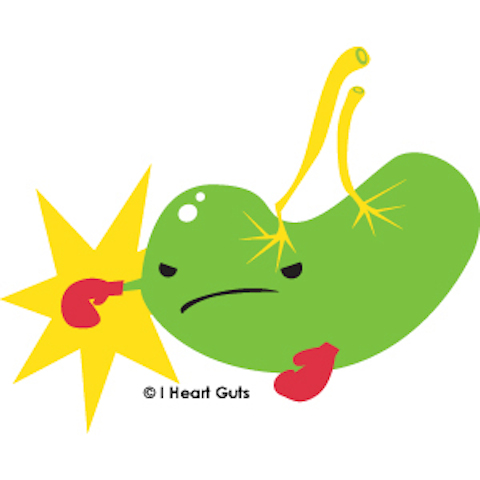
(Don’t be embar­rassed if you remain a bit shaky on what exact­ly the spleen’s there to do. This sim­ple, non-musi­cal primer on the “Queen of Clean,” com­pli­ments of I Heart Guts, should clear things up right away.

spleen1

Relat­ed Con­tent:

Down­load 100,000+ Images From The His­to­ry of Med­i­cine, All Free Cour­tesy of The Well­come Library

The Stan­ford Mini Med School: The Com­plete Col­lec­tion

Sci­ence & Cook­ing: Har­vard Profs Meet World-Class Chefs in Unique Online Course

Learn to Code with Harvard’s Intro to Com­put­er Sci­ence Course And Oth­er Free Tech Class­es

Ayun Hal­l­i­day is an author, home­school­er and the Chief Pri­ma­tol­o­gist of The East Vil­lage Inky zine. Fol­low her @AyunHalliday

Advice to Young Aspiring Artists from Patti Smith, David Byrne & Marina Abramović

If you dream of becom­ing the next Dis­ney Chan­nel star, you’d do well to heed the advice of cast­ing direc­tor Judy Tay­lor, who uses “read” and “tal­ent” accord­ing to their indus­try def­i­n­i­tions, and seems unlike­ly to cut any­one slack for youth or inex­pe­ri­ence.

If, how­ev­er, you’ve got the soul of a poet, a painter, a musi­cal adven­tur­er, all three, or none of the above, I sug­gest falling to your knees and thank­ing Den­mark’s Louisiana Muse­um of Mod­ern Art for pro­vid­ing you with an alter­na­tive. The week­ly videos on art, lit­er­a­ture, design and archi­tec­ture for its Louisiana Chan­nel are a gold­mine of inspi­ra­tion for non-main­stream types both young and old, but cer­tain seg­ments speak explic­it­ly to those just embark­ing on the jour­ney.

As any num­ber of us geezers can attest, Pat­ti Smith and David Byrne speak with author­i­ty. It’s okay if you’ve nev­er heard of them. If you were three or four decades fur­ther along, you would have.

(As to Mari­na Abramović, go easy on your par­ents if they need to spend a moment or two dial­ing her up on Wikipedia. I’ll bet Pat­ti or David would­n’t peer down their noses at some­one for not rec­og­niz­ing one of the world’s great­est liv­ing per­for­mance artists. Excuse the dan­gling prepo­si­tion, but she’s def­i­nite­ly some­one worth find­ing out about.)

I real­ize I don’t speak for most of Amer­i­ca, but for me, these guys loom larg­er than Jay‑Z and Bey­once com­bined. I also real­ize that in terms of both wealth and name recog­ni­tion, there’s a sta­ble full of teen celebri­ties who leave them in the dust.

Inter­est­ing how all three resist the notion of tal­ent as some­thing to be com­mod­i­fied.

Abramović, above, speaks of artis­tic explo­ration in lit­er­al terms. In her view dif­fi­cult work should be pur­sued with the brav­ery of 17th-cen­tu­ry sailors who sal­lied forth, believ­ing that the world was flat. I sus­pect she’s a tougher cook­ie than cast­ing direc­tor Tay­lor. Wit­ness her dif­fer­en­ti­a­tion between gar­den vari­ety artists and great artists, the month long rub­bish bas­ket task she assigned her stu­dents, and the rig­or­ous­ness of her own prac­tice.

Her fel­low trail­blaz­er Smith has a more mater­nal touch. The path she pro­motes is sim­i­lar­ly twisty, low-pay­ing, and hard, but coun­ter­bal­anced with “the most beau­ti­ful expe­ri­ences.”

Byrne tack­les some of the more prac­ti­cal aspects of com­mit­ting to the artis­tic way. To wit, there’s no shame in day jobs, even if it’s been eons since he was in a posi­tion to need one. He also makes some very valid points about tech­nol­o­gy, below, with nary a peep as to the impos­si­bil­i­ty of con­cen­trat­ing on one’s stud­ies when one is check­ing Twit­ter every two sec­onds. We all stand to ben­e­fit.

Ayun Hal­l­i­day is the author of sev­en books, includ­ing No Touch Mon­key! And Oth­er Trav­el Lessons Learned Too Late. Fol­low her @AyunHalliday

Relat­ed Con­tent:

In Touch­ing Video, Artist Mari­na Abramović & For­mer Lover Ulay Reunite After 22 Years Apart

Pat­ti Smith Shares William S. Bur­roughs’ Advice for Writ­ers and Artists

David Byrne’s Grad­u­a­tion Speech Offers Trou­bling and Encour­ag­ing Advice for Stu­dents in the Arts

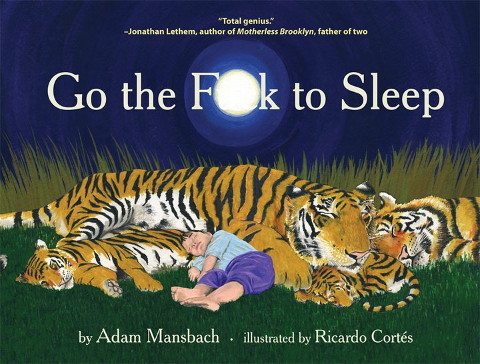
Free Audio: Go the F–k to Sleep Narrated by Samuel L. Jackson

Go_the_fuck_to_sleep

Pub­lished back in 2011, Go the F–k to Sleep, the play­ful chil­dren’s sto­ry­book meant for adults, became a big besteller. It topped Ama­zon’s best­seller list for a while. And, before you knew it, celebri­ties were giv­ing pub­lic read­ings of the book. Per­haps you’ll recall Wern­er Her­zog’s fun read­ing at The New York Pub­lic Library.

Samuel L. Jack­son did the hon­ors when the book was released in its offi­cial audio for­mat. Now that read­ing is free to down­load thanks to Audible.com. Unabridged, it runs a mere 6 min­utes. To down­load the audio, you will need to reg­is­ter with Audi­ble. We hope you’ll get a good laugh out of it.

[PS: If you’re inter­est­ed in oth­er ways to down­load a free audio book from Audi­ble, be sure to see their a 30-day free tri­al pro­gram. We have more info on that here.]

Relat­ed Con­tent:

1,000 Free Audio Books: Down­load Great Books for Free

Wern­er Her­zog Reads “Go the F**k to Sleep” in NYC (NSFW)

The First Children’s Pic­ture Book, 1658′s Orbis Sen­su­al­i­um Pic­tus

Bob Dylan Clas­sic, “For­ev­er Young,” Ani­mat­ed for Chil­dren


by | Permalink | Make a Comment ( 1 ) |

Learn to Make Buttons with Filmmaker Miranda July

We humans have relied on the decep­tive­ly hum­ble but­ton since its first appear­ance in the Indus Val­ley some 5000 years ago.

In the pre-zip­per era, what bet­ter way to show off your shape­ly arms or calves than a row of gor­geous and func­tion­al but­tons?

Need to pay a debt, or bestow a love token on a fetch­ing suit­or? Pluck a but­ton from your gar­ment, and con­sid­er the mat­ter closed.

The first cam­paign but­tons? Actu­al but­tons! Thanks, George Wash­ing­ton!

It is, as Charles Dick­ens not­ed, fol­low­ing a vis­it to a Birm­ing­ham but­ton fac­to­ry, “a seri­ous thing to attempt to learn about but­tons.” It should come as no sur­prise that the great cham­pi­on of the oppressed not only did his home­work, but wound up hav­ing rather a lot to say on the sub­ject.

Judg­ing by his account of what he wit­nessed in Birm­ing­ham, most would assume that the but­ton-mak­ing process requires spe­cial­ized machin­ery, a num­ber of spe­cial­ized mate­ri­als, and a large, nim­ble-fin­gered work­force.

Not so, as film­mak­er Miran­da July demon­strates in the extreme­ly illu­mi­nat­ing how-to video, above.

Yes, cer­tain steps will require a high degree of con­cen­tra­tion. Don’t expect to suc­cess­ful­ly Fer­ber­ize—or in lay­man’s terms, put holes in—your but­tons on the first attempt. Stick with it, though. Even an expe­ri­enced fab­ri­cant de bou­ton like July will occa­sion­al­ly have trou­ble with things like gran­u­lar com­pounds and high volt­age hard­en­ers.

As a new­com­er to the excit­ing world of but­ton-mak­ing, I real­ly appre­ci­at­ed July’s clear, step-by-step instruc­tion, as well as her encour­ag­ing vibe. The project requires a degree of skill and patience that may elude younger view­ers, but I can attest that my 13-year-old son was absolute­ly riv­et­ed through­out. He may nev­er pro­duce any but­tons, but he can’t wait to share his new­found knowl­edge with all his friends!

In clos­ing, let us revis­it Dick­ens, whose enthu­si­asm lives on in July, a fel­low writer and Aquar­i­an, 162 years his junior:

It is won­der­ful, is it not? that on that small piv­ot turns the for­tune of such mul­ti­tudes of men, women, and chil­dren, in so many parts of the world; that such indus­try, and so many fine fac­ul­ties, should be brought out and exer­cised by so small a thing as the But­ton.

Relat­ed Con­tent:

Watch Miran­da July’s Short Film on Avoid­ing the Pit­falls of Pro­cras­ti­na­tion

David Sedaris Reads You a Sto­ry By Miran­da July

Ayun Hal­l­i­day is the author of sev­en books, and cre­ator of the award win­ning East Vil­lage Inky zine. Fol­low her @AyunHalliday

Six Animations of Stories and Poems by Shel Silverstein

Shel Sil­ver­stein, beloved poet, song­writer, children’s author, and illus­tra­tor, per­fect­ed an instant­ly rec­og­niz­able visu­al and lit­er­ary style that has imprint­ed itself on sev­er­al gen­er­a­tions. We remem­ber the heart­felt whim­sy of sto­ries like The Giv­ing Tree (1964) and poet­ry col­lec­tions like Where the Side­walk Ends (1974) and A Light in the Attic (1981) as we remem­ber child­hood best friends, first crush­es, and sum­mer camp exploits. Many of us raised on his work have gone on to have kids of our own, so we get to revis­it those books we loved, with their weird, irrev­er­ent twists and turns and wild imag­i­na­tive flights. Our kids get a bonus, though, thanks to the web, since they can also see sev­er­al Sil­ver­stein poems and sto­ries in ani­mat­ed form on Youtube. Today, we bring you six of those ani­ma­tions. Sate your nos­tal­gia, share with your kids, and redis­cov­er the utter­ly dis­tinc­tive voice of the pre-emi­nent children’s poet.

We don’t get to hear Silverstein’s actu­al voice in the ani­ma­tions of “Runny’s Hind Keart”and “Run­ny on Rount Mush­more,” above, two of many poems made almost entire­ly of spooner­isms from the book and audio CD Run­ny Bab­bit: A Bil­ly Sook, posthu­mous­ly pub­lished in 2005.

Instead, Sil­ver­stein sound-alike Den­nis Locor­riere—for­mer lead singer of the band Dr. Hook—narrates. (Sil­ver­stein wrote a num­ber of songs for the band.) The poems are as fun for kids to read aloud as they are to untan­gle. Read full text here.

Just above, we get vin­tage Sil­ver­stein, read/singing “Ick­le Me, Pick­le Me, Tick­le Me Too” from Where the Side­walk Ends. Accom­pa­nied by an acoustic gui­tar, Sil­ver­stein turns the poem into a folk bal­lad, his voice ris­ing and crack­ing off-key. You may know that Sil­ver­stein wrote the John­ny Cash hit “A Boy Named Sue”—you may not know that he record­ed his own ver­sion and sev­er­al dozen more songs besides. The video above offers a fair rep­re­sen­ta­tion of his musi­cal style.

Sil­ver­stein pub­lished his award-win­ning col­lec­tion of poet­ry Falling Up in 1996, three years before his death and many years after my child­hood, so I didn’t have the plea­sure of read­ing poems like “The Toy Eater” as a kid. The poem is an excel­lent exam­ple of what Poets.org calls Silverstein’s “deft mix­ing of the sly and the seri­ous, the macabre, and the just plain sil­ly.”

Hear Sil­ver­stein above read “Back­wards Bill,” a poem I remem­ber quite well as one of my favorites from A Light in the Attic. His raspy sing-song nar­ra­tion turns the poem into a fun­ny lit­tle melody kids will remem­ber and love singing along to.

Final­ly, we bring you an ani­mat­ed excerpt from Silverstein’s beloved 1963 fable Laf­ca­dio: The Lion Who Shot Back, Silverstein’s first book writ­ten exclu­sive­ly for chil­dren. He is so well known as a writer and illus­tra­tor for kids that it’s easy to for­get that Sil­ver­stein first made a career in the fifties and six­ties as a car­toon­ist for adults, pub­lish­ing most of his work in Play­boy. Sil­ver­stein nev­er for­mal­ly stud­ied poet­ry and hadn’t con­sid­ered writ­ing it until his edi­tor at Harp­er & Row, Ursu­la Nord­strom, urged him to. With­out her inter­ven­tion, he’d sure­ly still be remem­bered for his icon­ic visu­al style and song­writ­ing, but mil­lions of kids would have missed out on the weird­ness of his warped imag­i­na­tion. Sil­ver­stein showed us we didn’t have to be sen­ti­men­tal or schmaltzy to be open-heart­ed, car­ing, and curi­ous. His work endures because he had the unique abil­i­ty to speak to chil­dren in a lan­guage they under­stand with­out con­de­scend­ing or dumb­ing things down. See sev­er­al more short ani­ma­tions at Silverstein’s offi­cial web­site.

Relat­ed Con­tent:

Studs Terkel Inter­views Bob Dylan, Shel Sil­ver­stein, Maya Angelou & More in New Audio Trove

18 Ani­ma­tions of Clas­sic Lit­er­ary Works: From Pla­to and Shake­speare, to Kaf­ka, Hem­ing­way and Gaiman

John­ny Cash: Singer, Out­law, and, Briefly, Tele­vi­sion Host

Josh Jones is a writer and musi­cian based in Durham, NC. Fol­low him at @jdmagness.

Neil Gaiman Reads The Graveyard Book, His Award-Winning Kids Fantasy Novel, Chapter by Chapter

In 2009, Neil Gaiman won the New­bery Medal for The Grave­yard Book, a pres­ti­gious prize giv­en to “the author of the most dis­tin­guished con­tri­bu­tion to Amer­i­can lit­er­a­ture for chil­dren.” The Amer­i­can Library Asso­ci­a­tion, the orga­ni­za­tion that bestows the award, called The Grave­yard Book a “deli­cious mix of mur­der, fan­ta­sy, humor and human long­ing,” and cit­ed its “mag­i­cal, haunt­ing prose.” You can savor that prose by watch­ing the playlist of videos embed­ded above. Dur­ing the book tour for The Grave­yard Book, Gaiman read a dif­fer­ent chap­ter at every stop, and his pub­lish­er, Harper­Collins, record­ed the read­ings and made them avail­able online. If you have rough­ly eight hours of free time, you can watch the read­ing from start to fin­ish.

We have more Gaiman read­ings in our col­lec­tion of Neil Gaiman’s Free Short Sto­ries. You can also find the read­ing on our list 1,000 Free Audio Books: Down­load Great Books for Free.

Relat­ed Con­tent:

Free Audio: Down­load the Com­plete Chron­i­cles of Nar­nia by C.S. Lewis

200 Free Kids Edu­ca­tion­al Resources: Video Lessons, Apps, Books, Web­sites & More

The Inter­na­tion­al Children’s Dig­i­tal Library Offers Free eBooks for Kids in Over 40 Lan­guages

Neil Gaiman Reads Dr. Seuss’ Green Eggs and Ham

by | Permalink | Make a Comment ( 2 ) |

Watch Gumbasia the Jazzy Stop Motion Film That Gave Birth to Gumby (1955)

Like many in the Hon­ey­comb Kids gen­er­a­tion, I did­n’t prop­er­ly appre­ci­ate chil­dren’s tele­vi­sion icon Gum­by until Eddie Mur­phy par­o­died him on Sat­ur­day Night Live. This sparked a revival. Watch­ing Gum­by episodes in the com­pa­ny of oth­er mer­ry young adults reframed my pre­vi­ous­ly held view of him as a rel­ic from a time when TV was bor­ing. Turns out that Gum­by and his equine side­kick Pokey were actu­al­ly pret­ty fun­ny, weird-in-a-good-way, and far more soul­ful than the wit­less flat ani­ma­tion jam­ming the air­waves of my 70s child­hood.

Then, in 2006, the Muse­um of the Mov­ing Image had an exhib­it devot­ed to the work of Art Clokey, father of Gum­by.

I decid­ed to take the kids, gam­bling that they might respond to Gum­by as I did now, not the way I did when I was their age. Their screen time was pret­ty lim­it­ed back then, and as a result, they’d avid­ly watch just about any­thing.

The first video we encoun­tered was Gum­ba­sia, the exper­i­men­tal, char­ac­ter-free, stop motion riff above that Clokey made as a stu­dent at USC. It was pro­duced in 1953 and released in 1955.

Not exact­ly what I’d been prim­ing the chil­dren to expect on the sub­way ride over.

“That’s Gum­by?” they cried in dis­may. “That cube?”

No. But those mor­ph­ing cubes and squig­gles did give birth to an empire, after pro­duc­er and pres­i­dent of the Motion Pic­ture Pro­duc­ers Asso­ci­a­tion, Sam Engel, offered to bankroll a pilot, declar­ing Gum­ba­sia the most excit­ing film he’d ever seen in his life. Clokey was teach­ing Eng­lish at the Har­vard Mil­i­tary Acad­e­my. Engel’s sole wish was to improve the qual­i­ty of chil­dren’s tele­vi­sion pro­gram­ming. He asked Clokey if he could “make lit­tle clay fig­ures out of that clay and ani­mate them.”

Clokey did just that, with Engel bankrolling the pilot, “Gum­by on the Moon.” The pro­duc­er was so pleased with the result, he refused to take a cut when Gum­by was giv­en a sev­en year con­tract at NBC.

Imag­ine a Cin­derel­la sto­ry like that hap­pen­ing today!

If this small morsel of Gum­by his­to­ry leaves you crav­ing more, book your flight for the inau­gur­al Gum­by Fest in Glen­do­ra, Cal­i­for­nia, where Gum­by grew to matu­ri­ty in “an unas­sum­ing indus­tri­al build­ing.”

You can find Gum­ba­sia in the Ani­ma­tion sec­tion of our col­lec­tion of 675 Free Movies Online: Great Clas­sics, Indies, Noir, West­erns.

Relat­ed Con­tent:

Big Bang Big Boom: Graf­fi­ti Stop-Motion Ani­ma­tion Cre­ative­ly Depicts the Evo­lu­tion of Life

Watch “Bot­tle,” an Award-Win­ning Stop Motion Ani­mat­ed Tale of Transocean­ic Cor­re­spon­dence

Hard­er Than It Looks: How to Make a Great Stop Motion Ani­ma­tion

Ayun Hal­l­i­day is the author of sev­en books, and cre­ator of the award win­ning East Vil­lage Inky zine. Fol­low her @AyunHalliday

« Go BackMore in this category... »
Quantcast