Ernest Hemingway’s “Love Letter” to His “Dearest Kraut,” Marlene Dietrich (1955)

Hemingway-to-Marlene-Diet-001

Click to enlarge

We think today of Ernest Hem­ing­way as that most styl­is­ti­cal­ly dis­ci­plined of writ­ers, but it seems that, out­side his pub­lished work and espe­cial­ly in his per­son­al cor­re­spon­dence, he could cut pret­ty loose. One par­tic­u­lar­ly vivid exam­ple has returned to pub­lic atten­tion recent­ly by appear­ing for sale on a site called auctionmystuff.com: a let­ter from Hem­ing­way to leg­endary singer-actress Mar­lene Diet­rich, dat­ed August 28, 1955. “In the inti­mate, ram­bling and reveal­ing let­ter,” writes the Wall Street Jour­nal’s Jonathan Welsh, “Hem­ing­way pro­fess­es his love for Diet­rich a num­ber of times, though the two are said to have nev­er con­sum­mat­ed the rela­tion­ship.” He also, Welsh notes, “talks about stag­ing one of her per­for­mances, in which he imag­ines her ‘drunk and naked.’ ” The full let­ter, which spares no detail of this elab­o­rate fan­ta­sy, runs as fol­lows:

Dear­est Kraut :

Thanks very much for the good long let­ter with the gen on what you found wrong. I don’t know any­thing about the the­ater but I don’t think it would occur to me, even, to have you intro­duced even to me with strains of La Vie En Rose. Poor peo­ples.

If I were stag­ing it would prob­a­bly have some­thing nov­el like hav­ing you shot onto the stage, drunk, from a self-pro­pelled min­nen­wer­fer which would advance in from the street rolling over the cus­tomers. We would be play­ing “Land of Hope and Glo­ry.” As you land­ed on the stage drunk and naked I would advance from the rear, or from your rear wear­ing evening clothes and would hur­ried­ly strip off my evening clothes to cov­er you reveal­ing the physique of Burt Lan­cast­er Strong­fort and announce that we were sor­ry that we did not know the lady was loaded. All this time the Thir­ty ton S/P/ Mor­tar would be bull­doz­ing the cus­tomers as we break into the Abor­tion Scene from “Lakme.” This is a scene which is real­ly Spine Tin­gling and I have just the spine for it. I play it with a Giant Rub­ber Whale called Cap­tain Ahab and all the time we are work­ing on you with pul­mo­tors and raversed (sic) clean­ers which blow my evening clothes off you. You are foam­ing at the mouth of course to show that we are real­ly act­ing and we bot­tle the foam and sell it to any sur­viv­ing cus­tomers. You are referred to in the con­tract as The Artist and I am just Cap­tain Ahab. For­tu­nate­ly I am crazed and I keep shout­ing “Fire One. Fire Two. Fire Three.” And don’t think we do not fire them. It is then that the Germ of the Mutiny is born in your disheveled brain.

But why should a great Artist-Cap­tain like me invent so many for so few for only air-mail love on Sun­day morn­ing when I should be in church. Only for fun, I guess. Gen­tle­men, crank up your hears­es.

Mar­lene, dar­ling, I write sto­ries but I have no grace for fuck­ing them up for oth­er medi­ums. It was hard enough for me to learn to write to be read by the human eye. I do not know how, nor do I care to know how to write to be read by par­rots, mon­keys, apes, baboons, nor actors.

I love you very much and I nev­er want­ed to get mixed in any busi­ness with you as I wrote you when this thing first was brought up. Nei­ther of us has enough whore blood for that. Not but what I num­ber many splen­did whores amongst my best friends and cer­tain­ly nev­er, I hope, could be accused of anti-whor­eism. Not only that but I was cir­cum­cised as a very ear­ly age.

Hope you have it good in Cal­i­for­nia and Las Vegas. What I hear from the boys is that many peo­ple in La Vegas (sic) or three or four any­way of the mains are over-extend­ed. This is very straight­gen but every­body knows it if I know it although I have not told any­one what I’ve heard and don’t tell you. But watch all mon­ey ends. Some peo­ple would as soon have the pub­lic­i­ty of mak­ing you look bad as of your expect­ed and legit­i­mate suc­cess. But that is the way every­thing is every­where and no crit­i­cism of Neva­da or any­one there. Cut this para­graph out of this let­ter and burn it if you want to keep the rest of the let­ter in case you thought any of it fun­ny. I rely on you as a Kraut offi­cer and gen­tle­men do this.

New Para­graph. I love you very much and wish you luck. Wish me some too. Book is on page 592. This week Thurs­day we start pho­tog­ra­phy on fish­ing. Am in charge of fish­ing etc. and it is going to be dif­fi­cult enough. With a bad back a lit­tle worse. The Artist is not here nat­u­ral­ly. I only wrote the book but must do the work as well and have no stand-in. Up at 0450 knock off at I930. This goes on for I5 days.

I think you could say you and I have earned what­ev­er dough the peo­ple let us keep.

So what. So Mer­dre. I love you as always.

Papa

“To him she was ‘my lit­tle Kraut,’ or ‘daugh­ter,’ to her he was sim­ply ‘Papa’ — and it was love at first sight when they met aboard a French ocean lin­er in 1934,” writes The Guardian’s Kate Con­nol­ly of the two icons’ unusu­al rela­tion­ship. “Hem­ing­way and Diet­rich start­ed writ­ing to each oth­er when he was 50 and she was 47, remain­ing in close con­tact until the writer’s sui­cide in 1961. But they nev­er con­sum­mat­ed their love, because of what Hem­ing­way referred to as ‘unsyn­chro­nised pas­sion.’ ” A fan of both Hem­ing­way and Diet­rich could pre­sum­ably desire noth­ing more than one of the orig­i­nal pieces of their cor­re­spon­dence, but this par­tic­u­lar let­ter, with a start­ing price of $35,000, drew not a sin­gle bid — per­haps a sale, like the phys­i­cal expres­sion of the Old Man and the Sea author and “Lili Mar­leen” singer’s love, fat­ed nev­er to hap­pen.

Relat­ed Con­tent:

Mar­lene Dietrich’s Tem­per­me­n­tal Screen Test for The Blue Angel (and the Com­plete 1930 Film)

Ernest Hem­ing­way to F. Scott Fitzger­ald: “Kiss My Ass”

Ernest Hemingway’s Delu­sion­al Adven­tures in Box­ing: “My Writ­ing is Noth­ing, My Box­ing is Every­thing.”

Ernest Hemingway’s Favorite Ham­burg­er Recipe

Clive Owen & Nicole Kid­man Star in HBO’s Hem­ing­way & Gell­horn: Two Writ­ers, A Mar­riage and a Civ­il War

Col­in Mar­shall hosts and pro­duces Note­book on Cities and Cul­ture and writes essays on cities, lan­guage, Asia, and men’s style. He’s at work on a book about Los Ange­les, A Los Ange­les Primer. Fol­low him on Twit­ter at @colinmarshall or on Face­book.

Lewis Carroll’s Photographs of Alice Liddell, the Inspiration for Alice in Wonderland

One of the great poly­maths of the 19th cen­tu­ry, Lewis Car­roll (pen name of Charles Lutwidge Dodg­son) —math­e­mati­cian, logi­cian, author, poet, Angli­can cleric—took to the new medi­um of pho­tog­ra­phy with the same alacrity he applied to all of his pur­suits. Though he may be described as a hob­by­ist in the sense that he nev­er pur­sued the art pro­fes­sion­al­ly, he nonethe­less “became a mas­ter of the medi­um, boast­ing a port­fo­lio of rough­ly 3,000 images and his very own stu­dio.”

So says a recent arti­cle by Gan­non Bur­gett on Carroll’s “24-year career as a pho­tog­ra­ph­er,” dur­ing which he made a num­ber of por­traits, includ­ing one of then-poet lau­re­ate of Eng­land Alfred, Lord Ten­nyson. His sub­jects also includ­ed “land­scapes, dolls, dogs, stat­ues, paint­ings, trees and even skele­tons.”

Hallam_Tennyson_child

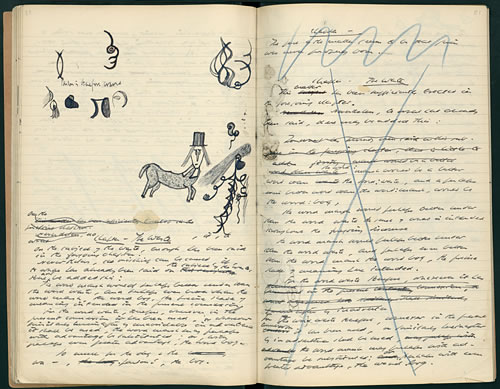
Car­roll excelled at a devel­op­ing method called the wet col­lo­di­on process, which replaced the daguerreo­type as the pri­ma­ry means of pho­to­graph­ic image-mak­ing. This process seems to have been some­thing like paint­ing in oils, requir­ing a great deal of dex­ter­i­ty and chem­i­cal know-how, and sim­i­lar­ly sub­ject to decay when done improp­er­ly. Car­roll par­tic­u­lar­ly val­ued this method for its dif­fi­cul­ty (he described it in detail in some lines added to a poem called “Hiawatha’s Pho­tograph­ing”)—so much so that once a dry devel­op­ing process came into being, he aban­doned the medi­um alto­geth­er, com­plain­ing that it became so easy any­one could do it. Carroll’s obses­sive focus on process mir­rored an obses­sion with his favorite pho­to­graph­ic sub­jects, young chil­dren, includ­ing Tennyson’s son Hal­lam (above). Most famous­ly, Car­roll obses­sive­ly pho­tographed the young Alice Lid­dell (top and below as “The Queen of May”), daugh­ter of fam­i­ly friend Hen­ry George Lid­dell and inspi­ra­tion for Carroll’s most famous fic­tion­al char­ac­ter.

Liddell,_Alice_P._-_'The_Queen_of_May'_(Lewis_Carroll,_05_or_06.1860)

Many of Carroll’s pho­tographs of Alice and oth­er chil­dren can seem down­right pruri­ent to our eyes. As Carroll’s biog­ra­ph­er Jen­ny Woolf writes in a 2010 essay for the Smith­son­ian, “of the approx­i­mate­ly 3,000 pho­tographs Dodg­son made in his life, just over half are of children—30 of whom are depict­ed nude or semi-nude.”

Some of his portraits—even those in which the mod­el is clothed—might shock 2010 sen­si­bil­i­ties, but by Vic­to­ri­an stan­dards they were… well, rather con­ven­tion­al. Pho­tographs of nude chil­dren some­times appeared on post­cards or birth­day cards, and nude portraits—skillfully done—were praised as art stud­ies […]. Vic­to­ri­ans saw child­hood as a state of grace; even nude pho­tographs of chil­dren were con­sid­ered pic­tures of inno­cence itself.

Woolf admits that Carroll’s inter­est, as schol­ars have spec­u­lat­ed for decades, may have been less than inno­cent, prompt­ing Vladimir Nabokov to pro­pose “a pathet­ic affin­i­ty” between Car­roll and the nar­ra­tor of Loli­ta. The evi­dence for Carroll’s pos­si­ble pedophil­ia is high­ly sug­ges­tive but hard­ly con­clu­sive. Bur­gett sum­ma­rizes the claims as only spec­u­la­tive at best: “The entire con­tro­ver­sy is an almost cen­tu­ry-long debate, and one that doesn’t seem to be mak­ing any major progress in either direc­tion.” In a Slate review of Woolf’s Lewis Car­roll biog­ra­phy, Seth Lerer also acknowl­edges the con­tro­ver­sy, but reads the pho­tographs of Alice, her sis­ters, and friends as rep­re­sen­ta­tive of larg­er trends, as “bril­liant tes­ti­monies to the taste, the sen­ti­ment, and per­haps the sex­u­al­i­ty of mid-Vic­to­ri­an Eng­land.”

Lorina_and_Alice_Liddell.Chinamen

A great part of this Vic­to­ri­an sen­si­bil­i­ty con­sists of the “recog­ni­tion that all life involves role-play­ing,” hence the recur­ring pho­tos of the girls in dress-up—as fig­ures from myth and lit­er­a­ture and exot­ic Ori­en­tal­ist char­ac­ters, such as the pho­to above of Alice and her sis­ter Lori­na as “Chi­na­men.” “These are the tableaux of Vic­to­ri­an melo­dra­ma,” writes Lerer, “images on stage-sets of the imag­i­na­tion.” We see anoth­er of Carroll’s favorite pho­to­graph­ic sub­jects, Alexan­dra “Xie” Kitchin, daugh­ter of a col­league, also giv­en the Ori­en­tal­ist treat­ment below, posed as an off-duty tea mer­chant.

Carroll’s care­ful­ly staged child pho­tographs are very much like those of oth­er pho­tog­ra­phers of the peri­od like Mary Cow­den Clarke and Julia Mar­garet Cameron, who also pho­tographed Alice Lid­dell, even into her adult­hood. Cameron’s pho­tographs also includ­ed child nudes, to a sim­i­lar effect as Carroll’s—the depic­tion of a “state of grace” in which chil­dren appear as nymphs, “gyp­sies” or oth­er such types sup­pos­ed­ly belong­ing to Edenic worlds untouched by adult cares. Giv­en the con­text Woolf, Lerer and oth­ers pro­vide, it’s rea­son­able to view Carroll’s child pho­tog­ra­phy as con­sis­tent with the tastes of the day. (Though no one sug­gests this as an ali­bi for Car­rol­l’s pos­si­bly trou­bling pro­cliv­i­ties.)

As it stands, the pho­tographs of Alice and oth­er chil­dren open a fas­ci­nat­ing, if some­times dis­com­fit­ing, win­dow on an age that viewed child­hood very dif­fer­ent­ly than our own. They also give us a view of Carroll’s strange inner world, one not unlike the unset­tling fan­ta­sy realm of 20th cen­tu­ry folk artist Hen­ry Darg­er. Unlike Darg­er, Carroll’s work brought him wide­spread fame in his life­time, but like that reclu­sive fig­ure, the author of Alice’s Adven­tures in Won­der­land and Through the Look­ing Glass was a shy, intro­spec­tive man whose imag­i­na­tive land­scape pos­sessed a log­ic all its own, charged with mag­ic, threat, and long­ing for lost child­hood inno­cence.

See a gal­leries of Carroll’s pho­tographs of Alice and oth­er chil­dren here and here, and see this site for more gen­er­al info on Carroll’s pho­tog­ra­phy.

Relat­ed Con­tent:

See The Orig­i­nal Alice In Won­der­land Man­u­script, Hand­writ­ten & Illus­trat­ed By Lewis Car­roll (1864)

See Sal­vador Dali’s Illus­tra­tions for the 1969 Edi­tion of Alice’s Adven­tures in Won­der­land

Free Audio: Alice In Won­der­land Read by Cory Doc­torow

Josh Jones is a writer and musi­cian based in Durham, NC. Fol­low him at @jdmagness.

Ralph Waldo Emerson Writes a Job Recommendation for Walt Whitman (1863)

EmersonLetter1

While we often rec­om­mend Let­ters of Note for the hits of his­to­ry’s most illu­mi­nat­ing pieces of inci­den­tal cor­re­spon­dence, do con­sid­er also mak­ing a reg­u­lar vis­its to Slate’s his­to­ry blog The Vault. There you’ll find such writ­ten arti­facts as the one pic­tured in part above, astute­ly writ­ten up by occa­sion­al Open Cul­ture con­trib­u­tor Rebec­ca Onion: “In 1863, as he con­sid­ered seek­ing a gov­ern­ment clerk­ship, Walt Whit­man asked his friend and advo­cate Ralph Wal­do Emer­son for a let­ter of rec­om­men­da­tion. Emer­son, for decades a respect­ed name in Amer­i­can let­ters, knew the sec­re­taries of state and trea­sury per­son­al­ly, and Whit­man hoped that a note from him would help the younger poet secure steady employ­ment in Wash­ing­ton.” This note runs, in a tran­script from the Walt Whit­man archive, as fol­lows:

Con­cord Mass­a­chu­setts
10 Jan­u­ary 2, 1863

Dear Sir,

Mr Walt Whit­man, of New York, writes me that he is seek­ing employ­ment in the pub­lic ser­vice in Wash­ing­ton, & per­haps some appli­ca­tion on his part has already been made to your­self. Will you per­mit me to say that he is known to me as a man of strong orig­i­nal genius, com­bin­ing, with marked eccen­tric­i­ties, great pow­ers & valu­able traits of char­ac­ter: a self-rely­ing large-heart­ed man, much beloved by his friends; entire­ly patri­ot­ic & benev­o­lent in his the­o­ry, tastes, & prac­tice. If his writ­ings are in cer­tain points open to crit­i­cism, they show extra­or­di­nary pow­er, & are more deeply Amer­i­can, demo­c­ra­t­ic, & in the inter­est of polit­i­cal lib­er­ty, than those of any oth­er poet.

A man of his tal­ents & dis­po­si­tions will quick­ly make him­self use­ful, and, if the gov­ern­ment has work that he can do, I think it may eas­i­ly find that it has called to its side more valu­able aid than it bar­gained for.

With entire respect,

Your obe­di­ent ser­vant,

R. W. Emer­son.

Hon Salmon P. Chase, | Sec­re­tary of the Trea­sury.

Any of us, I feel cer­tain, would love hav­ing such an elo­quent­ly praise-filled let­ter of rec­om­men­da­tion sent on our behalf by a friend, a teacher, a for­mer employ­er, or a pil­lar of Amer­i­can Tran­scen­den­tal­ism. But even with that, the author of Leaves of Grass did­n’t find the road to a day gig par­tic­u­lar­ly smooth — in large part, of course, because of hav­ing writ­ten Leaves of GrassWhit­man, whose “rep­u­ta­tion pre­ced­ed him in job inter­views, report­ed that Salmon Chase, the sec­re­tary of the trea­sury and addressee of this let­ter, was vehe­ment­ly against the idea of employ­ing the author of Leaves, a book that cel­e­brat­ed open sex­u­al­i­ty in a way that Chase found dis­taste­ful.” He would even get fired from anoth­er job specif­i­cal­ly “because of objec­tions to his poet­ry.” Well, they can’t say Emer­son did­n’t warn them about Whit­man’s “marked eccen­tric­i­ties” — such as his ten­den­cy to write some of the most endur­ing verse in Amer­i­can his­to­ry.

via The Vault

Relat­ed Con­tent:

Mark Twain Writes a Rap­tur­ous Let­ter to Walt Whit­man on the Poet’s 70th Birth­day (1889)

Hear Walt Whit­man (Maybe) Read­ing the First Four Lines of His Poem, “Amer­i­ca” (1890)

Find works by Whit­man and Emer­son in our twin col­lec­tions: 1,000 Free Audio Books: Down­load Great Books for Free and 800 Free eBooks for iPad, Kin­dle & Oth­er Devices

Col­in Mar­shall hosts and pro­duces Note­book on Cities and Cul­ture and writes essays on cities, lan­guage, Asia, and men’s style. He’s at work on a book about Los Ange­les, A Los Ange­les Primer. Fol­low him on Twit­ter at @colinmarshall or on Face­book.

Read 4,500 Unpublished Pages of Flaubert’s Madame Bovary

MadameBovary

Why study a lan­guage like French? For the unpar­al­leled plea­sure, of course, of read­ing a beloved, respect­ed, and endur­ing nov­el like Madame Bovary in the orig­i­nal — or so lit­er­ar­i­ly inclined Fran­cophiles might argue. After all, they’d rhetor­i­cal­ly ask, can you real­ly say you’ve read the book if you haven’t actu­al­ly read the very same words Gus­tave Flaubert wrote? But now, lit­er­ar­i­ly inclined Fran­cophiles who also have an enthu­si­asm for the web (not an over­whelm­ing­ly large group, wags may point out) can insist that you haven’t real­ly read Madame Bovary unless you’ve read it all in the orig­i­nal: all 4,500 pages of it. Yes, the French do tend to write longer sen­tences than most, but that impres­sive length has less to do with a nation­al lit­er­ary style than with thor­ough­go­ing com­pletism, an impulse that brings togeth­er all of the 1856 nov­el­’s orig­i­nal­ly pub­lished pages as well as all of those cut, cen­sored, or revised, free to read online at bovary.fr.

“After a marathon effort of tran­scrip­tion by 130 vol­un­teers from all over the world, includ­ing a clean­ing lady, an oil prospec­tor and sev­er­al teenagers,” writes the Inde­pen­dent’s John Lich­field, “all the vari­ants of Gus­tave Flaubert’s mas­ter­piece can be con­sult­ed on a new web­site. This is believed to be the first time that the com­plete process of cre­ation, and pub­li­ca­tion, of a clas­sic nov­el has been made avail­able on the inter­net,” much less on a site that “con­tains not only the pub­lished text and images of the bare­ly leg­i­ble man­u­scripts but inter­ac­tive con­trols which allow the read­er to re-instate pas­sages cor­rect­ed or cut by Flaubert or his pub­lish­ers.” Despite this unprece­dent­ed­ly vast and acces­si­ble trove of Madame Bovary resources, strug­gles over the prop­er inter­pre­ta­tion of the once-scan­dalous nov­el will doubt­less only con­tin­ue, not only at the lev­el of just which word Flaubert intend­ed to write on the fourth draft of a par­tic­u­lar­ly cru­cial para­graph, but at the lev­el of whether to con­sid­er the whole book tragedy, com­e­dy, or some­thing in between. Enter the Madame Bovary Archive here.

Relat­ed Con­tent:

As Pride and Prej­u­dice Turns 200, Read Jane Austen’s Man­u­scripts Online

See F. Scott Fitzgerald’s Hand­writ­ten Man­u­scripts for The Great Gats­byThis Side of Par­adise & More

The Online Emi­ly Dick­in­son Archive Makes Thou­sands of the Poet’s Man­u­scripts Freely Avail­able

James Joyce Man­u­scripts Online, Free Cour­tesy of The Nation­al Library of Ire­land

Mary Shelley’s Hand­writ­ten Man­u­scripts of Franken­stein Now Online for the First Time

The Com­plete Works of Leo Tol­stoy Online: New Archive Will Present 90 Vol­umes for Free (in Russ­ian)

Col­in Mar­shall hosts and pro­duces Note­book on Cities and Cul­ture and writes essays on cities, lan­guage, Asia, and men’s style. He’s at work on a book about Los Ange­les, A Los Ange­les Primer. Fol­low him on Twit­ter at @colinmarshall or on Face­book.

William S. Burrough’s Avant-Garde Movie ‘The Cut Ups’ (1966)

In 1920, Dadaist extra­or­di­naire Tris­t­ian Tzara described in his man­i­festo how to write a poem, Dada-style. It involved cut­ting up the words from a text, dump­ing them into a bag and then pulling out the words ran­dom­ly. “And there you are,” he wrote. “An infi­nite­ly orig­i­nal author of charm­ing sen­si­bil­i­ty, even though unap­pre­ci­at­ed by the vul­gar herd.” Who would have thought that Tzara’s avant-garde meth­ods would be adapt­ed into a suc­cess­ful line of refrig­er­a­tor mag­nets?

In 1959, William S. Bur­roughs had just pub­lished his noto­ri­ous non-lin­ear mas­ter­piece Naked Lunch (heard him read it here) when he came across the “cut-up” meth­ods of British artist Brion Gysin, which were influ­enced by Tzara. Soon the author start­ed using cut-up tech­niques explic­it­ly in his own work, par­tic­u­lar­ly in his The Nova Tril­o­gy. Unlike Tzara, who believed that cut-ups would reveal the utter absur­di­ty of the world, Bur­roughs argued that lan­guage was a means of con­trol that locked us into tra­di­tion­al ways of think­ing. The cut-up was one way of blunt­ing that con­trol with new, unex­pect­ed jux­ta­po­si­tions. Excit­ed by the pos­si­bil­i­ties of the cut-up, he exper­i­ment­ed with it in a num­ber of dif­fer­ent media.

The 1966 short The Cut-Ups is prob­a­bly Burrough’s best-known for­ay into exper­i­men­tal film, which he made with film­mak­er and renowned smut/horror dis­trib­u­tor Antony Balch. The film fea­tures ran­dom, repet­i­tive shots of Bur­roughs in New York, Lon­don and Tang­iers spliced togeth­er in pre­cise lengths but with lit­tle regard for the con­tent of the image. The audio is a cut-up con­ver­sa­tion with the words “Yes” and “Hel­lo,” get­ting looped over and over and over again.

The film is a trip­py, mes­mer­iz­ing expe­ri­ence. The mind strug­gles to make sense of the chaos. It feels like you’re watch­ing a dream that has some­how short-cir­cuit­ed. When the film first pre­miered, film audi­ences were report­ed­ly freaked out. Some declared that the movie made them feel ill while oth­ers demand­ed their mon­ey back. You can watch it for free above. Don’t say you weren’t warned.

And if you’re in the mood for some more avant-garde cin­e­mat­ic good­ness then you can check out Bur­roughs and Balch’s first col­lab­o­ra­tion Tow­ers Open Fire below. It’s NSFW. More avant-garde films can be found in our col­lec­tion, 4,000+ Free Movies Online: Great Clas­sics, Indies, Noir, West­erns, Doc­u­men­taries & More.

Relat­ed Con­tent:

William S. Bur­roughs Explains What Artists & Cre­ative Thinkers Do for Human­i­ty: From Galileo to Cézanne and James Joyce

William S. Bur­roughs on the Art of Cut-up Writ­ing

William S. Bur­roughs Reads His Con­tro­ver­sial 1959 Nov­el Naked Lunch

Jonathan Crow is a Los Ange­les-based writer and film­mak­er whose work has appeared in Yahoo!, The Hol­ly­wood Reporter, and oth­er pub­li­ca­tions. You can fol­low him at @jonccrow.

Jonathan Safran Foer, Toni Morrison & Steven Pinker Cultivate Thought on Chipotle’s Cups and Bags

If you walk into Chipo­tle, order a drink, and look at the cup, you might see the fol­low­ing lit­er­ary text:

TWO-MINUTE SEDUCTION
by TONI MORRISON

I took my heart out and gave it to a writer made heart­less by fame, some­one who need­ed it to pump blood into veins des­ic­cat­ed by the suck and roar of crowds slob­ber­ing or poi­son­ing or lick­ing up the red froth they mis­take for hap­pi­ness because hap­pi­ness looks just like a heart paint­ed on a valen­tine cup or tat­tooed on an arm that has nev­er held a vic­tim or com­fort­ed a hurt friend. I took it out and the space it left in my chest was sutured tight like the skin of a drum.

As my own pulse failed, I fell along with a soft show­er of rain typ­i­cal in this place.

Lying there, col­lapsed under trees bor­der­ing the man­sion of the famous one I saw a but­ter­fly bro­ken by the slam of a sin­gle rain­drop on its wings fold and flut­ter as it hit a pool of water still fight­ing for the lift that is its nature. I closed my eyes expect­ing to dis­solve into stars or lava or a bru­tal sequoia when the famous writer appeared and leaned down over me. Lift­ing my head he put his lips on mine and breathed into my mouth one word and then anoth­er, and anoth­er words upon words then num­bers, then notes. I swal­lowed it all while my mind filled with lan­guage, mea­sure, music, knowl­edge.

These gifts from the famous writer were so seduc­tive, so all encom­pass­ing they seemed to make a heart irrel­e­vant.

Oth­er cups and brown paper bags fea­ture short thoughts by Mal­colm Glad­well, George Saun­ders, Steven Pinker, Michael Lewis, and Sheri Fink, among oth­ers. The ini­tia­tive, dubbed Cul­ti­vat­ing Thought, was actu­al­ly the brain­child of nov­el­ist Jonathan Safran Foer (Every­thing Is Illu­mi­nat­ed and Extreme­ly Loud and Incred­i­bly Close). Years ago, he met with Chipotle’s CEO and posed the ques­tion: why not give peo­ple a lit­tle food for thought on your cups and brown paper bags? Just last week, the Cul­ti­vat­ing Thought Author series was launched, with Safran Foer serv­ing as its “cura­tor.”

Jack Kerouac’s Poems Read by Patti Smith, John Cale & Other Icons (with Music by Joe Strummer)

Jack Ker­ouac was cool before it was cool.

Kerouac’s break­out nov­el, On the Road, influ­enced gen­er­a­tions of artists, writ­ers and musi­cians. His prose was vital and messy and new. He wrote frankly about sex, drugs and spir­i­tu­al yearn­ing. He was young and movie star good look­ing. And he was a friend with just about every oth­er lit­er­ary rock star of the era – William S. Bur­roughs, Allen Gins­berg, Gary Sny­der and Neal Cas­sady — many of whom end­ed up char­ac­ters in his books.

Though Ker­ouac was best known for his nov­els — Dhar­ma Bums hap­pens to be my per­son­al fave — he also wrote poet­ry. His poems read like dis­tilled ver­sions of his prose – freeform, flow­ing and musi­cal, laced with themes of death, drink­ing and Bud­dhism. He once wrote that he want­ed his poet­ry “to be con­sid­ered as a jazz poet blow­ing a long blues in an after­noon jazz ses­sion on Sun­day.”

So it isn’t sur­pris­ing per­haps that back in 1997 some very cool peo­ple like Hunter S. Thomp­son, John Cale, Joe Strum­mer and Michael Stipe got togeth­er to record the spo­ken word trib­ute album Ker­ouac: Kicks Joy Dark­ness (down­load on Ama­zon or iTunes), which sets his poems to music. Or hear it below on Spo­ti­fy.

Pat­ti Smith, the god­moth­er of punk, reads his poem “The Last Hotel” accom­pa­nied by music from Thurston Moore and Lenny Kaye. You can lis­ten in the video above and read along below.

The last hotel
I can see the black wall
I can see the sil­hou­ette on the win­dow
He’s talk­ing, at a rhythm
But, I don’t care
I’m not inter­est­ed in what he’s say­ing
I’m only inter­est­ed in the last hotel
I’m only inter­est­ed in the fact that it’s the last hotel
Deep, dis­cor­dant, dark, sweet
The last hotel
The last hotel
Ghosts in my bed
The goats I bled
The last hotel

Per­haps Kerouac’s best-known poem is “Bow­ery Blues,” which com­bines Bud­dhist notions of “sans­gara” (aka sam­sara), the karmic cycles of birth and death, with a very Beat-like dis­gust of con­tem­po­rary Amer­i­can cul­ture. You can imag­ine this being absolute­ly spell­bind­ing when read out loud in a smoky cof­fee shop. Lydia Lunch’s read­ing is above. The text below.

The sto­ry of man
Makes me sick
Inside, out­side,
I do not know why
Some­thing so con­di­tion­al
And all talk
Should hurt me so.

I am hurt
I am scared
I want to live
I want to die
I do not know
Where to turn
In the Void
And When
To cut
Out

For no Church Told me
No Guru holds me
No advice
Just stone
Of New York
And on the Cafe­te­ria
We hear
The Sax­o­phone
O dead Ruby
Died of Shot
In Thir­ty Two,
Sound­ing like old times
And de bombed
Emp­ty decap­i­tat­ed
Mur­der by the clock.

And I see Shad­ows
Danc­ing into Doom
In love, hold­ing
TIght the love­ly ass­es
Of the lit­tle girls
In love with sex
Show­ing Them­selves
In white under­gar­ments
At ele­vat­ed win­dows
Hop­ing for the Worst.

I can not take it
Any­more
If I can not hold
My lit­tle behind
To me in my room

Then it’s good­bye
Sangsara
For me
Besides
Girls aren’t as good
As They look
And Samad­hi
Is bet­ter
Than you think
When it starts in
Hit­ting your head
In with Buzz
Of Glit­ter­gold
Heav­en’s Angels
Wail­ing

Say­ing

We’ve been wait­ing for you
Since Morn­ing, Jack
Why were you so long
Dal­ly­ing in the sooty room?
This tran­scen­den­tal Bril­liance
Is the bet­ter part
(of Noth­ing­ness
I sing)

Okay.
Quit.
Mad.
Stop

And final­ly, you can lis­ten to Ker­ouac read his own poem “Mac­Dou­gal Street Blues” set to some beats laid down by the late, great Joe Strum­mer.

Writ­ten in Jim Hud­son’s win­dow lookin’ out on Mac­Dou­gal Street
Sum­mer of 1954, when he left me his whole apart­ment
He went away with his girl some­place:

Parade among Images
Images Images Look­ing
Look­ing -
And every­body’s turn­ing around
& point­ing -
Nobody looks up
and In
Nor lis­tens to Samantab­hadra’s
Unceas­ing Com­pas­sion

No Sound Still
S s s s t t
Seethe
Of Sea Blue Moon
Holy X‑Jack

Mir­a­cle
Night -
Instead yank & yuck­er
For pits & pops

Look for crash­es
Pic­tures
Squares
Explo­sions
Birth
Death
Legs
I know, sweet hero,
Enlight­en­ment has Come
Rest in Still

In the Sun Think
Think Not
Think no more Lines -
Straw hat, hands a back
Classed
He exam in atein dis­tinct
Rome prints -
Trees prurp
and saw

The Chess­play­ers Wont End
Still they sit
Mil­lions of hats
In under­wa­ter foliage
Over mar­ble games
The Greeks of Chess

Plot the Pop
of Mate
King Queen

- I know their game,
their ele­phant with the pil­lar
With the pearl in it,
Their gory bish­ops
And Vital Pawns -
Their devout front­line
Sac­ri­fi­cial pawn shops
Their state­ly king
Who is so tall
Their Vir­gin Queens
Pree ing to Knave
The Night Knot
— Their Bha­gavad Gitas
of Igno­rance,
Krish­na’s advice,

Com­ma,
The game begins -

Jean-Louis
Go home, Man

- So tho I am wise
I have to wait like
Anyother­fool

Lets for­get the strollers
For­get the scene
Lets close our eyes
Let me instruct Thee
Here is dark Milk
Here is Sweet Mahameru
Who will Coo
To you Too

As he did to me
One night at three
When I w k e i t
P l e e
Knelt to See
Realit ee
And I said
‘Wilt thou pro­tect me
for ‘ver?’

And he in his throat­less
deep moth­er hole
Replied ’ H o m ’

Relat­ed Con­tent:

Jack Ker­ouac Lists 9 Essen­tials for Writ­ing Spon­ta­neous Prose

Pull My Daisy: 1959 Beat­nik Film Stars Jack Ker­ouac and Allen Gins­berg

Jack Ker­ouac Reads from On the Road (1959)

Jack Kerouac’s Naval Reserve Enlist­ment Mugshot, 1943

Jonathan Crow is a Los Ange­les-based writer and film­mak­er whose work has appeared in Yahoo!, The Hol­ly­wood Reporter, and oth­er pub­li­ca­tions. You can fol­low him at @jonccrow.

Philip K. Dick’s Favorite Classical Music: A Free, 11-Hour Playlist

Image by Pete Welsch

What did Do Androids Dream of Elec­tric Sheep? and A Scan­ner Dark­ly author Philip K. Dick, that vision­ary of our not-too-dis­tant dystopi­an future, lis­ten to while he craft­ed his descrip­tions of grim, psy­cho­log­i­cal­ly (and some­times psy­che­del­i­cal­ly) har­row­ing times ahead? Mozart. Beethoven. Mahler. Wag­n­er.

Yes, while look­ing tex­tu­al­ly for­ward, he lis­tened back­ward, sound­track­ing the con­stant work­ings of his imag­i­na­tion with clas­si­cal music, as he had done since his teenage years. As Lejla Kucukalic writes in Philip K. Dick: Canon­i­cal Writer of the Dig­i­tal Age:

After grad­u­at­ing from high school in 1947, Dick moved out of his moth­er’s house and con­tin­ued work­ing as a clerk at a Berke­ley music store, Art Music. “Now,” wrote Dick, “my long­time love of music rose to the sur­face, and I began to study and grasp huge areas of the map of music; by four­teen I could rec­og­nize vir­tu­al­ly any sym­pho­ny or opera” (“Self-Por­trait” 13). Clas­si­cal music, from Beethoven to Wag­n­er, not only stayed Dick­’s life­long pas­sion, but also found its way into many of his works: Wag­n­er’s Goter­dammerung in A Maze of Death, Par­si­fal in Valis, and Mozart’s Mag­ic Flute in Do Androids Dream of Elec­tric Sheep?

At his Forteana Blog, author Andrew May cred­its Dick with, giv­en his pop-cul­tur­al sta­tus, “a decid­ed­ly uncool knowl­edge of clas­si­cal music.” He cites not just Wag­n­er’s Der Ring des Nibelun­gen in the intro­duc­tion to A Maze of Death, Beethoven’s Mis­sa Solem­nis in Ubik, or the part of The Game-Play­ers of Titan where “a teenaged kid forks out 125 dol­lars for a vin­tage record­ing of a Puc­ci­ni aria,” but an entire ear­ly sto­ry which func­tions as “(in my opin­ion) a pure exer­cise in clas­si­cal music crit­i­cism.” In 1953’s “The Pre­serv­ing Machine,” as May retells it, an eccen­tric sci­en­tist, “wor­ried that West­ern civ­i­liza­tion is on the point of col­lapse, invents a machine to pre­serve musi­cal works for future gen­er­a­tions” by encod­ing it “in the form of liv­ing crea­tures. Unfor­tu­nate­ly, as soon as the crea­tures are released into the envi­ron­ment, they start to adapt to it by evolv­ing into dif­fer­ent forms, and the music becomes dis­tort­ed beyond recog­ni­tion.”

Though no doubt an astute spec­u­la­tor, Dick seems not to have fore­seen the fact that our era suf­fers not from too few means of music stor­age but, per­haps, too many. None of his visions pre­sent­ed him with, for exam­ple, the tech­nol­o­gy of the Spo­ti­fy playlist, an exam­ple of which you’ll find at the bot­tom of this post. In it, we’ve assem­bled for your enjoy­ment some of Dick­’s favorite pieces of clas­si­cal music. The songs come scout­ed out by Gal­l­ey­cat’s Jason Boog, who links to them indi­vid­u­al­ly in his own post on Dick, clas­si­cal music, and May’s writ­ing on the inter­sec­tion of those two cul­tur­al forces. Lis­ten through it while read­ing some of Dick­’s own work — don’t miss our col­lec­tion of Free PKD — and you’ll under­stand that he cared about not just the anx­i­eties of human­i­ty’s future or the great works of its past, but what remains essen­tial through­out the entire human expe­ri­ence. These com­posers will still appear on our playlists (or what­ev­er tech­nol­o­gy we’ll use) a hun­dred years from now, and if we still read any sci-fi author a hun­dred years from now, we’ll sure­ly read this one.

The 11 hour playlist (stream below or on the web here) includes Bach’s Gold­berg Vari­a­tions, Beethoven’s Mis­sa Solem­nis and Fide­lio, Mozart’s The Mag­ic Flute, Wag­n­er’s Par­si­fal, and Mahler’s Sym­pho­ny No. 2 (Res­ur­rec­tion). If you need to down­load Spo­ti­fy, grab the soft­ware here.

Relat­ed Con­tent:

33 Sci-Fi Sto­ries by Philip K. Dick as Free Audio Books & Free eBooks

Robert Crumb Illus­trates Philip K. Dick’s Infa­mous, Hal­lu­ci­na­to­ry Meet­ing with God (1974)

The Penul­ti­mate Truth About Philip K. Dick: Doc­u­men­tary Explores the Mys­te­ri­ous Uni­verse of PKD

Philip K. Dick The­o­rizes The Matrix in 1977, Declares That We Live in “A Com­put­er-Pro­grammed Real­i­ty”

Col­in Mar­shall hosts and pro­duces Note­book on Cities and Cul­ture and writes essays on cities, lan­guage, Asia, and men’s style. He’s at work on a book about Los Ange­les, A Los Ange­les Primer. Fol­low him on Twit­ter at @colinmarshall or on Face­book.

« Go BackMore in this category... »
Quantcast